
 Unknown authorUnknown author or not provided on Wikimedia
Very few food products have woven themselves into the fabric of North American culture like the TV dinner. It came to market in an era of changing household dynamics and rapid technological advancement. It didn't take long for the TV dinner to go from a post-war convenience to a comfort food and cultural icon.
Its enduring popularity reflects modern living while still making many Americans feel nostalgic. Thanks to its efficiency and understanding of what Americans like to eat, it speaks to the comfort we were seeking in family rituals that shift from generation to generation.
Let's explore what made the TV dinner so popular, and why it remains a freezer aisle staple at the grocery store.
Eating In Front of the TV
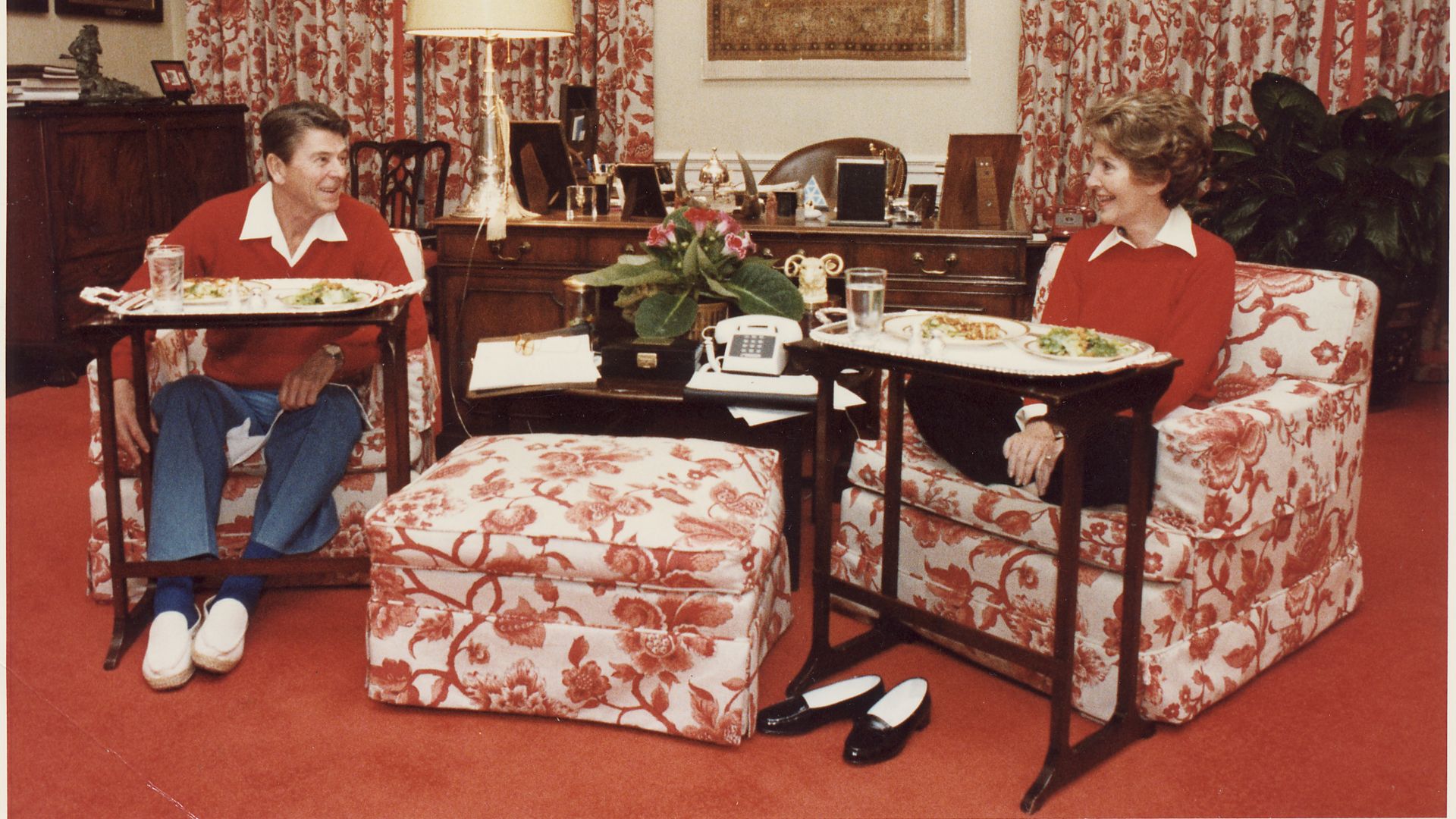
The story of the TV dinner dates back to the 1950s, when televisions were becoming household fixtures. Families were adjusting to new rhythms of life. Early manufacturers saw opportunity in this changing dynamic. They created meals that mirrored the pace of modern living and would appeal to people whose lives were growing more hectic, and who wanted to spend more time watching TV.
Pre-packaged, neatly organized, and designed to ease the domestic burden of cooking, TV dinners were a hit upon their market debut. No culinary skills were required, and dinner could serve as an accompaniment to evening entertainment.
Despite the explosion of fast-casual dining options, meal-delivery apps, and meal kits, the TV dinner remains a fixture in the meal planning of many Americans. Its staying power is thanks to its practicality, convenience, and the emotional connection that millions have formed with it.
Immediacy and Convenience
In a world that accelerates every year, people want ease. TV dinners require no washing, chopping, seasoning, or cleanup. For parents juggling work and their family life, professionals working long hours, or students on a budget, being able to make a complete meal by only pushing a button on a microwave is a godsend.
TV dinners have evolved far beyond their early iterations.
Today's options are more upscale, relatively speaking, and you can choose from a variety of global flavors. There are even plant-based alternatives, and brands have tried to adapt to dietary needs with gluten-free and keto-friendly options.
TV dinners' success resides in its ability to mirror the culinary trends of each era, adapting as it must to remain relevant.
Pure Microwaved Nostalgia
Pulling the TV dinner tray out of its box recalls childhood evenings and comfortable routines as you enjoy a hot meal while watching your favorite show. These aluminum trays are a symbol of a simpler time, where all you wanted to do was escape into food and TV.
This nostalgia extends beyond the sentimental. It influences purchasing behavior, treating food as a memory that millions are willing to pay to return to. Brands understand this and lean into the nostalgic appeal and familiarity of classic meals like Salisbury steak or turkey with gravy.
The enduring popularity of the TV dinner comes from a mix of practicality, convenience, nostalgia, and an ability to adapt to the changing culture. It lives at the intersection of life's demands and our desire for comfort. It's efficient and radiates an emotional warmth, regardless of how the food tastes.
KEEP ON READING


20 Food-Related Art Projects