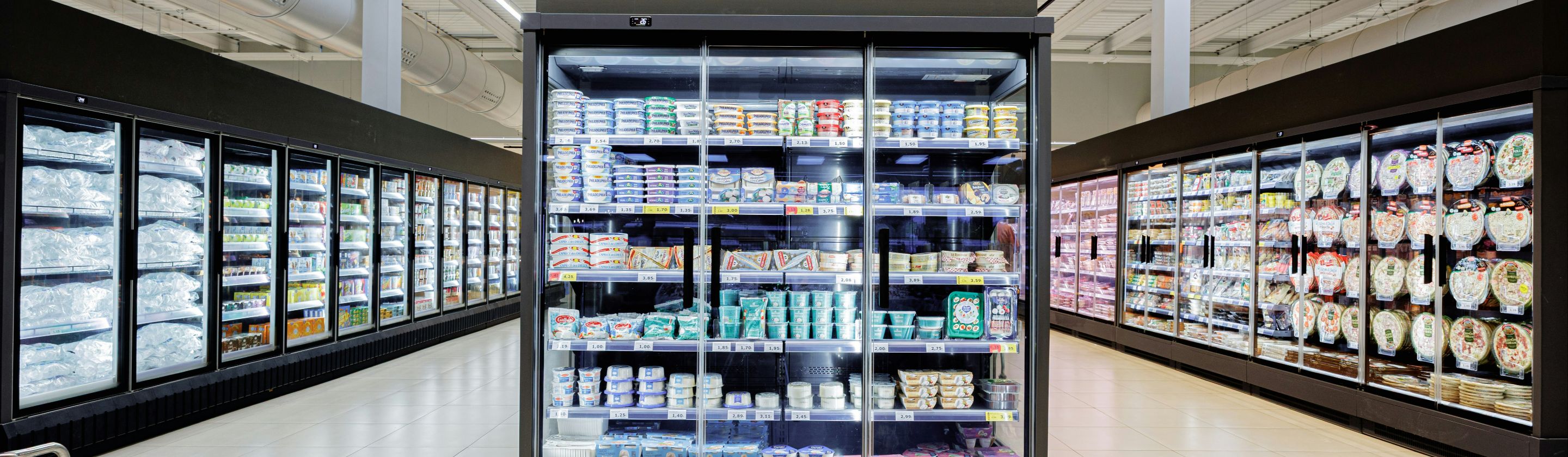
It’s 7 p.m. on a Wednesday, and in an increasingly familiar scenario, we find ourselves standing exhausted in the frozen food aisle, staring at rows of colorful boxes promising restaurant-quality meals in under ten minutes. The convenience is undeniable. Pre-packaged meals have become a staple in American households, with the frozen food market reaching $65 billion in 2023 according to the American Frozen Food Institute.
They're quick, they're easy, and they taste better than ever. All of that cheap convenience may come at a hidden cost—not to our wallet but to our health.
The Sodium Time Bomb
Most people know that processed foods contain salt. What they don't realize is just how much. A single frozen dinner can pack anywhere from 700 to 1,800 milligrams of sodium—that's nearly the entire recommended daily limit of 2,300 milligrams in one meal.
Your kidneys weren't designed to process that kind of load regularly.
The food industry uses sodium as a crutch. It preserves, enhances flavor, and masks the taste of low-quality ingredients. The Centers for Disease Control links excessive sodium intake to hypertension, heart disease, and stroke.
It’s not exactly the health outcome anyone's going for when they're just trying to eat dinner.
Chemical Preservatives Nobody Can Pronounce
If you see BHA, BHT, TBHQ on the label, they aren’t typos but preservatives. These are the ingredients that keep your pre-packaged meal "fresh" for months or even years. Tertiary butylhydroquinone, or TBHQ, is derived from petroleum and is used in everything from frozen pizzas to Pop-Tarts.
Studies on laboratory animals have shown that TBHQ can cause stomach tumors and DNA damage at high doses. The European Food Safety Authority has stricter limits on TBHQ than the United States does.
The long-term effects of consuming these chemicals regularly remain unclear because, frankly, we haven't been eating this way long enough to properly understand the consequences.
The Plastic Problem
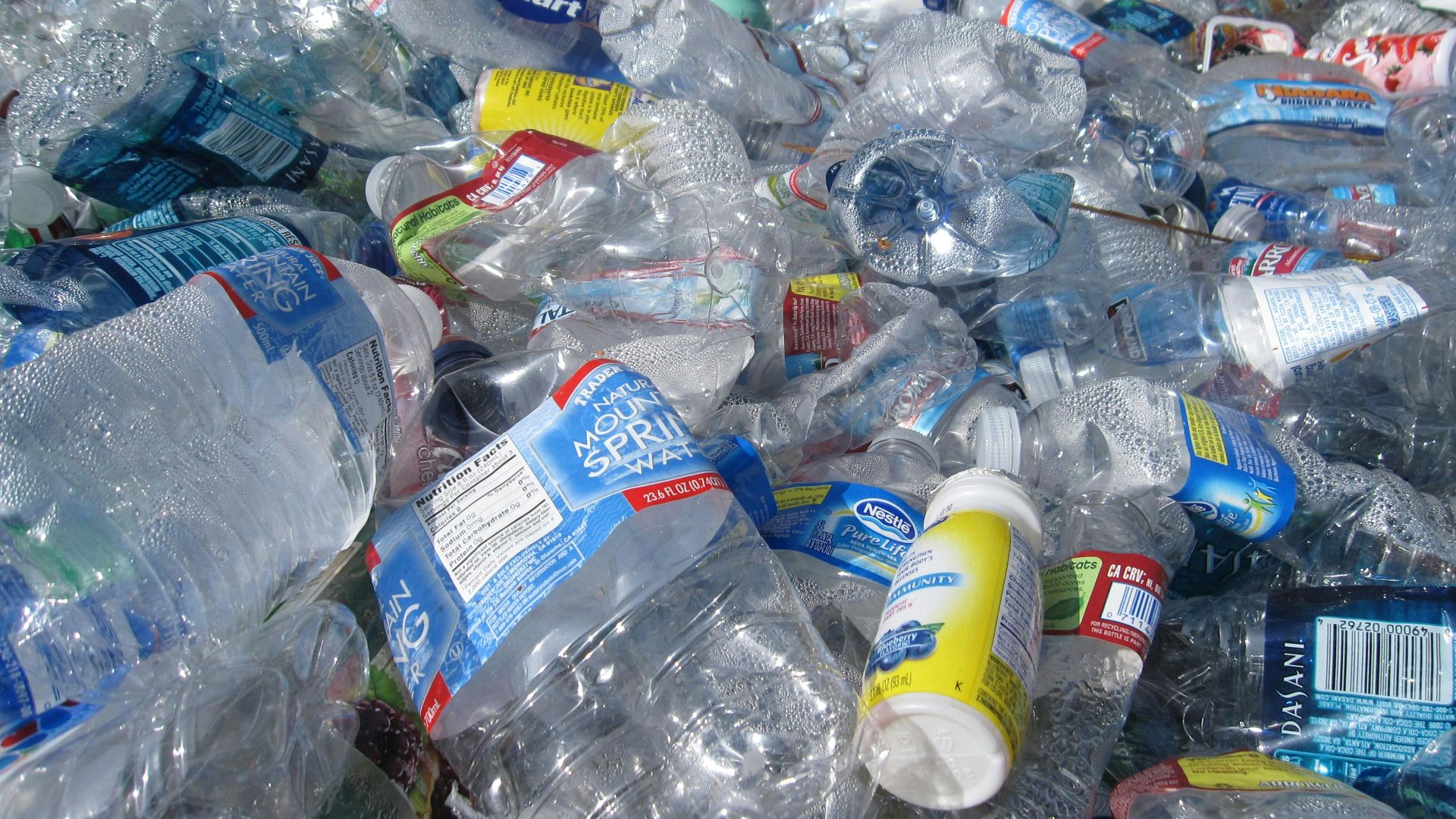
Those convenient microwavable trays aren't as inert as we'd like to believe. When heated, plastics can leach chemicals like phthalates and bisphenols into your food. These endocrine disruptors mimic hormones in the body and have been linked to reproductive issues, developmental problems in children, and certain cancers.
Research from institutions like Harvard's T.H. Chan School of Public Health suggests that even low-level exposure over time could be problematic, especially for pregnant women and young children.
While some manufacturers have switched to "BPA-free" packaging, the replacement chemicals haven't been studied nearly as thoroughly and may carry similar risks.
Sugar Hiding in Plain Sight
We expect sugar in desserts. We don't necessarily expect it in our beef stroganoff or teriyaki chicken. Food manufacturers add sugar to almost everything because it's cheap, it improves texture, and it triggers pleasure centers in our brains. A typical frozen entrée might contain 8 to 12 grams of added sugar or the equivalent of three teaspoons.
All sugar converts to glucose in our bodies, spiking our insulin, and contributing to weight gain. The American Heart Association recommends no more than 25 grams of added sugar per day for women and 36 grams for men.
Have two pre-packaged meals plus a yogurt and you're already over the limit.
Nutritional Voids
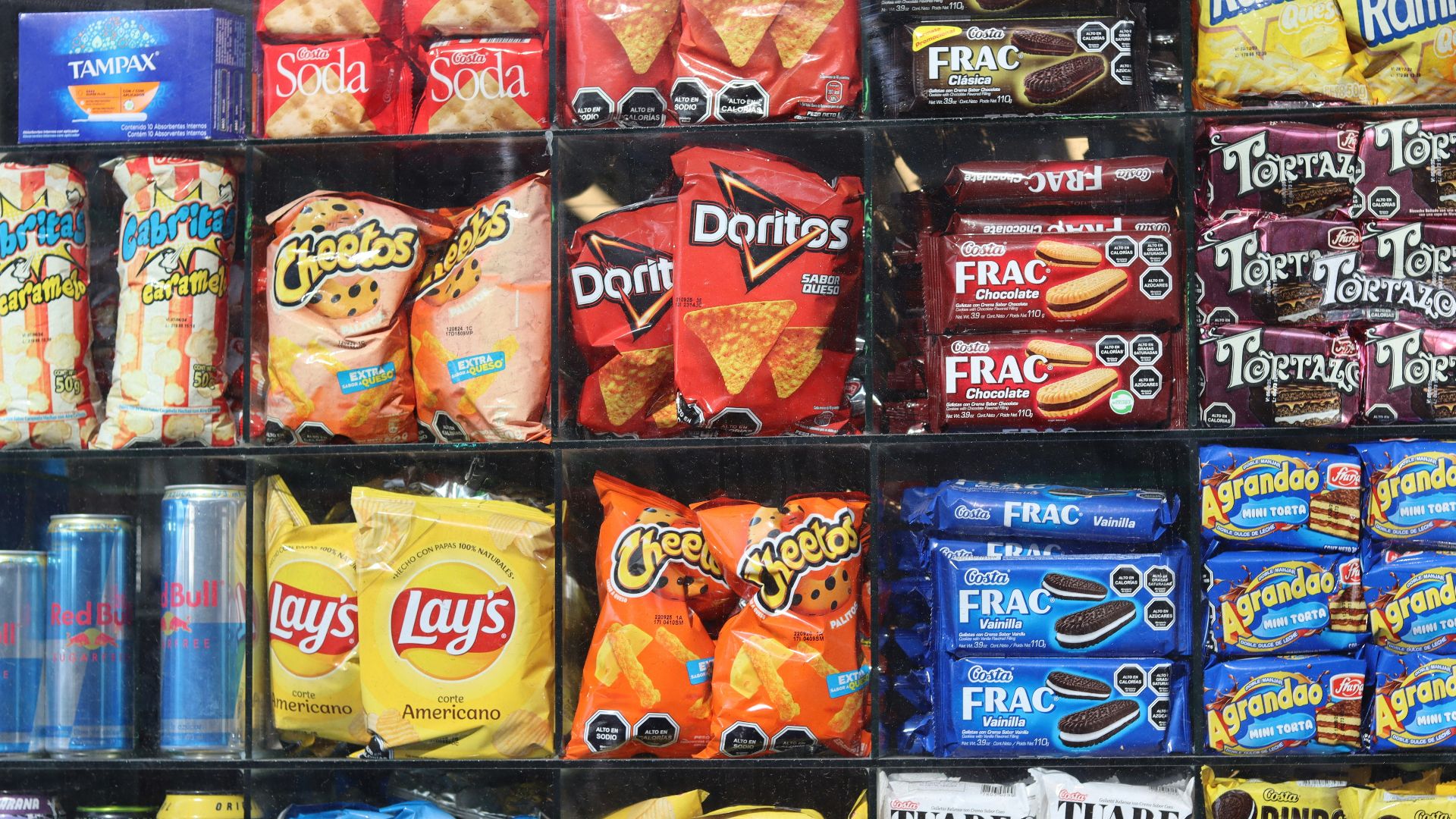
A meal can meet calorie requirements while providing virtually nothing your body actually needs. Pre-packaged meals often fall into this category. They're engineered for shelf stability, not nutritional density. The vegetables have been frozen, thawed, processed, refrozen. By the time you bring it home and nuke it in your microwave, most of the vitamins have degraded.
Protein quality matters too. That "chicken" might be mechanically separated poultry with added water and sodium phosphates to bulk it up. You're paying for water weight and getting incomplete amino acid profiles. Fresh chicken breast contains about 31 grams of protein per serving. Your frozen dinner may contain 12 grams if you're lucky, and certainly not the same quality.
The fiber content is typically abysmal as well. Most Americans already fall short of the recommended 25-30 grams daily. These meals do nothing to bridge that gap, leaving you hungry an hour later and reaching for snacks.
KEEP ON READING
20 Worst Foods for Your Liver