
Most are aware that brushing, flossing, and regular dental visits are essential in order to have a healthy smile. What a lot of people do not realize, though, is the impact of diet on oral health. The daily food and drinks that make up a person's diet play a larger role in oral health and affect the teeth, gums, and overall oral environment more than most realize. Dentists are quick to remind patients that some dietary habits can, in a slow or even aggressive manner, erode even the best oral hygiene habits. Knowing what habits are the most detrimental is the first step in keeping a smile safe from preventable harm.
Dentists say it is a two-way relationship. Your diet has an impact on the health of your oral tissues and, at the same time, your mouth's condition also determines which nutrients are easy or not easy for you to ingest. There are various components that can make your oral health problematic, and one of the most important is sugar. A consistent intake of sugar has been directly linked to a higher incidence of caries. Sugars give rise to bacterial activity in the mouth, which then release acid, thereby leading to the demineralization of enamel. Acidic foods also lead to demineralization, thereby directly leading to erosion.
Carbonated Drinks – Even the Diet Kind!
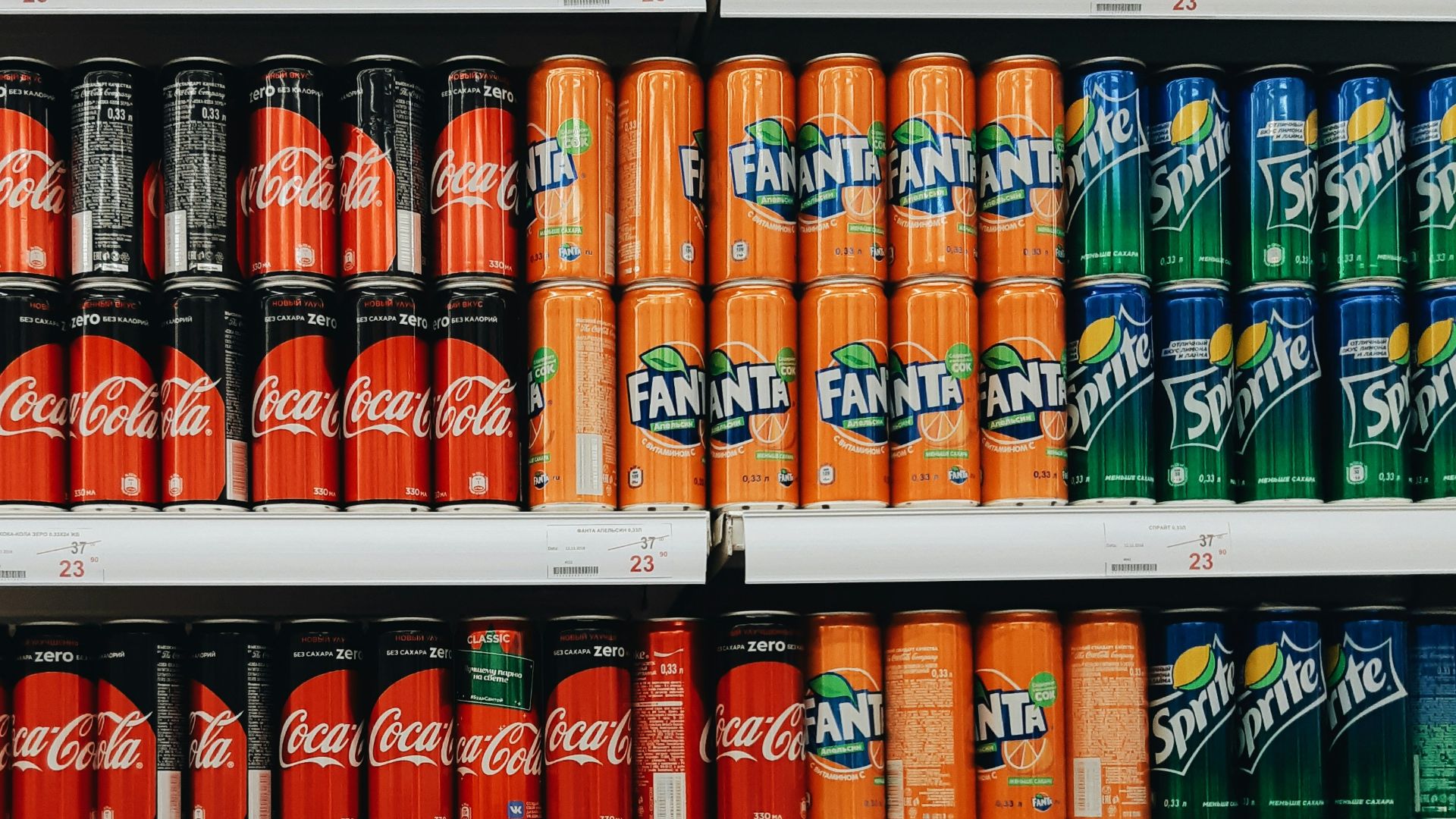
One of the worst culprits is regular intake of soda. Regular, diet, or flavored soda pop does not provide any oral health benefits. Studies have found that drinking copious amounts of carbonated soda is just as damaging as methamphetamine or crack cocaine, which is just how erosive it is. Carbonated beverages make the mouth more acidic, which in turn allows plaque to produce more acid to demineralize the tooth enamel. Sipping soda all day long essentially dips your teeth in acid, weakening them every time.
Carbonated beverages dry out the mouth as well, meaning that there is less saliva production. When saliva production is less, damage can occur at a faster rate. Saliva is a natural defense for the mouth as it neutralizes acids and washes away particles. Dark soda, of course, can stain your teeth and dull the look of your smile. Dentists also caution against brushing your teeth immediately after drinking soda. The enamel has been softened by the acid, making it easier to abrade away.
Overchewing
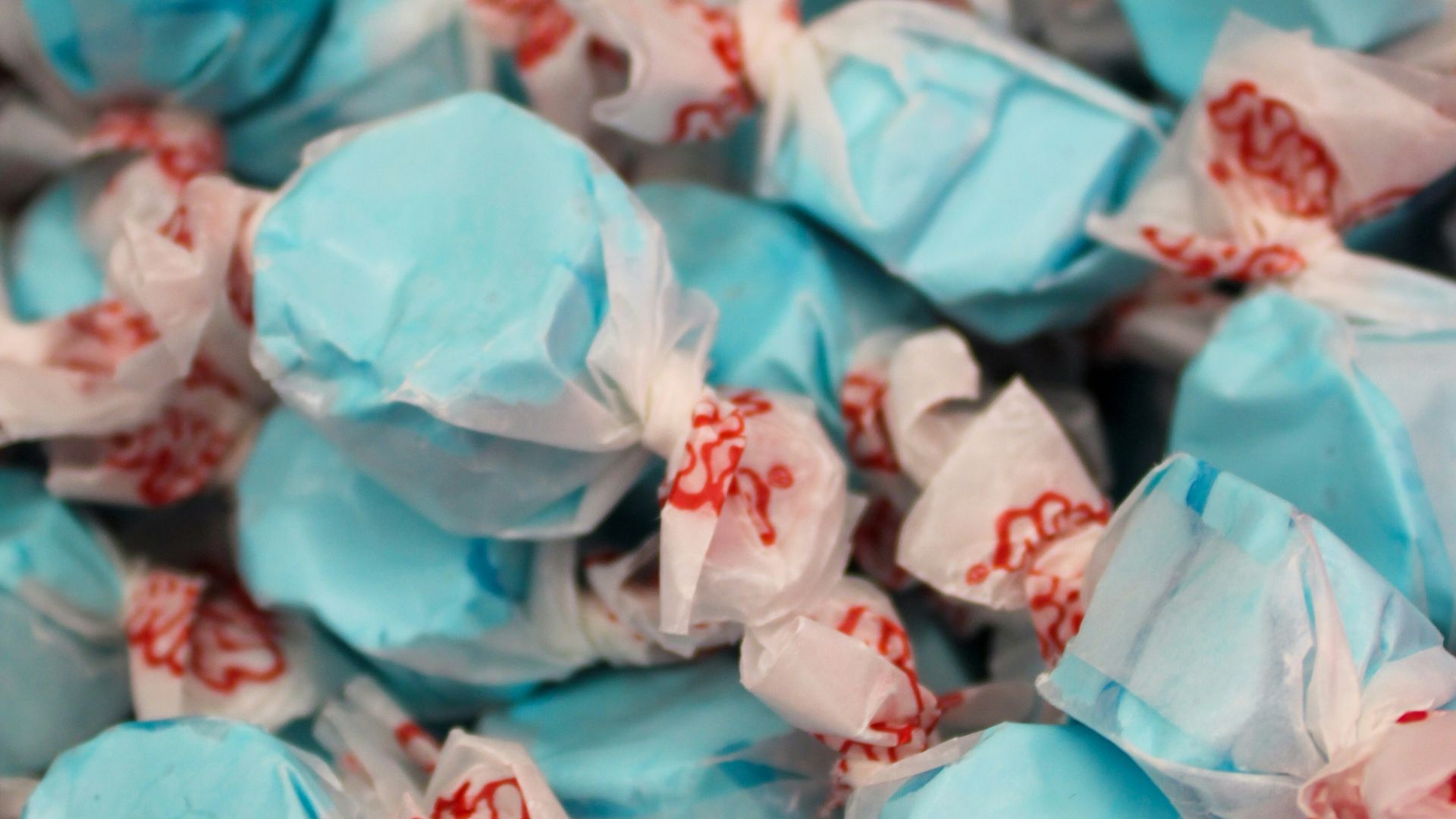
The next problem is sticky, chewy foods. Caramel, taffy, gummy candies, and even some dried fruits can all be notoriously sticky and difficult to brush away from teeth. The sugar they contain takes longer to be removed by saliva and chewed food particles, giving bacteria more time to metabolize sugars and produce acid. Sticky foods also have a tendency to get into cracks and crevices and often stay there, even when brushed.
These factors make sticky and chewy foods both especially cariogenic and irritating to gums. Even people who are very careful about their oral hygiene can find sticky residues difficult to clean completely away. If consumed, the best way to reduce the risk of these prolonged contacts is to rinse the mouth with water or to brush, after giving the enamel a chance to remineralize.
While these risks are real, you can keep your smile healthy with a few simple lifestyle changes. Dentists recommend regular brushing twice a day for at least two minutes and daily flossing. Limit your intake of sugary and acidic foods and drinks and always wash them down with water. Drink plenty of water throughout the day to help saliva naturally clean your mouth and strengthen your enamel.
Of course, regular dental checkups are also important to help nip any problems in the bud. Being mindful of these worst eating habits for your teeth and making smart choices can help you protect your smile for many years.