 Hybrid Storytellers on Unsplash
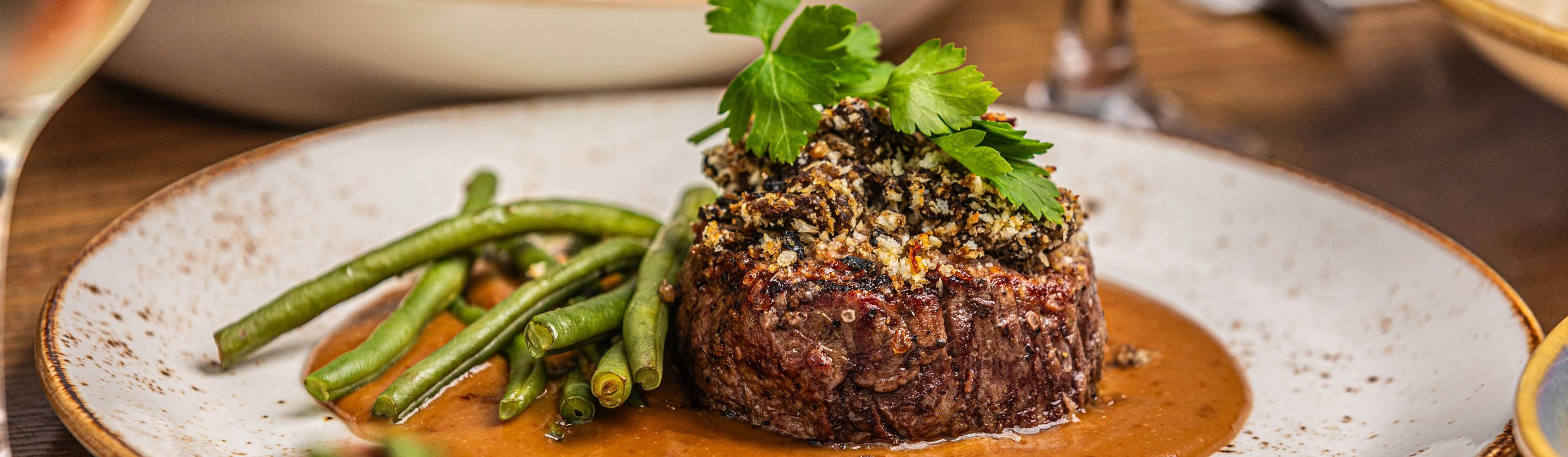
Standing in the meat aisle, it’s easy to feel uninspired by the neatly wrapped steaks staring back at you. Grocery store cuts often lack the drama and finesse of a butcher’s counter, and they rarely come with guidance beyond a vague cooking suggestion on the label. Even so, that modest steak holds more promise than it appears, especially when you approach it with patience, care, and the right technique. With a bit of intention, what looks ordinary can become quietly impressive.
With the right approach, you can turn an everyday cut into something indulgent and inspiring. Gourmet results don’t depend on price tags as much as technique, timing, and thoughtful preparation. Once you understand those fundamentals, the transformation becomes surprisingly achievable, even when you’re cooking on a busy weeknight at home. The process is less about perfection and more about consistency.
Choosing and Seasoning Steak for Maximum Flavor
The path to a great steak begins before the heat even ignites. When selecting your cut, look closely at marbling, which refers to the thin streaks of fat running through the meat. Marbling plays a major role in tenderness and flavor because the fat melts during cooking and enriches the steak from within. Ribeye, strip steak, and top sirloin are reliable grocery store options that offer a balance between cost, flavor, and texture.
Thickness matters just as much as cut quality. A steak that’s at least one inch thick gives you greater control during cooking and reduces the risk of the steak drying out. Thinner steaks can still work, but they demand quicker timing and closer attention from start to finish. Choosing a consistent cut often leads to better results than chasing premium labels.
Then, there's seasoning, which should be confident but restrained. Salt is essential, as it enhances flavor and helps create a proper crust by managing surface moisture. Pepper adds warmth and subtle heat, but it’s best applied just before cooking so it doesn’t burn. While marinades and spice blends can be tempting, simple seasoning allows the beef’s natural character to take center stage without distracting and contrasting flavors.
Cooking Techniques That Make Steak Restaurant-Worthy
High heat is the foundation of a great steak. Using a heavy pan, such as cast iron, helps achieve an even, deeply browned crust that locks in flavor. When the pan is hot enough, the steak should sizzle immediately upon contact. That sound isn’t just satisfying; it’s an audible signal that proper searing is happening and flavor is developing.
Once the steak is in the pan, resist the urge to move it around. Leaving it undisturbed allows caramelization to develop, which creates complexity and richness on the surface. After flipping, thicker steaks benefit from finishing in the oven to ensure even cooking throughout the center. This method gives you precision while preserving a tender interior.
Knowing when to stop cooking is just as important as how you cook. A meat thermometer removes the guesswork and helps you hit your preferred doneness. Letting the steak rest afterward allows juices to redistribute, improving both texture and flavor. However, cutting too soon often leads to dryness, even if everything else was done correctly.
Elevating the Plate with Simple Sauces and Sides
 David Todd McCarty on Unsplash
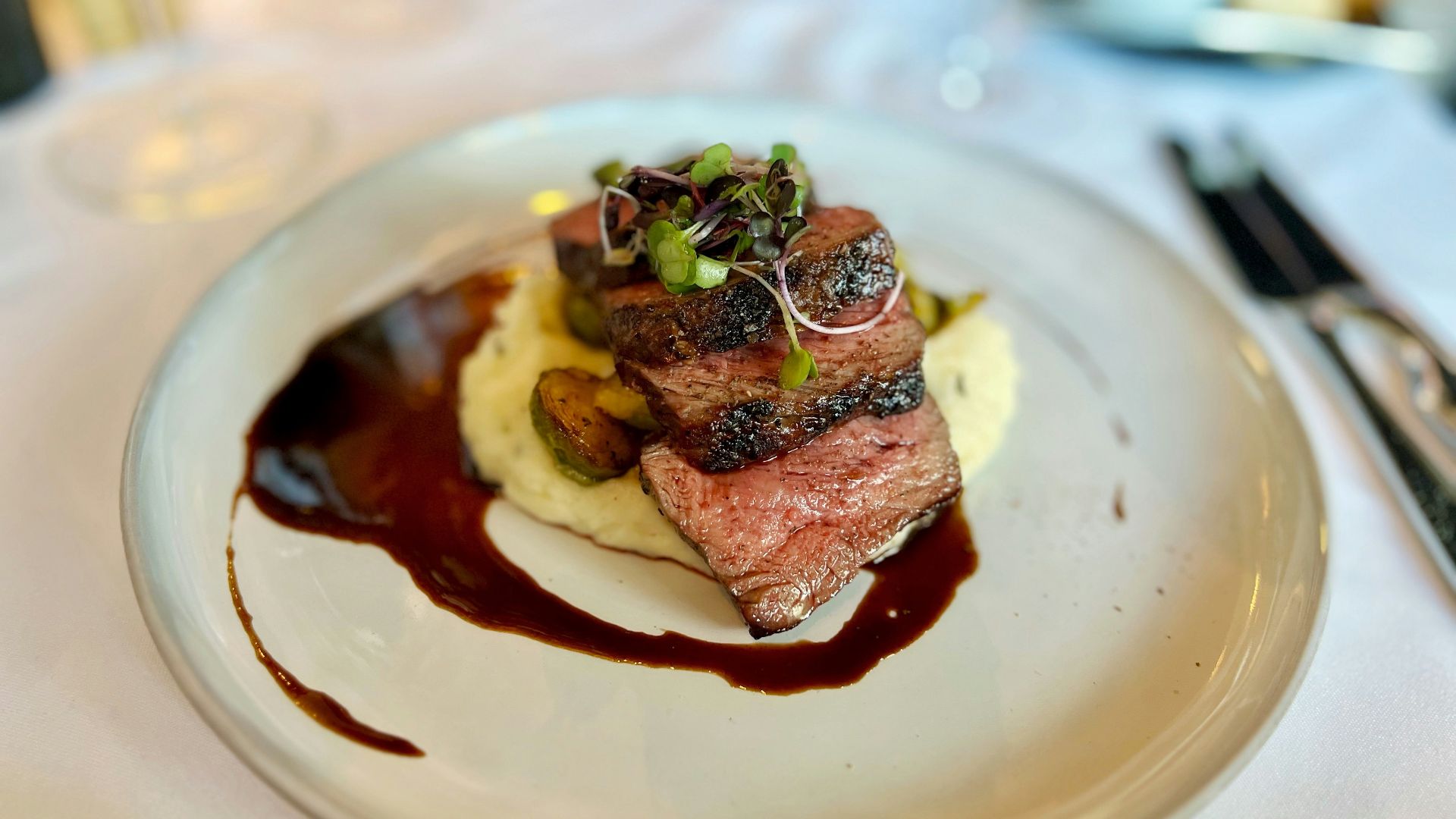
A gourmet steak deserves thoughtful accompaniments that complement rather than compete. Creamy mashed potatoes remain a favorite because their smooth texture balances the richness of the meat. Using warm milk and butter helps achieve a silky consistency without overworking the potatoes. Small adjustments like this can make familiar sides feel deliberate and polished rather than routine.
Vegetables are a must, as they bring freshness, color, and contrast to the plate. Roasted asparagus offers slight bitterness and crisp edges, while sautéed mushrooms provide deep, savory notes. Mushrooms pair particularly well with steak due to their naturally rich flavor profile. When cooked patiently, they enhance the dish without drawing attention away from the main attraction.
Sauces can elevate the meal without overwhelming it. A simple pan sauce made from the steak’s drippings captures flavor that would otherwise be lost. There's also chimichurri, which introduces brightness and acidity that cuts through richness, keeping the plate balanced. Both options feel refined while remaining approachable and easy to make at home.
Turning grocery store steak into a gourmet meal comes down to intention, not extravagance. By choosing a solid cut, seasoning it thoughtfully, cooking it with care, and pairing it with balanced sides, you elevate the entire experience. Each step builds on the last, creating depth without unnecessary complication. With practice and attention, even the most ordinary steak can become a meal that feels special, satisfying, and confidently homemade.
KEEP ON READING

The Best Gifts to Give To Any Baking Lover



10 Iconic Australian Foods You Need to Try