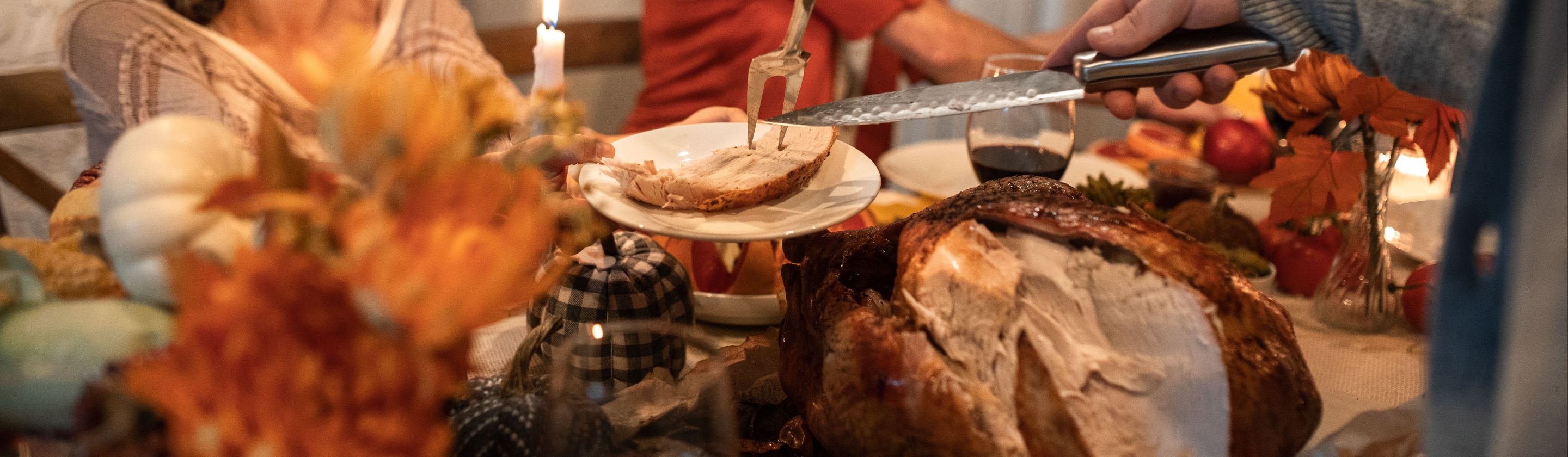
A National Menu Shaped By Many Traditions
Modern American cuisine wasn’t created from a single culinary tradition, but developed through Indigenous knowledge, immigration, regional agriculture, African American foodways, industrial innovation, and constant adaptation. Some dishes became everyday staples, while others introduced cooking methods, ingredients, or restaurant formats that changed how the country ate. Together, these 20 dishes helped establish a national cuisine that remains regional, diverse, and open to reinvention.
1. Barbecue
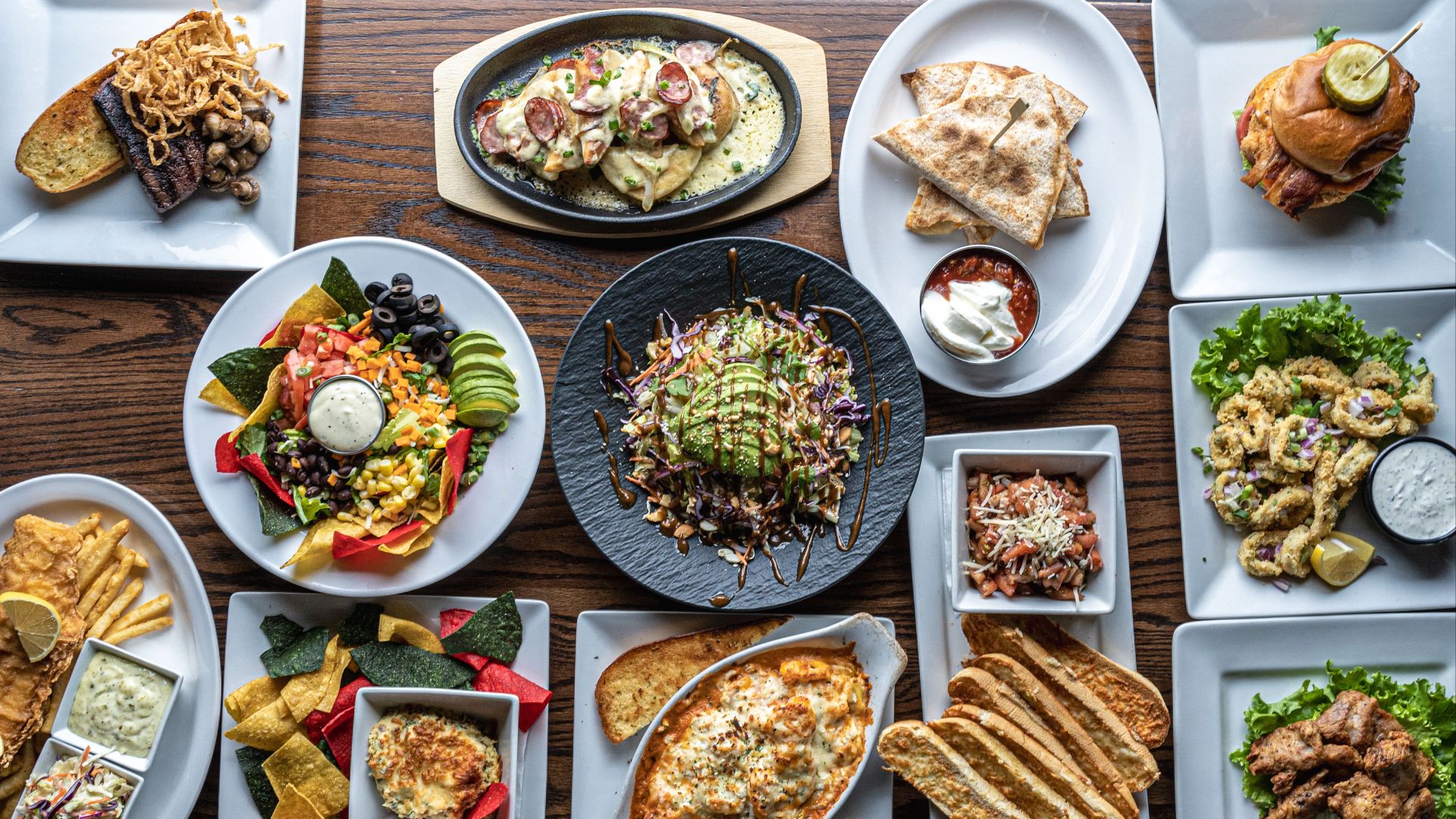
American barbecue developed through a combination of Indigenous cooking techniques, European livestock traditions, and African and Caribbean influences. Regional styles eventually formed around different meats, sauces, woods, and seasoning methods, from whole-hog barbecue in the Carolinas to smoked brisket in Texas. Its influence now stretches from backyard gatherings to specialized restaurants and national competitions.
2. Fried Chicken
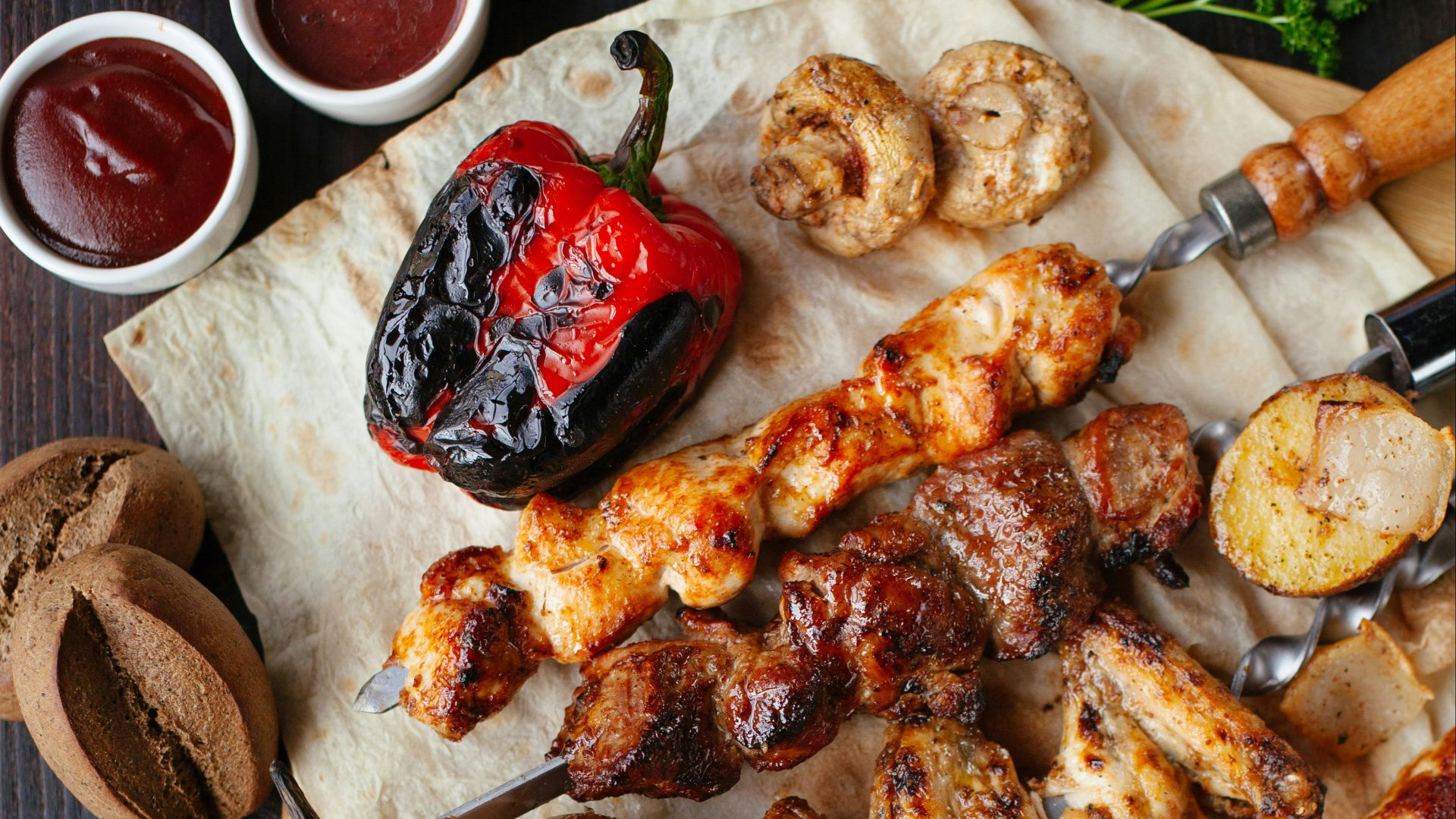
Fried chicken became closely connected with Southern cooking through the combined influence of Scottish frying practices and West African seasoning expertise. African American cooks played a particularly important role in refining and spreading the richly seasoned versions recognized today. The dish later became a restaurant staple and one of the country’s most successful fast-food offerings.
3. The Hamburger
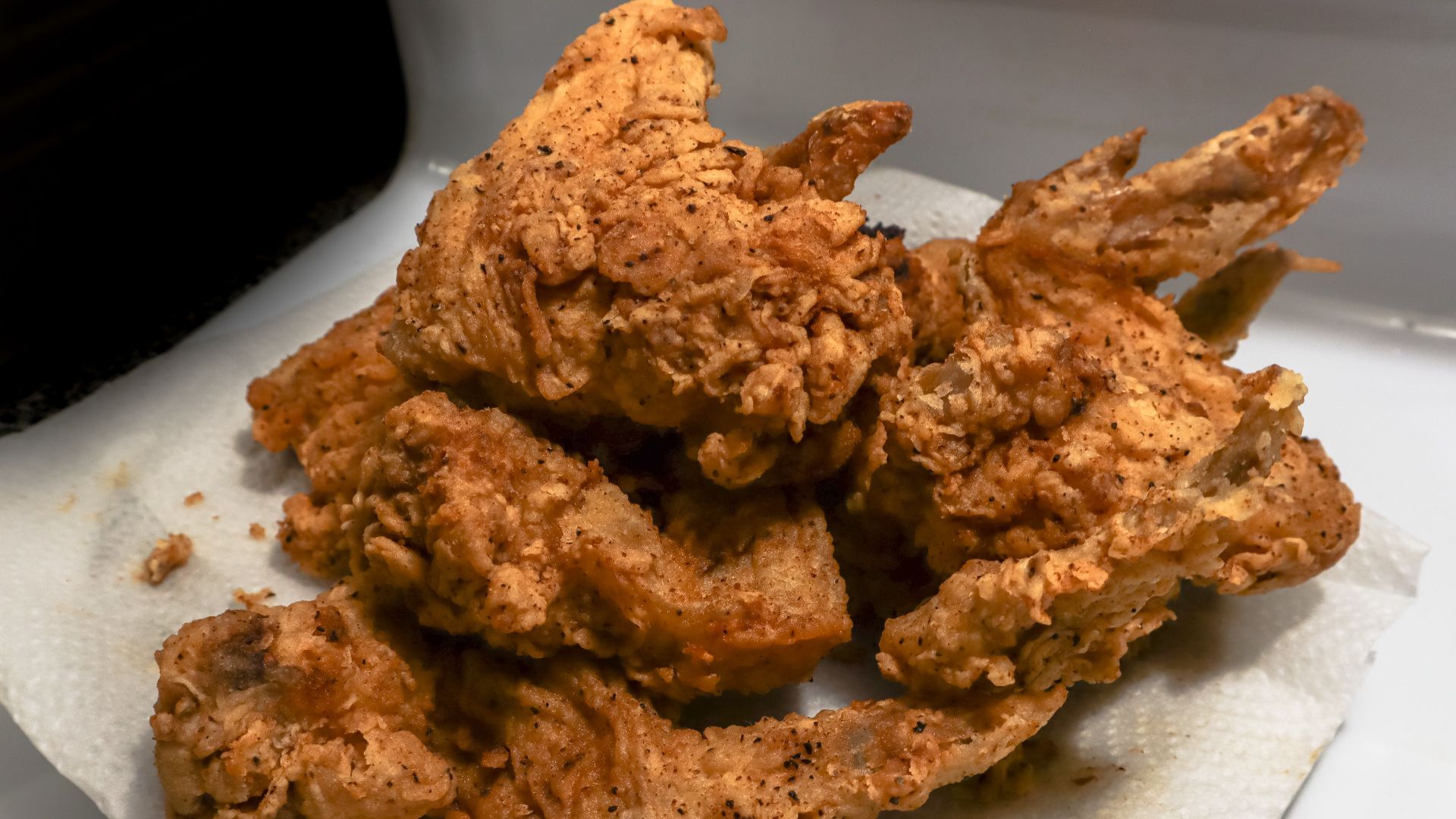
Minced beef dishes existed in Europe, but American cooks transformed the hamburger into a portable sandwich suited to lunch counters, fairs, and roadside restaurants. Its exact inventor remains disputed, with several businesses claiming versions around the turn of the 20th century. Regardless of its birthplace, the hamburger helped define casual American dining and the emerging fast-food industry.
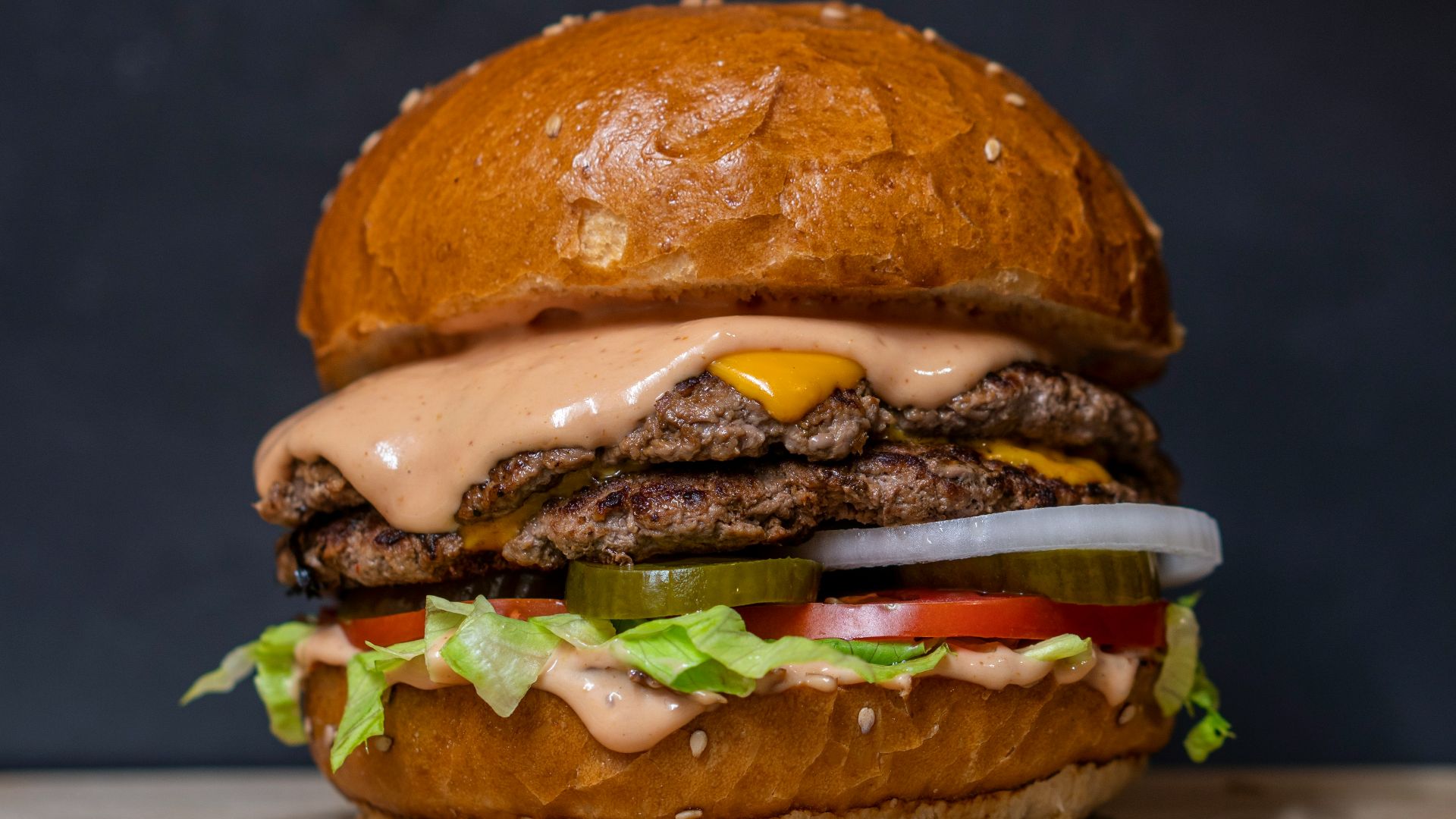 amirali mirhashemian on Unsplash
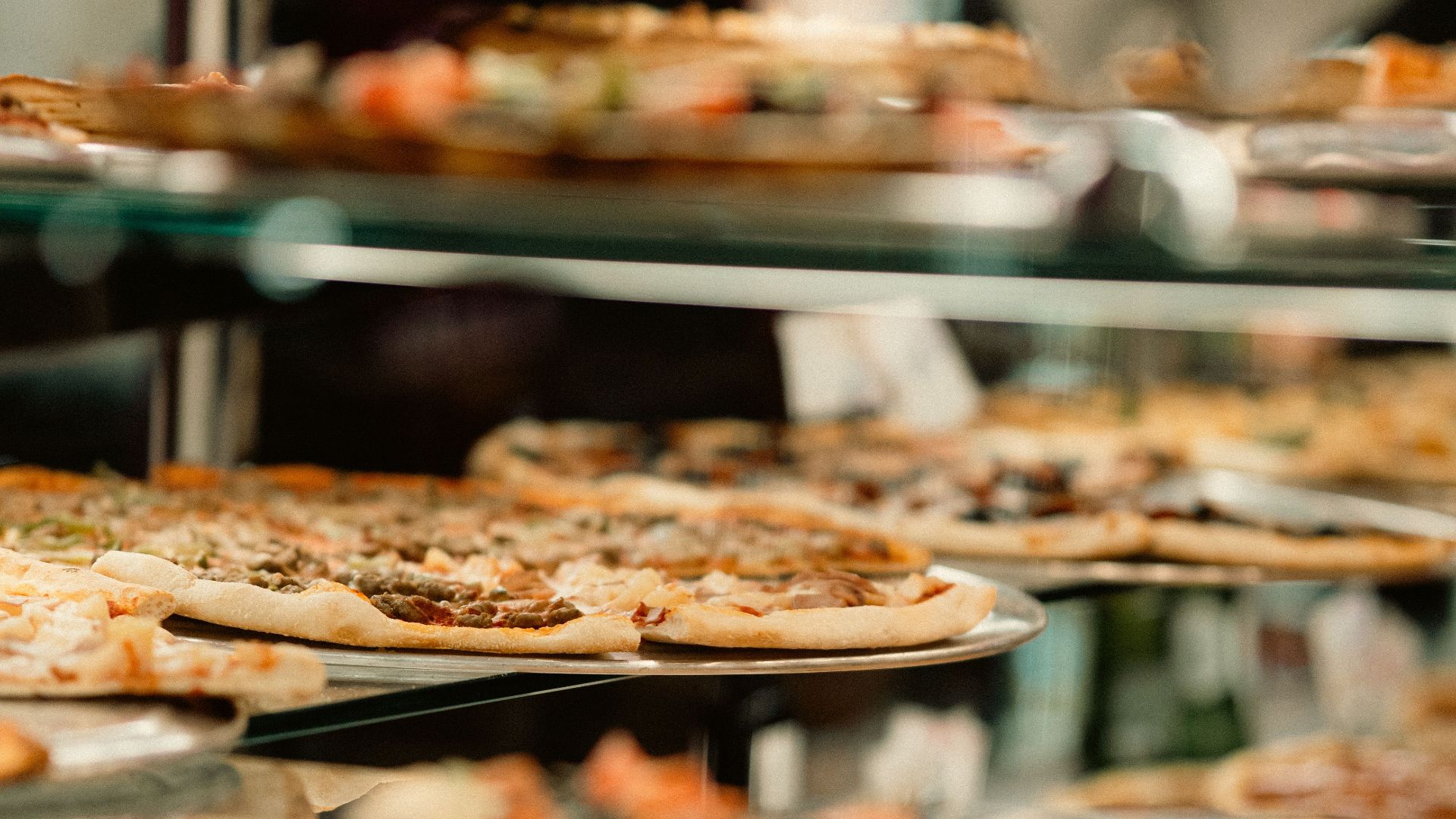
4. New York-Style Pizza
Italian immigrants brought pizza traditions to American cities, where larger ovens, local ingredients, and customer preferences encouraged new variations. New York’s thin, wide slices became especially influential because they were inexpensive, portable, and easy to sell by the piece.
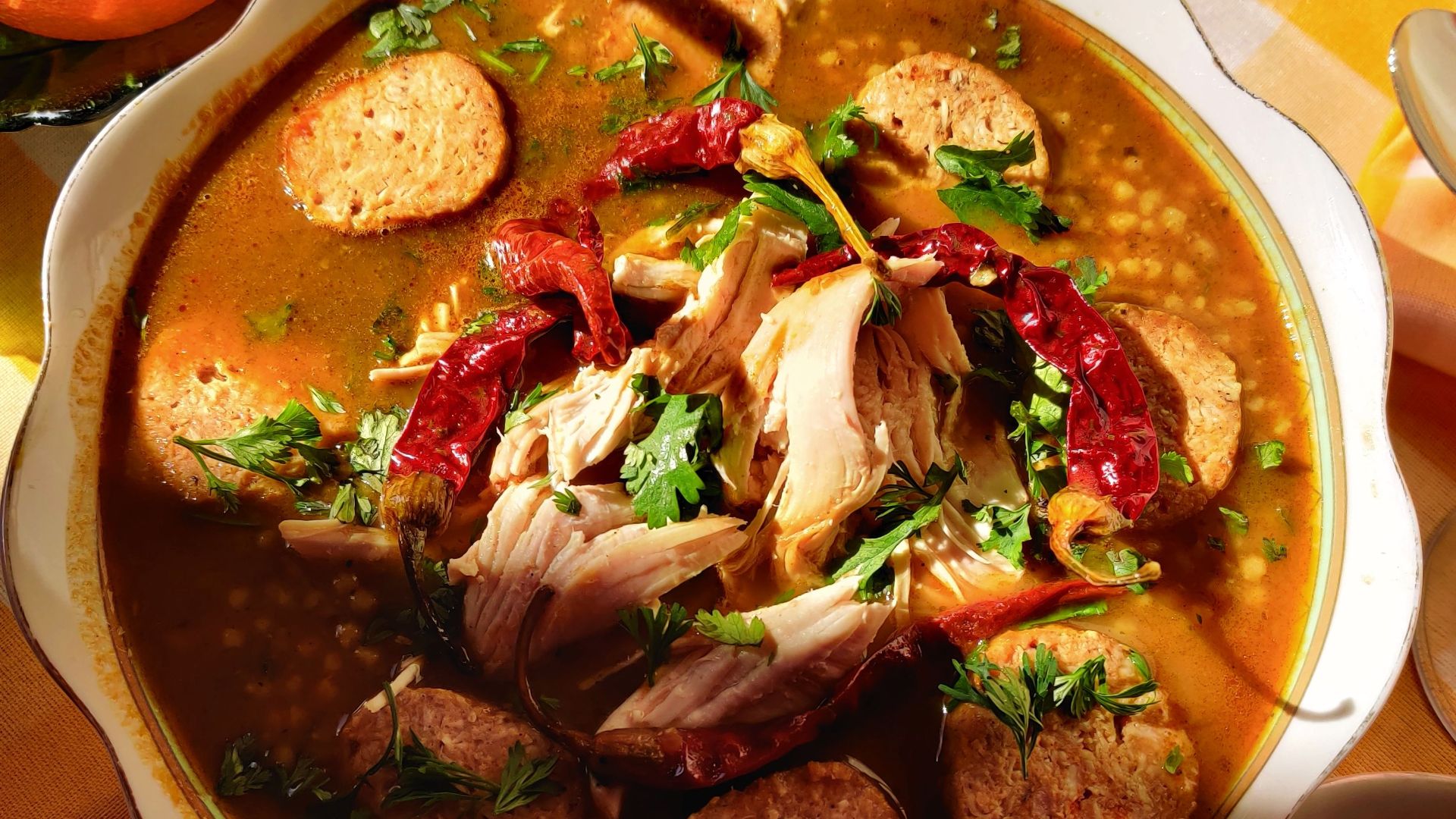
5. Gumbo
Gumbo reflects the blended culinary history of Louisiana, including West African, French, Spanish, and Indigenous influences. Depending on the cook and region, it may be thickened with okra, a dark roux, filé powder, or a combination of methods.
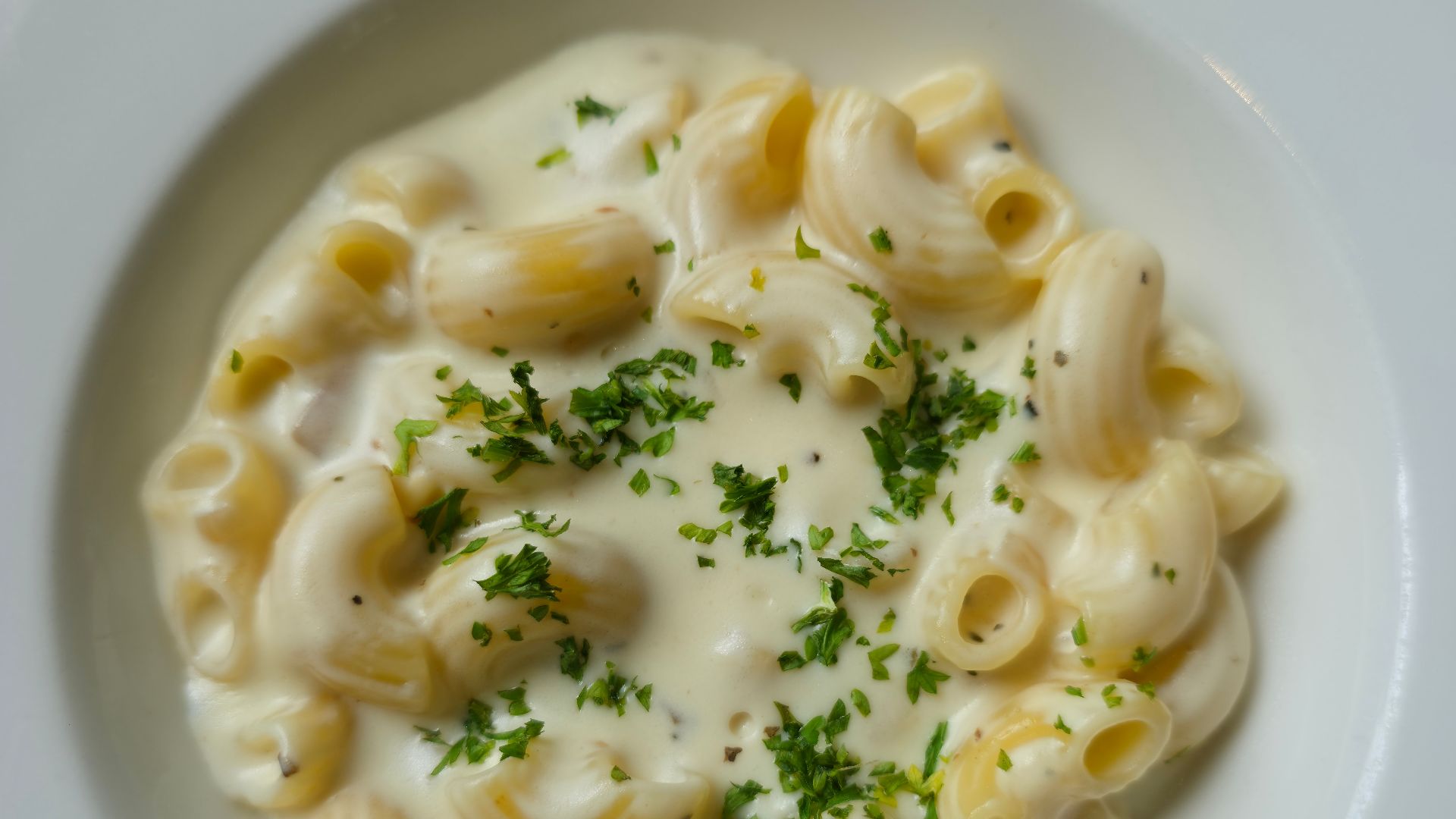
6. Macaroni And Cheese
Pasta baked with cheese appeared in European cooking long before it reached the United States, but Americans made the combination a household standard. Thomas Jefferson’s enthusiasm for macaroni helped raise its profile among wealthy diners, while later packaged versions made it affordable and convenient.
7. Cornbread
Indigenous peoples cultivated corn and prepared numerous corn-based foods long before European colonization. Settlers adopted cornmeal because it was widely available, and African American cooks helped shape many Southern cornbread traditions.
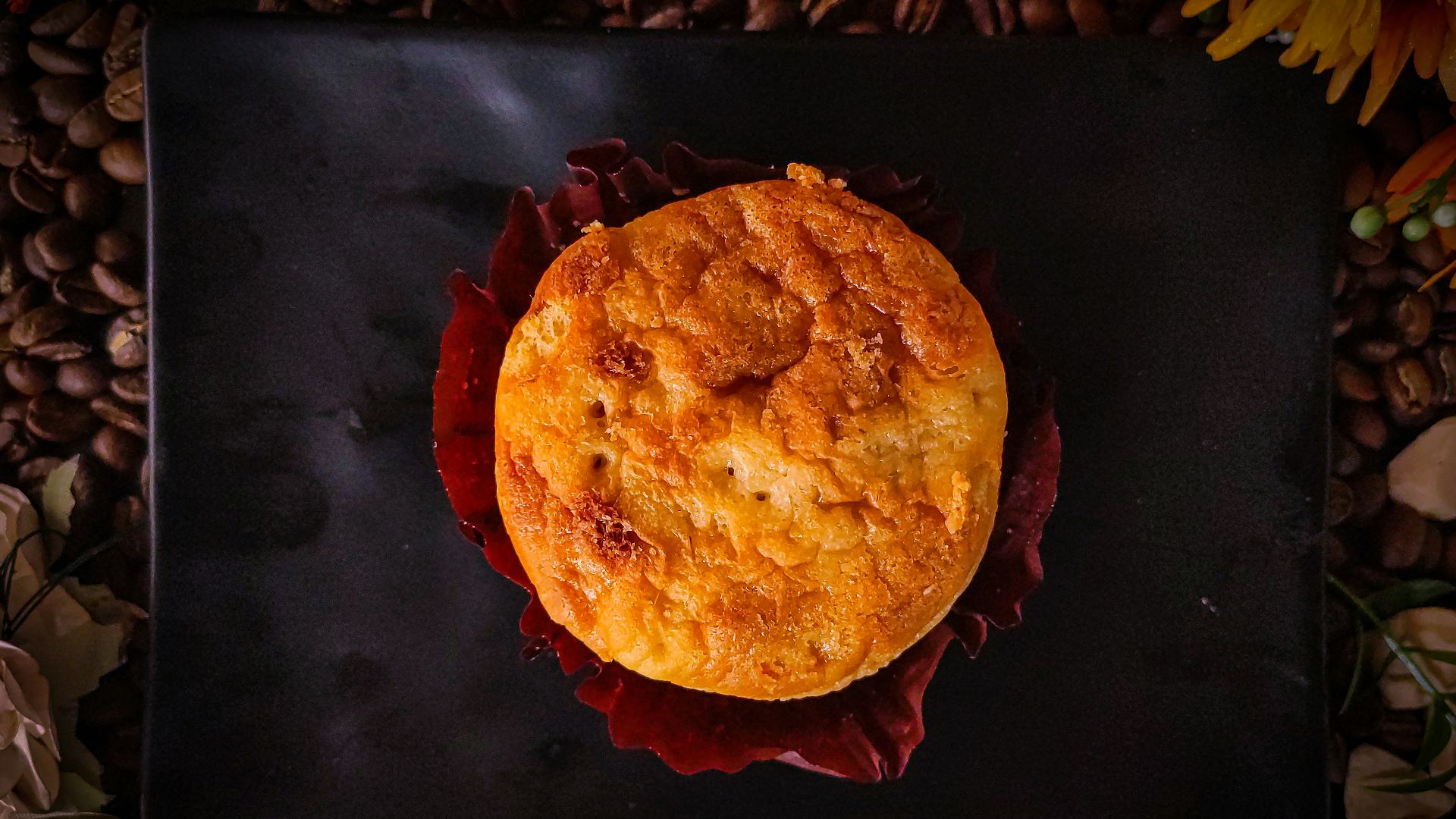
8. Clam Chowder
New England clam chowder grew from coastal communities where shellfish, salt pork, potatoes, and dairy products were readily accessible. The thick, creamy style became especially associated with Massachusetts, although other regional chowders took different forms.
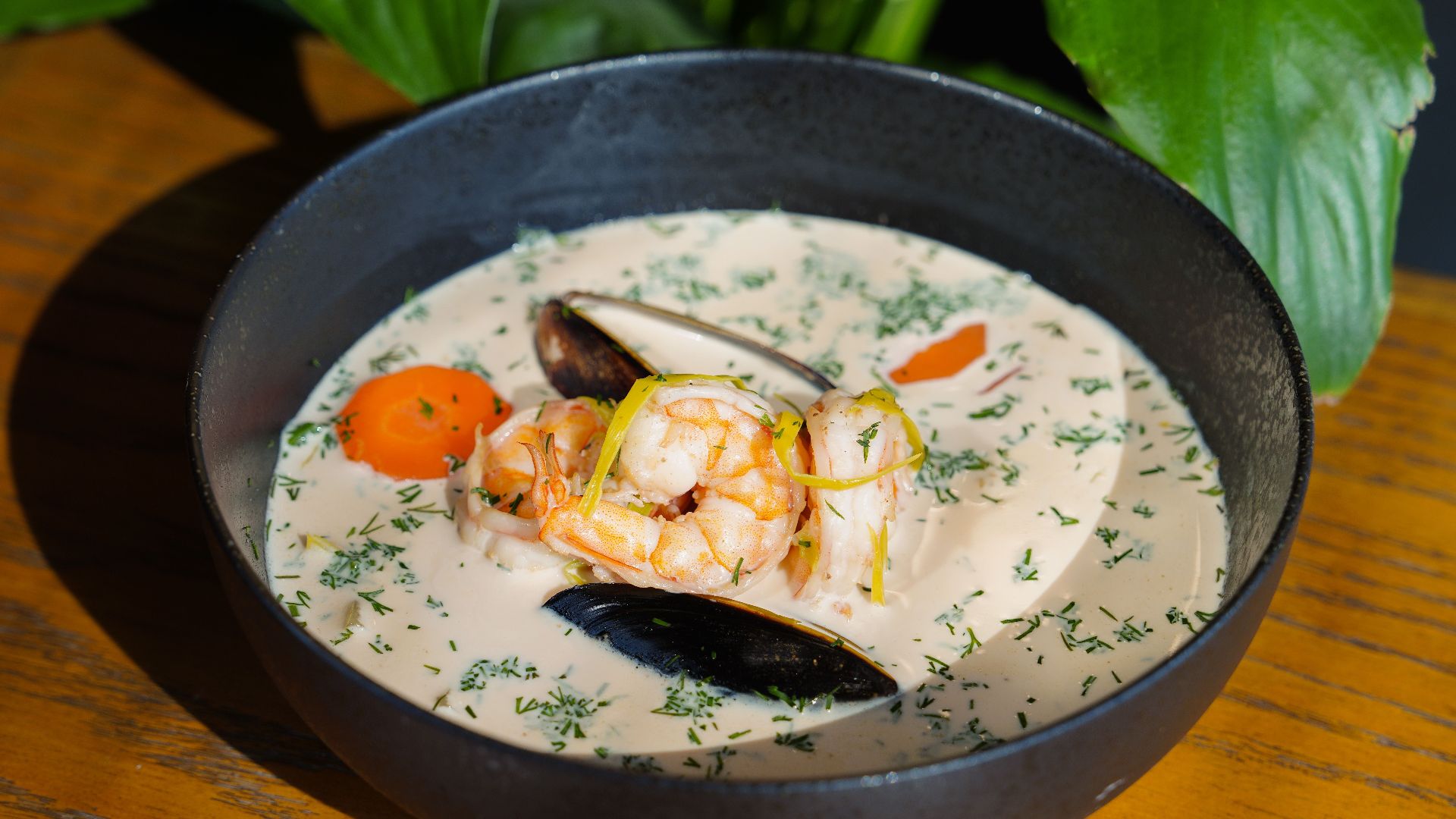
9. Chili Con Carne
Chili con carne became strongly associated with Texas, where Mexican, Indigenous, Spanish, and American food traditions met. Nineteenth-century vendors known as Chili Queens famously sold seasoned meat stews in San Antonio’s public plazas.
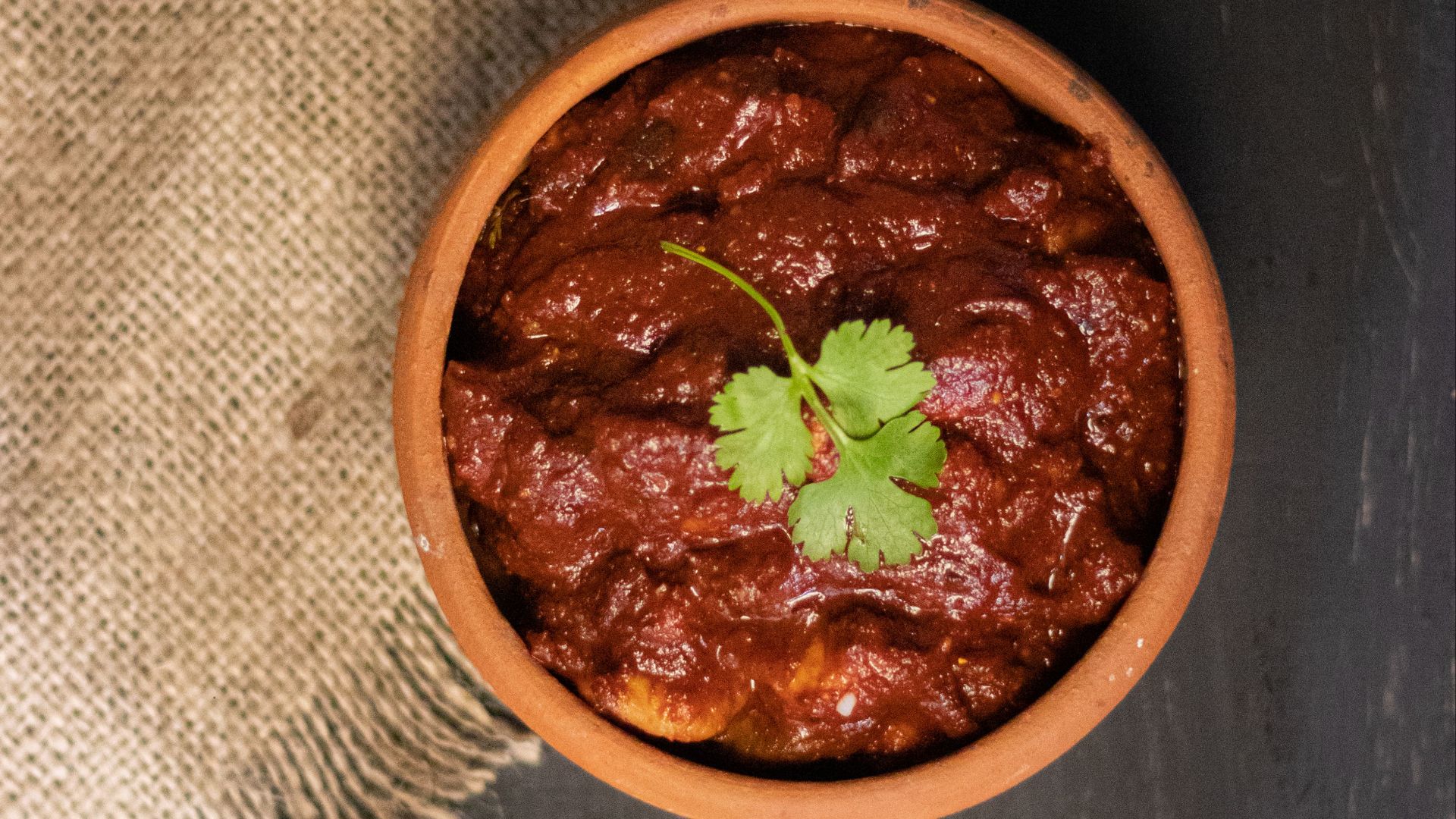
10. Biscuits And Gravy
Soft biscuits paired with sausage gravy offered an inexpensive, filling meal built from common pantry ingredients. The combination became particularly important in the South and Appalachia, where it could provide substantial energy for physically demanding work. Diners and breakfast chains later turned it into a nationwide symbol of generous American morning food.
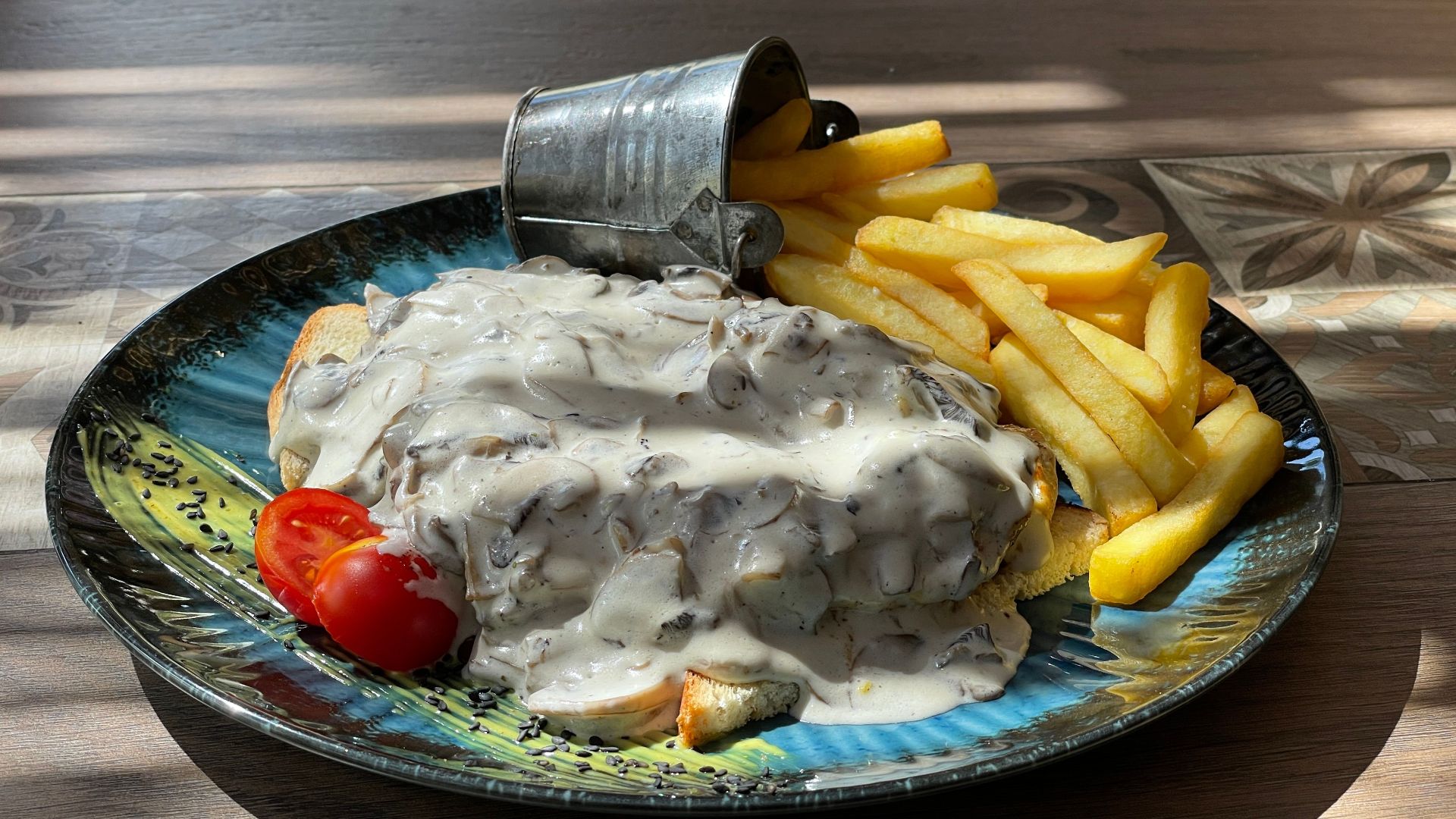
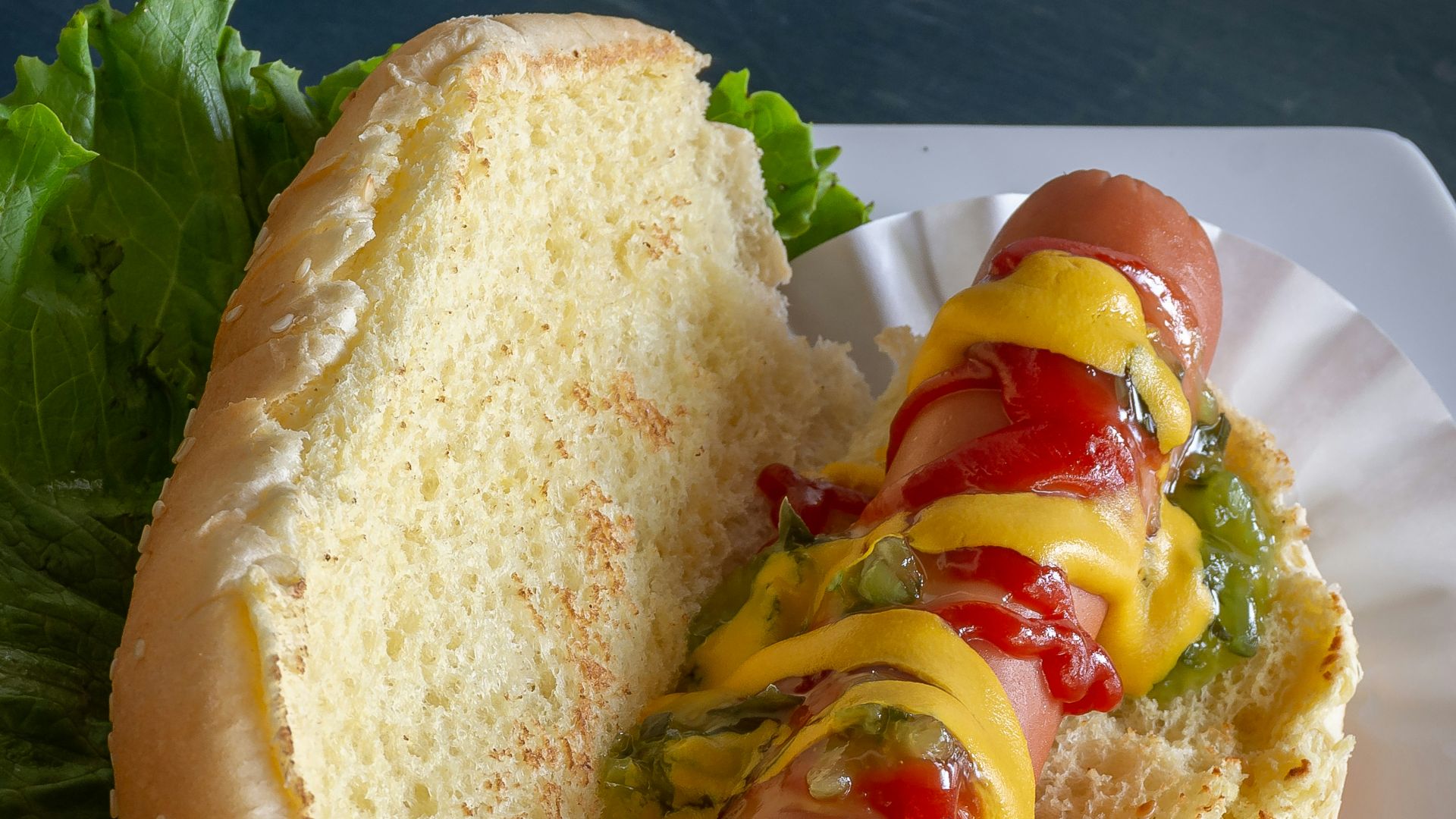
11. The Hot Dog
German immigrants introduced several sausage traditions that Americans adapted into the familiar hot dog served in a long bun. Street vendors, amusement parks, and baseball stadiums made it an affordable meal that could be eaten without utensils. Regional toppings eventually produced distinctive versions in cities including Chicago, Detroit, and New York.
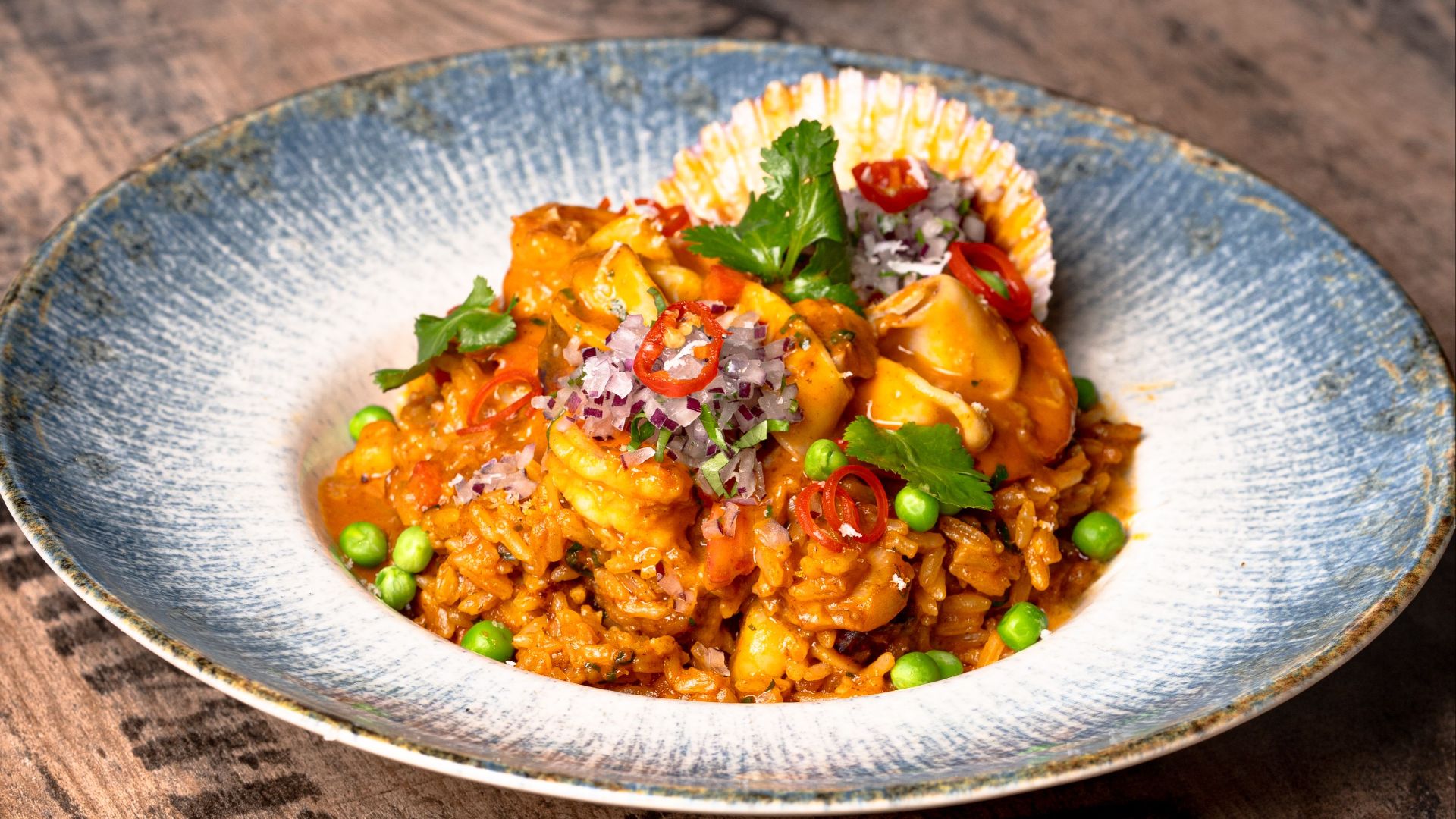
12. Jambalaya
Jambalaya emerged in Louisiana from a combination of Spanish, French, West African, and Caribbean cooking traditions. Rice absorbs the flavor of meat, seafood, vegetables, and seasonings, allowing cooks to adjust the dish according to available ingredients.
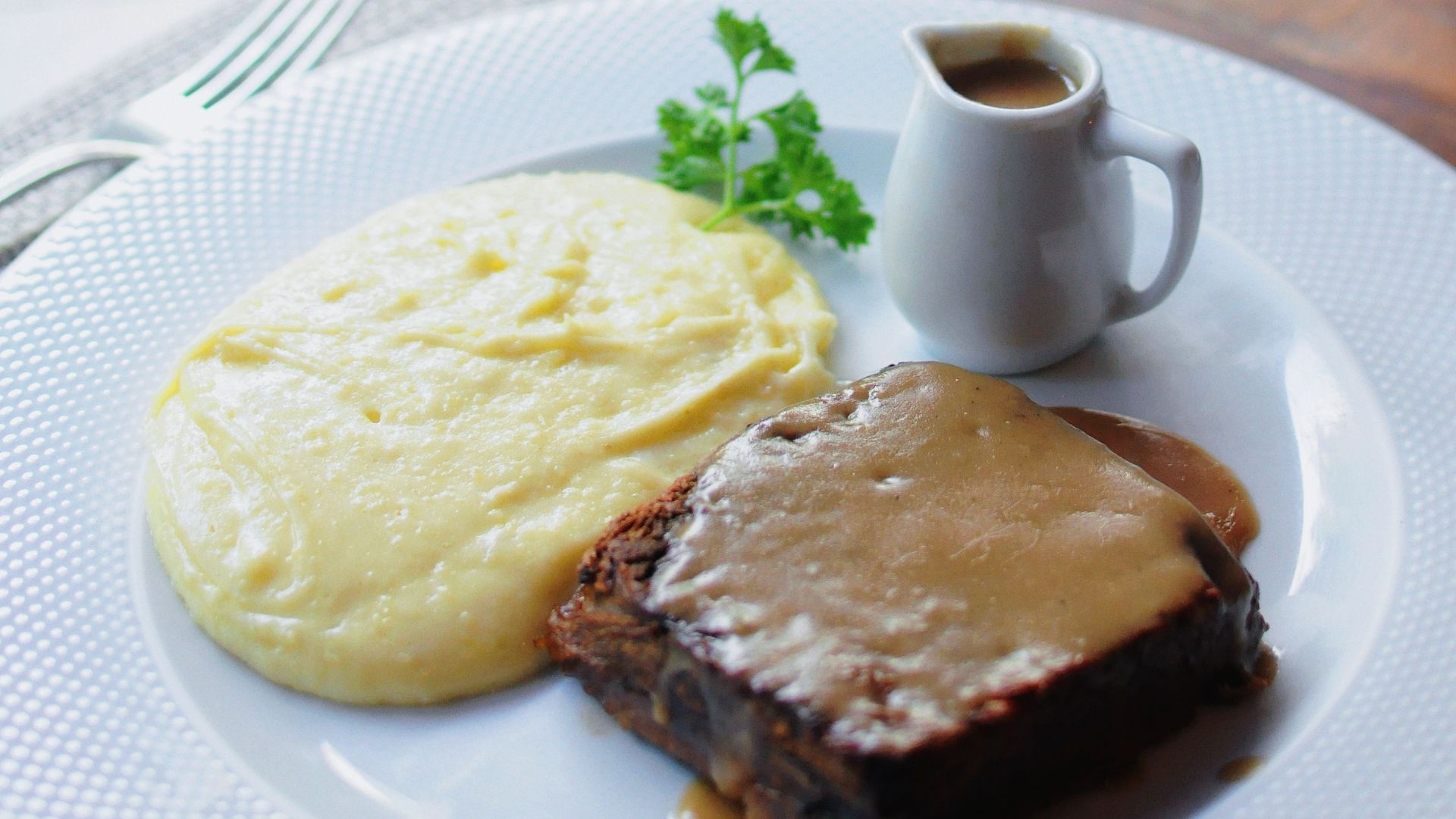
13. Meatloaf
Recipes for seasoned ground meat have existed for centuries, but American meatloaf became especially prominent during the late 19th and early 20th centuries. Mechanical meat grinders made ground meat easier to prepare at home, while inexpensive fillers helped families stretch their food budgets. The dish became a durable example of practical home cooking during difficult economic periods.
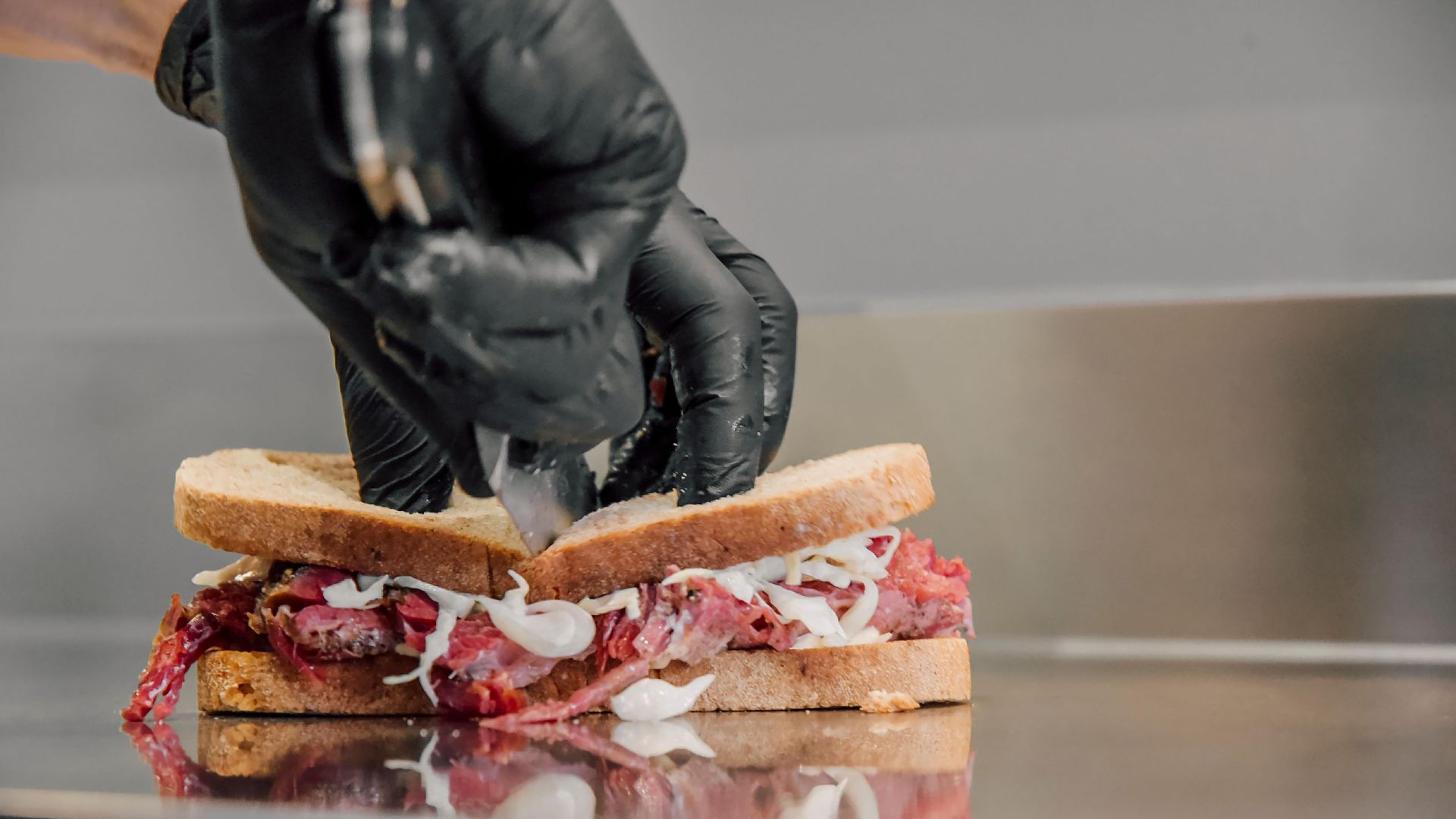
14. The Reuben Sandwich
The exact origin of the Reuben remains contested, with prominent claims connected to both New York City and Omaha. Delicatessens helped turn the sandwich into a recognizable standard of American lunch culture.
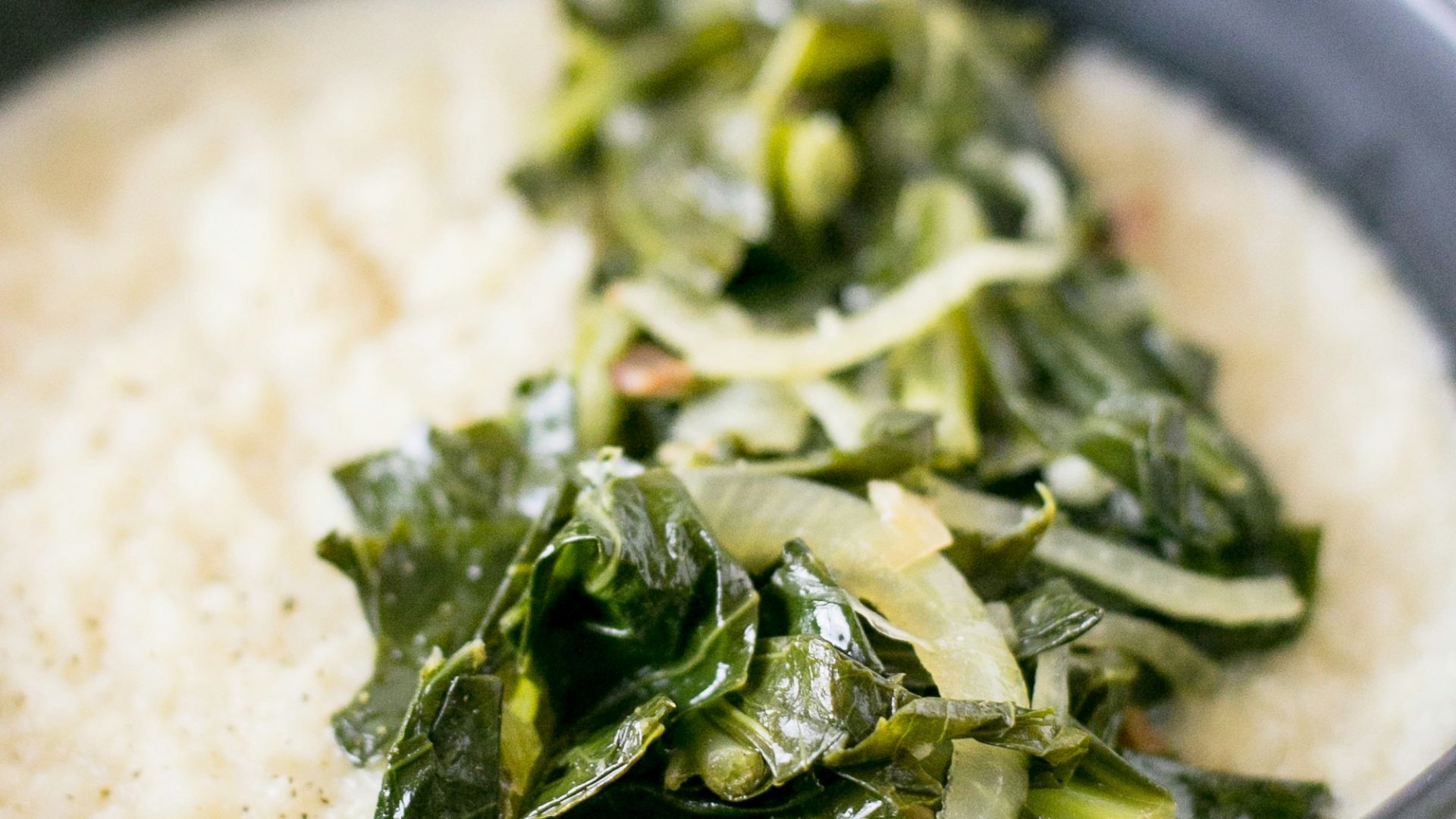
15. Southern Collard Greens
Collard greens had European precedents, but their place in Southern cuisine was deeply shaped by African American cooks and food traditions. Long simmering made tough leaves tender, while smoked or salted pork contributed richness and flavor.
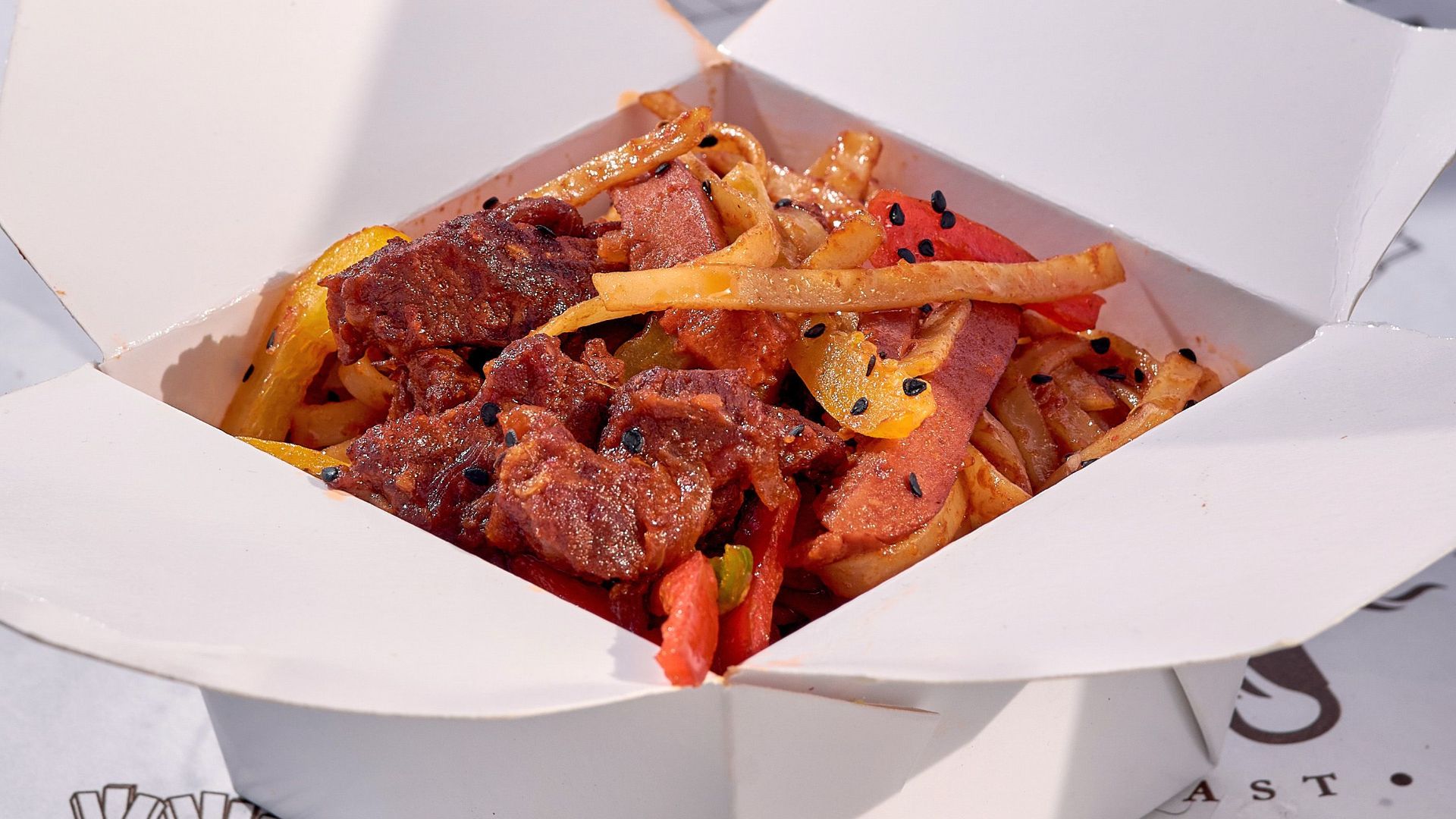
16. Chop Suey
Chop suey was developed within Chinese American restaurant culture rather than imported unchanged from China. Its commercial success introduced many diners to Chinese-inspired food, even though later generations increasingly sought dishes tied more closely to specific Chinese regions.
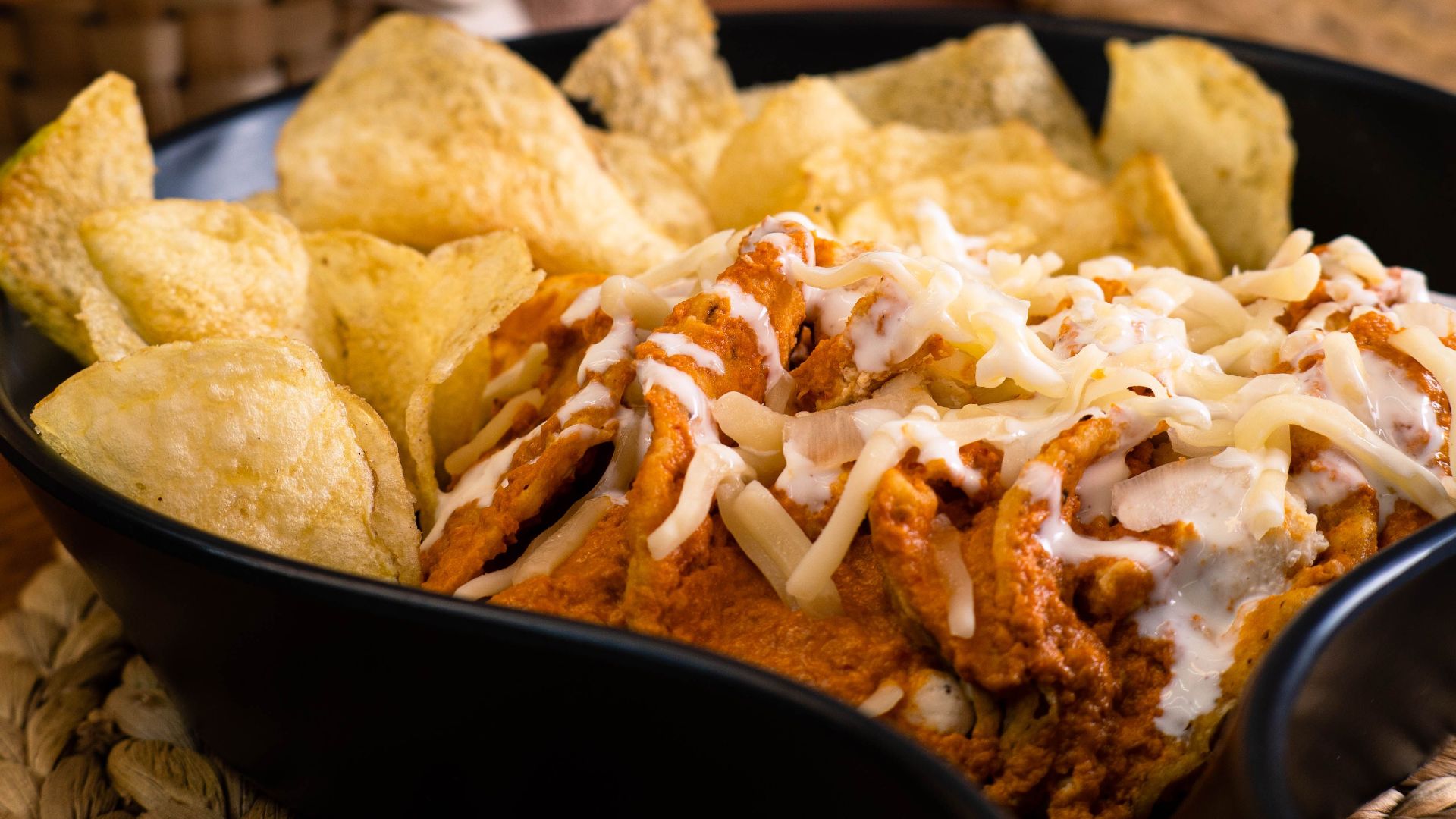
17. Tex-Mex Chili Con Queso
Chili con queso grew from Mexican and Mexican American cooking traditions in Texas, where melted cheese was combined with chile peppers and seasonings. It helped popularize the bold, approachable style now widely recognized as Tex-Mex cuisine.
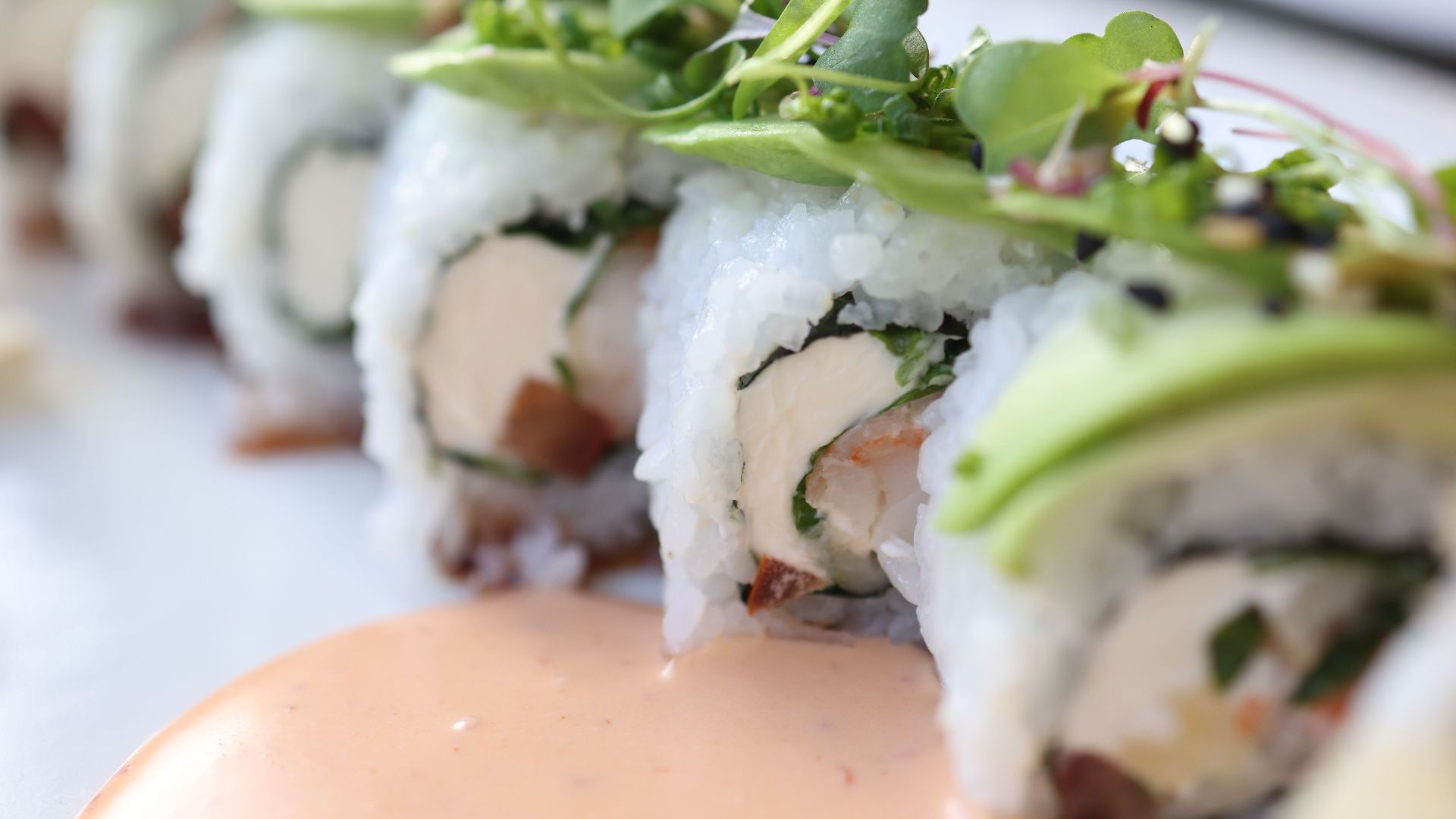
18. The California Roll
The California roll helped make sushi more accessible to American customers who were unfamiliar with raw fish. Commonly made with avocado, cucumber, and imitation crab, it adapted Japanese techniques to ingredients and preferences found on the West Coast.
19. Buffalo Wings
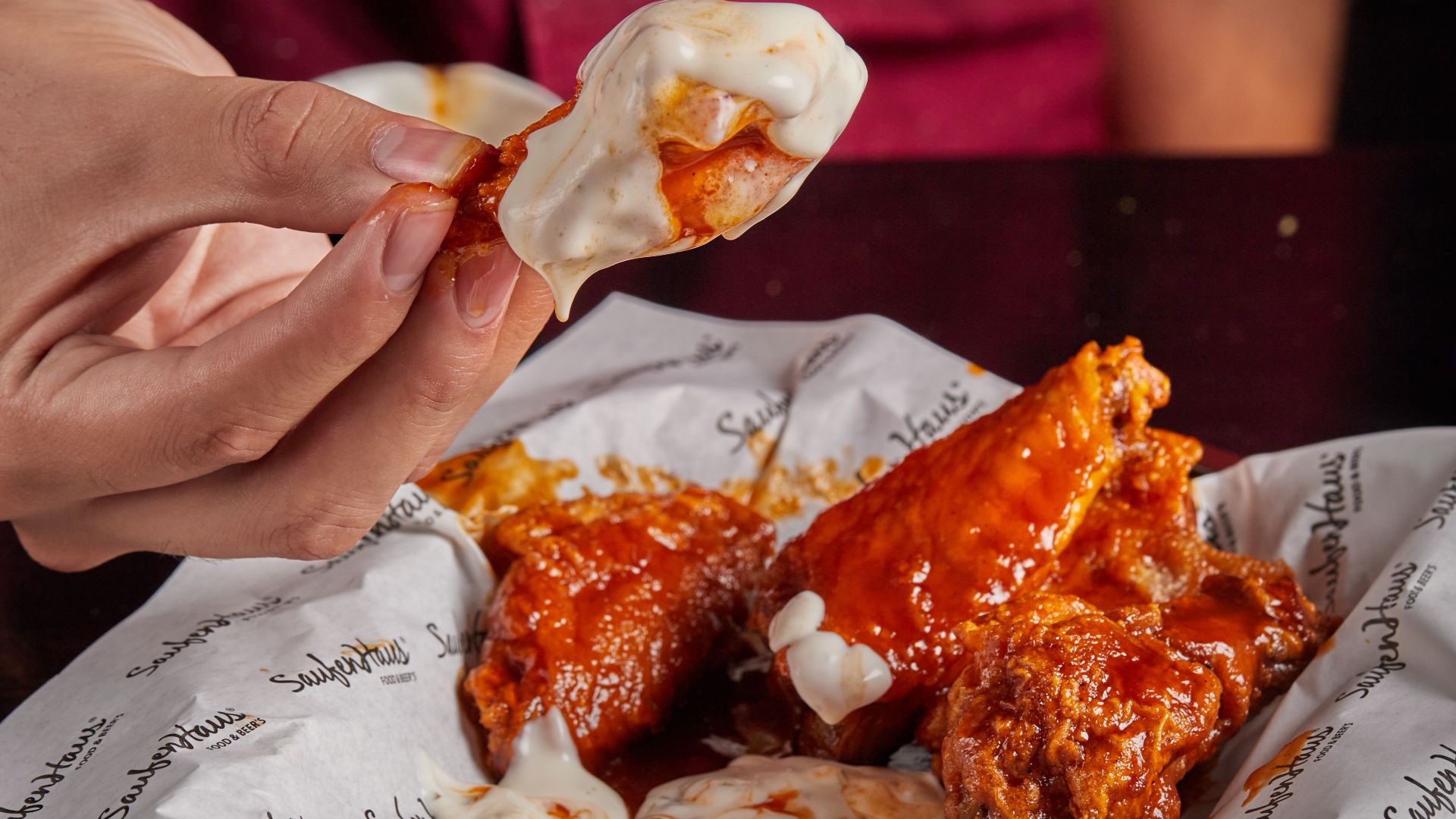
Buffalo wings are generally linked to Buffalo, New York, where chicken wings were served with a buttery hot-pepper sauce during the 1960s. The dish turned an inexpensive, previously overlooked cut of chicken into a profitable restaurant favorite.
20. The Thanksgiving Turkey Dinner
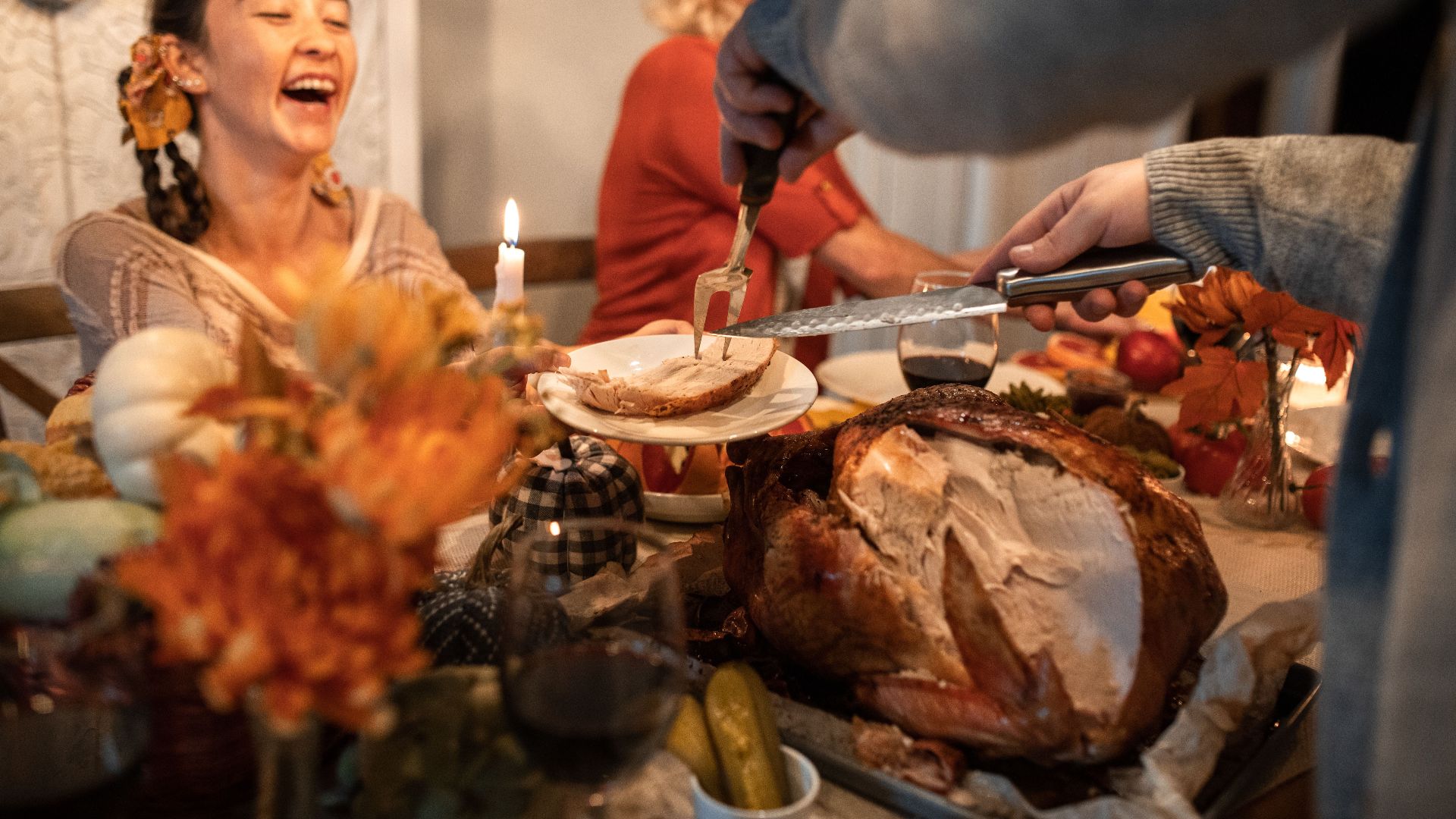
Roast turkey had colonial roots, but the standardized Thanksgiving dinner developed gradually through regional customs, popular writing, and national promotion. Turkey, stuffing, potatoes, cranberry sauce, and pie came to represent abundance and family celebration, even though menus vary across communities.
KEEP ON READING

The 5 Most Consumed Foods in the Entire World