The Hard Way Was the Only Way
For generations, households made much of what they needed themselves. Families sewed clothes, made soap, and preserved food because buying finished products was often too expensive or inconvenient. Shops and tradespeople offered alternatives, but access depended on where you lived and what you could afford. As factories made everyday goods cheaper and easier to find, many of these skills disappeared from daily life. Here are 20 things people once made from scratch because buying them wasn't always an option.
1. Butter
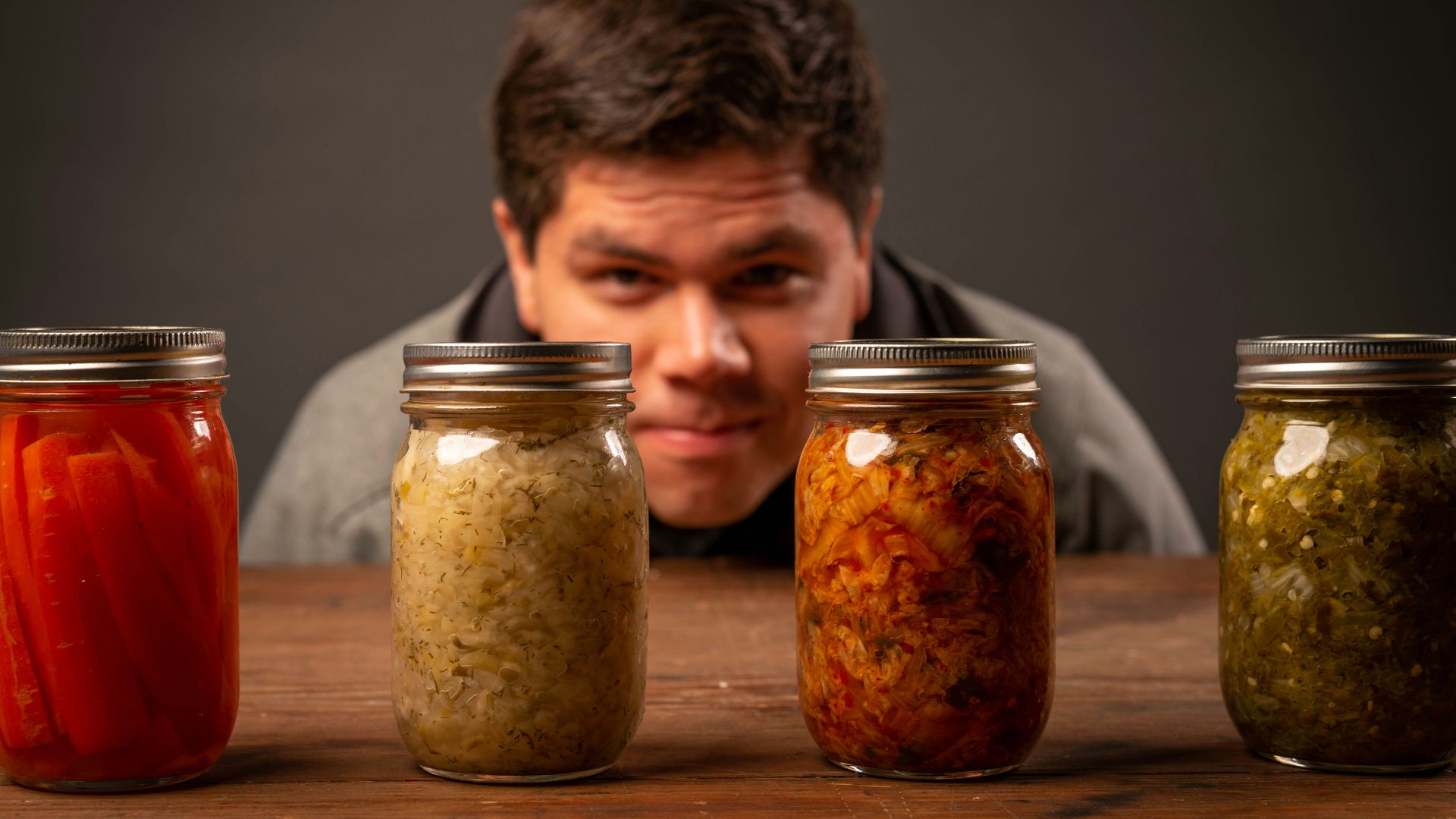
Churning is just shaking cream until the fat globules clump together and separate from the liquid around them. Households did this in wooden churns with a plunger worked up and down by hand, and cream left to sour slightly before churning tended to make more flavorful butter. The liquid left behind is buttermilk, and it went into pancakes and biscuits.
2. Flour
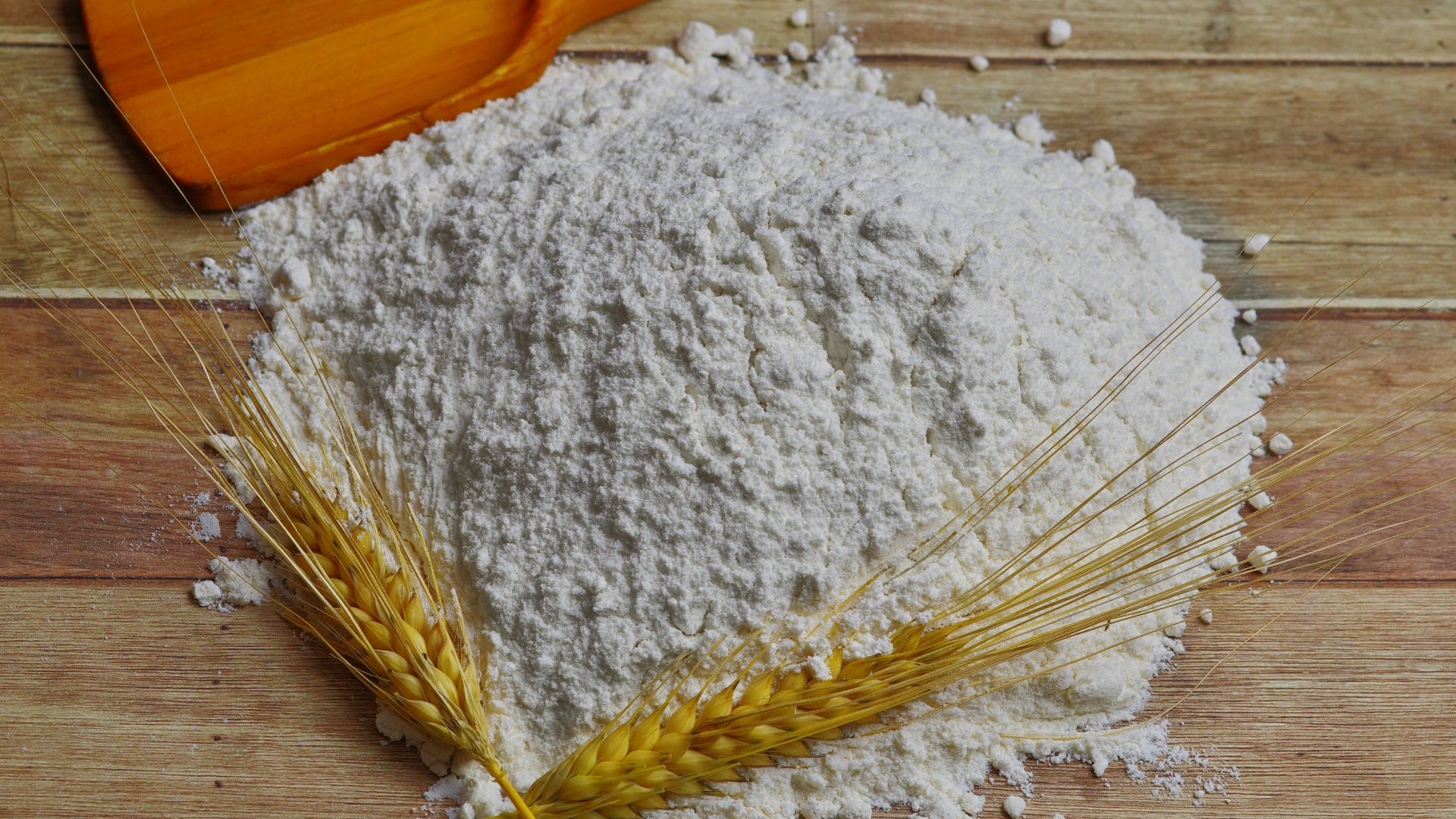
Households with a hand quern ground grain between two round stones, turning the upper one with a wooden handle until flour spilled out the edge. Water and wind mills took over the heavy grinding in many towns, and farmers usually paid the miller with a share of their grain. Whole-grain flour goes rancid sooner than white flour because the oils in the germ stay in it, so people ground only what they expected to use soon.
4. Tortillas
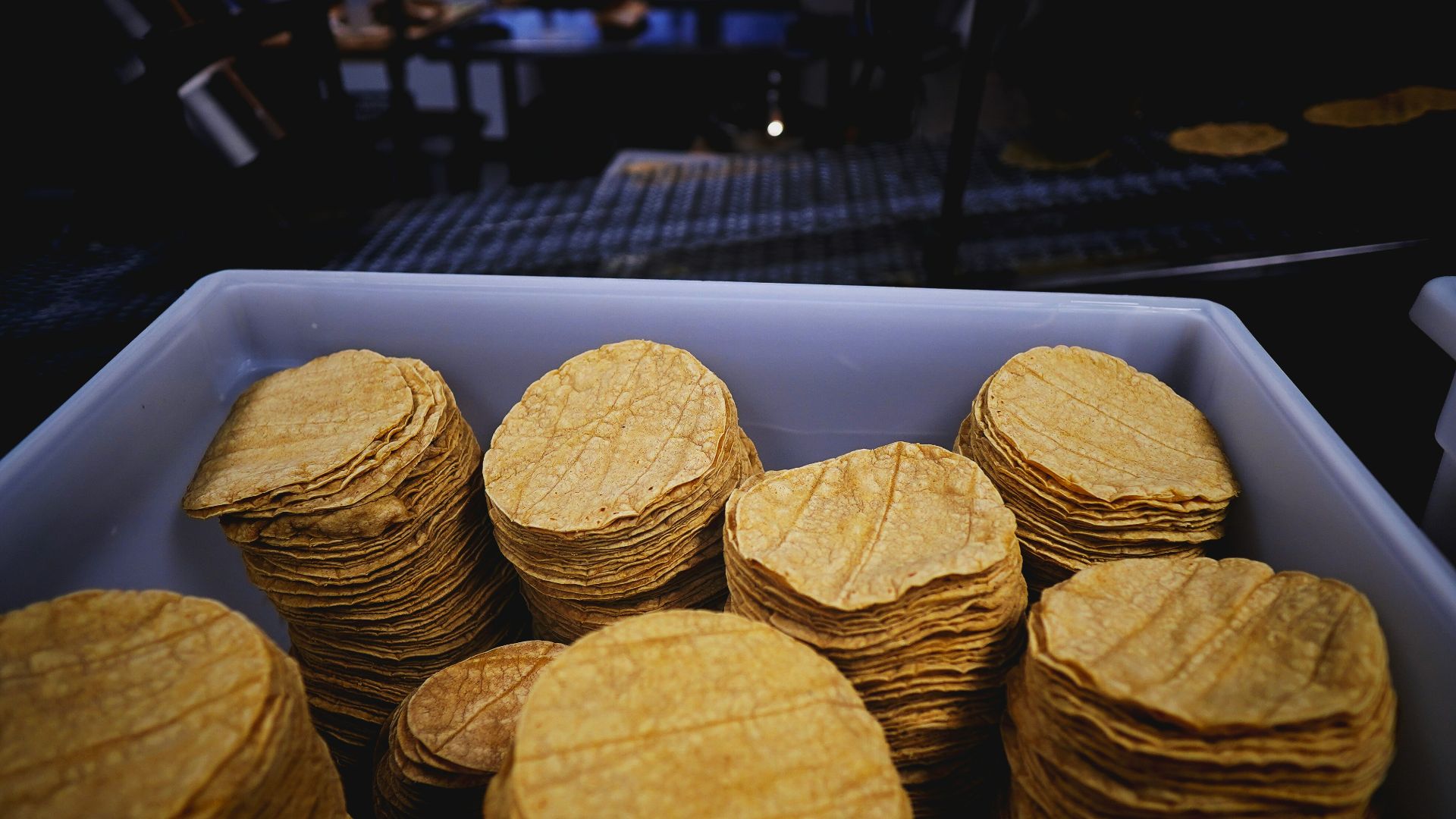
Corn for tortillas was first simmered with lime or wood ash, a process called nixtamalization that loosens the hulls and makes the corn's niacin easier to absorb. Cooks ground the softened kernels into dough on a stone slab called a metate, then patted it into flat rounds by hand. The rounds cooked on a hot clay griddle called a comal until they browned in spots.
4. Yeast Starter
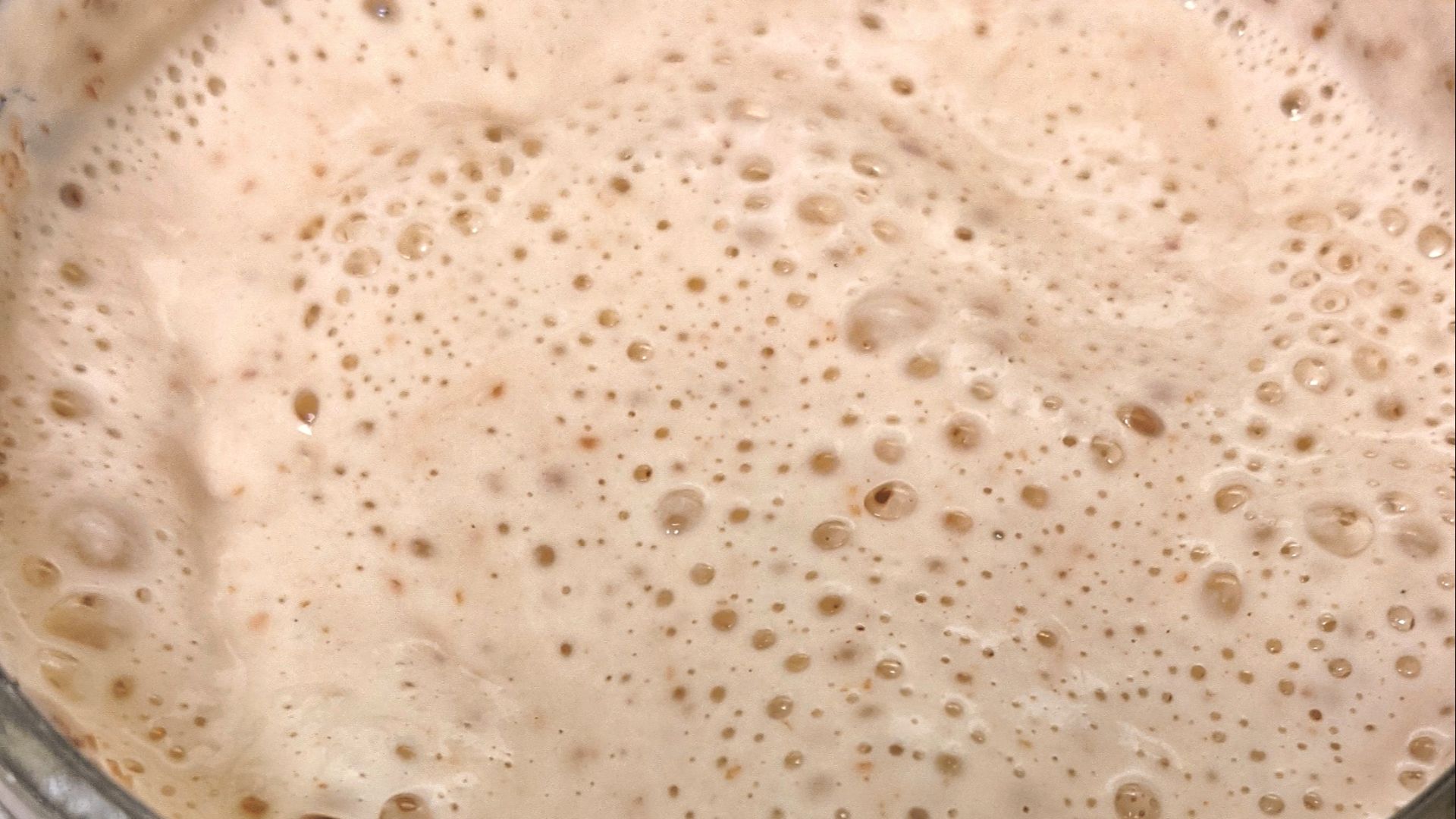
Bakers kept a starter, a jar of flour and water where wild yeast and bacteria live together, because packaged yeast didn't exist yet. Feeding it fresh flour every so often kept the culture going from one baking day to the next. A few starters have been maintained for generations and handed down like a family recipe.
 Dennis Sylvester Hurd on Wikimedia
5. Cheese
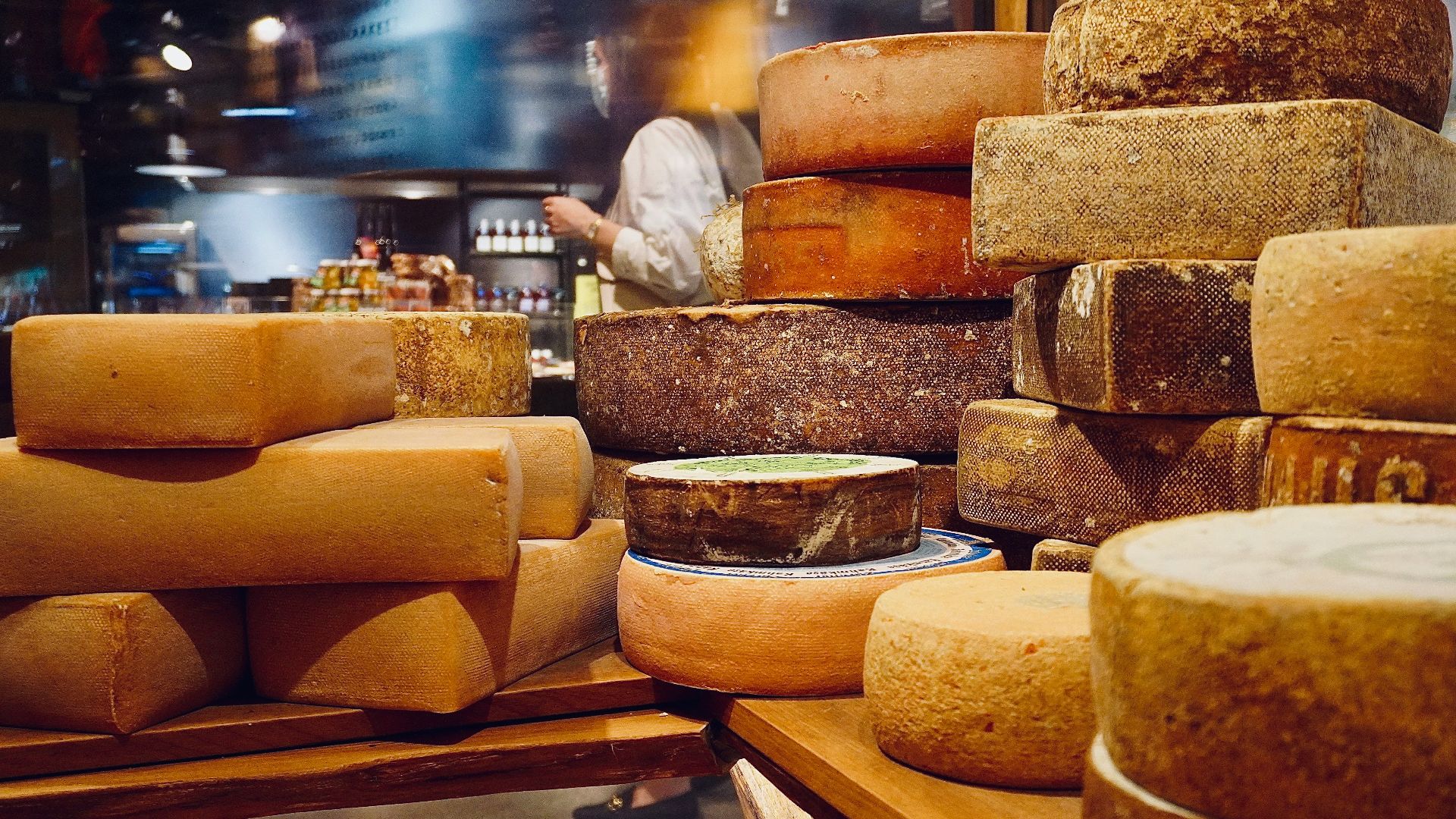
Rennet, an enzyme from the stomach lining of young calves, makes the proteins in milk clump into curds. Farmers drained off the whey, pressed the curds into rounds, and left them to age on cellar shelves. A hard wheel could last through winter in a cool cellar, while fresh milk went off within days.
6. Yogurt
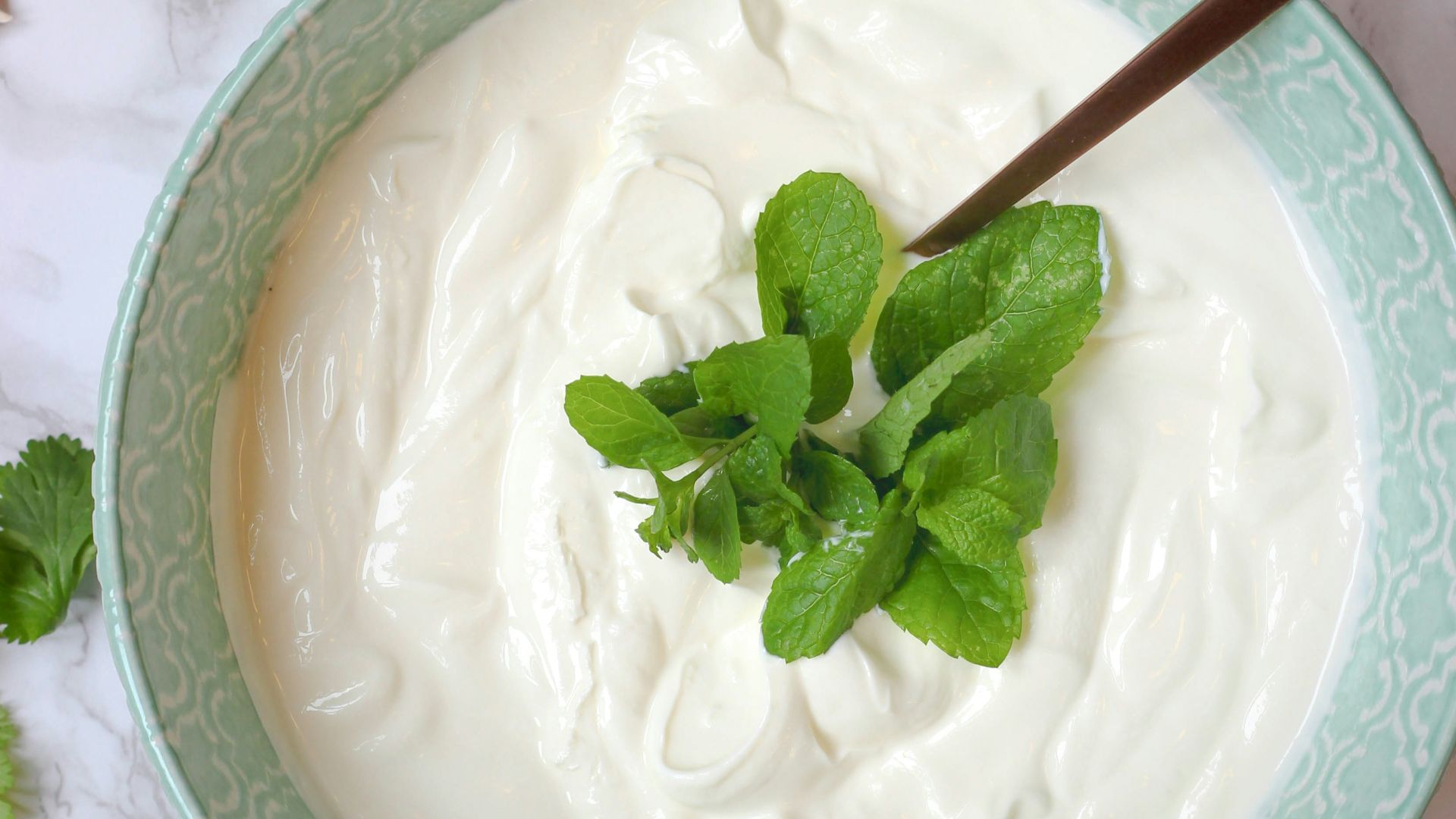
Yogurt began as milk kept warm until bacteria converted its lactose into lactic acid, which thickens the milk and gives it a tang. Cooks kept the pot near a hearth or wrapped in blankets, since the bacteria work best a little above body temperature. A spoonful saved from each batch started the next, so a single culture could carry on for years.
 micheile henderson on Unsplash
7. Hardtack
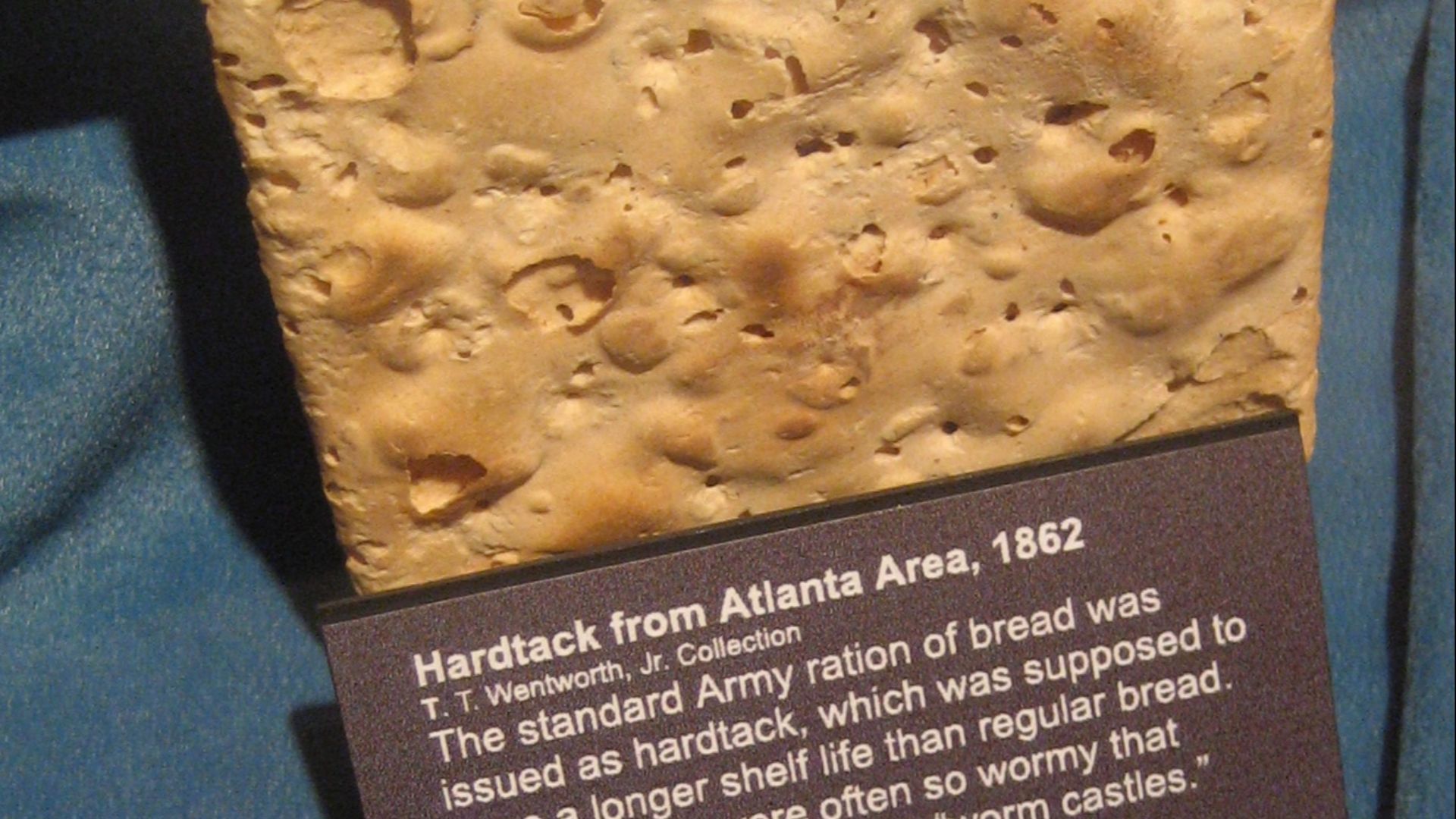
Hardtack was a dough of flour and water, with salt sometimes added, baked until almost no moisture was left. With so little water in it, mold had trouble taking hold, and a batch could last for months at sea. Sailors and soldiers often soaked it in coffee or soup because it was too hard to chew dry.
 Infrogmation of New Orleans on Wikimedia
8. Noodles
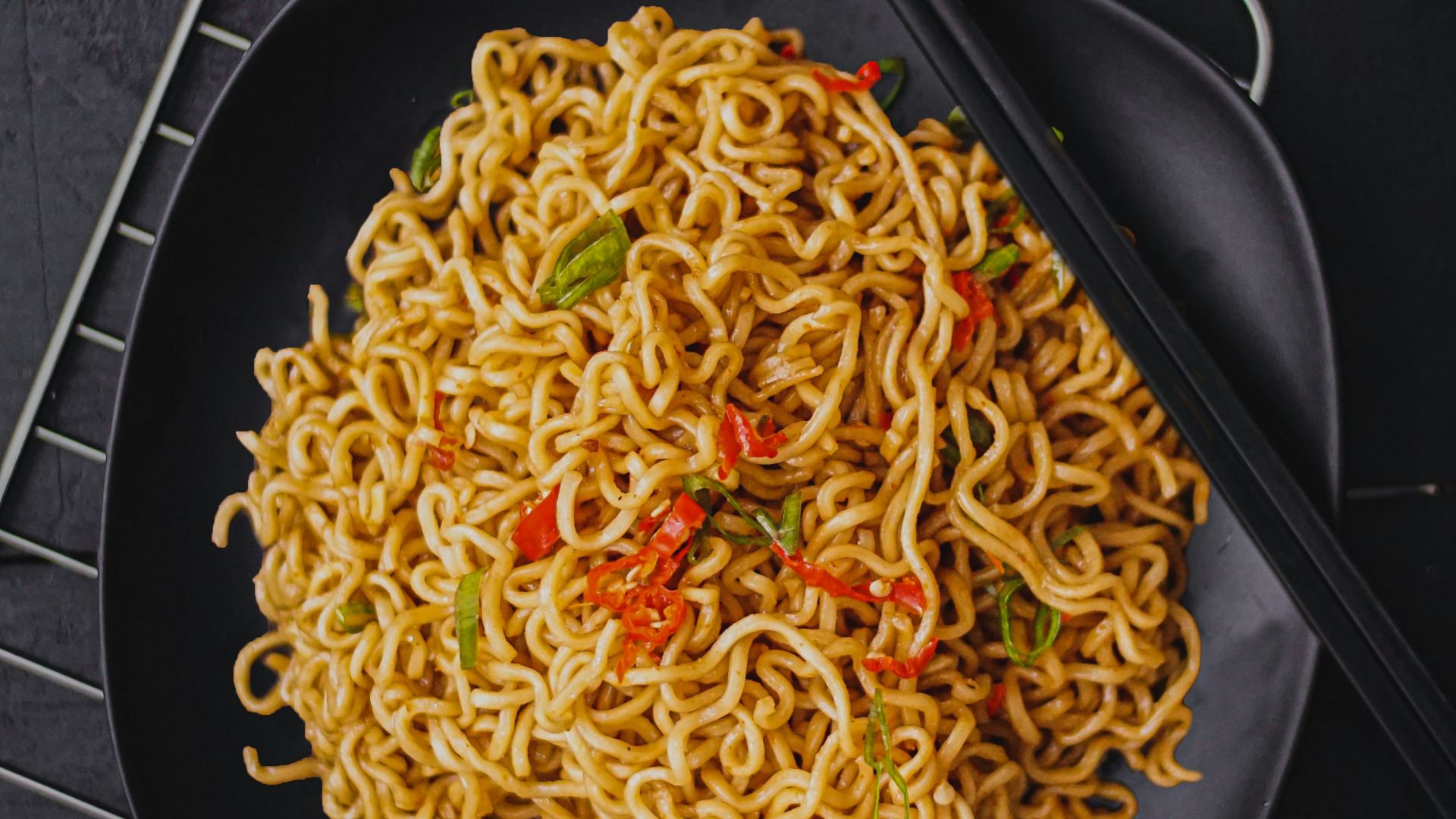
In 2005, archaeologists reported finding a bowl of millet noodles roughly 4,000 years old in northwestern China, then the oldest known example. Making noodles at home meant mixing flour and water into dough, rolling it thin, and cutting it into strips by hand. The noodles could be cooked fresh or dried on racks and stored for later meals.
9. Sauerkraut
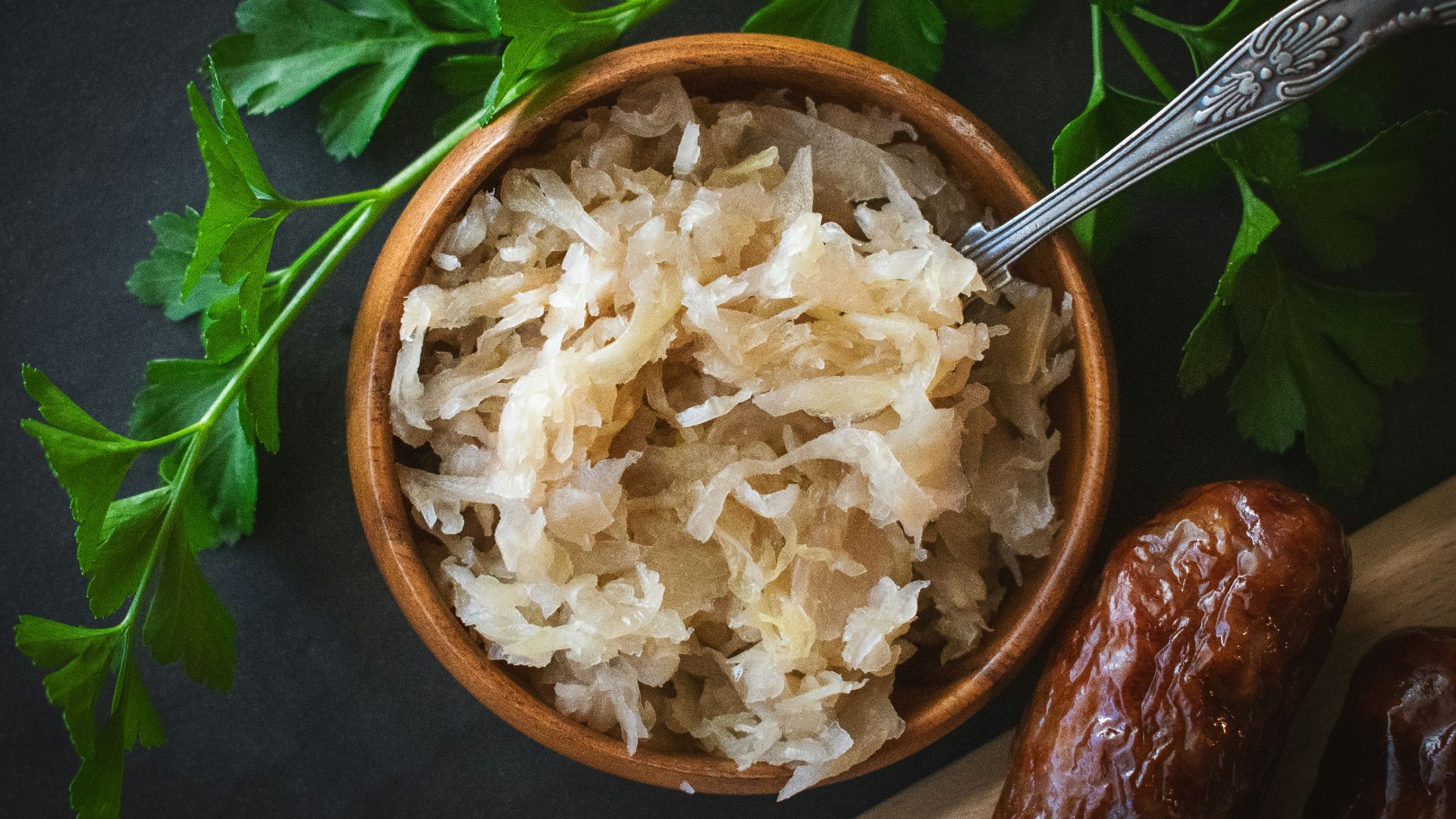
Shredded cabbage packed with salt releases its own liquid, and bacteria in that brine ferment the sugars into lactic acid. The acid keeps the cabbage from spoiling for months without refrigeration. Ship crews ate it on long voyages partly for the vitamin C, which helped prevent scurvy.
10. Vinegar
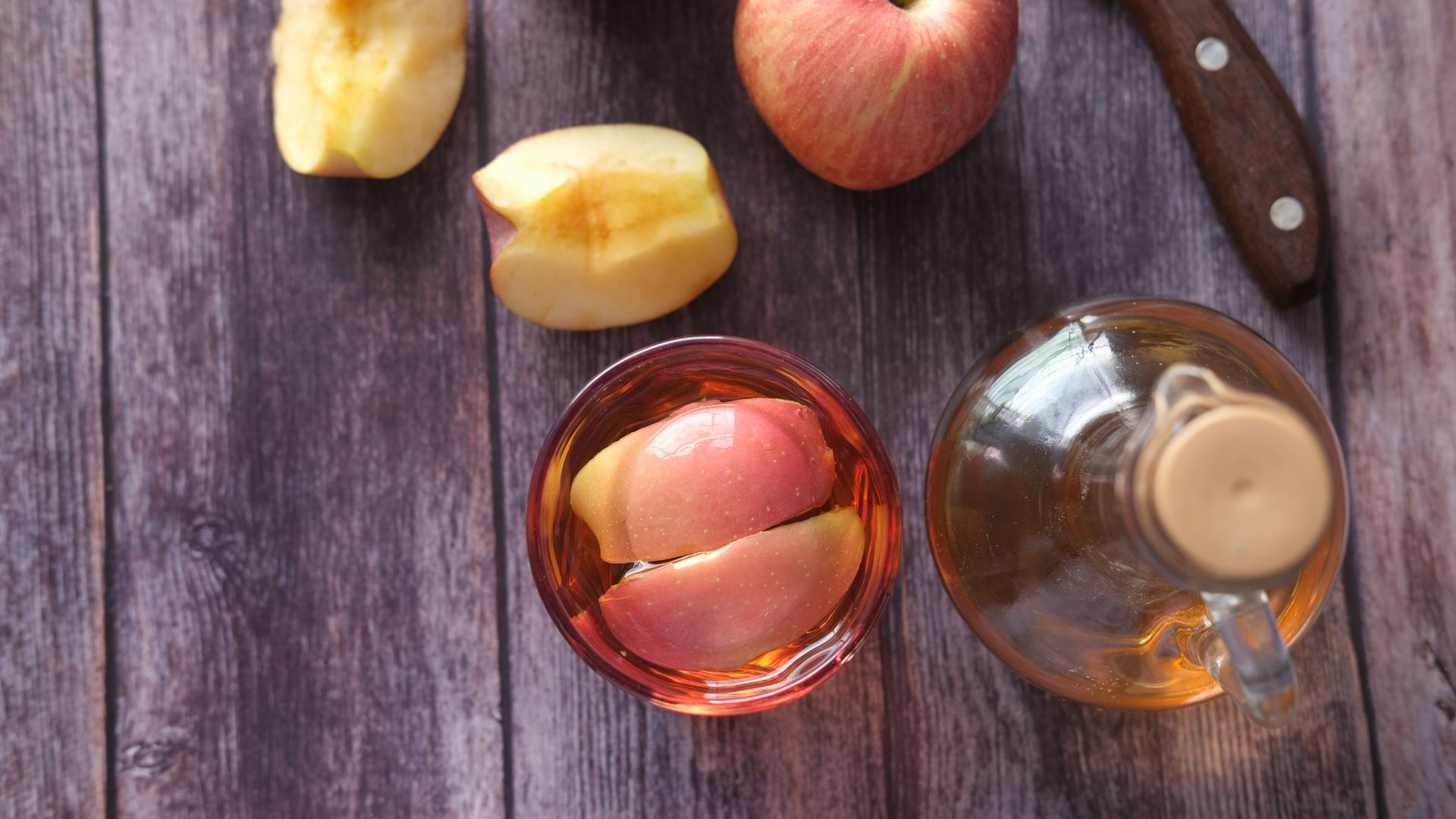
Wine or cider left exposed to air could gradually turn into vinegar as bacteria converted the alcohol into acetic acid. Families kept a crock of vinegar going, adding fresh cider as they used it. A cloudy, jellylike layer called the mother sometimes formed on the surface, and a piece of it could be used to start another batch.
11. Fish Sauce
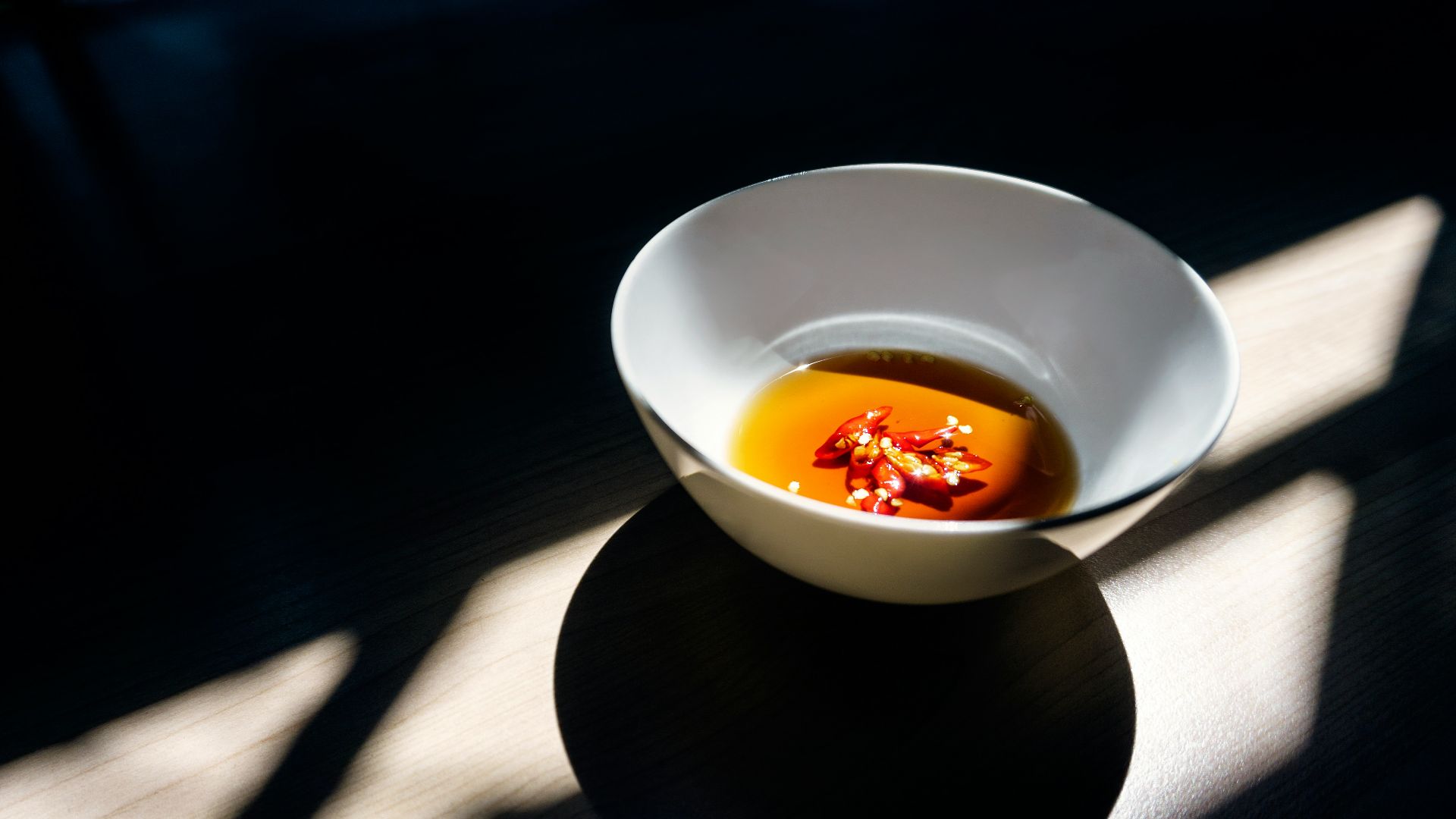
Romans layered small fish and fish guts with salt in large vats or jars, then left the mixture in the sun to ferment. The salty liquid that drained off was sold as garum, and workshops from Spain to the Black Sea turned it into a major trade good. Cooks in Southeast Asia still make fish sauce by a similar method, and it remains a common ingredient in Vietnamese and Thai kitchens.
12. Small Beer
Many colonial households brewed small beer, a weak, low-alcohol drink, for daily use. Boiling the liquid during brewing made it a safer choice than some well water. The grain was usually barley malt, though settlers turned to corn and molasses when barley was scarce.

13. Salt Pork
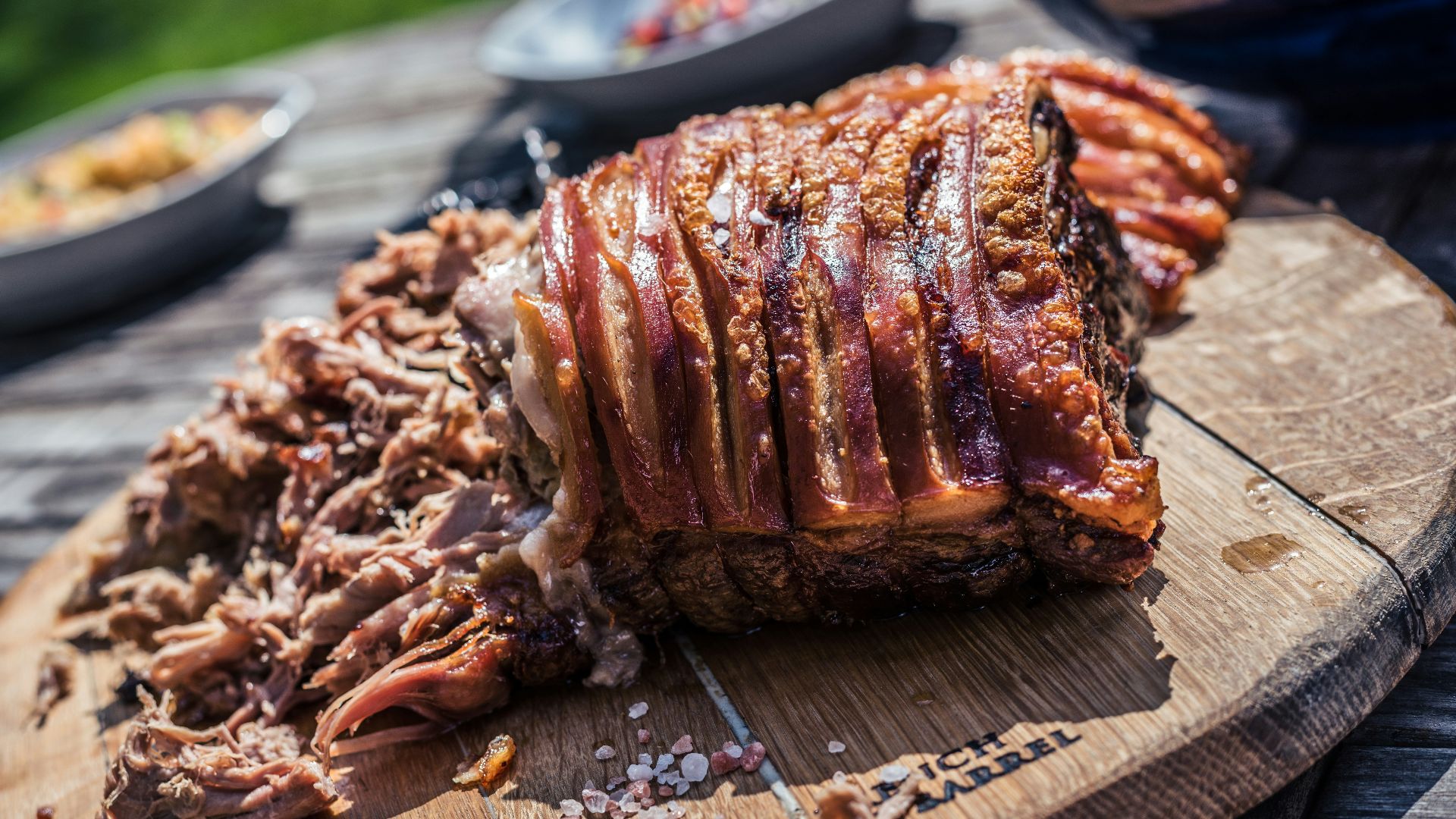
After fall butchering, families packed pork into barrels with layers of salt to eat through the winter. Salt draws moisture out of meat and makes life hard for the bacteria that spoil it. Cooks usually soaked a piece before using it, since it came out far too salty otherwise.
14. Sausage
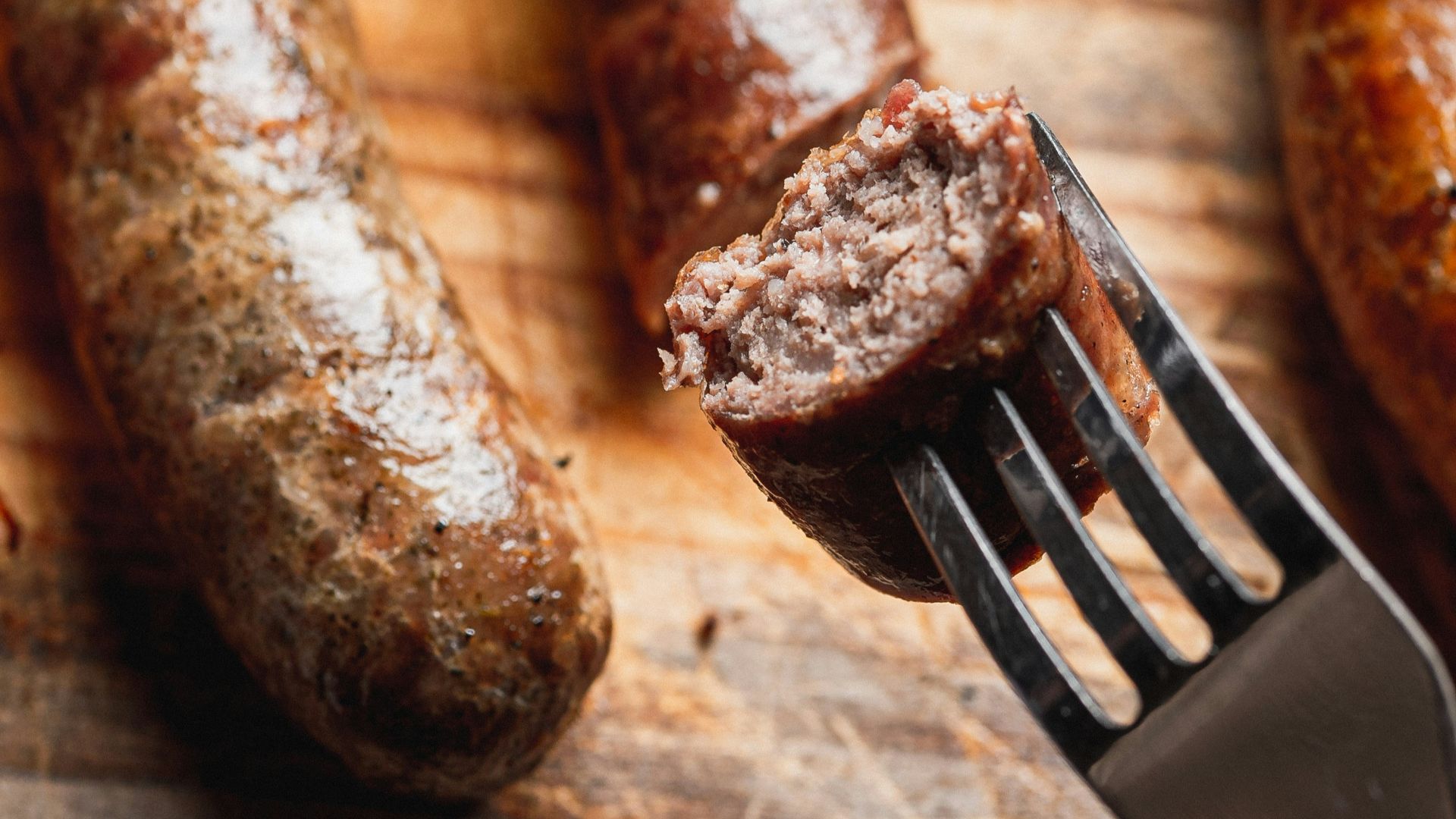
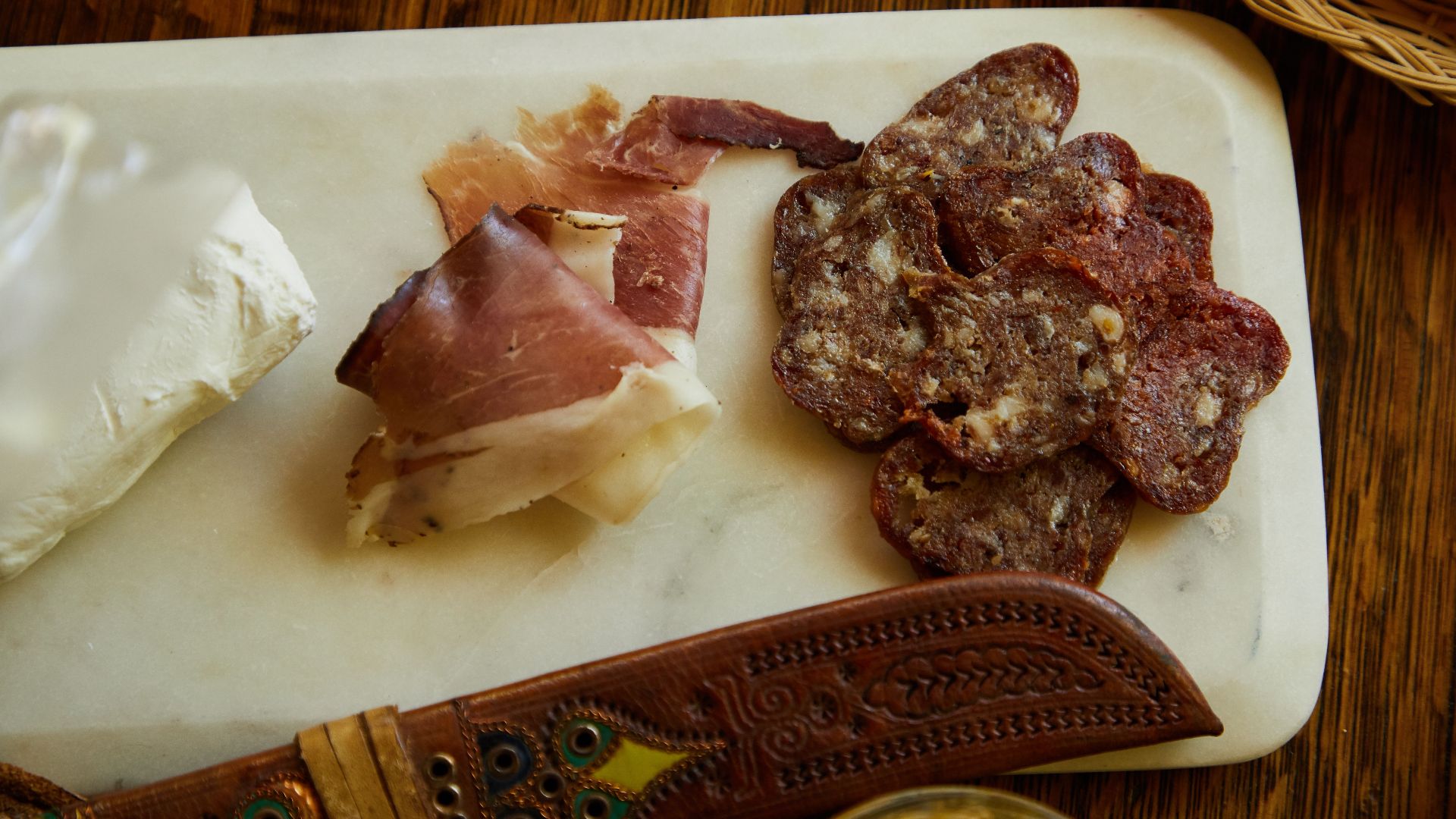
Sausage makers ground meat with salt and spices, then packed it into cleaned animal intestines. The links were hung in a cool place to dry or smoke for weeks. Dry-cured kinds such as salami could keep through winter without refrigeration, since the salt and drying left little water for spoilage bacteria.
 Diego Arenas de Rodrigo on Unsplash
15. Jerky
The word jerky comes from the Quechua word ch'arki, which referred to dried meat in the Andes. Cooks salted thin strips of meat and dried them in sun and wind or over a low smoky fire. Dried strips weigh little and keep for months, so travelers carried them on long trips.
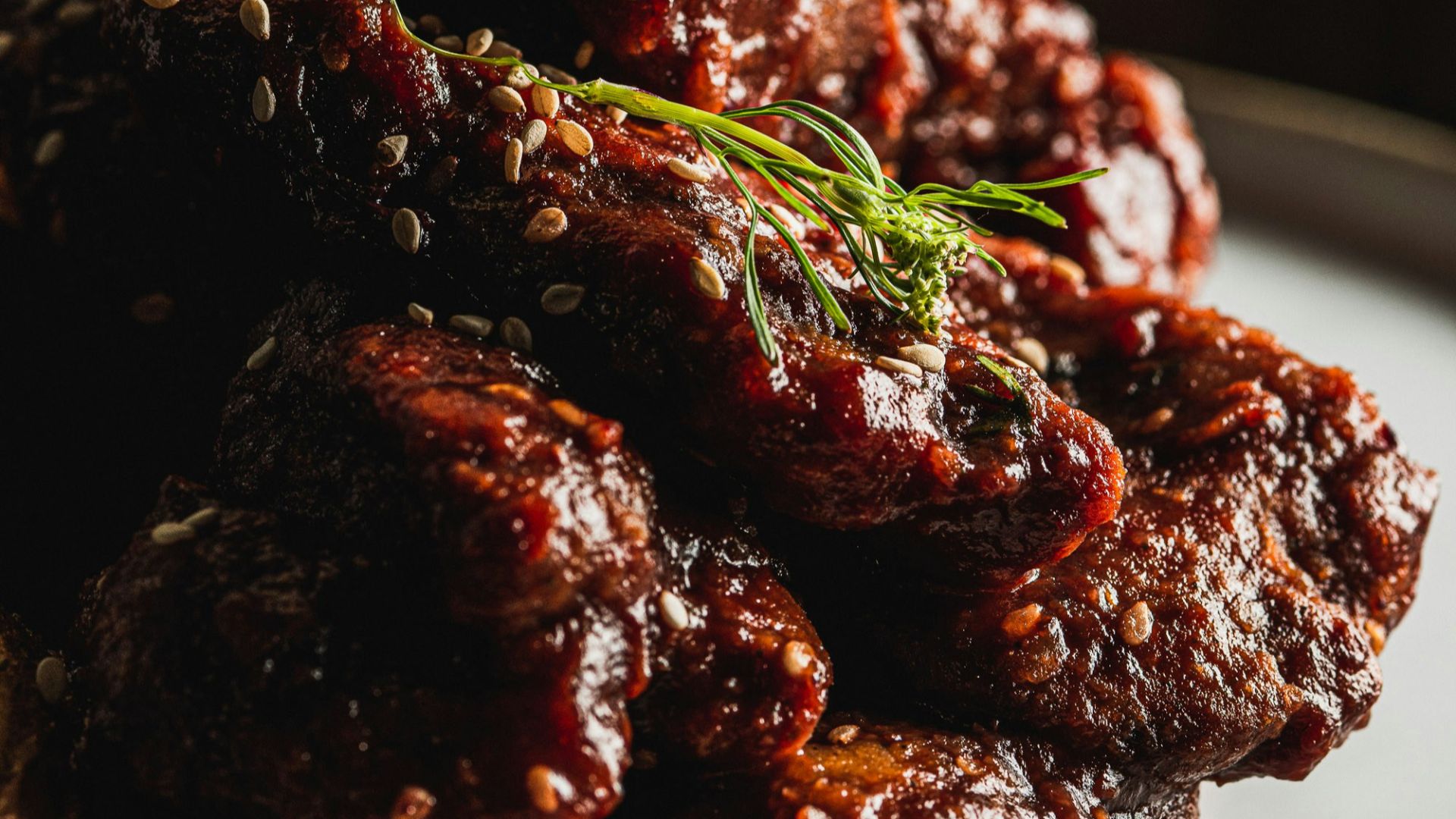 Diego Arenas de Rodrigo on Unsplash
16. Pemmican
Plains peoples pounded dried bison meat into a coarse powder and mixed it with melted fat, sometimes adding dried berries. The mixture was packed into hide bags, where the fat sealed out air and kept it good for months or longer. Fur traders bought pemmican in large amounts to feed their canoe crews on long routes.
17. Lard
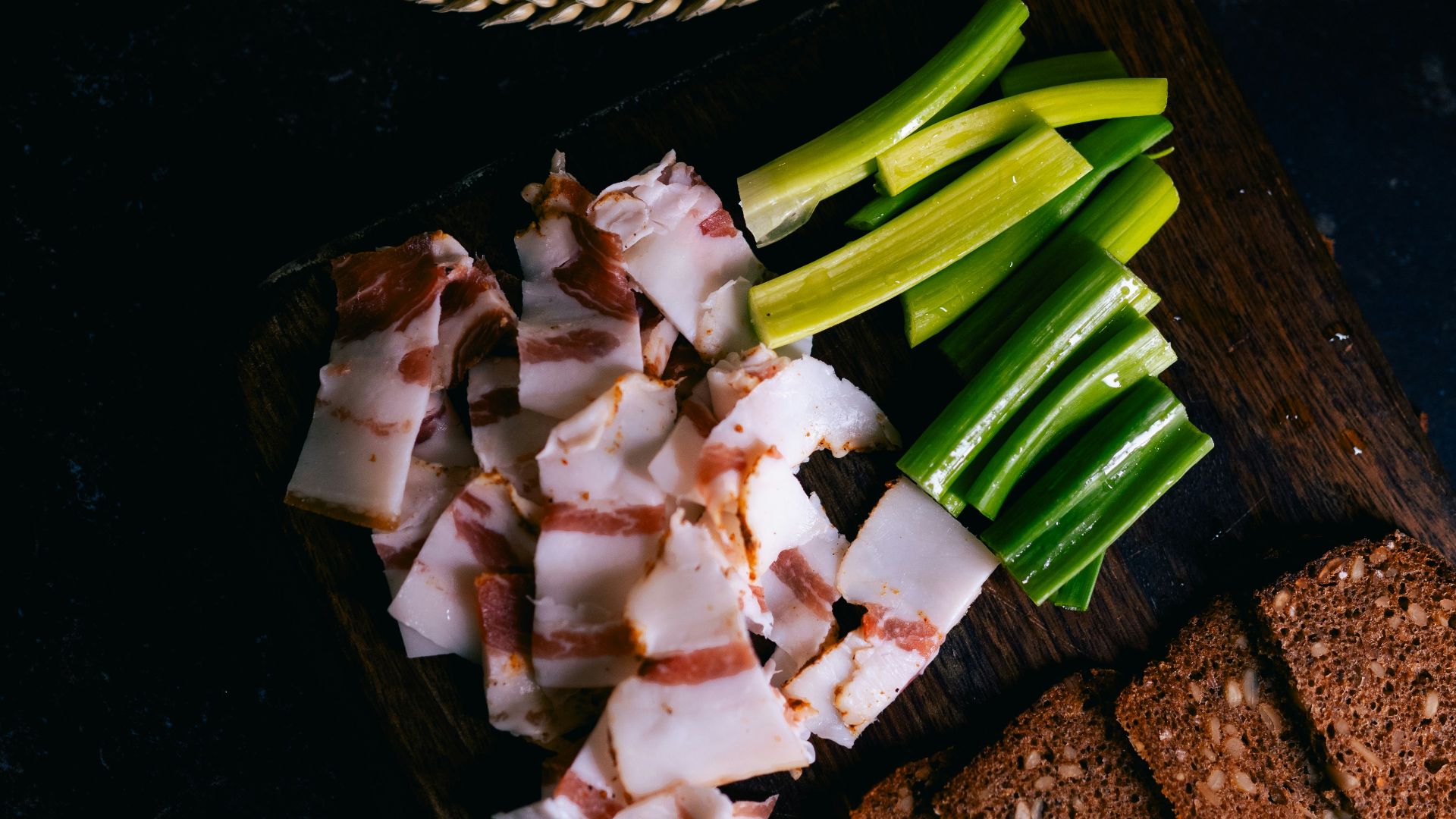
Cooks made lard by heating pork fat slowly and straining out the solids. It was the main cooking fat in many American kitchens until Crisco, a vegetable shortening, came out in 1911. Some bakers still prefer lard for pie crust because it tends to make the pastry flakier.
18. Dried Apples
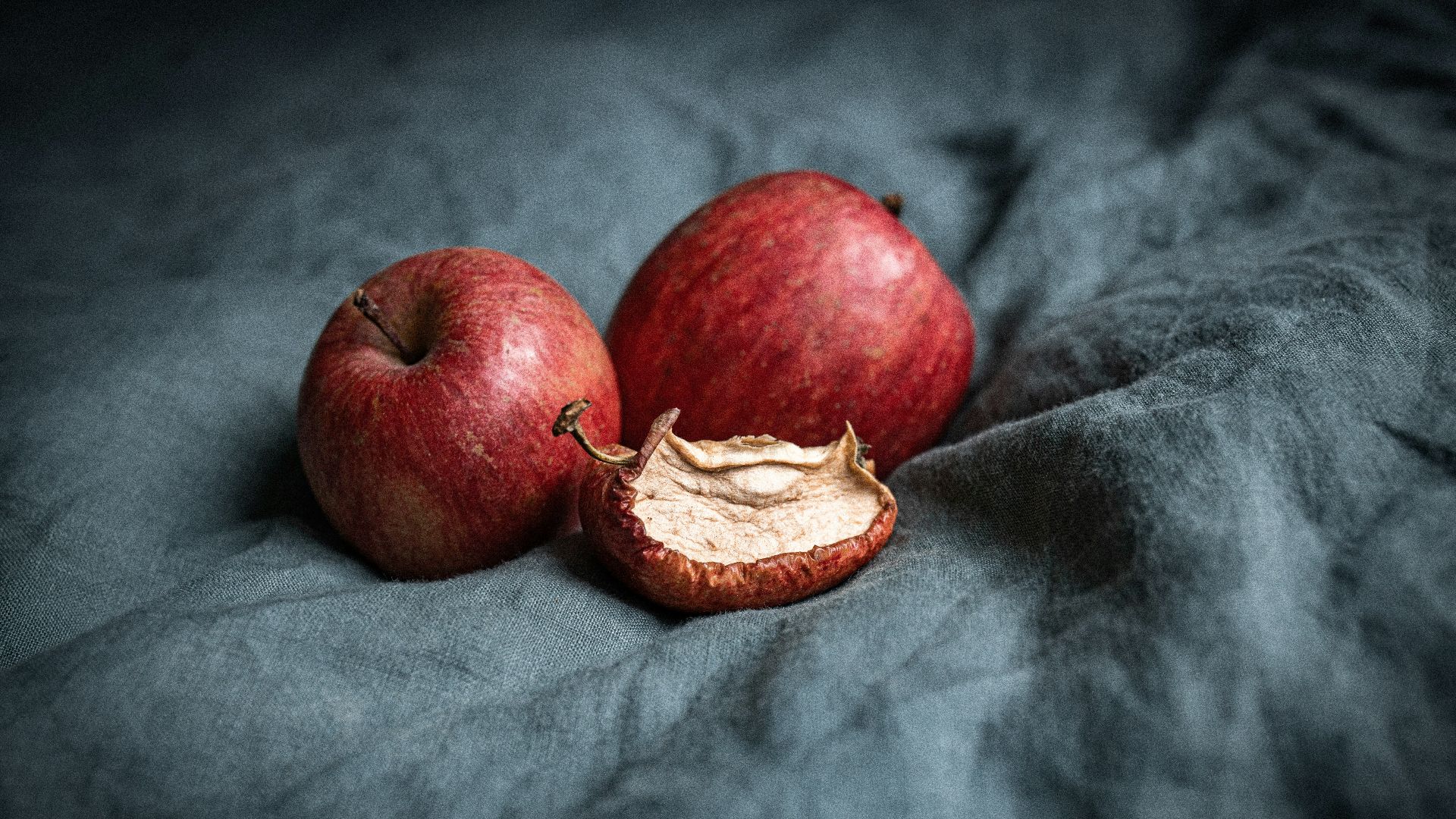
Farm families peeled and cored apples in autumn, then sliced them into rings. Strung on cords and hung near the hearth, or laid out on racks in the sun, the rings dried until leathery. Dried apples kept through winter and went into pies and porridge after a soak in water.
19. Jam
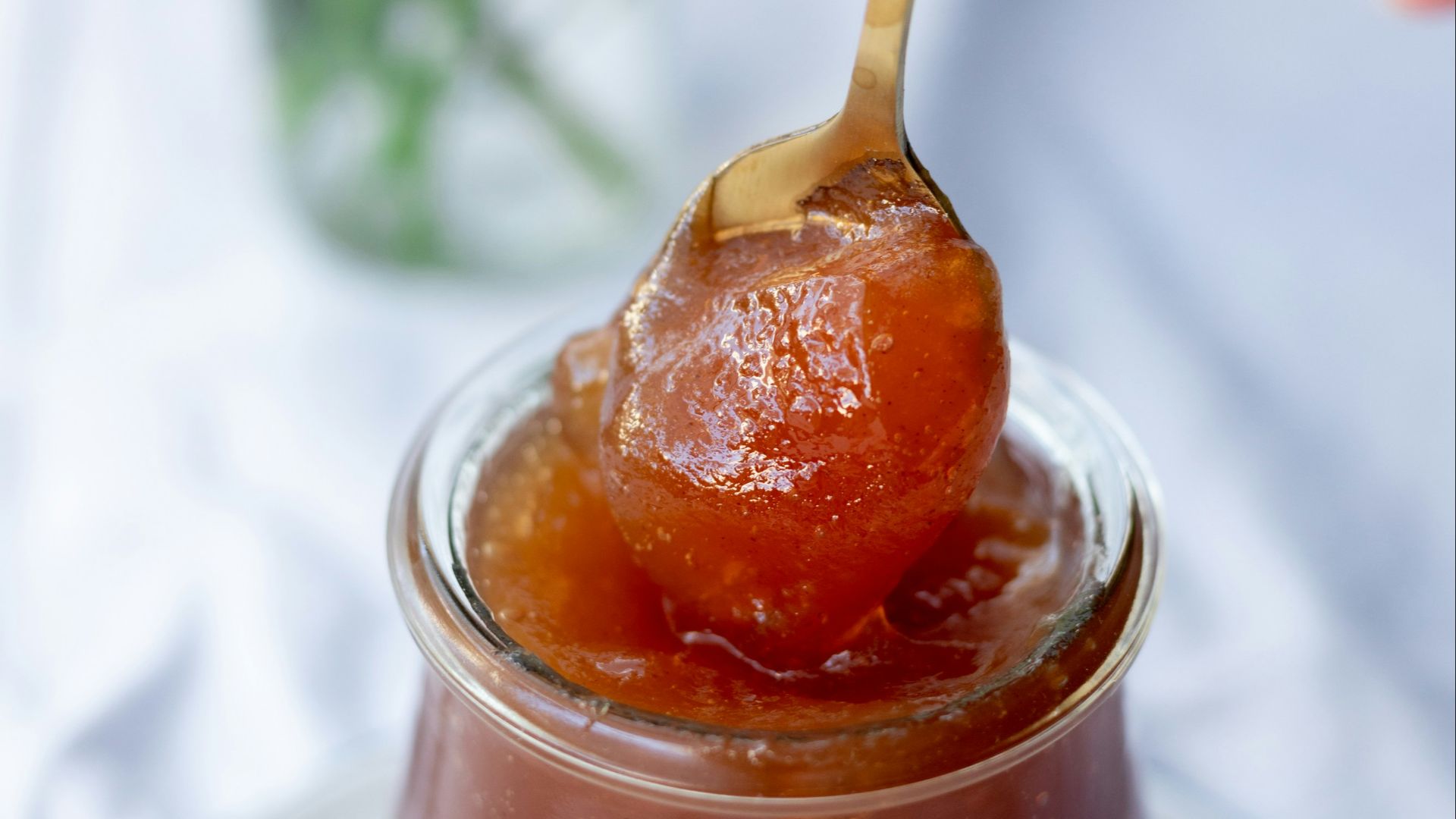
Fruit boiled with sugar sets into jam because the sugar binds water that microbes would otherwise use and the fruit's own pectin turns the mixture into a gel. Berries and stone fruit set well because they carry plenty of pectin, while low-pectin fruit like strawberries needed help from an apple or a lemon. Households poured the hot jam into jars and closed the tops with wax or paper tied on with string.
20. Maple Syrup
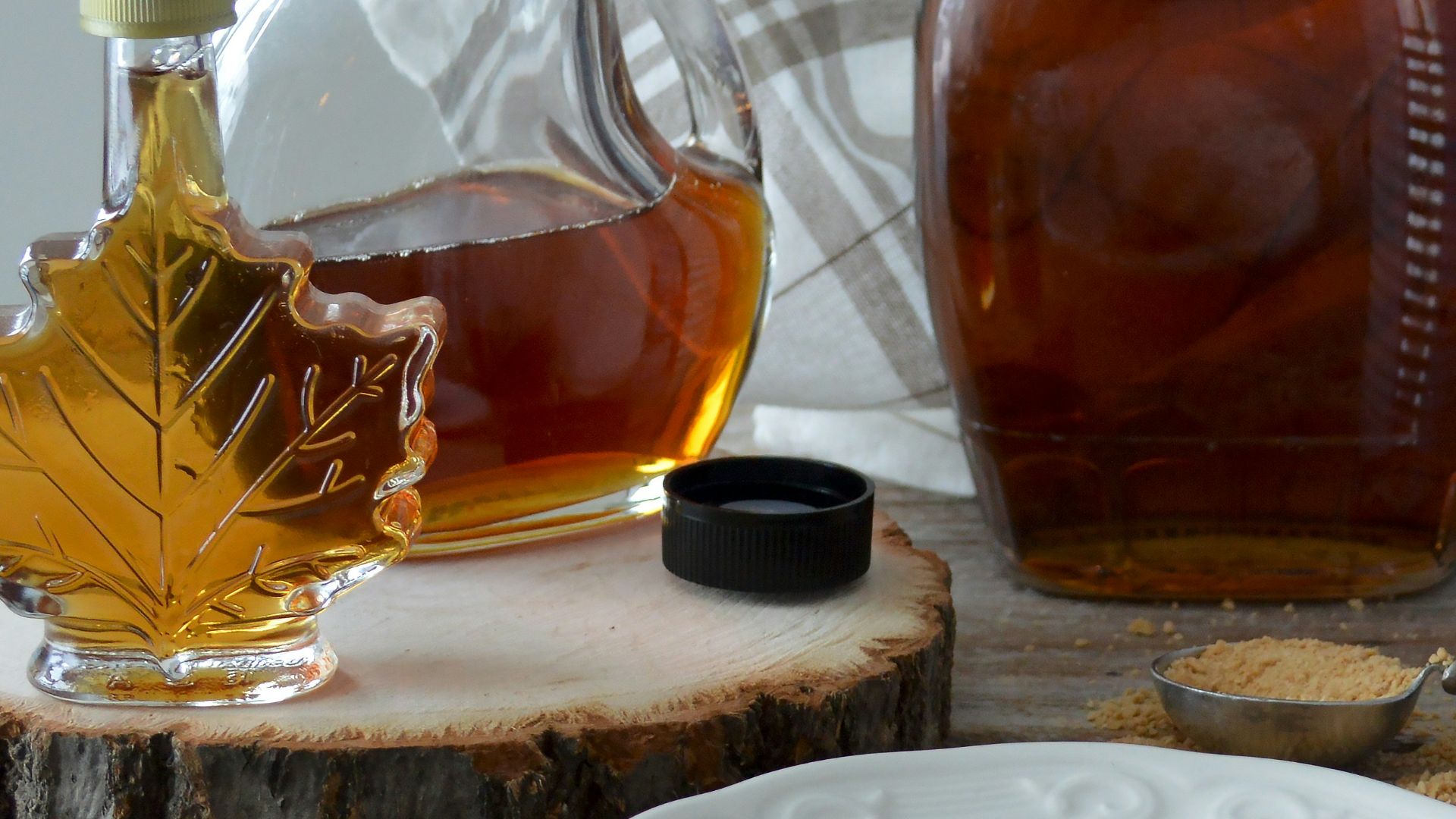
Indigenous peoples of northeastern North America made maple syrup long before European settlers arrived. Sap runs when nights freeze and days thaw in late winter, and it takes roughly 40 gallons of sap boiled down to make one gallon of syrup. Early sugar makers boiled it in large kettles over open fires, skimming off the foam as it thickened.
KEEP ON READING
You’re Storing Tomatoes Wrong in This Heat
You’re Storing Potatoes Wrong in This Heat
You’re Storing Peppers Wrong in This Heat