When Convenience Wins And When It Really Doesn’t
Fast food breakfast gets a bad reputation, but not every item deserves it. Some options are engineered for speed, consistency, and flavor in ways that are genuinely hard to replicate at home, especially on busy mornings. Others only work because they’re hot, cheap, and immediately available, not because they’re actually good. Knowing the difference can save you time, money, and disappointment.
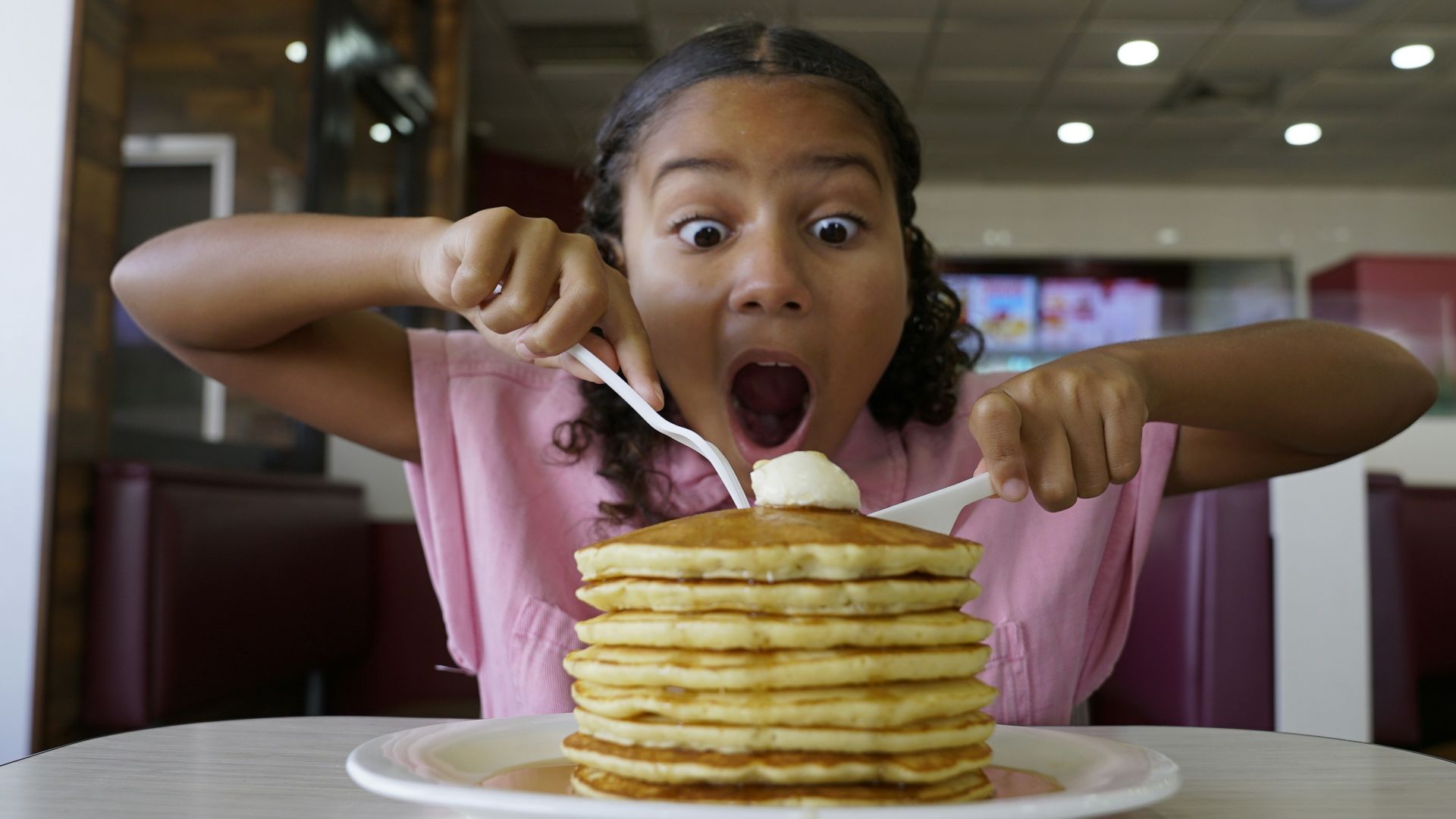
1. McDonald’s Egg McMuffin
The Egg McMuffin works because it’s precise. The egg is steamed consistently, the English muffin is lightly toasted, and the portions are balanced. Replicating that exact texture at home takes more effort than it seems. For something you can eat one-handed, it’s surprisingly well-constructed. It’s also one of the rare fast food items that hasn’t changed over the decades.
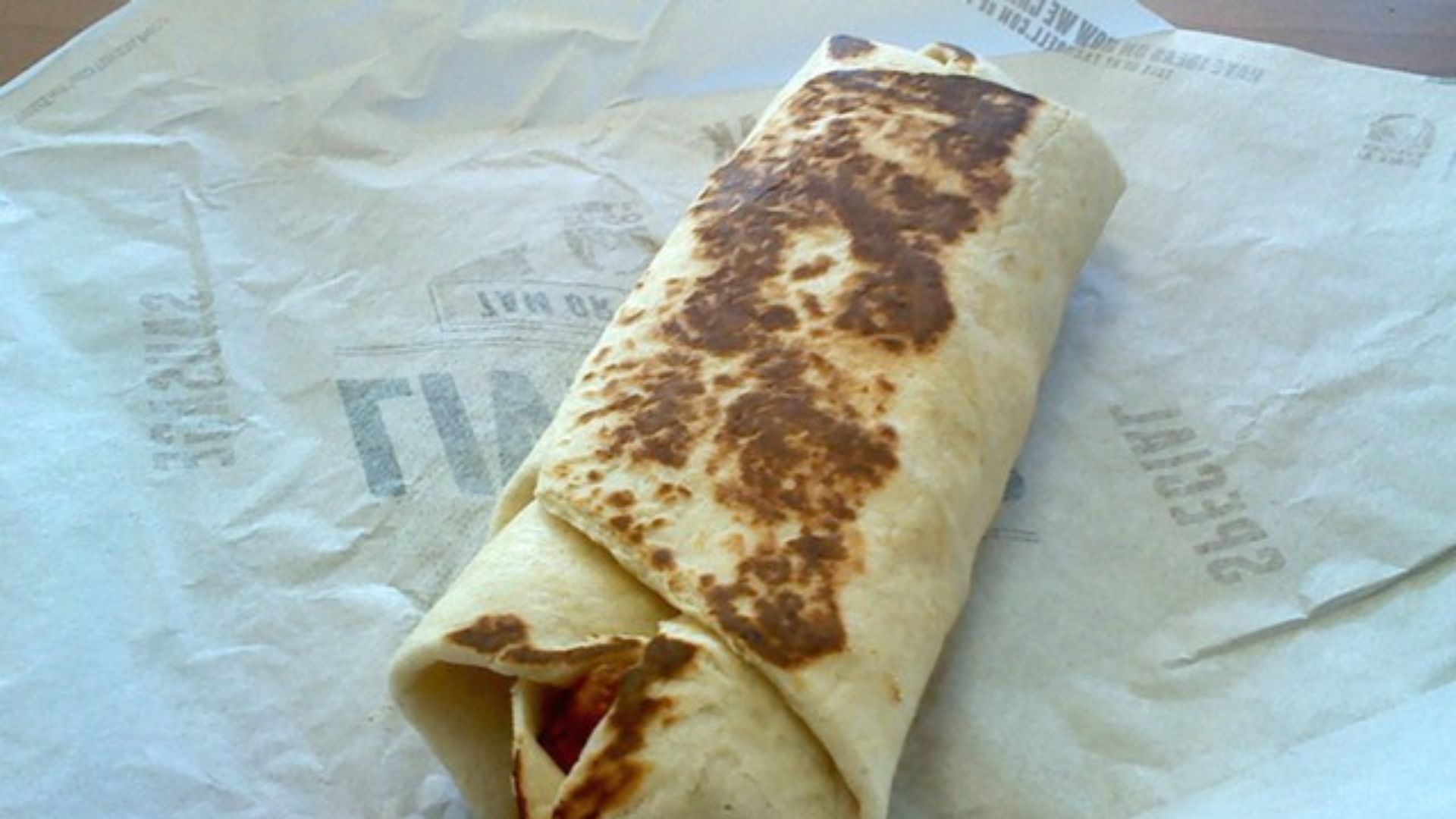
2. Taco Bell Breakfast Crunchwrap
This item thrives on structural engineering. The layered wrap keeps everything contained while staying crisp on the outside. Making one at home requires multiple pans and careful timing. Fast food wins here purely on execution. Even when you rush through it, the texture usually holds.
3. Starbucks Bacon, Gouda & Egg Sandwich
This breakfast sandwich's appeal is consistent with a bold flavor. The bread, cheese, and egg always hit the same notes. At home, slight changes in heat or timing throw it off. It’s dependable in a way that homemade versions often aren’t. That predictability is part of why people keep ordering it.
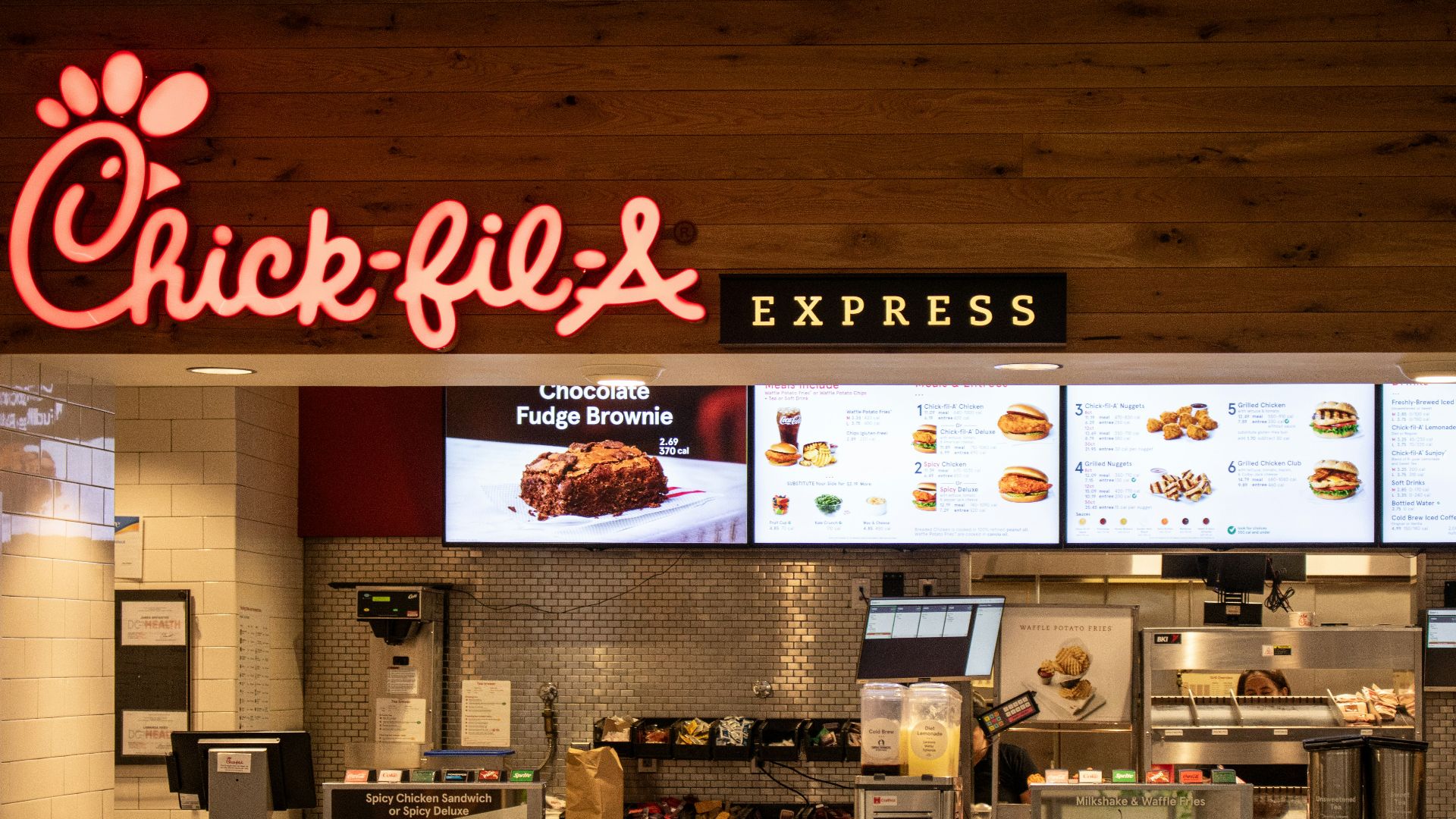
4. Chick-fil-A Chicken Biscuit
Frying chicken properly in the morning isn’t realistic for most people. Chick-fil-A nails the seasoning and texture every time. The biscuit is sturdy without being dry. This is one of those breakfast items that’s just easier to buy, as the timing alone makes it impractical at home.
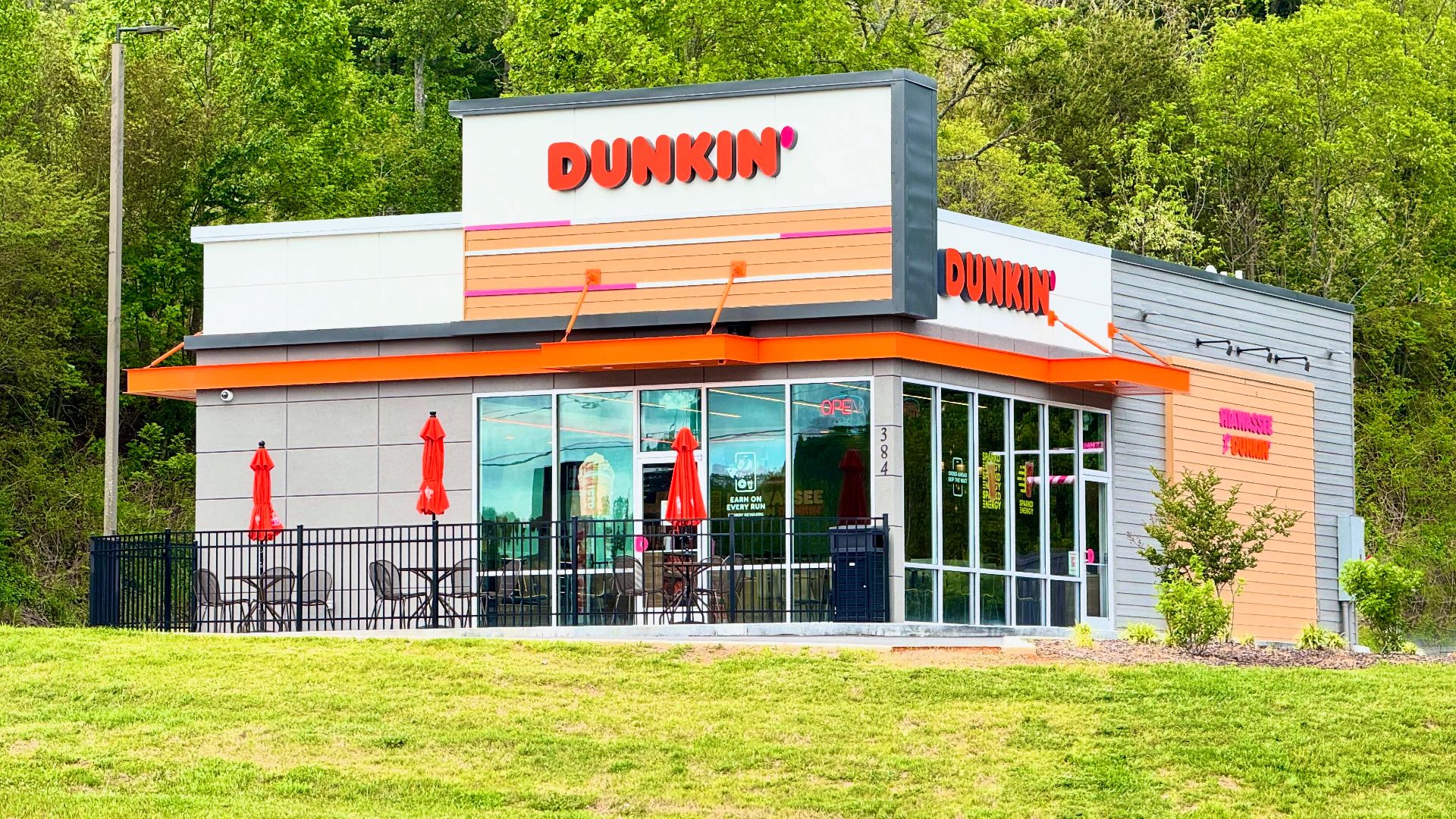
5. Dunkin’ Wake-Up Wrap
Its strength is restraint. The portions are small, controlled, and intentionally simple. At home, it’s easy to overdo the fillings and ruin the balance. Dunkin’ keeps it light without feeling skimpy. It works best when you want something quick, not filling.
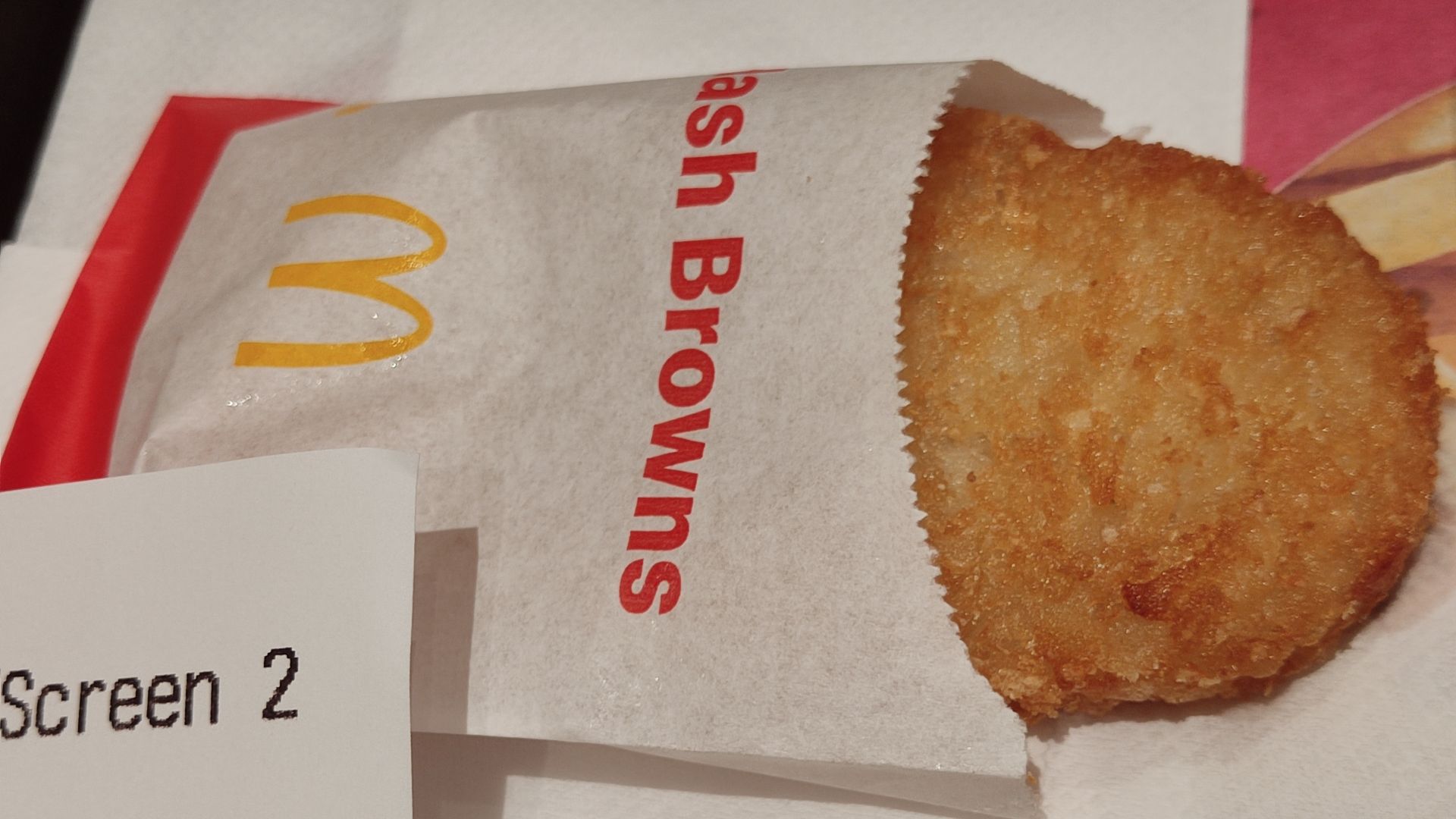
6. McDonald’s Hash Browns
These are extremely hard to replicate exactly. The exterior crispness and interior softness require commercial fryers and precise oil control. Oven or pan versions rarely compare. This is fast food specialization at work. Even frozen grocery versions don’t come close to matching it.
7. Whataburger Breakfast On A Bun
The bun-to-filling ratio is dialed in with this breakfast sandwich. Everything stays warm without getting soggy. Recreating that timing at home is trickier than expected. It’s built for eating immediately, and waiting too long is what ruins homemade attempts.
 Photo: Andreas Praefcke on Wikimedia
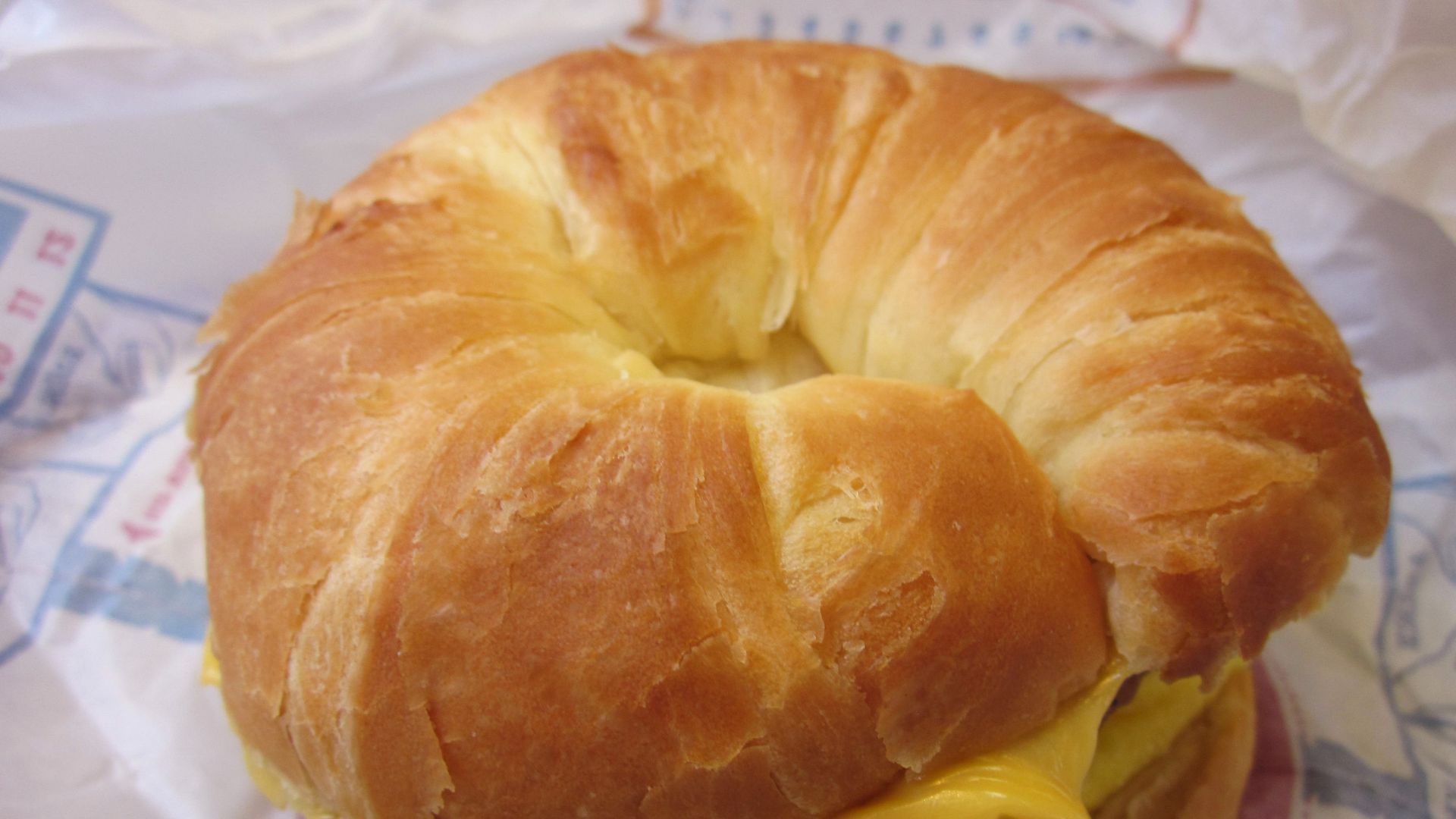
8. Burger King Croissan’wich
The croissant texture is the real advantage. Laminated dough takes time and skill to make properly. Buying it ready-made saves hours. Convenience clearly wins here, and while it's not perfect, it’s efficient and tasty.
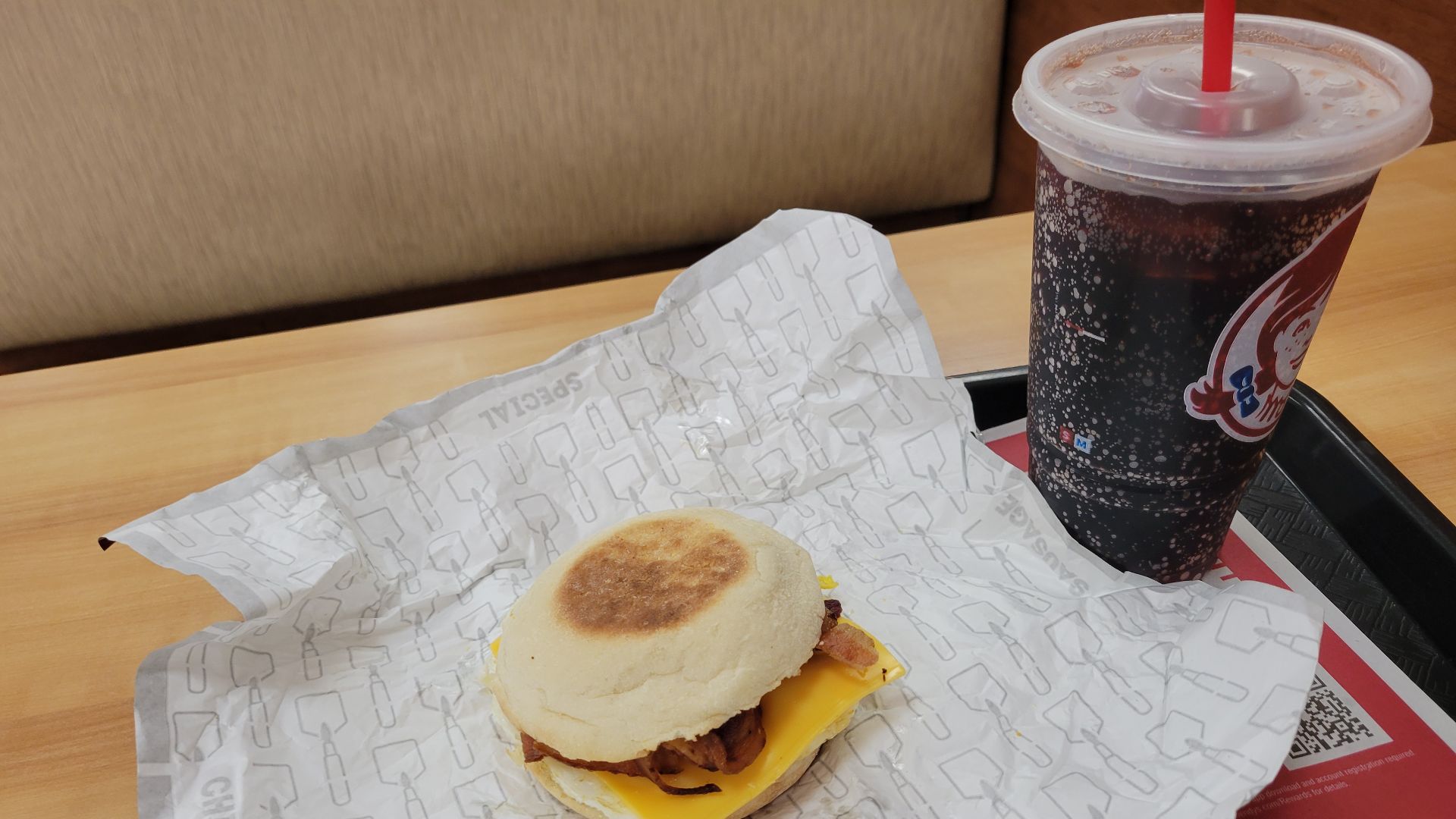
9. Wendy’s Breakfast Baconator
This one succeeds because it leans fully into excess. Cooking multiple proteins and keeping them hot is annoying at home. Wendy’s does it without hesitation. It’s unapologetically indulgent, and sometimes that’s exactly the point.
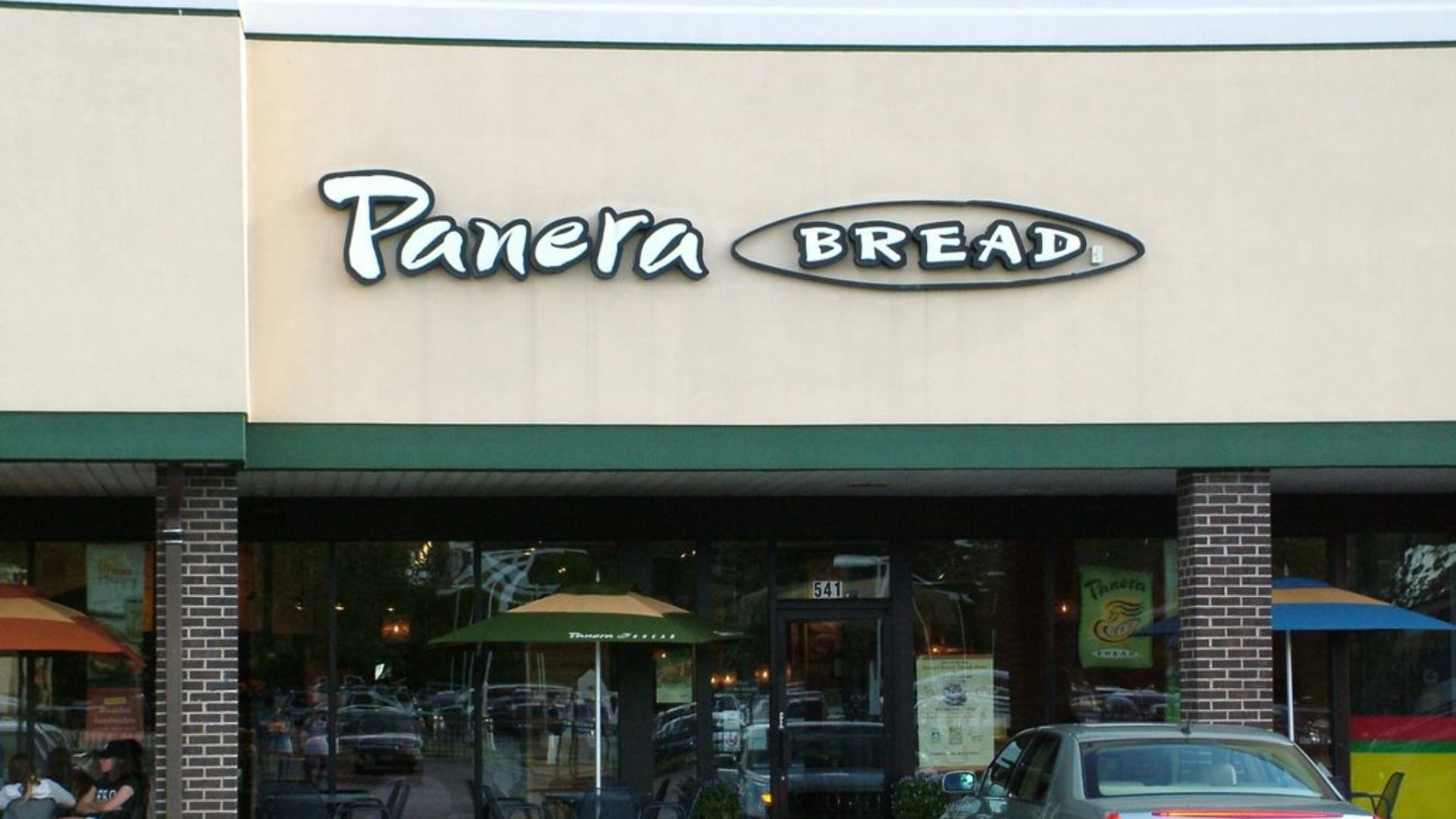
10. Panera Bacon Egg & Cheese On Brioche
The bread makes the difference. Brioche is finicky and easy to mess up. Panera’s version stays soft but structured. For something this bread-forward, visiting a Panera to buy one makes sense.
1. Basic Scrambled Egg Sandwiches
Fast food scrambled eggs are often pre-cooked or powdered. At home, eggs are fresher and easier to control. You can season them properly. This is one area where homemade always tastes better, as the texture alone gives it away.

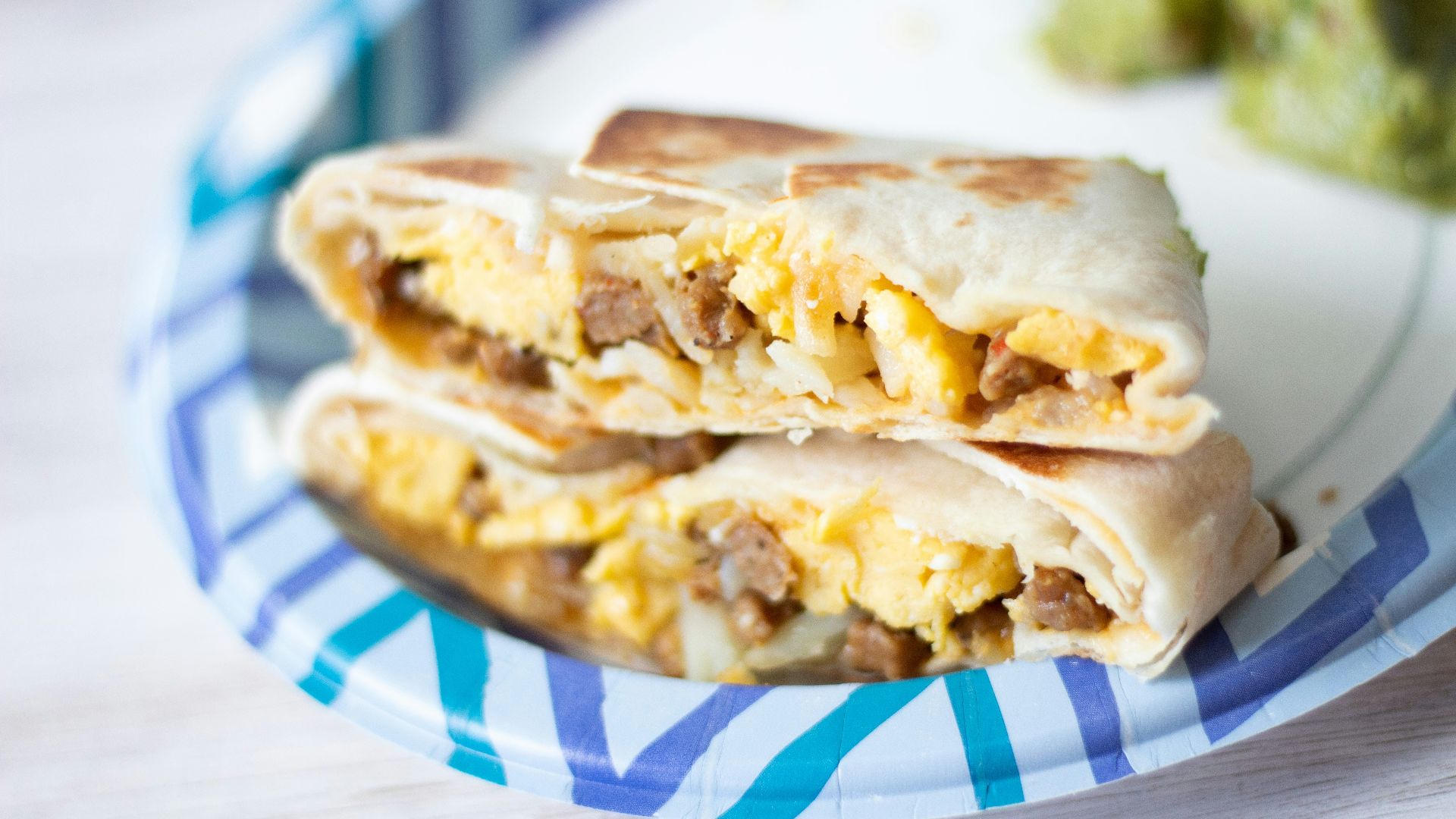
2. Plain Breakfast Burritos
These tend to be bland and overly bulky. At home, you can adjust spices, texture, and fillings. Most fast food versions rely too much on salt. Homemade wins on flavor and freshness. It’s also easier to avoid sogginess.
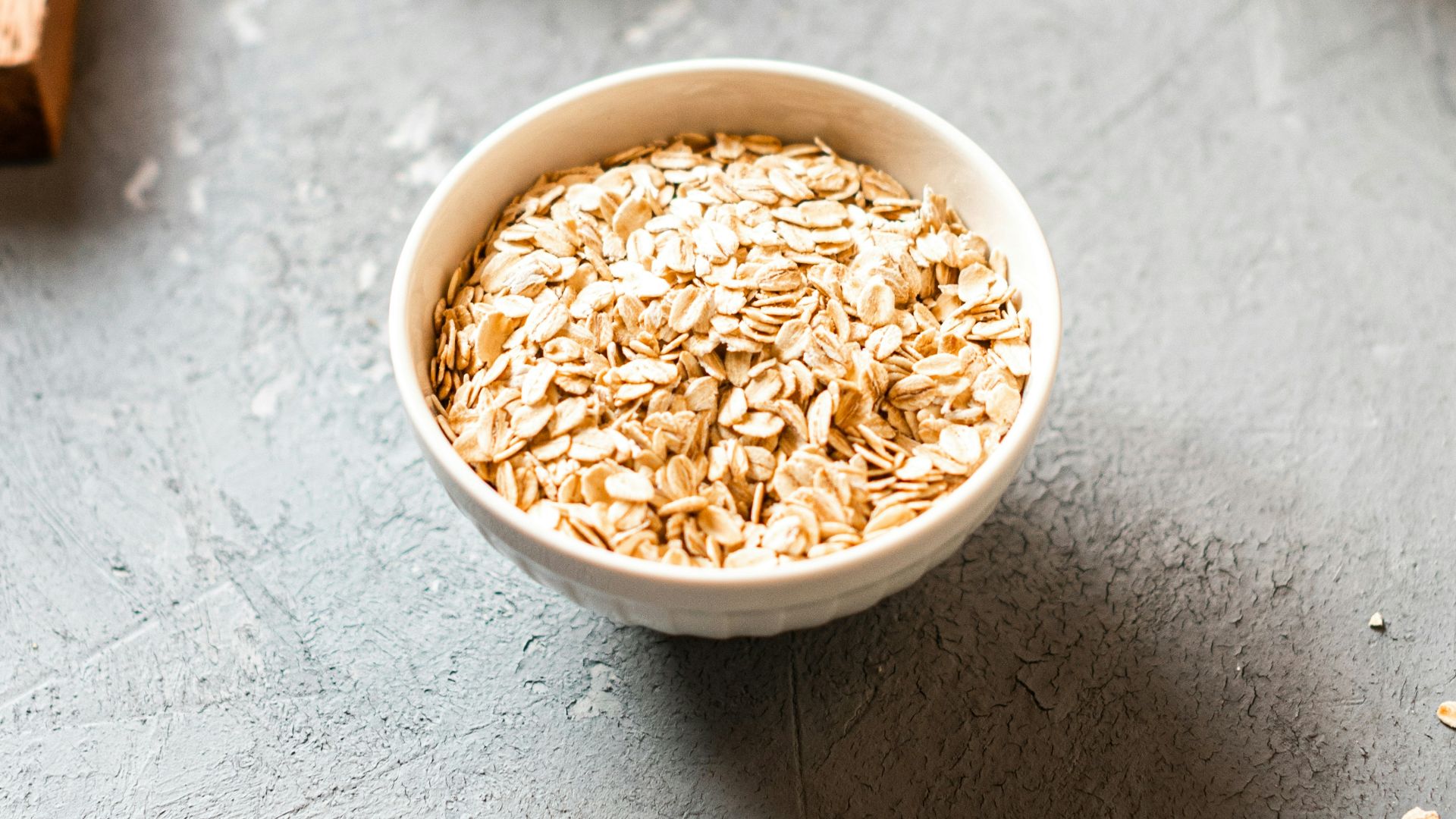
3. Oatmeal Cups
Most fast food oatmeal is over-sweetened. Making oatmeal at home takes minutes and costs less. You control texture and toppings easily. There’s no real advantage to buying it at a fast food restaurant, as even instant oats do a better job.
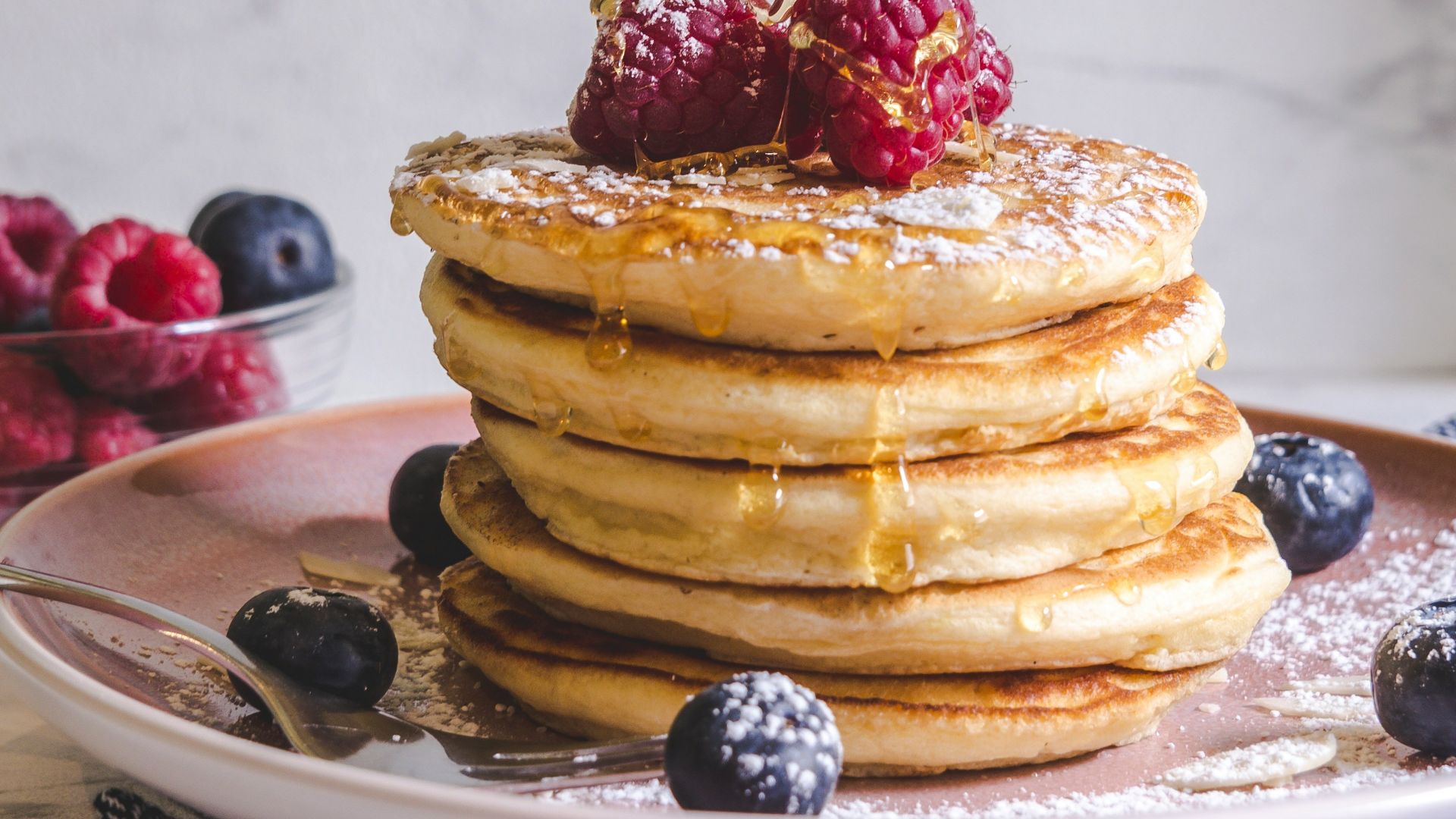
4. Pancakes
This one isn’t a fair fight. Fast food pancakes are often dry or rubbery. At home, even boxed mixes taste better. You can cook them fresh and adjust doneness, and the smell alone gives homemade the edge.
5. Breakfast Sausage Patties
Pre-made patties lack depth and juiciness. Cooking sausage at home gives better browning and flavor. You can choose spice levels and meat quality. There's no doubt that fast food versions feel generic by comparison.
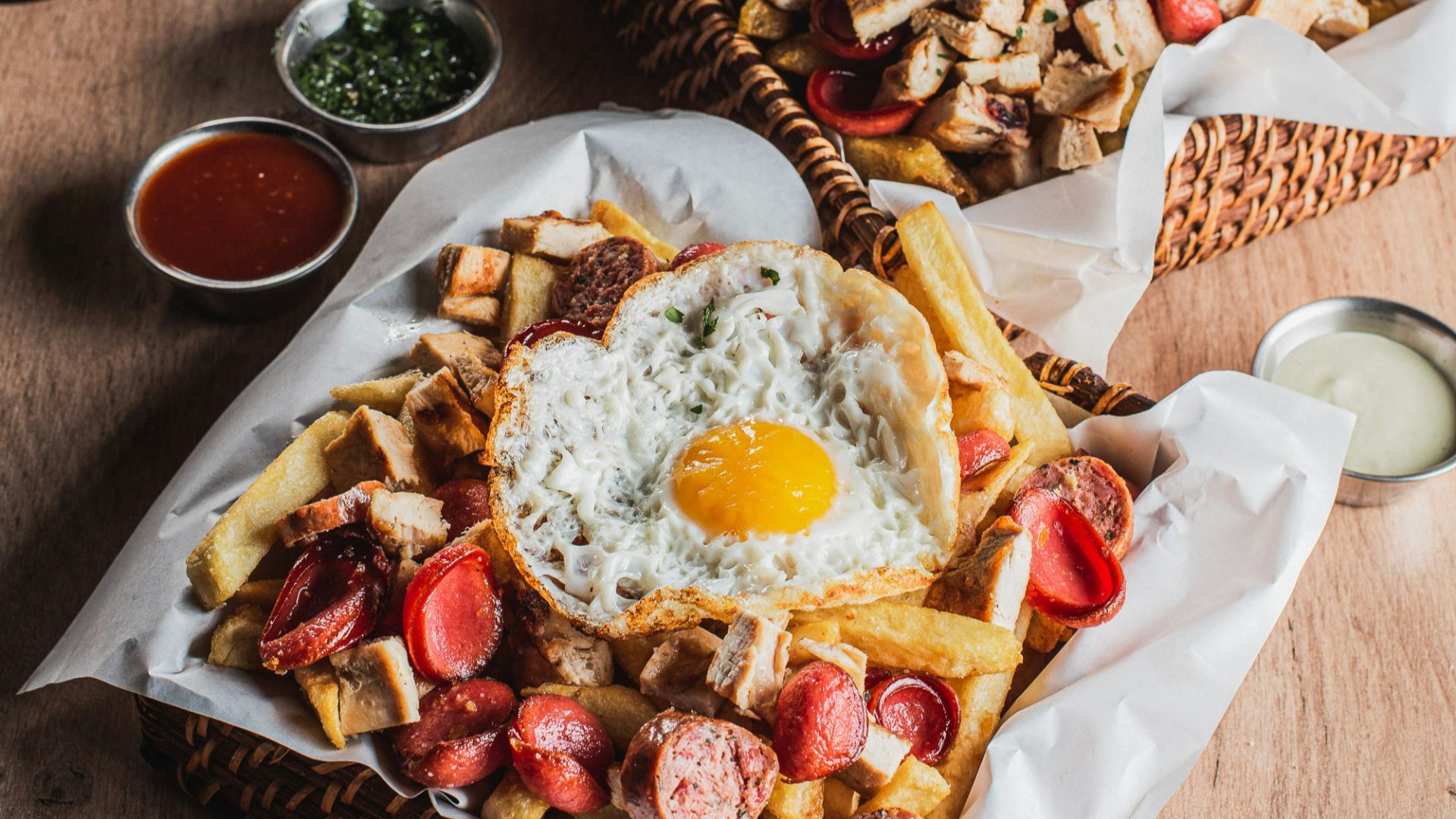 Diego Arenas de Rodrigo on Unsplash
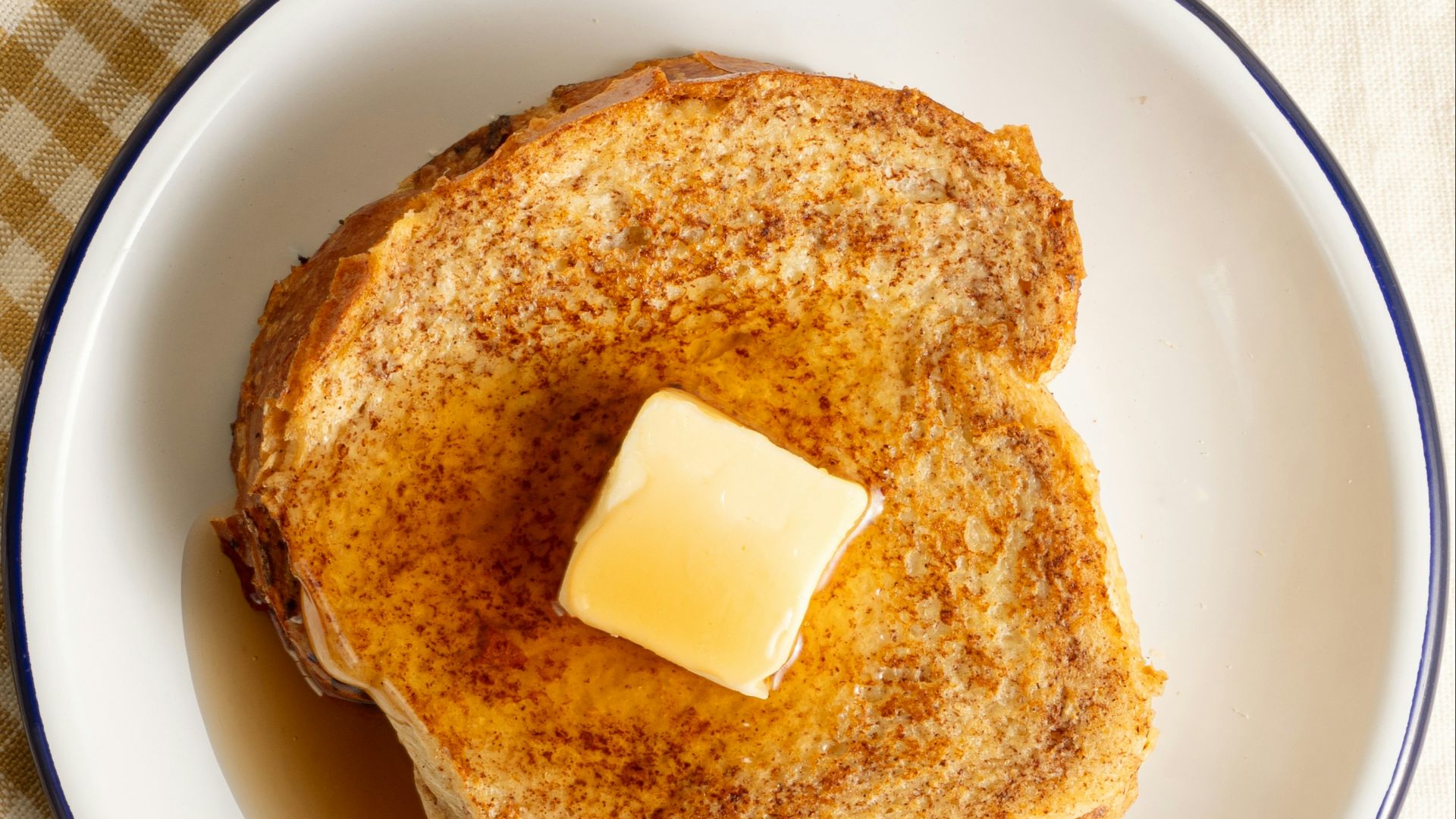
6. Plain Toast With Butter Or Jam
This shouldn’t be purchased, as toast is faster and cheaper at home. Fast food adds nothing special here. It’s convenience without payoff. Buying this breakfast staple always feels like a mistake.
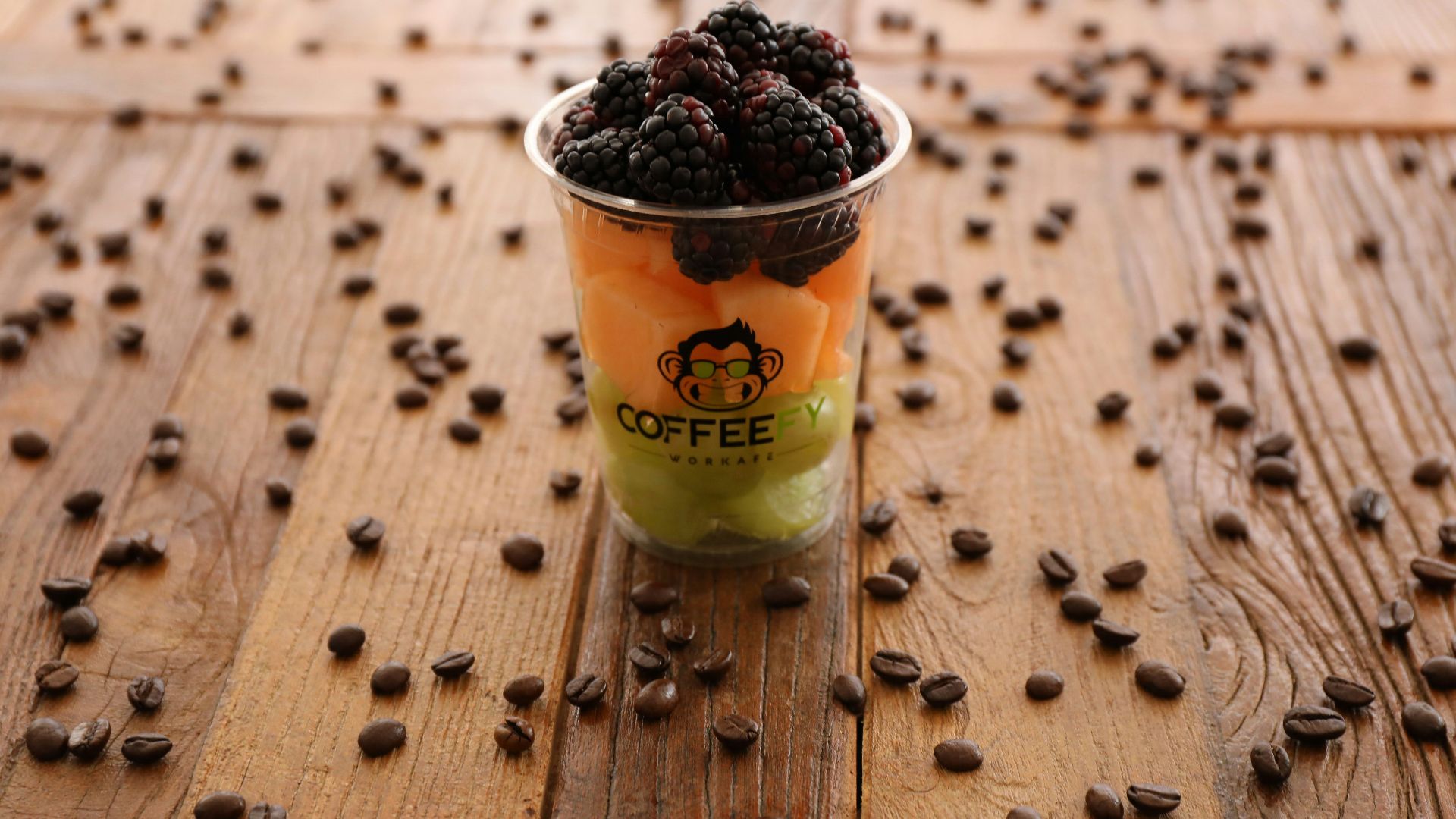
7. Fruit Cups
Fast food fruit is often underripe or watery. At home, fruit is fresher and customizable. You avoid unnecessary syrups. Cutting fruit yourself barely takes any time, and it's always satisfying to eat.
8. Breakfast Bagels Without Special Fillings
Unless there’s a standout spread or protein, these fall flat. Store-bought bagels toasted at home usually taste better. You control the cream cheese amounts and can add your favorite ingredients. Fast food versions feel rushed.
 David Foodphototasty on Unsplash
9. Simple Breakfast Bowls
These often suffer from uneven heating. At home, ingredients stay distinct and properly seasoned. Assembly is straightforward. Fast food versions rarely justify the price, and often include lukewarm eggs, which ruin the whole thing.
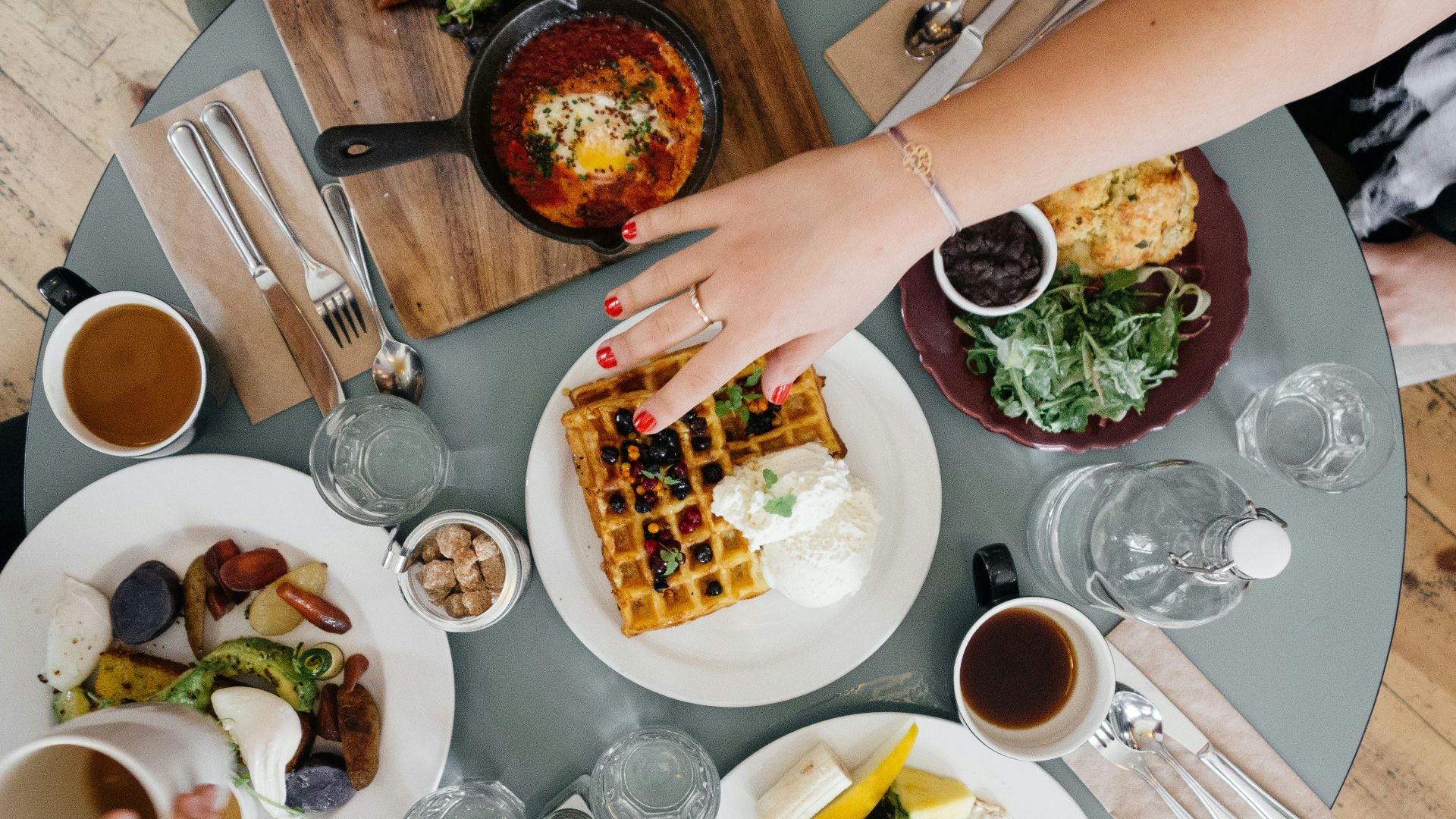
10. Coffee And Pastry Combos
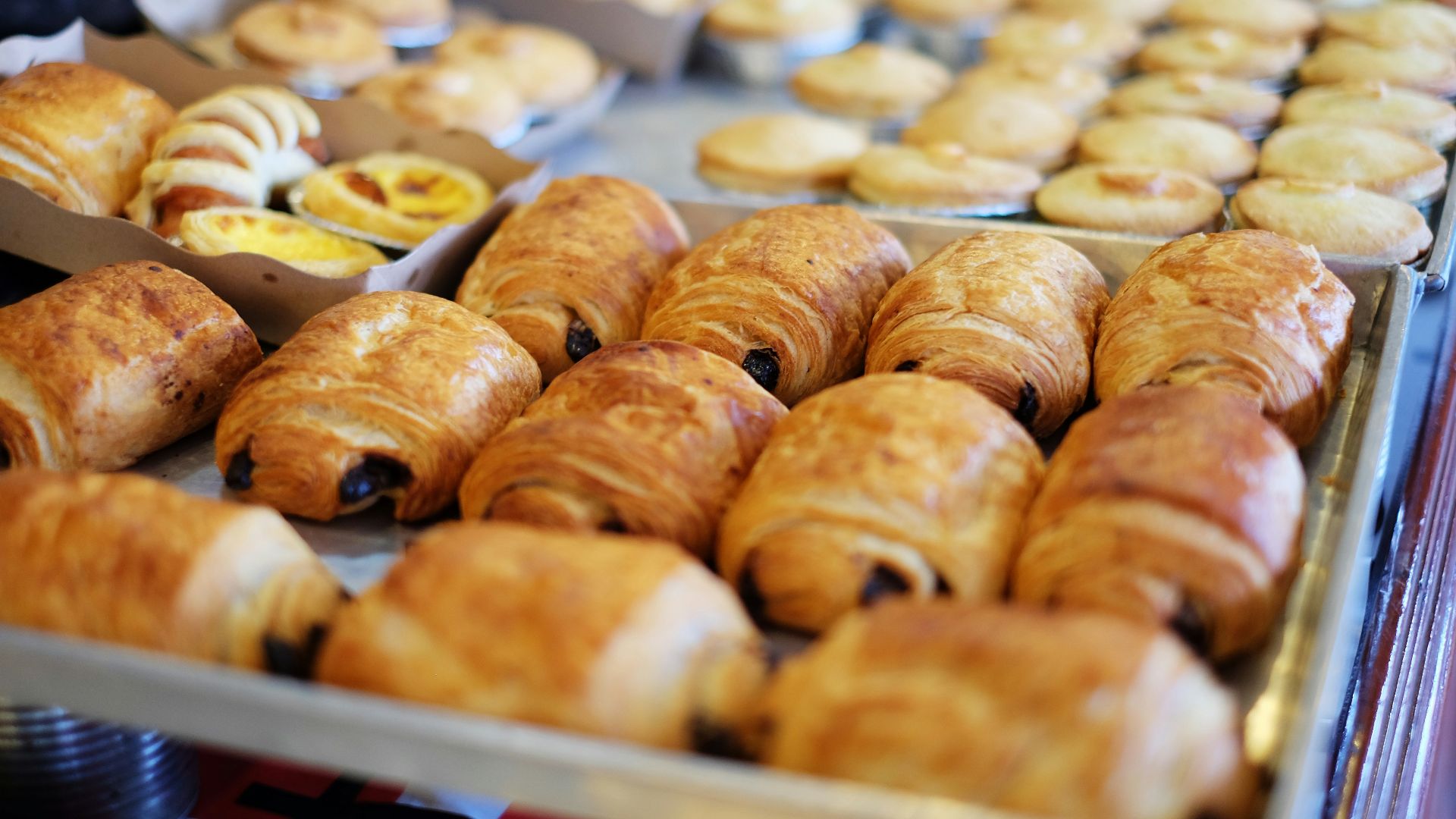
Pastries sit too long under warmers. Freshly baked goods at home or from a bakery are superior. Pairing them with your own coffee is easy. Fast food doesn’t add value here, and the staleness is hard to ignore.
KEEP ON READING
The Most Popular Chocolate Bars in the USA
The Most Popular Candies in the USA
20 Annoying Foods That Get Stuck In Your Teeth