The Surprising Thing Grocery Stores Allegedly Do With Returned Food
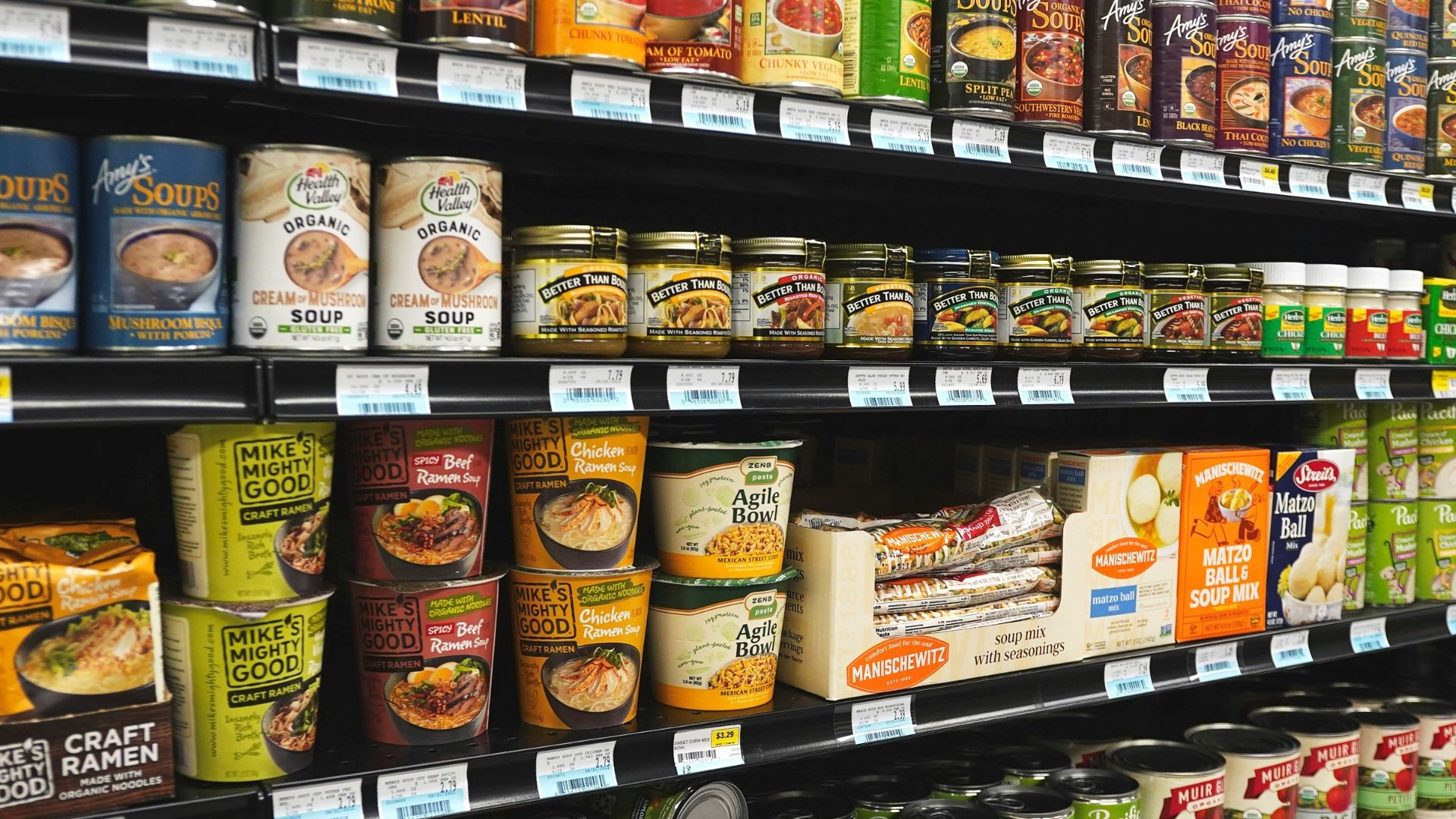
Have you ever walked up to the customer service desk with a slightly bruised bag of apples or a carton of milk that just didn't taste right? You probably handed over your receipt, watched the clerk process your refund, and walked away feeling satisfied that you got your money back. But as you turned the corner to head back into the aisles, did you ever wonder what happened to that food once it left your sight? Most of us assume it simply goes back where it came from or perhaps finds a home with someone in need.
America’s biggest grocery chains don’t actually operate like machines. In fact, they’re shockingly wasteful. Health regulations and logistics mean that even the strictest retailers have to behave in absurd ways. Digital inventory systems and dumpster diving reveal what happens after grocers send products back. Prepare to feel weird about tossing that soup can now that you know the ugly truth about shrinkage.
The Perishable Point of No Return
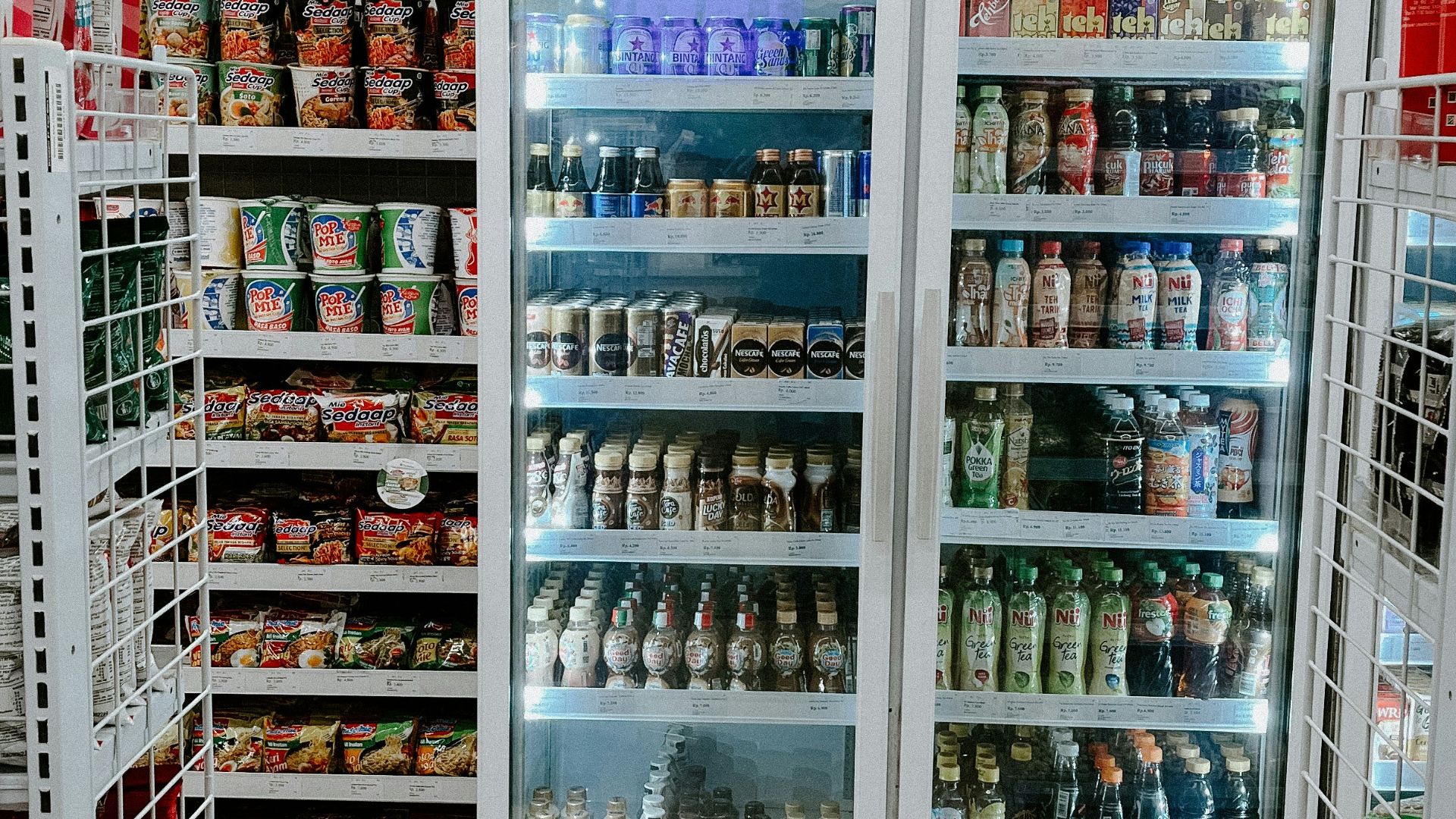
When it comes to anything refrigerated or frozen, the second that item crosses the threshold of your front door, its fate is almost certainly sealed. Grocery stores operate under incredibly strict "cold chain" requirements that dictate exactly how long meat, dairy, or frozen peas can stay at room temperature before they become a biohazard. Because the store manager has no way of knowing if you left that gallon of milk in a hot car for three hours, they can't legally or ethically put it back in the cooler. Even if the bottle feels ice-cold to the touch when you hand it over, the liability is simply too high for them to take the risk.
This means that perfectly good food often ends up being scanned as "damaged" and tossed directly into the trash or a specialized organic waste bin. You might think they’d at least donate it to a local shelter, but most food banks have the same safety standards as the retailers themselves. They can't accept perishables that have been in a consumer’s "uncontrolled environment" because there’s no way to verify the product’s safety. It’s a heartbreaking reality of the modern food system where safety protocols, designed to protect us from illness, inadvertently lead to mountains of preventable waste.
The Mystery of the Non-Perishable Bin
You'd think things like canned beans, boxed macaroni, or sealed bags of chips would be safe from the dumpster, but sadly not always. Technically speaking, a can of tomatoes is hermetically sealed and impossible to damage, but many warehouse stores have adopted what they call a "blanket destruction" policy when it comes to returns. Because of the "malicious tampering" possibility, they feel that someone could have added poison or placed an unknown object inside a seemingly harmless package. It sounds silly, but you'd be surprised how serious the legal teams at these companies are about avoiding litigation.
In some instances, these items are sent to a "Return to Vendor" (RTV) center where they’re processed in bulk. Instead of going back on the shelf at your local shop, they might be sold to secondary liquidators or "salvage" grocers who specialize in selling dented or returned goods at a massive discount. However, the cost of shipping a single box of crackers back to a central warehouse often exceeds the value of the crackers themselves. Consequently, many clerks are instructed to simply "field destroy" the items, which is a fancy way of saying they’re going into the compactor behind the store. Ideally, your local market has a more lenient policy and will accept unopened shelf-stable goods that can simply be inspected before restocking.
Why You Can’t Just "Give It Away"
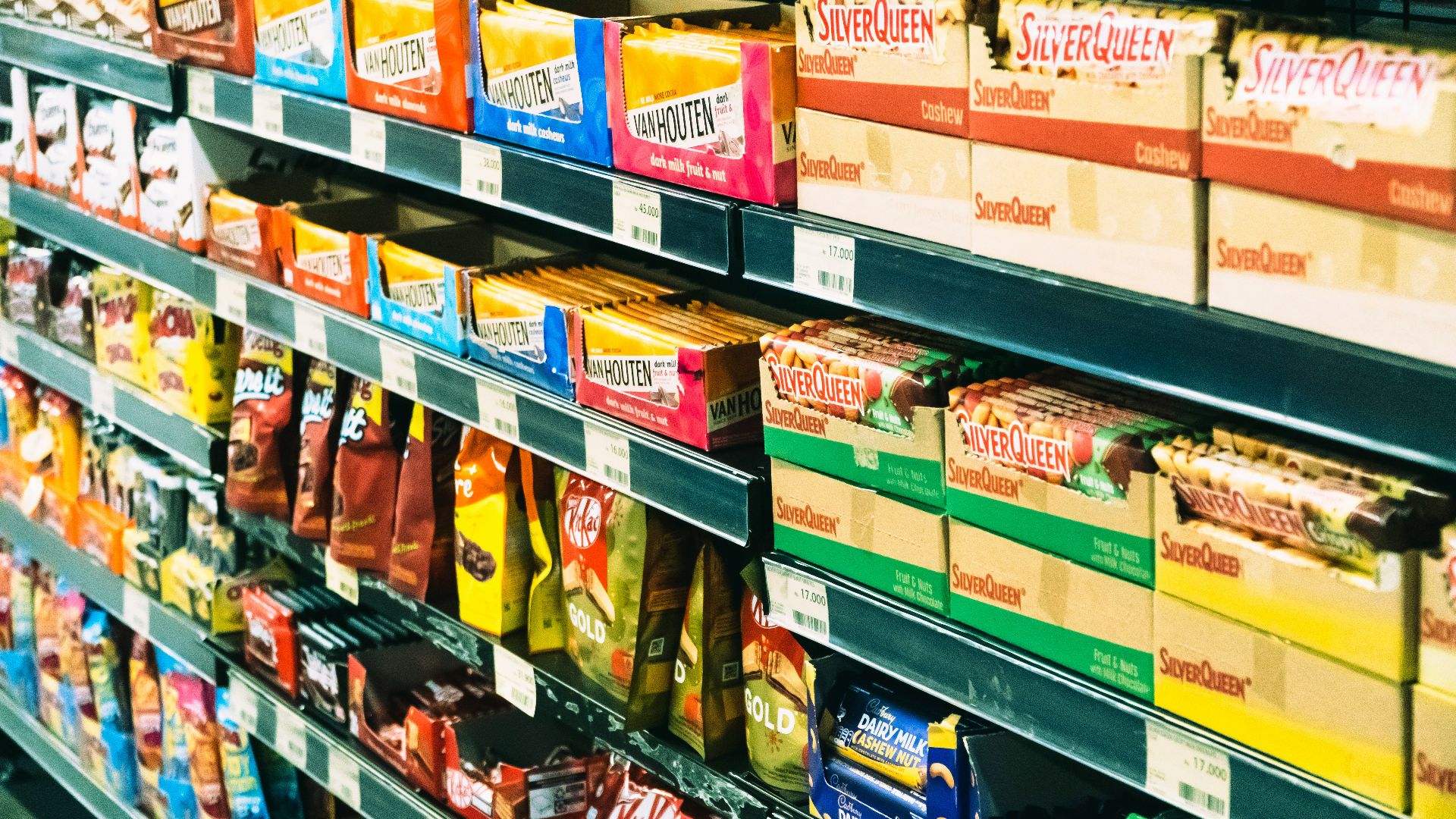
A common question people ask is why employees can't just take the returned food home or leave it out for the hungry. It seems like a no-brainer to let a staff member have a box of cereal that was returned because the customer "bought the wrong flavor." Unfortunately, most corporate handbooks strictly forbid this practice to prevent what they call "internal theft." If employees were allowed to keep returns, the company fears they might encourage friends to buy and return items just so they can get free groceries at the end of their shift.
At the end of the day, this is why it’s so important to really think about what you’re buying. Return policy is there so you don’t have to worry about “oops I bought this” buys, but if you use that as your safety net, you are promoting unnecessary waste. Graphs like these are difficult to read because it’s hard to fathom so much trash. If you don’t want something you bought and it’s unopened, see if a friend wants it or leave it in a “little free pantry” instead of returning it to the store. You’ll prevent 100% guaranteed waste and help the food be used for its intended purpose.