10 Grocery Store Labels That Are Pure Marketing Nonsense & 10 Worth Paying Attention To
10 Grocery Store Labels That Are Pure Marketing Nonsense & 10 Worth Paying Attention To
Words That Actually Deserve Your Trust
Under the soft lighting and slow music of your average grocery store, you’re being pitched dozens of quiet promises about health, ethics, simplicity, and virtue, all printed in friendly fonts on cardboard and plastic. Some of those promises are backed by regulations, inspections, and paper trails that actually change how food is grown or made. Many others are just well-chosen words that sound reassuring while meaning almost nothing at all. Here are 10 grocery store labels that mostly exist to make you feel better, followed by 10 that are genuinely worth paying attention to when you’re deciding what goes in the cart.
1. Natural
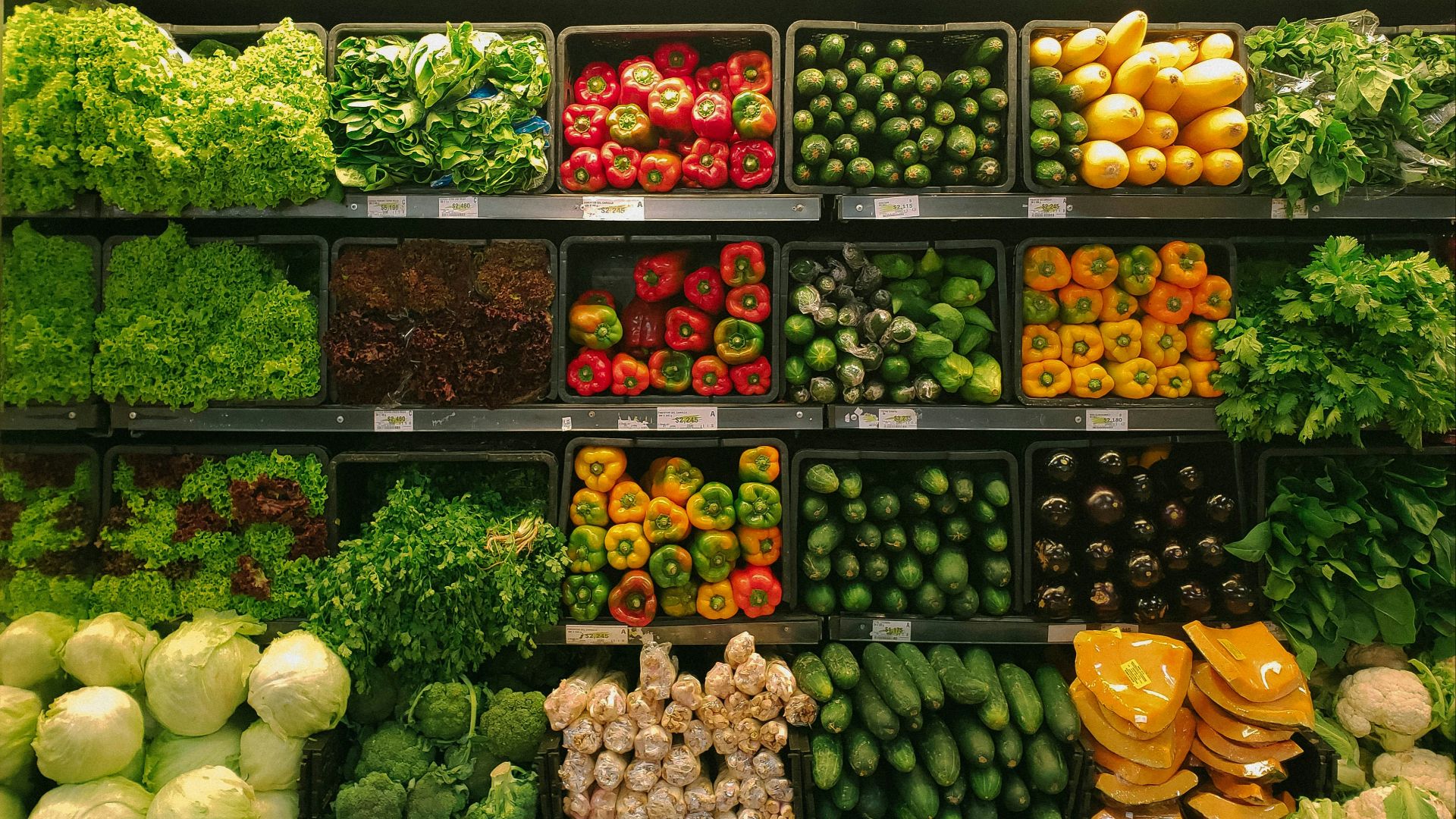
“Natural” has no consistent, legally enforced definition on most packaged foods in the United States, which makes it endlessly flexible. It can appear on products made with industrial processes, artificial flavors, and ingredients sourced from halfway around the world. When a brand leans heavily on this word, it’s often filling the space where a real, verifiable claim could have been.
2. Made With Real Fruit
This phrase shows up constantly on snacks that are brightly colored and aggressively sweet, and it’s doing a lot of emotional work. “Real fruit” can mean a small amount of concentrate or purée, even when sugar and flavorings dominate the recipe. The ingredient list usually reveals that the fruit is more of a guest appearance than the main character.

3. Multigrain
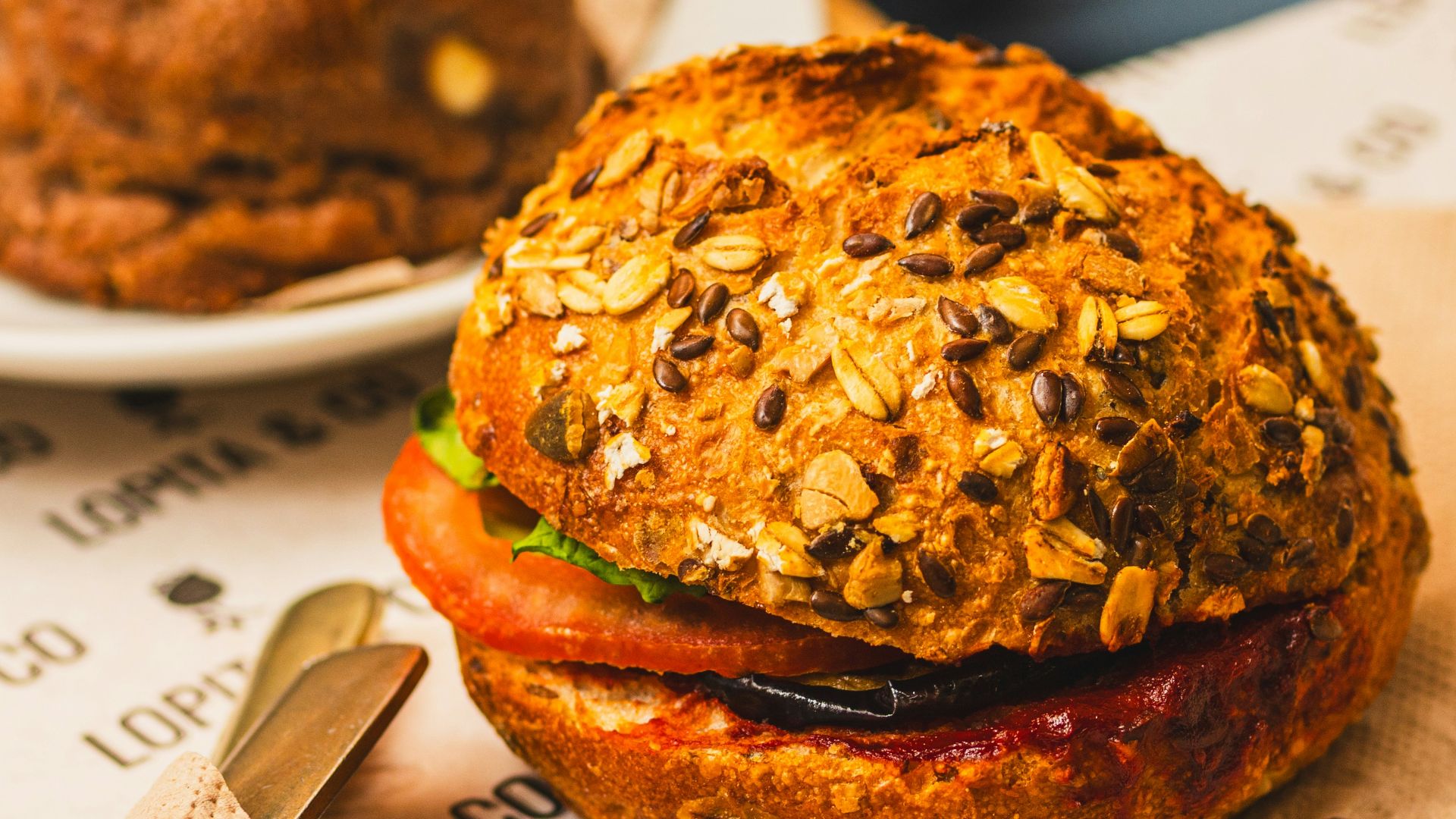
Multigrain sounds sturdy and sensible, yet it simply means more than one grain is present, not that those grains are whole or nutritionally meaningful. A loaf of bread can qualify while still being mostly refined white flour with a few seeds tossed in. The word creates a health halo that doesn’t reliably match what you’re actually eating.
4. Made With Whole Grain
This label feels more specific, yet “made with” is where the wiggle room lives. A product can include a modest amount of whole grain and still rely primarily on refined grains for structure and taste. Unless whole grains appear first in the ingredient list, the phrase is often more about reassurance than substance.

5. No Added Hormones
On beef and dairy, this can sometimes signal a production choice, but it often appears on poultry where added hormones are already prohibited by federal law. In that context, the label is announcing compliance with the minimum standard, not a meaningful upgrade. It works because it sounds protective, even when nothing different actually happened.

6. Free-Range
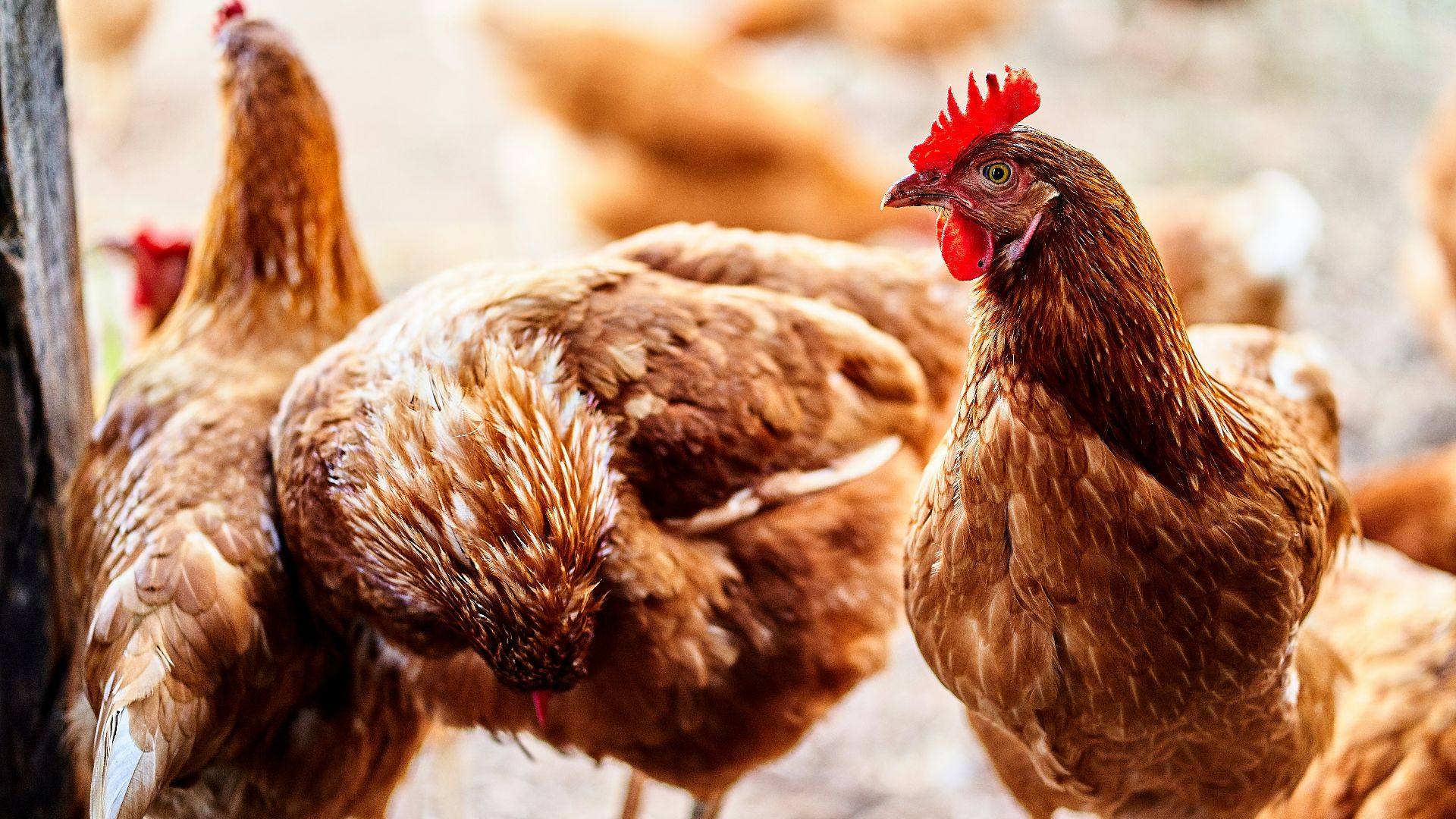
Free-range evokes images of open fields and sunlight, yet the requirements behind it can be surprisingly minimal. For poultry, it may only guarantee some level of outdoor access without specifying how often, how long, or how usable that outdoor space is. Without additional context or certification, the term is too vague to rely on.
 Henrique S. Ruzzon on Unsplash
7. Farm-Raised
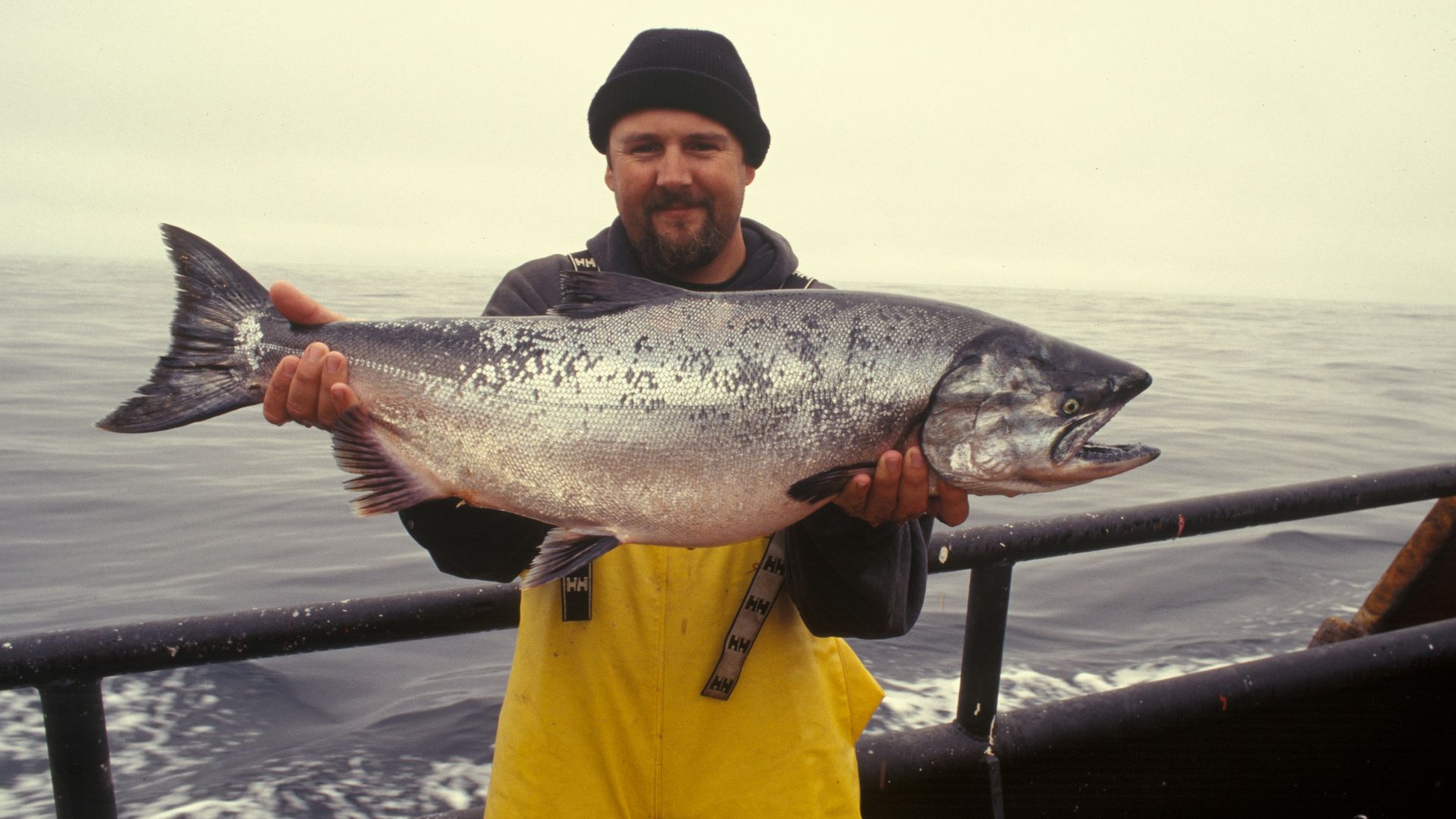
Farm-raised seafood sounds comforting and controlled, yet it tells you almost nothing about conditions, environmental impact, or animal health. Aquaculture varies widely by species, country, and regulation, and this label flattens all of that complexity into a single, friendly phrase. Without further details, it’s closer to a biography than a credential.
8. Crafted
“Crafted” suggests care, intention, and maybe a human touch, even when the product comes off a massive automated line. The word has no formal definition, which allows it to imply small-batch values at industrial scale. When a large brand uses it, the romance is doing more work than the process.
 Jose Hernandez-Uribe on Unsplash
9. Wholesome
Wholesome is a feeling, not a standard, which makes it ideal for packaging. It can sit comfortably on foods high in sugar or refined carbohydrates while still sounding morally upright. If a label relies on wholesomeness, it’s usually hoping you won’t look too closely at the nutrition panel.

10. Lightly Sweetened
“Lightly sweetened” sounds like restraint, yet it has no relationship to a specific sugar threshold. A product can earn the phrase through serving size tricks or by spreading sweetness across multiple ingredients. The actual grams of sugar on the label are the only part that carries real information.
Some labels, though, are tied to definitions, audits, and real-world consequences, and here are ten that can help you make decisions with fewer guesses involved.

1. USDA Organic
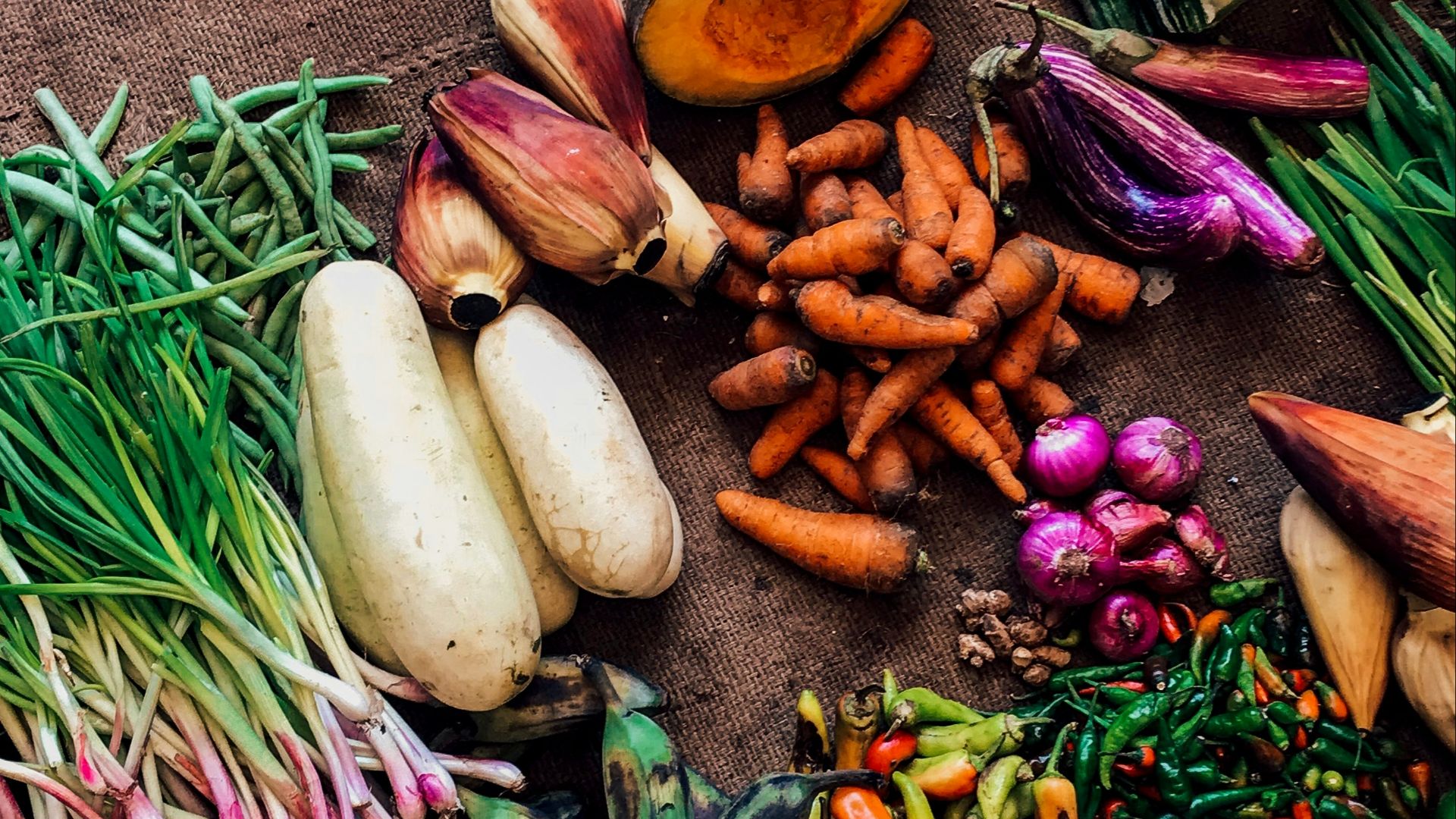
USDA organic certification is backed by federal standards that regulate synthetic pesticides, fertilizers, and genetically modified organisms, along with required inspections. It doesn’t mean a product is flawless or pesticide-free, but it does mean the producer is following a specific, enforceable rulebook. For frequently eaten produce, this label can meaningfully change how food was grown.
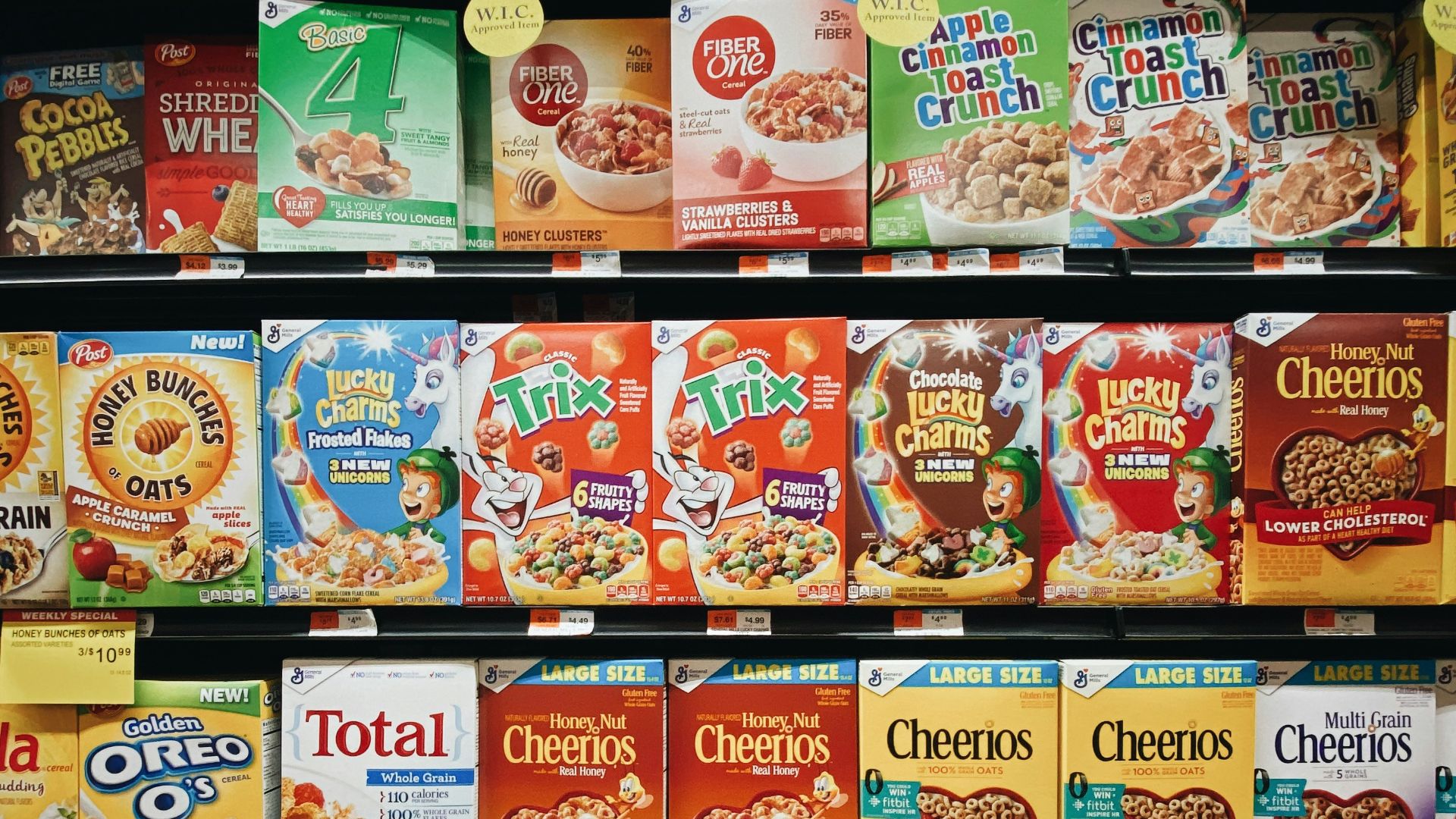
2. 100% Whole Grain
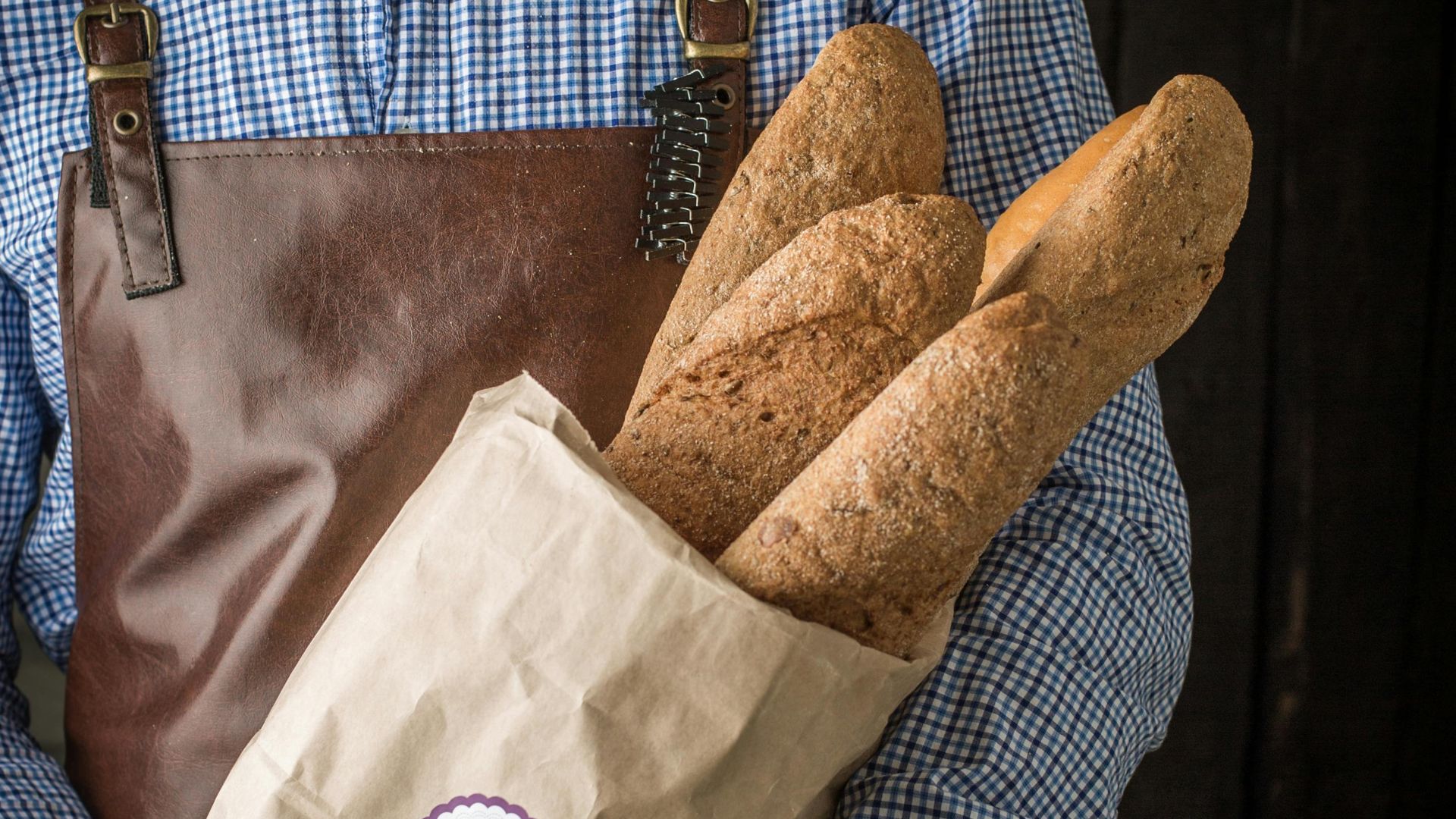
Unlike vague whole grain language, a clear “100% whole grain” claim or a Whole Grain Stamp that lists grams per serving gives you measurable information. This matters most in bread, cereal, and pasta aisles where visual cues are unreliable. When the numbers are there, you’re no longer guessing based on color and marketing tone.
 Anna Tukhfatullina Food Photographer/Stylist on Pexels
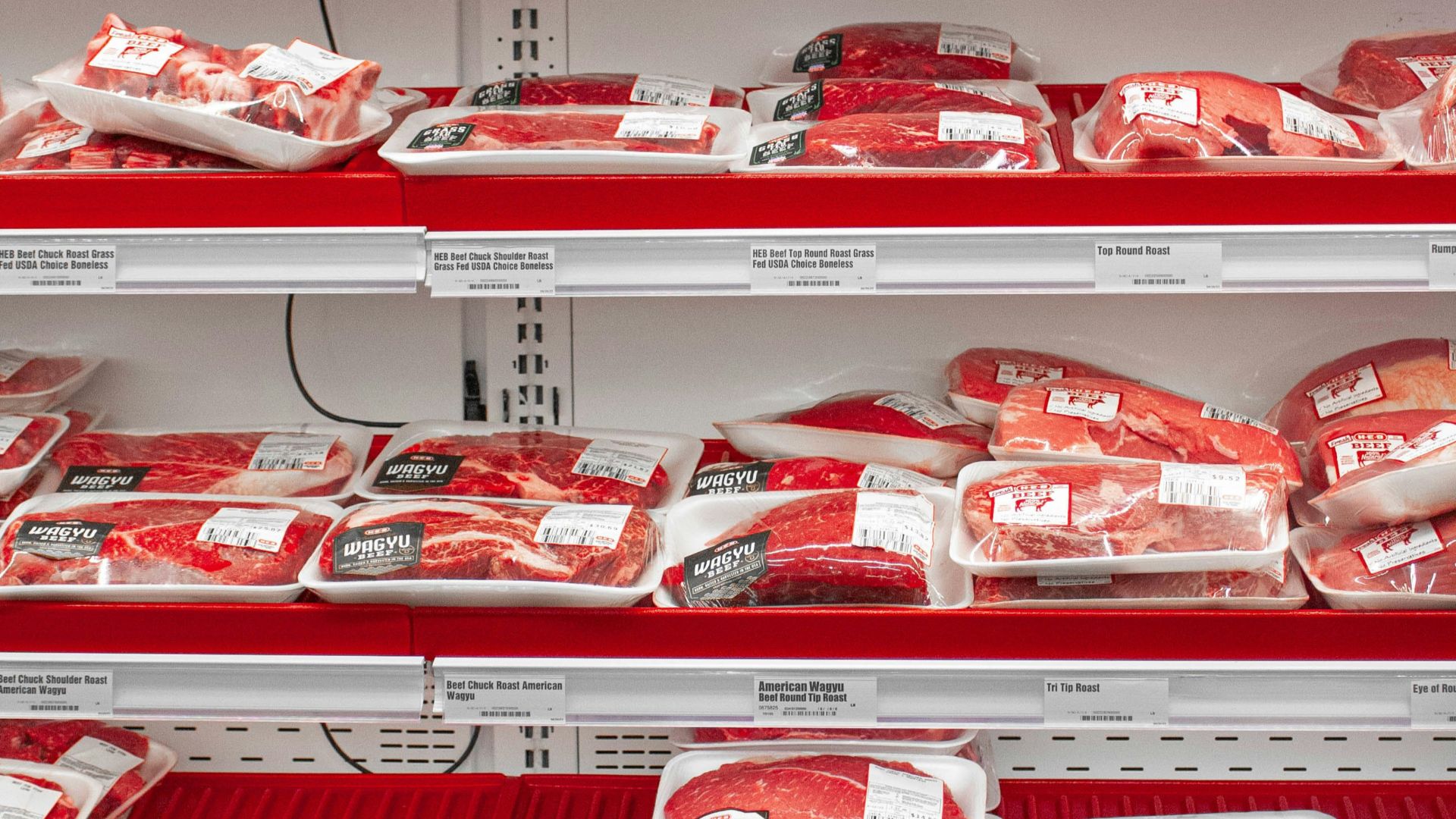
3. USDA Beef Grades
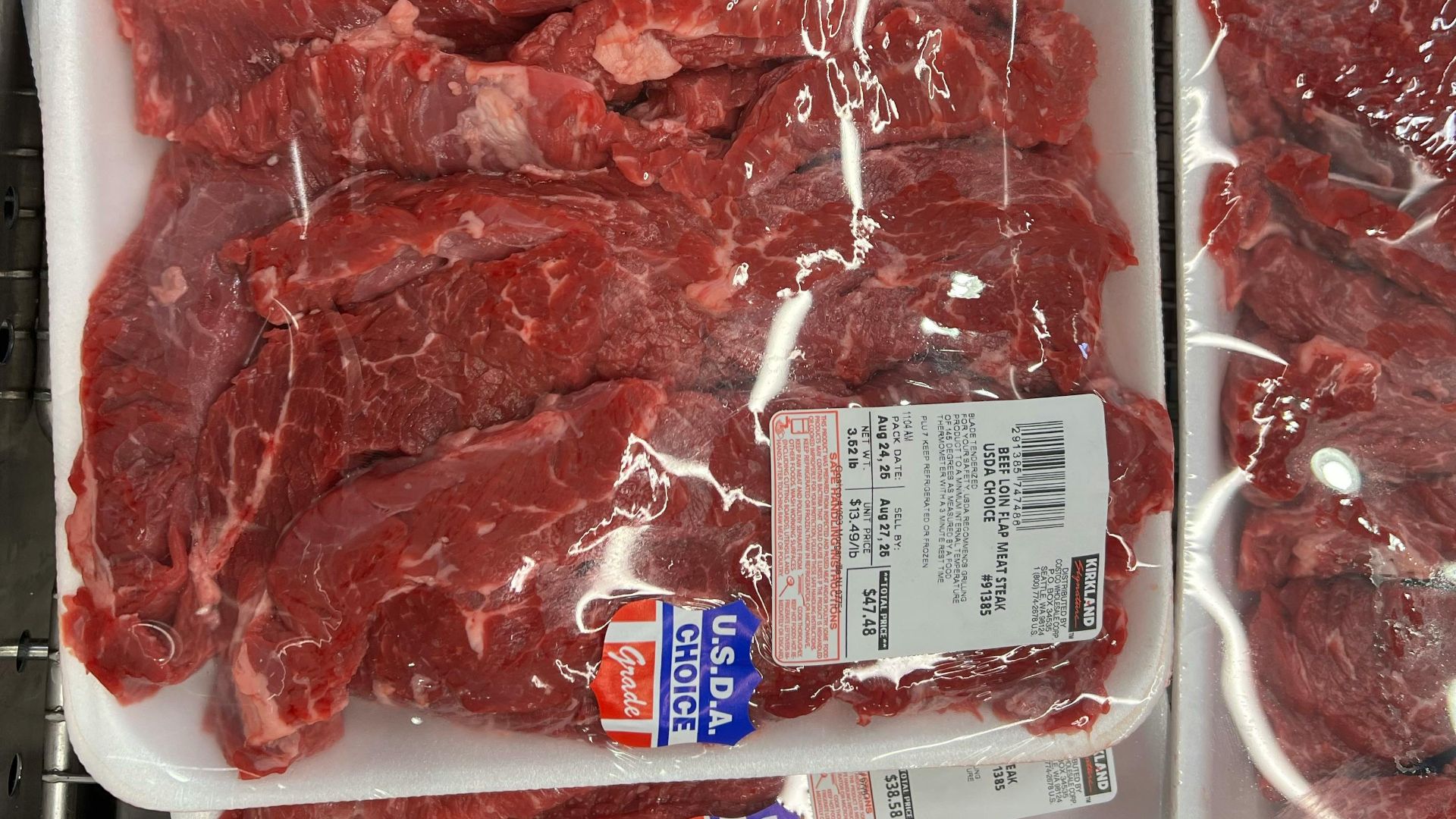
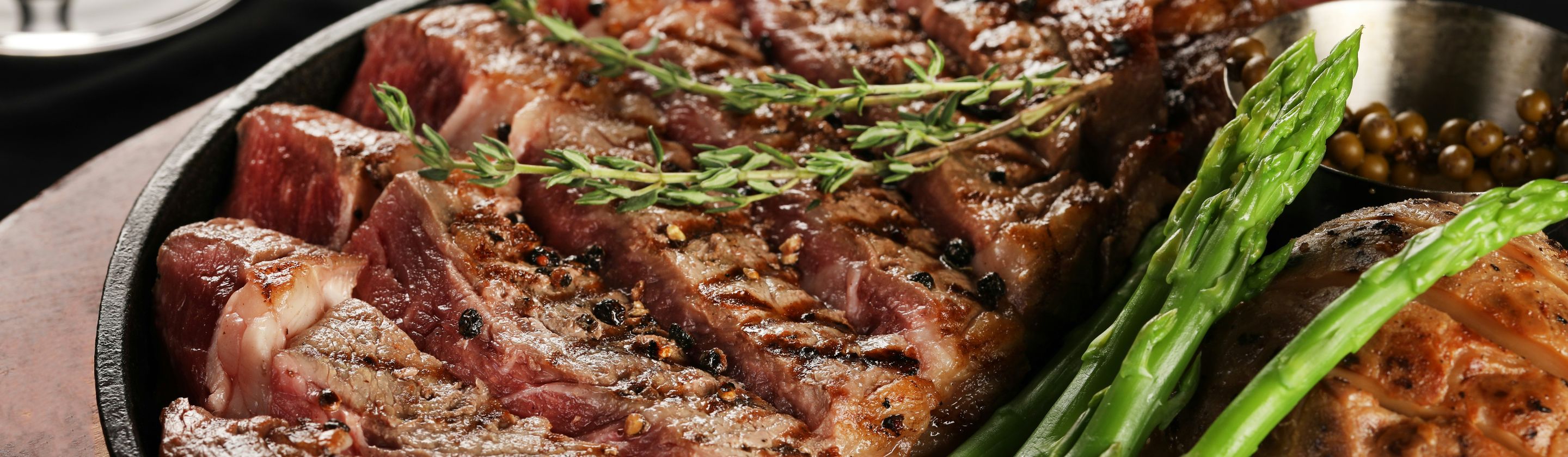
USDA beef grades are based on marbling and quality characteristics, not branding narratives. Prime generally offers the most tenderness and richness, while Choice hits a balance many home cooks prefer. These grades won’t tell you how the animal was raised, but they’re honest about eating quality.
4. Pasteurized
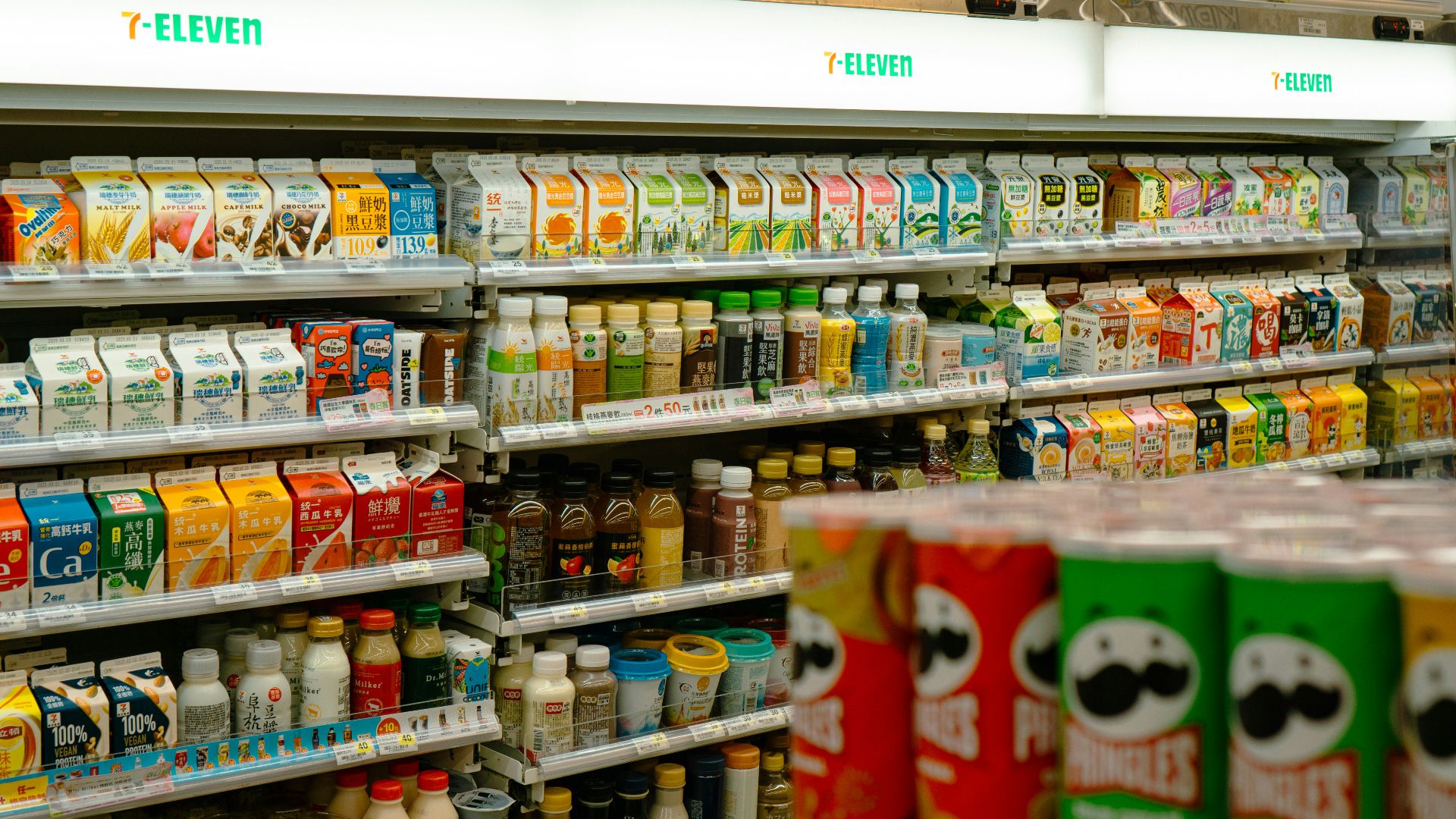
Pasteurization is one of the least glamorous labels in the store, which is part of its strength. The process, associated with the work of Louis Pasteur, significantly reduces the risk of pathogens in milk and many juices. Seeing this word tells you something concrete about food safety rather than lifestyle positioning.
5. Dolphin-Safe
Dolphin-safe labeling emerged from documented concerns about dolphin deaths linked to certain tuna fishing methods. While it doesn’t guarantee full sustainability, it does address a specific, historically significant harm. In the tuna aisle, it signals that at least one major issue was intentionally avoided.

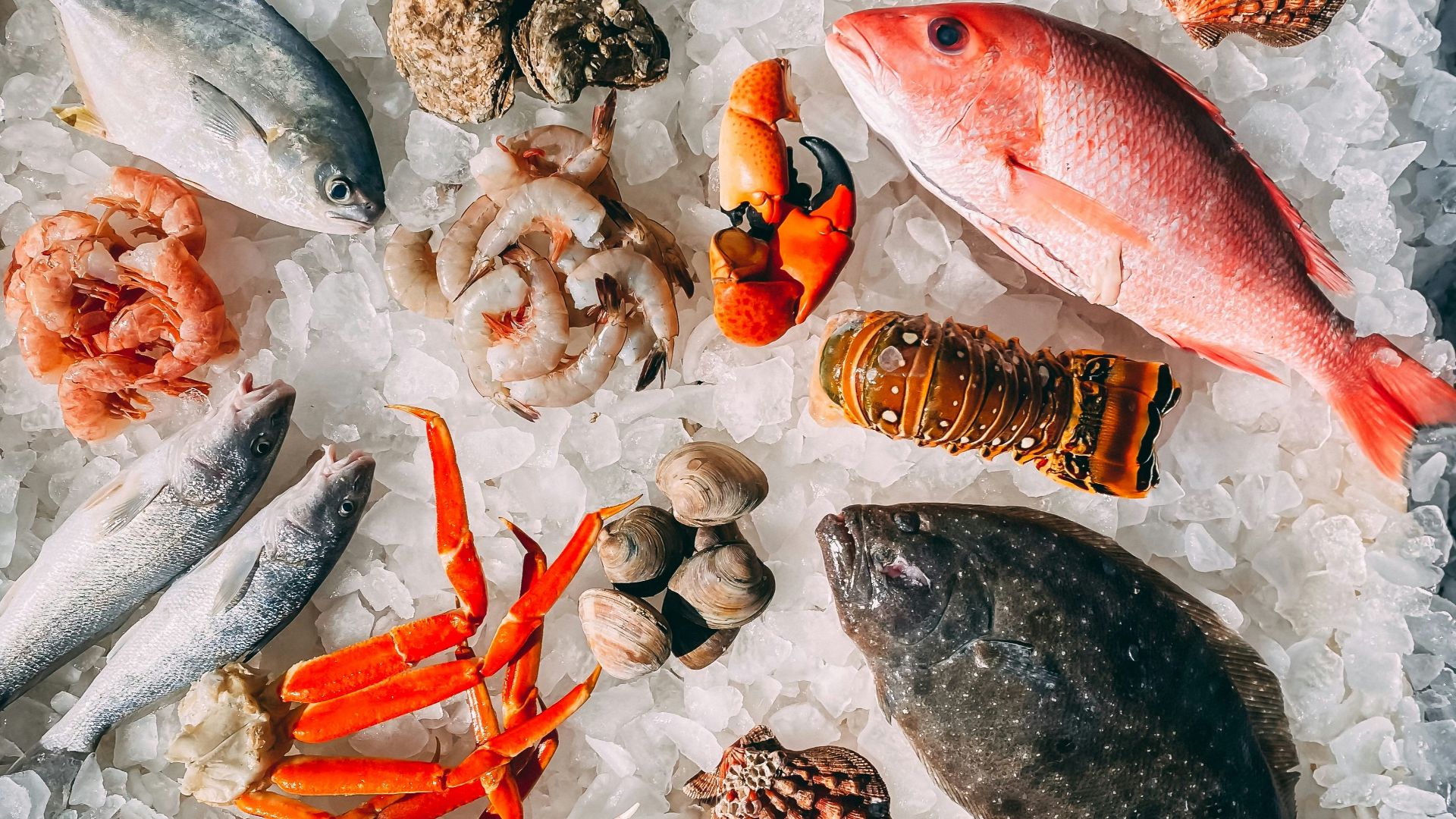
6. MSC Or ASC Certified Seafood
These certifications involve published standards and third-party assessments, which puts them in a different category from vague ocean imagery. MSC generally points to wild-caught fisheries, while ASC applies to farmed seafood. When fish fillets all look identical under plastic, these logos can provide meaningful context.
7. Third-Party Animal Welfare Certifications
Animal welfare claims get slippery fast, so independent certifications matter. Programs like Certified Humane or Animal Welfare Approved typically publish their standards and require audits, which creates accountability beyond packaging language. For eggs, poultry, and meat, this is one of the clearest ways to pay for a real difference in conditions.
8. Non-GMO Project Verified
The Non-GMO Project seal is not a nutrition guarantee, but it is a recognizable third-party verification system. It’s especially relevant for ingredients like corn, soy, and canola, where genetically modified varieties are common. When this issue matters to you, the seal is more concrete than casual wording.
9. Fair Trade Certified
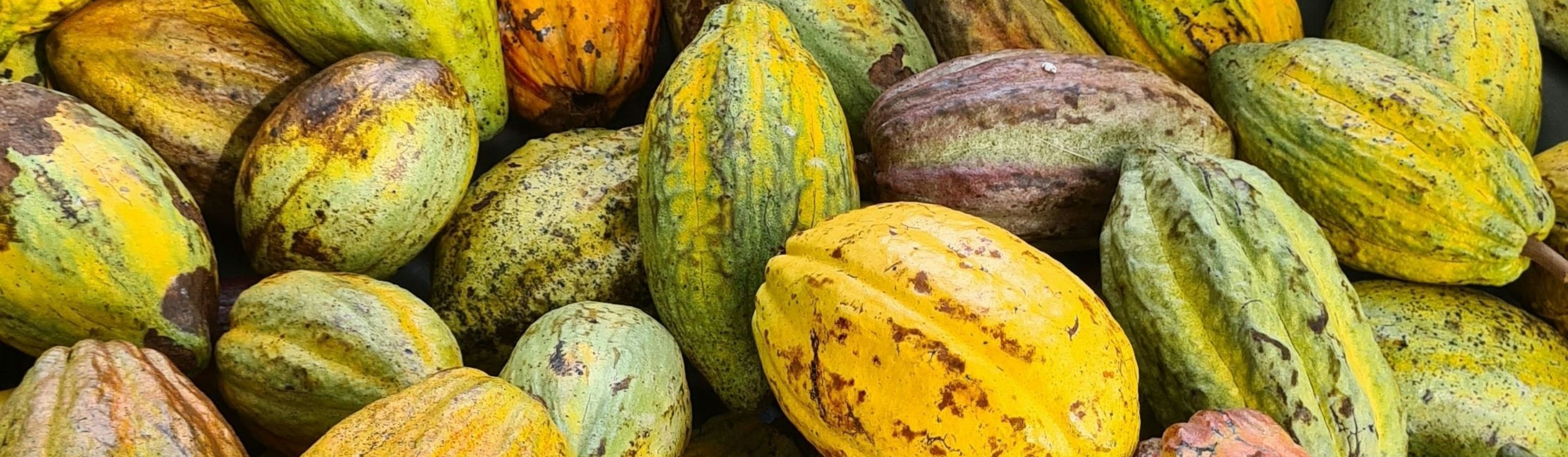
Credible fair trade certifications are built around labor conditions and pricing structures meant to support producers, particularly for coffee, cocoa, and sugar. Grocery packaging often romanticizes distant farms, and fair trade is one of the few labels that tries to tie that romance to enforceable commitments. It gives ethical spending a clearer target.

10. PDO, PGI, Or Appellation Labels
These geographic protections legally link a product to a specific region and set of production rules, as seen with foods like Parmigiano Reggiano or Champagne. They exist to prevent imitation and preserve traditional methods, not just to signal prestige. When you see these labels, you’re often paying for traceability and documented origin rather than clever storytelling.
KEEP ON READING

20 Apple Desserts Americans Should Serve This Fall
Why Americans Fell In Love With Frozen Meals