The Future Of Protein Might Be Crunchy
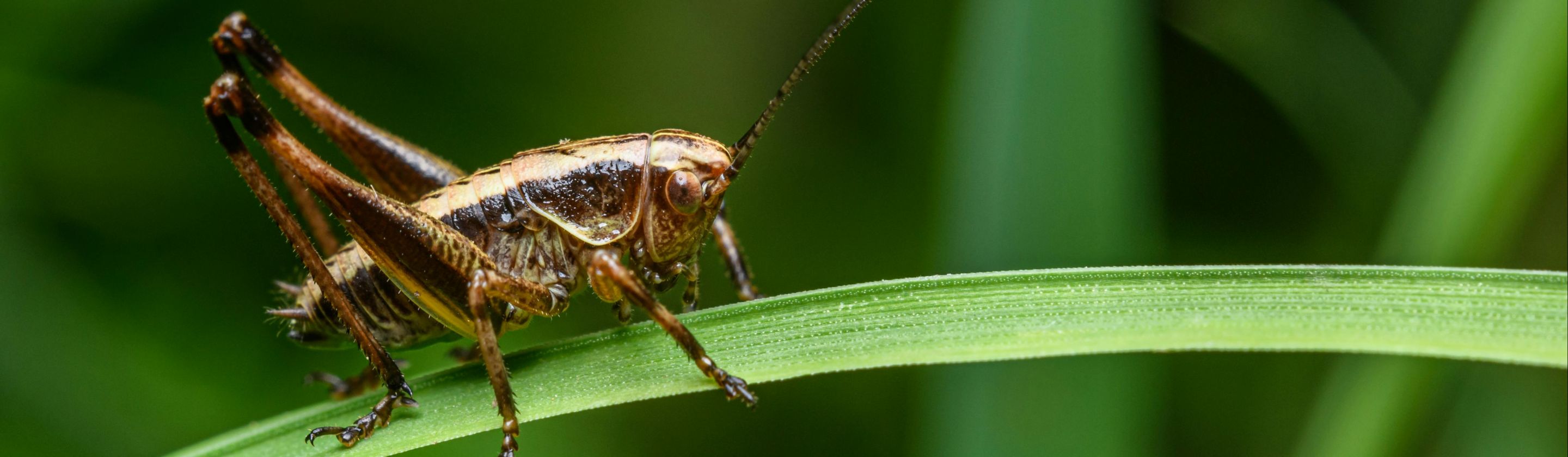
Walk through a fancy grocery store long enough, and you start noticing that new foods usually arrive disguised as something familiar. Protein shows up as nuggets, bars, powders, and chips, because nobody wants to stare down the raw idea of it. Insects fit that pattern perfectly, which is why they keep sneaking into the conversation, even when people roll their eyes and say never. The UN’s Food and Agriculture Organization has been talking about edible insects as a serious food and feed option for years now as a practical response to pressure on land, water, and protein supply. Here are ten reasons insect eating is about to feel normal, followed by ten reasons it still might stall out.

1. The Protein Problem Keeps Getting Louder
When more people can afford meat, demand rises fast, and the math gets tense in a way that shows up on menus and grocery receipts. Insects keep coming back as a pressure-release valve, because they offer concentrated nutrition in a small footprint, and they can be produced in places that do not look like traditional farmland.

2. The Food Industry Already Knows How To Hide The Weird
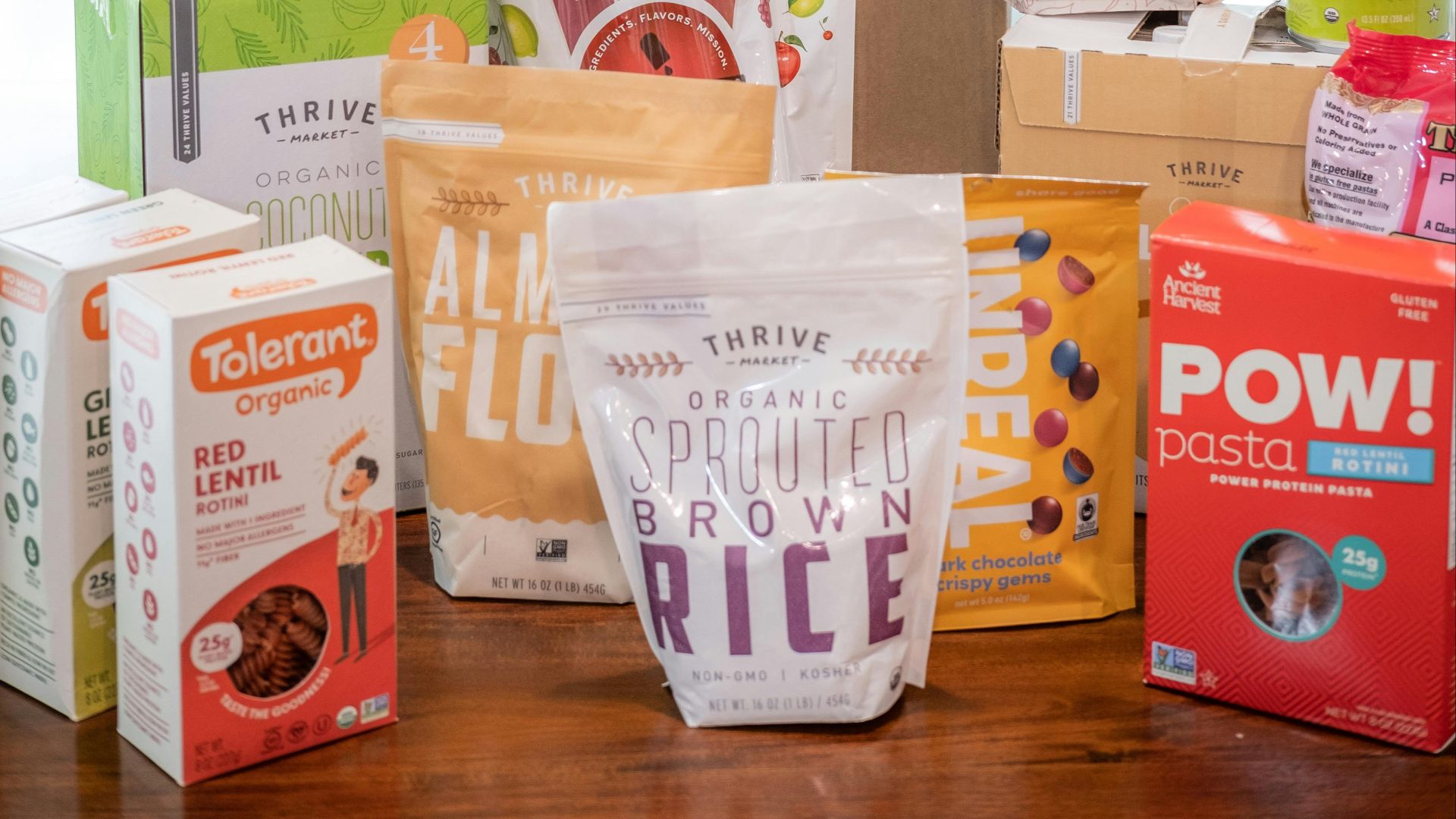
If a product can be milled into flour, it can be turned into something that looks like a cookie, a tortilla, or a protein bar. That matters because most people do not want a whole insect on a plate; they want a familiar shape with a new ingredient quietly doing the work.
 Connor Scott McManus on Pexels
3. Regulation Is Slowly Making It Real
This stops being a novelty the moment governments build rules around it, because rules signal permanence. The European Union has already authorized certain insect products as “novel foods,” including dried yellow mealworm and house cricket forms, which effectively turns “bugs” into an official, regulated category of food.

4. Food Safety Reviews Are Building A Paper Trail
One reason people hesitate is the vague sense that eating insects must be a biological gamble. Some insect products have gone through formal scientific opinions, including EFSA’s work on yellow mealworm as a novel food. That doesn’t mean “risk-free,” yet it does mean the conversation can move from disgust to standards, labeling, and allergens.

5. Shrimp And Crabs Quietly Did The PR Work
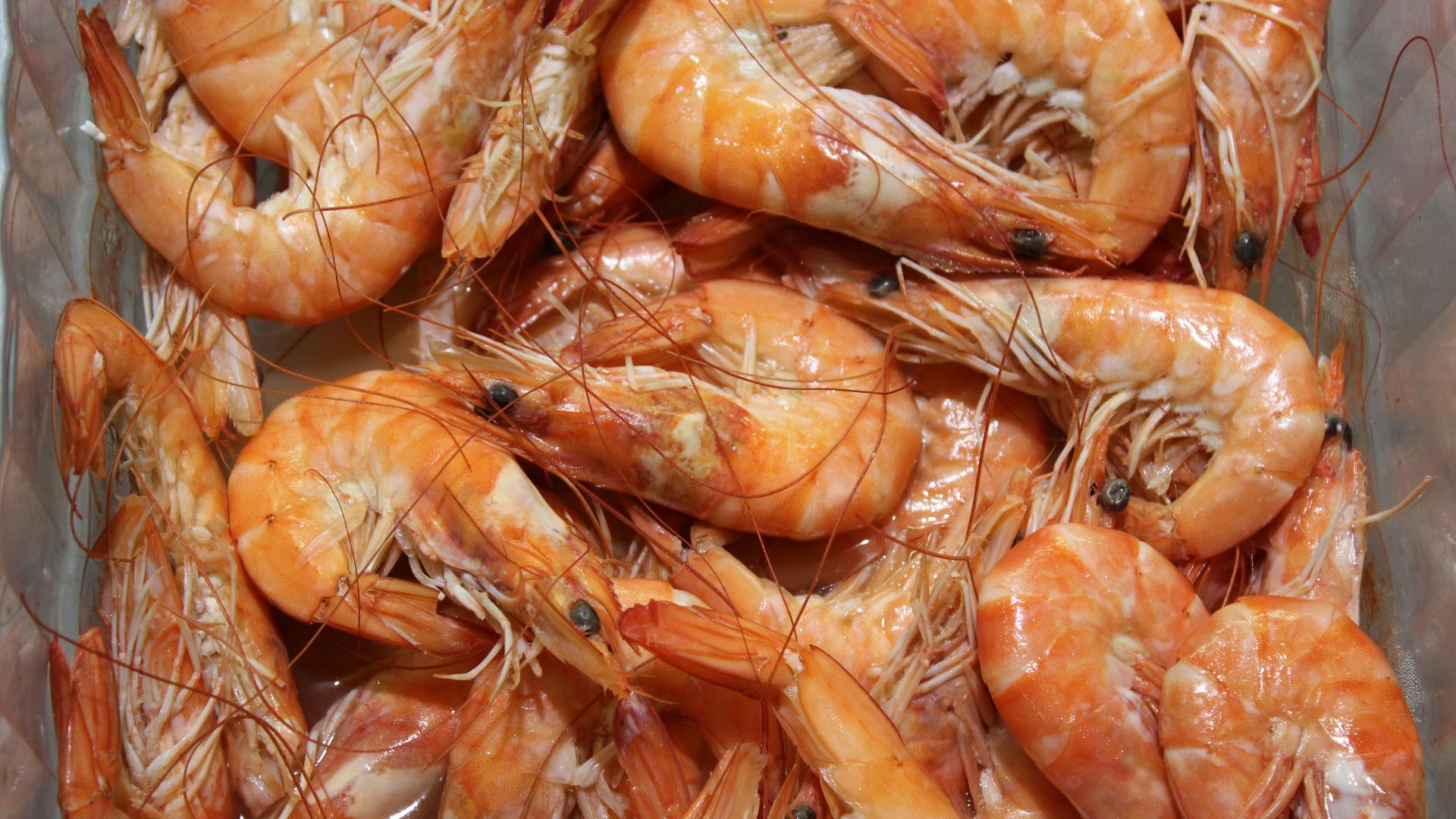
A lot of insects trigger the same gut reaction as shellfish: segmented bodies, crunchy exteriors, the feeling that this belongs in a tide pool. Plenty of us grew up loving shrimp while still swearing that grasshoppers are a bridge too far, which is mostly branding and habit doing their thing.
6. The Climate Argument Is A Social Shortcut
Even people who are not actively changing their diets tend to like being associated with “better choices.” Insects are easy to position as the responsible protein, the conversation-starter at a dinner party, the thing a certain kind of friend brings to a hike and acts casual about.
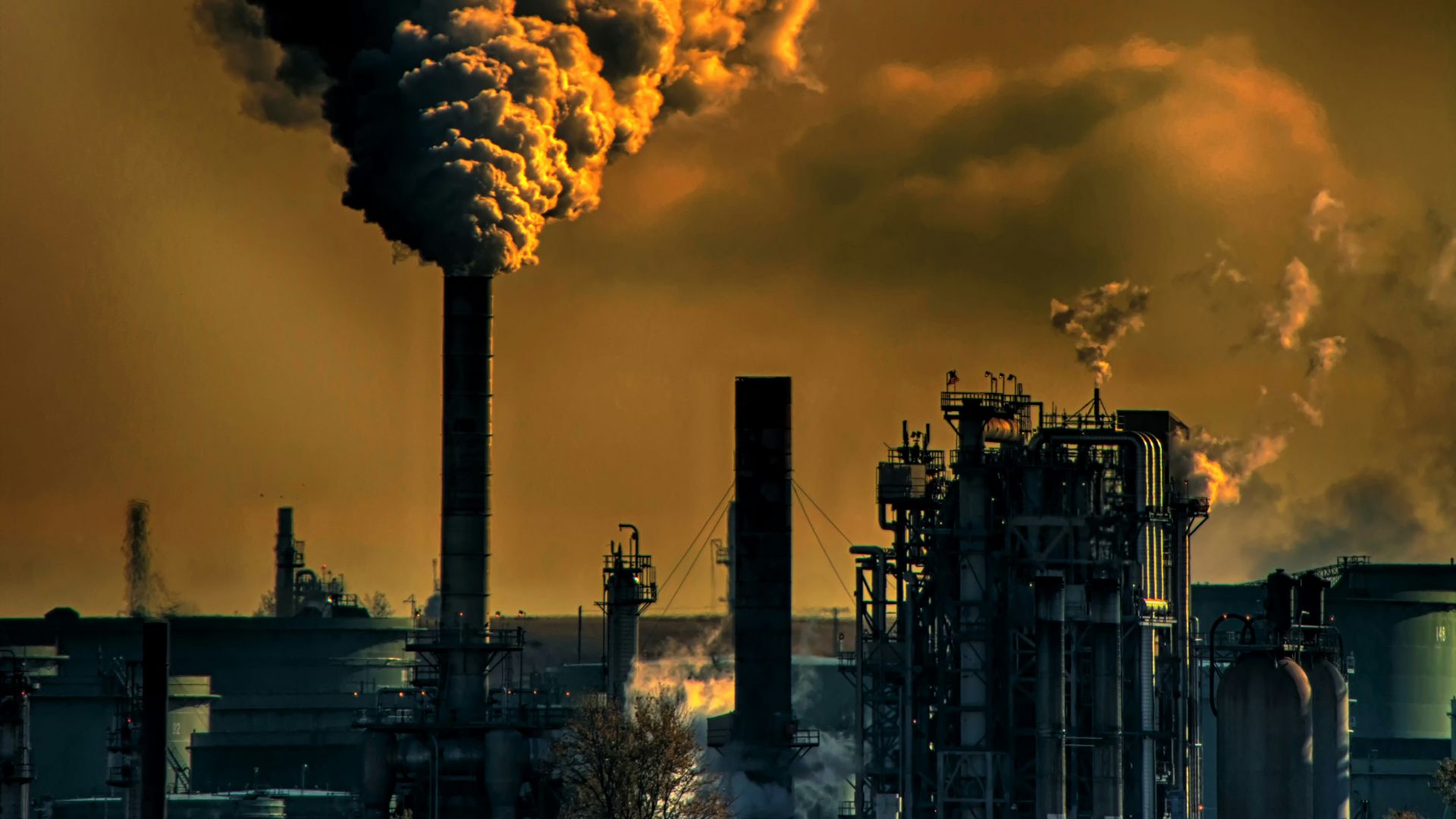 Chris LeBoutillier on Unsplash
7. Animal Feed Is The Gateway Drug
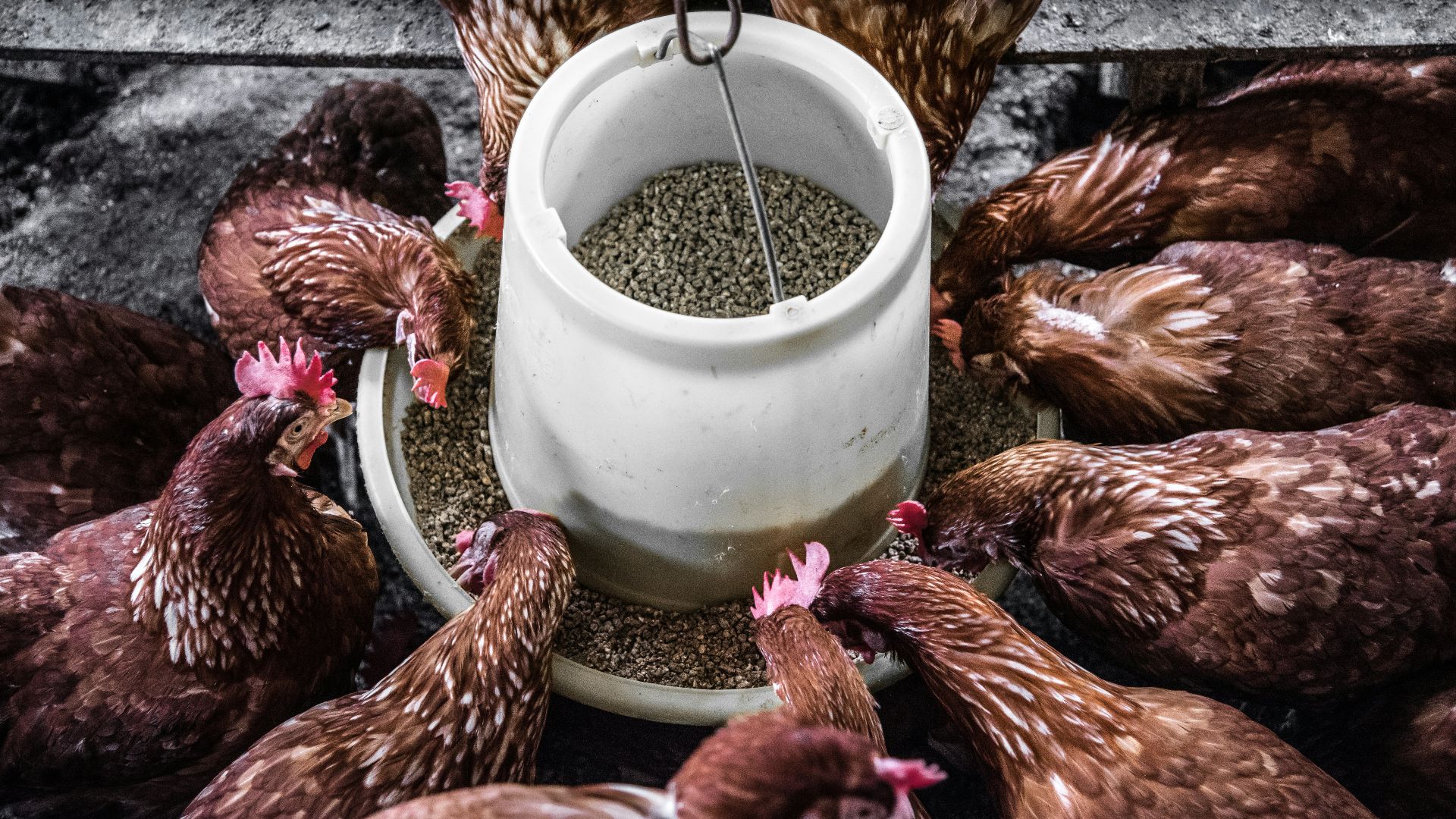
Once insects are normalized as an ingredient in feed, farms and factories gain experience scaling production, controlling quality, and keeping costs predictable. At that point, putting the same inputs into “human food” looks less radical and more like a business extension.
8. Some Places Have Been Doing This For Generations
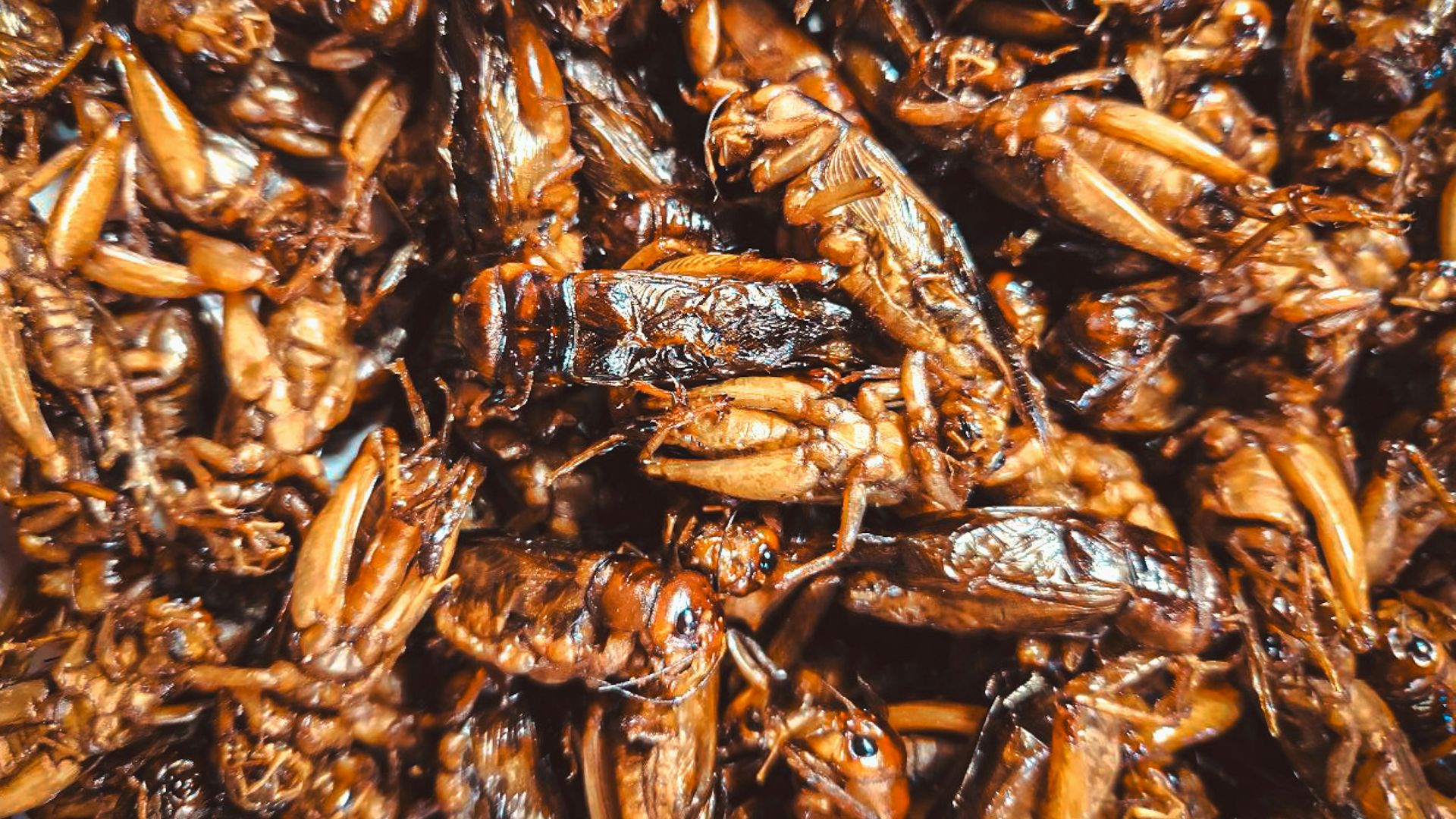
Edible insects are not a futuristic gimmick globally, they’re an existing food tradition in many regions, with street snacks, seasonal harvests, and long-standing recipes. Thailand, for example, has a large edible-insect sector, and even formalized cricket-farming practices through a Good Agricultural Practices standard in 2017.

9. Chefs Love Ingredients With A Story
Restaurants chase novelty, yet they also chase meaning, and insects come with both. A chef can plate a delicate dusting of insect powder and talk about sustainability, texture, terroir, and heritage, all without forcing diners to chew legs and wings. Once a few high-status places treat it as cuisine instead of a stunt, the copycats follow.
10. Crunch Is A Texture People Already Pay For
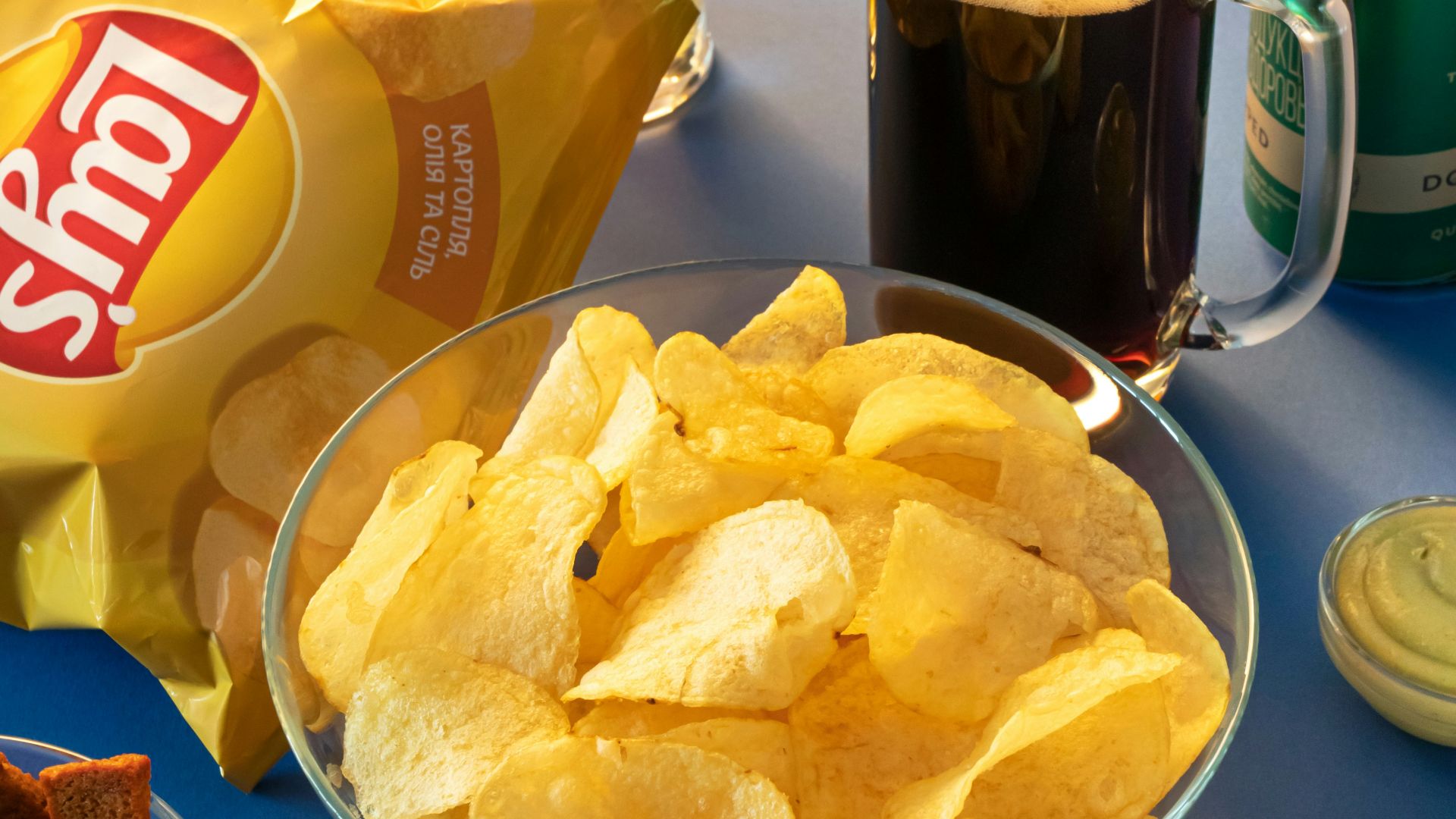
Look at how many snacks exist purely to deliver crunch: chips, crackers, crispy onions, toasted everything. Insects can be roasted, seasoned, and engineered into that same satisfaction loop, especially when paired with smoke, lime, chile, or something sweet and sticky.
The catch is the same forces pushing bugs forward are exactly what can keep them stuck at the edge of the plate. Here are ten reasons eating bugs will never be normalized.
1. The “Ew” Factor Is Not A Logic Problem
Most resistance is emotional, not informational, and emotion does not politely step aside for sustainability talking points. People can nod along to arguments and still feel their throat tighten when they see antennae. Food culture runs on comfort, memory, and reflex, and insects trip all three.

2. Bugs Struggle With The “Main Dish” Role
Even the friend who will try anything often treats insects like a garnish, a dare, or a snack, not dinner. Turning something into a staple means it has to work in weeknight cooking, lunch packing, and the tired, hungry moments when nobody wants an adventure. Insects, for now, still feel like a special occasion in the wrong direction.
3. Allergens And Labeling Complicate The Pitch
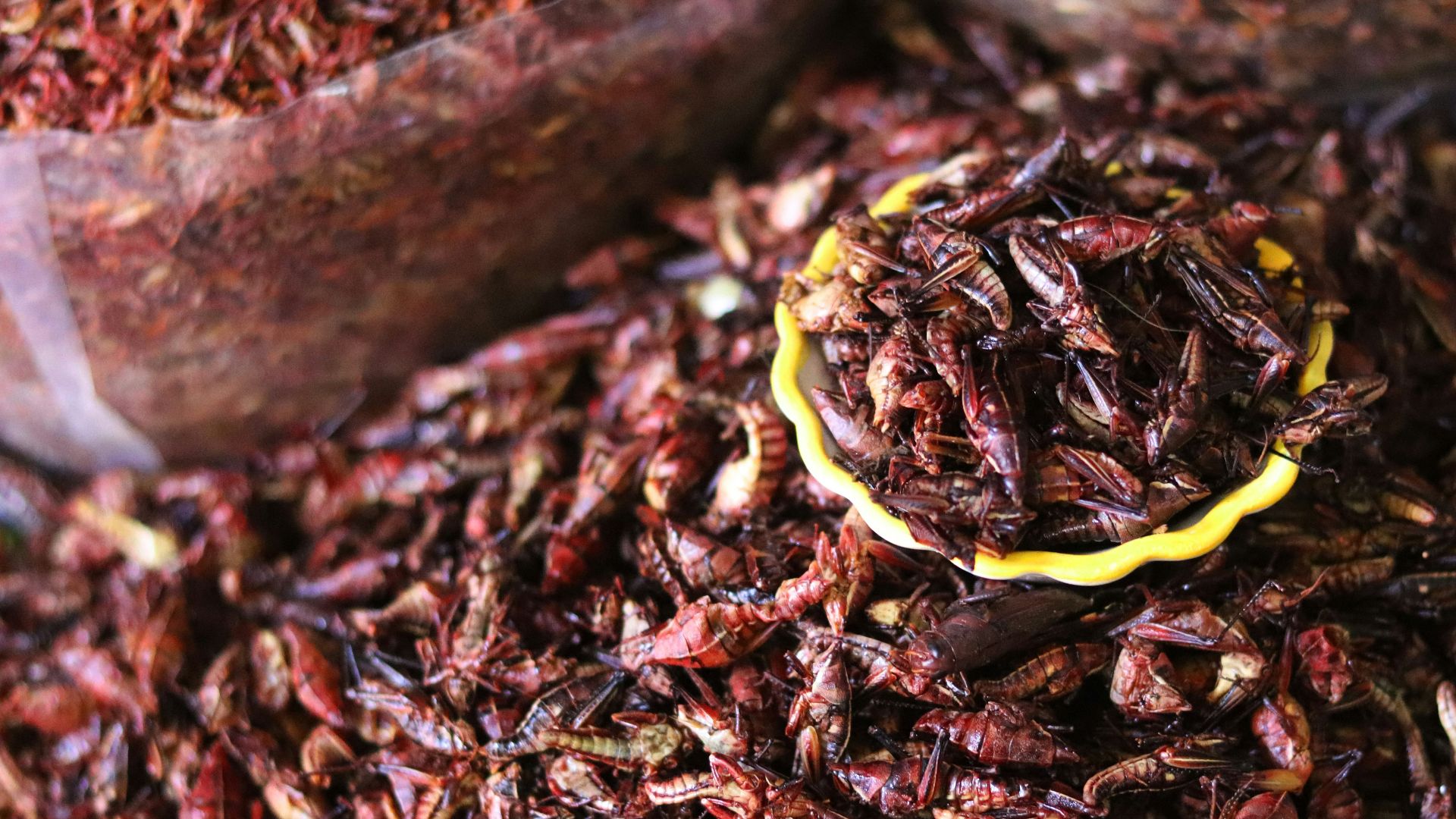
Insects are biologically close enough to crustaceans that allergy concerns come up quickly, which makes packaging and restaurant kitchens more careful. Careful is good, yet it also means extra friction, extra warnings, and more reasons for a parent or a risk-averse shopper to skip it.

4. Price Will Decide More Than Anyone Admits
People say they want sustainable protein, then grab what’s on sale. If insect products sit next to chicken and cost more, they become a niche wellness purchase, not a mass habit. The minute bug protein is cheap enough to be boring is the minute it has a chance, and getting there is not guaranteed.

5. Western Food Identity Loves Clean Lines
A lot of modern food marketing is obsessed with purity: smooth textures, neutral colors, clean packaging, tidy bites. Whole insects are the opposite of tidy, and even powders carry a psychological residue once you know what they used to be. Some foods are rejected because they feel messy to imagine, not messy to eat.

6. The Supply Chain Still Feels Young
A stable food category needs redundancy: multiple producers, predictable quality, steady distribution, and familiarity for regulators, retailers, and kitchens. Insects are building that, yet it’s uneven, and the category still depends on a handful of recognizable brands and facilities in many markets.
7. “Processed” Is A Branding Trap
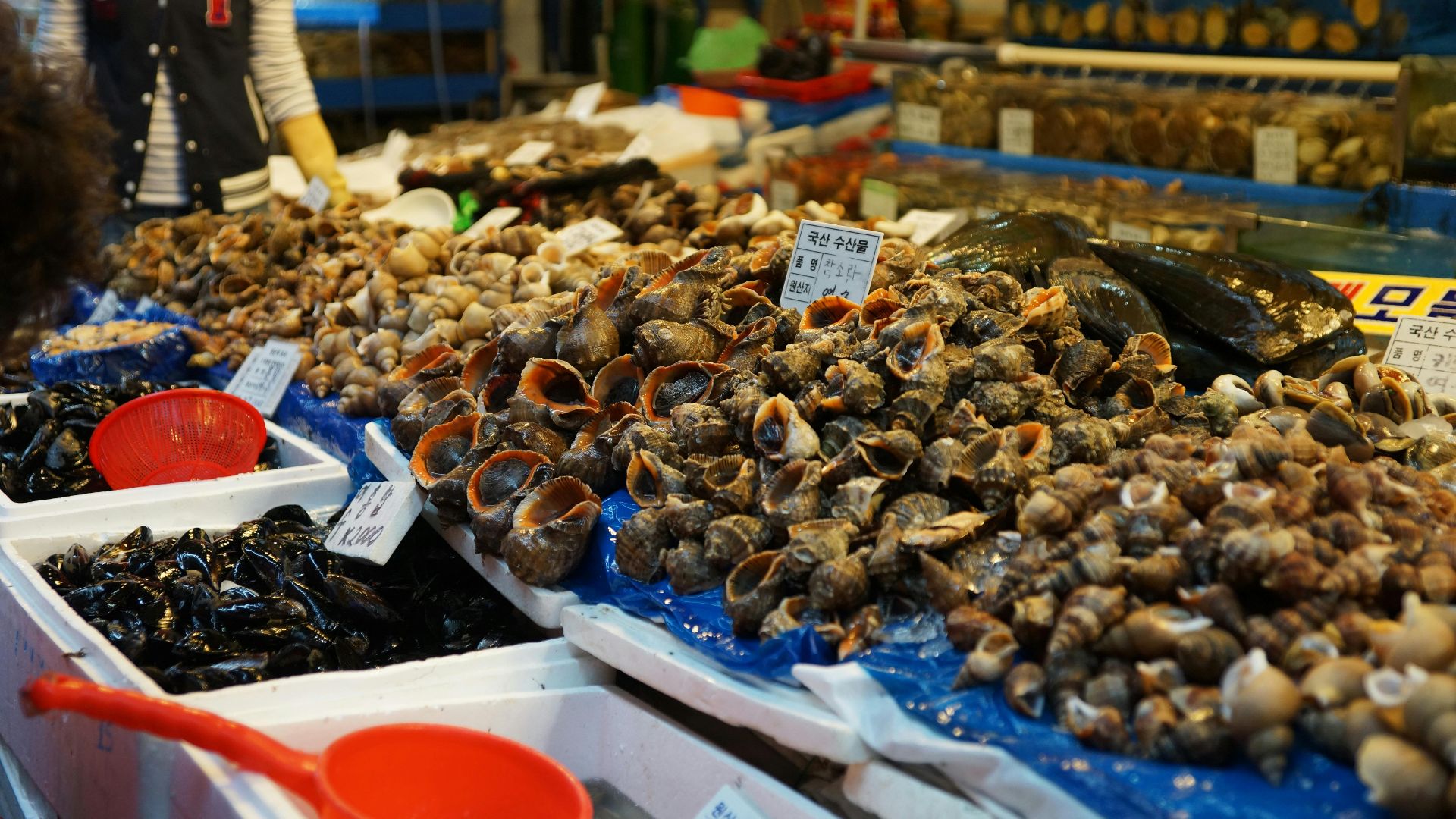
The easiest way to make insects palatable is to process them into flours and isolates, yet “ultra-processed” has become a cultural villain. That puts insect foods in a weird spot where they need processing to be accepted, and then get criticized for being processed once they are accepted.

8. Meat Alternatives Are Already Fighting For Shelf Space
Plant-based burgers, cultivated meat startups, and dairy alternatives are all competing for attention, investment, and freezer doors. Insects are not entering an empty stage, they’re trying to get noticed in the middle of a loud, expensive show. Even a good idea can lose when the category is crowded.
9. Status Anxiety Is Real
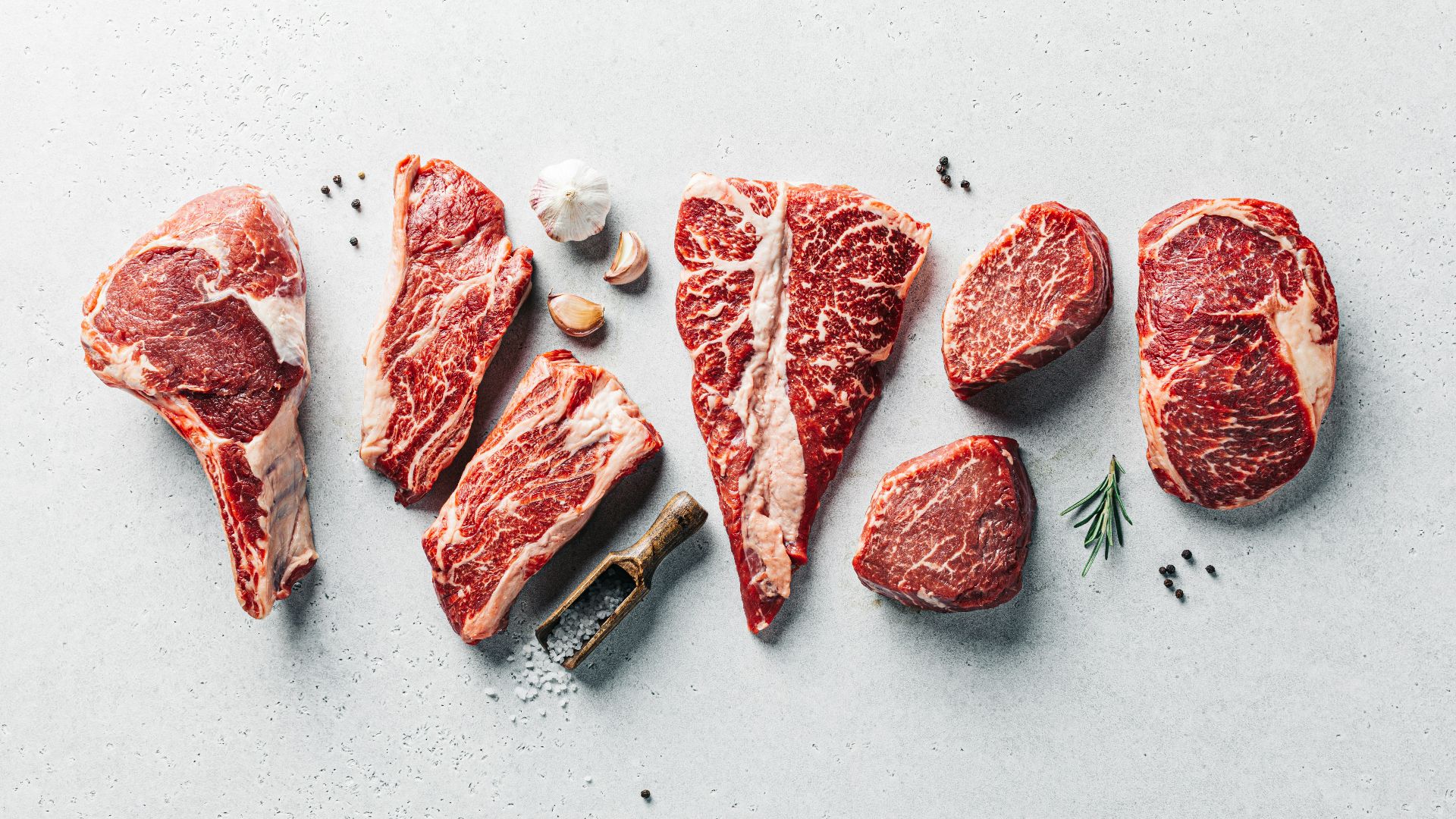
People copy foods that feel aspirational, and they avoid foods that feel like a downgrade. If insects get framed as hardship food, apocalypse food, or scolding-environmentalist food, the mainstream backs away, even if the taste is fine. Nobody wants to feel like the poor cousin of a protein trend.

10. The Future Might Be Bugs, Yet Not For Us
Insects can absolutely grow as feed, as specialty ingredients, and as regional foods exported to curious markets, without ever becoming the thing most households cook weekly. Europe can authorize products, agencies can evaluate safety, and companies can scale, and still the average dinner table can stick with chicken, beans, and pasta out of sheer habit.

KEEP ON READING