Breathe Easy With The Right Fish
Ever opened your fridge, only to be hit with an eye-watering stench from last night’s seafood dinner? Cooking fish at home can be a gamble—some varieties are pleasantly mild, while others cling to your kitchen with a vengeance. Understanding which fish smell up your space can help you cook confidently. This list highlights which types are the worst offenders—and which ones are kinder to your senses. Let’s begin with the fish that can really stink up your house.

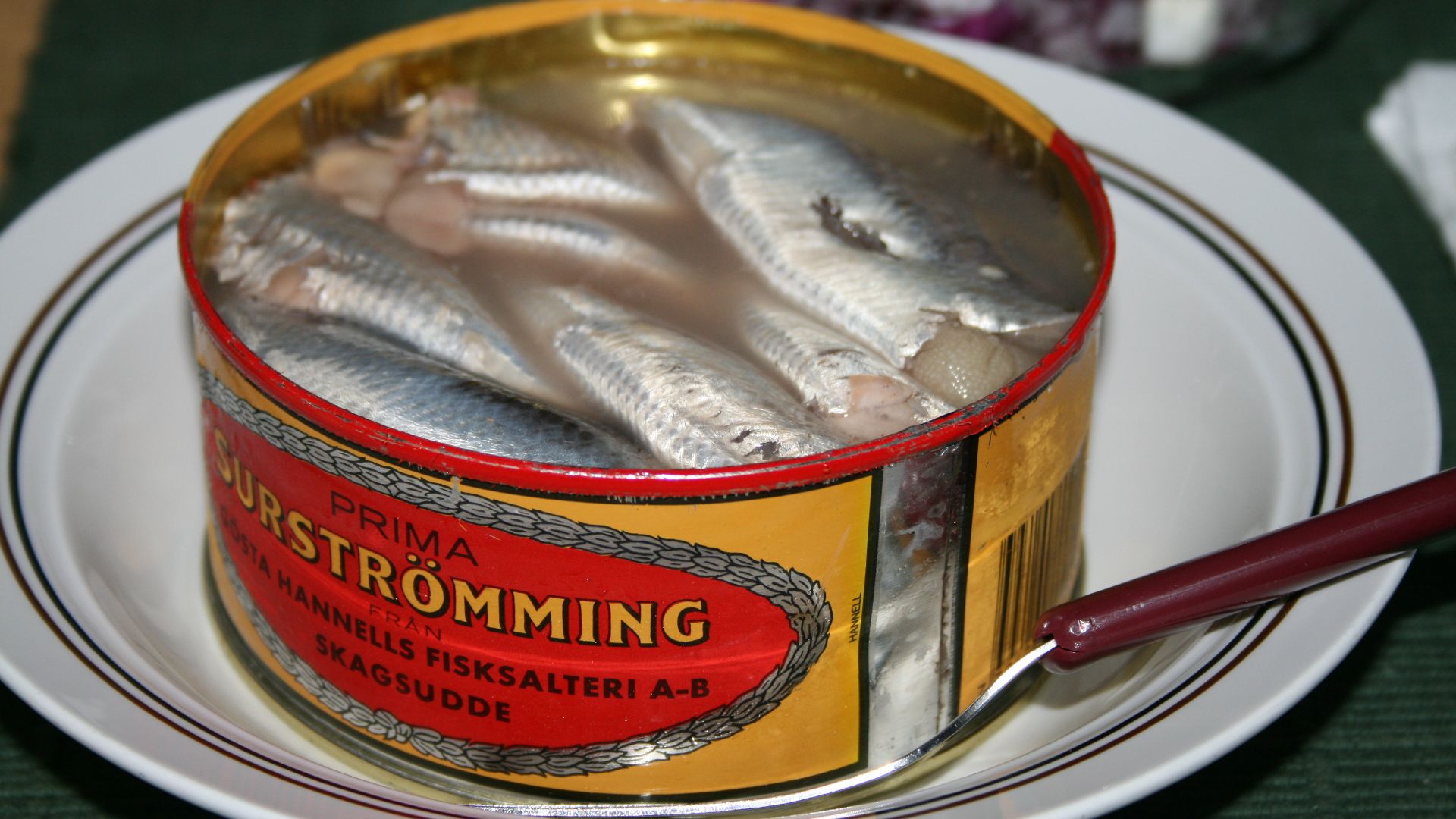
1. Surströmming (Fermented Baltic Herring)
This stuff ferments in low-salt brine and builds up some serious stink—thanks to sulfur compounds. The smell’s so intense, it can actually swell from the trapped gas. In Sweden, people open it outside to stop the entire house from smelling like rot.
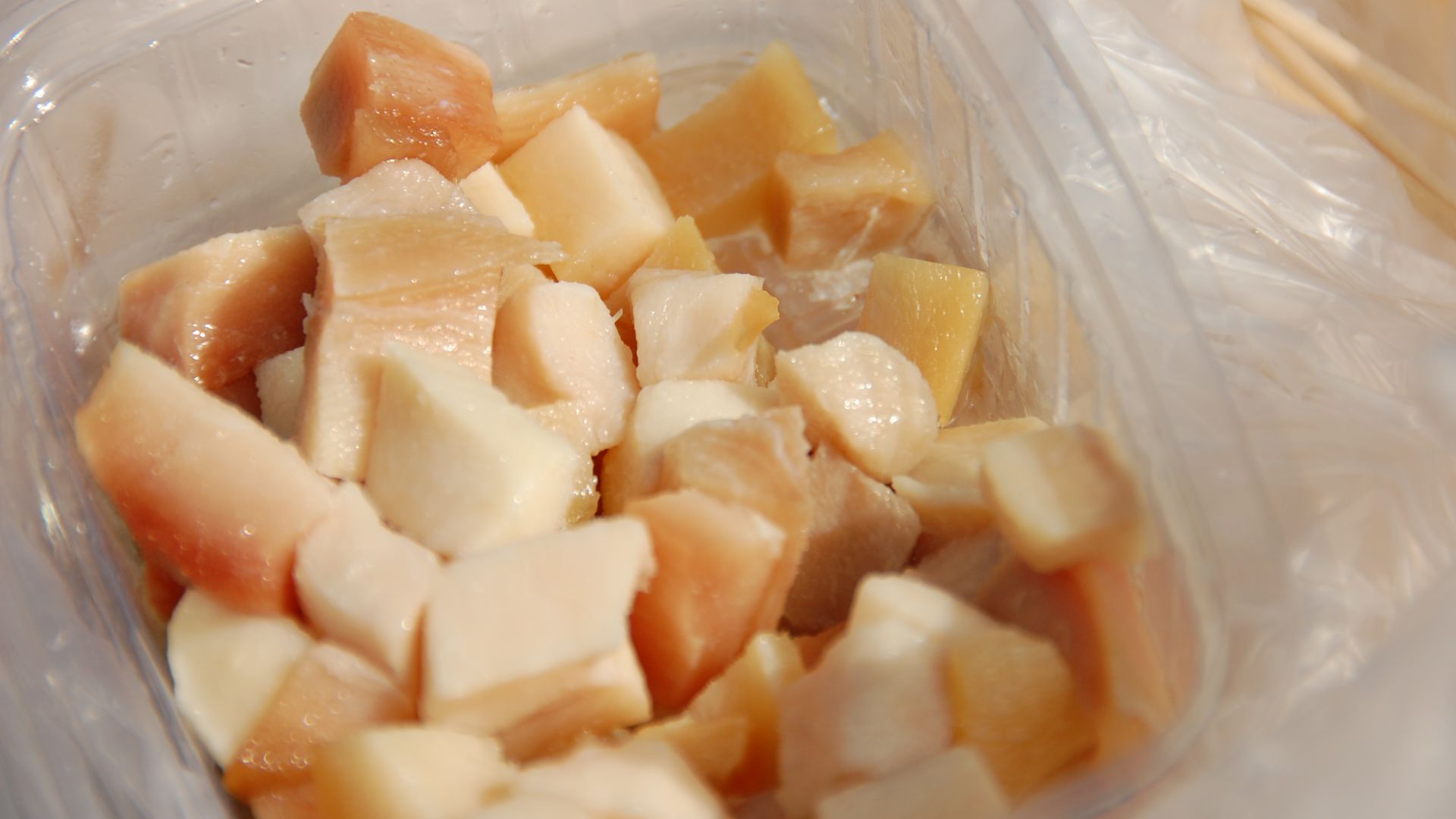
2. Hákarl (Fermented Greenland Shark)
Fresh Greenland shark isn’t safe to eat, so folks bury or hang it to ferment. That makes it edible, but it also fills the air with a powerful ammonia smell that hits hard—like opening a bottle of industrial cleaner.
 Audrey from Seattle, USA on Wikimedia
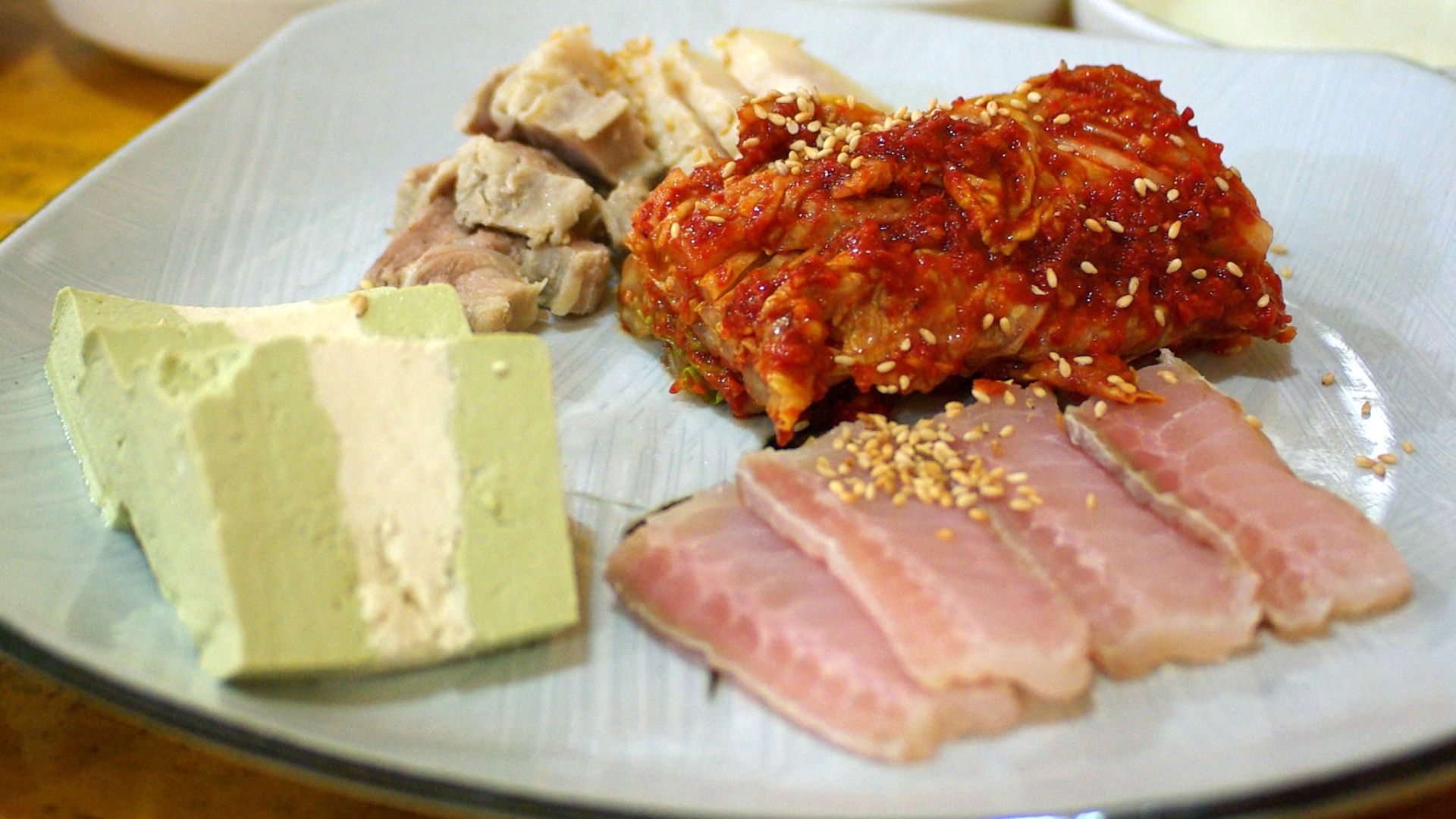
3. Fermented Skate
Here’s one that clears a room fast. Skate naturally contains urea, and once it ferments, that turns into ammonia. It’s a wintertime tradition in Korea, but the smell lingers in the air long after the plate’s gone.
 egg (Hong, Yun Seon) on Wikimedia
4. Kusaya
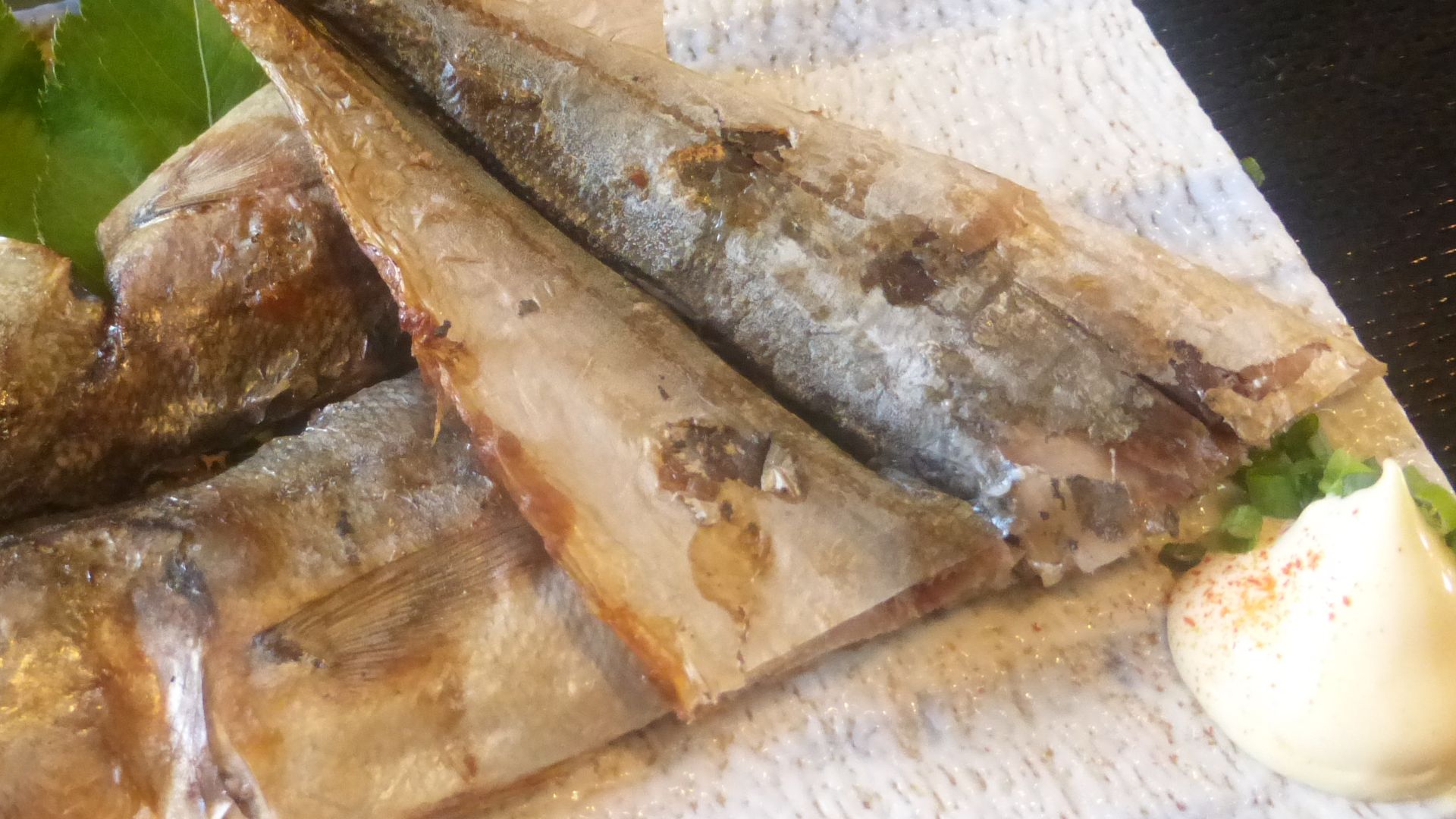
Kusaya soaks in brine that’s been reused for years—sometimes decades. That funky liquid is packed with bacteria that crank up the smell. Once it dries, the stink doesn’t go away, but folks in Japan still love its bold, salty bite.
5. Rakfisk (Fermented Trout)
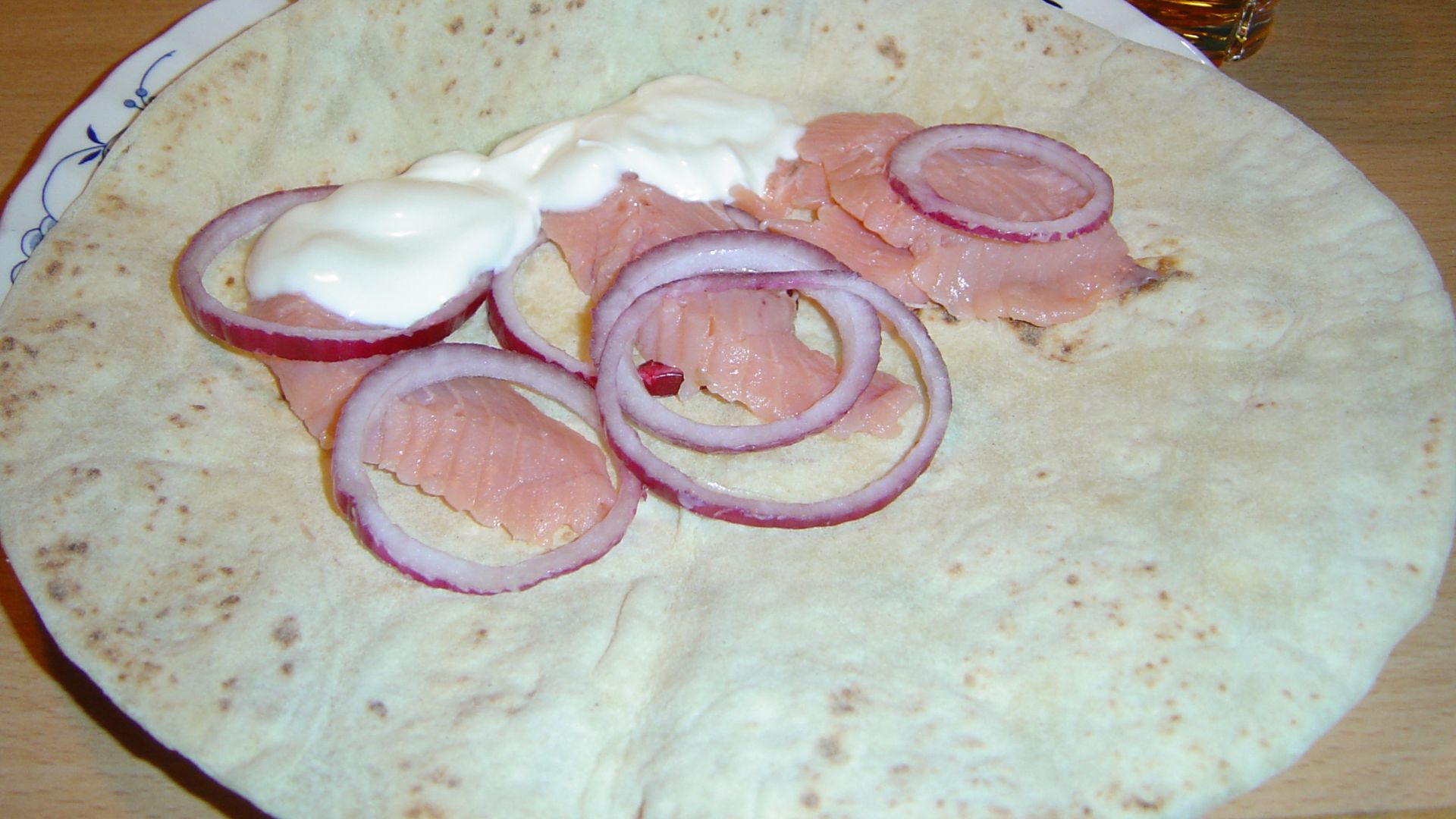
This one’s all about timing. Trout sits in salt for months until it turns into rakfisk, a raw holiday dish in Norway. The fermentation builds sharp acids and a smell that’s strong enough to make even adventurous eaters hesitate.
6. Bluefish
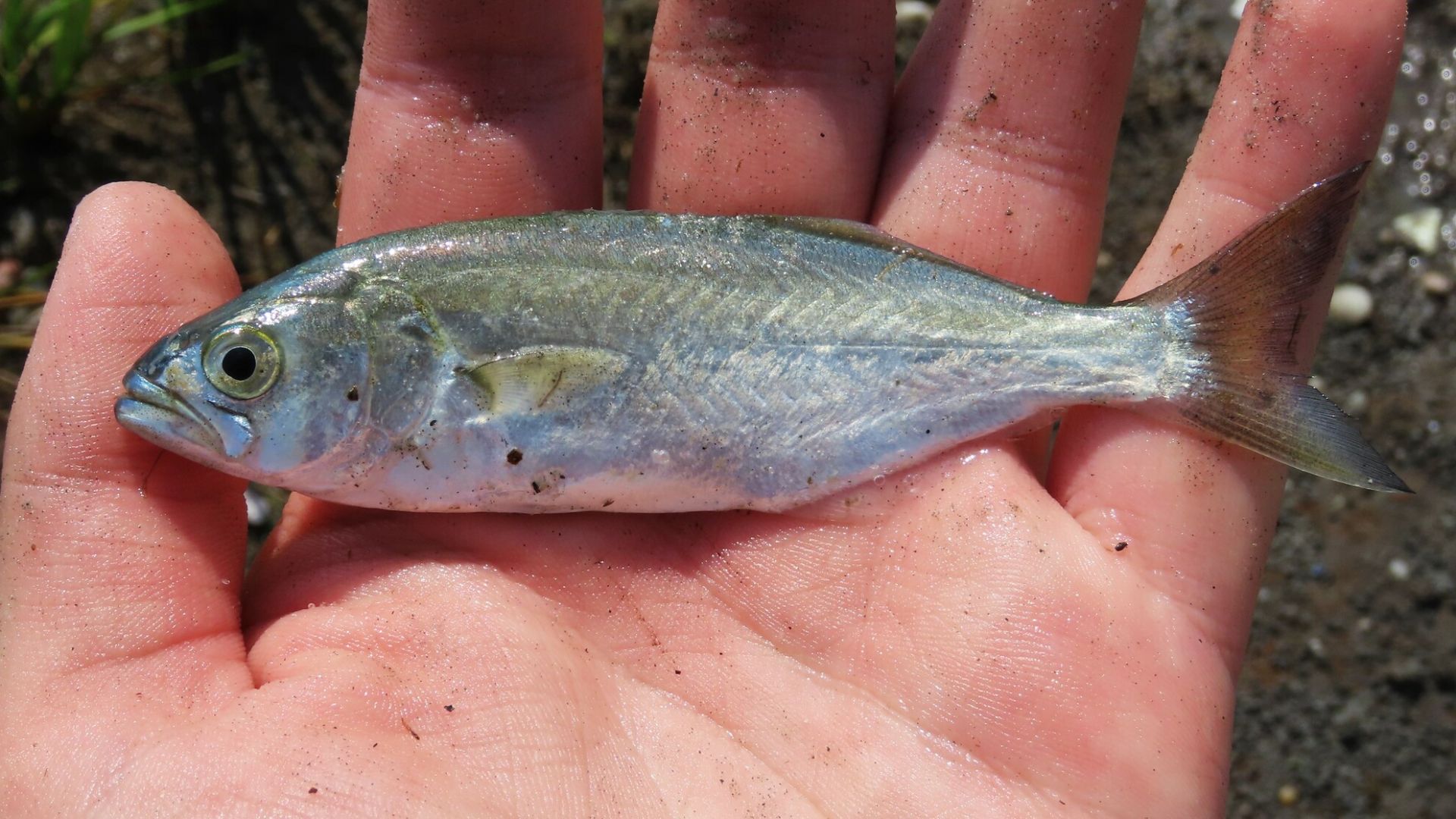
Bluefish doesn’t waste time going bad. It’s super fatty, and that fat breaks down fast, bringing a strong fishy odor with it. If you chill it right away, you’ve got a better shot at keeping that smell from taking over.
7. Herring
There’s a reason fish markets smell the way they do—herring. Its flesh contains trimethylamine oxide, a compound that bacteria break down into trimethylamine. That’s the sharp, fishy smell you recognize instantly, and once spoilage begins, it only gets stronger.

8. Skate/Ray
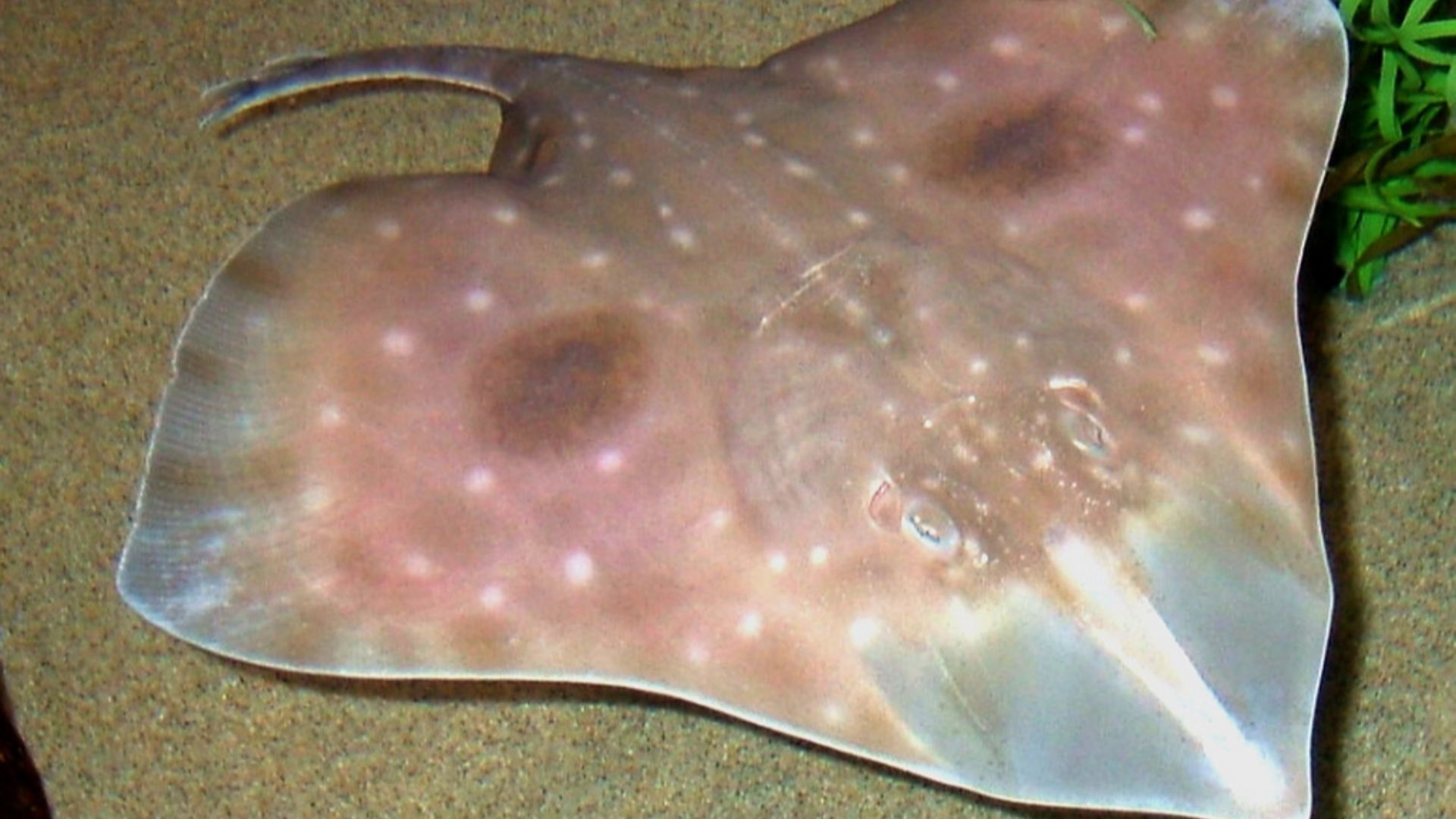
While it’s alive, skate stores urea in its tissues. After it’s caught, that urea turns into ammonia, which gives off a sharp, nose-burning odor. Good prep can cut it down a lot, but you’ll probably still catch a whiff.
9. Salmon
Salmon doesn’t wait to make itself known. Its natural oils get extra loud on the stove, especially in a tight kitchen. That’s why lemon and herbs show up in so many recipes—they help mellow the scent while keeping flavor intact.

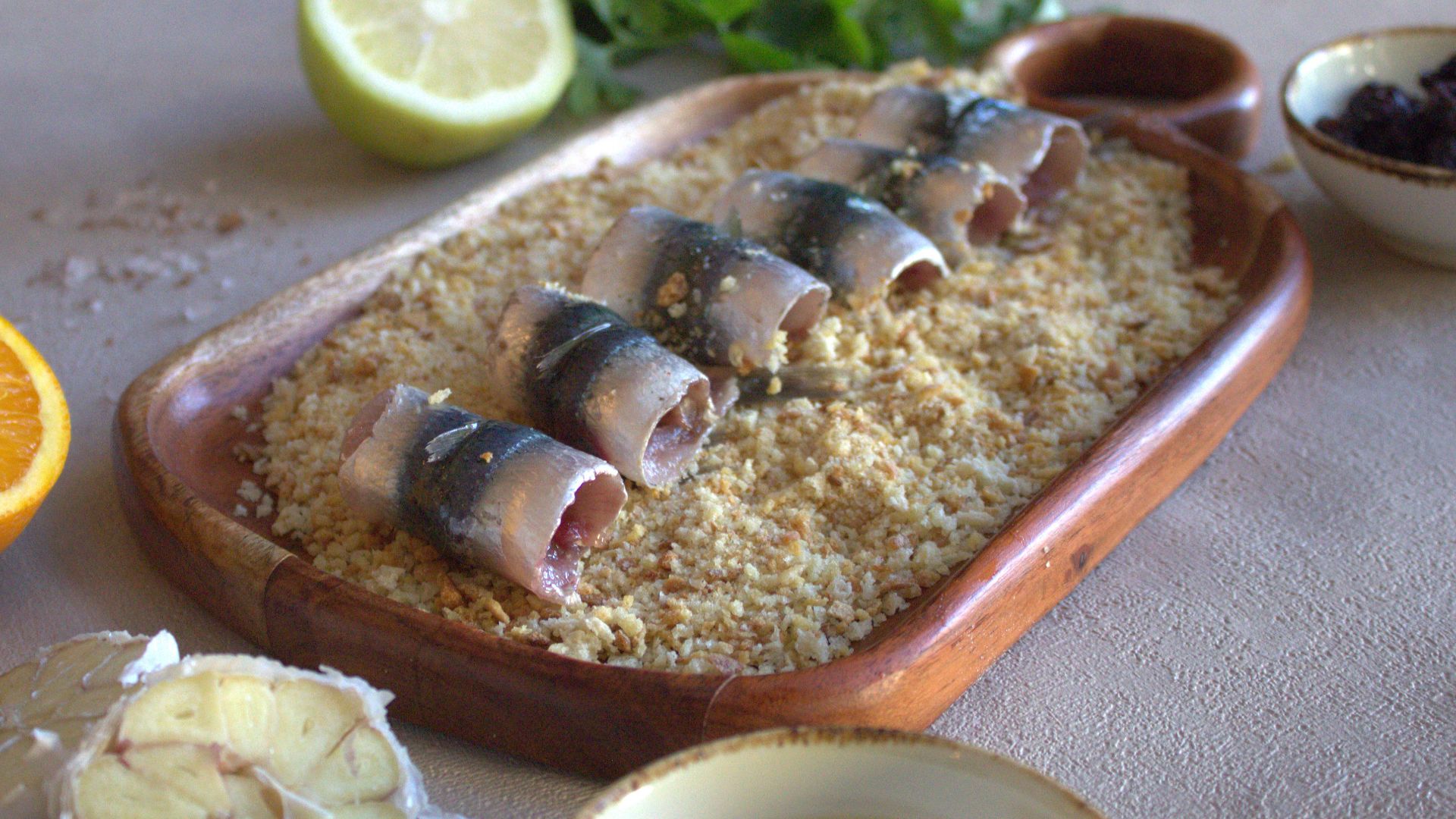
10. Sardines
These little guys pack a punch. Sardines are oily by nature, and once canned or heated, they release a strong aroma. They’re often packed in oil to stay fresh, but that doesn’t stop the smell from taking over fast.
Let’s move on to the ones that don’t stink up the house.
1. Tilapia
Low in natural oils, tilapia doesn’t bring much scent to the table. Its flesh stays neutral and mild both raw and cooked, making it an easy pick for people sensitive to fishy smells. It’s even featured in recipes made for scent-free kitchens.
2. Cod
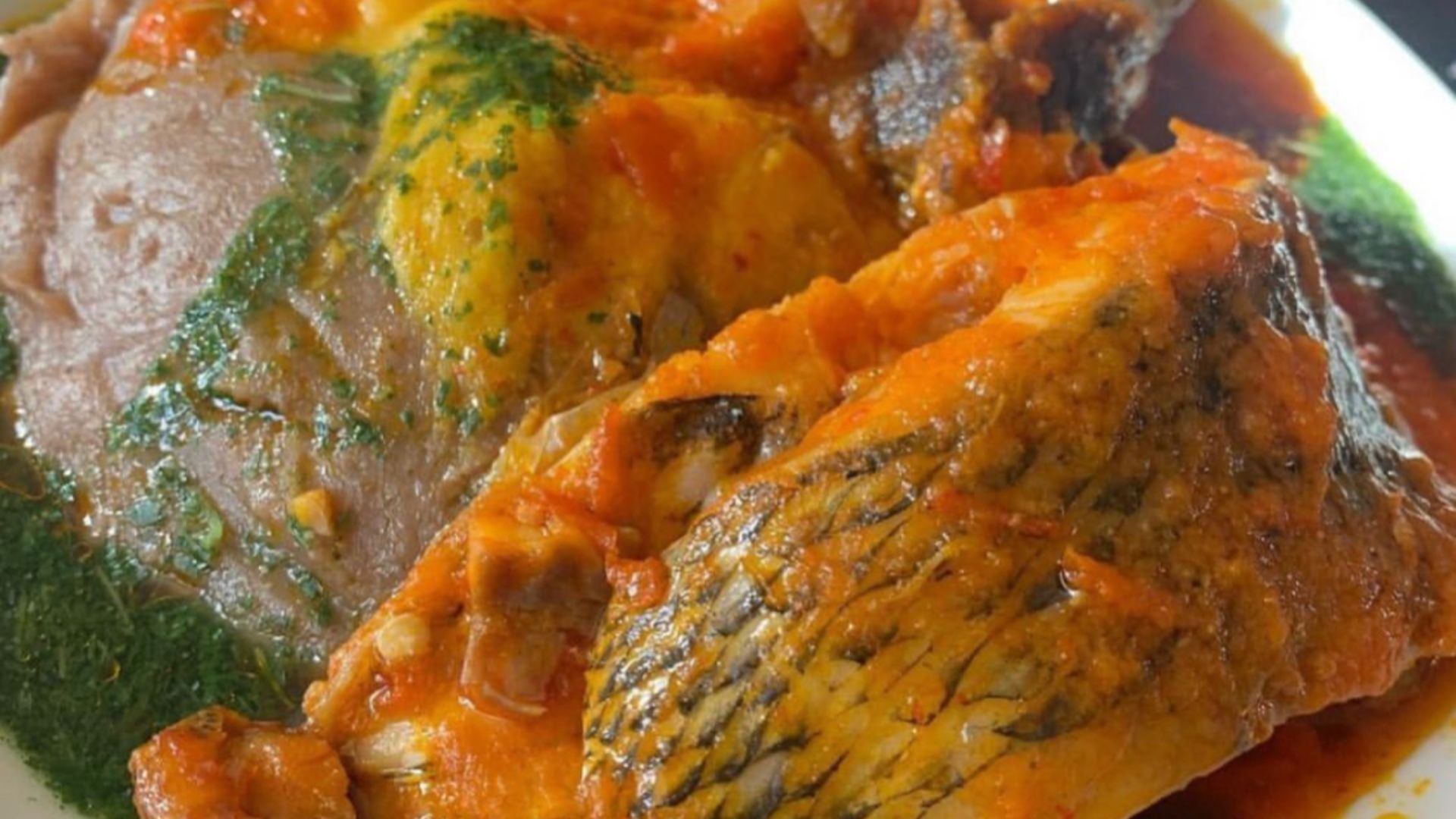
This lean white fish barely smells at all when fresh. With almost no oils to flare up under heat, cod stays clean and gentle while cooking. No lingering aroma, no drama—just a solid choice that’s earned its place in home kitchens.
3. Haddock
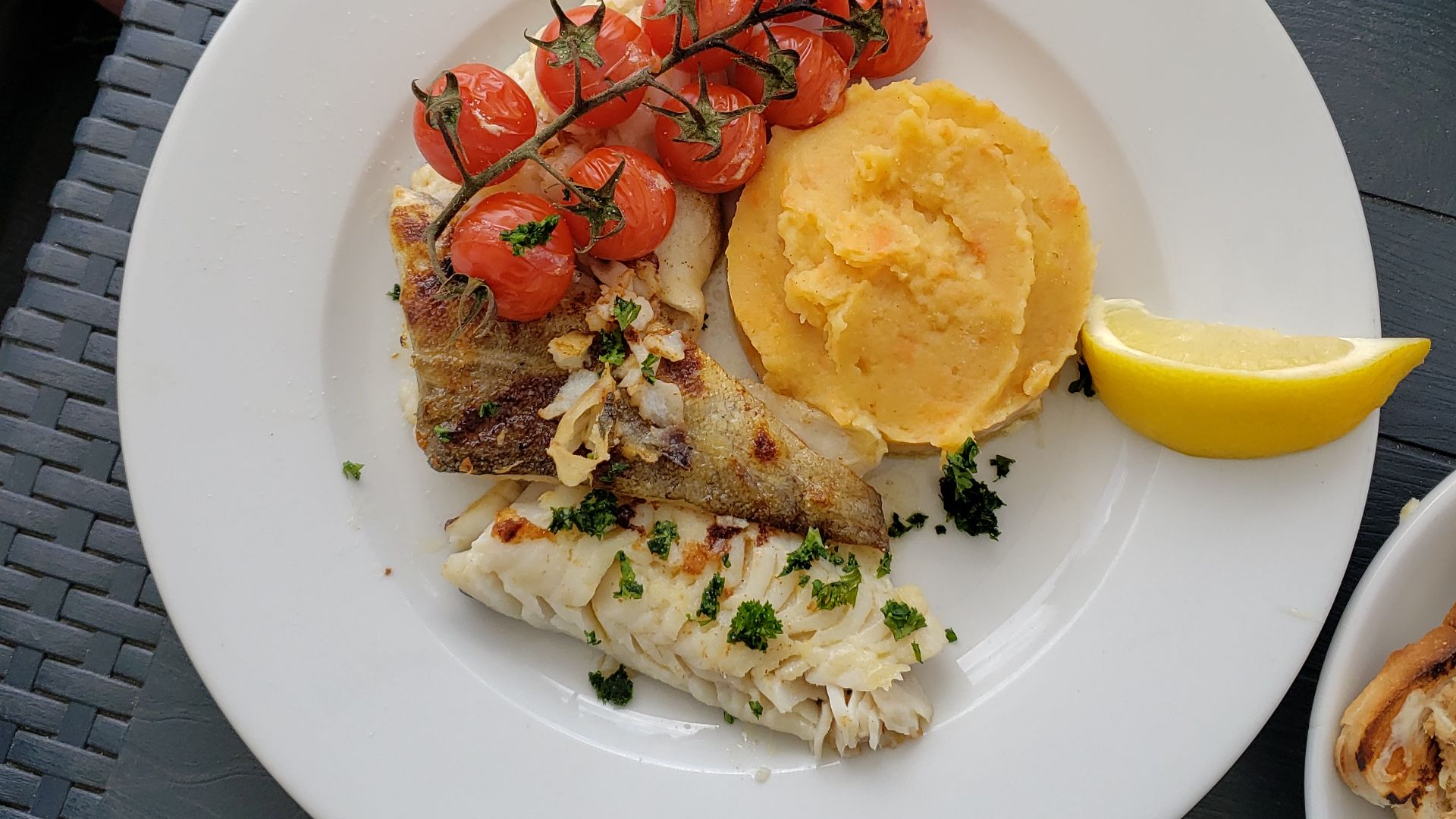
As cod’s close cousin, haddock holds onto that same mellow vibe. It doesn’t release many odor-causing compounds when heated, and it stores well without turning sharp. That’s part of why it works so well in fish-and-chips without leaving a scent trail.
4. Halibut
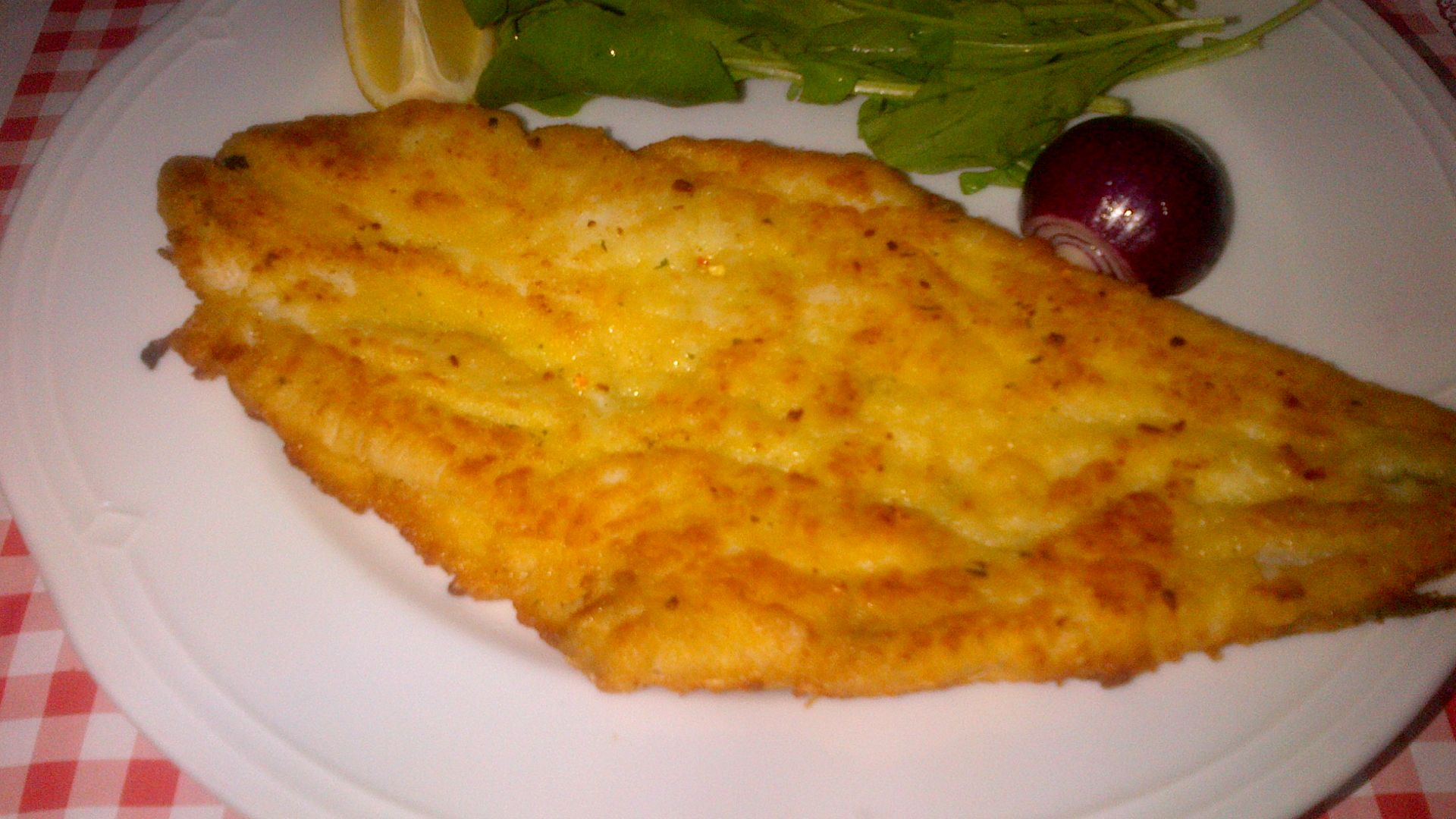
Halibut’s firm, low-fat texture helps lock in scent before it even starts. Both raw and cooked, it gives off only a light aroma. Many people choose halibut specifically because it stays mild, even under heat, and never feels overpowering.
 Sergey A. Demidov / Sergey A. Demidov on Wikimedia
5. Flounder
This flatfish keeps it subtle. With very little oil in its flesh, flounder doesn’t throw strong smells into the air—even when pan-fried. Its soft, clean scent makes it a great intro fish for beginners or anyone hoping to avoid kitchen odors.
 TheDigitel Beaufort from Beaufort, SC, USA on Wikimedia
6. Sole
Sole stays under the radar with a scent so soft it’s barely noticeable. Its low-fat content means there’s nothing to trigger strong kitchen smells. When cooked, it remains gentle on the nose, which is why chefs often turn to it for refined dishes.
 Joegoaukfishcurry2 on Wikimedia
7. Mahi Mahi
Firm-fleshed and lightly scented, mahi mahi brings a clean, pleasant aroma to the kitchen. It doesn’t have the heavy oils that fill the air with lingering smells. Many say it’s the “chicken” of the sea—and that’s not just about taste.
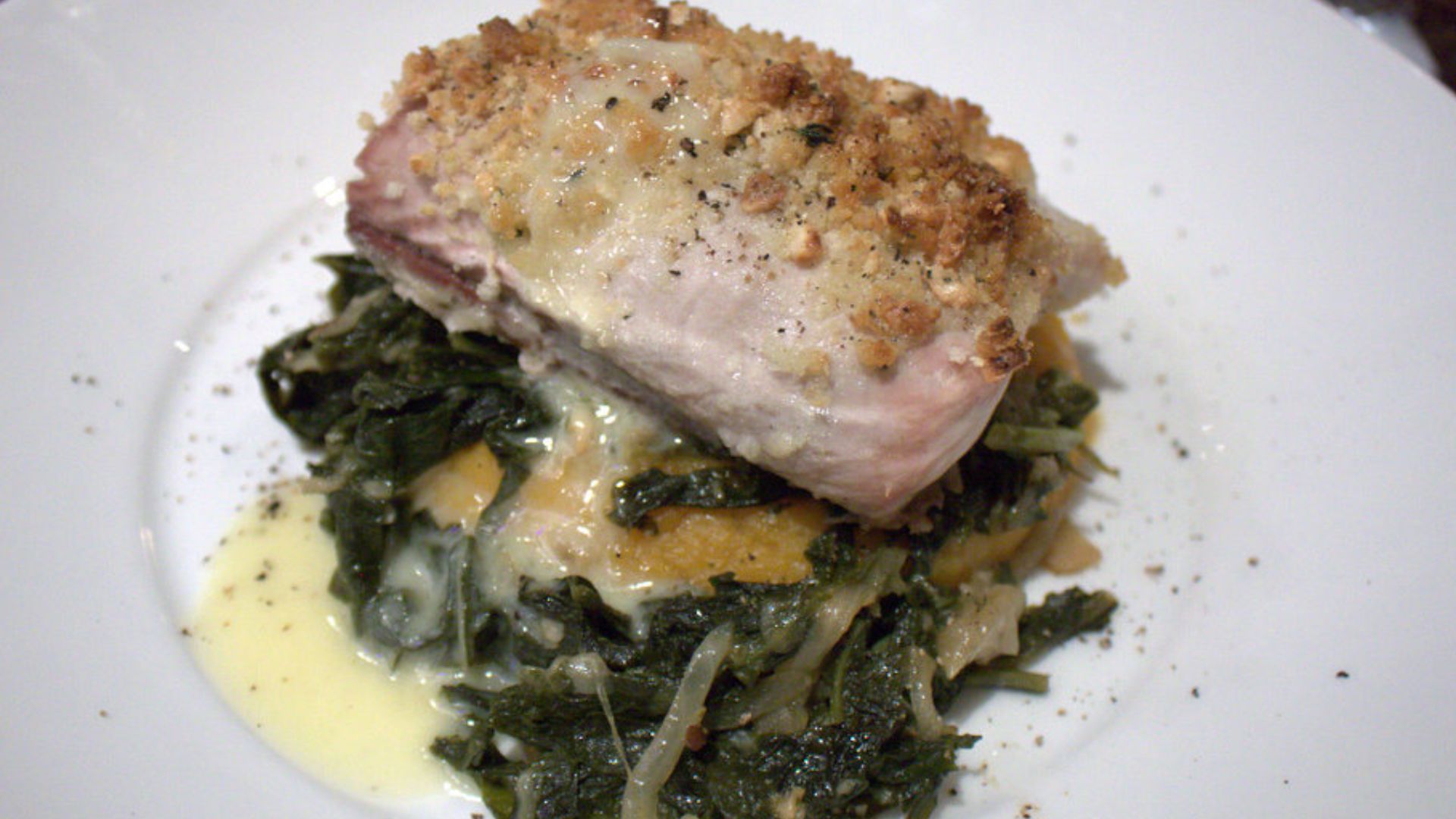
8. Arctic Char
Think of Arctic char as salmon’s quieter cousin. It’s less oily, so it gives off a gentler aroma when cooked. People who like the flavor of salmon but not the scent often switch to char for a softer experience at mealtime.
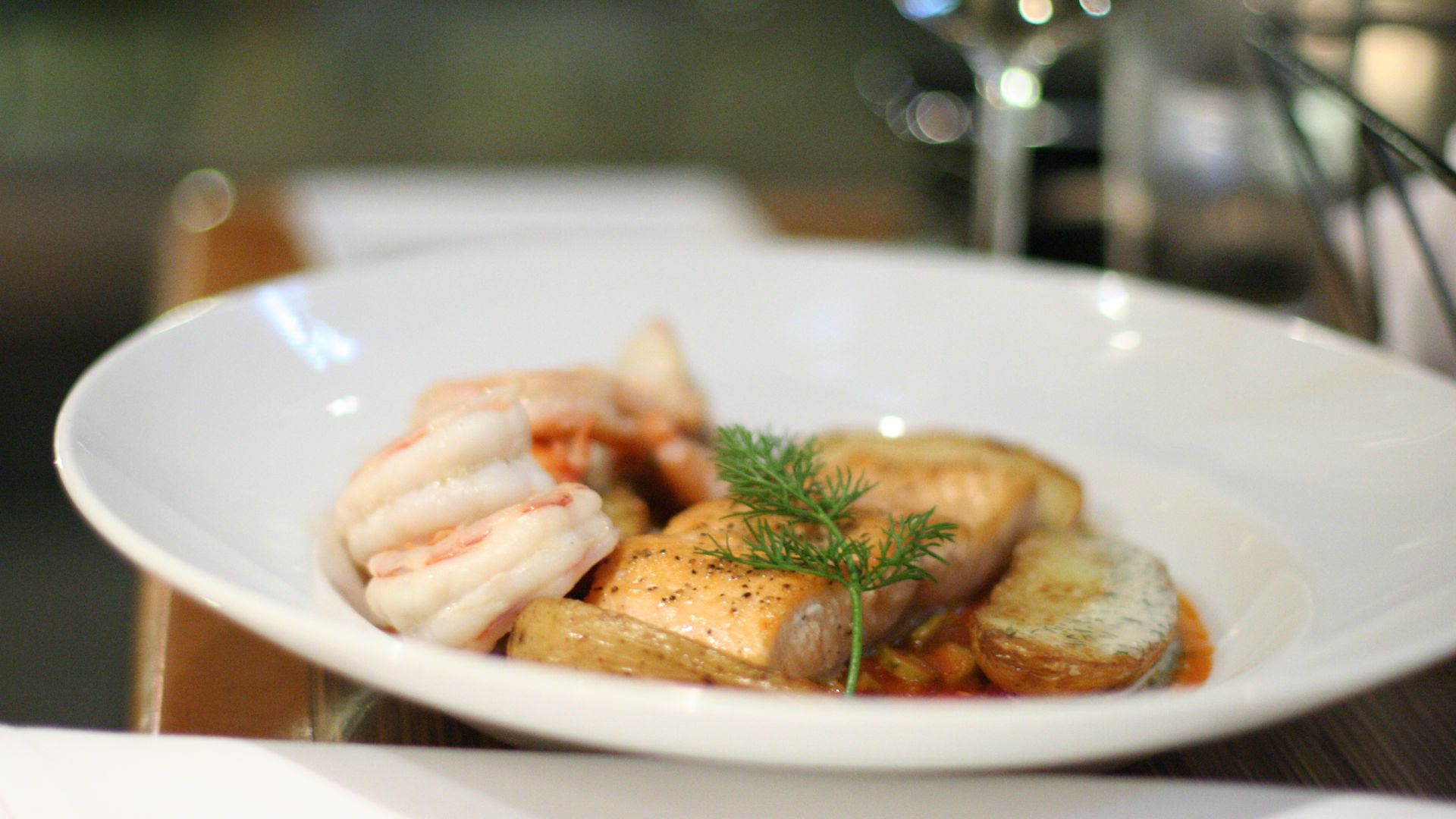 Geoff Peters from Vancouver, BC, Canada on Wikimedia
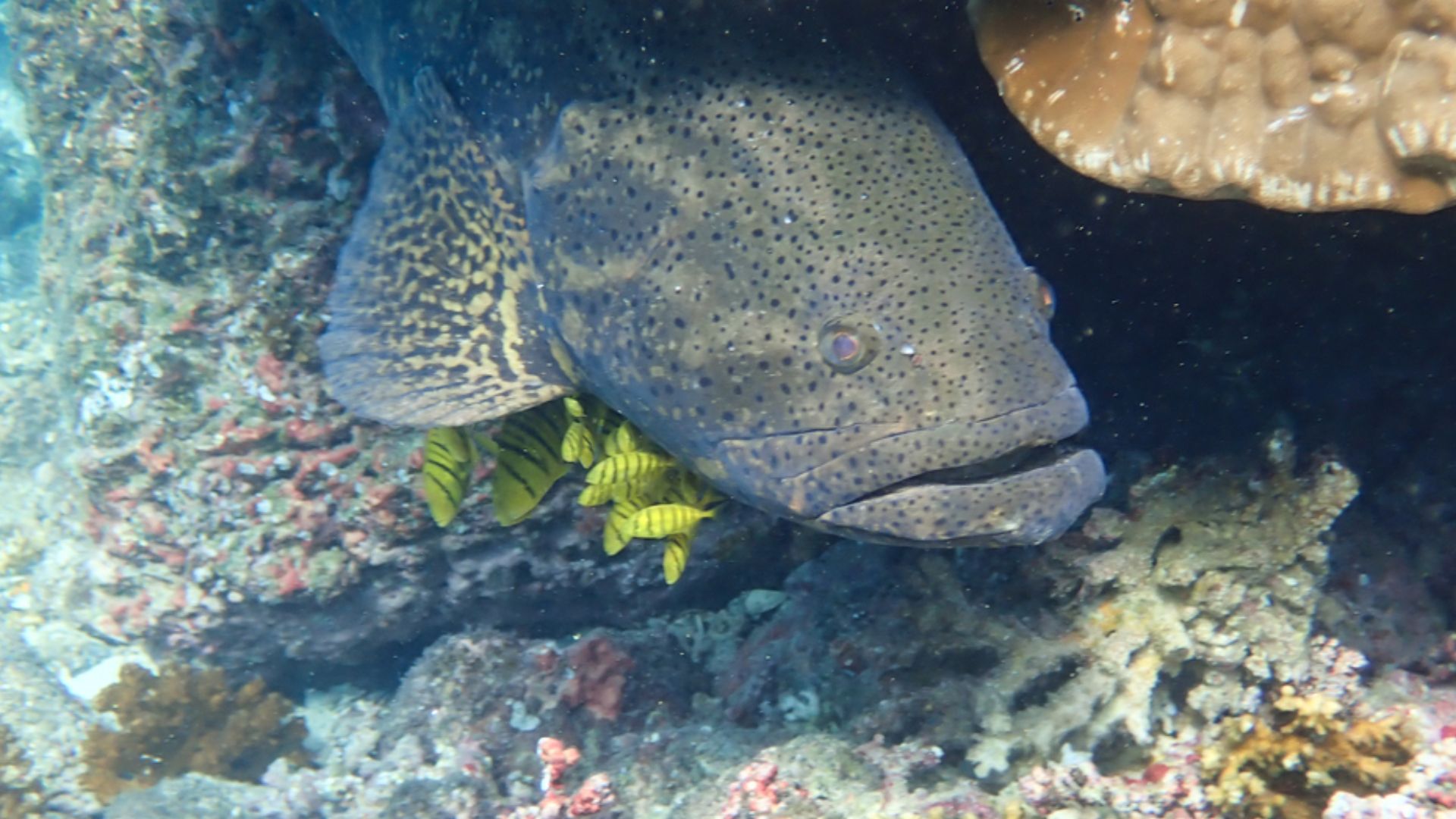
9. Grouper
Grouper brings thick, lean flesh to the table, but it doesn’t bring much smell. Even during cooking, the scent stays clean and fresh. It’s a favorite in open-concept kitchens because it won’t overpower the room—or stick around after dinner.
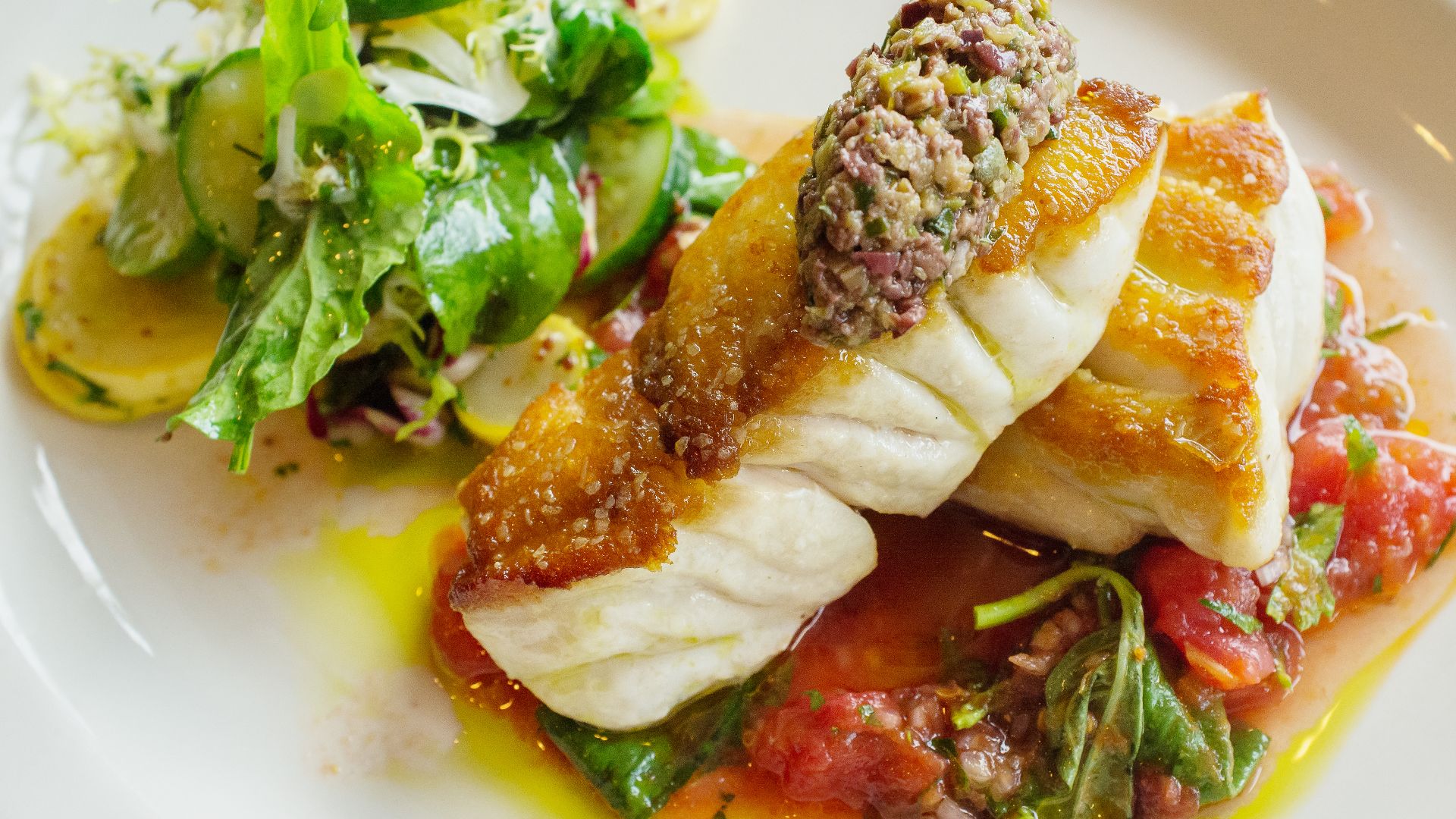
10. Snapper
Fresh snapper smells mild from the start, and its low oil content keeps it that way through cooking. Whether served whole or as fillets, it doesn’t kick up a cloud of fishy aroma. That’s why it’s trusted in tight or shared spaces.
 Ralph Daily from Birmingham, United States on Wikimedia
KEEP ON READING

Happy Hour: The 20 Best Foods For Social Snacking