20 Foods Future Generations Will Probably Make Fun Of Us For Eating
The Next Gen’s Version of Our Fruitcake
The way we eat can change quickly. What feels normal at the grocery store or on a restaurant menu today can seem wasteful, unhealthy, or downright strange later on. Today, we’re paying more attention to animal welfare, environmental impact, where ingredients come from, and how food affects our health. That doesn’t mean every food choice has the same ethical concerns, but it does help explain why some familiar foods already seem outdated, even when they remain ordinary parts of daily life. Here are 20 foods future generations will probably make fun of us for eating.
1. Shark Fin Soup
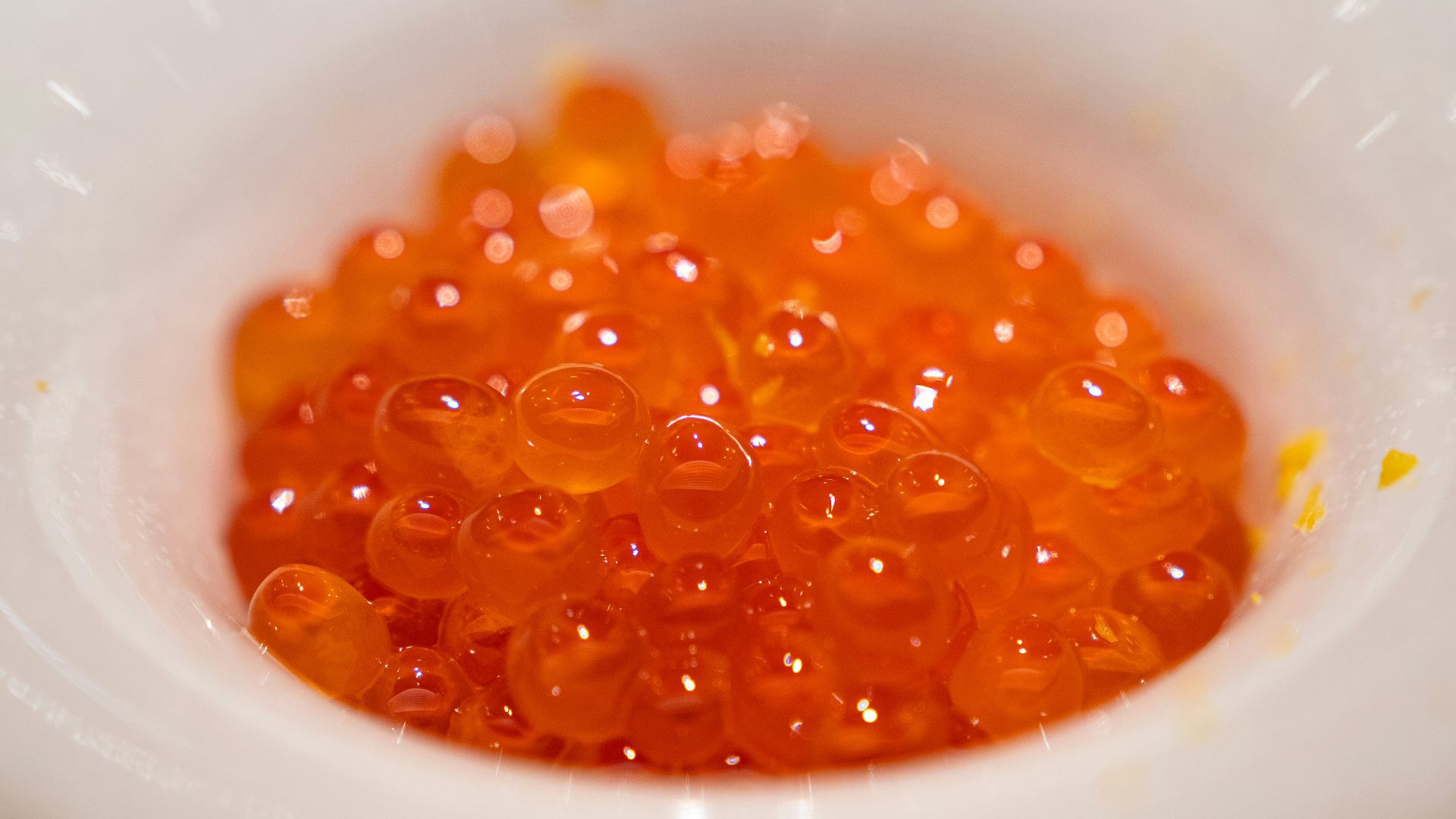
Shark fin soup has long been served at celebrations and as a status food, even though getting the fins can involve wasteful practices that contribute to overfishing. The soup’s status doesn’t change that concern. As seafood sustainability becomes all the more important, a soup prized mostly for the fins’ jelly-like texture may seem unusually expensive and outdated.
 Conveyor belt sushi on Wikimedia
2. Caviar
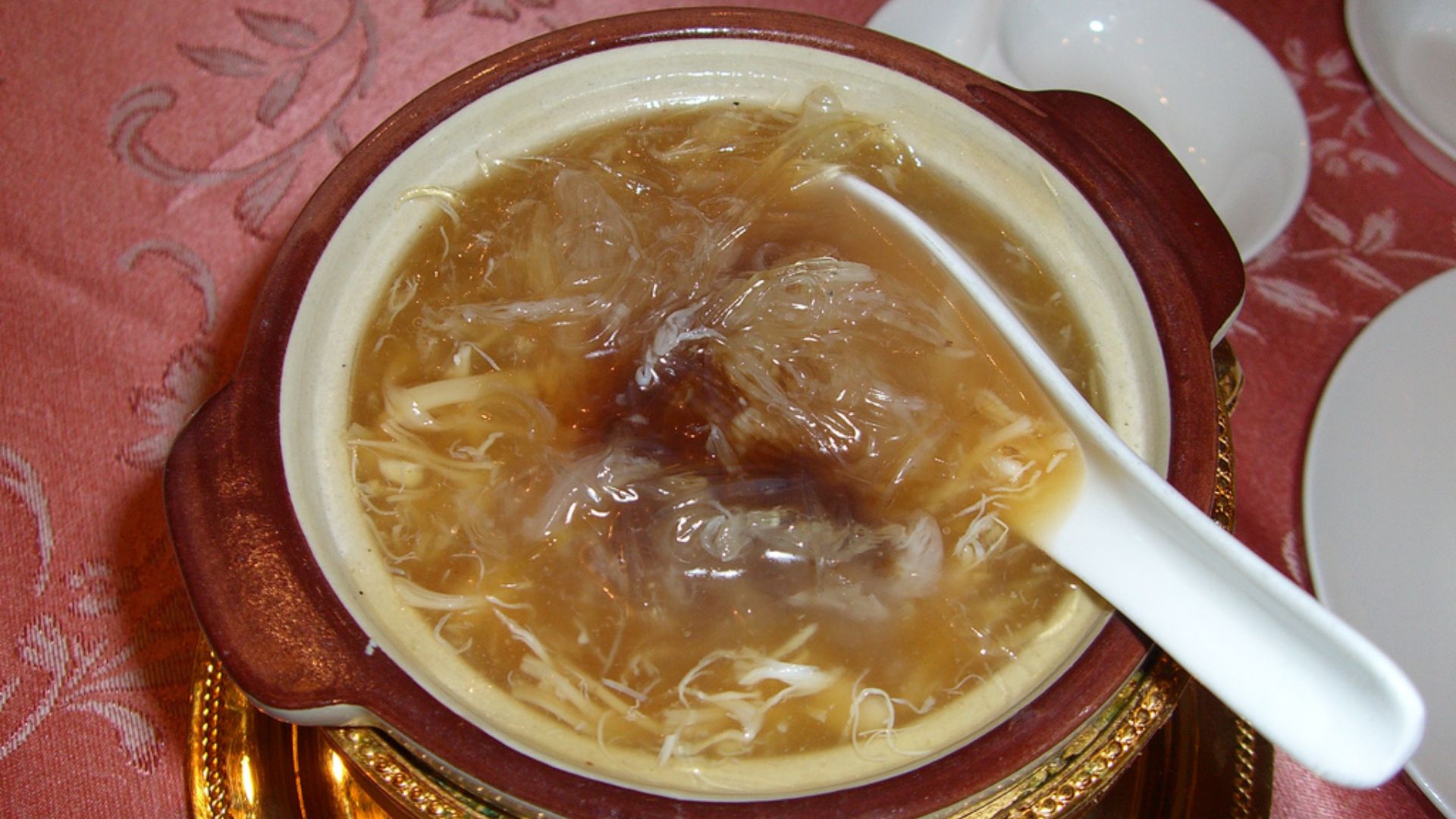
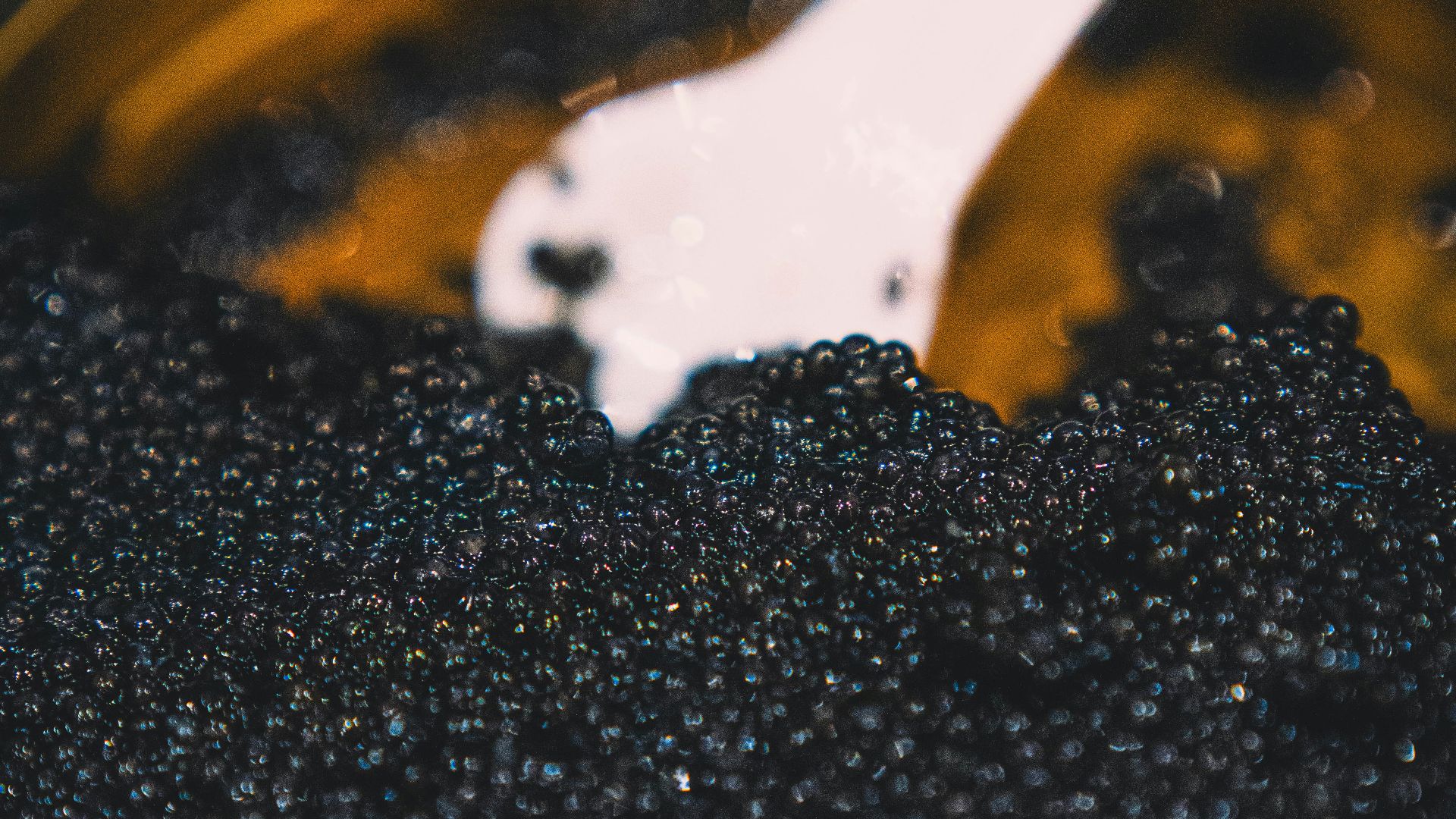
This luxury garnish made from fish eggs has contributed to major habitat loss. Certain types of caviar come from vulnerable sturgeon, which are at risk due to overfishing. A fancy label doesn’t erase the fact that the animal is already struggling to survive. Future diners may not see the same status in that kind of delicacy.
3. European Eel
European eel is critically endangered, yet it still appears in trade and on menus. It’s hard to separate a dish from the animal behind it when the species is in such trouble. The glaze, sauce, or presentation may matter less once people know how endangered the eel is.

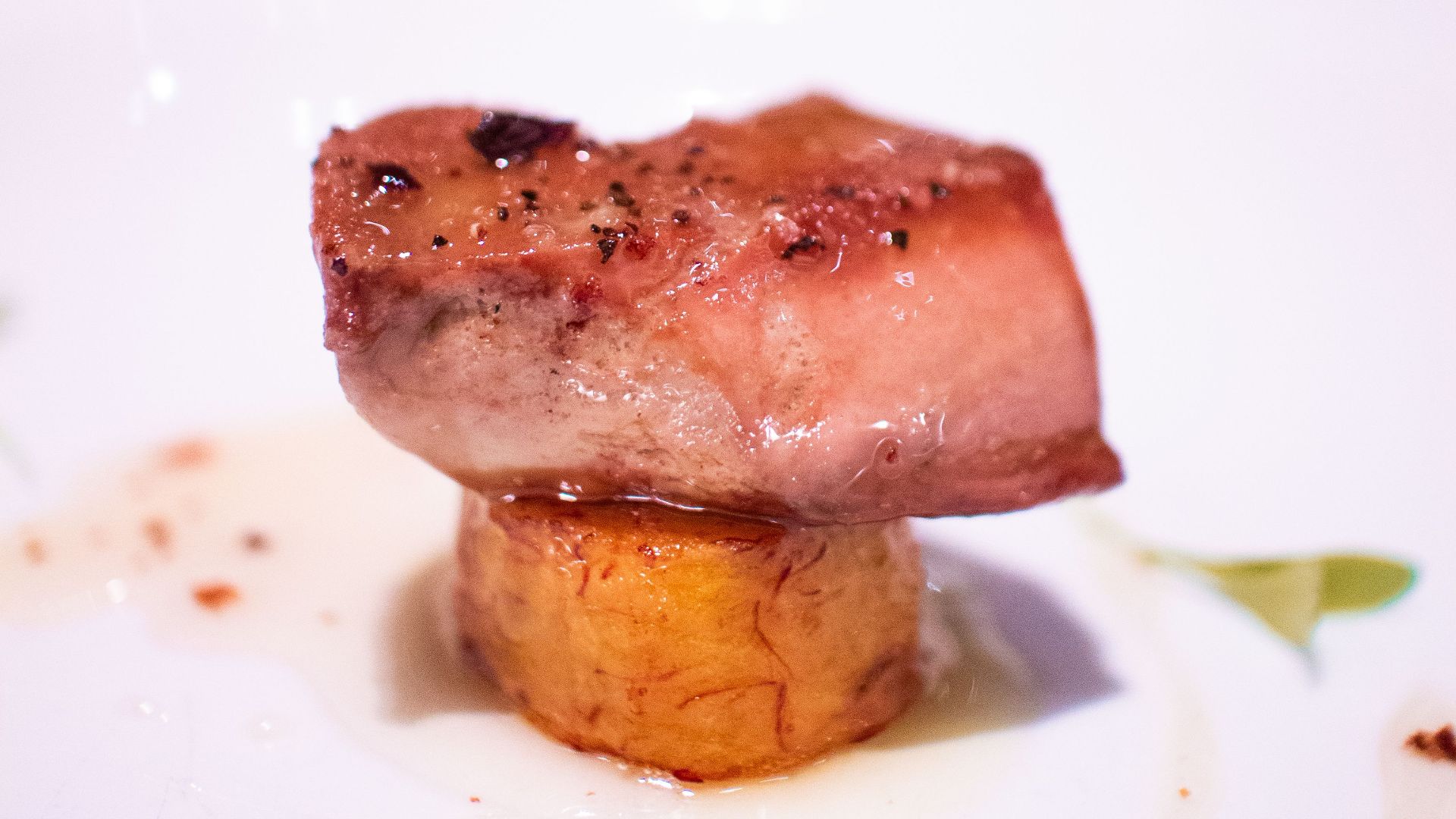
4. Foie Gras
Foie gras is valued for its rich taste, but conventional production relies on force-feeding ducks or geese near the end of production. As people expect luxury foods to meet higher standards for how animals are treated, this harvesting method can make the dish feel more uncomfortable.
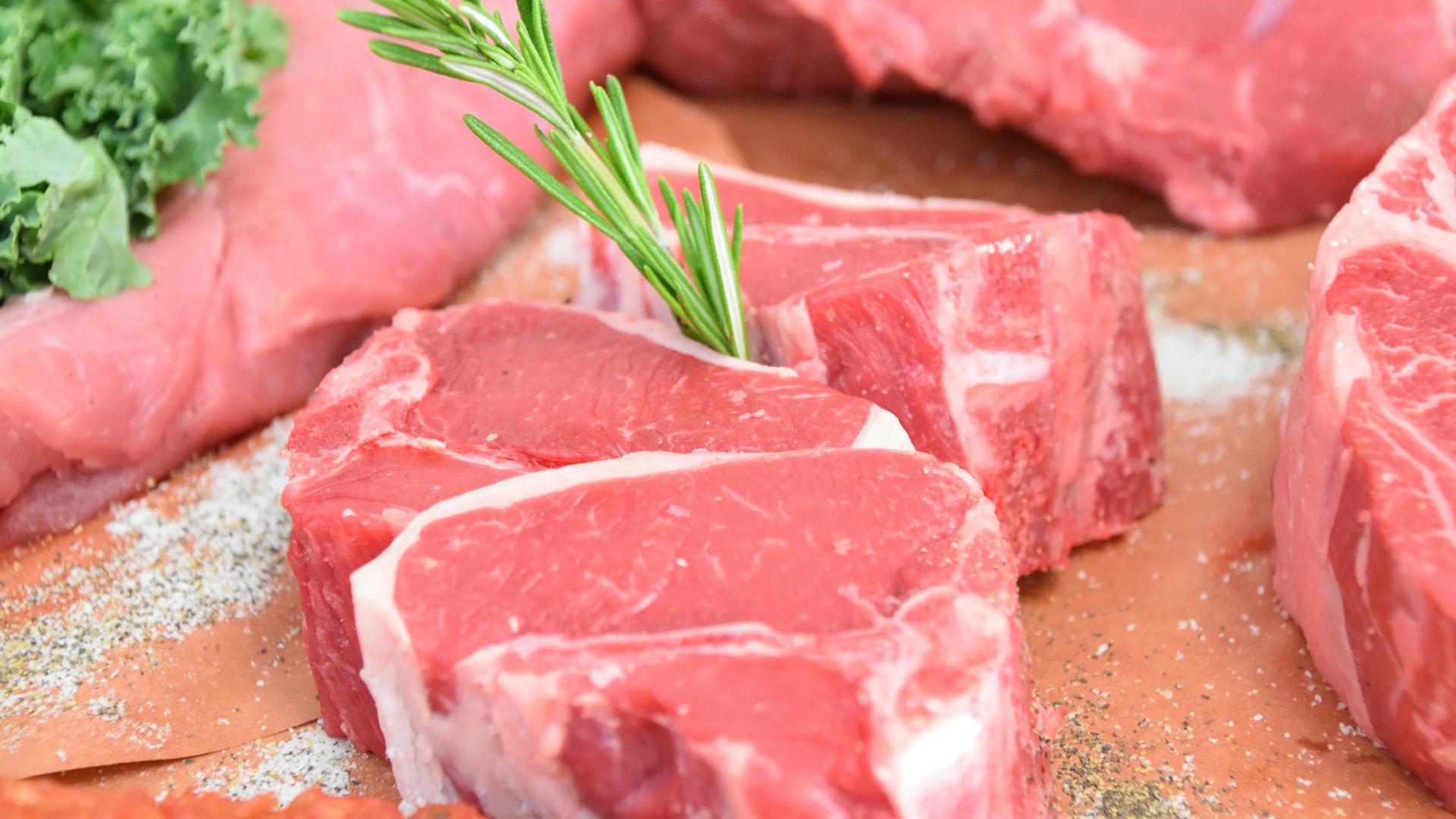
5. Pork
In some pork systems, pregnant sows spend part of their pregnancy in narrow individual stalls that restrict movement. For shoppers who expect higher welfare standards, it may seem strange that confinement was part of the cost of an everyday breakfast sausage or pork chop.
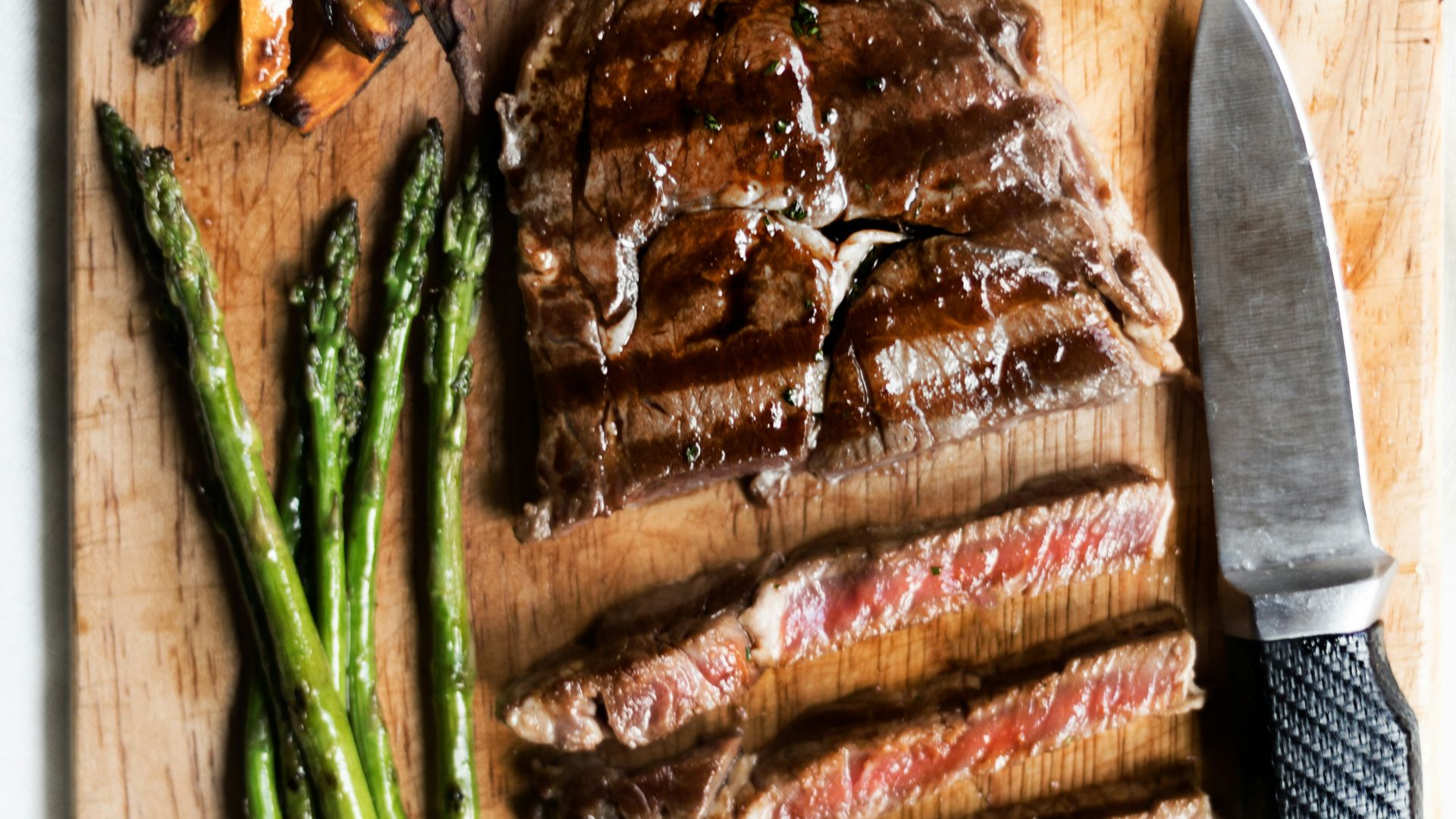
6. Veal
Veal is known for being tender, though its history includes systems for raising calves that kept animals in individual pens. Small groups, adequate space, bedding, rest, and chances to play are increasingly preferred for calves. It’s easier to see why older confinement-based practices can look difficult to defend.
 María Sainz Cabezalí on Unsplash
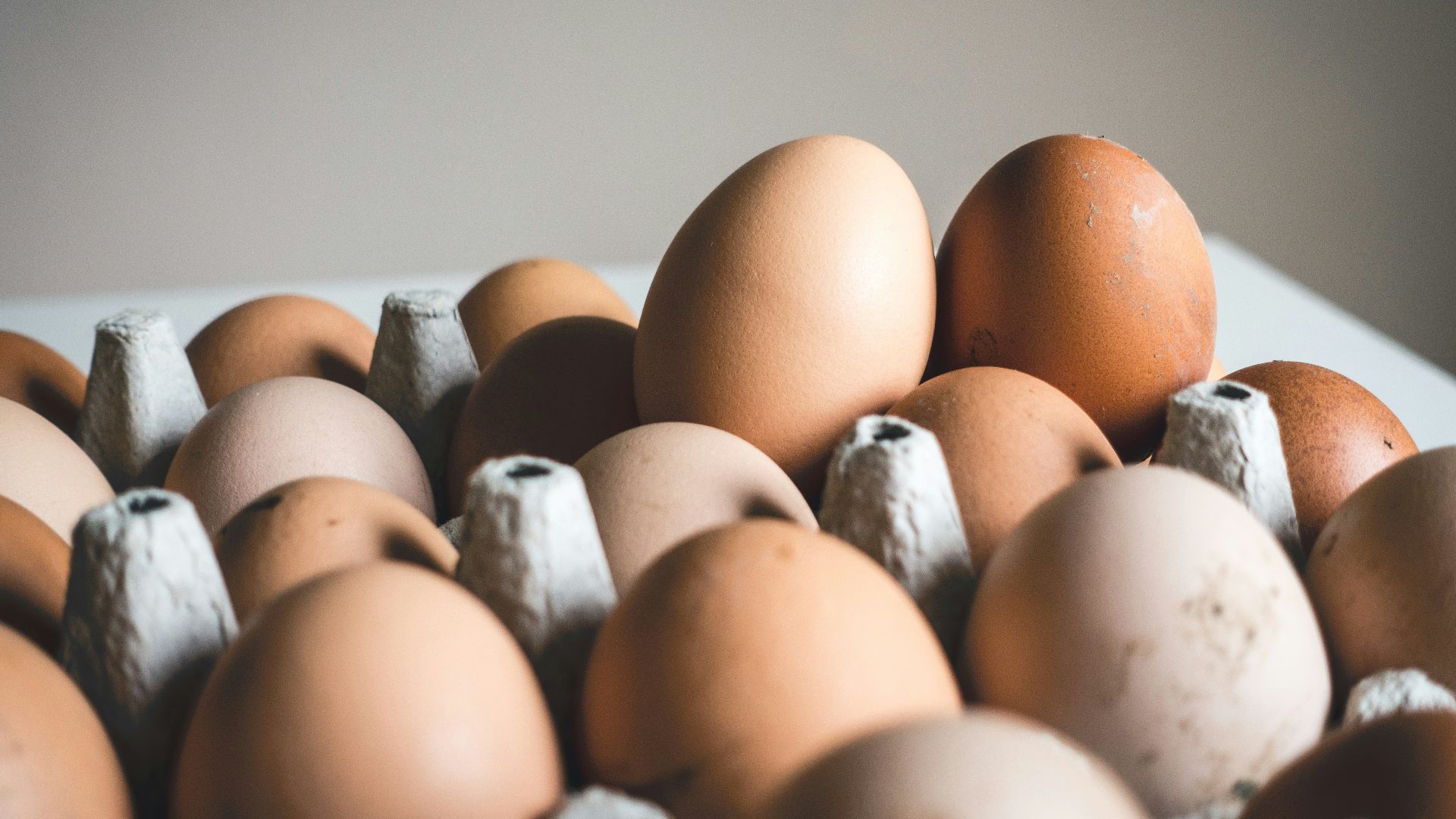
7. Eggs
A cheap carton of eggs once seemed purely practical, while the hens behind it could spend their lives in cages that restrict normal movement and behavior. Cages have become a major welfare issue. That’s why their routine use may seem especially dated as shoppers expect more from an everyday grocery purchase.
8. Chicken
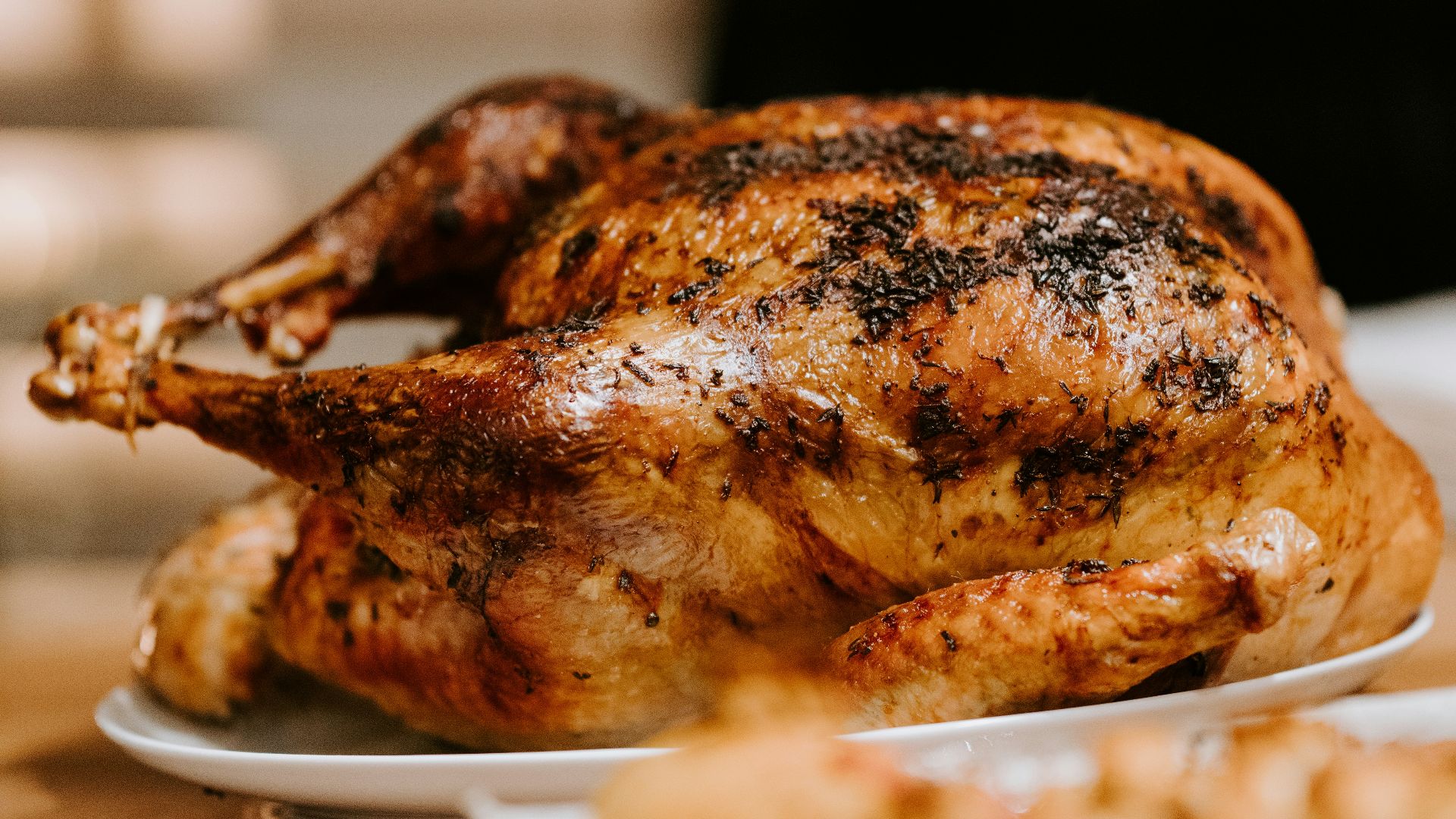
Modern broiler chickens have been selected to grow very quickly, and fast growth is associated with many welfare concerns, including mobility problems. Future eaters may see optimizing a chicken for speed and yield as an overly simple way to meet demand for inexpensive chicken.
9. Beef And Lamb
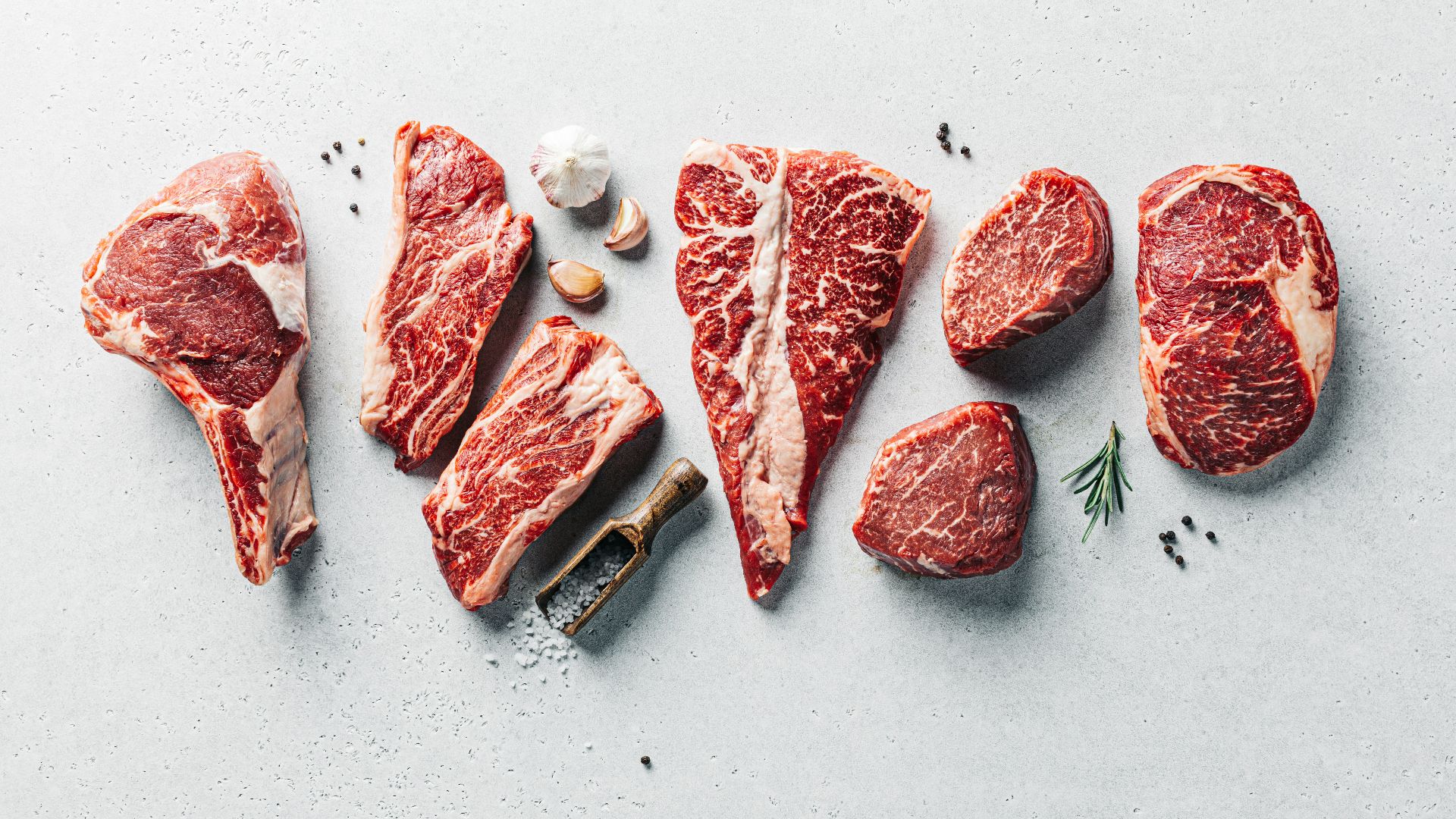
Cattle and sheep are ruminants, which means their digestion produces methane, a powerful greenhouse gas. Beef and lamb may not seem like the choice of proteins they used to be, as menus make more room for beans, lentils, and other lower-emission options. They’re familiar foods, but they may become less automatic choices.
10. Shrimp
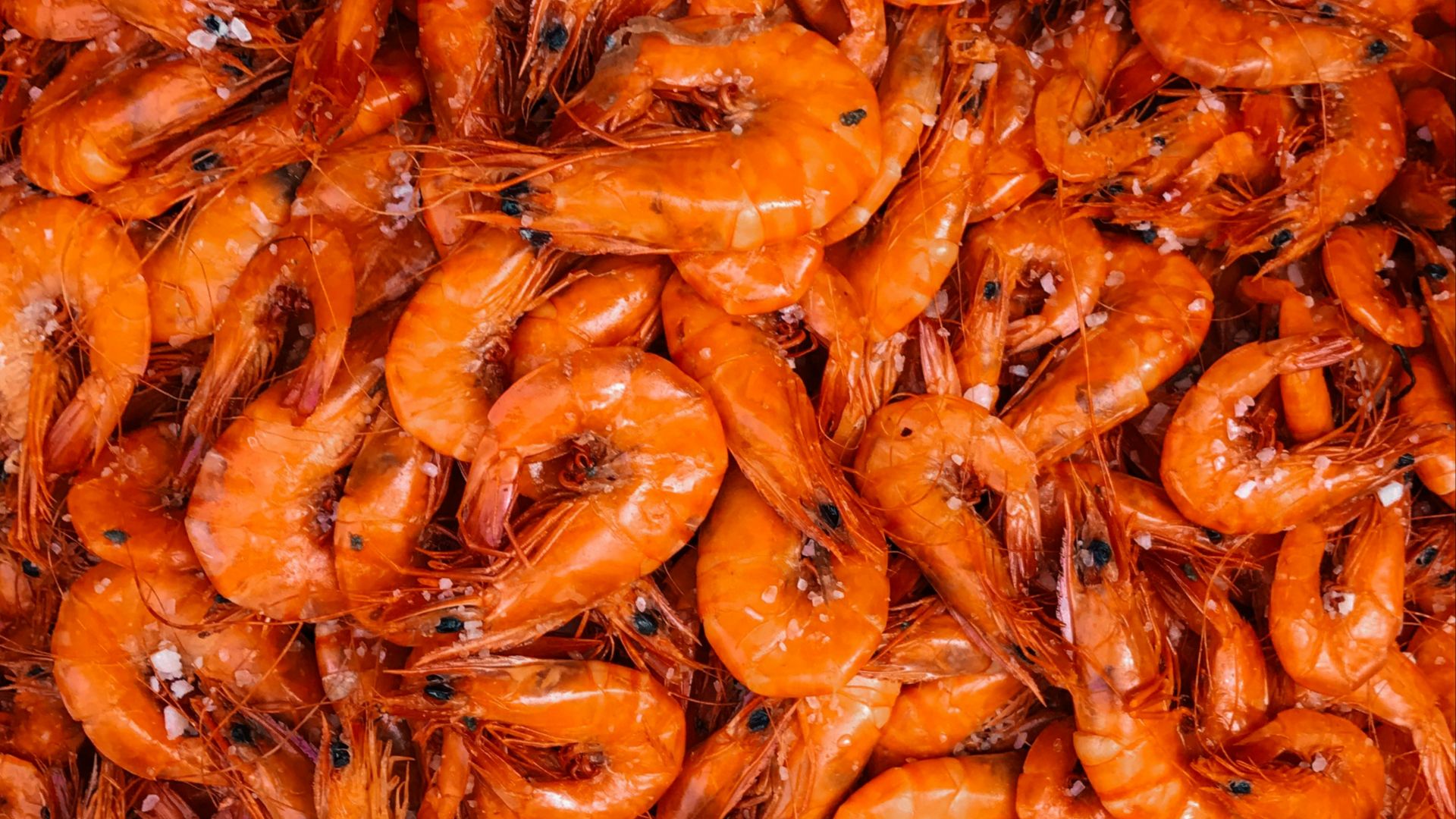
Shrimp’s an easy weeknight choice, yet poorly managed shrimp farms have contributed to mangrove loss and water-quality problems in some regions. Future shoppers may want labels to explain more about where shrimp came from and how the farm was run.
11. Open-Net-Pen Salmon
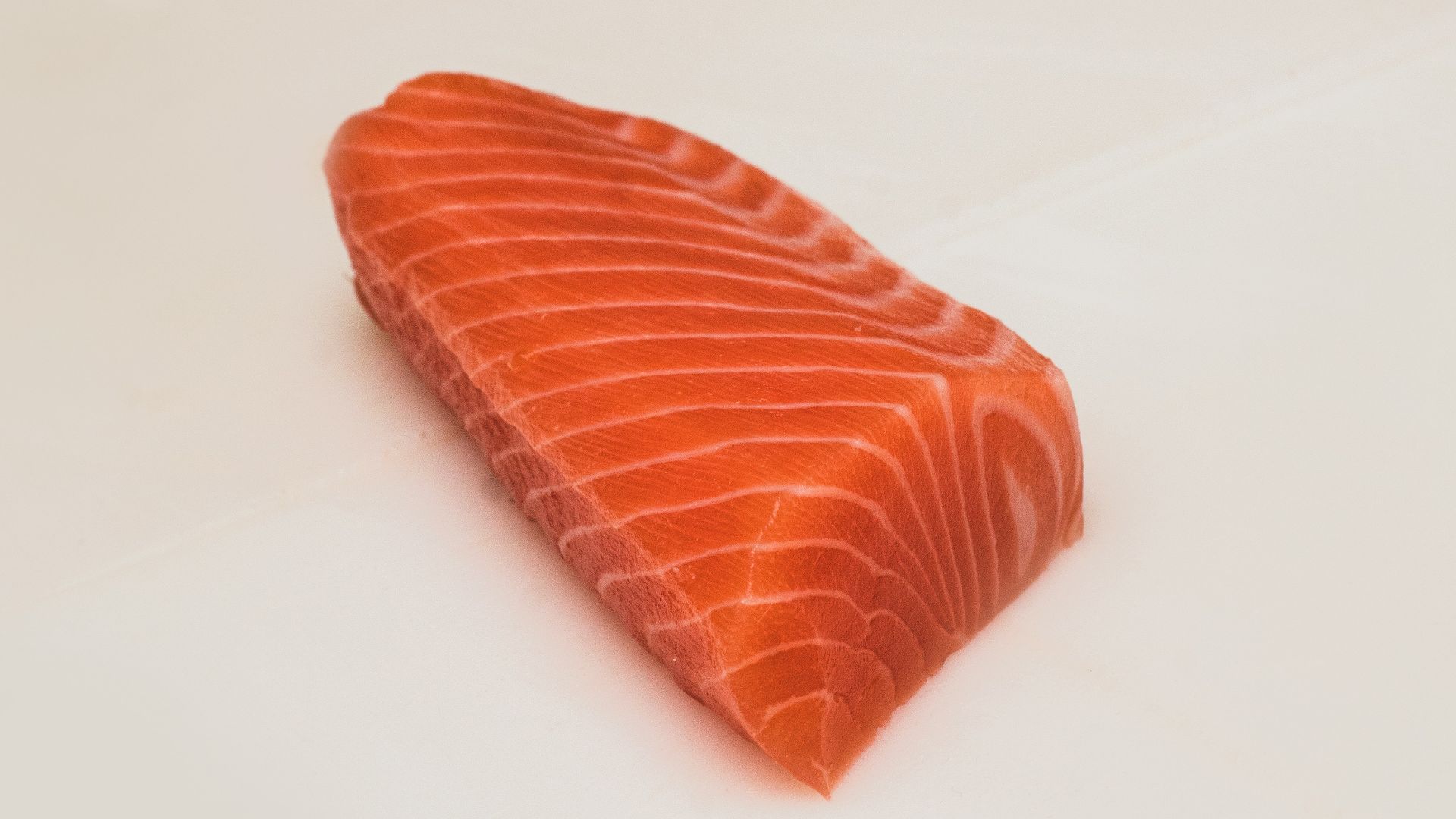
Open net pens raise farmed salmon in cages set directly in coastal water. That setup creates concerns about escaped fish, disease, parasites, and interactions with wild populations. It may seem less acceptable as consumers expect greater separation between farmed and wild populations.
12. Chocolate
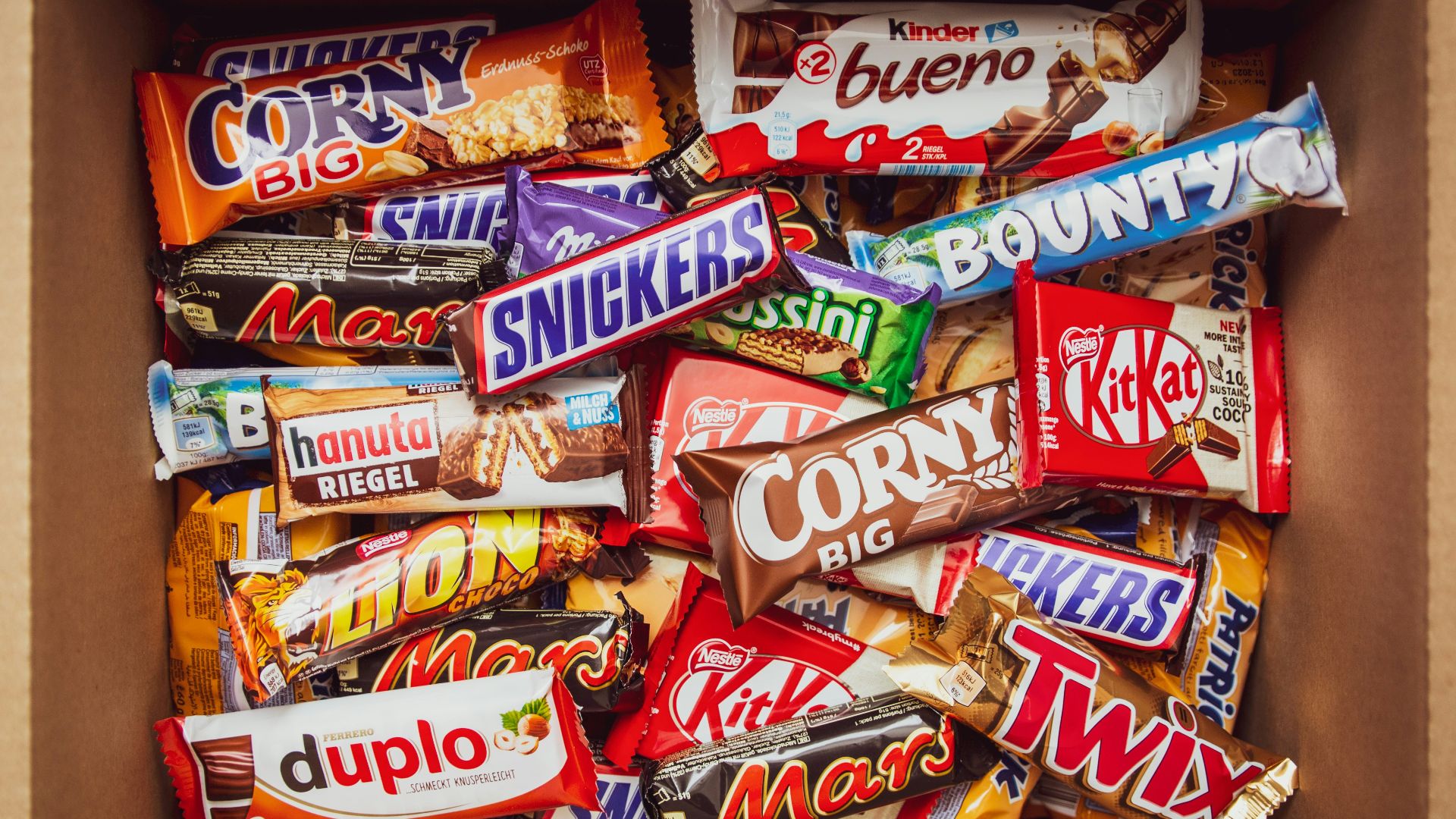
Chocolate’s comfort food, a common gift, and a pantry staple, but cocoa supply chains can be linked to child labor. Future generations may find it hard to understand why a product marketed as a small pleasure was so often bought without asking whether its origins could be traced.

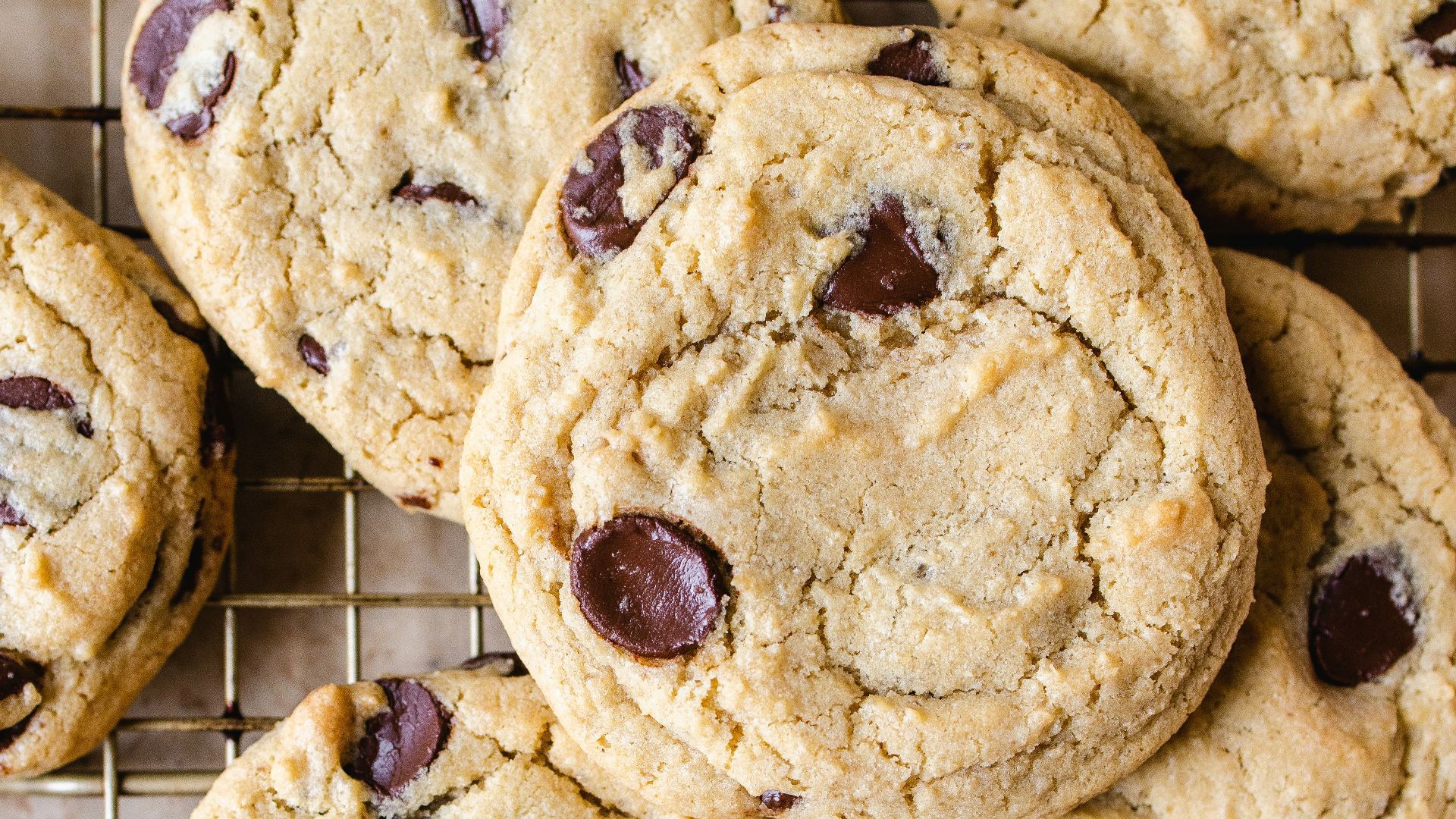
13. Palm Oil Snacks
Palm oil is useful in packaged foods, yet poorly managed production can be connected to illegal deforestation. As ingredient sourcing becomes more visible, an unlabeled cookie or snack that doesn’t offer any clue about its supply chain may seem like a very outdated convenience.
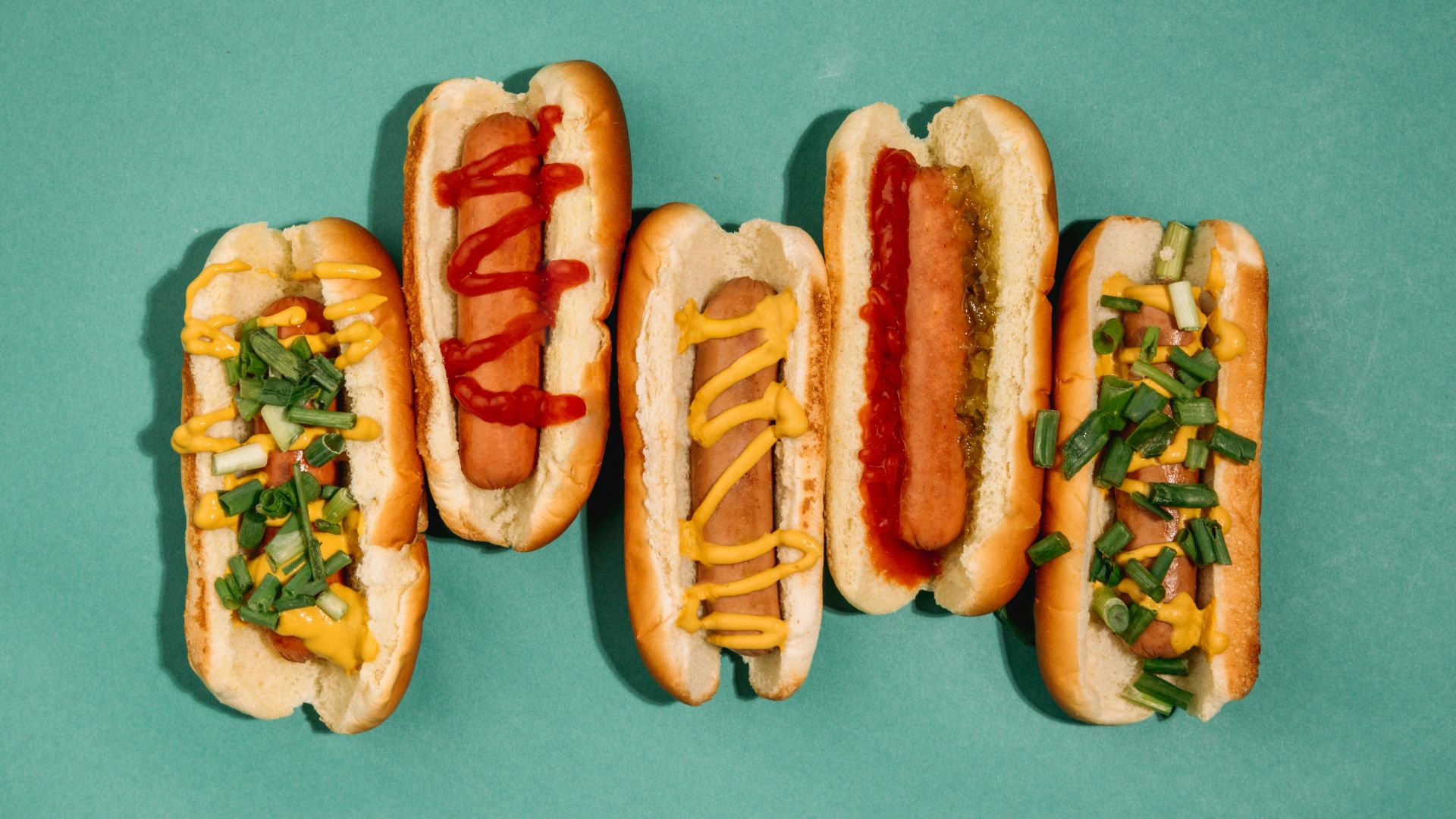
14. Processed Meat
Bacon, hot dogs, ham, and many sausages are processed meats, a category linked to colorectal cancer. They’ve become standard at breakfast, lunch, and ballparks, and they were made for shelf life and convenience. Future generations may be surprised that these familiar foods were treated as such routine choices.
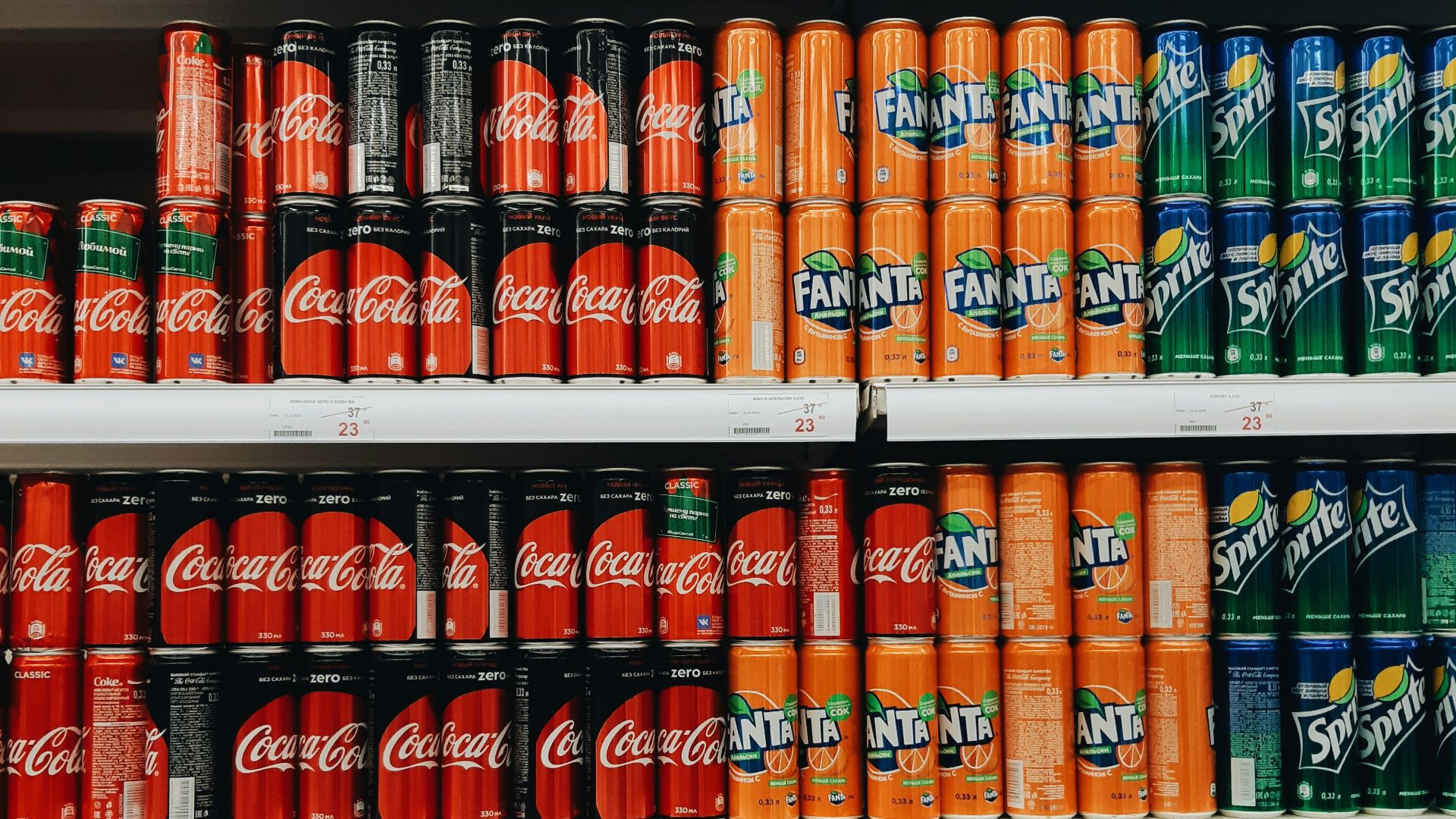
15. Sugar-Sweetened Soft Drinks
Sugar-sweetened soft drinks make it easy to drink a lot of added sugar without feeling very full. Regular drinking is associated with weight gain and tooth decay. That’s why the oversized fountain drink may eventually seem like an outdated feature of the supersize era.
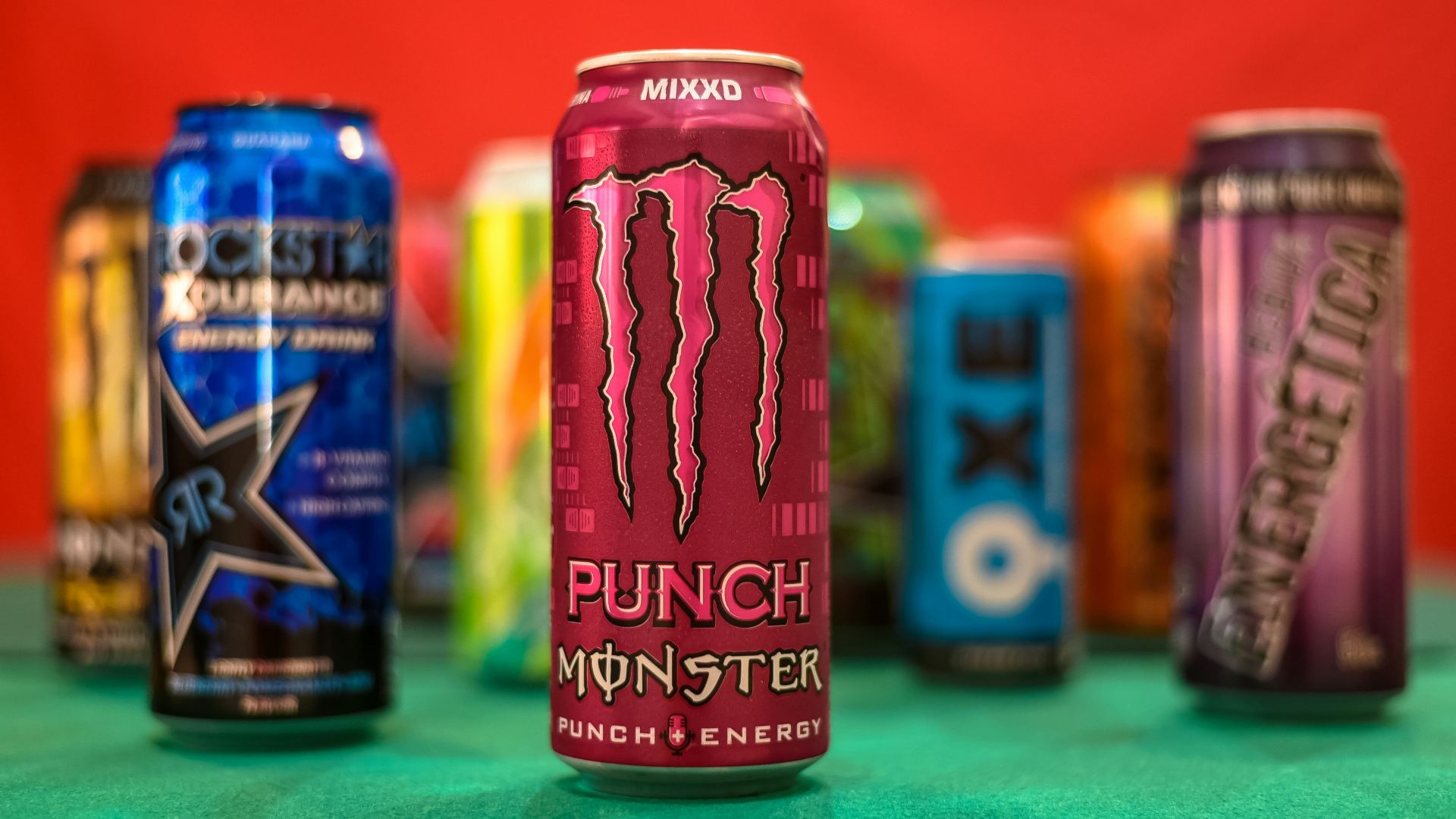
16. Energy Drinks
Energy drinks pack concentrated caffeine and often a lot of sugar, even as their branding points to sports, gaming, or nonstop productivity. We know they’re not good for us, but we drink them anyway. Future generations may try their best to avoid getting addicted to these products.
17. Ultra-Processed Snack Foods
Ultra-processed foods are made for convenience, long shelf life, and maximum appeal. They’re more than food that simply comes in a package. An ultra-processed diet can lead people to eat more calories and gain more weight than a minimally processed one, even when meals are matched for key nutrients.
18. Raw Milk
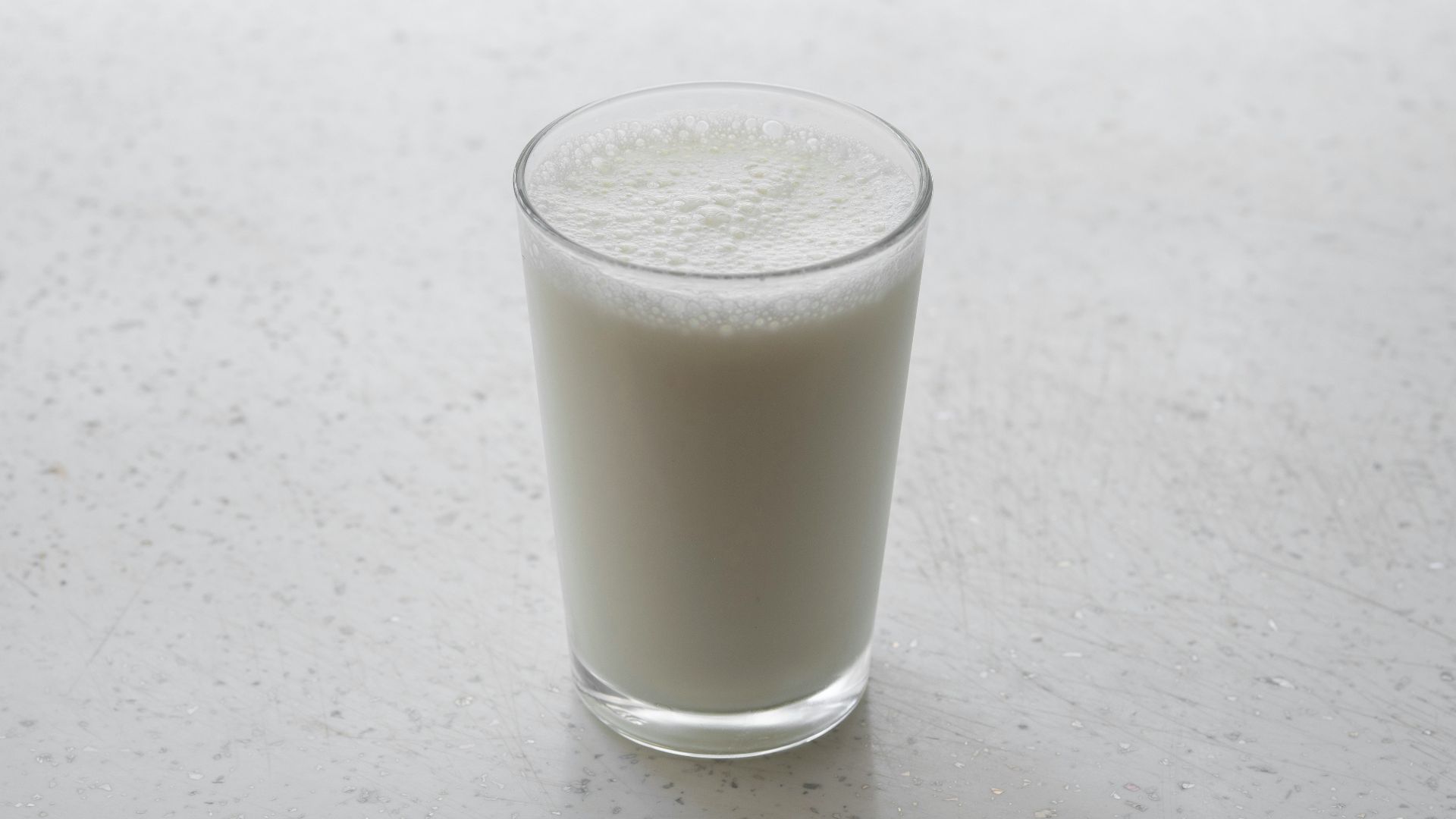
Raw milk is often presented as more natural, but pasteurization kills harmful germs without taking away milk’s core nutritional benefits. Contamination can still happen even when farms use good practices, and drinking raw milk can expose people to serious foodborne illness.
19. Raw Oysters
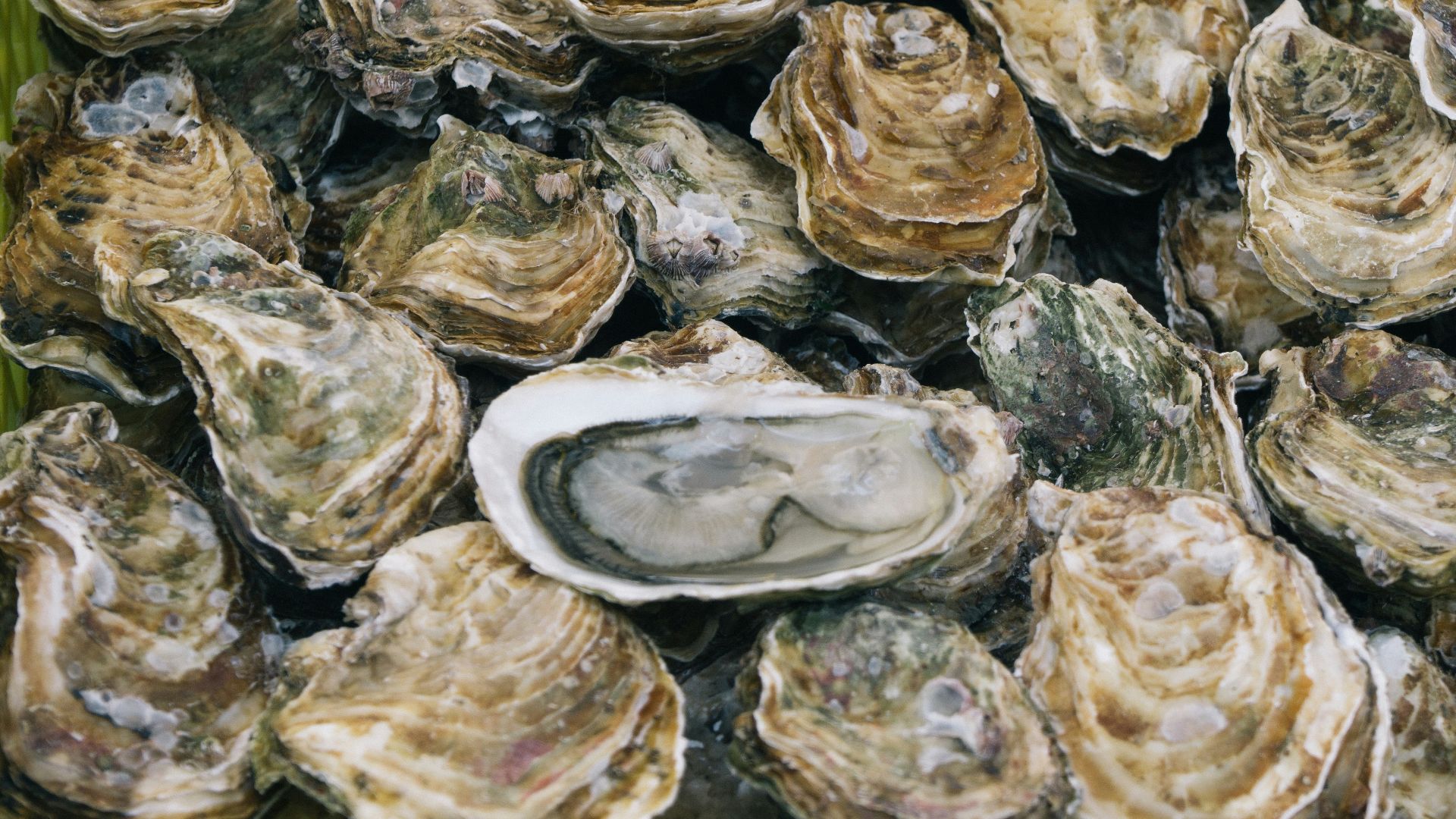
Raw oysters can carry germs from the water they filter, and those germs can cause serious illness. Thorough cooking lowers the risk, so a raw half-shell may feel like an unnecessary risk for people who are pregnant, older, immunocompromised, or have certain health conditions. For future generations, the risk may not be worth this popular menu item.
20. High-Mercury Predatory Fish
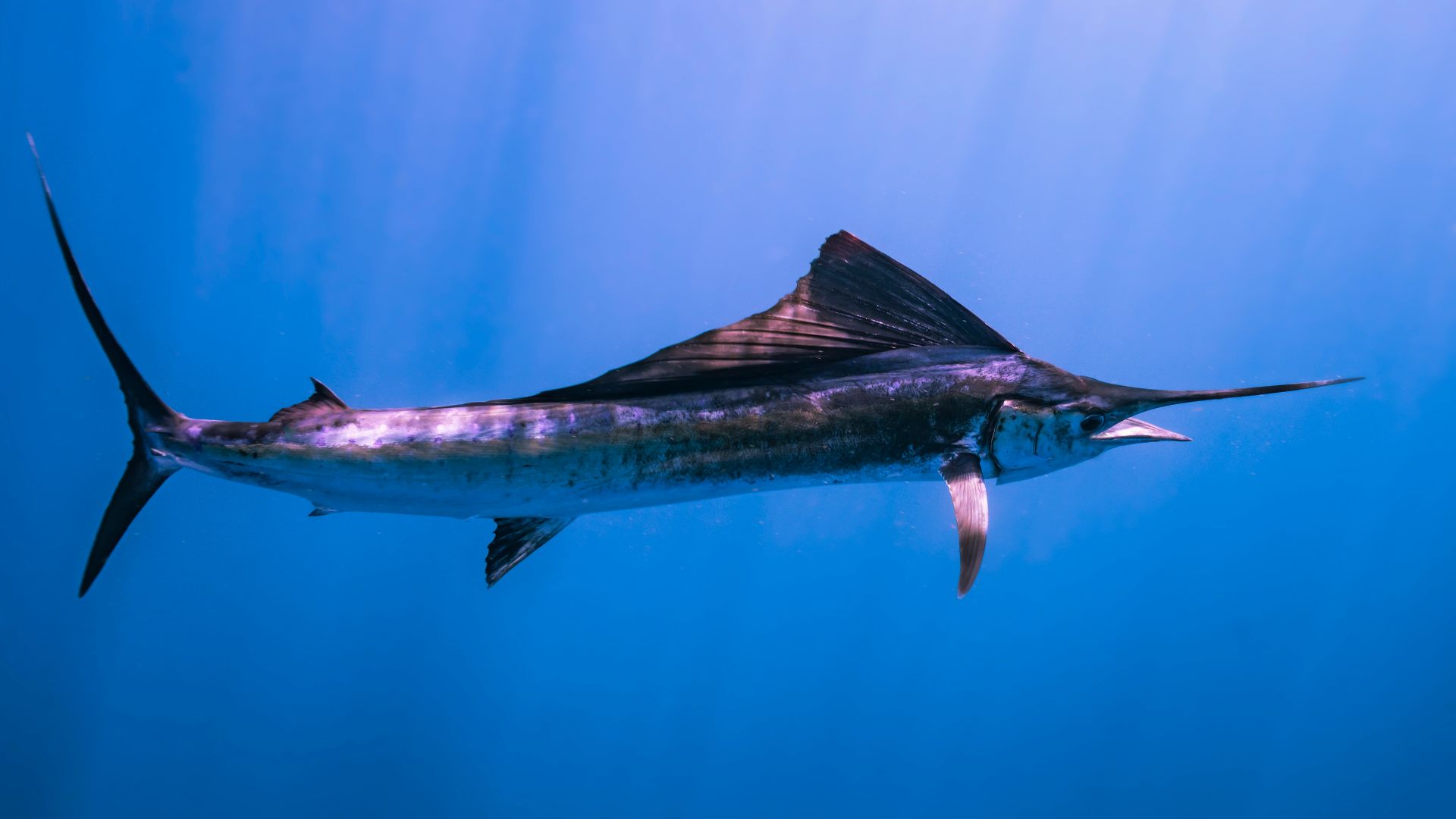
Fish is nutritious, but mercury levels vary a lot by species. Larger predatory fish, including shark, swordfish, king mackerel, marlin, orange roughy, Gulf tilefish, and bigeye tuna, carry higher amounts. Choosing low-mercury fish matters especially for people who are pregnant or breastfeeding and for children, and future shoppers may expect menus to make that information clearer.
KEEP ON READING
The 5 Most Consumed Foods in the Entire World