Where the Robots Keep Losing
Food automation has gotten very good at the boring parts. Machines can portion dough to the gram, keep a fryer at exactly the right temperature, and repeat the same motion thousands of times without slowing down. What they struggle with is food that refuses to behave the same way twice. A dough feels different when the room is humid, a cheese curd can be ready earlier than expected, and some decisions still come down to what something looks, smells, or feels like in the moment. Here are 20 foods that still tend to go wrong when nobody’s hands are in them.
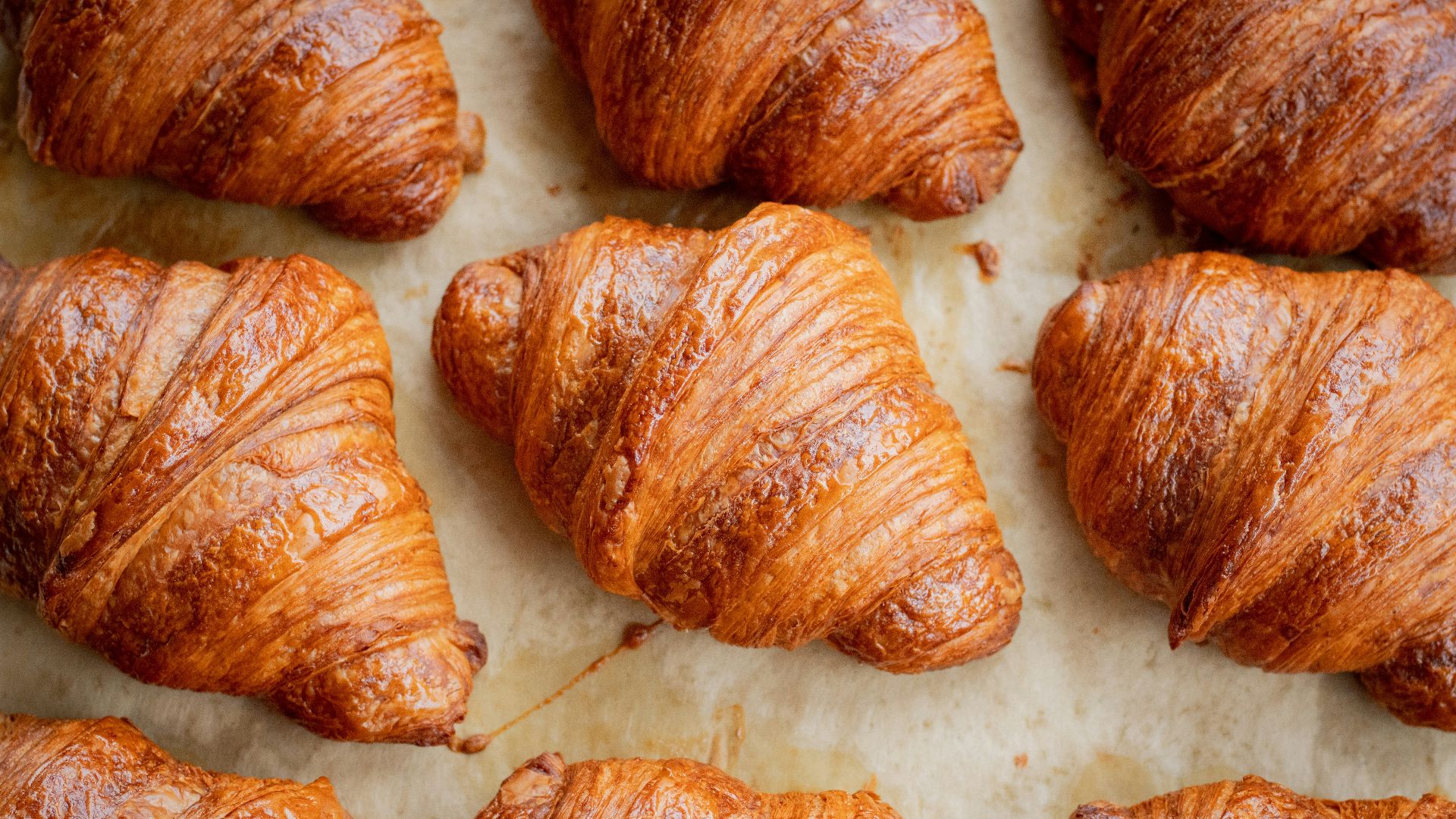
1. Croissant Lamination
Butter has to stay between roughly 59 and 68°F or it smears into the flour instead of holding its layers. Automated laminators fold accurately and cannot feel the sheet going soft. The industrial workaround is margarine, with a wider plastic range and less flavor.
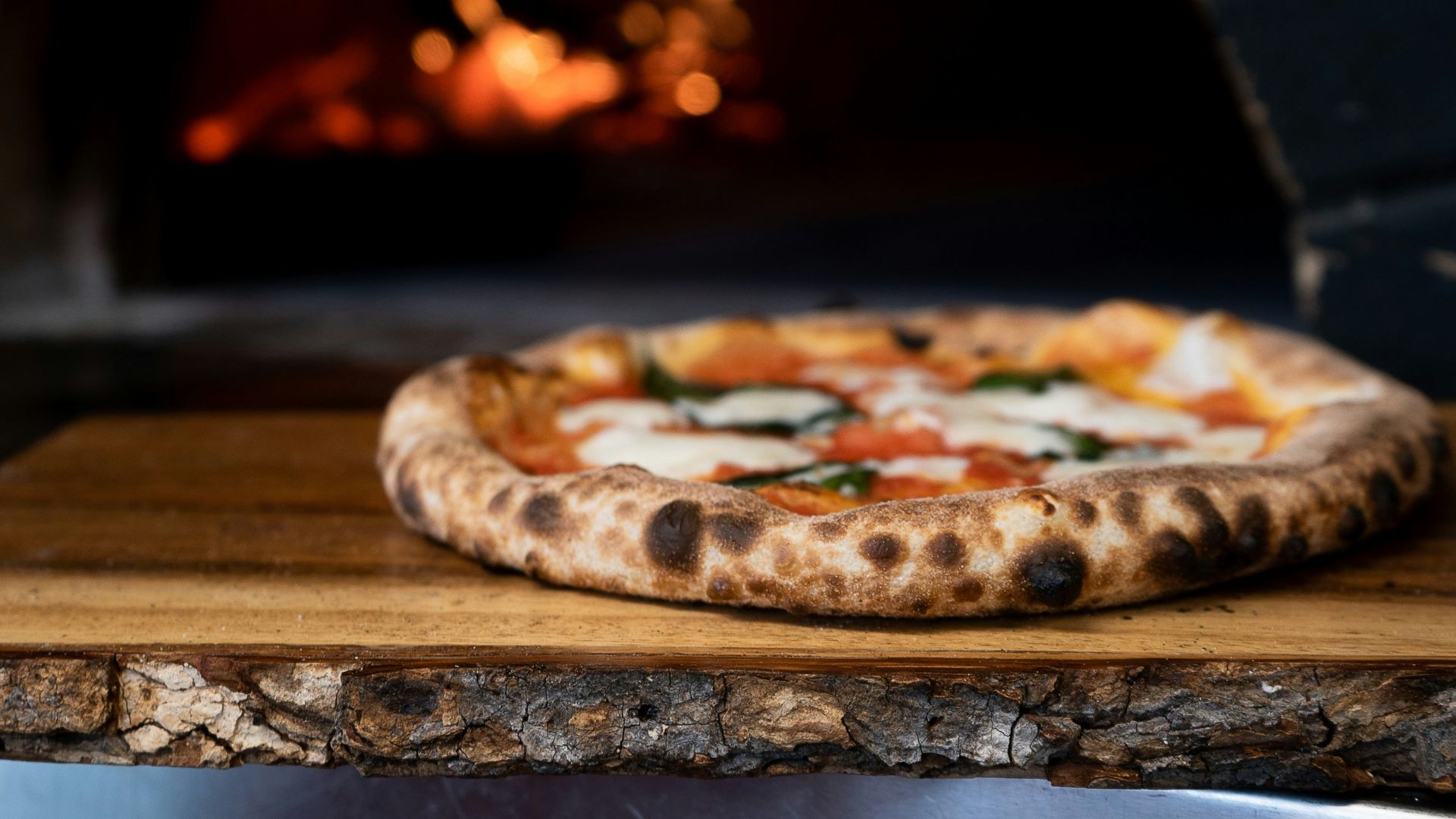
2. Neapolitan Pizza
Hand-stretching only, no rolling pin. The Associazione Verace Pizza Napoletana wrote that into its rulebook because rollers crush the gas out of the rim, and a flattened cornicione won't puff. Robot pizza startups have solved sauce and conveyor baking while leaving the stretch to a person.
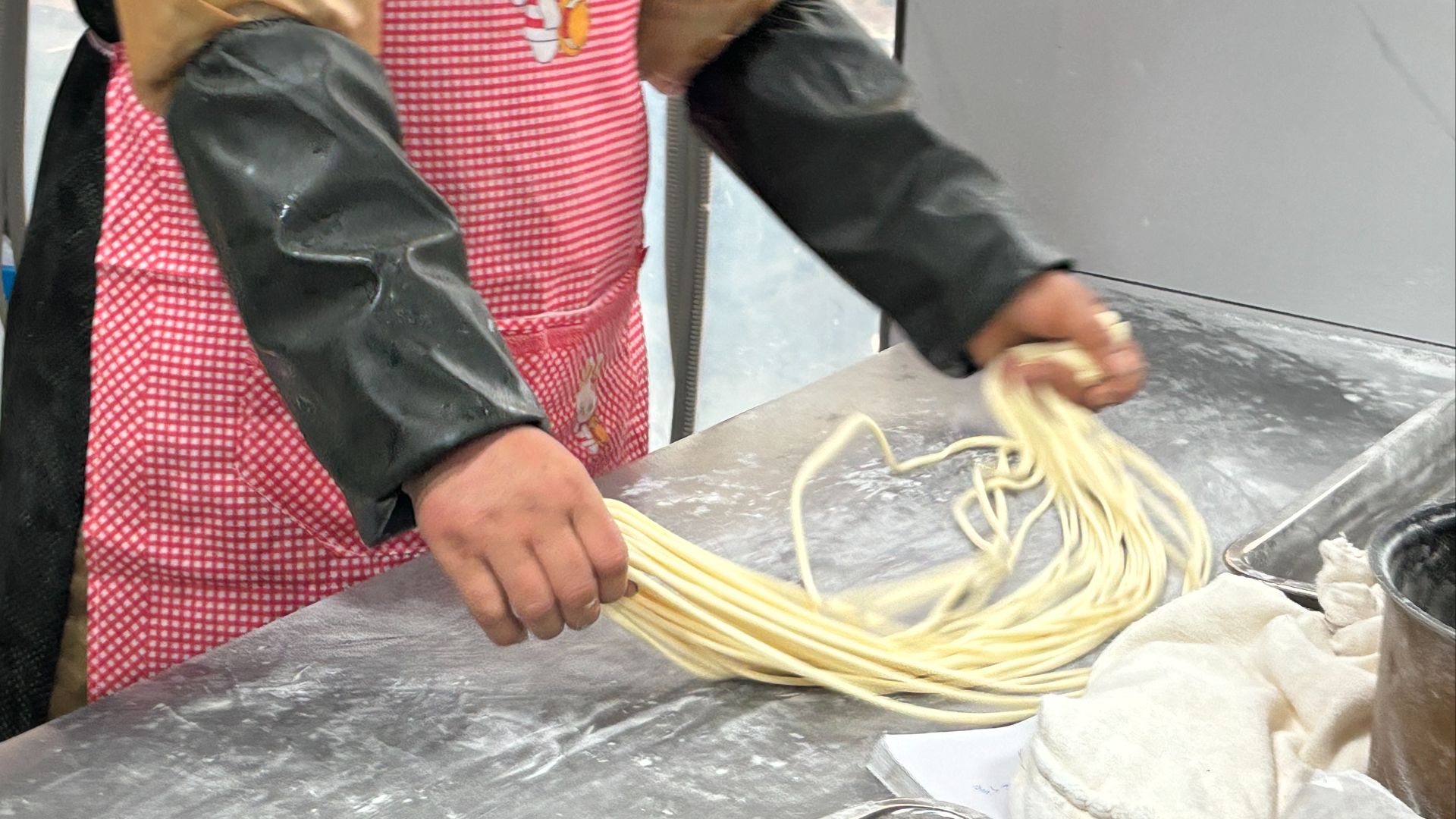
3. Hand-Pulled Lamian Noodles
Eight or nine doublings gets a puller past 250 strands. The pull works off gluten relaxation, and the puller corrects mid-motion based on how hard the dough fights back. Extruders turn out a consistent diameter, a different noodle with a different bite.
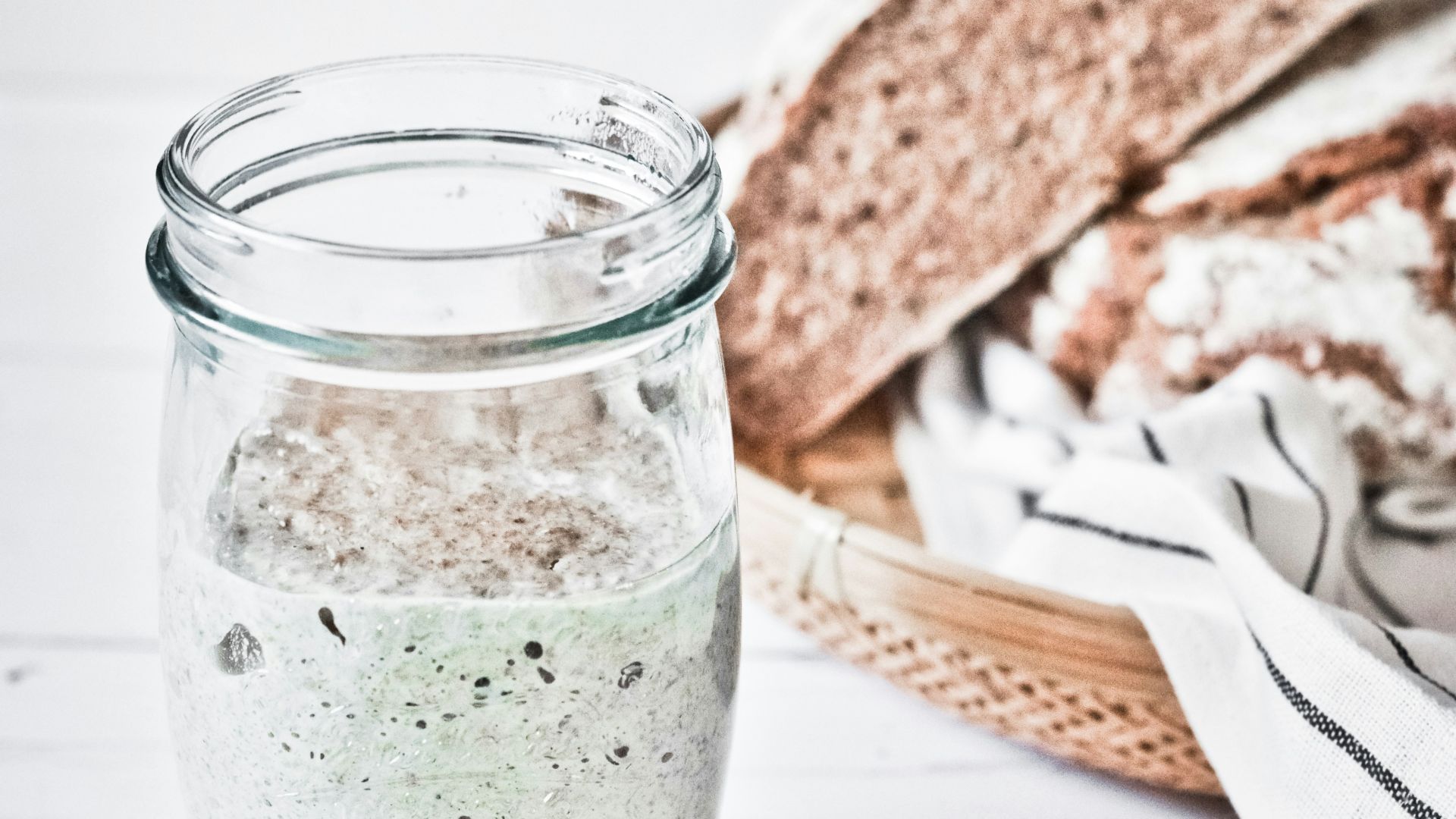
4. Sourdough Starter Management
Wild yeast and lactobacilli behave differently depending on the flour and the room. Bakers go by smell and how domed the surface looks before it falls. Automated proofers hold a set temperature well, and a set temperature isn't what a starter wants in every season.
 Margaret Jaszowska on Unsplash
5. Mozzarella di Bufala Stretching
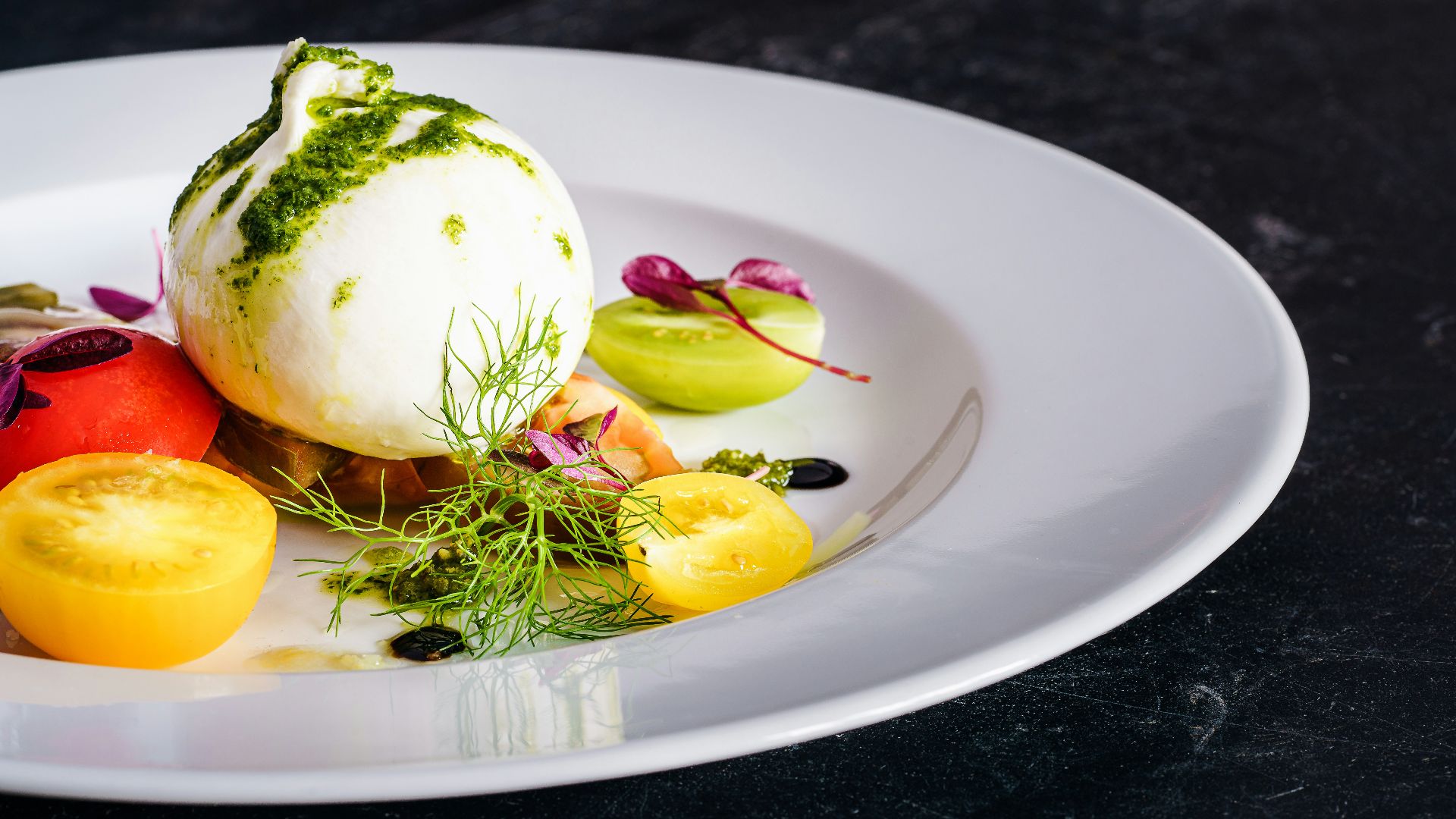
Work the curd too early in the hot water and it crumbles. Wait too long and it turns rubbery, and the window between those is a couple of minutes at around 185°F. Mechanical stretchers run most of the world's pizza cheese, though DOP producers still put somebody's forearms in the vat.
 Sebastian Coman Photography on Unsplash
6. Tortillas de Maíz by Hand
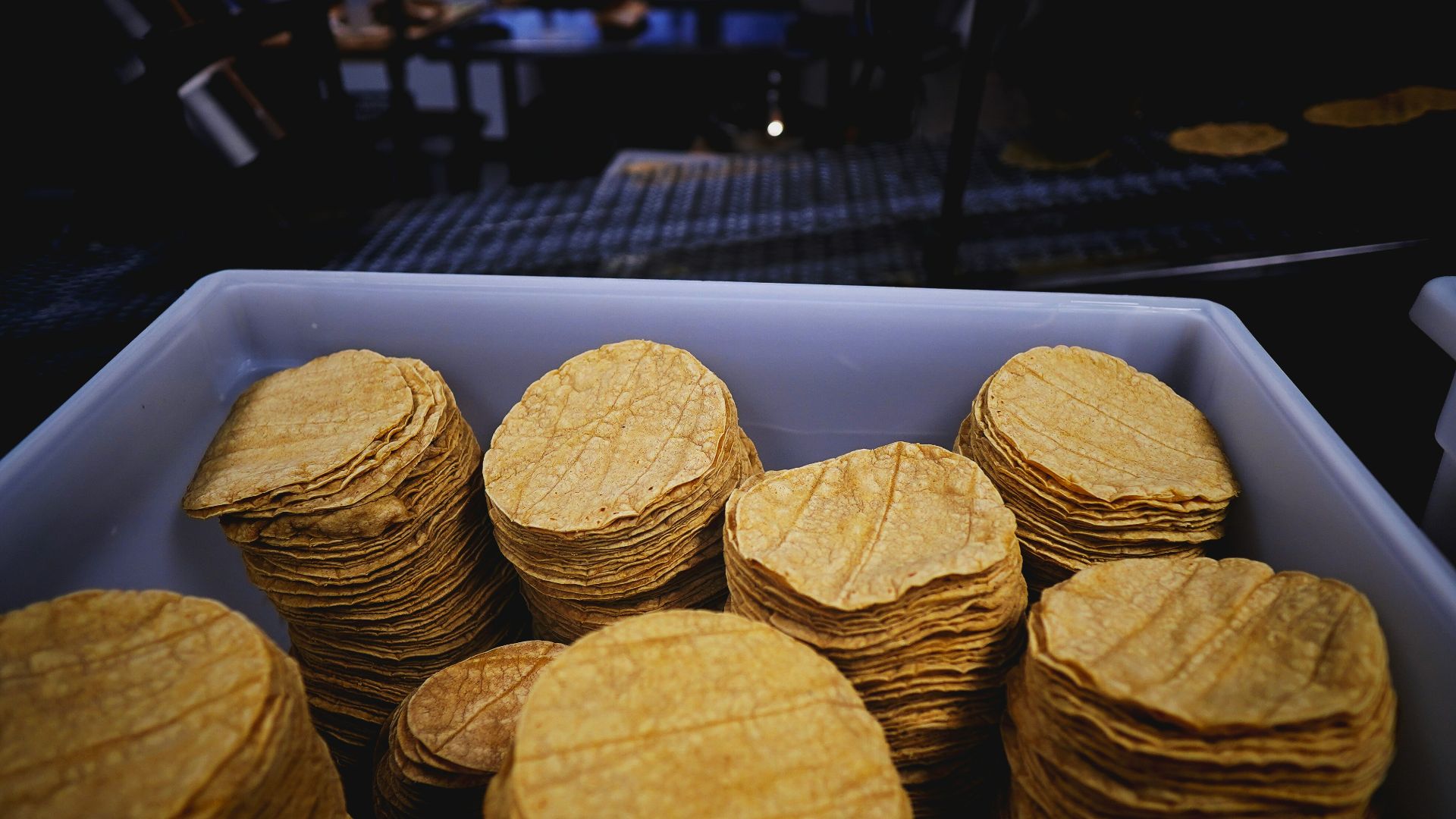
Masa moisture moves batch to batch, so press pressure has to move with it. Factory lines solve that by adding gums and preservatives until the dough behaves the same every day. You can see the fix on the comal, where a machine tortilla sits flat instead of ballooning.
7. Chocolate Tempering by Hand
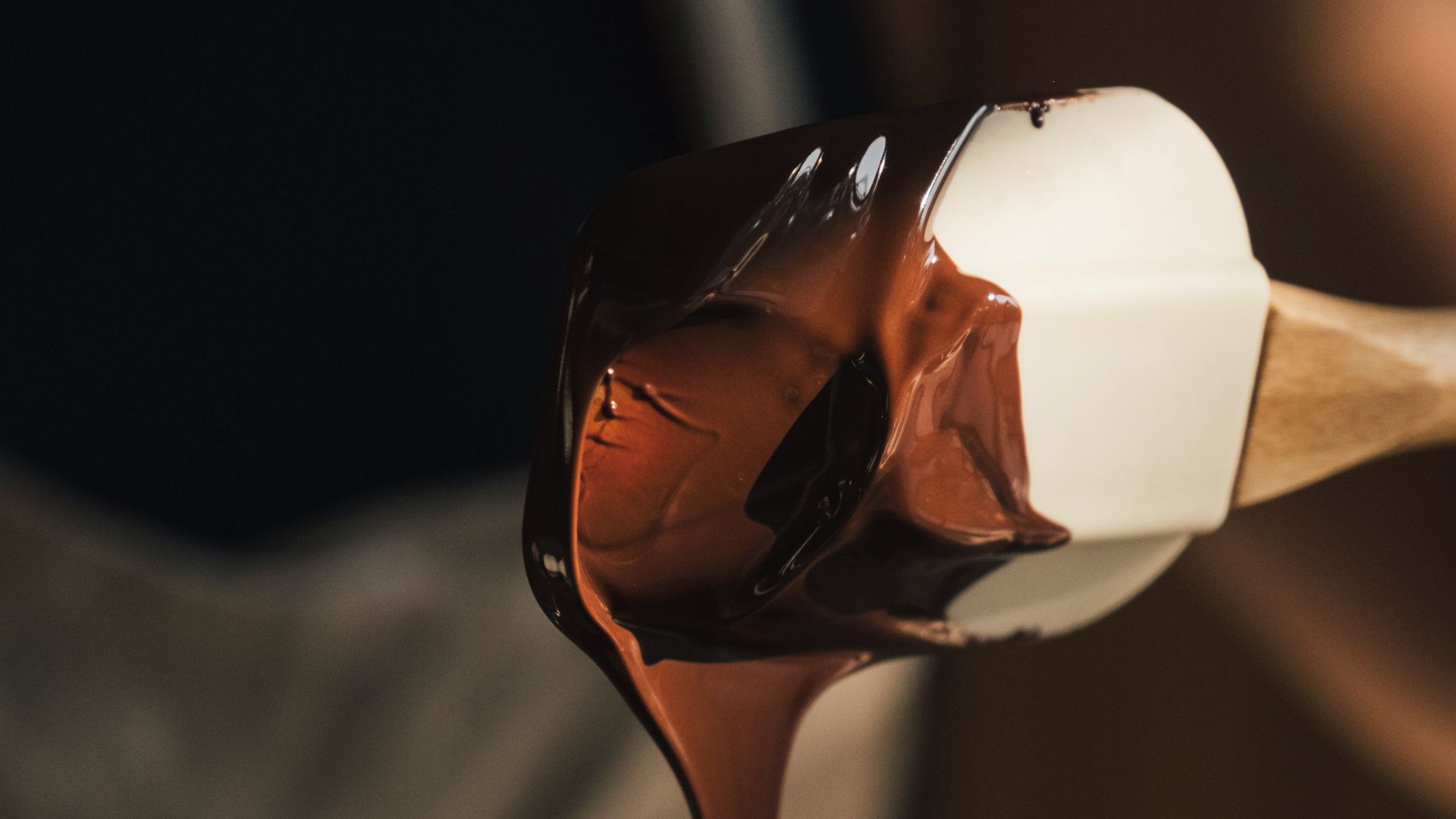
Cocoa butter sets into six crystal forms and only Form V gives snap and shine. Machines hit that curve reliably, which is why most production chocolate is fine. Hand-tabling on marble still wins for thin shells, since a chocolatier reads viscosity off the way it falls from the spatula.
8. Sushi Rice Seasoning
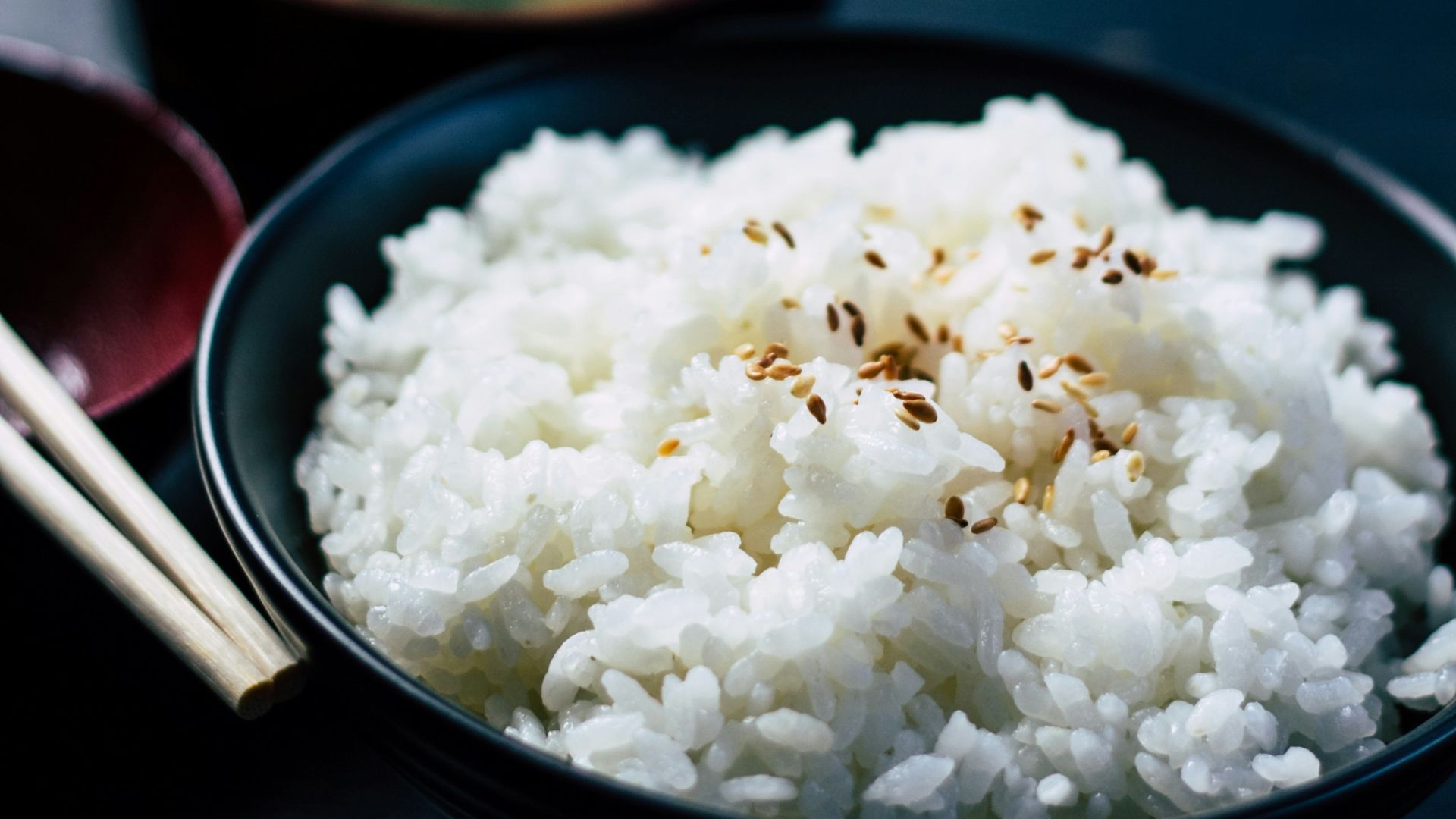
Fanning shari while it's hot lets the vinegar coat each grain before the rice turns to paste. Suzumo's machines form rice balls by the thousand per hour at steady density. What they don't do is change the seasoning ratio because this week's delivery came in wetter.
9. Barbecue Brisket
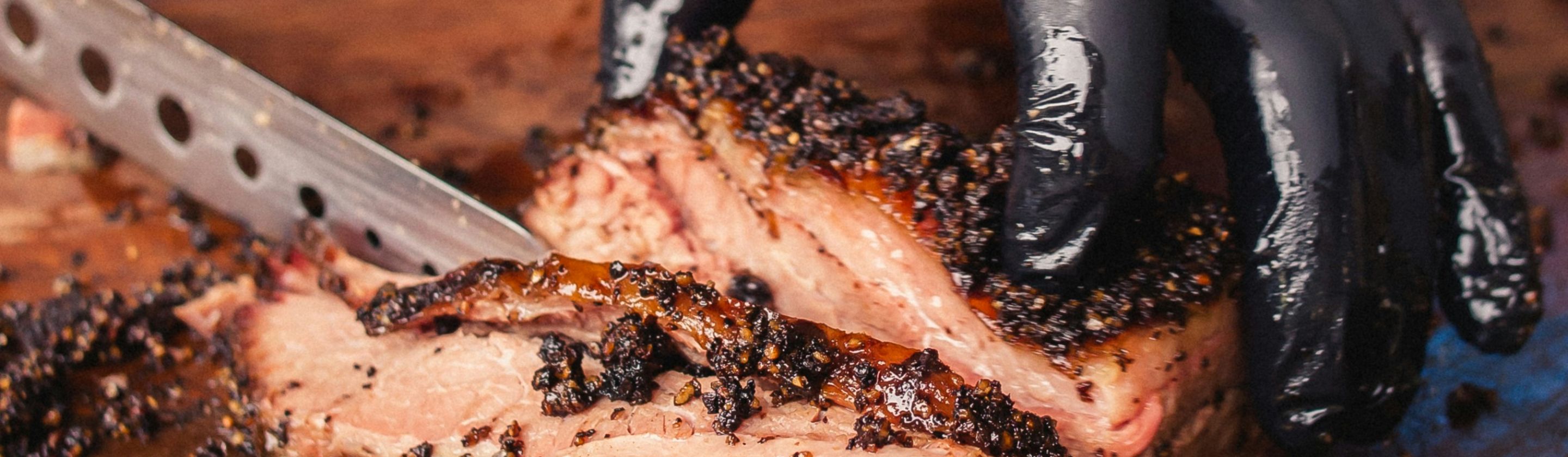
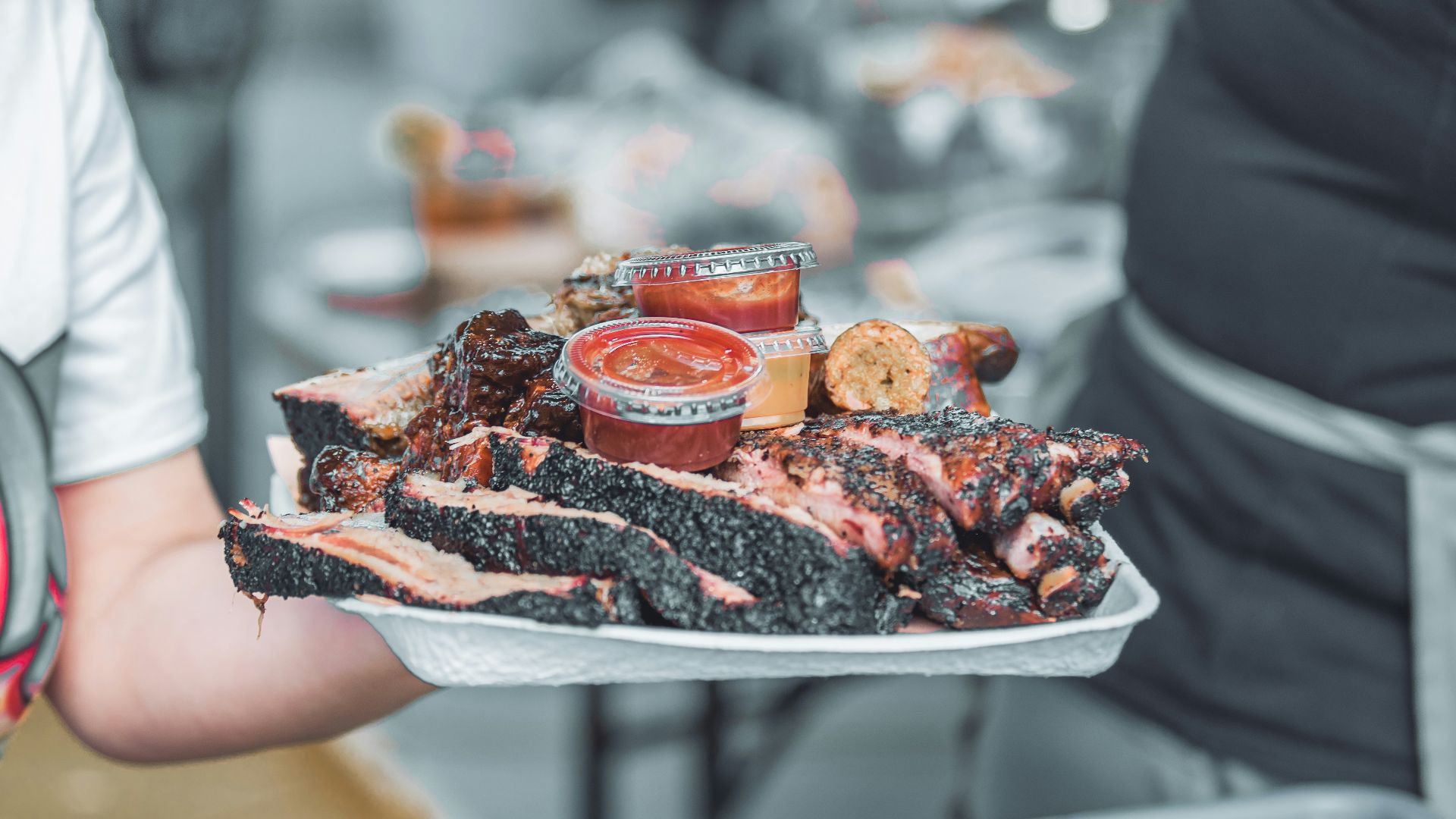
Around 150 to 165°F a brisket stalls while surface moisture evaporates, and how long it sits there depends on the particular cut. Pitmasters call it done by how the probe slides in. Automated smokers hold temperature beautifully and have no opinion about doneness.
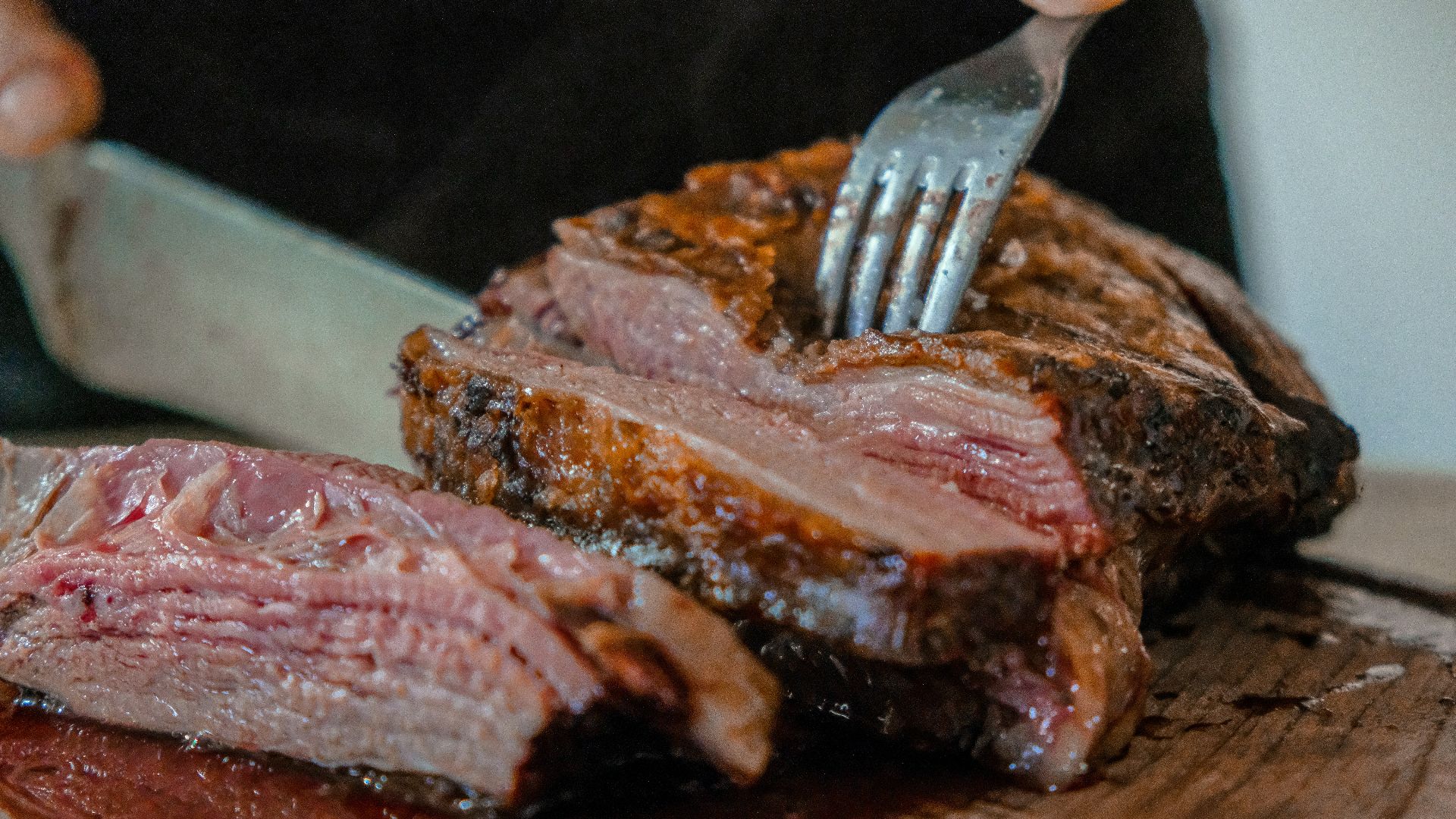 José Ignacio Pompé on Unsplash
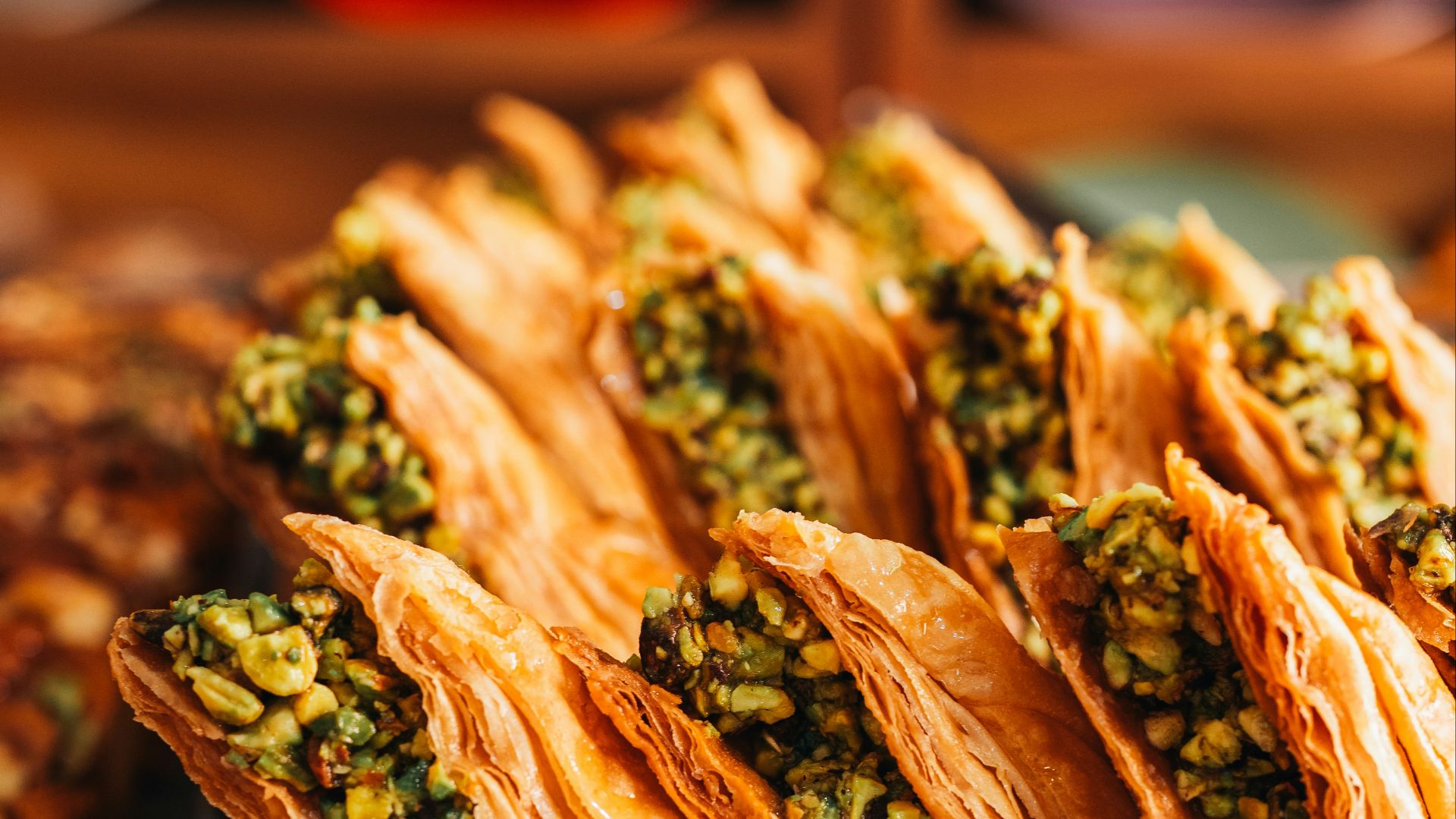
10. Phyllo Pastry
Good phyllo is thin enough to read newsprint through, thinner than roller-sheeted stock manages. Pulling it is constant local correction, since the dough tears wherever you tug a spot that's already thin. Commercial sheets come out heavier and noticeably less flaky.
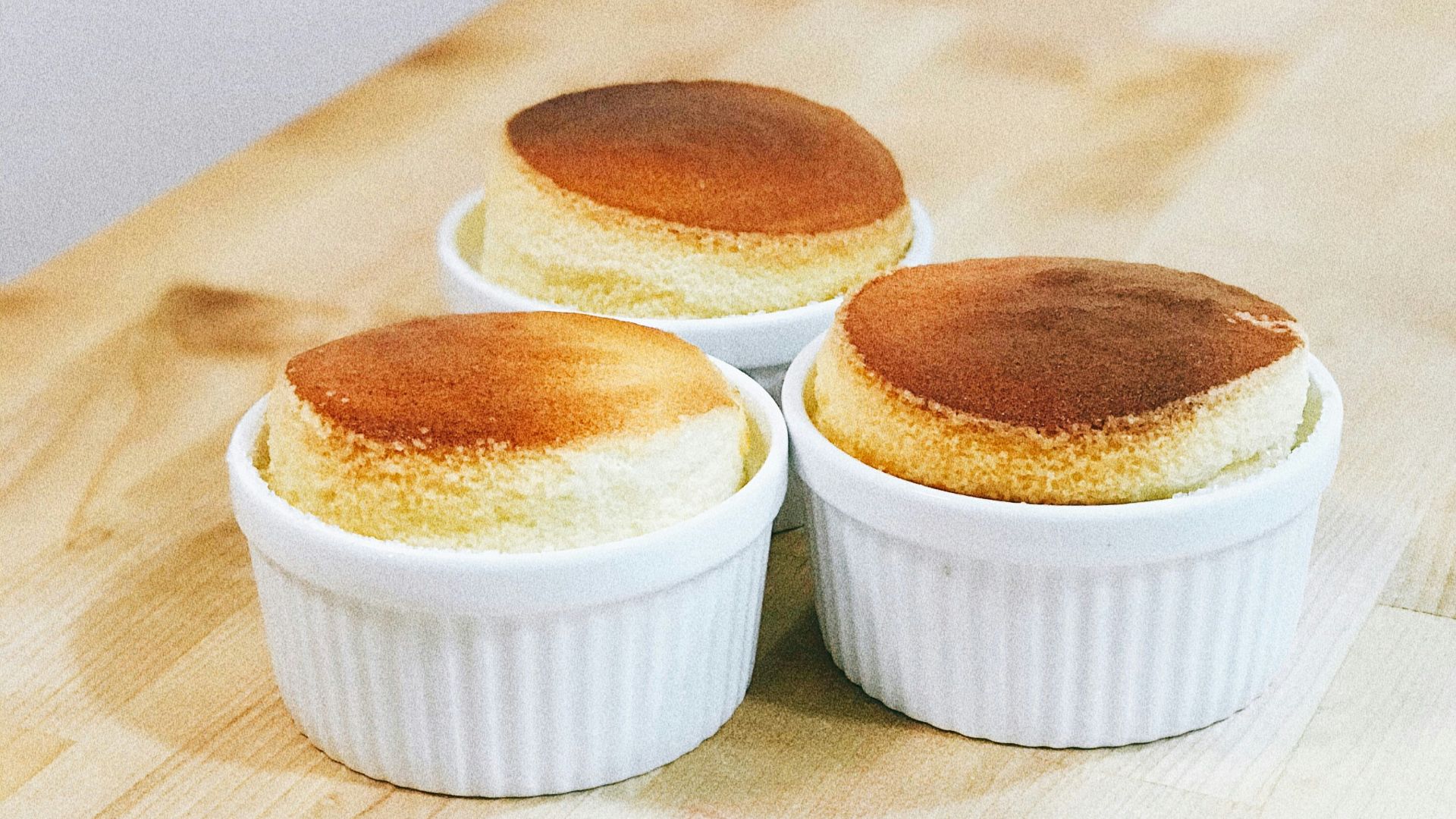
11. Soufflé
Stand mixers overwhip egg whites in about fifteen seconds of inattention. Folding is worse, because the right motion changes as the batter changes and has to stop the moment it goes homogeneous. Nobody has built a folding machine worth using.
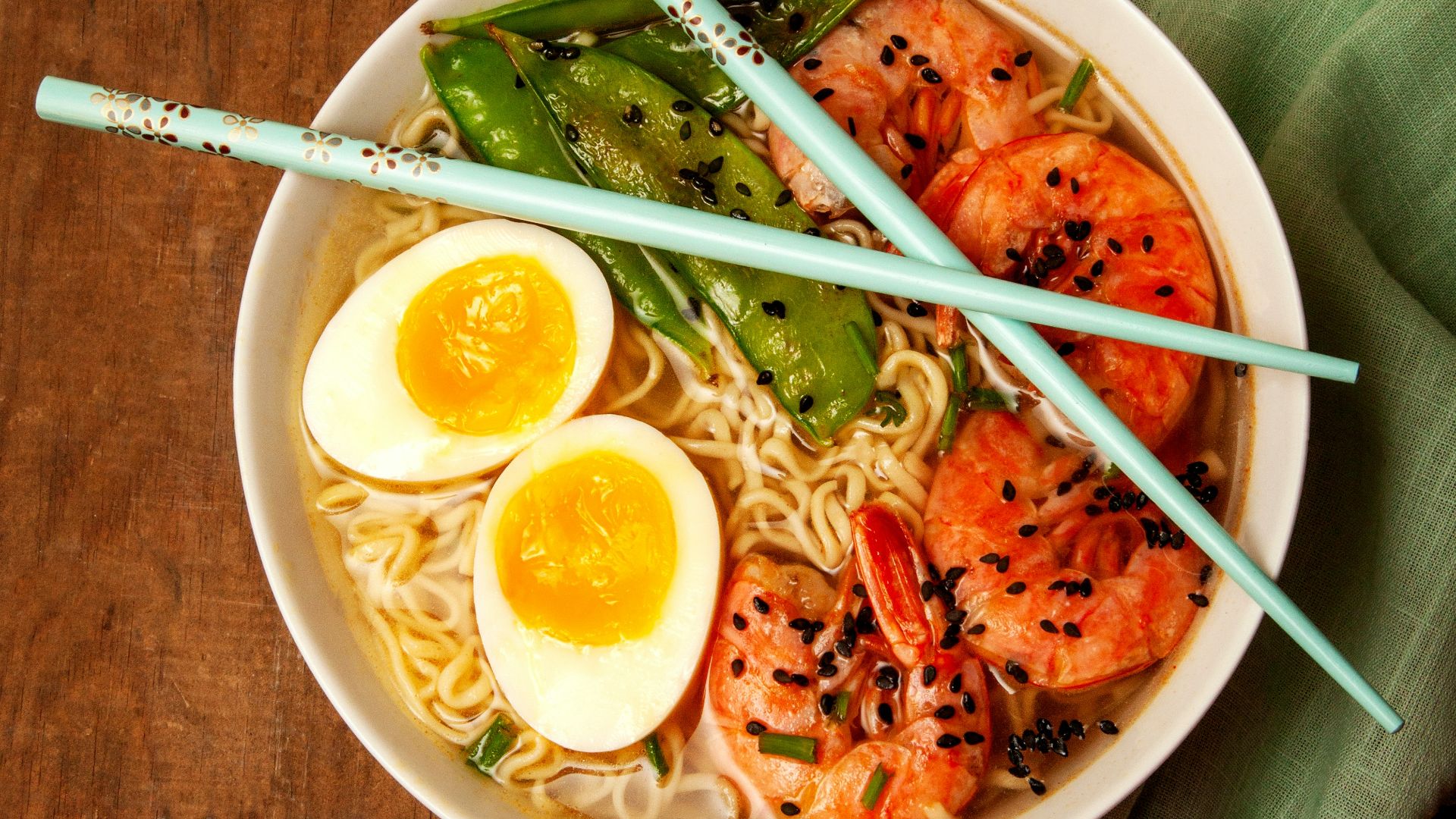
12. Ramen Broth Skimming
Twelve hours of hard boil emulsifies collagen into tonkotsu, and somebody has to skim the top at intervals the bones dictate. Filtration does fine by the clear broths. Run it on a cloudy one and you strip out the body that took all day to build.
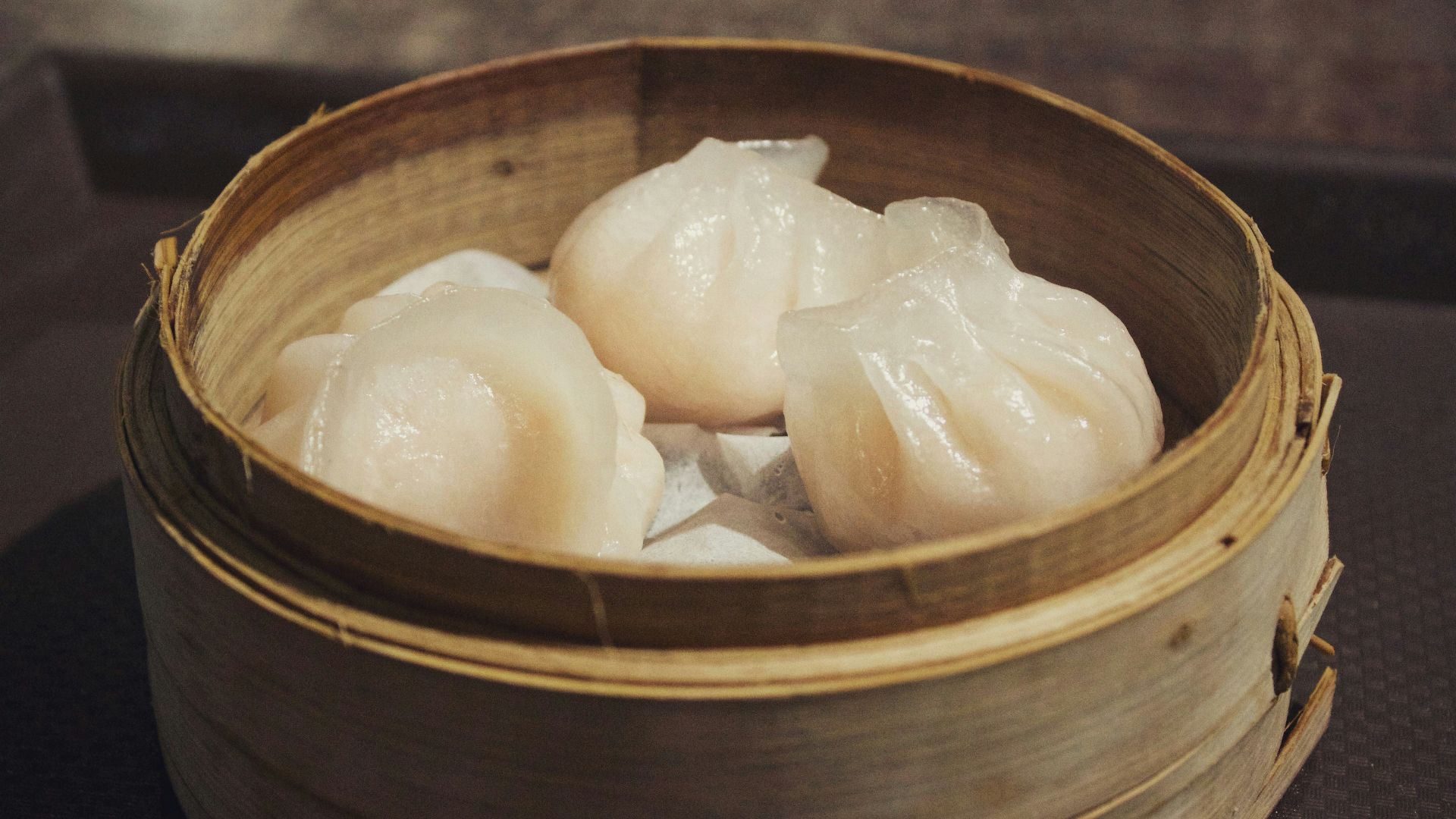
13. Dim Sum Pleating
Seven to thirteen pleats go into a har gow wrapper made of translucent wheat starch that tears under uneven pressure. Dumpling machines crimp fast and turn out a sealed, uniform half-moon. It's a perfectly good dumpling under a different name.
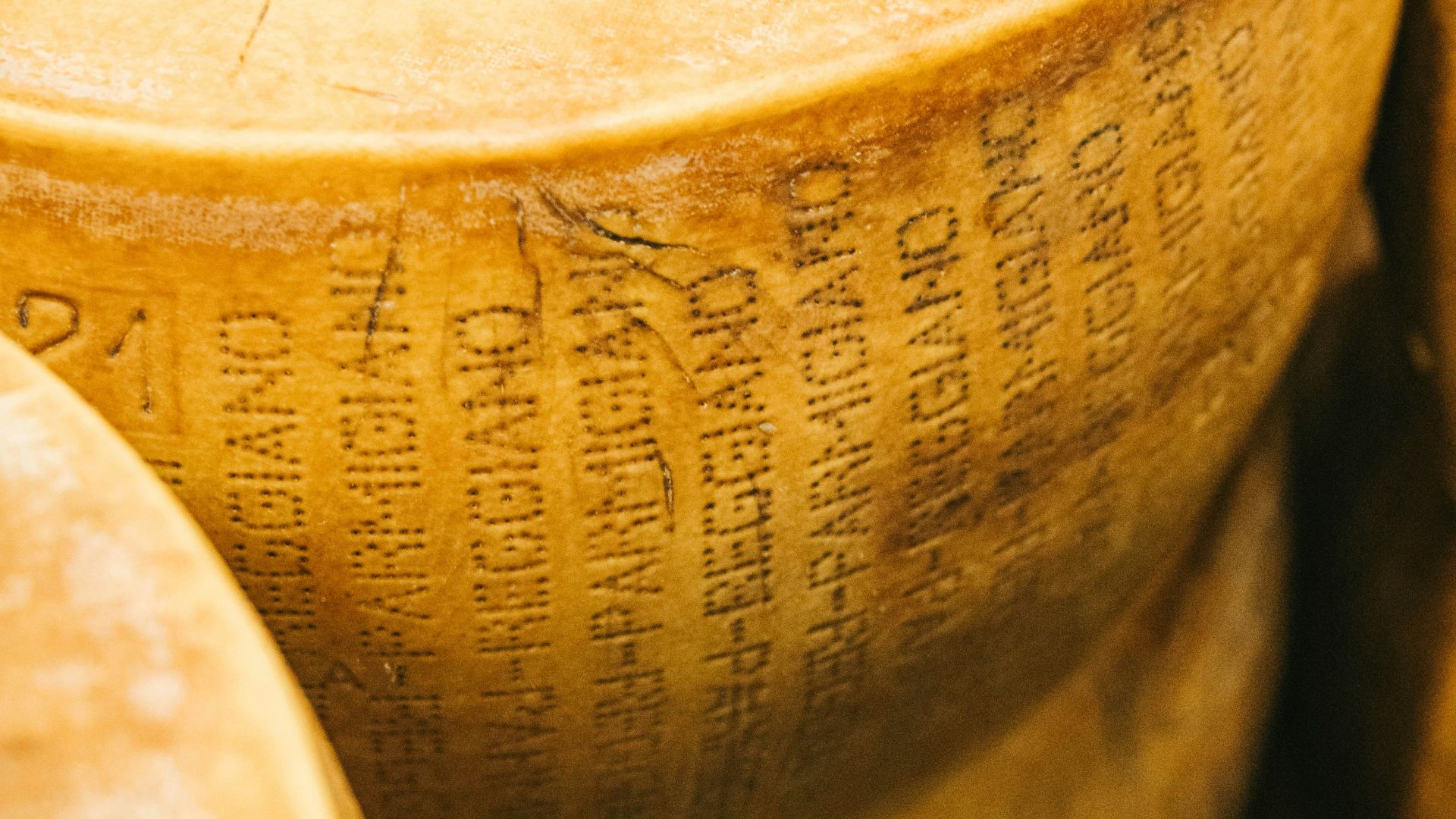
14. Aged Cheese Affinage
A wheel needs washing and turning on a schedule its own rind sets. Cave humidity automates easily. Deciding that wheel 40 wants another wash this week while wheel 41 doesn't is a judgment made by touching both.
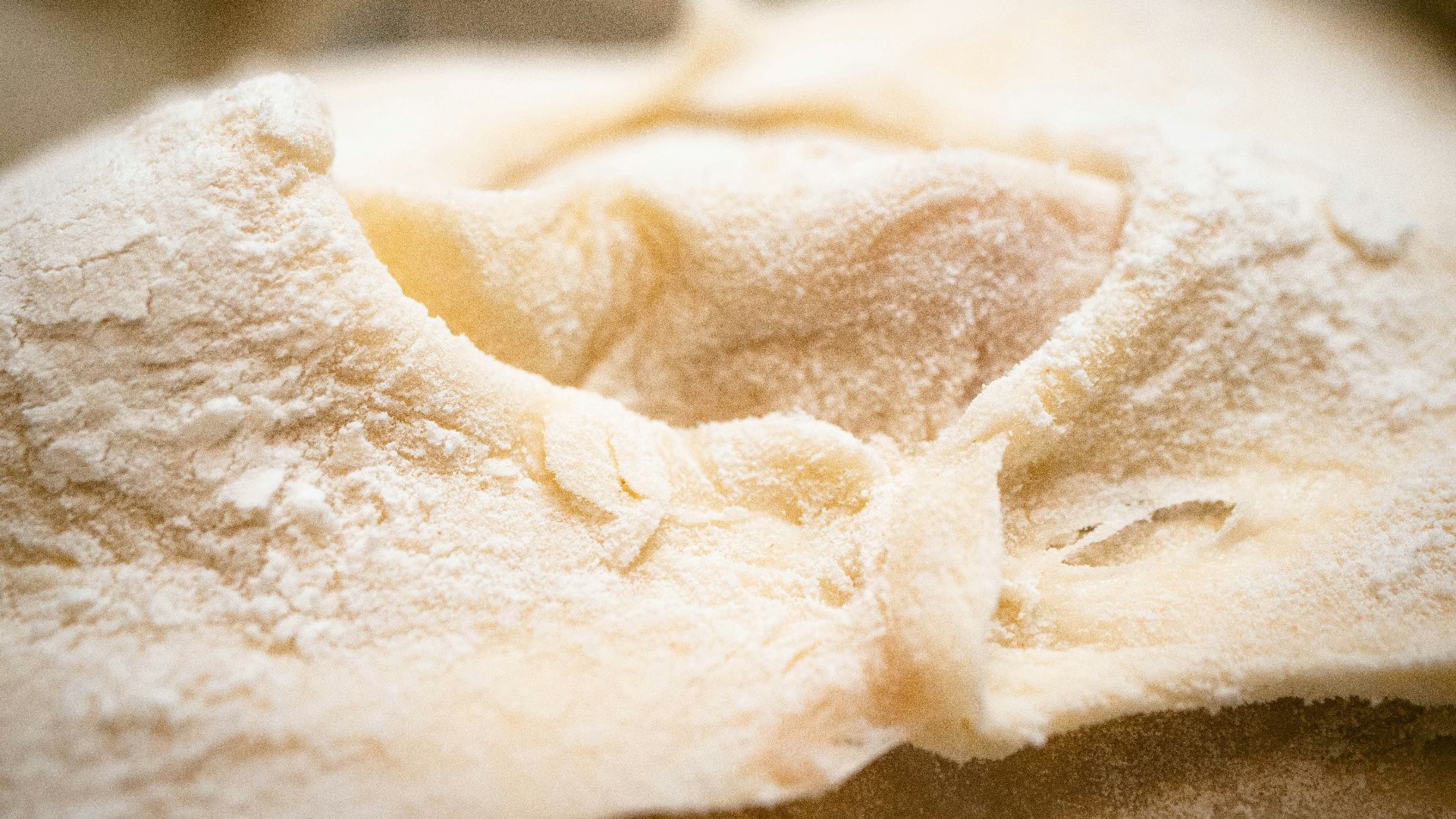
15. Puff Pastry Rough Puff
The method depends on incomplete mixing, since visible butter chunks are what turn into steam pockets. Machines mix toward uniformity by design, and evenly distributed butter gives you a cookie. Bakers stop while the dough still looks wrong, a hard instruction to program.
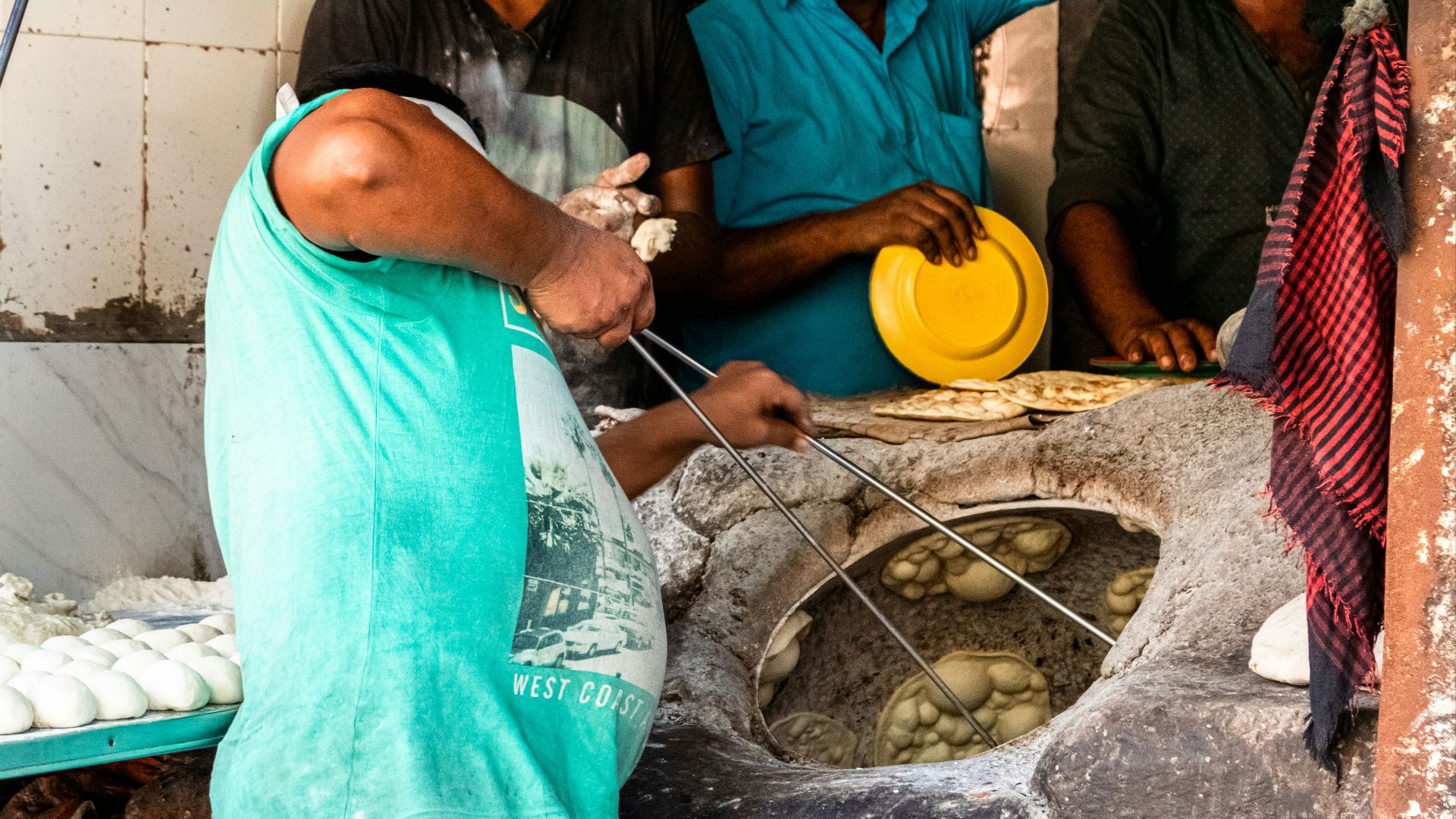
16. Tandoor Naan
Slap the dough onto a clay wall at around 900°F and pull it off 60 to 90 seconds later, going by how the blisters color. Conveyor tunnel ovens make flatbread at volume. The char is the part that doesn't survive the transfer.
17. Hand-Rolled Couscous
Rubbing semolina with water and dry flour builds the grains up in layers, and rolling and sieving sorts them by size. Industrial couscous is extruded and steamed, which gives even grains that cook predictably. The hand-rolled version soaks up broth differently because those layers are still loose.
18. Jamón Ibérico Carving
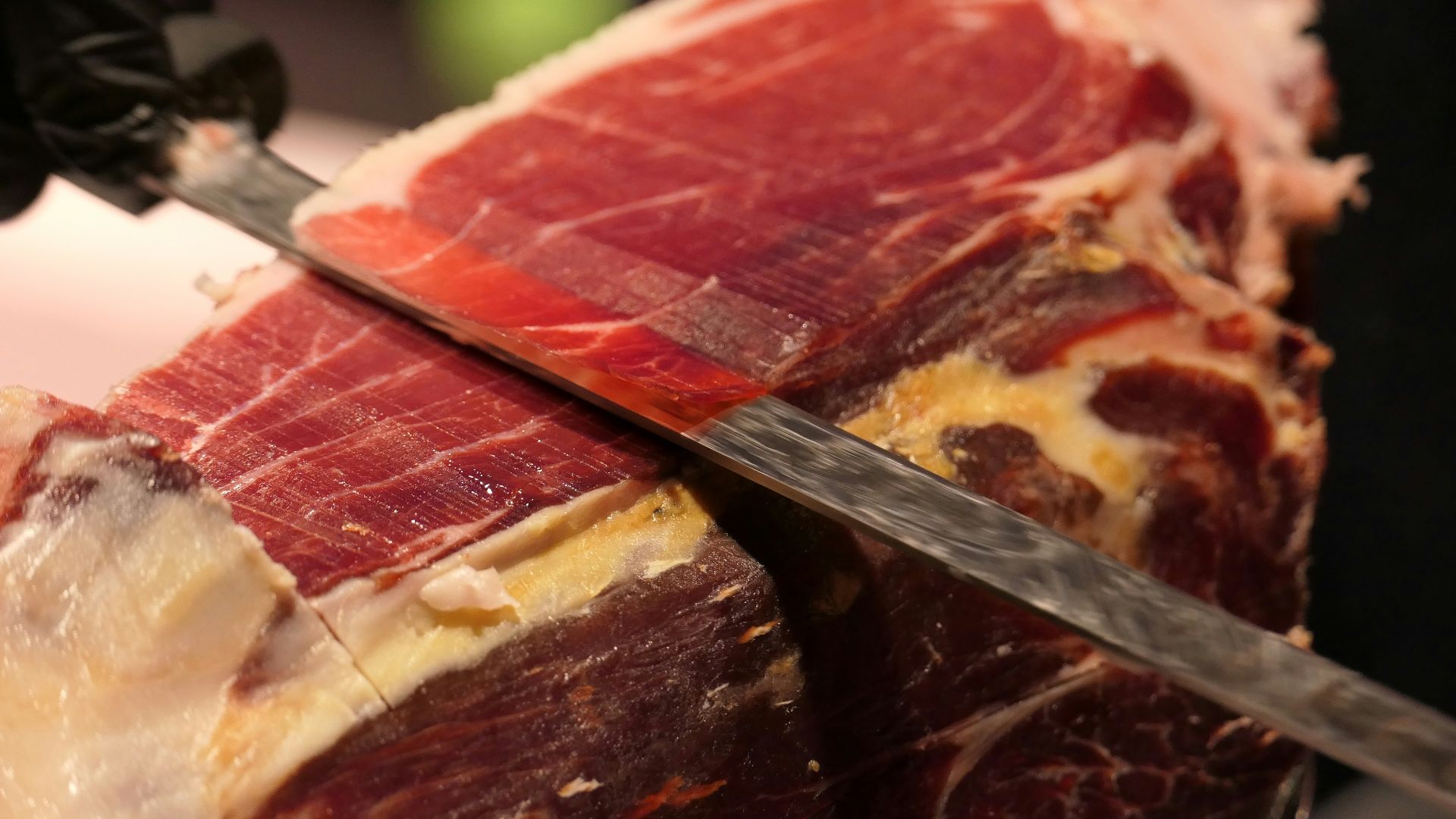
A cortador follows muscle and fat lines that shift every few centimeters, angling a long flexible blade differently as the bone gets closer. The slices come off nearly transparent. Mechanical slicers want a uniform block, and a ham leg is the opposite of that.
 Jean-Jacques CHARLES on Unsplash
19. Pie Crust
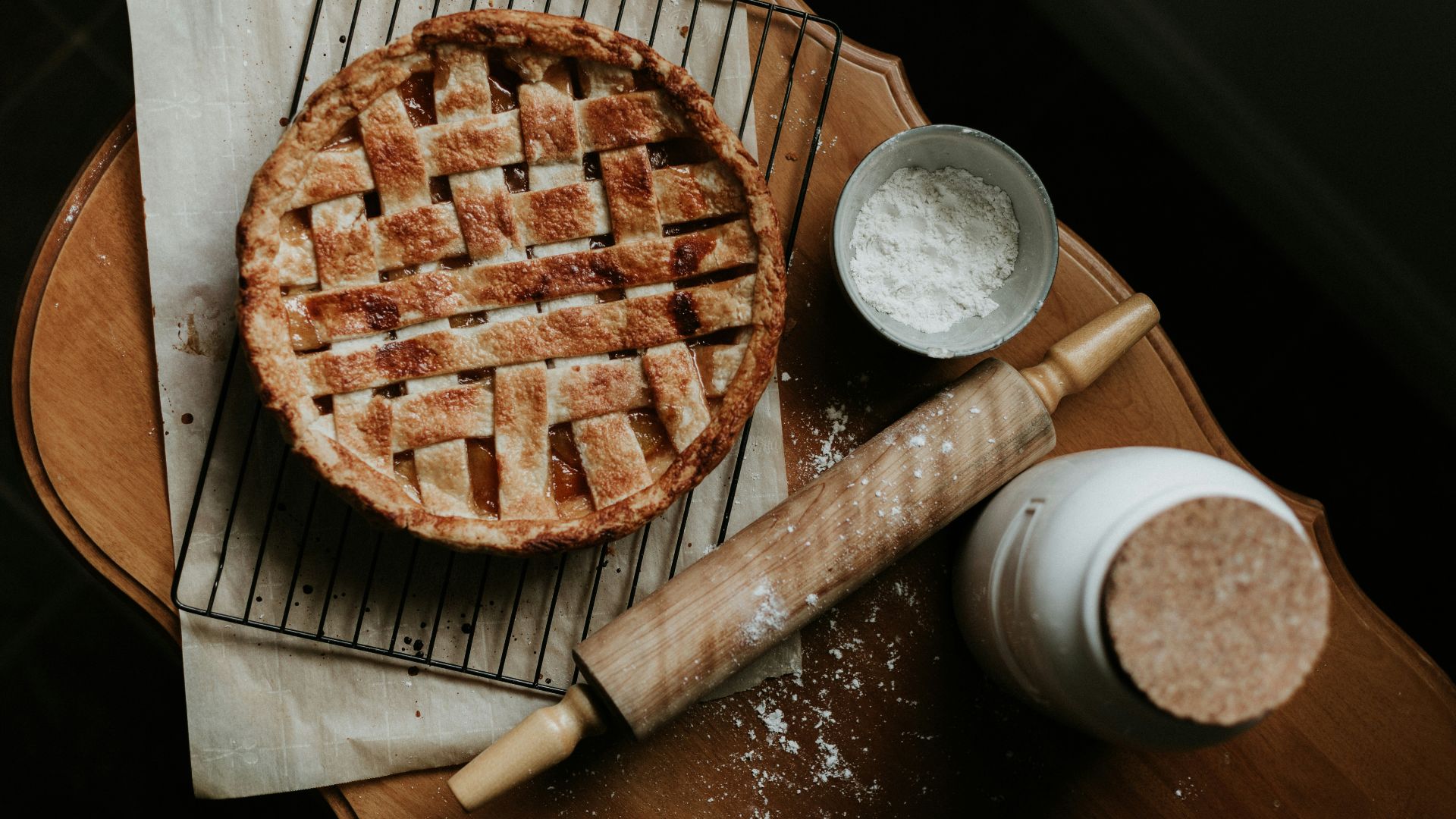
Fat has to stay in pieces while the flour stays barely hydrated, and working the dough ruins both. A food processor cuts butter in well, then goes too far between one pulse and the next. Commercial dough leans on shortening because it survives machine handling without melting.
 Priscilla Du Preez 🇨🇦 on Unsplash
20. Gelato Mantecazione
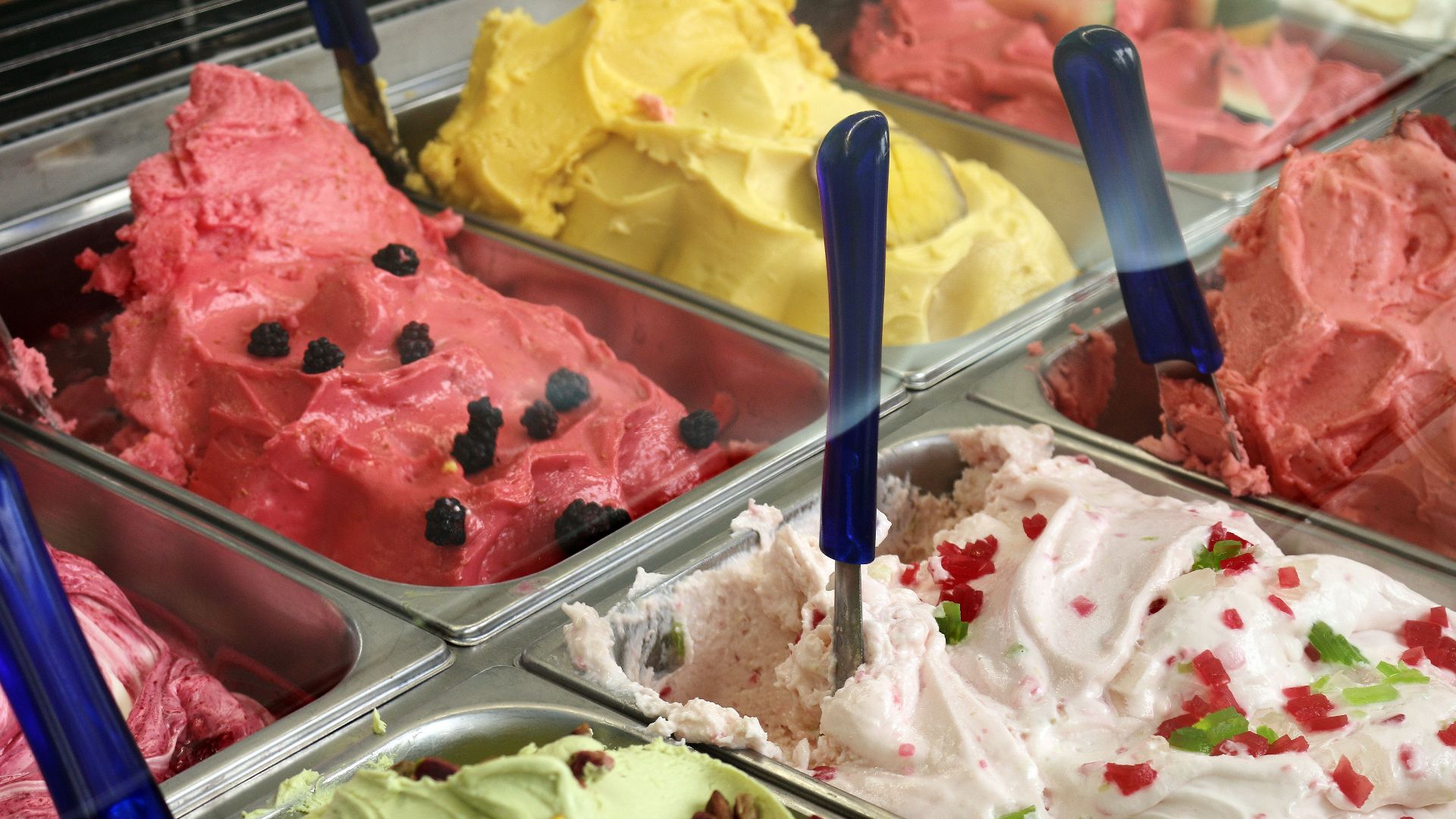
Gelato churns slower and warmer than American ice cream, with overrun down around 25 to 35%. Batch freezers do the churning. The gelatiere decides when to stop by how the paddle sounds, and stopping late turns the whole batch to butter.
KEEP ON READING

20 Dishes That Built Modern American Cuisine