Written Into the Rulebook
Most food law covers safety and labeling. A smaller set of rules does something odder, freezing an old production method in place so that a famous name belongs only to producers still willing to work the slow way. A Normandy cheesemaker who switches to a machine that fills molds in one pass has made a perfectly good cheese and lost the right to the word on the box at the same time. Losing the name is the entire penalty, and it keeps hand ladles and copper vats in daily use across Europe. Here's 20 foods where the old process is the legal definition.
 Jean-Jacques CHARLES on Unsplash
1. Champagne
Every grape that ends up in a bottle of Champagne is picked by hand, since machine harvesting is banned across the region. The bubbles have to come from a second fermentation inside the same bottle you buy, and non-vintage cuvées sit on their spent yeast for 15 months at minimum.
 Alexander Naglestad on Unsplash
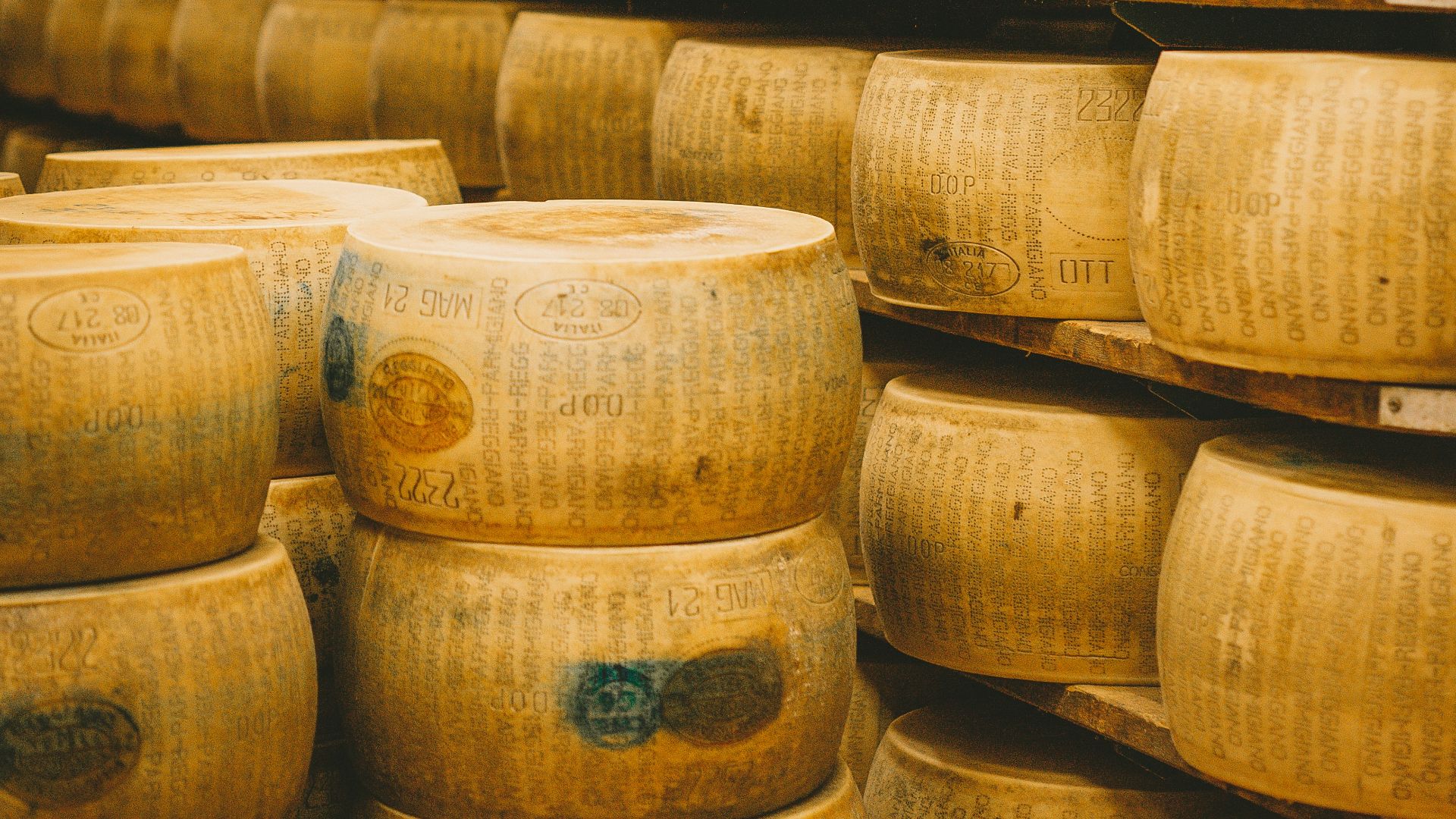
2. Parmigiano Reggiano
Raw milk goes into bell-shaped copper vats with calf rennet and nothing else, and the production standards allow each vat one use a day. No wheel can carry the name until it has matured twelve months inside the production zone.
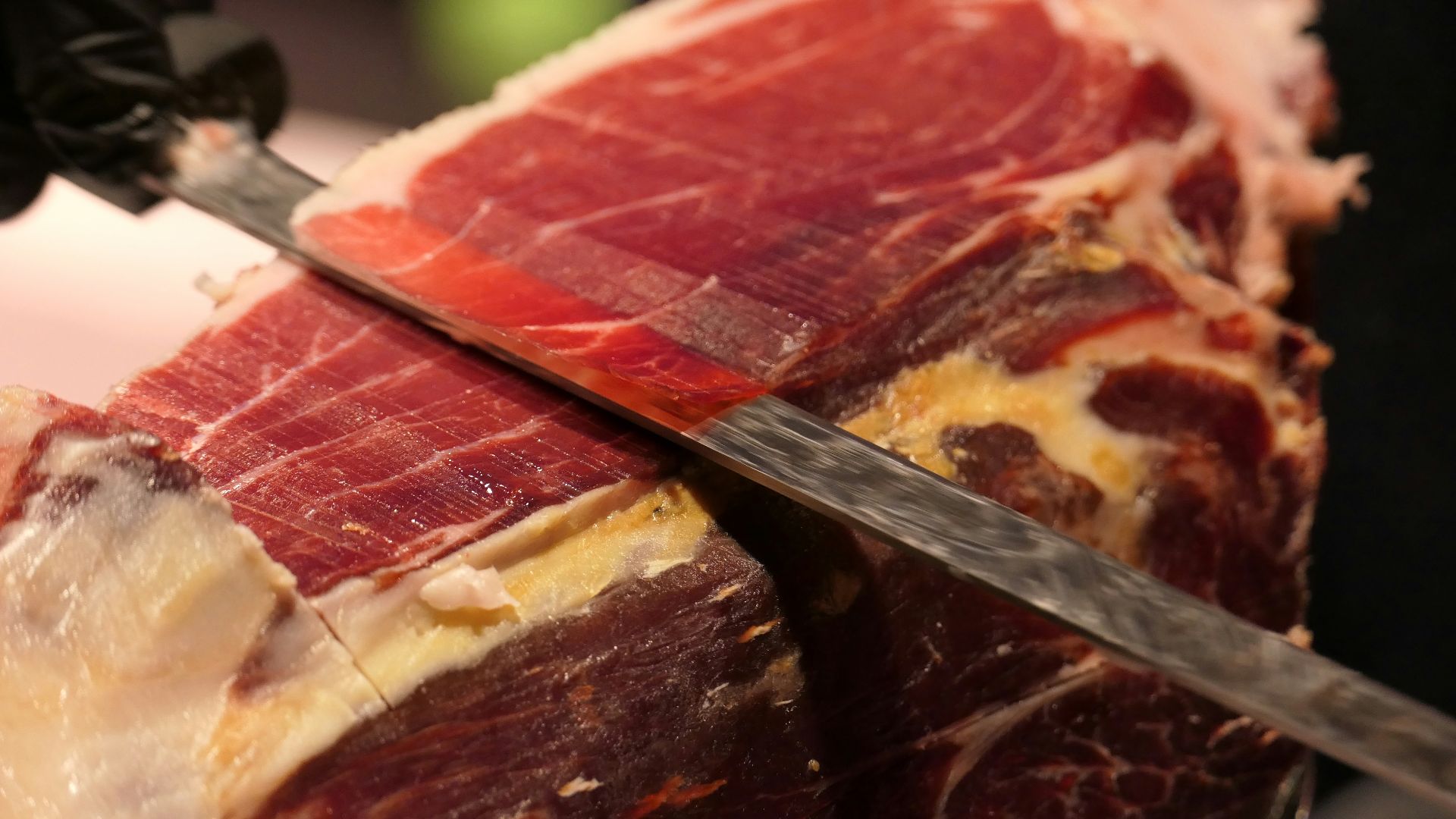
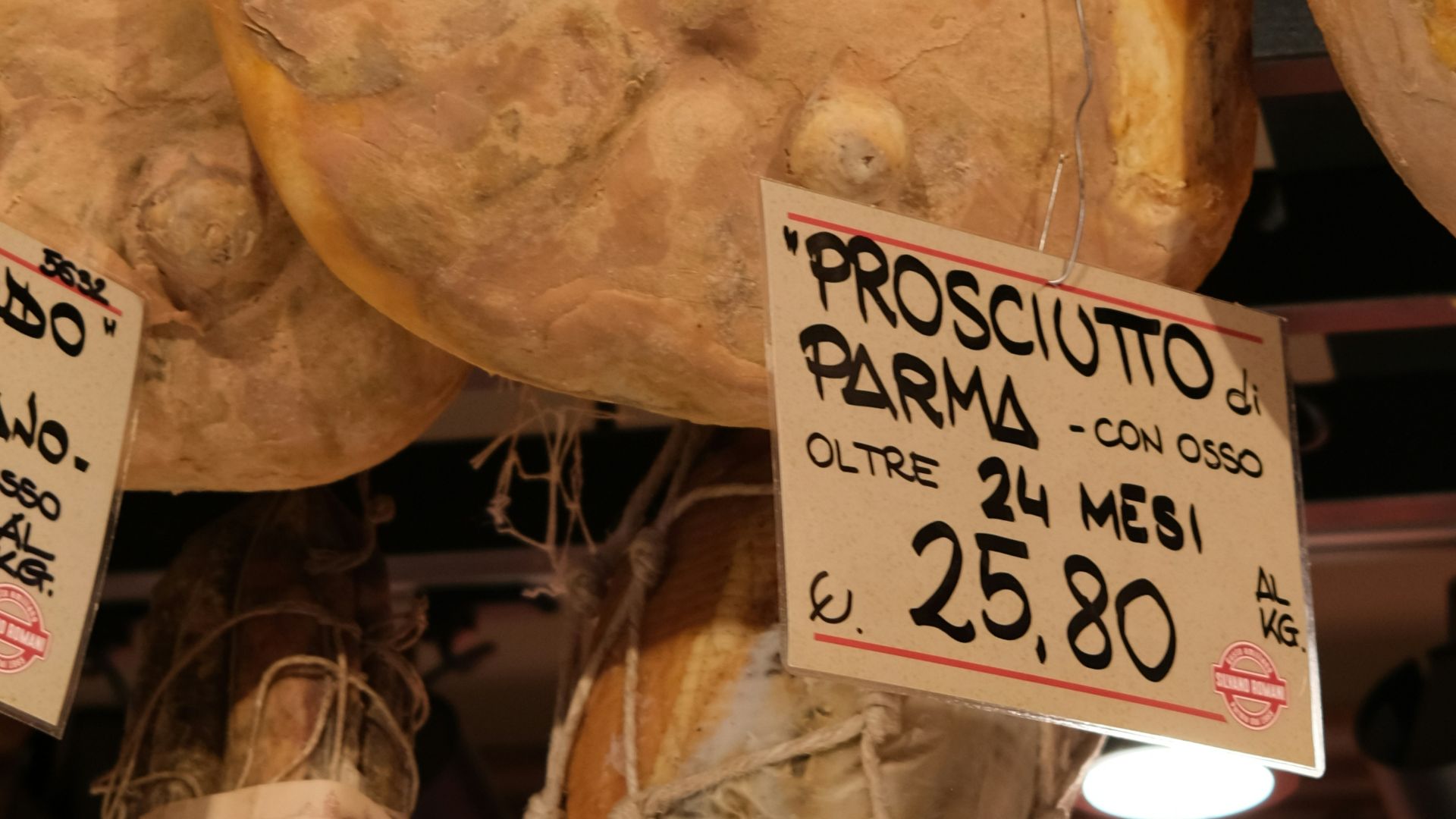
3. Prosciutto di Parma
The ingredient list runs to two things, pork and sea salt.
Preservatives and nitrates are flatly prohibited, and the legs hang for a minimum of 400 days from the first salting before an inspector slides a horse-bone needle into the joint and smells it.
 Kseniia Zapiatkina on Unsplash
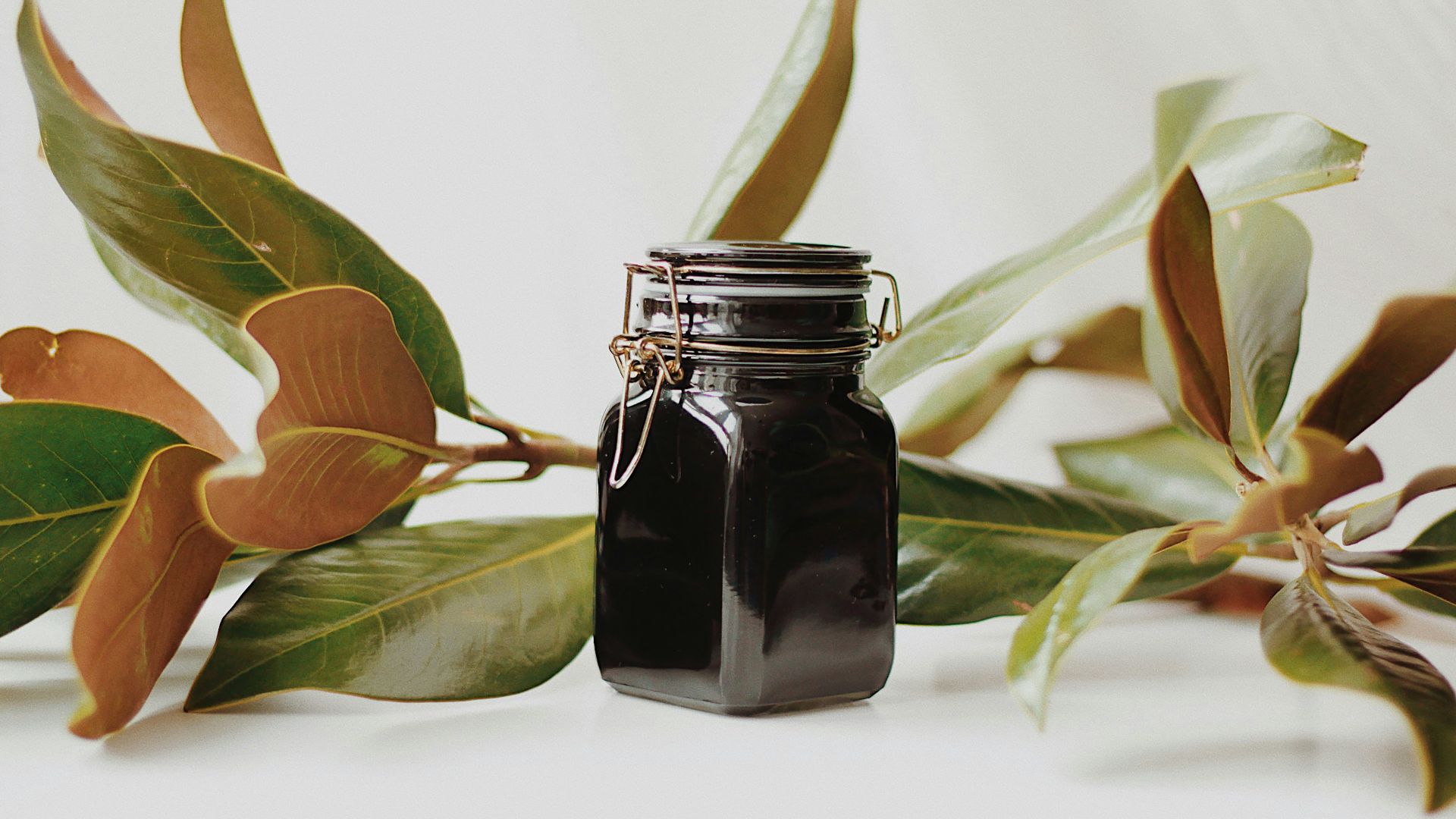
4. Traditional Balsamic Vinegar of Modena
Twelve years is the minimum, and 25 for the extravecchio grade. The only permitted ingredient is cooked grape must, which gets decanted down a battery of shrinking wooden casks year after year as it evaporates. Supermarket balsamic carries a different label and can be ready in weeks.
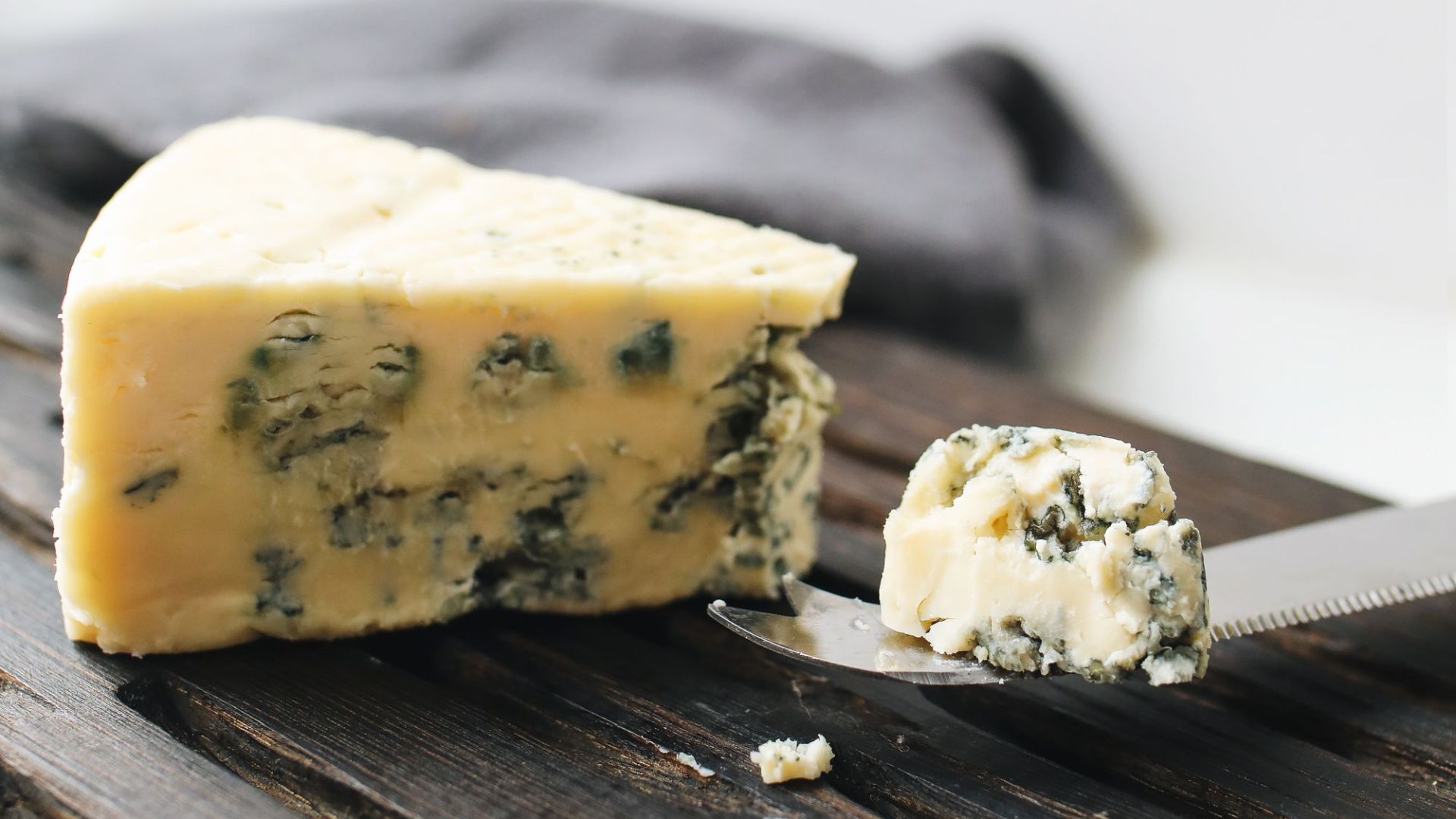
5. Roquefort
Blue sheep cheese gets made all over southern France. The name Roquefort belongs only to wheels ripened in the natural caves under Mont Combalou at Roquefort-sur-Soulzon, where cracks in the limestone pull damp air across them. Even the mold has to be grown from those caves.
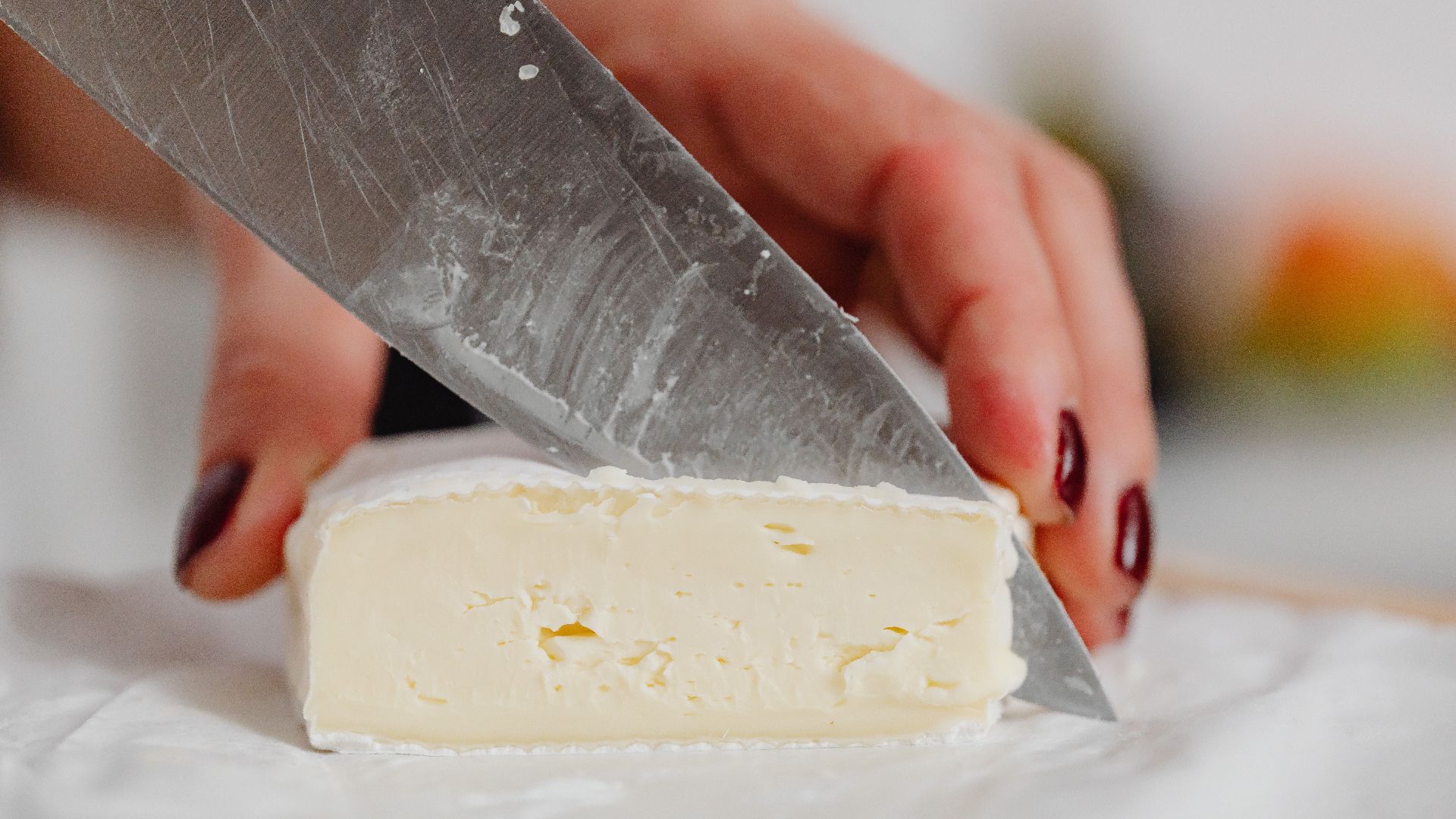
6. Camembert de Normandie
Filling one mold takes about five hours. Camembert de Normandie must be ladled by hand in five separate passes, each spaced roughly 40 to 50 minutes apart, which keeps the curd loose enough to stay creamy. Raw milk is required too, which explains all the Normandy camembert on shelves labeled something slightly different.
 https://kaboompics.com/ on Pexels
7. Stilton
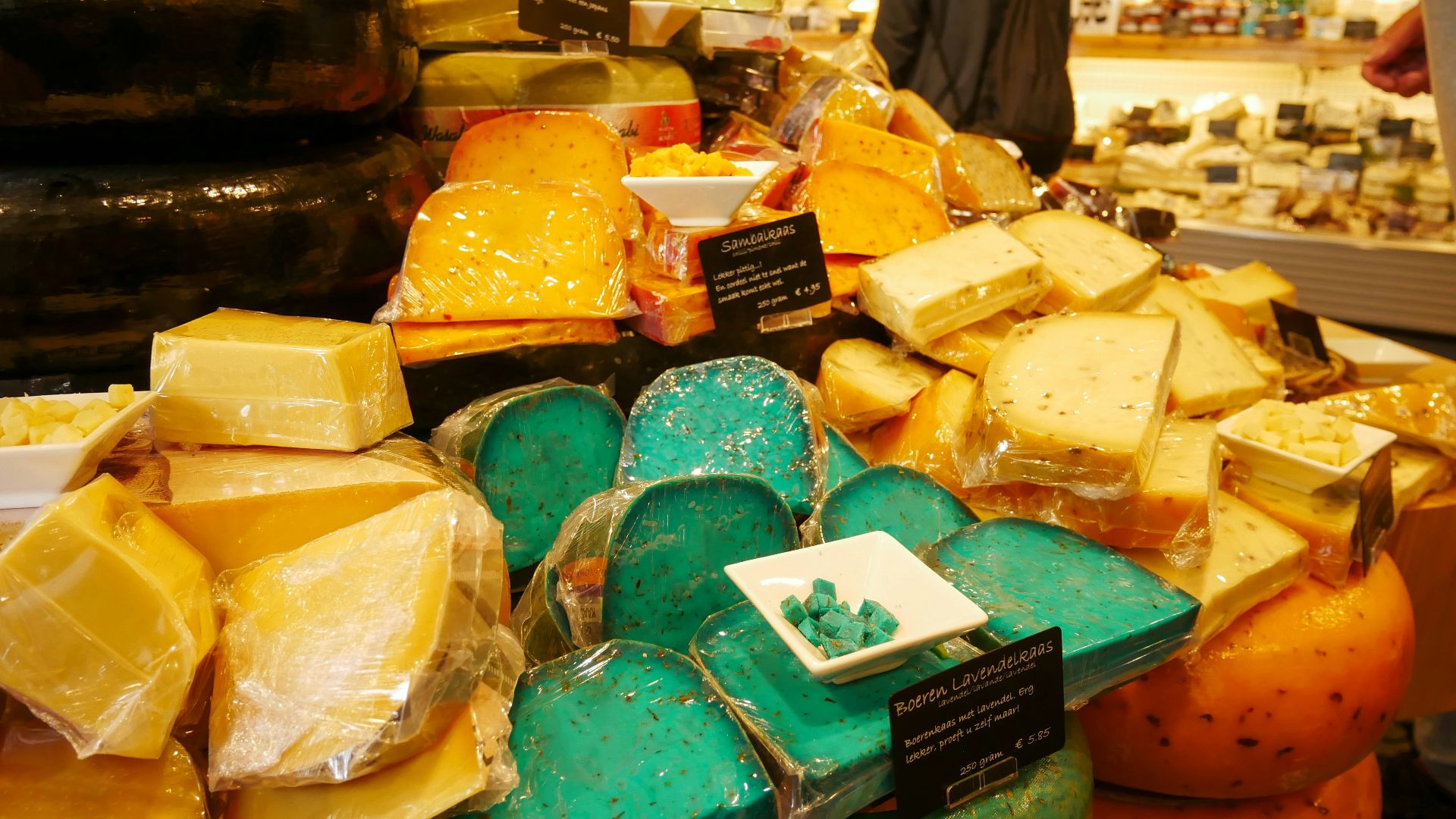
Pressing is the step Stilton skips. Each cylinder has to grow its own crust rather than have one applied, and three English counties are the only places allowed to make it.
The village of Stilton is not in any of them.
 Daniela Paola Alchapar on Unsplash
8. Cornish Pasty
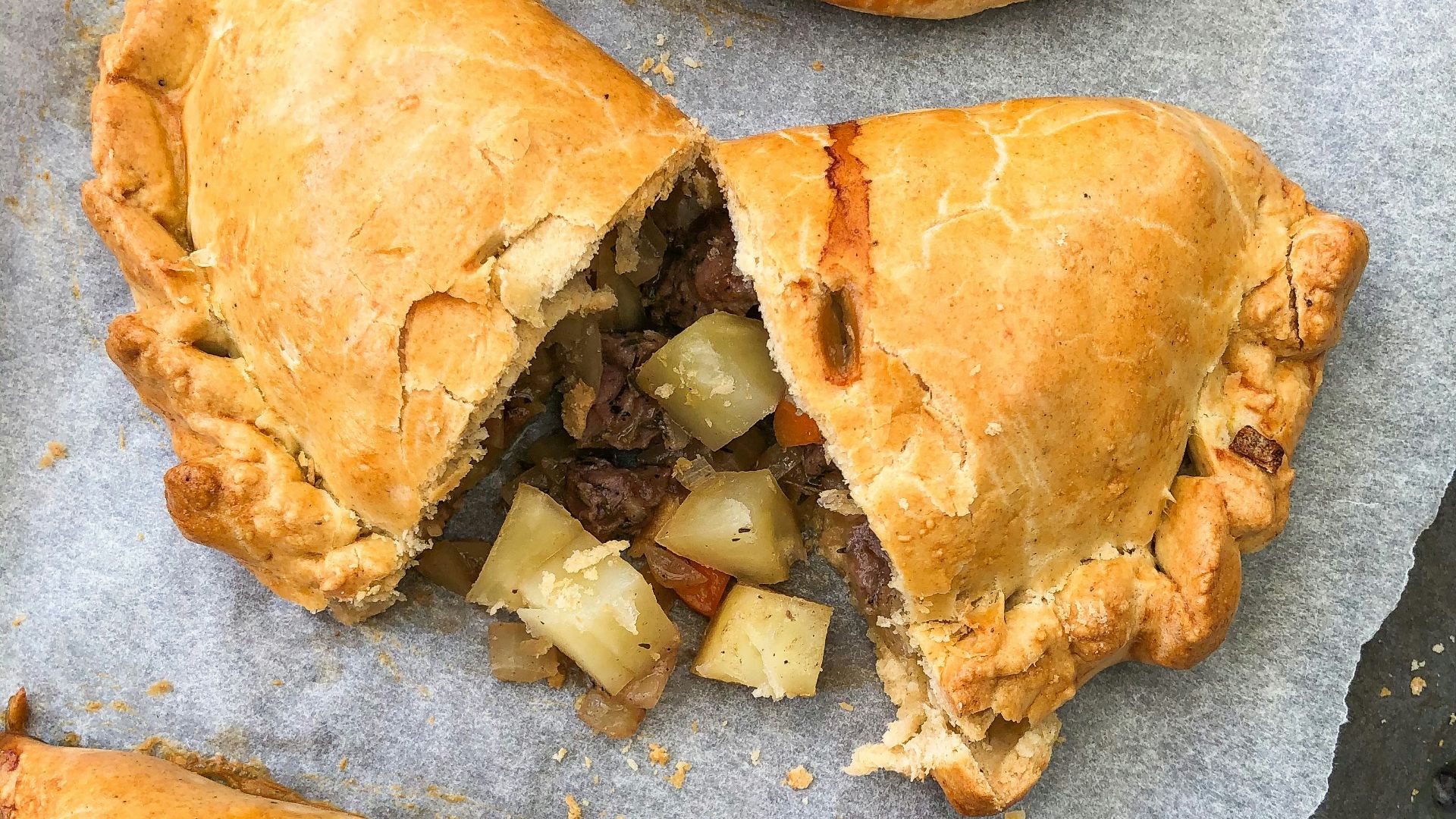
The crimp belongs on the side. Under its protected status, a Cornish pasty is a D shape sealed along one edge and never across the top, and the beef and vegetables go in raw so they cook slowly inside the pastry.
9. Melton Mowbray Pork Pie
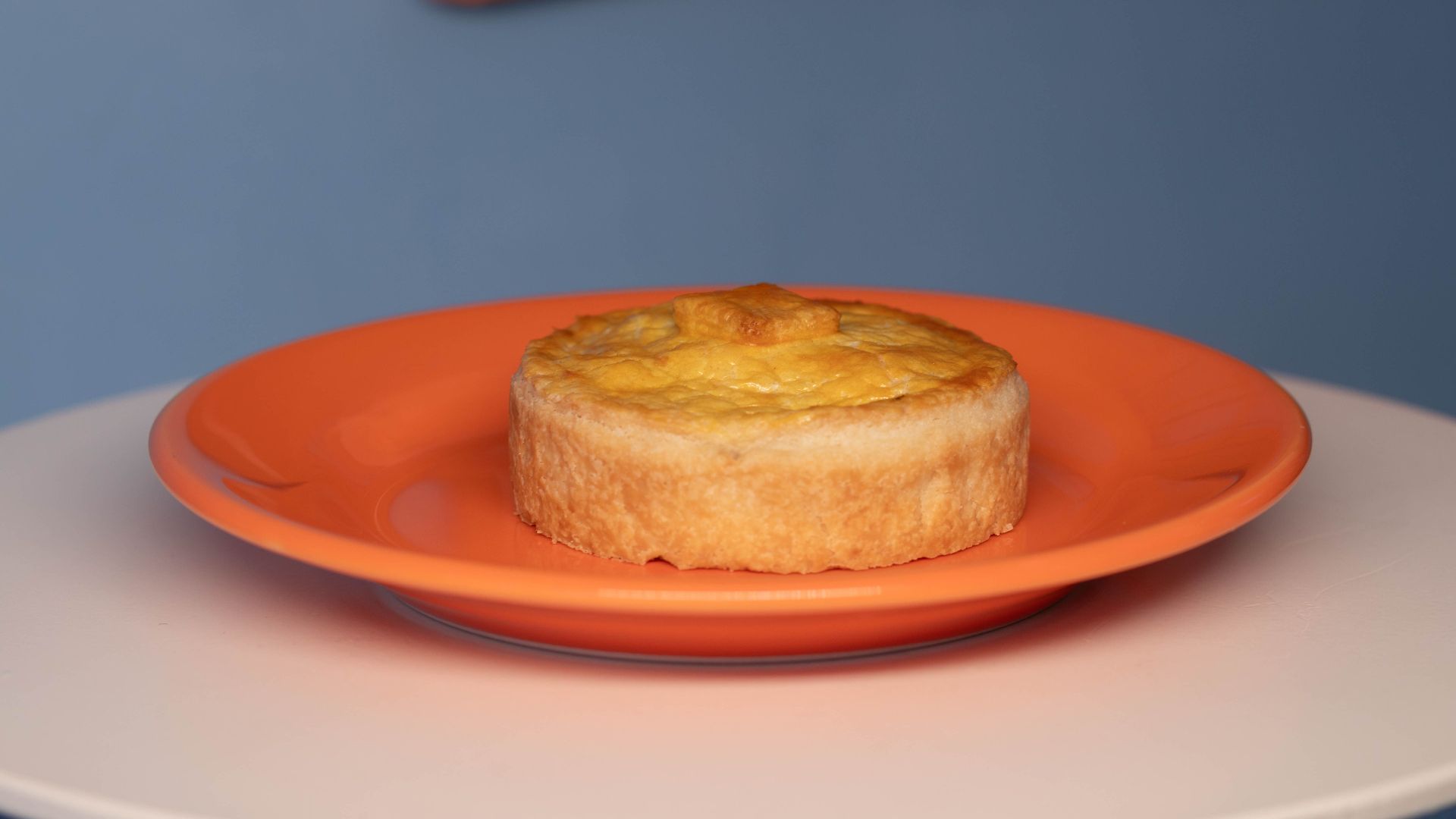
Grey filling is the giveaway, and it comes from fresh uncured pork that the rules insist on. These pies also bake free-standing with no hoop or tin holding them in. The walls slump outward in the oven, which is where the bowed sides come from.
 Mayara Caroline Mombelli on Pexels
10. Bourbon
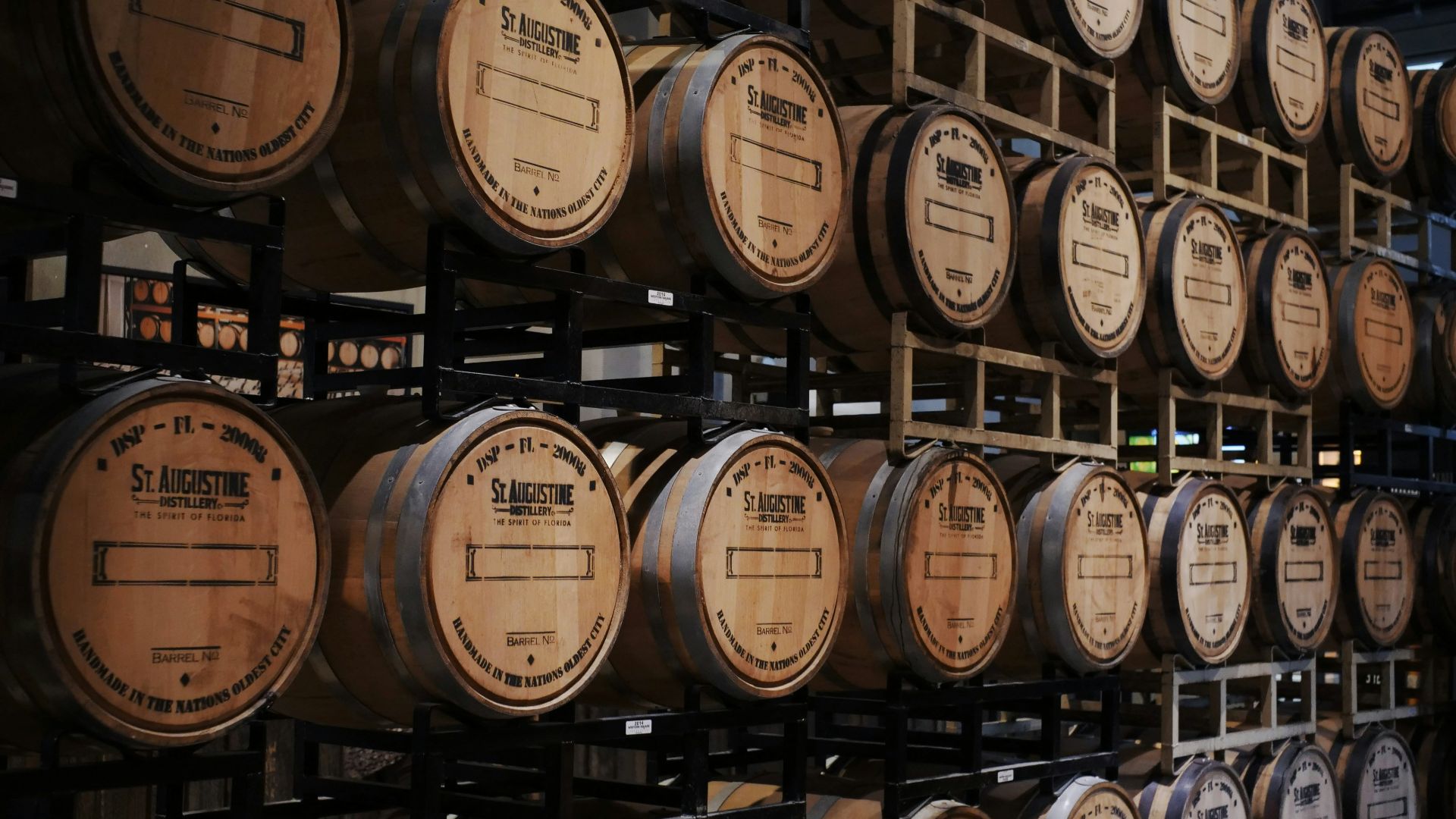
American whiskey law hands bourbon exactly one aging vessel, a new charred oak container that can never hold bourbon twice. Nothing goes into the bottle afterward except water.
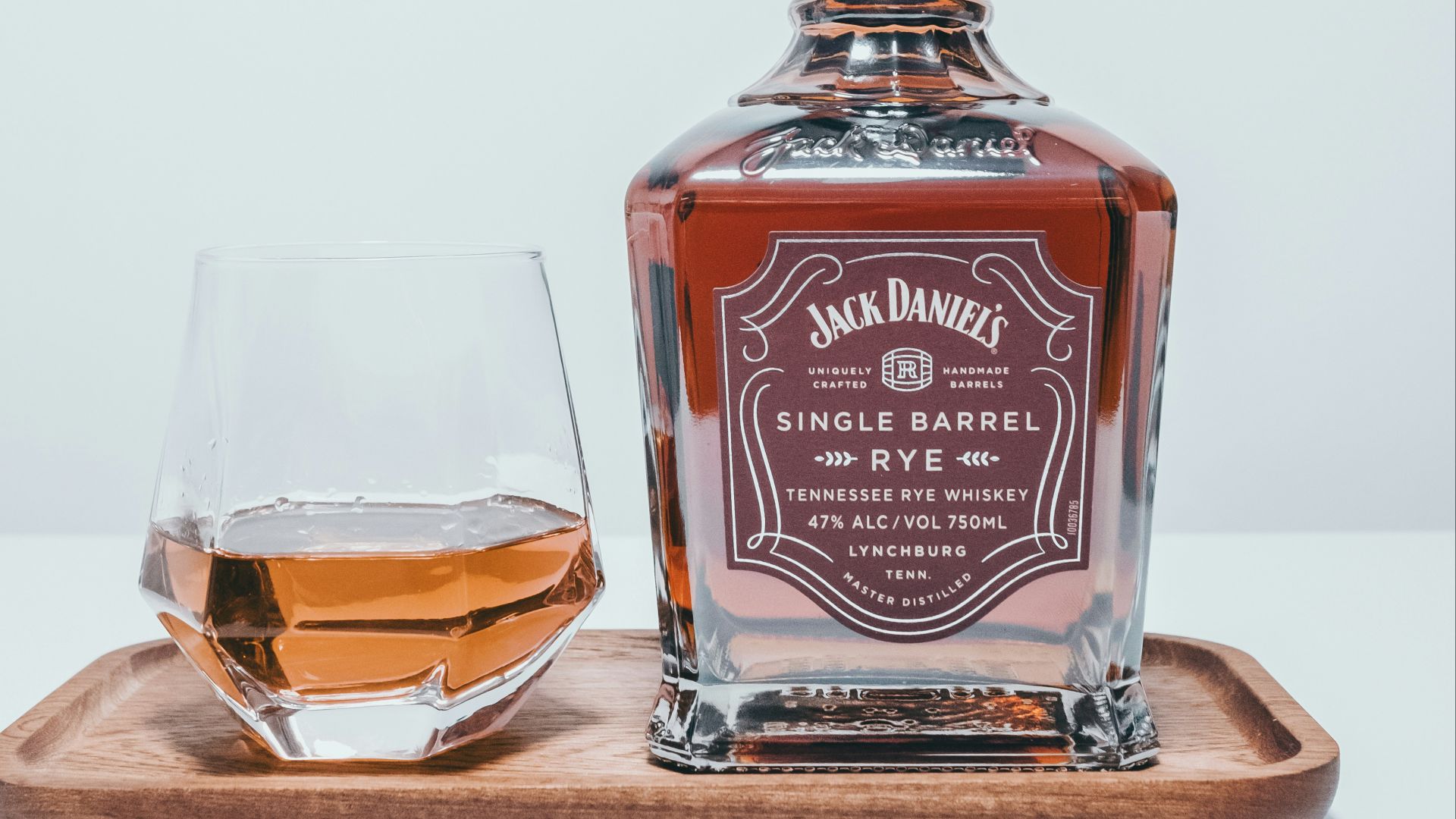
11. Tennessee Whiskey
A 19th-century filtering habit became mandatory in 2013. Anything sold as Tennessee whiskey now has to seep through a thick bed of sugar maple charcoal before it touches a barrel. One distillery, Prichard's, got written out of the requirement by name.
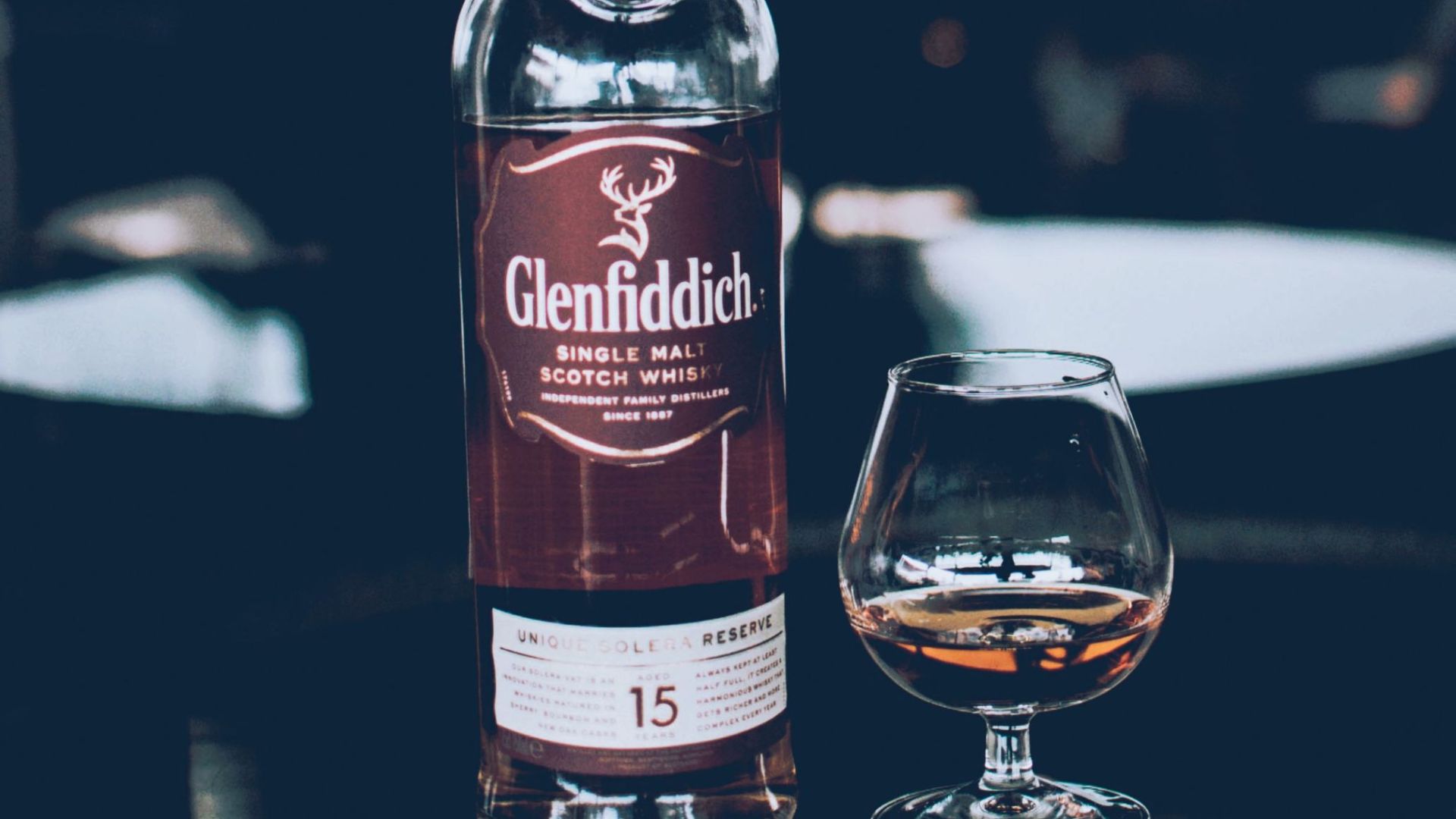
12. Scotch Whisky
Three years in an oak cask on Scottish soil is the minimum, and time spent maturing anywhere else does not count toward it. The 2009 regulations allow only two additions to the finished spirit, water and plain caramel coloring, so sweetening and flavoring are off the table.
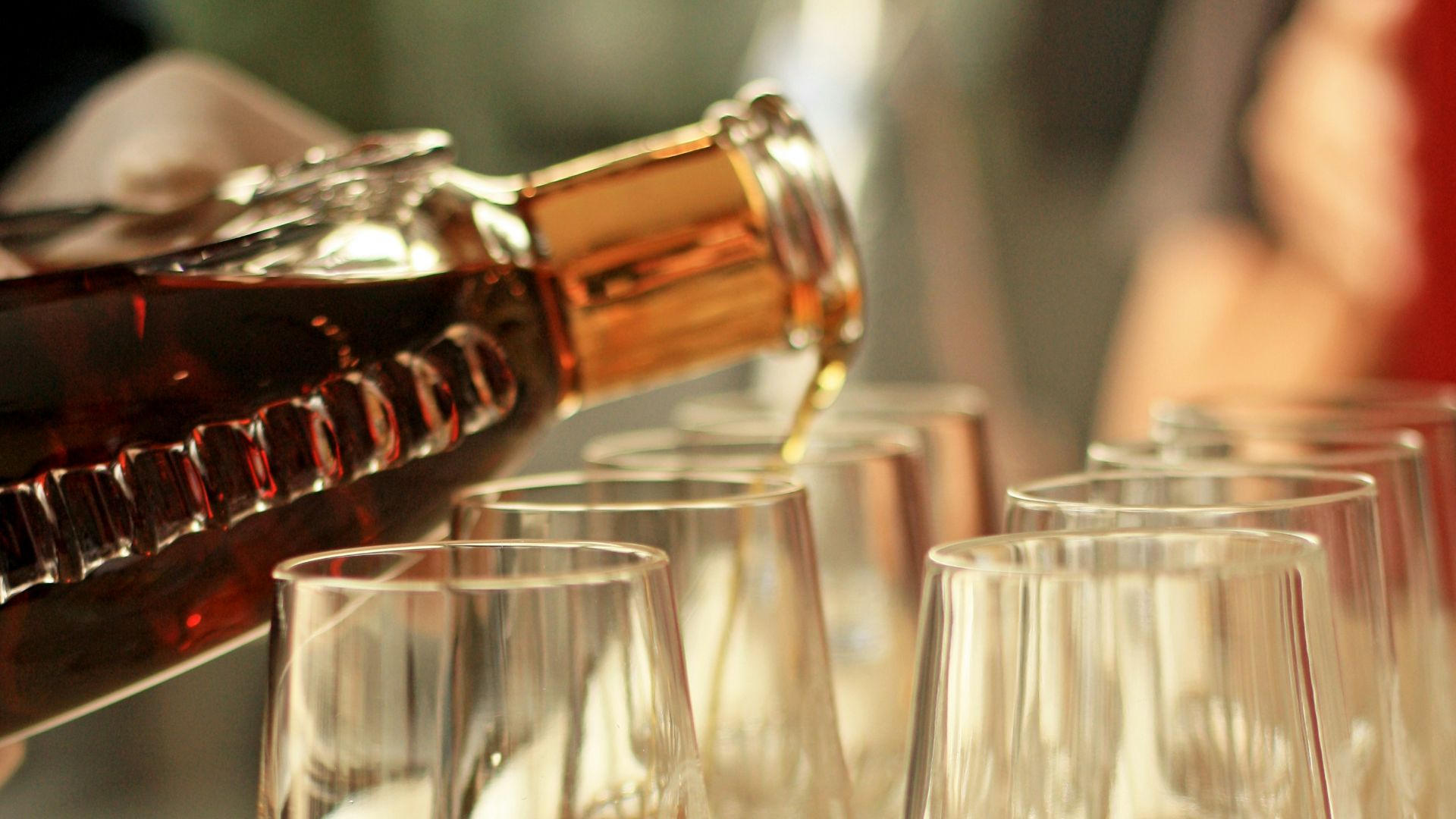
13. Cognac
Cognac gets distilled twice in traditional Charentais copper pot stills, then spends no less than two years in French oak before anyone can sell it under the name. Most houses go years past that, and the better bottles spend decades there.
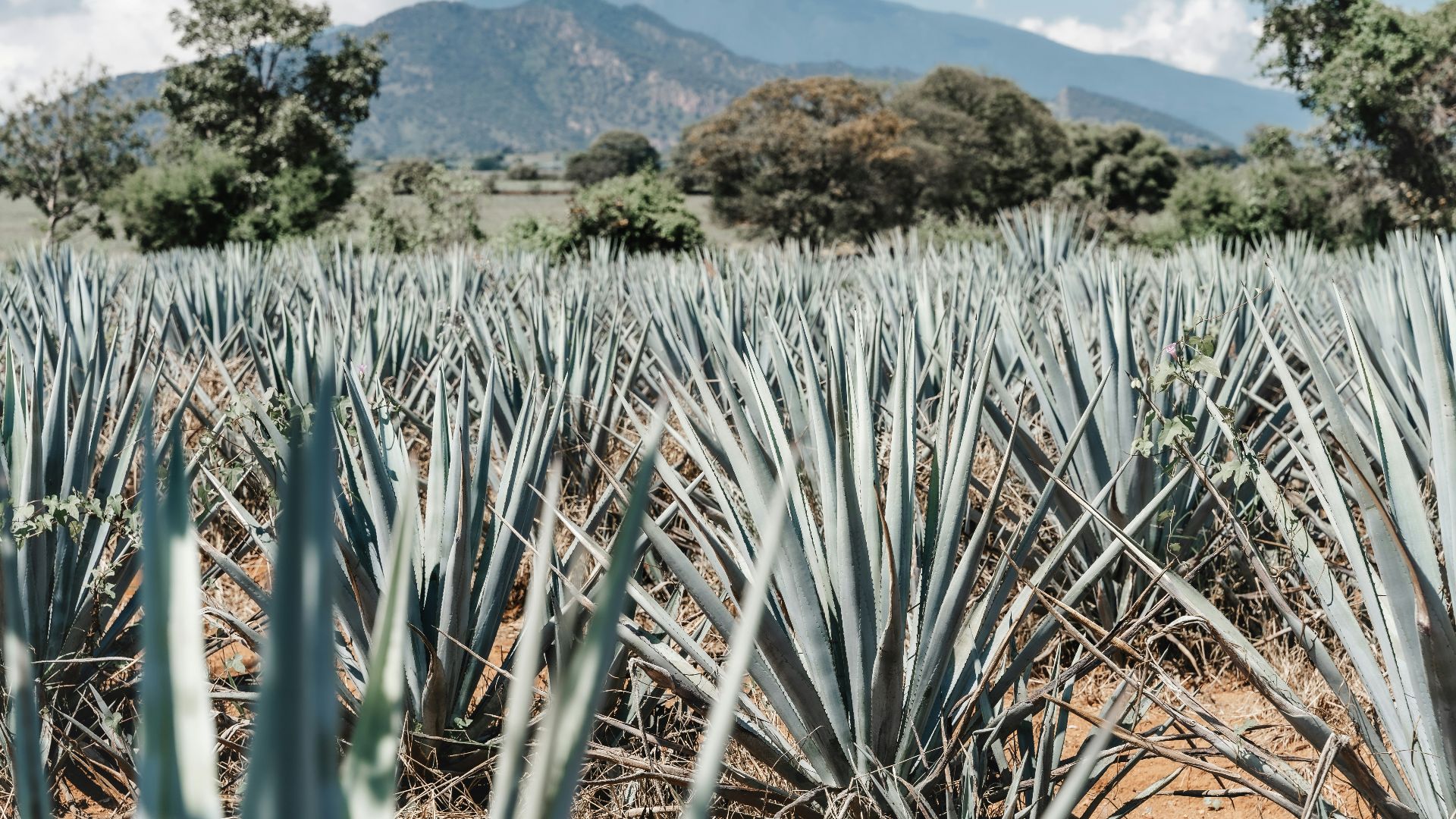
14. Tequila
Only one plant qualifies. Tequila comes from blue Weber agave grown in Jalisco and a short list of municipalities in four neighboring Mexican states, and the plants need roughly six to eight years in the ground before harvest. Agave from anywhere else disqualifies the batch.
15. Mozzarella di Bufala Campana
Water buffalo herds registered in defined parts of Campania supply the only milk the protected name accepts, and a splash of cow's milk voids the label. The curd gets stretched and shaped in hot water.
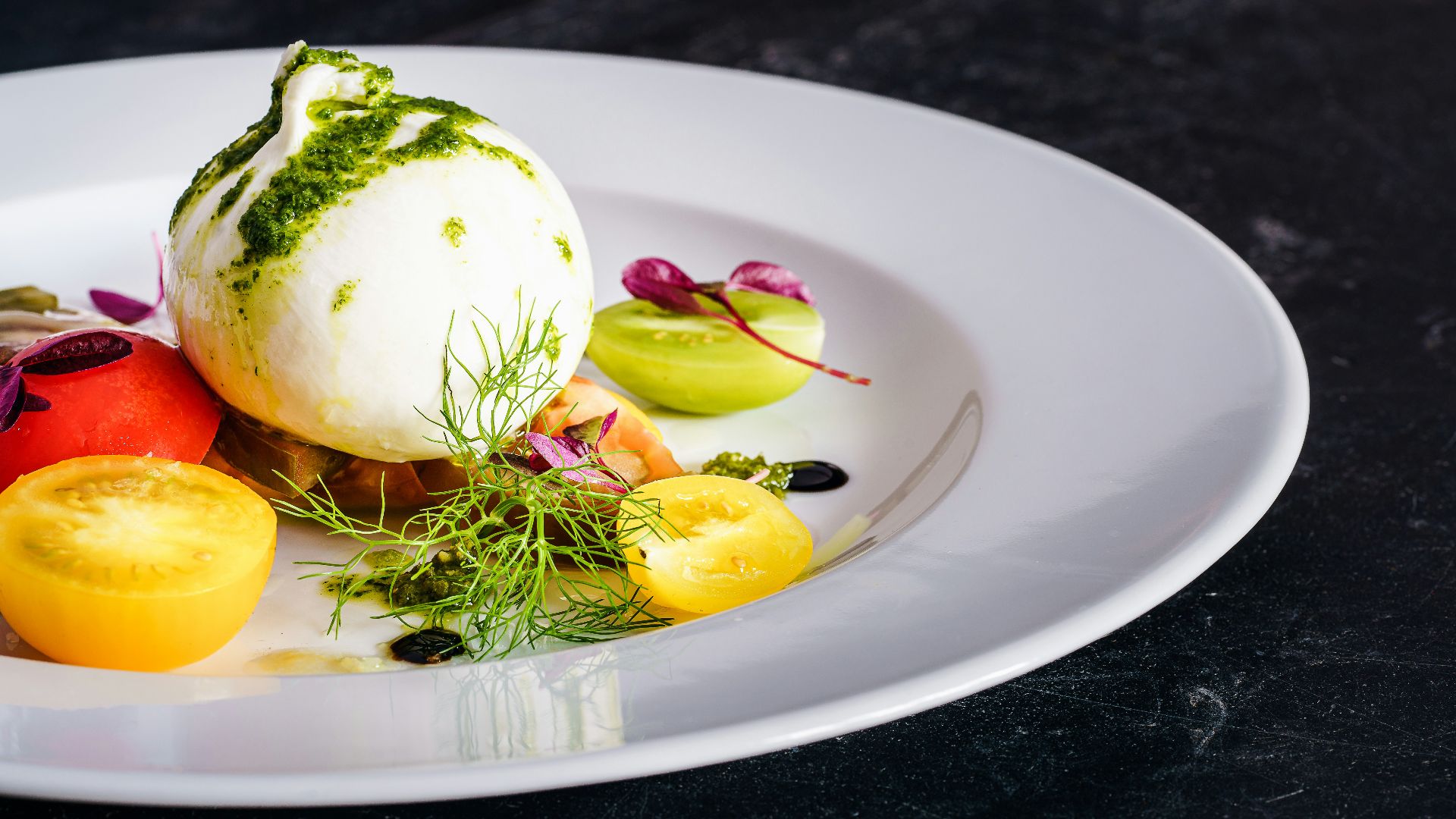 Sebastian Coman Photography on Unsplash
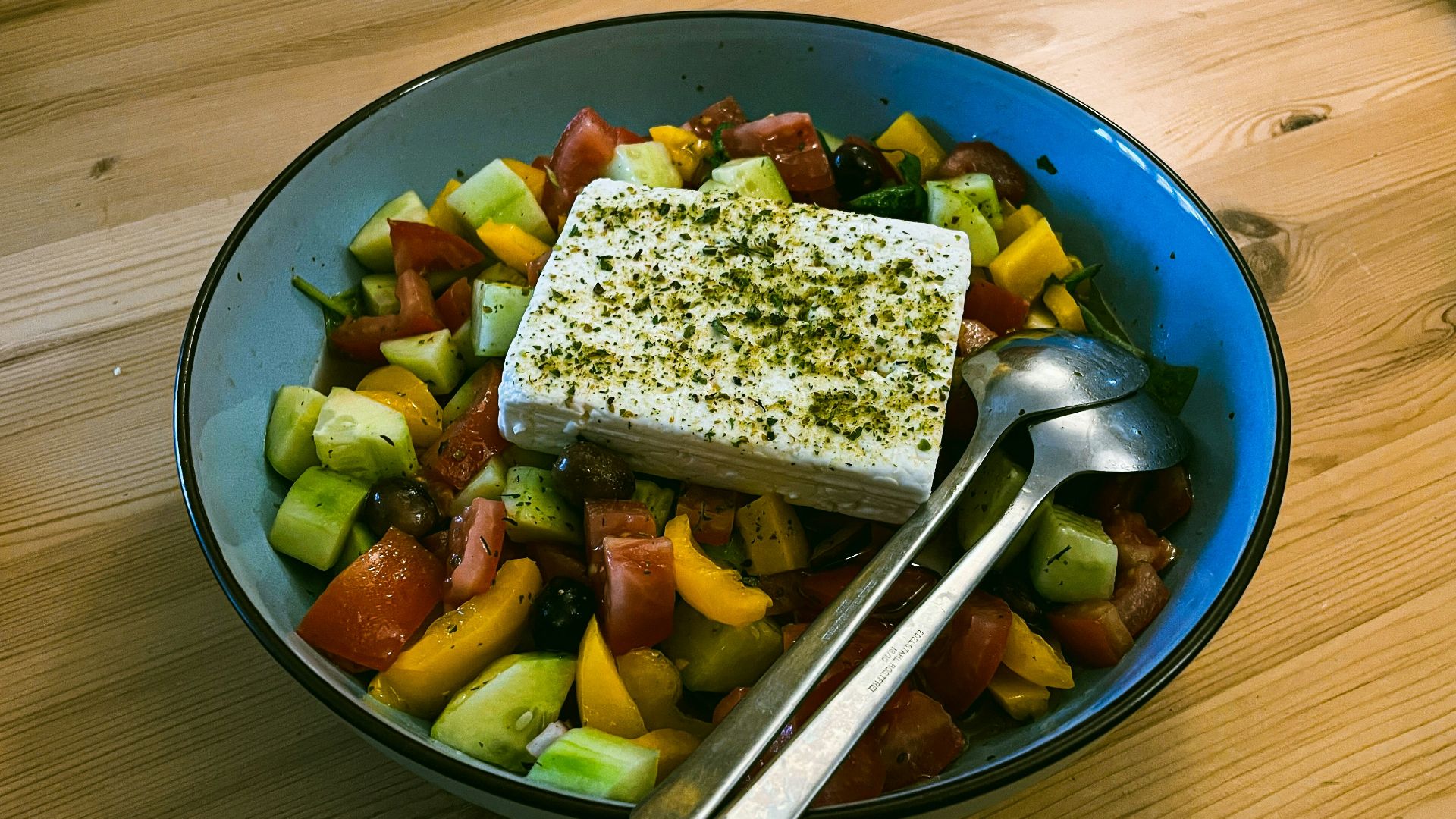
16. Feta
Greece fought for this word through the European courts and won in 2005. The registration reserves feta for brined cheese made in specific Greek regions from ewe's milk, with goat's milk permitted up to 30 percent. Danish and German producers had to rename their versions.
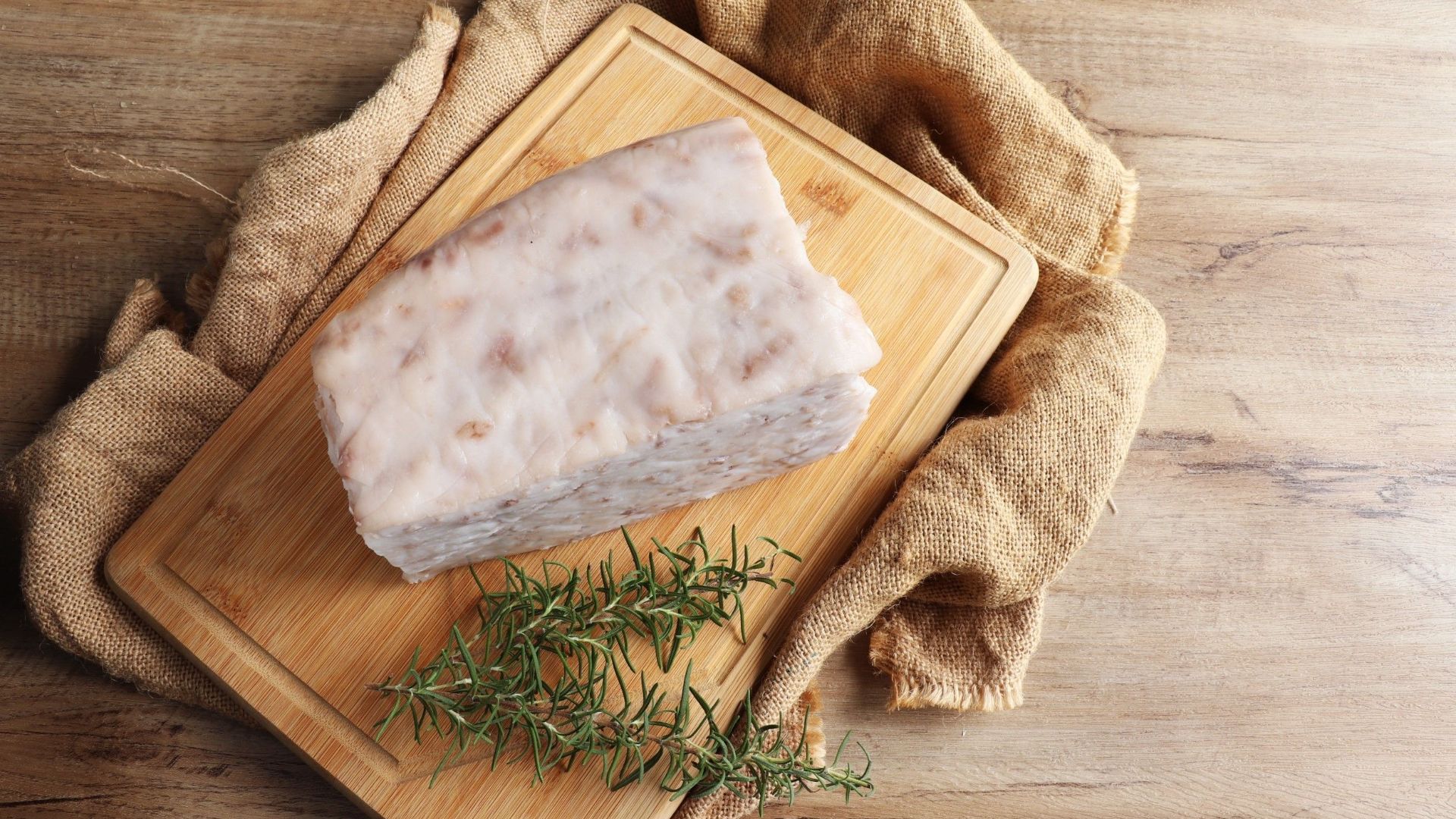
17. Lardo di Colonnata
Pork back fat gets layered with salt and herbs into basins cut from local Carrara stone, which the maker has already rubbed down with garlic. The slabs then sit in cool cellars for six months minimum. The rules name the marble specifically, since the porous stone breathes in a way plastic and steel cannot.
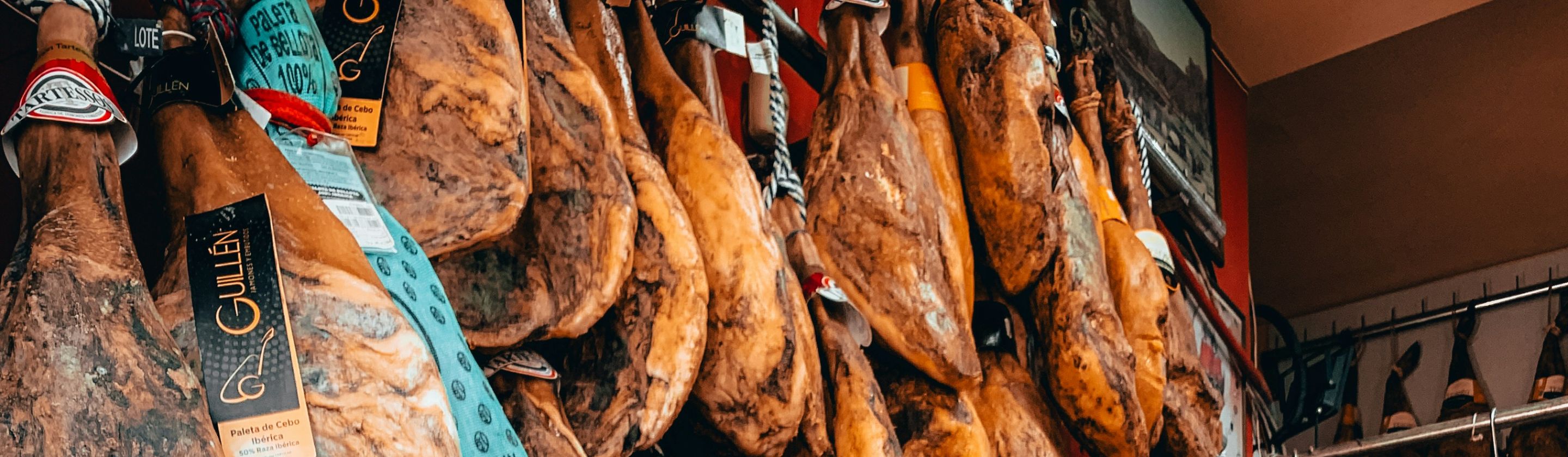
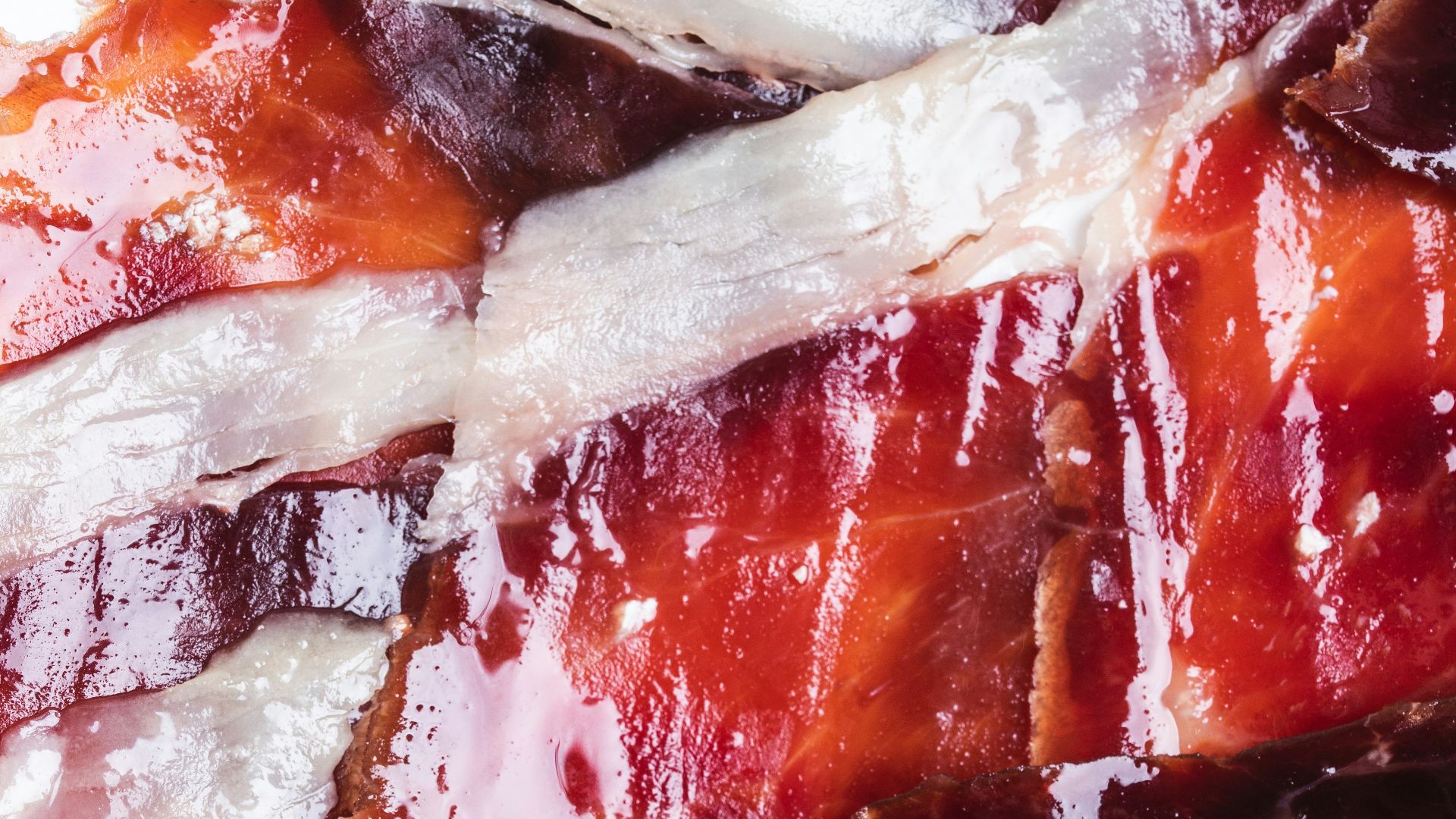
18. Jamón Ibérico de Bellota
The top grade depends on how many acorns are on the ground. Spanish law caps stocking at 1.25 pigs per hectare of oak pasture during the autumn fattening season, and each animal has to gain at least 46 kilos on acorns and grass before slaughter.
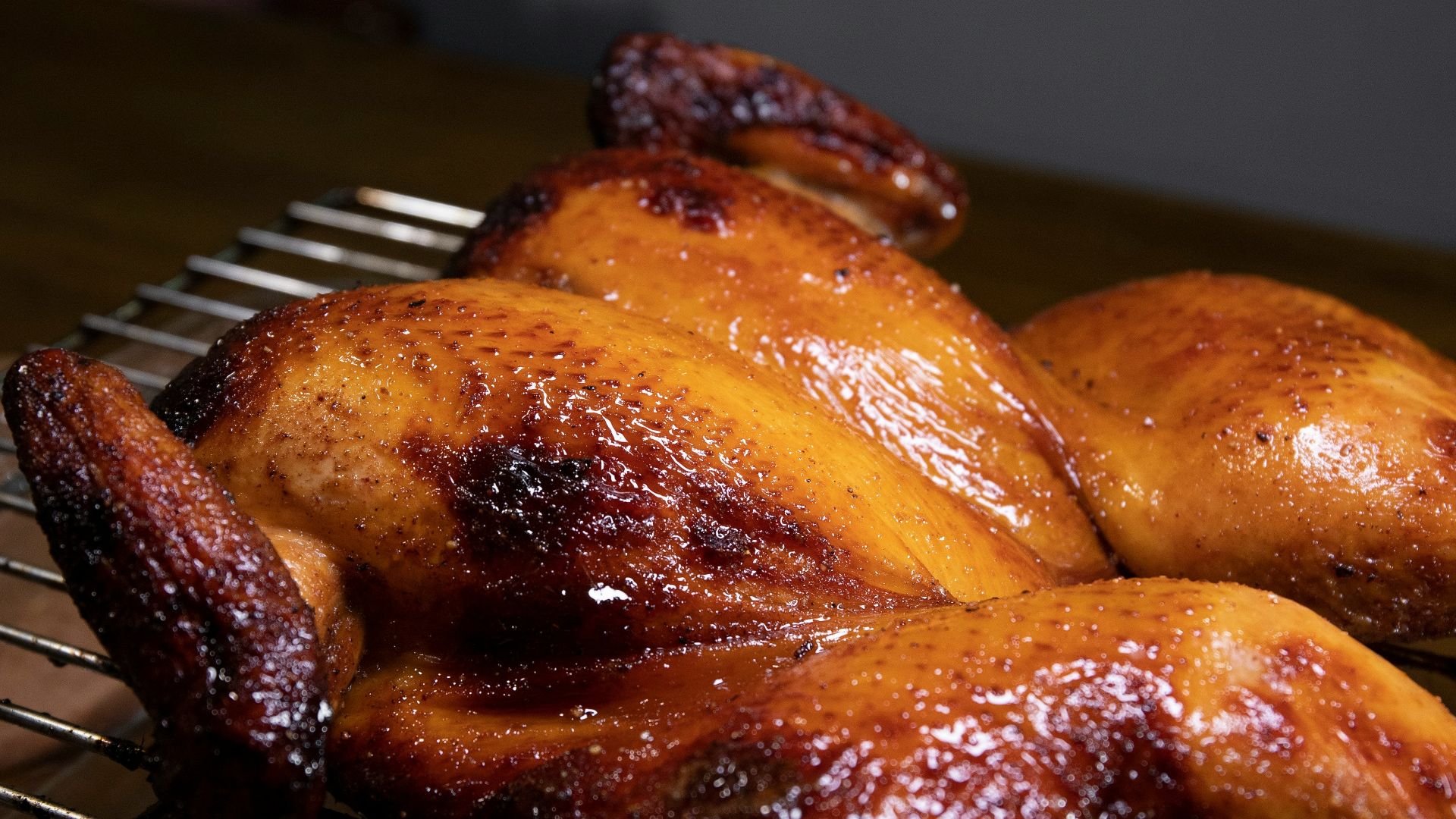
19. Poulet de Bresse
Ten square meters of grass per bird is the legal allowance. Bresse chickens hold the only poultry appellation in France, and they get four months of life before a short finishing period on corn and milk. A supermarket broiler is slaughtered at around six weeks.
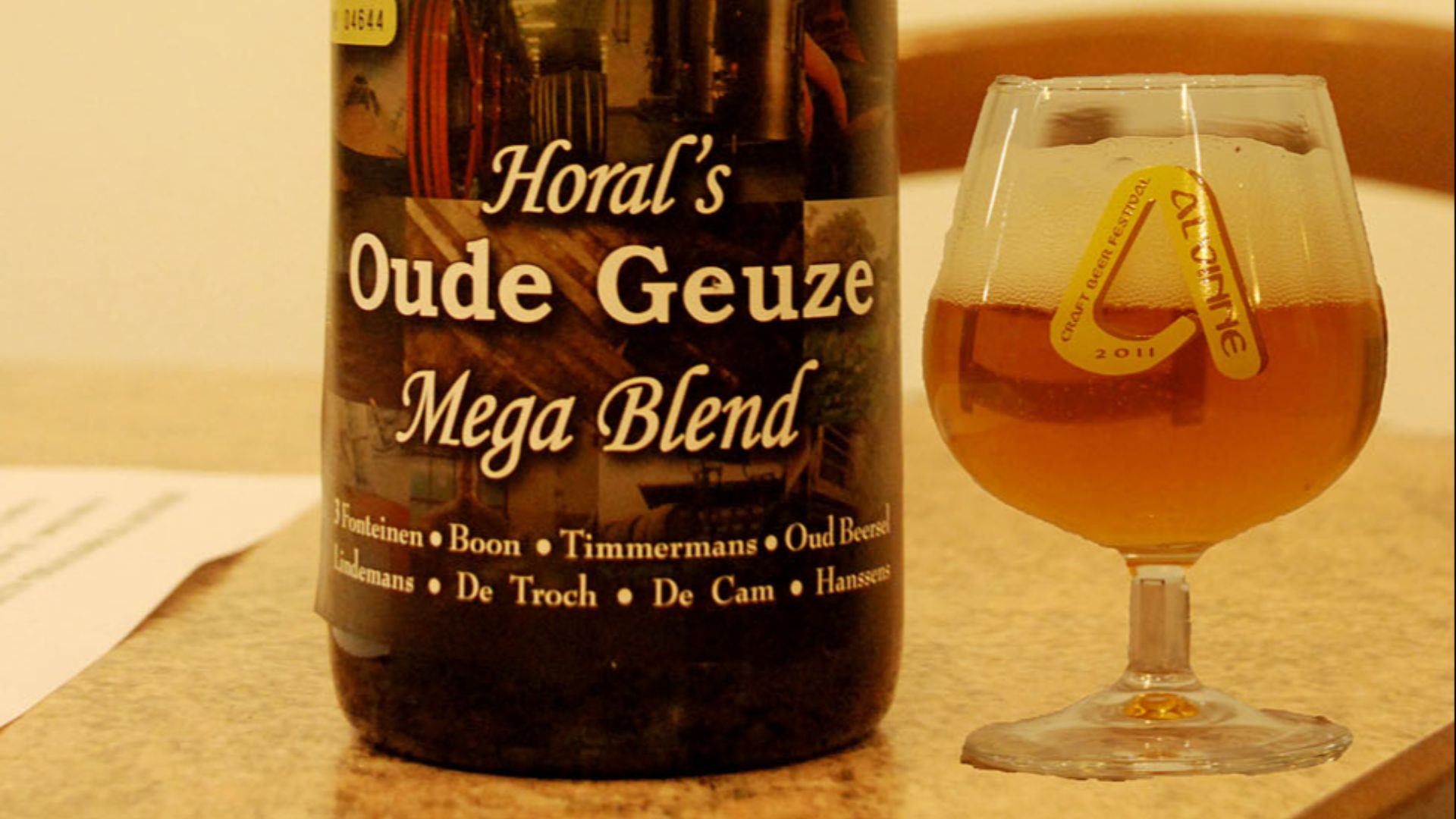
20. Oude Geuze
Nobody adds the yeast. Brewers cool the wort overnight in a shallow open vessel and let whatever drifts in from the night air start the fermentation, which the EU specification describes as natural inoculation during cooling. The beer then spends years in wood before blending.
KEEP ON READING