The Ground Does the Work
Putting food in a hole sounds like something you'd do to get rid of it. For most of human history, the ground doubled as one of the most reliable cooking tools available, holding a steady cool temperature through summer and trapping heat for hours once you lined it with fire-hot rocks. Plenty of these methods are still being used, and a few of them produce food you've probably paid money for. Here's 20 dishes that go into the ground before they reach a plate.

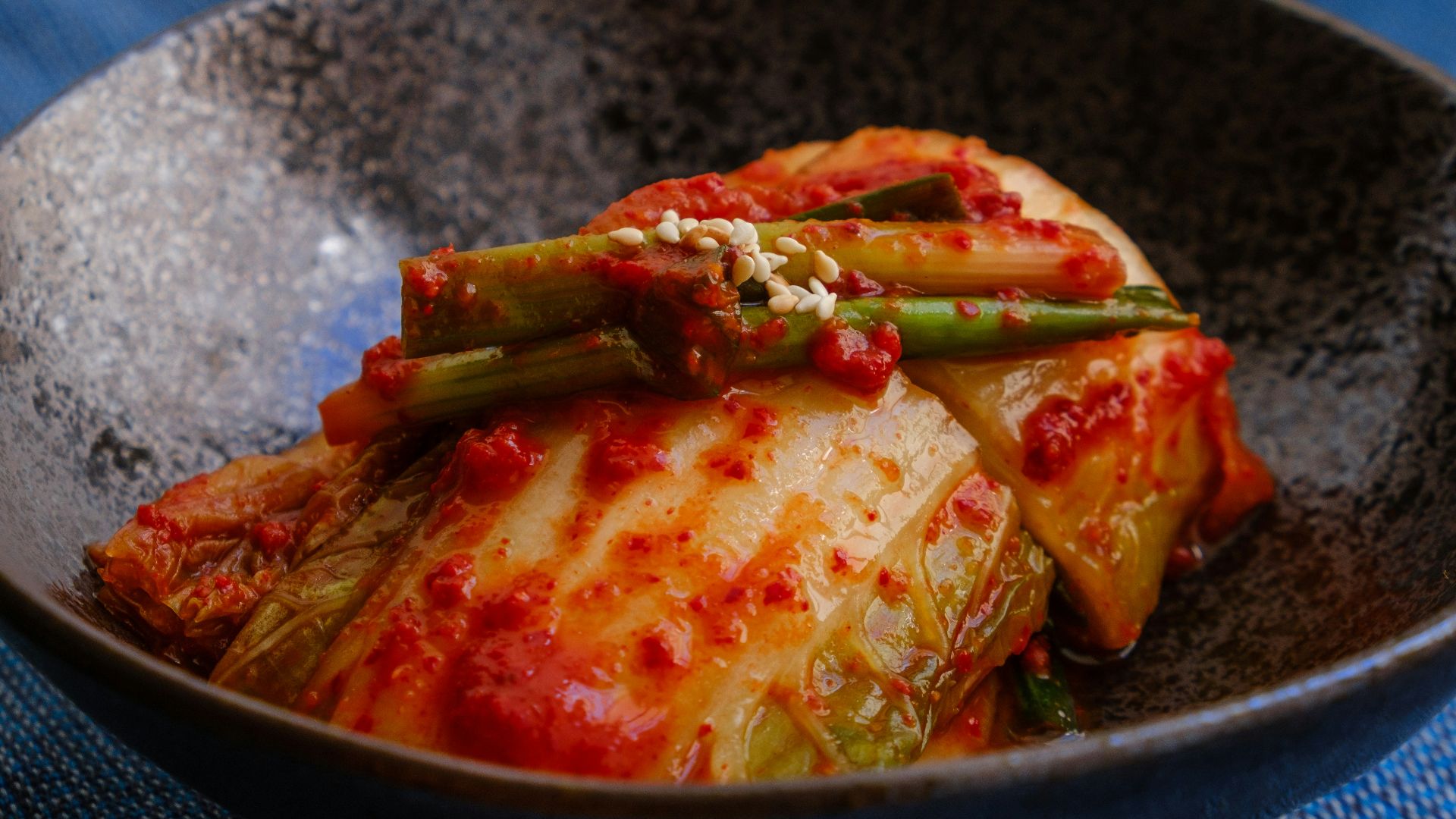
1. Kimchi Ferments in Buried Clay Jars
Korean households packed salted cabbage into onggi, the heavy earthenware jars, and sank them to the neck in the yard before the first freeze. Soil held the jars near freezing all winter, slow enough that lactic acid built up without the cabbage collapsing into mush. Kimchi refrigerators sold today are built around that idea, with compressors tuned to imitate a jar in dirt.
 Portuguese Gravity on Unsplash
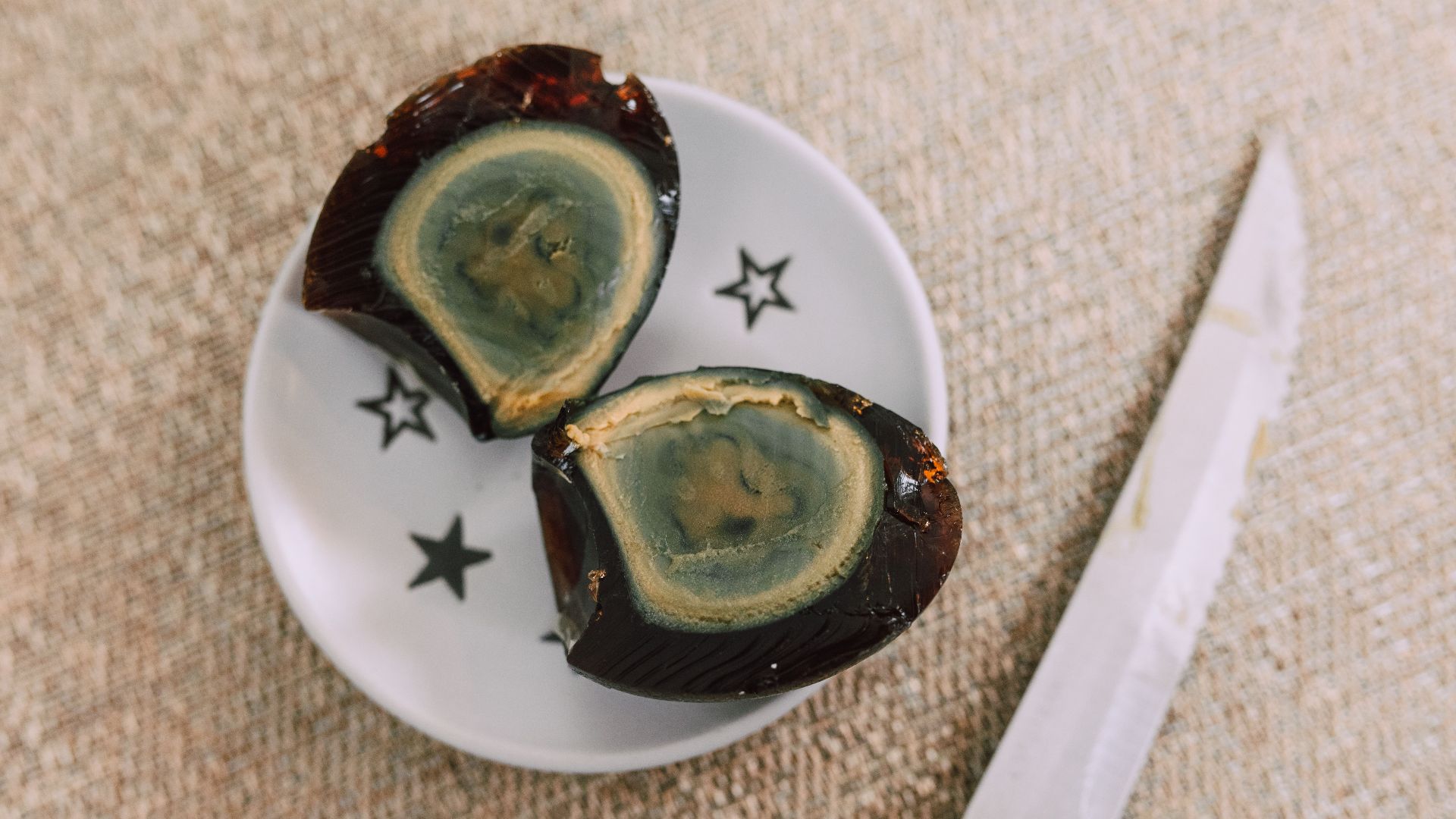
2. Century Eggs Cure Under an Alkaline Paste
Pidan involves no century. Duck eggs get packed in a mix of clay and wood ash with salt and quicklime, then buried for several weeks while the alkali works through the shell. The white turns translucent brown and the yolk goes dark green at the edge.
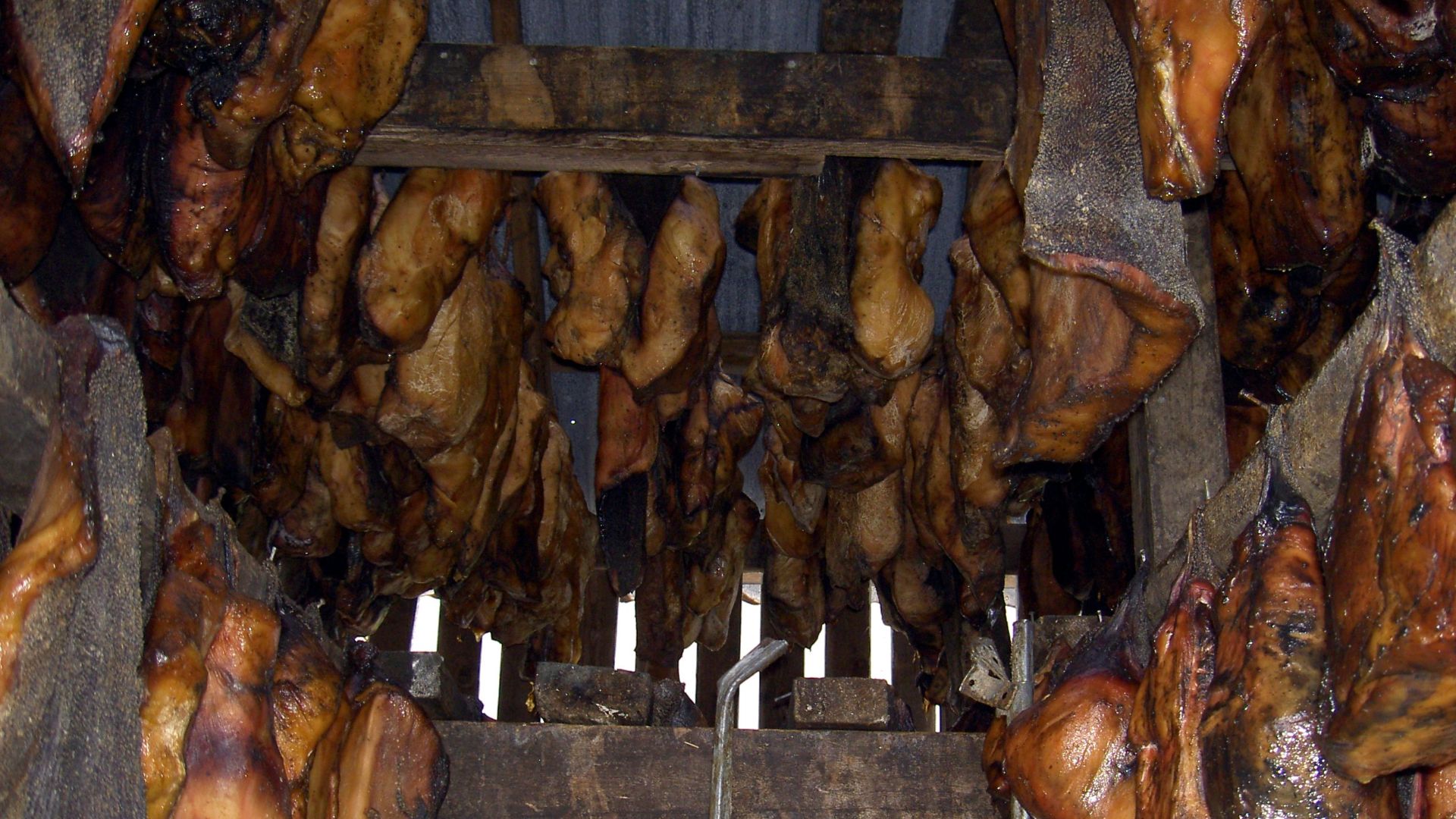
3. Hákarl Breaks Down in a Gravel Pit
Greenland shark is poisonous fresh because the flesh carries urea and trimethylamine oxide. Icelanders handled that by burying the meat in gravel under weighted stones for six to twelve weeks to press the fluid out, then hanging it to dry for months. Most people eat it in cubes with a shot of brennivín standing by.
4. Gravlax Is Named for Being Buried
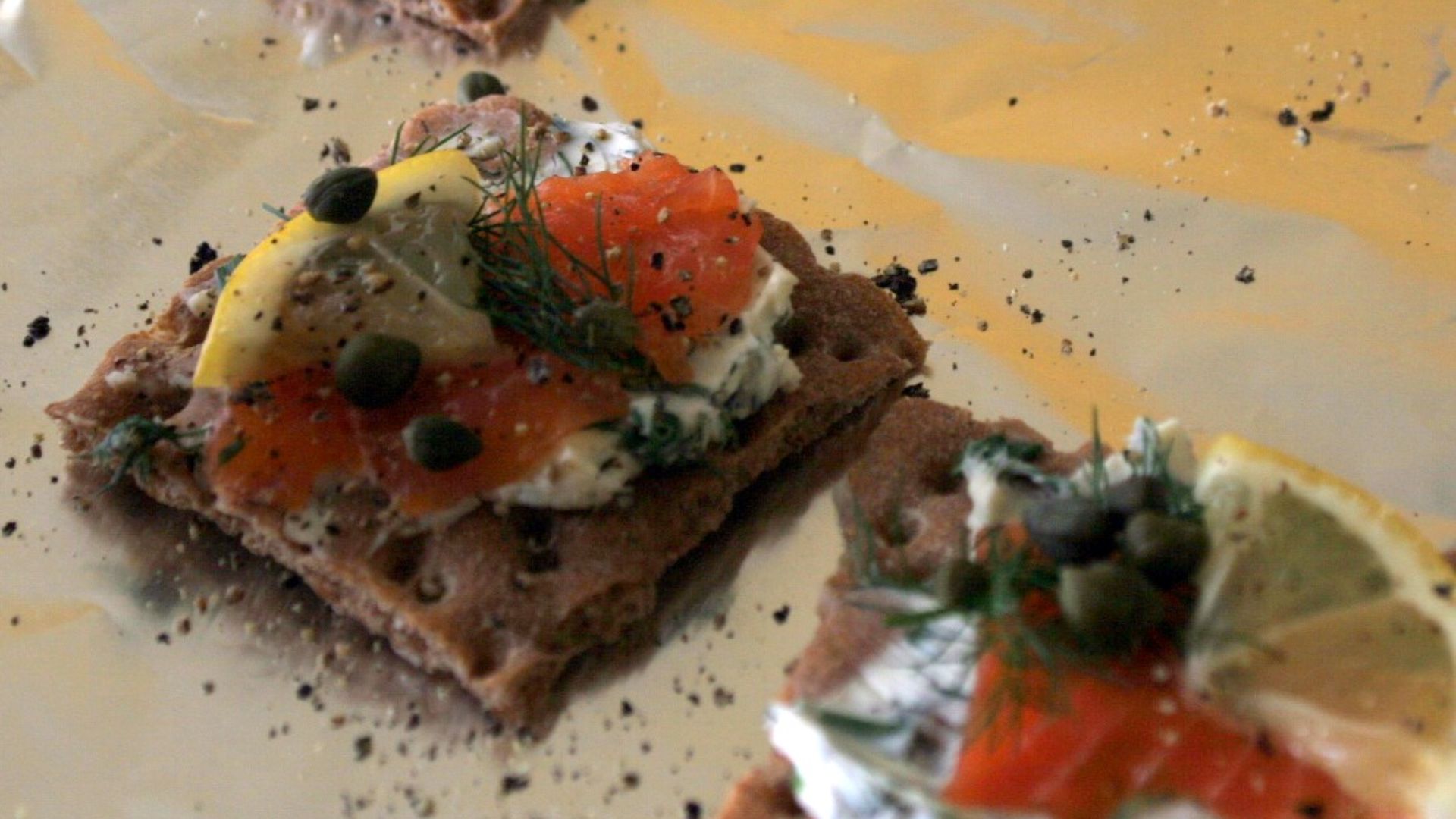
The grav in gravlax means grave. Medieval Scandinavian fishermen salted salmon and buried it in sand above the tide line, where it fermented lightly until someone came back for it. The modern version swaps the hole for a refrigerator and a weighted plate, and the name stayed.
5. Kalua Pig Steams in an Imu
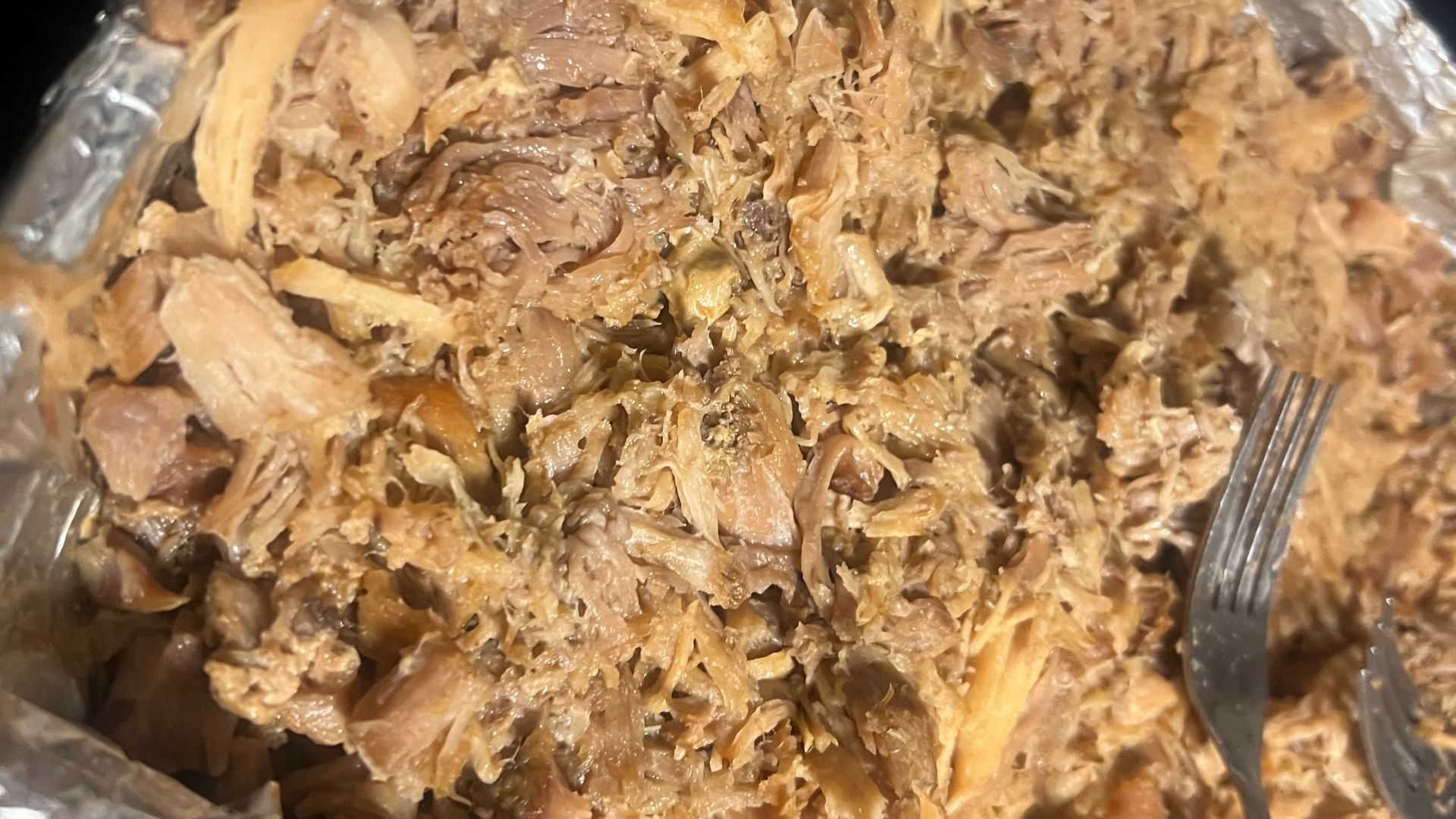
A whole pig goes into a pit lined with hot lava rocks and banana stumps, wrapped in ti leaves and covered with soil for eight hours or longer. Steam does all of the cooking. Nothing above ground manages heat that even or that patient without a commercial oven.
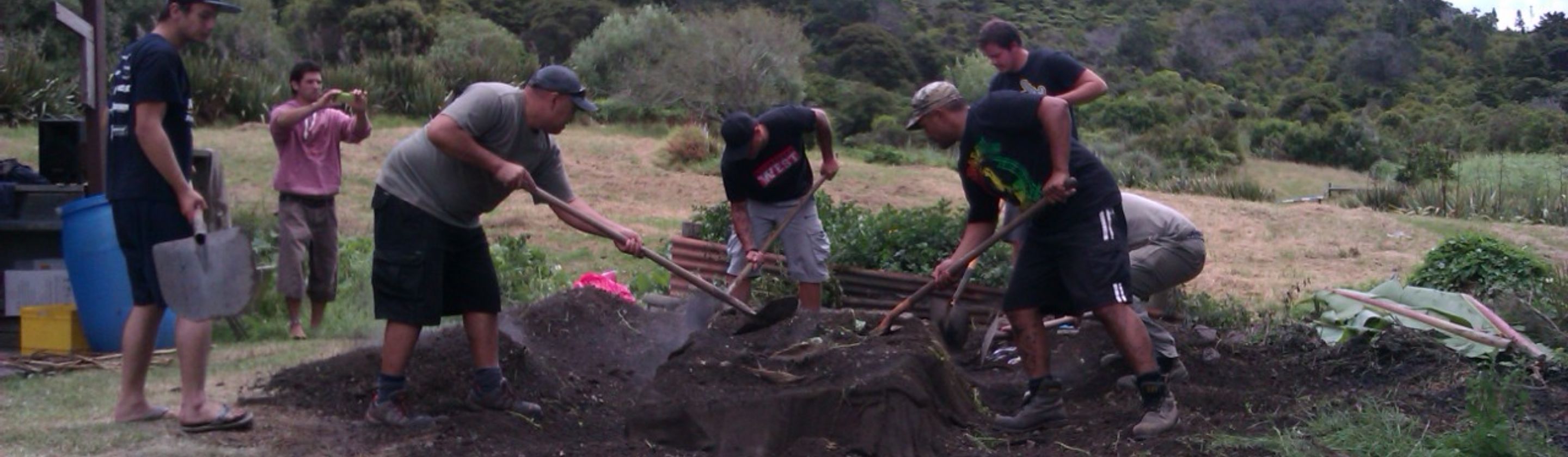
6. Hāngī Cooks Under Sacks and Earth
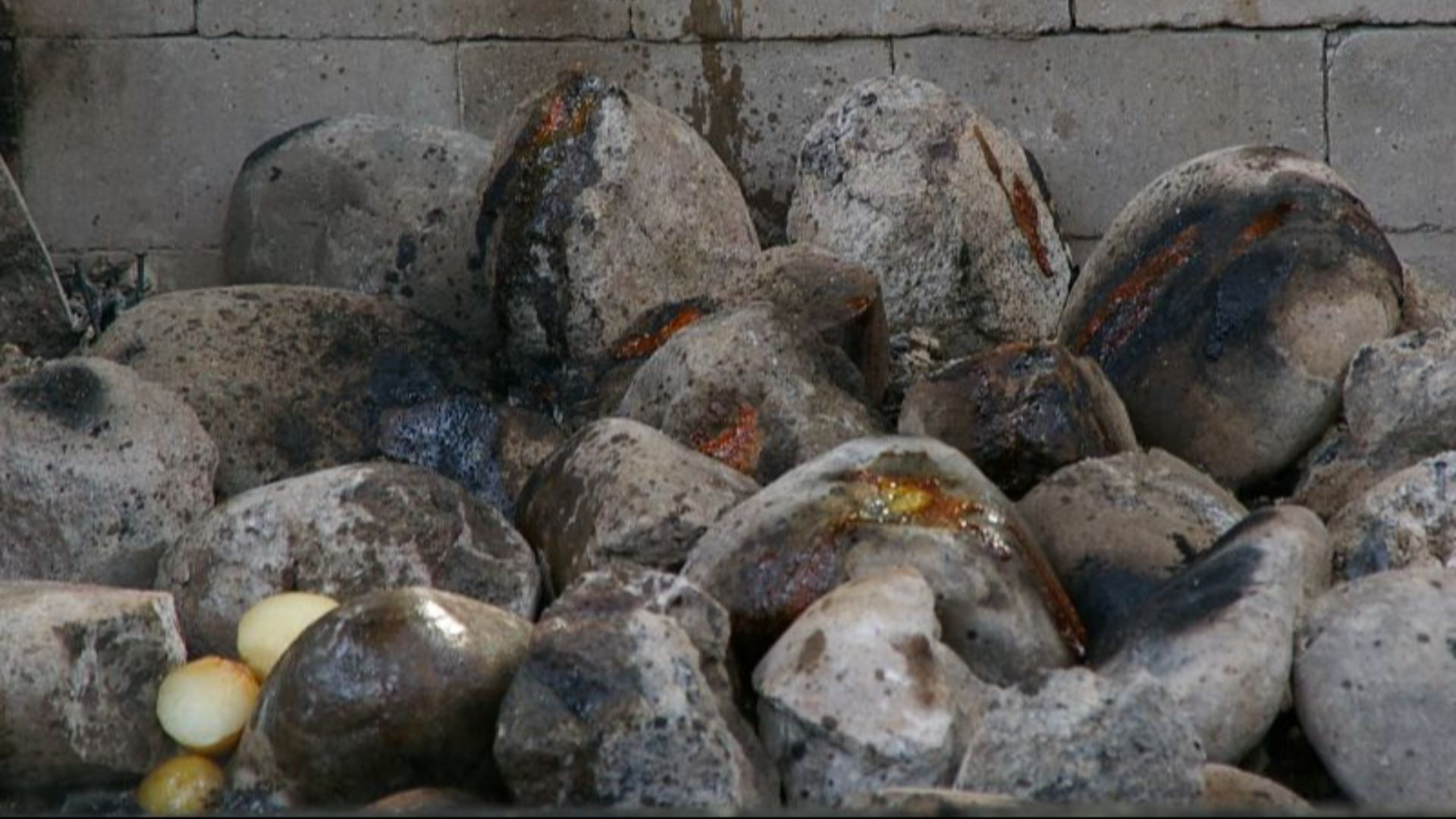
Māori cooks heat river stones in a fire and drop them into a pit, then stack baskets of pork, kūmara, and cabbage on top. Wet sacking goes over the food and dirt goes over the sacking, usually for three or four hours. Everything comes out faintly smoky without a drop of seasoning.
7. Barbacoa Starts as a Hole in the Ground
In Hidalgo, lamb is wrapped in maguey leaves and lowered into a stone-lined pit over coals, then sealed under dirt overnight. The leaves add a vegetal sweetness and keep the meat from drying out. What gets sold under the same name in American restaurants is usually braised in a pot.
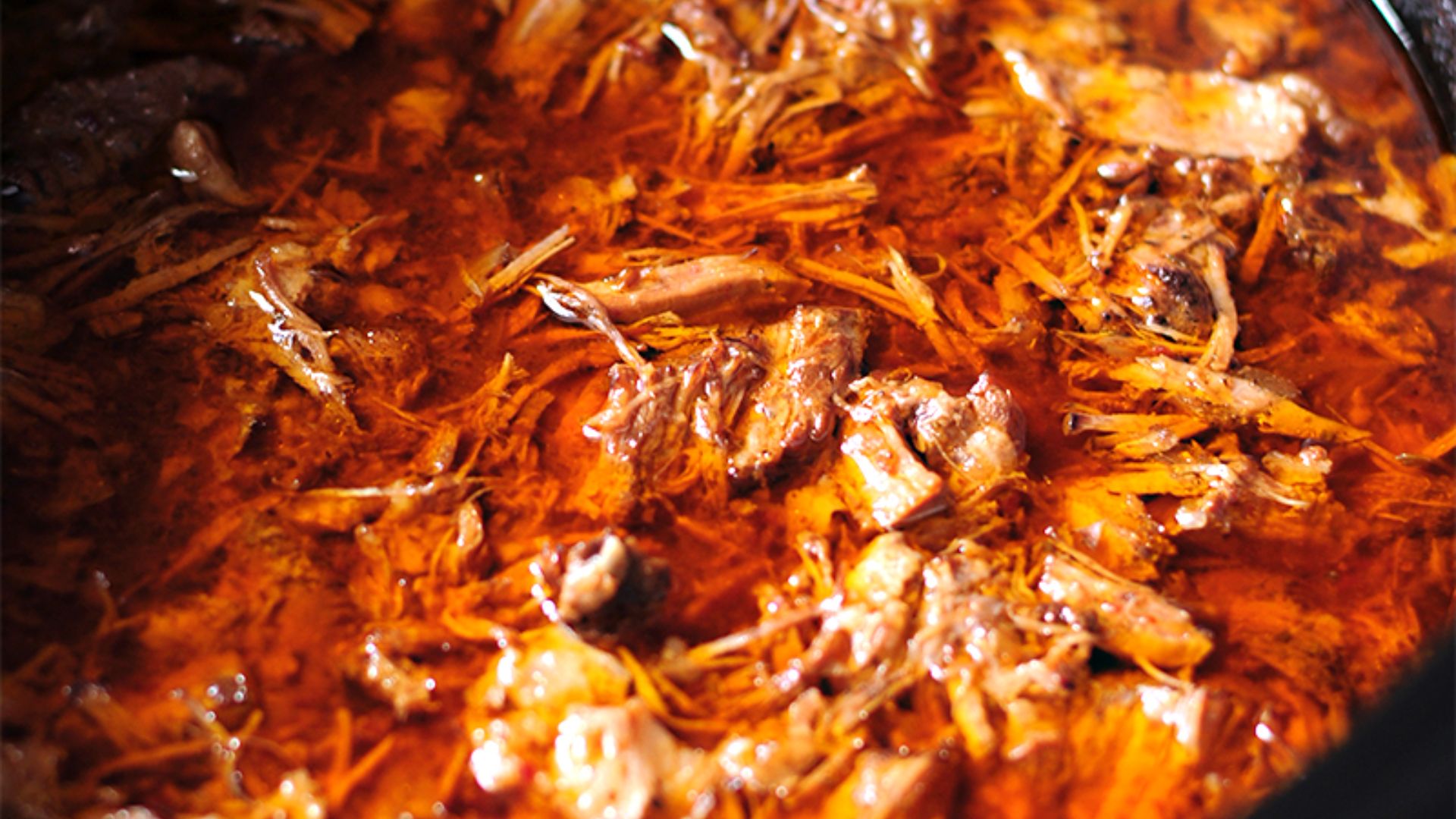 Sharon Chen from Austin, United States on Wikimedia
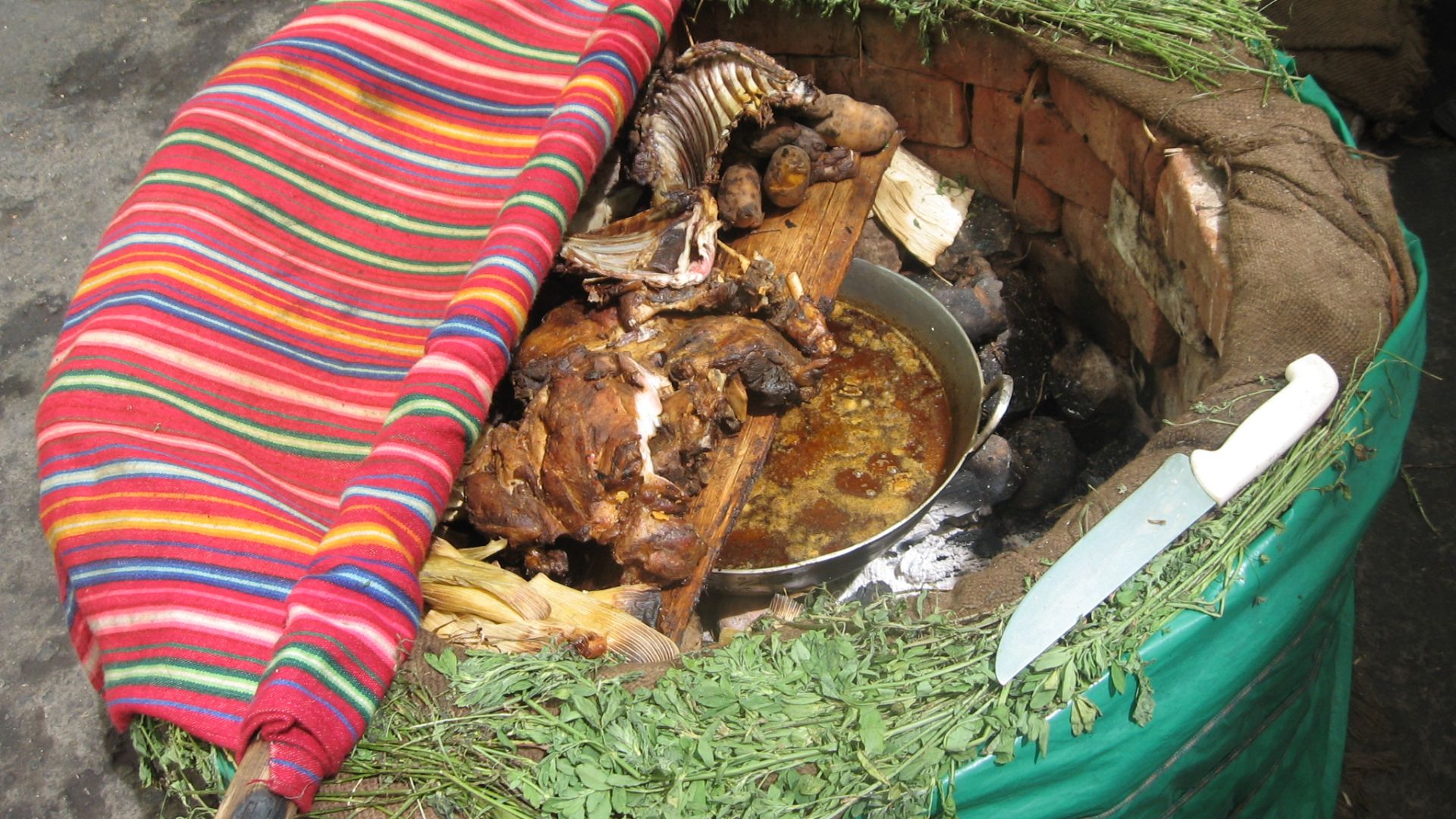
8. Pachamanca Layers Food Around Glowing Stones
Pachamanca builds upward from stones heated until they're white, with lamb and potatoes packed around them alongside fava beans and corn. Huacatay and chincho leaves go in before grass and earth close the pit. Two hours later the meat pulls apart and the potatoes taste like the herbs.
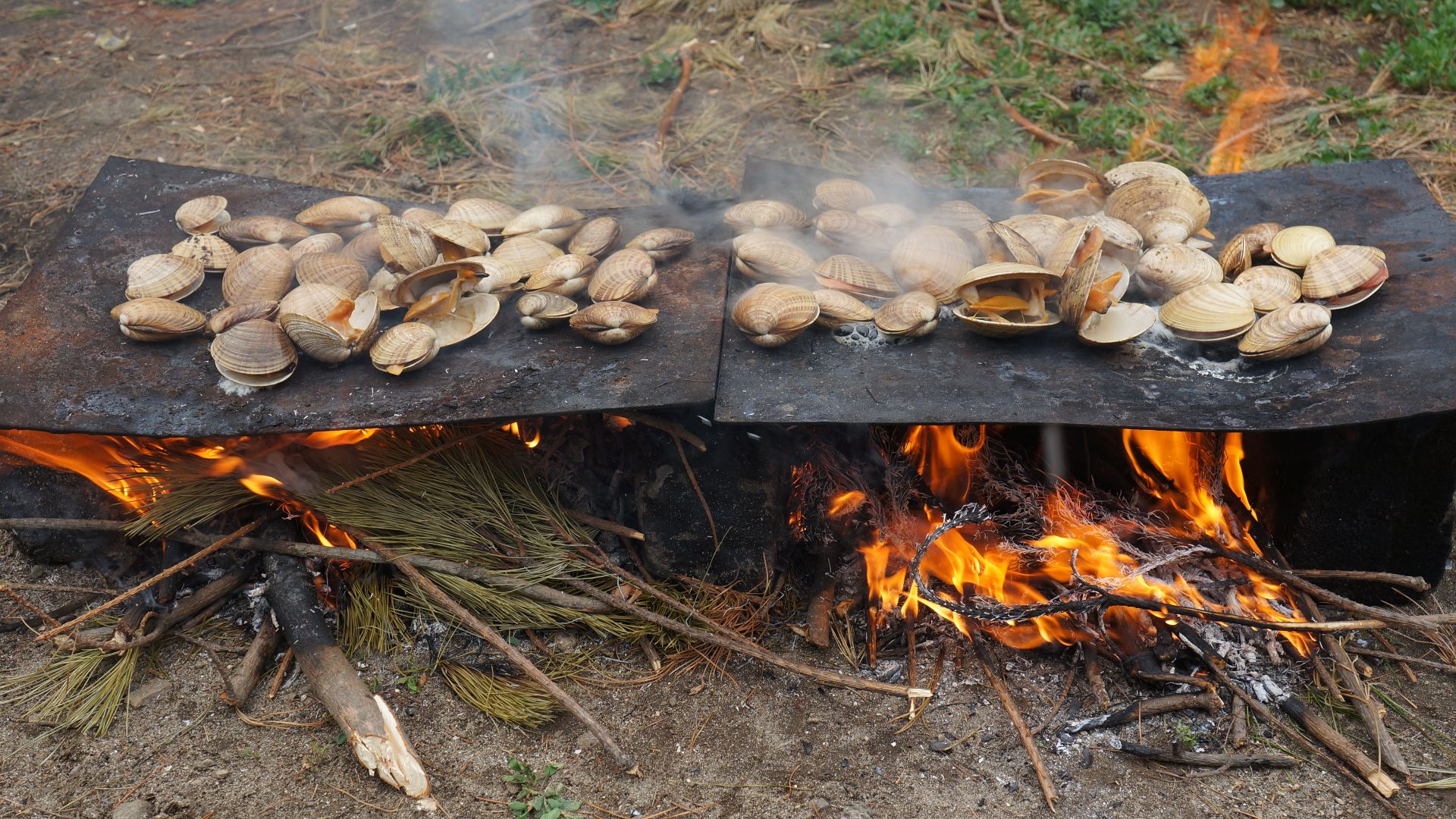
9. Clambakes Happen Inside a Sand Pit
New England clambakes start with a hole dug in the beach, lined with stones and burned hot for a couple of hours. Layers of rockweed, shellfish, and corn pile onto those stones before a wet tarp seals everything in. The steam doing the work comes out of the seaweed itself.
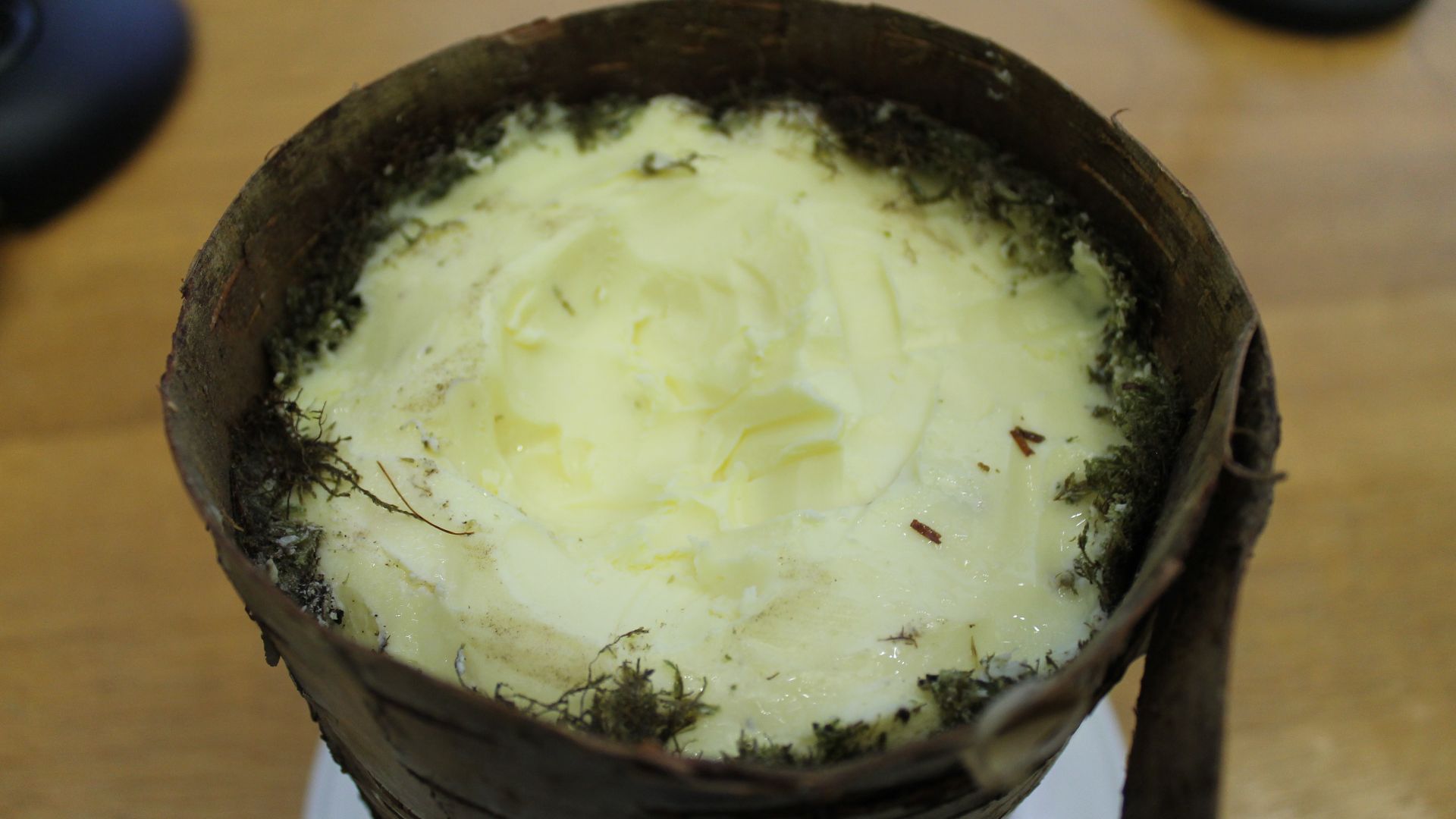
10. Bog Butter Kept for Thousands of Years
Irish and Scottish peat bogs have given up hundreds of wooden kegs of butter, some dated past 3,000 years old. A bog is cold, acidic, and short on oxygen, so fat buried in one barely changes. A 22-pound lump found in County Meath in 2016 was estimated at roughly 2,000 years old, and the museum that received it said the stuff was technically still edible.
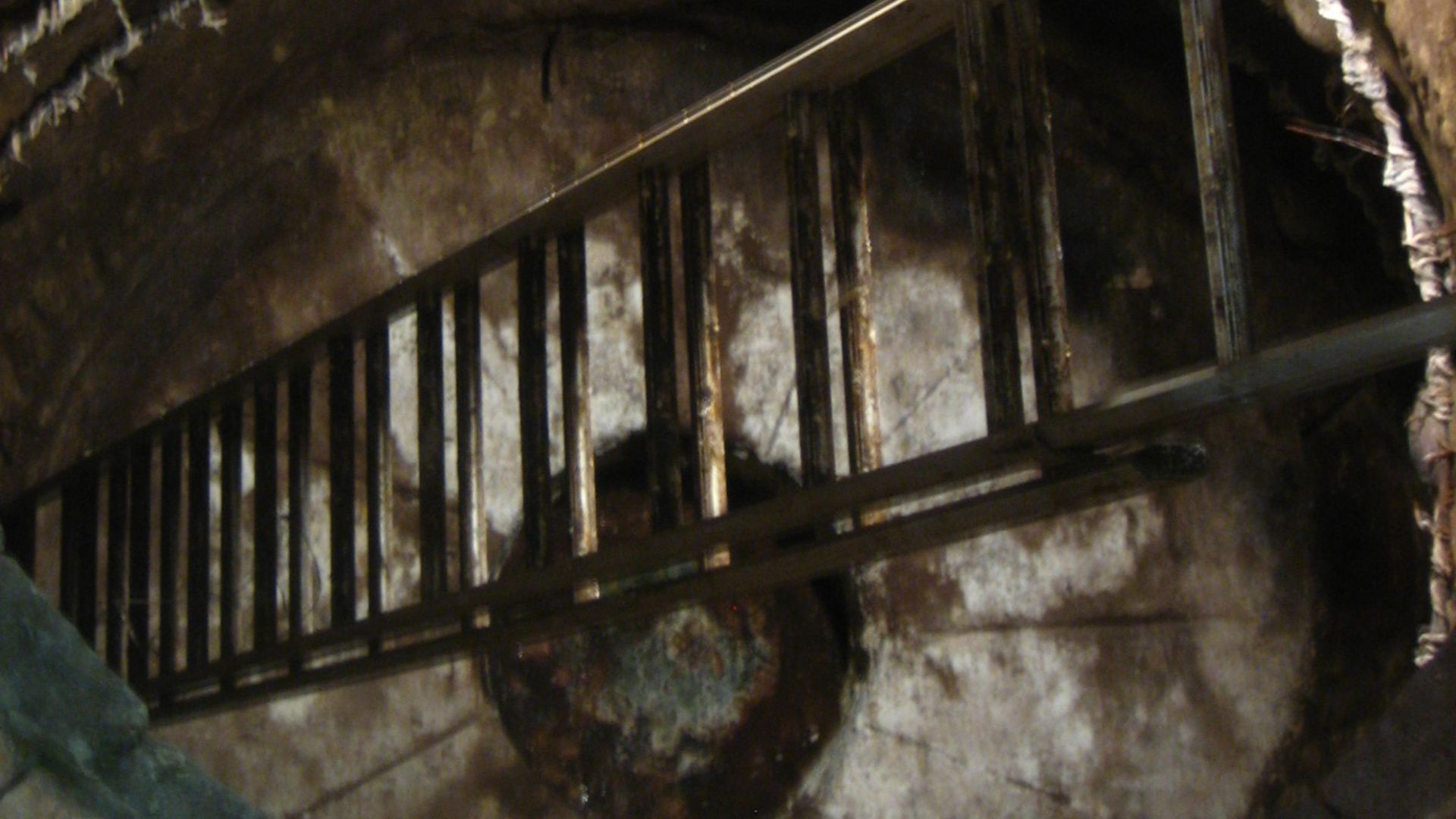
11. Formaggio di Fossa Ages in Tufa Pits
Every August in Sogliano al Rubicone, wheels of sheep's milk cheese get wrapped in cloth and sealed into pits cut from soft tufa rock. They come back out around November 25th, the feast of Saint Catherine, after three months with no air. Stacking flattens the wheels, and the flavor comes out sharp with a bitter edge.
 Madeline K.B. Ross on Wikimedia
12. Kiviak Ferments Inside a Sealskin
Greenlandic hunters stuff a hollowed seal carcass with as many as 500 little auks, feathers and all. The skin gets sewn shut, greased with fat to keep flies off, and buried under stones for months. Families eat the birds raw at winter celebrations.
 Alastair Rae from London, UK on Wikimedia
13. Stinkheads Are Salmon Fermented in a Pit
Tepa is the Yup'ik name, and stinkheads is the blunt English one. Salmon heads go into a grass-lined hole in the ground and stay several weeks until the flesh softens into a paste. Alaska has reported botulism outbreaks when people ferment them in sealed plastic buckets rather than a pit.
14. Rakfisk Began as a Barrel in the Ground
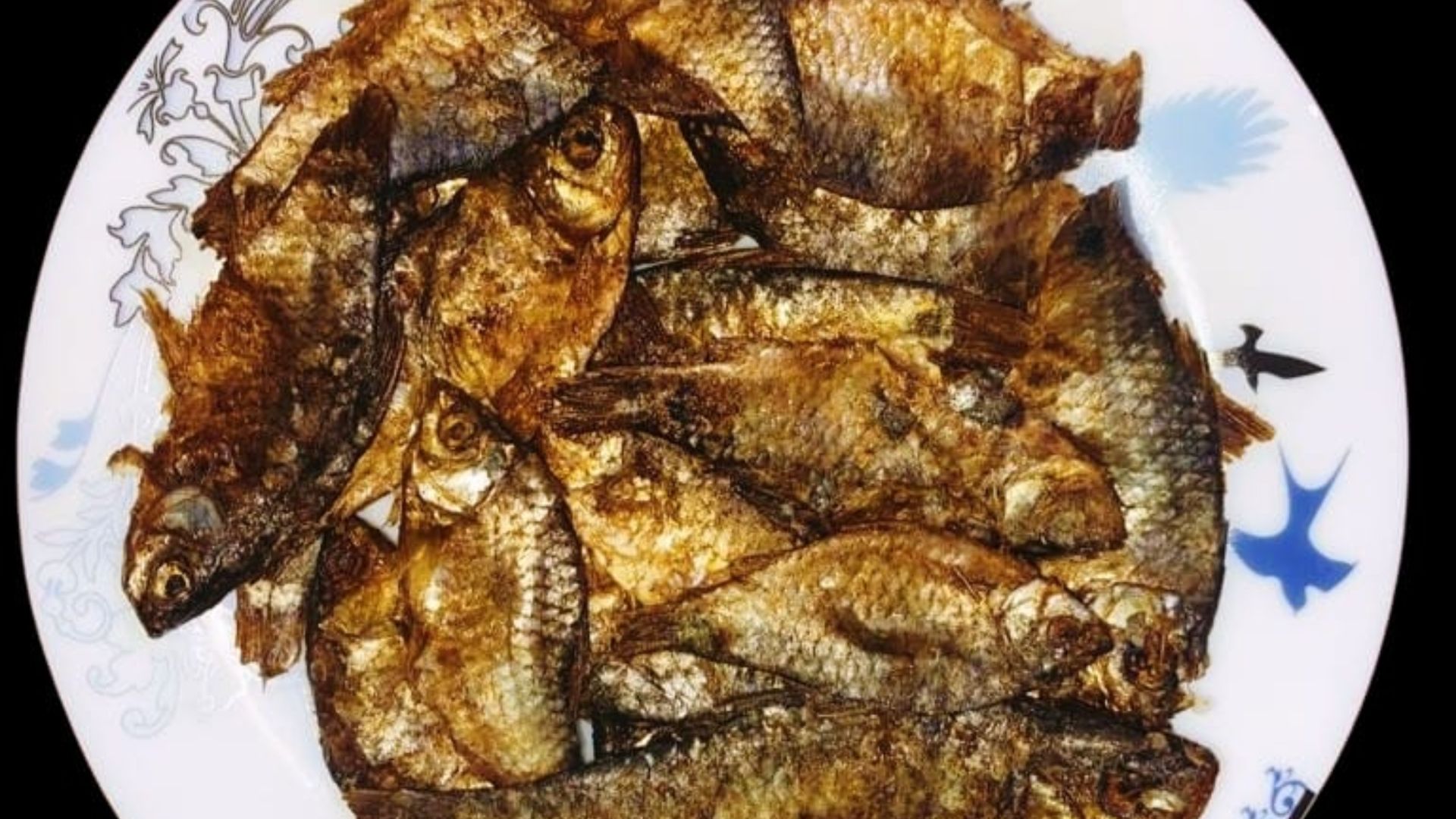
Norwegian trout gets salted and left to ferment for two to three months before anyone opens it. The oldest method sank the barrel into cold soil, which held the fish low enough to ferment instead of spoil. The name traces back to a Norse word for soaked.

15. Bean Hole Beans Cook Overnight Underground
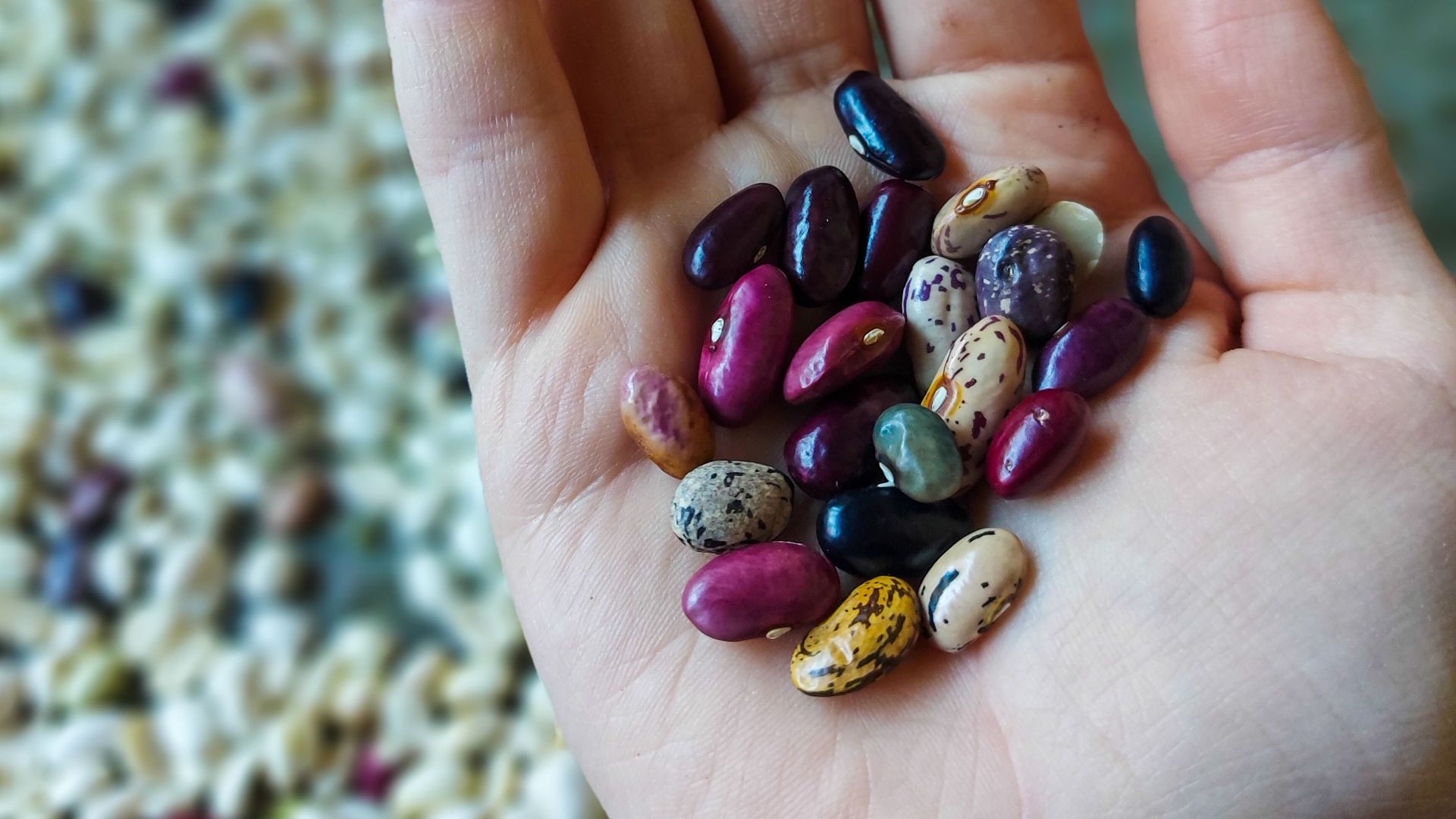
Maine loggers dug a hole, burned hardwood down to coals, and lowered in a cast iron pot of beans and salt pork. Dirt went back over the lid and the pot sat for twelve to sixteen hours while the camp slept. Church suppers across New England still run them, usually over a permanent rock-lined hole in the yard.
16. Taguella Bakes Directly in Hot Sand
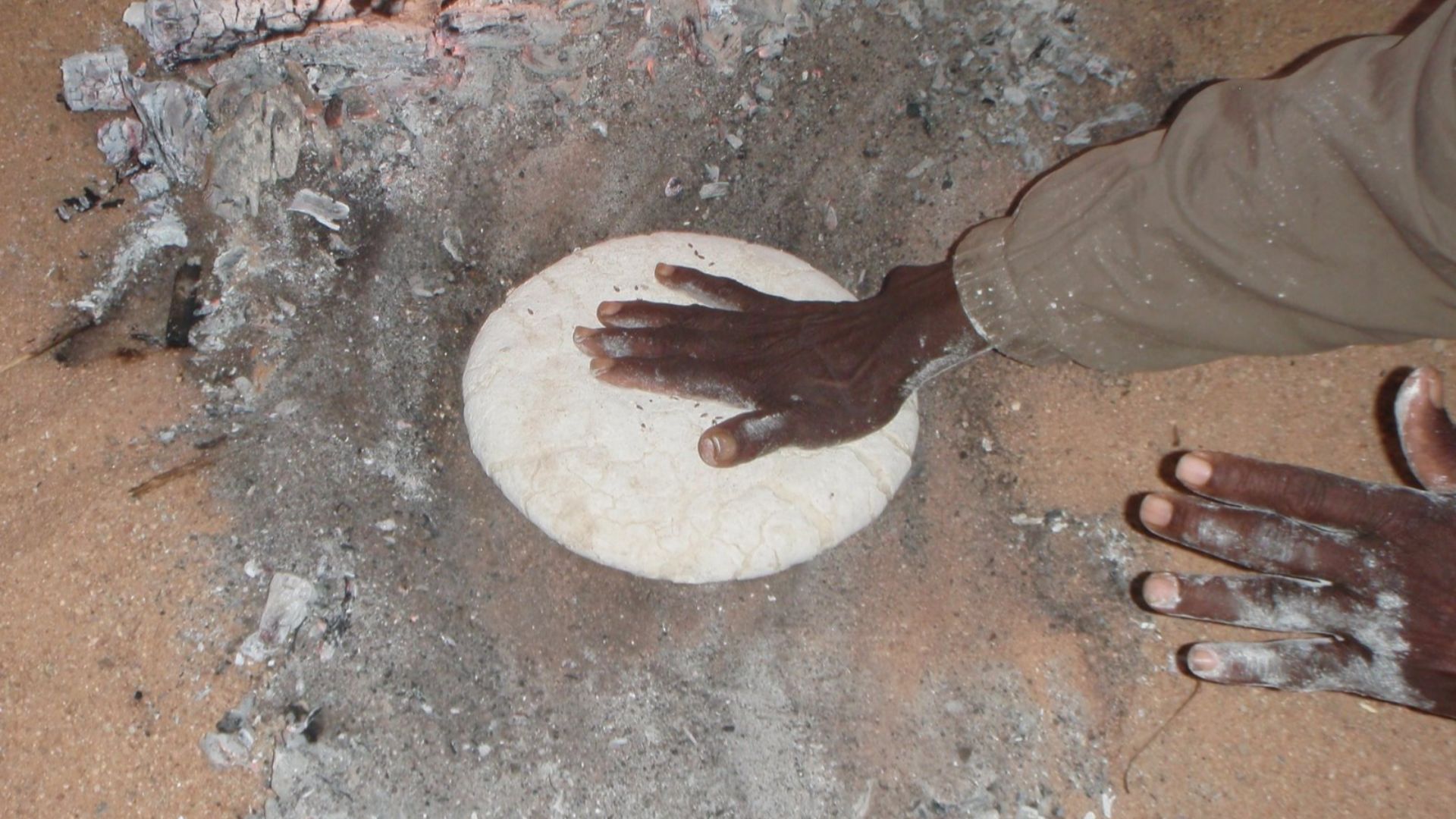
Tuareg bread is mixed from semolina and water and shaped into a flat disc about the size of a dinner plate. The baker scrapes the fire aside, lays the dough on the hot sand, and shovels sand and embers back over it for half an hour. Sand gets brushed off before the bread is torn up to mop sauce.
17. Masi Is Breadfruit Fermented in Leaf-Lined Pits
Across Micronesia and Polynesia, ripe breadfruit goes into pits lined with leaves and sits under weights. Lactic fermentation turns it into a sour paste that stays good for years, and some family pits have been in use across generations. Villages have opened them after cyclones when nothing standing above ground survived.
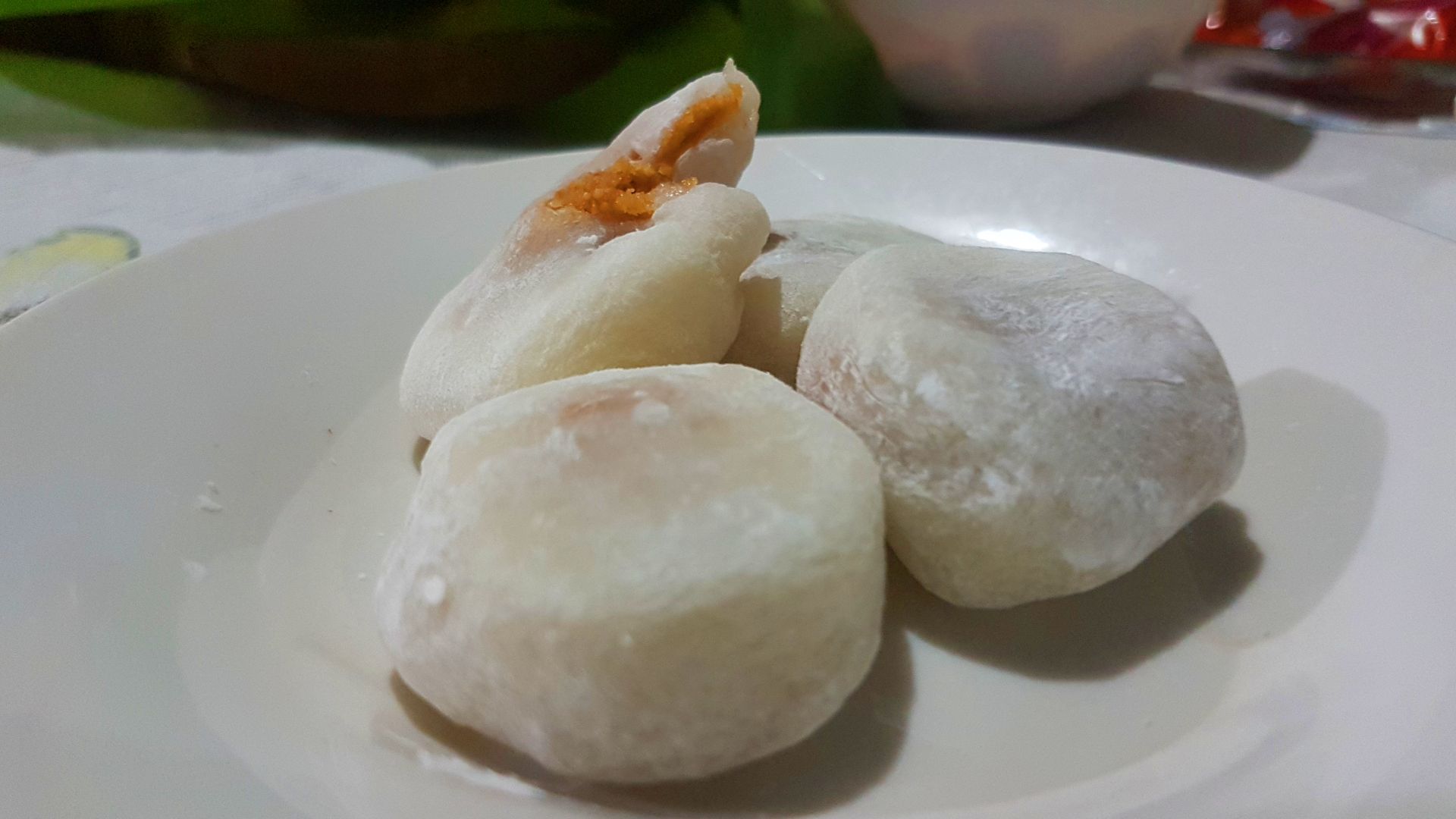
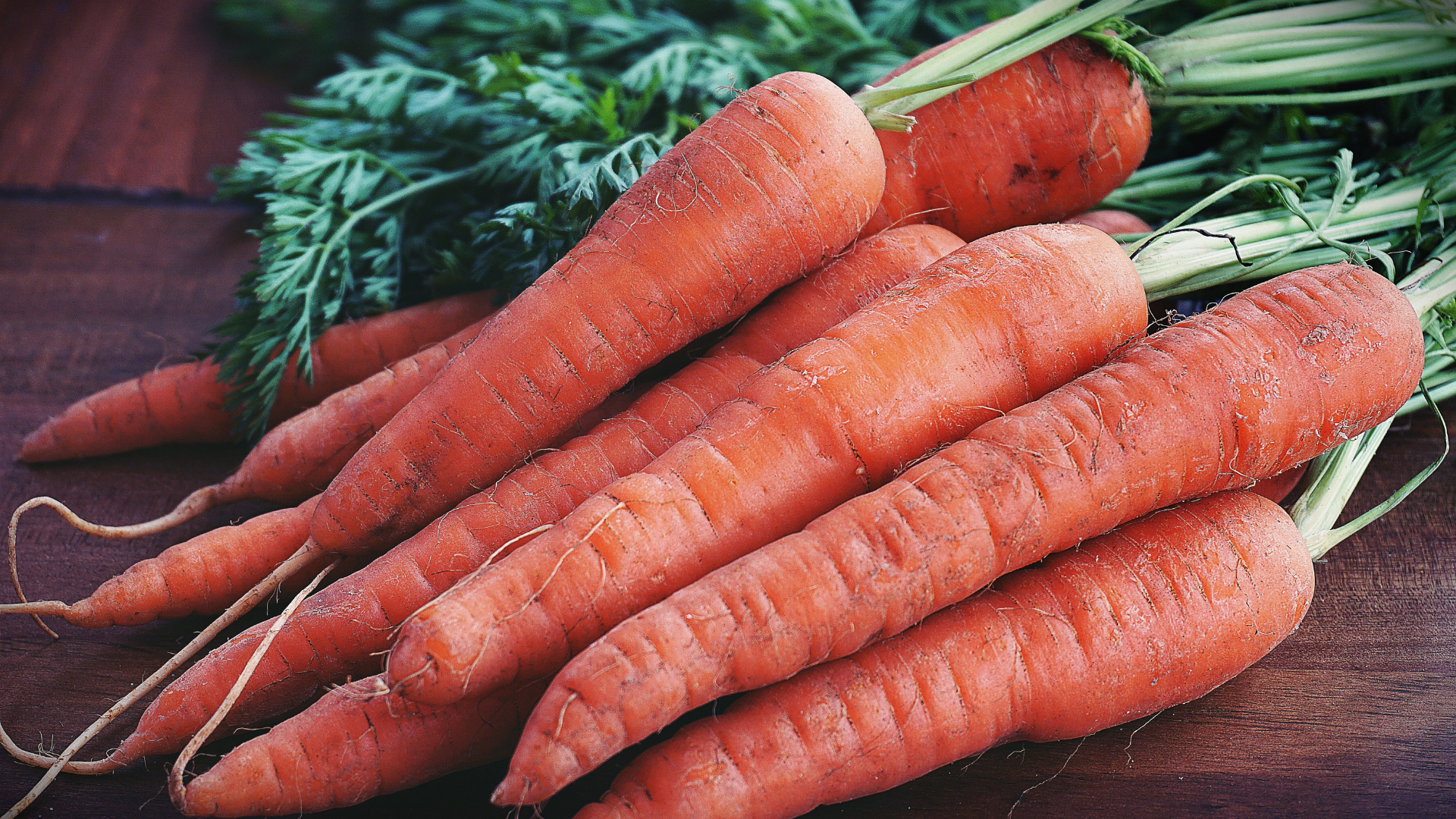
18. Root Vegetables Keep in Buried Clamps
Farmers without refrigeration piled carrots, beets, and turnips into a mound on the ground, then covered the whole thing with straw and soil. The clamp sits just above freezing and stays humid enough that the roots never shrivel. A straw vent at the top lets heat out so the pile doesn't rot from the middle.
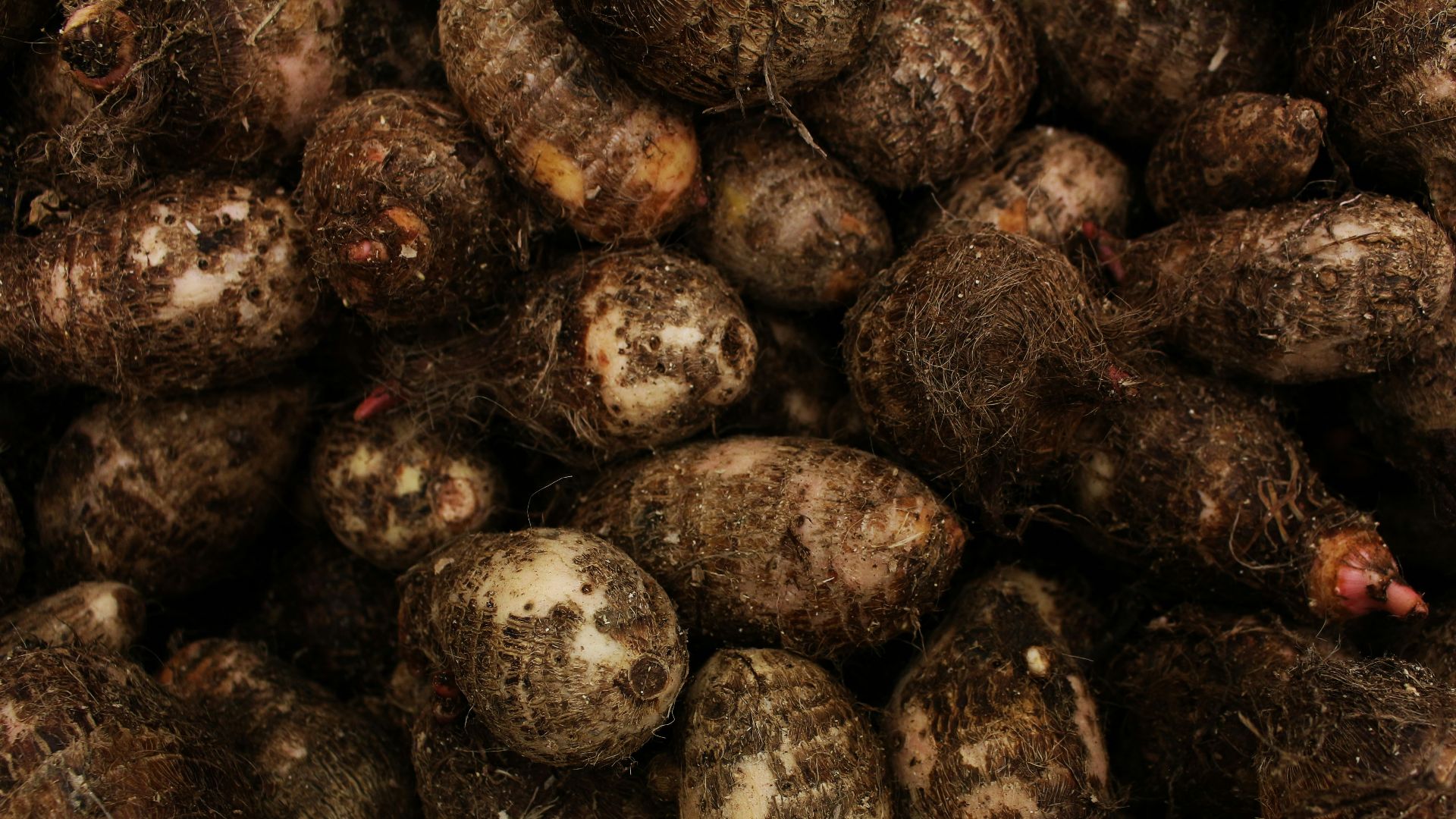
19. Rye Bread Bakes in Volcanic Ground
Around Lake Mývatn in Iceland, dough goes into a sealed pot and gets buried in geothermal soil near a hot spring. The ground sits close to boiling, so the loaf steams for about 24 hours and comes out dark, dense, and sweet. No fuel burns at any point.
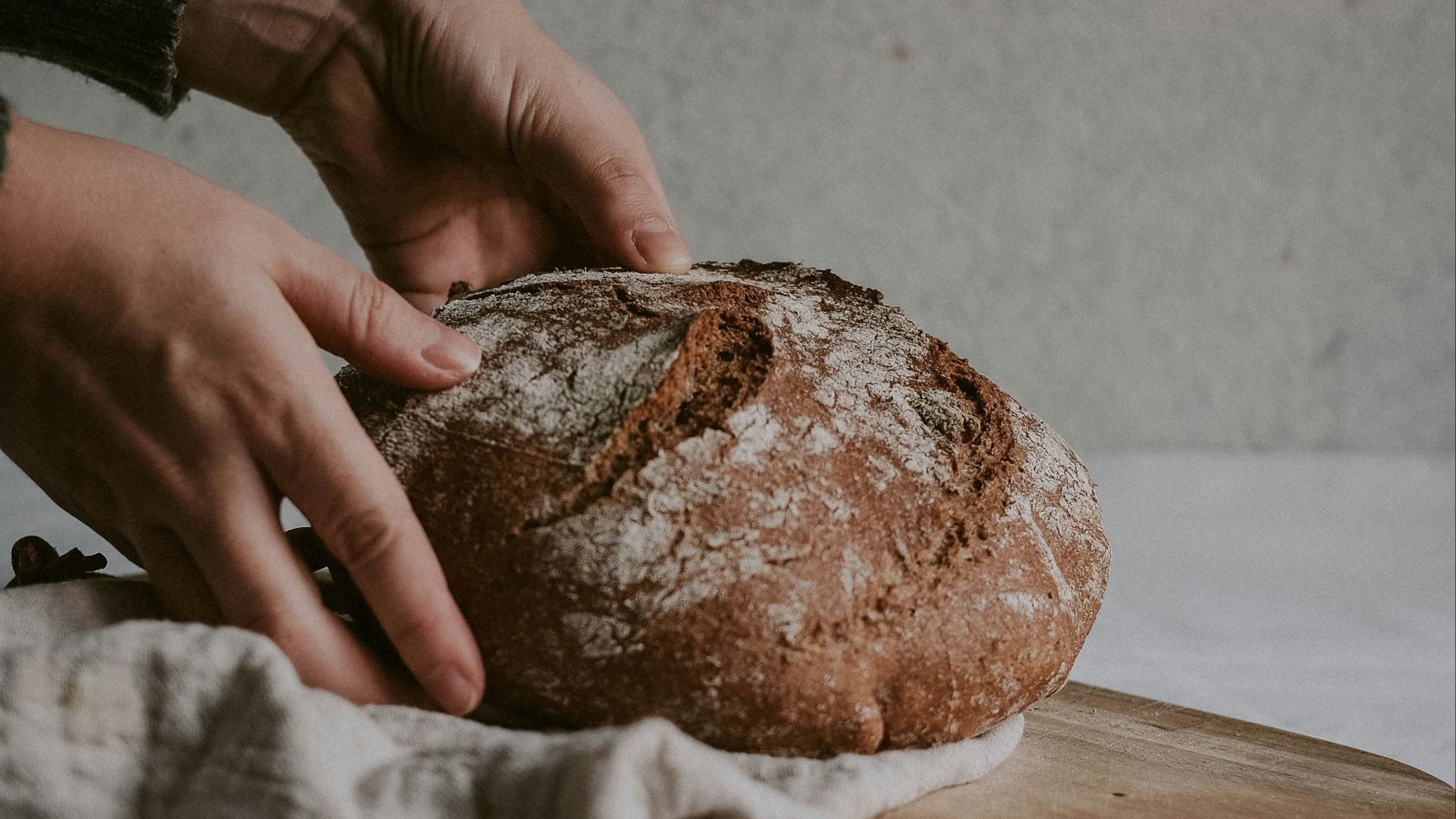
20. Agave Hearts Roast in Mescal Pits
Apache and Mexican pit roasting of agave is one of the oldest cooking methods still practiced in North America, with charred rock rings across the Southwest dating back thousands of years. Trimmed hearts sit on hot rocks under grass and dirt for two or three days while their starches convert to sugar. Eaten straight, a roasted heart is sweet and fibrous like a date, and those same hearts are what mezcal gets distilled from.
KEEP ON READING
You’re Storing Tomatoes Wrong in This Heat
You’re Storing Potatoes Wrong in This Heat
You’re Storing Peppers Wrong in This Heat