Fodder First, Food Later
Some of today's most expensive health foods were once cheap enough to sell by the ton as livestock feed. It wasn't necessarily a question of quality. Farmers bought what consumers had little interest in eating, and prices reflected that. Sometimes a shortage forced people to reconsider a crop they'd previously ignored. Other times, a company discovered it could charge considerably more by selling the same thing as health food. Here are 20 foods that made the journey from the feed trough to the grocery shelf.
1. Lobster
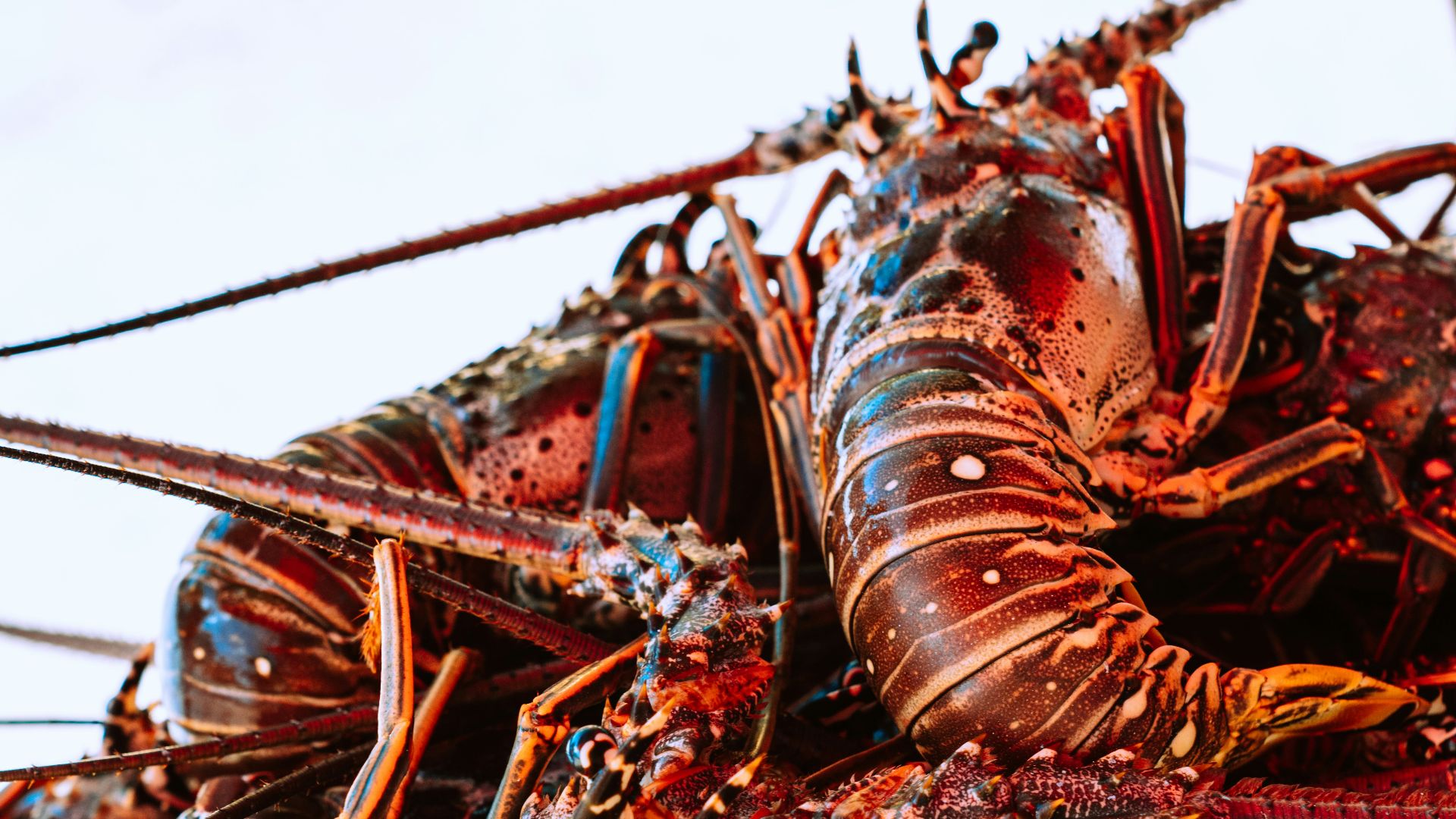
Colonial New England pulled up more lobster than anyone cared to eat, and the surplus went onto fields or into pig pens. Governor William Bradford recorded that in 1623 the best meal Plymouth could offer a newcomer was lobster and water. Railway dining cars began serving it to inland passengers in the 1800s, who had no idea they were eating what the coast considered bait.
2. Oats
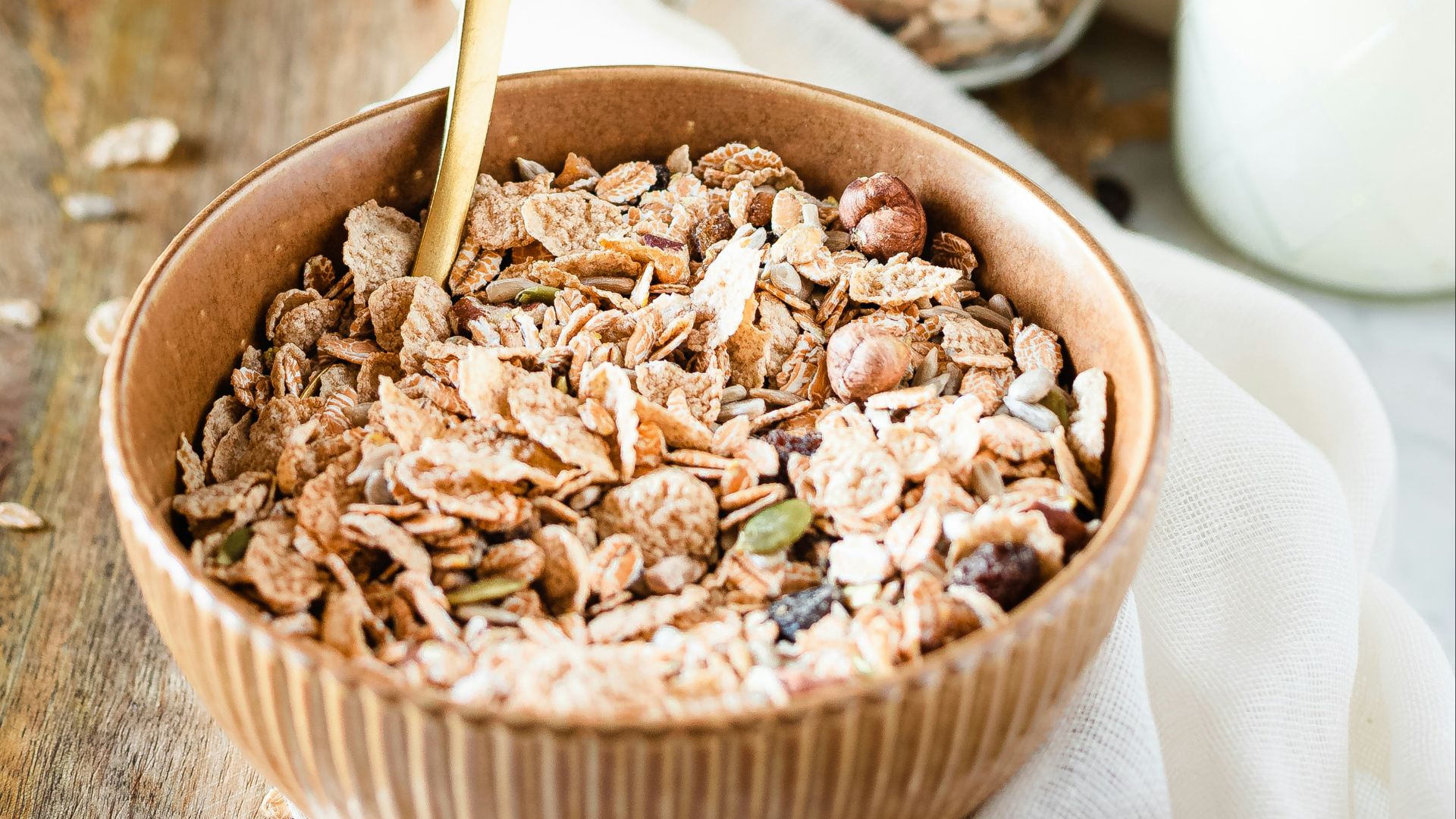
Samuel Johnson's 1755 dictionary defined oats as a grain fed to horses in England and to people in Scotland. Scottish writers spent the next two centuries answering the insult, usually by pointing at the quality of English horses and Scottish men. Oat milk sells at a markup that would have confused him.
 micheile henderson on Unsplash
3. Soybeans
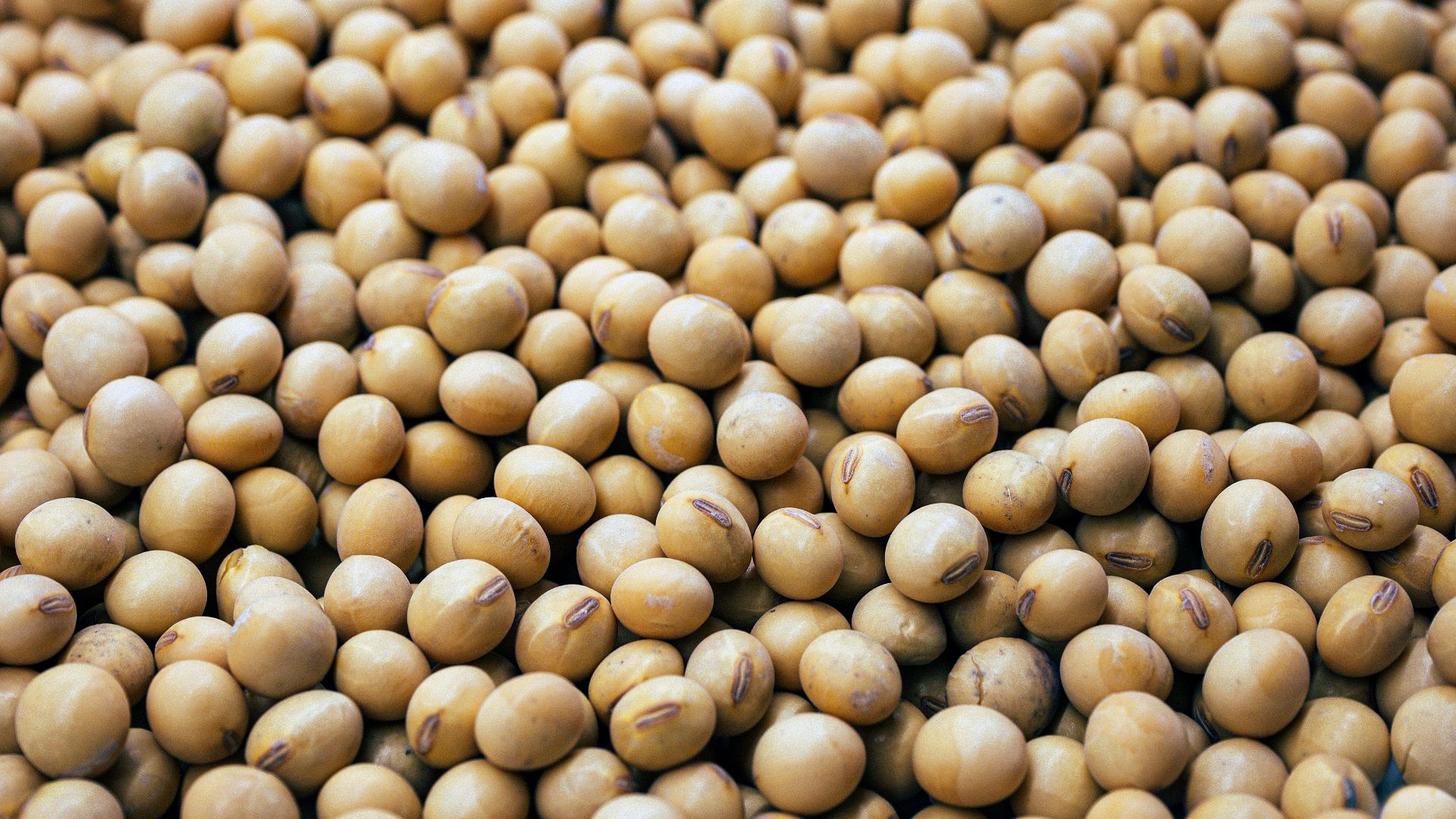
American farmers planted soybeans for hay rather than for beans. Soybean seed had reached the English colonies by 1765, yet USDA figures put a million acres under soybean hay as late as 1924, and acreage grown for seed did not overtake acreage grown for forage until 1941. Tofu and the entire American cooking-oil business came after that switch.
 Daniela Paola Alchapar on Unsplash
4. Peanuts
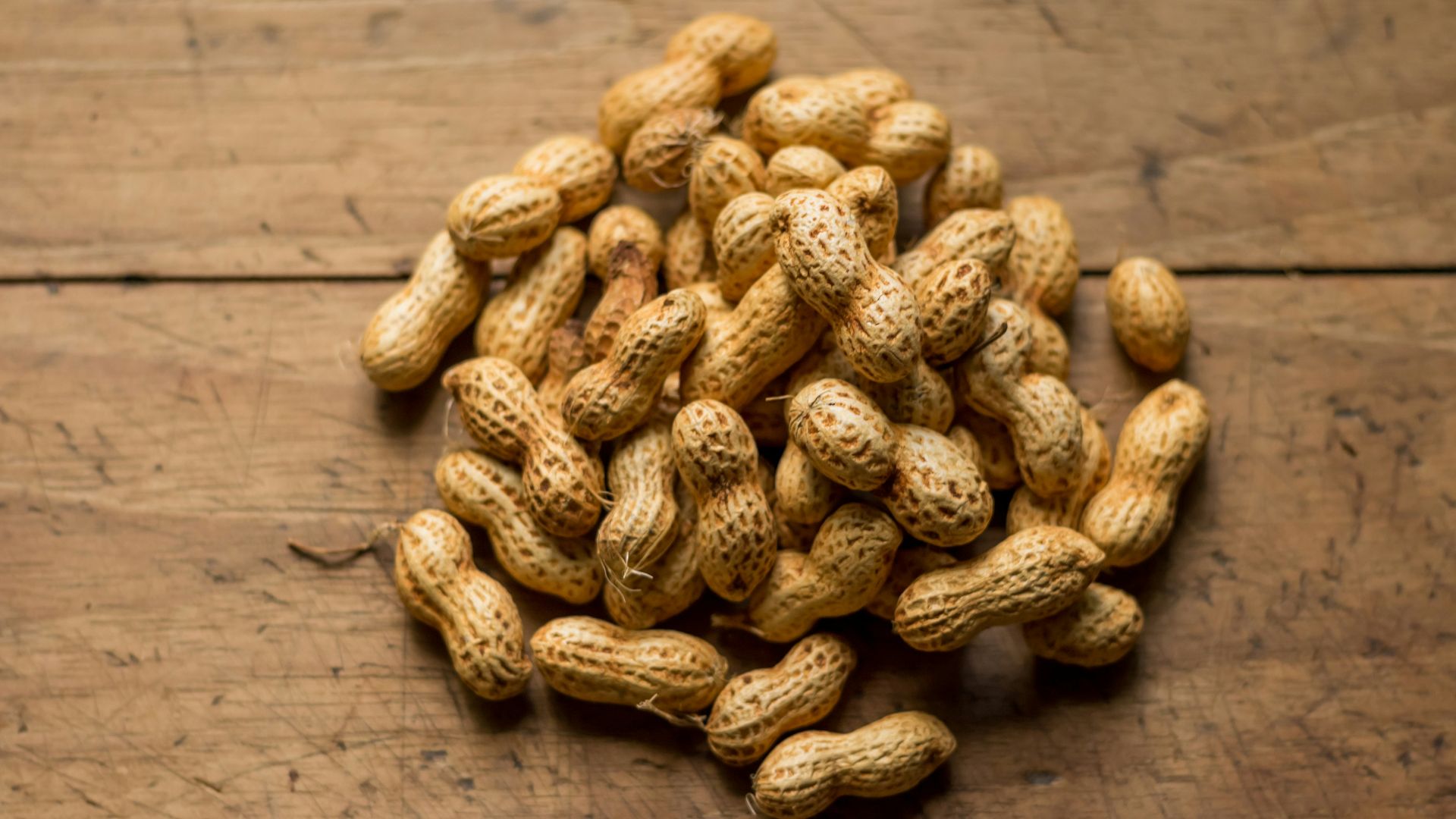
In 1909, the USDA was advising Southern farmers to let their pigs loose in peanut fields. People had been eating peanuts for decades, including soldiers on both sides of the Civil War who carried them as a handy snack. Later, the boll weevil devastated cotton crops and gave farmers another reason to grow peanuts instead. Roasted peanuts eventually became a fixture at street stalls and ballparks, with peanut butter finding its way into American kitchens.
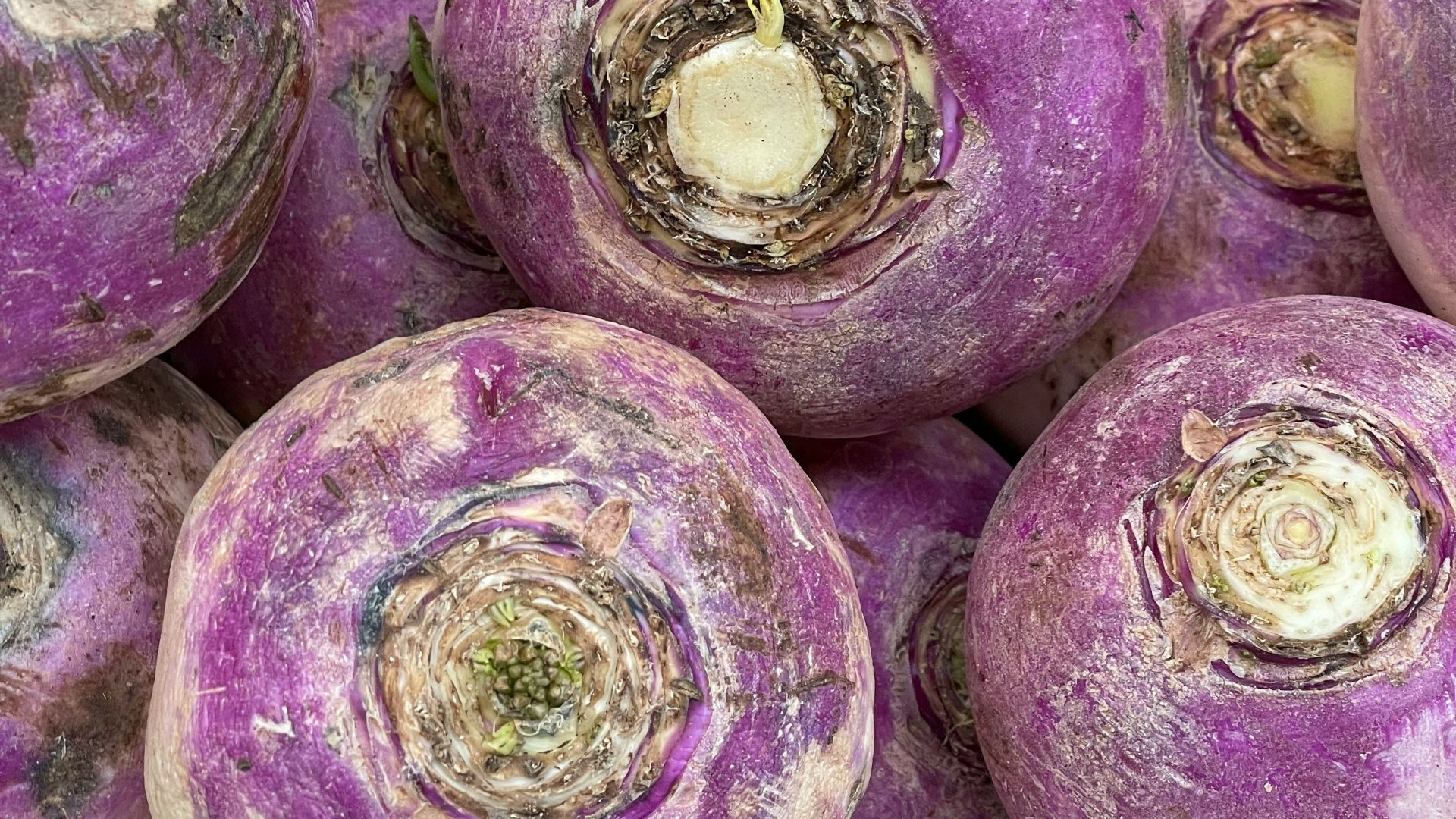
5. Turnips
Charles Townshend promoted turnips so relentlessly in the 1700s that the nickname Turnip Townshend followed him for life. His four-course rotation slotted turnips between wheat and barley, and they existed to carry livestock through winter instead of forcing an autumn slaughter. Mashed neeps on a Scottish plate trace back to a crop grown for sheep.
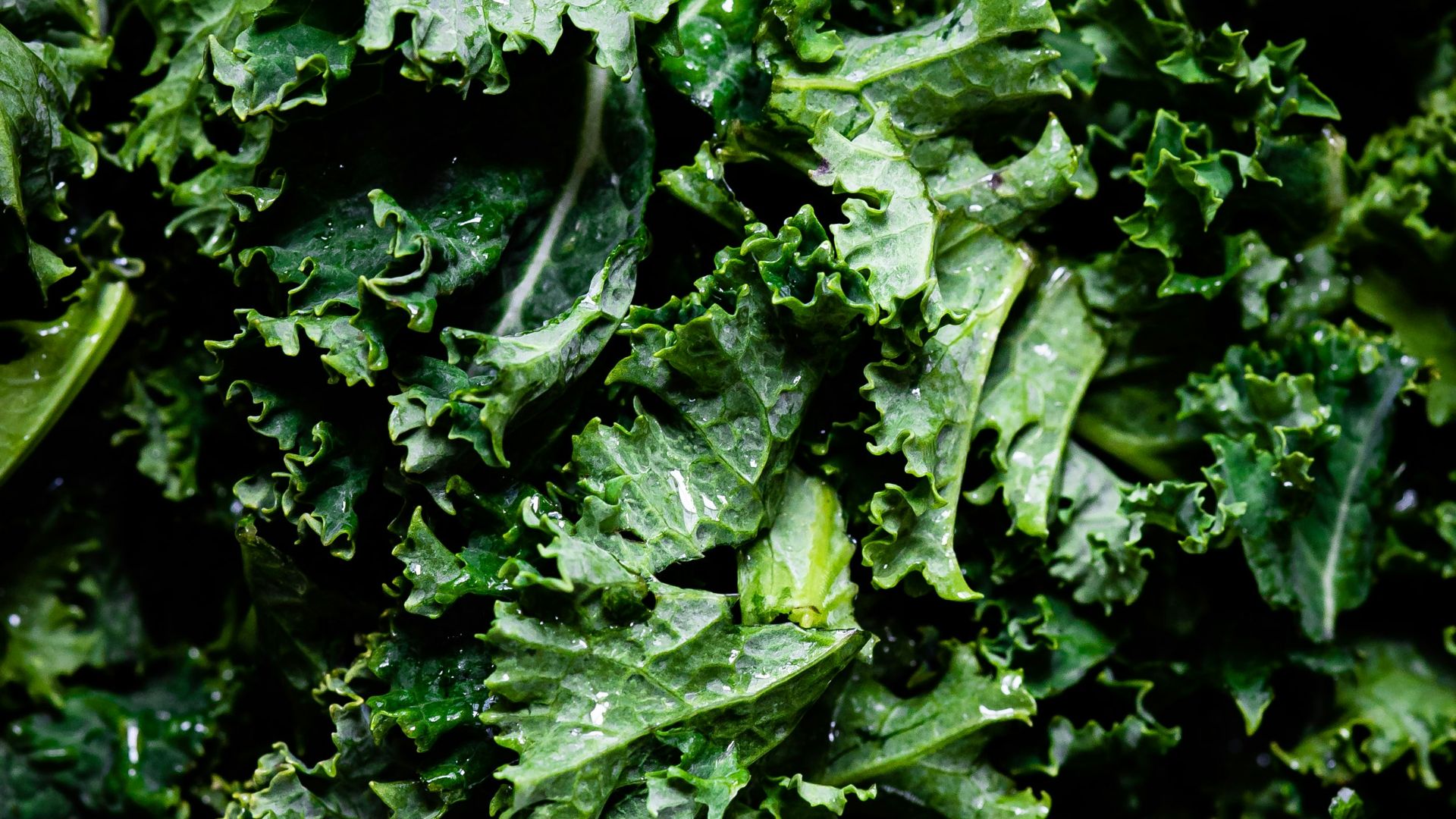
6. Kale
Marrow-stem kale was bred for cattle, and the stalk can run five feet tall. Fearing Burr catalogued it in his 1863 survey of American garden vegetables, by which point the Channel Islands variety grew big enough that people dried the stems into walking sticks and sold them to visitors. Seed companies list the livestock types beside the ones meant for salad.
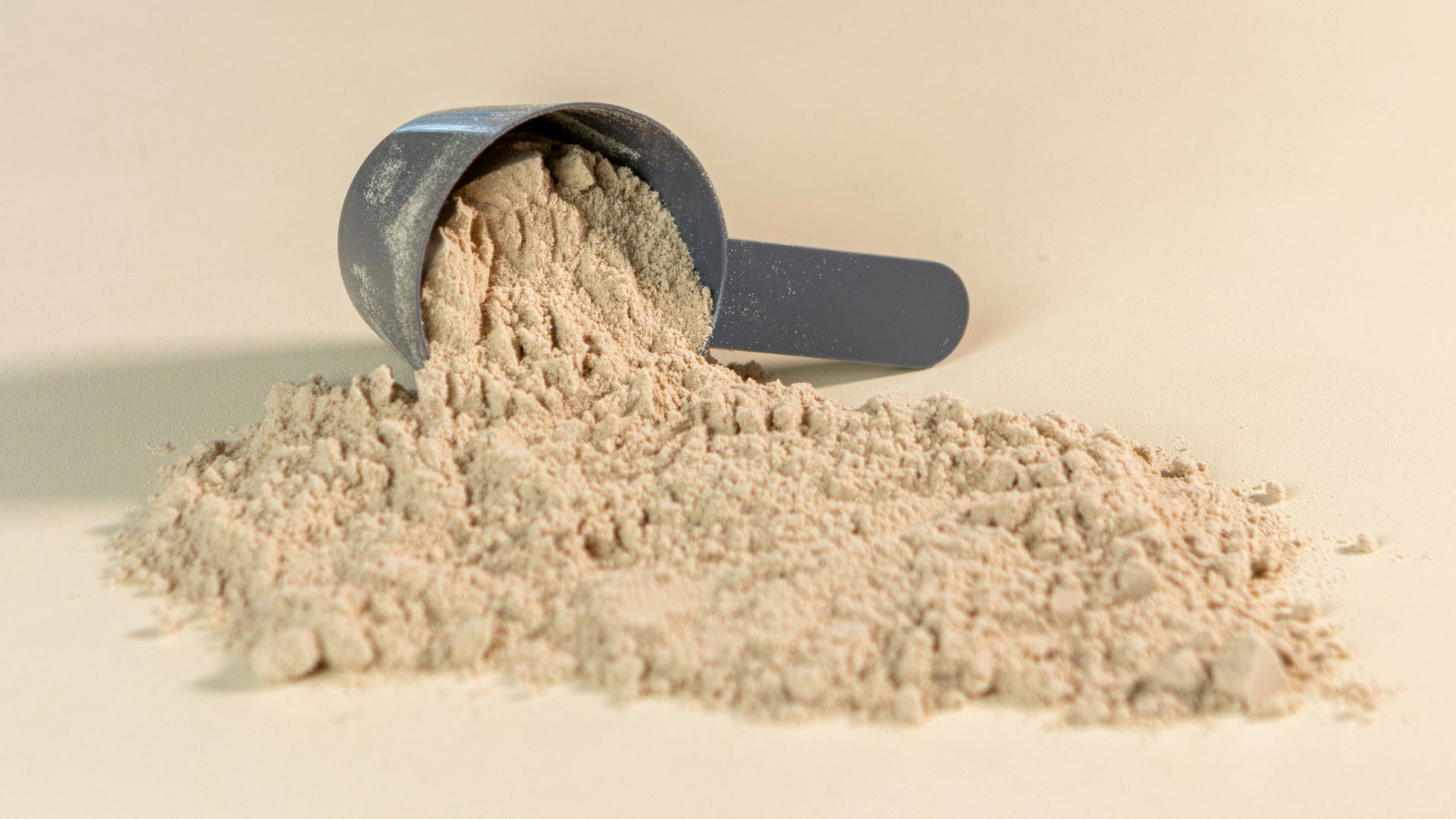
7. Whey
Cheesemakers used to have so much leftover whey that they struggled to get rid of it. In 1974, the EPA found that 30 to 50 percent was either fed to livestock or dumped. Then someone figured out how to filter out the protein and sell it. By 1990, whey protein was becoming a serious business. The same liquid farmers once fed to pigs was now being turned into expensive tubs of protein powder for gym-goers.
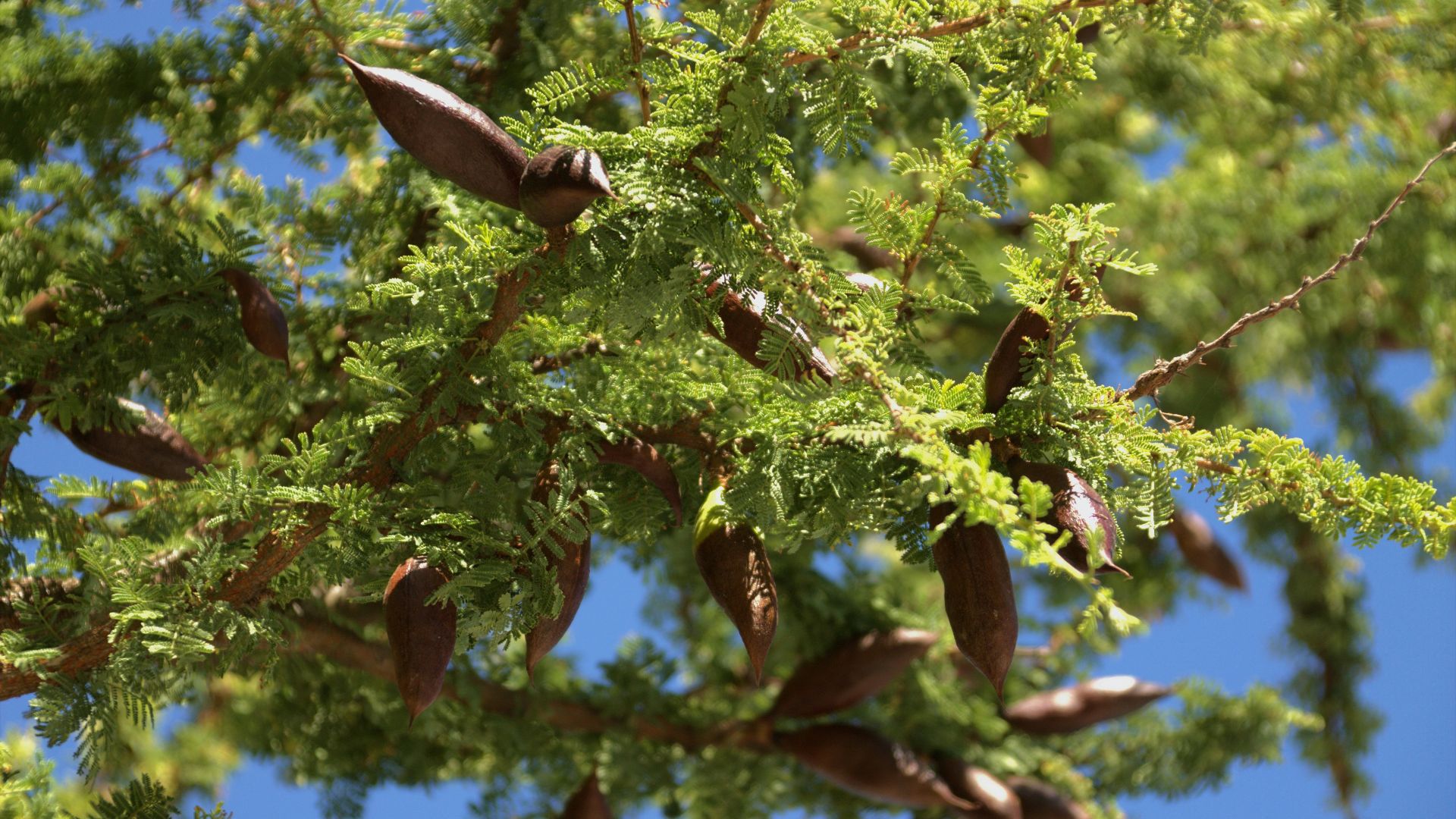
8. Carob Pods
Carob went to horses and pigs across the Mediterranean for centuries, and the pods turn up in the parable of the prodigal son as what the swine were eating. Ground seed endosperm yields locust bean gum, which food labels carry as E410 and manufacturers use to thicken ice cream. Roasted carob powder reached health-food shelves in the twentieth century.
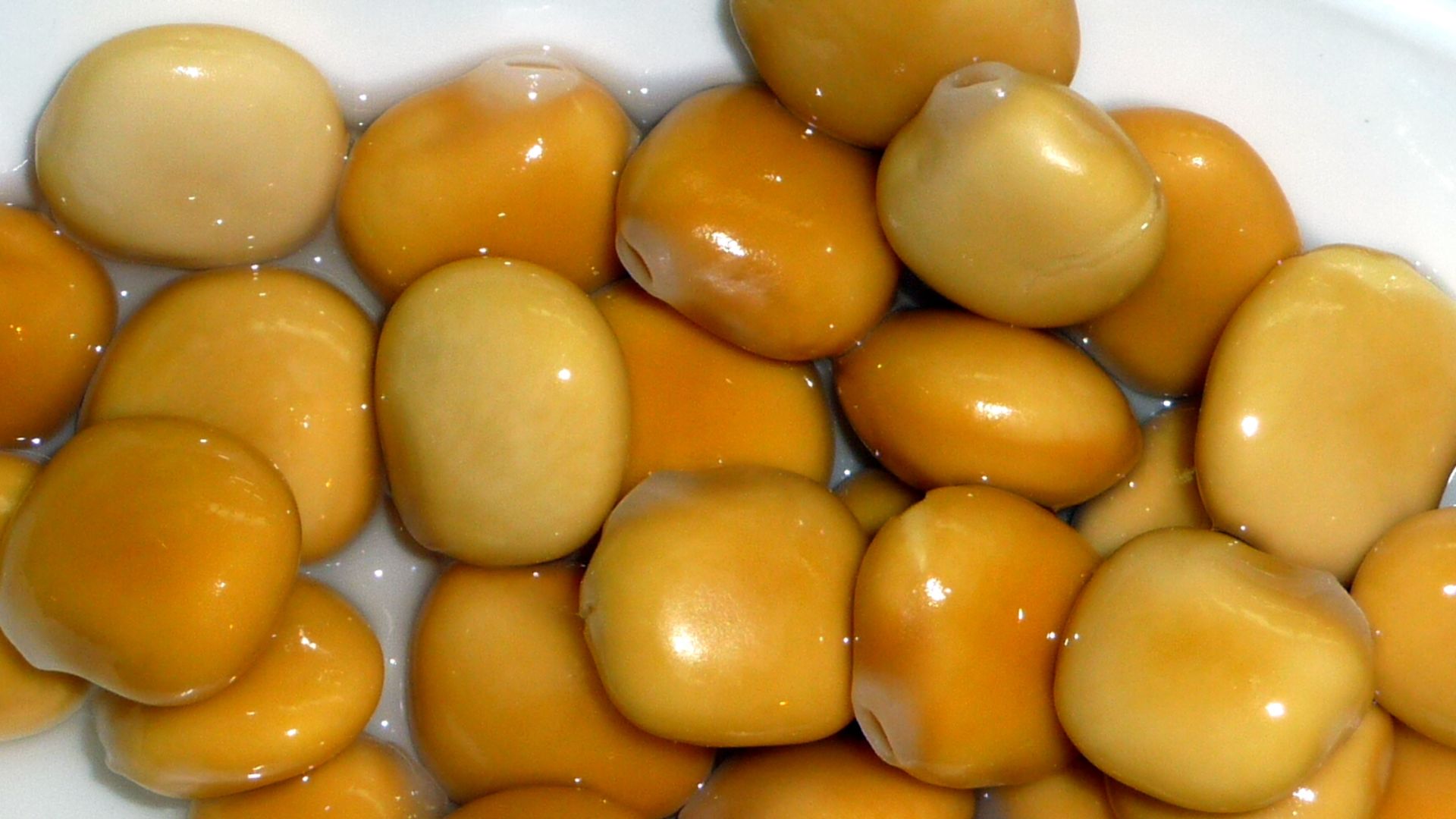
9. Lupin Beans
Bitter alkaloids kept most people away from lupin seeds, so growers sold the harvest into animal feed instead. Australia maintains quarantine zones around its lupin croplands to stop wild bitter pollen from drifting into the sweet low-alkaloid crop. Lupin flour turns up in high-protein pasta and meat substitutes.
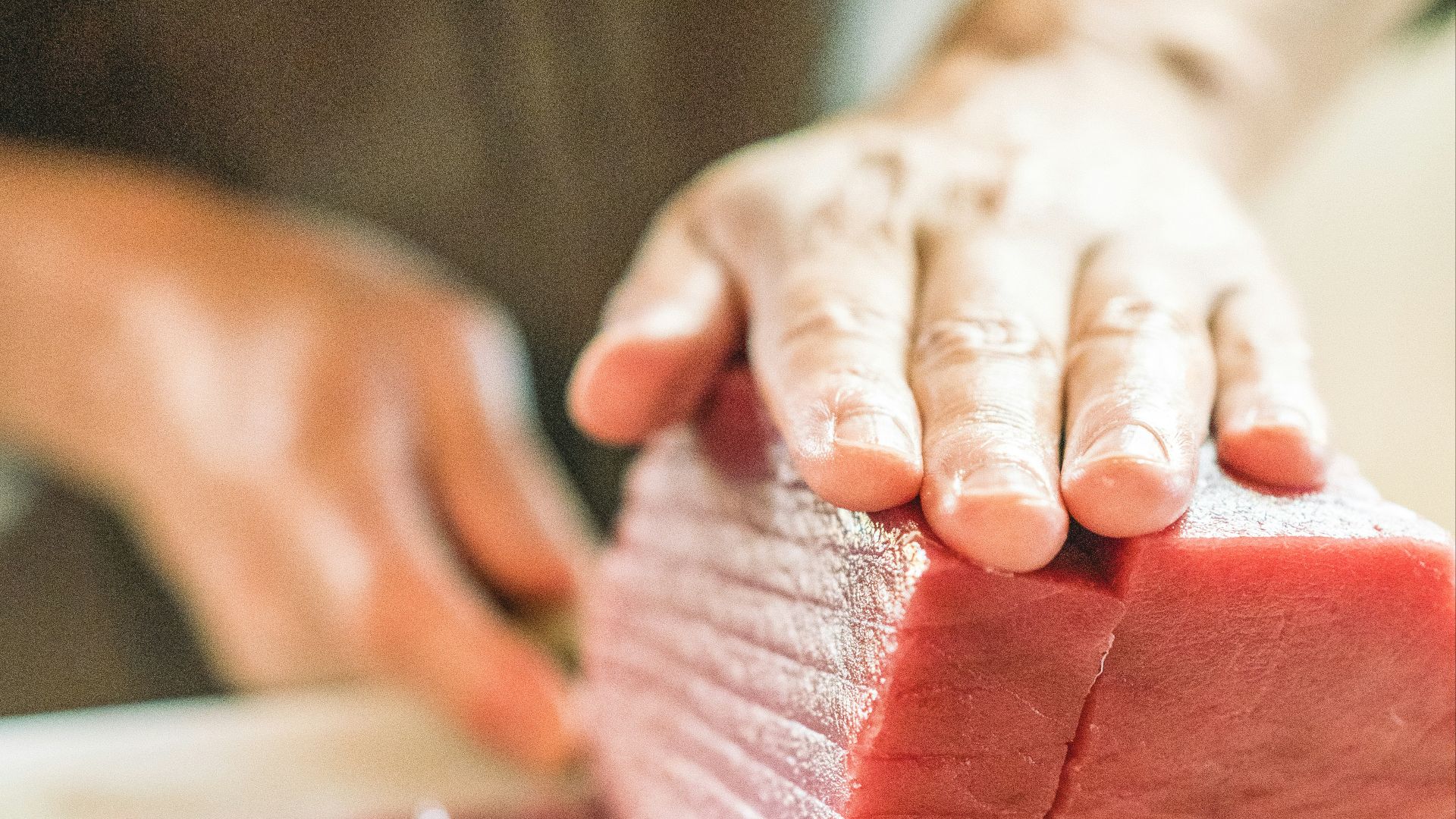
10. Tuna Belly
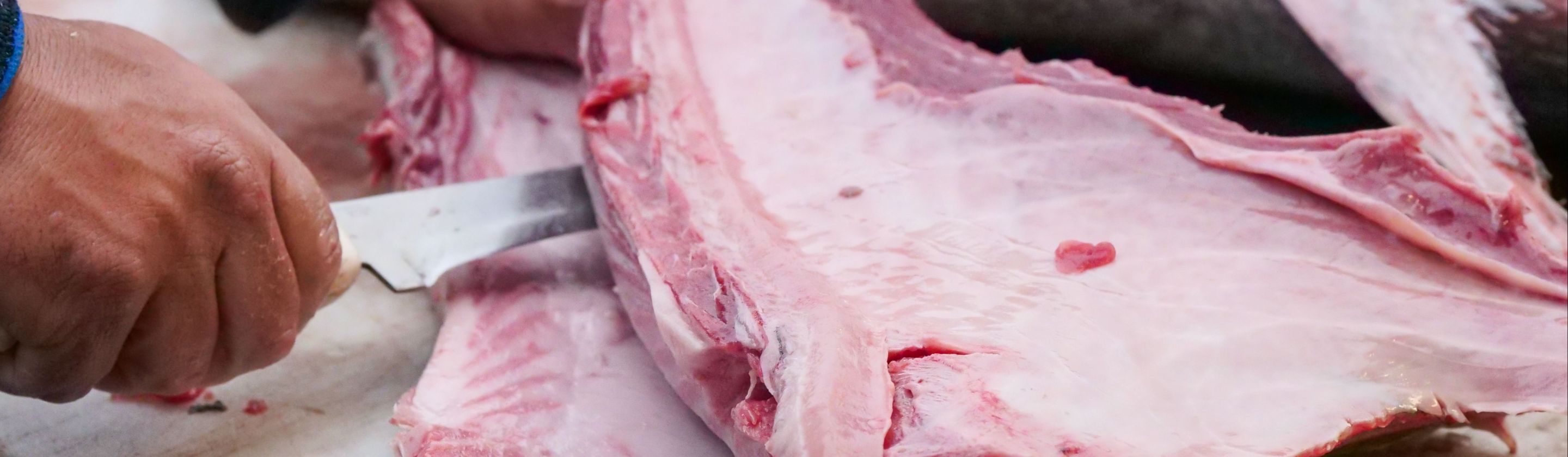
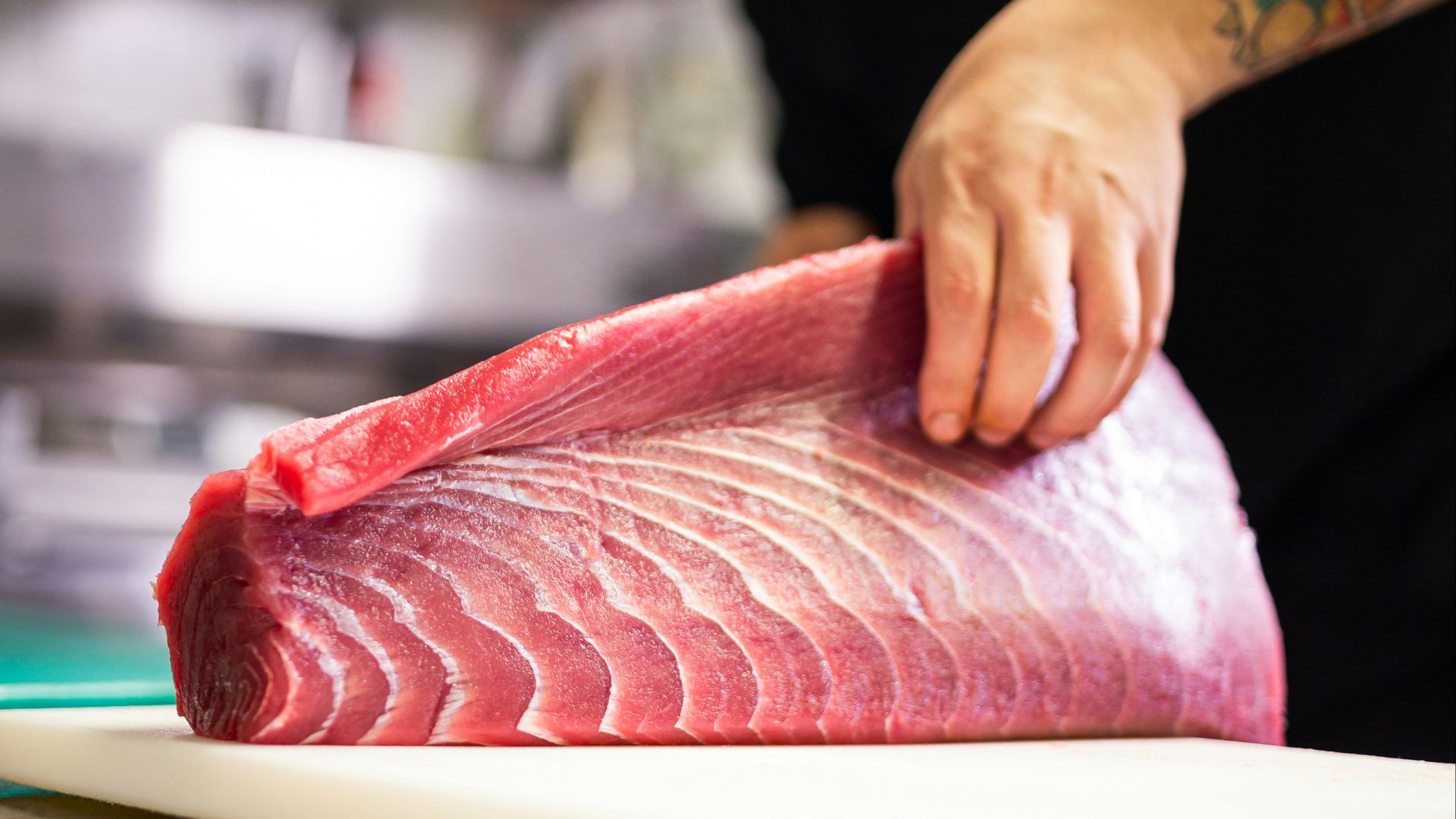
Fatty tuna spoiled fast and resisted the soy marinade that preserved the lean cuts, which earned it the nickname neko-matagi, meaning a cat would step over it. The Smithsonian has documented sport fishermen hauling enormous bluefin aboard for photographs and then selling the carcasses to cat and dog food processors. Otoro is the most expensive thing on most sushi menus.
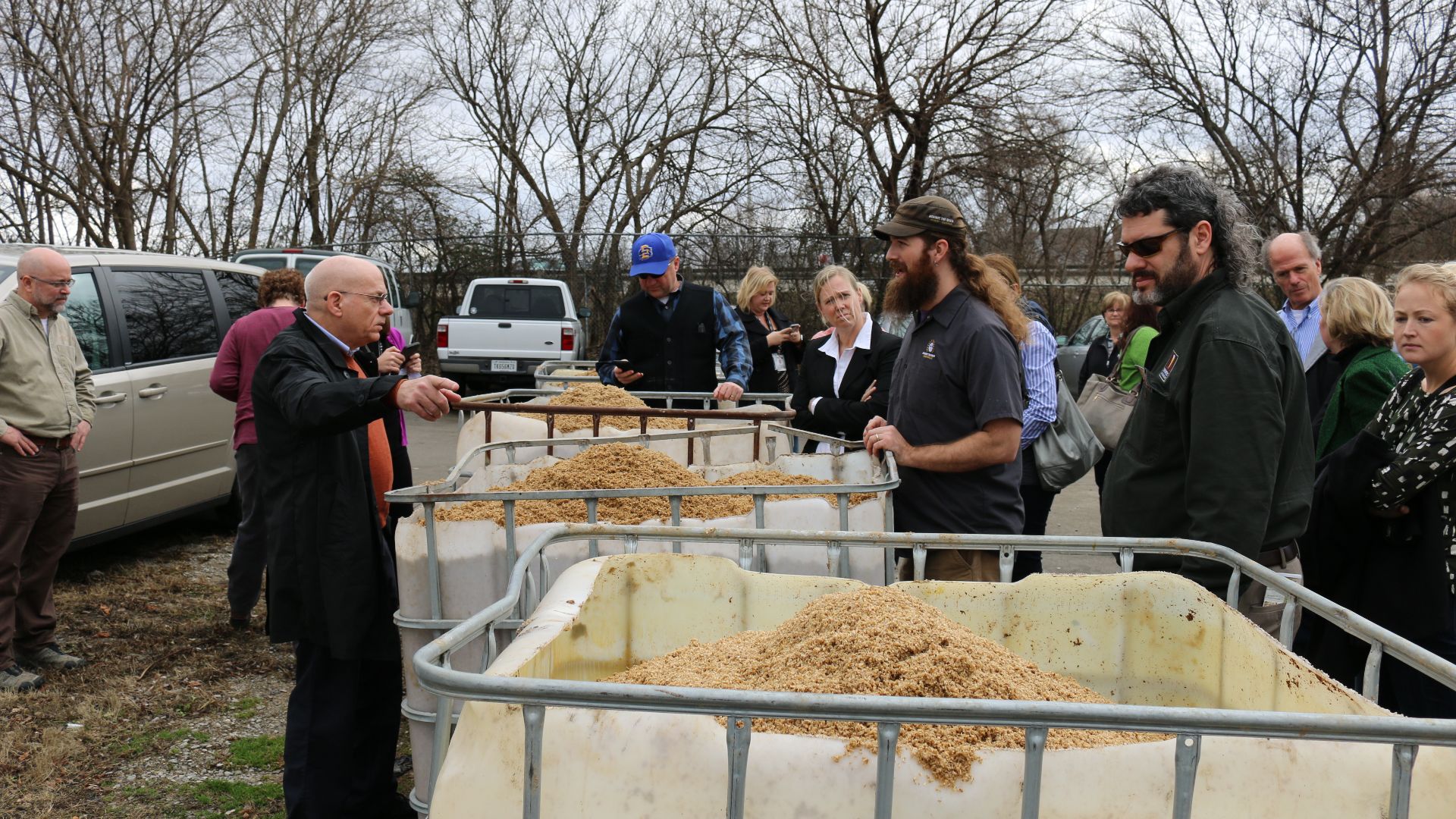
11. Brewers' Spent Grain
Breweries hand their used barley to livestock farmers, often free to anyone willing to haul it off. Around 990 of California's roughly 1,000 craft breweries sell or donate theirs, and Anheuser-Busch generates about 1.4 million metric tons a year that it partly routes into protein and fiber for human food. Two pounds of wet grain yields a pound of flour.
 The U.S. Food and Drug Administration on Wikimedia
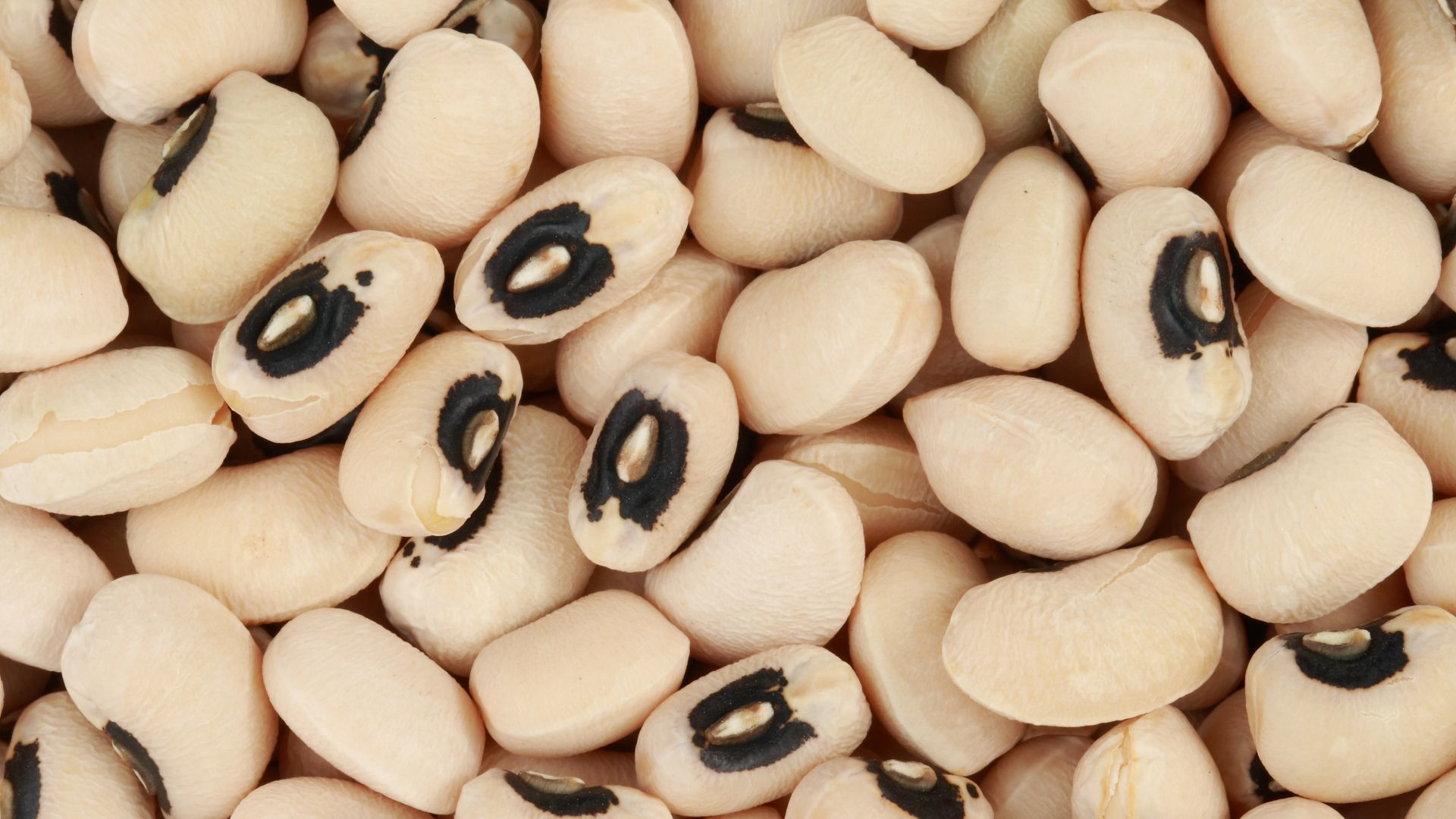
12. Cowpeas
Southern farmers grew cowpeas to feed livestock and keep their soil healthy, since the plants helped put nitrogen back into the ground. The crop had originally come from West Africa, where people had been eating it for centuries. Today, most shoppers know at least one variety by another name: black-eyed peas.
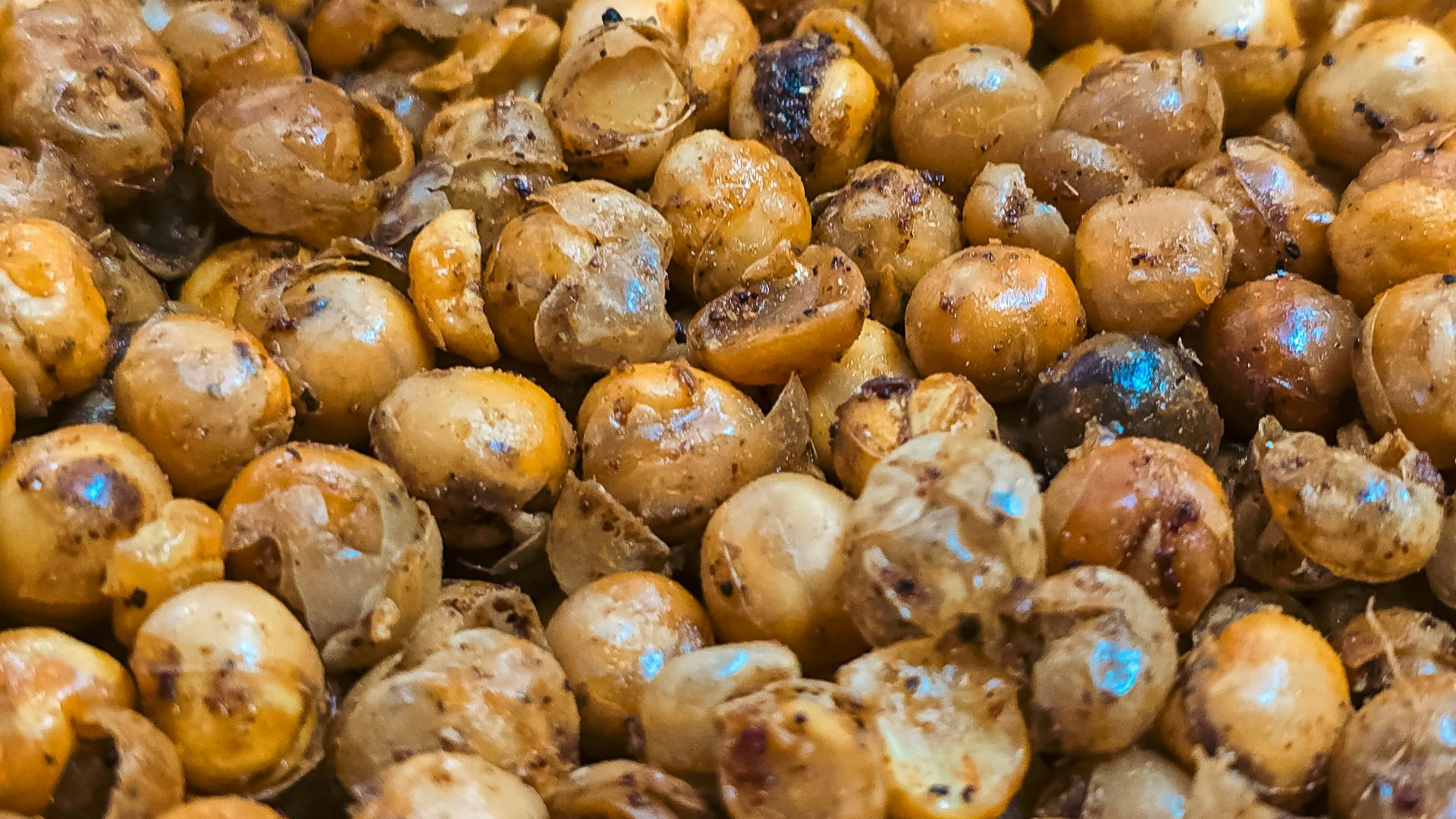
13. Tiger Nuts
Pigs were turned into chufa fields to root the tubers out themselves, which saved the farmer a harvest and the cost of hauling feed. The tubers are small and wrinkled and keep well once dried. Health-food companies mill them into flour or soak them for horchata de chufa.
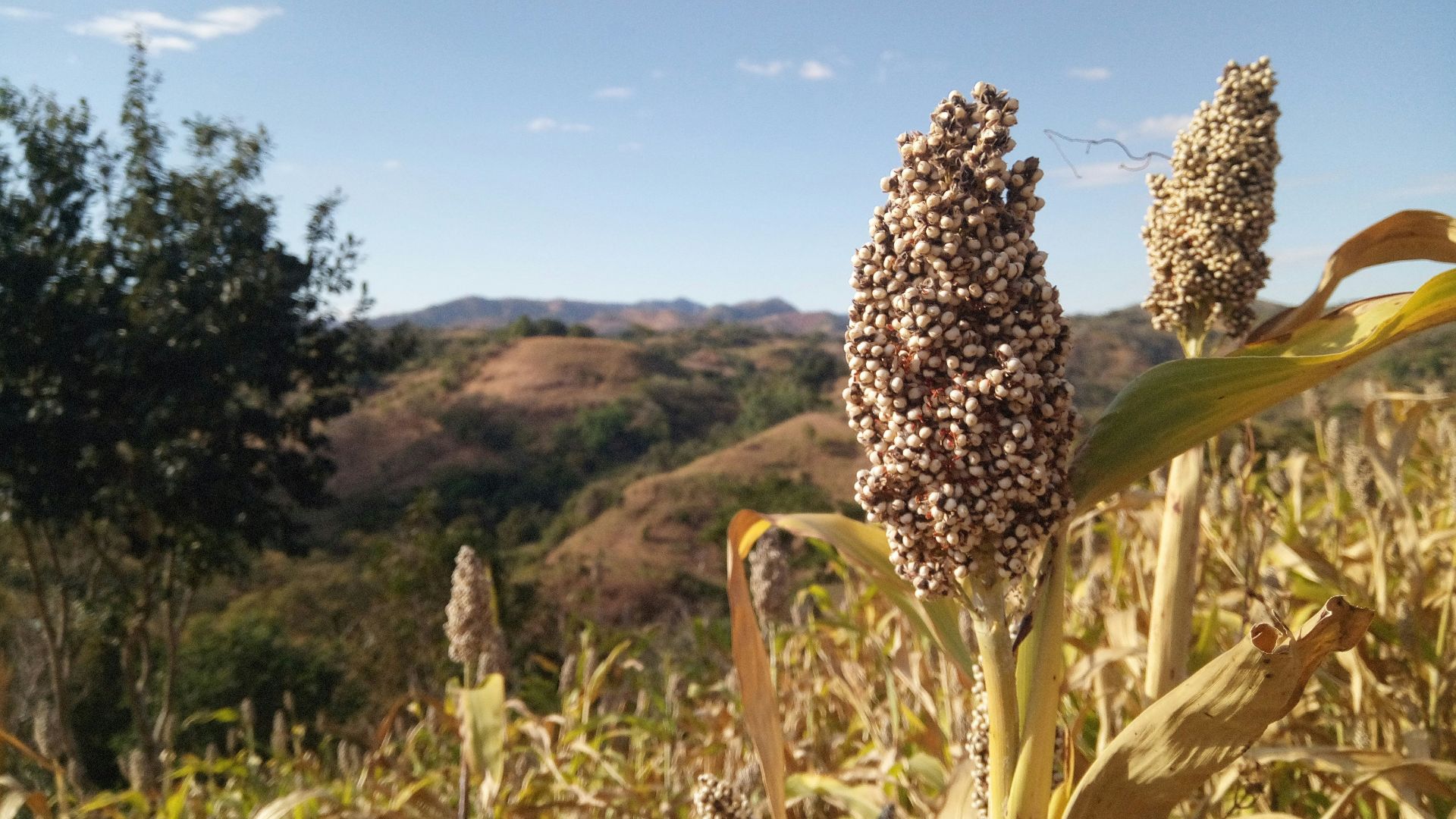
14. Sorghum
Sorghum entered American agriculture as a forage crop, planted on ground too dry to carry corn. Some of the cane got boiled down into sorghum syrup, though feedlots and ethanol plants take the bulk of the US harvest to this day. Gluten-free baking gave the grain a human market it had never held here.
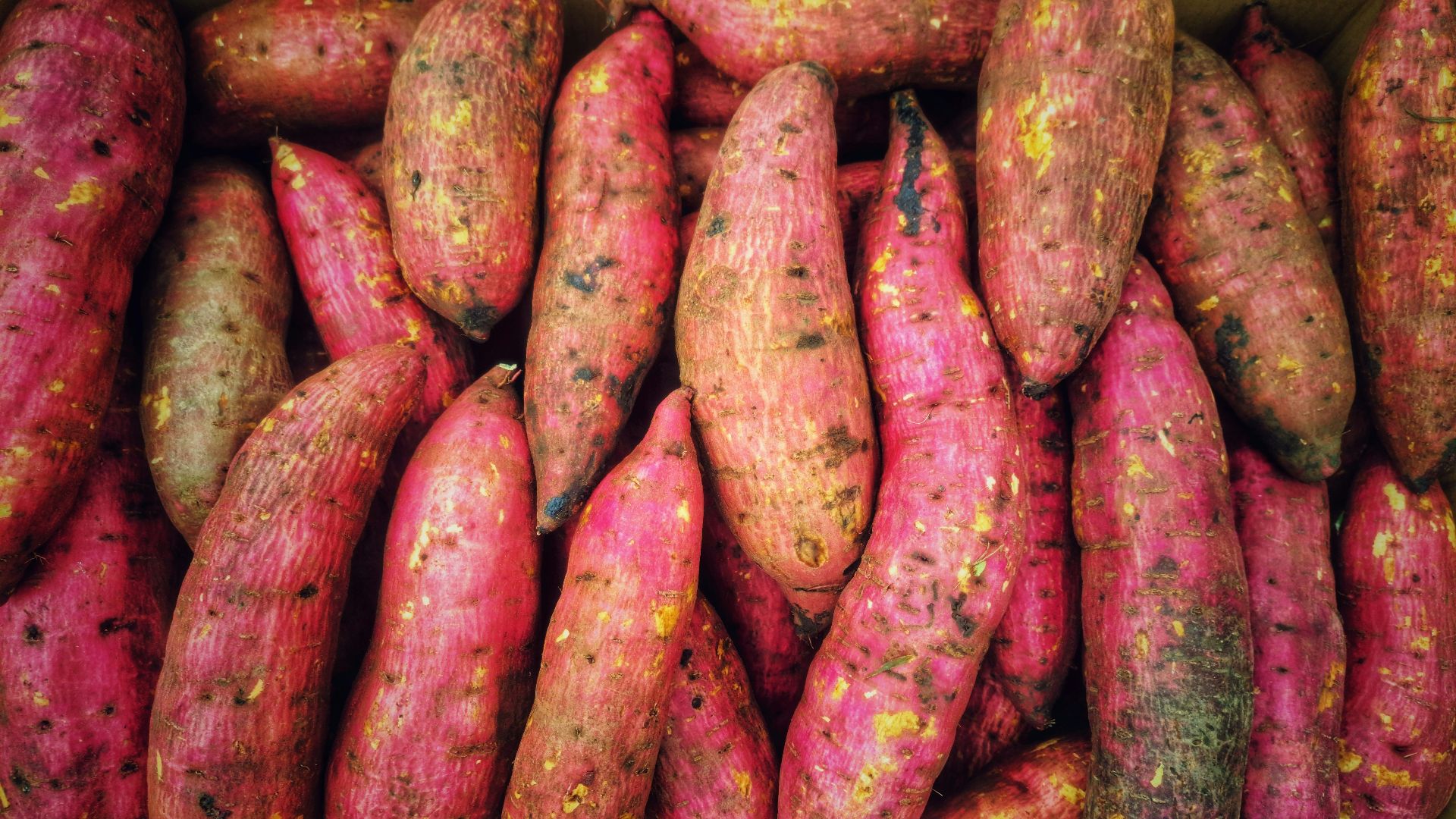
15. Sweet Potatoes
Sweet potatoes fattened hogs across the Gulf states, and the vines fed cattle after the roots came out. People ate them as well, though the crop carried a reputation as something you grew when you could not afford better. Casseroles and fries put them on American menus, and growers bred the orange varieties sweeter to match.
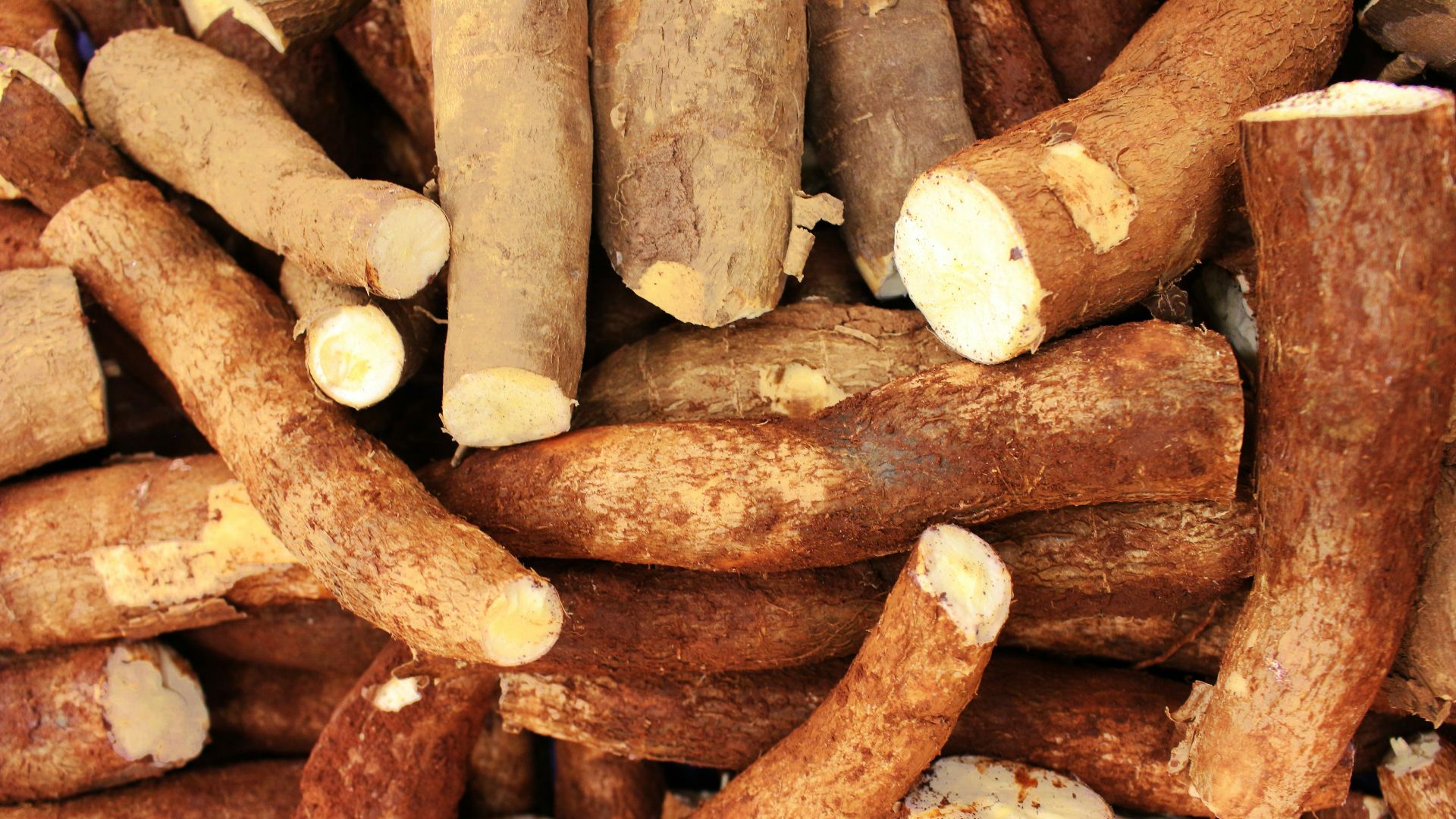
16. Cassava
Cassava has fed people in the tropics for thousands of years, and it arrived in Europe as something else entirely. Thailand started shipping dried chips and pellets to European feed mills in the 1960s, the Netherlands at one point absorbed close to half the world's dried cassava trade, and Brussels capped the inflow with quotas in the mid-1980s. Tapioca pearls and cassava flour followed those shipping lanes decades later.
17. Alfalfa
Alfalfa is a hay crop first, baled in bulk for dairy cattle and horses. Much of the world calls it lucerne, and armies cut it for cavalry horses in the ancient world. Its sprouts showed up on salad bars during the health-food boom of the 1970s and never moved far beyond them.
18. Linseed
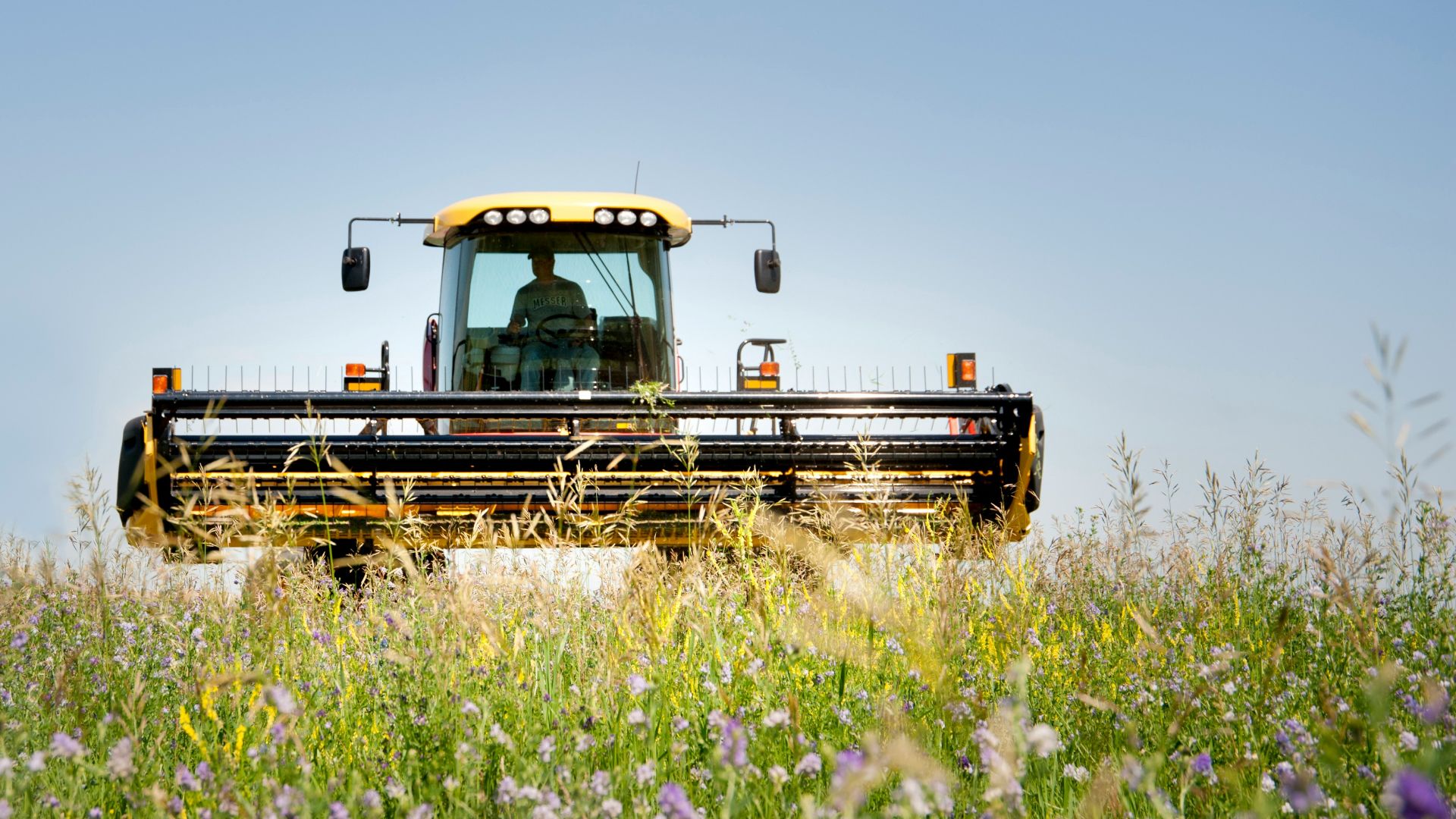
Crushing flax for oil leaves behind a cake that cattle feeders bought by the ton, and linseed meal was a standard ration ingredient for generations. Grocery shelves carry it whole or ground as a fiber and omega-3 supplement. The old name stayed on the oil while the food business went with flaxseed.
19. Jerusalem Artichokes
Jerusalem artichokes spread aggressively enough that farmers treated them as stock feed rather than as a vegetable, and the tubers hold in the ground through winter without a cellar. Restaurant menus call them sunchokes, a label the produce trade invented. The plant is a sunflower with no connection to Jerusalem, its name most likely a mangling of girasole.

20. Millet
Millet feeds hundreds of millions of people across the Sahel and South Asia, though in American stores it spent decades in the birdseed aisle. The grain tolerates heat and thin soil well enough to come through seasons that flatten corn. Supermarkets stock it now as a gluten-free staple a few rows from the parakeet supplies.
KEEP ON READING
20 Foods That Make People Question Your Taste