The Everyday Favorites Weren’t Always Easy To Find
Look at any grocery cart, and you’ll probably see a mix of avocados, sushi, hummus, and bagels, or another eclectic mix. While common today, it wasn’t always the case. Many foods that seem completely normal today were once found mostly in immigrant communities, specialty shops, restaurant kitchens, or the few places where they could be grown. These 20 foods show how unfamiliar ingredients can become part of everyday meals.
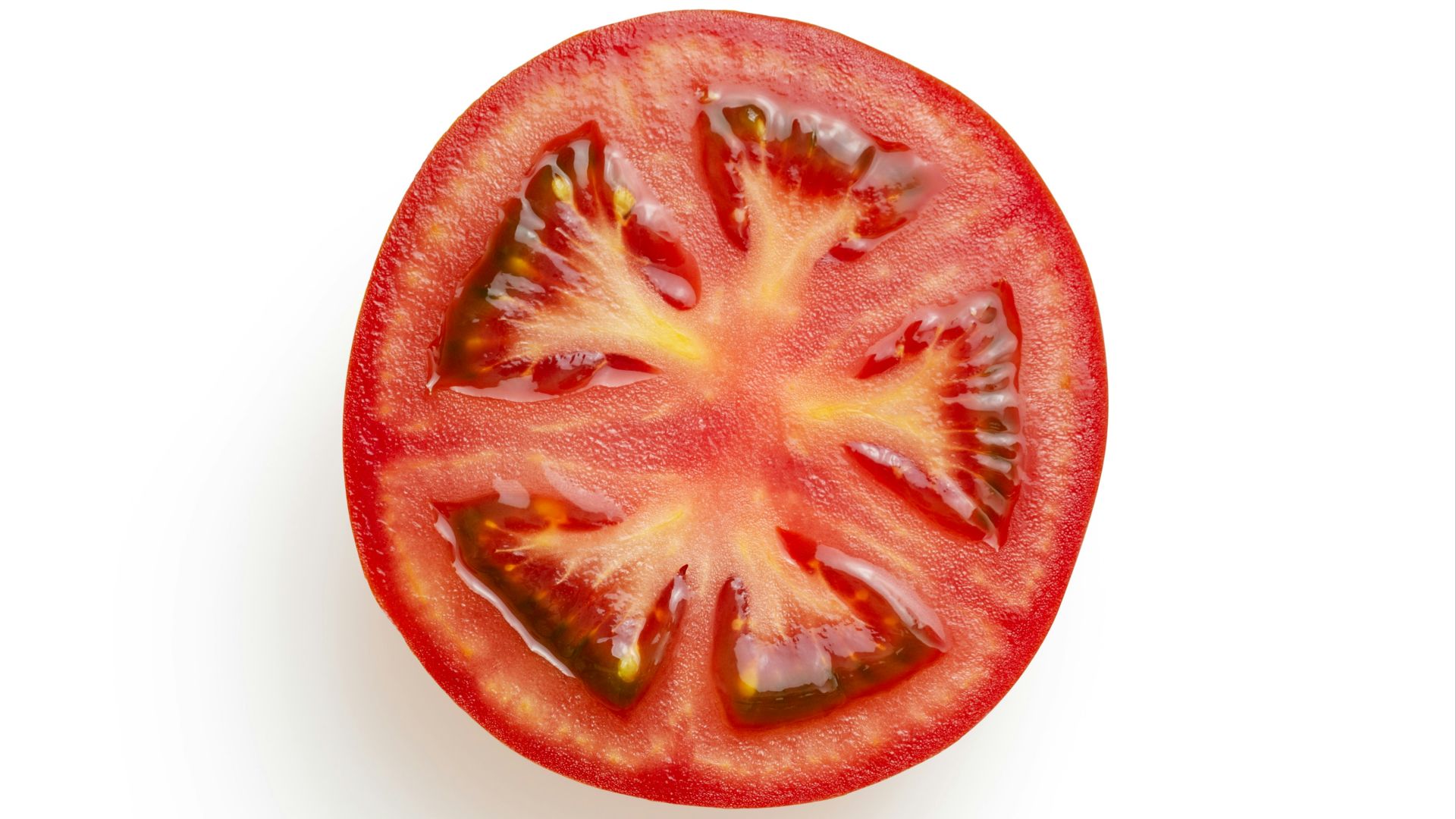
1. Tomatoes
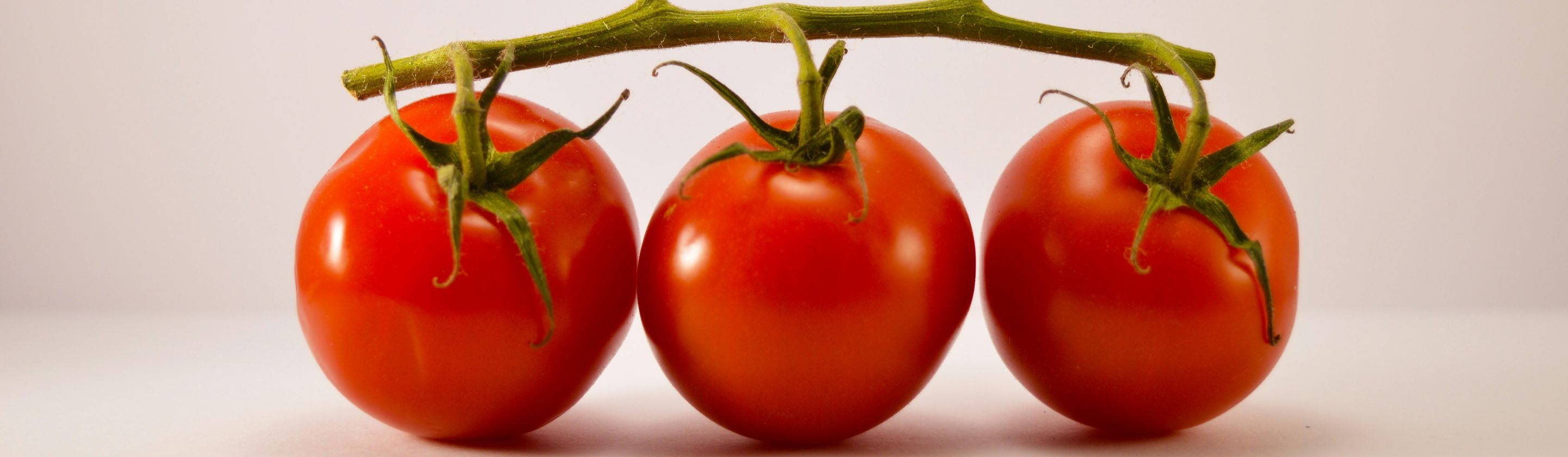
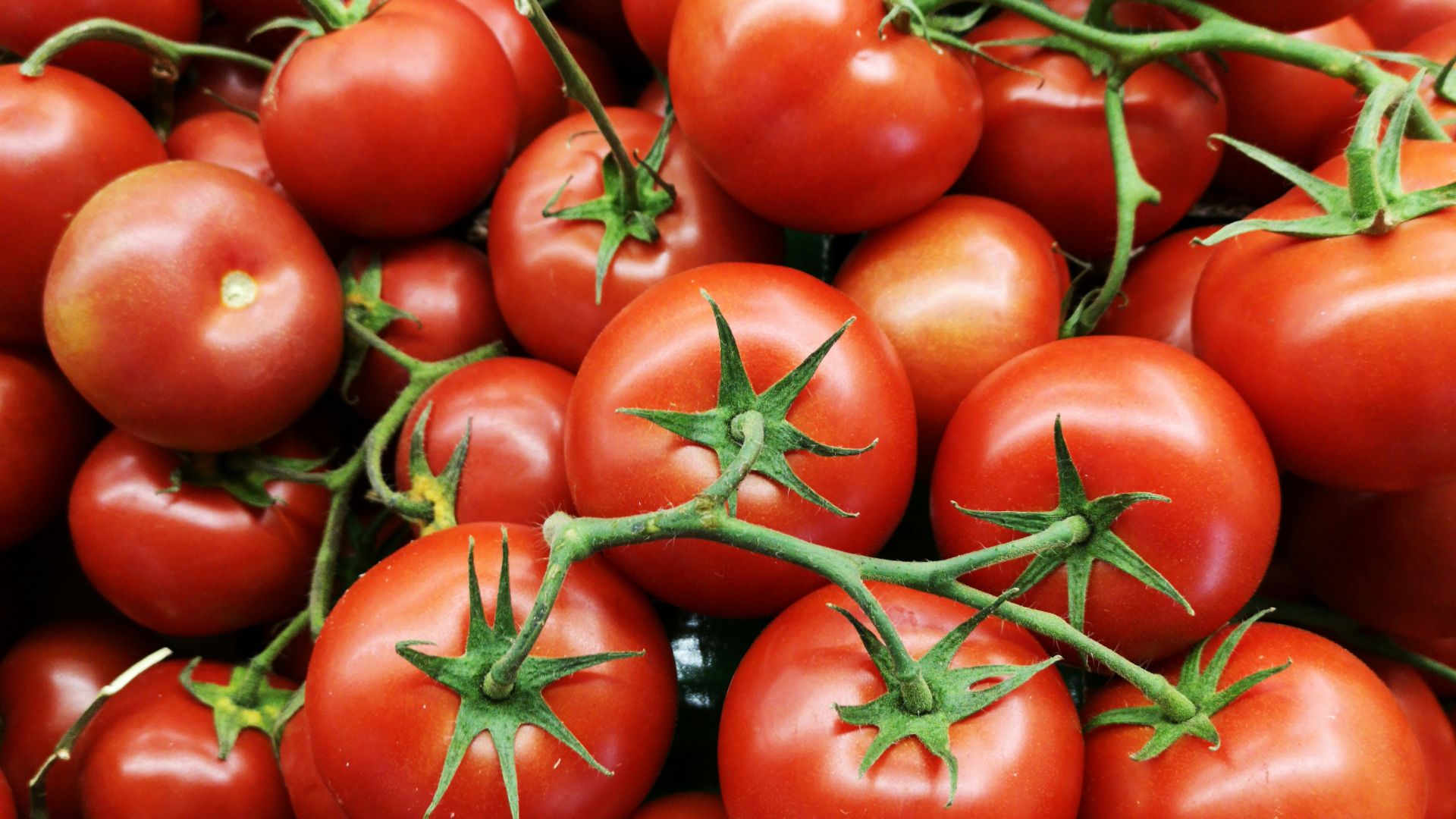
Tomatoes were eaten in Mesoamerica long before Europeans arrived, though many British colonists didn’t trust them. Because they’re part of the nightshade family, people believed they weren’t safe to eat. By the 19th century, recipes and canning had helped tomatoes become a basic part of American cooking.
2. Chocolate
Chocolate was a special imported food in colonial America, and people usually drank it instead of eating it as candy. Families mixed grated chocolate with water or milk, sugar, and spices to make a warm breakfast drink. It was popular with people who could afford it, and it wasn’t as easy to buy as it is today.

3. Bananas
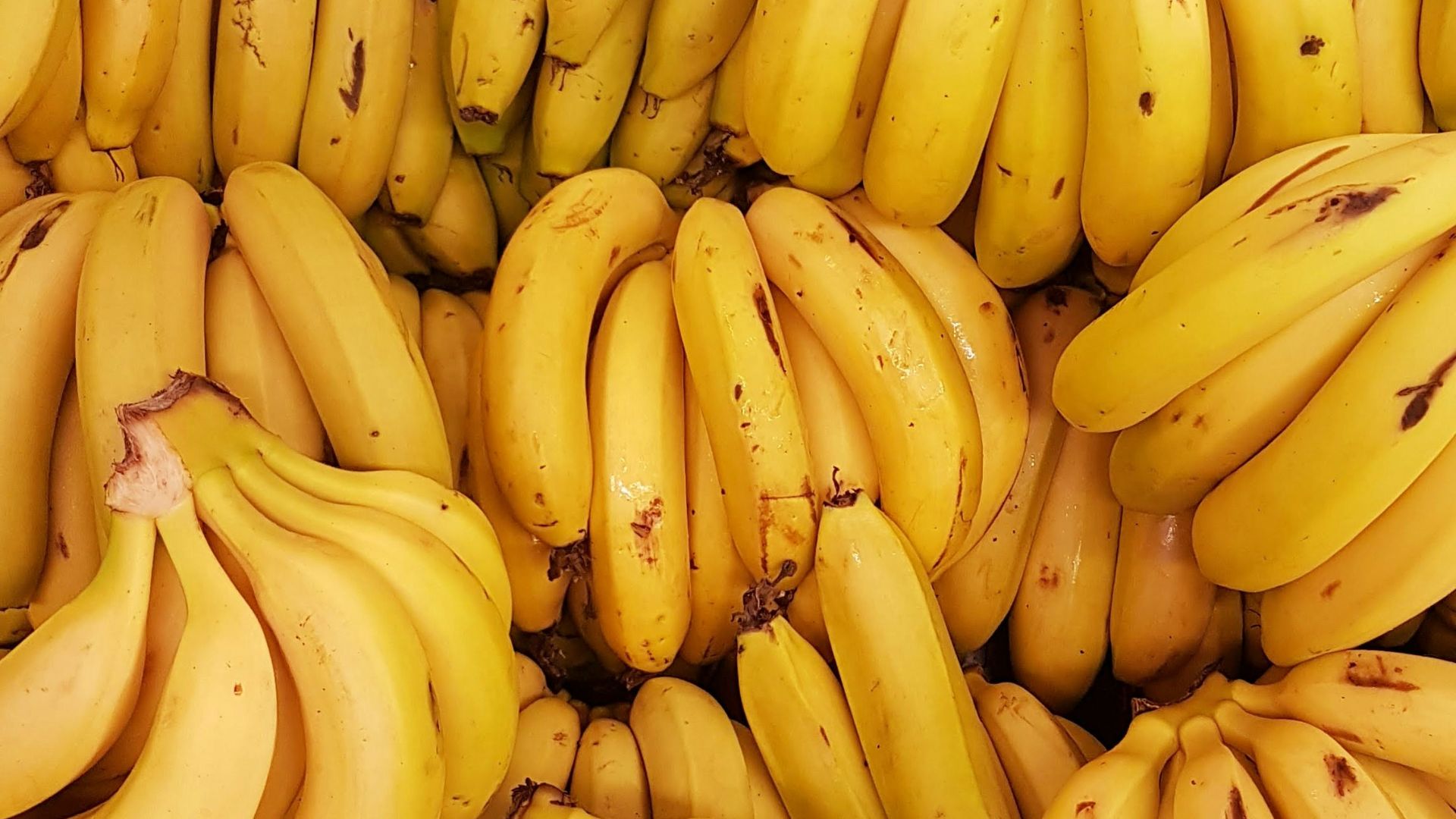
Bananas became more common in the United States as commercial imports from the Caribbean grew in the late 19th century. Importers brought them through American ports and into local markets, where shoppers slowly got used to their soft texture and mild sweetness.
4. Avocados
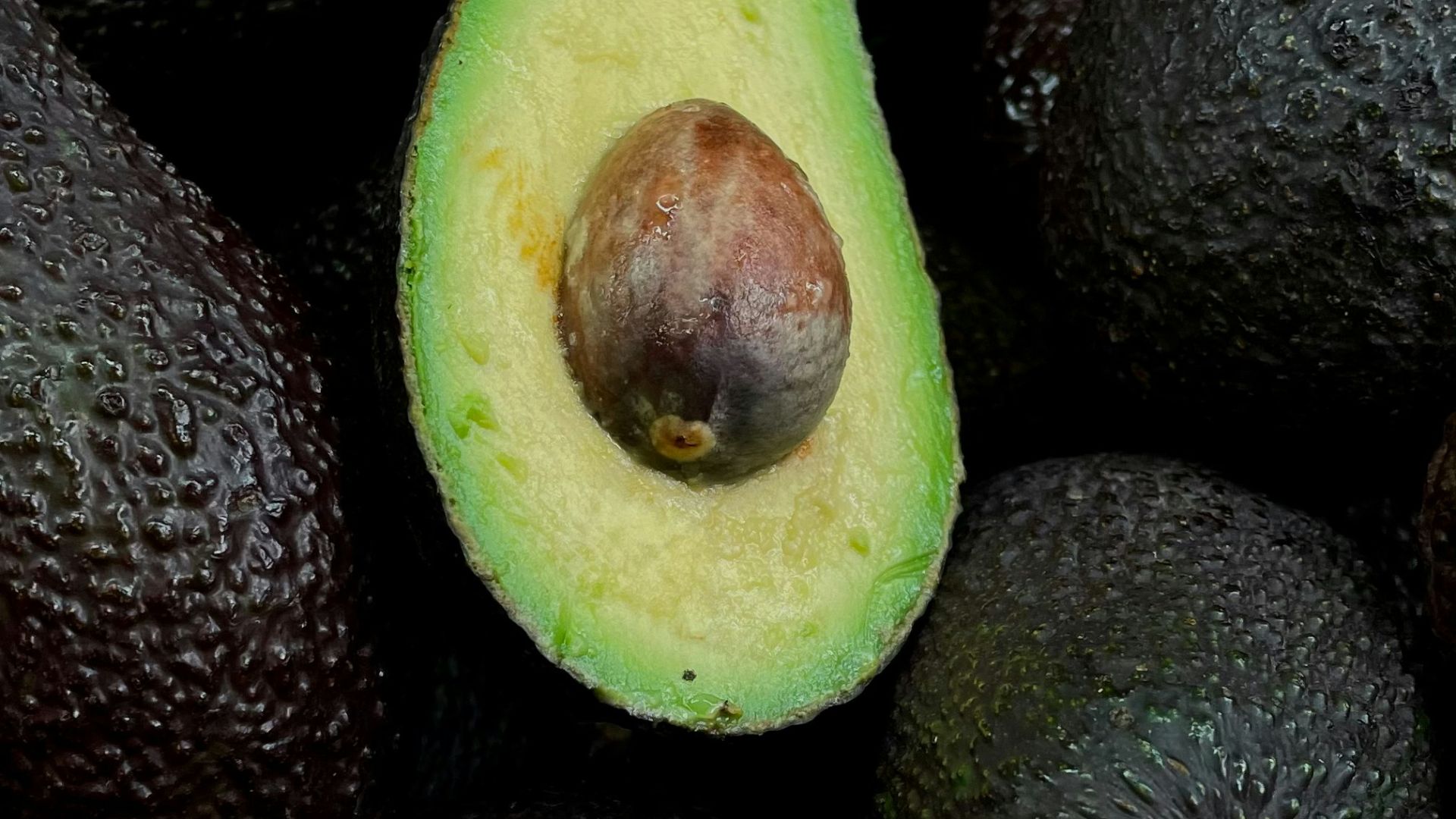
Avocados had been grown in Mexico and Central America for ages before growers started planting them in California. Trees planted in Santa Barbara in 1871 helped create more interest after avocados had reached the state in the 1850s. For years, they were more of a regional specialty than the familiar food we know today.
5. Mangoes
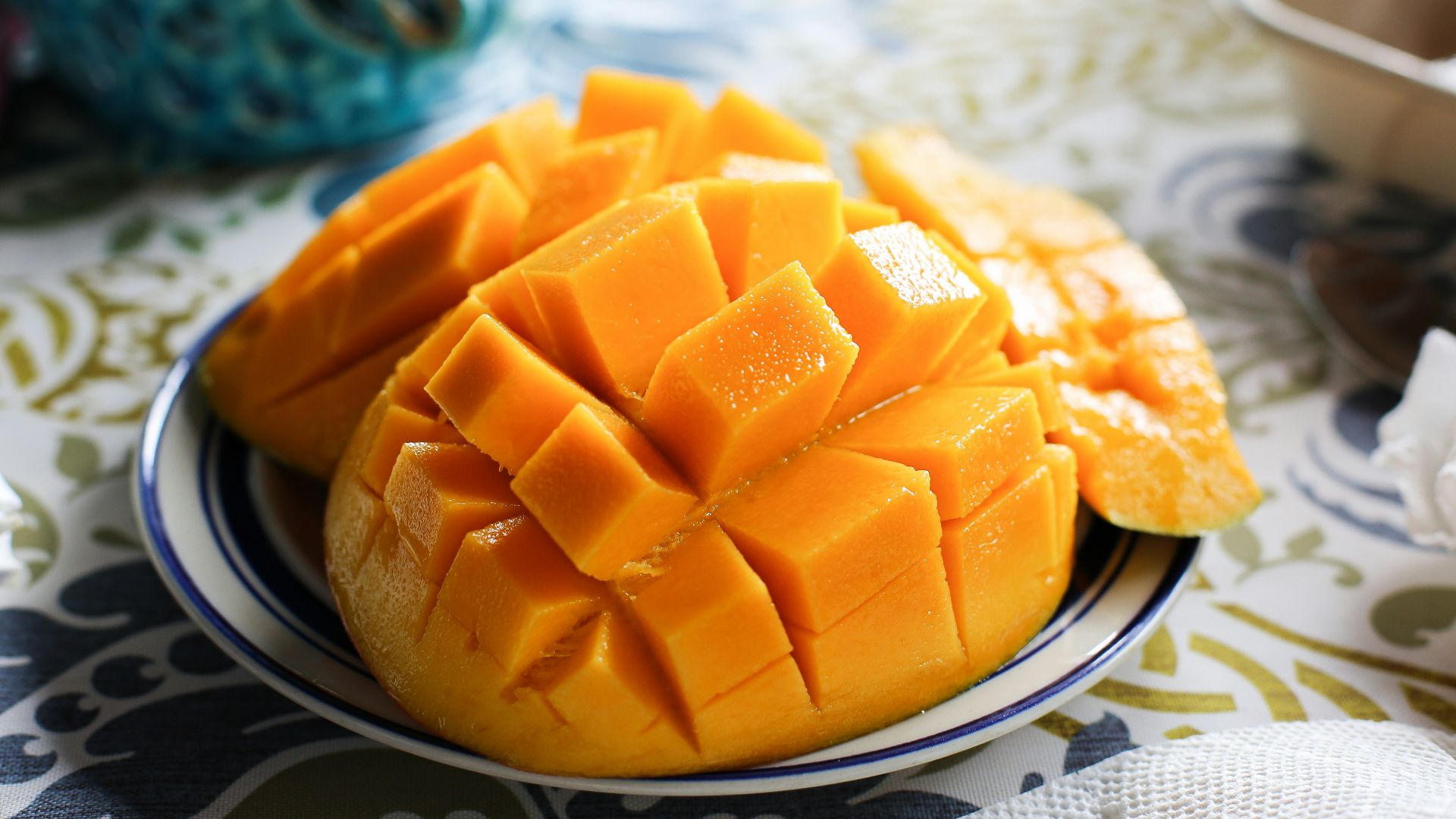
Mangoes reached Florida around 1880, and growers worked to find varieties that suited the state’s climate. People in South and Southeast Asia already knew the fruit well, though its fragrant flesh and large pit were unfamiliar to many American shoppers.
 Desirae Hayes-Vitor on Unsplash
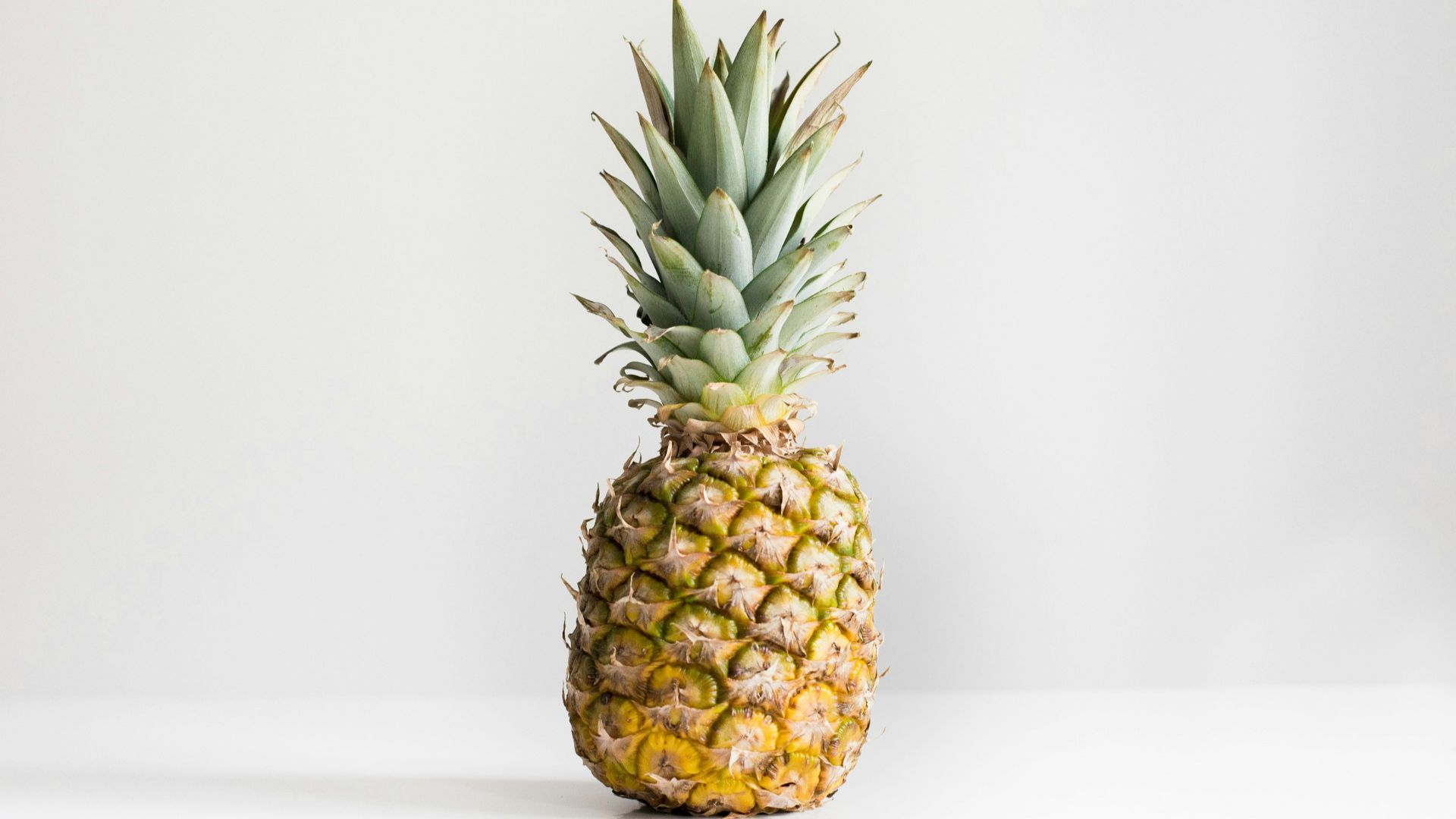
6. Pineapples
Pineapples were once pricey tropical imports and a common symbol of welcome and hospitality. Hawaii became a major producer and exporter of canned pineapple in the late 19th century, which made the fruit easier to find far from the islands.
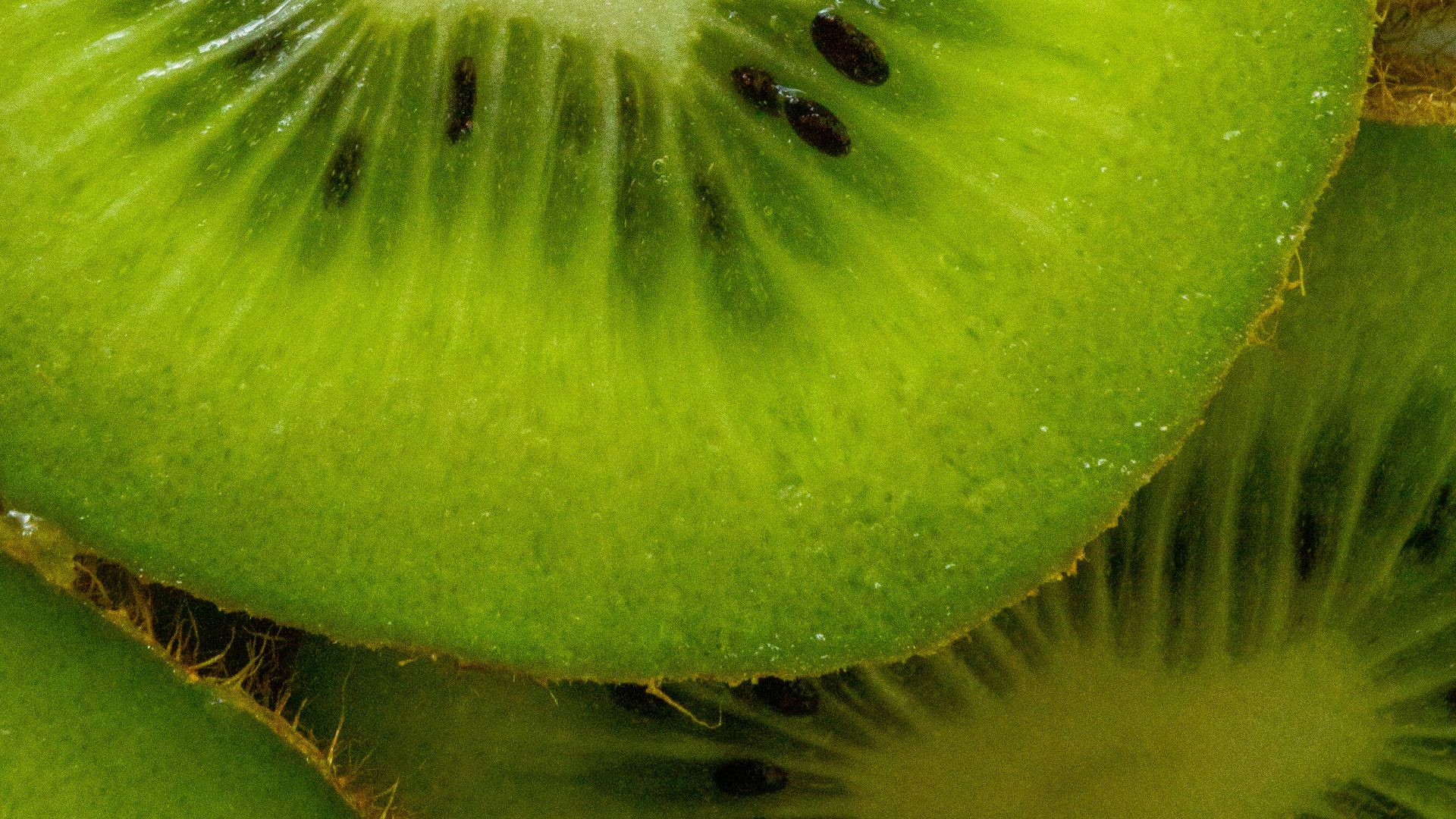
7. Kiwifruit
California farmers began growing kiwifruit commercially in the mid-1960s, and the crop got plenty of attention in the 1970s. The fruit is native to China and was first grown commercially in New Zealand, so its fuzzy brown skin and bright green center stood out to new shoppers.
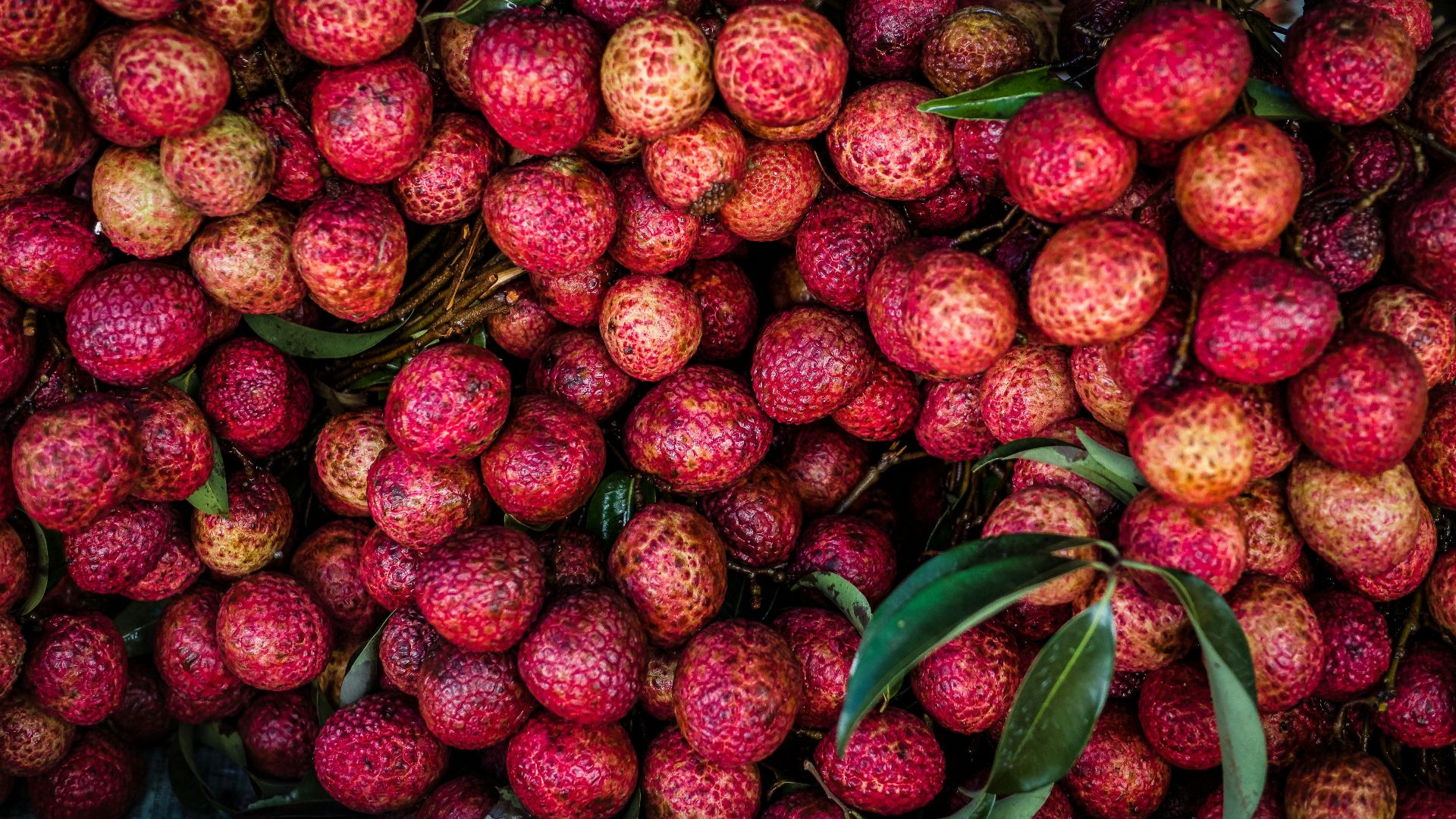
8. Lychees
Lychees had been grown in China for thousands of years before they were introduced to Hawaii in the early 20th century. Their bumpy red peel and pale, juicy flesh made them feel new to many Americans who first tried them at Asian restaurants or specialty markets.
 Nik Ramzi Nik Hassan on Unsplash
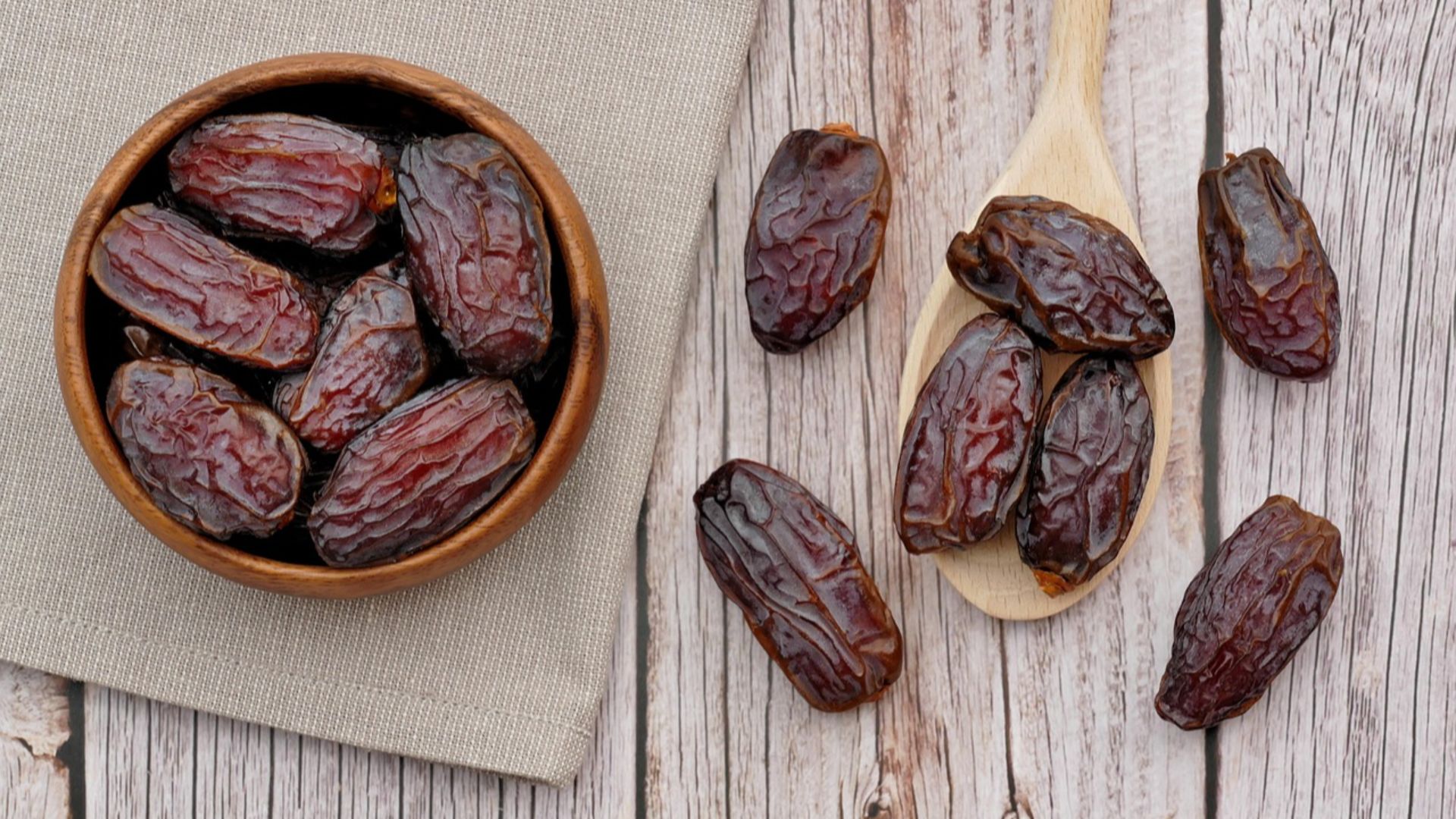
9. Dates
Commercial date-palm growing in the United States began in the late 19th and early 20th centuries, especially in the desert Southwest. Growers brought in offshoots from North Africa and the Middle East for places where the palms could grow well.
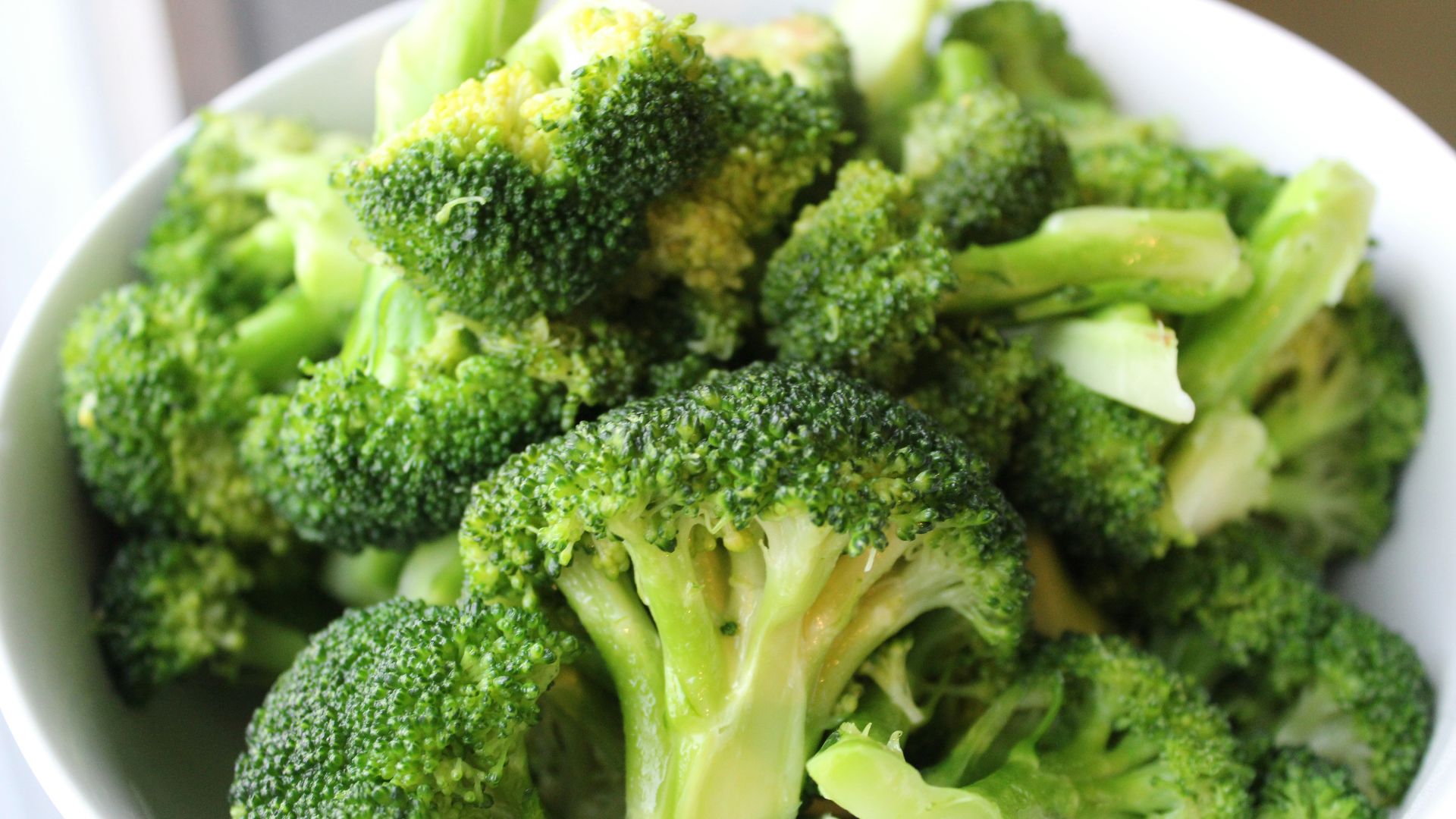
10. Broccoli
Broccoli was already familiar in Italian American communities before it became common in kitchens across the country. In the 1920s, California growers started shipping iced broccoli east by rail and included recipes to show customers how to cook it.
 Tyrrell Fitness And Nutrition on Unsplash
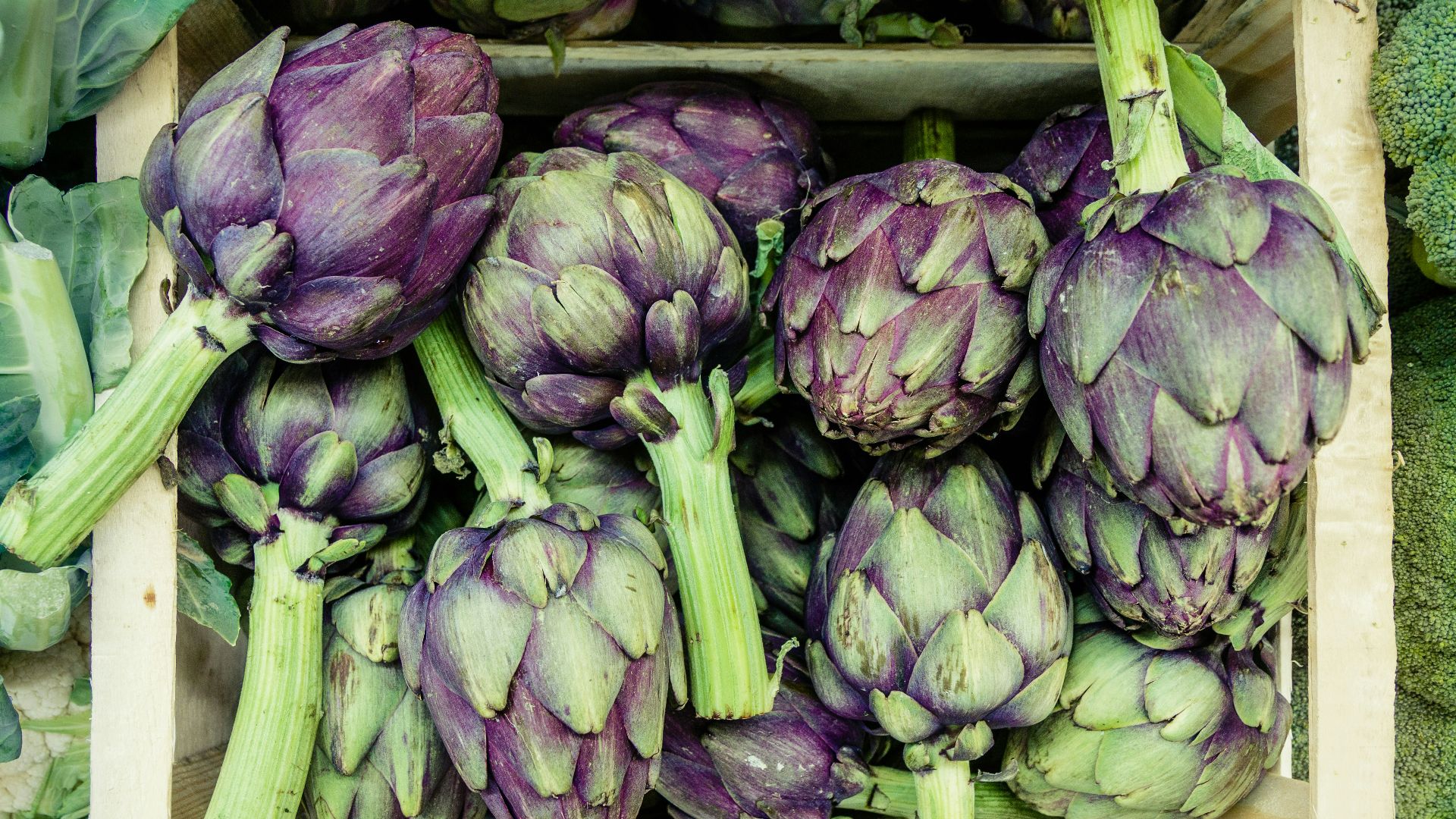
11. Artichokes
Italian farmers introduced artichokes to coastal California in the late 1800s, where the cool, foggy weather worked well for the Mediterranean crop. By the 1920s, refrigerated railcars were carrying the spiky vegetables across the country, and they became a prized item in produce markets.
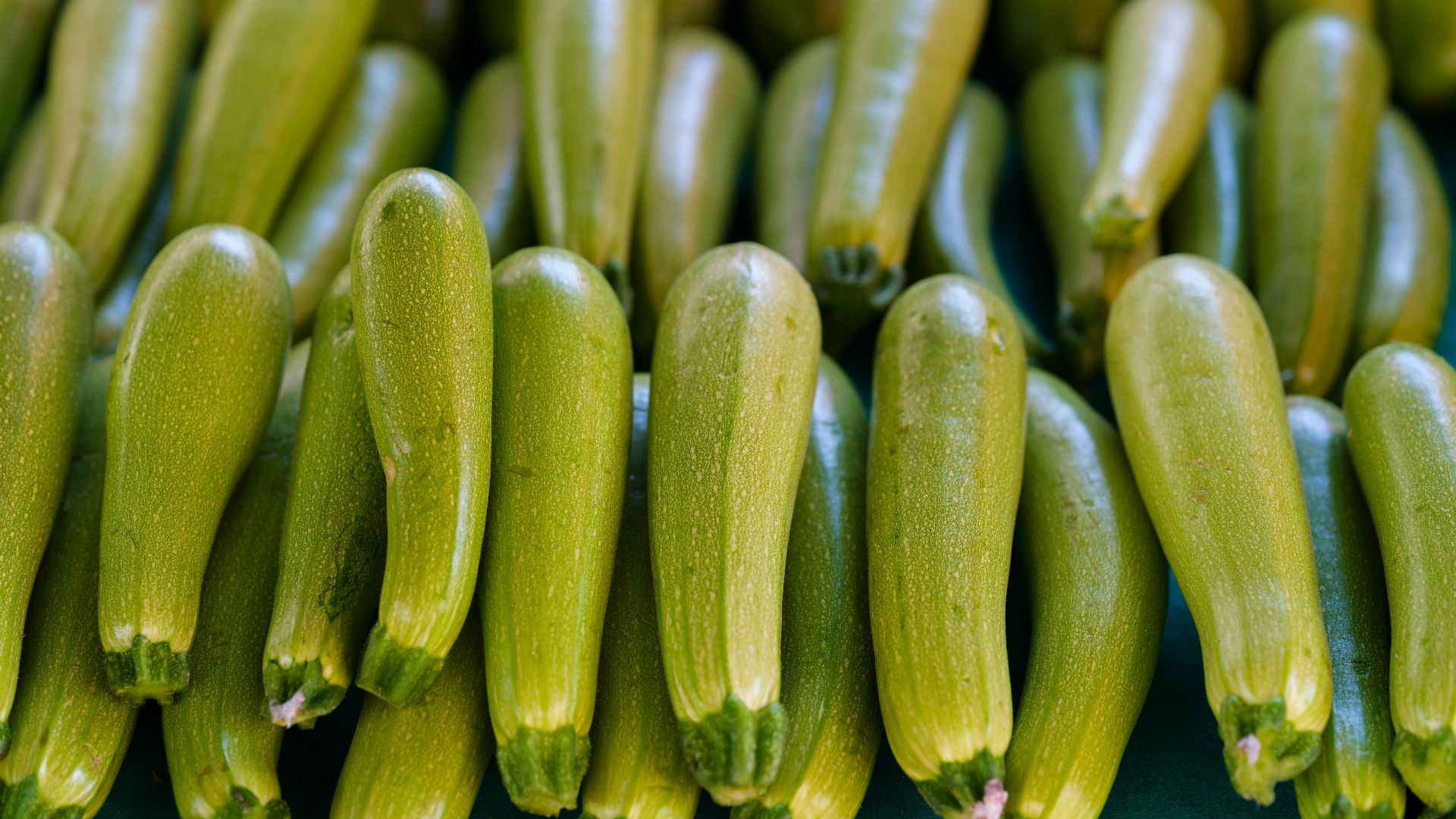
12. Zucchini
Italian farmers in California grew zucchini alongside crops such as broccoli and artichokes. Many Americans knew squash, though zucchini itself wasn’t as common outside Italian communities. It later became the familiar garden favorite we know today.
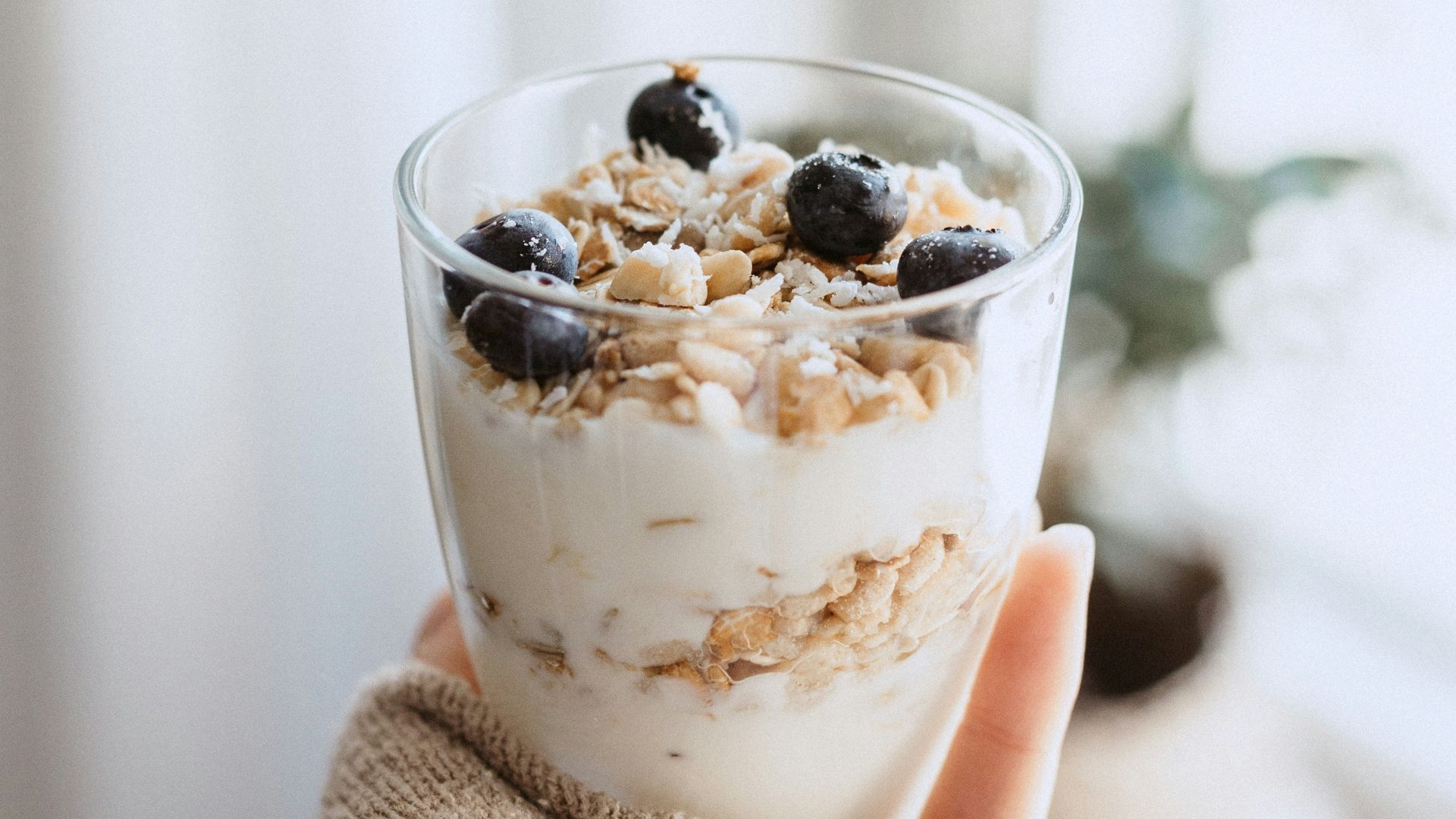
13. Yogurt
Plain yogurt was a niche food when a New York company started making it in 1942. It first appealed to immigrant communities and a small health-food crowd, while many other Americans weren’t used to its tart flavor. Fruit-on-the-bottom versions in the late 1940s helped make yogurt feel more like an easy breakfast or snack for everyone.
14. Bagels
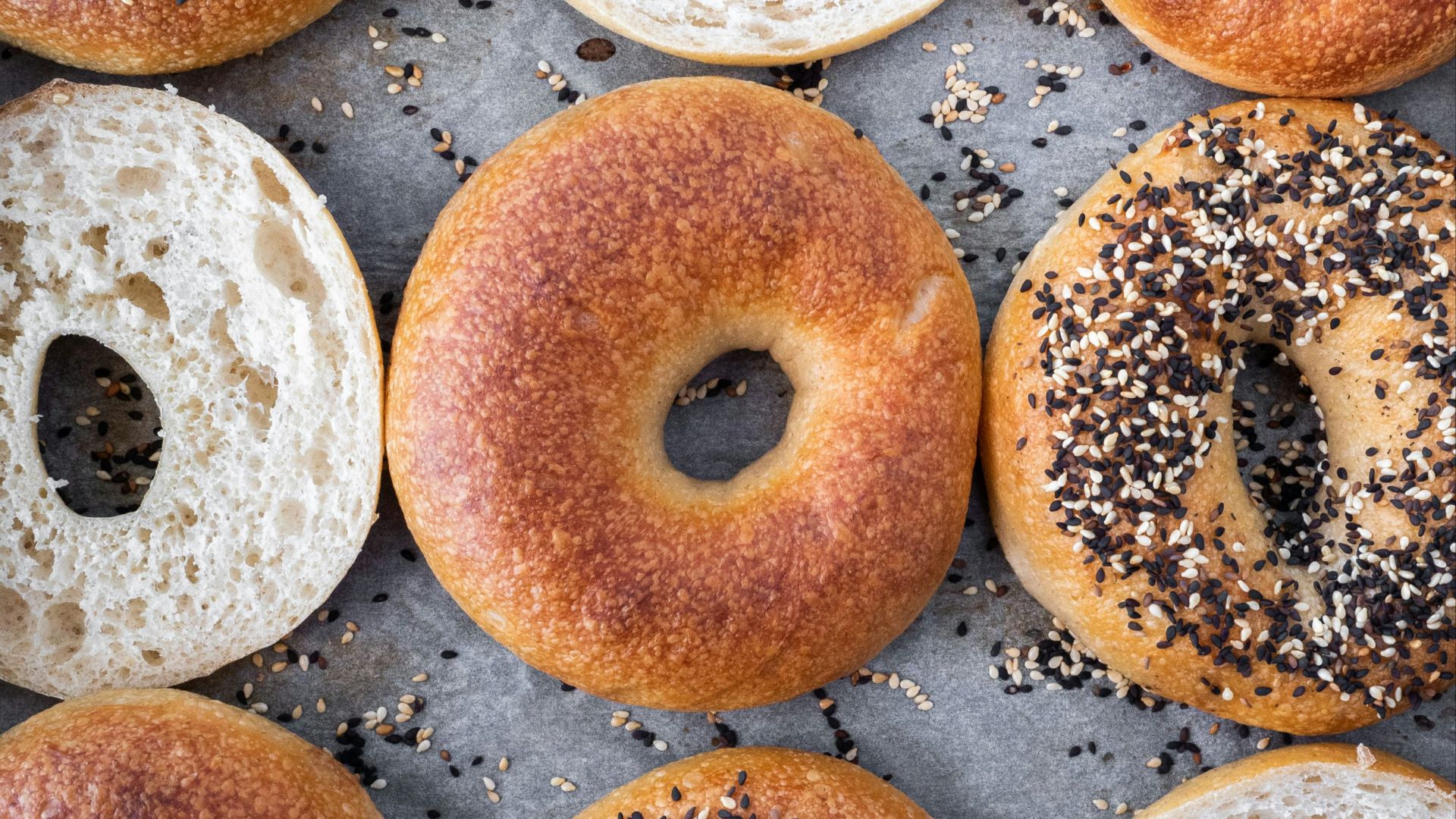
Bagels came to the United States from Eastern Europe in the 19th century. For decades, they stayed closely connected to Jewish bakeries and neighborhoods, where they were already part of daily life. Mass production and frozen, pre-sliced bagels helped bring them to more people in the 1960s.
15. Pizza
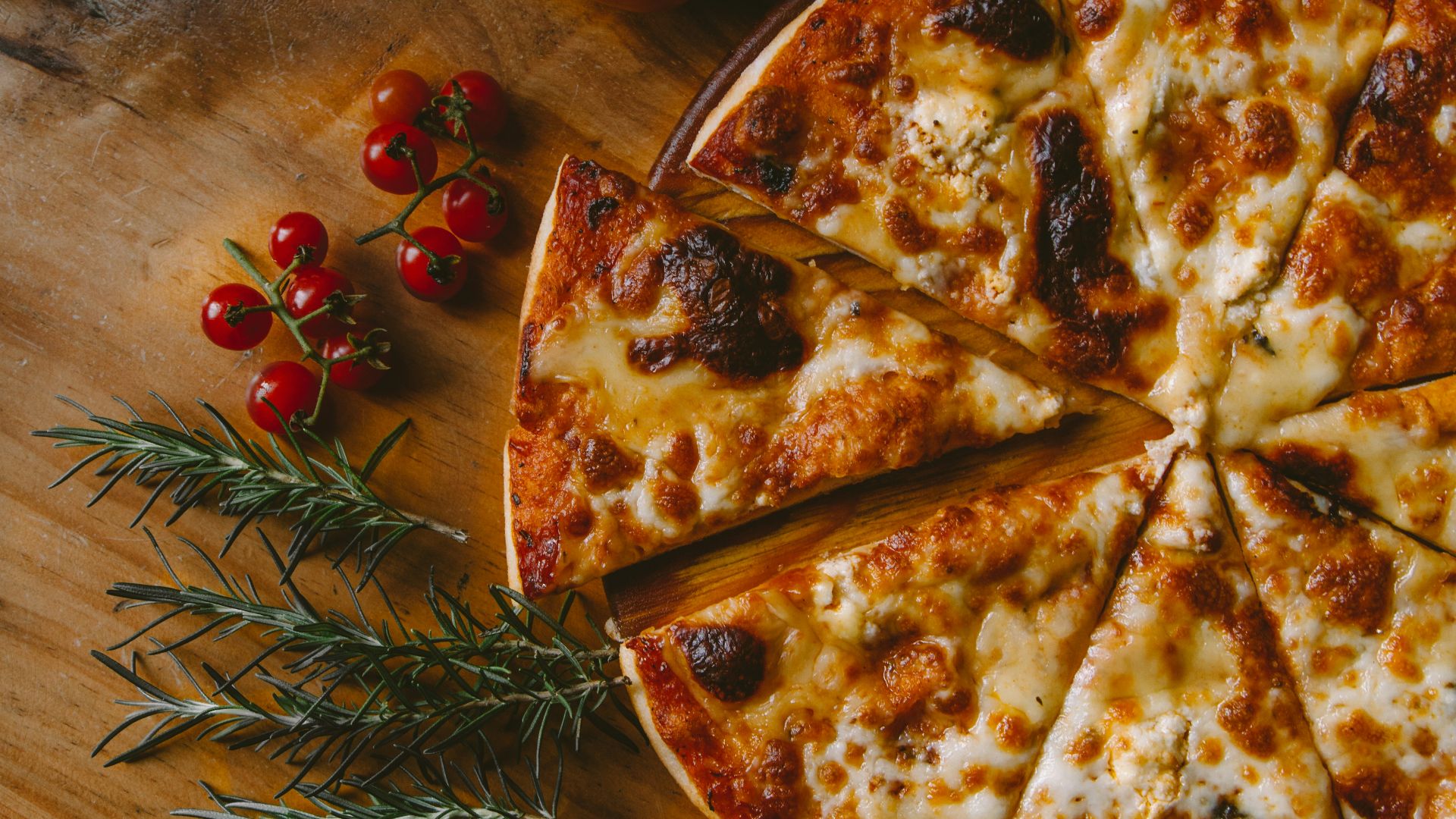
Pizza was sold in Italian American neighborhoods before it became one of the country’s favorite casual meals. Its popularity grew after World War II, when returning service members came home with a taste for the savory pies they’d eaten in Italy.
16. Sushi
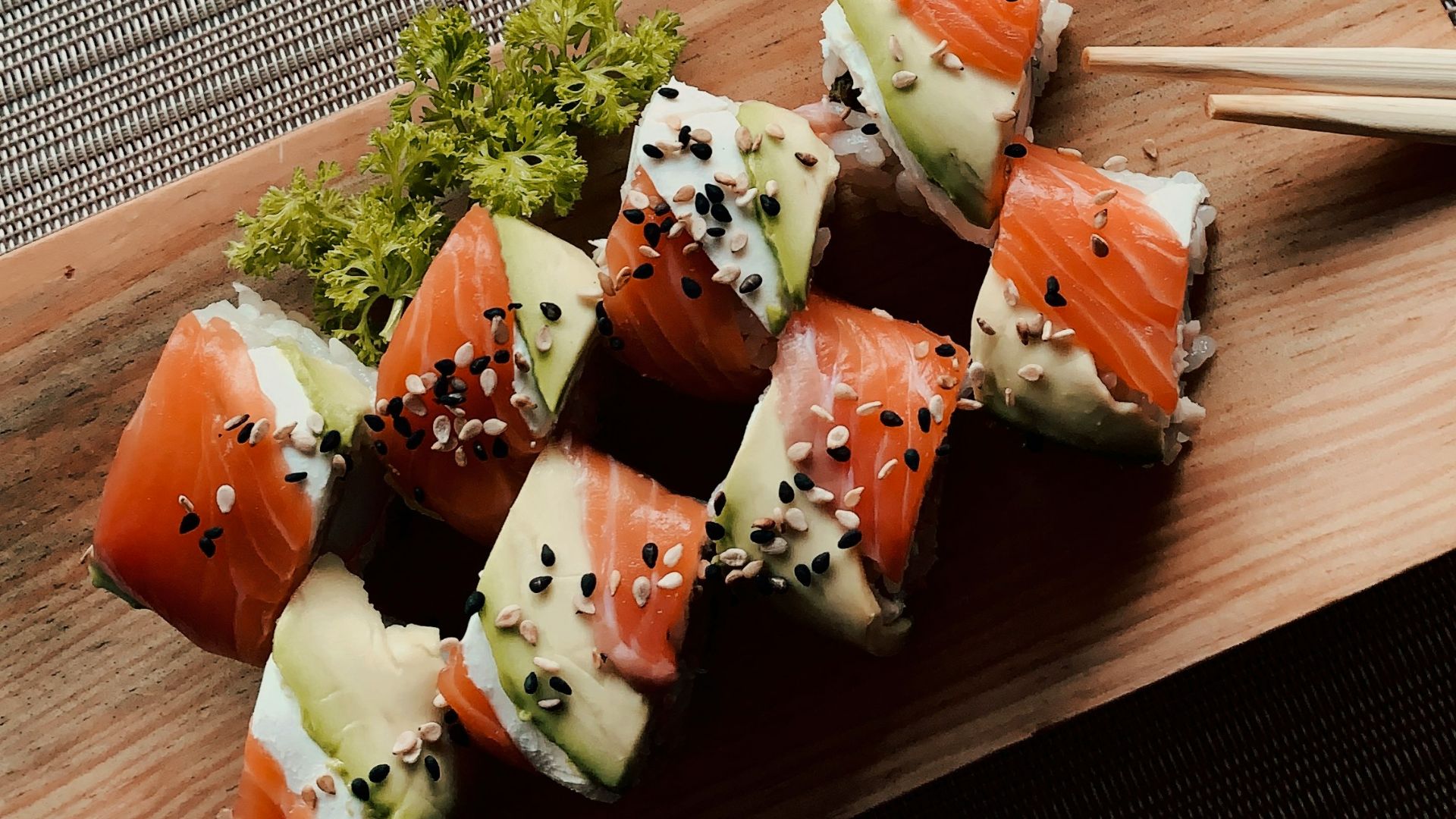
Sushi was closely connected to Japanese American communities and specialty restaurants before it reached more American diners. The California roll, created in Los Angeles in the mid-1960s, used avocado and put the seaweed inside the roll to make it feel more familiar to people trying sushi for the first time.
17. Tofu
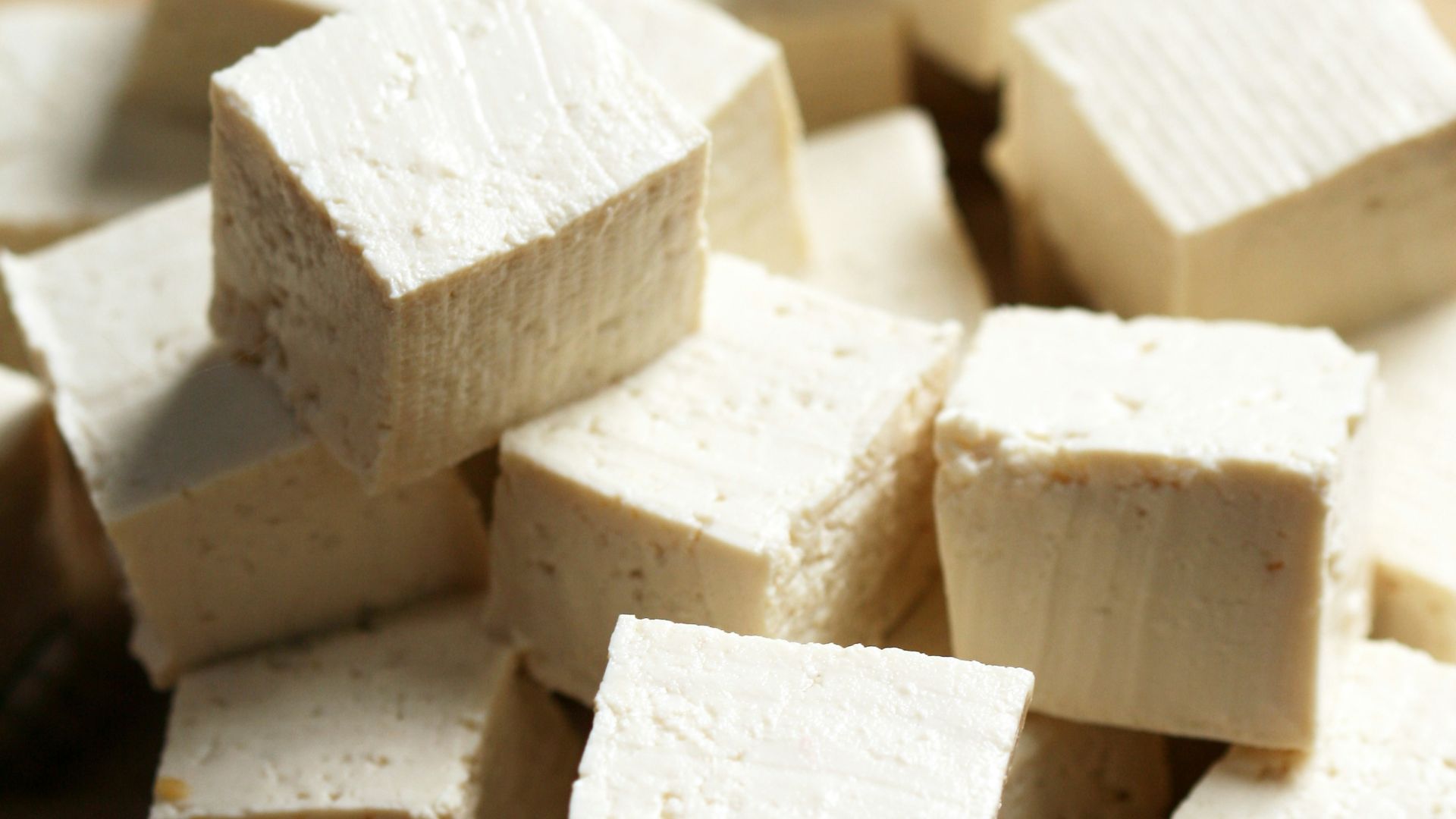
Chinese and Japanese artisans were making tofu in the United States by the 19th century, though it stayed outside the mainstream for many years. Vegetarian cooking and counterculture brought it to more American eaters in the 1970s. Tofu became a useful choice for stir-fries, soups, sandwiches, and plant-forward meals.
18. Kimchi
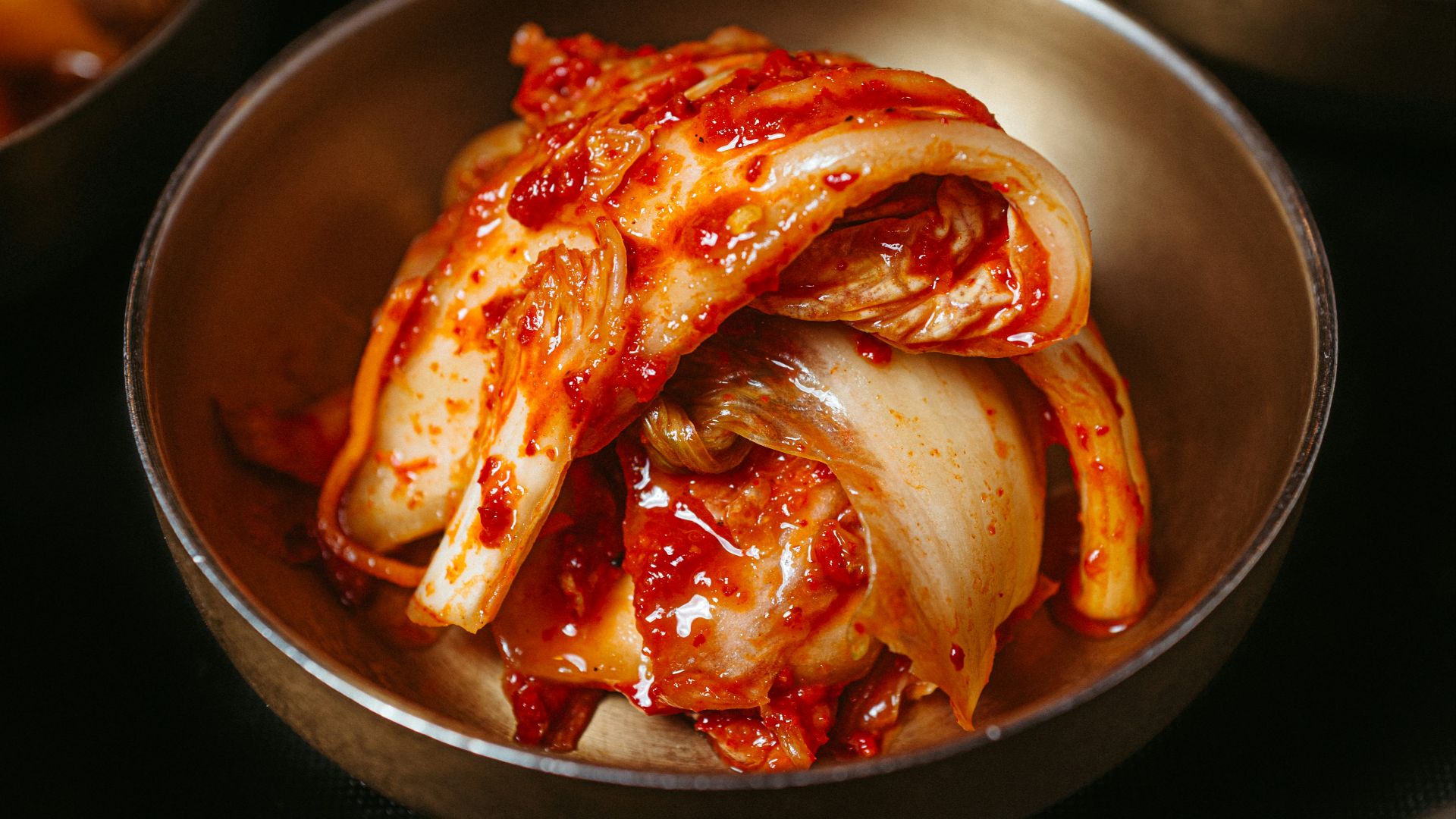
Kimchi has been a staple of Korean cooking for centuries, made with fermented vegetables and strong flavors. The 1988 Seoul Olympics introduced many people outside Korea to the tangy dish. Korean American restaurants and home cooks have helped make kimchi much more visible in American food culture.
19. Hummus
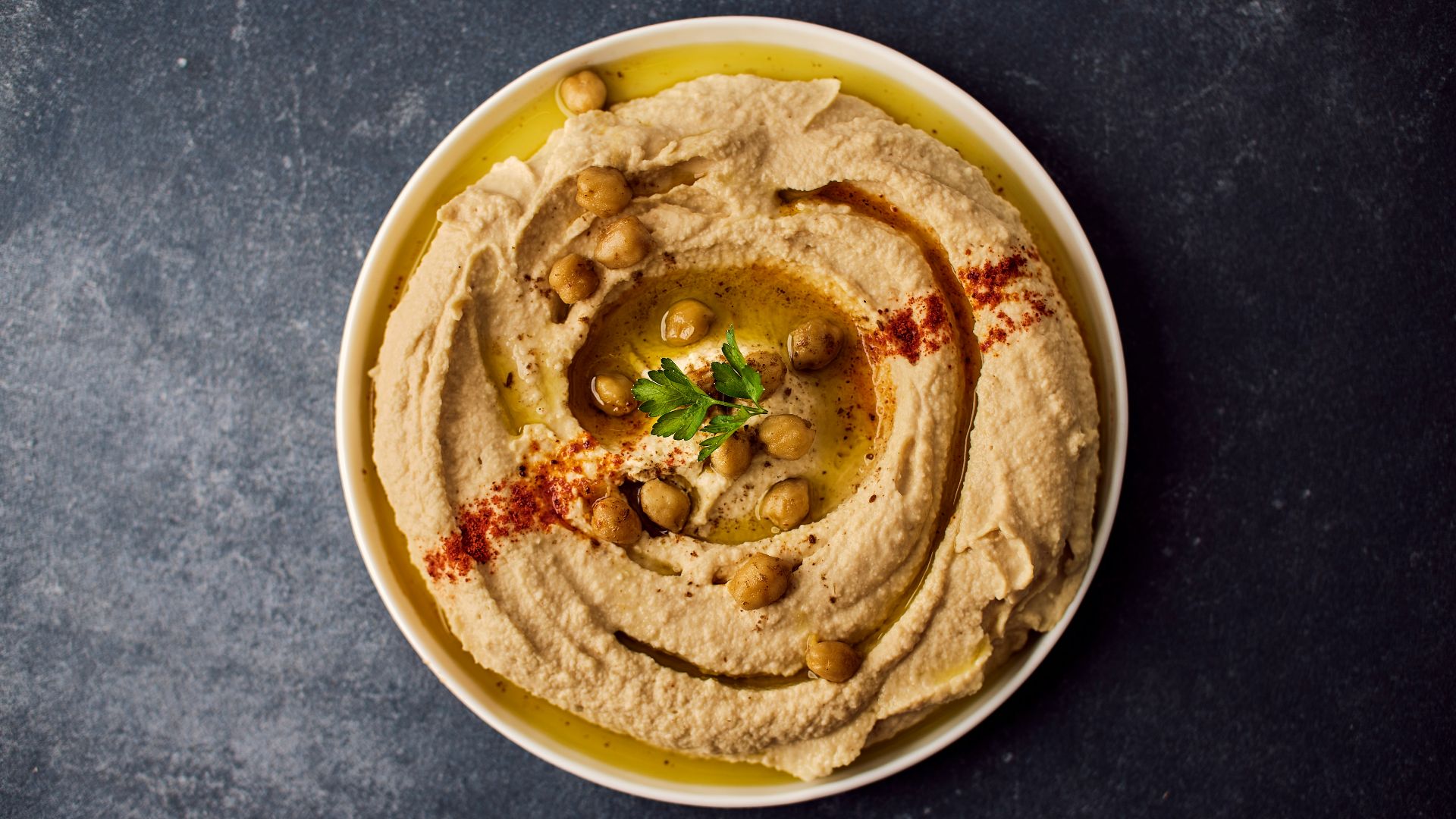
Hummus has deep roots in Middle Eastern food traditions, with early versions appearing in medieval cookbooks. American interest in Middle Eastern cuisine grew in the 1960s, bringing more diners to the creamy mix of chickpeas, tahini, lemon, and garlic.
20. Quinoa
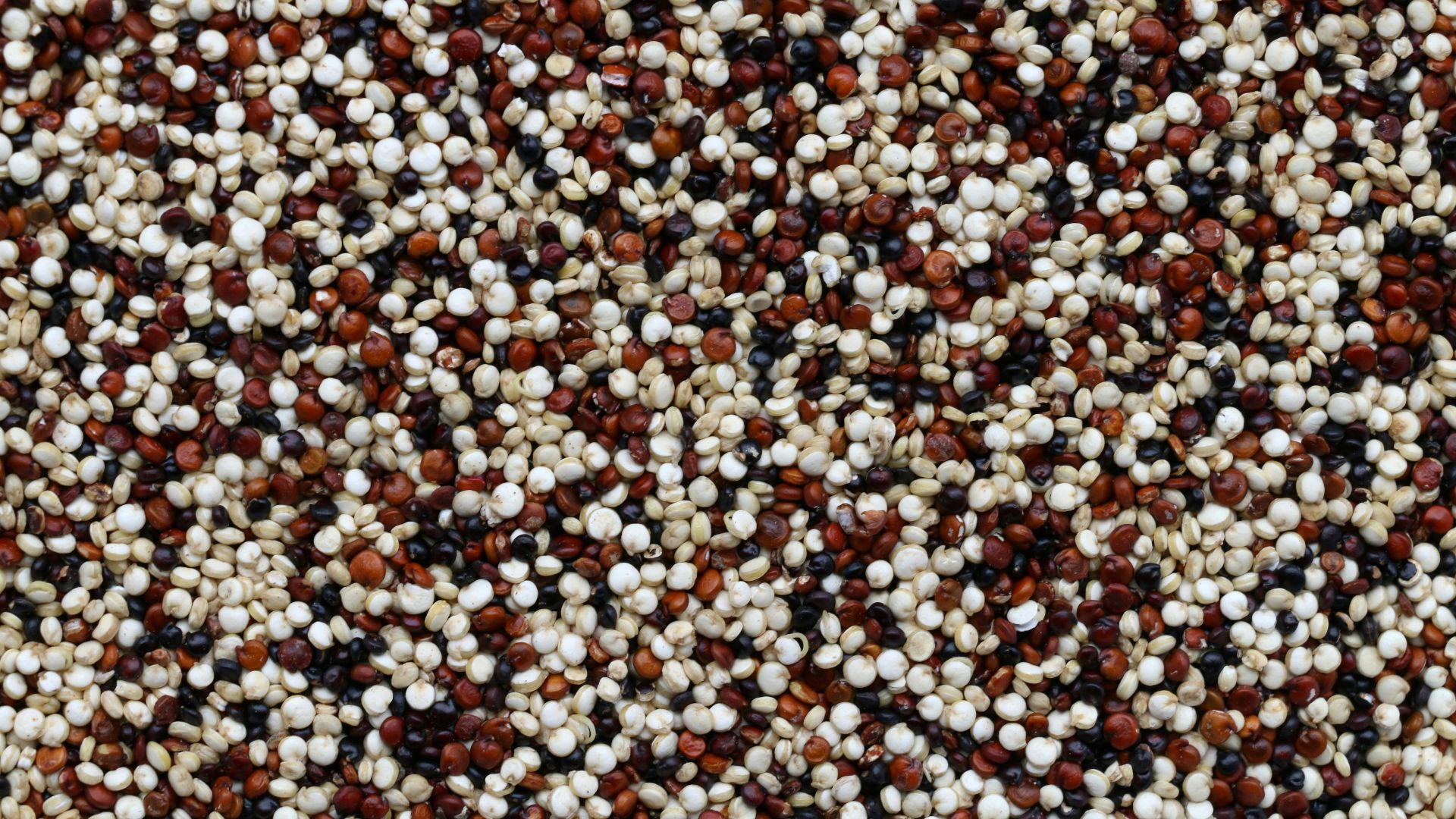
Quinoa was a longtime Andean staple before it entered the American marketplace in the early 1980s. It first showed up mostly in health-food stores, where many shoppers had to learn how to say its name and how to cook it. Its mild flavor and easy texture helped make it a common base for grain bowls and salads.
KEEP ON READING
20 Single Guy Dinners Any Man Can Handle