Nothing Is From Where You Think
Food history is mostly a record of people getting inspired by each other's dishes and occasionally getting the origin story wrong afterward. A dish arrives somewhere new and gets changed by whoever happens to be cooking it, then a generation or two later it starts to feel native. Some foods associated with one country were invented somewhere else entirely, while a few familiar fruits and vegetables barely resemble their wild ancestors. Here's 20 foods whose real origins look very different from the reputations they carry.
1. Fortune Cookies
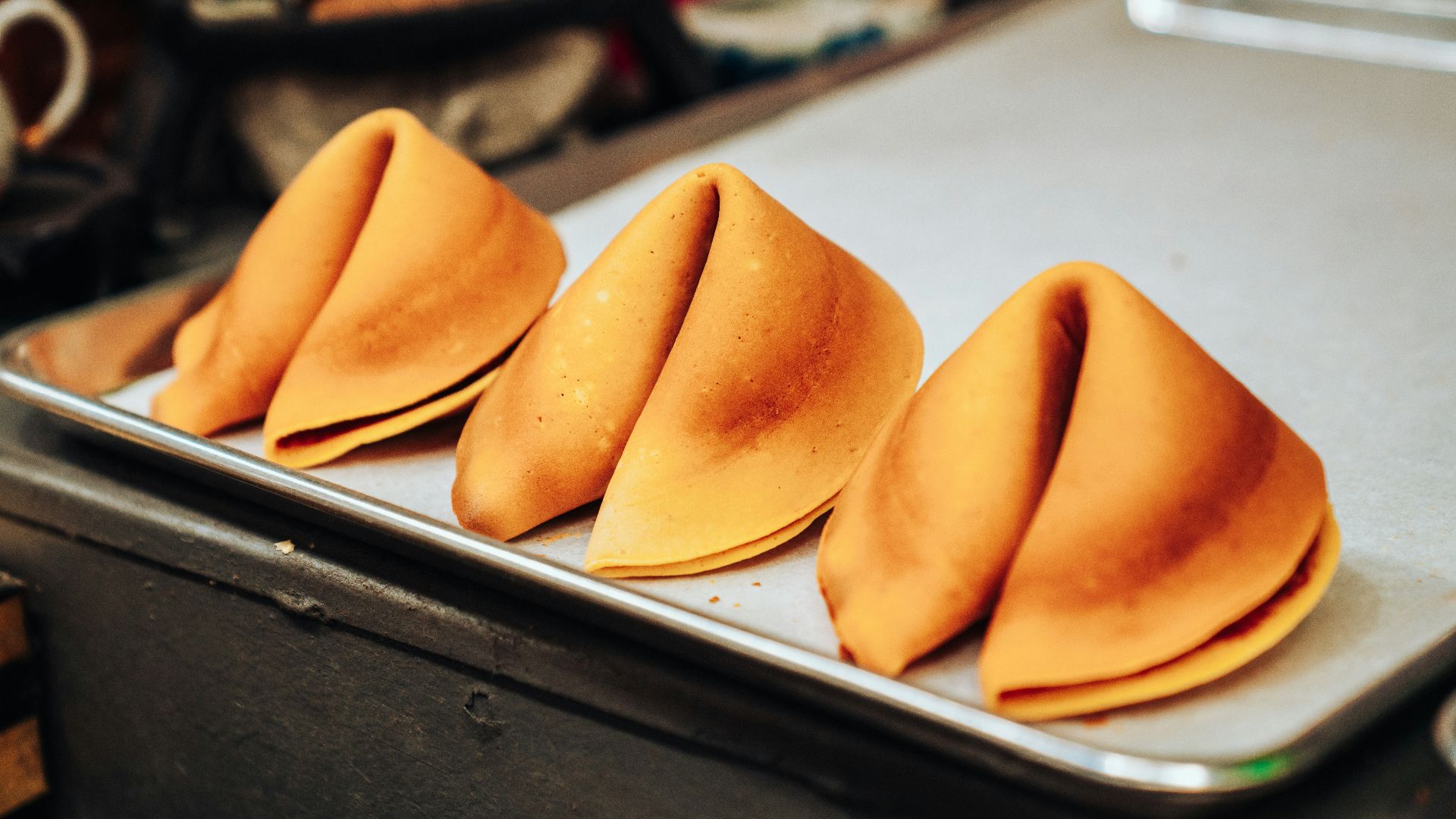
In reality, they're Japanese. Bakeries near Kyoto were folding crackers around paper fortunes well before Chinese restaurants in California adopted the idea, and Japanese-American confectioners introduced them on the West Coast. Chinese businesses took over production after internment emptied those bakeries during the war.
2. Chicken Tikka Masala
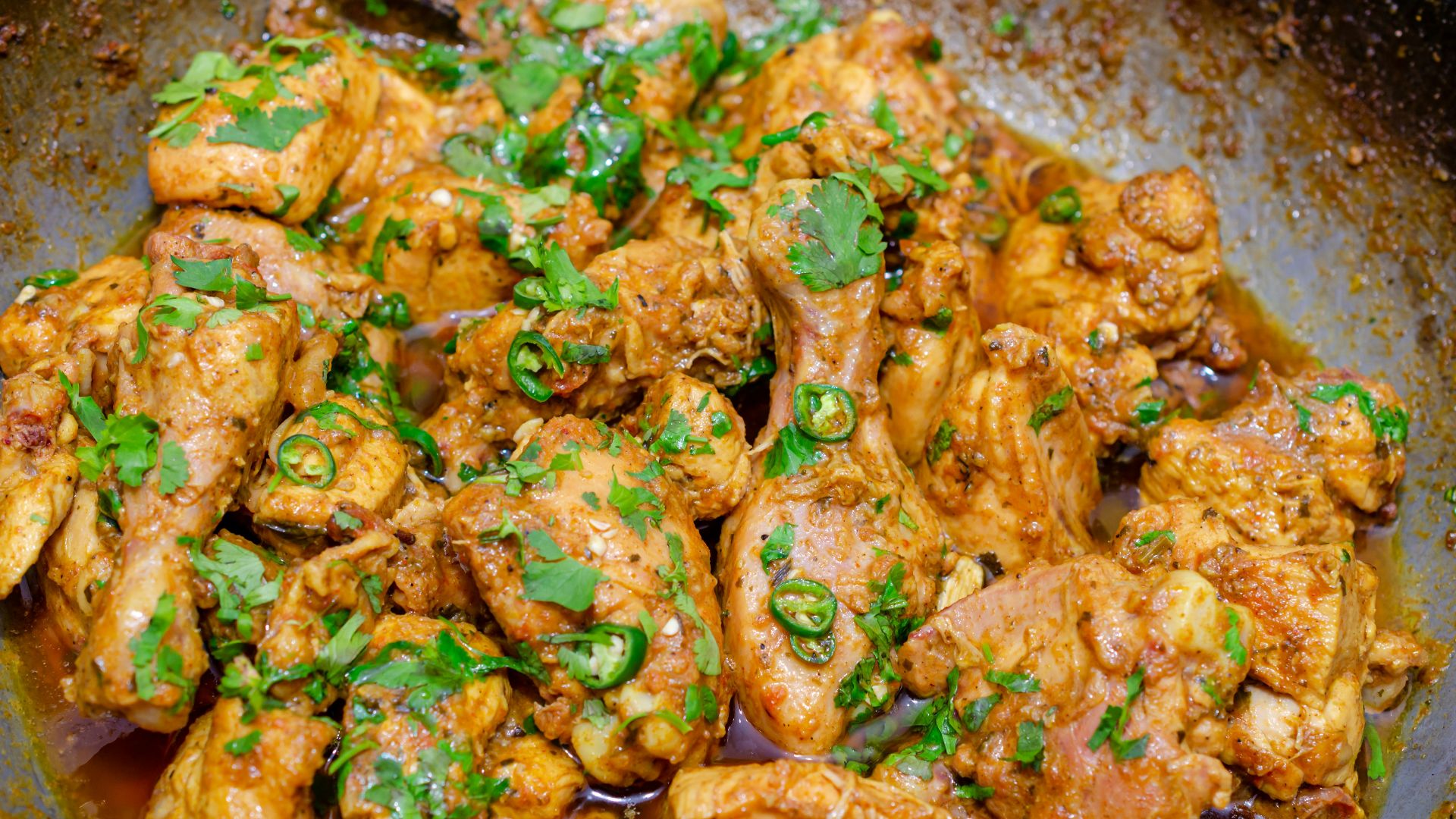
The dish most associated with Indian food was almost certainly invented in Britain, with Glasgow making the loudest claim. The story involves a customer complaining his chicken was too dry and a cook improvising a sauce from tomato soup and spices. A British foreign secretary once called it a national dish, which caused a minor diplomatic stir in India.
3. Tempura
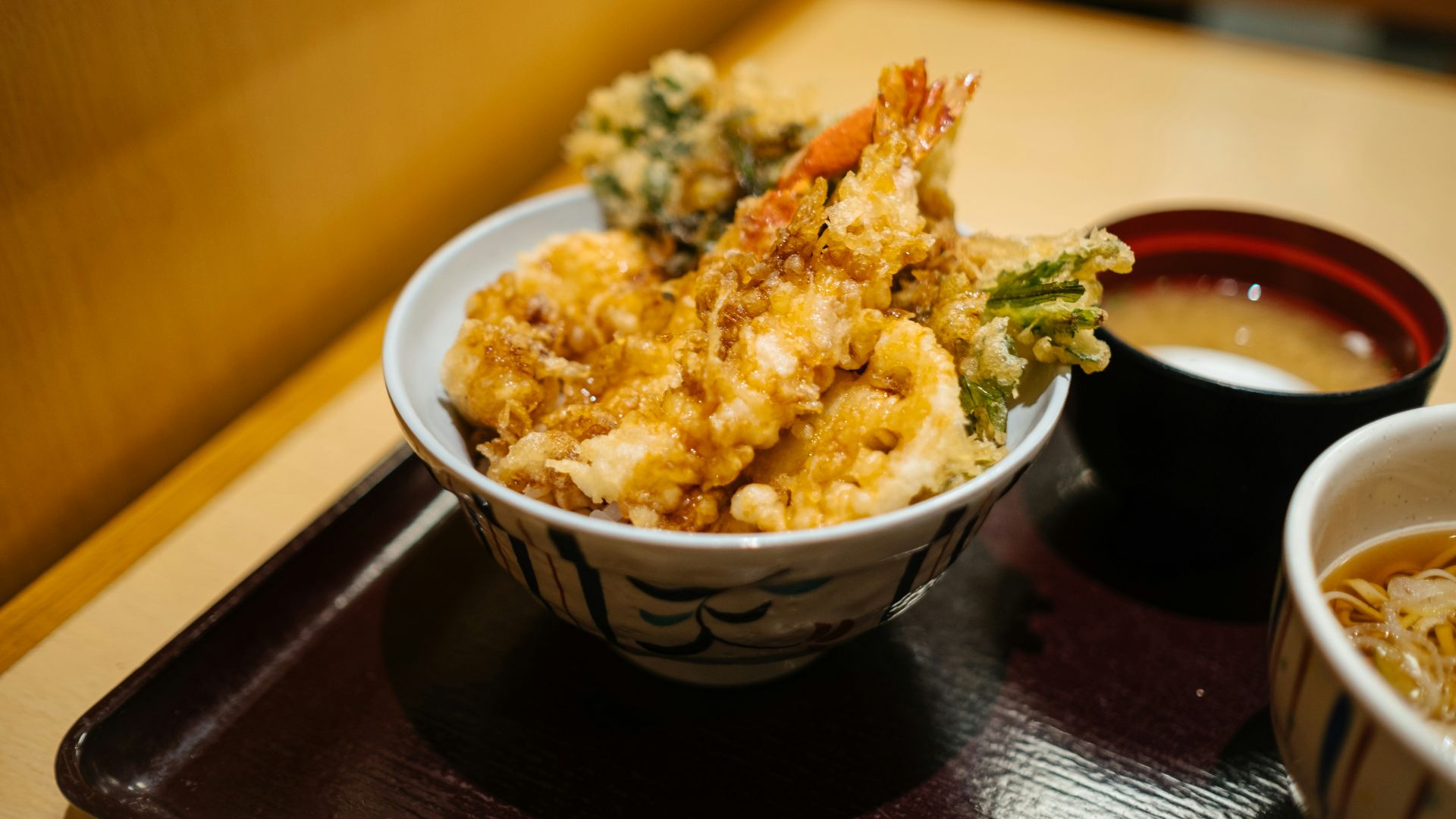
Portuguese missionaries brought the battered frying technique to Japan in the sixteenth century. The name likely comes from the Latin term for the seasonal periods when Catholics avoided meat and ate fish instead.
Japan then spent four hundred years refining it into something the Portuguese would barely recognize, right down to the temperature of the batter.
4. Croissants
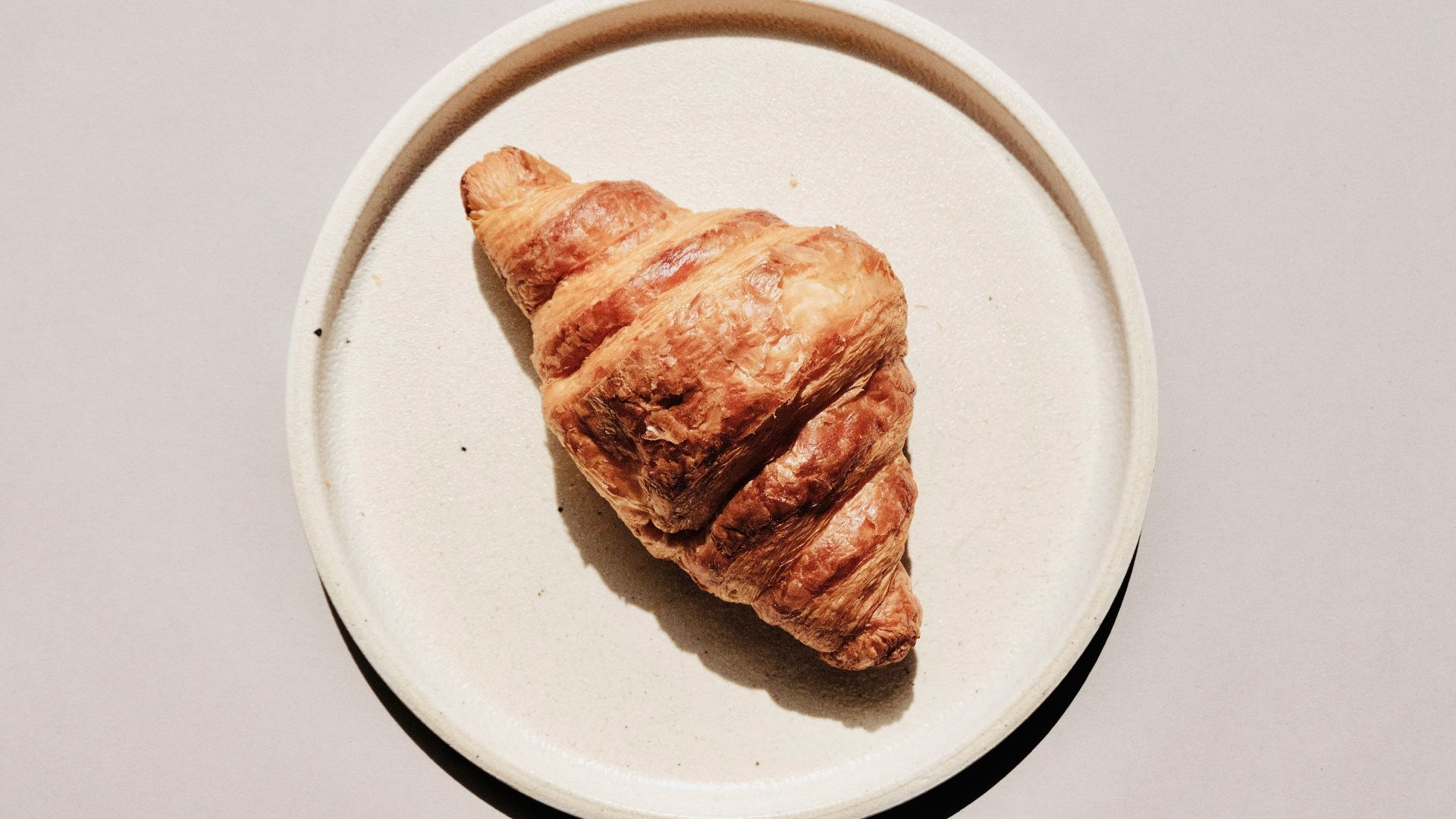
The shape came from Vienna, where the kipferl had existed for centuries before anyone in France made one. An Austrian officer opened a Viennese bakery in Paris in 1839 and the city fell for the pastry. The laminated dough the French developed afterward is the part that actually matters, since the Viennese original was closer to a cookie.
5. Ketchup
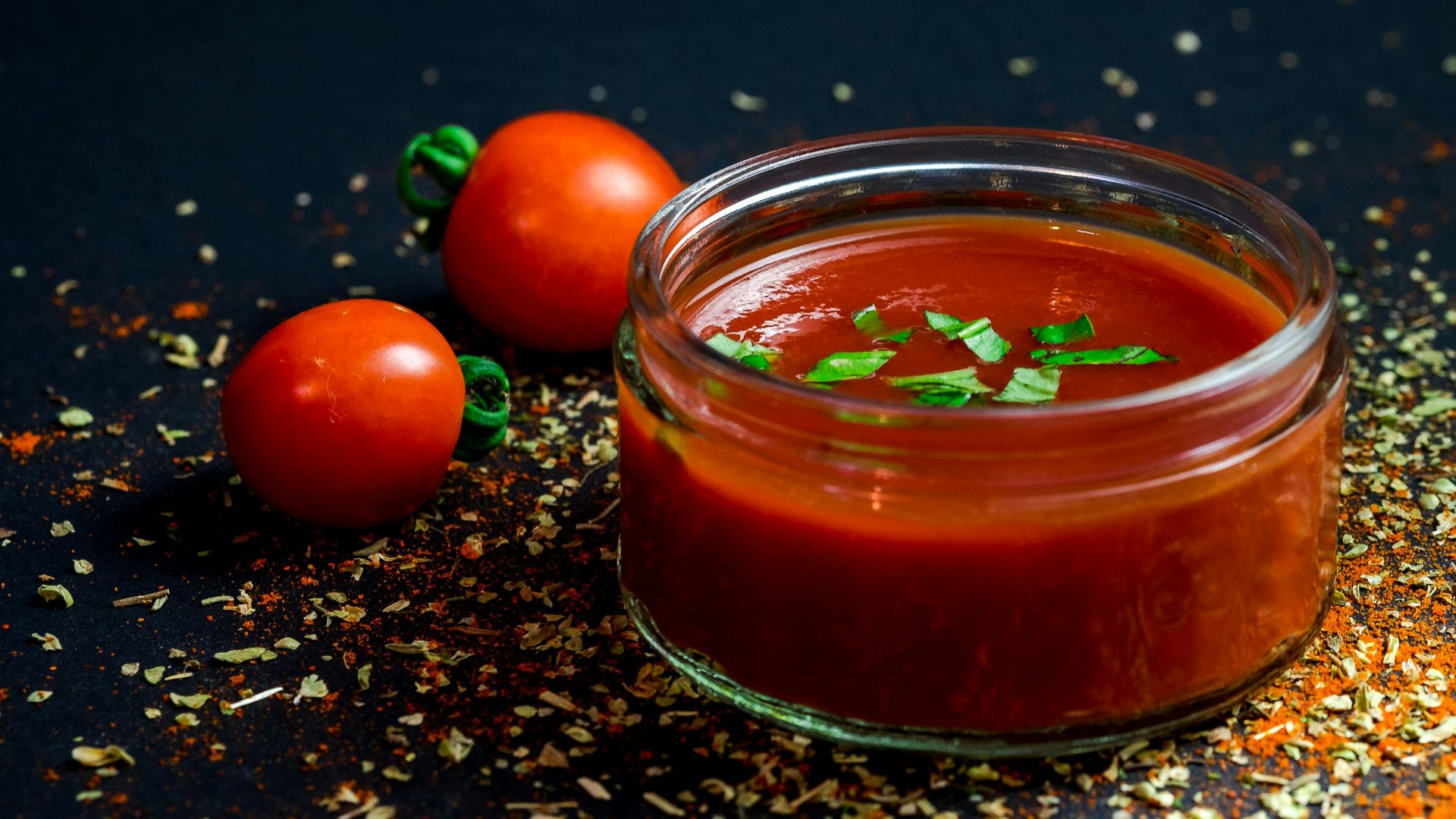
The original was a fermented fish sauce from southeastern China, and British sailors brought the idea home in the seventeenth century. English versions were built on mushrooms or walnuts for the next two hundred years. Tomatoes only entered the recipe in America, which makes the bottle in your refrigerator a fairly recent adaptation of a Chinese condiment.
6. Curry Powder
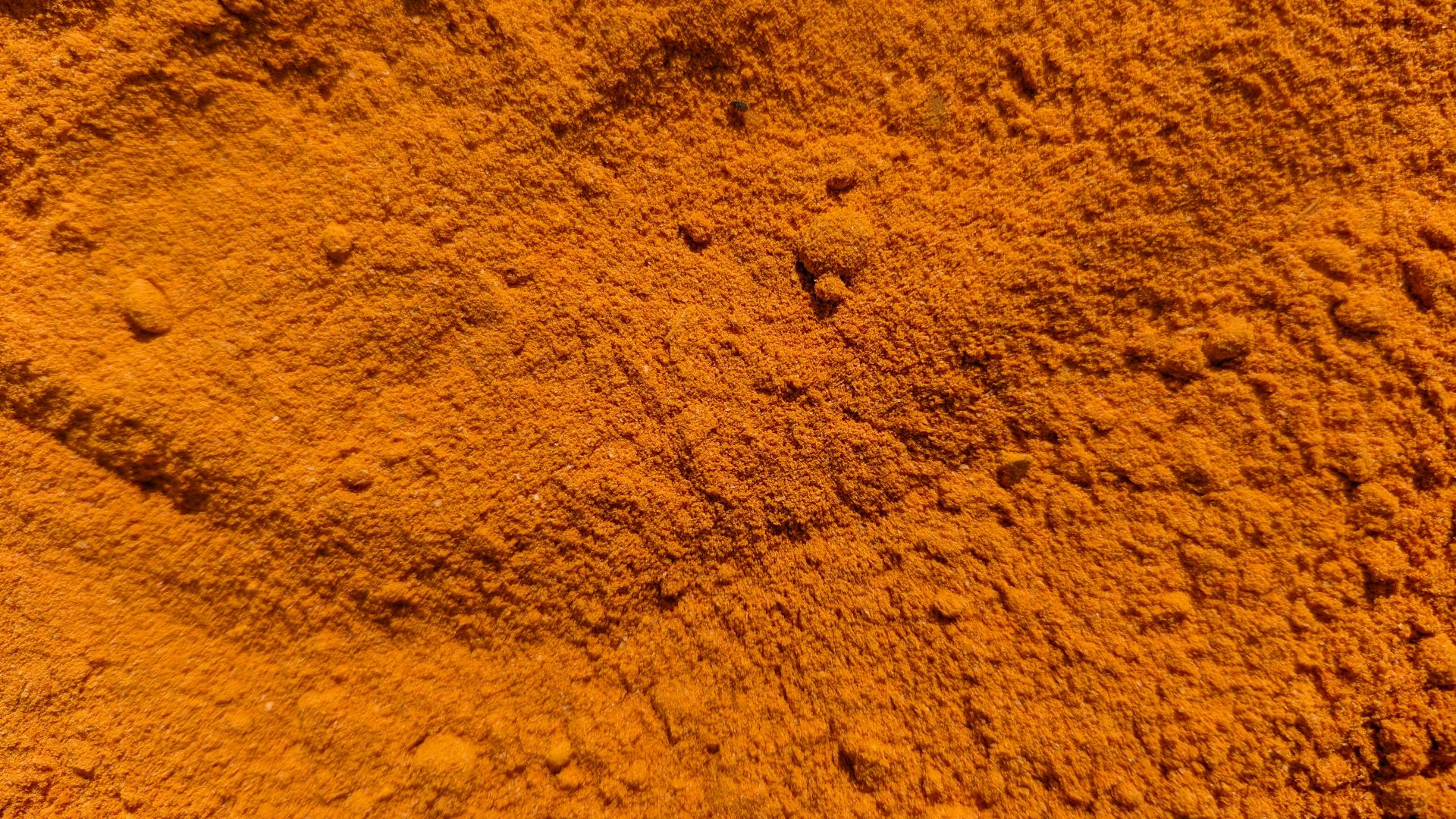
No Indian cook uses it, because the premixed blend was a British invention for the export market. Spice mixtures in India get made fresh and vary from one household to the next, let alone one region to another. Britain has been selling that tin back to the rest of the world for two centuries.
 Md Shakil Photography on Unsplash
7. General Tso's Chicken
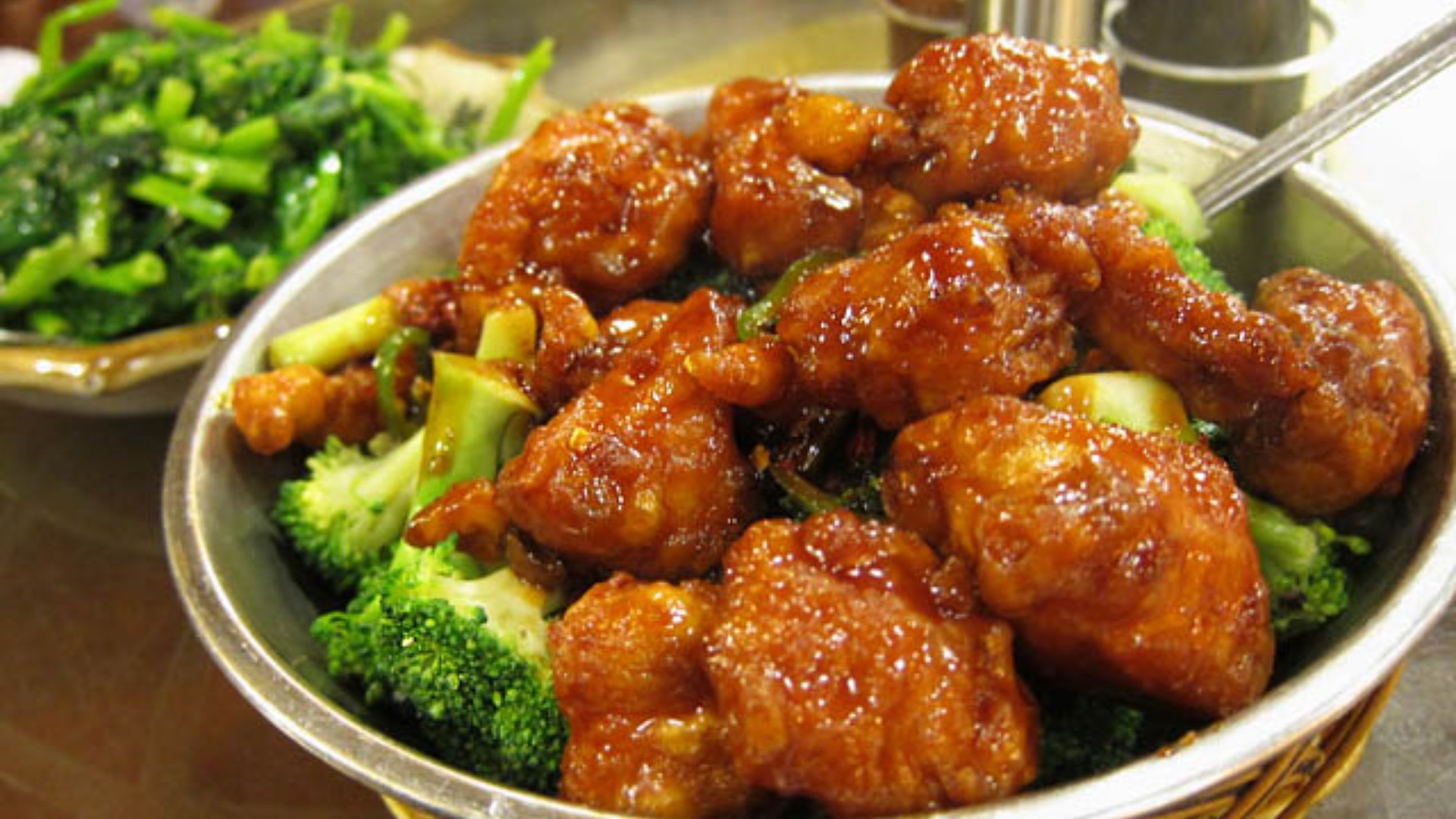
The chef Peng Chang-kuei created it in Taiwan in the 1950s after fleeing the mainland, naming it for a nineteenth-century Hunanese general who never had the opportunity to taste it.
His original was salty and sharp, and American cooks added the sugar once the dish reached New York. Peng later opened a restaurant in Hunan serving his own invention, and locals found it strange.
8. The California Roll
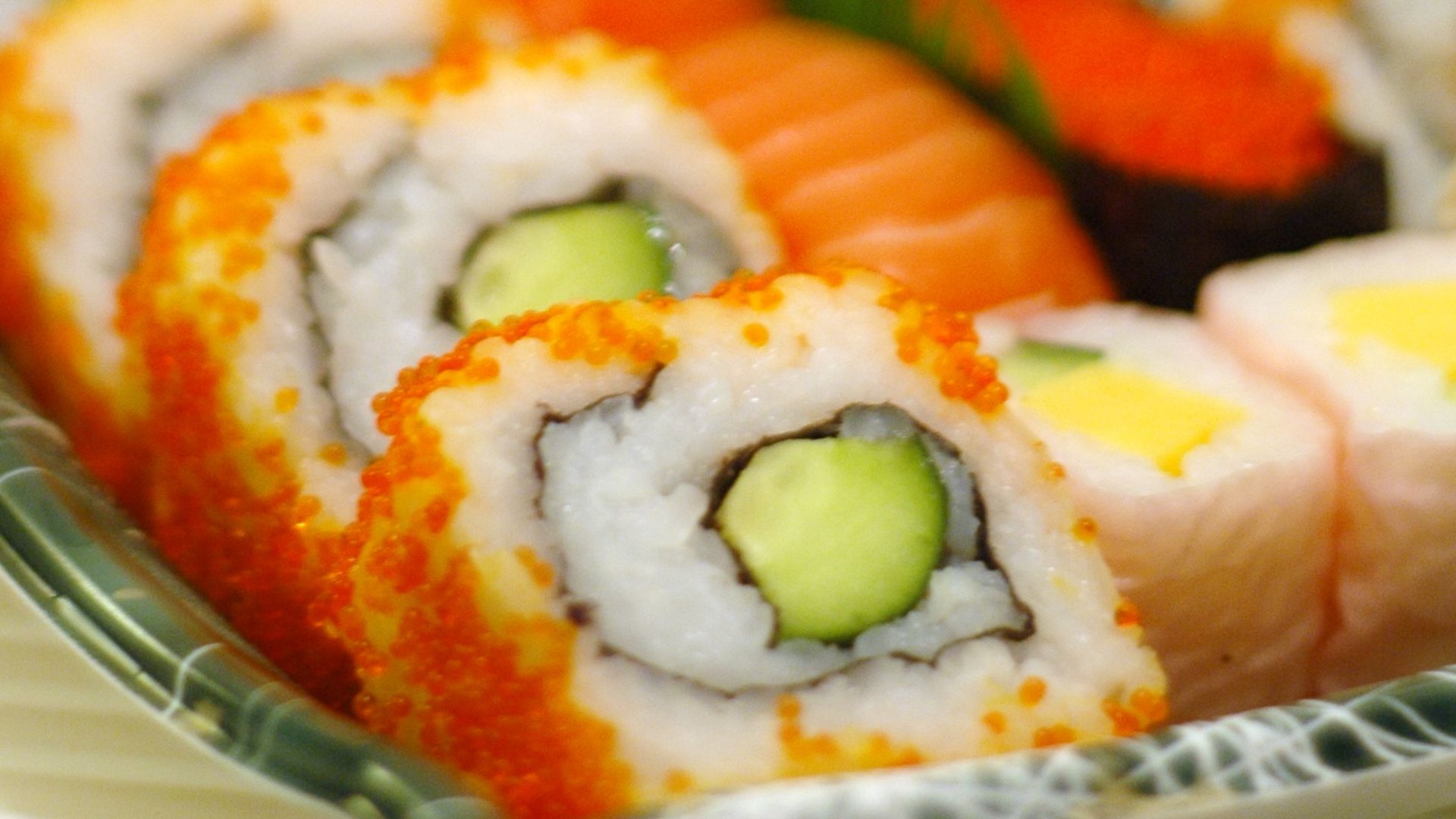
A Japanese chef working in North America built it for customers who wouldn't eat visible seaweed, so the nori went on the inside. Avocado stood in for fatty tuna, which was hard to source reliably. The roll eventually traveled back to Japan, where it arrived as an American curiosity and stayed.
9. Hawaiian Pizza
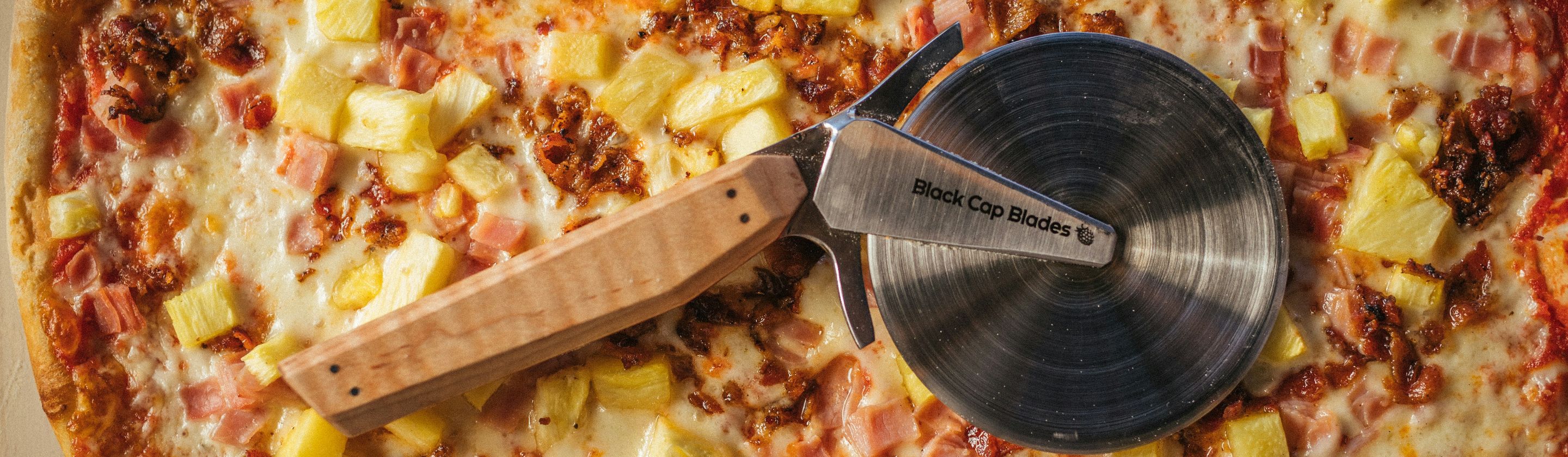
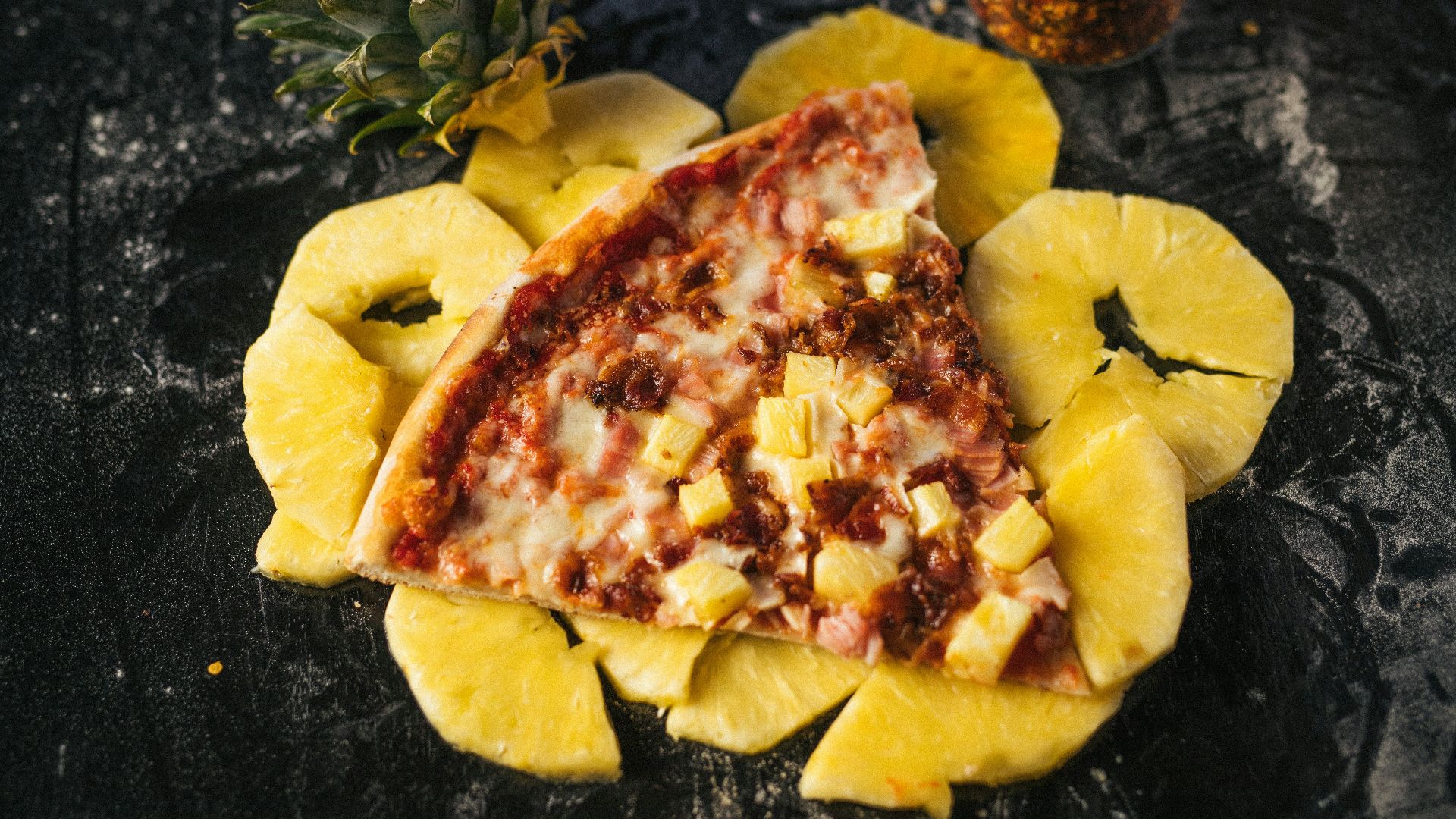
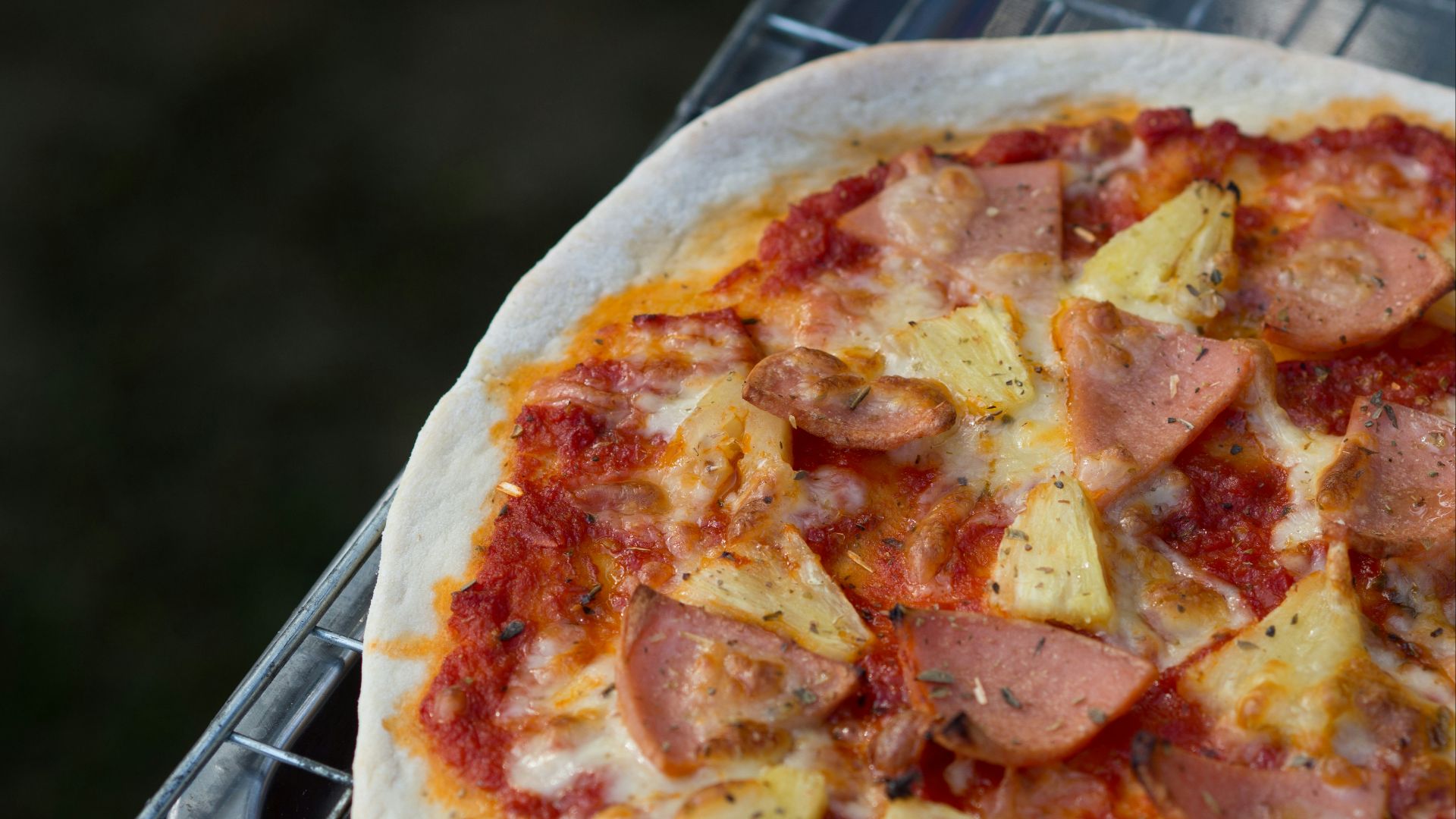
Invented in Ontario in 1962 by Sam Panopoulos, a Greek immigrant running a restaurant in a small Canadian town. The pineapple came out of a can, and nothing about the dish has any connection to Hawaii. Panopoulos spent the rest of his life explaining that to people.
10. Caesar Salad
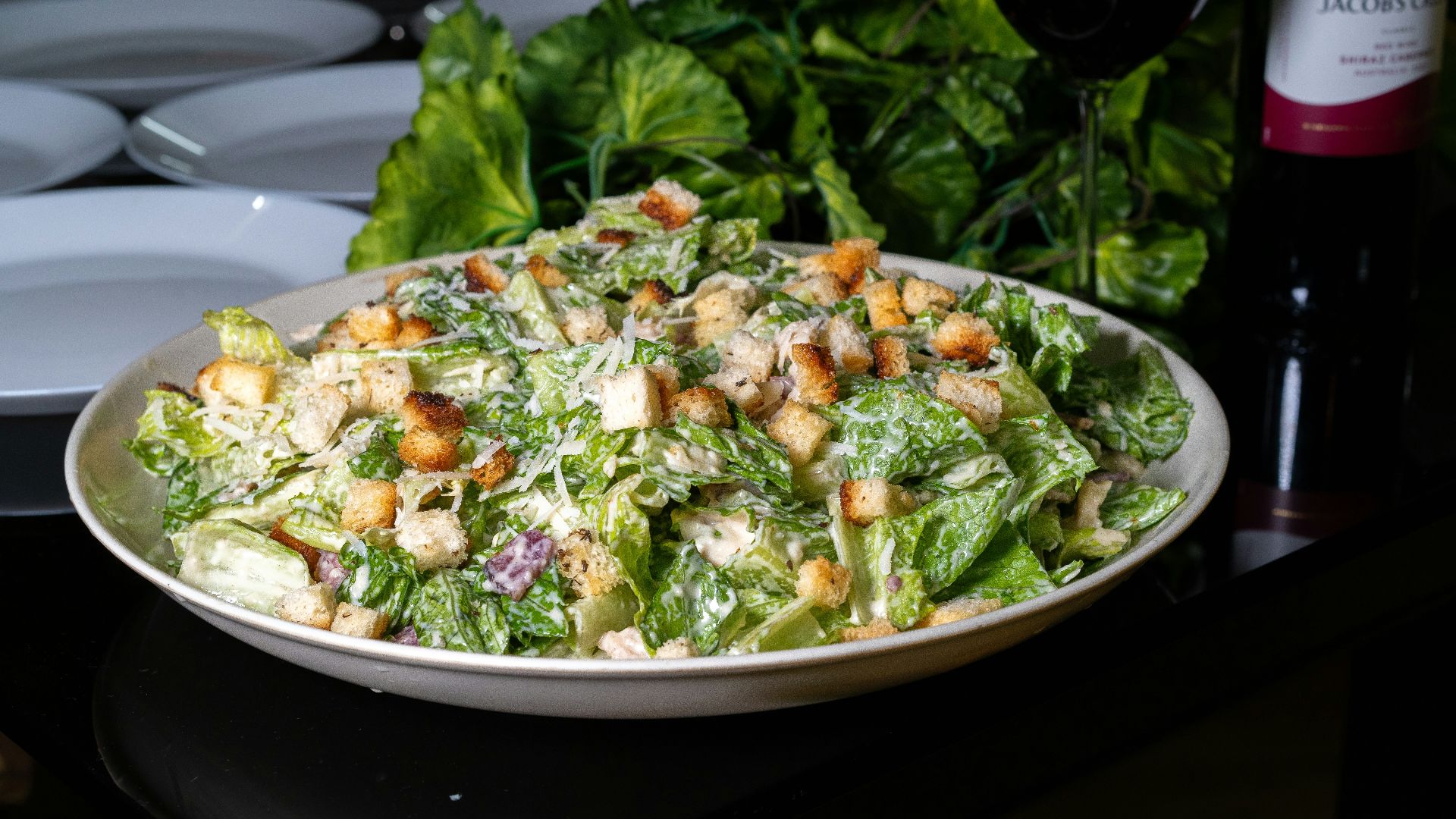
Created in Tijuana by an Italian restaurateur named Caesar Cardini, reportedly during a busy Fourth of July weekend when American tourists had crossed the border to drink during Prohibition. He built it from whatever was left in the kitchen, and the original had no anchovies in it. Julius Caesar never entered into it.
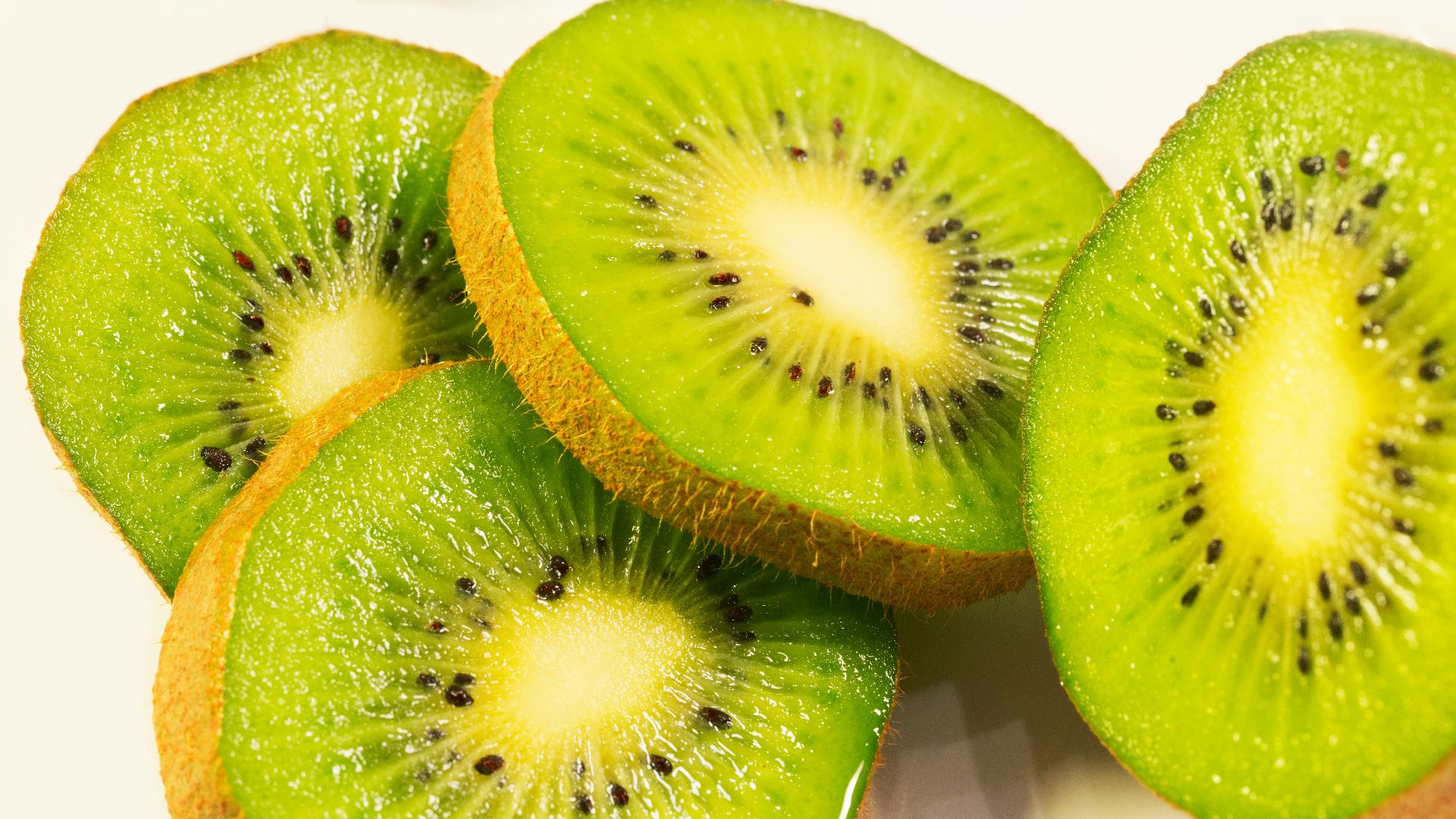
11. Kiwifruit
The vine is native to the Yangtze River valley and went by Chinese gooseberry for decades. It reached New Zealand around 1904, carried home by a school principal with seeds in her luggage.
Growers there renamed it in 1959 for export reasons, partly because of Cold War trade politics.
12. Apples
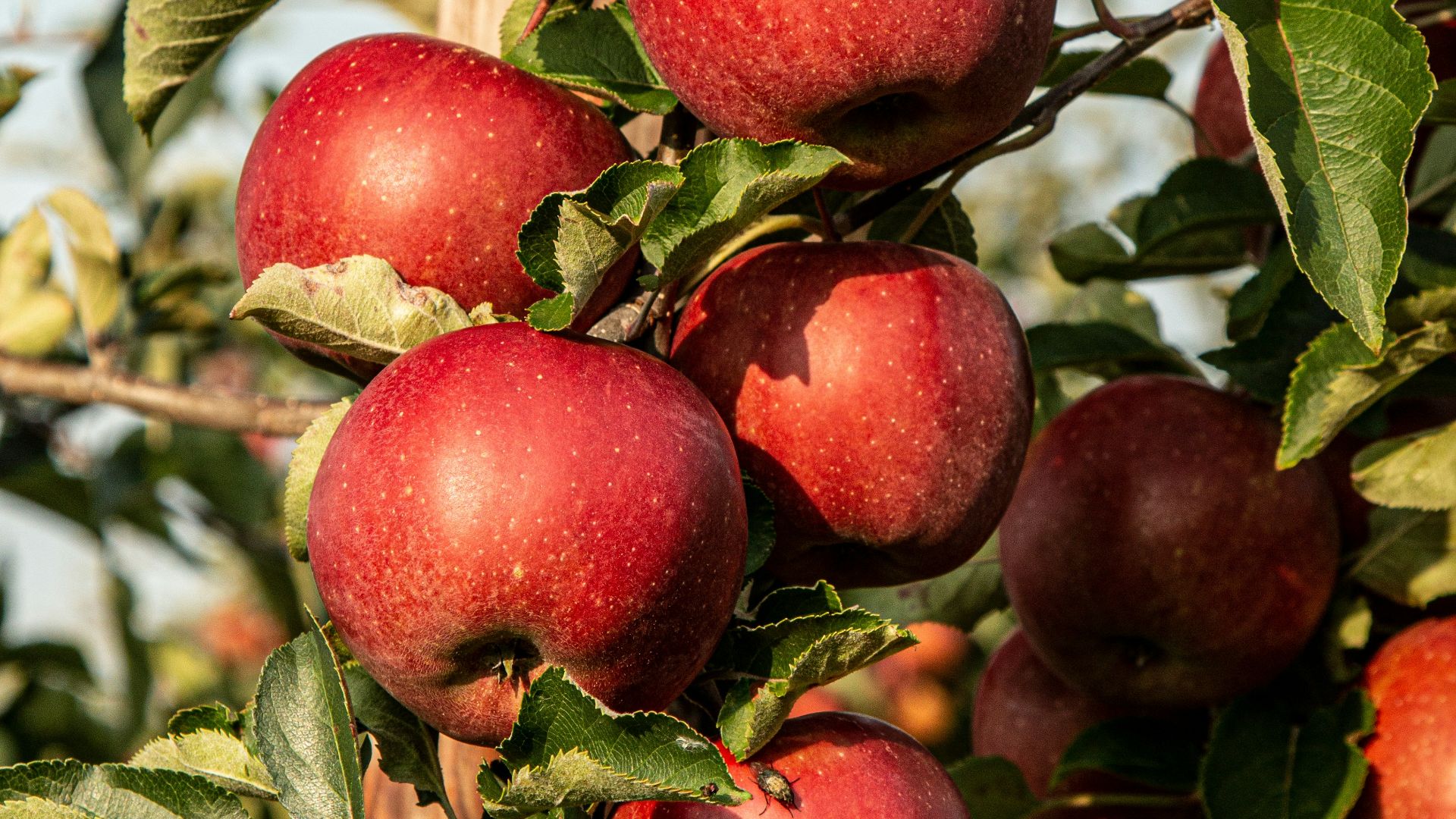
Every apple traces back to wild forests in Kazakhstan, where the ancestor species still grows along the Tian Shan mountains. The former capital, Almaty, takes its name from the word for apple. Traders carried the seeds west along the Silk Road, and the fruit reached Europe centuries before anyone planted one in America.
13. Carrots
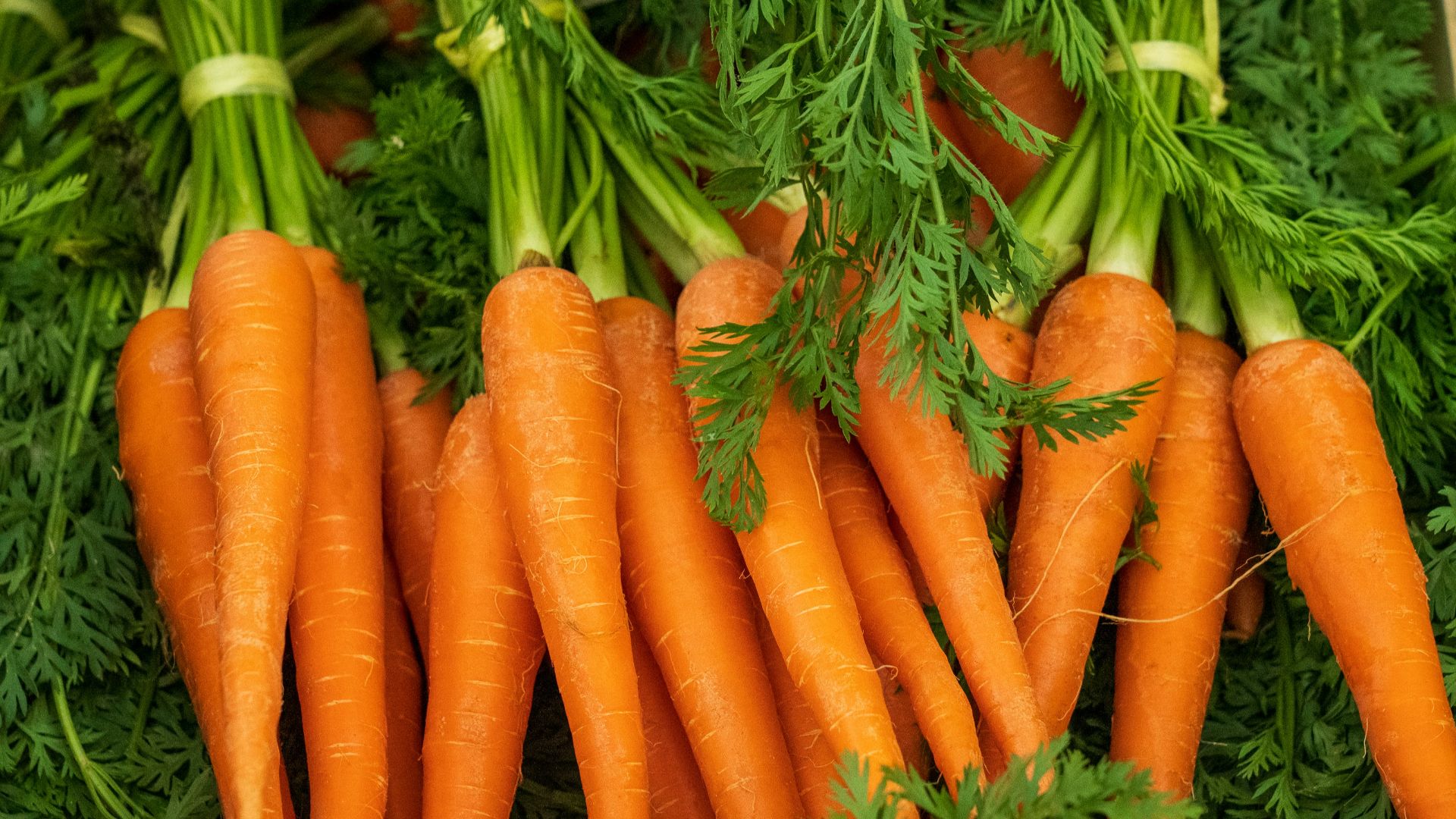
Orange carrots are a late development, and the original domesticated versions from Afghanistan were purple and yellow. Dutch growers are usually credited with the orange one, though the evidence for the patriotic-tribute story is thin. Those purple carrots at the farmers market are the older product wearing a novelty price tag.
14. Corn
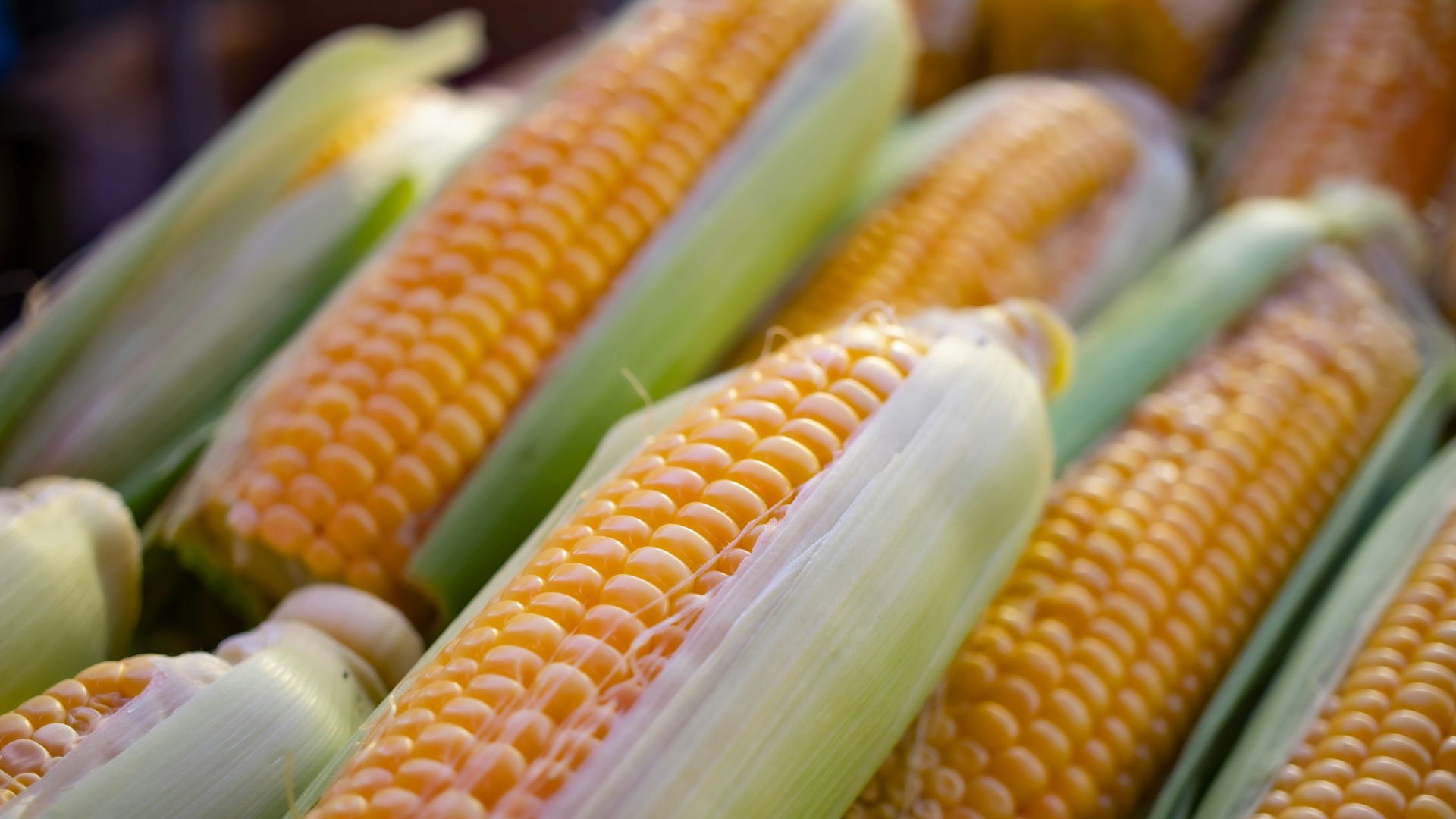
Maize descends from a Mexican grass called teosinte, whose seed head holds about a dozen hard kernels and looks nothing like an ear of corn. Farmers in southern Mexico transformed it over thousands of years of patient selection, one slightly better plant at a time. The change is drastic enough that botanists argued about the relationship for most of the twentieth century.
 Wouter Supardi Salari on Unsplash
15. Almonds
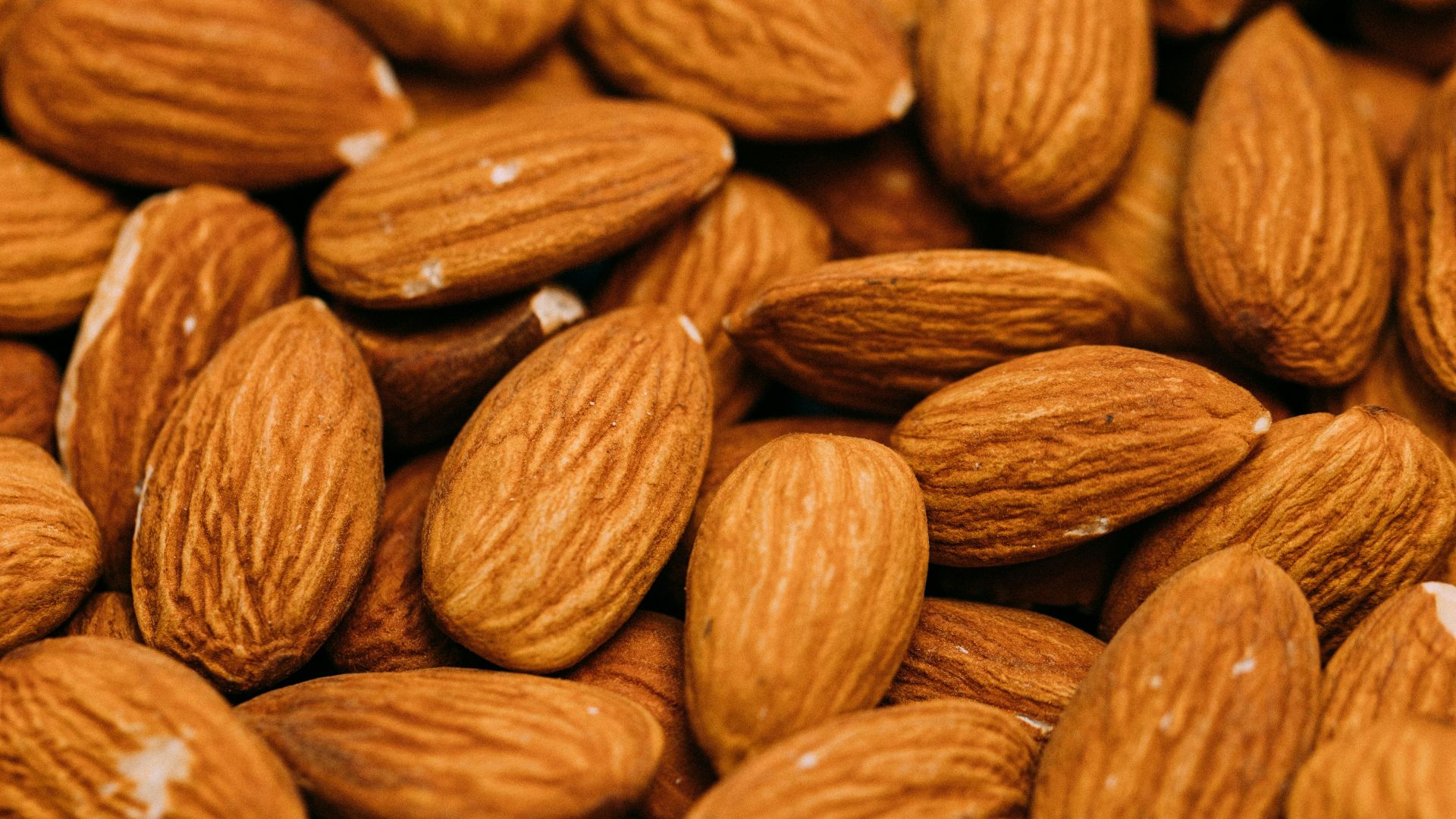
Wild almonds contain a compound that releases cyanide, and eating a handful of the bitter kind can kill an adult. Somebody in the ancient Levant found a mutated sweet tree and propagated it on purpose.
Every almond sold today descends from that single genetic accident and the person who noticed it.
16. Vanilla
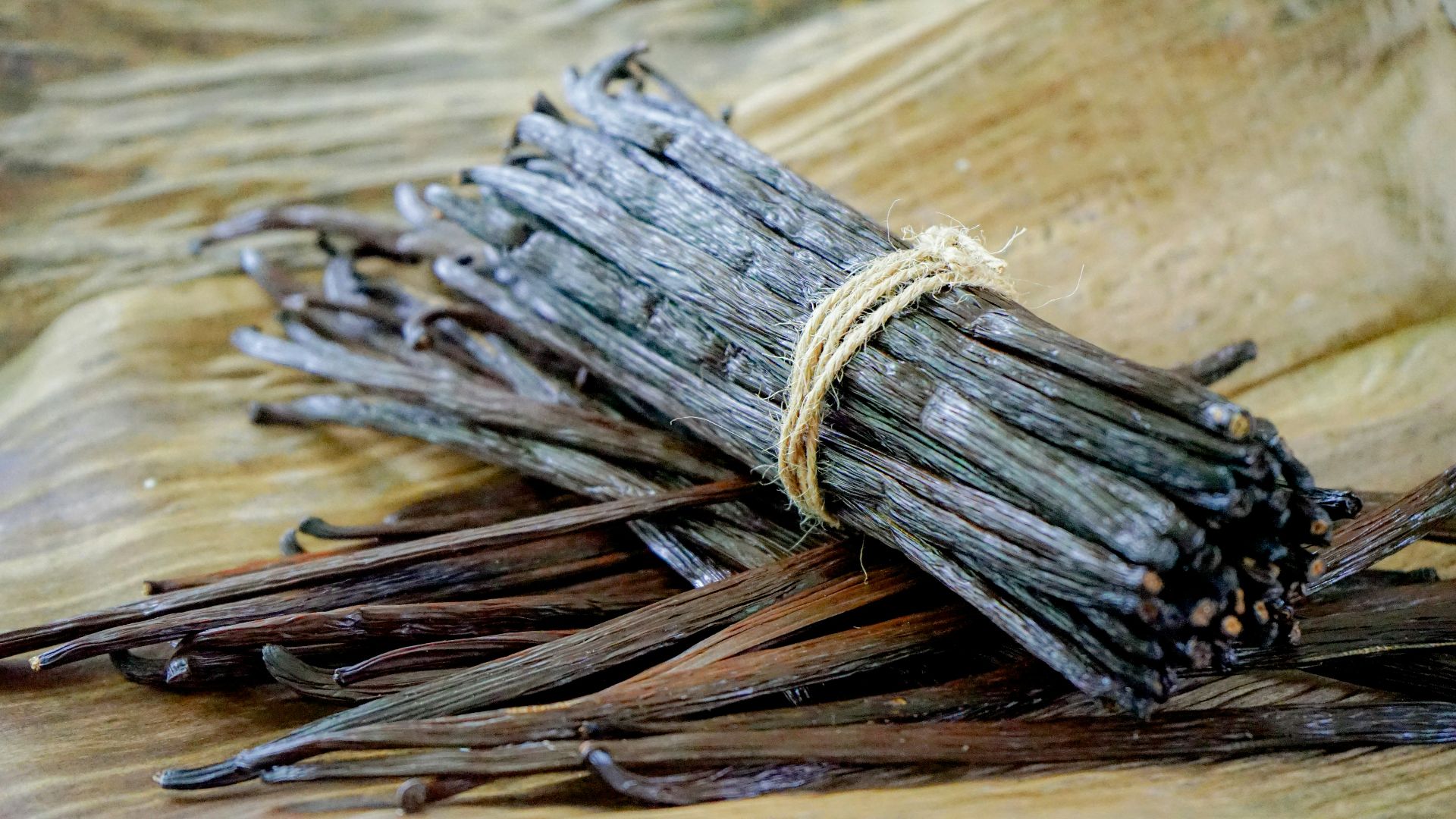
One particular bee pollinates the orchid in Mexico, which meant plantations everywhere else produced nothing for centuries. A twelve-year-old enslaved boy named Edmond Albius on Réunion worked out hand pollination in 1841 using a sliver of bamboo. The method he devised is still how nearly all vanilla gets pollinated.
17. Sushi
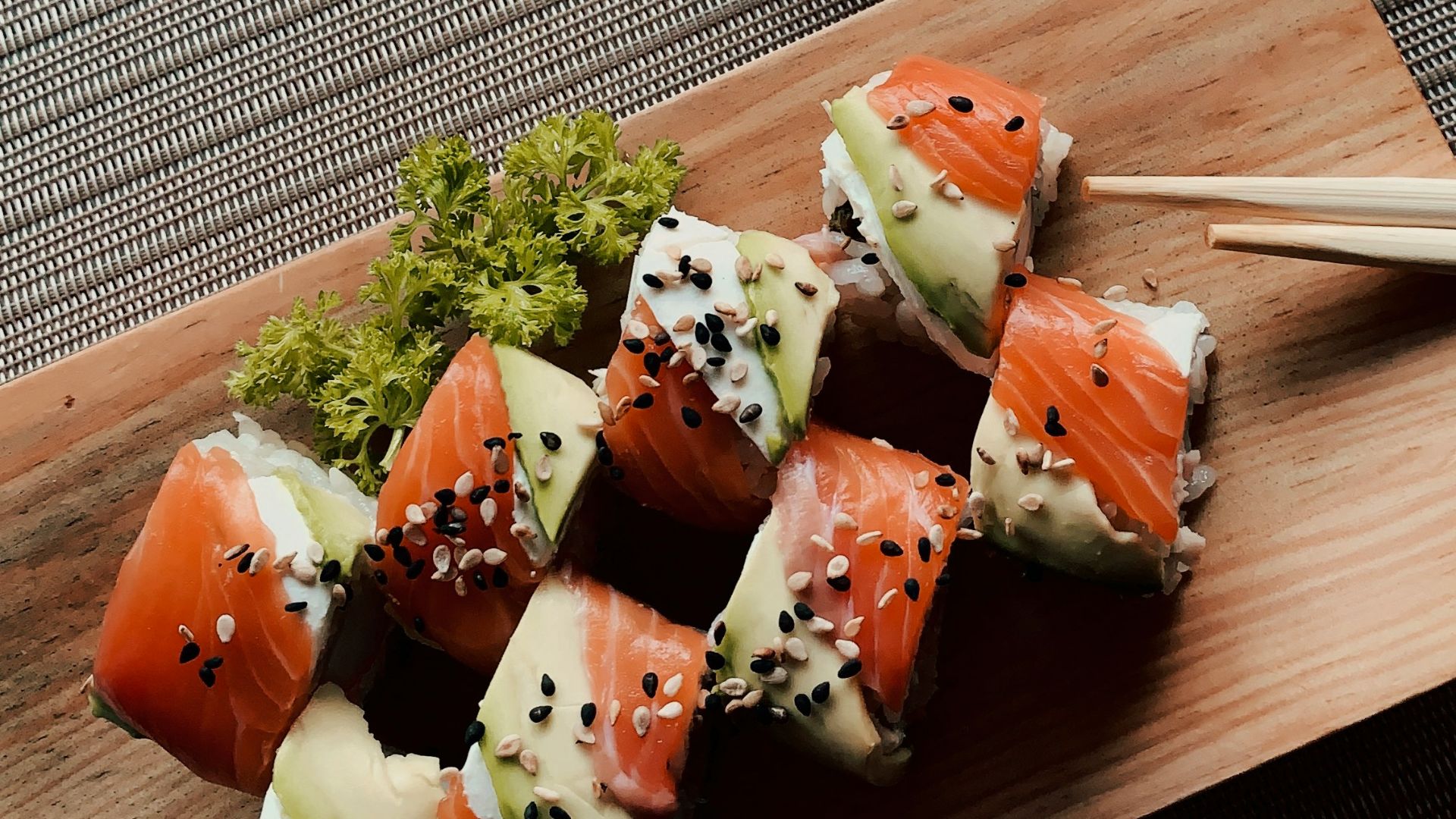
Preservation came first, with fish packed in fermented rice for months until the acid made it safe to eat. The rice itself was thrown away. The fresh version everyone knows now is a nineteenth-century Tokyo street food that kept the rice and dropped the fermentation.
18. Chili Peppers In Asian Cooking
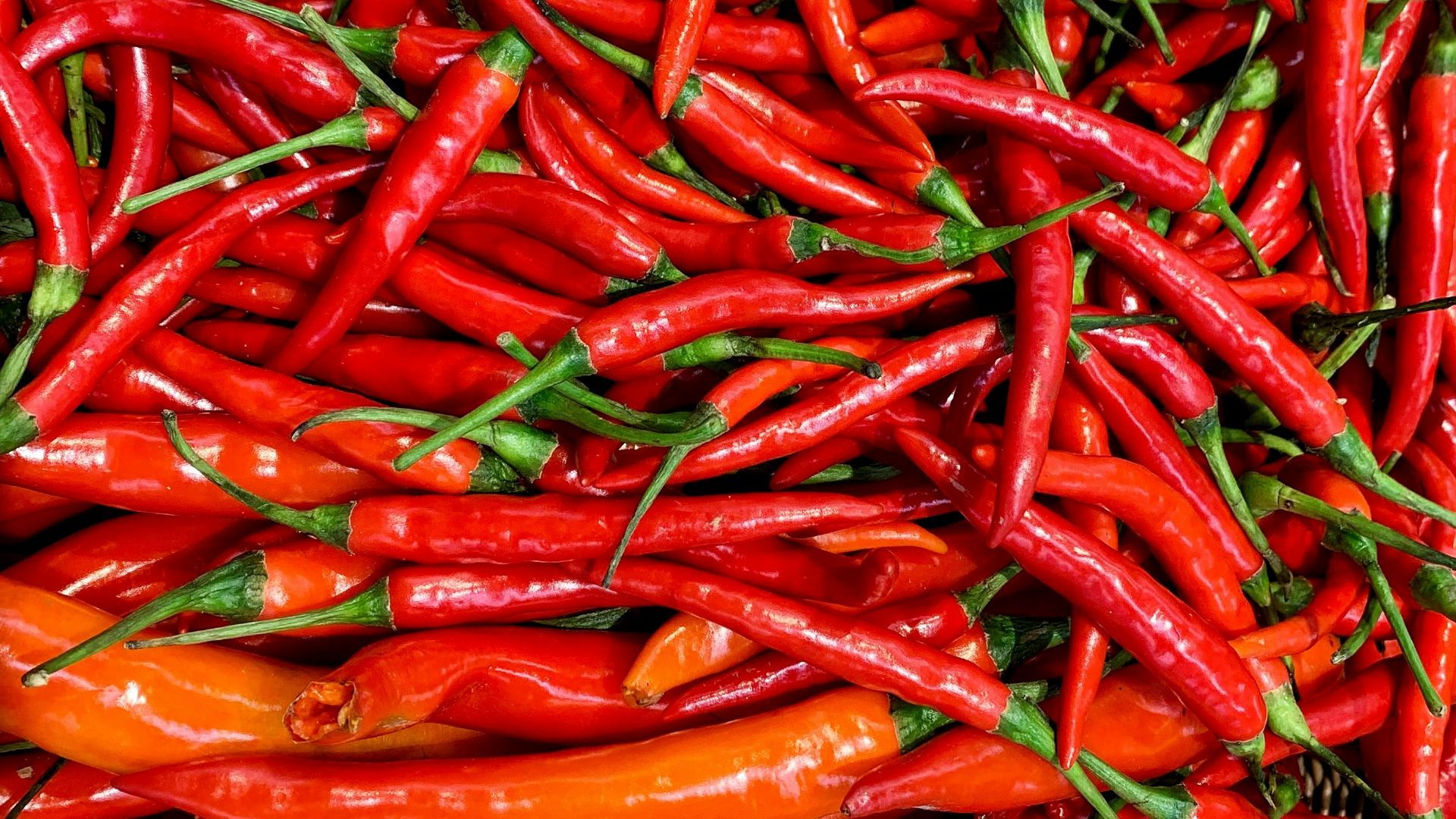
Sichuan and Thai food both got their heat from the Americas, after Portuguese traders carried peppers east in the sixteenth century. Before that, Sichuan cooking relied on its native peppercorn and black pepper. The cuisines people consider inseparable from chili have only been spicy for about four hundred years.
19. Peanut Butter
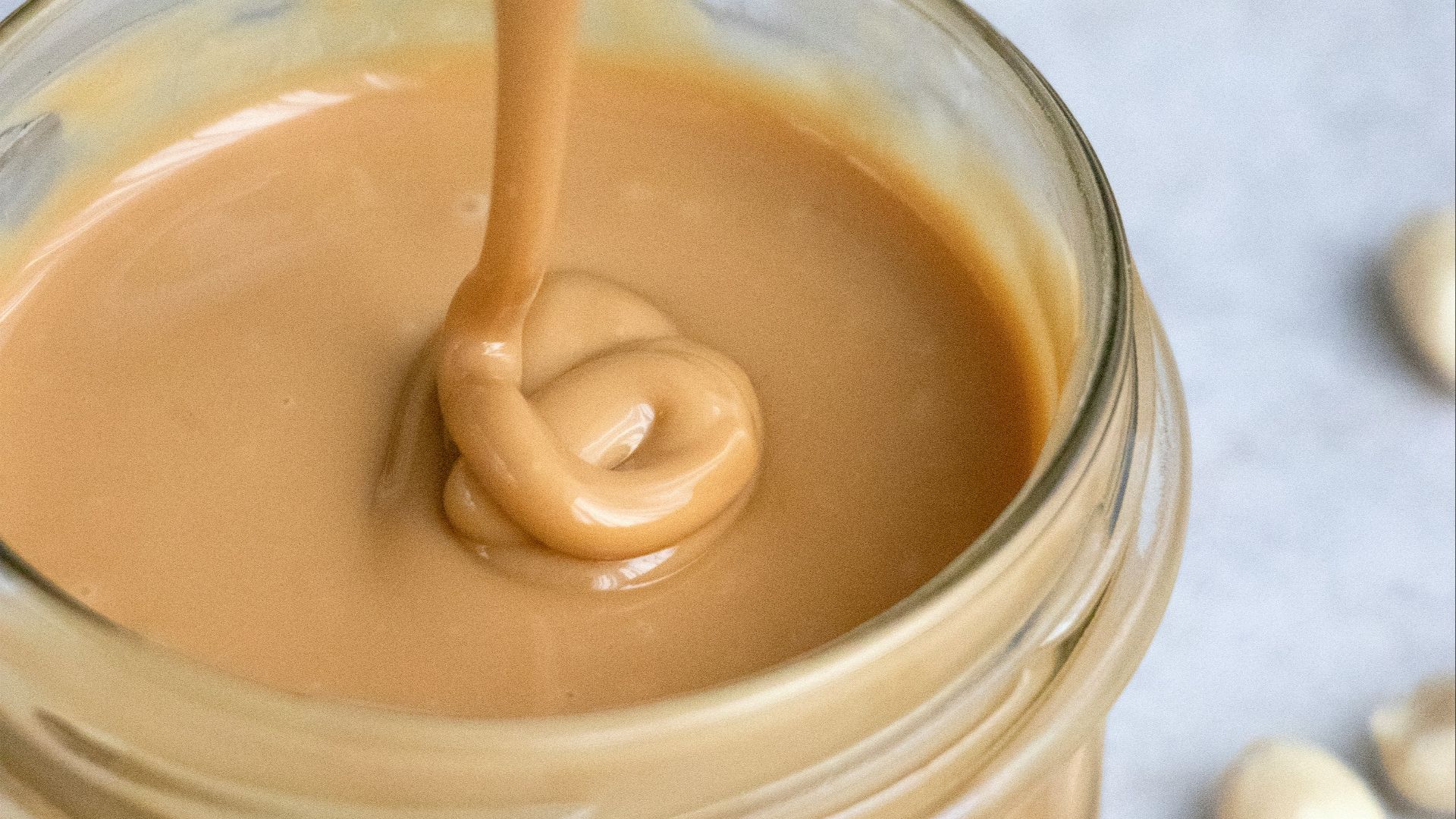
George Washington Carver did an enormous amount for peanut farming, but patents for versions of peanut butter predate his work, including one from a Canadian chemist in 1884 and another from John Harvey Kellogg. The misattribution gets repeated in classrooms every year, which does his actual work no favors.
20. Worcestershire Sauce
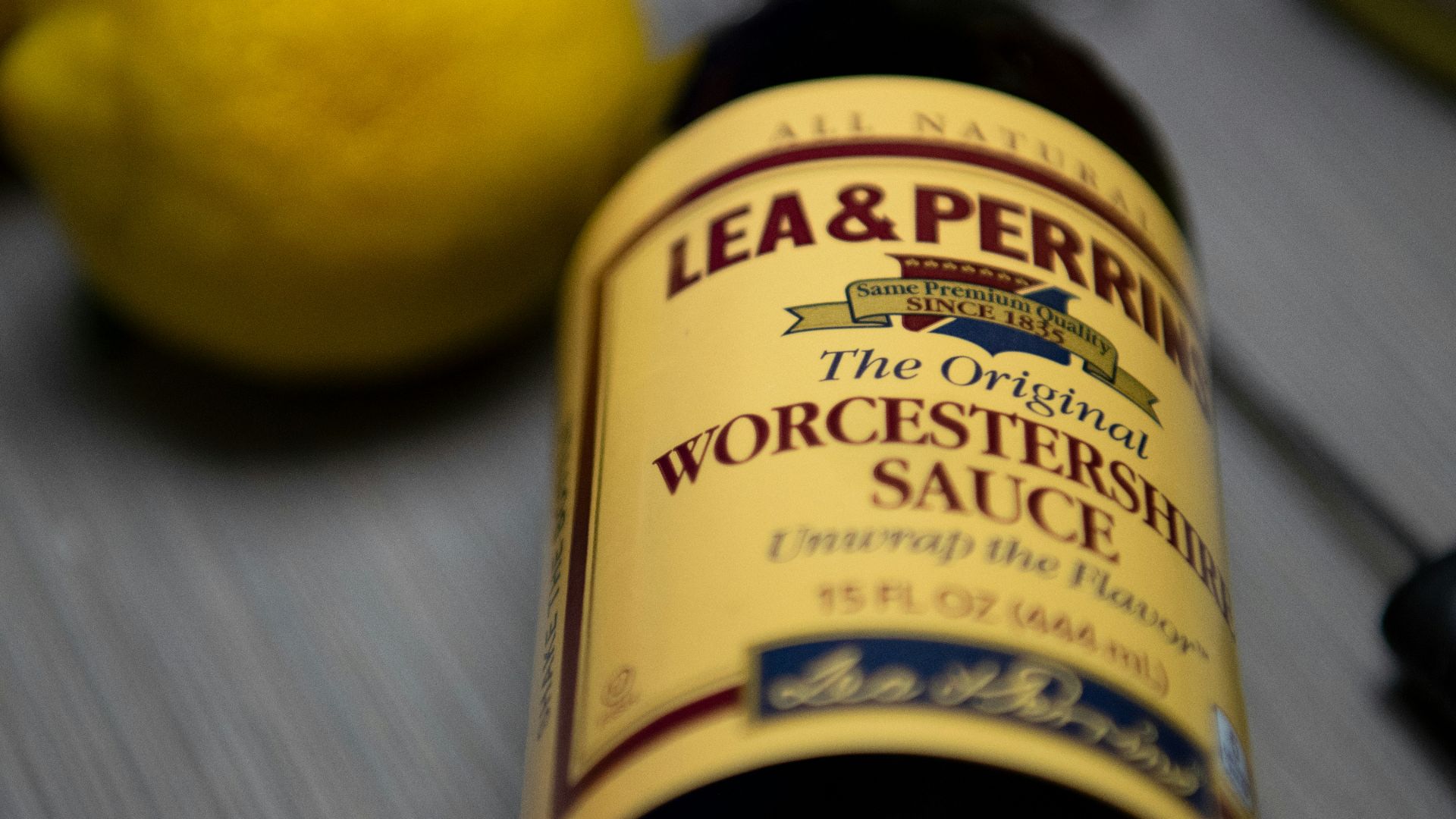
Two chemists in Worcester built it in the 1830s from a recipe with Bengali roots, and the fermented anchovy base connects it to the fish sauces of the ancient Mediterranean. The origin story about a forgotten barrel improving in the cellar was probably good marketing. The lineage running back to Roman garum is real enough.
KEEP ON READING