Small Habits Add Up Faster Than You Think
Grocery bills climb every year, and it rarely feels like any single trip caused the jump. You buy the pre-cut vegetables because it saves ten minutes, or grab a few extra items without checking the unit price. None of it looks like overspending in the moment, and these small decisions repeat every week without announcing their cost. But add it up over twelve months and the numbers get uncomfortable fast, more than most people expect. Here's 20 habits worth catching before your next cart fills up.
1. Skipping Unit Prices
Two packages of the same product can carry wildly different per-ounce costs, and the bigger one isn't always the cheaper one. Grabbing whatever sits at eye level skips that math entirely, and eye level is rarely where the bargains live. Checking the small print on the shelf tag takes five seconds and can save real money over the course of a year, especially on staples you buy every week.
2. Shopping On An Empty Stomach
Hunger changes what looks reasonable to buy, turning ordinary items into things that suddenly feel essential. A hungry brain reaches for chips and bakery treats that were never part of the plan, and they all seem justified by the time you reach checkout. Eating something small before you shop keeps the cart closer to what you actually planned.
 Boxed Water Is Better on Unsplash
3. Buying Pre-Cut Produce
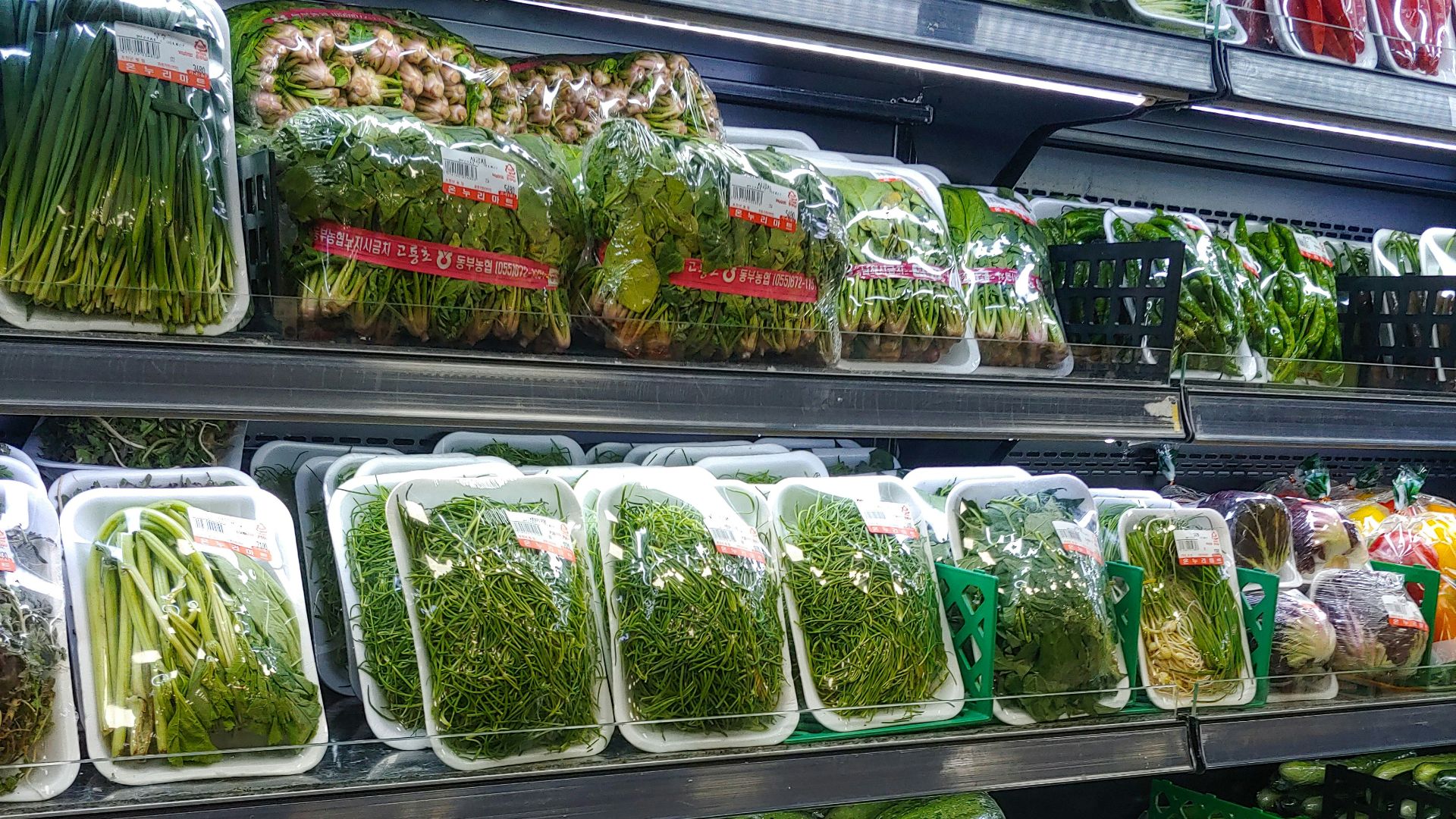
Pre-washed lettuce and diced onions cost more per pound than the whole version, sometimes double. It's convenient, sure, and on a hectic evening it can feel worth the extra cost. Ten minutes with a knife pays for itself pretty quickly, and the whole vegetable keeps longer in the fridge.
4. Ignoring Store Brands
Many store brands come off the same production lines as name brands, just packaged under a different label and sold for less. Passing them over out of habit means paying a premium for recognition rather than quality. A side-by-side taste test at home usually settles the question fast, and it rarely goes the way people expect.
 Joshua Rawson-Harris on Unsplash
5. Not Checking The Pantry First
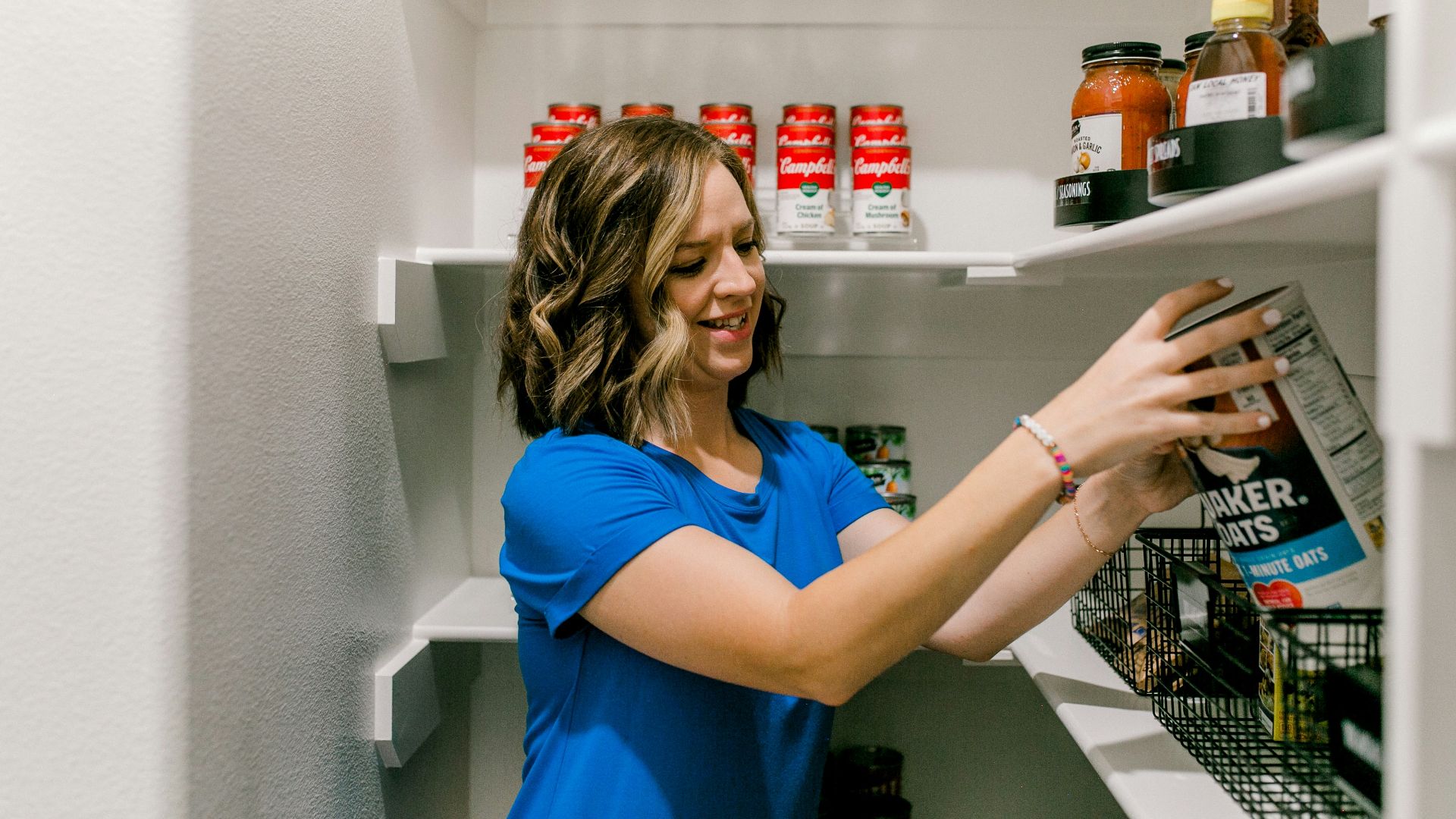
Walking into the store without knowing what's already at home leads to duplicate purchases more often than anyone likes to admit. That third jar of peanut butter in the back of the cabinet did not need company, and neither did the rice behind it. A quick glance at the shelves before you leave saves money, and it takes less time than finding your keys.
6. Buying Bulk Without A Plan
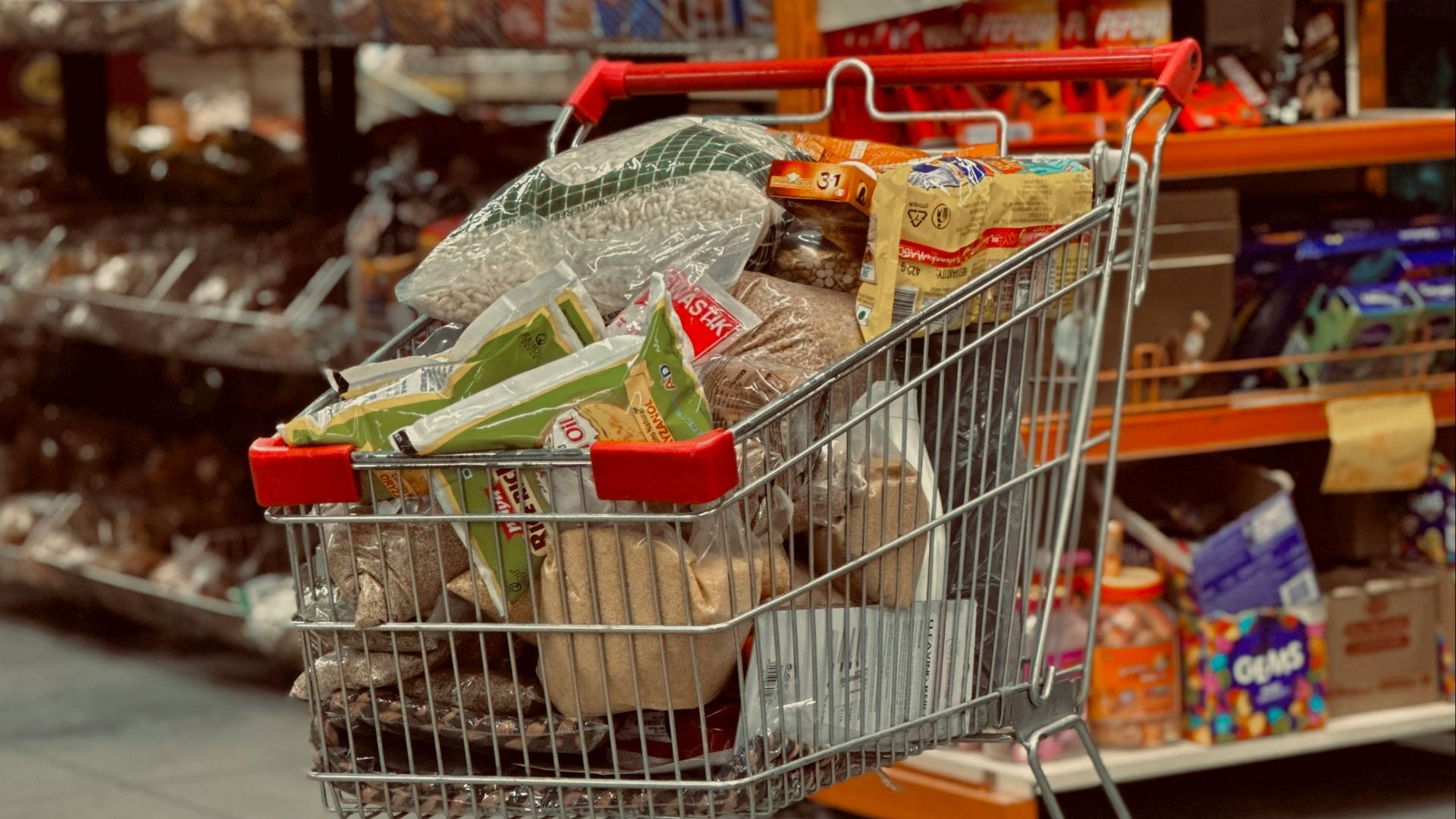
Bulk sizes look like savings on paper, but only if you actually use the product before it goes bad. A five-pound bag of spinach that wilts in the crisper drawer was never a deal, no matter what the per-unit price suggested. Save the bulk sizes for things with a long shelf life, and stick to normal portions for anything that spoils fast.
7. Skipping The List
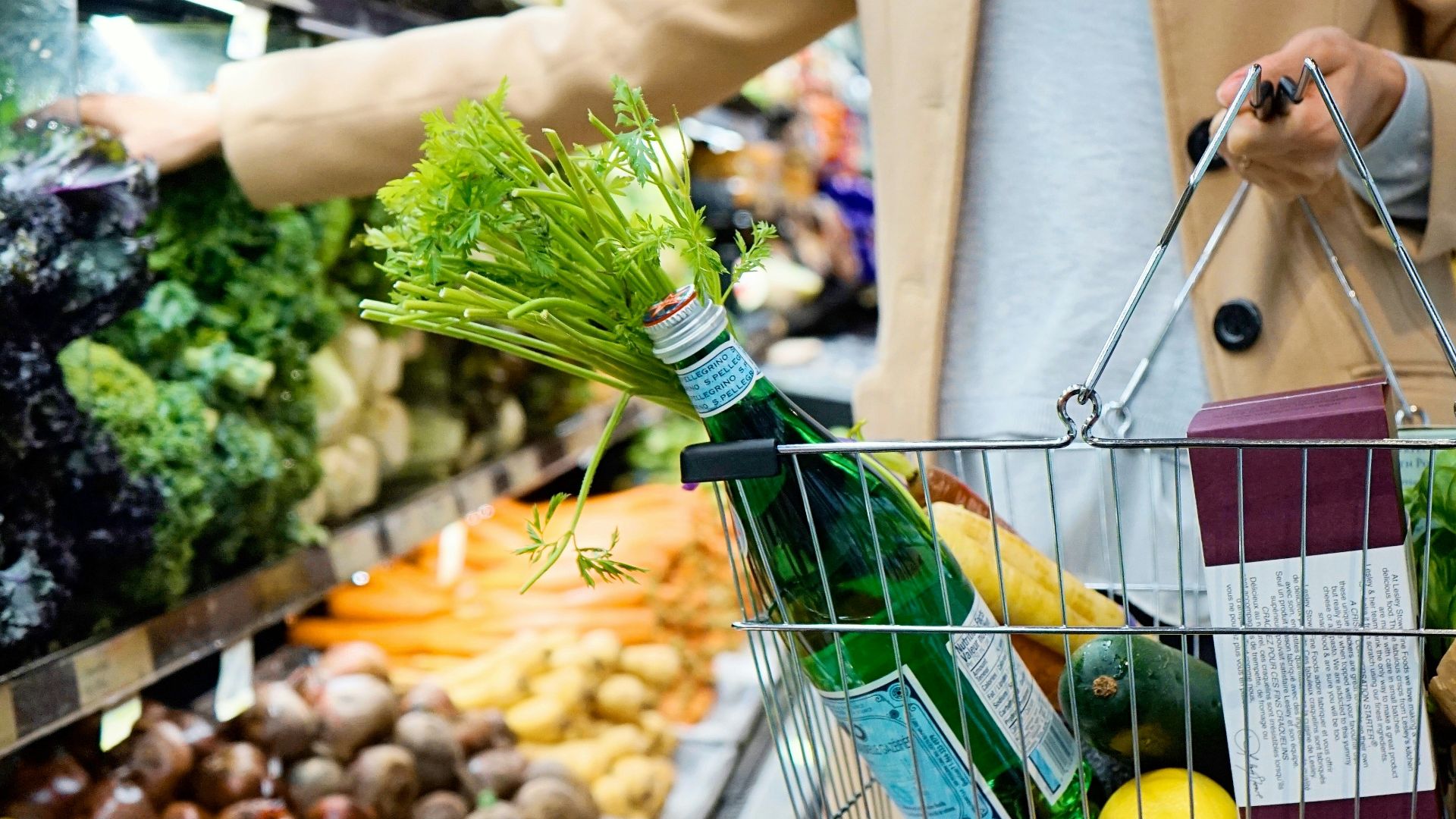
Wandering the aisles without a plan invites impulse buys at every turn. Stores are laid out to catch your eye with new products and seasonal displays, often placed right where you'd naturally slow down, and a drifting shopper falls for most of them. A list, even a rough one scrawled on your phone, keeps the trip on track.

8. Chasing Every Sale
A markdown sticker doesn't make something a good buy. Grabbing three boxes of a snack you don't usually eat, just because it's discounted, still adds spending you wouldn't have had otherwise. Sales are worth taking on things already on your list, rather than as detours that talk you into something new.
9. Buying Single-Serving Snack Packs
Individually wrapped portions cost more per ounce than the same snack sold in a larger bag, often by a wide margin. The portion control is nice, but you're paying for the packaging almost as much as the food. Buying the bigger bag and splitting it yourself into containers gets you the same convenience for a fraction of the price.
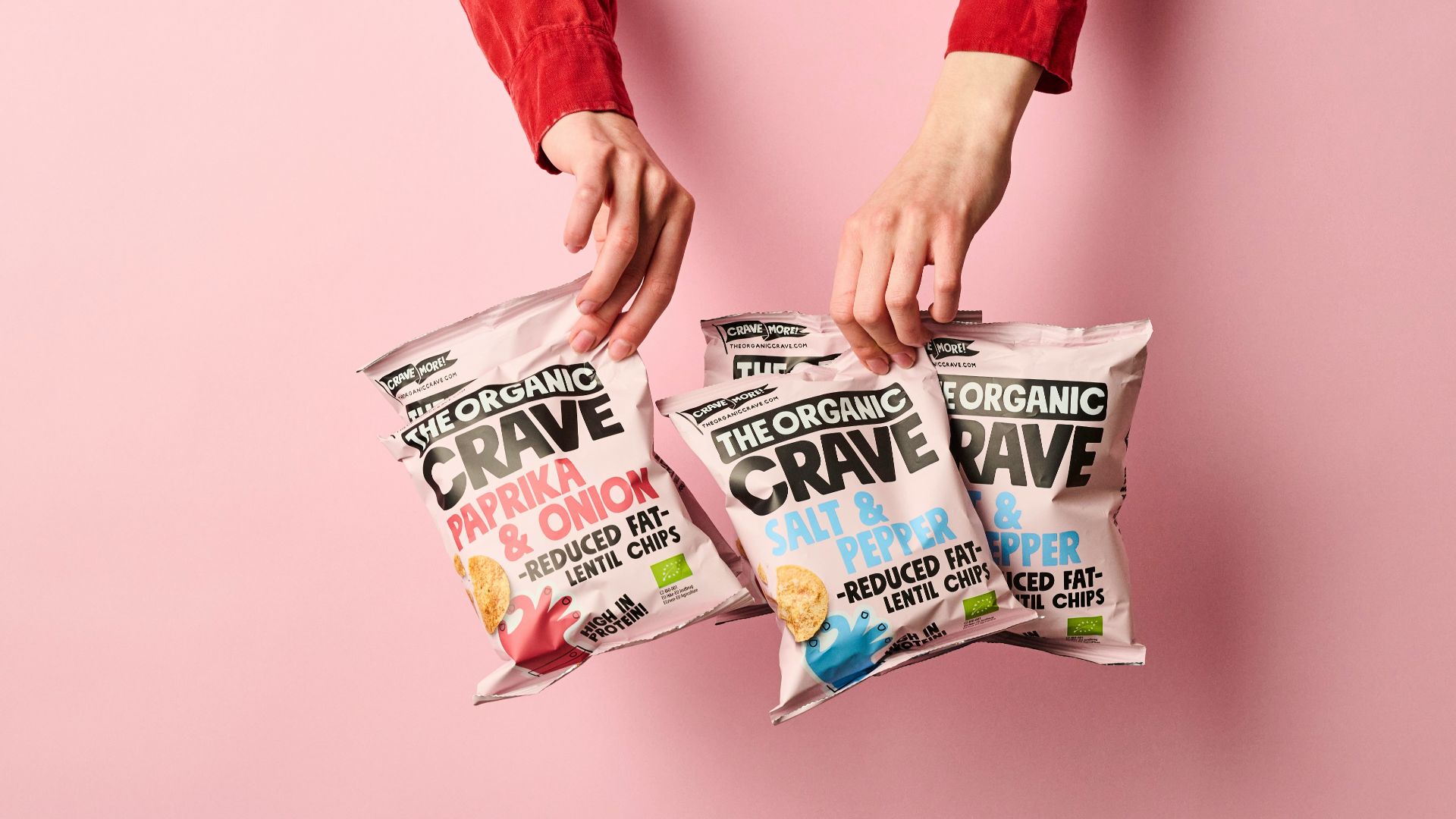 THE ORGANIC CRAVE Ⓡ on Unsplash
10. Not Rotating What You Already Have
Fresh food bought with good intentions but pushed to the back of the fridge behind newer purchases eventually turns into compost. Moving older items to the front, where you'll actually see them, breaks that cycle before it repeats week after week. It's a small habit that saves a surprising amount over a year.

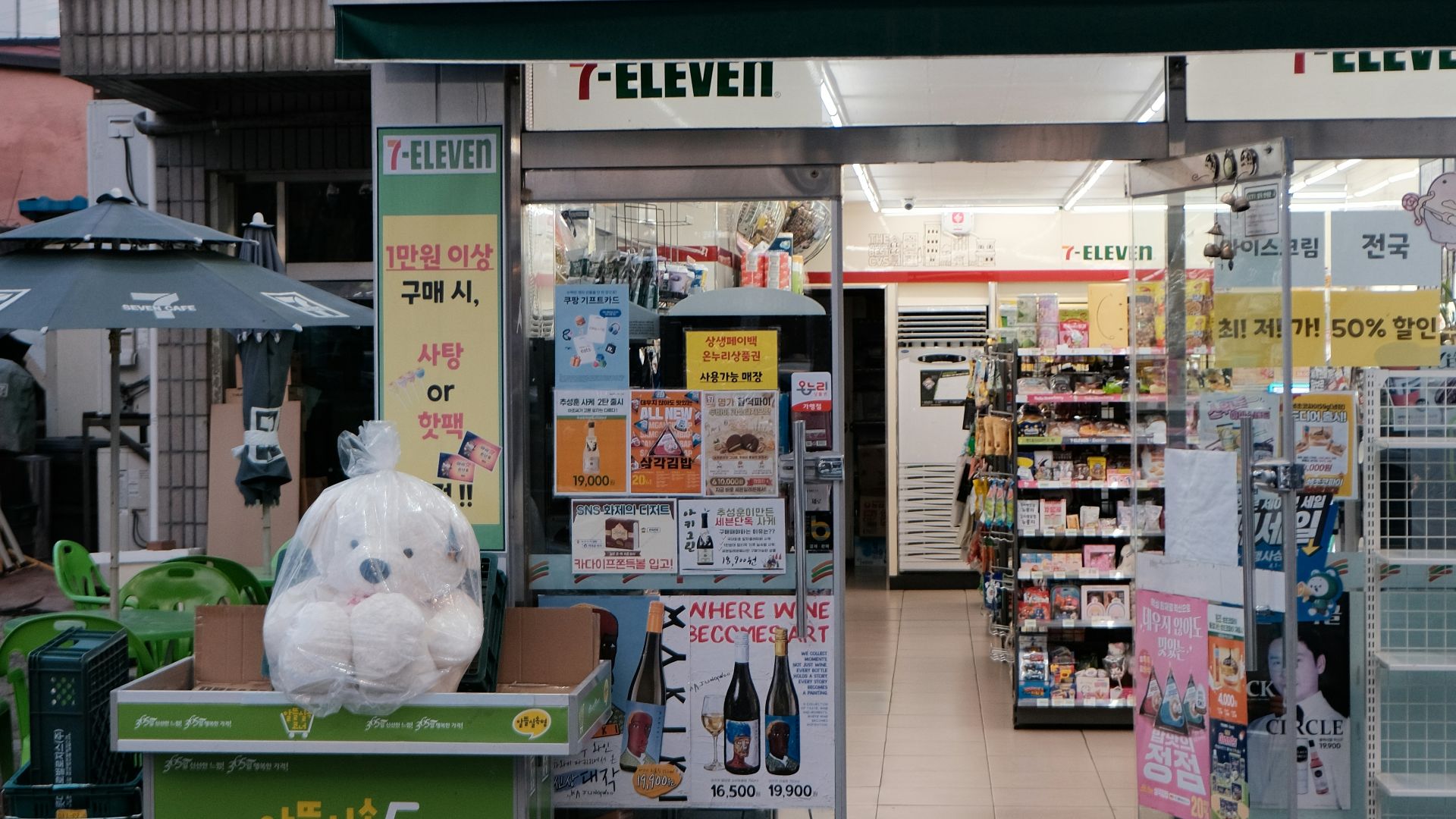
11. Relying On The Corner Store
Running out of milk and grabbing it from the closest convenience store instead of planning ahead means paying convenience-store prices for grocery-store items. Those small emergency runs add up faster than they seem to, since each one carries its own markup. A little more planning around what you'll need mid-week avoids the markup entirely.
12. Buying Bottled Drinks By Habit
A case of bottled water or a pack of soda seems minor at checkout, barely worth a second thought. But multiply it by every week of the year and it becomes a real line item, one that can rival a phone bill. Filtered tap water and a reusable bottle handle the same need for a fraction of the cost, and the habit is easy to change once you actually notice it.

13. Skipping Loyalty Programs
Store loyalty apps and cards get you lower prices on items you're already buying, but only if you sign up and actually use them. Passing on the discount because signing up feels like a hassle costs money for no reason. Most of these programs take less than a minute to join, and the savings usually start on that very same trip.

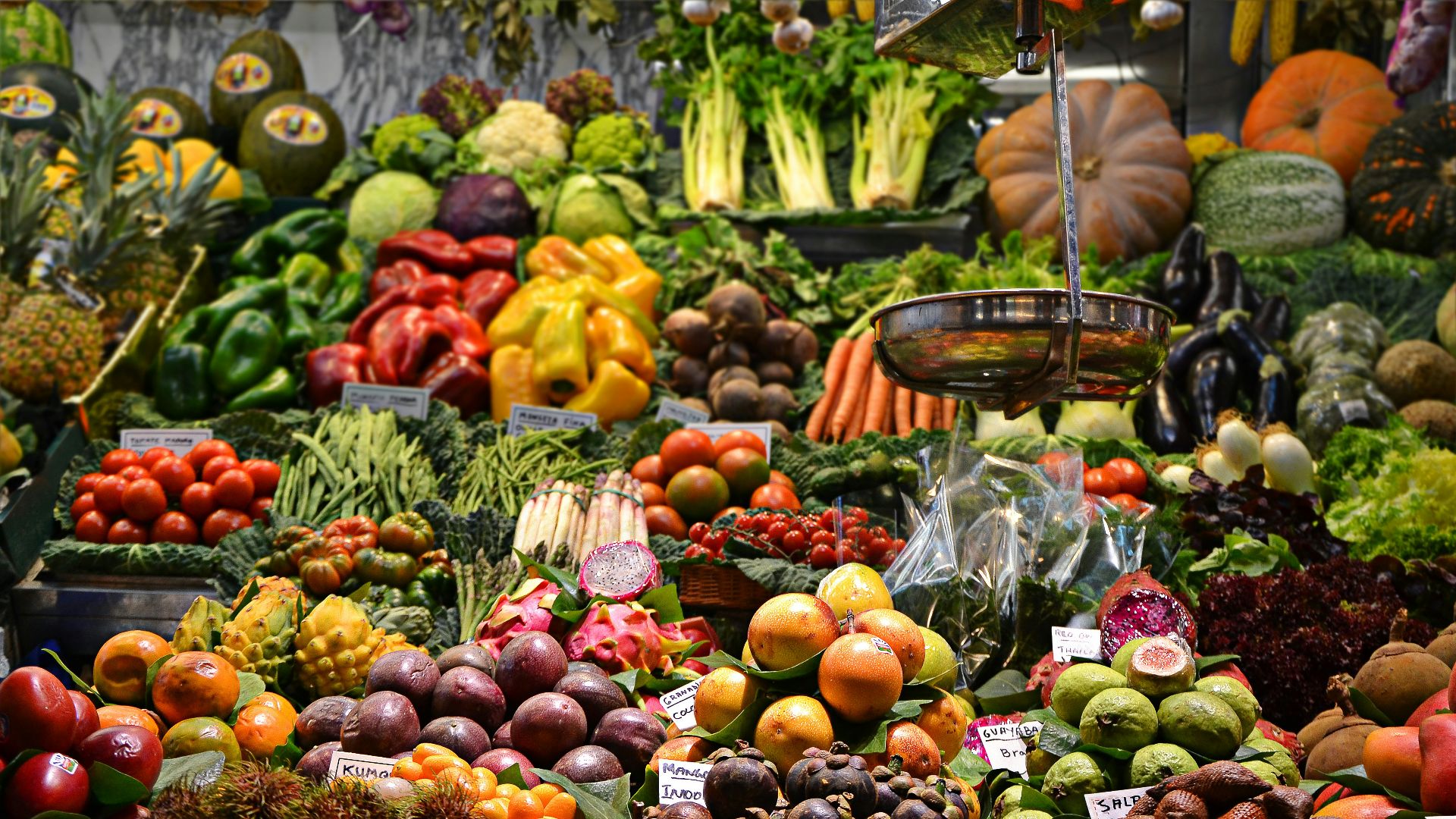
14. Overbuying Fresh Produce
Ambitious produce hauls often end with half of it forgotten in the crisper drawer until it wilts past the point of saving. Buying only what a realistic week of cooking actually requires, rather than what a hopeful version of the week requires, cuts down on waste. The rest can always be grabbed next trip.
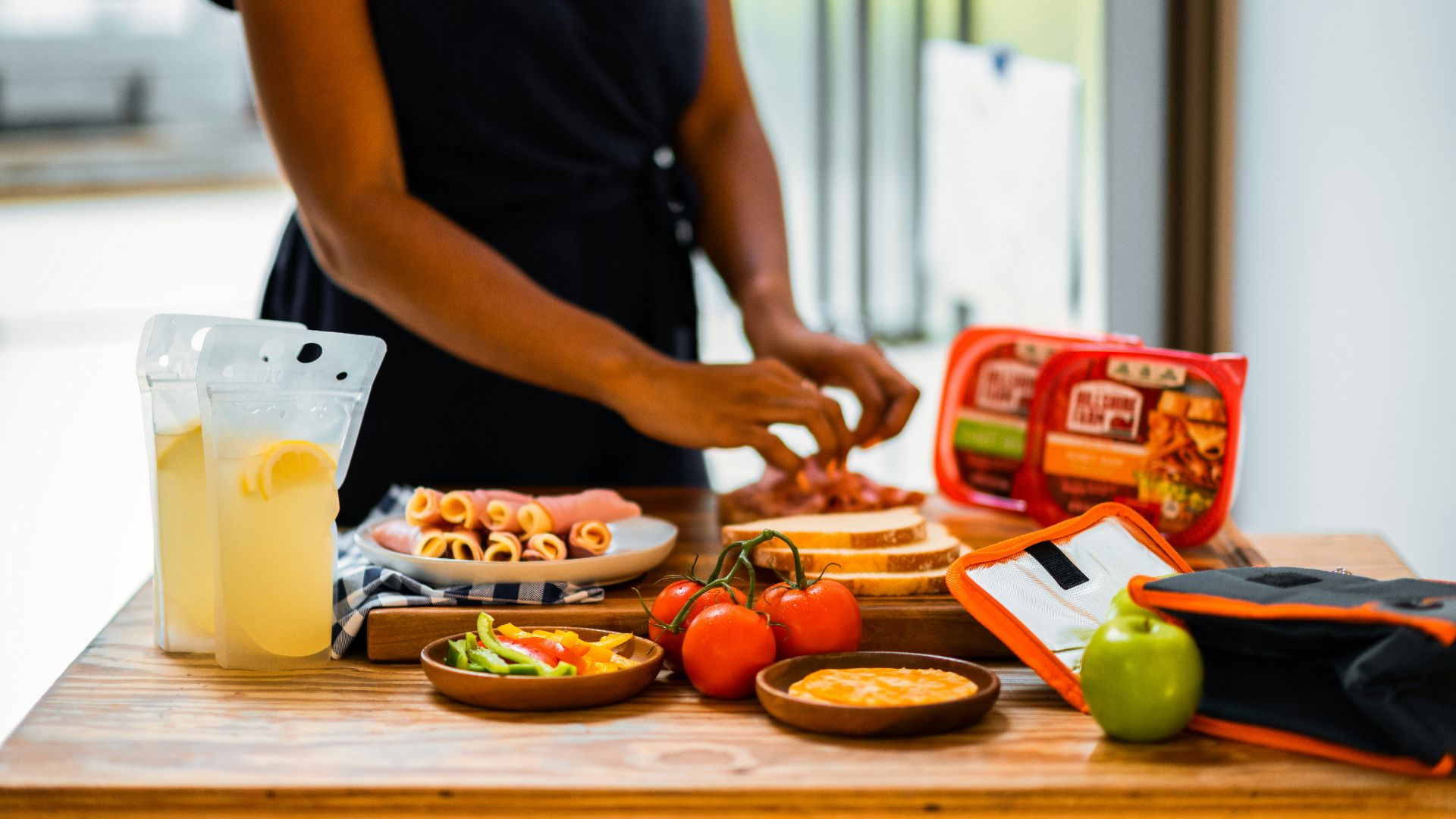
15. Leaning On Ready-Made Meals
Rotisserie chickens and heat-and-eat entrees cost significantly more than the same meal made from raw ingredients, sometimes three or four times as much. They're worth it on an especially busy night, when cooking simply isn't going to happen. Treating them as the default is what adds up, and cooking even half of those meals yourself closes a noticeable gap in the monthly total.
16. Not Comparing Package Sizes
The family size version of a product isn't always cheaper per unit than the regular size sitting right next to it. Brands sometimes price the bigger box the same or worse to nudge people toward it anyway. Checking the actual math instead of trusting the label keeps you from falling for it, even when the label says "value size" in bold letters.

17. Grabbing Checkout Lane Extras
The candy and magazines lined up at the register are placed there for a reason, and that reason is your attention span running low. A tired brain in line, waiting to pay, is an easy target for a small impulse buy that seemed harmless a moment ago. Skipping that stretch of the store, or at least keeping your eyes forward, avoids the tax on boredom.
18. Not Checking Sales Flyers Ahead
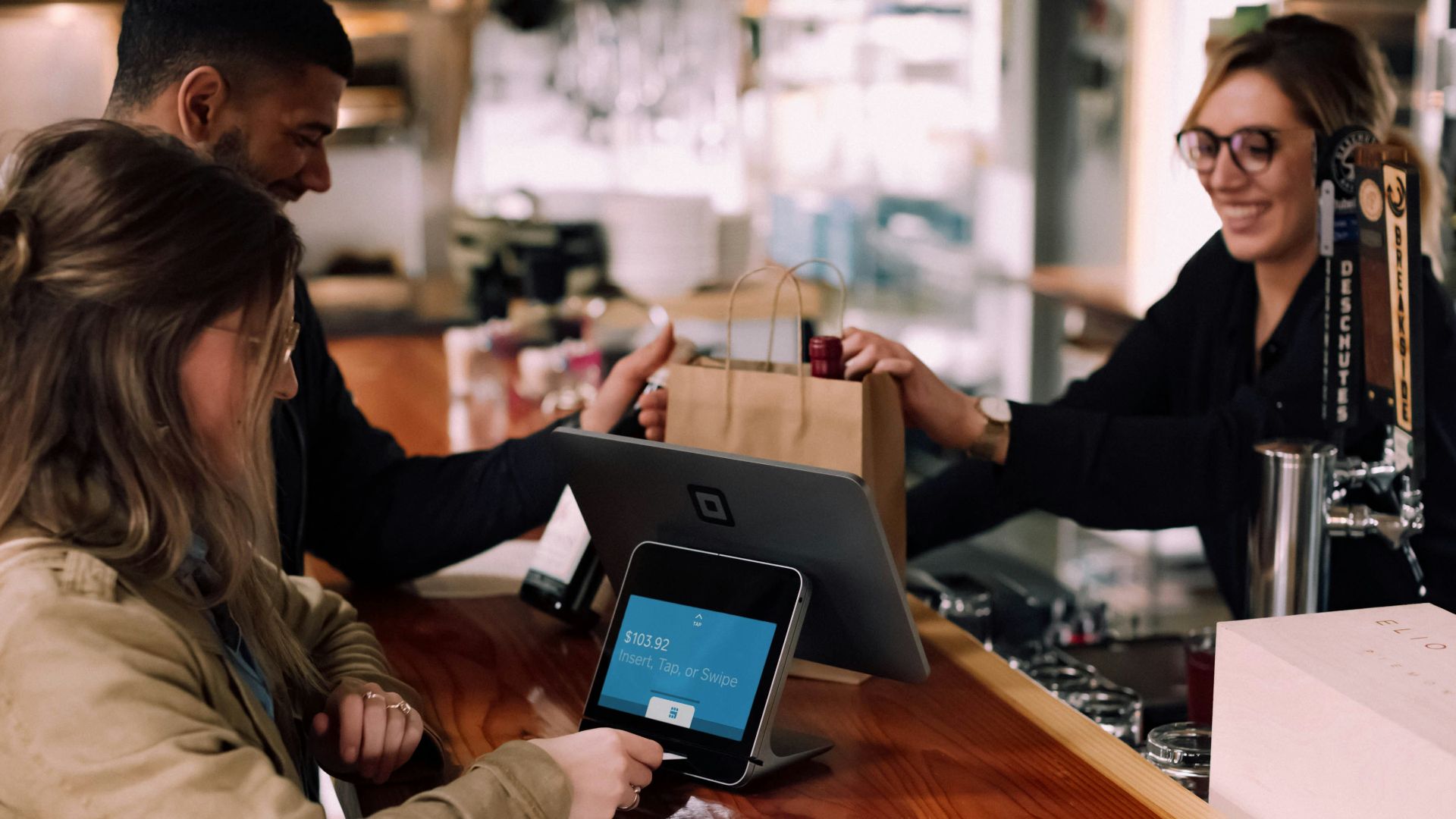
Meal planning around what's actually discounted that week, instead of what sounds good in the abstract, lowers the total bill without much extra effort. A five-minute look at the flyer before building the list pays off at checkout. Ignoring it means paying full price for things that were on sale anyway.
19. Buying Organic By Default
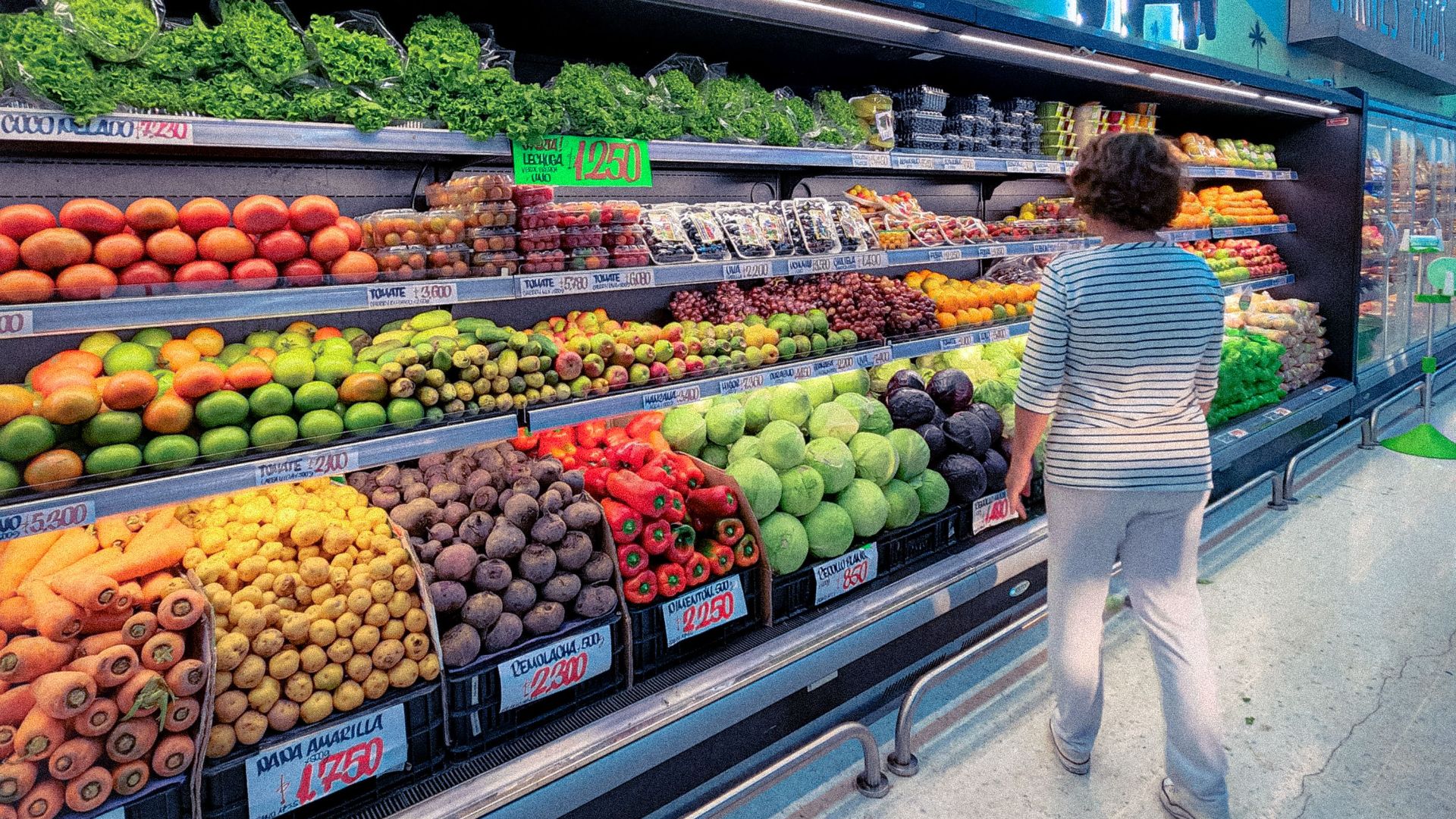
Organic versions of every product aren't necessary to eat well, and the price difference on some items is steep for very little practical benefit. Reserving the upgrade for produce where it matters most, and skipping it on thick-skinned things like bananas or avocados, keeps the bill more reasonable. Buying organic across the board out of habit adds cost without much return.
20. Never Buying Cheaper Cuts
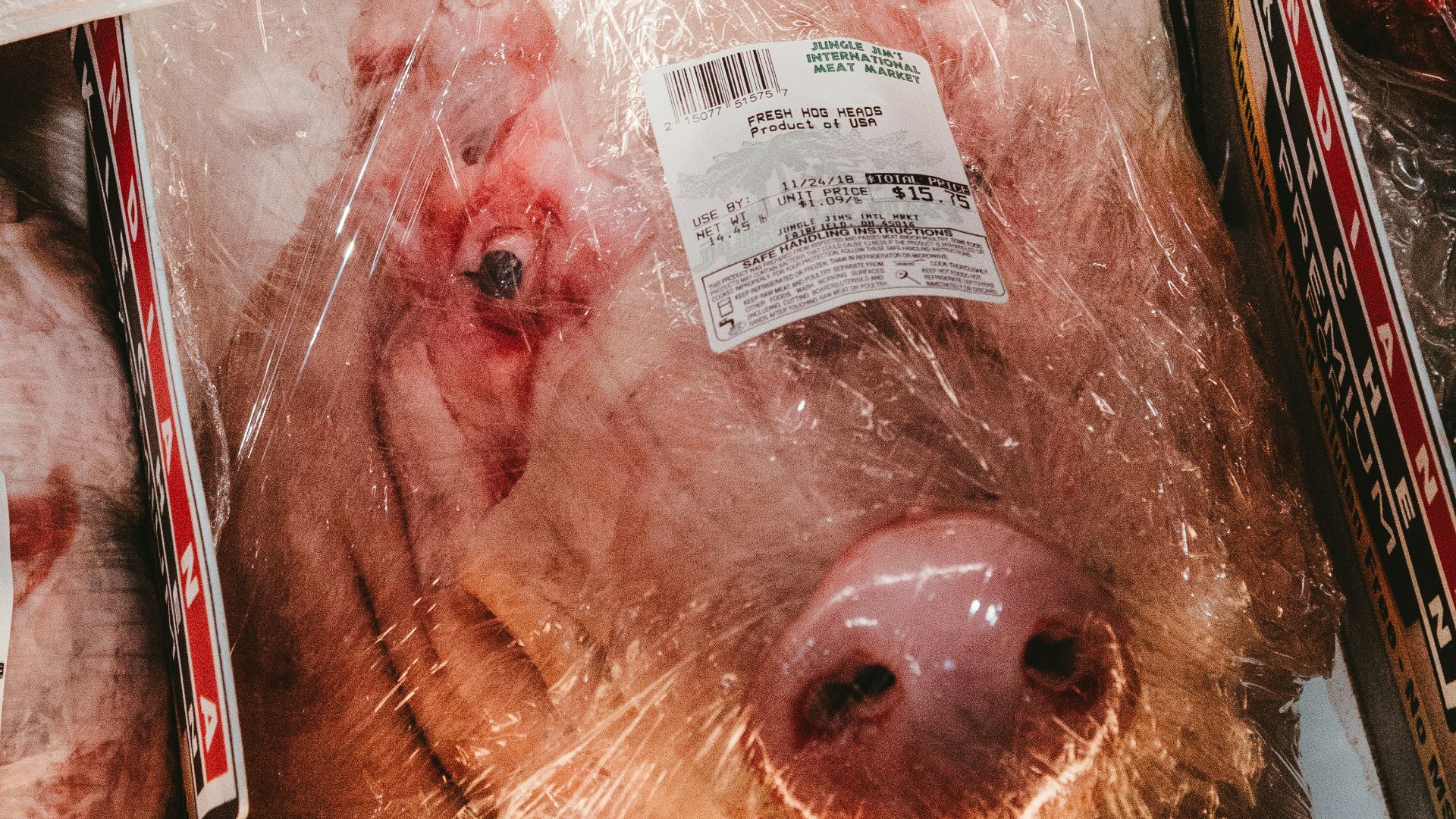
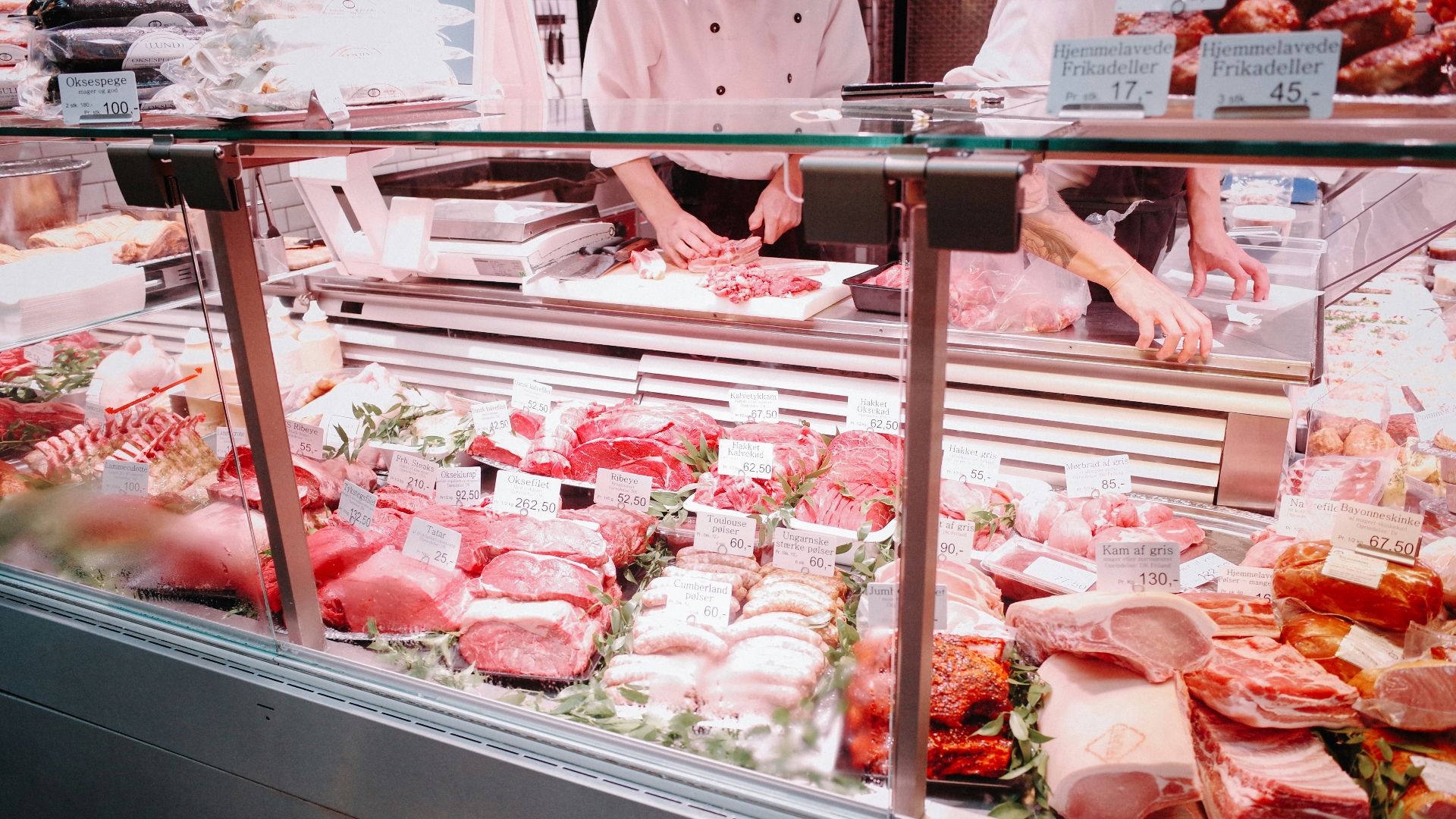
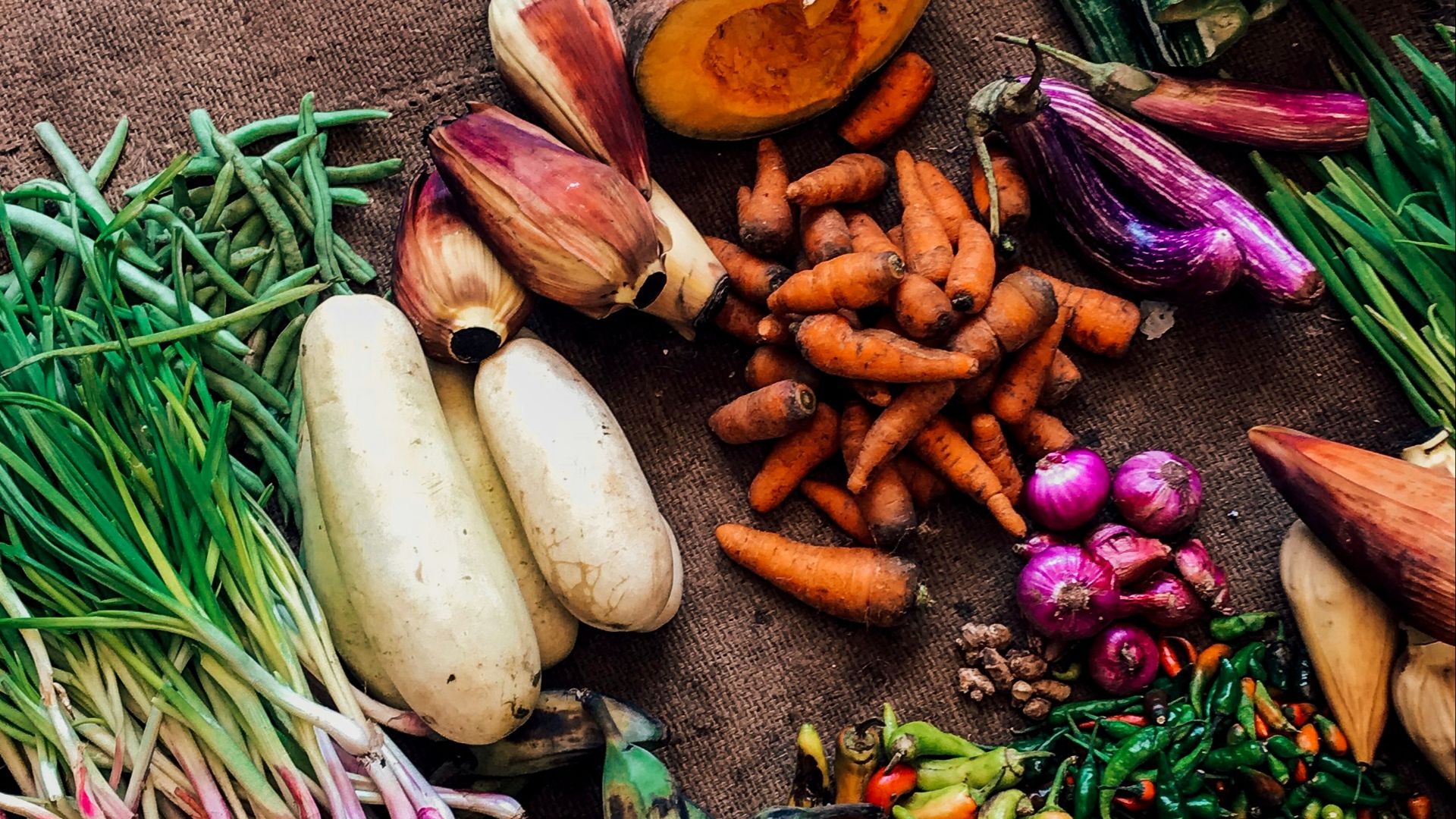
Boneless chicken breast and premium steak cost far more per pound than the cuts sitting a few feet down the same case. Chicken thighs and pork shoulder reward a little patience with more flavor than the expensive option they replaced. Building two or three meals a week around the cheaper end of the meat counter takes a real bite out of the monthly total, and nobody at the table notices the downgrade.
KEEP ON READING