How McDonald's Created Fast Food And Completely Changed The Way We Eat
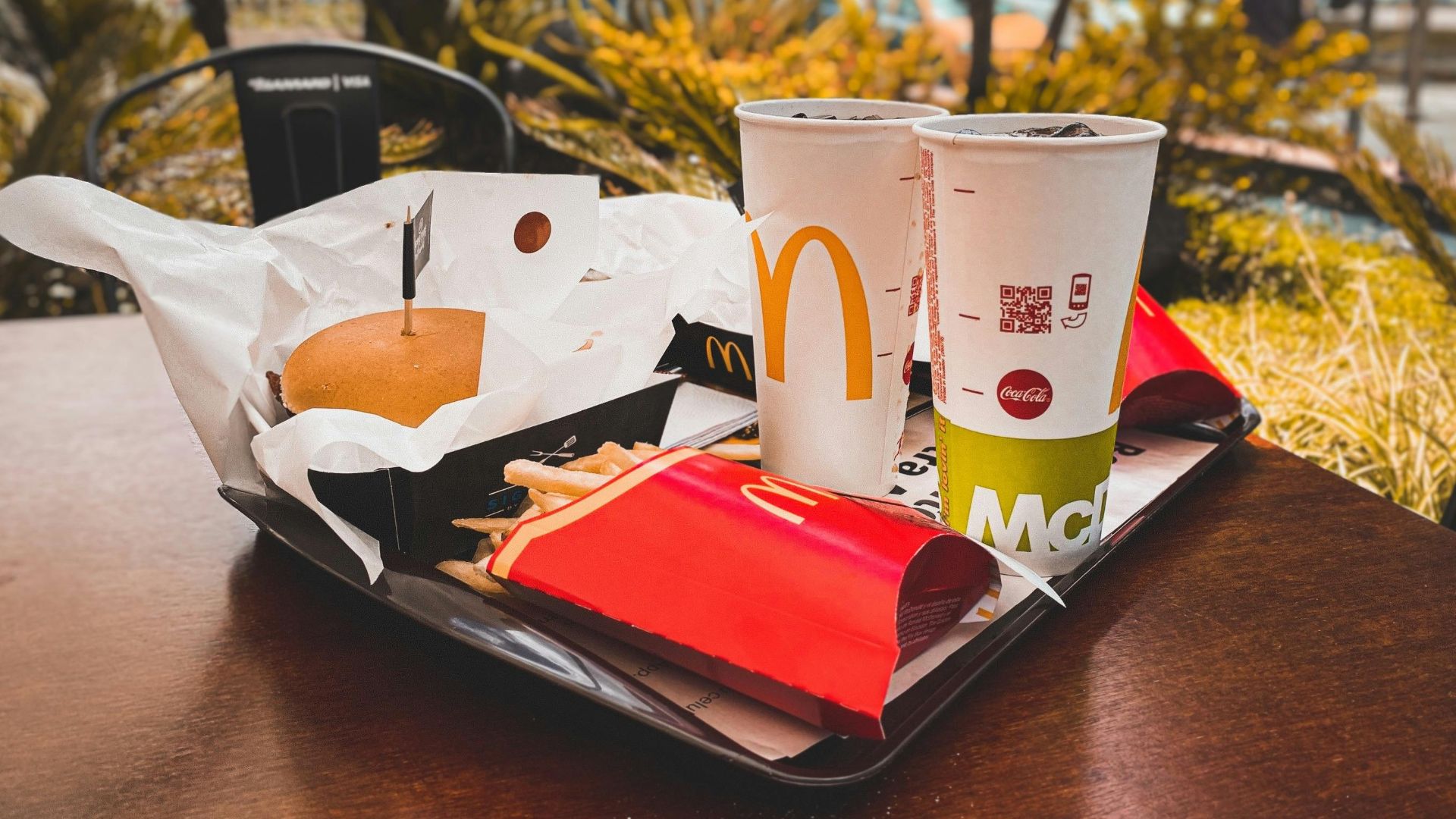
Back in the day, eating out felt special. But McDonald's shattered that tradition forever. A simple idea about serving food quickly evolved into a cultural revolution that made restaurant meals a regular part of everyday life. The story begins with efficiency and ends with global change.
Birth Of A Revolutionary System
In 1948, two brothers from New Hampshire made a decision that would forever change American dining habits. Richard and Maurice McDonald closed their successful drive-in restaurant in San Bernardino, California, and reopened with something fantastic: the "Speedee Service System."
This innovative approach streamlined operations to produce large quantities of food at low prices. They slashed their menu from dozens of items to just nine, cut prices in half, eliminated carhops, and implemented an assembly-line kitchen process. Their open kitchen concept made cleanliness visible to customers, a practice that remains a hallmark of McDonald's to this day.
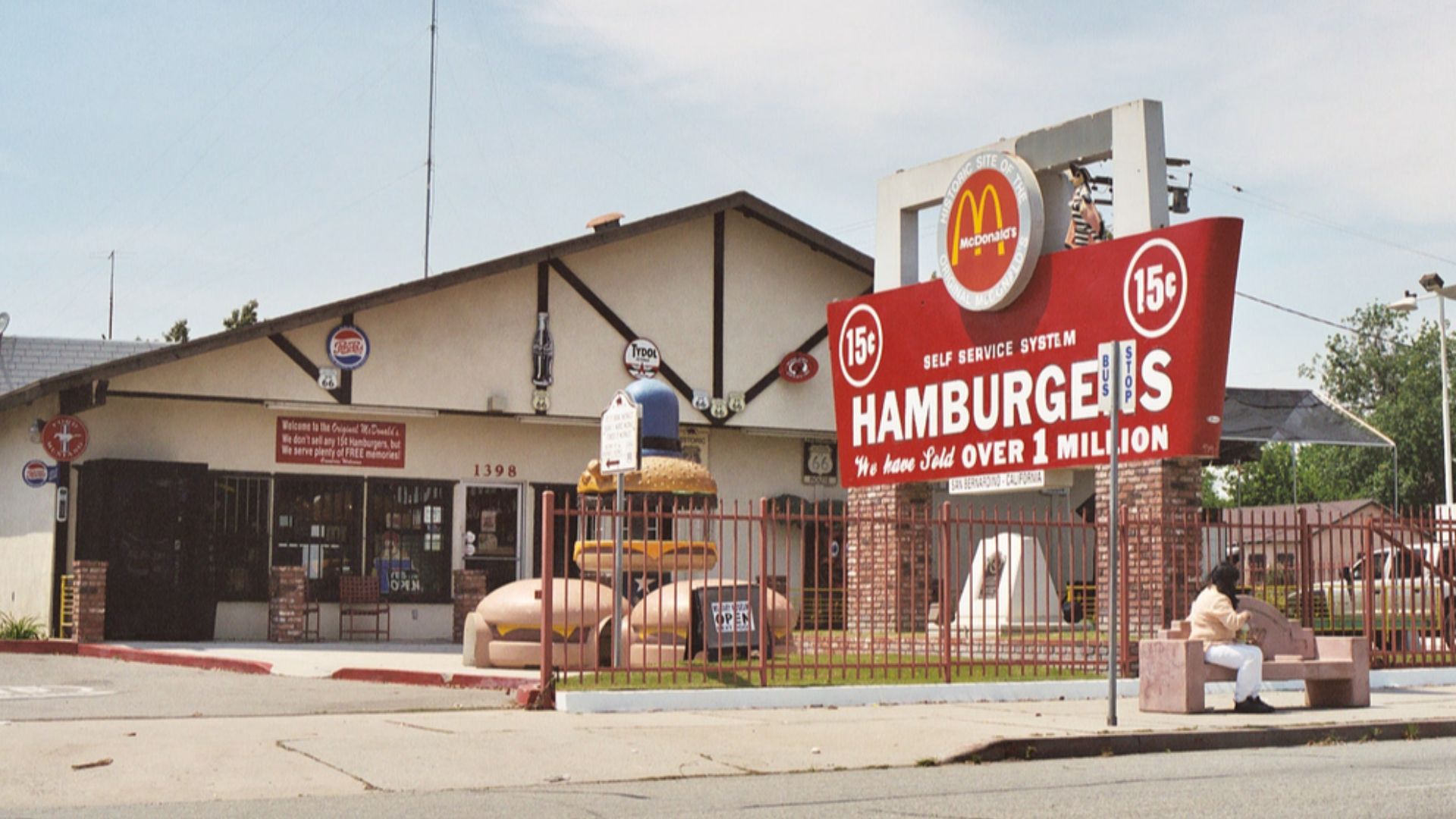 Cogart Strangehill on Wikimedia
From Burger Joint To Global Empire
Well, the McDonald brothers had created something special, but it took a 52-year-old milkshake mixer salesman to see its world-changing potential. In 1954, Ray Kroc visited the restaurant, amazed that they needed eight of his Multimixers. Seeing their efficient operation firsthand, Kroc had an epiphany that this concept could work nationwide.
By April 1955, Kroc opened his first McDonald's franchise in Des Plaines, Illinois, and founded McDonald's System, Inc., which would later become McDonald's Corporation. Unlike the industry standard at the time, he sold single-store franchises rather than large territorial ones. This gave him more control over quality.
In 1961, Kroc purchased the McDonald's name and rights from the brothers for $2.7 million and enhanced the business model further when executive Harry Sonneborn helped him realize they were actually in the real estate business—buying land and leasing it to franchisees.
American Eating Habits
McDonald's didn't just change how restaurants operate; it fundamentally altered America's relationship with food. Through standardization and rigorous quality control, Kroc ensured that every McDonald's hamburger would taste exactly the same at every location.
He refused cost-cutting measures like adding soybean filler to hamburger patties and insisted on strict rules for portion sizes, cooking methods, and packaging. The company also pioneered innovations like the value meal, which bundled food items at a discount, and the Happy Meal, of course.
By making fast, inexpensive food available consistently across the country, McDonald's democratized restaurant dining. Before the fast-food revolution, eating out was largely reserved for special occasions or the wealthy. McDonald's made it an everyday possibility for average families.
The success of this model led to explosive growth—from one location in 1955 to over 7,500 restaurants in 31 countries by the time of Kroc's death in 1984. Today, McDonald's operates more than 36,000 restaurants in over 100 countries, serving millions daily.
KEEP ON READING
20 Dishes That Define Modern American Cuisine