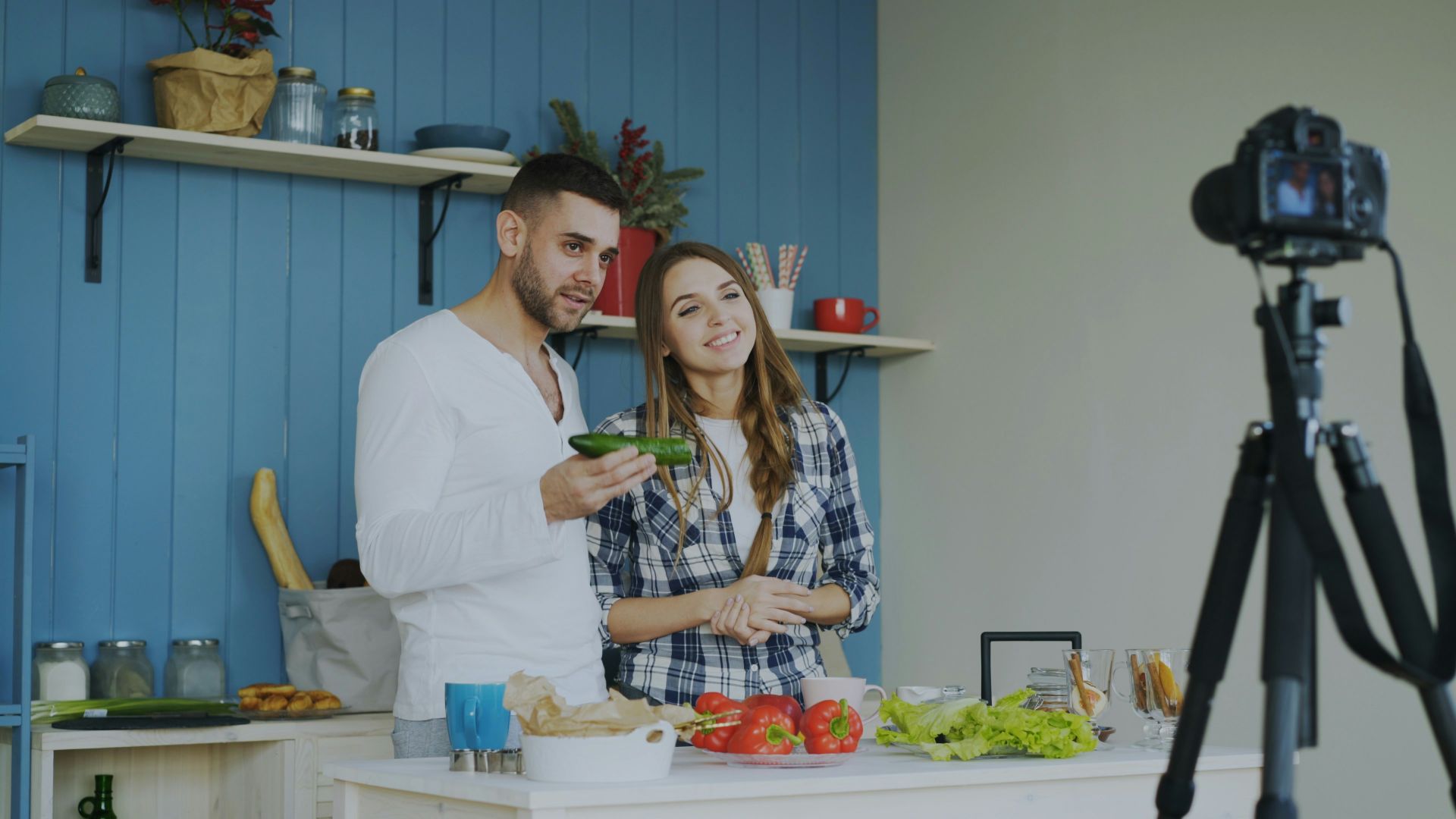
Social media has turned everyone with a ring light and decent plating skills into a culinary authority. We scroll through perfectly filtered videos of someone making "the only pasta recipe you'll ever need" while catchy music plays in the background, and somehow we've convinced ourselves this is where legitimate cooking wisdom can be found. These creators rack up millions of views, sell cookbooks, and launch product lines. And yet, ask them to explain why salt draws moisture out of vegetables or what actually happens when you proof bread, and you'll often get silence—or worse, confident incorrectness delivered with a smile.
They're Optimizing for Views, Not Flavor
The algorithm doesn't care if your chicken is juicy. It cares if you watched all thirty seconds of that reel. A 2024 analysis found only 2% of TikTok diet trends accurate, while 44.7% of Instagram nutrition posts contained inaccuracies. That's not accidental. Influencers need hooks, and "add this one ingredient" is a better hook than sticking to the facts.
The problem runs deeper than overpromising. These creators often skip fundamental techniques because explaining a proper fond or the Maillard reaction doesn't fit in a fifteen-second clip. They'll tell you to cook your steak in butter from the start, which just burns the butter. They'll have you boiling pasta in barely any water because it looks cute in the frame.
Sponsored Content Has Entered the Kitchen
We tend to skip over the fact that many of these recipe videos are ads. A 2025 JMIR study of top U.S. TikTok influencers found 69.3% of 648 videos featuring branded food or beverage products lacked any brand relationship disclosure.
That means the recipe you're watching might have been reverse-engineered to feature a specific brand, a particular type of pan, or a trendy appliance the creator got paid to showcase. The instructions serve the product, not your dinner.
The Credentials Don't Exist
Most cooking influencers have never worked in a professional kitchen. They haven't done stages, haven't broken down hundreds of chickens, and haven't made the same sauce two hundred times to understand how it actually works. They made some nice-looking food, pointed a camera at it, and suddenly they're culinary authorities.
This isn't about gatekeeping. Anyone can cook; anyone can share recipes. What's concerning is the confidence gap. A trained chef knows what they don't know. They've been humbled by a collapsed soufflé or a broken hollandaise. They understand that cooking is a craft with depth—with principles that took generations to develop. Meanwhile, someone who started posting six months ago will tell you definitively that you're searing meat wrong, based on a viral video they saw last month. Nuance doesn't get likes; bravado does.
Traditional Sources Still Matter More
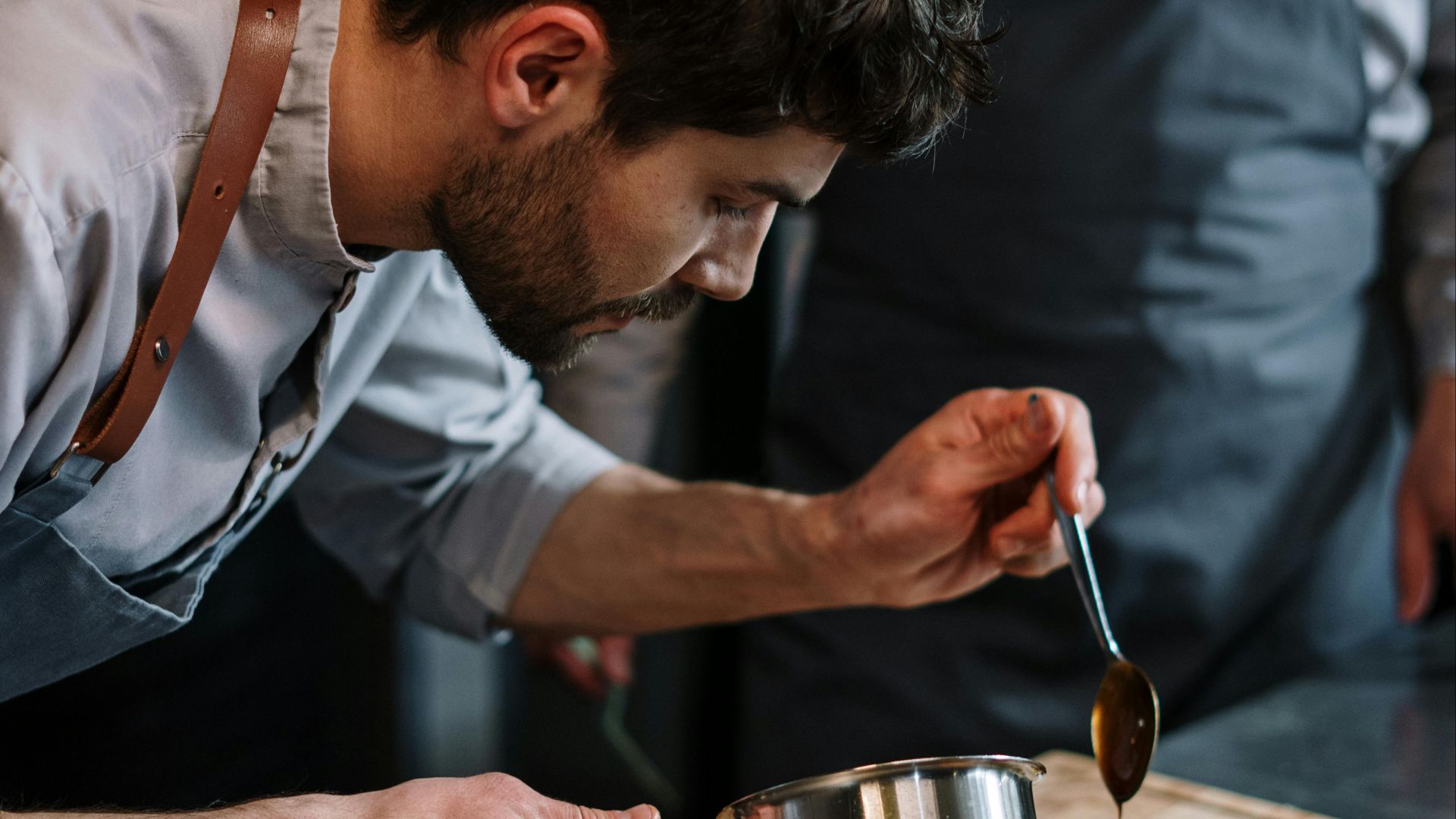
Cookbooks go through rigorous testing to see if every recipe is accurate and worth including. The dishes are made by multiple test cooks in different kitchens with different equipment. That's not happening when someone posts a reel between their morning workout and lunch.
Food publications have editors, fact-checkers, and actual culinary professionals reviewing the work. When Bon Appétit or Serious Eats publishes a recipe, there's institutional knowledge behind it. Techniques are passed down, refined, and tested against reality. An influencer's grandmother's recipe might be wonderful, or it might just be what that one family happened to eat.
Your Kitchen Doesn't Look Like Theirs
Those gleaming countertops with every ingredient premeasured in little glass bowls represent content creation, not actual cooking. Real cooking is messy. You're missing an ingredient and substituting. You're tasting as you go and adjusting. You're working with whatever vegetables were available or in season, not picture-perfect produce.
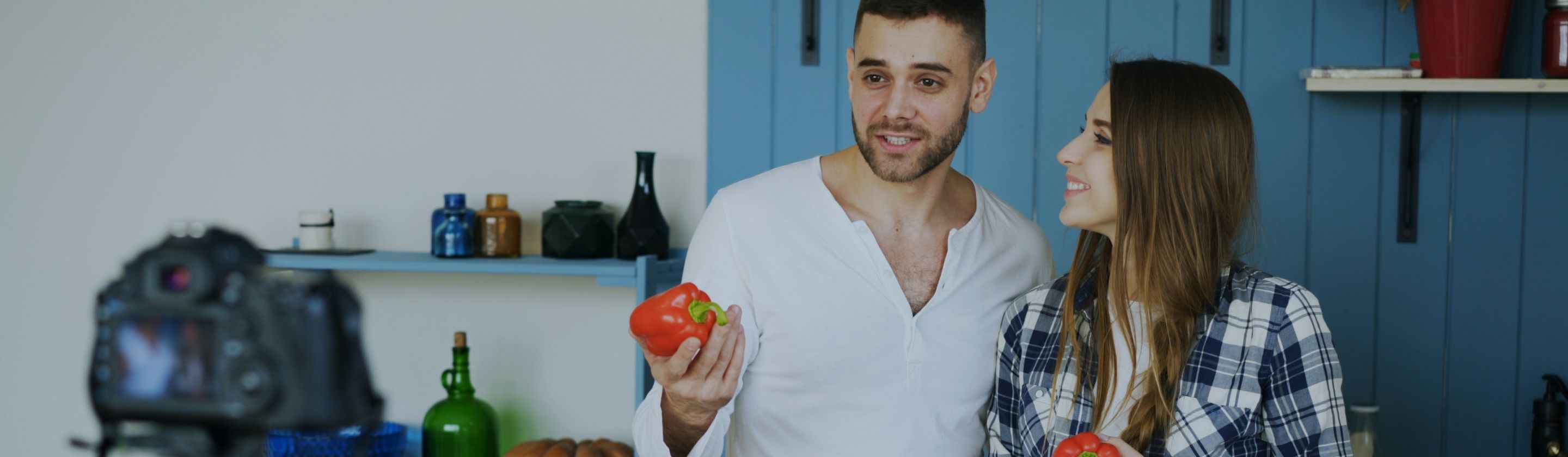
Influencer kitchens are sets with professional lighting, multiple cameras, and sometimes even a crew. They'll remake that dish five times to get the money shot of cheese pulling just right. And they definitely didn't clean as they went, despite what the final edit suggests. The whole thing creates unrealistic expectations about what cooking should look like, how long it should take, and how effortlessly it should come together.
KEEP ON READING