
 Henry Pierce Bone on Wikimedia
You know that eerie feeling when someone in the house has clearly been up in the night, but they have zero memory of it? One minute, everything's quiet, and the next, someone's standing in the kitchen, glassy-eyed, confused, and has no idea how they got there.
Sleepwalking is strange, and there are a lot of old wives' tales floating around about what causes it. The truth is a little more nuanced, a little more interesting. According to the NHS, sleepwalking is what's called a non-REM parasomnia. Basically, the brain only partly wakes up from deep sleep. It gets stuck in this weird in-between place, usually in the first half of the night.
What's Actually Going On When Someone Sleepwalks
 Internet Archive Book Images on Wikimedia
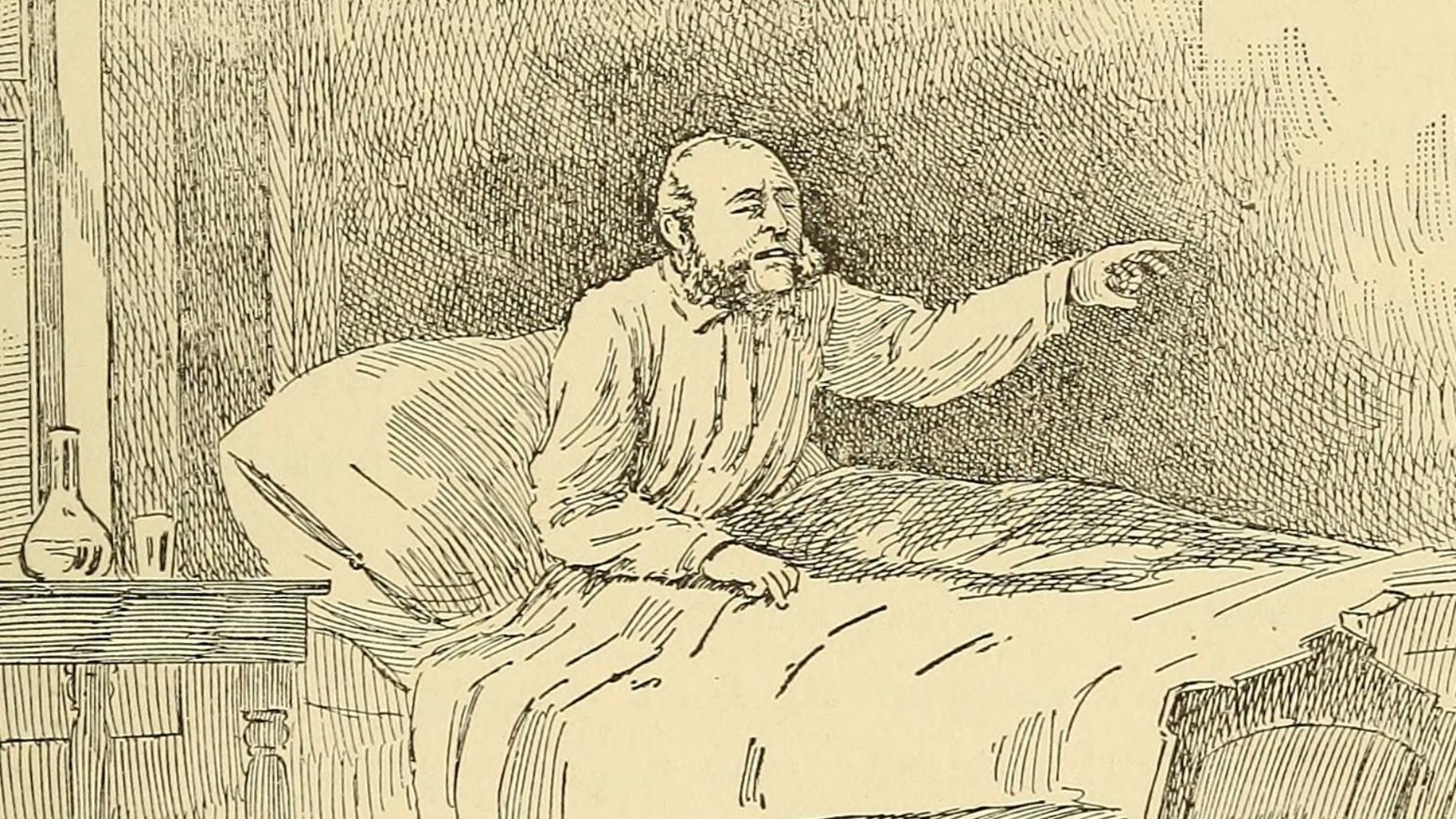
People who sleepwalk can sit up, walk around the house, eat, get dressed, or even head outside, all while not being awake, which is why they remember nothing the next morning. It's more common in kids, but adults get it too, and the NHS also points out that when adults sleepwalk, it's worth taking a closer look because there's often something else going on underneath.
The usual culprits aren't glamorous at all. Sleep deprivation, stress, fever, alcohol, certain medications, sleep apnea, and restless legs. All of these can chip away at normal sleep and cause what researchers call "partial arousals" from deep sleep, which is basically when the brain half-wakes and then gets confused about what to do next. Clinical reviews on parasomnias describe sleepwalking as something that tends to flare up when sleep is already fragmented or disrupted.
That's where food sneaks into the picture. Not as the villain, exactly, but more like an accomplice.
A meal doesn't flip a switch and send someone wandering down the hallway, but food does matter when it makes sleep worse. When it causes reflux, discomfort, alertness, or those annoying middle-of-the-night wake-ups that disturb deep sleep, that's when dinner starts getting involved.
The Foods Most Likely To Stir Things Up
Caffeine is probably the most clear-cut case. A randomized study published in the journal Sleep found that 400mg of caffeine taken within 12 hours of bedtime delayed how long it took to fall asleep, increased nighttime awakenings, changed sleep architecture, and reduced deep sleep. And the closer to bedtime, the worse it was. That's not just your afternoon cup of coffee, either. Energy drinks, pre-workout powders, and even a generous amount of dark chocolate can all do this. None of that proves a cappuccino will send you sleepwalking into the living room, but it does explain why a less stable night of sleep is more likely.
Spicy food and fatty meals are a different story, but still worth knowing about. Federal guidance on acid reflux from the NIDDK recommends eating at least three hours before bed if reflux is a problem, and the trigger foods they flag include spicy foods, chocolate, coffee, and high-fat meals. If your sleep is already easily disturbed, adding heartburn or that heavy, overstuffed feeling to the mix isn't doing you any favours.
Sugary desserts and rich late dinners are a gray area, honestly. There's decent evidence that meal timing and composition can affect sleep quality, and researchers have looked at connections between sleep and blood sugar regulation, too. But direct proof that a bowl of ice cream specifically triggers a sleepwalking episode? Still not really there. Research published in MDPI points more toward the overall pattern of eating late, heavy, salty, fatty, hard-to-digest food rather than any one magical ingredient. Cheese gets blamed constantly, especially aged cheese, but the truth is it's probably the whole feast, not the brie.
How To Tell If Food Is Part Of Your Pattern

Here's where it gets practical. Keep a simple sleep diary for a couple of weeks. Write down your bedtime, any late snacks, when you had caffeine, whether you had alcohol, any reflux symptoms, and any sleepwalking episodes or near-misses. Research on parasomnias is still pretty indirect when it comes to food specifically, so real-life patterns in your own life can be surprisingly revealing.
Small experiments tend to work better than big sweeping food rules. Try eating dinner earlier. Cut caffeine off earlier in the day. Ease up on spicy or greasy food before bed, or just keep late-night snacks lighter. If reflux is part of the picture, that three-hour buffer before lying down is one of the most practical things to try first.
If sleepwalking is new in adulthood, getting worse, or involves leaving the bedroom, using the stove, or getting hurt, that deserves real attention. Cleveland Clinic notes that about 7% of people sleepwalk at least once in their lifetime, but adult episodes can overlap with other sleep disorders or medical issues. A clinician or sleep specialist can help figure out whether dinner is a minor aggravator or whether the bigger picture involves stress, apnea, medication, or something else that needs proper care.