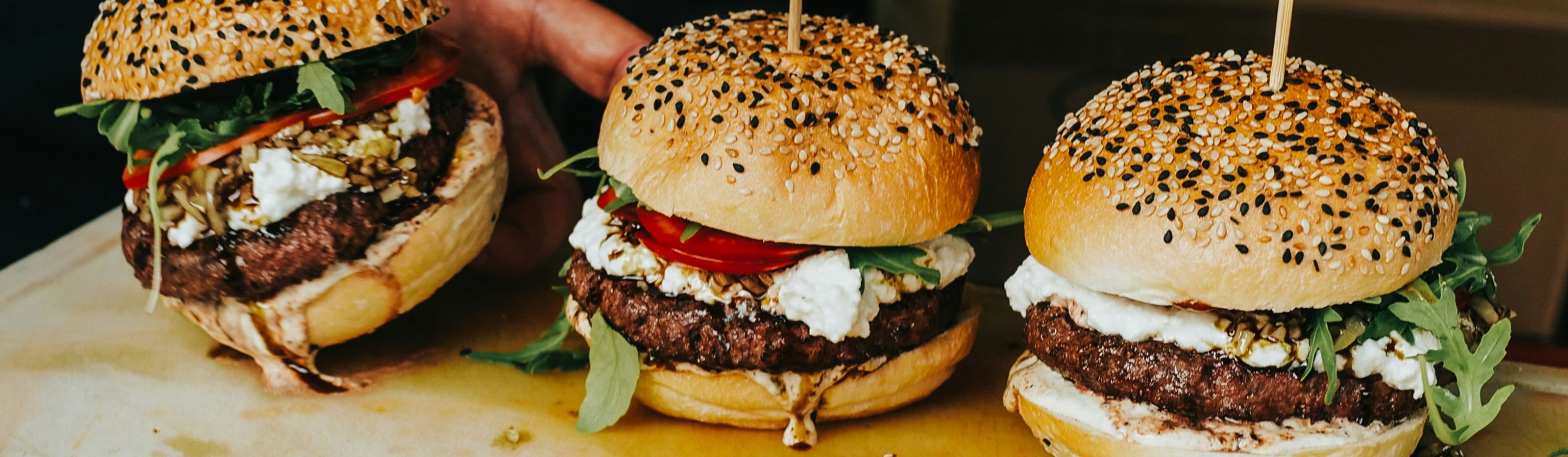
10 Reasons You Shouldn't Eat Red Meat & 10 Why You Should
To Beef Or Not To Beef
Red meat can definitely fit into some diets, but there are well-supported reasons many people choose to limit it or avoid it altogether. The concerns range from long-term health links to practical issues like cooking methods and food safety. If you’re trying to make your eating habits feel simpler and more consistent, cutting back on red meat is often an easy lever to pull.
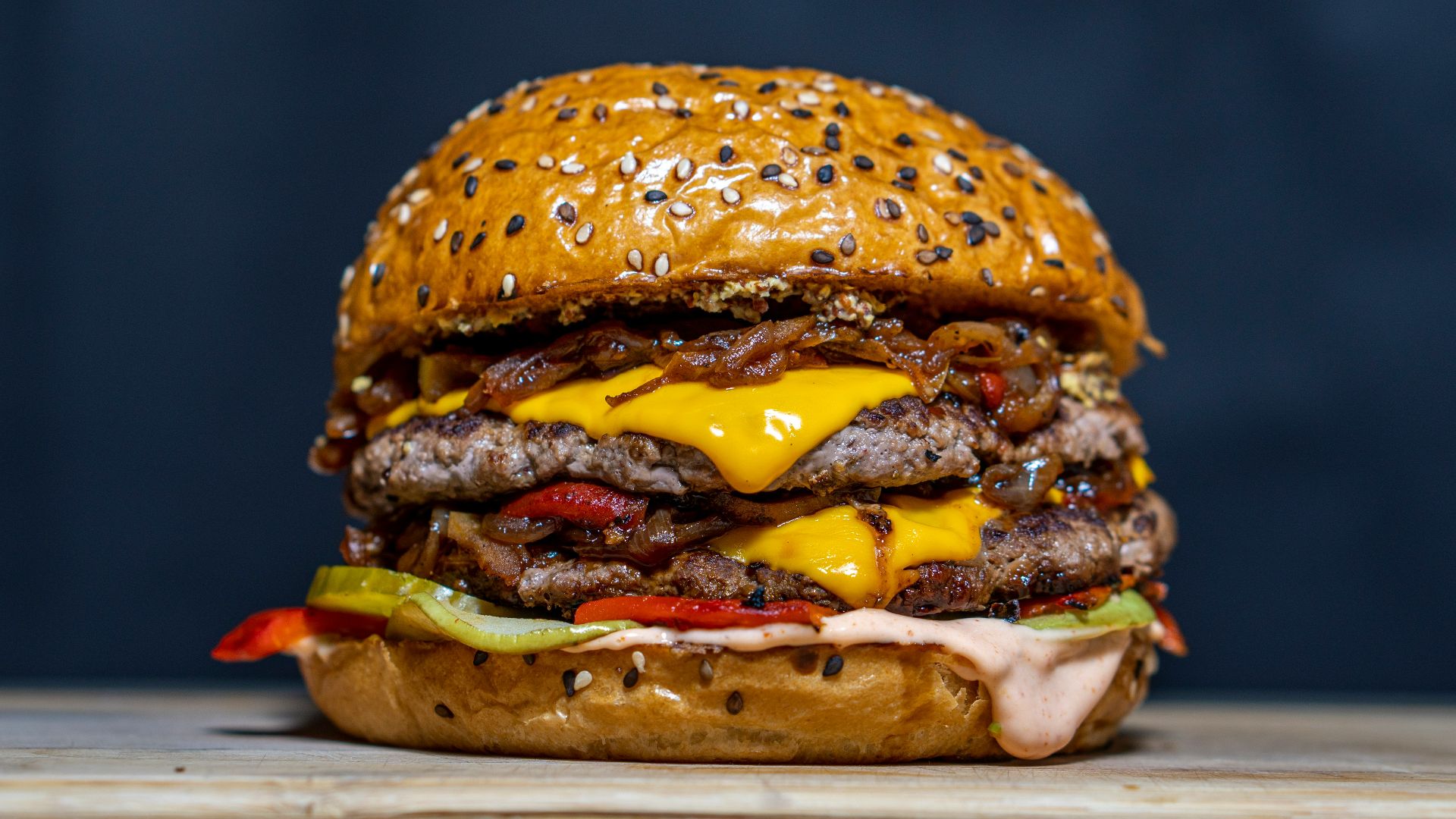 amirali mirhashemian on Unsplash
1. Cancer Risk Evidence
Large expert reviews have found that eating red meat is linked with a higher risk of certain cancers, particularly colorectal cancer. Certain studies classify red meat consumption as probably carcinogenic, based on human evidence and strong mechanistic evidence. That doesn’t mean every serving causes cancer, but it does support a cautious approach.
2. Processed Meat Is Worse
Bacon, hot dogs, deli meats, and many sausages come with clearer downsides than unprocessed cuts. Processed meat has also been linked to carcinogens, with the strongest evidence for colorectal cancer. If you’re going to reduce red meat, starting with processed options is often the most straightforward change.

3. Saturated Fat and LDL
Many common red meat choices are significant sources of saturated fat, especially if you’re buying fattier cuts. The American Heart Association notes that saturated fat can raise LDL (“bad”) cholesterol and recommends limiting saturated fat to less than 6% of total calories. When you swap red meat for beans, fish, or poultry more often, it can be easier to stay within that limit.
4. Diabetes Risk
Higher intake of red meat, particularly processed red meat, has been associated with a greater risk of type 2 diabetes in large cohort research and major reviews. This does not prove red meat alone causes diabetes, but the pattern is consistent enough that many experts recommend limiting it. Choosing plant proteins more often is one practical way people can lower that risk while still eating satisfying meals.

5. High-Heat Cooking Chemicals
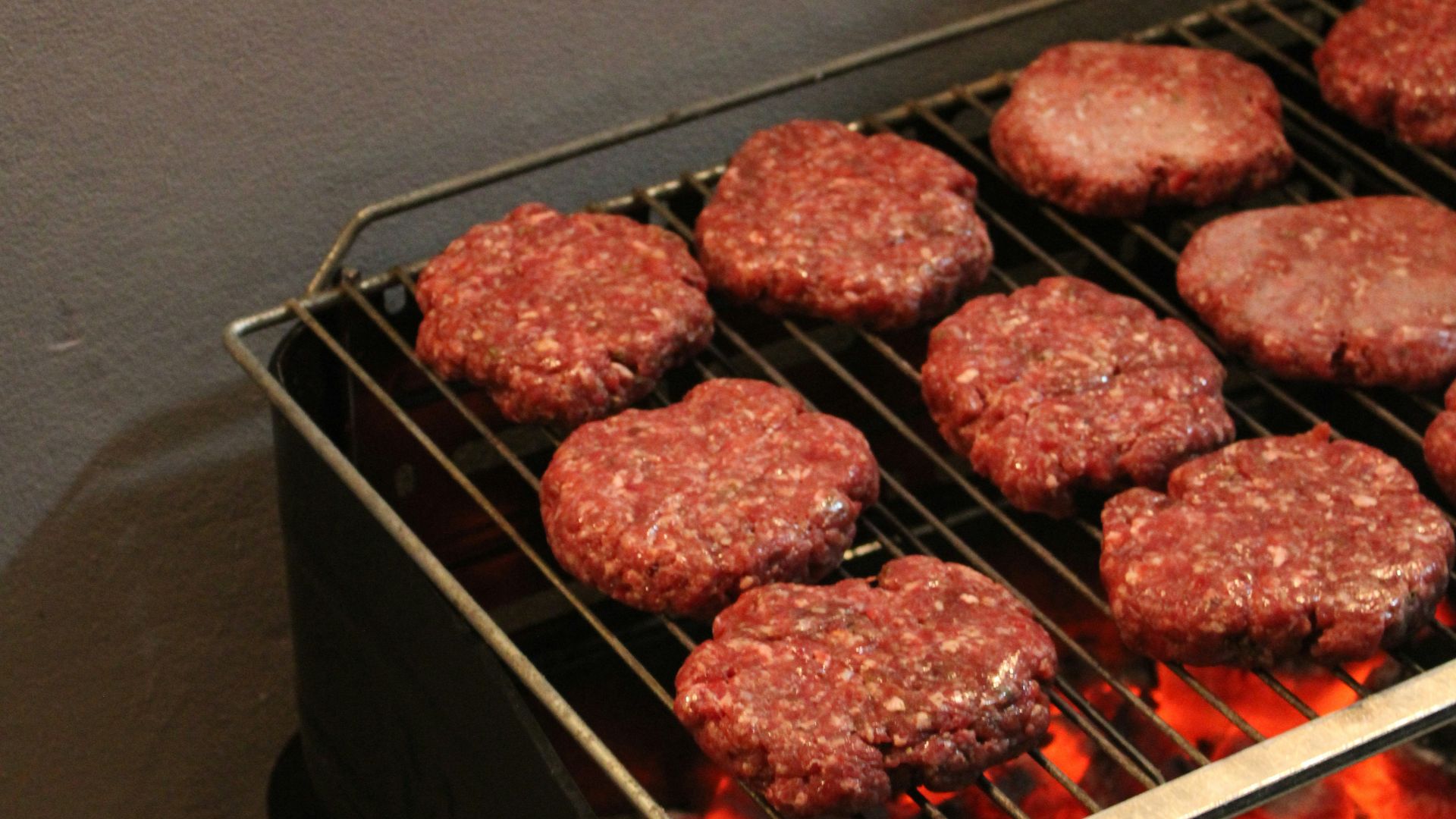
Grilling, pan-frying, or broiling meat at high temperatures can create chemicals called HCAs and PAHs. The National Cancer Institute explains that these compounds form when muscle meat is cooked using high-heat methods, and research has explored how they may increase cancer risk. If red meat is a frequent “char” situation in your routine, that’s another reason to rethink the habit.

6. Sodium in Processed Meats
A lot of red meat people eat is processed, and processed meats often carry a heavy sodium load. High sodium intake can make blood pressure harder to manage, especially if you’re already salt-sensitive. When you cut processed red meat, you often reduce both sodium and highly processed ingredients in one move.

7. Gout Flare Triggers
For people prone to gout, red meat is commonly listed among foods to limit because it contains purines that break down into uric acid. If gout is even occasionally an issue for you, this change can be worth taking seriously.
8. Kidney Disease Limits
If you have chronic kidney disease and you are not on dialysis, many guidelines recommend a lower-protein pattern, often with more plant-based choices. Studies show that a lower-protein diet may help slow the loss of kidney function for some people with kidney disease who are not on dialysis. In that context, cutting back on red meat can make your overall plan easier to follow.
 Rachel Schoenberger on Unsplash
9. Environmental Impact
Beef, in particular, has a much larger greenhouse gas footprint than most plant proteins and many other animal proteins. Life-cycle analyses consistently show ruminants are major methane contributors, and beef generally requires far more land per gram of protein than alternatives. If you care about environmental impact, skipping red meat is one of the more direct food choices you can make.

10. Food Safety and Recalls
Handling and cooking red meat safely takes attention, especially with ground beef. Unfortunately, real-world recalls are a reminder that contamination does happen. If you’d rather reduce the mental load of temperature checks and cross-contamination worries, avoiding red meat can simplify things.
 Centre for Ageing Better on Pexels
1. Complete Protein
Animal foods like meat are considered complete proteins because they provide all essential amino acids in meaningful amounts. That matters when you want meals that feel satisfying and support everyday body functions. Protein also plays a role in building and maintaining muscle and other tissues, which is useful at any age.
2. Absorbable Iron
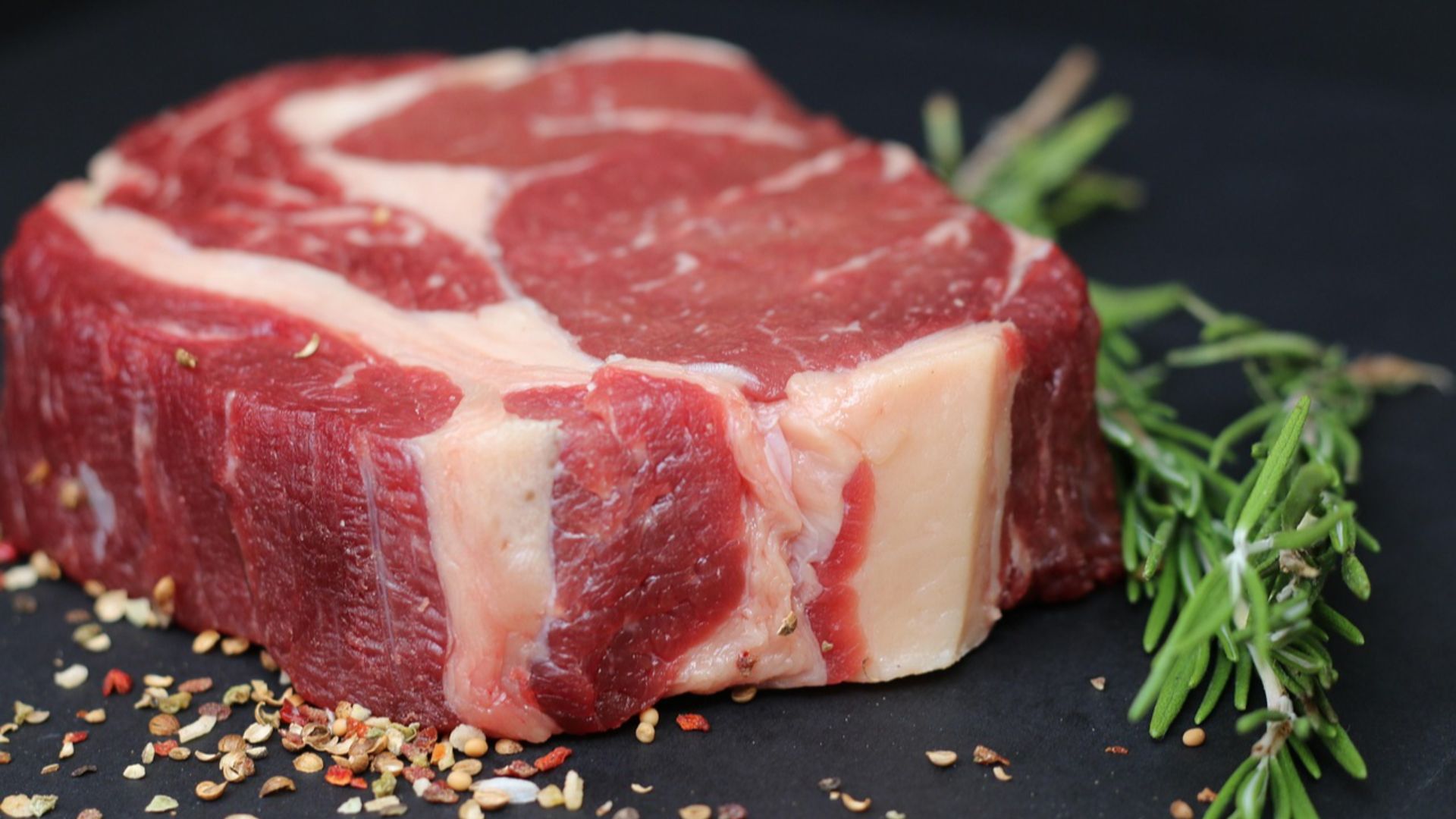
Heme iron from meat is more bioavailable than non-heme iron from many plant foods, so your body generally absorbs it more efficiently. If you’re prone to low iron, including red meat sometimes can make it easier to meet needs through food. You can also pair iron-rich foods with vitamin C sources to further support your iron absorption.
3. Vitamin B12
Vitamin B12 naturally occurs in animal foods, including meat, and it’s not something you can count on from most unfortified plant foods. That’s one reason many people who avoid animal products need fortified foods or supplements to meet B12 needs. If you like keeping nutrition simple, red meat can help cover this base without any extra steps.
4. Zinc
Meat is a well-known dietary source of zinc, a mineral your body uses for immune function, protein-making, and many other processes. Zinc from animal foods is typically more bioavailable than zinc from many plant foods, which can be helpful if your diet leans heavily toward plant-based foods.

5. Selenium
Selenium supports important roles in the body, and high-protein foods like meat are recognized sources. If you do not regularly eat seafood or other selenium-rich foods, red meat can contribute to your intake. Since selenium needs are small, you usually don’t need large portions to make it count.

6. Appetite-Friendly Meals
Higher-protein meals can help you feel more satisfied between meals, which many people appreciate when their days are busy. Red meat is one option that can make a lunch or dinner feel filling without relying on extra snacks.
7. Muscle Maintenance
Protein is essential for maintaining muscle, and that becomes especially relevant as people get older. Including protein at meals is a common strategy, and red meat can fit into that approach if you enjoy it. A smaller serving alongside vegetables and whole grains often feels more comfortable than a very large steak on its own.

8. Cooking Flexibility
Red meat gives you a lot of formats to work with, from quick-cooking stir-fry strips to slow-cooker roasts. That variety can make it easier to plan meals that match your schedule instead of fighting it. If you want a simpler week, cooking a batch of lean ground beef for tacos, bowls, or pasta can cover multiple lunches.
9. Lean Cuts Exist
Not all red meat is automatically “heavy,” and lean choices can fit better with heart-health goals. It’s often encouraged to choose options lower in saturated fat and sodium as part of an overall eating pattern, which is still possible with red meat.

10. Food Safety Clarity
Cooking red meat safely is straightforward once you know the basic rules for ground beef. Plus, it's much easier to cook this specific protein, as you can visually see when the food is cooked, rather than guessing what the inside looks like.

KEEP ON READING

20 Food Requests Only Spoiled People Ask For


20 Hardest Foods on Earth To Eat

Do Vitamin Supplements Actually Make You Healthier?