Why Some People Feel Better When They Eat Breakfast & Others Don’t

You've probably heard the saying, "Breakfast is the most important meal of the day." It gets talked about like a universal rule: eat it, and you’ll have energy; skip it, and you don't have your life together at all. The reality is more personal than that, because all bodies are different. Some people wake up hungry and ready for food, while others need time before the idea of eating sounds appealing.
What makes breakfast confusing is that it can feel amazing or terrible depending on what you eat, when you eat it, and how your mornings usually go. If you’ve ever felt shaky without breakfast, or way better for skipping it, you’re not imagining it. A lot of the difference comes down to appetite cues, blood sugar patterns, routine, and even what your day looks like after you leave the house. The goal isn’t to force yourself into a trend; it’s to figure out what works for you.
Appetite Timing Is Real, & It’s Not the Same for Everyone
Some people wake up with a strong hunger signal because their bodies are ready to replenish after the overnight fast. They might feel calm and focused once they eat, like their brain finally has what it needs. If that’s you, skipping breakfast can feel like starting the day behind. It isn’t a weakness, it’s just how your appetite rhythm is set.
Other people wake up with low appetite and a slower “engine start,” especially if they ate late the night before. For them, eating immediately can feel heavy or nausea-adjacent, and it can even make energy dip rather than rise. A quiet morning stomach isn’t automatically a problem to fix. It can simply mean your hunger cues show up later, when you're more awake.
Stress also plays a bigger role than most people realize. If you wake up already tense, your body may lean toward “get moving” rather than “sit and digest,” which can blunt hunger. On the flip side, some people feel calmer once they eat because it signals safety and steadiness. The same breakfast can hit differently depending on what your nervous system is doing first thing in the morning.
The Type of Breakfast Matters More Than the Existence of Breakfast
Often when people say breakfast makes them feel worse, they're actually talking about a specific kind of breakfast. A meal that’s mostly refined carbs and sugar can lead to a quick energy spike and then an unglamorous crash. If you’ve ever felt foggy, irritable, or hungry again an hour later, that pattern might be the reason. It’s not that breakfast is bad; it’s that your breakfast might be working against you. Ironically, a lot of classic "breakfast foods" like toast with jam, pancakes with syrup, or sugary cereals, are exactly the kinds of foods that aren't going to fuel you for the day ahead very well.
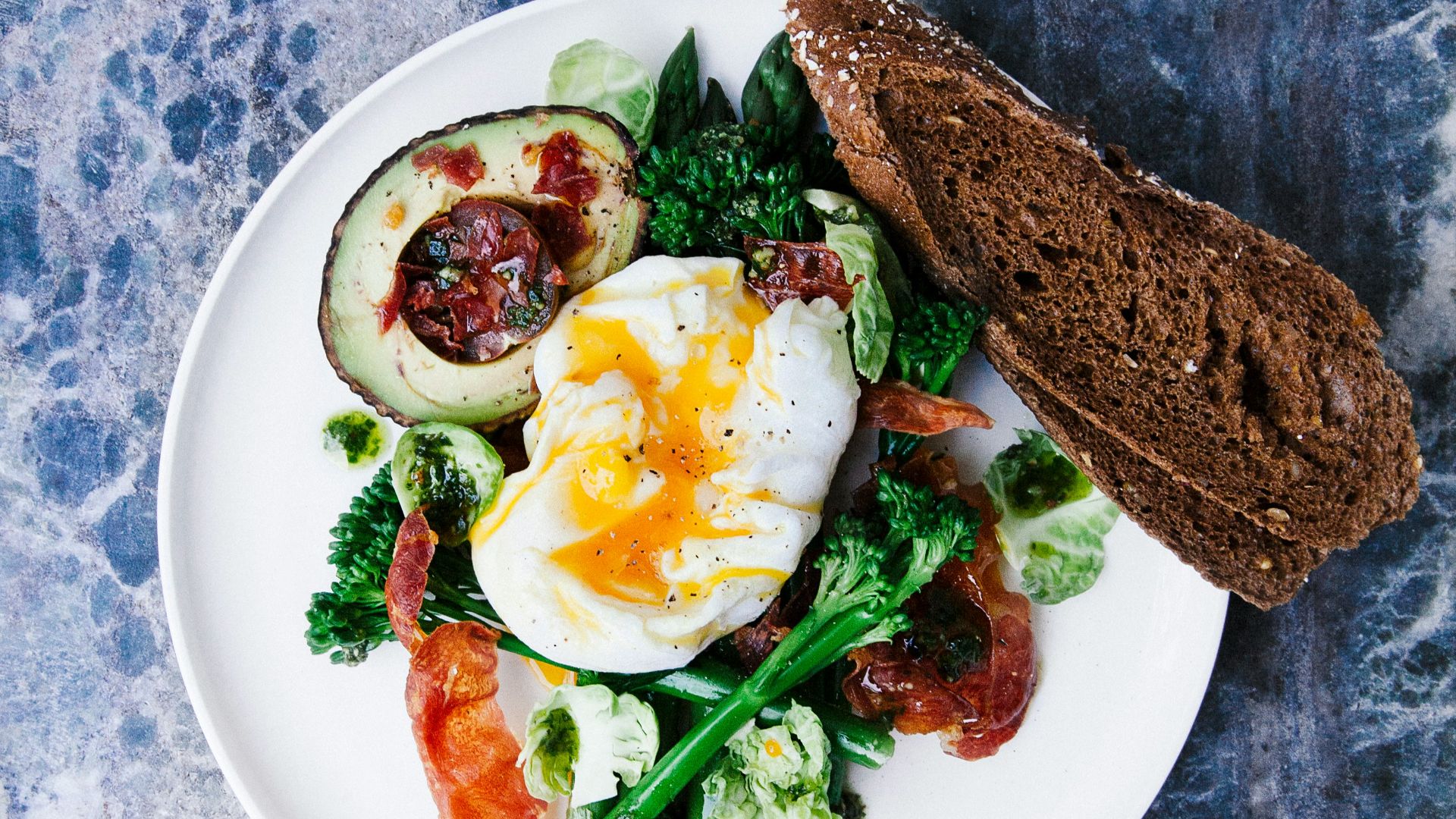
A more balanced breakfast tends to feel steadier because it slows digestion and keeps you full longer. Protein helps a lot, and adding fiber or healthy fats can make the effect even smoother. You do not need a perfect meal, but you probably need more than a pastry and a sweet coffee if you want stable energy. The best “breakfast people” often win because their breakfast is actually doing a job. They're fueling themselves on things like oats, eggs, and chia seeds instead of refined carbs.
Meanwhile, some people skip breakfast and still feel great because they’re not replacing it with chaos. If your first intake is water, coffee that doesn’t wreck your stomach, and a reasonable lunch later, you might feel totally fine. Waiting to eat can also reduce mindless snacking for some people, especially if mornings are busy. It works best when the rest of your day is structured enough to prevent a late-morning pantry spiral.
Your Lifestyle & Health Context Decide Which Approach Feels Better
When it comes to determining your hunger cues, your work schedule matters a lot. Additionally, if you’re doing physically active work, you have a long commute, or your job is very mentally taxing, breakfast can function like fuel that prevents a mid-morning crash. On the other hand, if your morning is mostly emails and relatively unimportant meetings, you might not need much right away. Matching food timing to your day is more practical than following a slogan.
Sleep quality is another quiet factor that shapes breakfast tolerance. When you’re underslept, hunger hormones and cravings can shift, and your appetite cues can become less reliable. Some people wake up ravenous after a bad night, while others feel too tired to eat and then overdo it later. If breakfast feels unpredictable, it might be worth looking at your sleep.
It’s also worth being careful with blanket advice if you have specific health considerations. People managing blood sugar issues, acid reflux, certain medications, or a history of disordered eating may need a more individualized approach. Feeling shaky, dizzy, or nauseated regularly is not something to tough out. If breakfast consistently makes you feel awful, or skipping it usually makes you feel bad, just do what feels right for you.
The winning move here is paying attention to your own signals and adjusting the quality of what you eat, not just the timing. If you can start the morning feeling stable, focused, and not at war with your stomach, you’re doing breakfast correctly, whether that means eating a large plate of food or nothing at all.
KEEP ON READING


The 5 Most Consumed Foods in the Entire World