Make Greens the Easy Choice
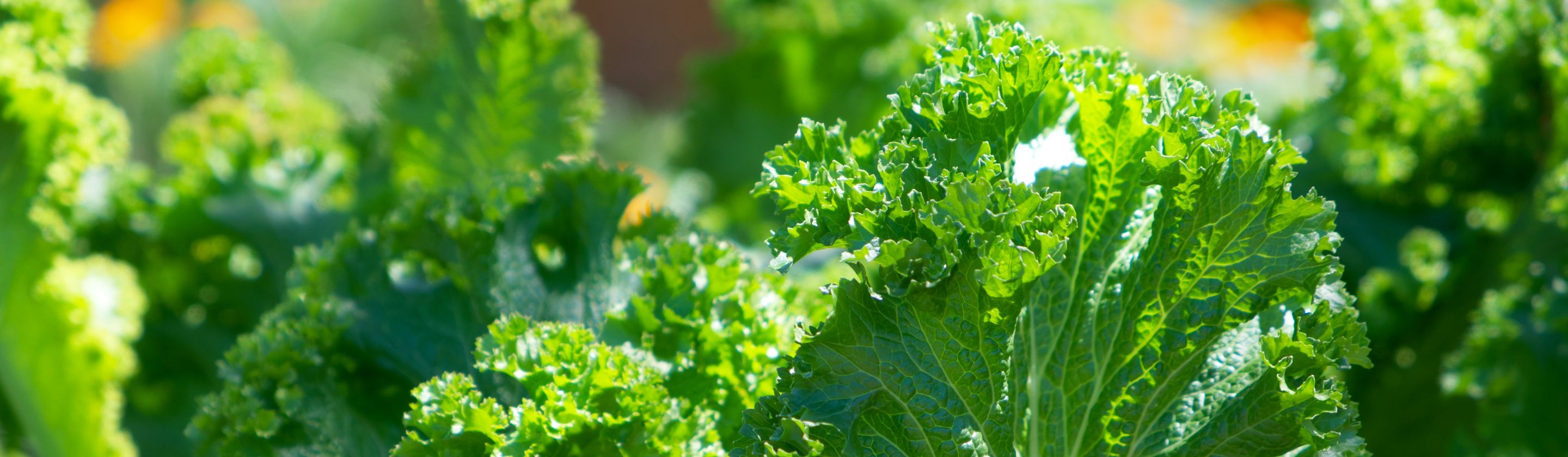
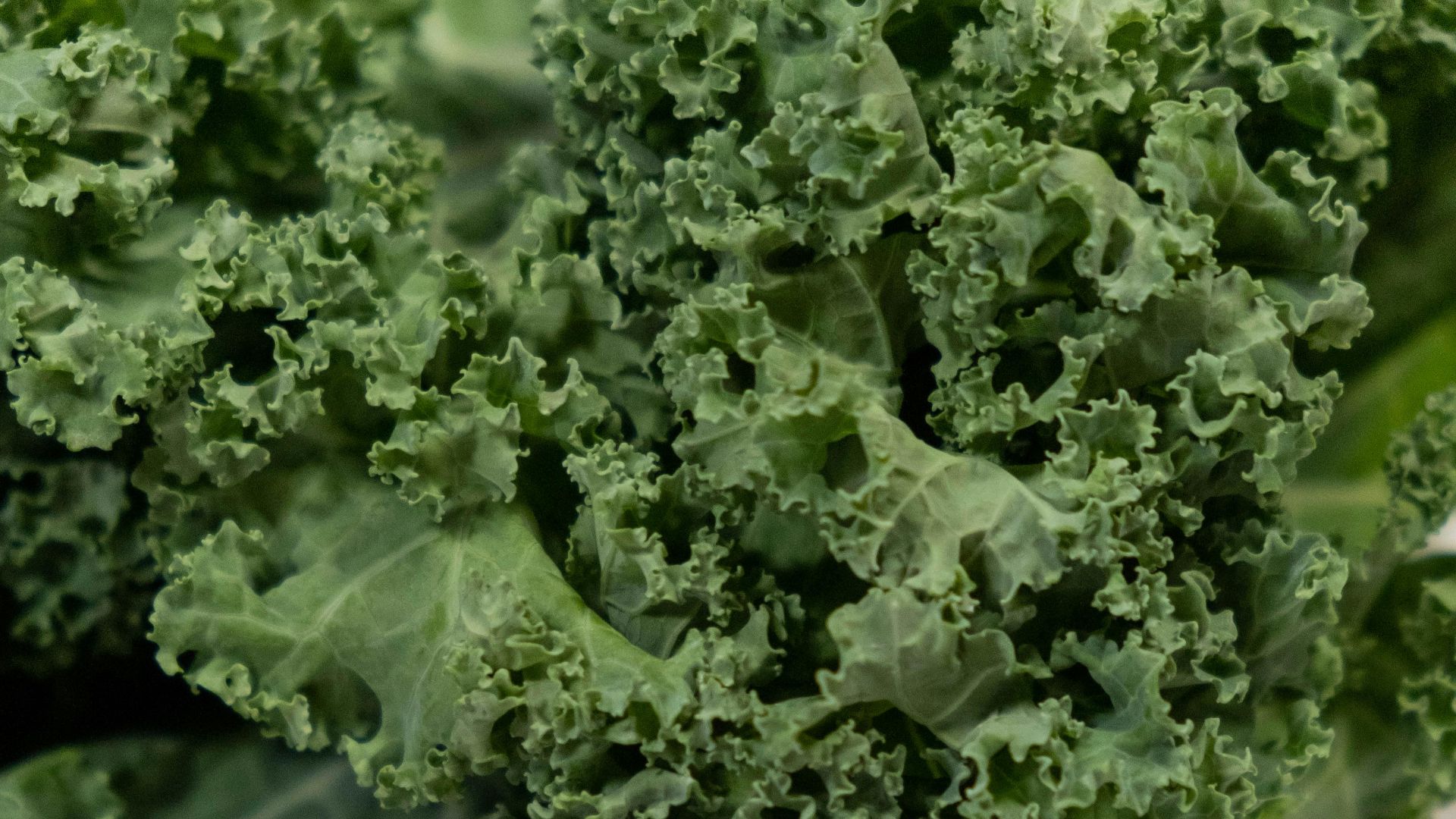
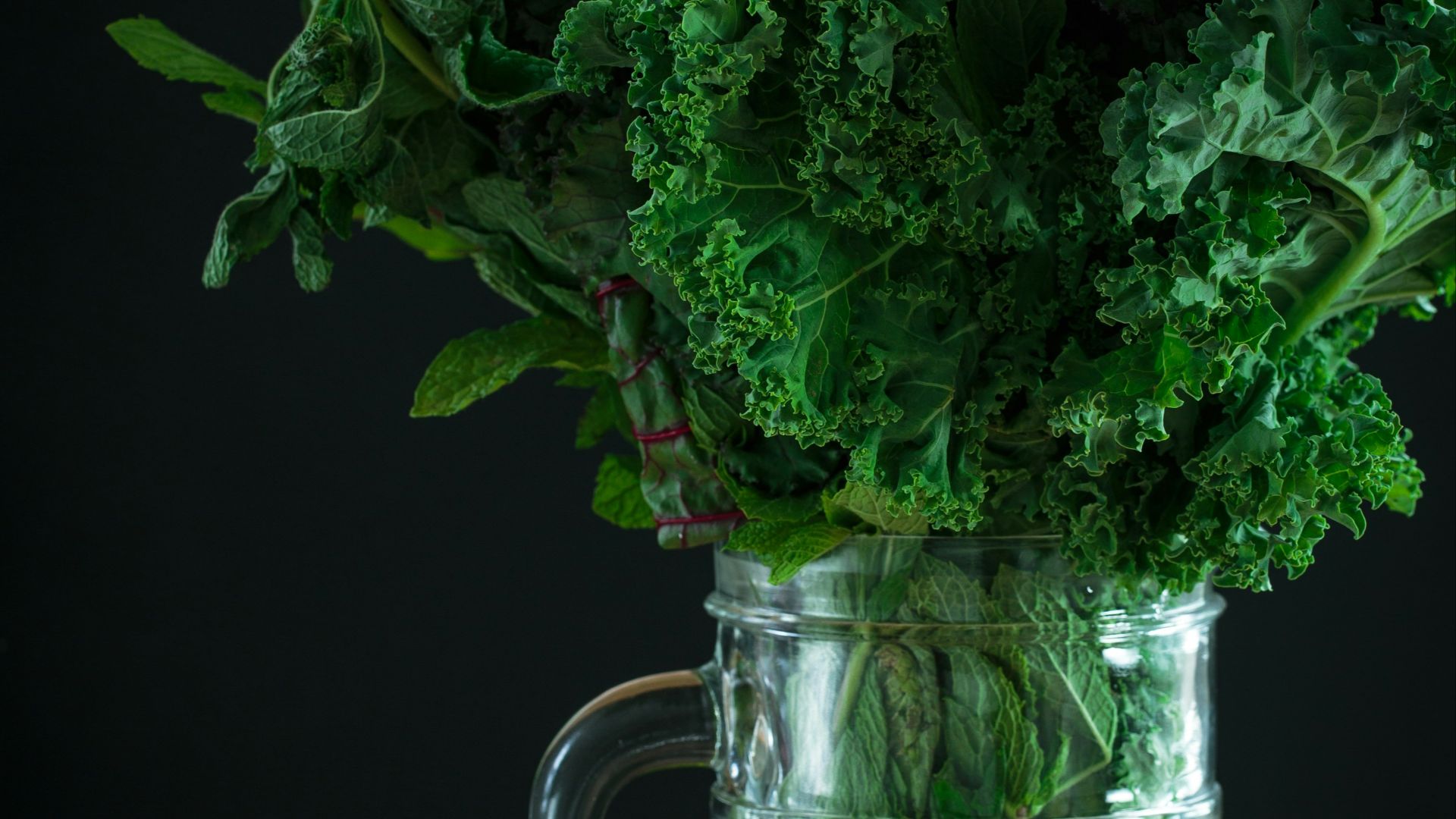
Leafy greens count toward your vegetable intake whether you eat them raw or cooked, and they can be fresh, frozen, canned, or dried, depending on what fits your week. Dark green vegetables like spinach, kale, collard greens, romaine, mustard greens, and bok choy are a powerhouse group of veggies, containing vitamins A and C, folate, and a whole lot of fiber. The trick is not finding a perfect recipe, but setting yourself up to use them regularly with low effort and minimal waste.
1. Blended
If you want the easiest entry point, blend a handful of spinach into a fruit smoothie. Its flavor stays pretty mild and is virtually unnoticeable when you add things like banana, frozen berries, and yogurt. For a bolder version, try baby kale with pineapple and lime.

2. With A Salad Kit
Bagged salad kits can help you eat greens on days when washing, spinning, and chopping feel like too much. Use the kit as a base, then add protein like rotisserie chicken, canned tuna, or chickpeas to make it lunch-worthy. If it’s labeled “prewashed” or “ready-to-eat,” you generally don’t need to wash it again.
3. In Sandwiches
Layer arugula, baby spinach, or romaine into sandwiches so you get greens without sacrificing satisfaction. A warm sandwich works too, because the greens wilt slightly and become easier to chew. Try turkey with mustard and spinach, or hummus with cucumber and mixed greens for a simple option.

4. Wrap It Up
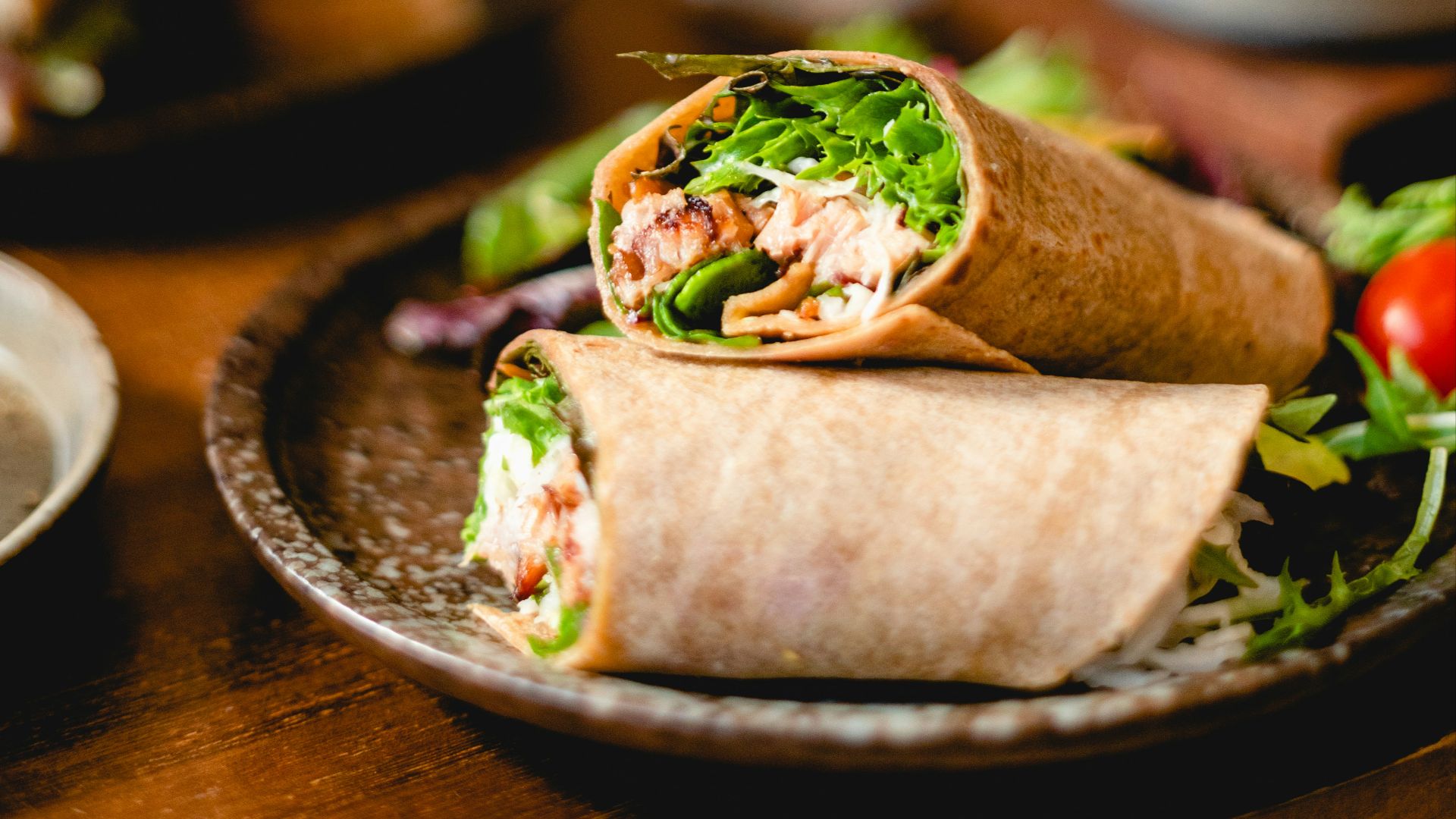
Wraps are a great place to amp up the volume, and leafy greens do that job well. Start with a tortilla, spread something flavorful like pesto or hummus, then add a big handful of spring mix.
5. With Scrambled Eggs
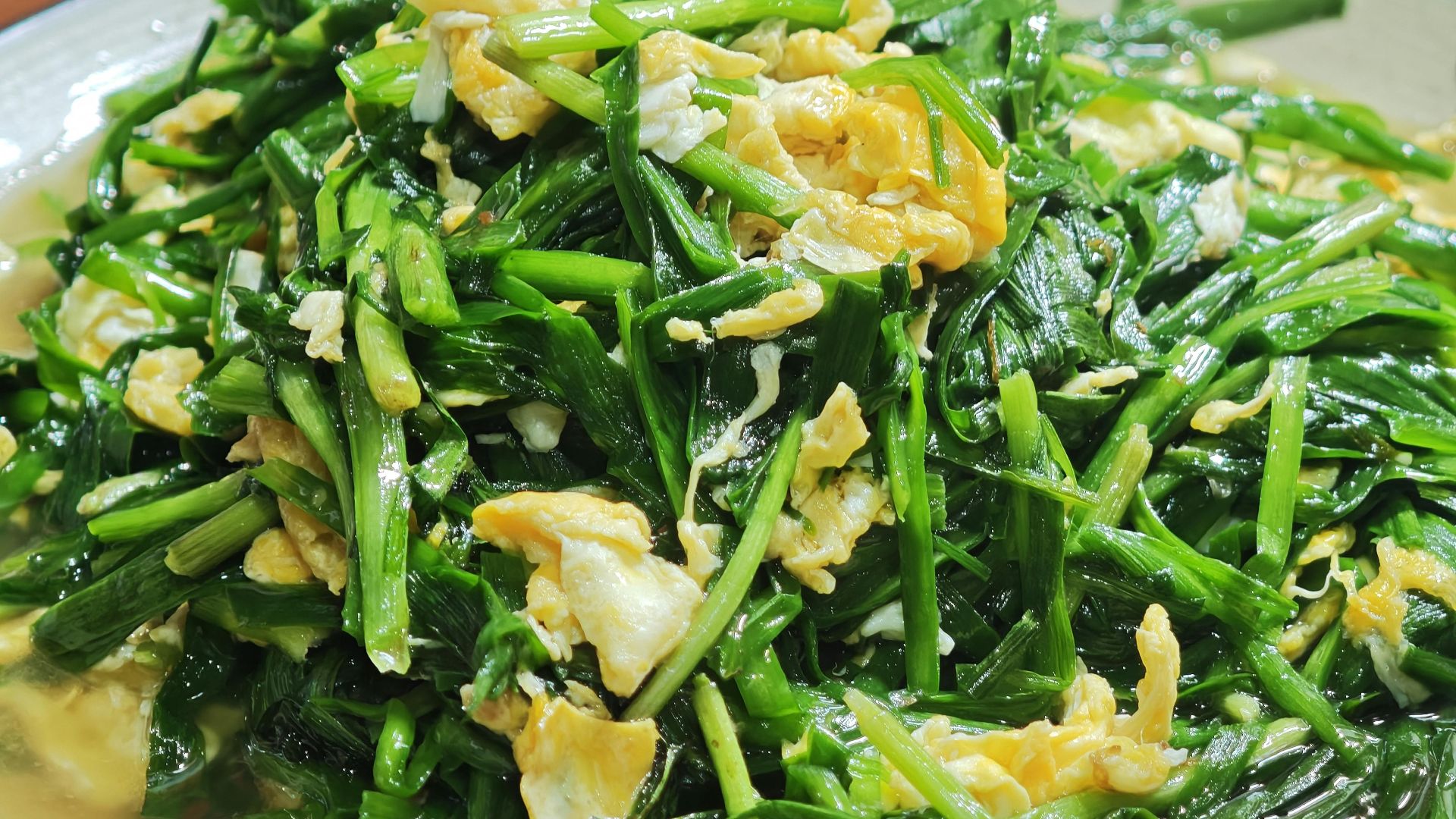
Stir chopped spinach into scrambled eggs right before they finish cooking, since it wilts fast. For more texture, sauté kale or Swiss chard for a minute first, then add eggs. Finish with feta, black pepper, or salsa.

6. Try an Omelet
An omelet is useful when you want greens to take more of a central role in your breakfast. Fill it with sautéed mushrooms and spinach, or use chopped kale with shredded cheese. Keep the heat moderate so the eggs stay tender and the greens stay fresh.
 Samuel Agyeman-Duah on Unsplash
7. Stir Into Soup Bowls
Leafy greens are easy to add to soup at the end, because they soften quickly in hot broth. Drop spinach into chicken noodle soup, add kale to lentil soup, or use bok choy in miso soup. You’ll get a more filling bowl without increasing your cooking time.

8. Sautéed
A basic sauté takes about five minutes and works with most greens. Heat olive oil, add garlic, then cook spinach, collards, or chard until just tender. Shorter cooking methods, such as this, can help preserve more nutrients than long boiling.
 Vietnam Hidden Light on Pexels
9. Frozen
Frozen spinach is already washed and chopped, so it’s a practical backup when fresh greens run out. Stir it into pasta sauce, chili, or curry after you thaw and squeeze out extra water. The texture is usually softer than fresh, but it blends well into saucy meals.
10. With Pasta
When pasta is still hot, add arugula or spinach directly to the pot and stir until it wilts. Finish with olive oil, lemon, and Parmesan, or add white beans to keep you feeling full for much longer.

11. In A Grain Bowl
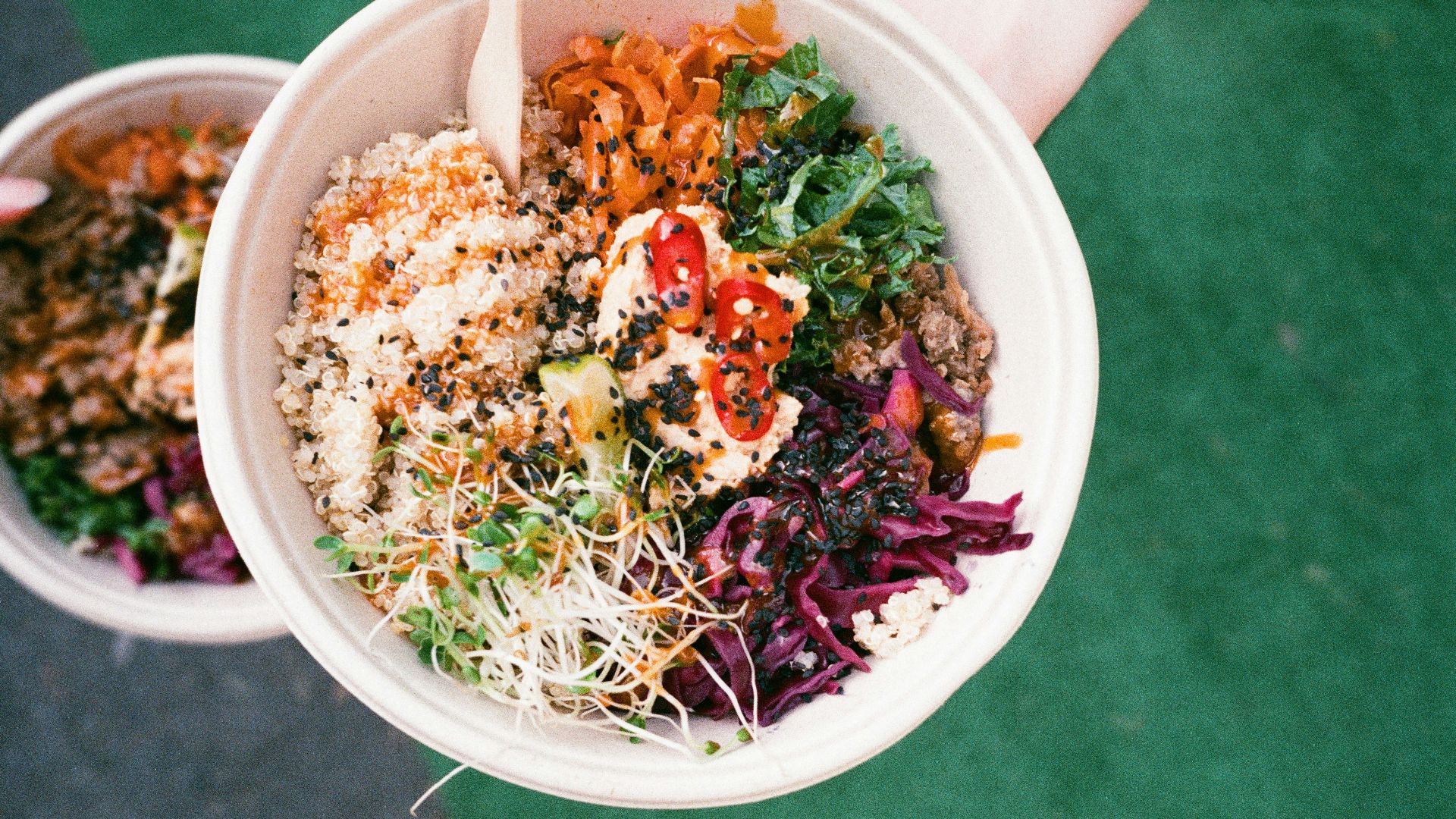
Grain bowls make greens easy because the warm base softens them without extra cooking. Add brown rice or quinoa, then top with kale, spinach, or shredded romaine, plus something savory like roasted chickpeas. A sauce like tahini dressing or salsa helps bring everything together.
12. Make Lettuce Cups
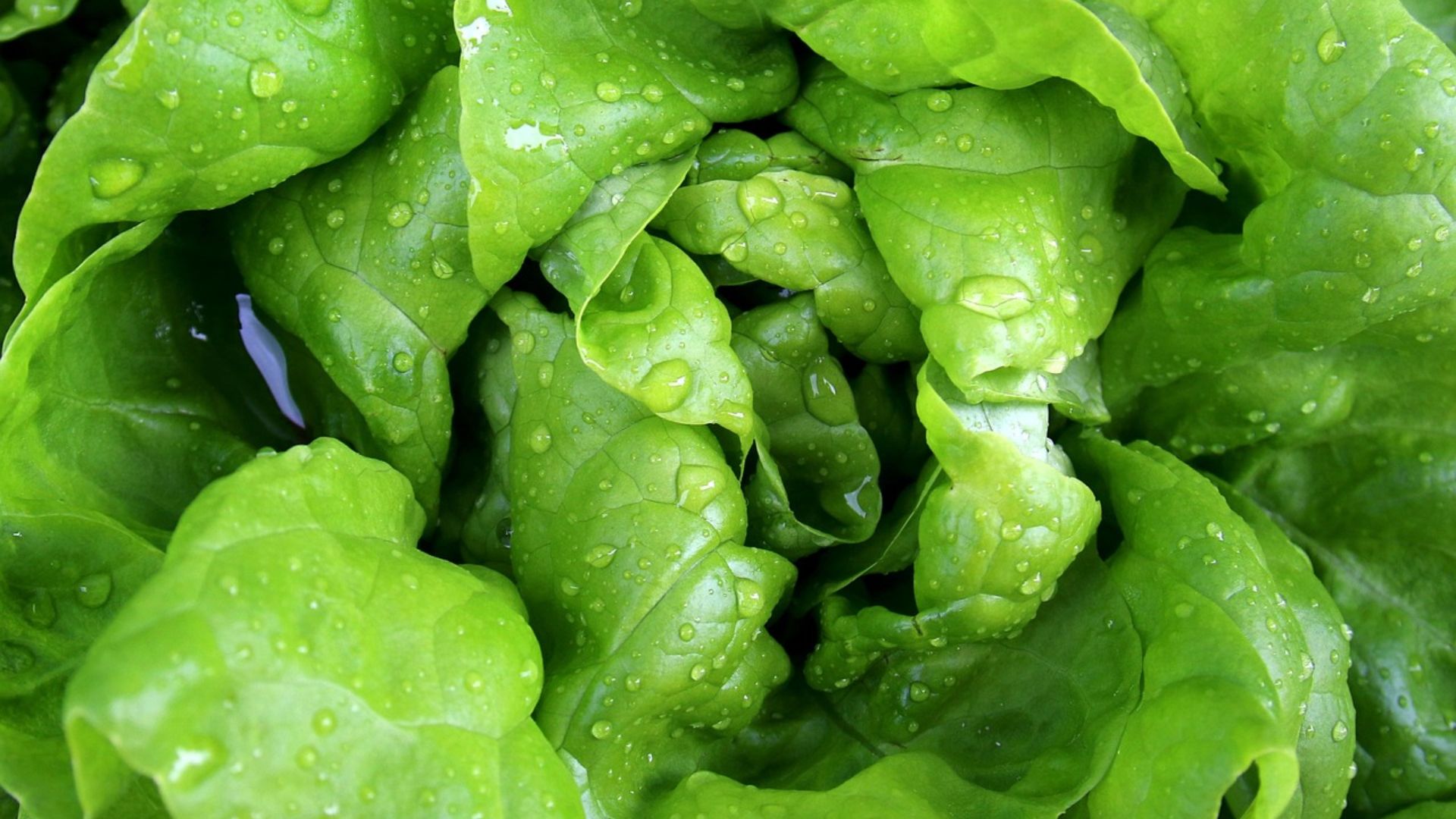
Swap tortillas for sturdy lettuce leaves when you want a lighter, more calorie-free option. Romaine hearts and butter lettuce hold fillings well and are easy to portion. Fill them with chicken salad, seasoned ground turkey, or tofu and vegetables for a clean, quick lunch.
13. Added to Tacos
Tacos can handle more greens than you might expect, especially when you use shredded romaine or cabbage-like greens. Add a layer of greens first, then pile on beans, fish, chicken, or whatever else you prefer on this delicious dinner option.

14. As A Pizza Topping
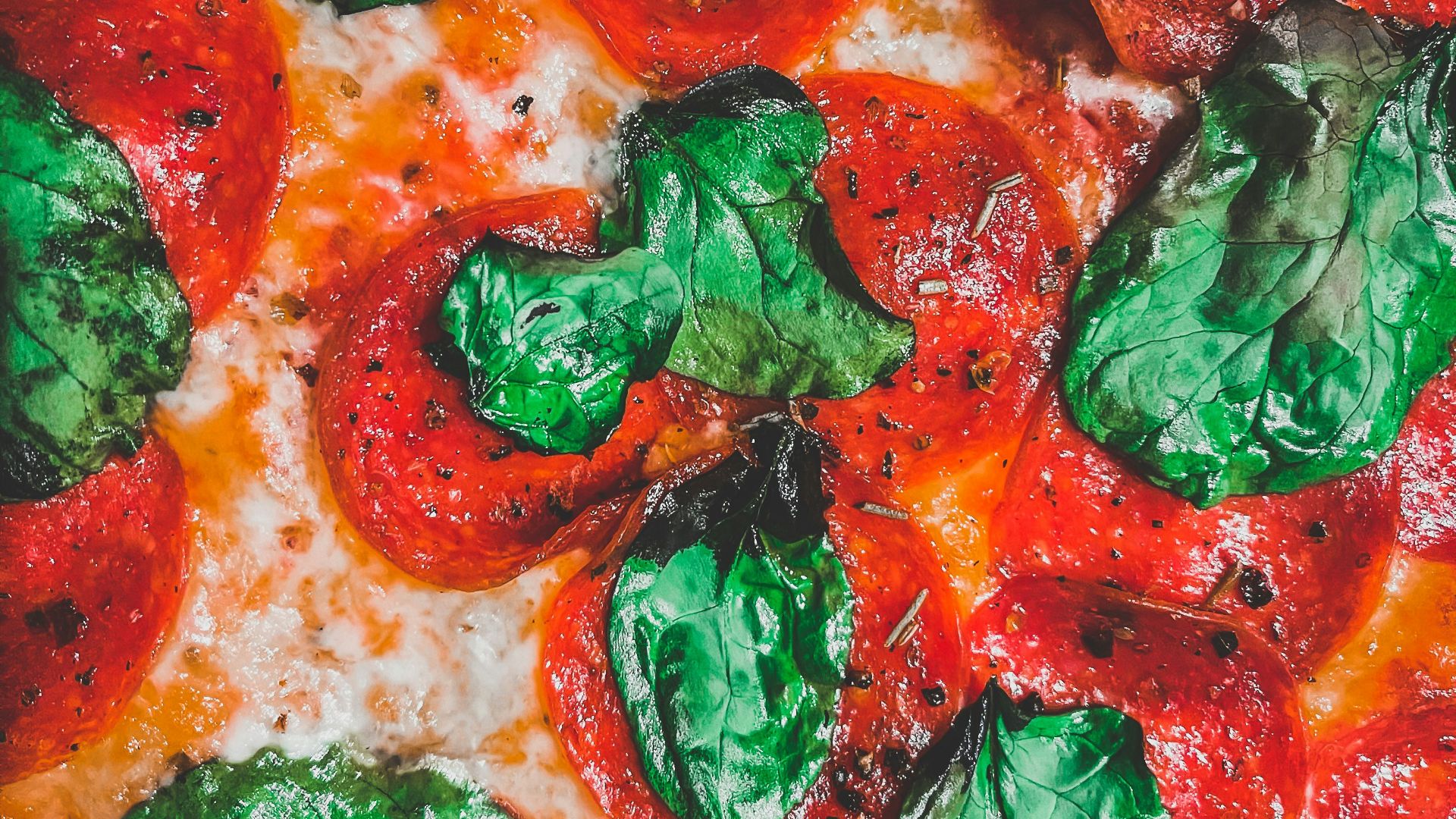
Use leafy greens to add a little bit of freshness to your pizza. Put arugula on after baking so it stays bright and peppery, or add spinach during the last few minutes so it wilts. A squeeze of lemon or a drizzle of olive oil can keep the flavors sharp.
15. Blend a Green Pesto
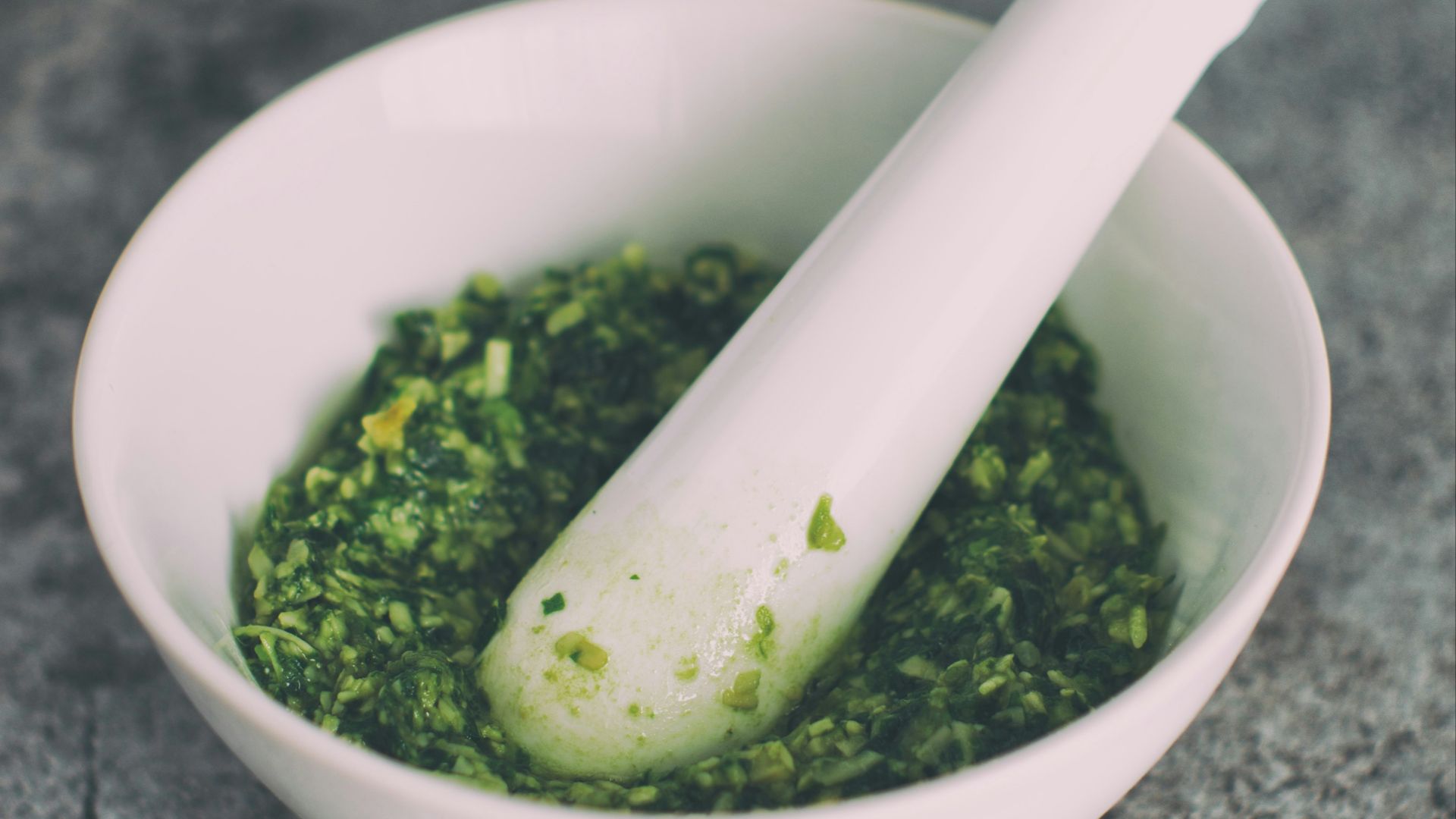
Pesto does not have to be basil-only, and leafy greens are an easy way to stretch it. Blend spinach or kale with garlic, nuts, Parmesan, and olive oil, then use it on pasta, sandwiches, or roasted vegetables. This also lets you use any greens that are close to their expiry date.
16. Mix Into Stir-Fries
Stir-fries are ideal for greens because you can add them at the end, and they cook in seconds. Use bok choy, spinach, or chopped kale with soy sauce, ginger, and whatever protein you have.

17. Stuff a Grain Salad
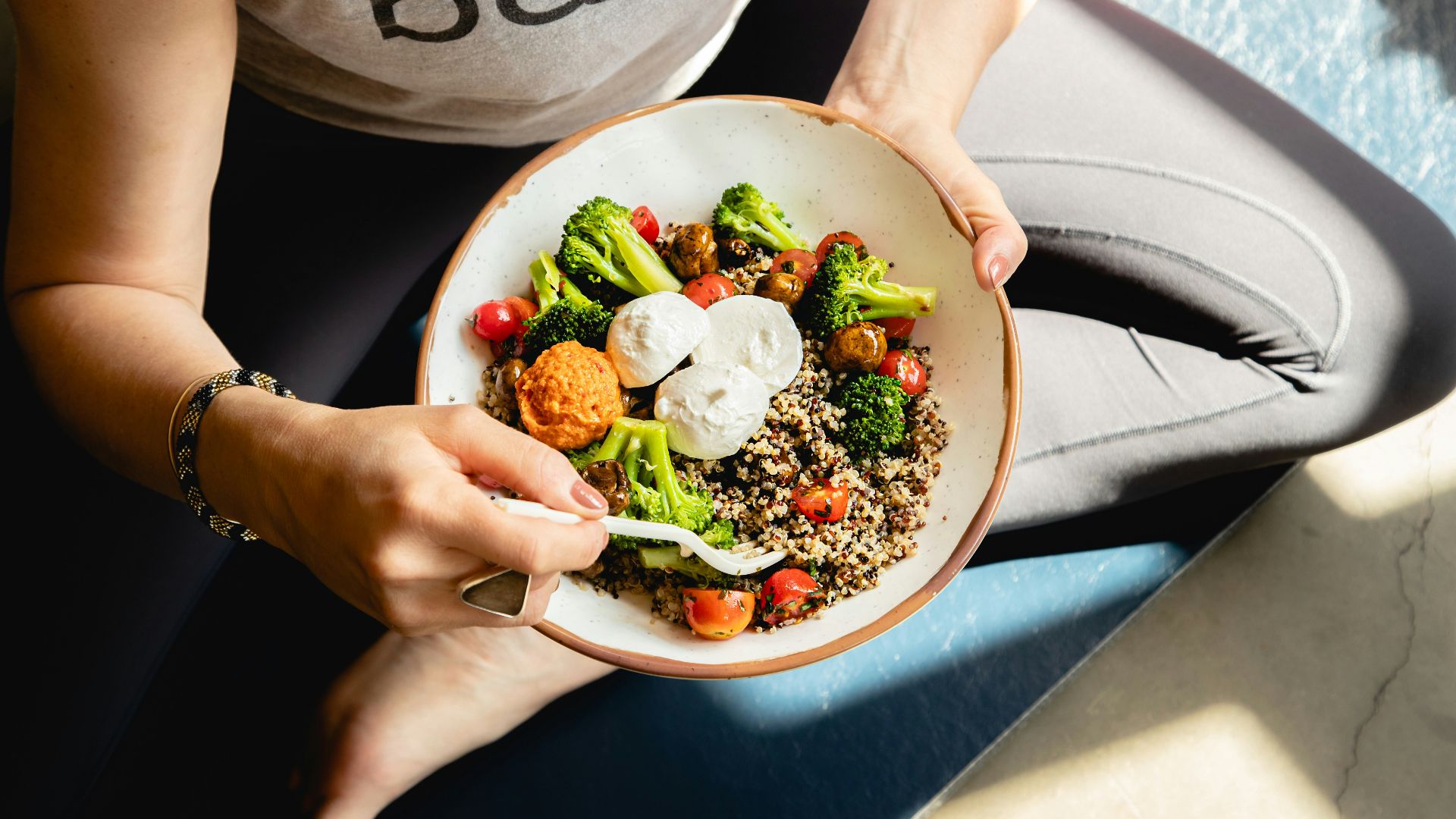
Grain salads hold up well in the fridge, so they are a good option for the meal preppers out there. Mix cooked farro or quinoa with chopped kale, then add chickpeas, cucumbers, and a vinaigrette. Kale stays sturdy, making it an excellent option for longer-term storage.
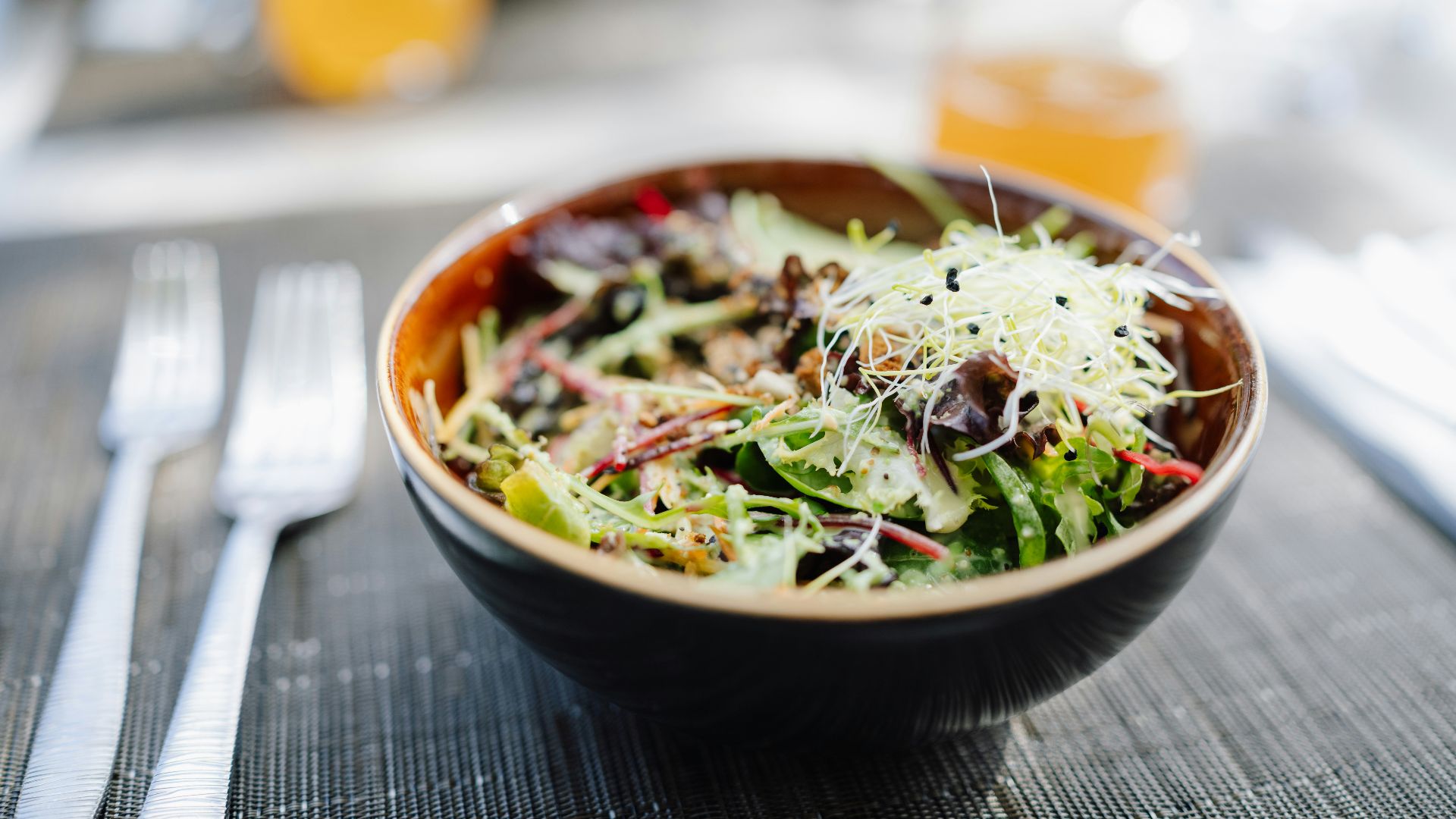
18. Make a Big Side Salad
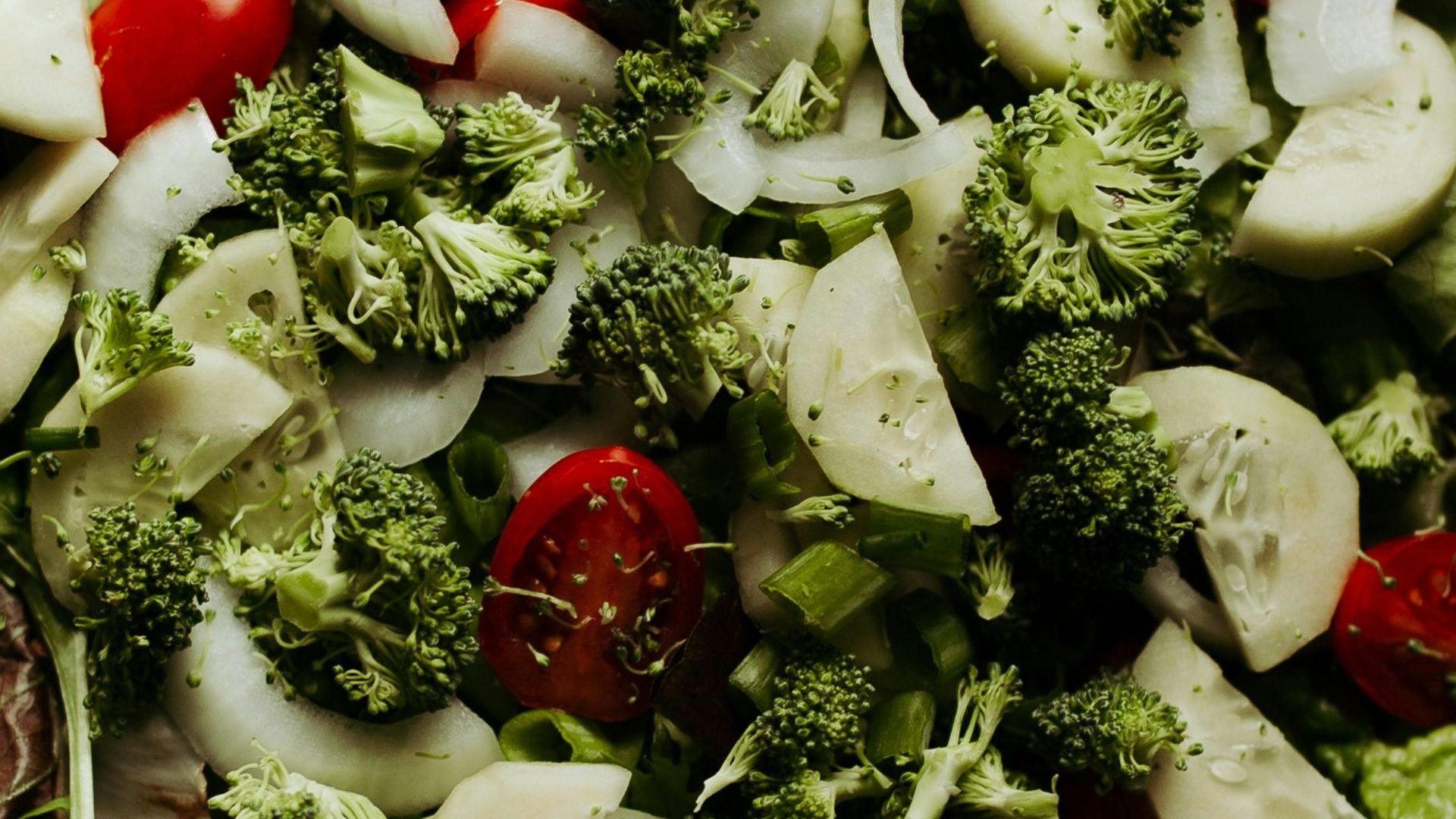
If your dinners feel repetitive, a side salad can add greens without changing the main dish. Use romaine or mixed greens, then keep toppings simple like tomatoes, cucumber, and a straightforward dressing. This habit works best when you prep the greens ahead of time.
19. Add Where You Don’t Expect
Burgers, grilled cheese, and even breakfast sandwiches can carry greens without much effort. Slide spinach onto an egg sandwich, tuck arugula into a burger, or add sautéed greens to a grilled cheese before toasting. The goal is to use foods you already enjoy and increase the greens quietly.

20. Store and Wash Smart
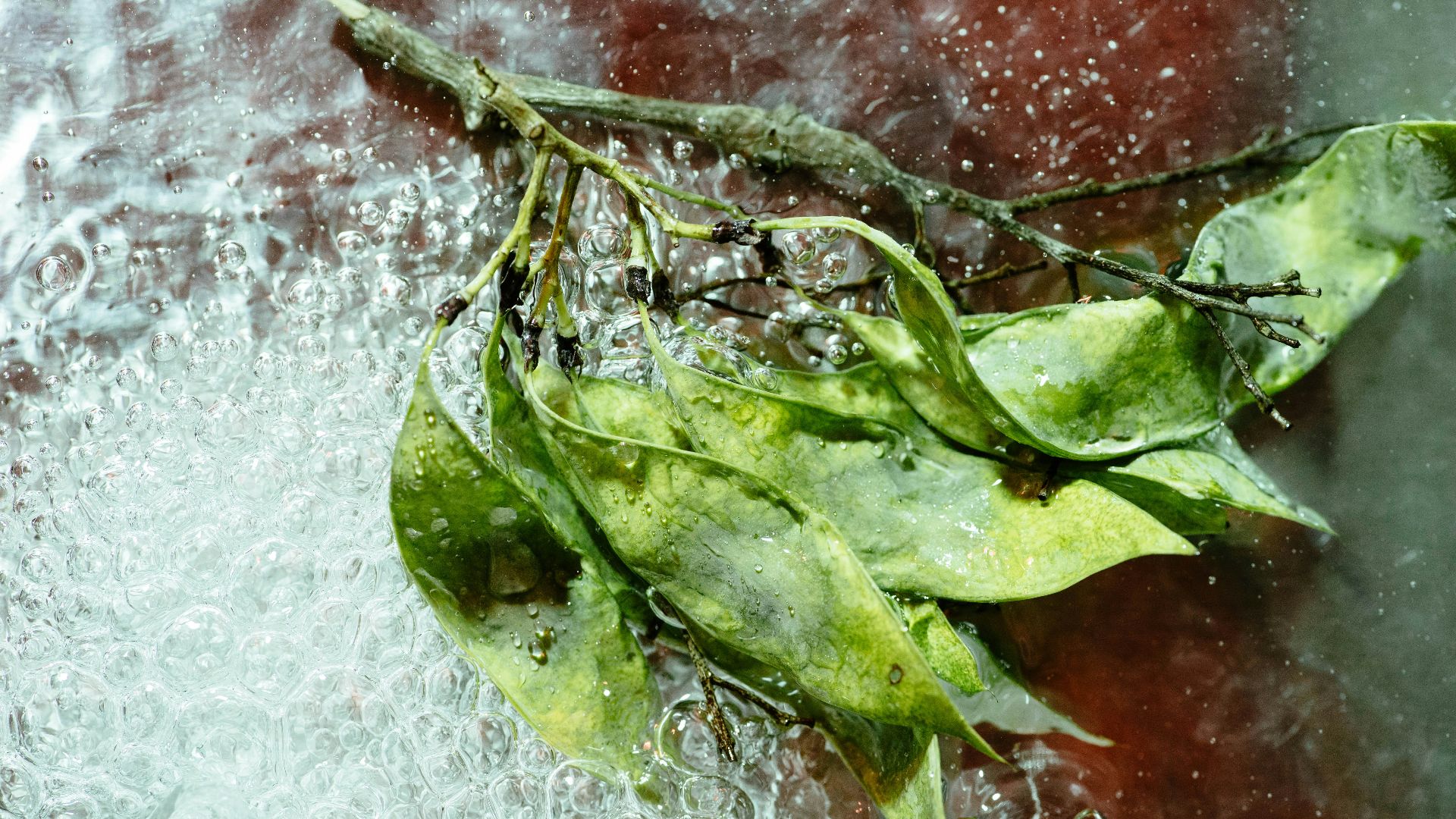
Good storage makes it more likely you will actually eat the greens you buy, because slimy lettuce tends to end the plan fast. Wash and handle fresh produce with clean hands, and rinse greens under running water. You’ll thank us later.
KEEP ON READING
You’re Storing Tomatoes Wrong in This Heat
You’re Storing Potatoes Wrong in This Heat
You’re Storing Peppers Wrong in This Heat