Prevention and Protection
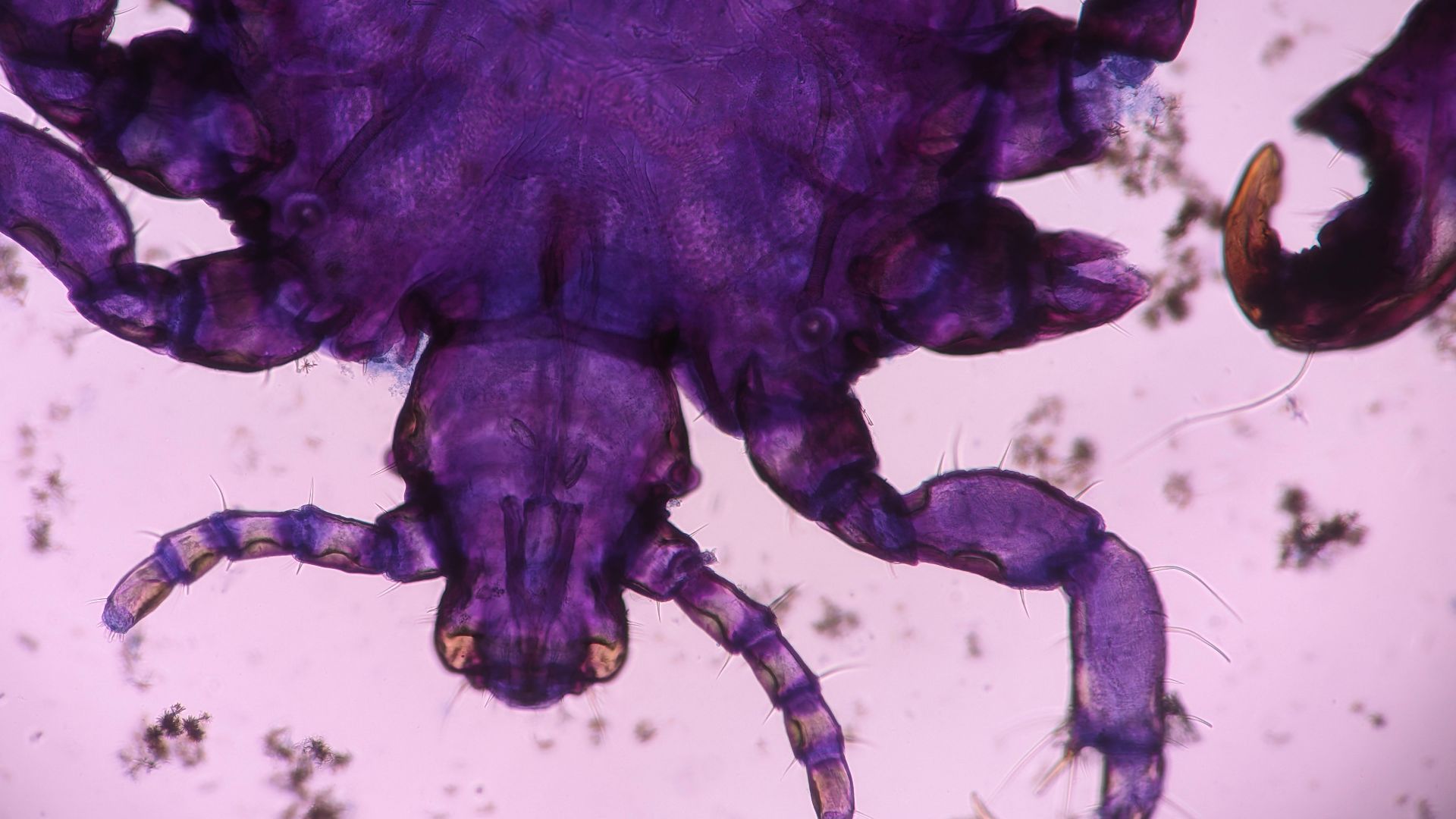 Alexander Zabrodskiy on Unsplash
Parasites are real, but social media tends to make them sound like a daily certainty, which is not how it works for most people. That said, if you suspect an infection, the most reliable path is testing and appropriate treatment, not guessing based on vague symptoms and web searching.
The good news is that your everyday food choices can still play a supportive role, especially when you focus on prevention and gut-friendly habits.
Food can’t replace antiparasitic medication when you truly have an infection, but it can help you lower exposure risk and support your body while you’re getting proper care. Some ingredients show antiparasitic activity in lab or animal studies, yet the evidence in humans is often limited or mixed. That means “helpful” usually looks like smart cooking, safer handling, and nutrient-dense meals, not a dramatic cleanse.
What Food Can’t Replace
If you think you might have a parasitic infection, a clinician can order tests based on your symptoms and exposures, including stool testing when appropriate. The CDC notes that a stool ova and parasite exam may require multiple samples collected on different days, which is part of why self-diagnosis tends to go sideways. A real diagnosis matters because treatments vary by parasite, and the wrong approach can delay getting better.
For many intestinal worms worldwide, standard medicines such as albendazole or mebendazole are widely used and recommended in public health guidance. These medications have been extensively used, and they are the main evidence-based tools for clearing specific helminth infections. If your situation involves travel, immune suppression, or persistent symptoms, it is especially important to get medical input rather than trying to outsmart biology with pantry items.
You’ll also see “parasite cleanse” kits marketed as if everyone needs them, but expert guidance consistently warns against treating yourself without confirmation. Many symptoms blamed on parasites can come from non-parasitic causes, so a cleanse can waste time, money, and peace of mind. Keeping your approach measured is not only safer, but it is also usually more effective.
Foods With A Strong Research Background
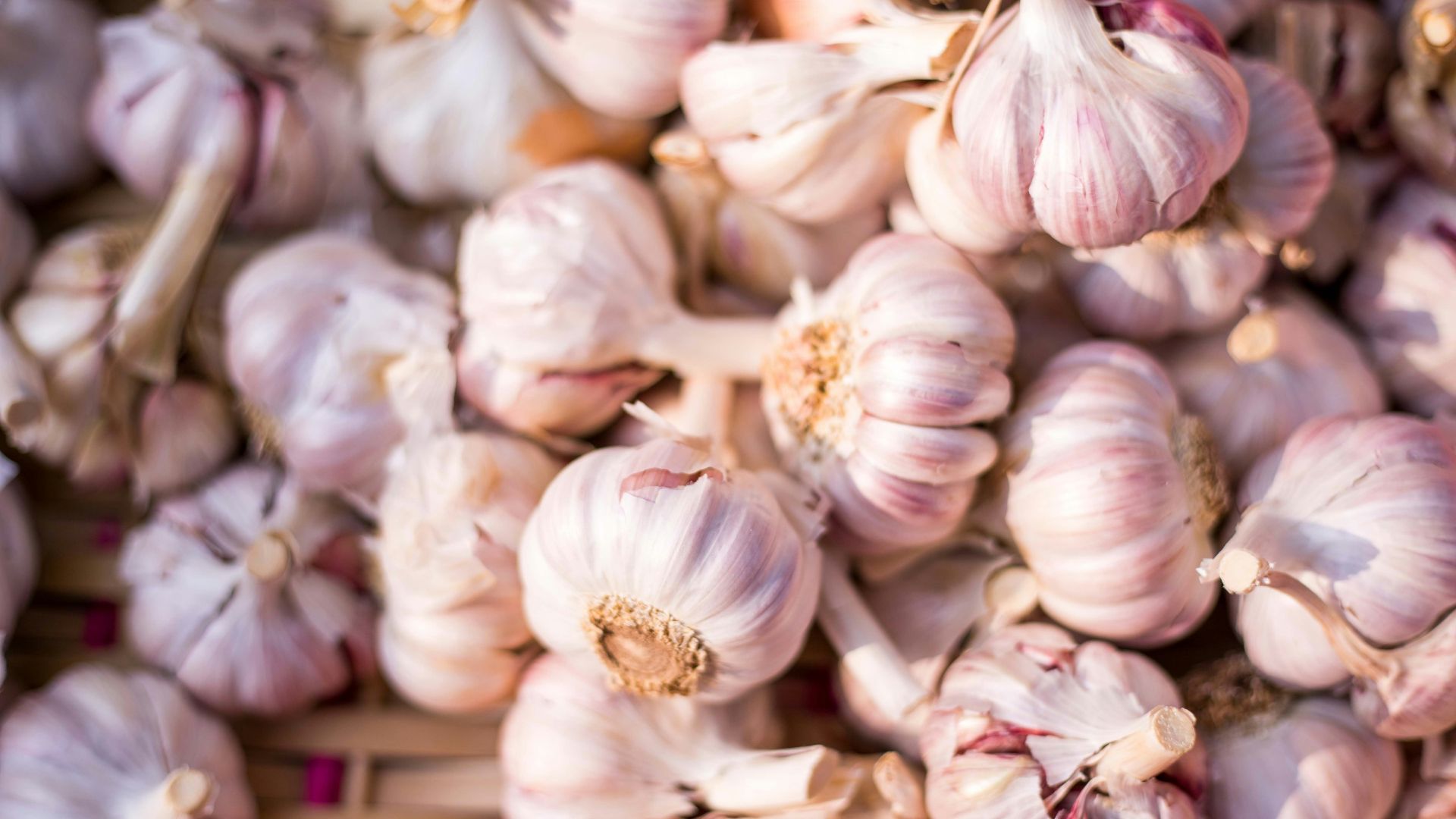
Garlic is often mentioned in traditional food-and-wellness circles, and it has a long history of use in diets worldwide. Many studies show that garlic is good for various health purposes, but the quality and amount of evidence vary by claim, and it can interact with certain medications or increase bleeding risk in supplement form. If you enjoy garlic, using it generously in cooking is reasonable, but it should not be treated as a stand-alone parasite treatment.
Pumpkin seeds show up frequently in discussions of “natural deworming,” and there is published research exploring anthelmintic activity in experimental settings. The key point is that much of this work is preclinical, meaning it may involve extracts, animals, or conditions that do not match how people eat foods in real life. Still, pumpkin seeds are a nutritious snack, and including them is a low-risk choice if you keep expectations realistic.
Papaya seeds are another popular trend, but expert commentary emphasizes that the supporting studies are small and not enough to generalize as a safe, effective human treatment. Cleveland Clinic also notes safety concerns if consumed in large quantities and advises seeing a healthcare provider instead of relying on seeds as primary treatment. Turmeric’s curcumin has demonstrated antiparasitic activity in lab research against certain organisms, yet that is not the same as proven clinical treatment in humans, so it belongs in the “interesting, not definitive” category.
Food Habits That Lower Exposure

If you want the most practical food-based strategy, put your energy into cooking and handling practices that reduce the chance of ingesting harmful organisms. FoodSafety.gov emphasizes cooking foods to safe minimum internal temperatures and using a food thermometer, which directly reduces risk from contaminated meat and other foods. This is not glamorous advice, but it is the kind that actually holds up when you check the details.
Produce deserves its own attention because contamination can happen before food ever reaches your kitchen. Washing hands, cleaning surfaces, and preventing cross-contamination between raw meats and ready-to-eat foods all matter, especially when you are preparing lunches quickly. When you treat basic hygiene as non-negotiable, you reduce a major route by which parasites and other pathogens spread.
Finally, aim for a diet that supports gut function rather than one built around extreme restrictions and unproven protocols. Fermented foods may contribute beneficial microbes when they contain live cultures, and credible nutrition sources point out that “probiotic” labeling should be evidence-based. You do not need to chase huge claims here, but choosing fiber-rich foods alongside thoughtfully selected fermented foods can support digestion while you stick to the medically appropriate plan if an infection is confirmed.
KEEP ON READING


The 5 Most Consumed Foods in the Entire World