Americans now get 55% of their daily calories from ultra-processed foods, according to data from the National Health and Nutrition Examination Survey conducted between August 2021 and August 2023. Kids eat even more, with youth ages 1 to 18 consuming 61.9% of their calories from foods designed in factories rather than kitchens. Those numbers look alarming when you read them in a headline about the obesity crisis or some new study linking ultra-processed foods to heart disease.
The hand-wringing misses something obvious. We wanted this. Every TV dinner, every can of soup mixed with another can of soup to make dinner, every bag of chips purchased at a gas station represented a deliberate choice. Nobody forced anyone to buy frozen pizza. The companies that make ultra-processed foods didn't trick us into eating them. They gave us exactly what we asked for: food that tastes good, costs less, and requires almost no effort.
The 1950s Housewife Welcomed Ultra-Processed Foods with Open Arms
Swanson introduced the frozen TV dinner in 1954, and women bought them enthusiastically. The tagline "Just heat and serve!" promised liberation from hours spent cooking. Marketing materials from food companies in the postwar era didn't hide what they were selling. They advertised convenience as a feature, not a bug. Kraft ran ads in women's magazines showing glamorous housewives serving Velveeta and Cheez Whiz at dinner parties. Processed foods were presented as sophisticated and modern.
The number of supermarkets in the United States began rapidly growing between 1948 and 1958. Most of that expansion happened in the suburbs, where new planned communities were sprouting up around shopping centers. Women who moved into these Levittown-style developments got all-electric kitchens with refrigerator-freezers that had separate doors. Those freezers needed to be filled with something. Frozen vegetables packaged with fancy sauces, pre-cooked meals, and TV dinners fit perfectly into the modern suburban lifestyle that families were actively choosing.
By the 1960s, food companies were specifically targeting working women with their convenience products. In 1965, non-working women spent more than two hours per day cooking and cleaning up after meals. By 1995, that time had been cut by more than half. The shift happened because women increasingly worked outside the home and wanted those hours back. Poppy Cannon wrote "The Can-Opener Cook Book" specifically for these working women, offering recipes that involved opening cans and mixing contents.
Convenience Solved Real Problems That People Actually Had
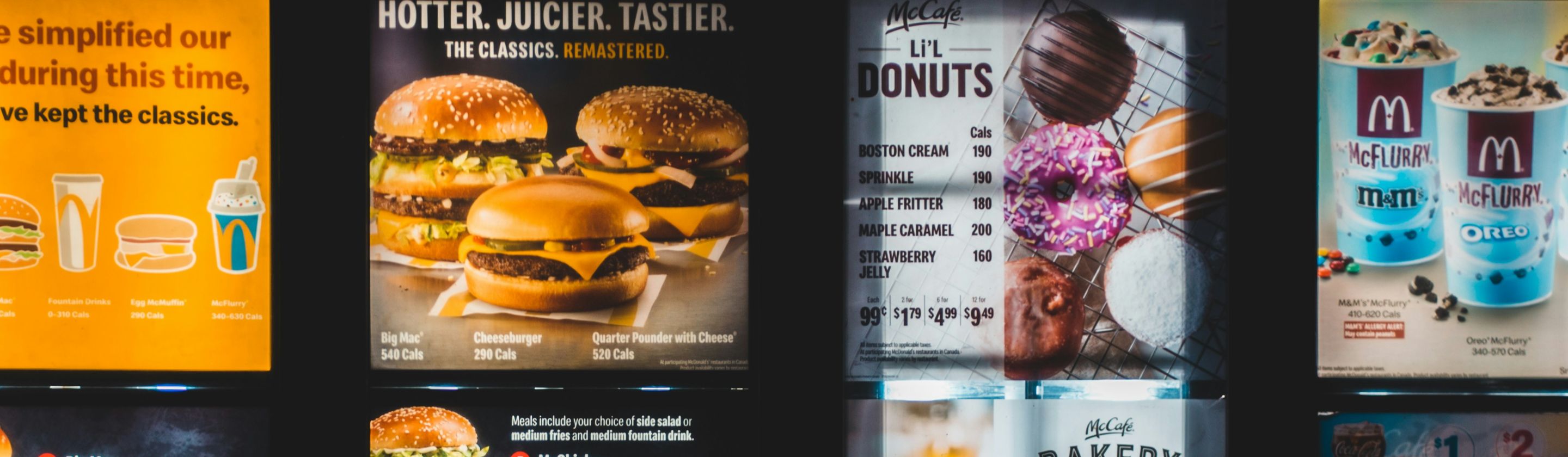
The rise of ultra-processed foods coincided with massive changes in how Americans lived and worked. More women entered the workforce. Families bought cars and spent more time commuting. Fast food restaurants proliferated because they served people who were cramming increasingly more activities into each day. By the 1960s, many families operated on tight schedules that made sitting down to cook a meal from scratch feel impossible. McDonald's and Burger King didn't create that time pressure. They responded to it.
Ultra-processed foods offered solutions to practical challenges. A single mother working two jobs could feed her kids quickly without spending money on takeout every night. College students living in dorms with only a microwave could eat something other than ramen. Elderly people who struggled with meal preparation could maintain independence longer with frozen dinners that just needed heating. The convenience was genuinely useful for millions of people navigating real constraints on their time and money.
The industry didn't conceal what it was doing. Food companies openly marketed the fact that their products required minimal preparation time and culinary skills. Consumers evaluated that trade-off and decided they preferred spending fifteen minutes heating something up to spending an hour shopping for ingredients and cooking from scratch. Between 2001 and 2018, consumption of ultra-processed foods among U.S. adults increased from 53.5% to 57.0% of daily calories. During the same period, consumption of minimally processed foods decreased from 32.7% to 27.4%.
We Knew What We Were Eating and Chose It Anyway
Ultra-processed foods contain ingredients not typically found in home kitchens: emulsifiers, high-fructose corn syrup, artificial flavors, and preservatives that extend shelf life. The ingredient lists have always been printed on the packages. Food companies didn't hide the fact that their products were engineered to be hyperpalatable, trigger cravings and encourage overconsumption. Research shows people consuming ultra-processed diets eat an extra 1,000 calories per day compared to those eating minimally processed foods. That information has been publicly available for years.
The health consequences have been documented extensively. Studies link high ultra-processed food consumption to increased risk of cardiovascular disease, obesity, colorectal cancer, type 2 diabetes, and all-cause mortality. Public health campaigns have warned about the dangers of processed foods since at least the 1980s. None of it changed behavior significantly because the benefits of convenience outweighed the abstract future health risks for most people.
Johns Hopkins research analyzing data from 2003 to 2018 found that ultra-processed foods comprised more than half of all calories consumed at home, rising from 51% in 2003 to 54% in 2018. The proportion stayed above 47% even among high-income households and Hispanic populations, the two groups with the lowest consumption rates. Everyone was eating this stuff—even wealthy college-educated people who presumably had access to more resources to make healthier choices. They still filled their carts at the grocery store with the same processed foods as everyone else because those foods solved problems that fresh ingredients and home cooking couldn't solve as easily: they were fast, they were cheap, tasty, and they didn't go bad quickly.
KEEP ON READING

20 Worst Foods for Your Liver