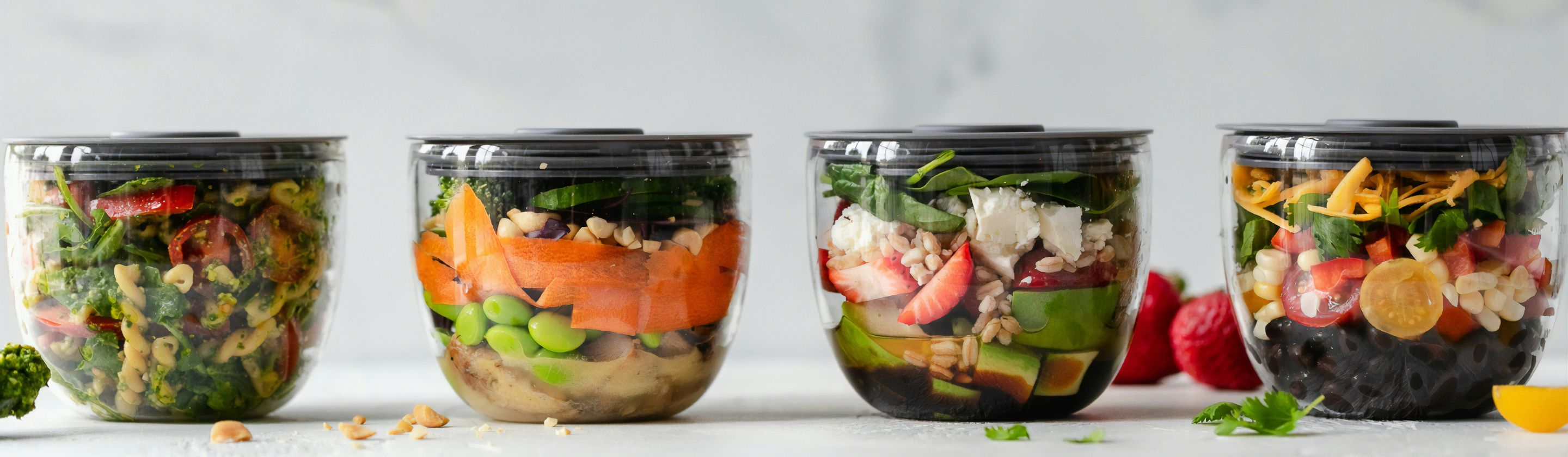
Making Your Days More Manageable
Meal prep can save time, reduce weekday stress, and help you stick to the meals you actually want to eat. The challenge is that it can also feel like a lot of planning, chopping, and cleanup all at once. A few practical adjustments can make the process smoother without requiring you to spend hours of your own time simply preparing food. These ideas focus on simple habits and smart shortcuts that keep meal prep realistic.
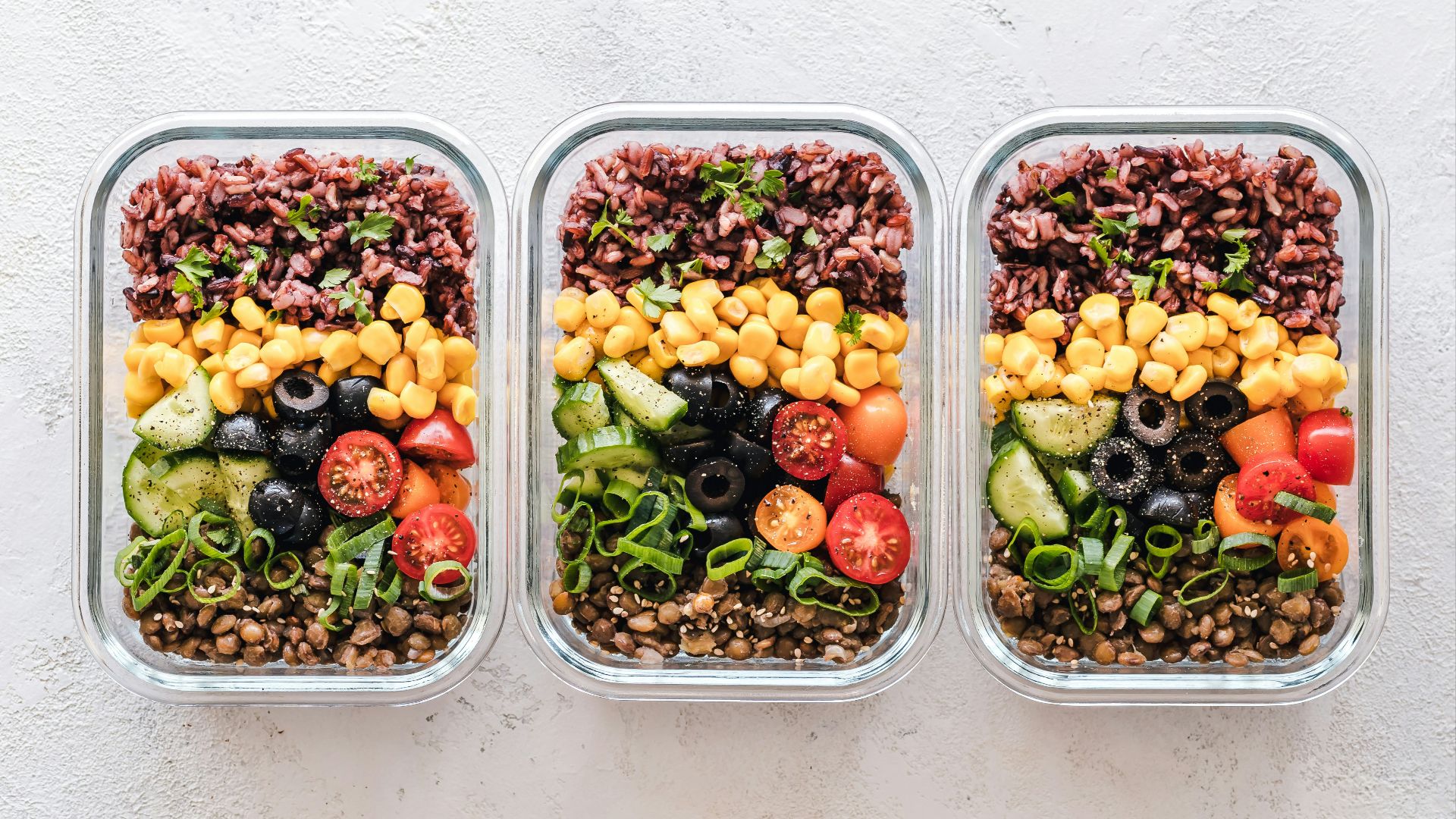
1. Stick With Two Proteins
Choose two proteins to make your prep waaay easier. Cook enough for multiple meals, then season or sauce them differently to keep some variation throughout the week. This approach reduces decision fatigue and also makes shopping easier.
 Supplement Bewertung on Unsplash
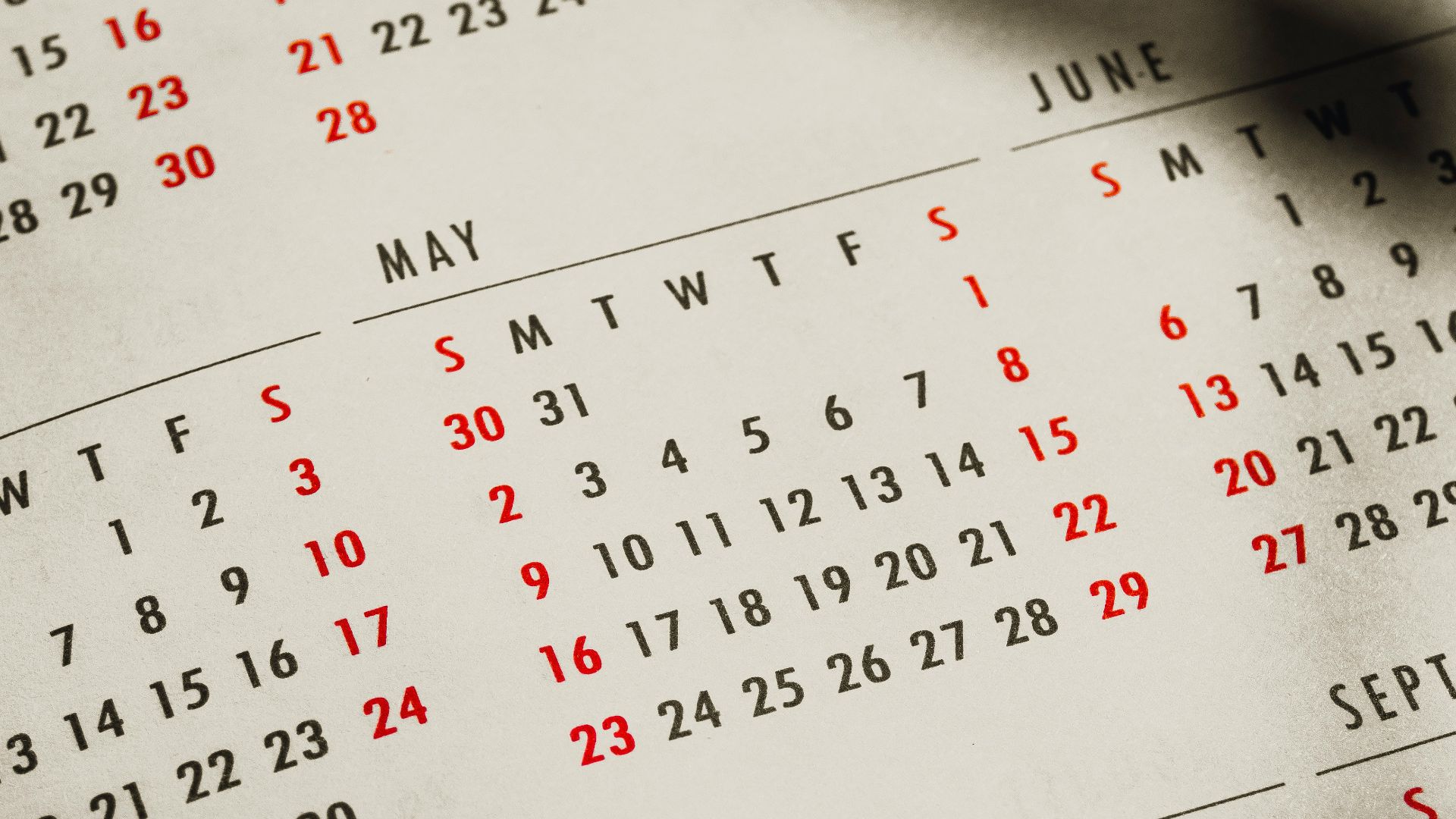
2. Plan Around Your Calendar
Consider your week before deciding how much to prep. If you have late meetings or busy evenings, prioritize ready-to-eat options for those days. When your schedule is lighter, you can spend a little bit more time cooking for dinner.
3. Repeat Breakfasts and Snacks
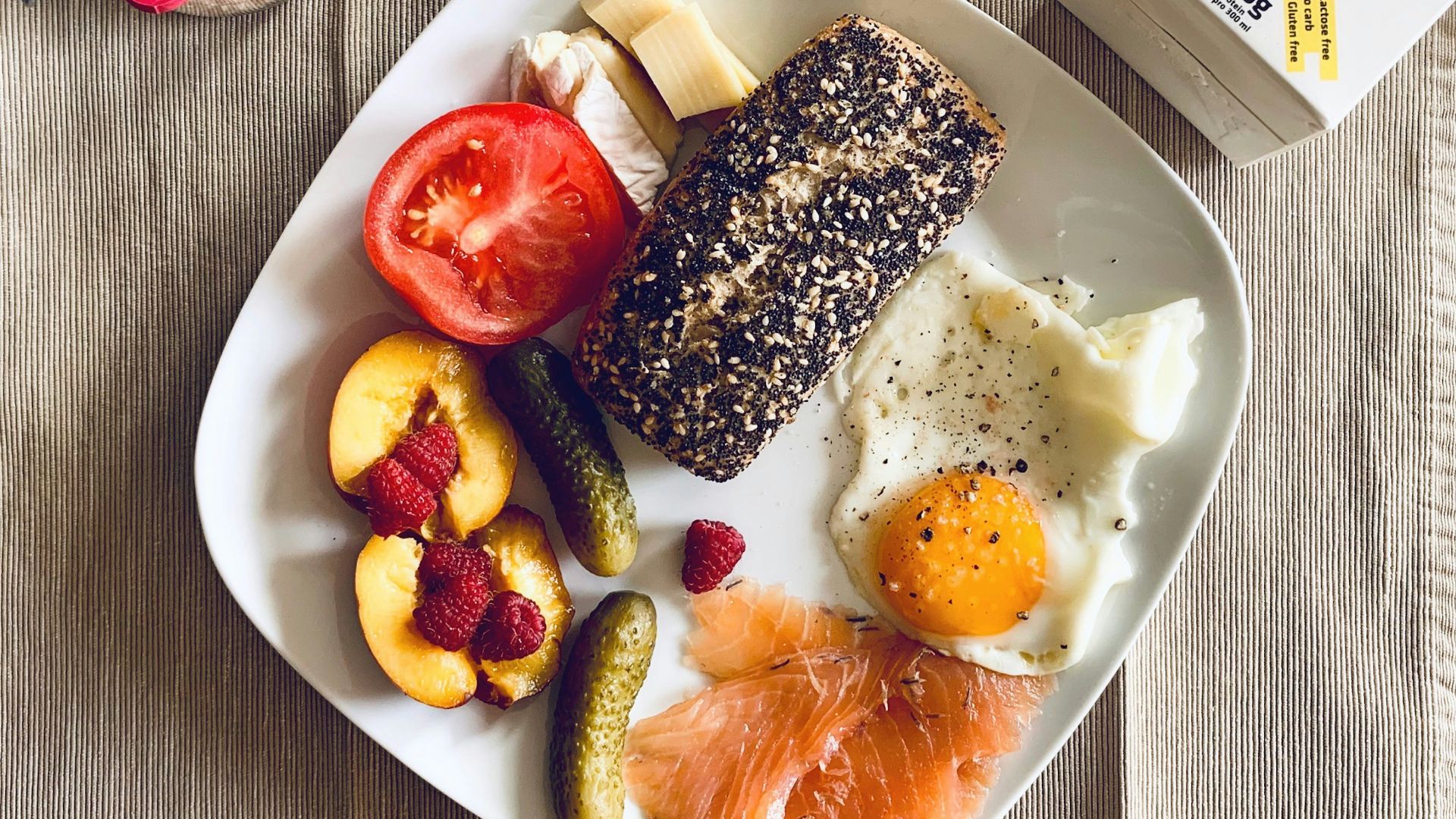
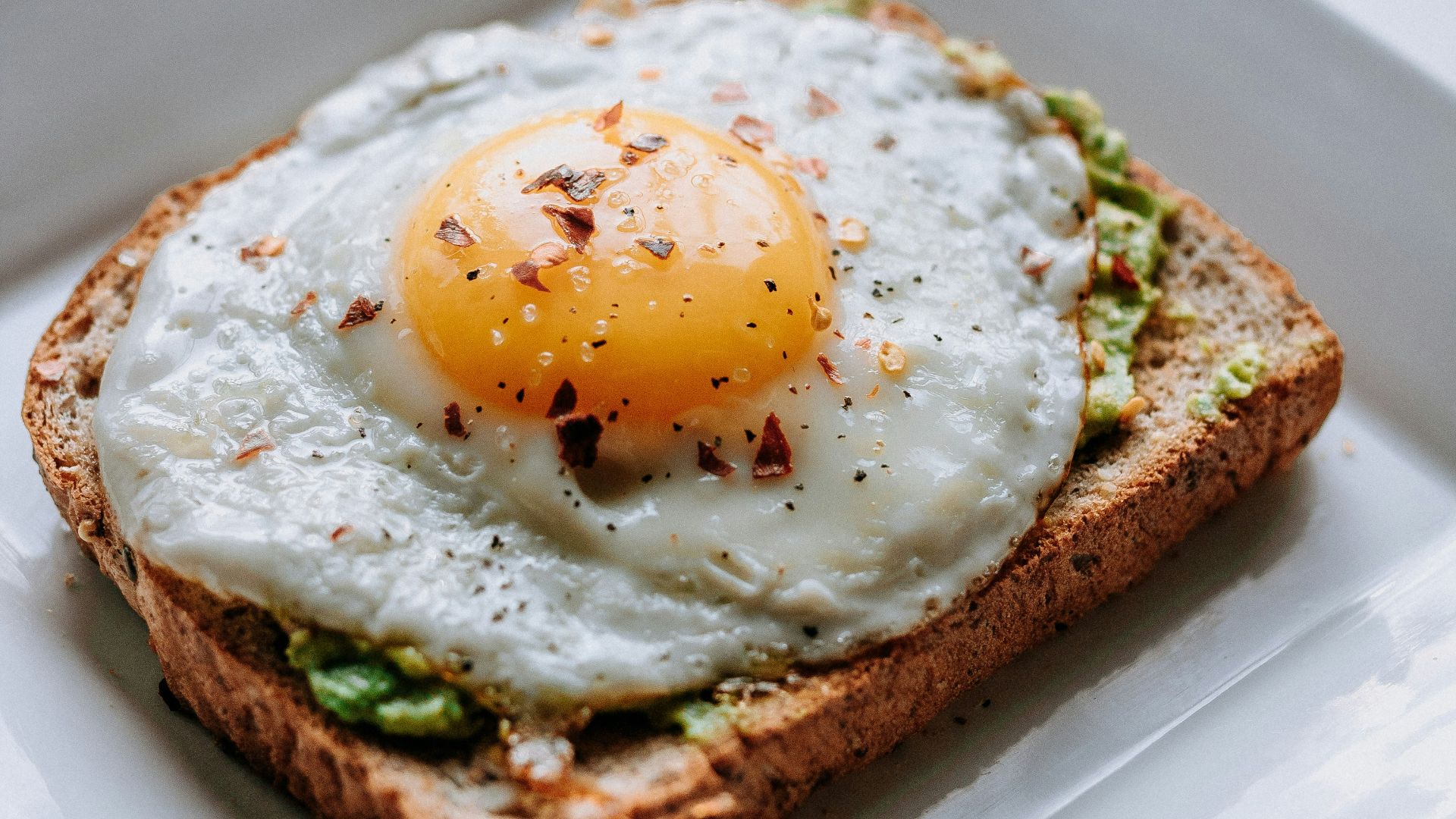
Keep breakfast and snack choices simple, so you’re not prepping everything at once. Eating the same thing every morning keeps things simple and a little more cost-efficient. Stock a few repeatable snack options you actually enjoy, and make sure to throw a few snacks in your bag in case you get peckish between meals.
4. Use a Short Recipe List
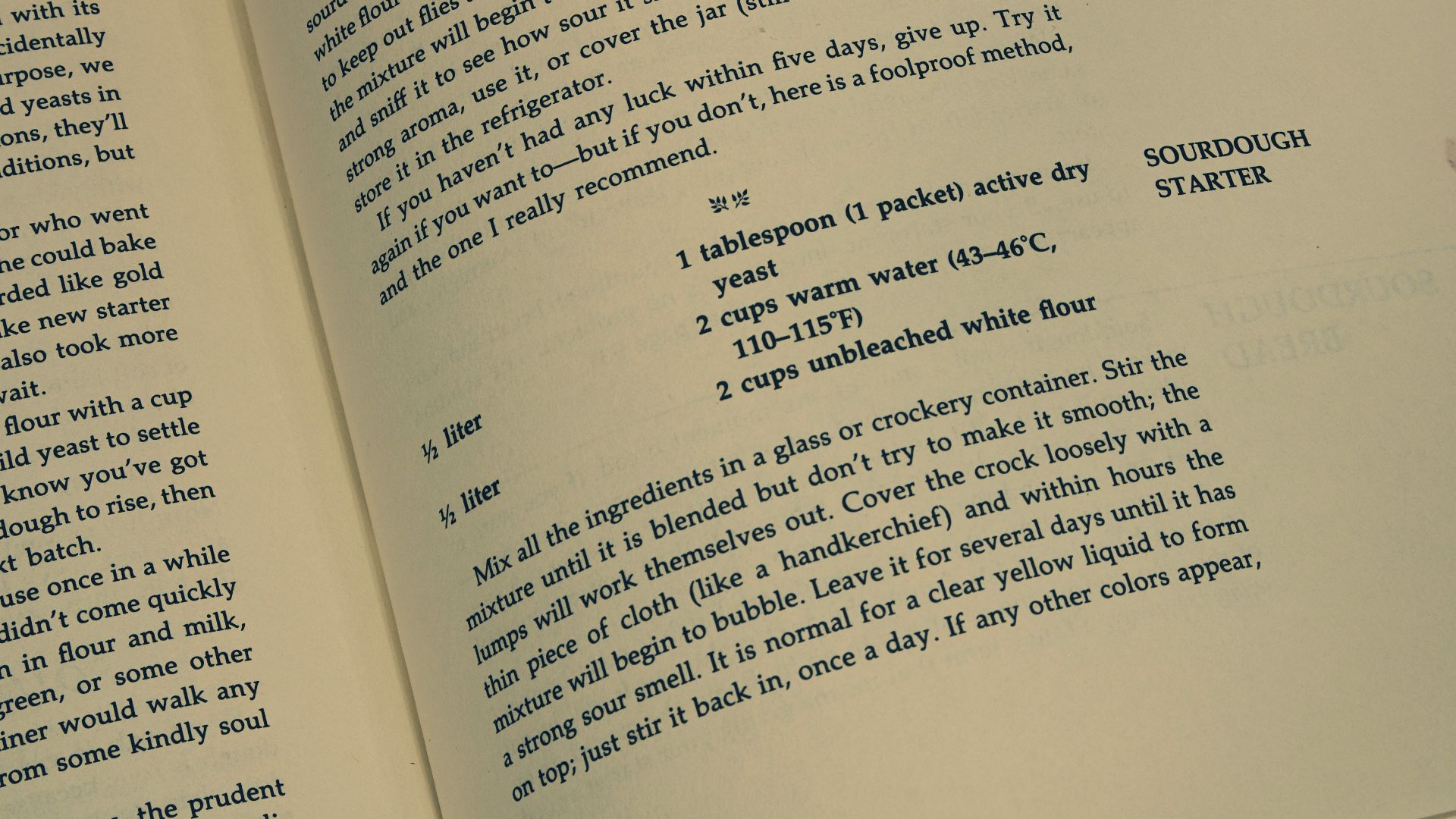
Limit yourself to a small set of recipes for the week. Too many new ideas can create extra prep steps and more ingredients to manage. A shorter list also makes it easier to reuse items across meals, which can also reduce the possibility of food waste.
5. Build One-Sheet-Pan Meal
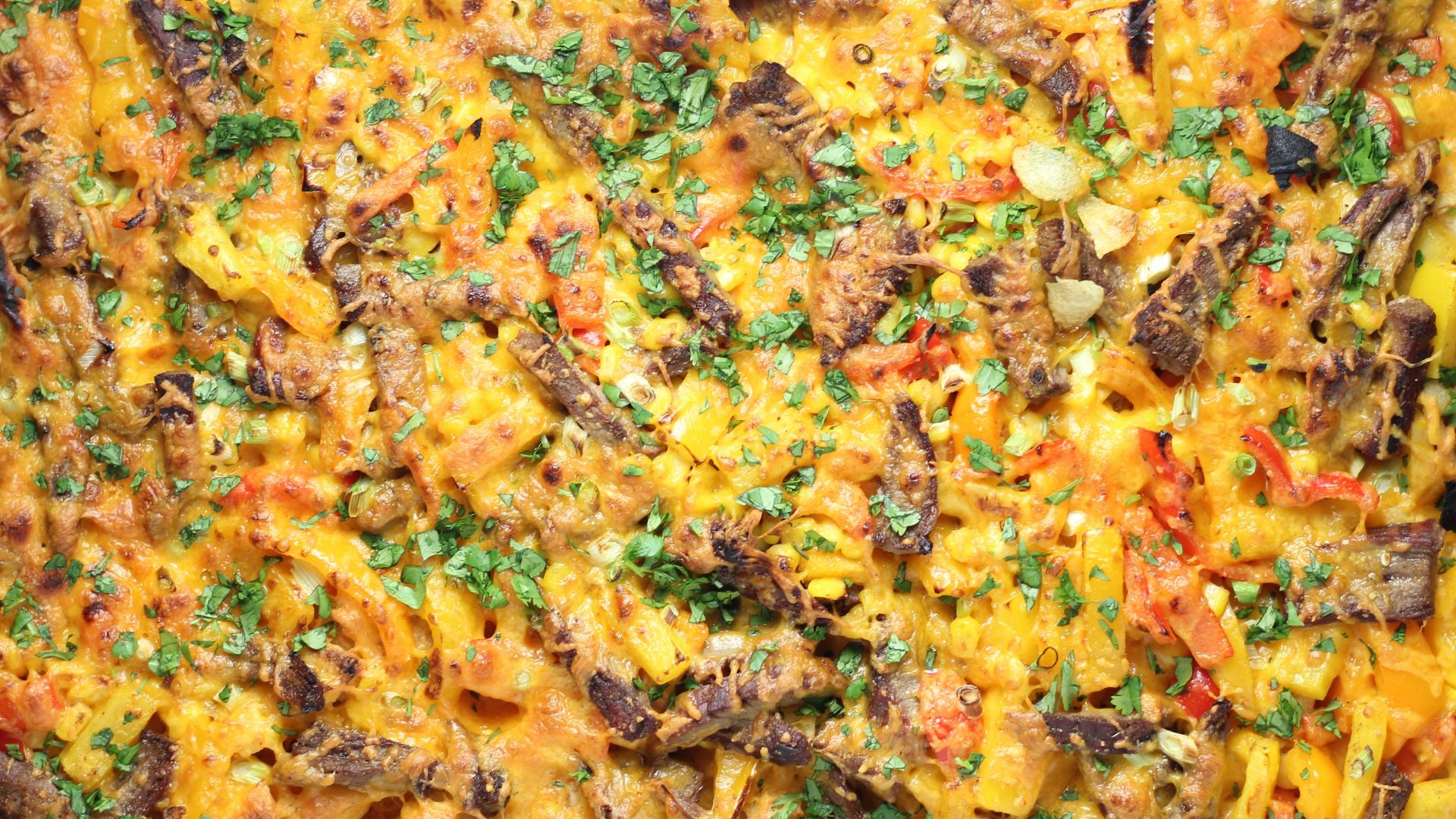
Sheet-pan meals reduce both active cooking time and cleanup, and let you do other activities while it's cooking. You can cook everything on one big sheet, or separate it into smaller pans if you want to work with some different flavors throughout the week.
6. Cook Grains in Bulk
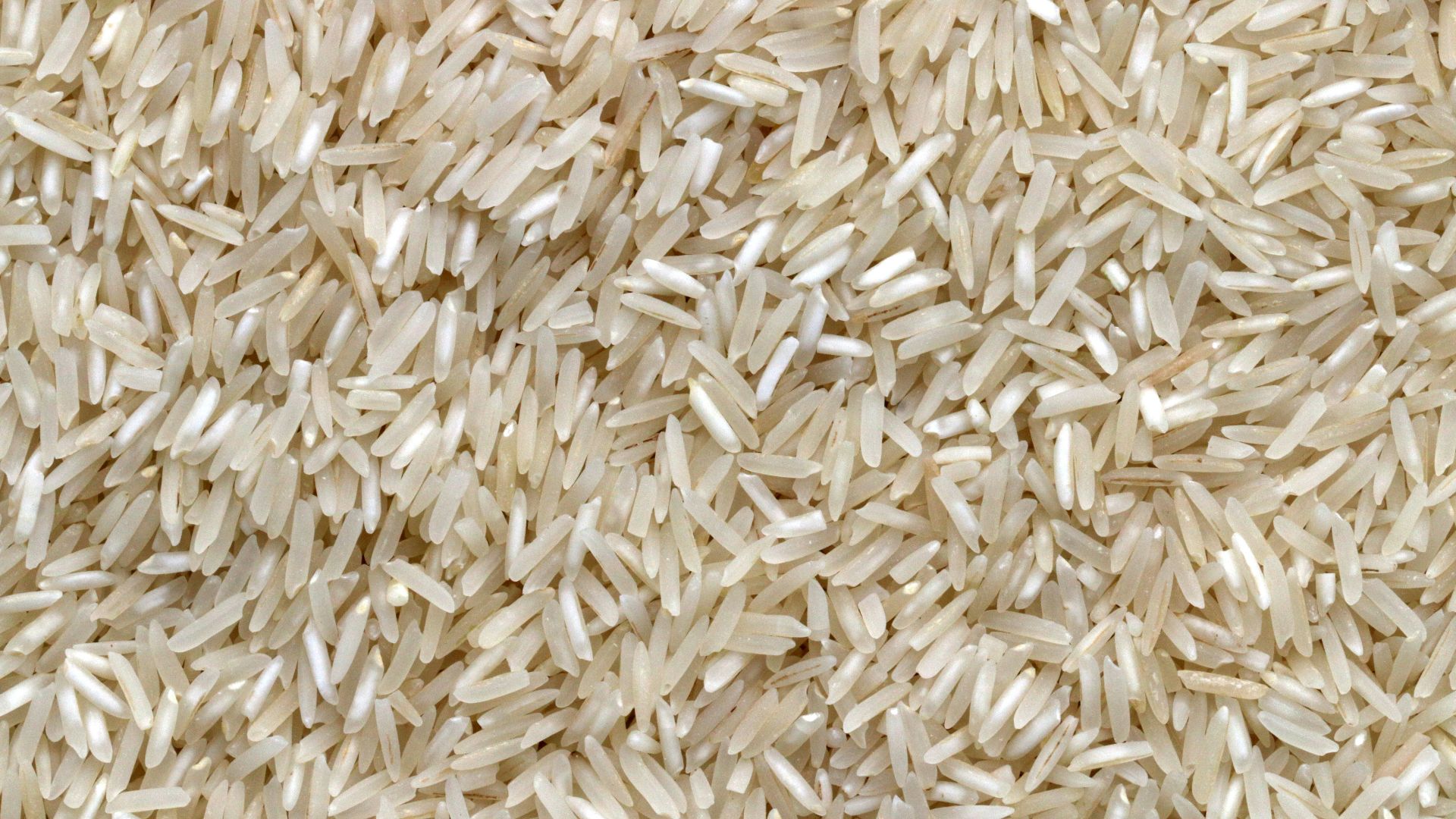
Make one or two grains ahead of time, such as rice, quinoa, or farro. Store them in the fridge so you can add them to bowls, salads, or soups quickly. Bulk grains help you create filling meals with minimal effort.
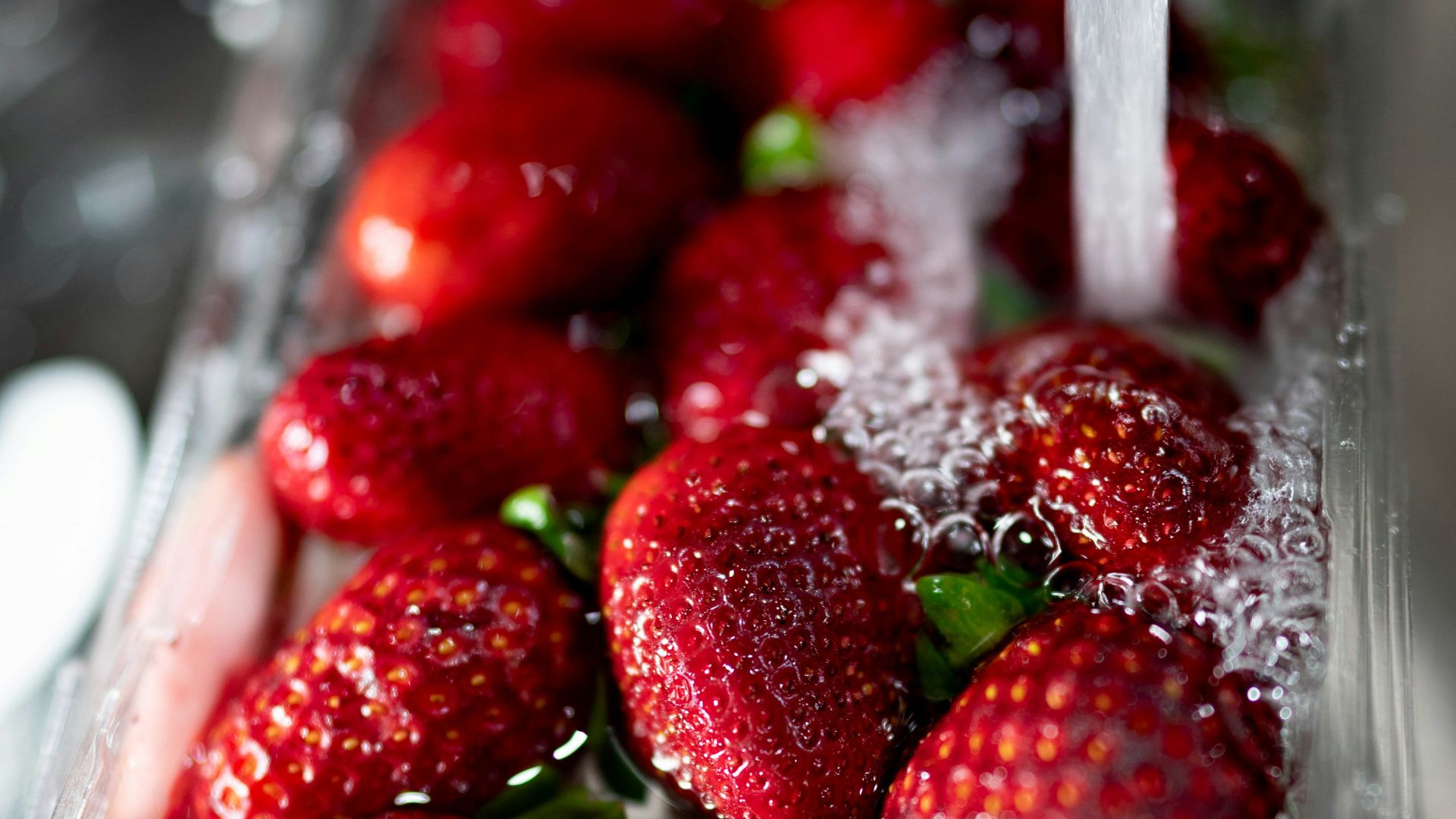
7. Wash and Chop Produce
Prepping produce early makes cooking feel less demanding later. Wash greens, chop vegetables, and store them in containers that are easy to grab. You will be more likely to use what you bought if it is ready. This also speeds up your dinner prep!
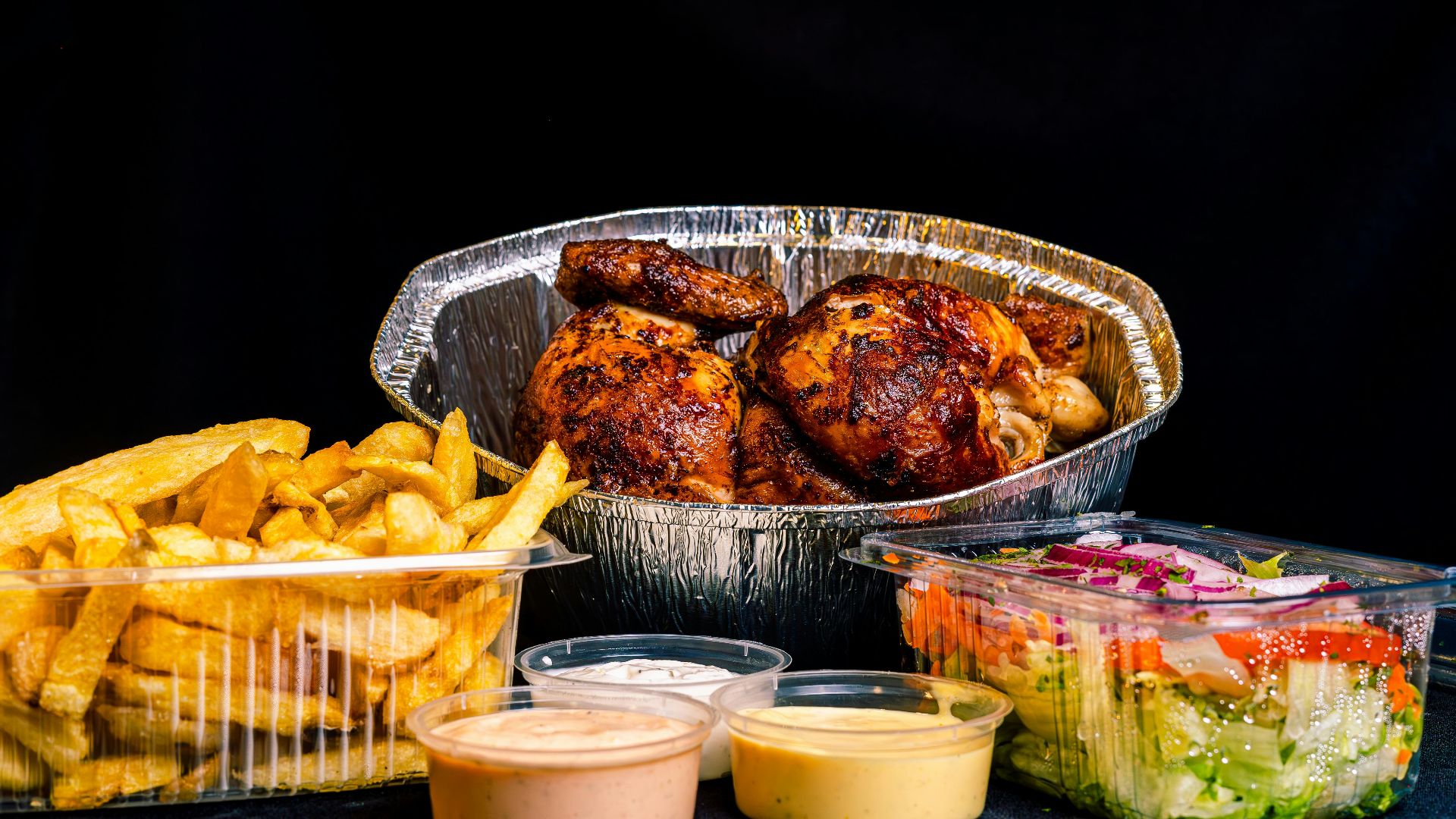
8. Keep One “No-Cook” Meal
Plan at least one meal that does not require cooking. Use items like rotisserie chicken, canned beans, bagged salad, or smoked fish. Having a no-cook option prevents you from scrambling on your busiest day, and also gives you flexibility if your prep runs short.
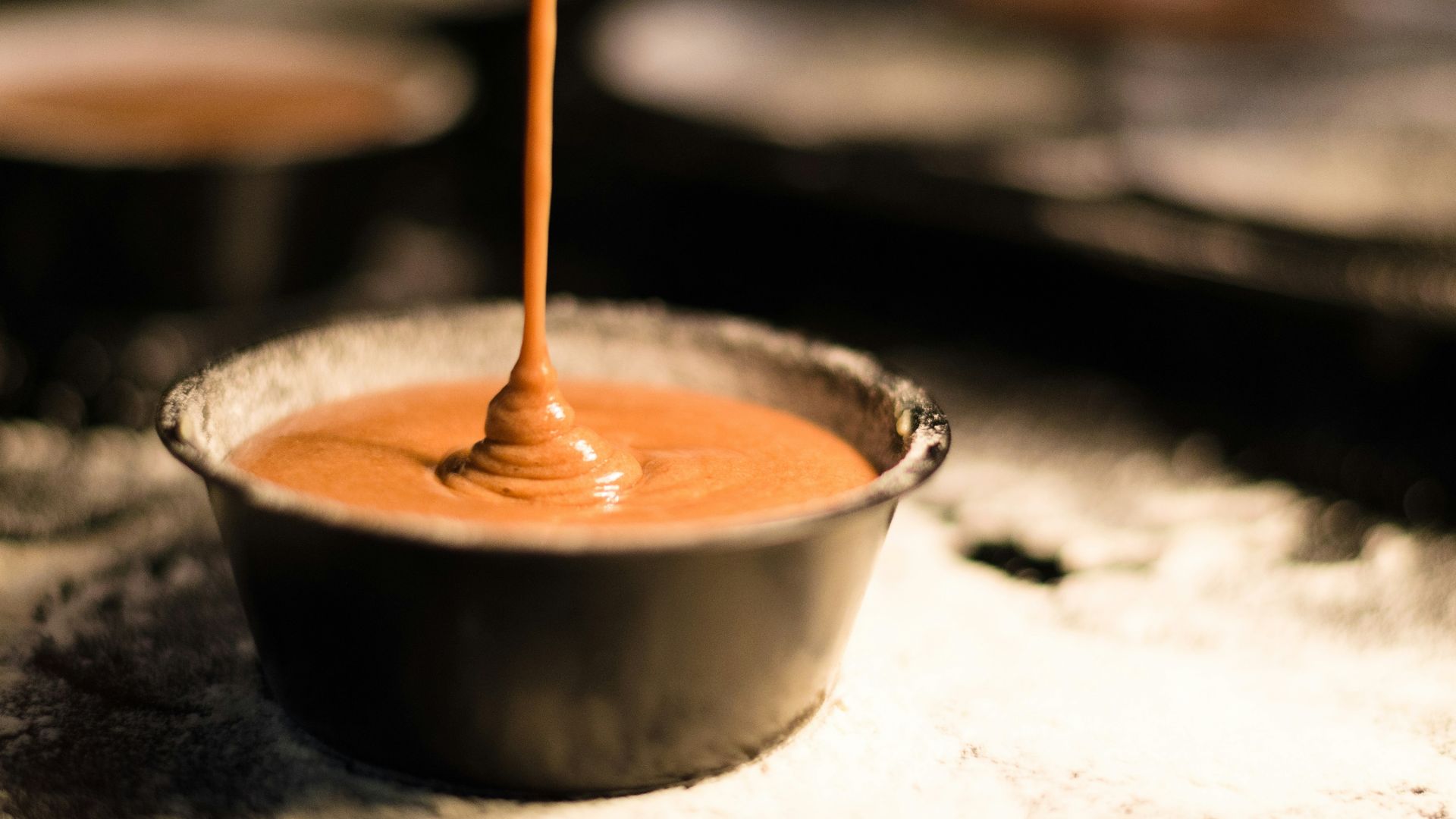
9. Pick Your Sauces
A few sauces can change the feel of the same core ingredients. Pick two or three options, such as salsa, pesto, tahini dressing, or a simple vinaigrette. Store them in small jars for quick portioning. It may not seem like much, but it’ll make your meals just that much easier.
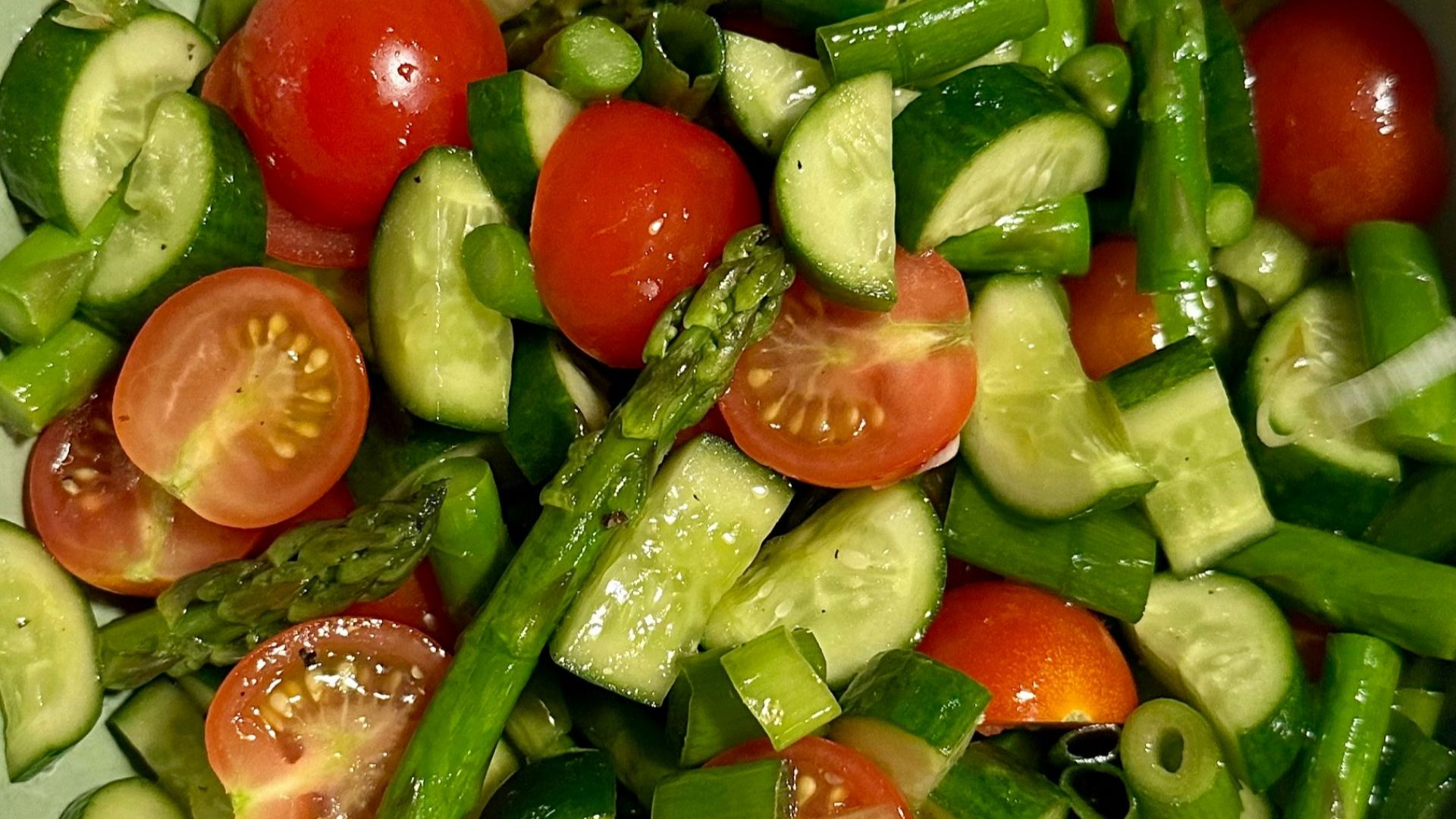
10. Prep a Simple Salad Base
Make a base with sturdy greens or shredded vegetables that hold up well, keeping delicate toppings separate, so they stay fresh. A simple drizzle and shake makes for a deliciously nutritious lunch option, no matter what day of the week it is.
11. Portion as You Go
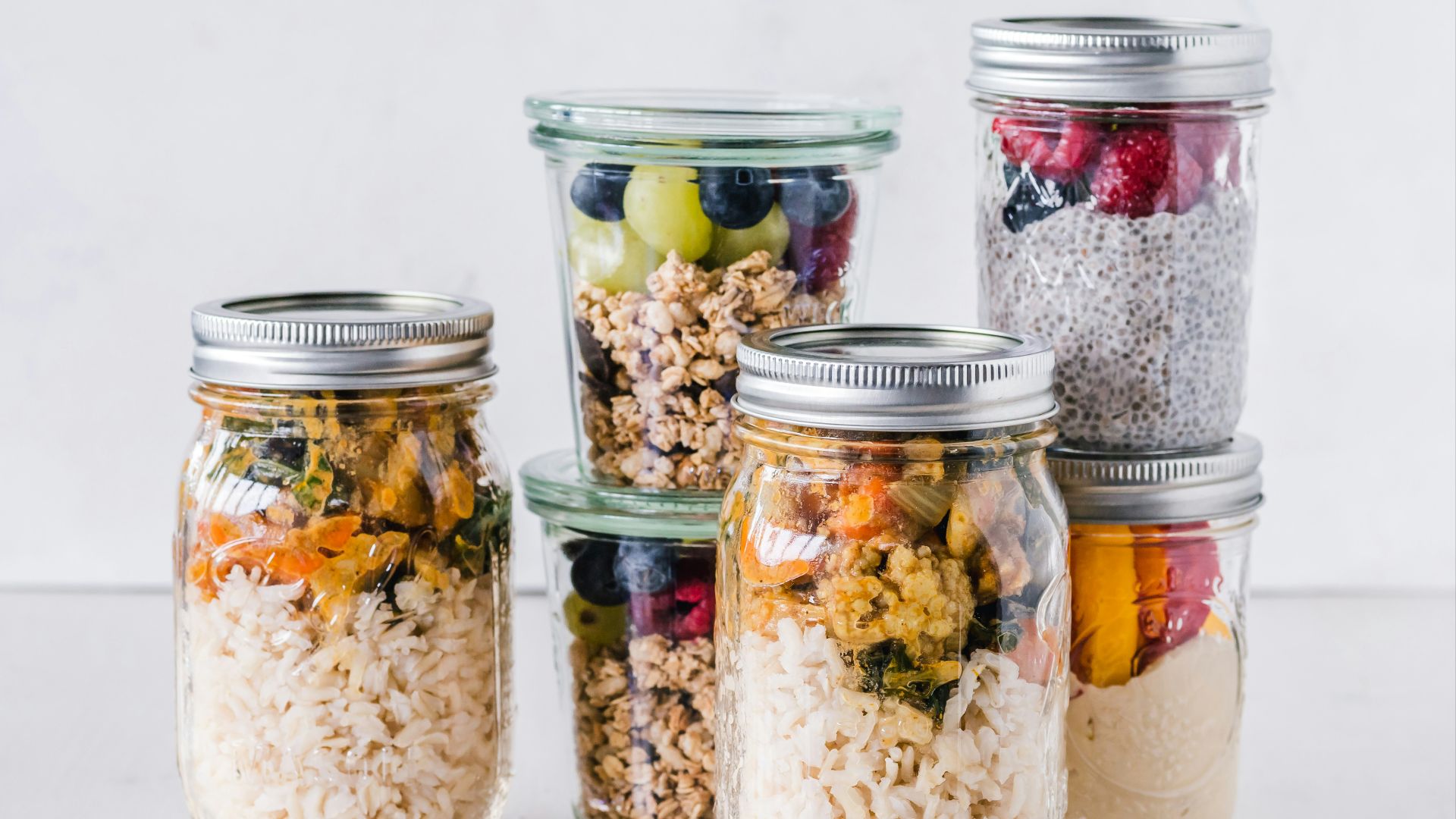
Portion meals while you are already in the kitchen. It helps you avoid a second round of work later and keeps your fridge organized. Clear containers also make it easier to see what you have. You’re also much more likely to actually eat what you cooked when everything is already organized.
12. Label and Date Containers
Labeling prevents confusion and forgotten leftovers. Add the date and a quick description, especially if you prep more than one similar dish. This can reduce food waste and help you rotate meals sensibly, and keep your fridge from becoming a guessing game.
 Anastasiya Doicheva on Unsplash
13. Use Frozen Vegetables
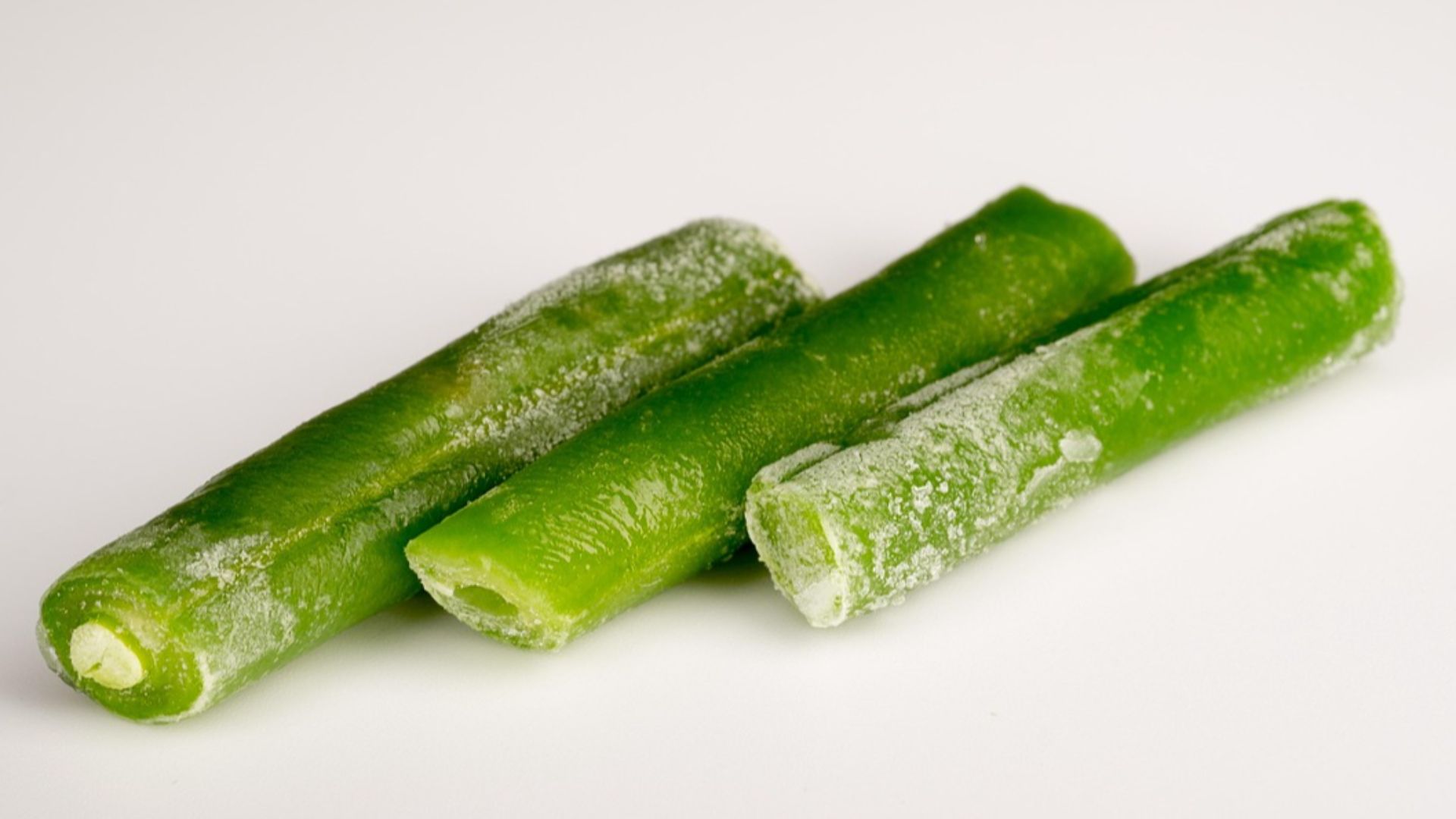
Frozen vegetables can cut prep time significantly. Keep a few basics on hand, such as broccoli, peppers, or mixed vegetables. You can add them to stir-fries, soups, and grain bowls without extra effort.
14. Keep Canned Staples Ready
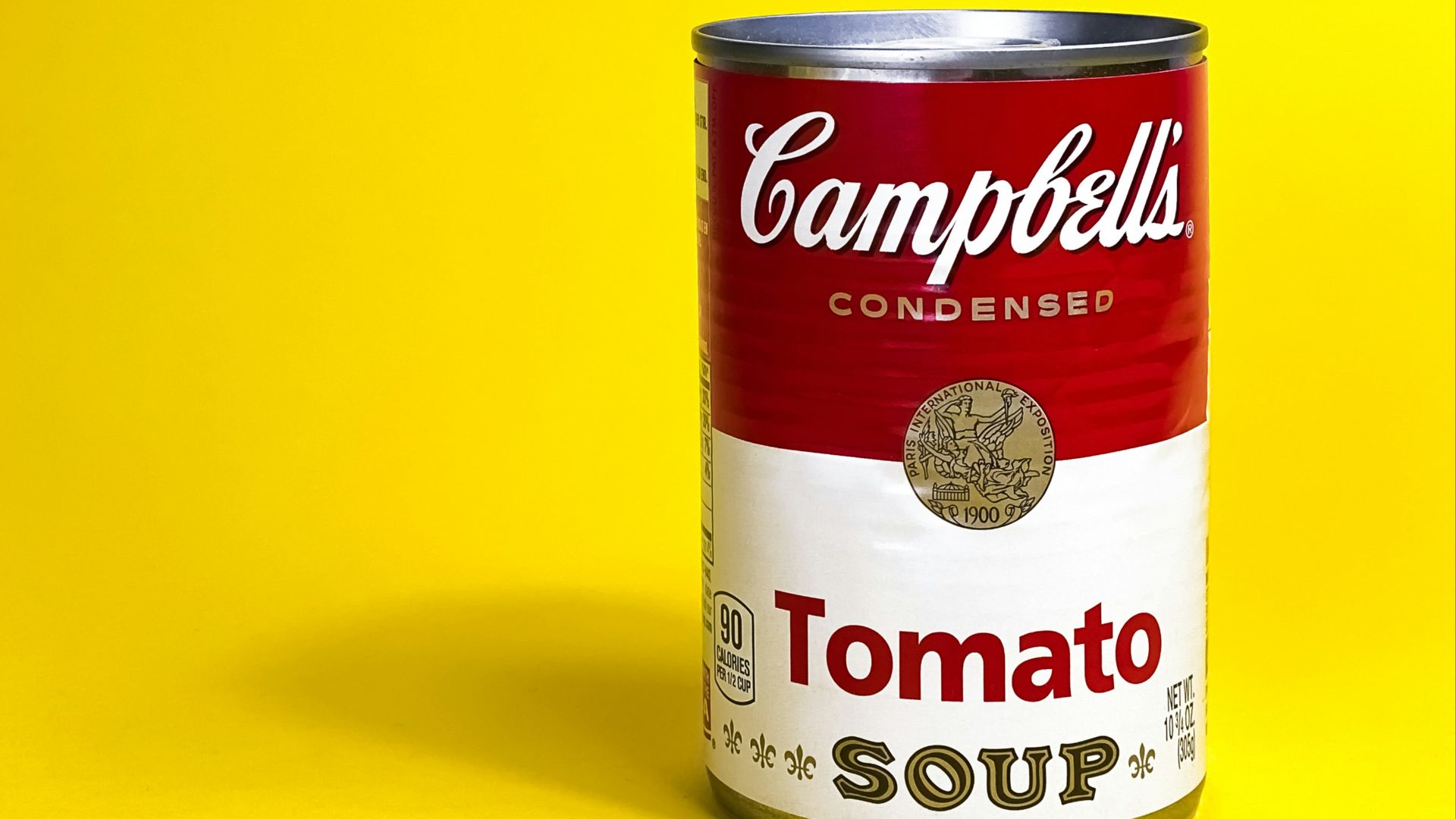
Canned beans, tomatoes, tuna, and broth can make meal prep easier, helping you build meals quickly when you are short on time. Stocking these items means you can cook with fewer store runs and can save when you’re a little short on groceries.
15. Use One Cutting Board
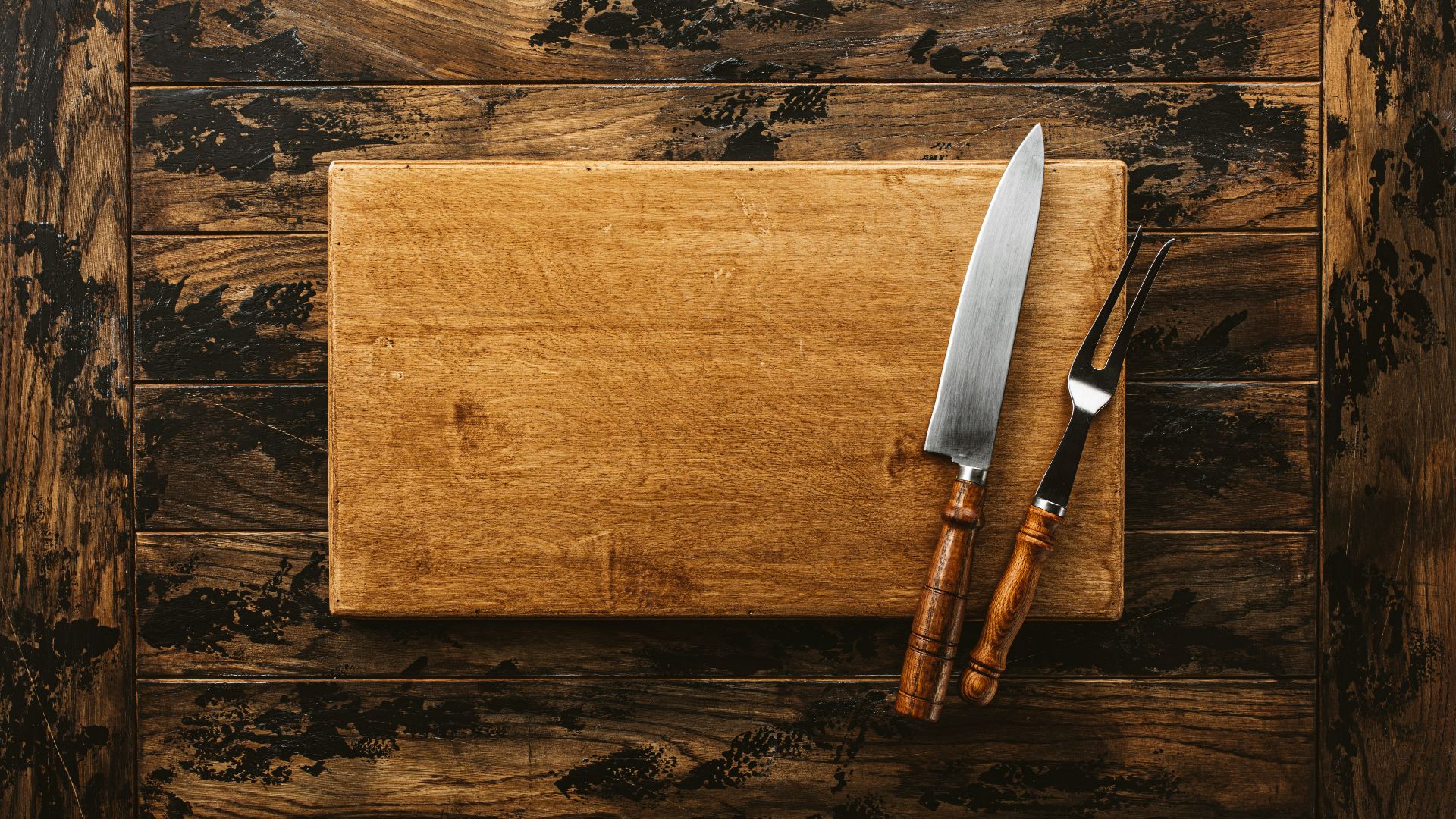
Set up one cutting board and keep it working. Chop ingredients in an order that reduces mess, such as vegetables first and proteins last. This small change can reduce the amount you have to clean up by the time you’re done.
16. Start With the Longest Cook
Begin cooking the item that takes the most time. While it cooks, you can prepare vegetables, make a sauce, or portion snacks. This reduces idle time and keeps the workflow steady. It may take some time to find your rhythm, but we promise you’ll figure out the most efficient thing for you.
17. Choose Quick-Cook Proteins
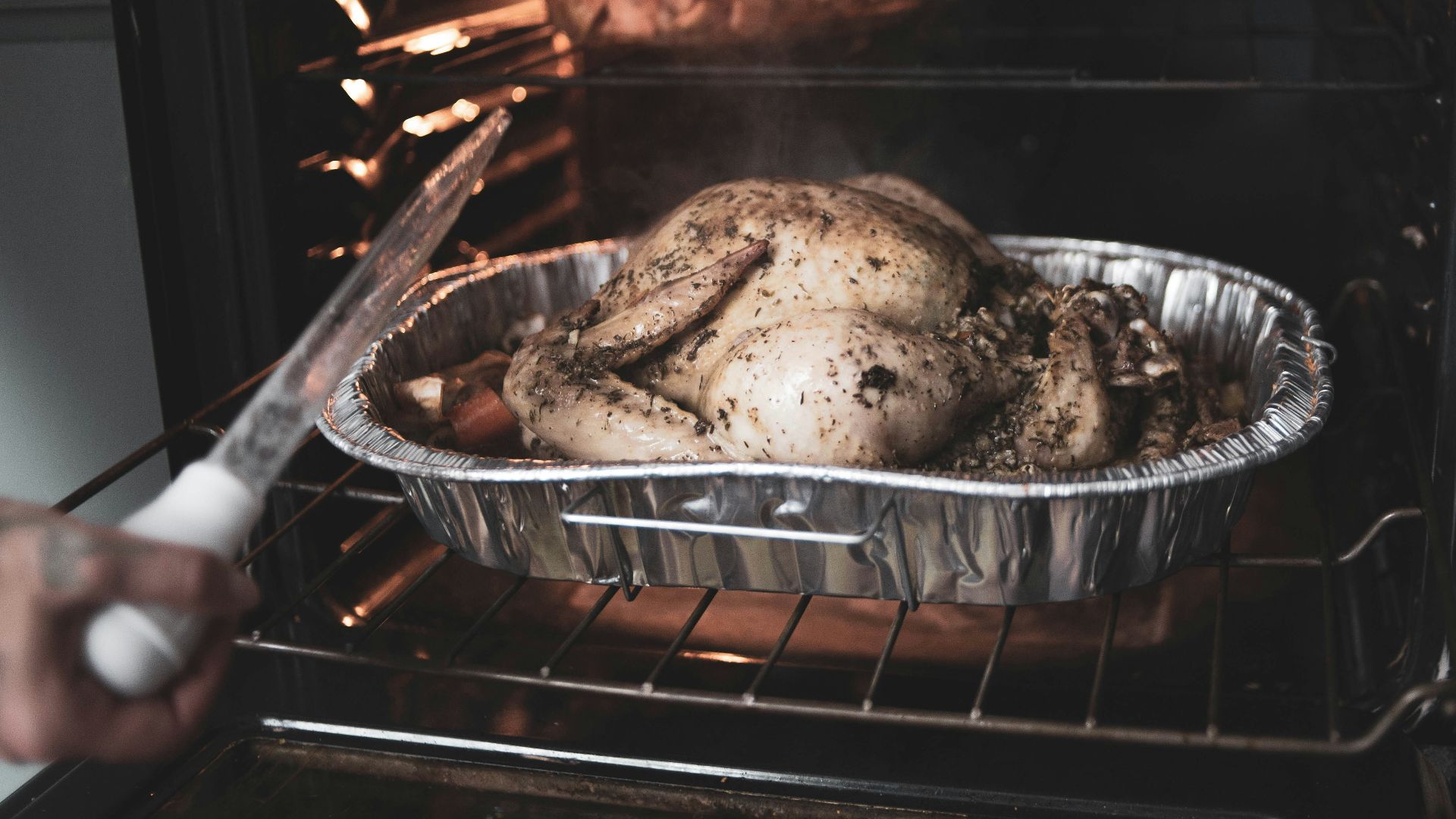
Use proteins that cook quickly, such as shrimp, ground turkey, or thin-cut chicken. These options help you finish meal prep faster while still getting solid results. Shorter cook times also make weeknight cooking go by way quicker.
18. Keep a “Mix-and-Match” Bowl
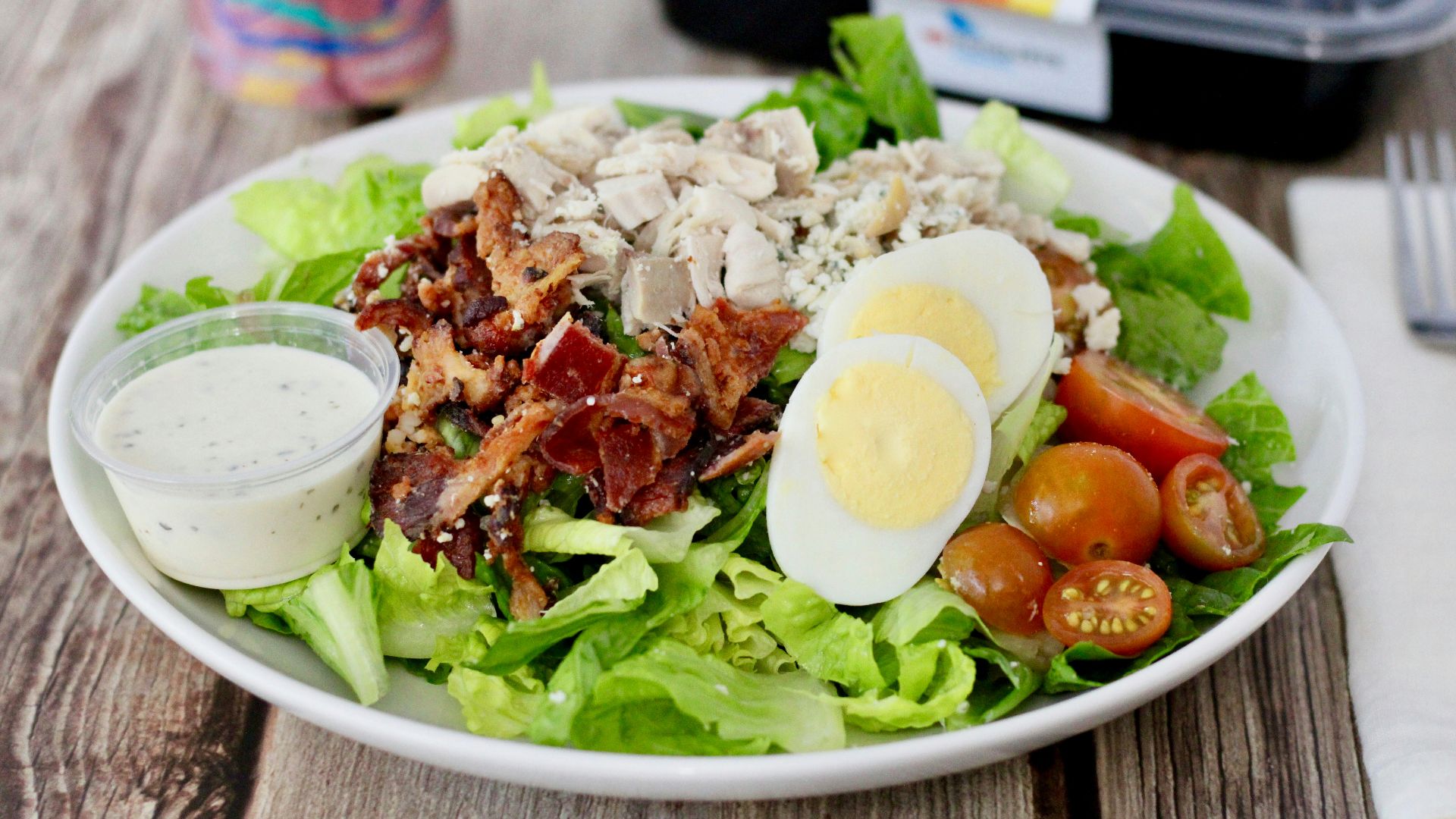
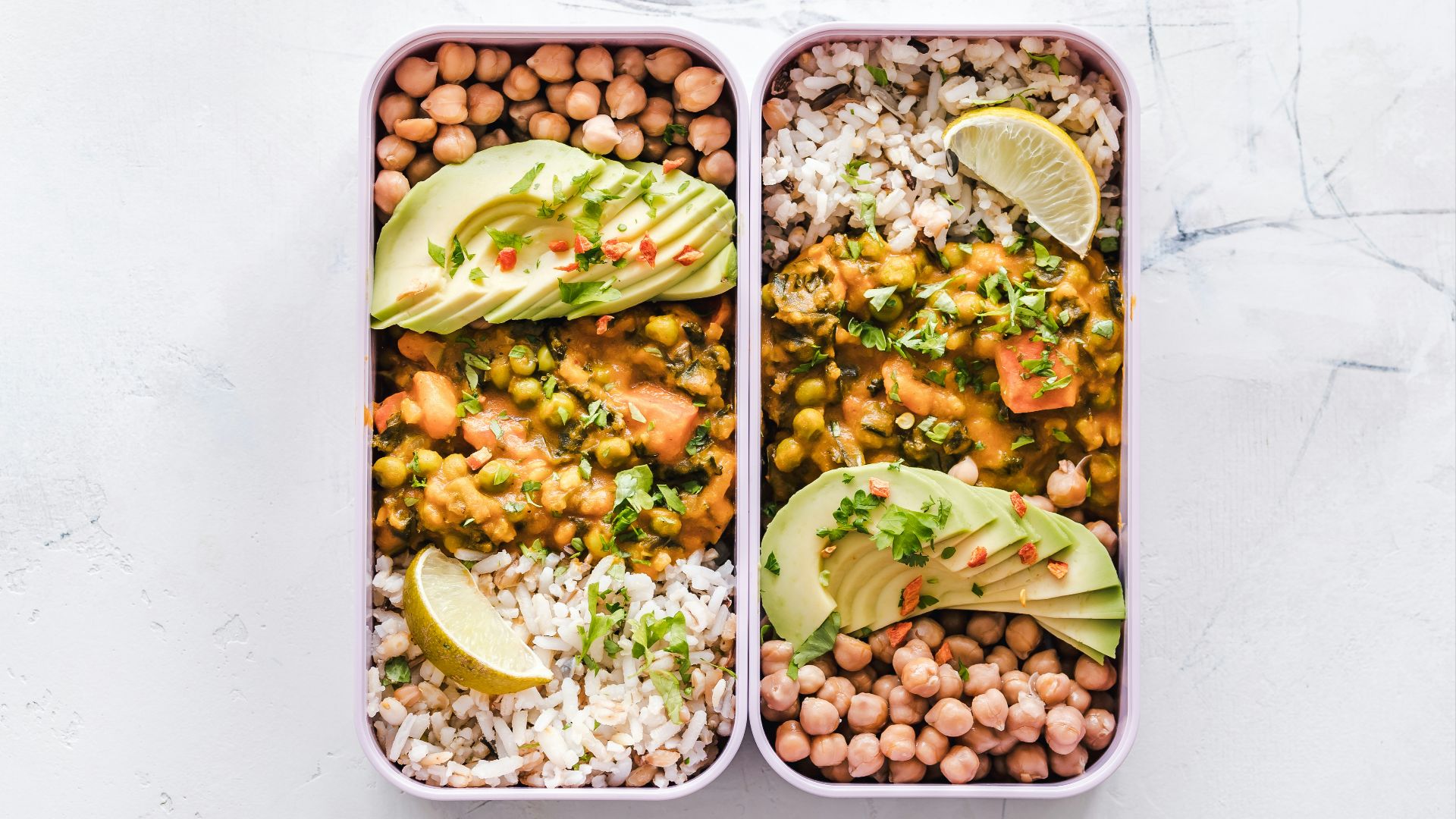
Plan one meal format that uses interchangeable parts. Combine a grain, a protein, vegetables, and a sauce, then vary the details during the week. This lets you use leftovers without creating something that probably won’t taste very good.
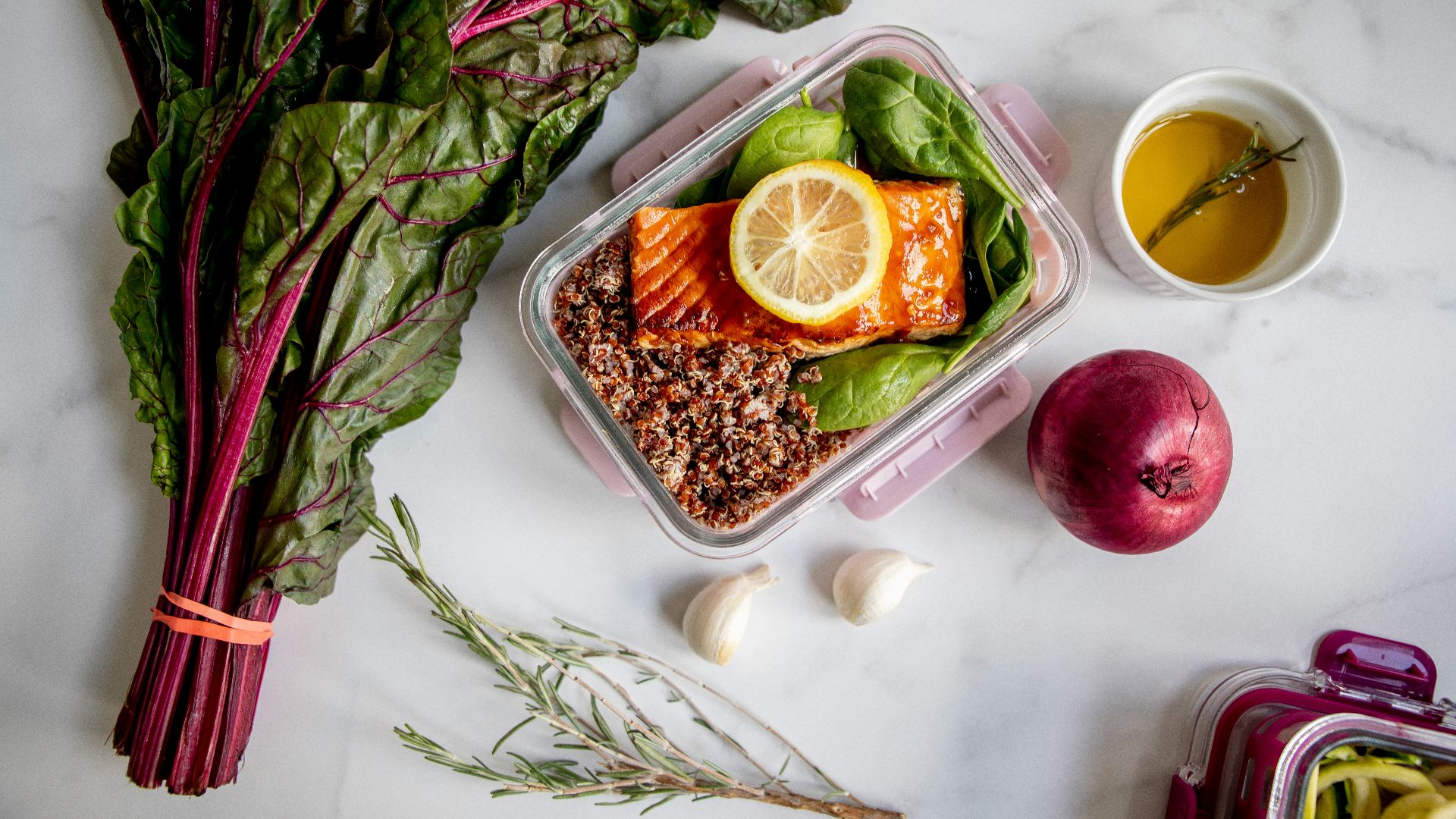
19. Schedule a Short Reset
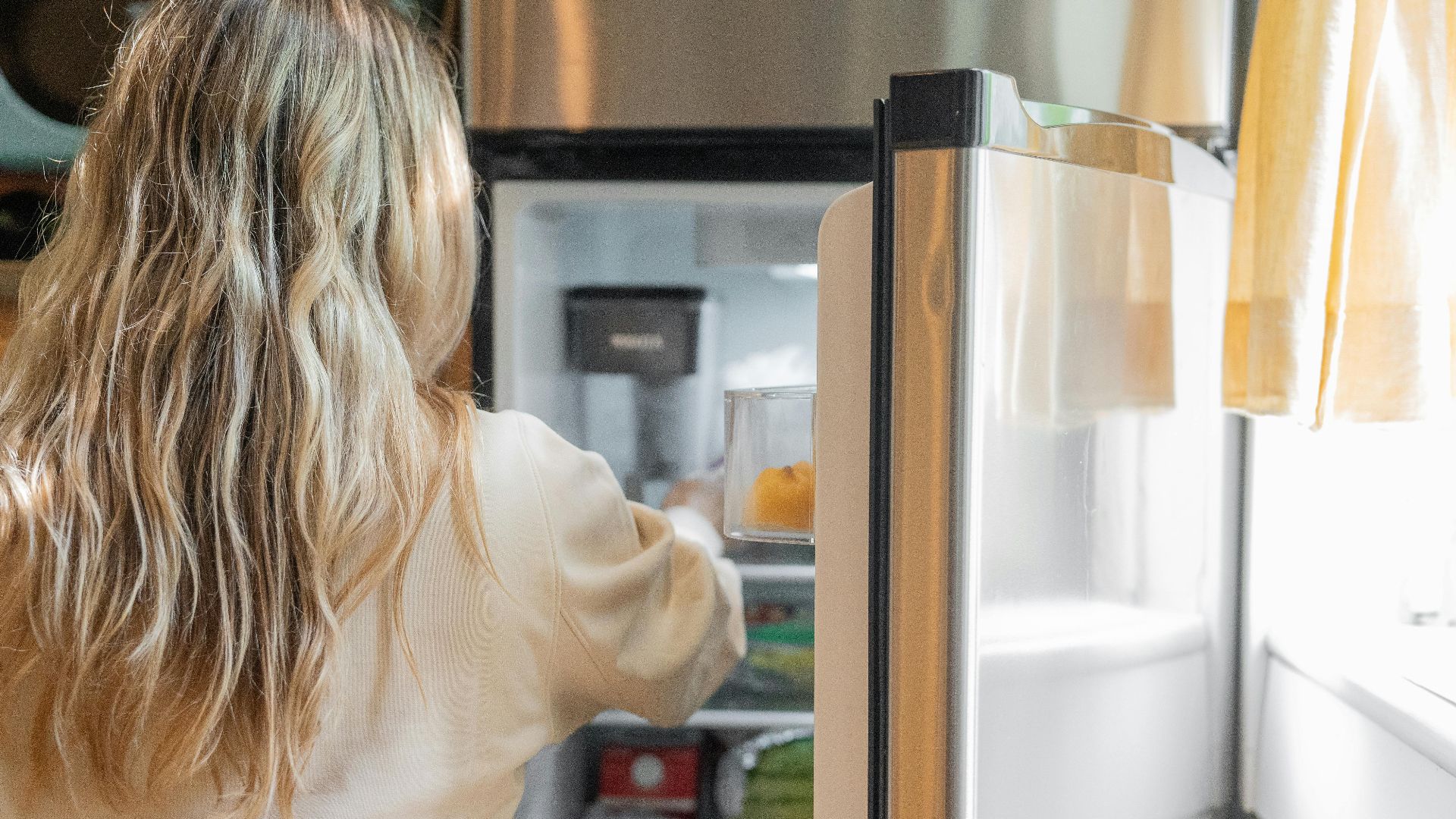
Set aside ten minutes midweek to check your food. Use that time to move older items forward and plan how to use them. If something is running low, you can adjust upcoming meals. This prevents wasted food and last-minute stress.
20. Accept “Good Enough”
Meal prep does not need to be perfect to be useful. Even if you only prep a few components, you’ll still be saving yourself time later on in the week. Remember - a realistic routine is easier to maintain than an ambitious one.
KEEP ON READING


20 Food-Related Art Projects