 Land O'Lakes, Inc. on Unsplash
Seeds are central to global food production, but farmers are often prohibited from, or find it increasingly difficult to, save seeds and plant them in the next growing season. This practice of seed saving and replanting is thousands of years old, but it is now restricted or even illegal for many farmers. Laws that control who owns seeds and what farmers can do with them were not created accidentally or overnight. In the U.S. and internationally, these laws came about over decades of corporate consolidation, changes to agricultural policy, and the privatization of materials that were once seen as part of the commons.
Farmers not being able to legally save and replant their seeds is the result of several factors that gradually reorganized power, profit, and policy to transform the global seed system as we know it.
Communal Resources
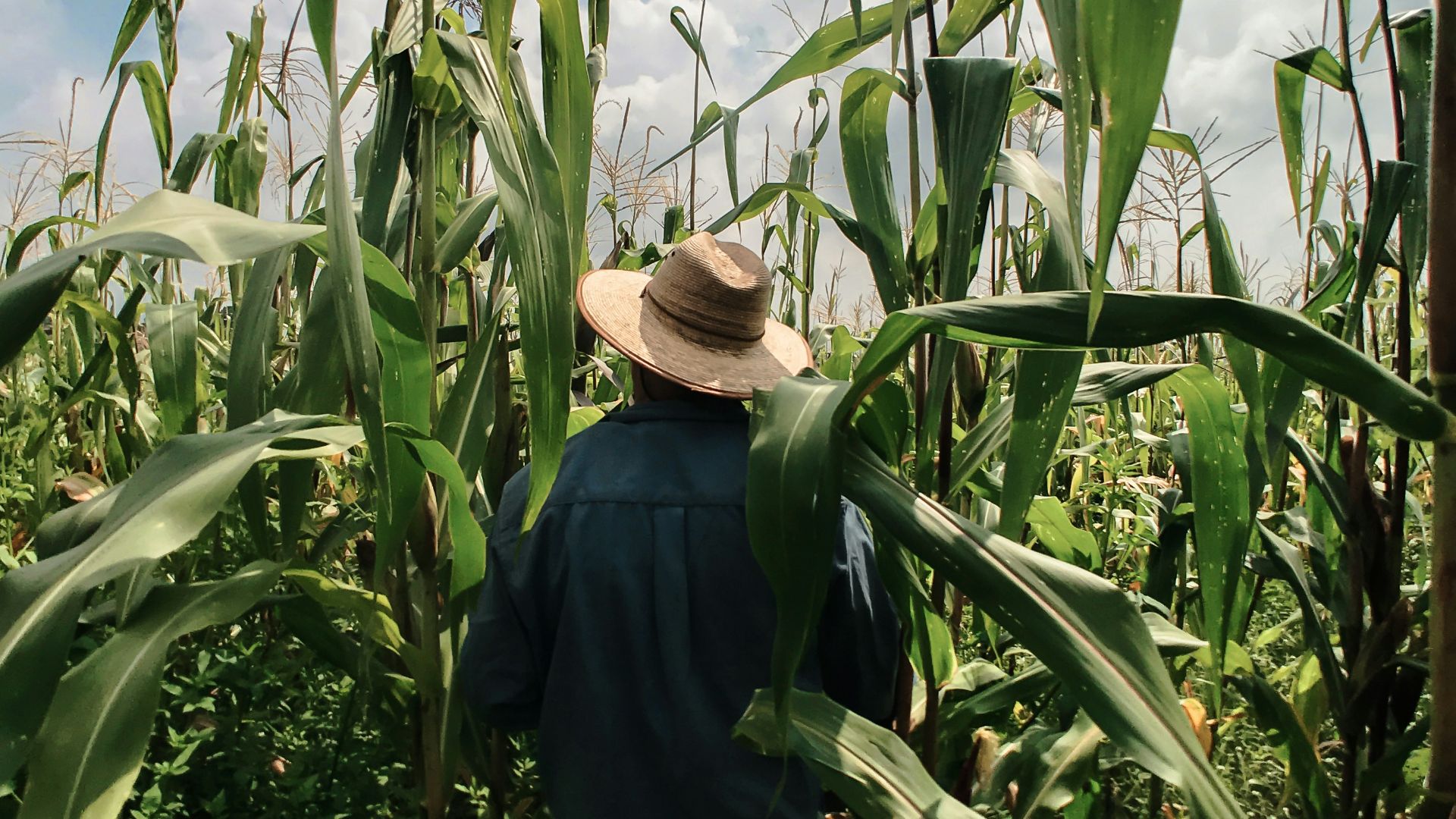
For millennia, seeds were treated as a common resource that were freely saved, shared, and improved by communities. Families chose the strongest plants and developed local varieties, which they passed on to neighbors. As a result of this collective stewardship, diverse varieties now provide most of the world's food. In many rural areas, seeds were also social and cultural objects which communities used to maintain local autonomy and food security.
The situation changed in the twentieth century as plant breeding became an industrial activity. The development of hybrid seeds and other technologies that increased crop yields encouraged farmers to buy new seed each year rather than re-use their own harvest. Later, development programs in Asia, Africa, and Latin America promoted standardized, high-yield varieties and chemical inputs, hastening the replacement of local crops. As the production of seeds has become further removed from the practice of agriculture itself, corporations have increased their influence and control over seeds, which are now increasingly treated as proprietary commodities rather than shared resources.
Seed Laws
 GreenForce Staffing on Unsplash
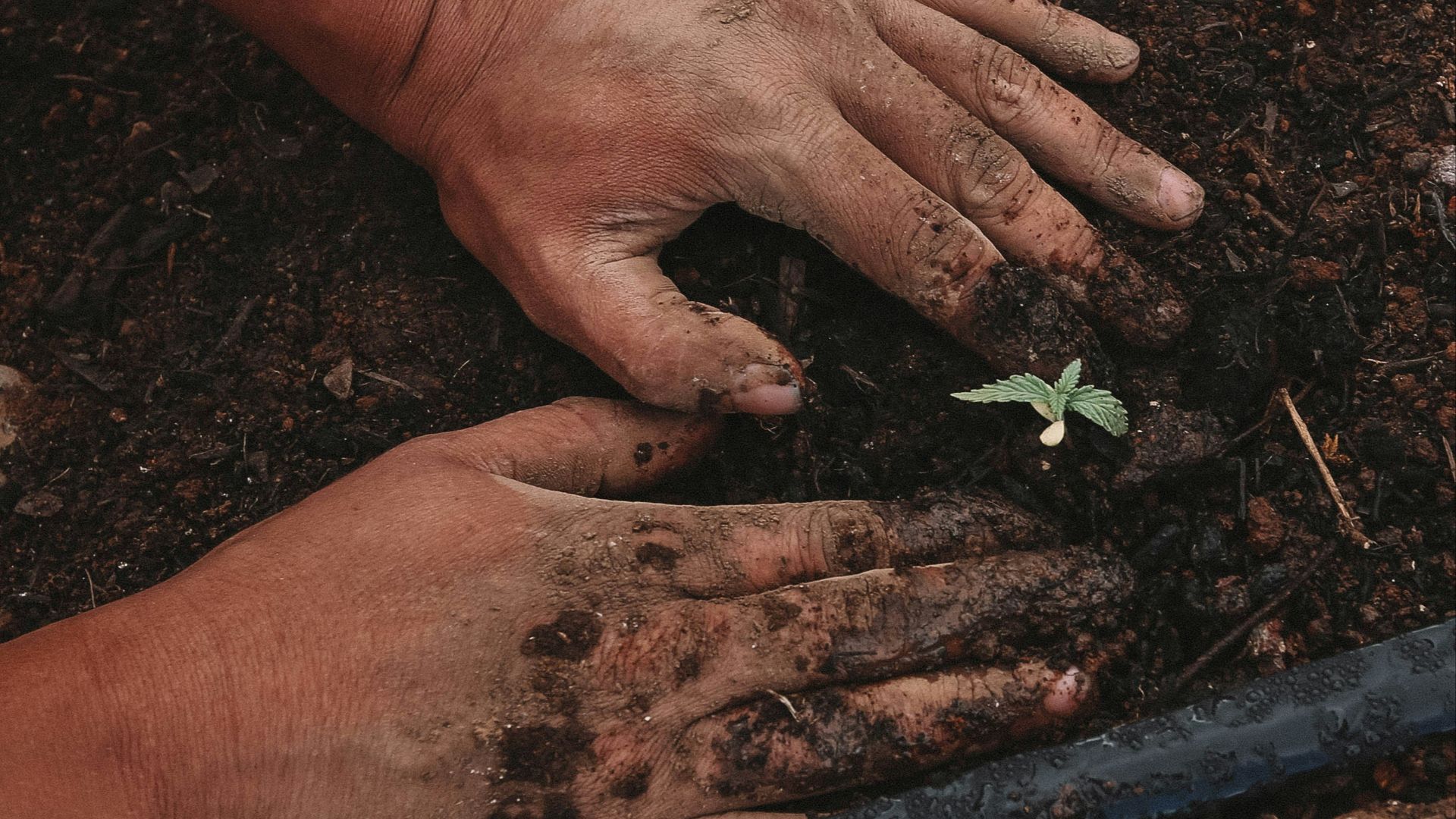
Seed laws go beyond patents. Laws on trade, biosafety, plant health, certification, and so-called “good agricultural practices” all say who can or cannot grow, trade, or sell seeds. In theory, many were introduced to protect farmers against fraudsters, seeds carrying diseases, or mislabeled seed varieties. In practice, they often criminalize customary seed saving and greatly restrict the multiplication and use of commercial varieties.
Aggressive legal models have been introduced across the globe over the past two decades, often as part of trade liberalization processes or pushed by large multinational seed and biotechnology companies. Laws that were originally meant to protect local food systems have been rewritten to protect industrial seed varieties. Traditional seeds have been described as ‘inferior’, ‘unsafe’, or ‘non-marketable’. In some countries, farmers are penalized for sharing or selling seed with their neighbors, even if this is part of their customary practices that go back for generations.
These trends reflect a broader shift in power. By the 1970s, the larger public breeding programs and small seed houses started being taken over by big private companies. Today, ten corporations control more than 50% of the global seed market. Four corporations control more than half of the world’s biotech seed sales, while a handful of companies produce the most herbicides and pesticides. Because many of these same companies sell seeds genetically modified to be used with specific chemical inputs, their control over both markets is mutually reinforcing.
KEEP ON READING