Rinsing Mistakes That Cost You
Your kitchen sink isn’t a garbage can—and treating it like one can backfire fast. Some foods harden when they get down there, while others swell up and block the pipes. As a result, even one careless rinse can trigger a plumbing nightmare. But when you know the usual suspects, you can stop the mess before it starts. Here’s a quick list of everyday foods that could be wrecking your sink without you realizing it.
1. Grease And Bacon Fat
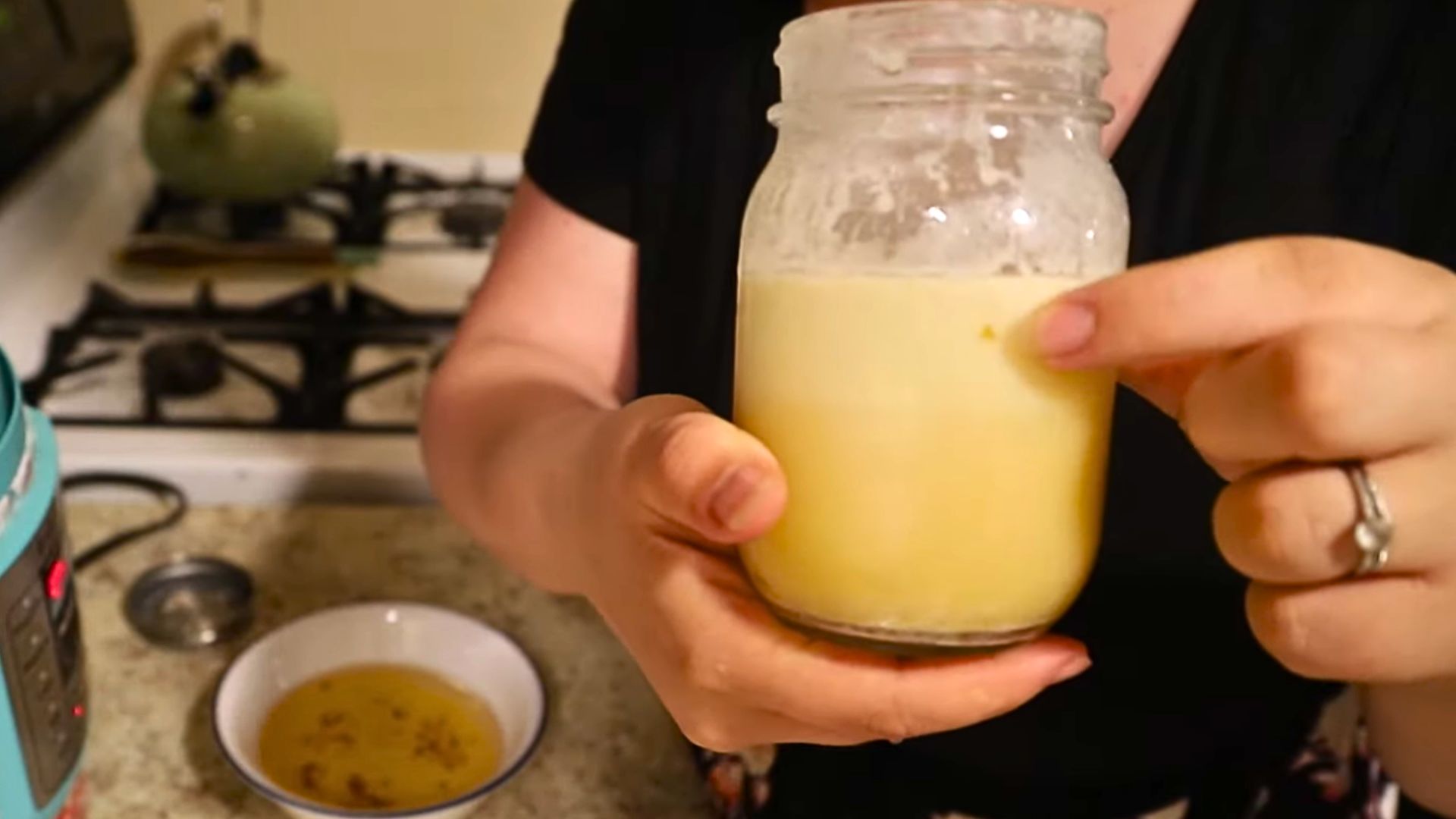
Grease and bacon fat shouldn't be poured down the sink because they solidify inside pipes and cause serious blockages. These fats even combine with other debris to form “fatbergs.” Some cities actually shell out millions every year to remove them.
2. Coffee Grounds
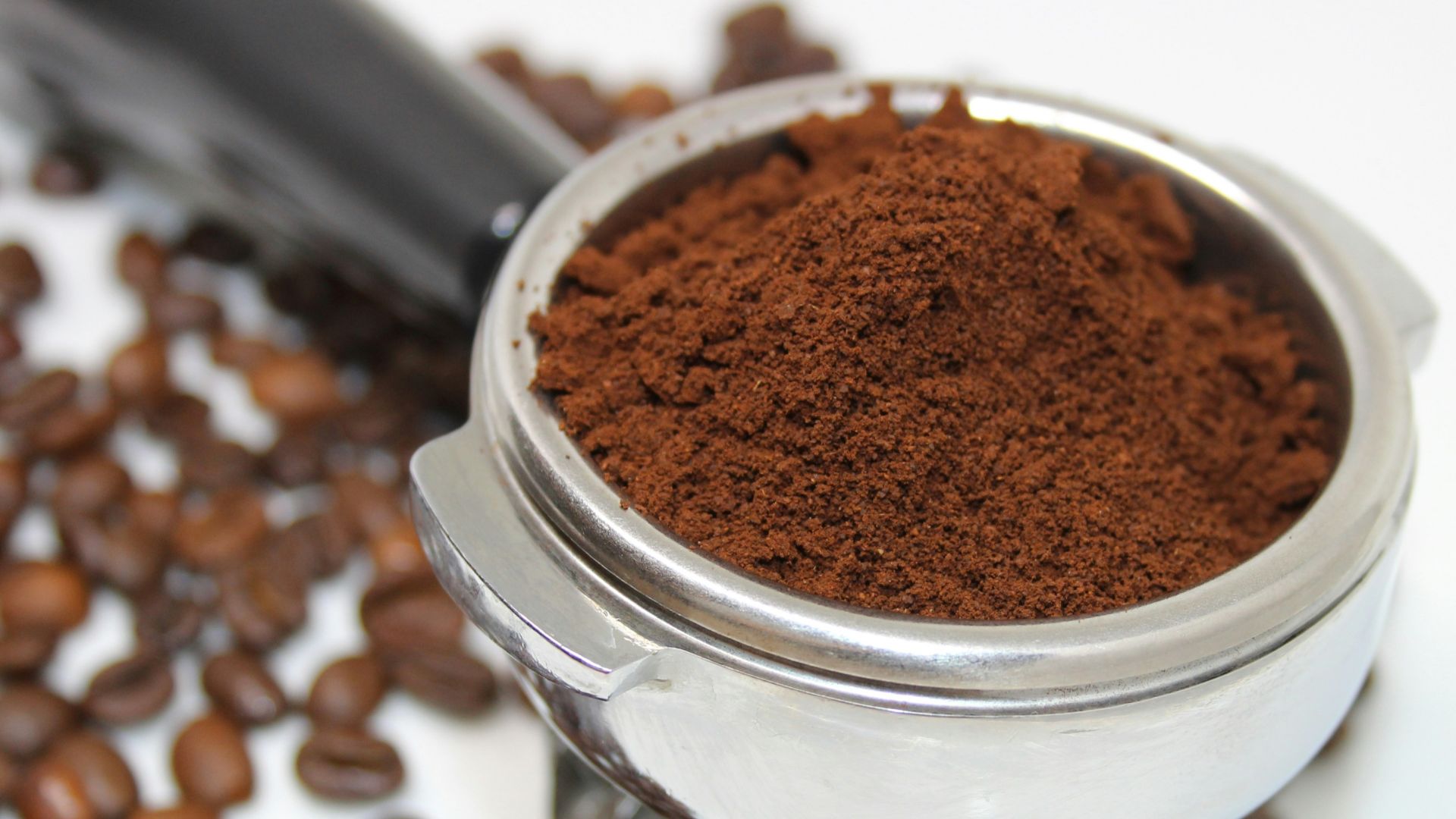
They may seem harmless, but they’re sink troublemakers as they stick together, never break down, and settle like sludge in your pipes. The best solution for this is to toss the grounds in the compost. Plants will love them, and your plumbing will thank you.
3. Eggshells
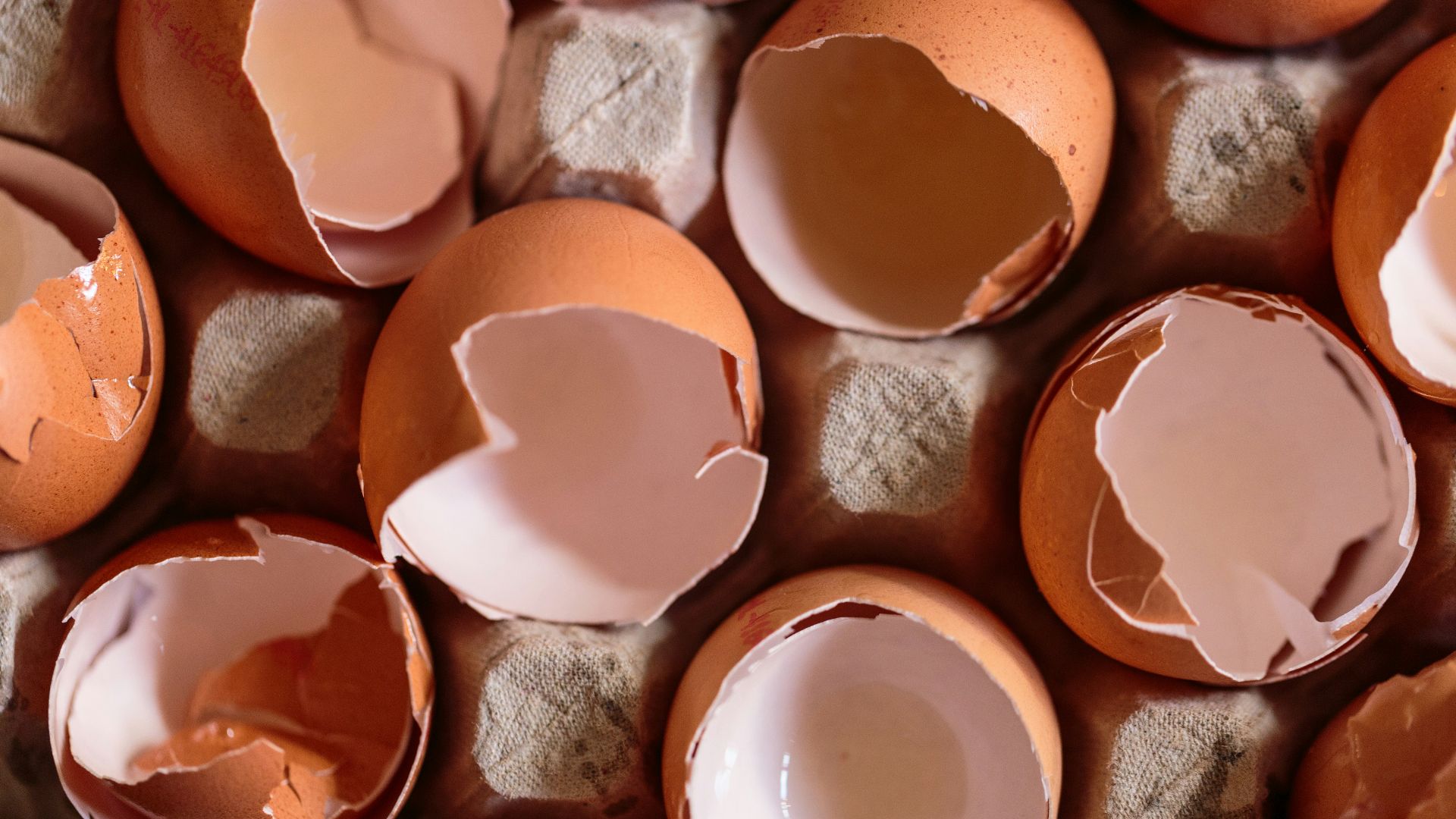
Dropping eggshells into the sink can damage plumbing over time. The membrane may wrap tightly around grinder blades, while sharp fragments add to the buildup inside pipes. Despite the common belief, they won’t sharpen garbage disposals.
4. Pasta And Noodles
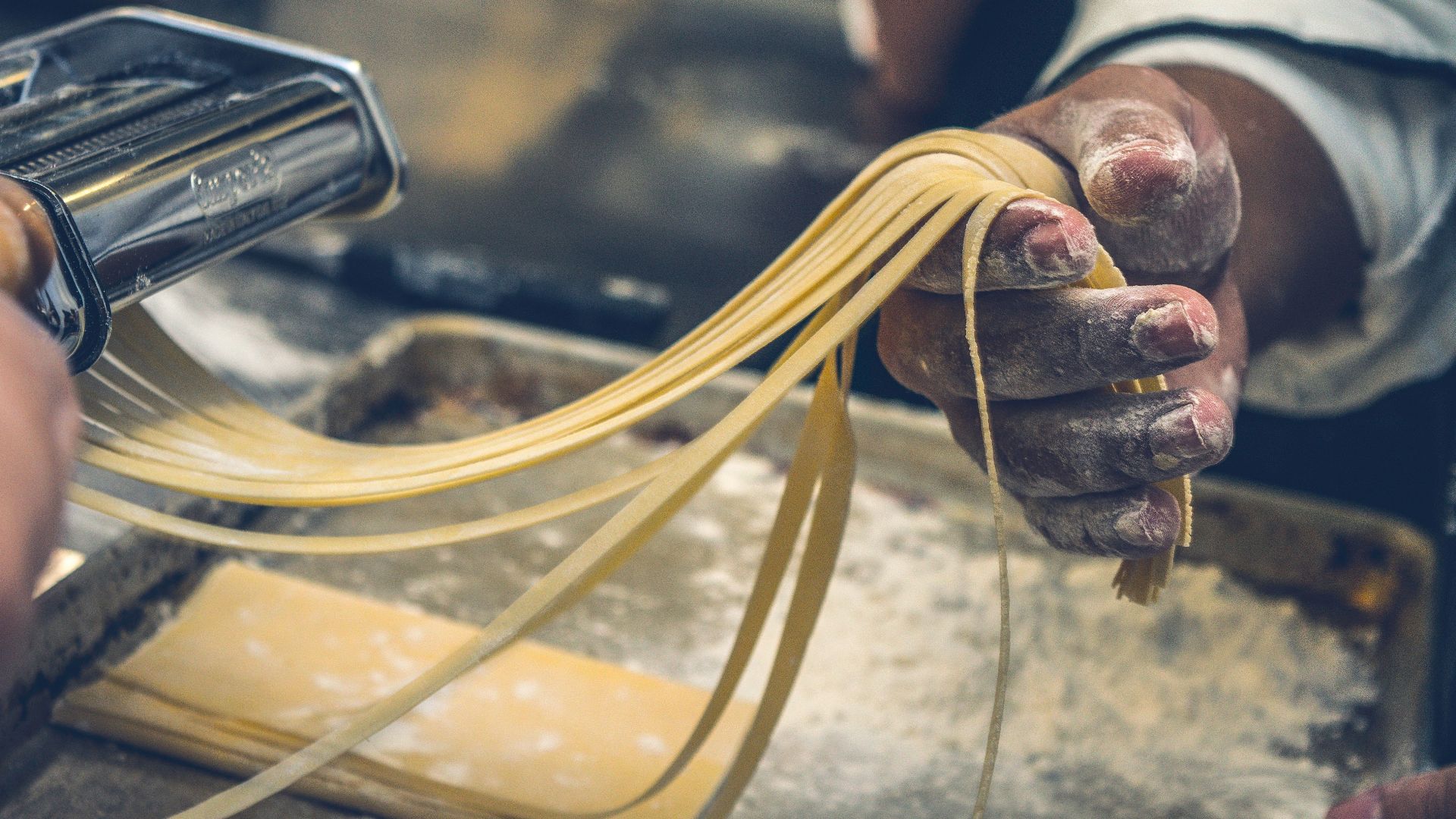
The starchy residue of these meals can contribute to gradual clog formation. Additionally, since they continue to absorb water after cooking, they may expand inside pipes. This combination of issues makes them unsuitable for sink disposal, especially in large quantities.
5. Rice
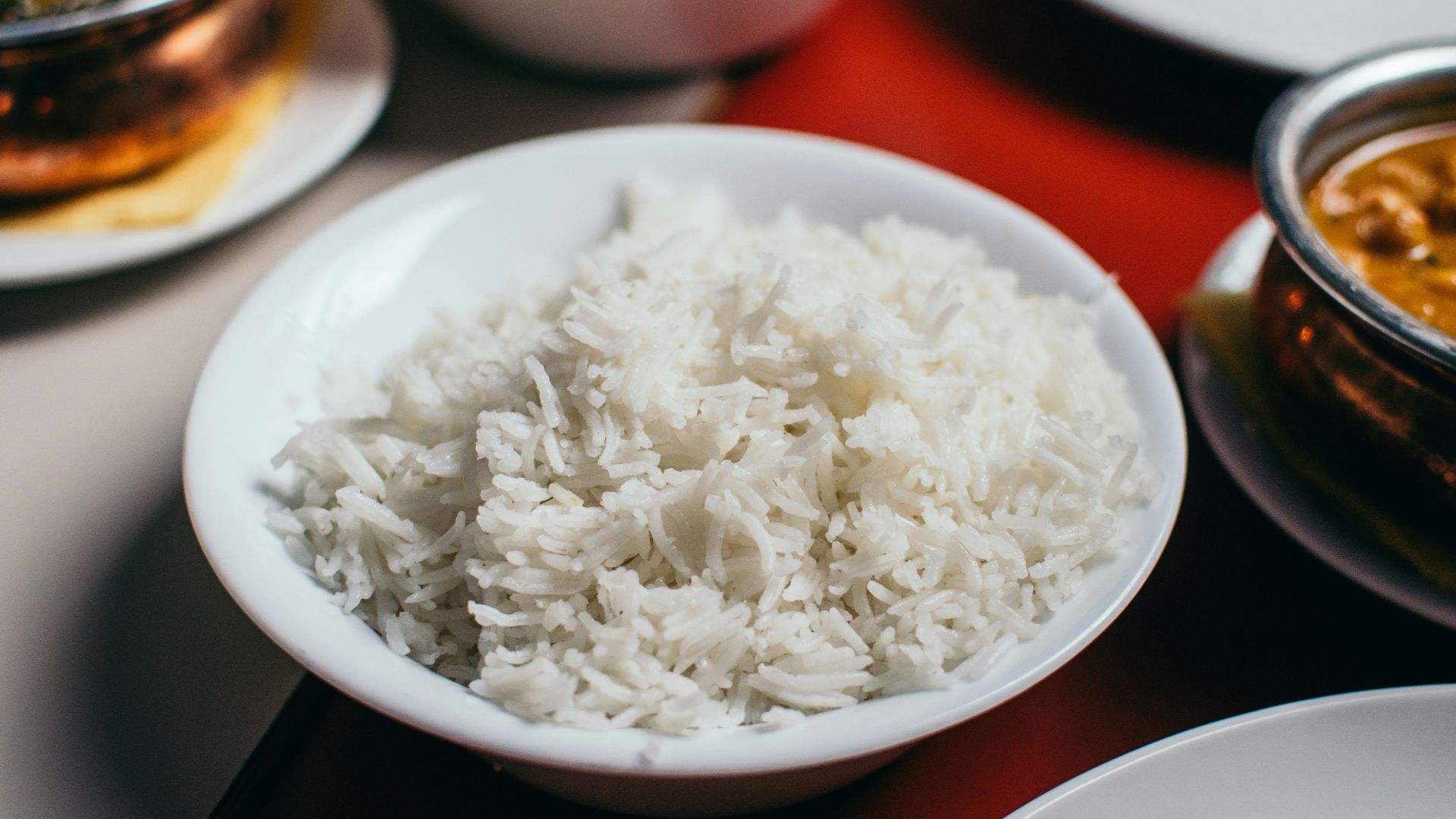
Rice, whether cooked or uncooked, absorbs water and can swell up to three times its original volume. In drains, it forms a gluey mass that can restrict water flow. To prevent plumbing problems, dispose of rice in the trash or compost.
6. Flour
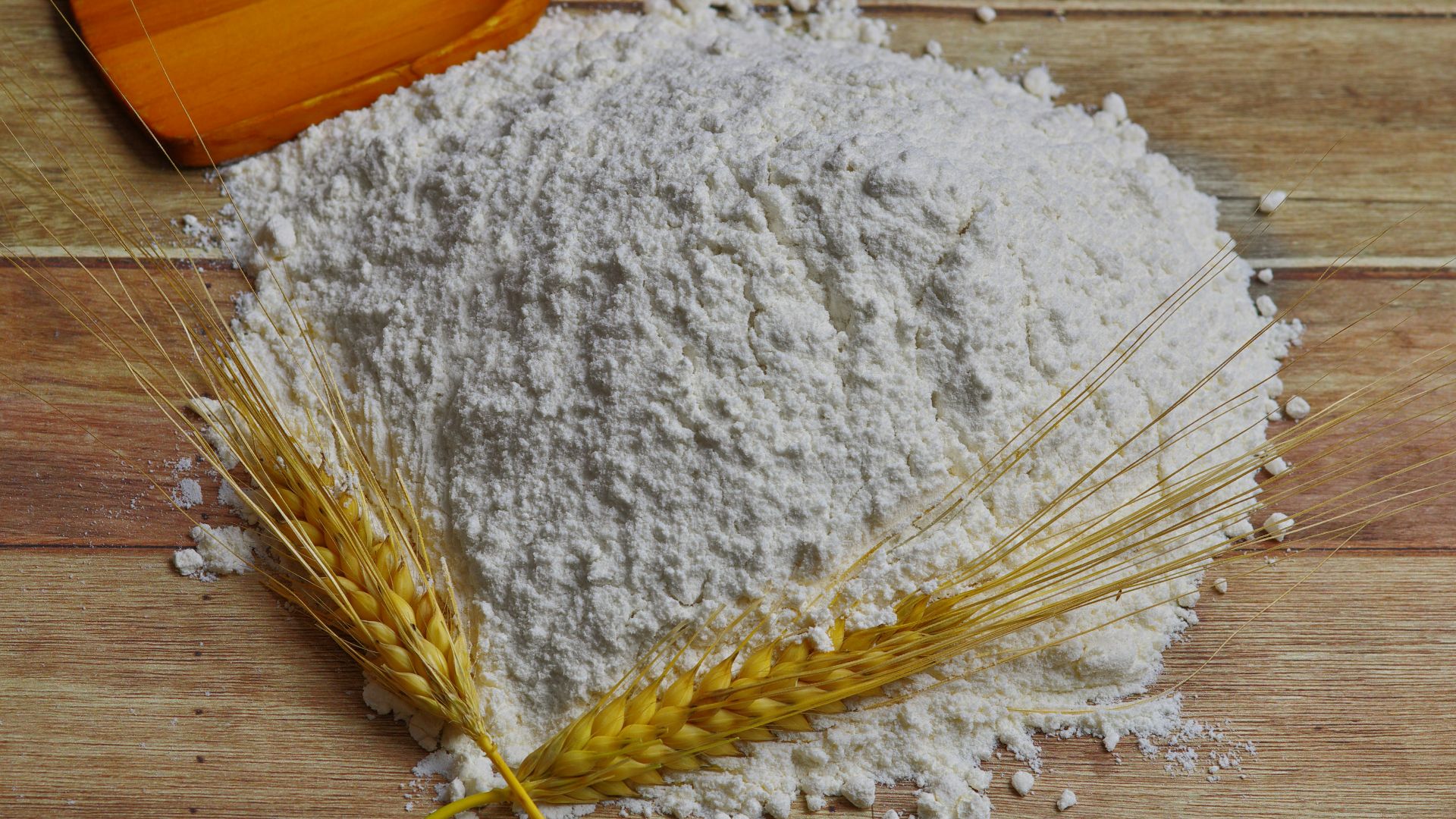
It seems harmless until it hits water in your sink. Then it’s paste city, and once it dries, you’ve basically got cement in your pipes. Bakers, take note—flour sludge is real, and it’s not something your plumbing wants to host.
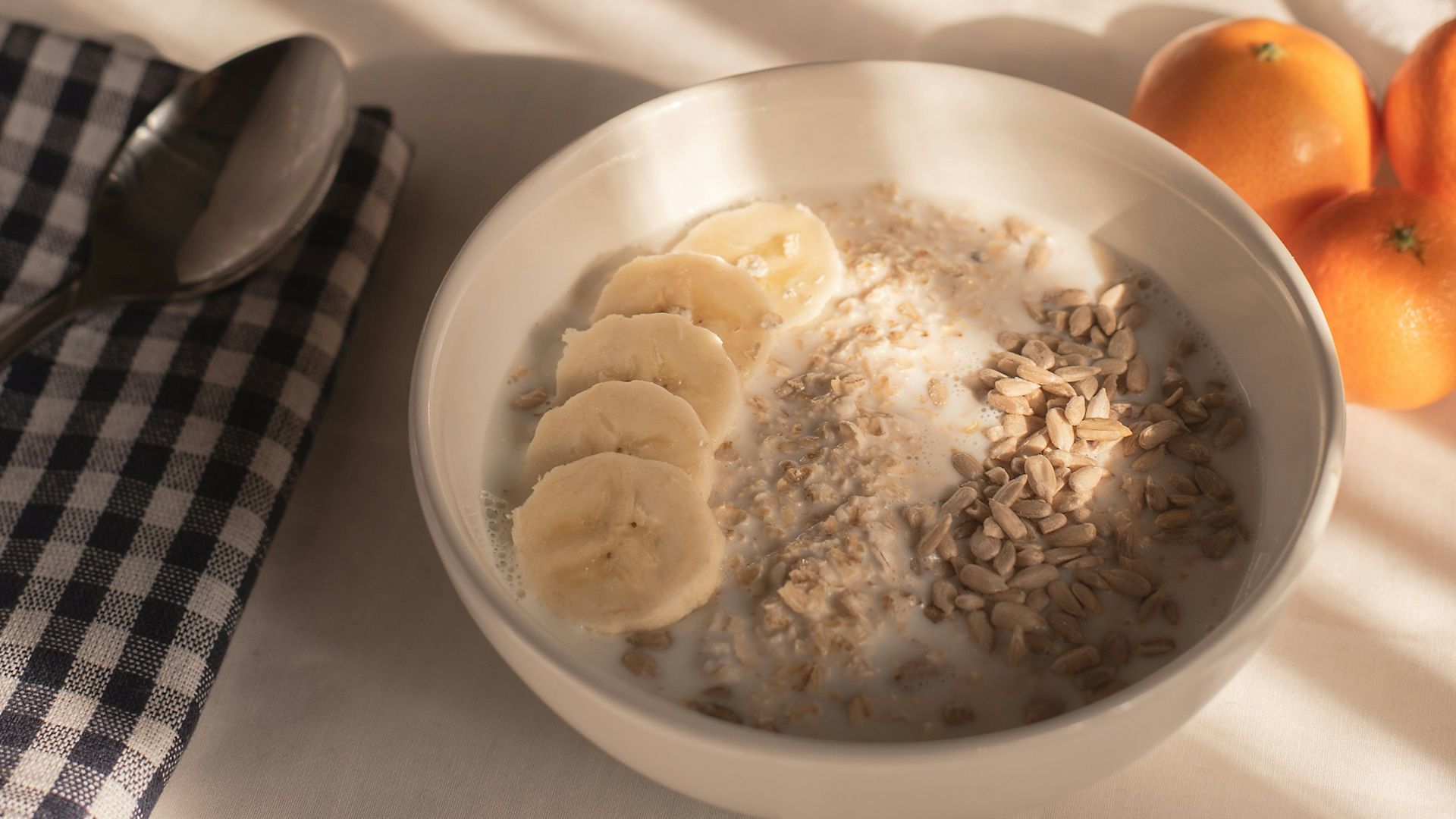
7. Oatmeal
With added moisture, oatmeal expands and thickens, creating blockages. It also clings to the inside of pipes due to its sticky texture. This issue applies even to instant oats, and it makes proper disposal in the trash or compost essential.
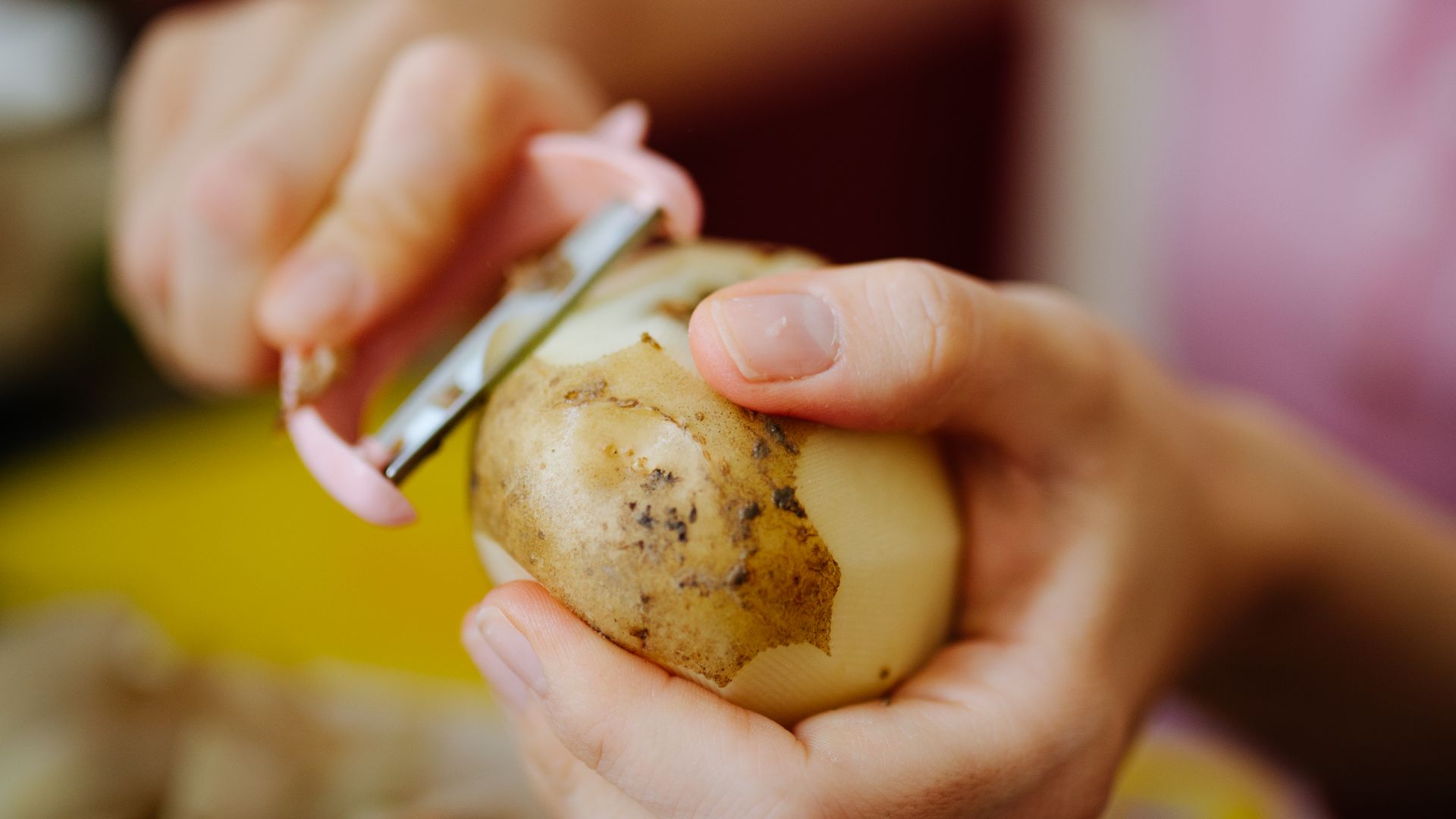
8. Potato Peels
Never dispose of potato peels in the sink. Their starchy residue becomes gummy in pipes and can jam garbage disposals. Place peels in compost instead, where they can enrich soil without risking plumbing damage.
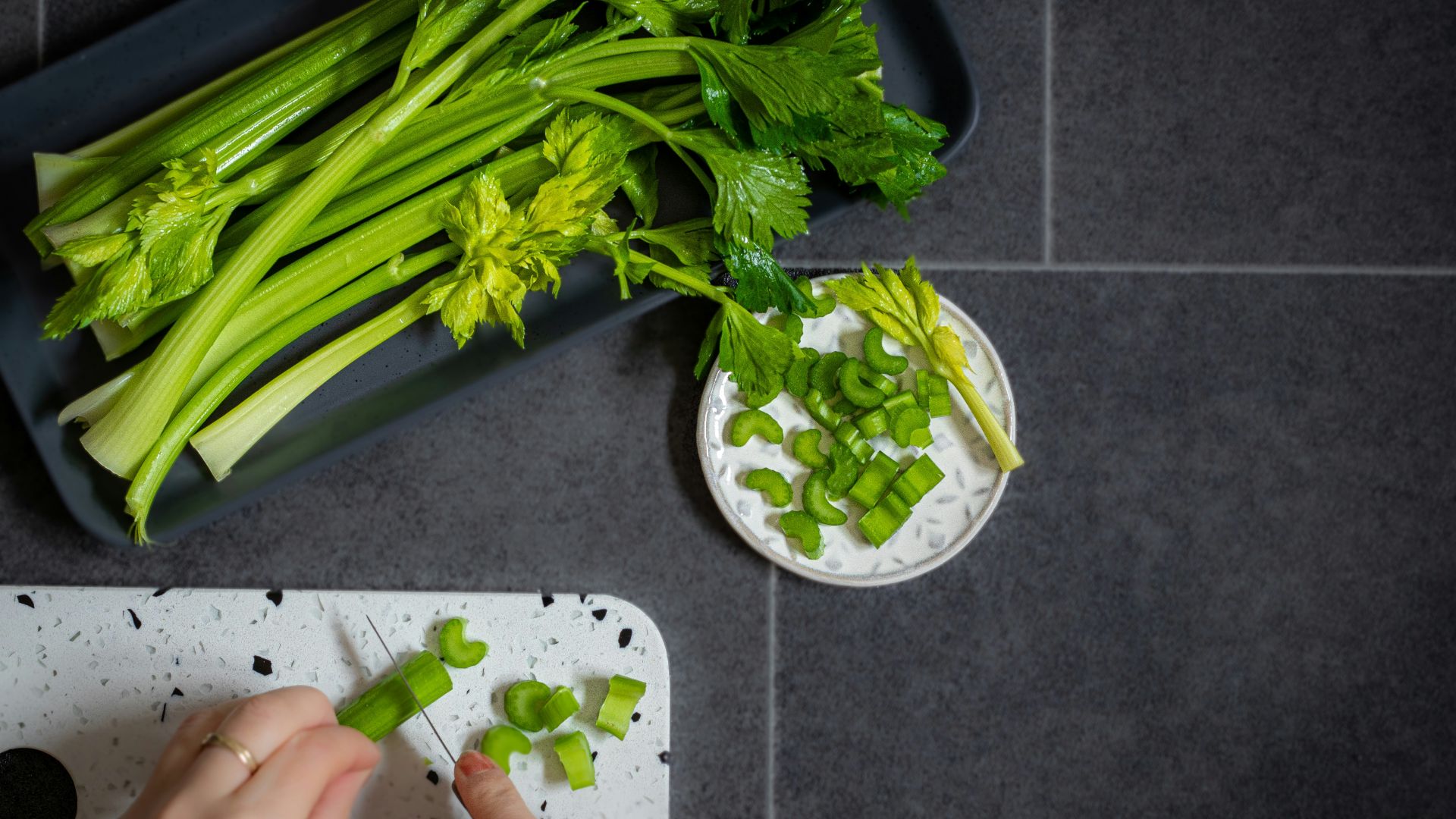
9. Celery
Celery contains fibrous strands that can wrap around garbage disposal blades, reducing their effectiveness. It also resists breaking down in water, which makes it a common cause of jams in kitchen disposals. Alternative disposal methods are recommended.
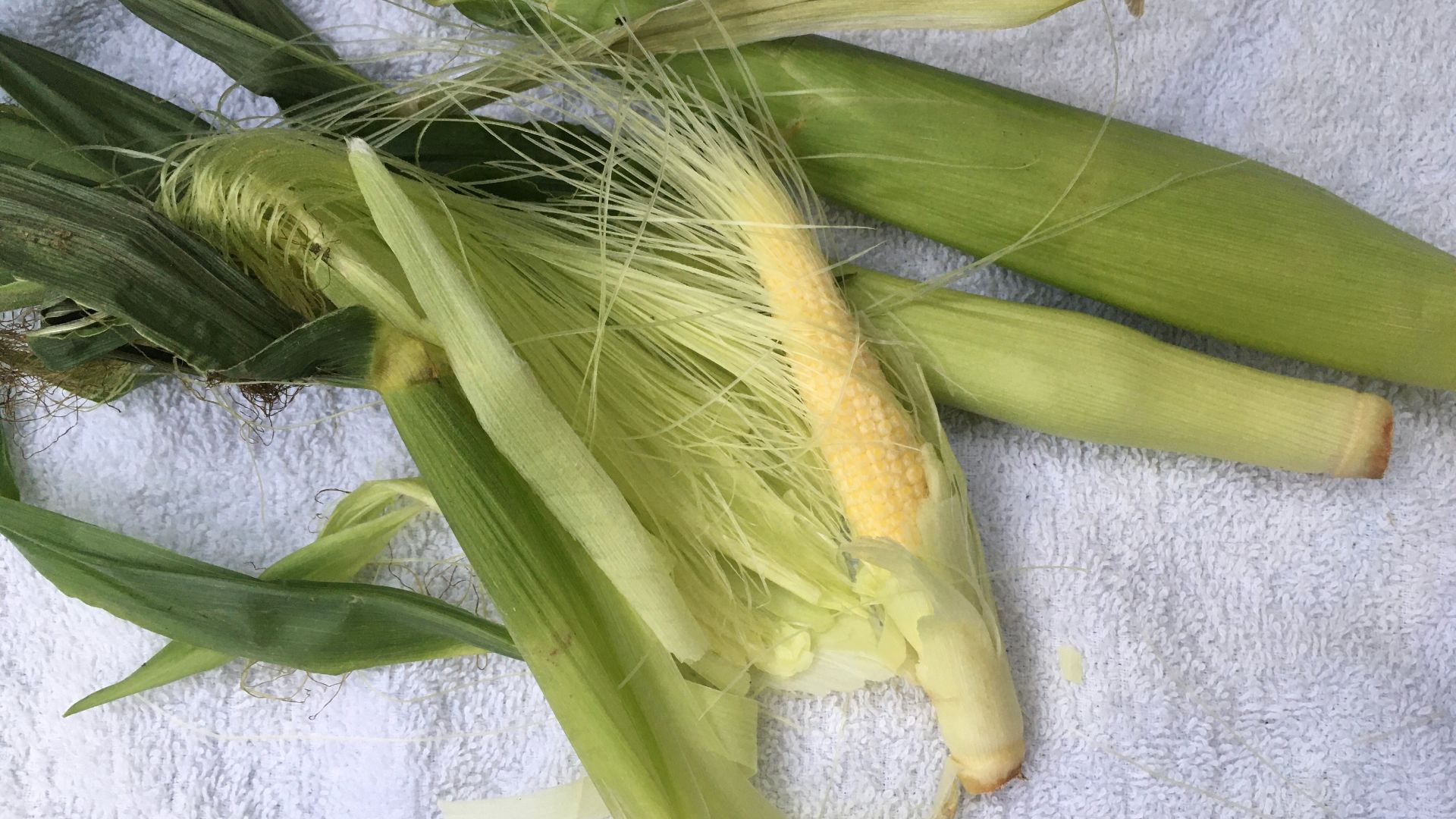
10. Corn Husks And Silk
These items contain tough fibers that can tangle inside garbage grinders. They are resistant to decomposition in drains, and even small fragments have the potential to clog or slow plumbing systems over time.
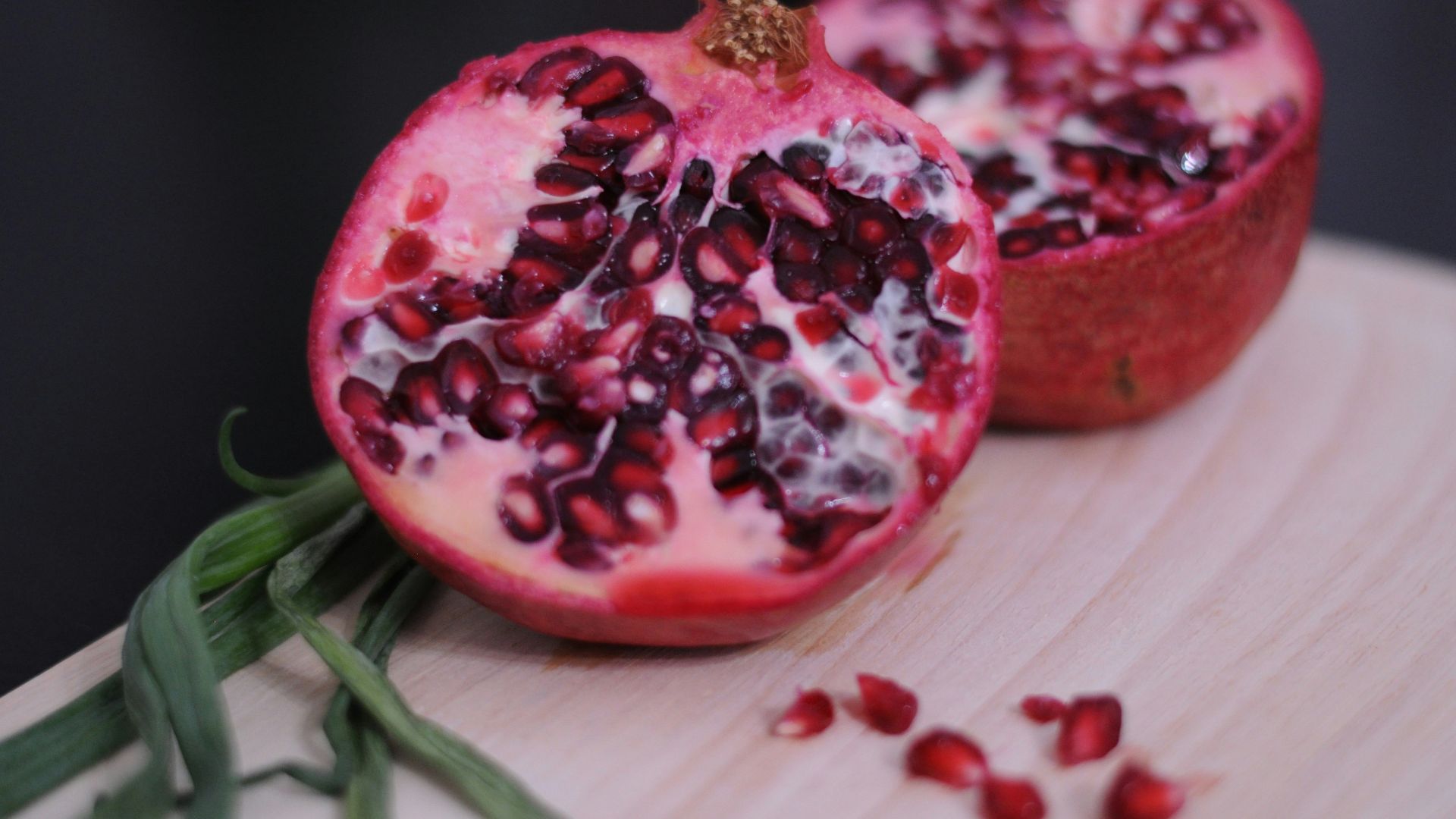
11. Fruit Pits And Seeds
Those innocent-looking pits and seeds are silent sink wreckers. Too tough for disposal blades and perfectly shaped to jam in pipe joints, they're a plumber’s nightmare—especially avocado pits, which can crack blades and clog systems fast.
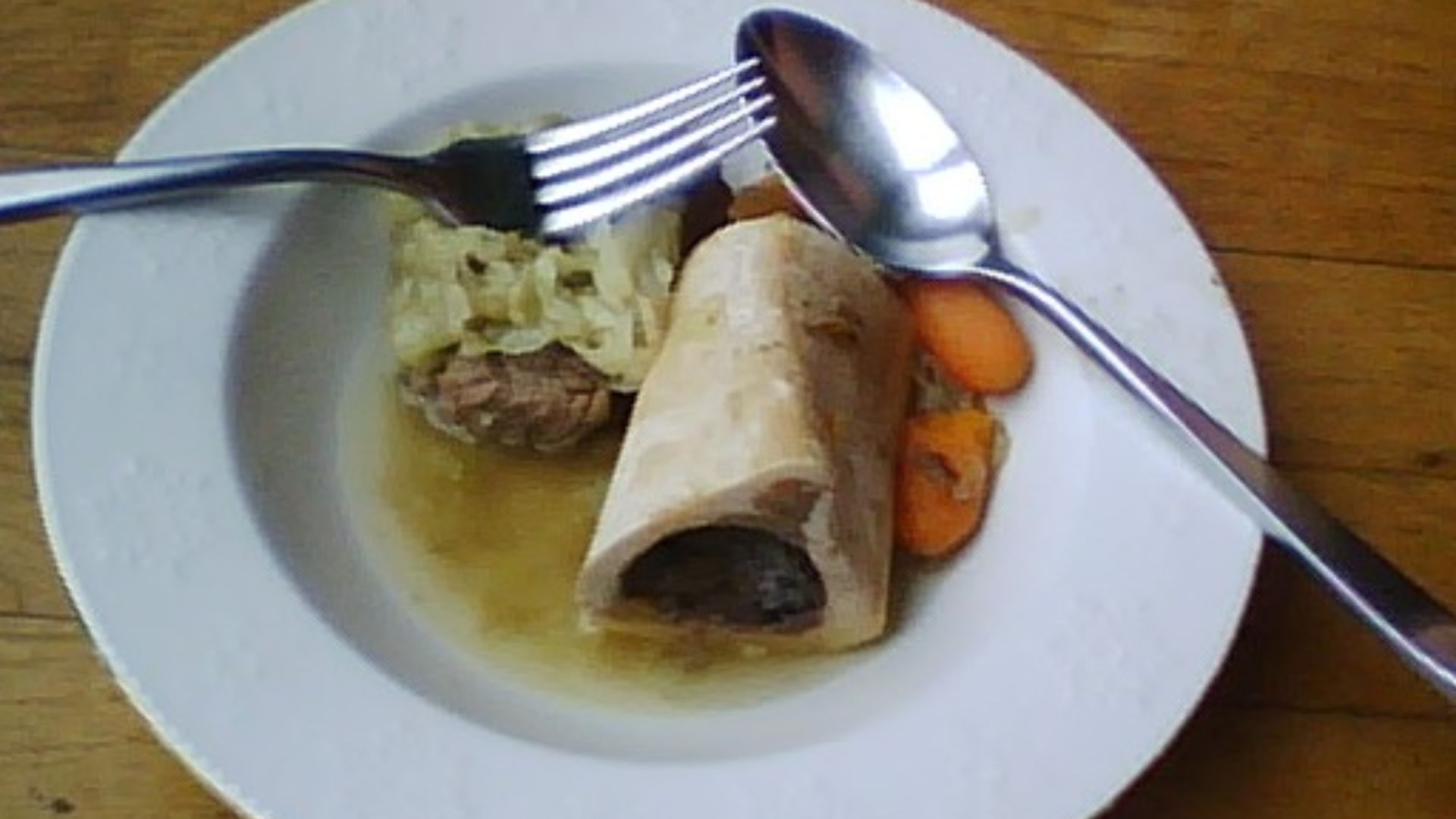
12. Bones
Bones, whether from chicken, beef, or other meats, can damage garbage disposal blades and motors. They do not dissolve or degrade in pipes, and even small pieces can create serious blockages requiring professional repair.
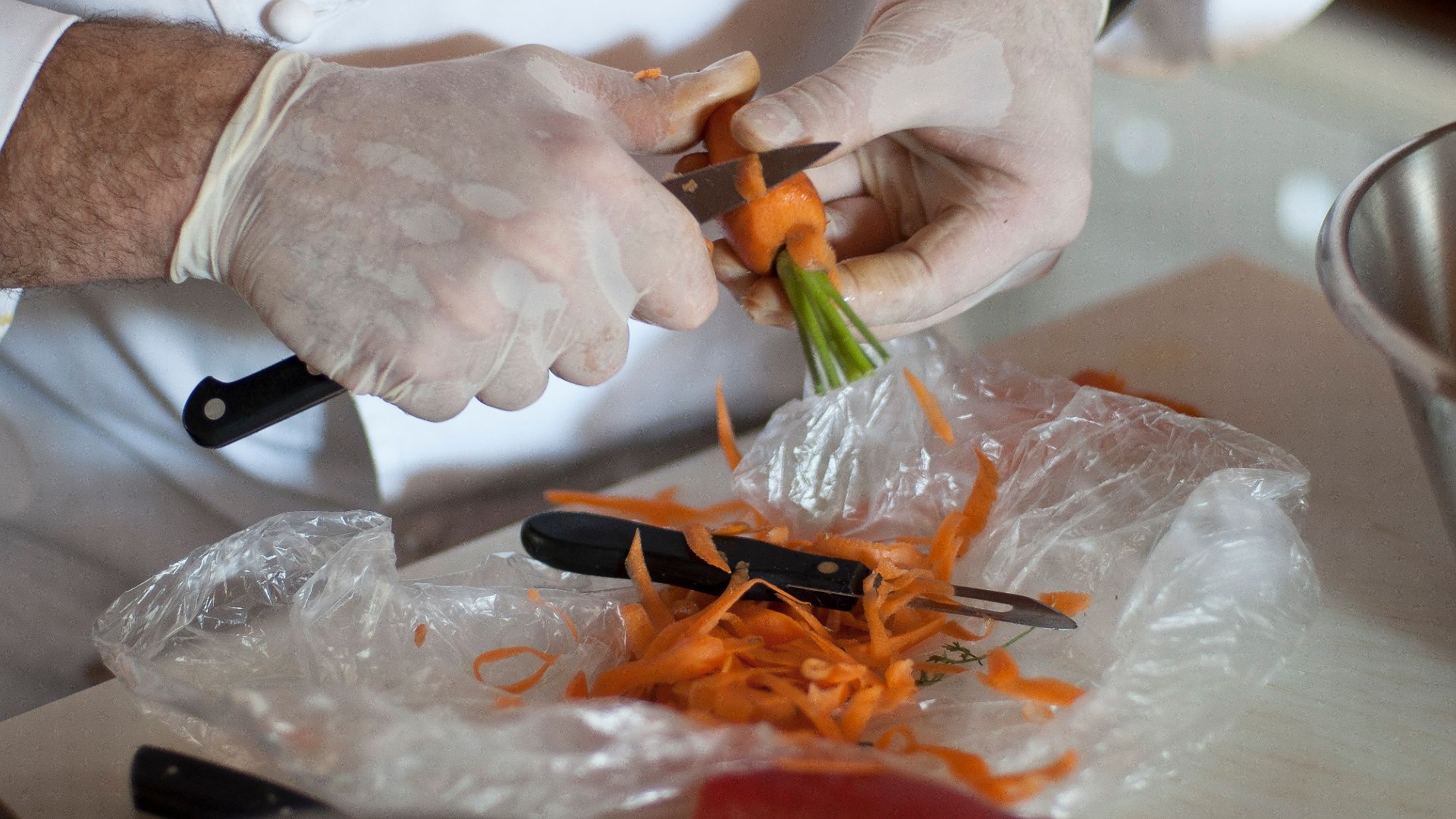
13. Vegetable Skins
Keep them out of the sink, as carrot and cucumber peels don’t grind well and may pile up. Even the thin ones can stick to your pipes like wallpaper. They might not look like trouble, but they are.
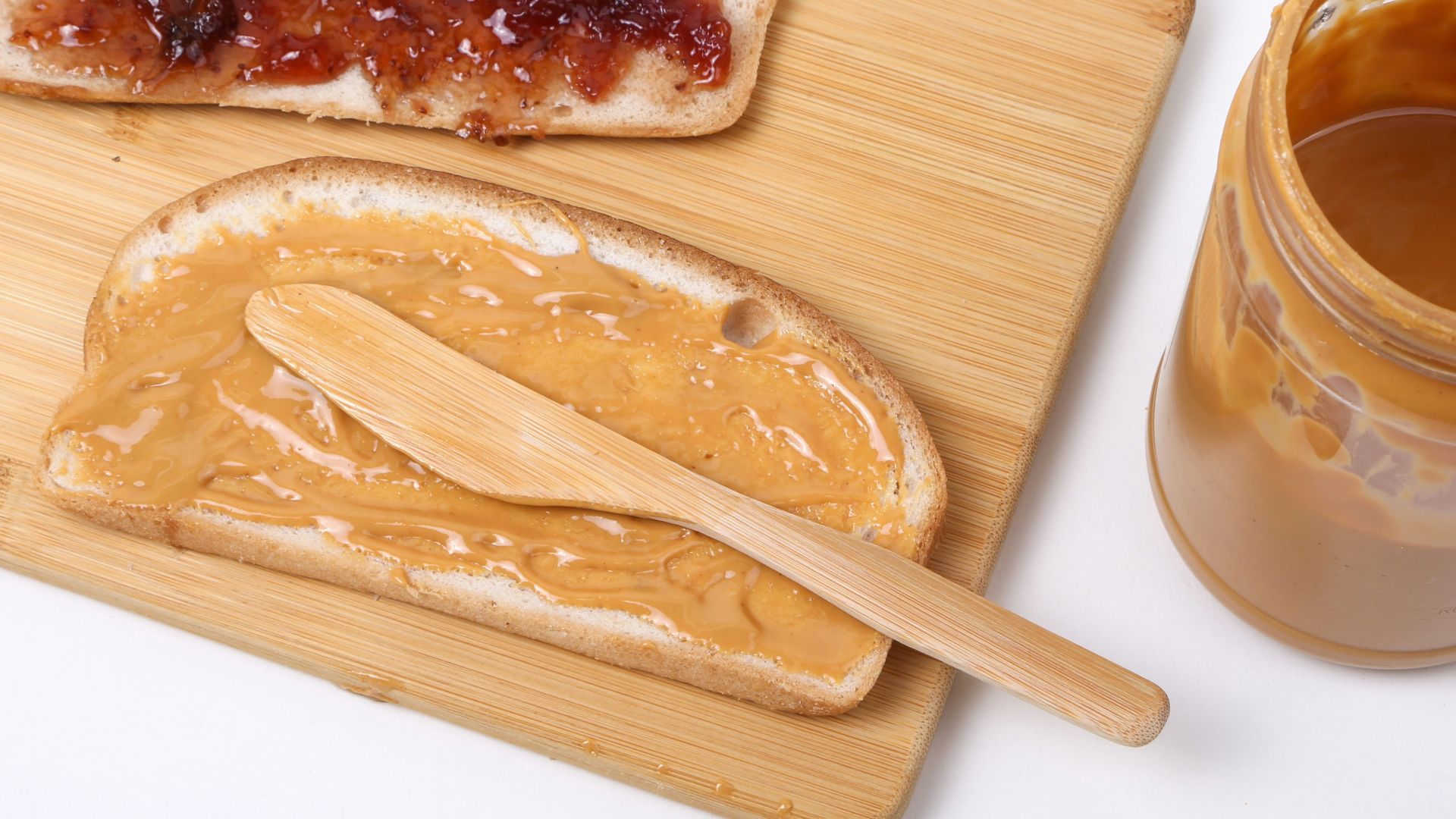
14. Nut Butters
Nut butters are delicious on toast but disastrous in pipes. That sticky texture clings to the walls like it’s redecorating and traps other debris. They won’t dissolve in water, and before you know it, your drain’s hosting a peanut butter block party.
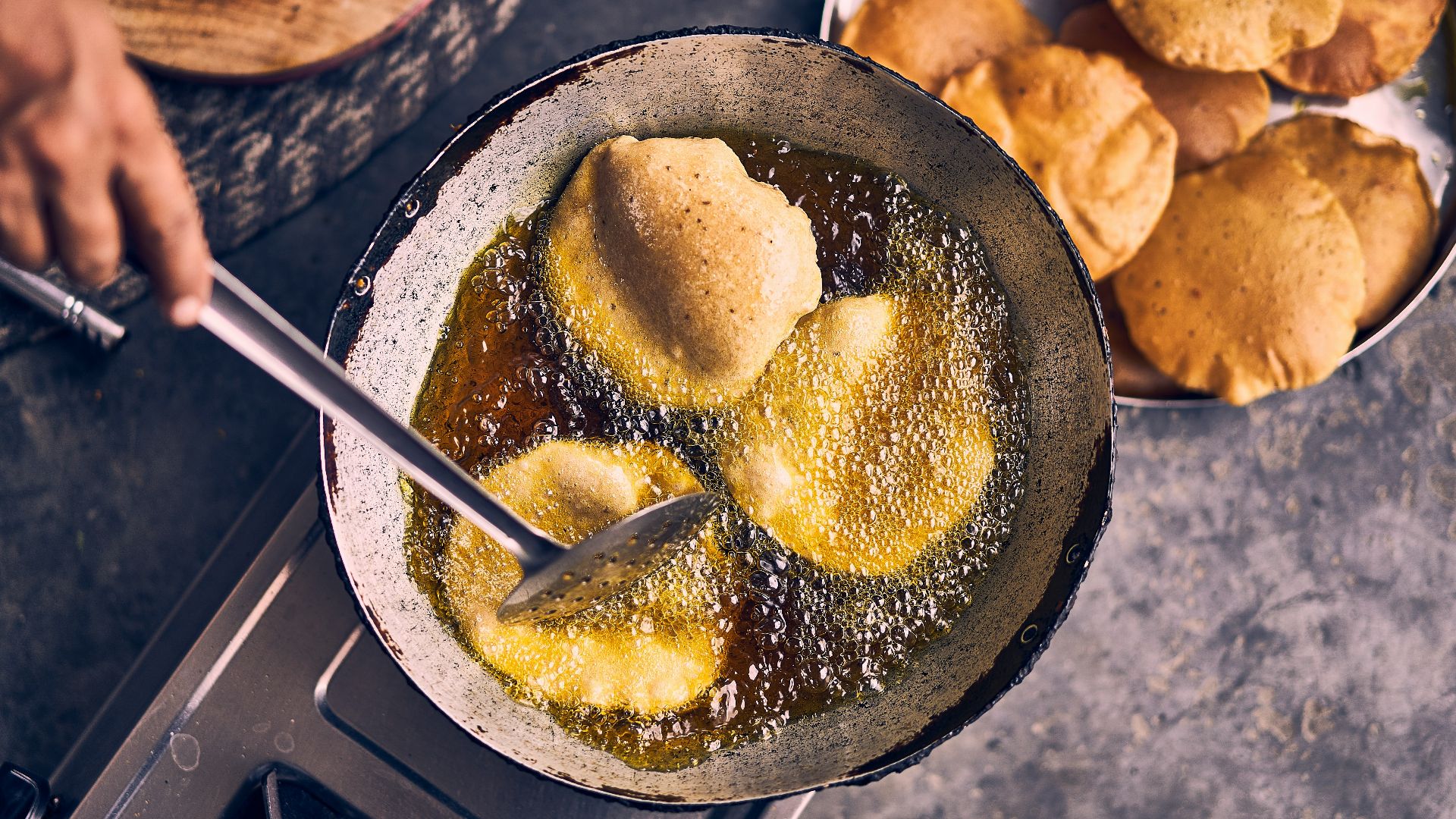
15. Cooking Oil
Cooking oil in the sink is like giving your pipes a greasy jacket, as it coats everything and solidifies when things cool down. Also note that one cup of oil can pollute 1,000 gallons of water—definitely not worth the cleanup bill.
 Ashwini Chaudhary(Monty) on Unsplash
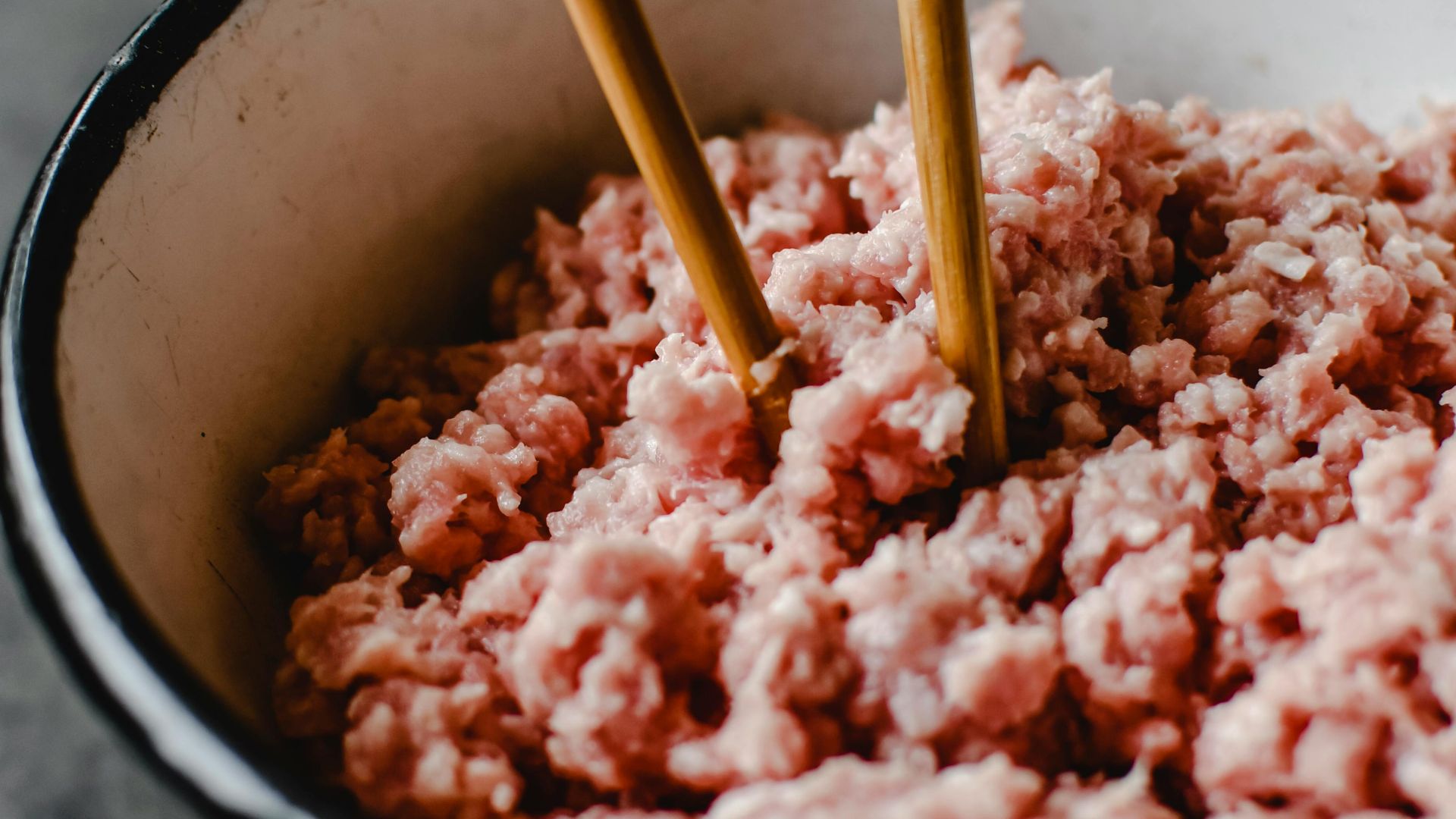
16. Raw Meat Scraps
Raw meat scraps contain fat and tissue that adhere to pipe interiors. They decompose slowly, which can attract pests. Over time, they can also contribute to the formation of biofilm, which exacerbates clogging issues.
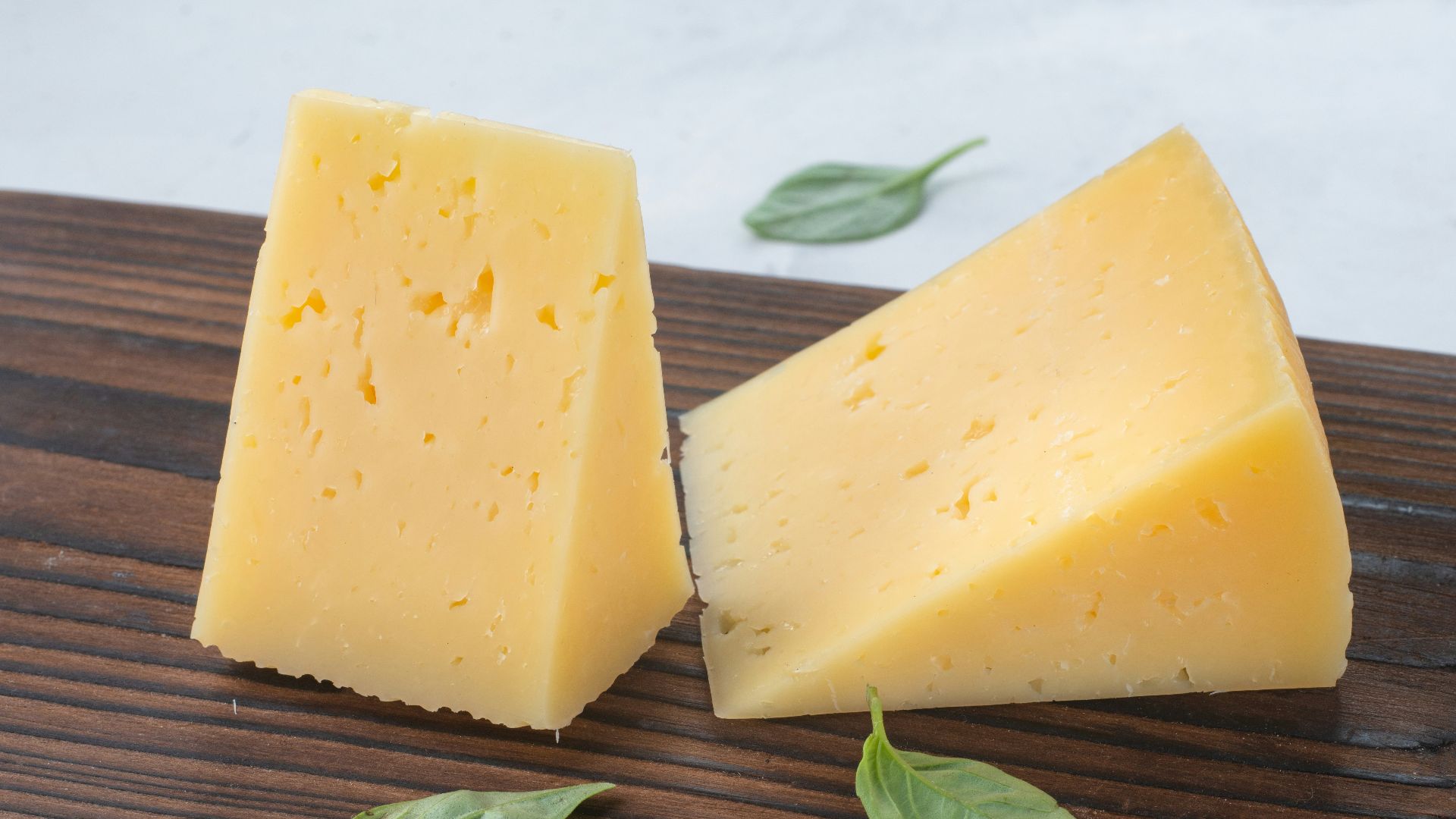
17. Dairy Products
Cheese rinds are especially problematic, as they frequently jam disposal mechanisms. And when trapped in pipes, they can spoil, creating foul odors. Also, yogurt, milk, and other such dairy products contribute to fat-based clogs in drains.
 David Foodphototasty on Unsplash
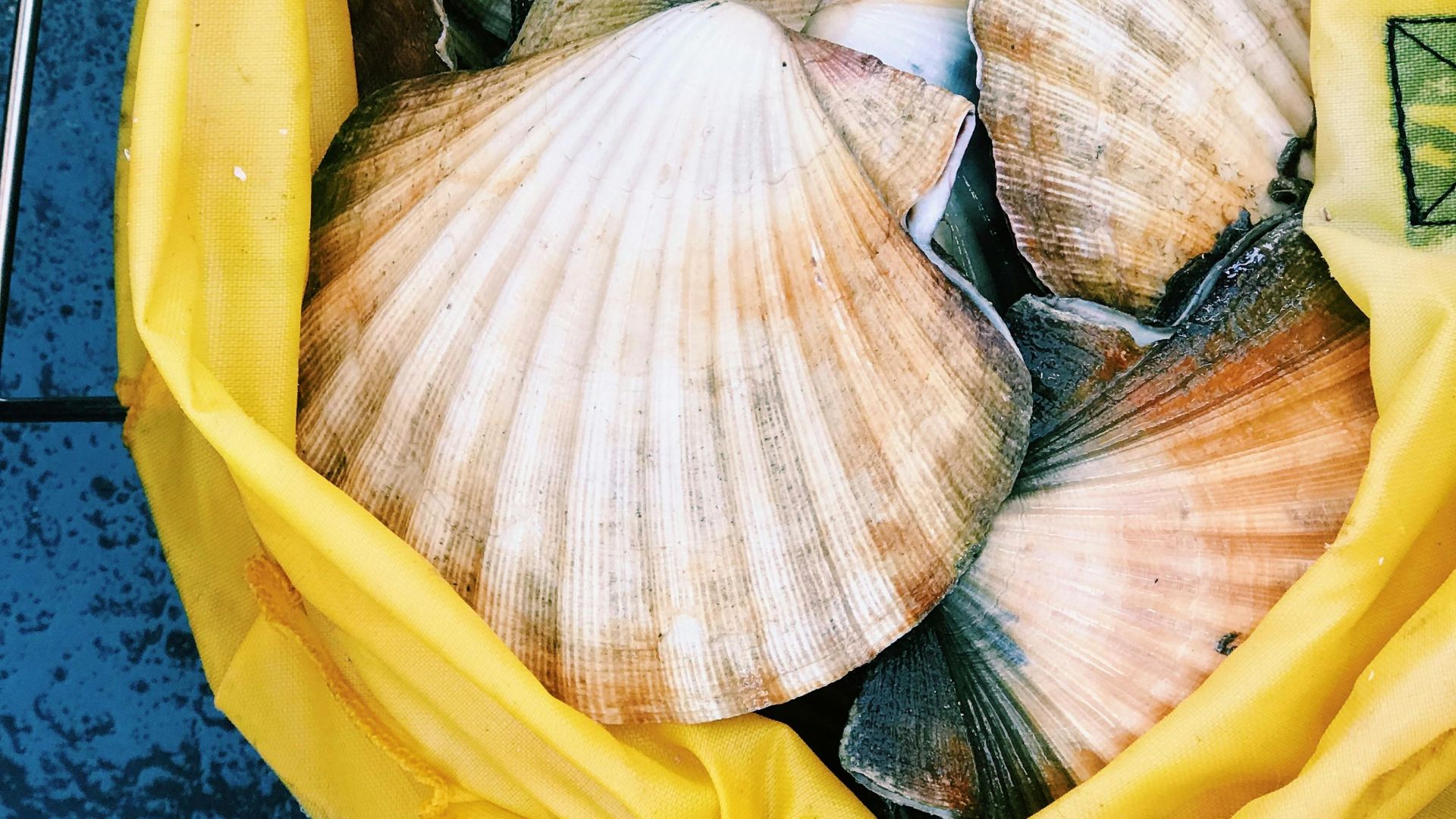
18. Seafood Shells
While these may be small and may look harmless, they’re brutal on disposals. They don’t break down in water, and the small fragments can chip blades and camp out in your pipes for weeks.
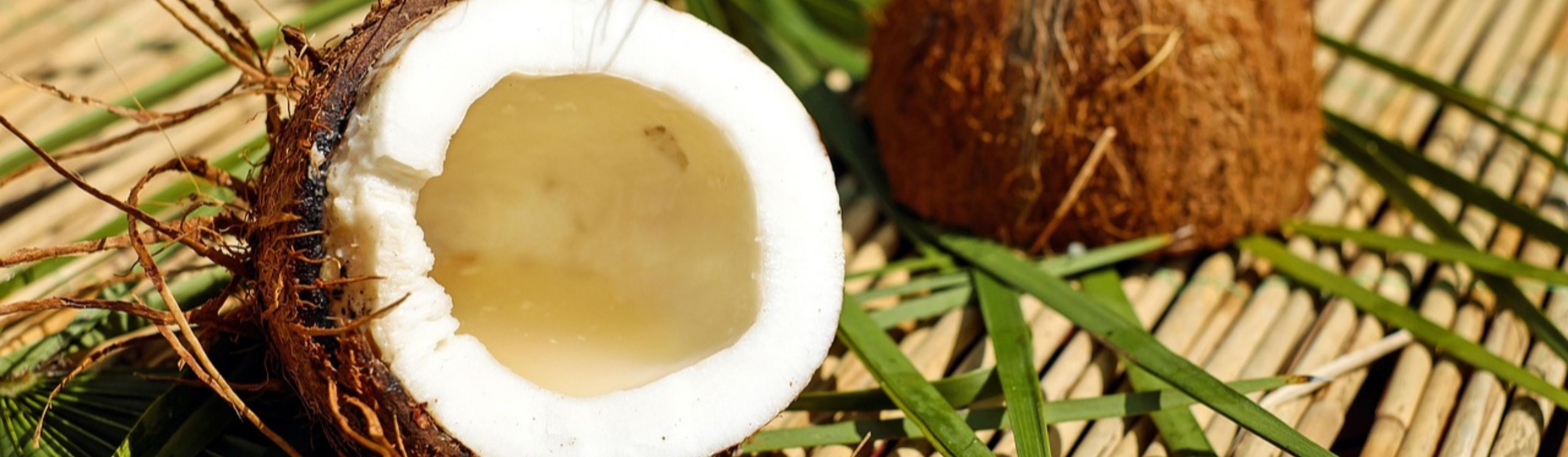
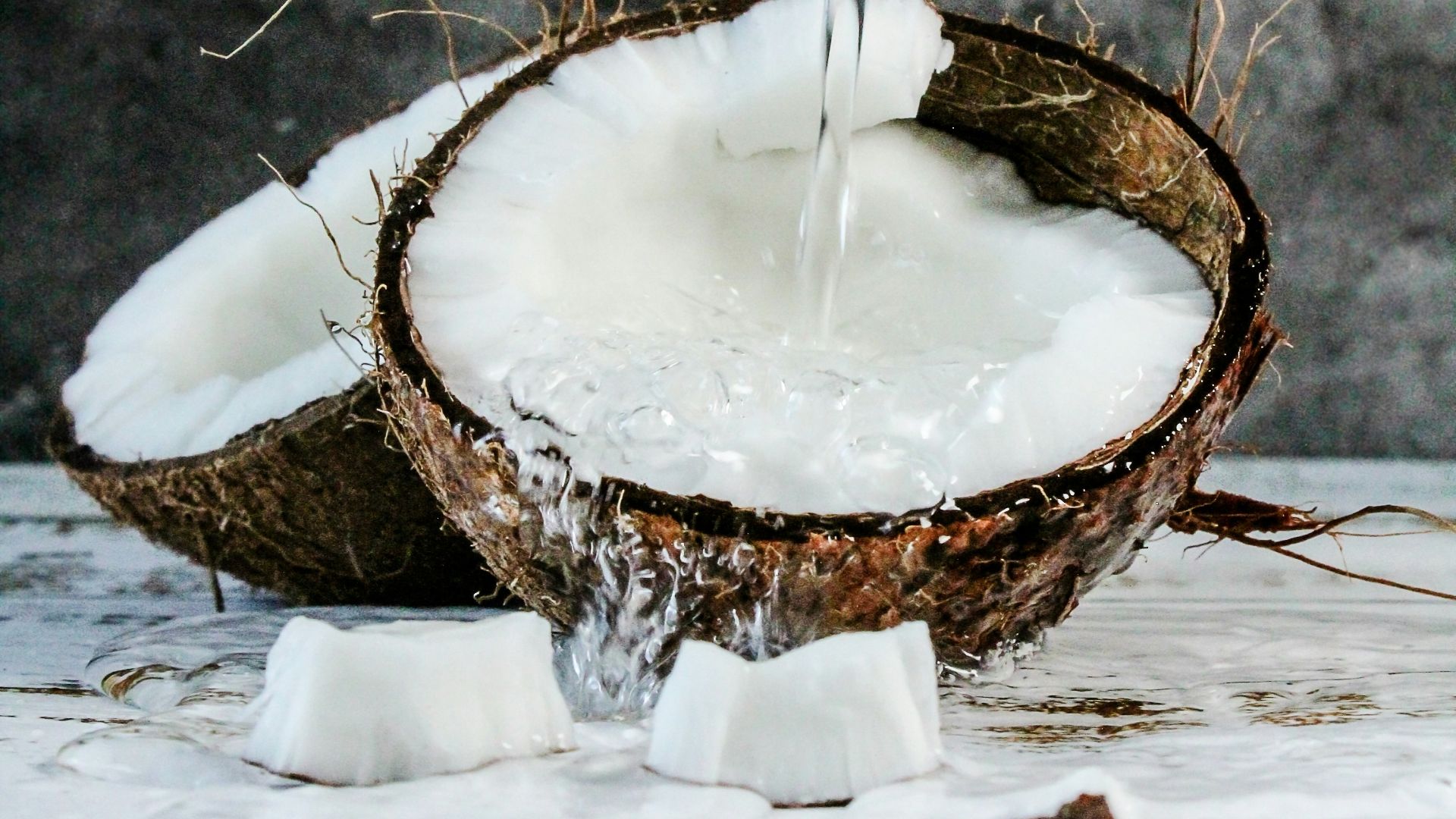
19. Coconut Shavings And Shell Bits
The fibrous texture of coconut shavings and shell fragments may resist breakdown in water. As a result, they can dull garbage disposal blades and, over time, small particles may accumulate in pipes, increasing the risk of reduced water flow or blockages.
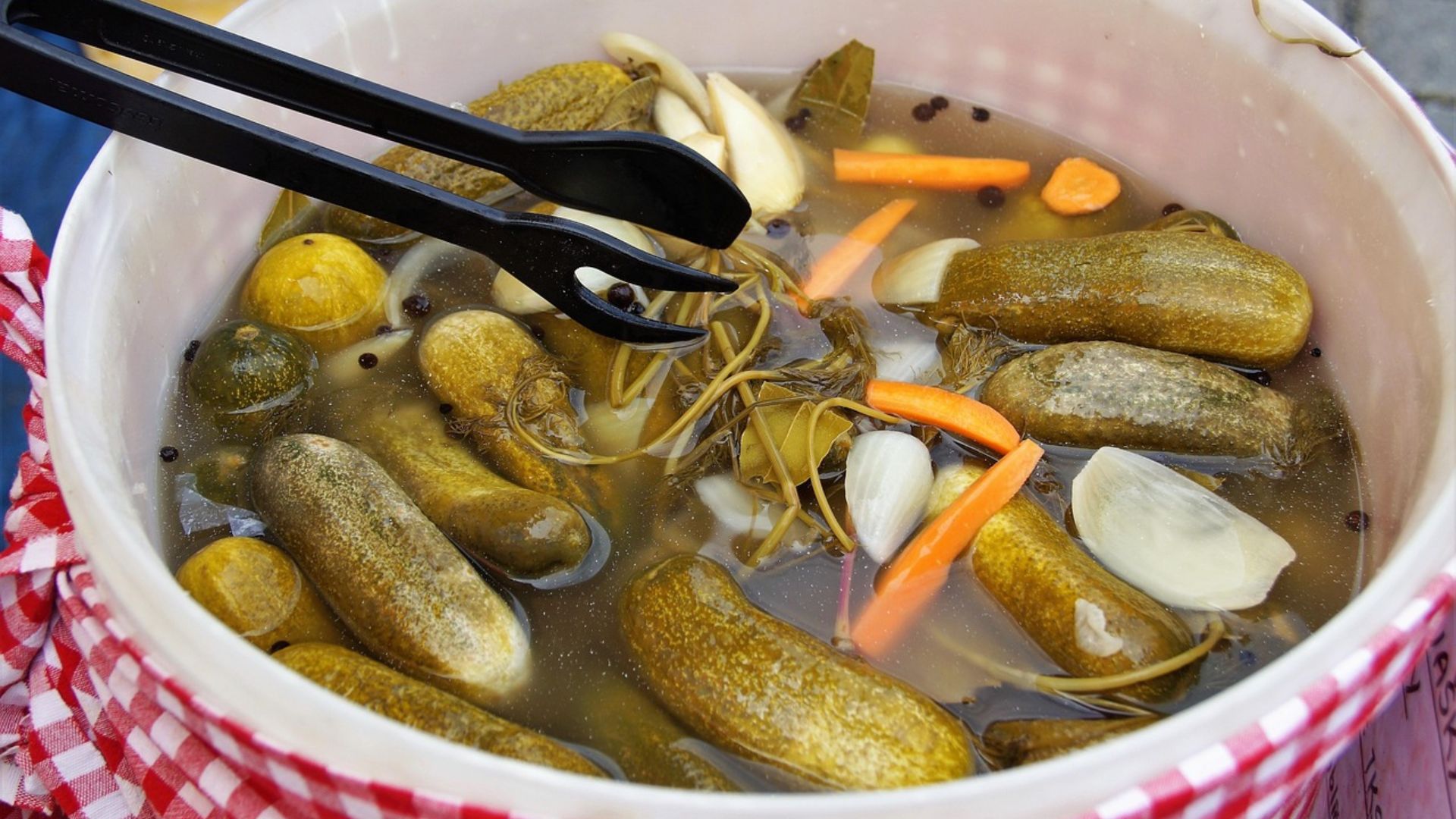
20. Pickle Juice And Vinegar-Based Liquids
Pickle juice might spice up a sandwich, but it’s bad news for pipes. Its acidic bite wears down linings, encourages metal corrosion, and proves the point that not every liquid is safe to send swirling down the drain.
KEEP ON READING
The 10 Best Fried Chicken Sandwiches & The 10 Worst
20 Iconic Cereal Mascots You'll Never Forget