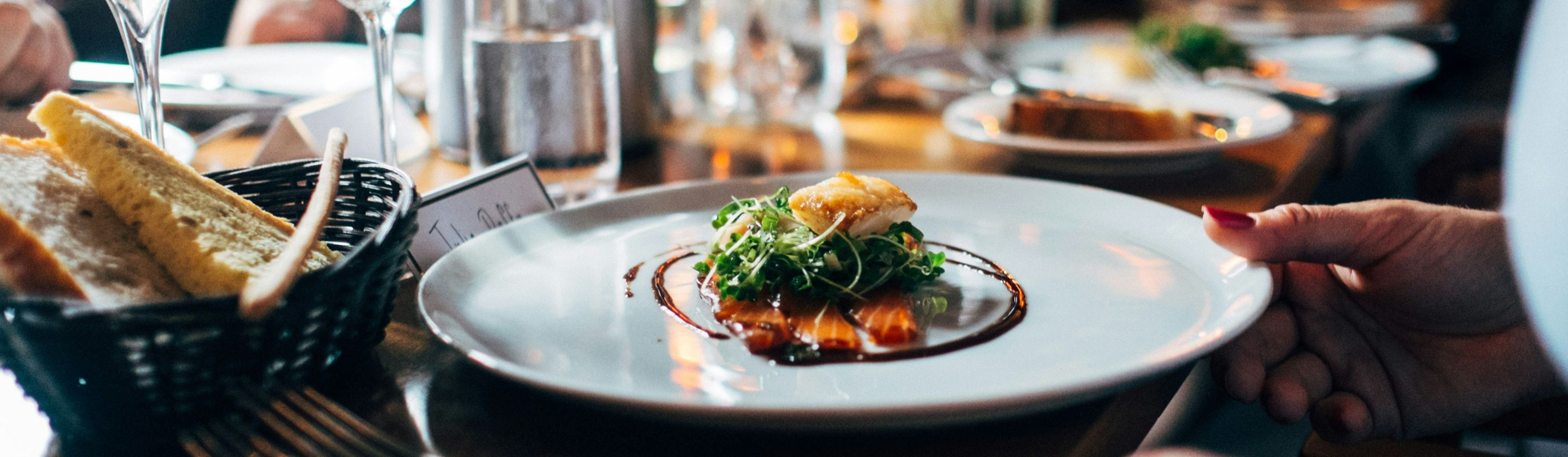
Which Items Should You Check Before Digging In?
Restaurants can be impressively clean, but they’re also busy, high-touch spaces where germs love to hitch a ride. If you’ve ever wondered what gets overlooked when the dinner rush hits, you’re not alone. The good news is that most of these “dirty hotspots” are easy to avoid once you know where they are, and you can still enjoy your meal without feeling paranoid. Let’s dive into which spots you should keep away from, and which ones are totally safe!

1. Menus
Menus get handled all day long, and they’re not always disinfected between guests. Even when a restaurant wipes them down, busy moments can turn that step into a quick swipe instead of a thorough clean. If you touch the menu a lot, you’ll want to keep your hands away from your face until you’ve washed up.

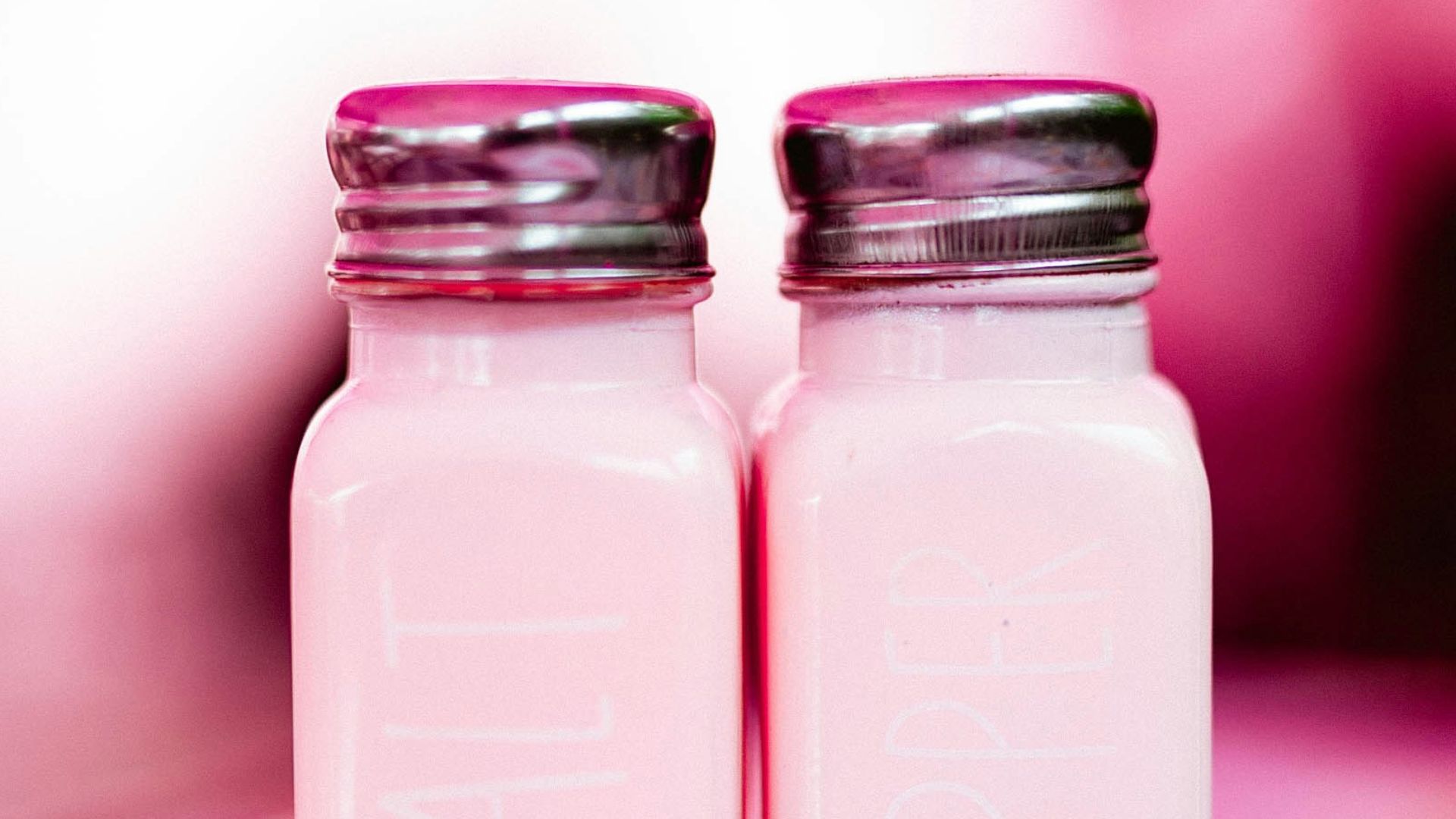
2. Salt and Pepper Shakers
Those shakers are passed from table to table, and they’re touched right before people start eating. They also tend to sit out during cleaning, which means they can miss the most careful wipe-down. We’re all for seasoning, but don’t skip handwashing afterward.
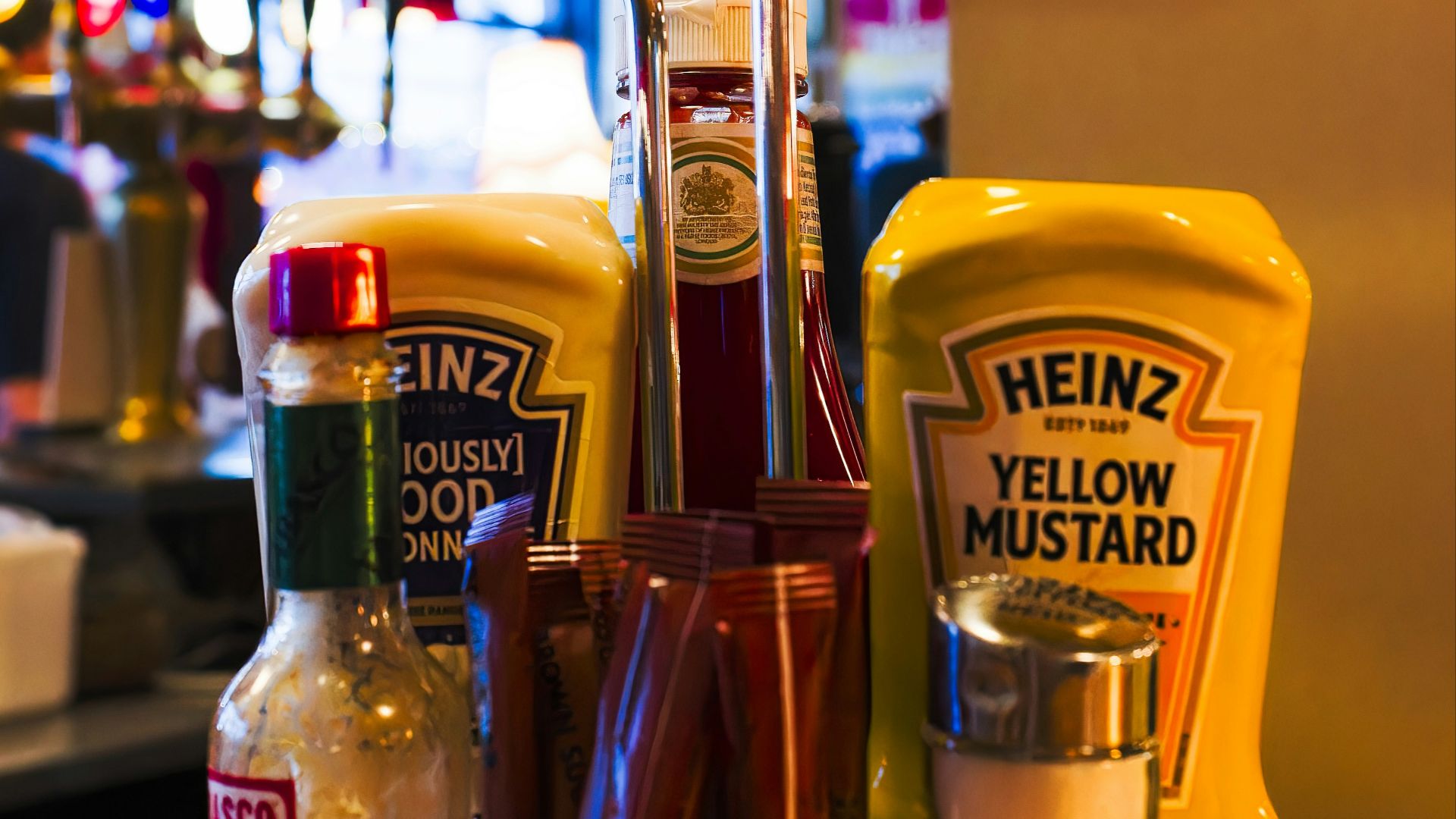
3. Shared Condiments
Squeeze bottles and condiment caddies are prime candidates for sticky residue. Staff may focus on refilling them and making them look neat, but the outside gets less attention than you’d expect. It’s honestly smart to assume the bottle’s dirtier than the sauce inside.
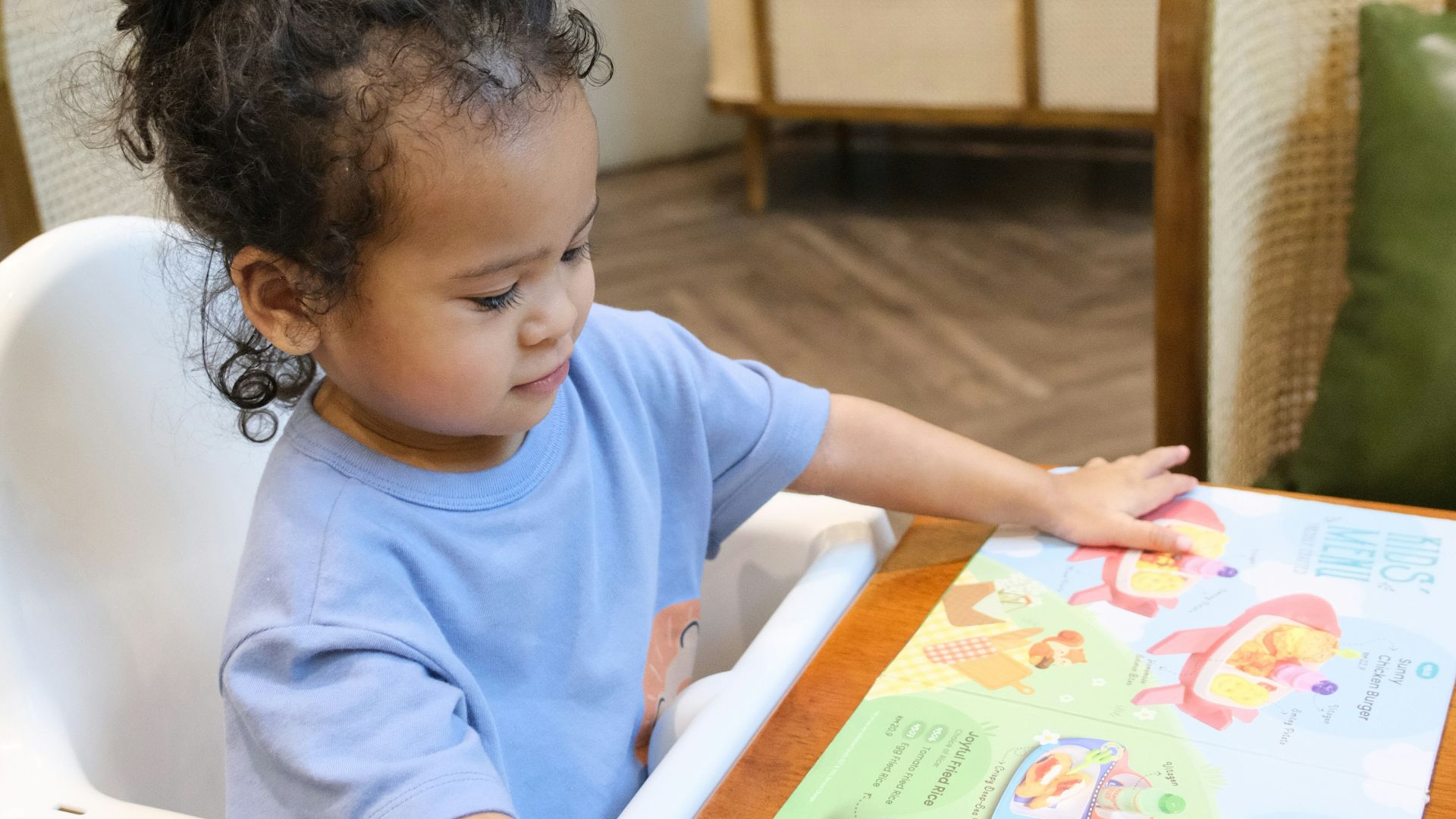
4. High Chairs and Booster Seats
High chairs are lifesavers for families, but they’re not always cleaned with the same consistency as tables. Crumbs, spills, and little handprints can linger in seams and straps. A quick wipe before seating your child can save you some stress.
5. Table Edges
Most people notice the tabletop, but hands often land on the edges when you pull in a chair or shift your plate. The underside can be even worse because it’s rarely a cleaning priority unless something obvious happens! It might not seem like a big deal, but plenty of people rest their hands there—you’re better off keeping them on your napkin.
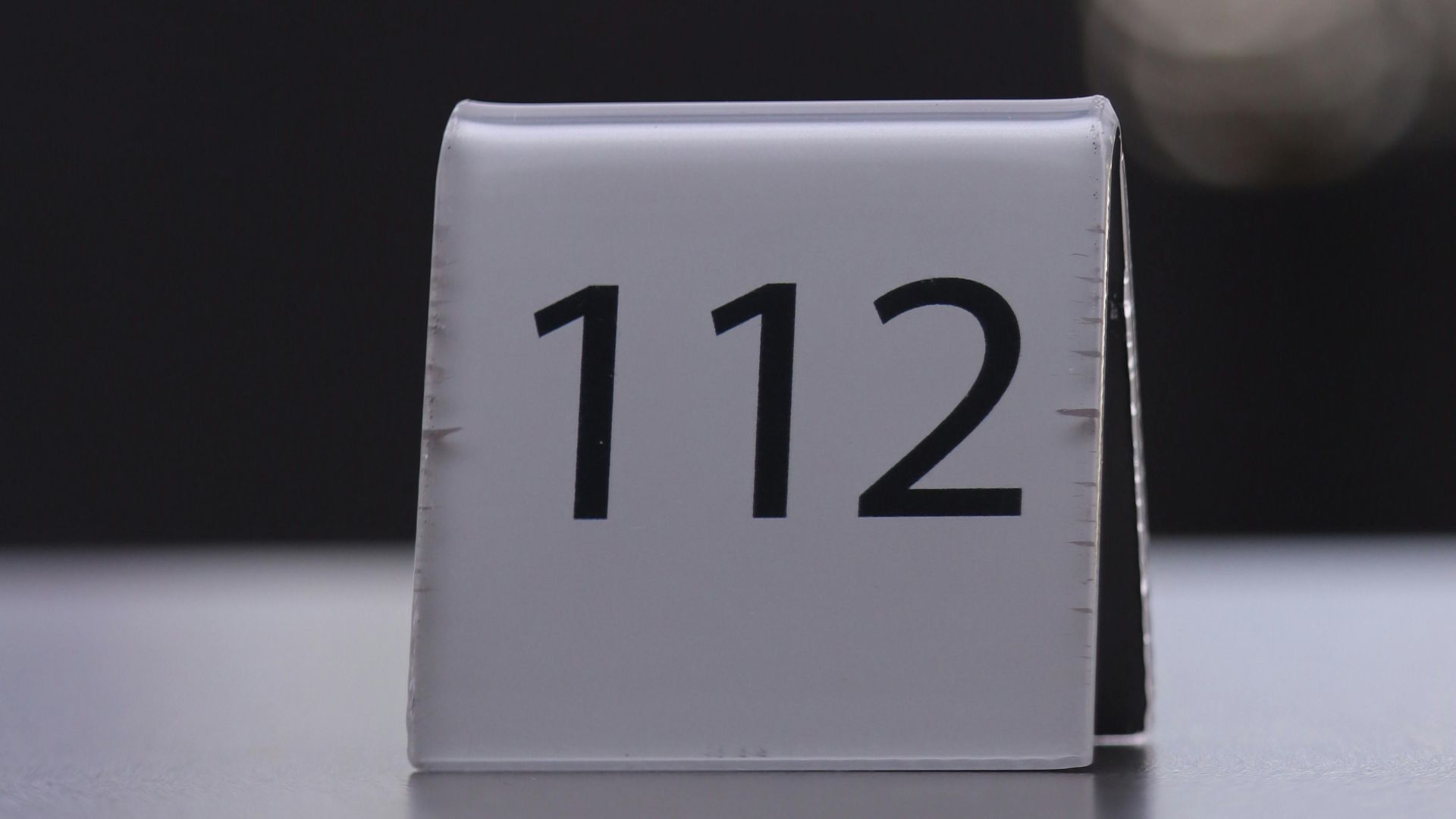
6. Specials Boards and Table Tents
Restaurants love these because they’re convenient and eye-catching. However, they’re also handled constantly. Guests pick them up, flip them around, and set them down after touching everything else at the table.
7. Ice Machines
Ice seems harmless, but the equipment behind it gets neglected if maintenance slips. Scoops sometimes get stored in ways that invite contamination, especially during fast service. You don’t need to avoid ice completely, but it’s worth knowing this isn’t always the cleanest part of the drink station!

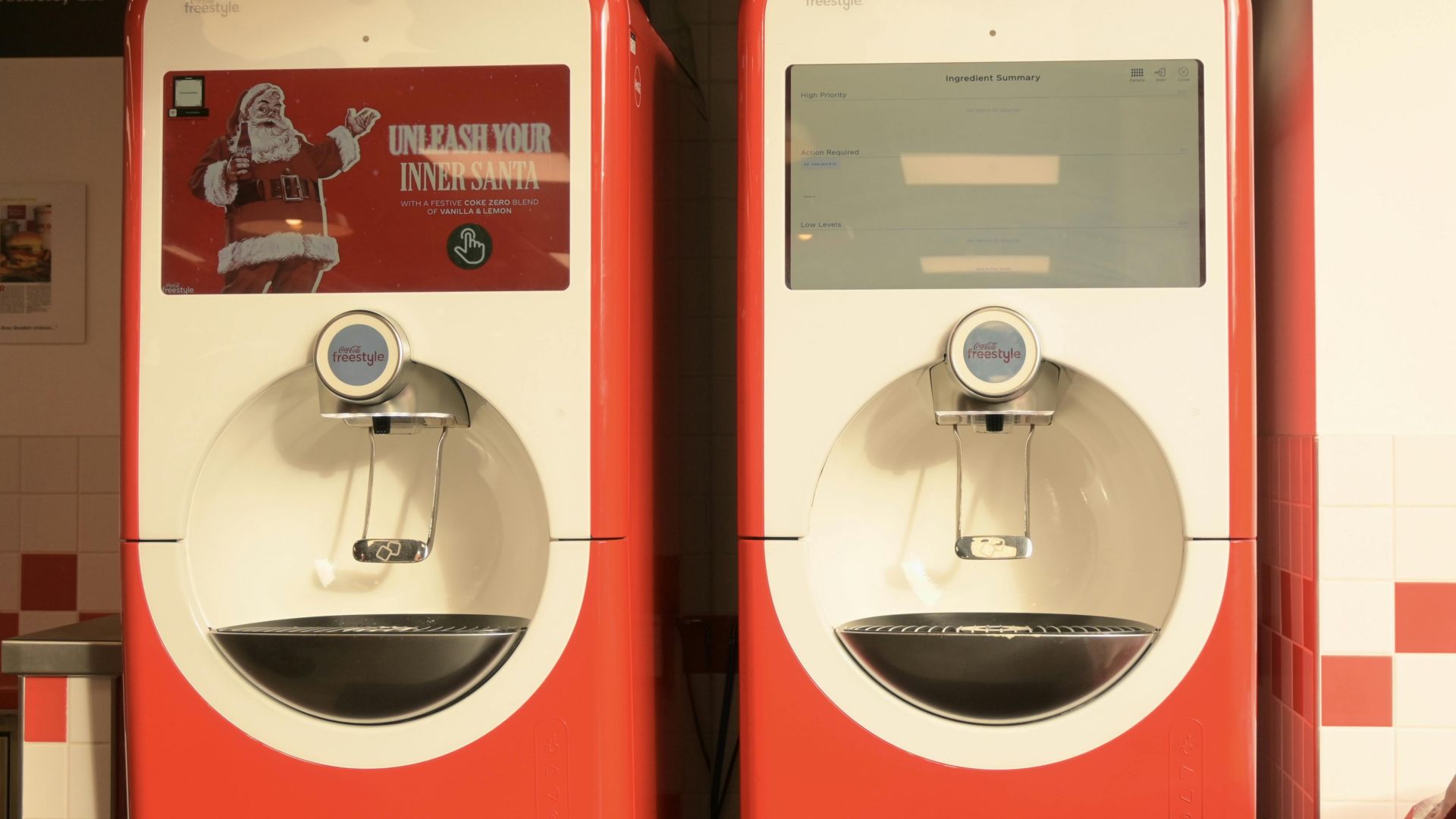
8. Drink Dispensers
Lots of hands come into contact with the same buttons and levers. Nozzles also build up residue if they aren’t cleaned on schedule. Do yourself a favor: try not to touch the nozzle area, and wash your hands before you eat.
9. Restroom Door Handles
Even in a well-maintained restroom, door handles and faucet knobs are high-contact surfaces that collect germs fast. People are in a hurry, and not everyone washes as well as they should. Use a paper towel when you can, and you’ll reduce what you carry back to the table!

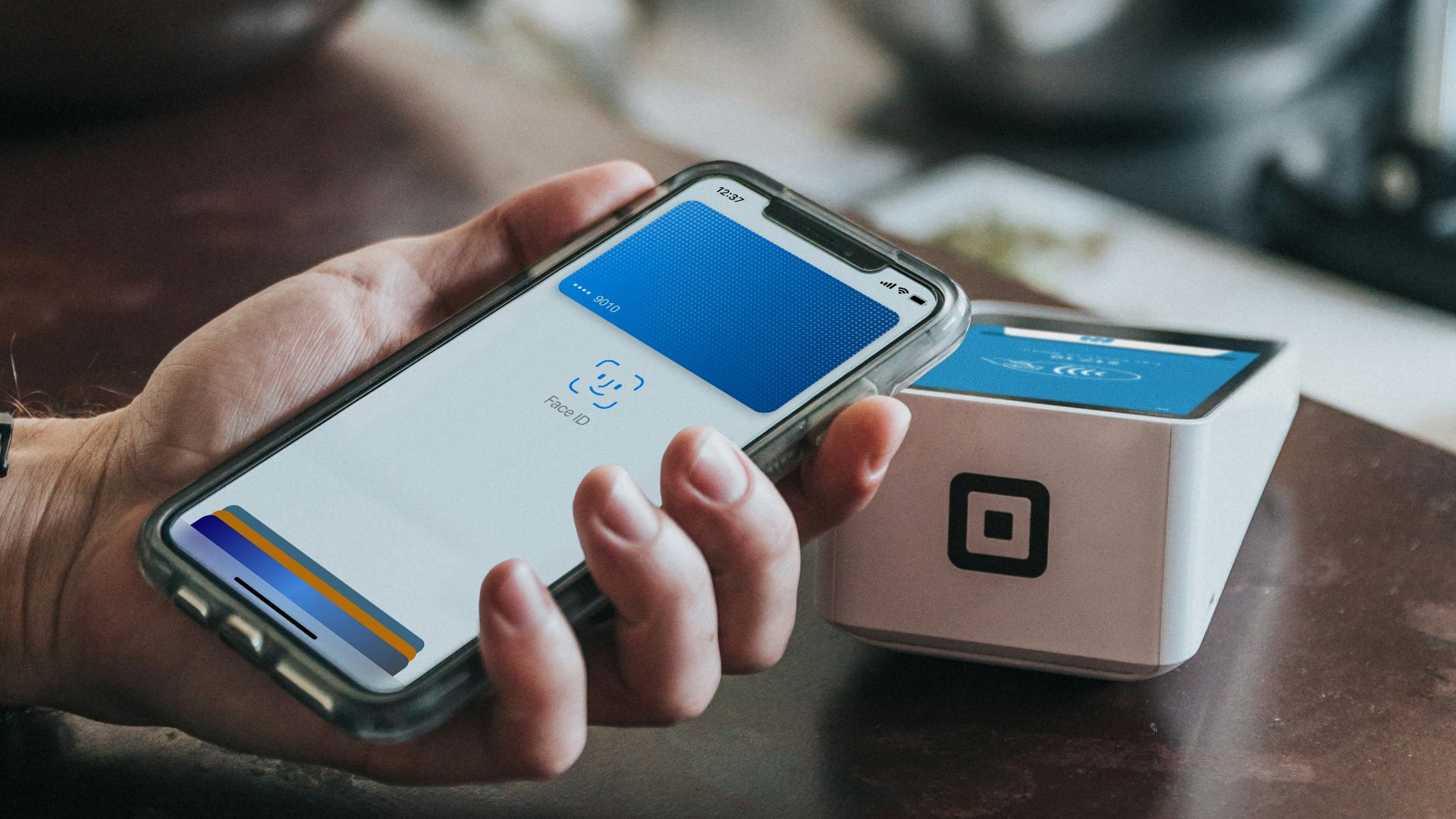
10. Payment Touchscreens
The bill folder, pen, and card machine get handled repeatedly throughout the shift. These items move quickly between guests, which means they can become grimy before anyone thinks to sanitize them. You likely use a touchscreen to pay, so clean your hands afterward.
Restaurants have plenty of high-touch troublemakers, but they also have areas that get cleaned with real consistency because staff rely on them to work properly. Let’s dive into some squeaky-clean items you can feel good about grabbing.
1. Freshly Washed Plates
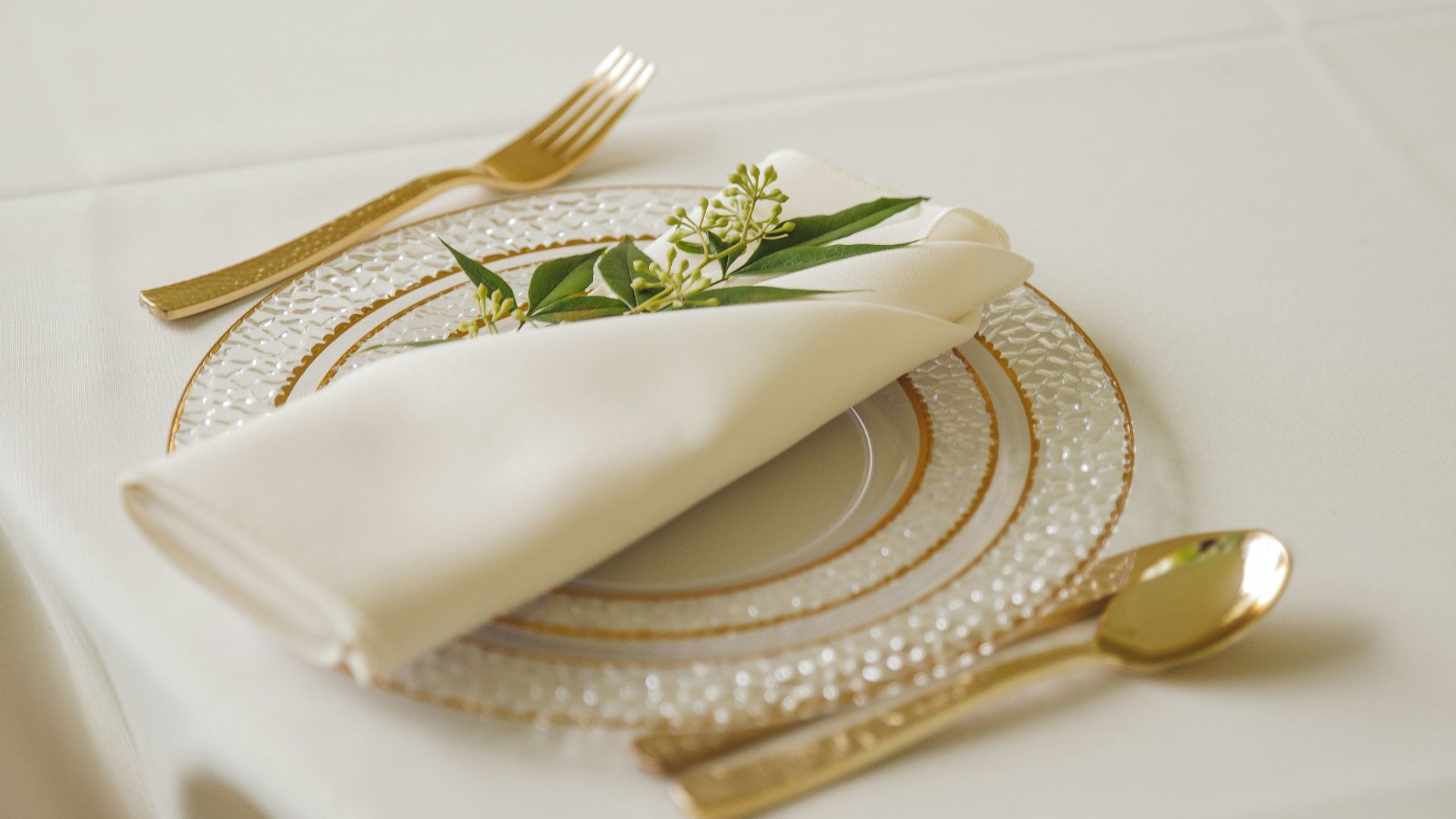
Commercial dishwashers run at high temperatures and use strong detergents designed to remove grease and bacteria. Most restaurants also inspect plates as they come out, since spots or residue look bad and slow service down. When your plate arrives warm and clean, you’re typically looking at one of the most reliably sanitized items in the building.

2. Polished Silverware
Forks and knives go through the same dishwasher process as plates, and they’re often rewashed if they don’t pass a quick visual check. Many places even store them in covered bins or roll them in napkins, which limits extra handling.
3. Glassware from the Rack
Restaurants depend on spotless glasses—smudges and lipstick marks are immediate deal-breakers for guests. Glass racks cycle constantly, and staff are usually trained to avoid touching the rim when they set a glass down. So, you know you’re in the clear.
4. Kitchen Handwashing Stations
Handwashing stations are central to food safety rules, so they’re kept stocked and usable throughout the shift. Because employees are expected to wash often, the area gets attention whenever it starts looking messy. You won’t eat off that sink, but it’s still one of the cleaner, more monitored zones!

5. Freshly Sanitized Prep Surfaces
Prep counters are commonly cleaned between tasks to prevent cross-contamination, especially when raw proteins are involved. Many kitchens use sanitizer buckets or spray systems specifically for these surfaces, and managers tend to watch them closely, too. Those worktops get more regular cleaning than most front-of-house items ever see.
6. Sealed Single-Use Items
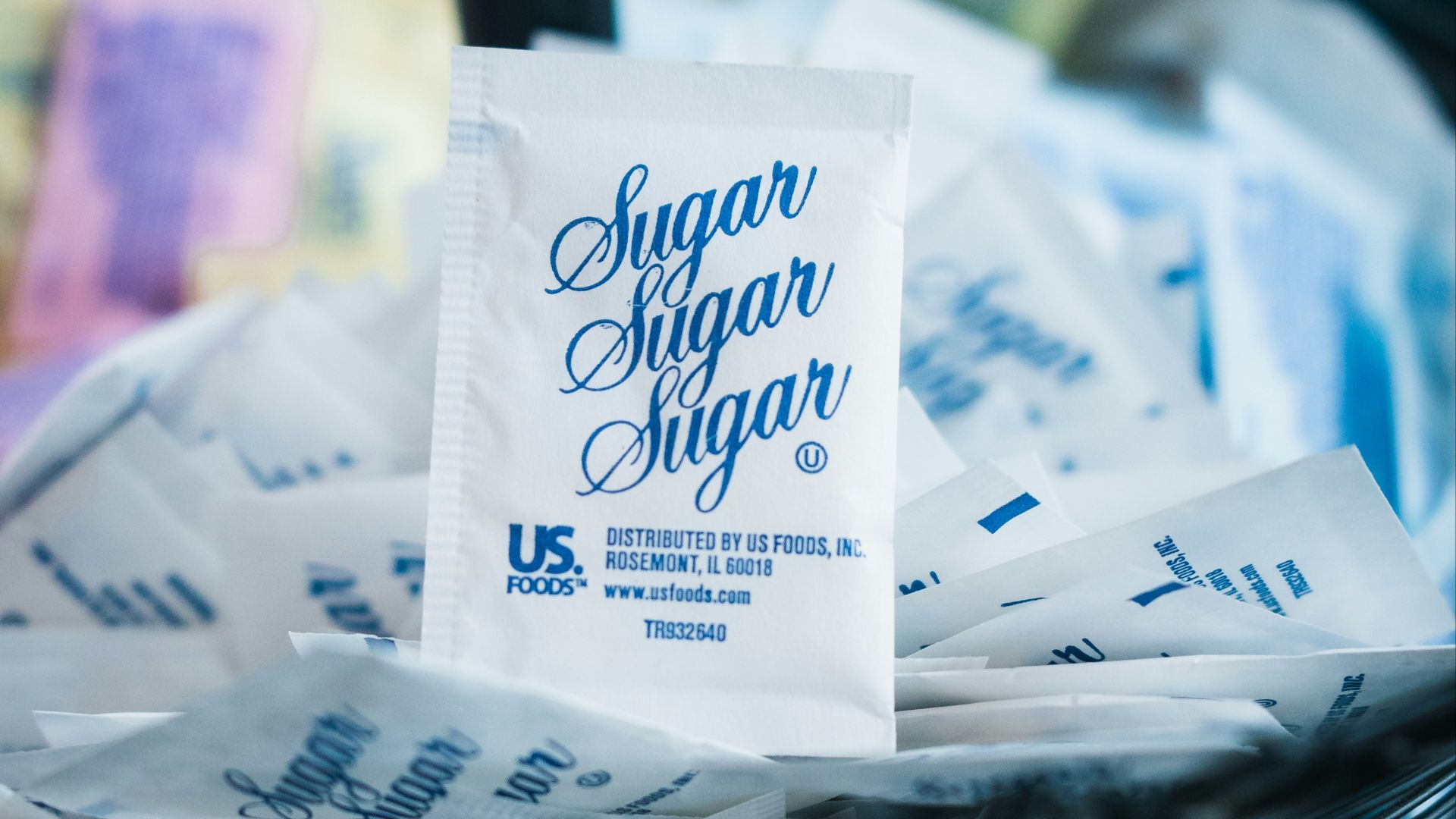
Packets of sugar, wrapped straws, and sealed to-go cutlery stay protected until you open them. Staff can also restock them quickly without constant direct contact with the part you’ll actually use.
7. The Expeditor’s Heat Lamps
The pass is where food gets staged for servers, so it’s kept tidy to prevent mix-ups and keep plates moving. Since multiple people work there at once, cleanliness becomes a practical necessity, not just a nice touch.
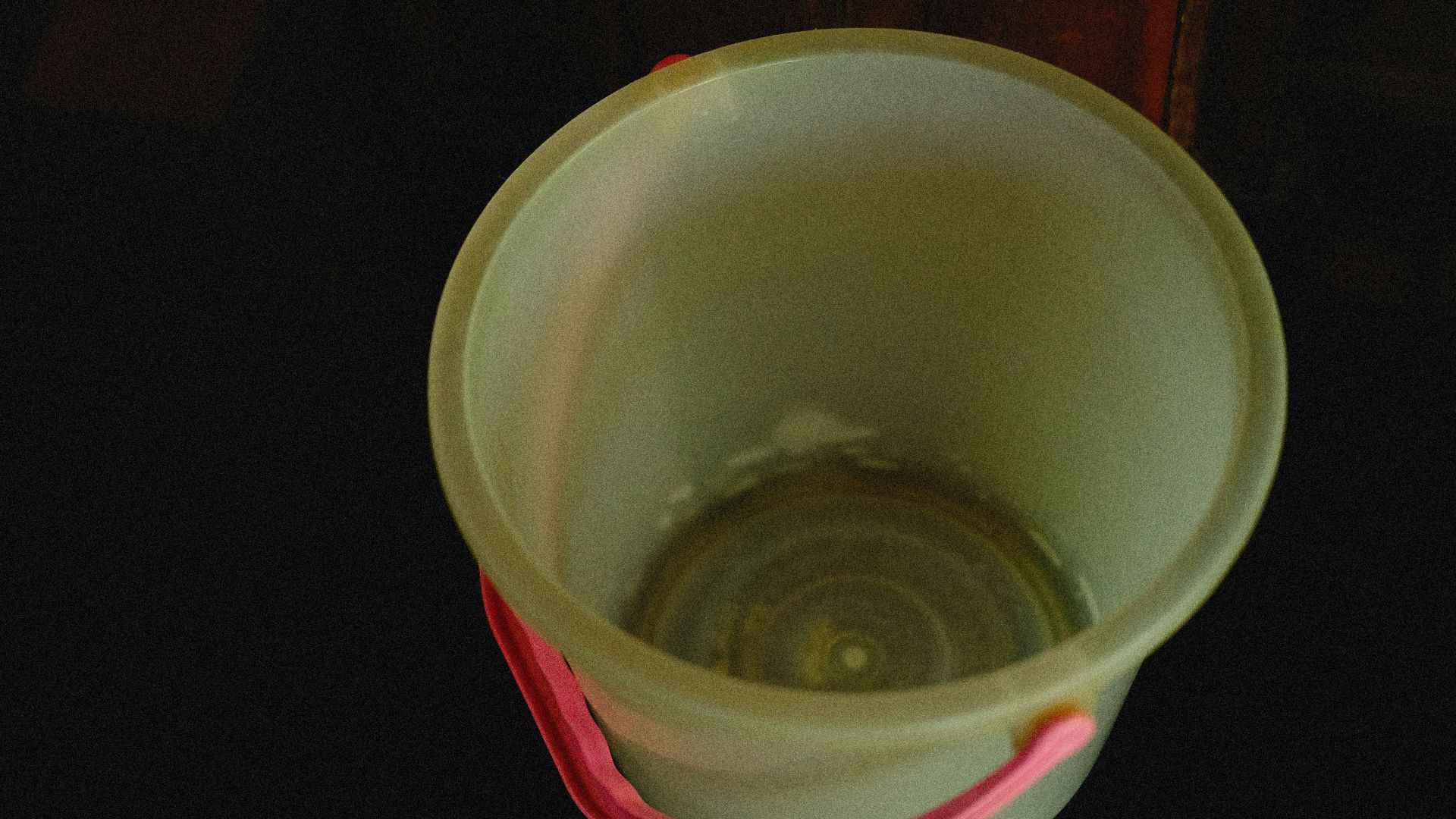
8. Sanitizer Buckets and Cleaning Cloth Rotation
In many restaurants, wiping cloths are stored in a sanitizer solution and swapped out regularly to stay effective. Staff are also trained to keep those buckets at the right concentration, and they’re refilled during the shift. It’s not glamorous, but those buckets are part of why the back-of-house can maintain steady cleanliness under pressure.
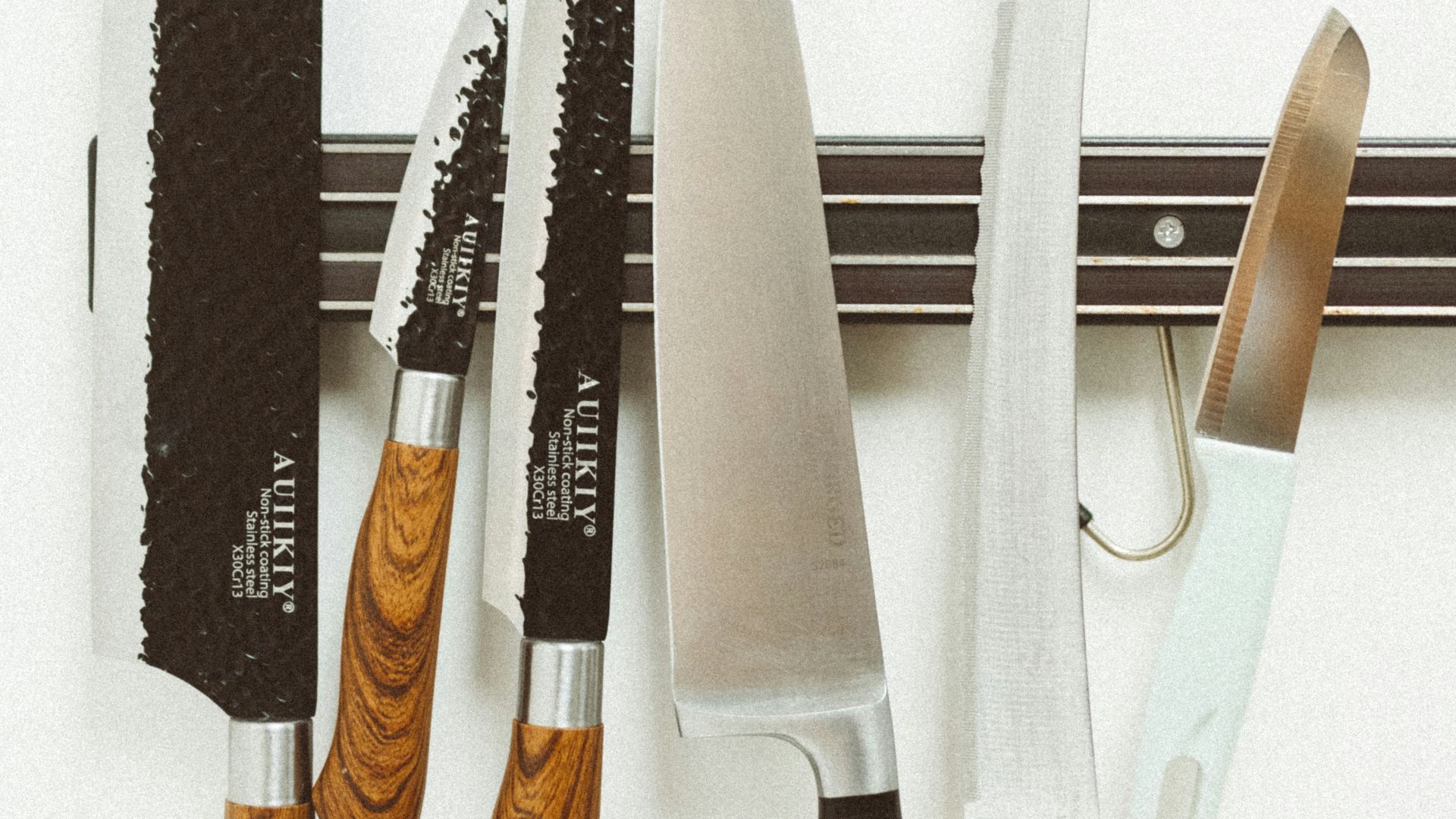
9. The Chef’s Knives and Core Kitchen Tools
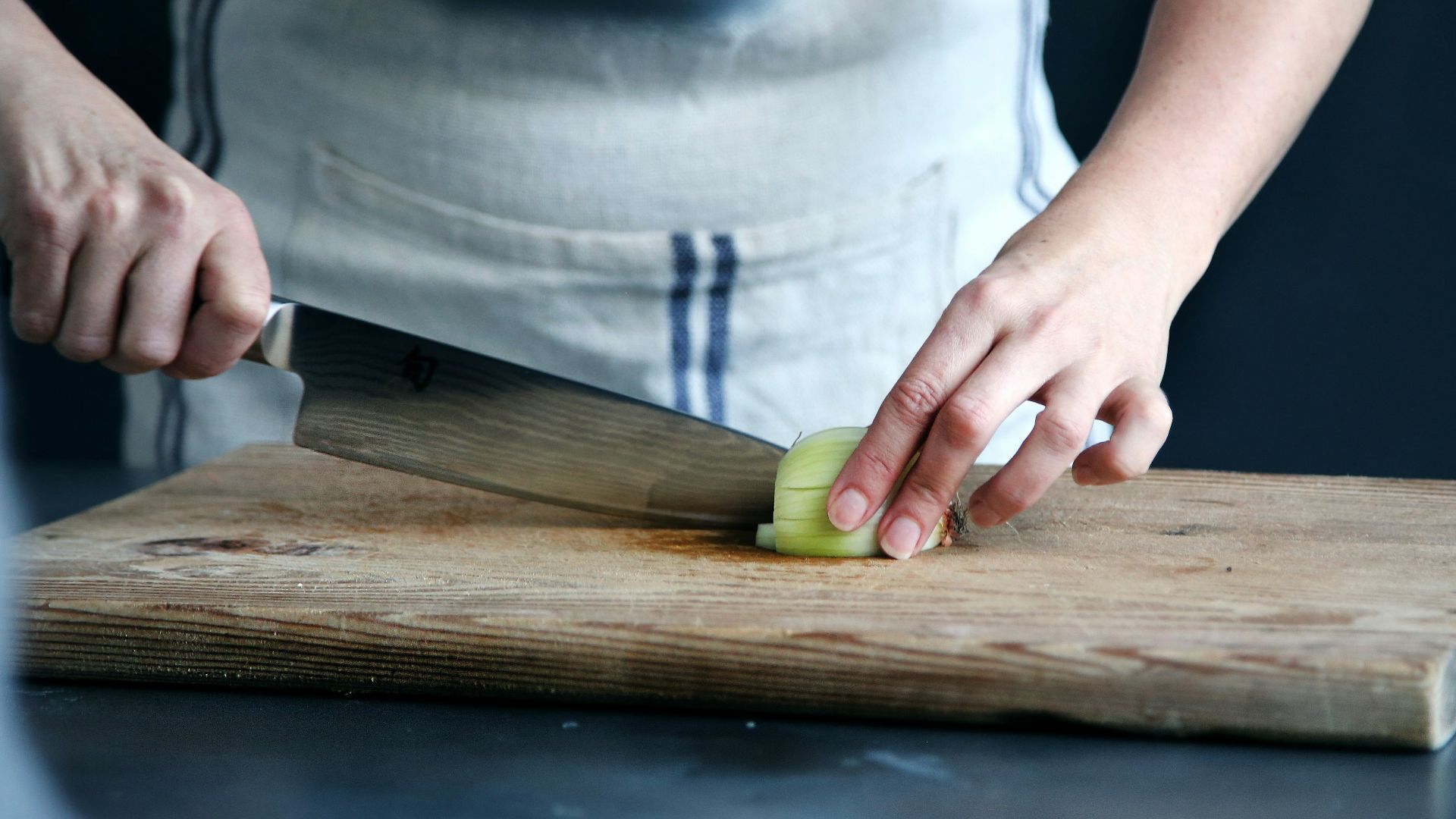
Serious kitchens maintain their primary tools. After all, dull equipment causes problems fast. That said, key utensils are commonly washed and sanitized repeatedly, especially after handling allergens or raw ingredients.
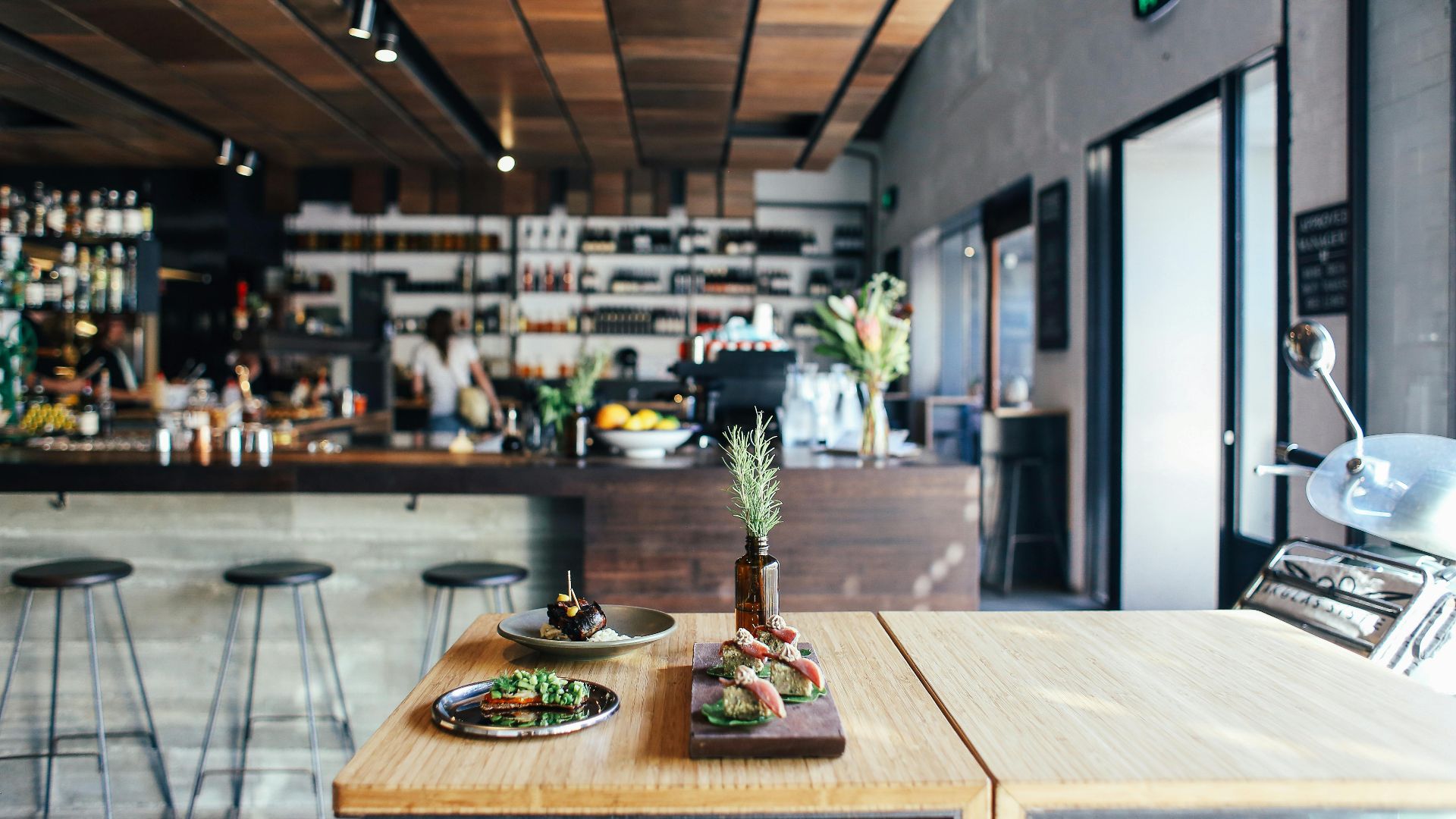
10. Newly Reset Tables
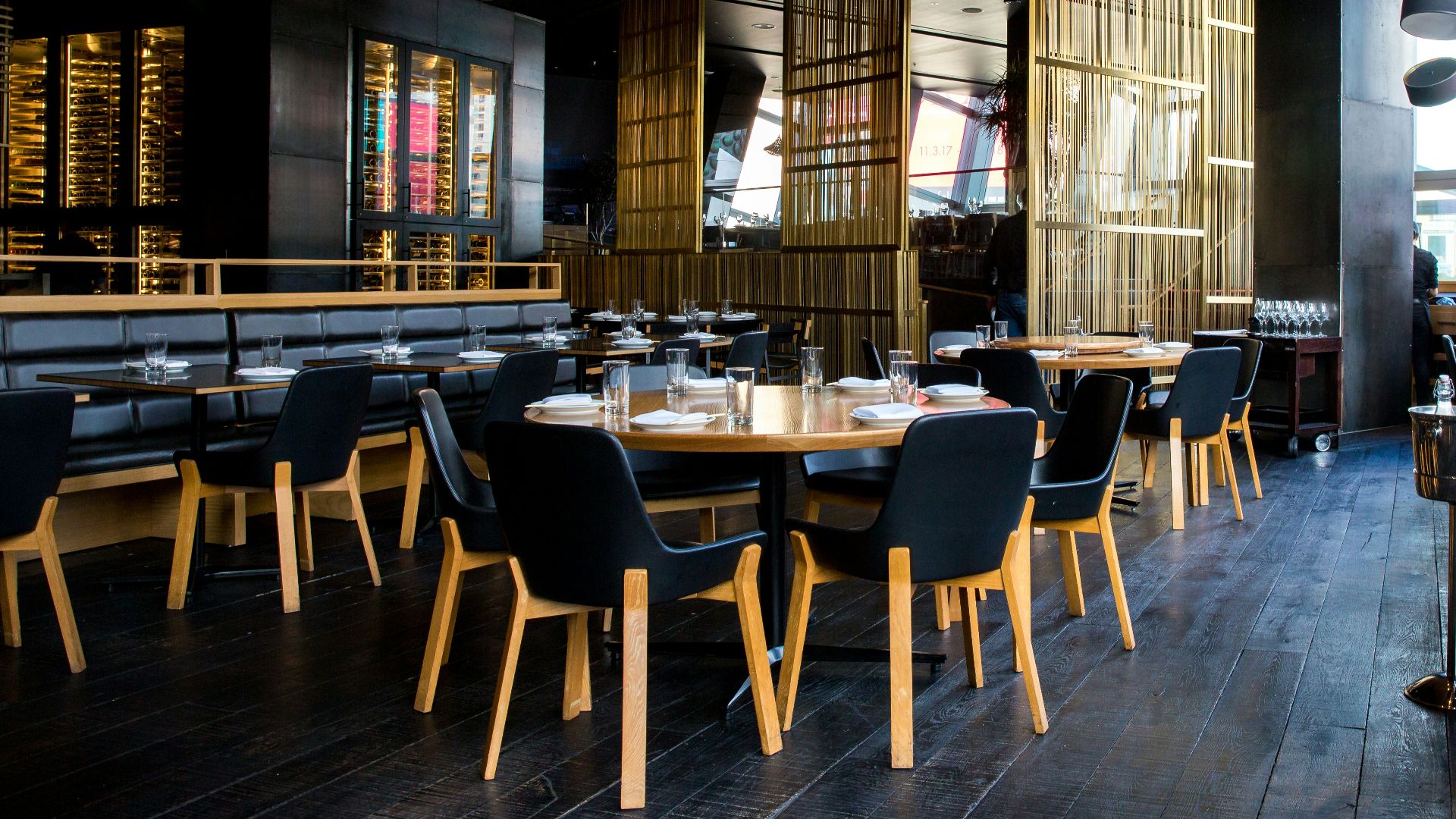
A table that’s been properly reset is often wiped, sanitized, and visually checked before the next guest sits down. Restaurants know you notice crumbs, smears, or sticky spots immediately, so staff tend to be careful here. If you’re seated right after a reset, you’re catching the dining area at one of its cleanest moments!
KEEP ON READING
The 5 Most Consumed Foods in the Entire World