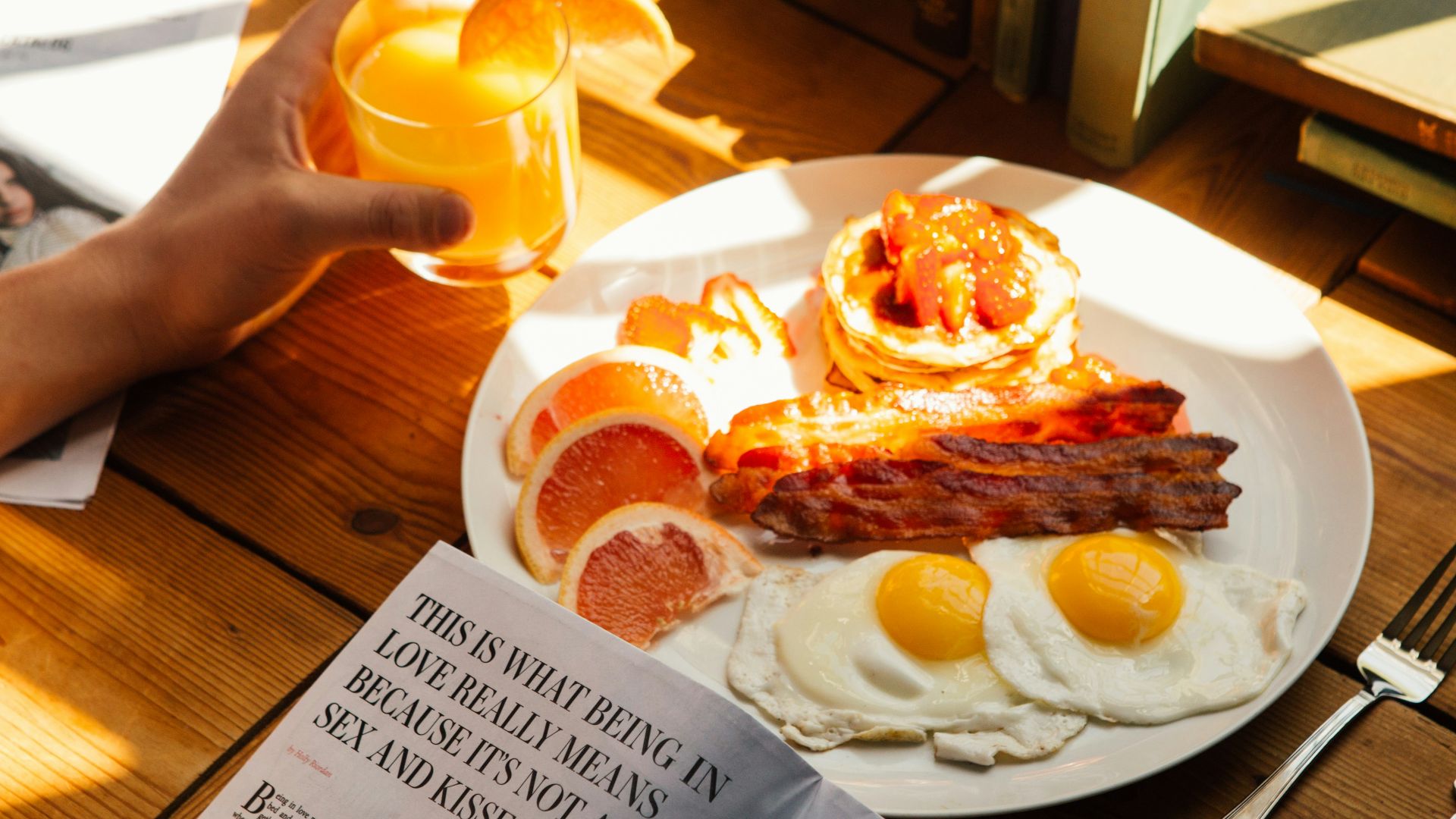
The American breakfast can seem like one of the most established parts of daily life. Cereal, eggs, bacon, toast, pancakes, waffles, and coffee all feel as though they've always belonged on the morning table. In reality, the foods Americans associate with breakfast developed over centuries, and the idea of breakfast itself changed considerably as work, technology, and American society changed.
Early Americans didn't necessarily divide their meals into the neat categories we recognize today. In colonial America, dinner was often the main meal, while breakfast and supper could be relatively modest affairs involving leftovers, porridge, bread, or other simple foods. The modern breakfast emerged gradually, particularly as industrialization changed when and how Americans worked and ate.
Breakfast Wasn't Always the Morning Tradition We Know
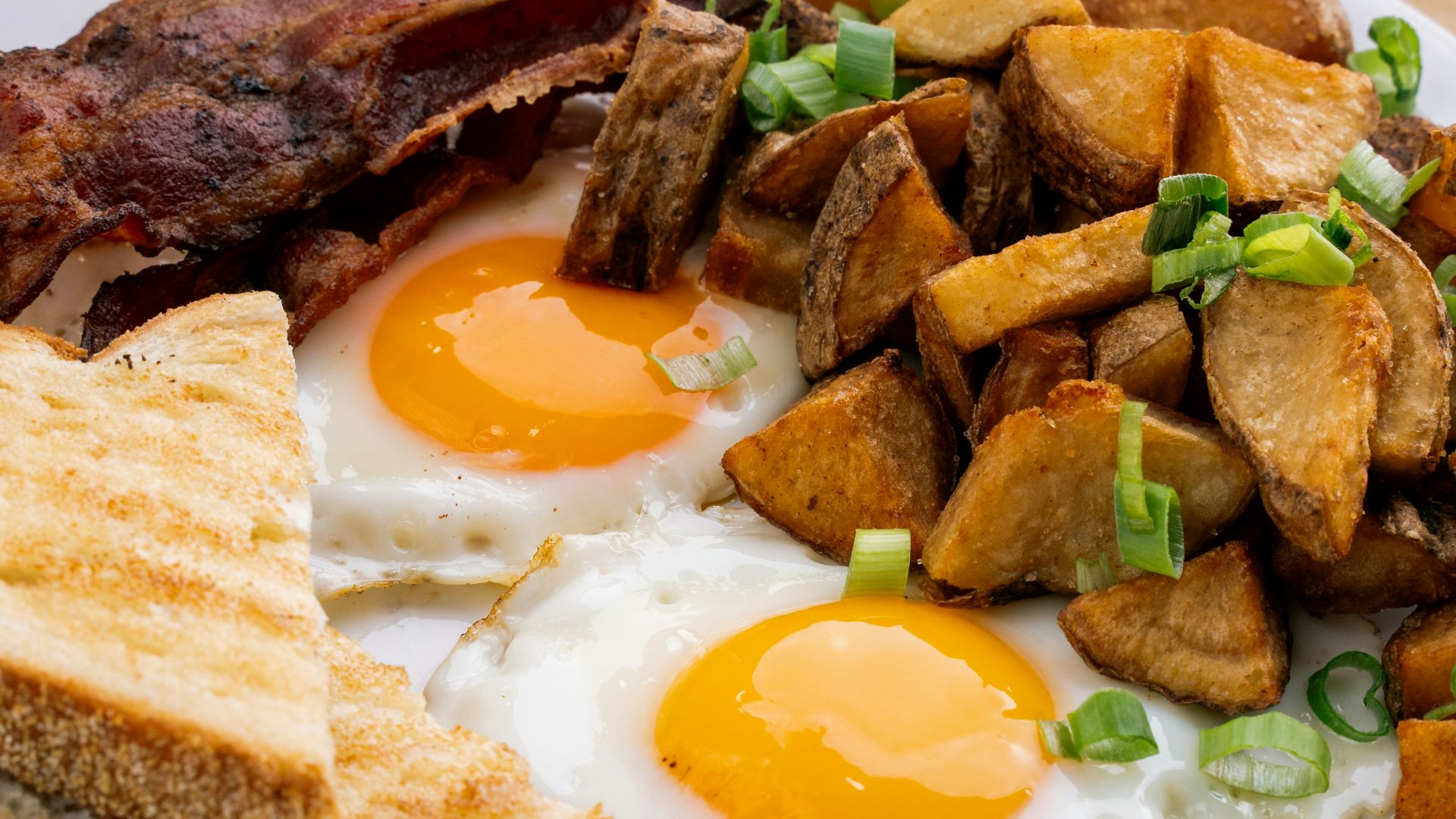
There were many foods that colonials ate that we would be familiar with. Breakfast just wasn't seen as a meal that required a certain assortment of food. Mush, leftovers, bread, and such all could have been served in the morning, while dinner was usually the biggest meal of the day.
If you were a farmer or someone who worked outside, you may have eaten breakfast at an earlier time than if you were more affluent. Which could be said about most meals back then. You wanted something in your stomach before you started your hard day's labor.
There wasn't really a call to make breakfast items. You could serve whatever meal at any time of day. It wasn't until later on that we came up with breakfast, dinner, and supper.
Pancakes and waffles go back further than we know them today. When the Dutch settlers came over, they brought waffles with them to North America in the 1620s. Americans cooked the waffles on what they had, and by the 19th century, waffle irons were common enough to become an established part of American cooking.
The rise of factories and cities transformed American eating habits. Workers increasingly followed schedules dictated by employers rather than the rhythms of agricultural work, making predictable meal times more important.
Food historians have linked this transformation to the development of the familiar American pattern of breakfast, lunch, and dinner.
It became more filled with food during the 1800s as well. Eggs, meats, biscuits, toast, and hot cereals were all options for your morning meal. It can seem like a lot if you're used to just grabbing something quick on the way out the door.
But after people started trying to change what we ate as a nation, many people pushed for us to start eating healthier and included more whole grains in our diet. There were even hospitals that created new types of food to serve their patients. This allowed breakfast cereals to be made as a healthier alternative to those big breakfasts.
Cereal Turned Breakfast Into a Modern Convenience
One of the biggest changes came in 1863, when James Caleb Jackson developed Granula, an early manufactured breakfast cereal. His product was made from baked graham flour and was so hard that it had to be soaked before eating. It wasn't an immediate commercial sensation, but the basic concept helped establish a new direction for American breakfast.
The cereal industry developed rapidly toward the end of the 19th century. John Harvey Kellogg and his brother Will Kellogg became important figures in the development and commercialization of flaked cereals, while Charles William Post built another major cereal business after becoming interested in the health-food movement.
Breakfast was increasingly being presented as something that could be nutritious, convenient, standardized, and packaged.
Through advertising, cereal was introduced into every American breakfast. One such cereal was created by Quaker Oats, who established themselves as the first brand of breakfast cereal in 1877. They sold this product to many consumers by creating a unique package that was easily identifiable as a certain type of food.
By the beginning of the 20th century, there were many types of cereals that you could eat without the need for preparing. With Americans living faster, these types of foods would gain popularity. Breakfast didn't have to disappear simply because people had less time to cook; it could instead become easier to prepare.
Other breakfast items began to take over during this time as well, such as waffles, because they could now be cooked with electricity and there was the ability to buy packages that you only needed to heat up. By the middle of the century, frozen breakfast foods were also becoming part of the growing convenience-food market.
Today, the American breakfast is less uniform than it once appeared. You can still find the classic combination of eggs, bacon, toast, and coffee, but you're just as likely to encounter yogurt, smoothies, breakfast sandwiches, oatmeal, international dishes, or something eaten on the way to work.
The history of breakfast shows that what seems like a timeless American tradition has actually been shaped repeatedly by technology, work schedules, health ideas, marketing, and changing tastes.
KEEP ON READING
The Most Popular Chocolate Bars in the USA
The Most Popular Candies in the USA