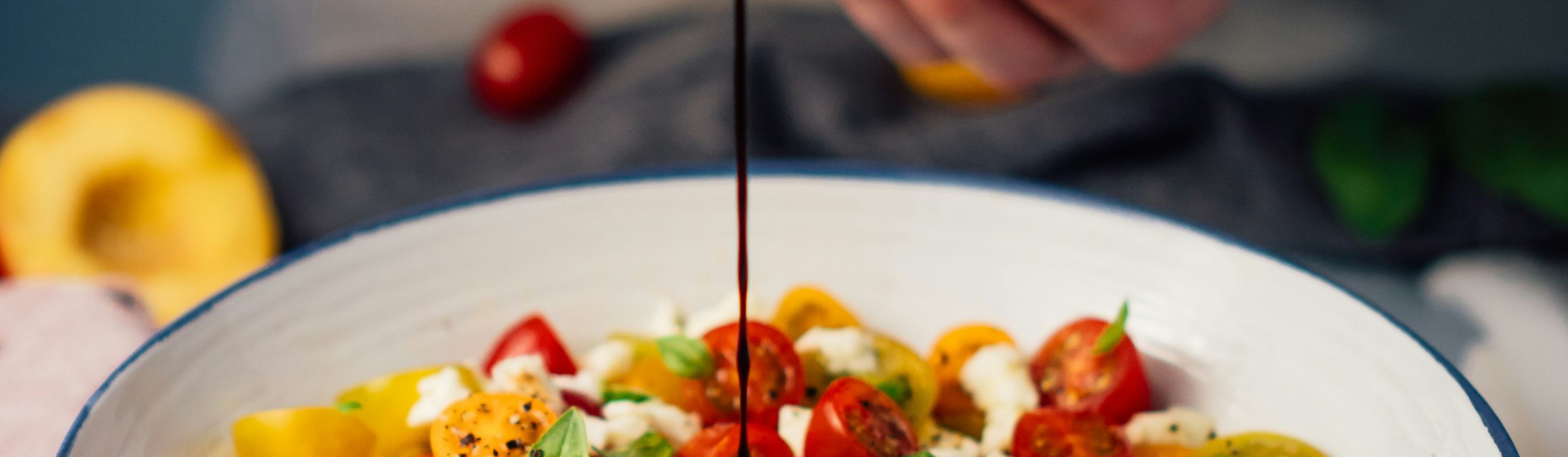
Upgrade Your Greens For a Better Salad
You don't have to eat a salad that's only a sad bowl of lettuce with a few vegetables. With some creative tweaks, you can make a crave-worthy salad packed with flavor, texture, and a dash of personality. From more exciting ingredients to simple technique changes, these ideas turn salads into something delicious and fun. Here are 20 ways to spruce up boring salads.
1. Add Fresh Fruit
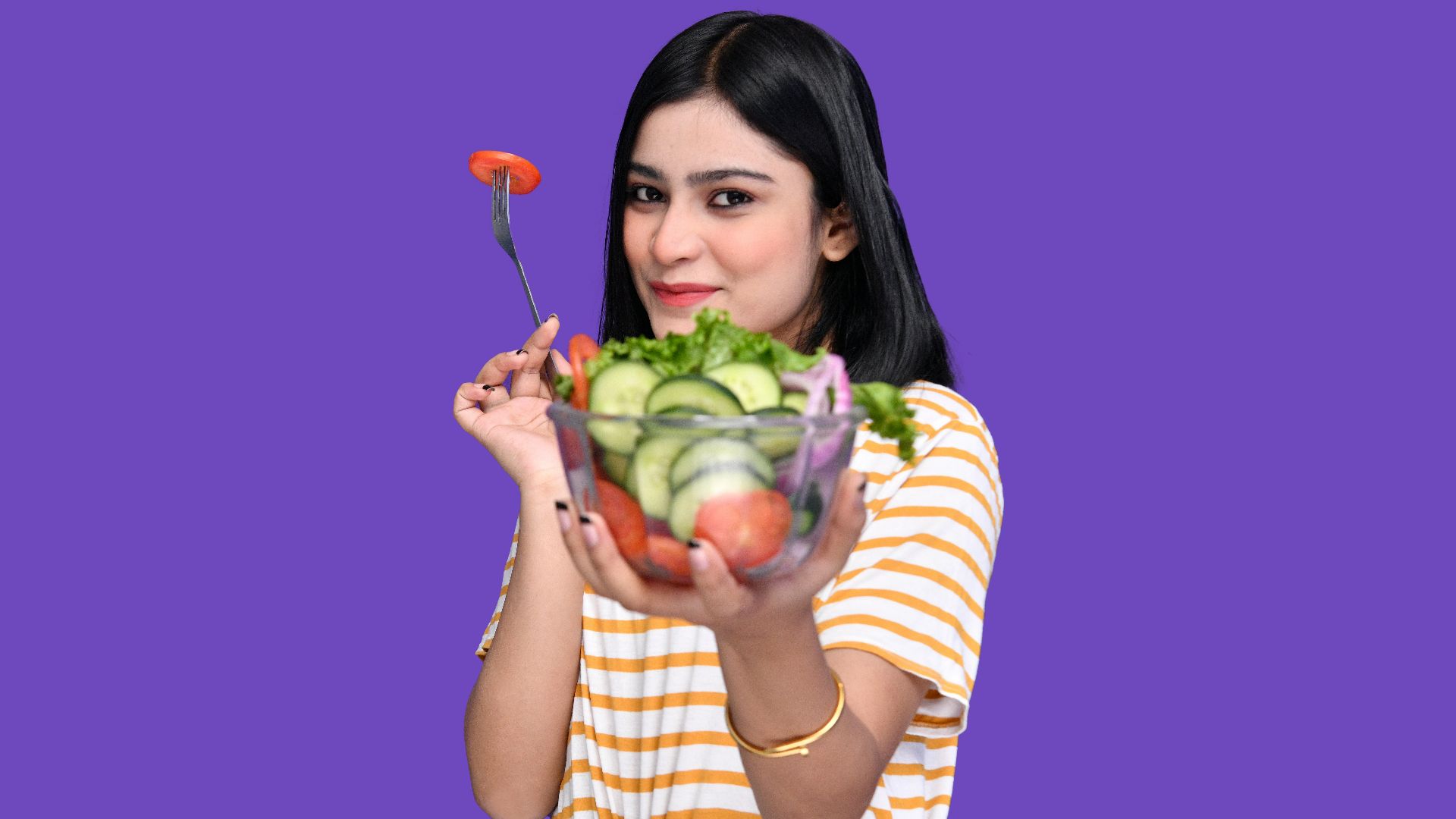
Fresh fruit is a great way to brighten a salad. It can add acidity, sweetness, and some juiciness. Try strawberries, apples, pears, mango, or orange slices. These add a nice flavor and textural contrast to leafy greens. Fruit can also pair well with nutty cheeses and bold salad dressings.
2. Use Different Textures
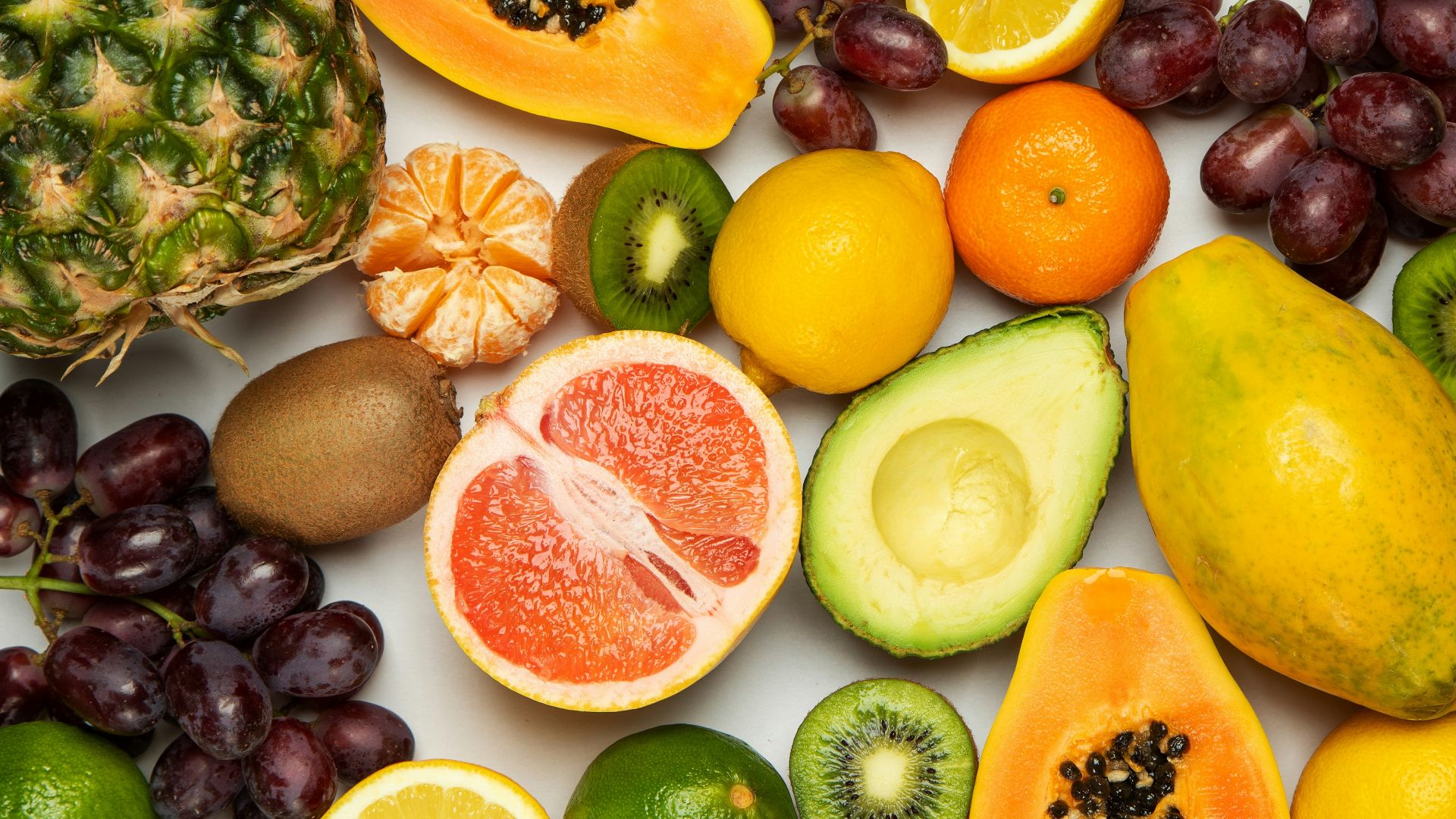
A great salad starts with texture. You want a mix of creamy, chewy, crunchy, and crispy to keep every bite interesting and avoid eating a mundane salad. Go for ingredients with toasted nuts, seeds, crispy chickpeas, avocado, and roasted vegetables.
3. Upgrade Your Greens
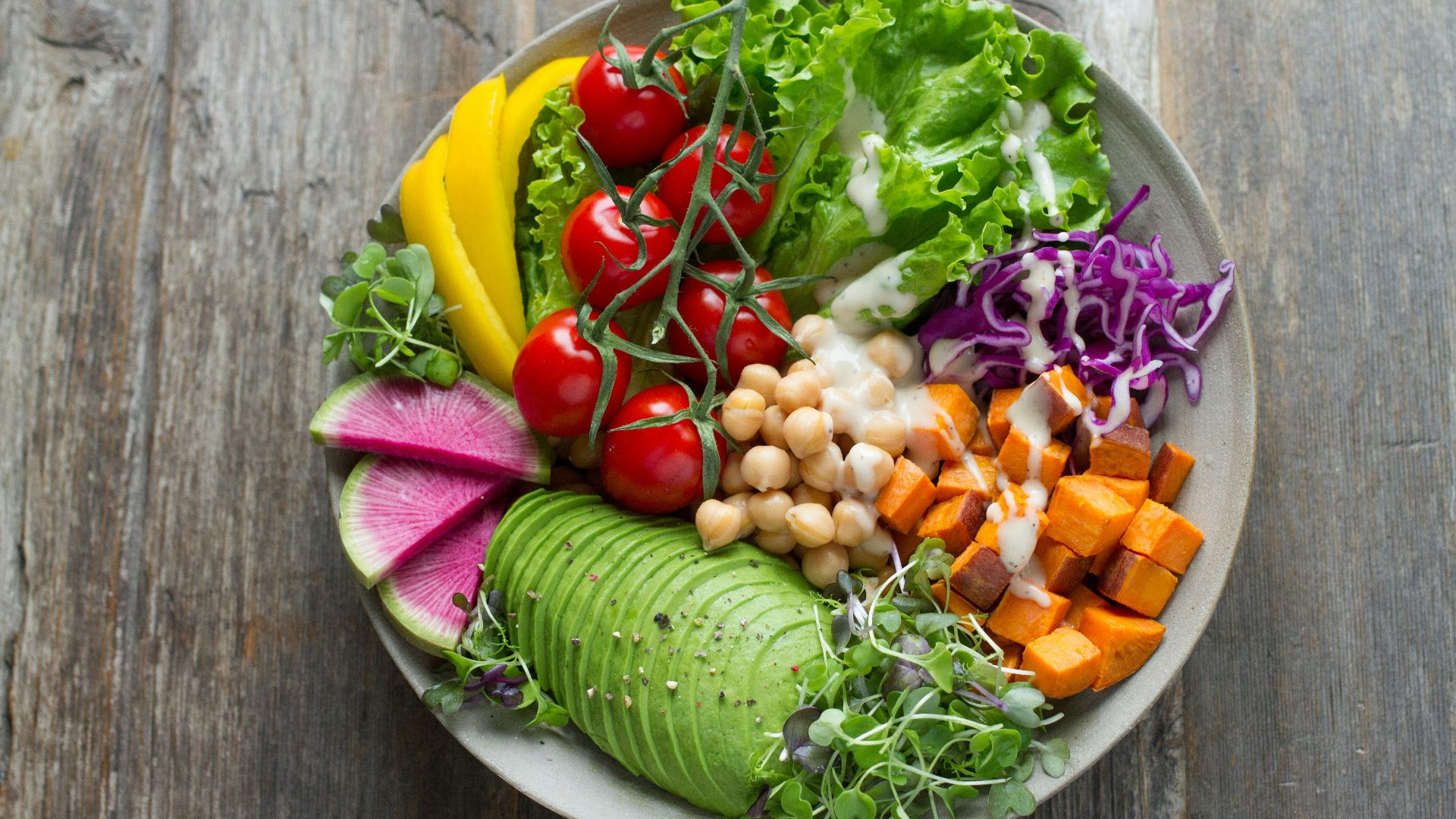
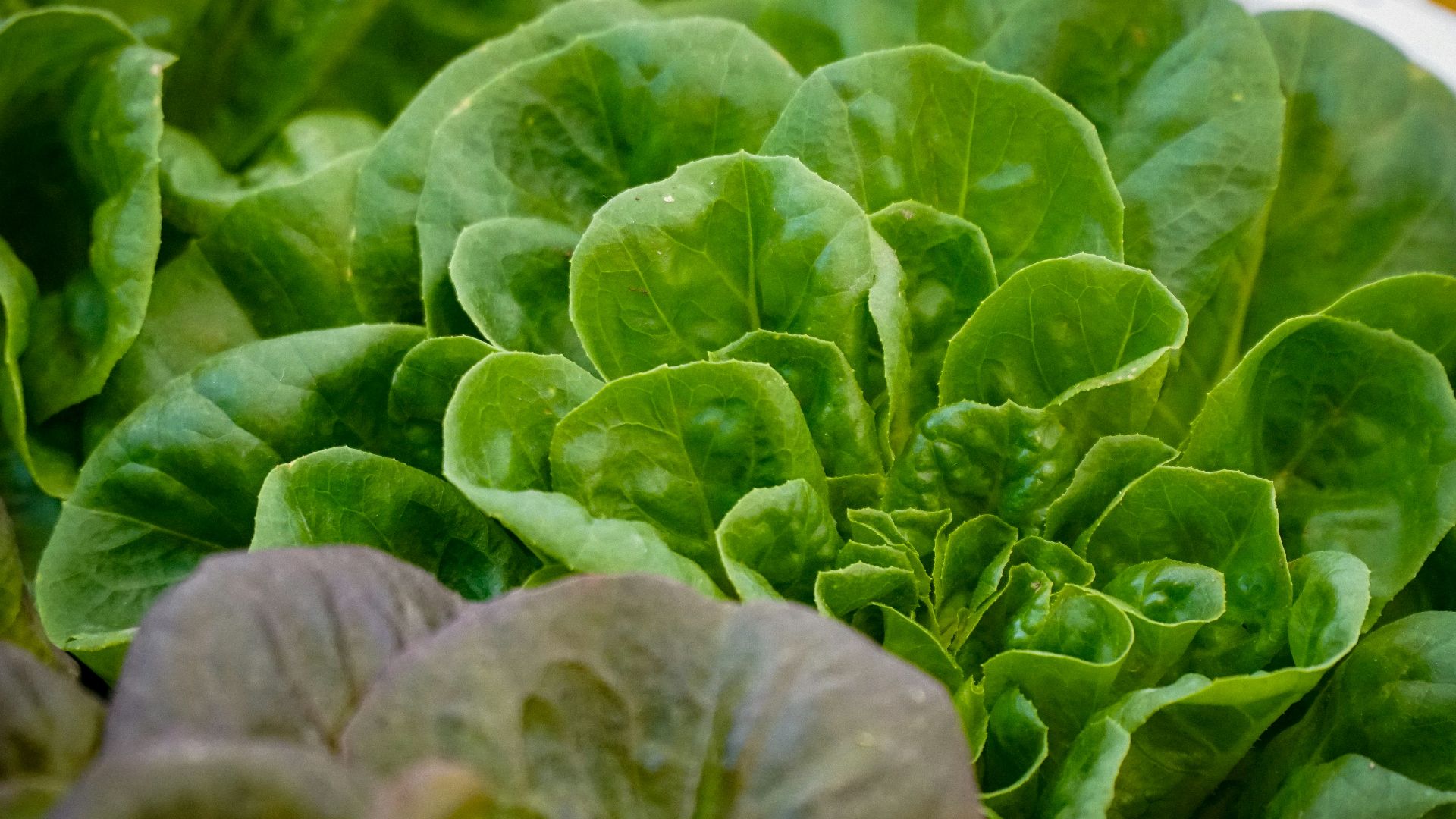
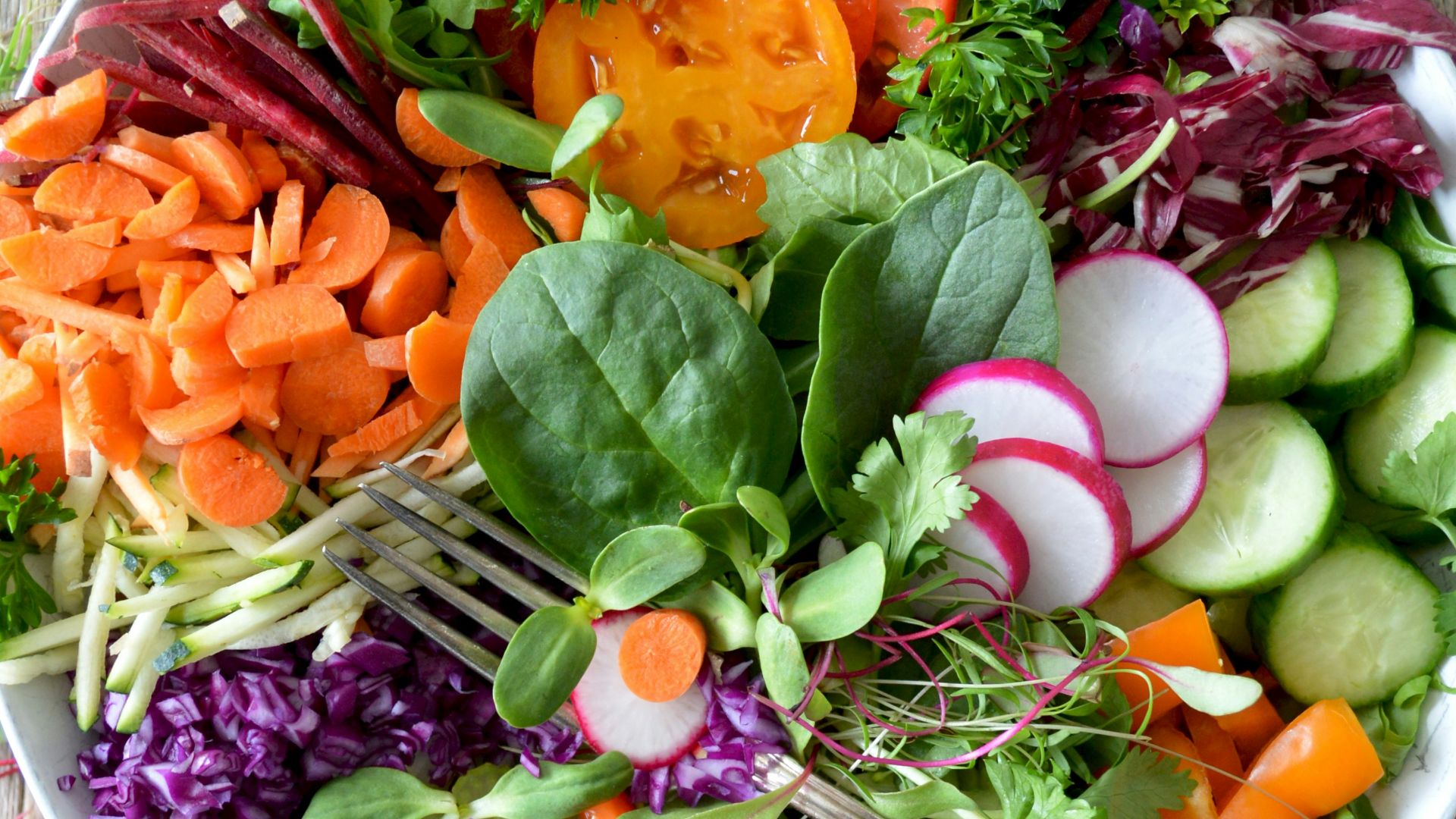
Iceberg lettuce is rarely the best choice for a salad. Swapping in better greens can transform a salad's flavor and even make it more nutritious. Some of our favorites include peppery arugula, tender butter lettuce, or bitter radicchio.
4. Roast the Vegetables
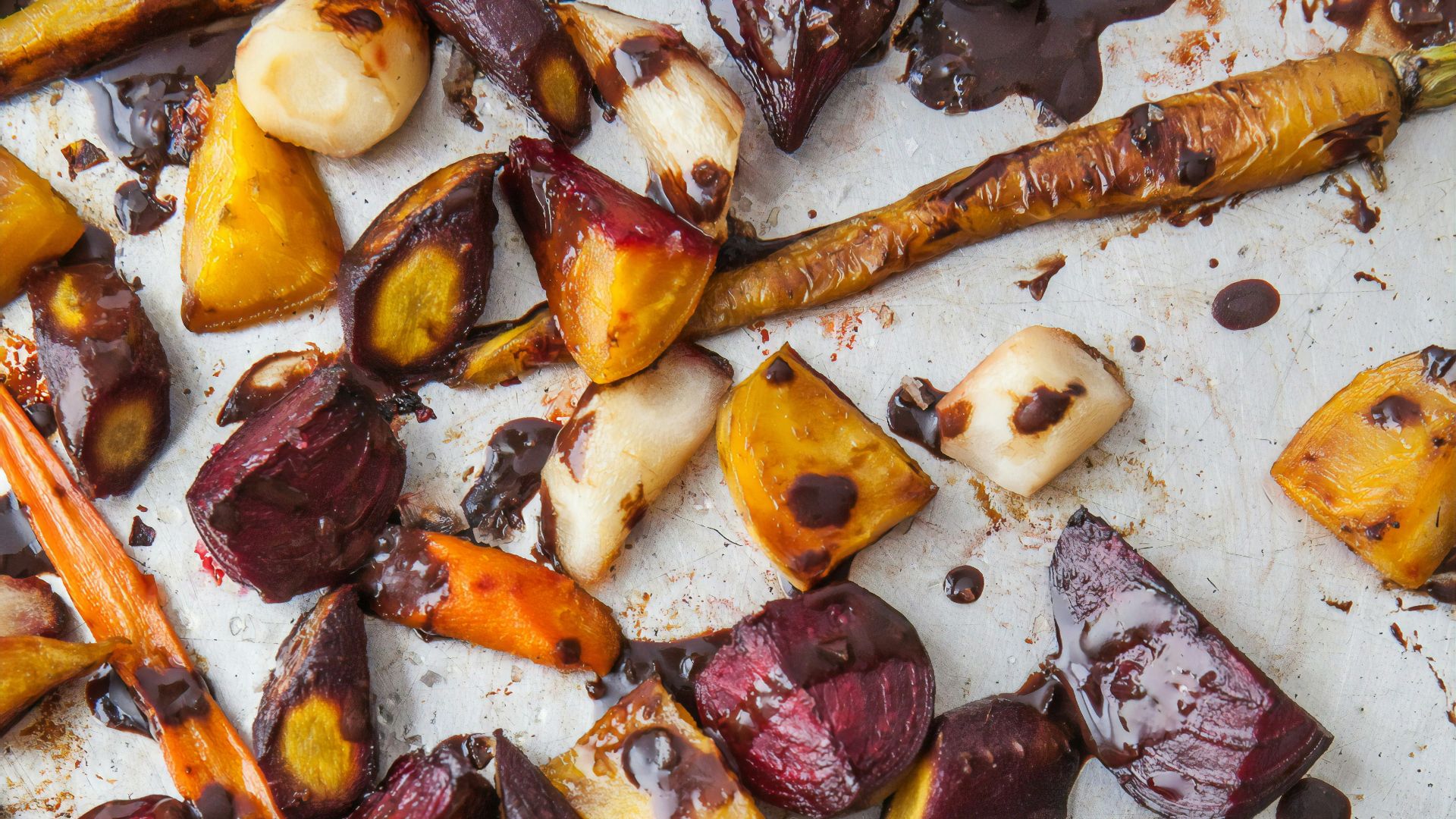
Whatever vegetables you put into your salad, try roasting them before to bring out their natural sweetness and add greater depth. Ingredients like broccoli, carrots, or Brussels sprouts can add warmth and richness to even the most boring salad.
 American Heritage Chocolate on Unsplash
5. Try Bold Dressings
Dressing is the one element that can truly make or break a salad. Ditch the basic ranch or vinaigrette, and experiment with tahini-lemon, miso-ginger, chimichurri, or a yogurt-based sauce.
6. Use Cheese Strategically
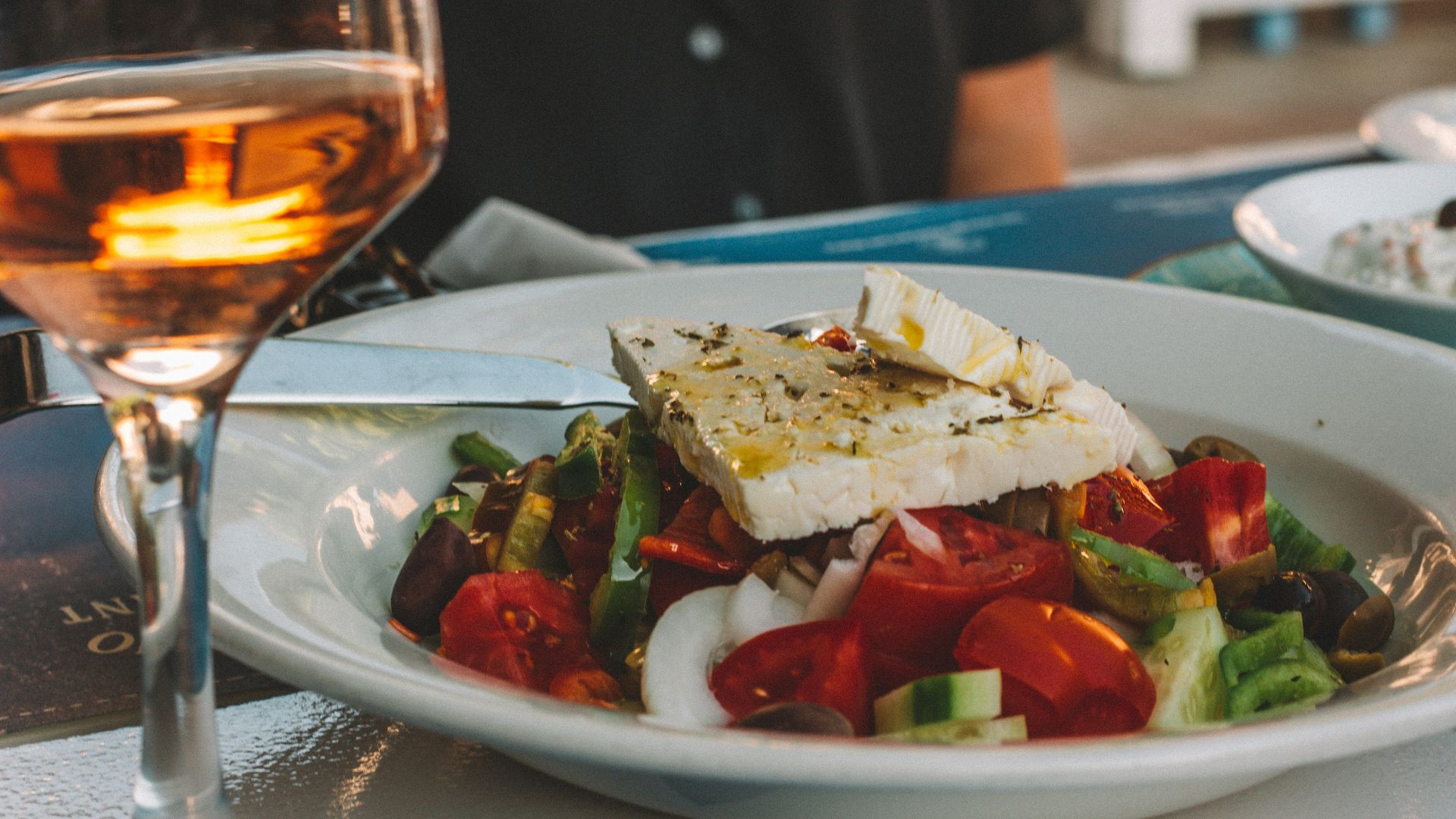
Adding the right cheese to a salad can increase its richness, saltiness, and umami. You have to be thoughtful, though, and not just dump whatever cheese you have on some leafy greens. The best options include feta, goat cheese, parmesan, a bit of blue cheese, or pecorino.
7. Incorporate Whole Grains
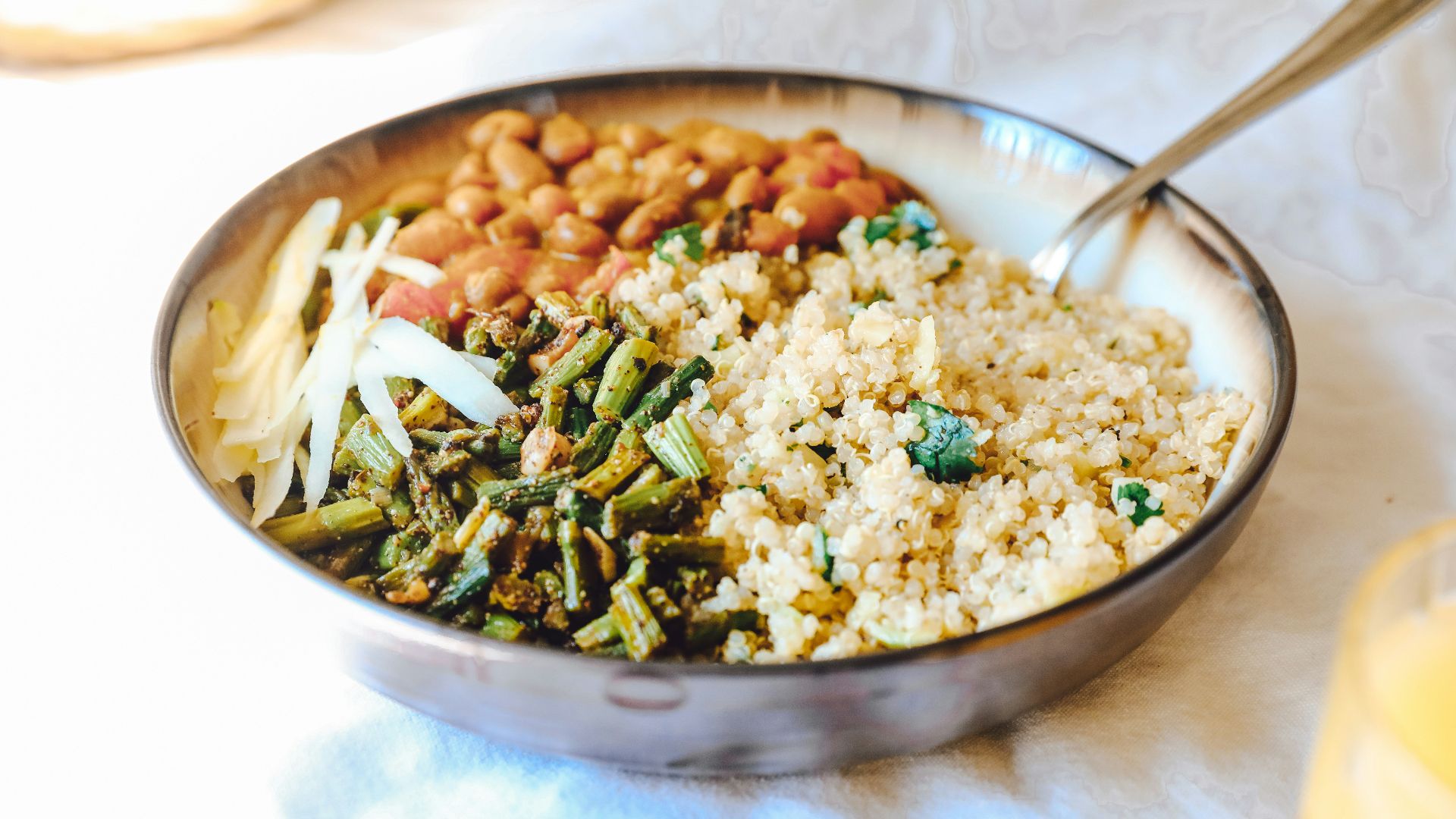
Whole grains are nutritious and also make a salad more filling and hearty. Use whole grains like quinoa, farro, brown rice, or barley to add a chewy texture and some substance to your salad.
 Shashi Chaturvedula on Unsplash
8. Be Generous With Fresh Herbs
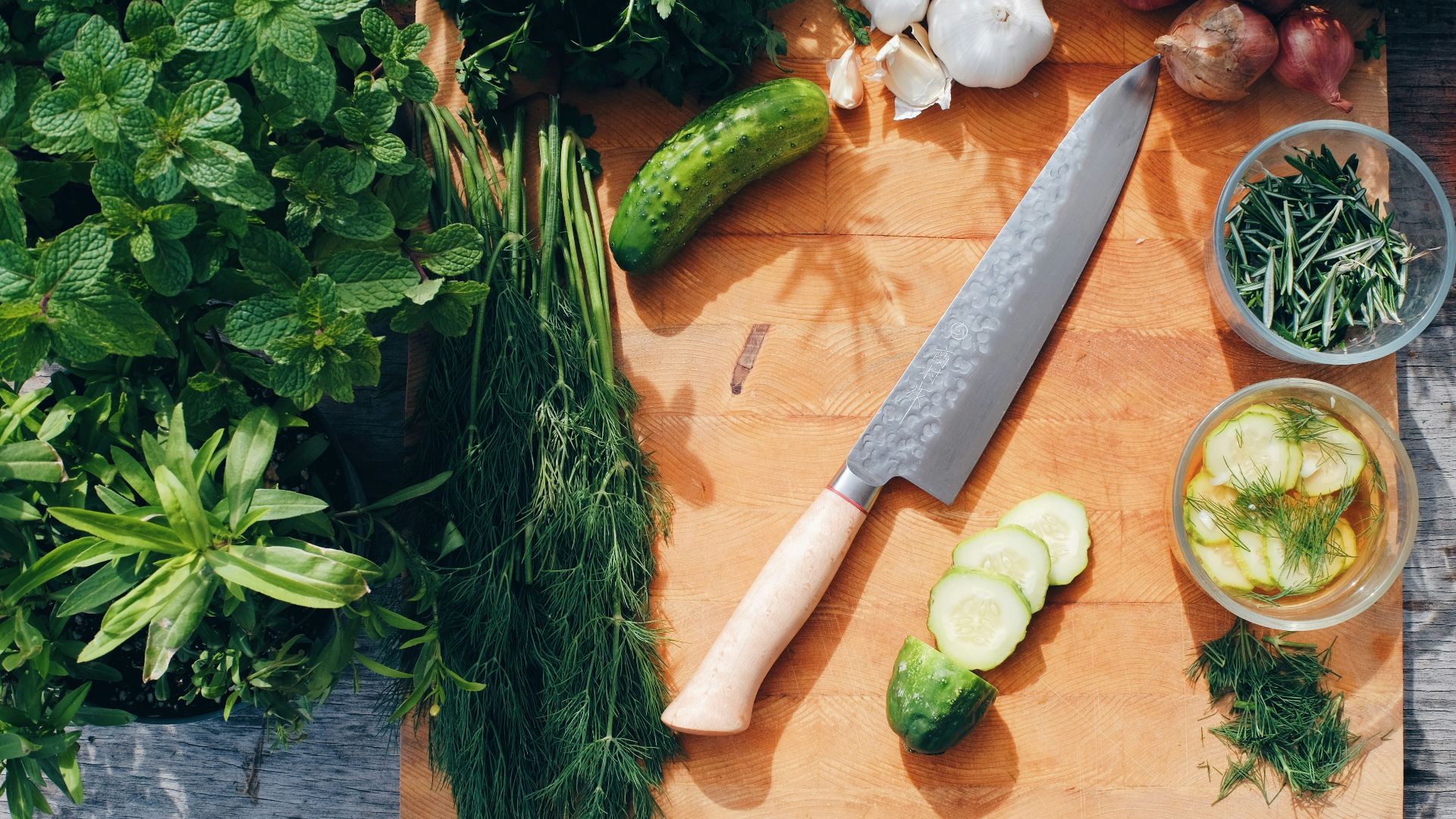
Treat herbs as the perfect seasoning for a salad. Basil, cilantro, parsley, mint, dill, or chives add brightness and a wonderful aroma to any salad. Don't use them as a garnish, however. Instead, mix them right into the salad to add more complexity.
9. Add a Protein Boost
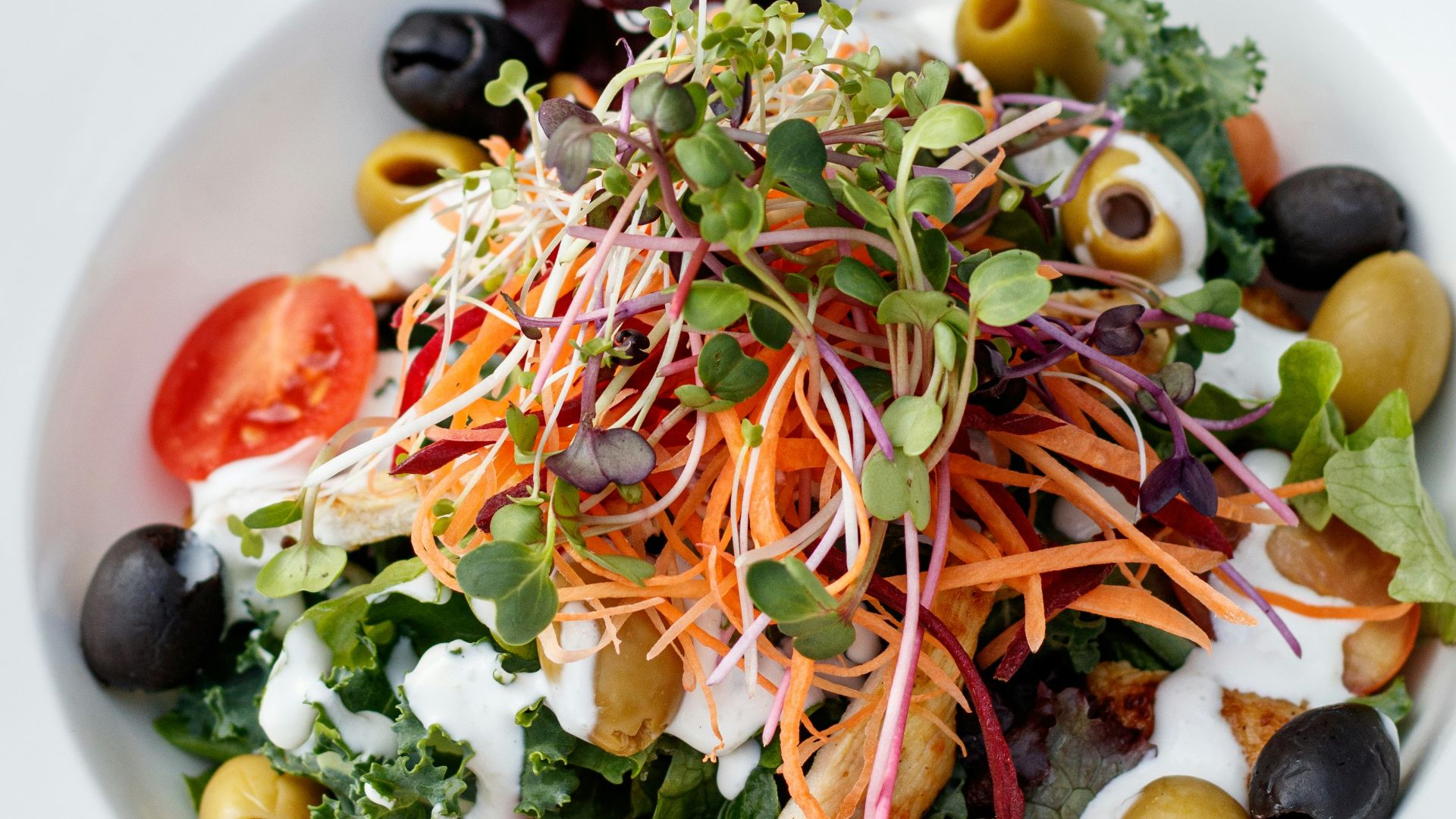
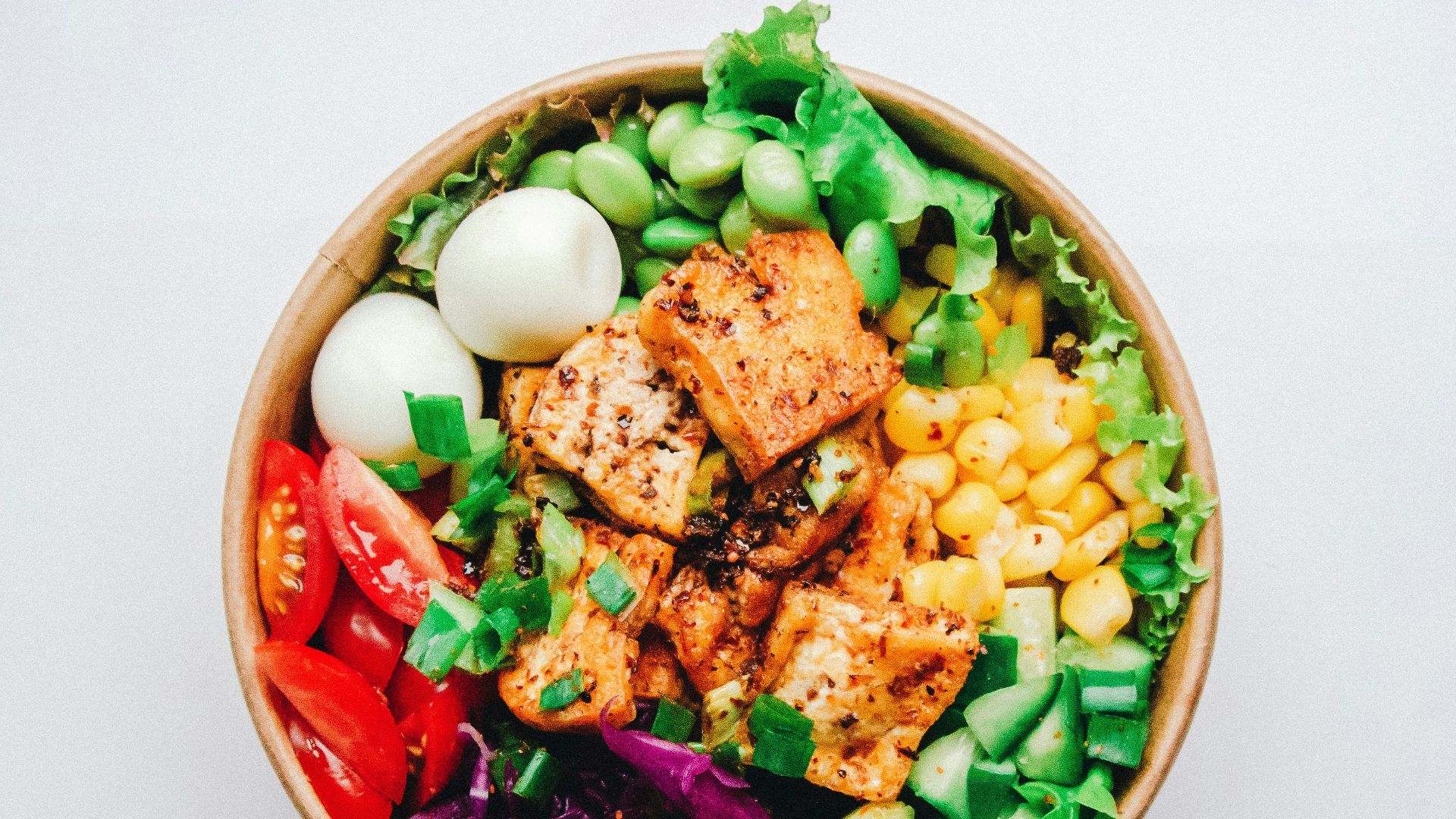
Protein can turn a salad into a full and hearty meal. Grilled chicken, steak, shrimp, tofu, eggs, or even beans all work wonderfully. Make sure you season the protein well, so it contributes to the flavor, and not just adds bland bulk.
10. Pickled Ingredients Can Punch Up the Flavor
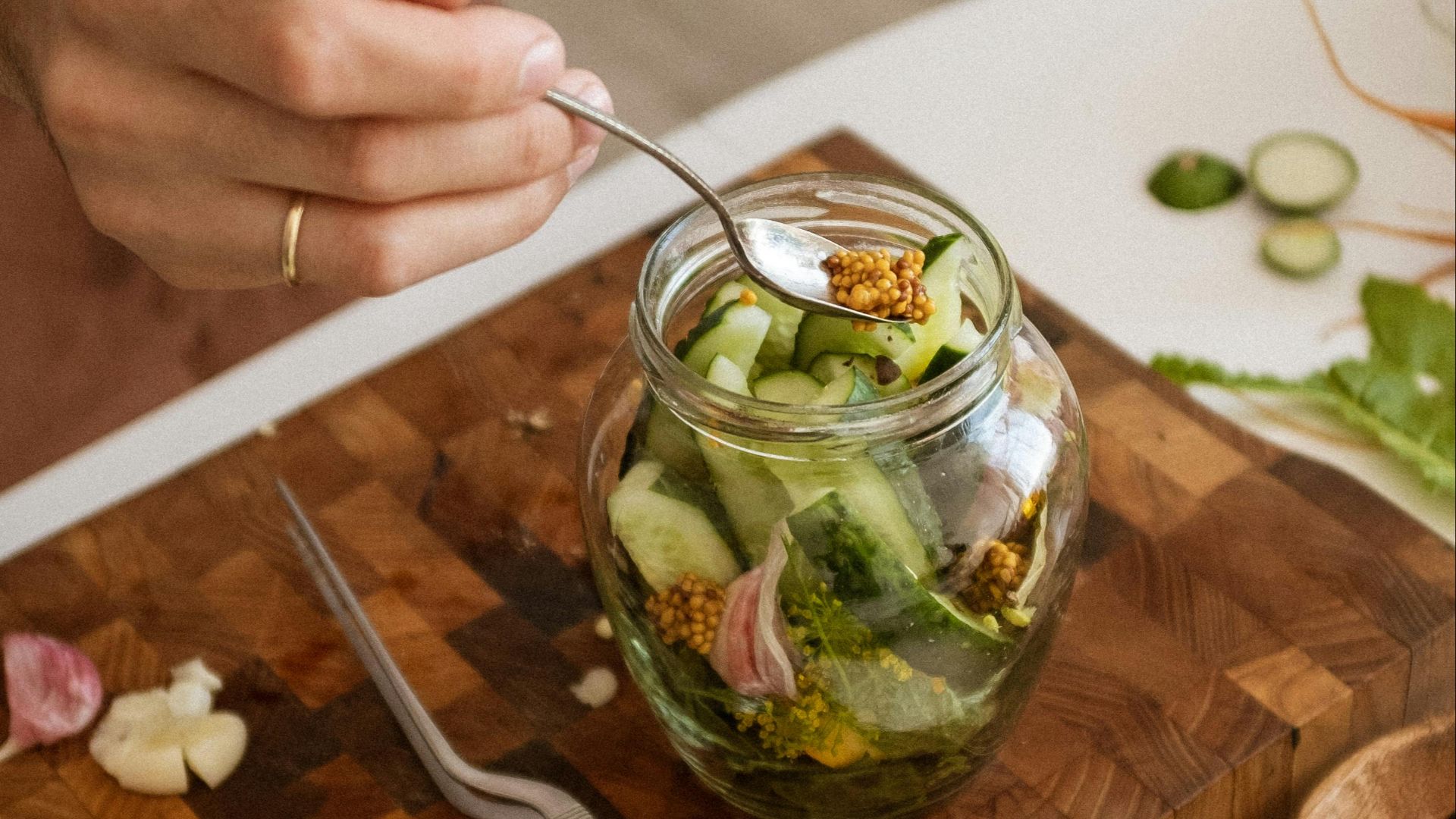
Pickled ingredients add acidity and crunch to a salad, but are far too underused. Pickle onions, radishes, beets, or cucumbers to get a tangy and acidic flavor that cuts through the creamier elements in a salad and achieves a more balanced meal.
11. Use Nuts and Seeds
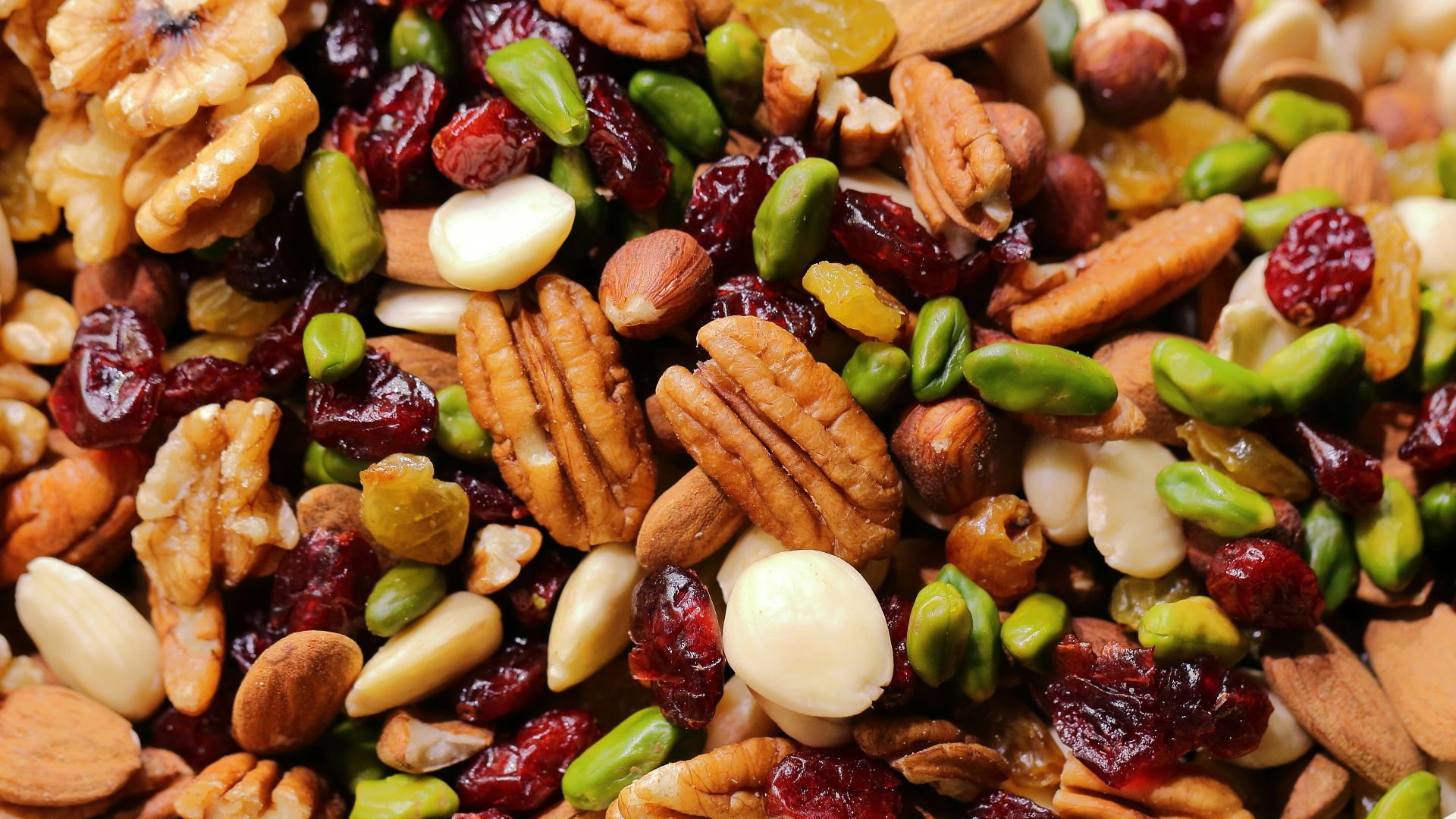
Nuts and seeds are the perfect way to add some crunch, healthy fats, and depth to a salad. Almonds, pecans, pumpkin seeds, sunflower seeds, or sesame seeds are all great additions to a salad to enhance the flavor.
12. Use One Warm Ingredient
Incorporating one warm element can drastically improve a salad. Use roasted vegetables or grilled protein to create the perfect contrast with fresh greens. The temperature variation makes the salad more comforting, especially in colder months.
13. Use Citrus Zest
Citrus zest in a salad is amazing. It's aromatic and adds a beautiful brightness. Lemon, lime, or orange zest elevates most dressings, greens, and toppings. Citrus zest enhances ingredients rather than overpowering them.
 Alicia Christin Gerald on Unsplash
14. Add Crunchy Toppings
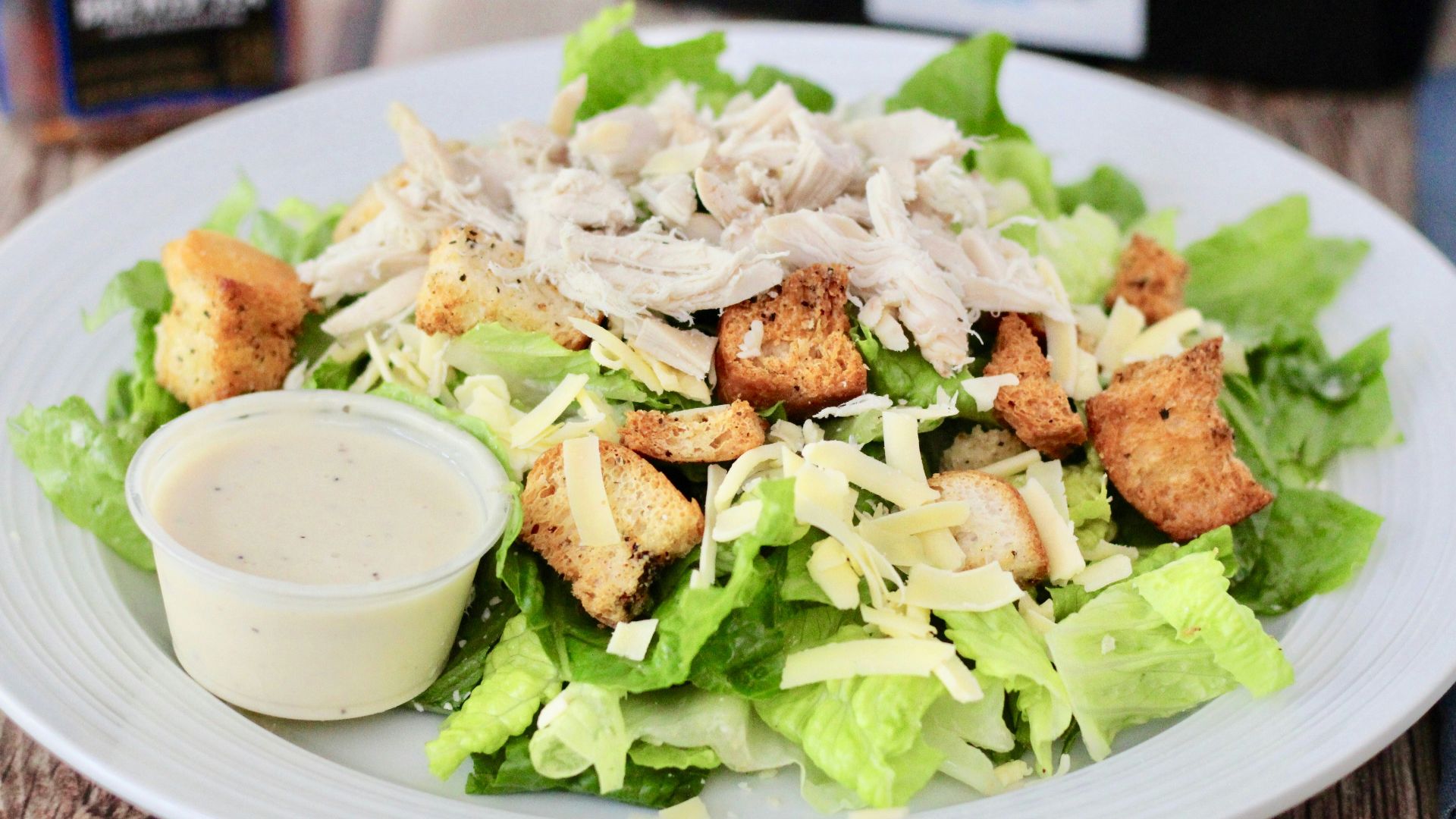
Crunchy toppings are perfect if you want a more exciting salad. Some fun, crunchy elements include croutons, crispy onions, or tortilla strips. The crunch contrasts with the soft greens and creamy elements, making the salad more interesting and appealing.
15. Mix Sweet and Savory Elements
Combining sweet and savory flavors creates a more balanced salad. Some ideas include pairing honey or maple-based dressings with a salty cheese or a smoky protein. The sweet and savory contrast makes a salad more dynamic and much more satisfying.
16. Try International Flavor Profiles
Flavors from different cuisines can completely transform a salad. Mediterranean, Asian, Mexican, Middle Eastern, or Thai flavors can add spice, freshness, and brightness to a salad. These flavors can also make familiar ingredients taste like something new and exotic.
17. Use High-Quality Oils and Vinegars
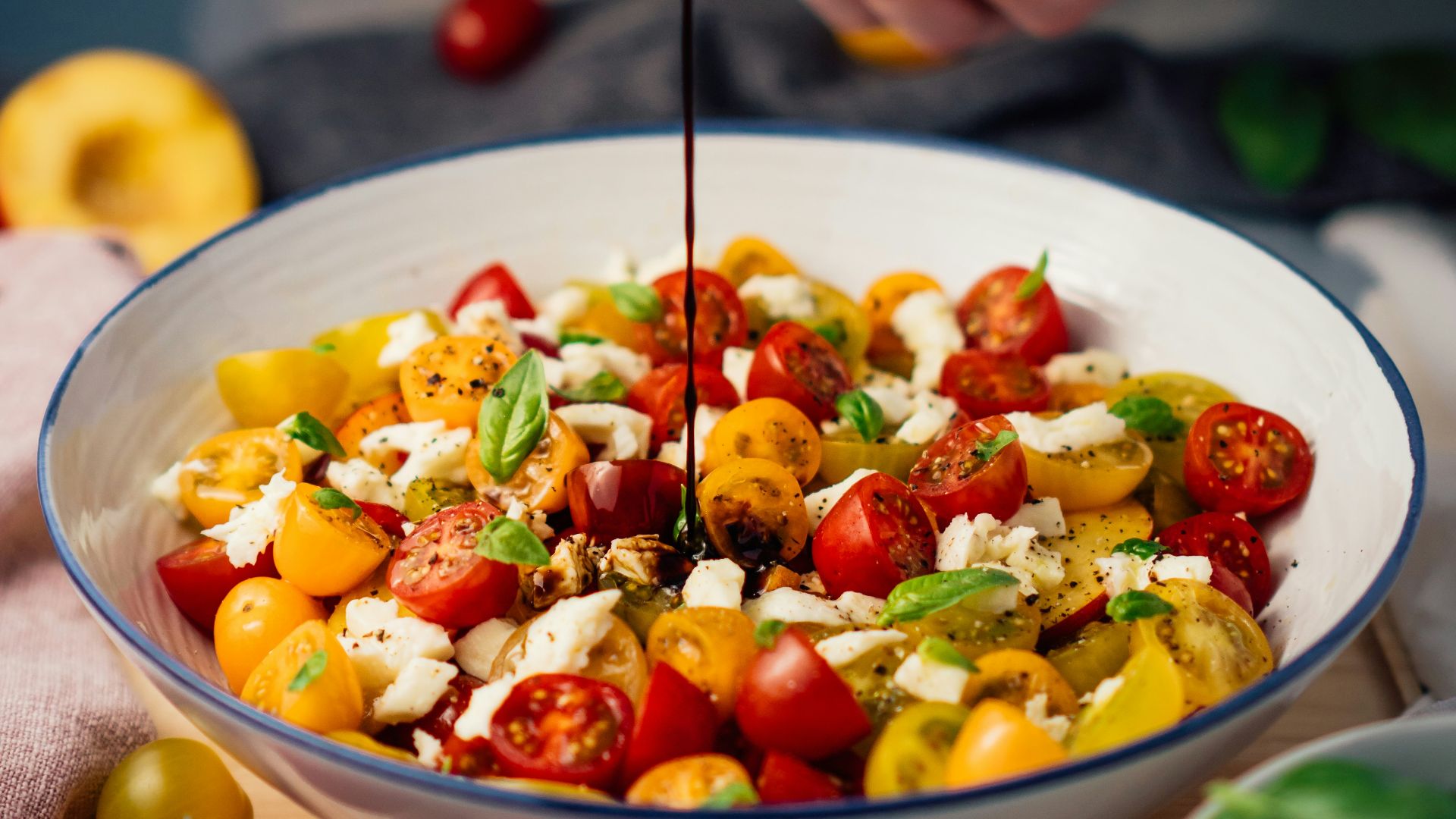
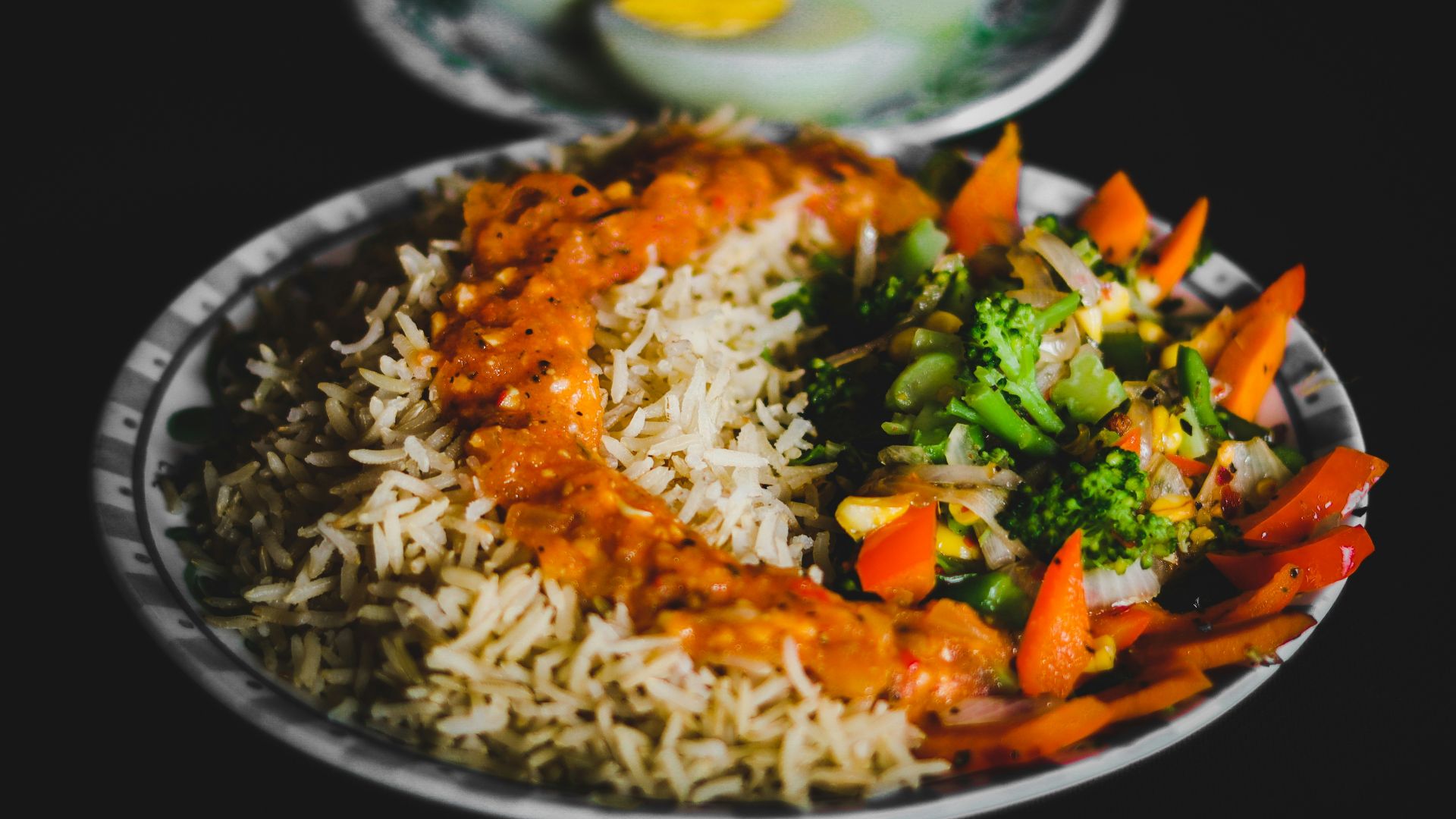
People often overlook the quality of their oils when making a salad. Extra-virgin olive oil, avocado oil, sherry vinegar, balsamic, or rice vinegar can enhance most simple dressings. Using better ingredients is a proven way to add flavor to a salad with little effort.

18. Layering instead of Tossing
Layering ingredients instead of tossing them all together helps maintain their texture and can better balance the flavor. To layer effectively, start with greens, then add the heavier ingredients, and finish with delicate toppings before adding the dressing.

19. Salt and Acid
The best salad will fail without the right seasoning. A pinch of salt and a quick splash of acid will bring all the flavors of a salad together.
20. Treat Salads Like a Main Course
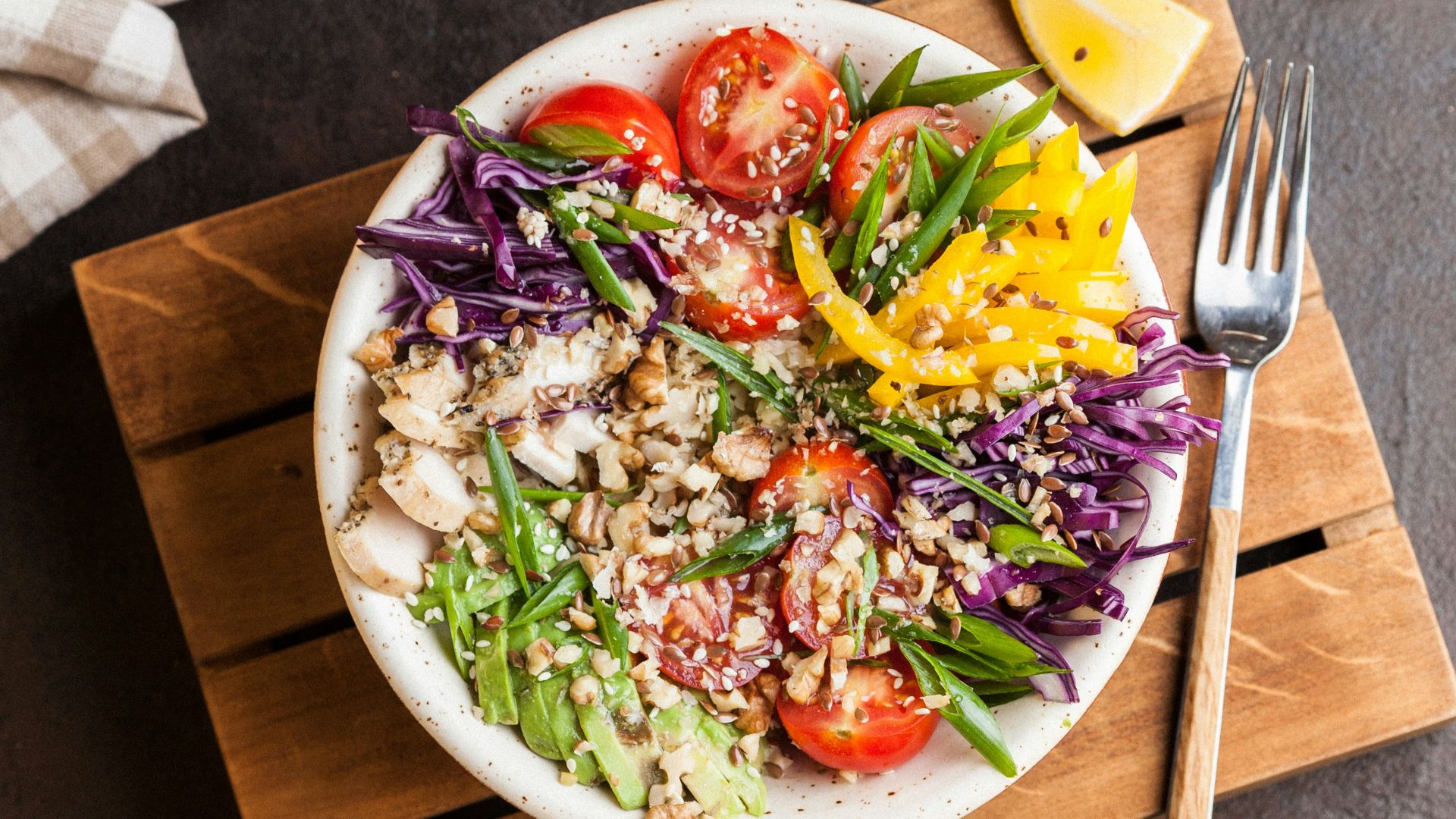
A salad shouldn't be an afterthought. Build a salad intentionally, focusing on brightness, freshness, and balance. When a salad feels thoughtful and complete, it can't be boring.
KEEP ON READING