Spaghetti squash rarely gets the spotlight it deserves. For years, it sat quietly in the produce aisle, looking more like a decorative gourd than something destined for dinner. Then one day, someone cut it open, roasted it, dragged a fork across the flesh, and watched it transform into golden strands.
The challenge comes afterward. Plenty of home cooks try spaghetti squash one time, end up with watery noodles or bland flavor, and never touch it again. But when handled the right way, it becomes one of the most flexible, satisfying vegetables in the kitchen. So, let’s find out how to actually master it.
Choosing And Prepping It The Right Way
Everything starts at the store. A good spaghetti squash should be heavy for its size, with a firm shell and no soft spots. The color matters too. Deep yellow usually signals better flavor and texture than pale or greenish skin.
Once home, the first hurdle is cutting it. This is where many people struggle. A sharp chef’s knife helps, but patience matters more. Trim a thin slice off each end so the squash can stand steady, then carefully cut it lengthwise. Scoop out the seeds, which look messy but come out easily with a spoon.
Here’s a small shift that changes everything. Instead of roasting it plain, lightly brush the cut sides with olive oil and season generously with salt. That early seasoning makes sure flavor gets into the squash itself rather than sitting on top later. Place the halves cut side down on a baking sheet lined with parchment, which helps avoid soggy spots and sticking.
Cooking Methods That Actually Work
Roasting remains the most reliable method. According to Cooking in the Keys, it’s best to set the oven to around 400°F and roast for about 30 minutes, depending on size. You are looking for a shell that gives slightly when pressed and flesh that pulls away in strands with minimal effort. Microwaving exists as a faster option, but it often sacrifices texture. The strands tend to turn soft and watery, which is not ideal if you plan to top them with sauce. Slow cookers fall into a similar trap. They cook the squash, but rarely bring out its best qualities.
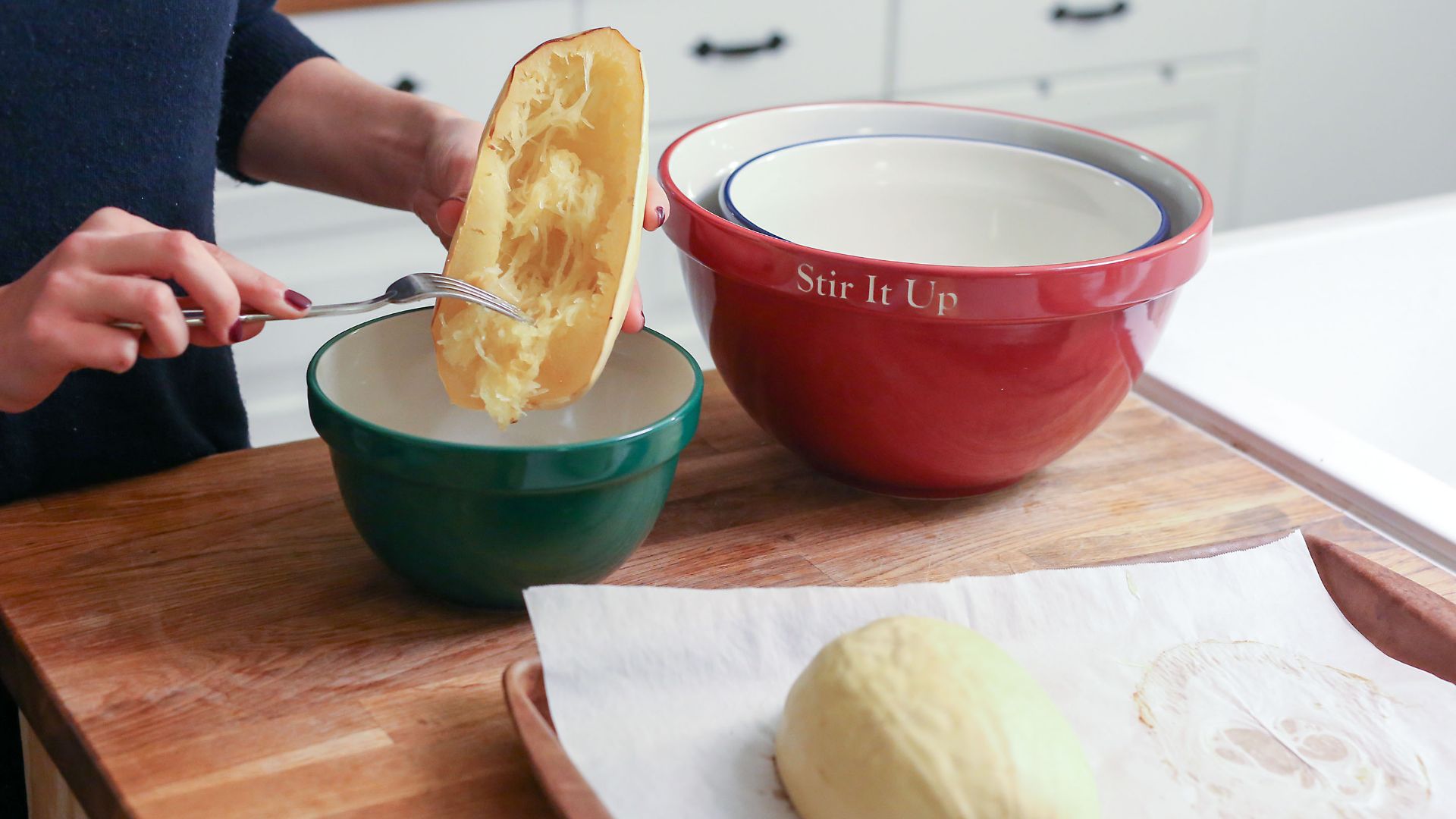
When it’s perfectly roasted, let it rest for a few minutes. Then comes the fun part. Drag a fork lengthwise across the flesh, not in circles, and watch the strands form naturally. This technique keeps them long and noodle-like instead of broken and mushy.
Turning Strands Into A Real Meal
 Personal Creations on Wikimedia
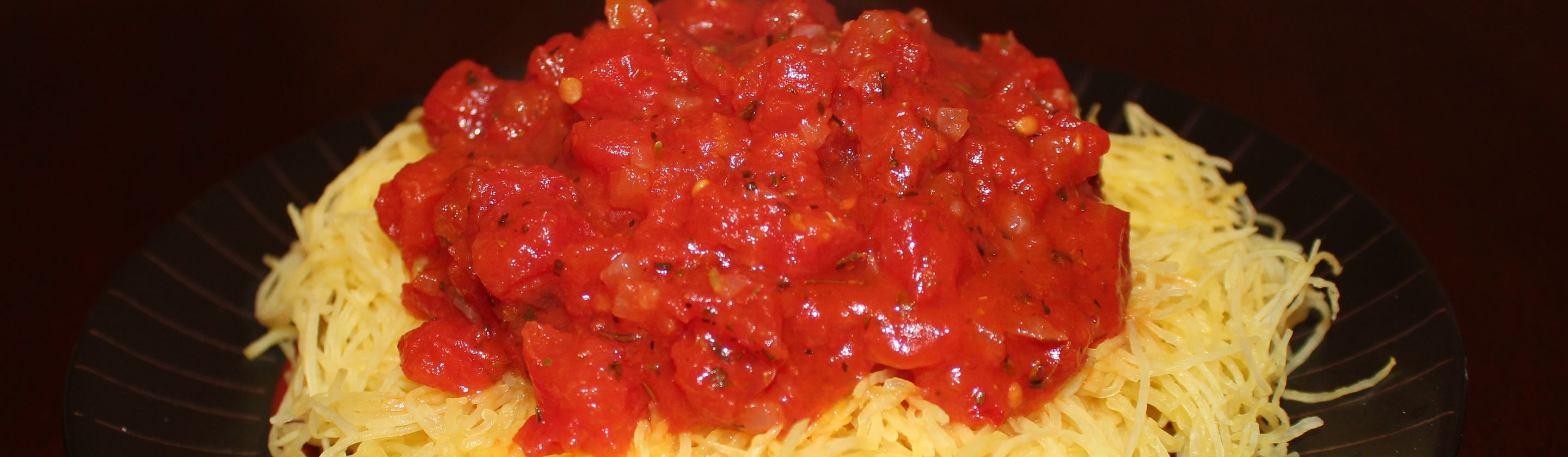
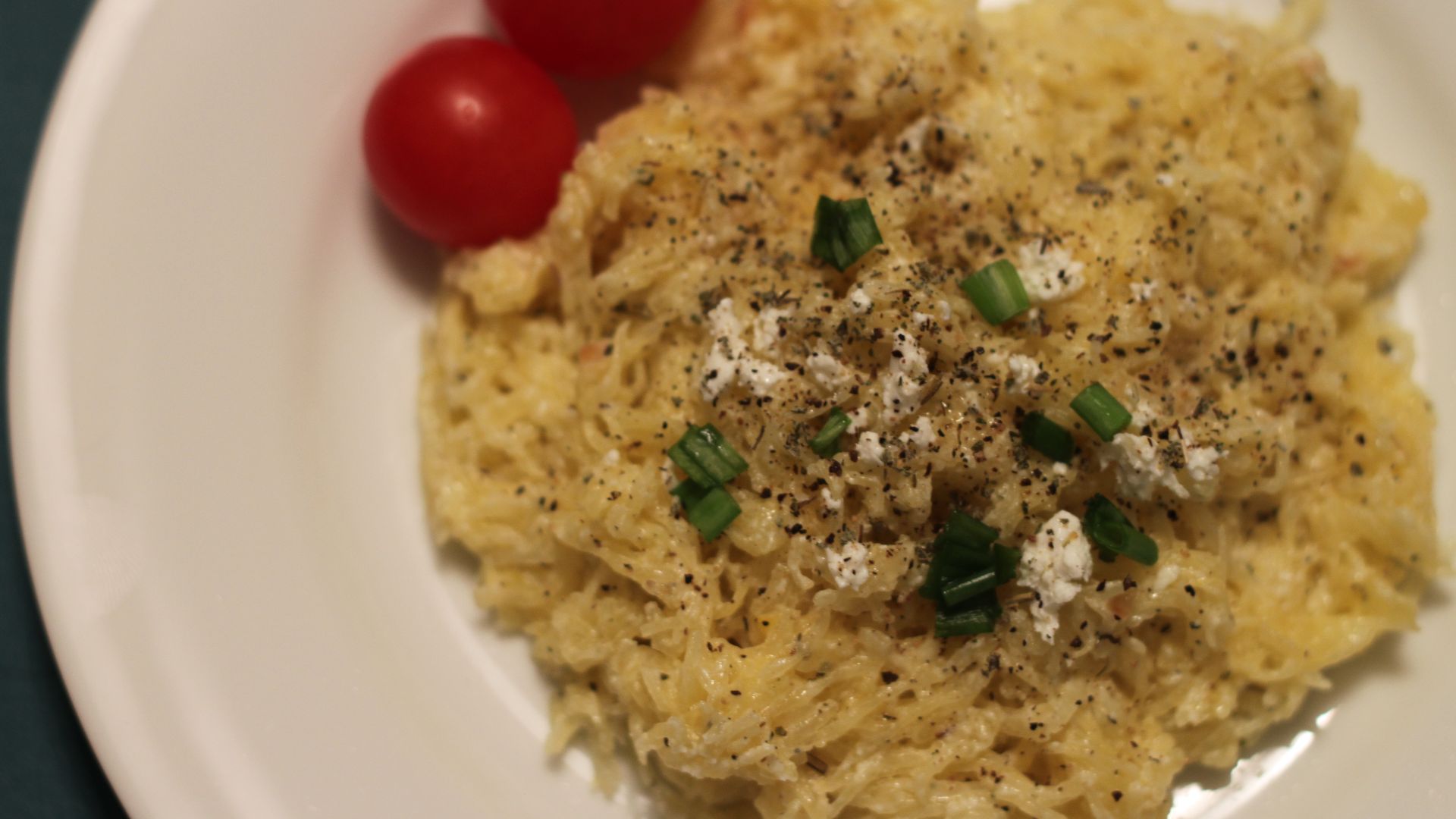
Spaghetti squash works best when treated like a base, not a replacement. Expecting it to behave exactly like pasta leads to disappointment. Instead, lean into what it does well. Light sauces shine here. Garlic, olive oil, herbs, and a shower of Parmesan let the squash stay front and center. Heartier options like meat sauce or chili work too, but keep portions balanced so it doesn't drown.
One overlooked trick is moisture control. After shredding, gently press the strands with a paper towel to remove excess water. This step keeps sauces from sliding off and helps flavors cling. Over time, spaghetti squash stops feeling like a compromise and starts feeling like a choice. It becomes weeknight-friendly and surprisingly comforting. And once you get past that first attempt, it earns a permanent spot in your rotation.
KEEP ON READING
You’re Storing Tomatoes Wrong in This Heat
You’re Storing Potatoes Wrong in This Heat
You’re Storing Peppers Wrong in This Heat
You’re Storing Carrots Wrong in This Heat