Grandma Got Some of It Right
Being sick strips away all pretense about food. When you're healthy, you might debate the merits of intermittent fasting or whether seed oils are destroying civilization. When you're actually sick, all you want is to feel human again. The foods we reach for during illness can either support recovery or make everything infinitely worse, and the difference isn't always what you'd expect. Here are ten healing foods that hold up under scrutiny, and ten that belong in the dustbin alongside bloodletting and tobacco enemas.

1. Chicken Soup
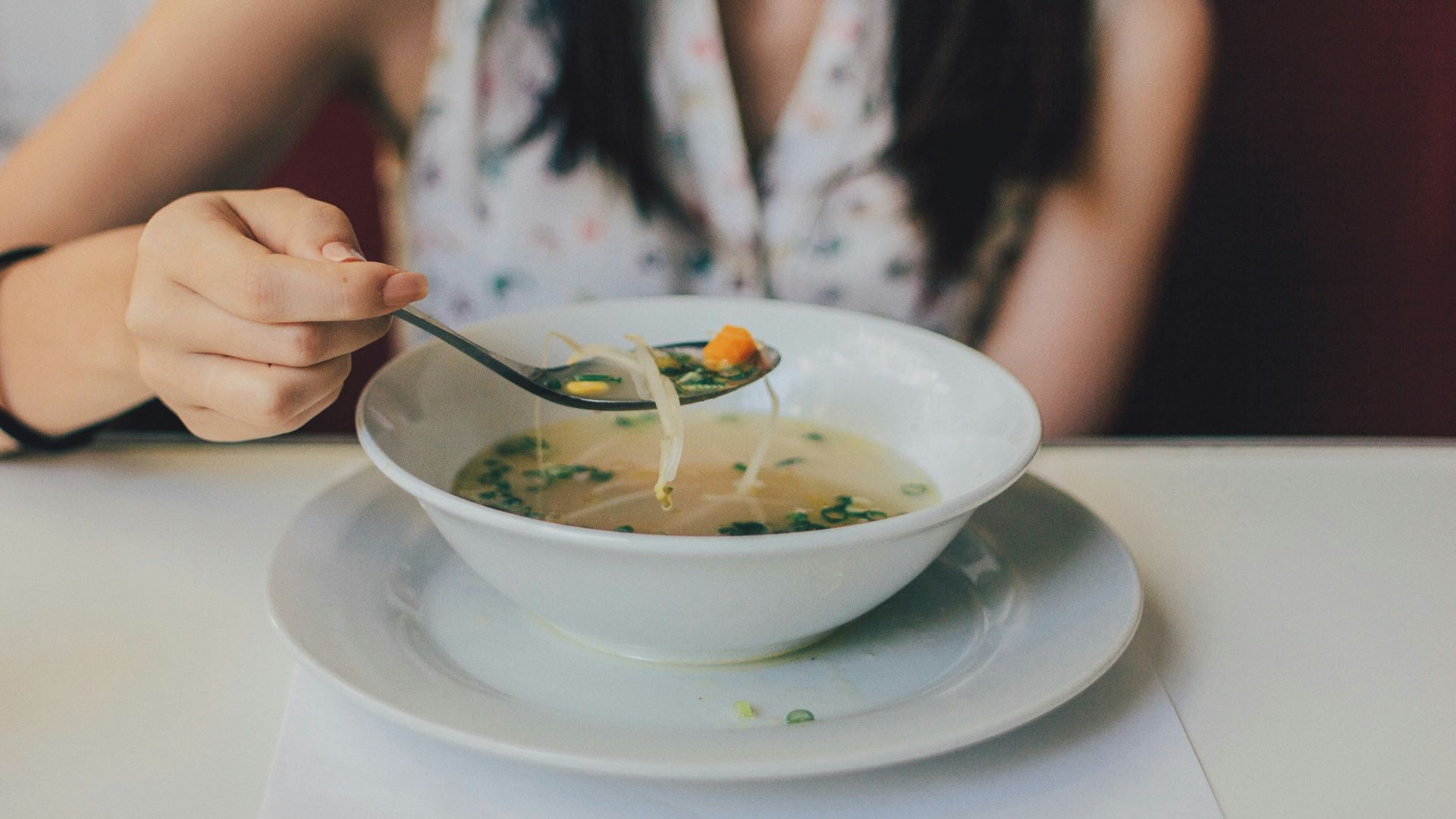
Research from the University of Nebraska Medical Center found that chicken soup inhibits neutrophil migration, which essentially means it has mild anti-inflammatory properties that can ease upper respiratory symptoms. The warm liquid loosens mucus, the salt helps you retain fluids, and the vegetables provide vitamins. Overall, this dish is helpful.
2. Ginger Tea
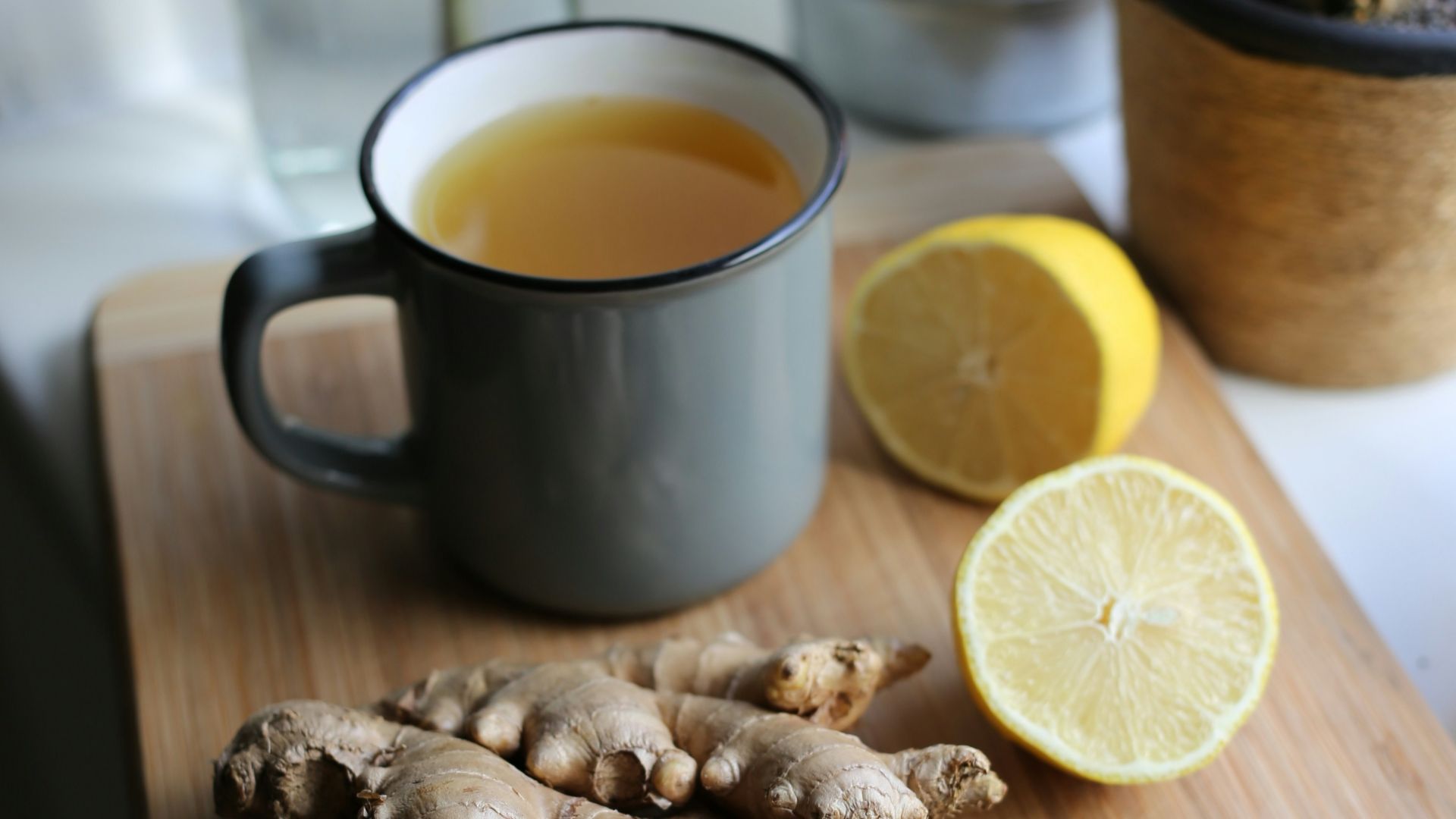
Ginger contains compounds called gingerols and shogaols that act on receptors in the digestive system, reducing that awful churning sensation. A 2015 review in the journal Nutrition found ginger effective for various types of nausea, from morning sickness to chemotherapy-related queasiness.
3. Bananas
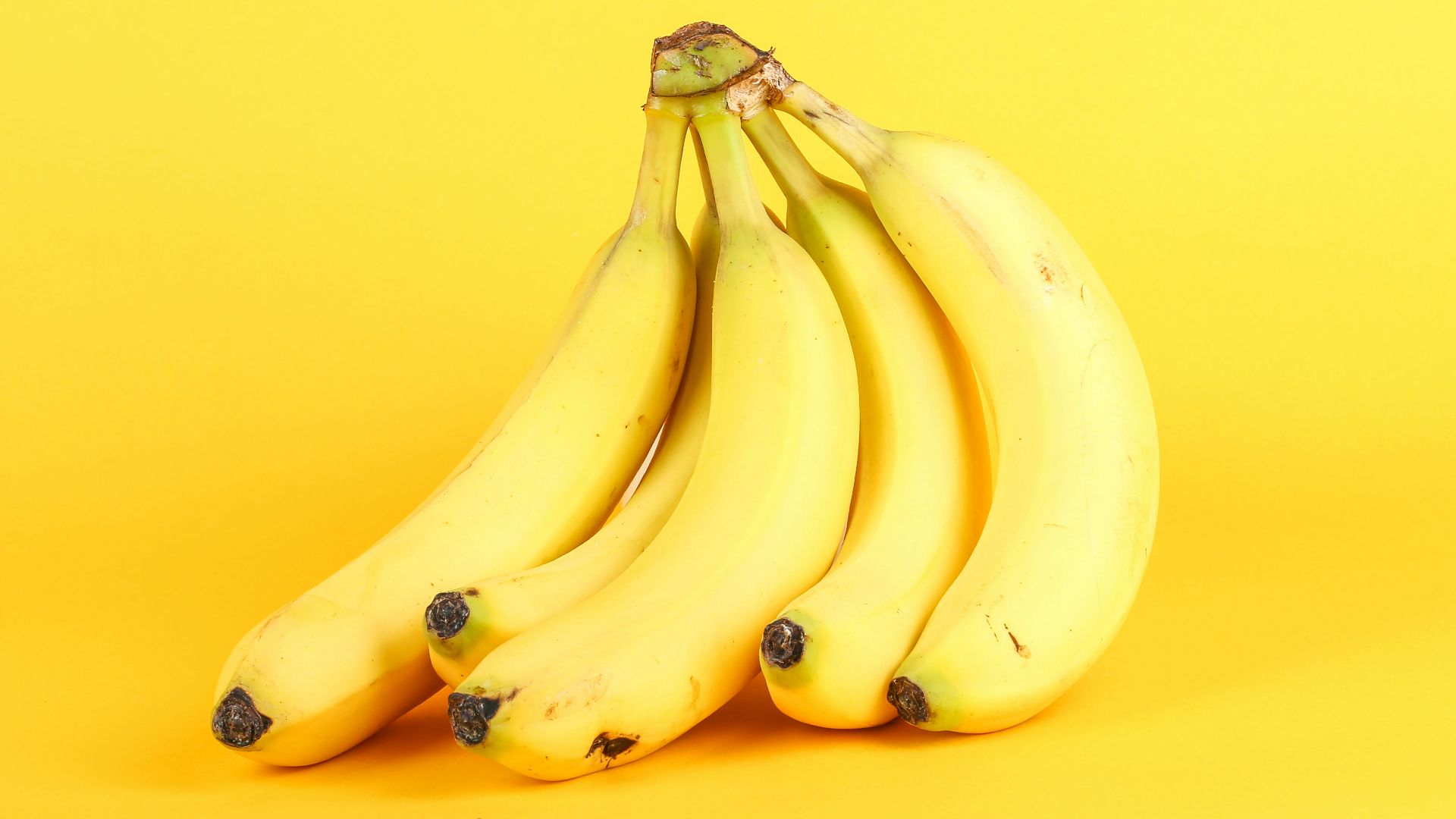
Bananas are part of the BRAT diet (bananas, rice, applesauce, toast) that doctors have recommended for decades. Not only are bananas easy to digest, but they provide quick energy through natural sugars and offer potassium to replace what you've lost if you've been, shall we say, intimately acquainted with your bathroom.
4. Honey
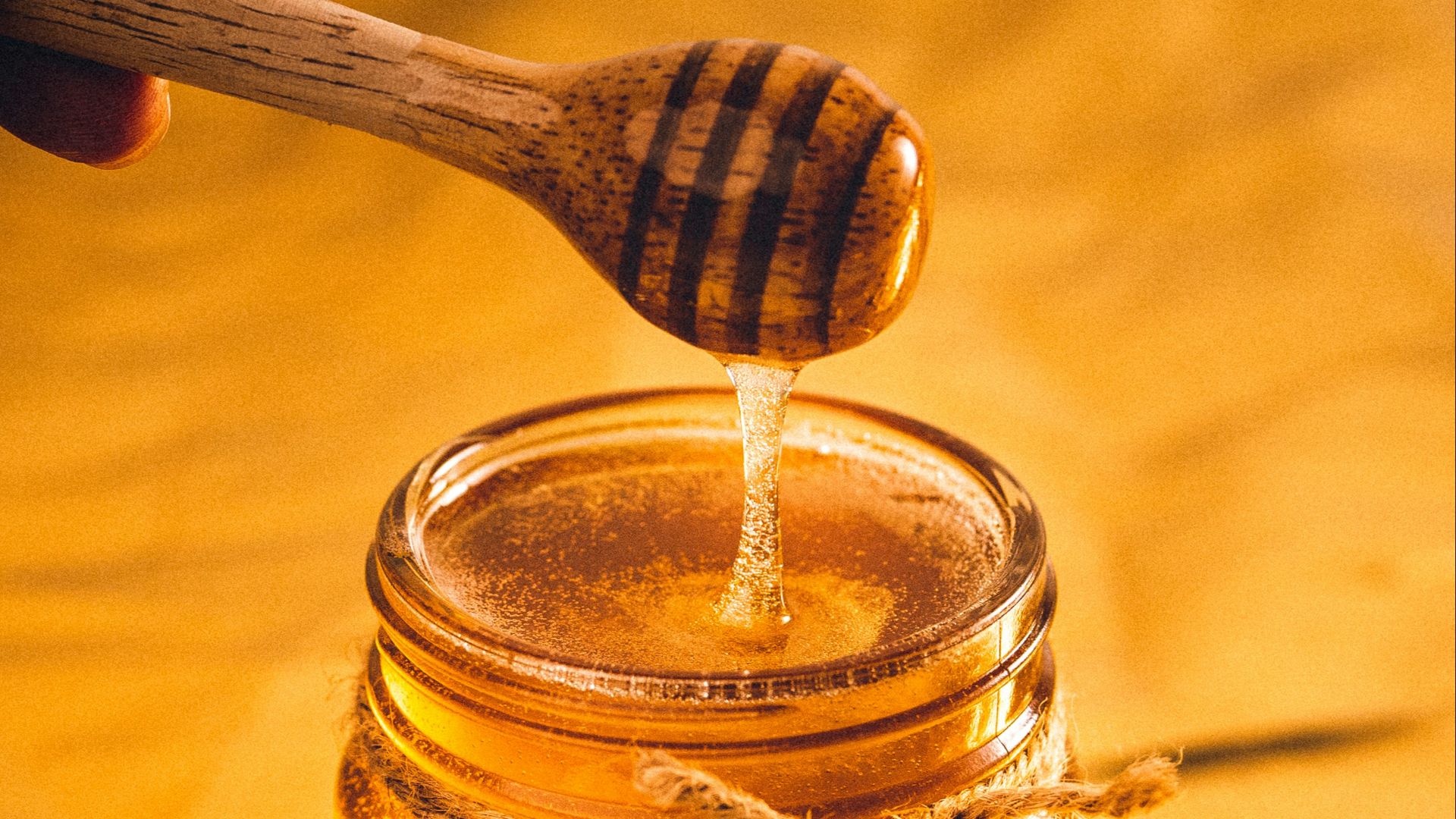
Studies have shown honey is as effective as some over-the-counter cough suppressants. It coats your throat, has antimicrobial properties, and contains antioxidants. Just never give it to infants under 12 months; their digestive systems can't handle the botulism spores that sometimes hitchhike in honey.
5. Garlic
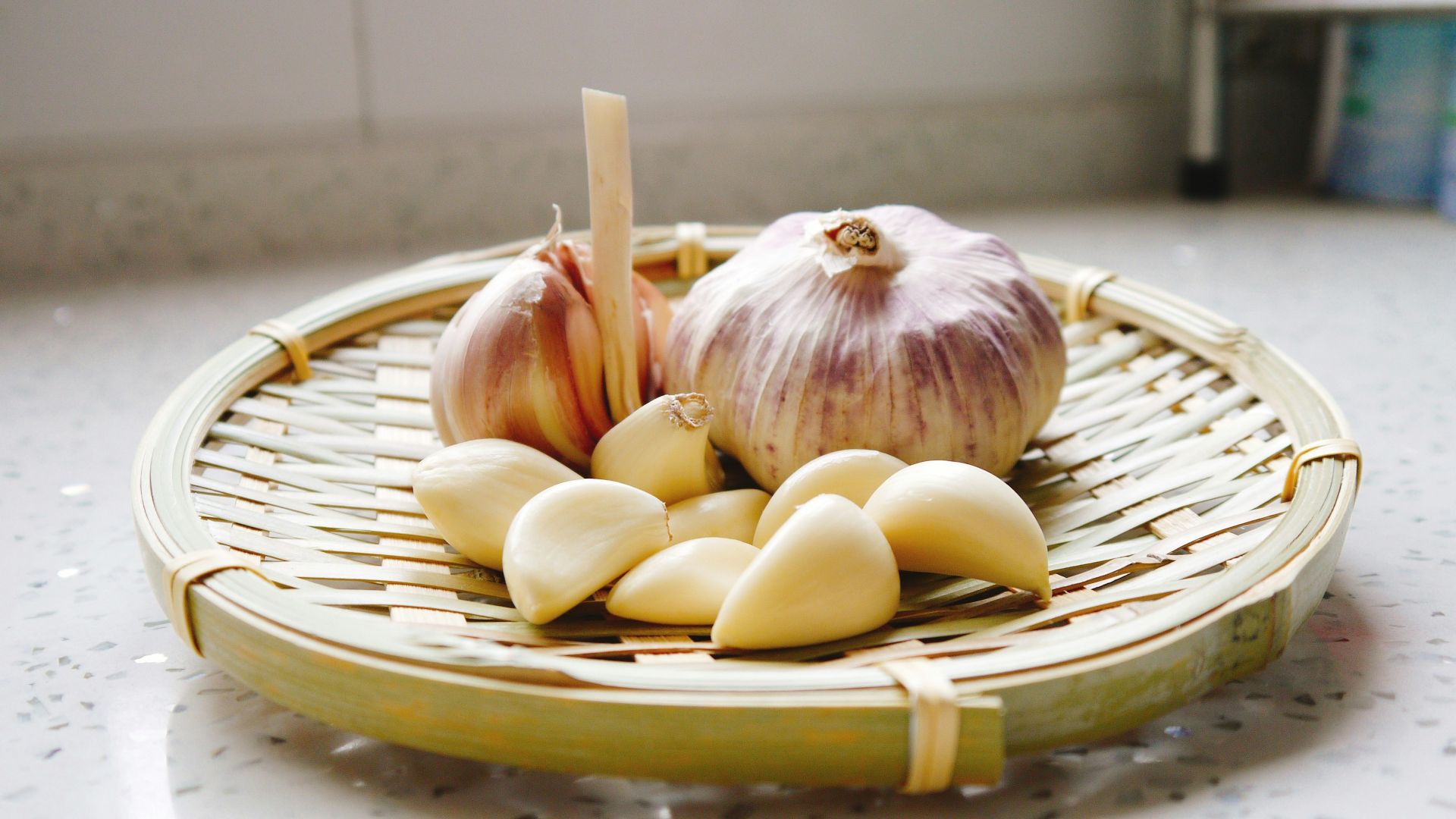
Garlic contains allicin, a compound with antimicrobial and immune-boosting properties. One study found that people who took garlic supplements had 63% fewer colds than those who took a placebo. Raw garlic packs the biggest punch, though cooked garlic still offers benefits without transforming your breath into a biohazard.
6. Oatmeal
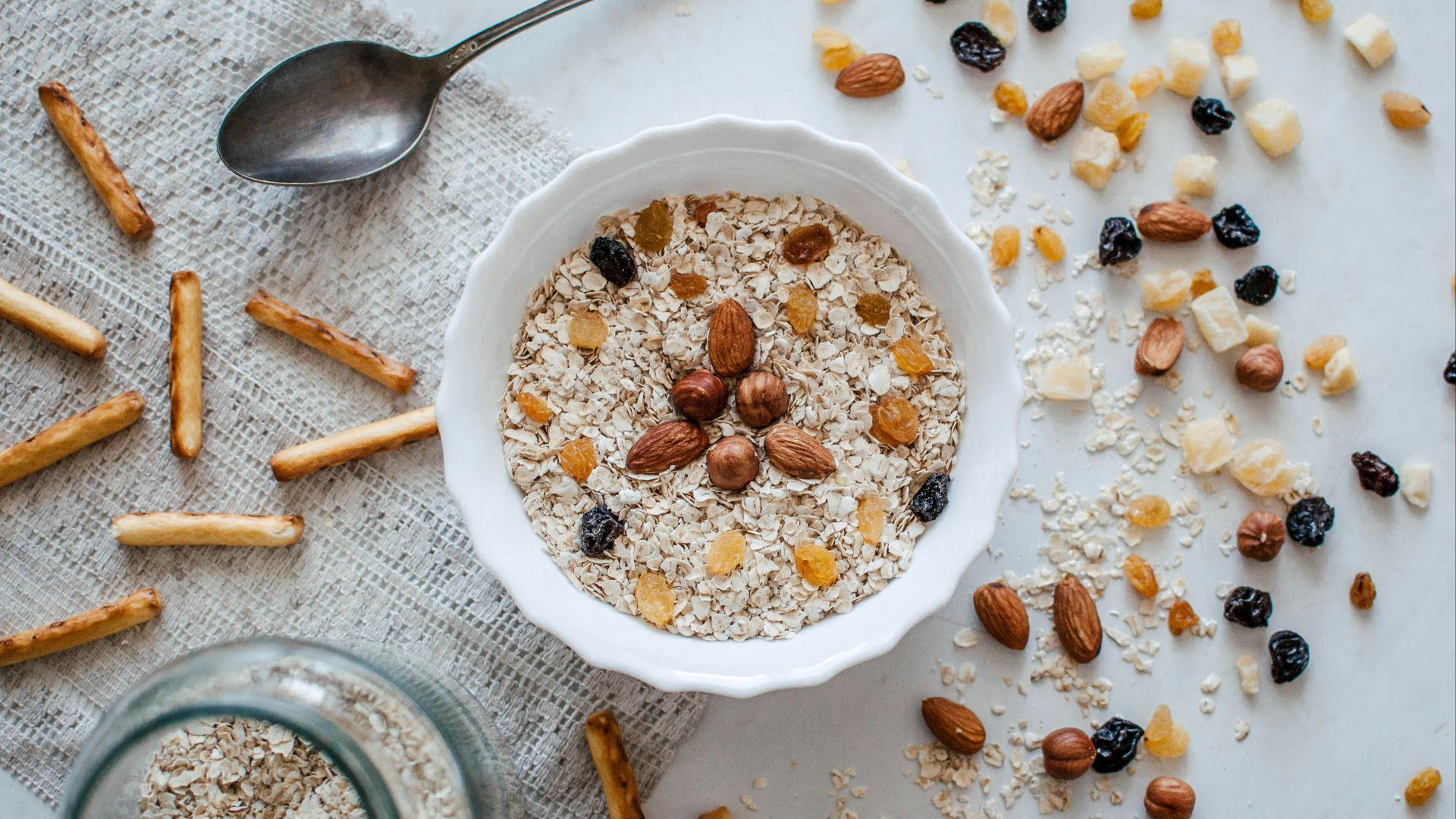
Oatmeal provides beta-glucan, a type of fiber that enhances immune function and has anti-inflammatory effects. It's gentle on an upset stomach, provides steady energy without spiking blood sugar, and you can enhance the taste with honey, cinnamon, or mashed banana depending on what sounds tolerable.
7. Coconut Water
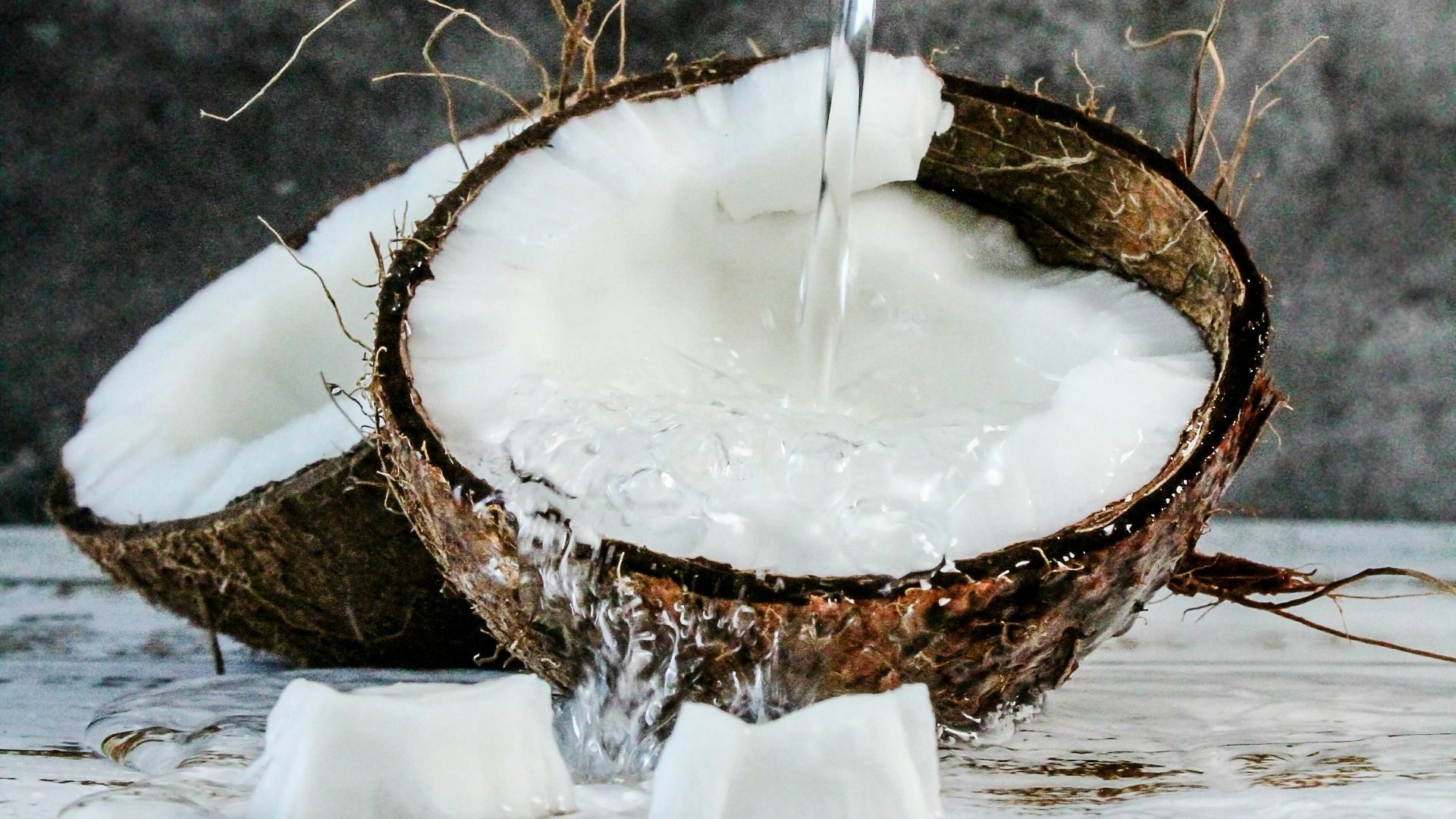
Dehydration sneaks up on you when you're sick. Fever, sweating, vomiting, and diarrhea all drain fluids faster than you realize. Coconut water contains electrolytes like potassium, sodium, and magnesium that help your body retain and use the fluids you're taking in. It's also less sugar-heavy than most sports drinks.
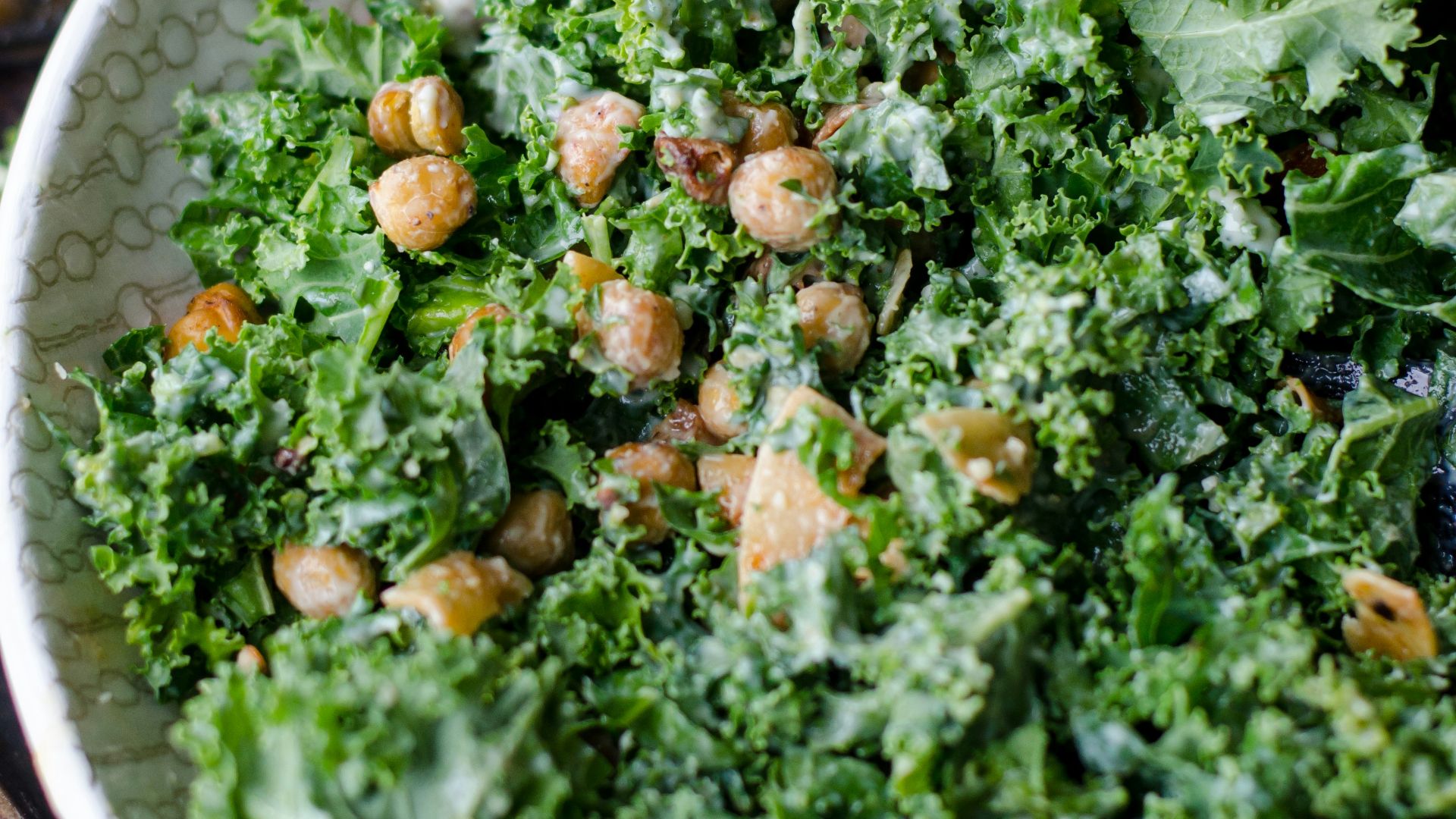
8. Leafy Greens
This might be the last thing you want when you're sick, but spinach, kale, and other dark leafy greens are loaded with vitamins A, C, E, and K, plus minerals like iron and magnesium that support immune function. Throw some spinach into your chicken soup to enhance your immune response.
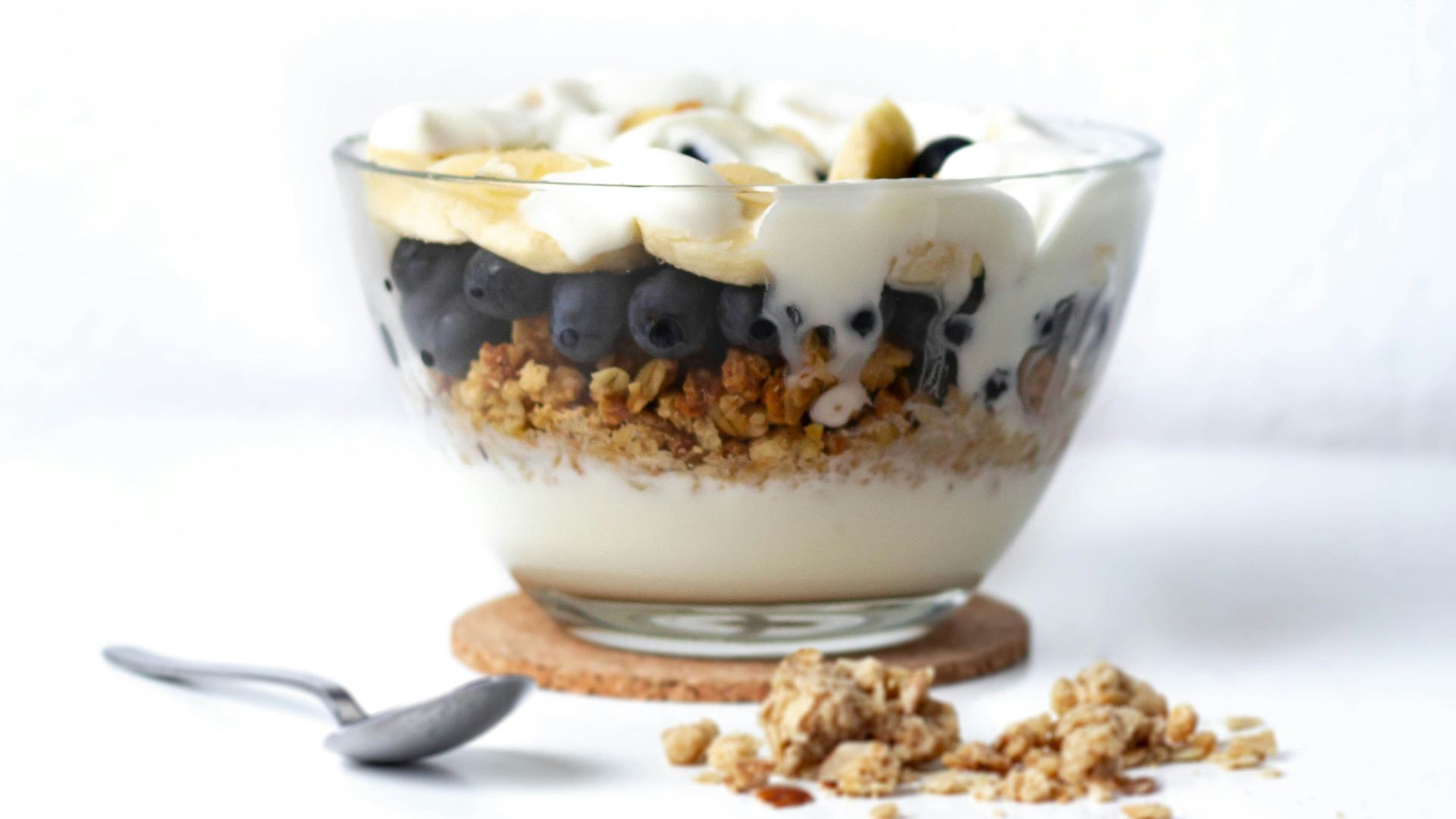
9. Yogurt
The gut–immune connection is real and surprisingly strong, with roughly 70% of your immune system residing in your digestive tract. Yogurt provides probiotics that support this ecosystem. Greek yogurt offers extra protein to help your body repair tissue and fight infection.
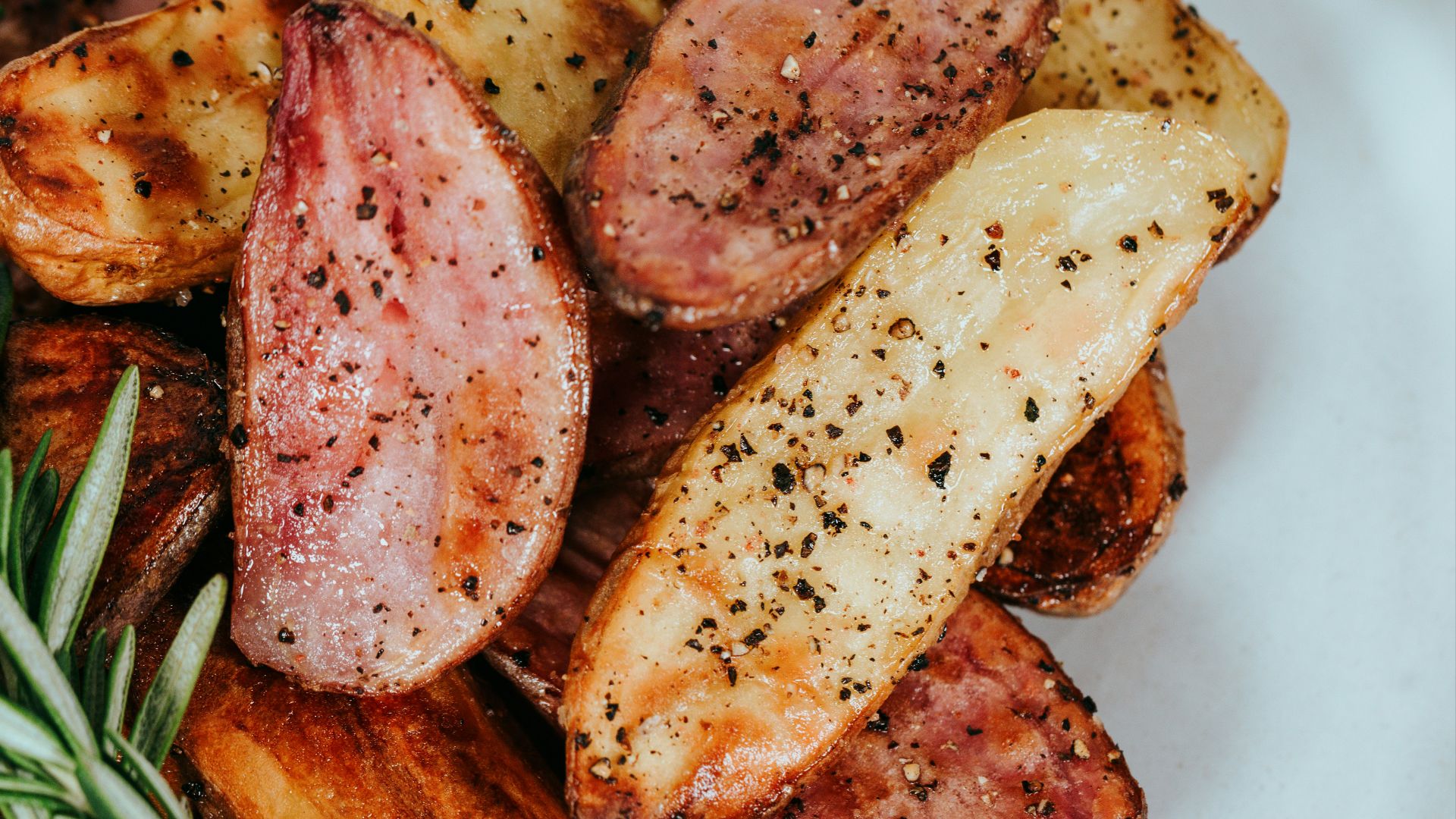
10. Sweet Potatoes
Orange vegetables tend to be nutritional powerhouses, and sweet potatoes lead the roster. They're rich in beta-carotene, which your body converts to vitamin A, helping maintain the mucous membranes that line your respiratory tract and act as a first line of defense against pathogens.
And now here are ten foods that only sabotage your recovery.
1. Alcohol
This should be obvious, but in case it isn’t: alcohol dehydrates you, suppresses your immune function, and can interact badly with medications. The alcohol in that hot toddy your uncle swears by negates whatever benefit the honey and lemon might provide.

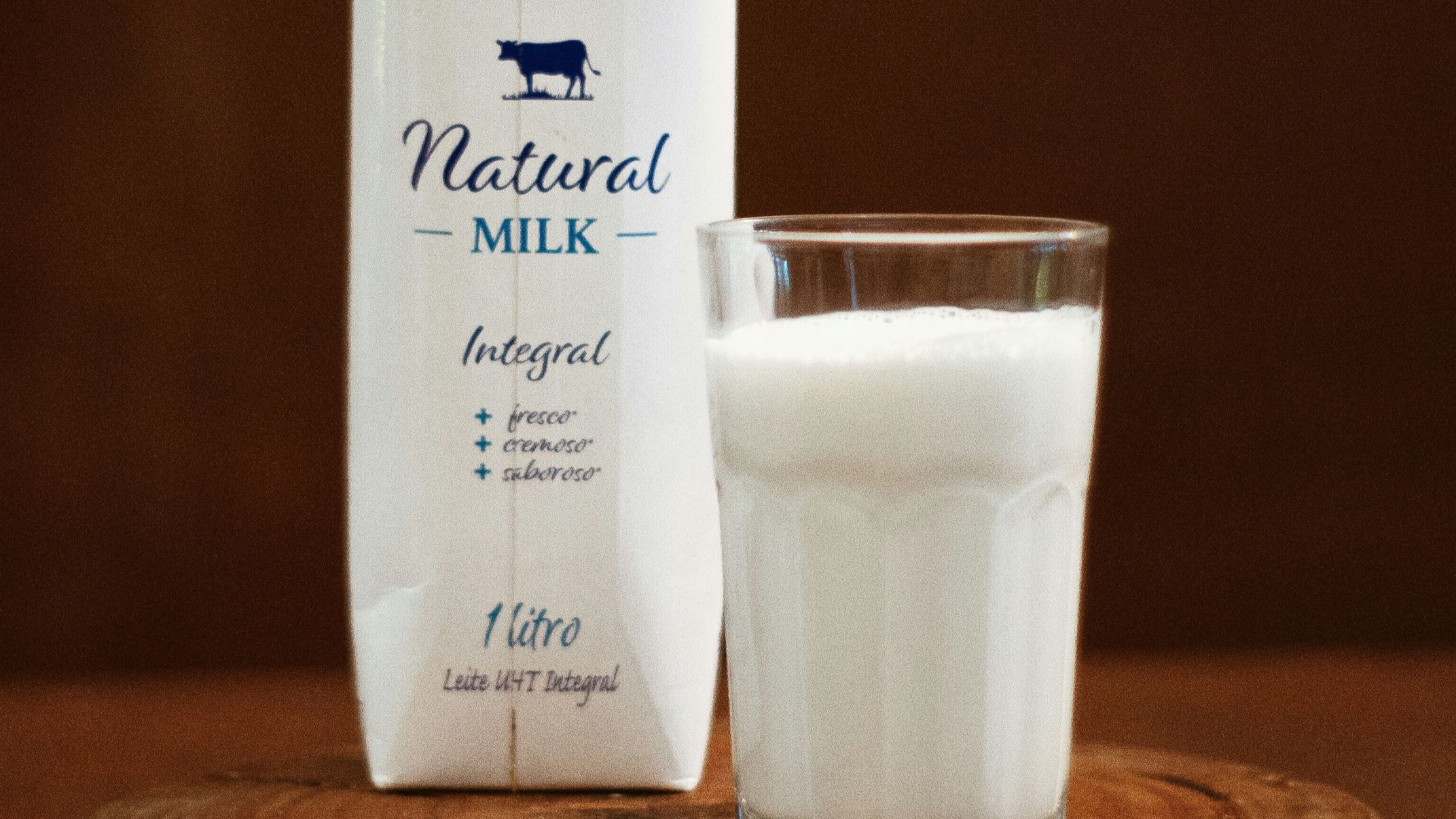
2. Dairy Products
The relationship between dairy and mucus production is contentious. Some studies find no connection, while many people swear dairy makes congestion worse. The current thinking is that dairy can make existing mucus thicker and more annoying.
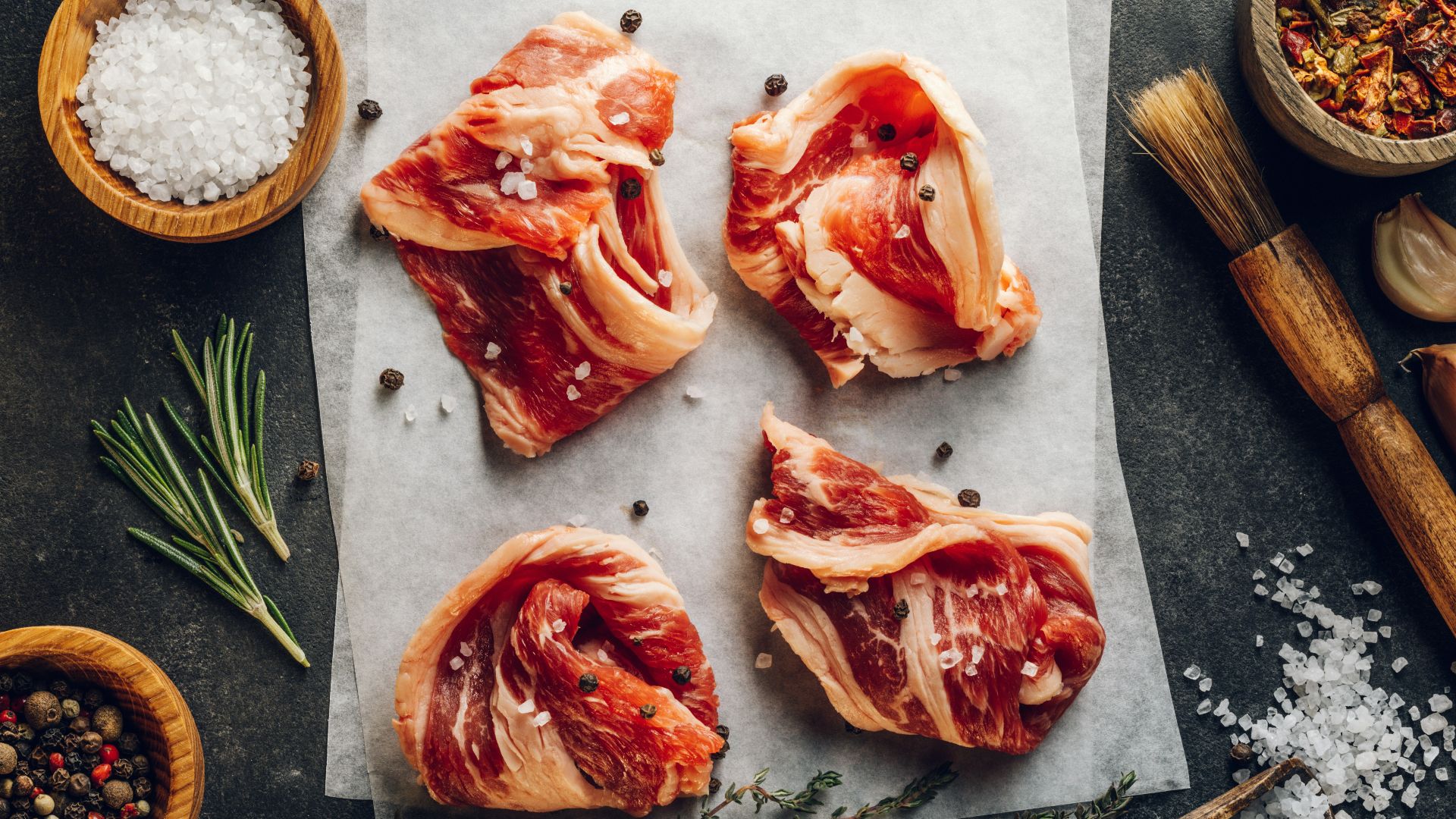
3. Processed Meats
Deli meats are loaded with sodium and preservatives that can increase inflammation. Your immune system is already working overtime, so don't make the job harder by forcing it to deal with a bunch of nitrates and other additives while it's trying to fight off an infection.
4. Candy and Sweets
Research has shown that consuming 100 grams of sugar (about the amount in two cans of soda) can impair the ability of white blood cells to attack bacteria for up to five hours. Your body needs stable blood sugar to maintain energy for healing, not the roller coaster that comes from indulging in sweets.

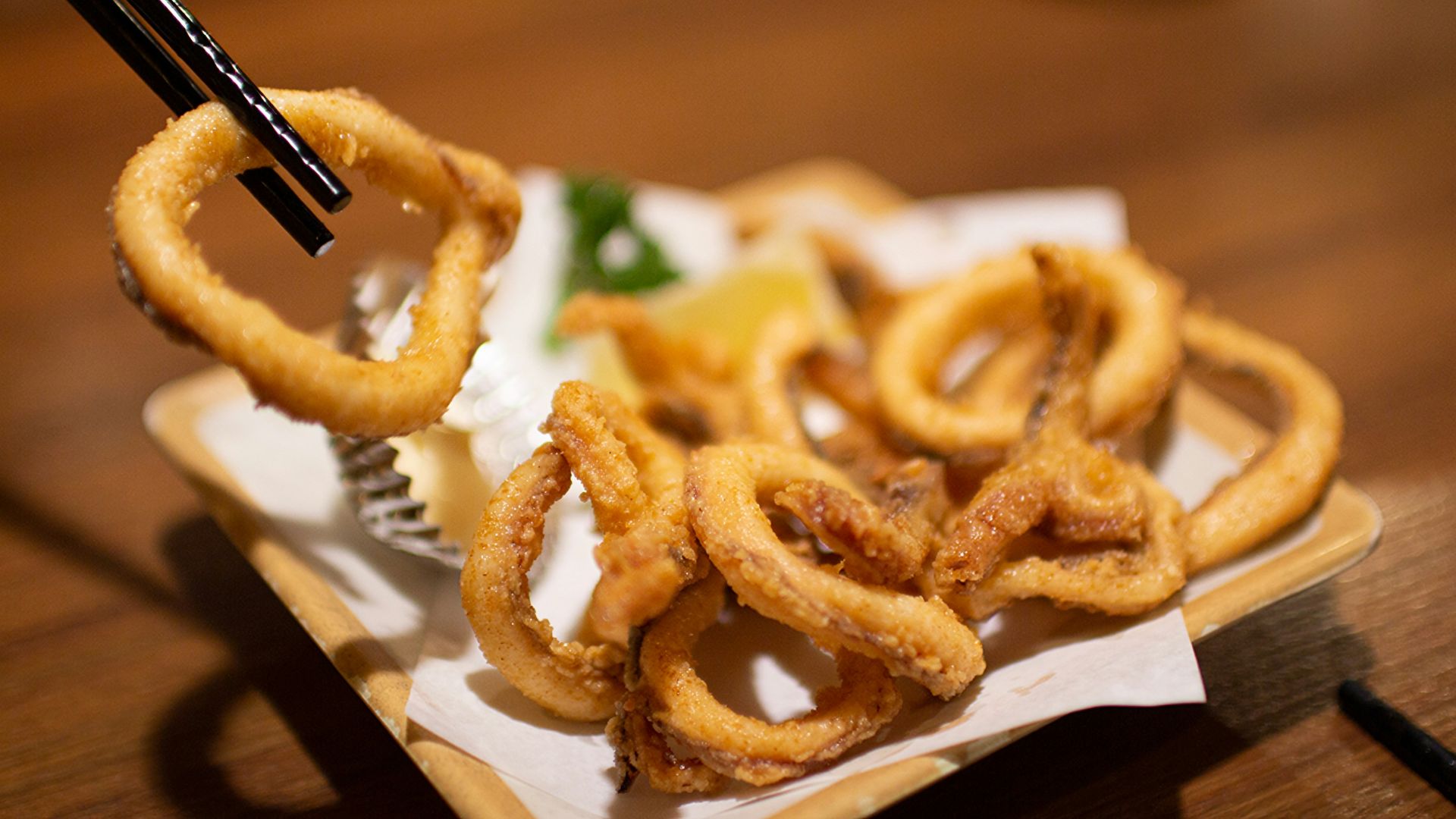
5. Fried Foods
When you're sick, your digestive system is already stressed. Fried foods take longer to break down, can increase nausea, and provide little nutritional benefit to support recovery. The high fat content can also loosen the lower esophageal sphincter, making acid reflux worse.
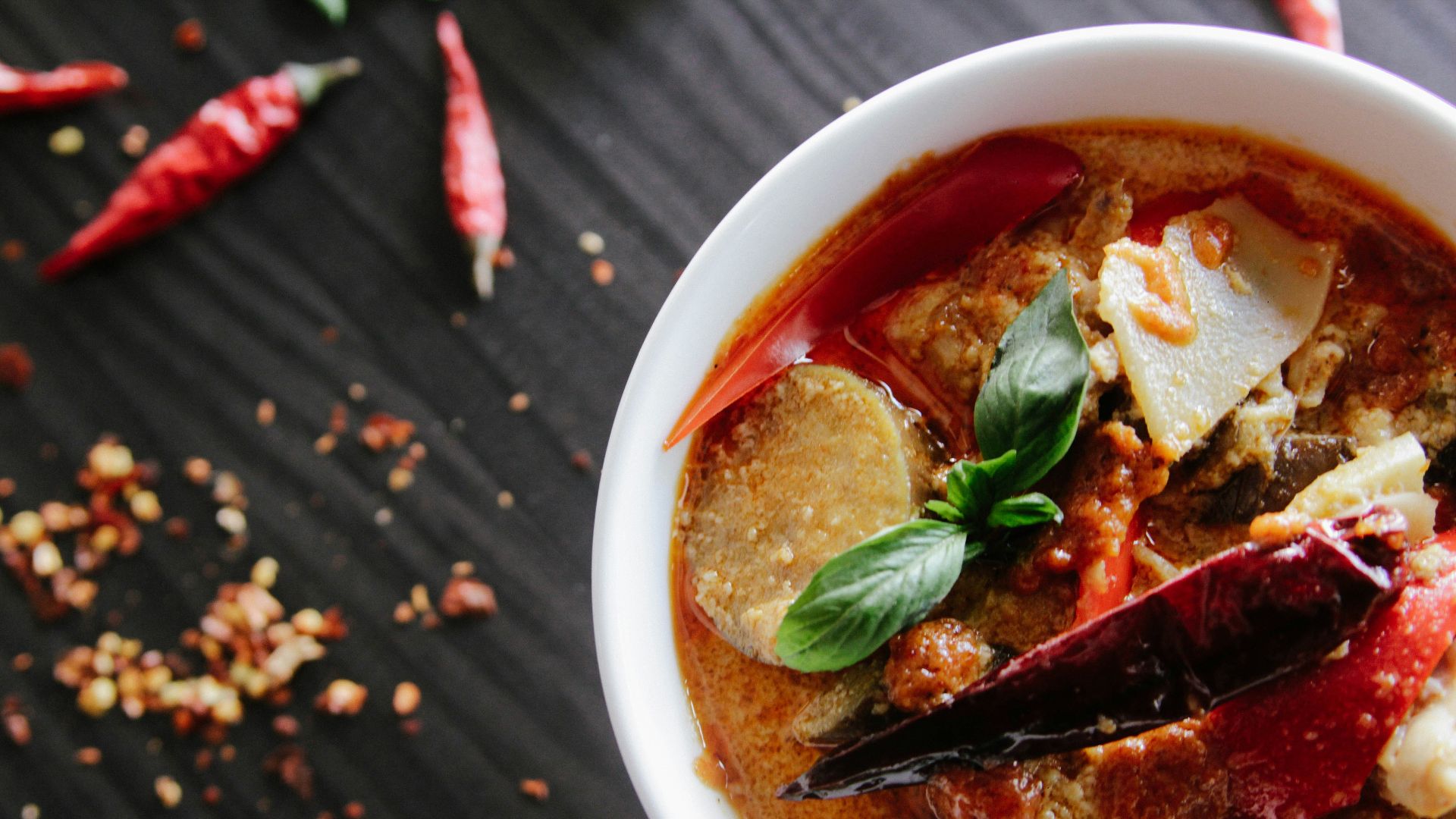
6. Spicy Foods
This one depends on what's wrong with you. Spicy food can actually help clear sinuses if you've got a cold. If you've got a sore throat, stomach issues, or pretty much anything else, skip it. Capsaicin irritates already inflamed tissues and can make digestive problems significantly worse.
7. Coffee
Caffeine is a diuretic, meaning it makes you urinate more frequently, which can worsen dehydration. It can also interfere with sleep at a time when your body desperately needs rest to recover. Coffee can irritate an already upset stomach and may interact with certain medications.

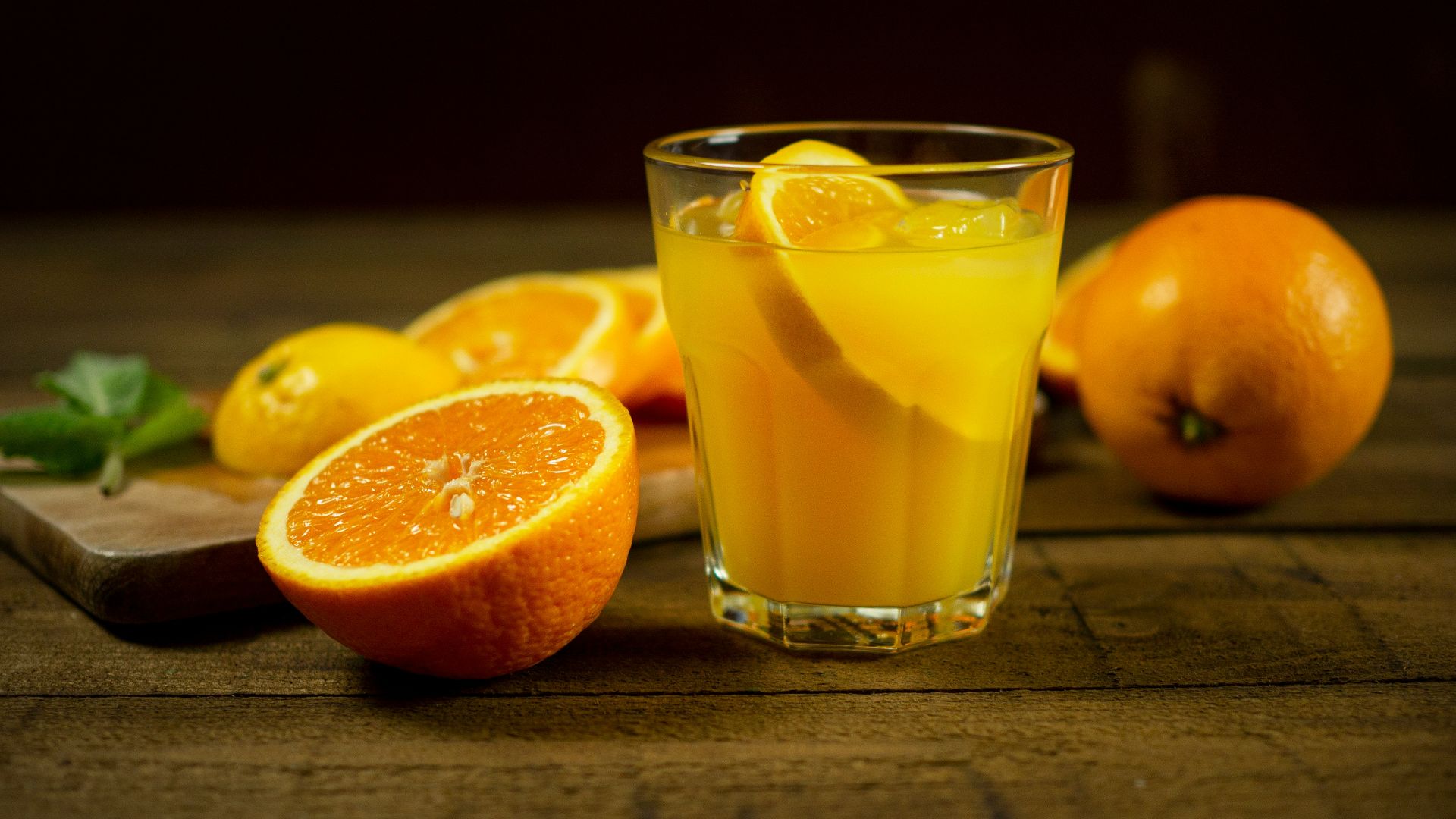
8. Orange Juice
While vitamin C is helpful, the acid in orange juice can irritate a sore throat and upset an already queasy stomach. The sugar content is surprisingly high, especially in commercial varieties. You're better off getting vitamin C from foods that don't come with those downsides.
9. Crunchy, Hard Foods
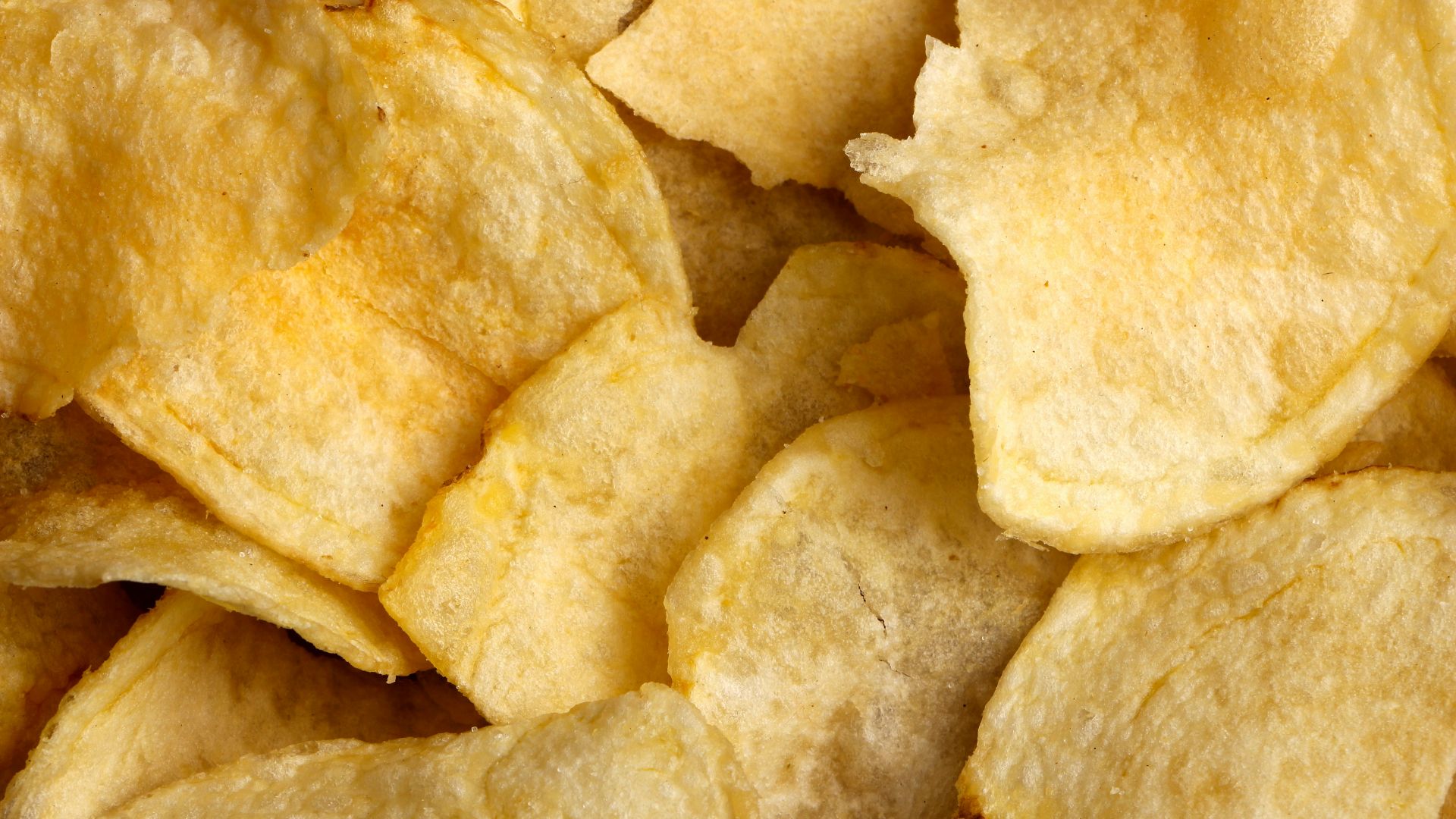
When your throat is raw and swallowing feels like gargling broken glass, chips, crackers, and raw vegetables scratch and irritate on the way down. Soft foods are genuinely less painful and give inflamed tissues a chance to heal without constant trauma.
10. Fast Food
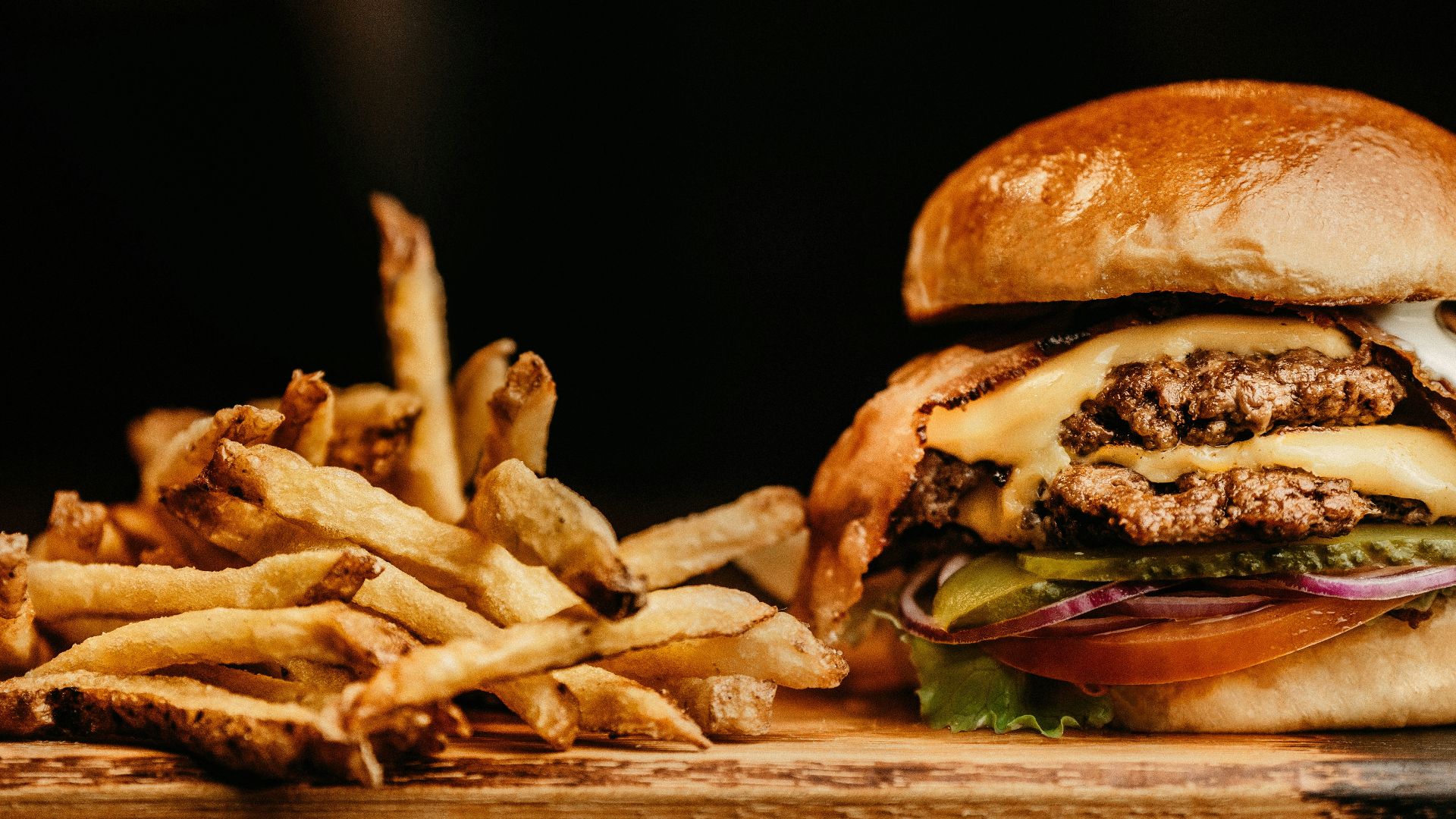
The convenience might be tempting when you feel awful, but fast food is essentially the opposite of what helps you recover. It's designed for taste and shelf stability, not nutritional value or supporting immune function. The brief satisfaction of not having to cook isn't worth prolonging your illness.
KEEP ON READING


If You Never Wash Your Water Bottle, Read This