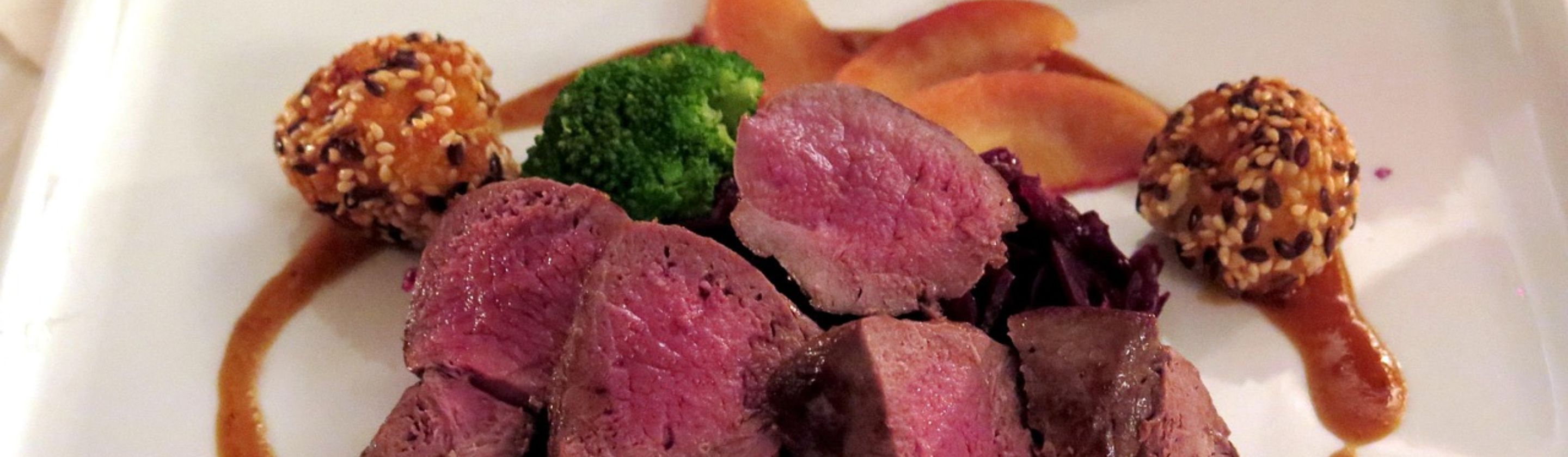
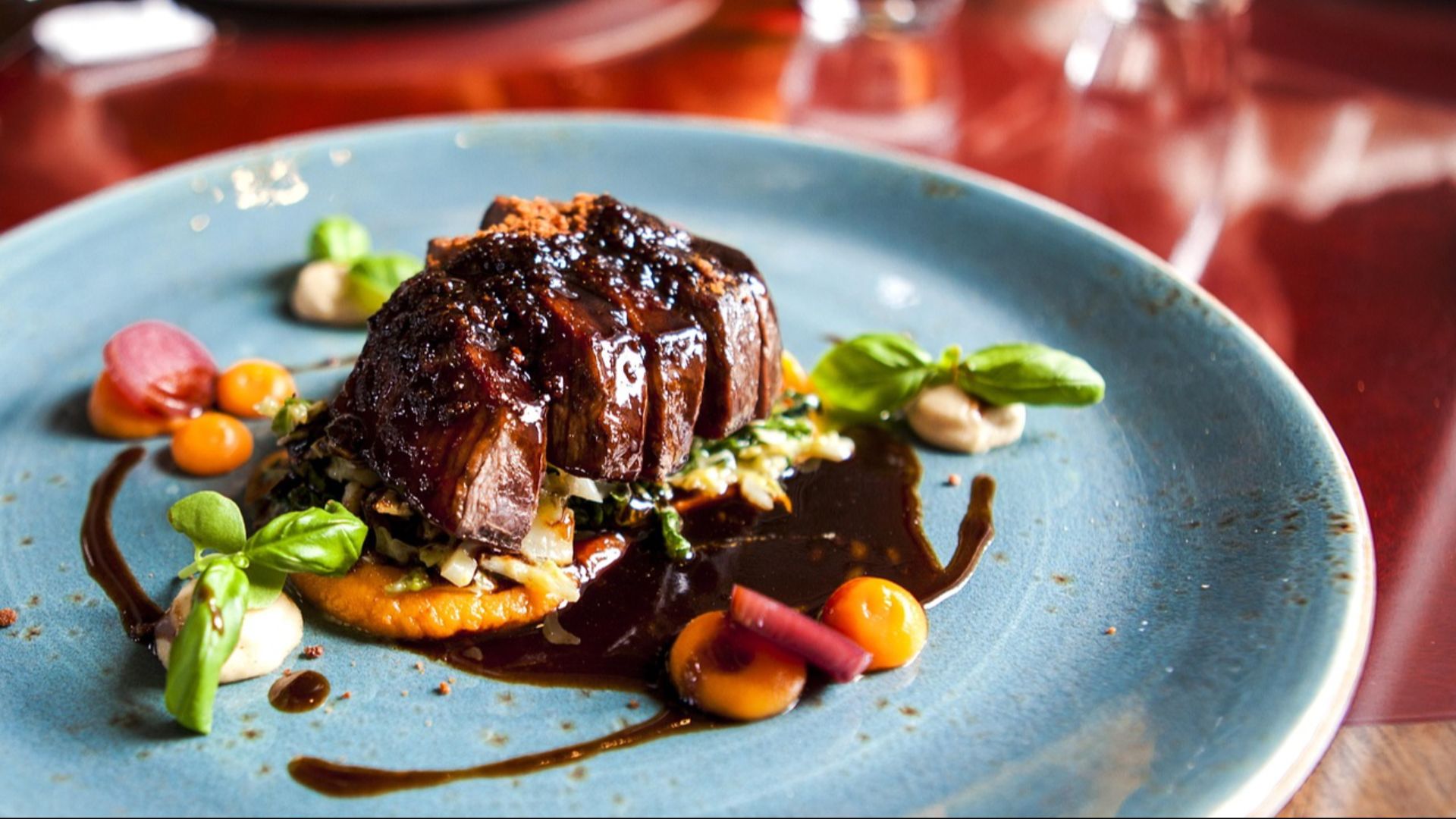
Cooking wild game for the first time can feel intimidating, especially if you’re used to preparing grocery store meats like beef, pork, or chicken. Wild game often has a leaner texture and a stronger flavor, which means it requires slightly different cooking methods. Many people assume it’s difficult to work with, but with a little preparation and understanding, it can become a rewarding ingredient.
Wild game has been part of human diets for thousands of years, and many cultures have developed reliable ways to prepare it. Today, hunters and home cooks alike appreciate wild game for its rich flavor and natural sourcing. Learning how to handle and cook it properly helps ensure the meat stays tender, flavorful, and safe to eat. With the right approach, even beginners can prepare a satisfying wild game meal.
Start With Proper Handling and Storage
Preparing wild game begins long before the cooking process. Proper field dressing and cooling are essential steps that help maintain the quality and safety of the meat. When game is handled quickly after harvest, it reduces the risk of bacterial growth and preserves the flavor. Many experienced hunters emphasize that careful handling in the early stages makes a significant difference in the final dish.
Once the meat is processed, proper storage becomes equally important. Wild game should be kept refrigerated or frozen soon after processing to maintain freshness. Vacuum sealing or tightly wrapping the meat helps prevent freezer burn and preserves its natural flavor. Maintaining the correct storage conditions also extends the amount of time the meat can be safely kept.
Before cooking, it’s helpful to thaw frozen game slowly in the refrigerator. Gradual thawing allows the meat to retain moisture and texture more effectively. Allowing the meat to reach a safe internal temperature before cooking also promotes even cooking. These small steps can make a noticeable difference in the final result.
Learn How Wild Game Differs From Store-Bought Meat
One of the most important things to understand about wild game is that it’s typically much leaner than farm-raised meat. Animals such as deer, elk, or wild turkey spend their lives moving and foraging, which results in lower fat content. While this makes the meat nutritious and high in protein, it also means it can dry out if overcooked.
Because of its lean nature, many cooks use cooking methods that help retain moisture. Slow cooking, braising, or marinating can help tenderize tougher cuts. These methods allow the meat to cook gently while developing deeper flavor. Adding small amounts of fat, such as oil or bacon, can also help improve texture during cooking.
Flavor is another key difference that new cooks often notice. Wild game can have a richer and sometimes slightly earthy taste compared to conventional meat. This flavor varies depending on the animal’s diet and environment. Using herbs, spices, and marinades can complement these natural flavors while making the dish more approachable for first-time cooks.
Use the Right Cooking Methods
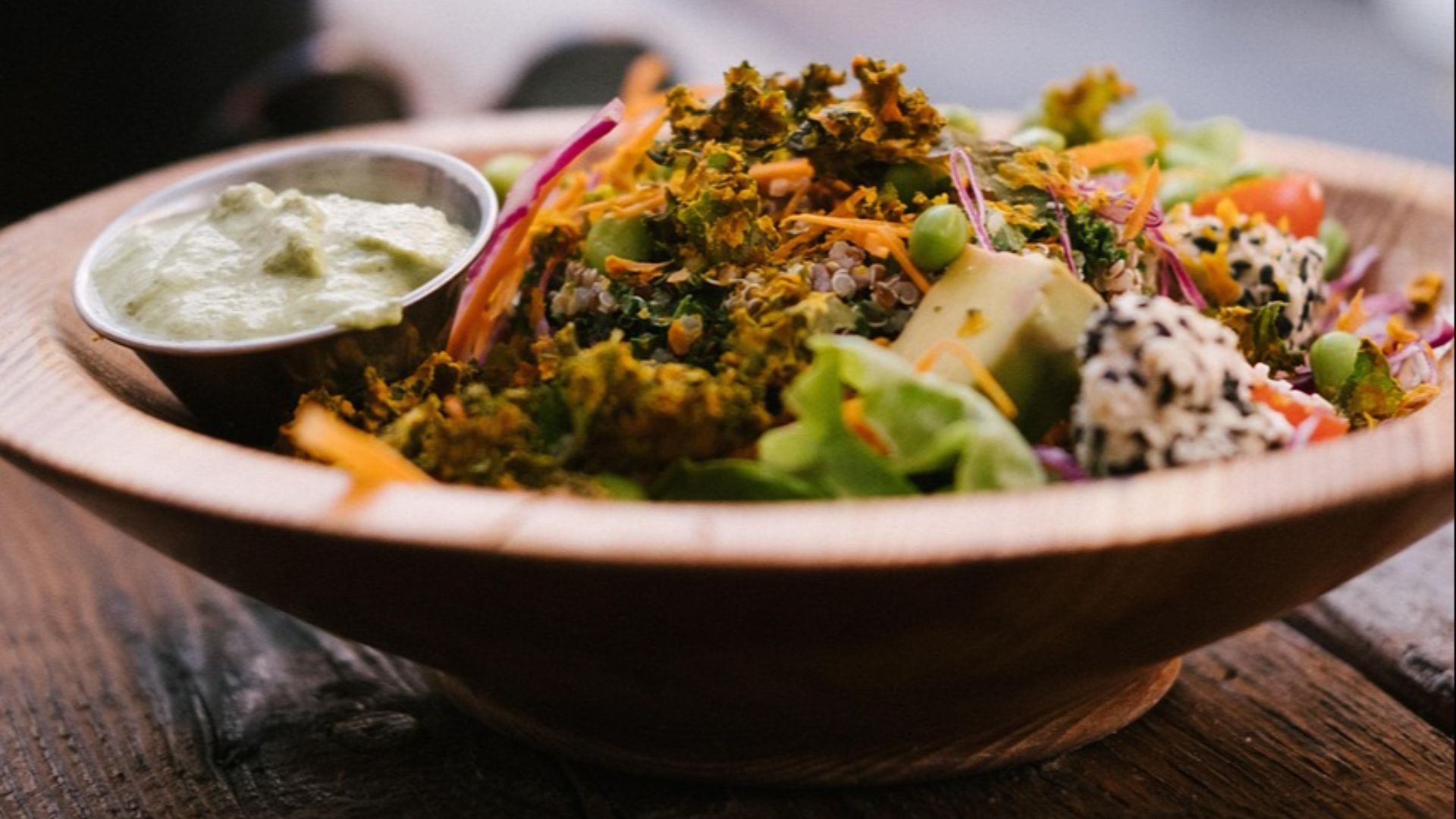
Choosing the right cooking method is one of the most important factors in preparing wild game successfully. Different cuts of meat respond better to different techniques. Tender cuts such as backstrap or tenderloin often work well with quick cooking methods like grilling or pan-searing. These methods help maintain tenderness without drying out the meat.
Tougher cuts from the shoulder or leg benefit from slower cooking approaches. Braising, stewing, or slow roasting allows connective tissues to break down gradually. This process transforms tougher cuts into tender, flavorful meals over time. Many traditional wild game recipes rely on these methods because they maximize both flavor and texture.
Monitoring cooking temperature is also essential when working with wild game. Because the meat is lean, it can become tough if cooked too long or at very high heat. Using a meat thermometer helps ensure the meat reaches a safe internal temperature without overcooking. Paying attention to temperature allows beginners to achieve better results with greater consistency.
Preparing wild game for the first time may seem unfamiliar, but it quickly becomes manageable with a few key techniques. When you handle the meat properly, understand its unique qualities, and choose the right cooking methods, the results can be both flavorful and satisfying. Many people find that cooking wild game introduces them to new recipes and traditions that connect them more closely to natural food sources. As you gain experience, preparing wild game can become an enjoyable skill that expands your confidence in the kitchen.
KEEP ON READING
20 Food Requests Only Spoiled People Ask For

20 Hardest Foods on Earth To Eat

Do Vitamin Supplements Actually Make You Healthier?