Grocery prices rose more than 25% in the five years between 2020 and 2025, according to the USDA's Economic Research Service, and while the inflation rate has cooled, the damage is already permanent. Prices don't fall back just because the pace of increases slows. What used to land in the cart without a second thought now gets weighed against the rest of the list, and several foods that defined ordinary American eating have quietly crossed into luxury territory this year.
The forces behind the shift aren't uniform. Some of these price hikes are structural, locked in for years by supply constraints that can't be reversed quickly. Others are the direct result of tariff policy that moved costs through the supply chain faster than most consumers expected. A few are climate stories that have been building for a decade and finally arrived at the checkout lane. All of them represent a real reset in what counts as affordable.
When Supply Hits a Wall
Ground beef is the most documented case. The USDA's January 2026 Cattle Inventory Report put the U.S. herd at 86.2 million head, its lowest since 1951, after years of drought and rising production costs pushed ranchers out. FRED data from the Federal Reserve Bank of St. Louis shows average U.S. retail prices for 100% ground beef reached $6.75 per pound in January 2026, reflecting a 72% increase since January 2020 amid the lowest cattle herd since 1951. Meaningful herd rebuilding isn't expected before 2028, so the price floor isn't moving anytime soon.
Chocolate absorbed one of the sharpest commodity swings in recent food history. Cocoa futures briefly touched nearly $13,000 per metric ton in late 2024 before pulling back, but prices remain far above the historical norm that manufacturers had priced into their cost models. J.P. Morgan's agricultural analysts projected double-digit confectionery price increases in 2026, driven by three consecutive seasons of global cocoa deficits tied to disease and erratic weather across Côte d'Ivoire and Ghana. Coffee has a similar story: Arabica prices were roughly 35% higher year-over-year as of late 2025 per World Bank commodity data, and the Bureau of Labor Statistics reported that coffee and tea prices rose 11.8% in 2025 alone. Supply disruptions in Brazil and Vietnam, compounded by the EU Deforestation Regulation, mean the $6 bag of beans is now the baseline.
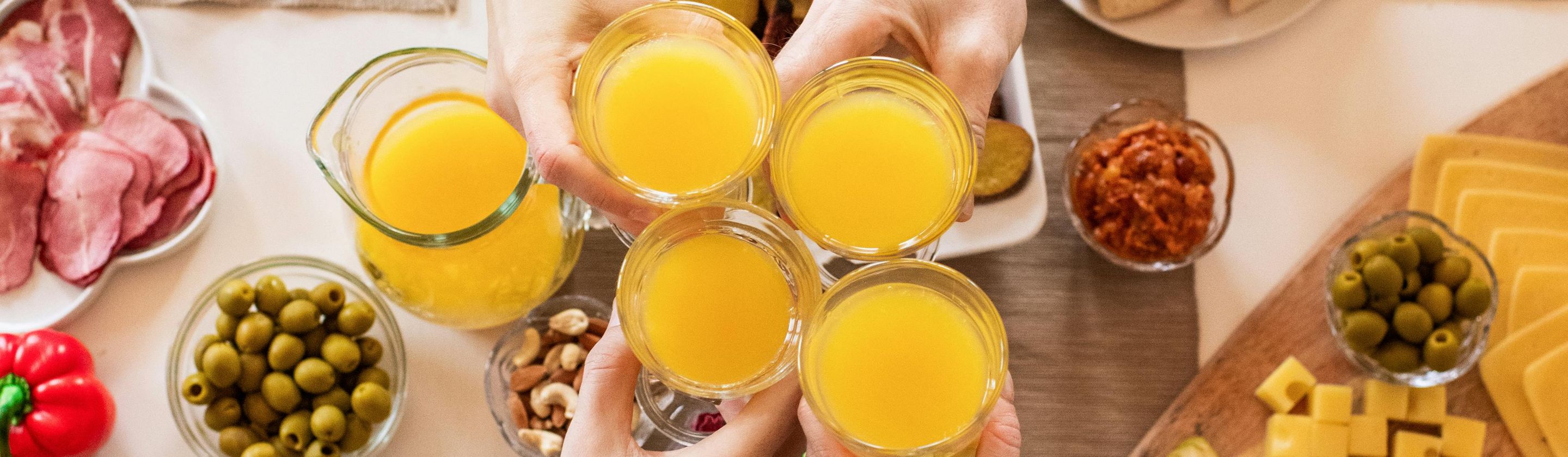
Olive oil tripled from its pre-crisis price after multiple drought years across Spain and Italy crushed harvests, and a 15% tariff on EU agri-food imports added a second layer of cost on top of already stressed supply. Orange juice followed a parallel path: citrus greening disease and back-to-back hurricane seasons have decimated Florida orange groves over two decades, leaving the U.S. dependent on Brazilian imports at the exact moment tariff exposure on those imports is rising.
When Trade Policy Moves Faster Than the Market
Fresh shrimp and imported seafood are the clearest tariff story on this list. The NOAA estimates that 80 to 85% of U.S. seafood is imported, with Vietnam, Chile, India, and Indonesia among the largest suppliers. Vietnam faces a 46% tariff. The Food Industry Association noted publicly that domestic production cannot close a gap that size, which means the full cost lands on consumers. The USDA's February 2026 Food Price Outlook flagged fish and seafood as growing faster than its 20-year historical average.
Italian pasta has gotten pricier as long-running U.S. antidumping proceedings keep adding variable cash-deposit duties; in a 2025 review, Commerce preliminarily set a 91.74% rate for 13 producers, with Italy warning it could bite from January 2026, for shoppers and restaurants alike today.
Imported wines from France, Italy, and Spain already carry product-specific U.S. duties, and a new U.S.–EU trade framework added a 15% tariff on EU wine and spirits from August 1, 2025, pushing many bottles into special-occasion territory. Mexico supplies roughly 88% of U.S. avocado imports, and recurring tariff threats have periodically jolted prices even when exemptions hold. Specialty European cheeses stack import duties atop stubbornly high global dairy costs.
When the Climate Finally Sent the Bill
Sugar and candy lead the USDA's 2026 food-at-home projections, forecast to rise 6.7% with upside risk above 10%. Butter and dairy face structural pressure from grain feed costs and rising energy costs in processing. Canned tomatoes are up partly because of crop yield disruptions in California and Italy, and partly because steel and aluminum tariffs raised the cost of the can itself. Almonds and cashews have tracked upward with California water costs and labor pressures, landing in the USDA's "other foods" category projected to rise 3.1% in 2026.
Maple syrup depends on a narrowing climate window that has made production less predictable, while demand for the real version has only grown. Premium granola and breakfast cereals, fresh salmon, and non-alcoholic beverages including juice and premium coffee drinks complete the list, with the USDA projecting the beverage category to rise 5.2% in 2026, well above its 20-year historical average.
The throughline across all these price hikes is that the shift already happened. These aren't warnings about what might get expensive. They're a record of what already did.
KEEP ON READING