Food Trends Change Faster Than Most Can Keep Up
Cooking styles go through trends just like fashion, music, and interior design, which means some techniques quietly disappear while others get pushed far beyond their original charm. Certain underrated approaches still produce incredible meals but rarely receive mainstream attention anymore, while other overused trends continue showing up despite exhausting both home cooks and restaurant diners alike. Some methods deserve another chance because they focus on flavor, practicality, or creativity rather than social media presentation. Here are 10 cooking styles that deserve more love and 10 we can finally retire.
 Stanislav Kondratiev on Pexels
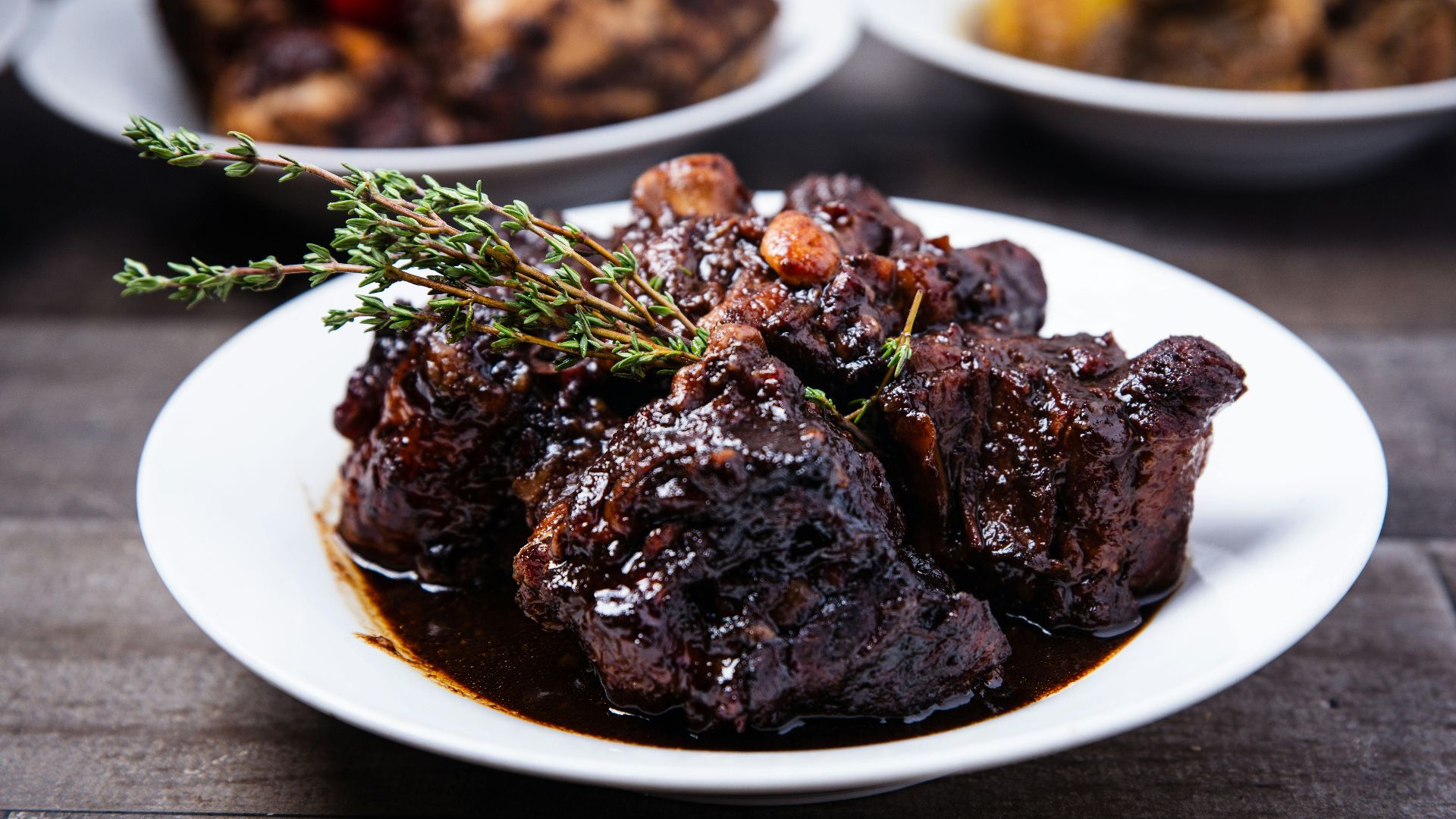
1. Slow Braising
Slow braising creates deeply flavorful meals that often taste better than far more complicated modern techniques. Tough cuts of meat become tender through patient cooking rather than expensive ingredients or trendy gadgets. This method also works beautifully for vegetables, beans, and hearty stews during colder months.
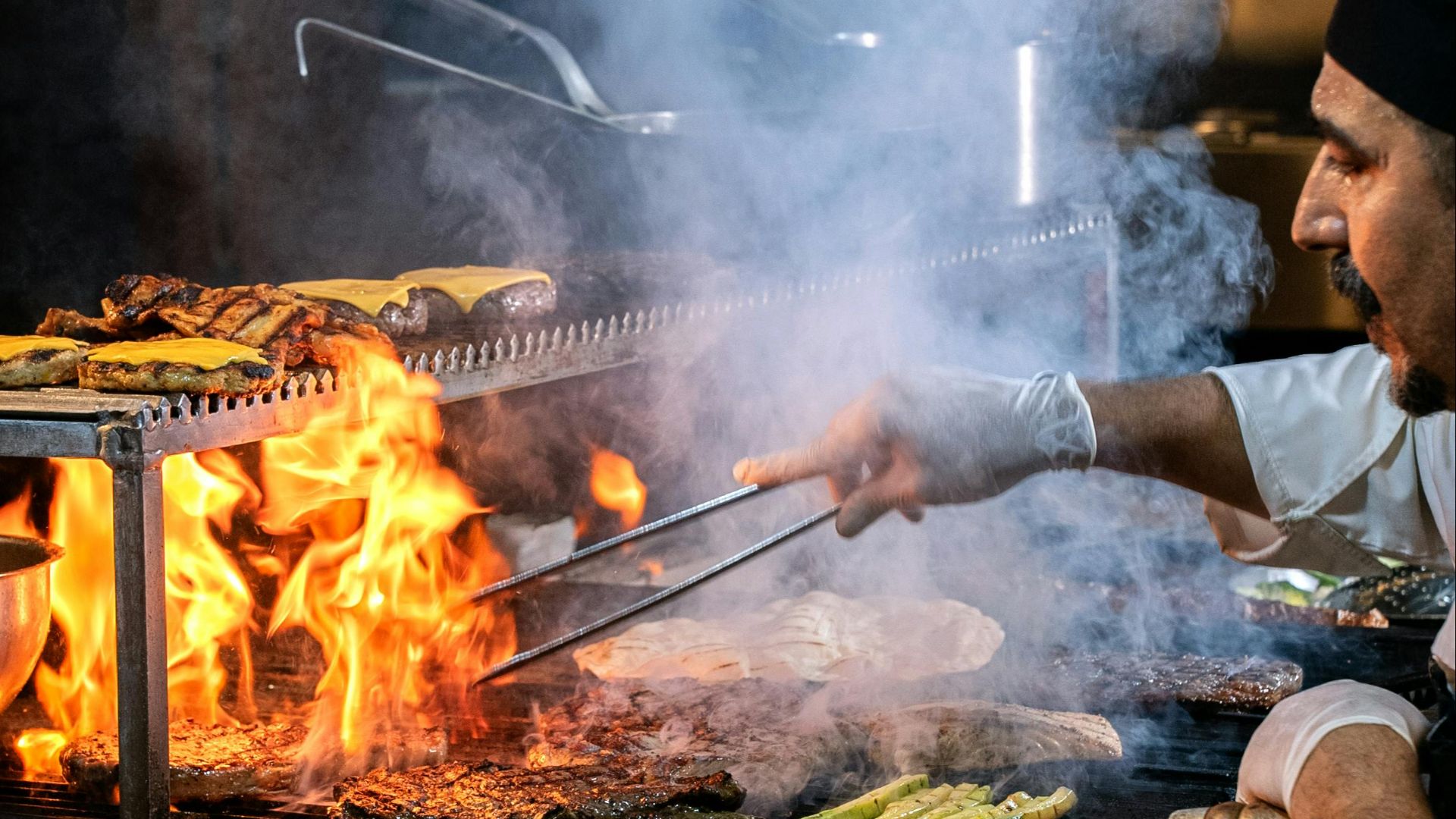
2. Open-Fire Cooking
Cooking over wood or charcoal adds flavors that standard stovetops and ovens simply can’t replicate completely. Many cultures still rely on open-fire methods that create smokiness and texture impossible to fake with bottled sauces. The process also encourages slower, more intentional cooking rather than rushing through meals.
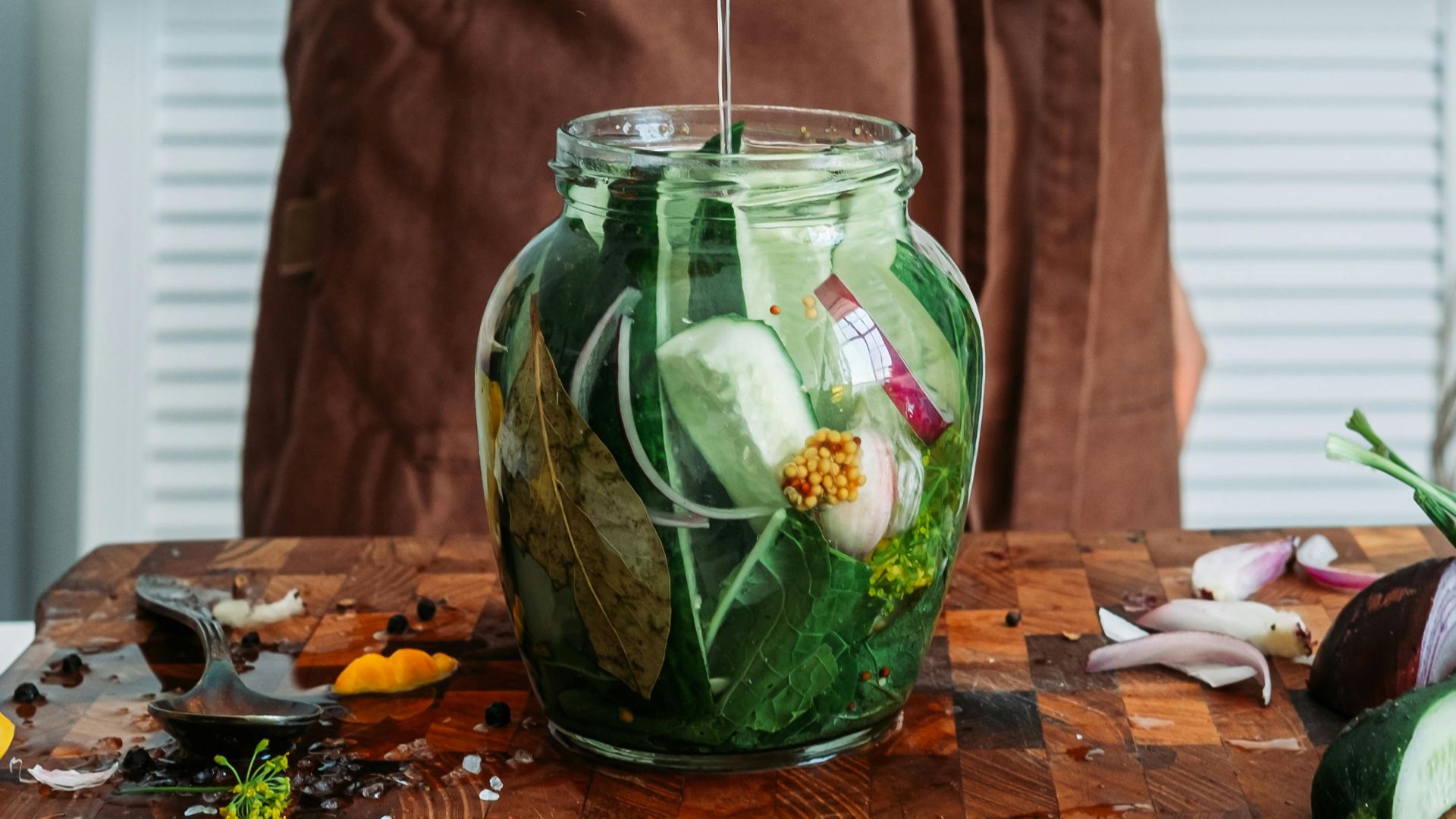
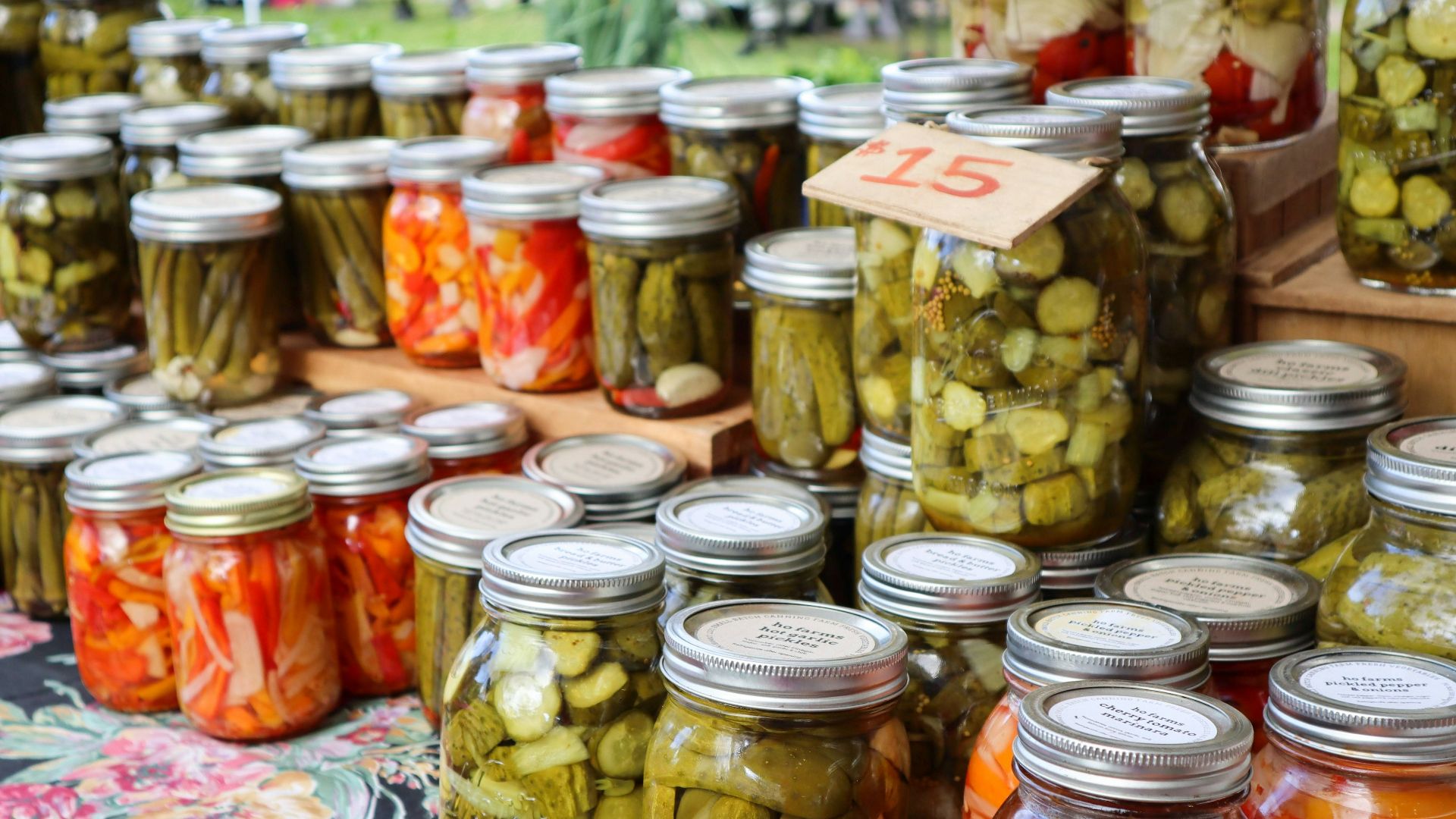
3. Pickling
Pickling does far more than preserve cucumbers because the technique works with onions, carrots, peppers, eggs, and countless other ingredients. Homemade pickled foods add brightness, acidity, and crunch that can completely improve simple meals.
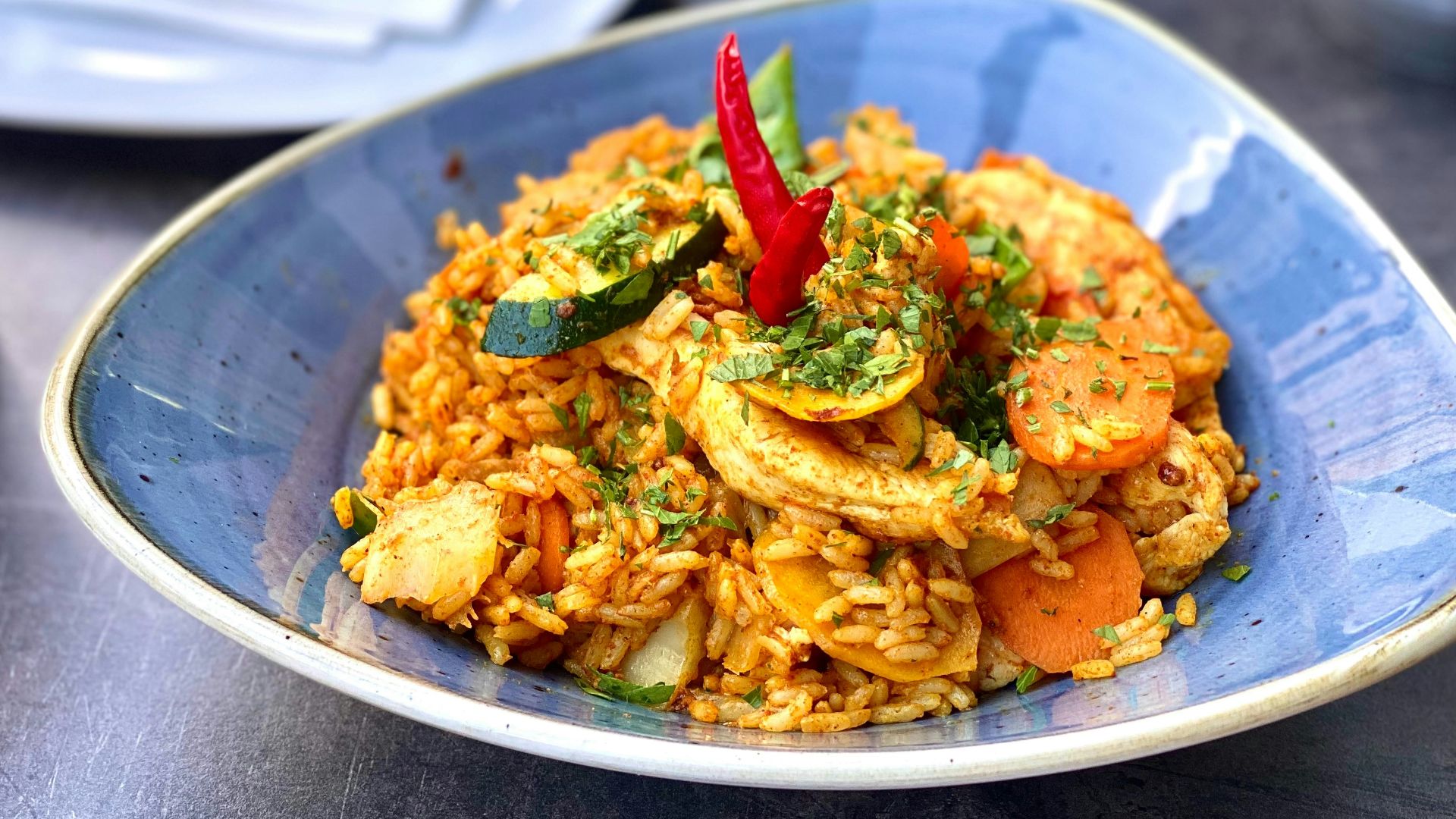
4. One-Pot Cooking
One-pot meals are often dismissed as lazy cooking, even though they can produce rich, layered flavors with less cleanup involved. Dishes like jambalaya, paella, risotto, and hearty soups prove that cooking everything together can work incredibly well.
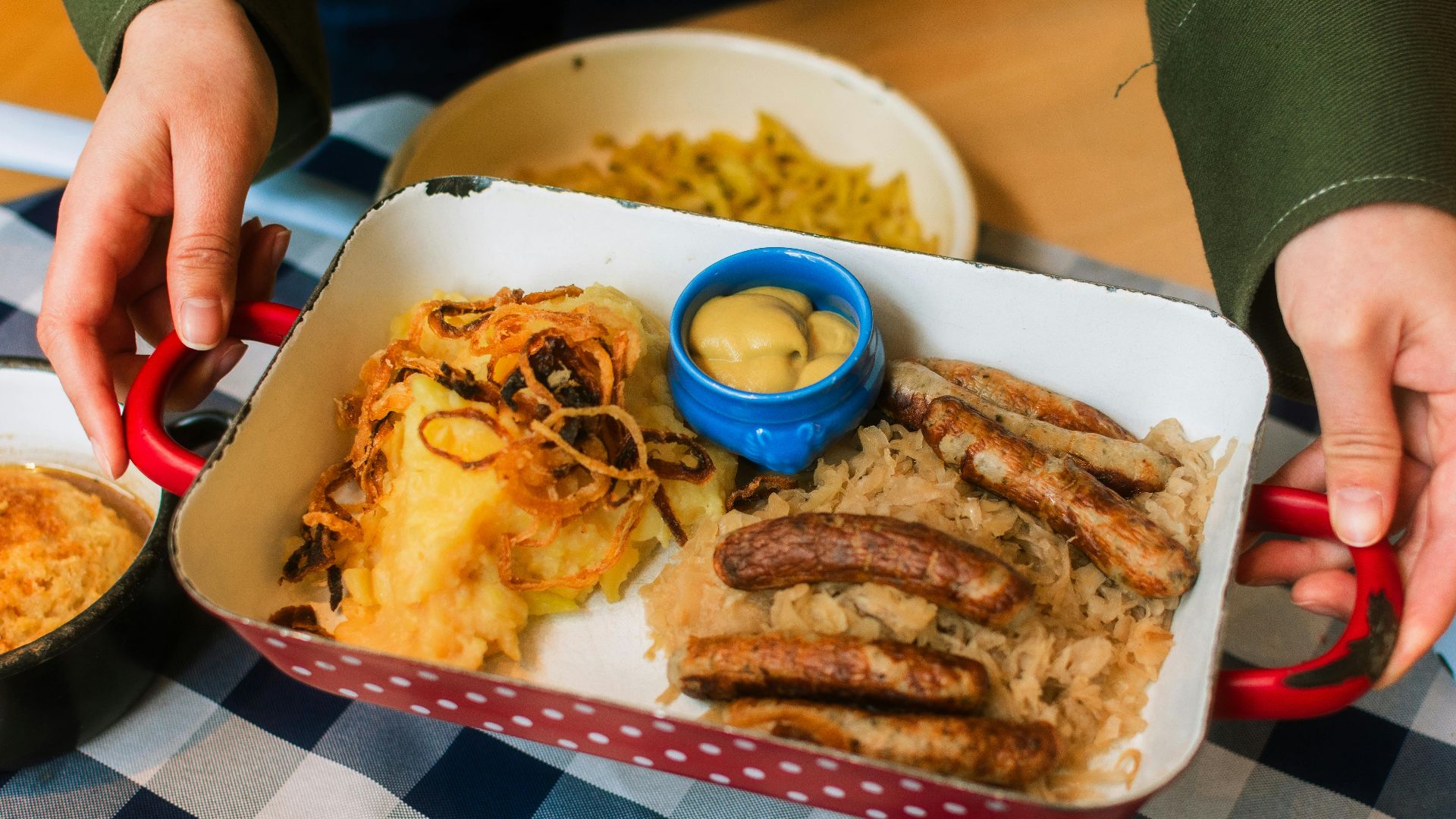
5. Fermentation
Fermented foods like kimchi, sauerkraut, miso, and yogurt bring complexity that fresh ingredients alone sometimes can’t achieve. Fermentation has existed for thousands of years because it improves preservation while creating bold flavors naturally.
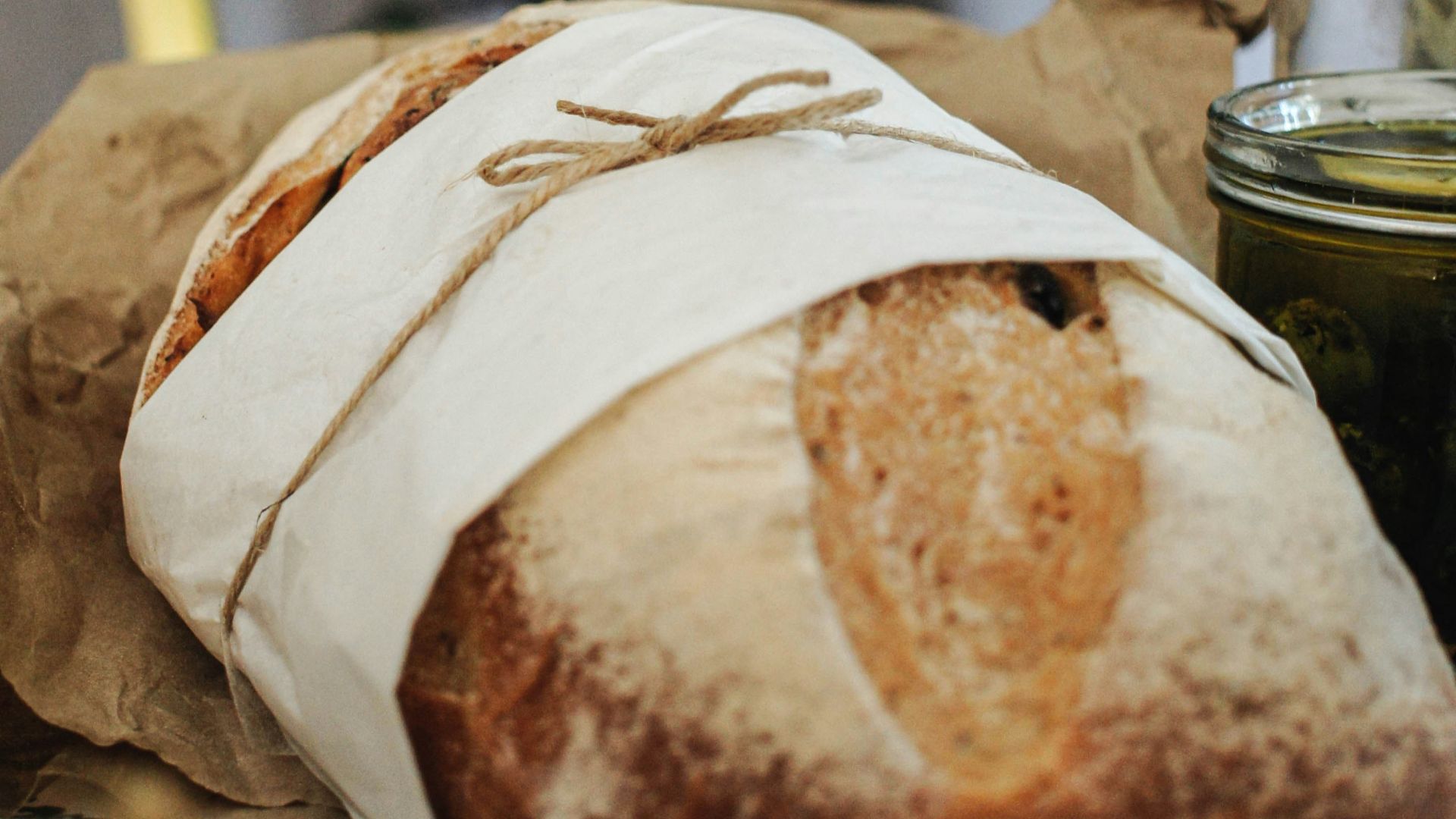
6. Rustic Home Baking
Not every baked item needs flawless decoration or bakery-level precision to taste fantastic. Rustic breads, fruit galettes, and uneven homemade pastries often feel more comforting than perfectly styled desserts designed for photographs. This style encourages people to enjoy baking without obsessing over appearance.
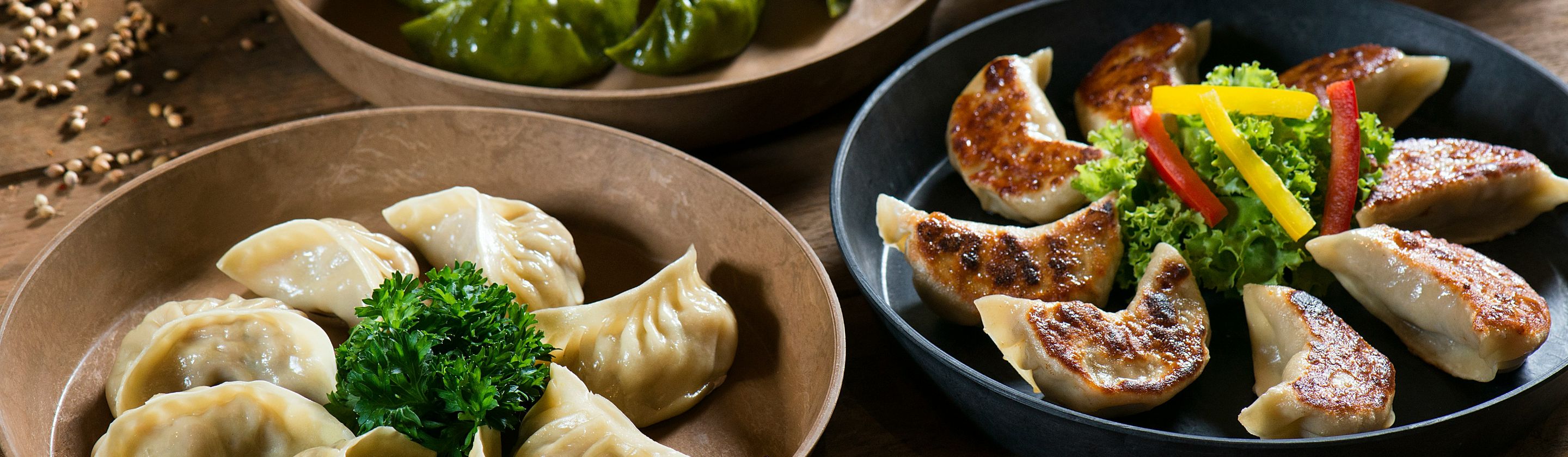
7. Steaming
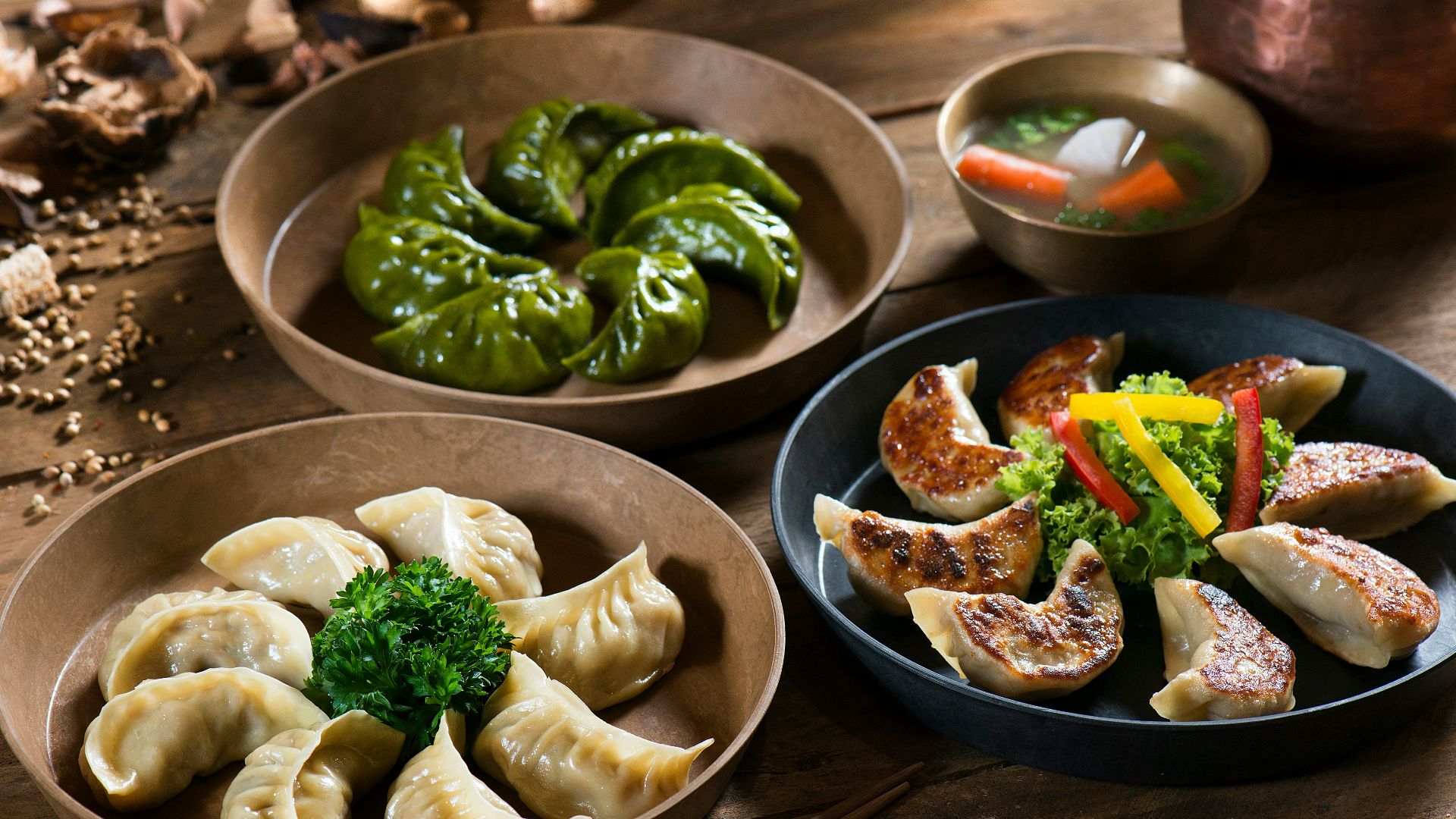
Steaming unfairly developed a reputation for being bland despite being capable of producing delicate, flavorful dishes. Many Asian cuisines use steaming to preserve texture and moisture while allowing sauces and seasonings to stand out clearly. Fish, dumplings, vegetables, and buns all benefit from the technique when prepared properly.
 Abhishek Sanwa Limbu on Unsplash
8. Cast-Iron Cooking
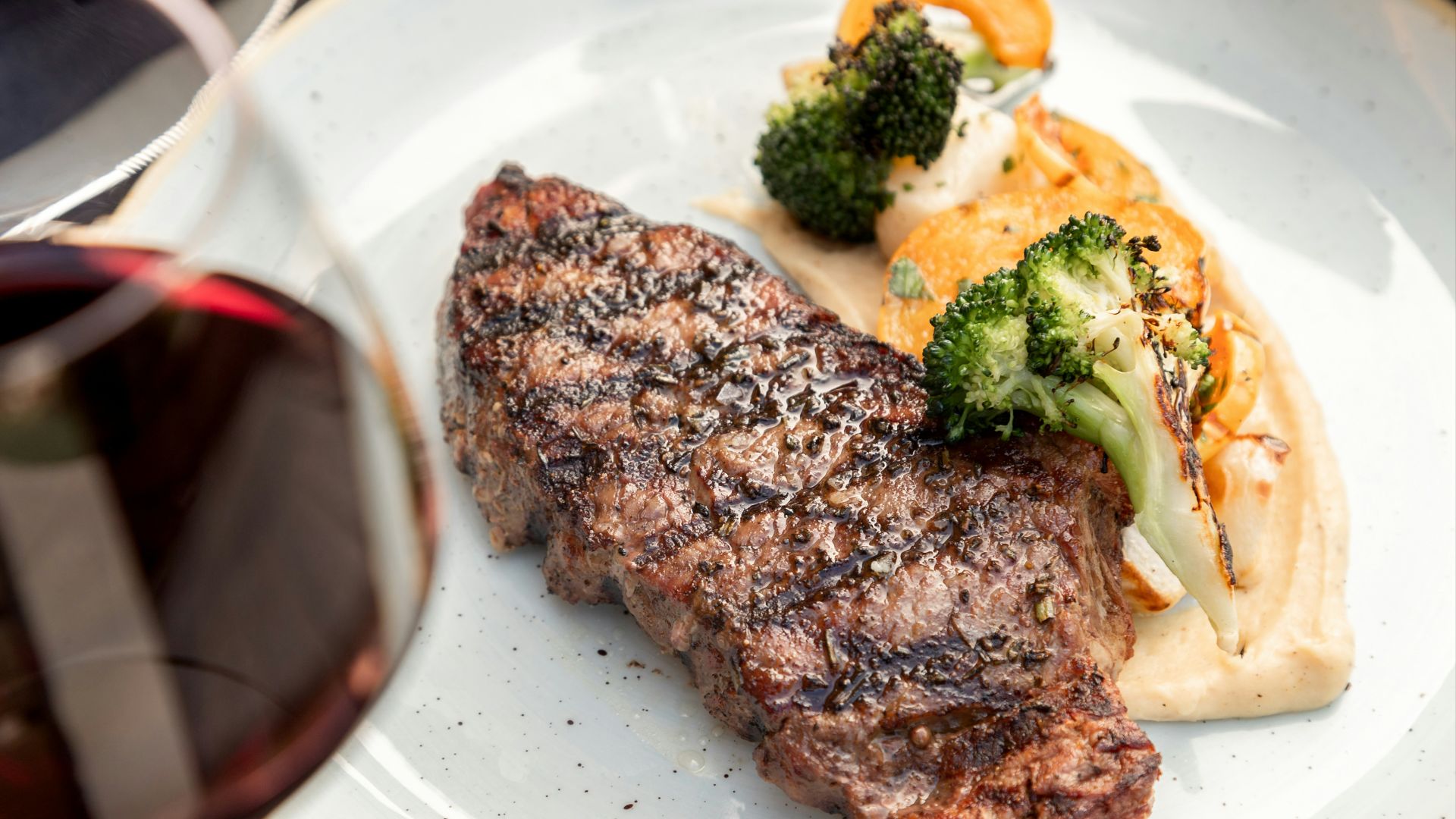
Cast-iron cooking creates excellent heat retention and natural browning that many lighter pans struggle to match. A properly seasoned skillet can handle everything from cornbread to steaks to desserts with impressive results. These pans also last for decades when maintained correctly.
9. Broth-Based Cooking
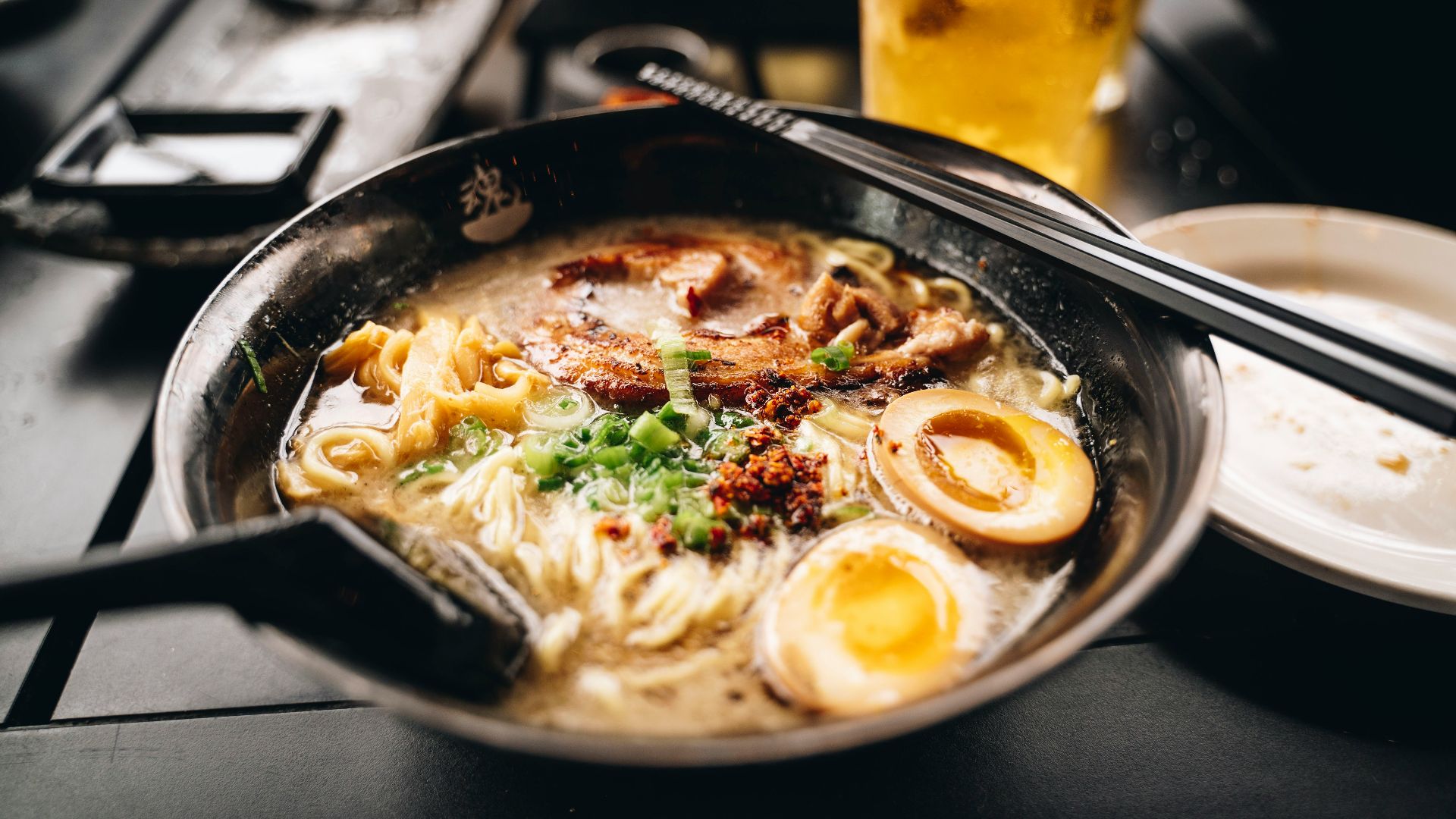
Broth-centered dishes like pho, ramen, consommé, and classic soups require patience and technique that often go underappreciated. A well-made broth develops layers of flavor that can’t be rushed through shortcuts alone. These dishes also tend to feel comforting without becoming excessively heavy.
10. Regional Farm Cooking
Traditional regional cooking focused heavily on seasonal local ingredients long before “farm-to-table” became trendy marketing language. Many older recipes were developed around practicality, freshness, and reducing waste rather than visual presentation.
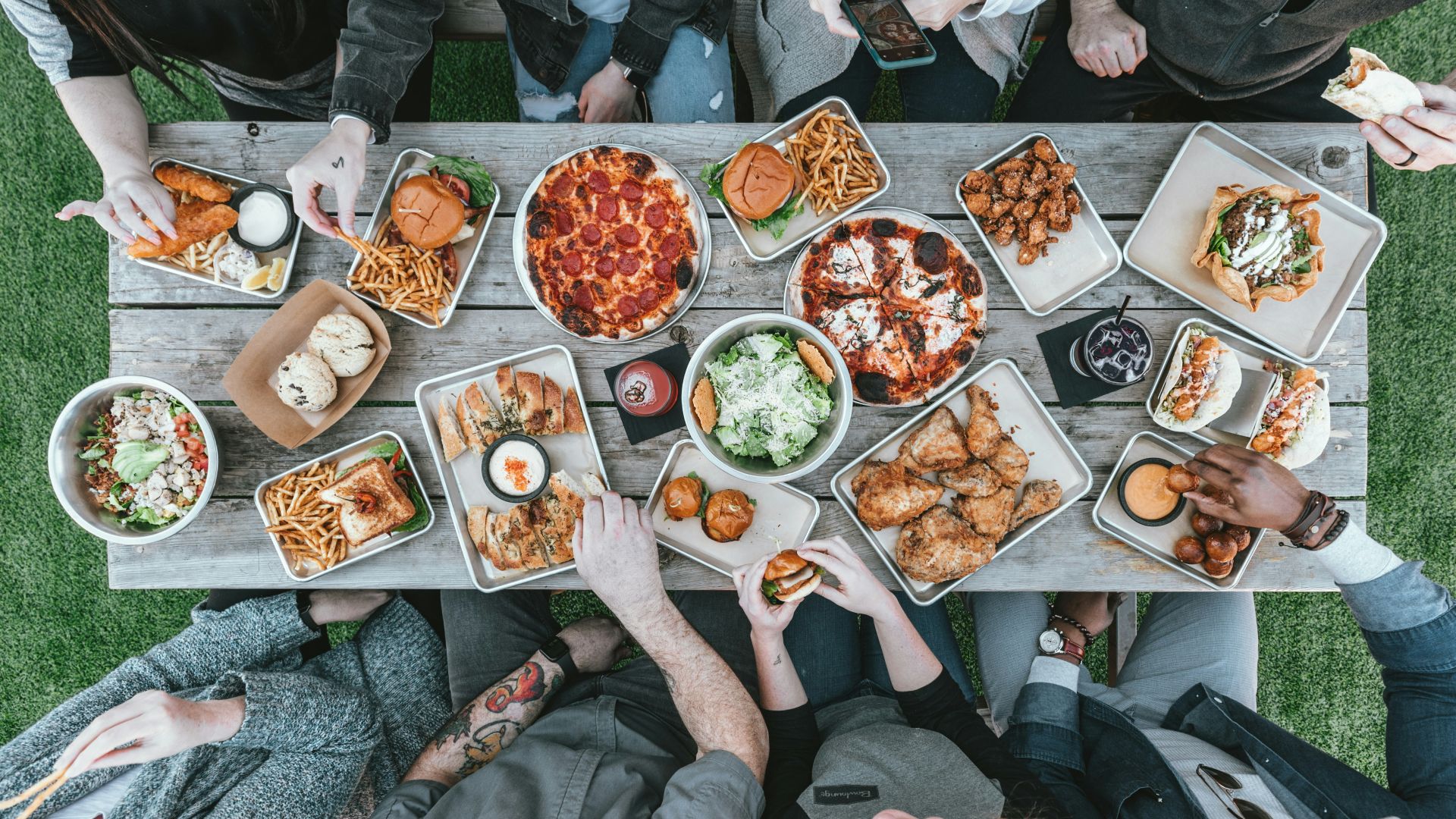
1. Overloaded Milkshakes
Towering milkshakes covered with entire slices of cake, candy bars, and excessive toppings became more about photographs than actual drinking. Many versions are almost impossible to consume neatly or comfortably. This dessert also often wastes ingredients purely for visual impact.
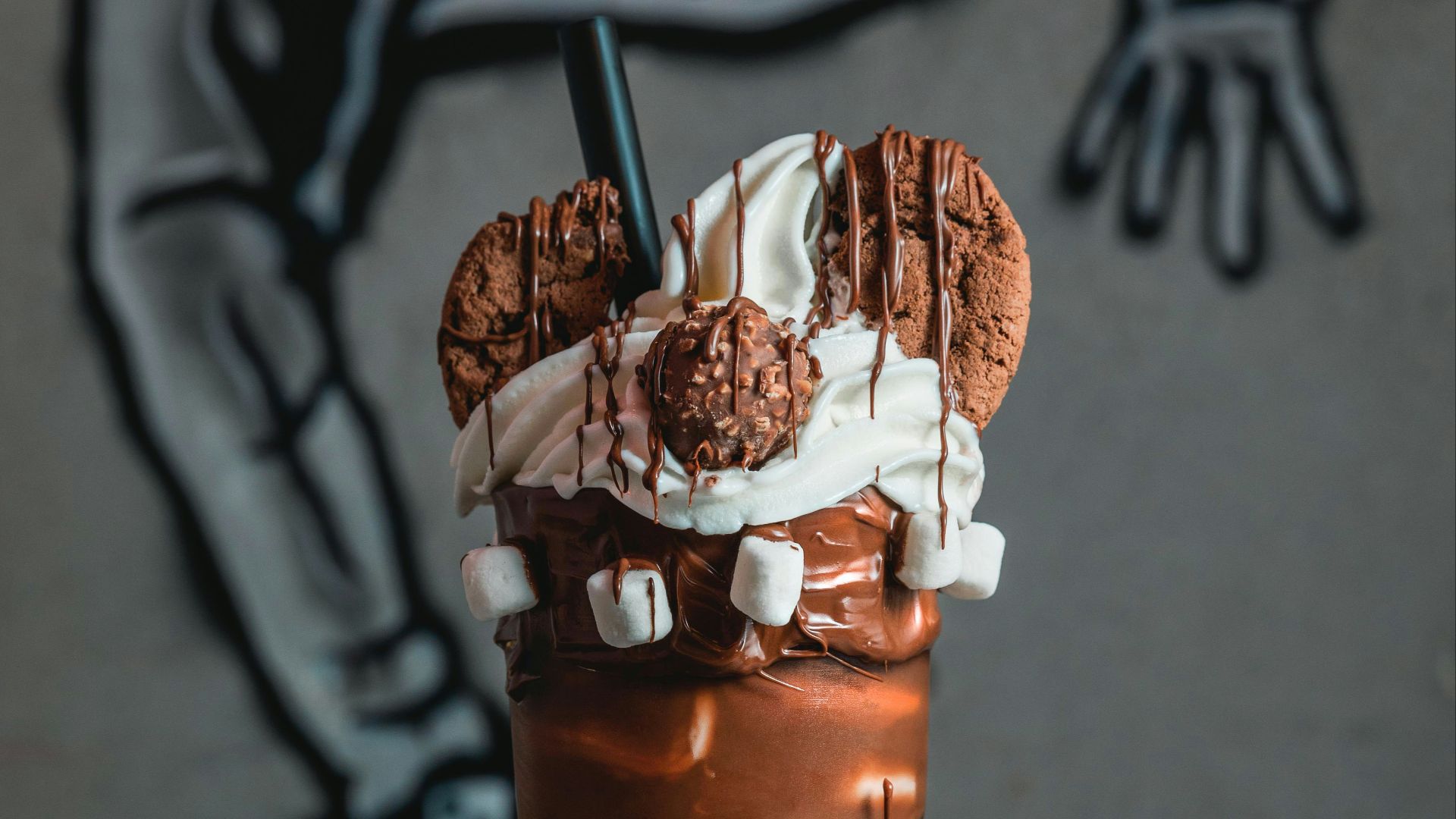
2. Everything Covered in Truffle Oil
Truffle oil became massively overused once restaurants realized customers associated it with luxury. Unfortunately, many commercial versions contain synthetic flavor compounds instead of real truffles. The overpowering taste often dominates entire dishes rather than complementing them subtly.
 Addilyn Ragsdill @clockworklemon.com on Unsplash
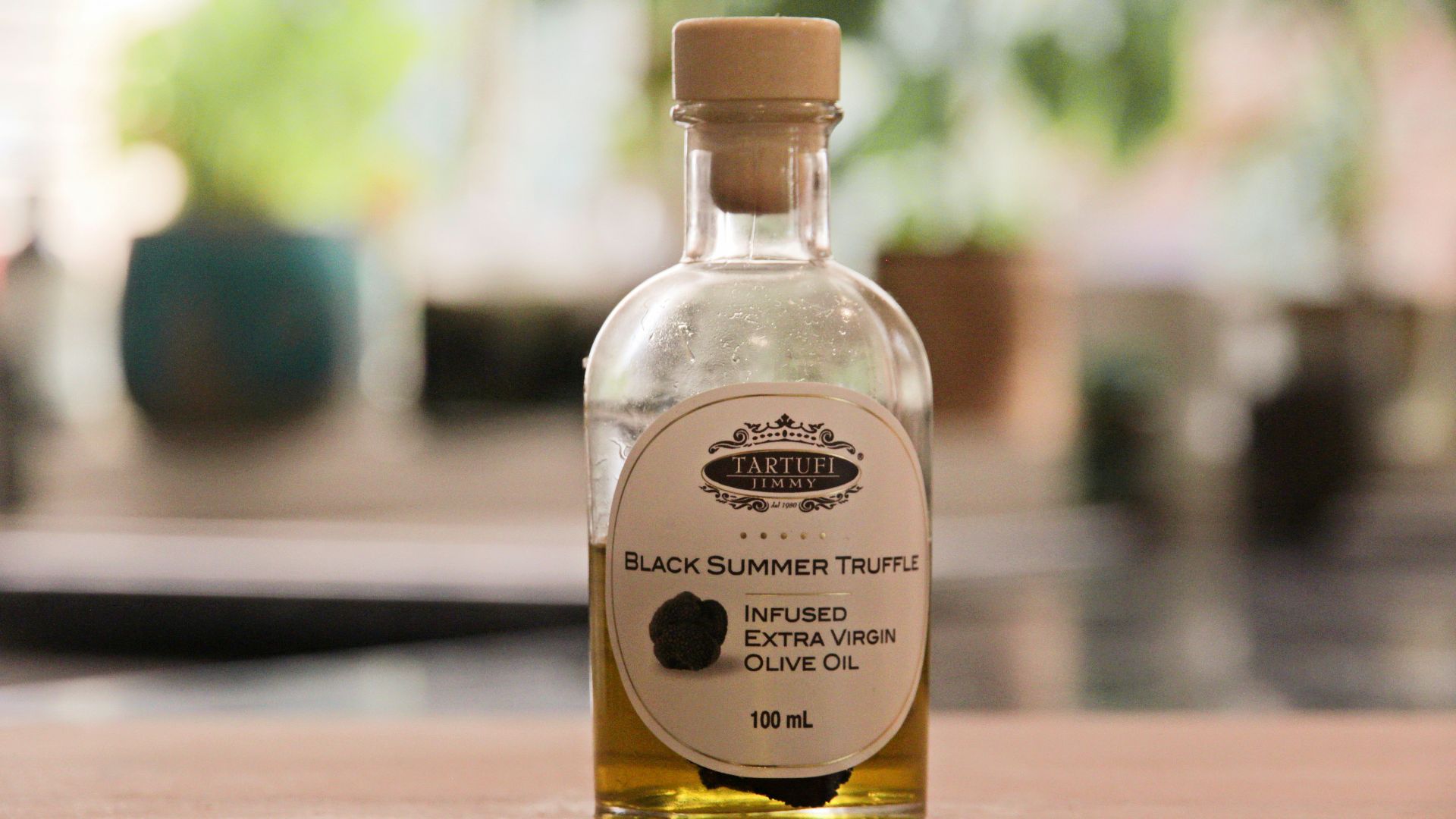
3. Deconstructed Classics
Deconstructed dishes sometimes feel more frustrating than creative because they remove the structure that originally made the food enjoyable. Taking apart a burger, taco, or pie often creates extra inconvenience without improving flavor.
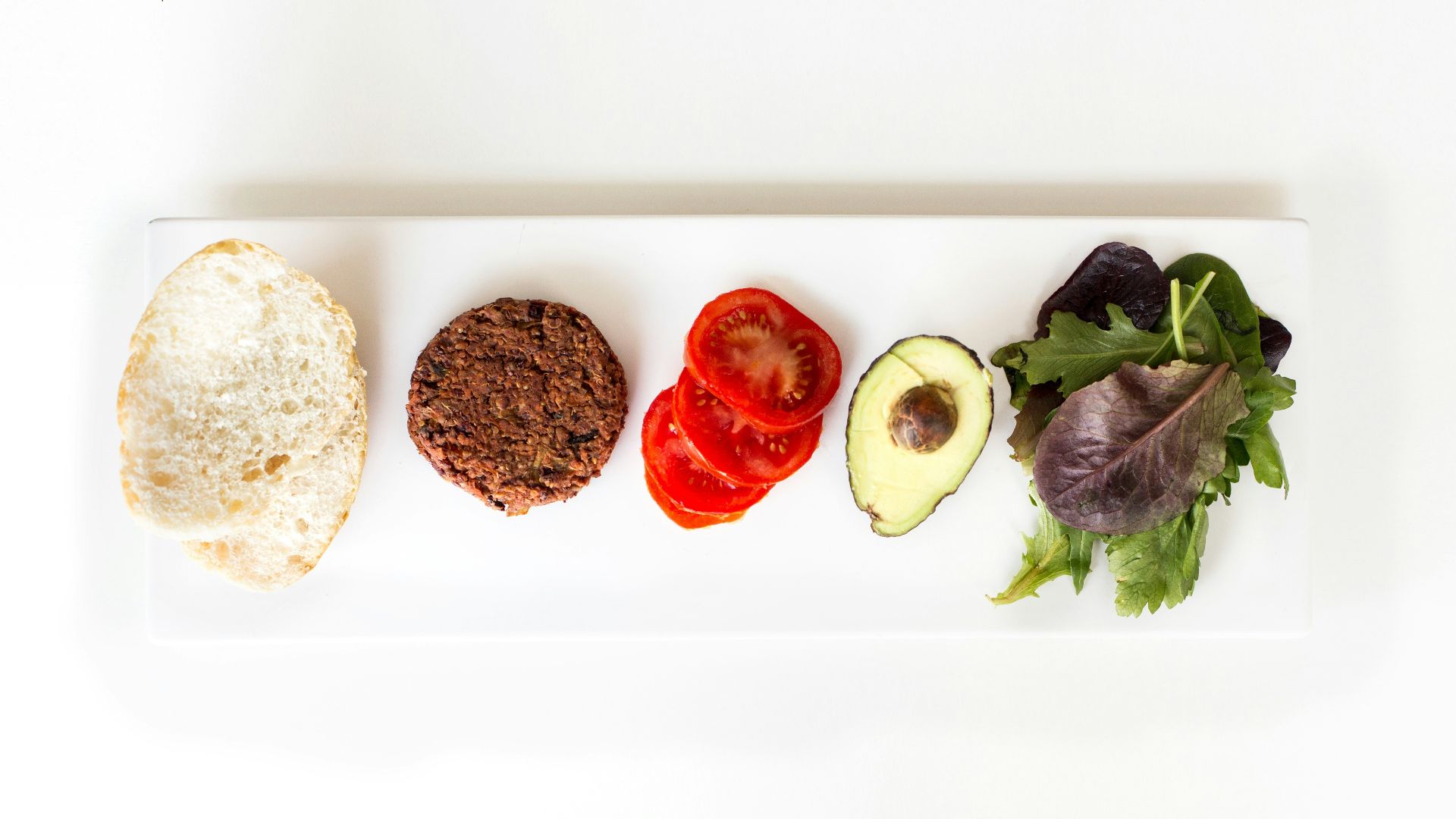
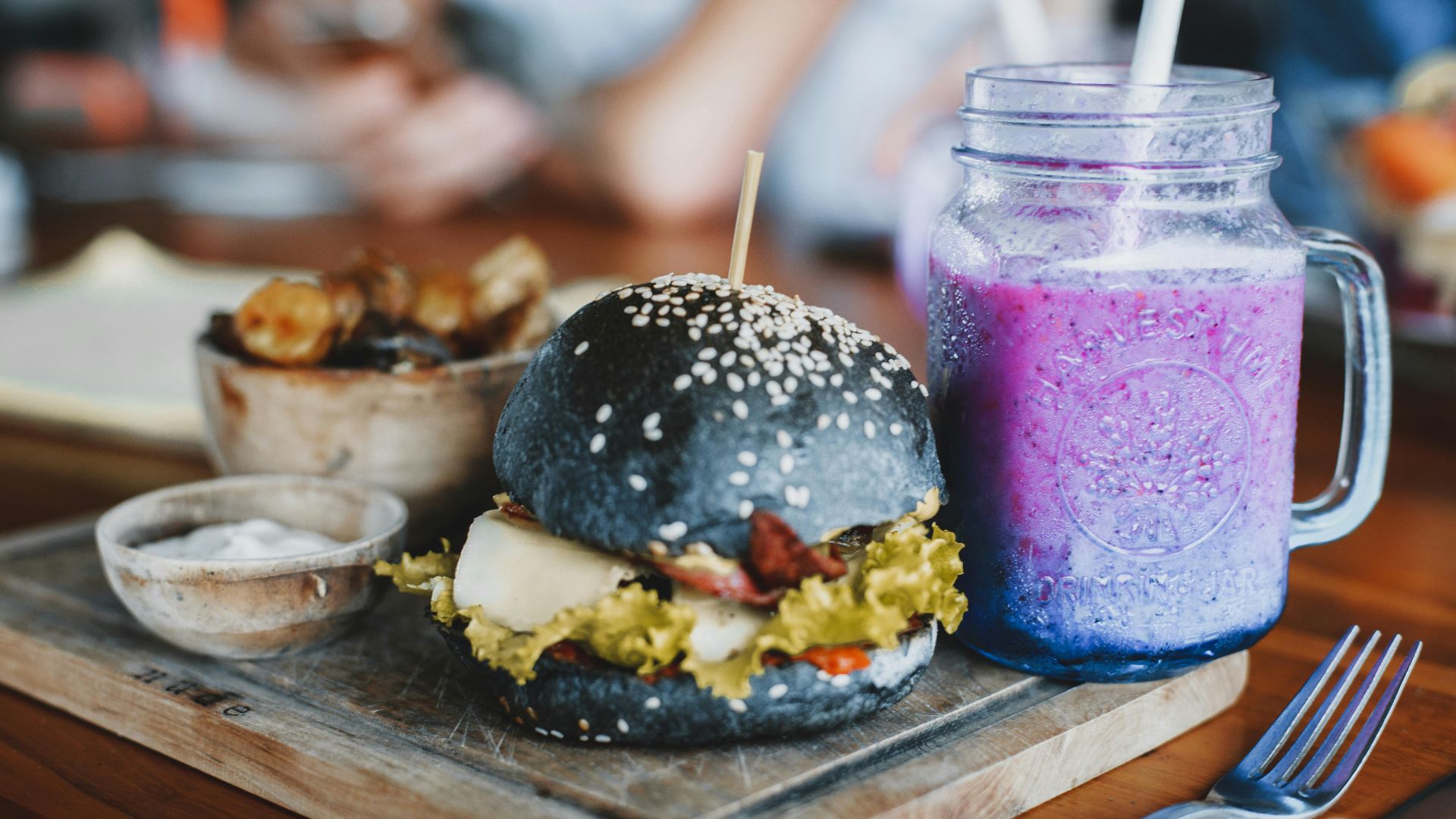
4. Charcoal-Colored Food
Activated charcoal briefly appeared in everything from ice cream to burger buns because the black color looked dramatic online. Beyond appearance, though, the ingredient rarely improved flavor or texture meaningfully. Some health experts also warned that activated charcoal could interfere with certain medications.
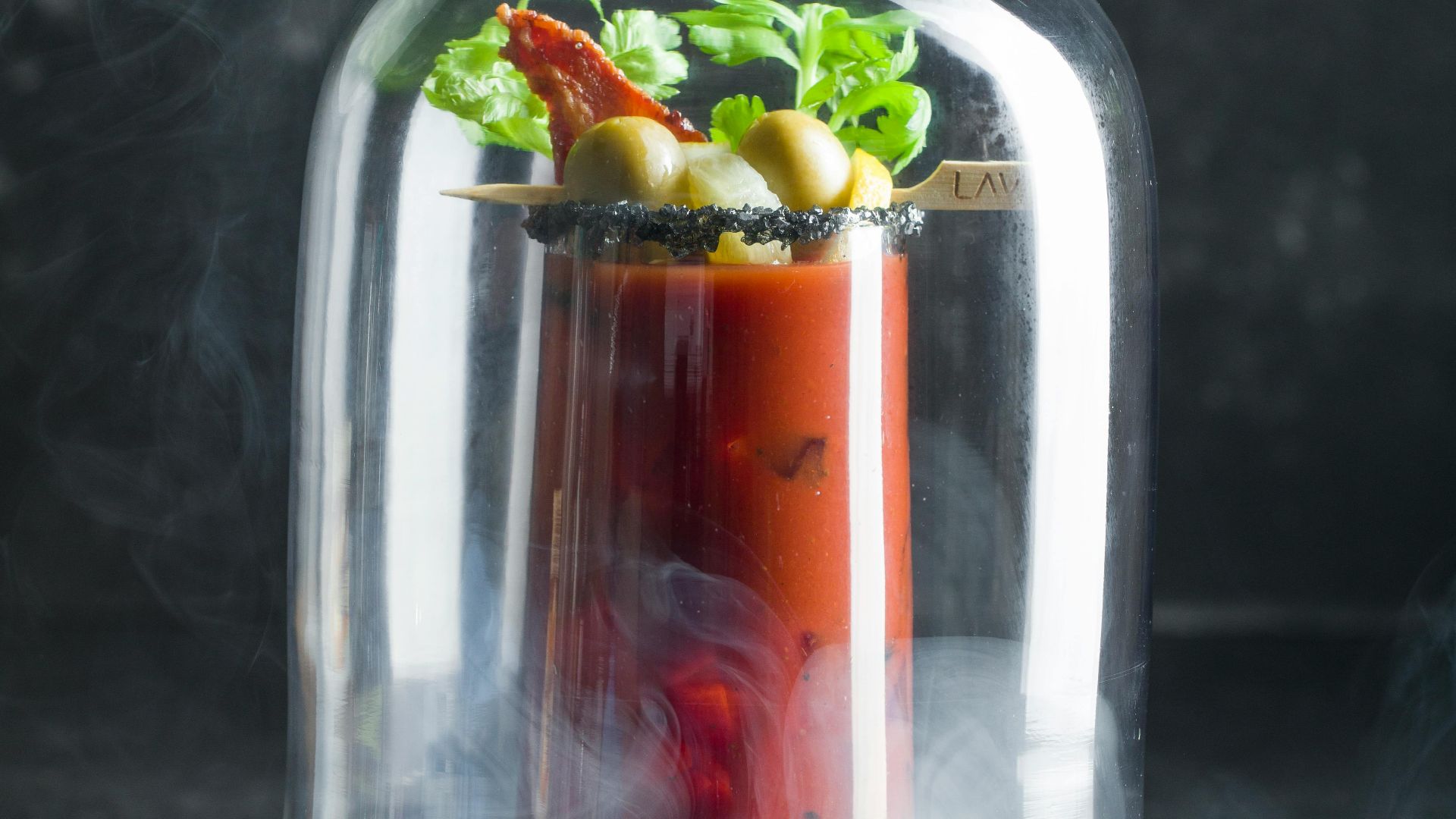
5. Giant Bloody Mary Garnishes
Bloody Marys topped with entire cheeseburgers, fried chicken, or seafood skewers stopped being practical cocktails long ago. The drink itself often became impossible to sip comfortably beneath the mountain of food attached to it.
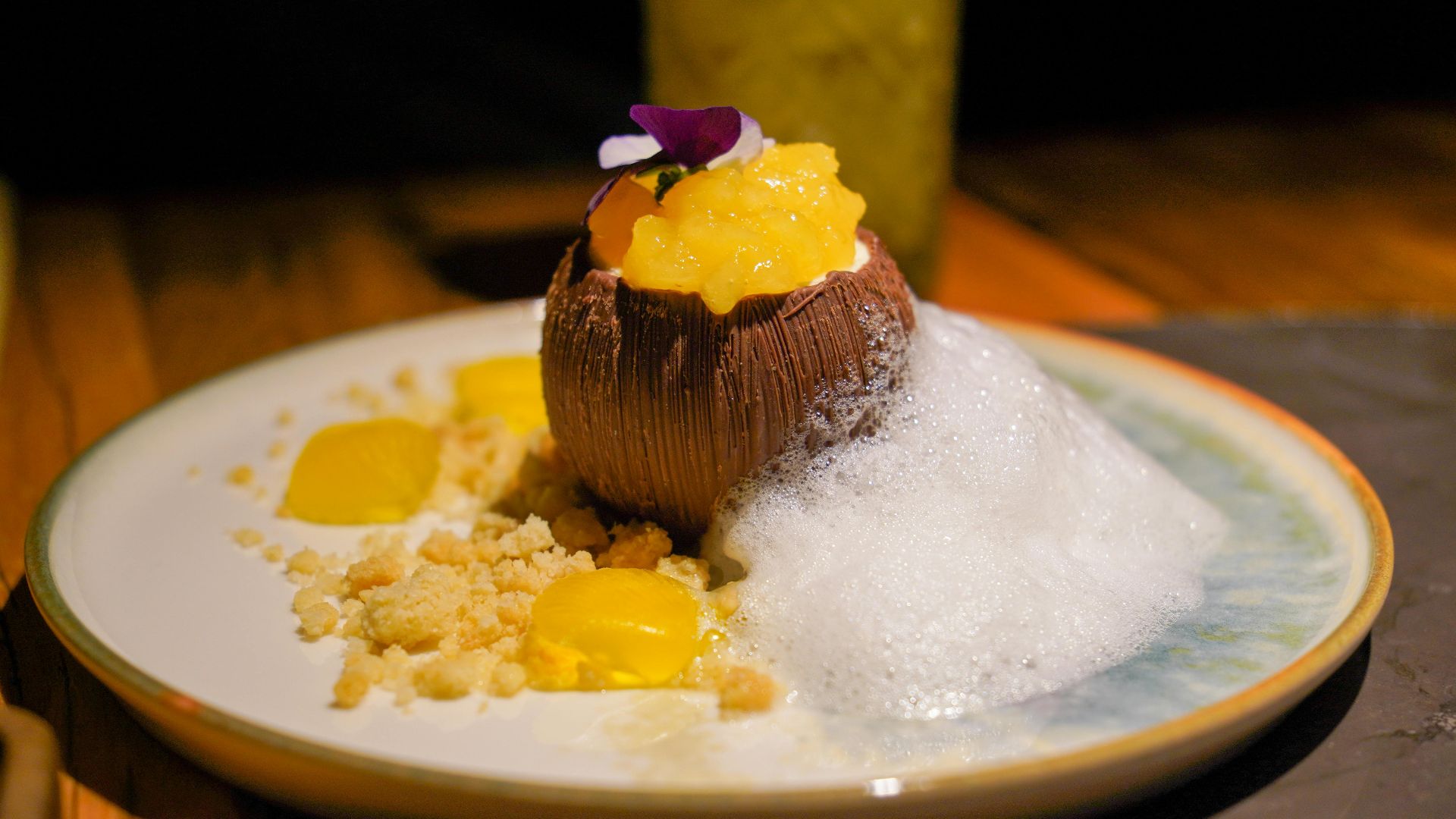
6. Foamed Everything
Culinary foams became heavily associated with fine dining experimentation during the molecular gastronomy boom. While some chefs used them creatively, many dishes added foam simply because it looked modern and expensive. The texture often disappeared instantly without contributing much flavor.
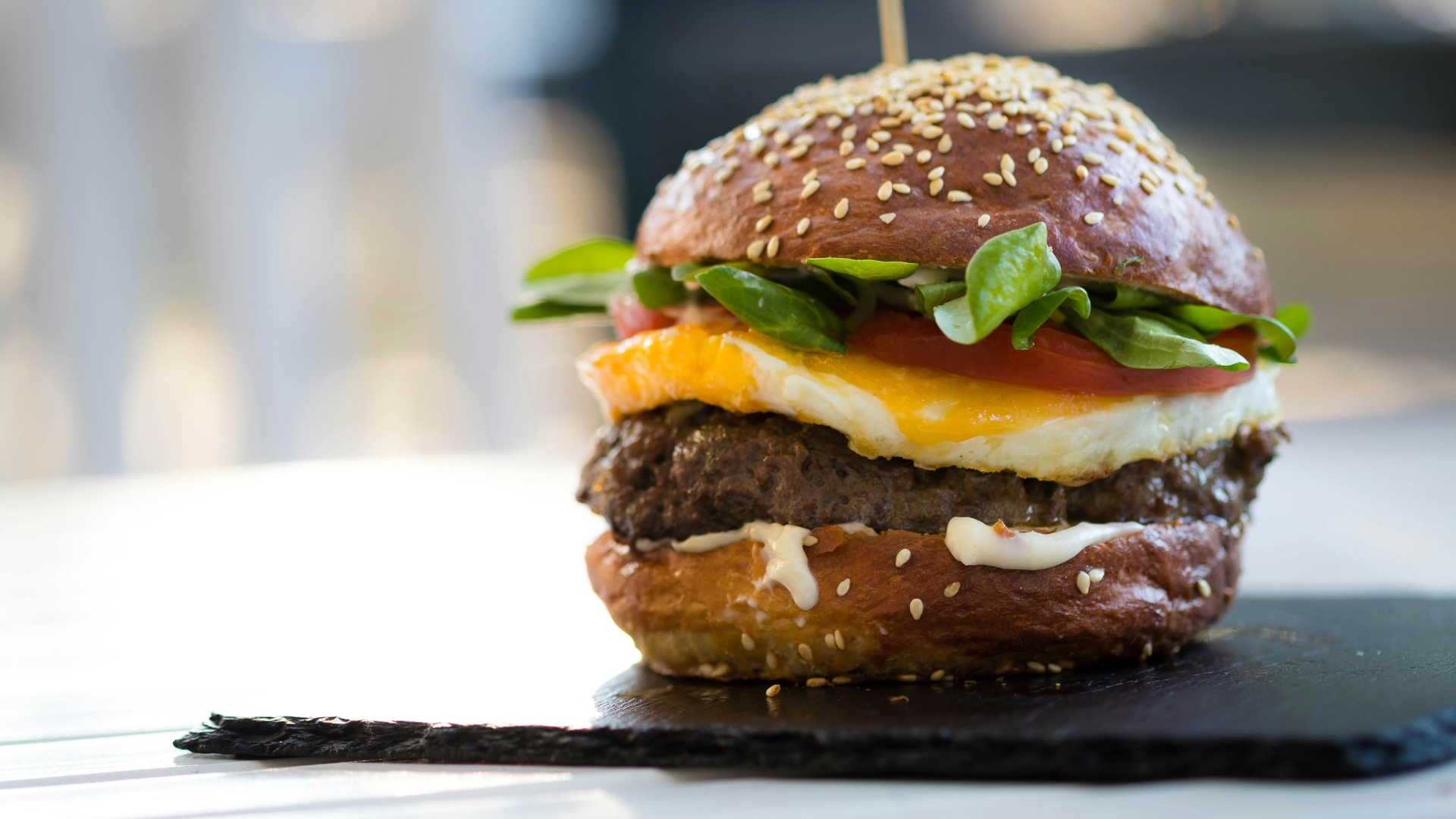
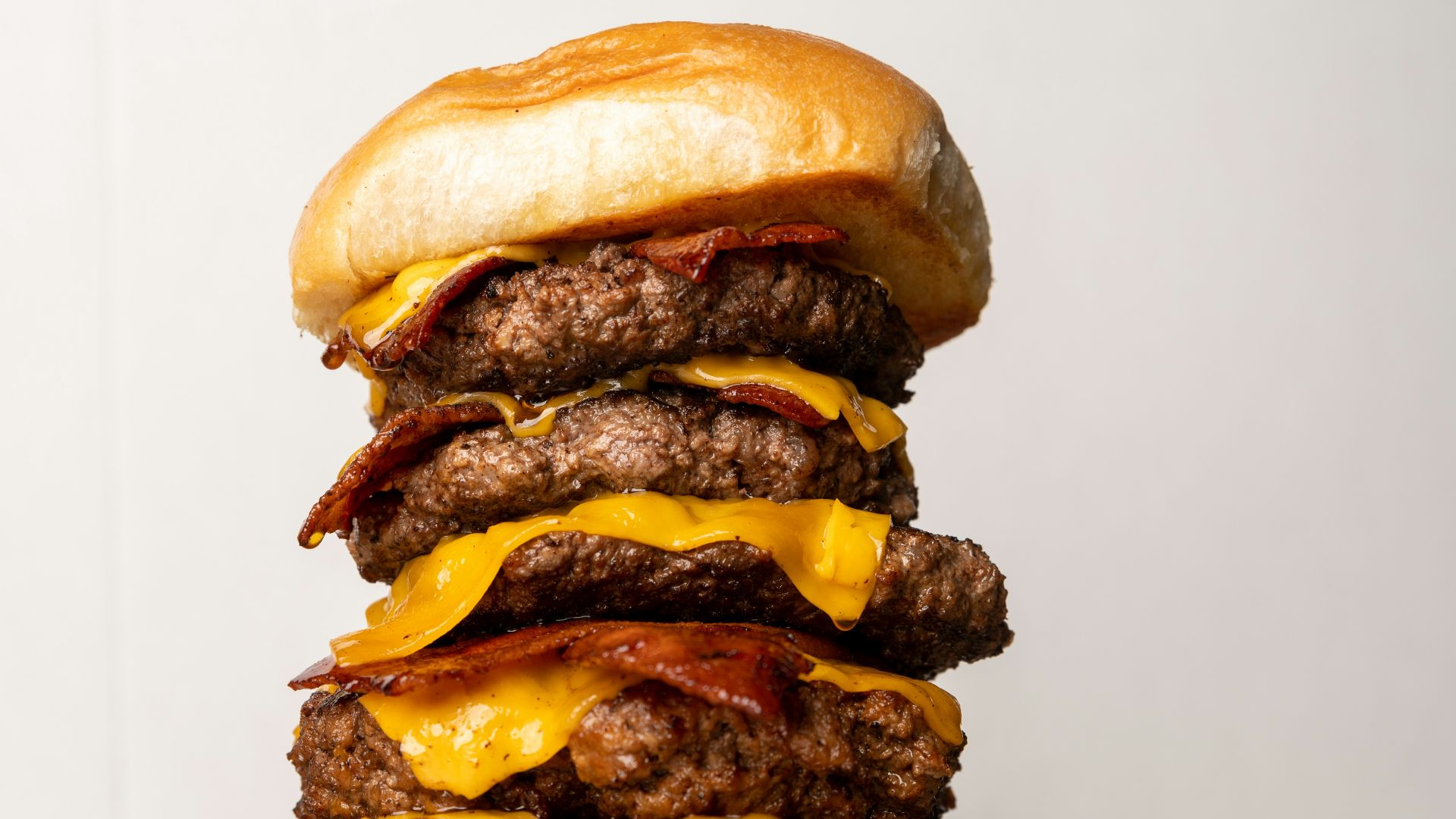
7. Excessively Tall Burgers
Some restaurants became obsessed with stacking burgers so high that customers physically couldn’t bite into them properly. Extra layers often made the sandwiches messy, unstable, and difficult to enjoy.
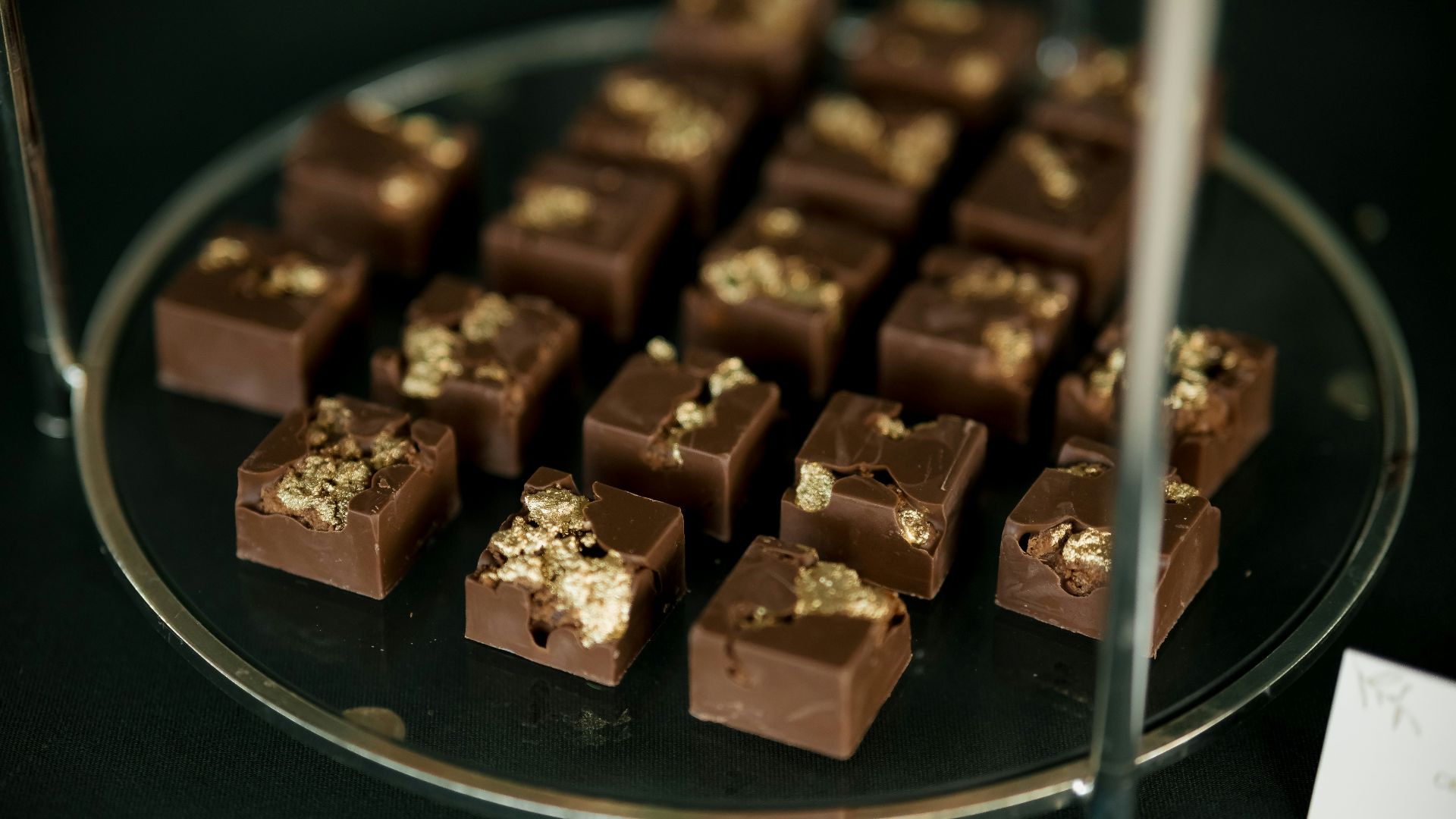
8. Gold Leaf Desserts
Edible gold became one of the clearest examples of luxury presentation overpowering actual cooking quality. Gold leaf adds virtually no flavor but dramatically increases prices because it appears extravagant.
9. Overly Complicated Tasting Menus
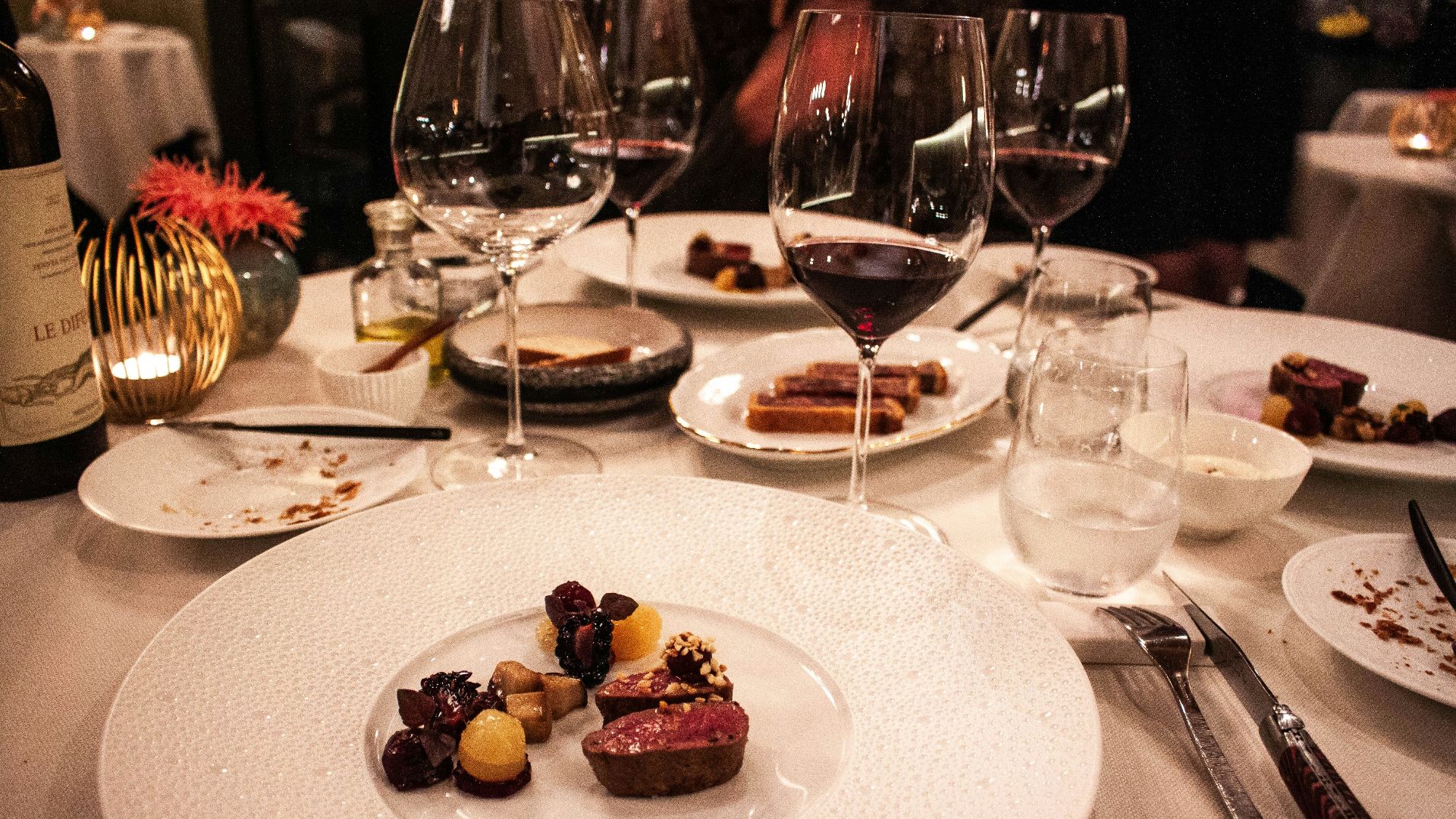
Tasting menus can be incredible when thoughtfully designed, but some restaurants pushed them into exhausting territory with dozens of tiny courses. Diners sometimes spend more time listening to explanations than actually enjoying the meal.
10. Viral “Cheese Pull” Obsession
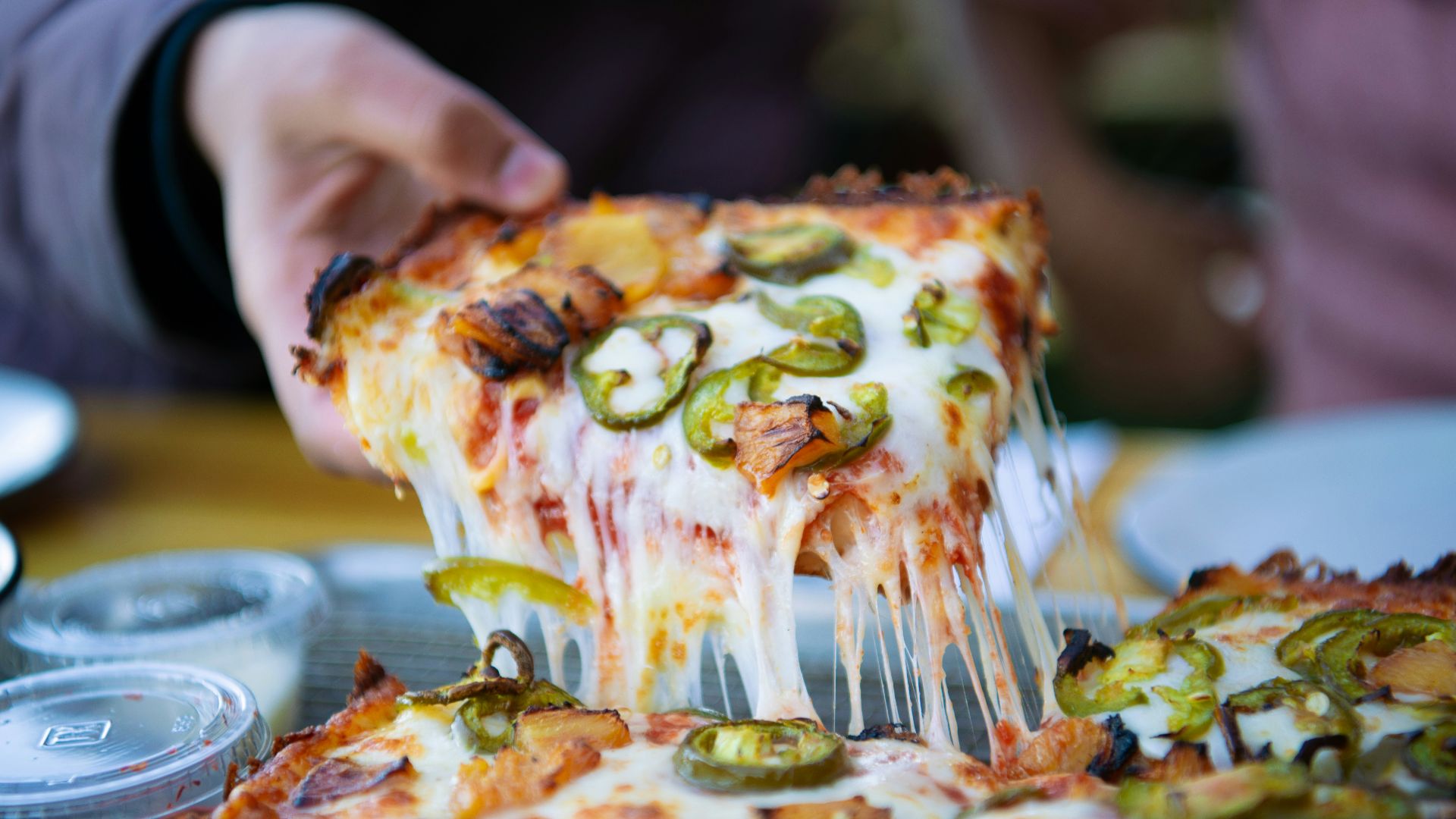
For years, restaurants and food creators overloaded dishes with excessive melted cheese purely to create dramatic stretching videos online. The visual effect often mattered more than balance, texture, or flavor.
 Akshaya Jayaprakash on Unsplash
KEEP ON READING