The Fridge Is Not Universal
American kitchens treat refrigeration as the default answer to almost everything perishable. Much of the world does not, and plenty of what sits out at room temperature elsewhere would be regarded as a health violation in a US grocery store. Different food safety rules explain part of it. The rest comes from preservation methods older than fridges. Here are 20 foods stored abroad in ways that would shock Americans.
1. Eggs On An Unrefrigerated Shelf
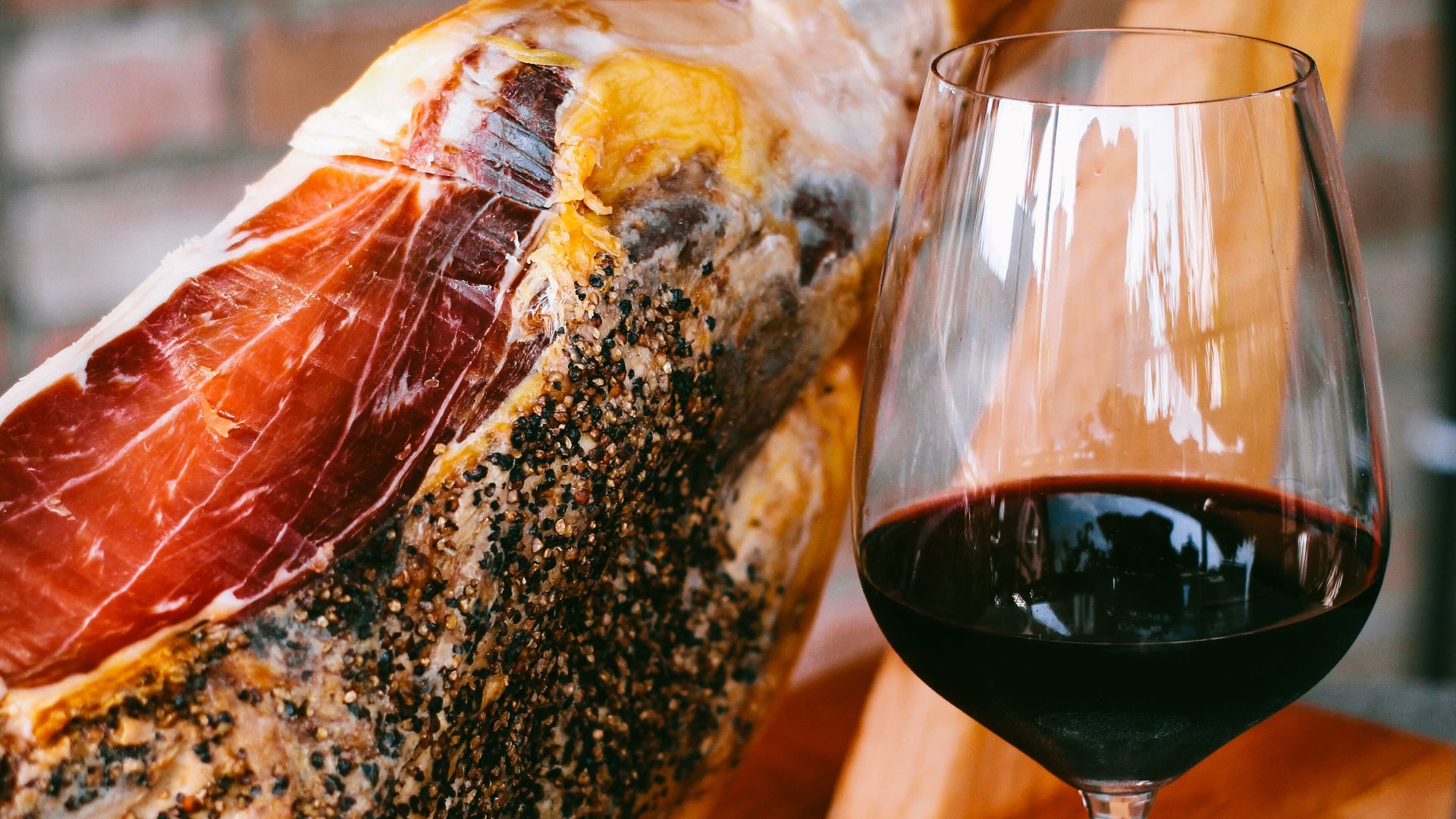
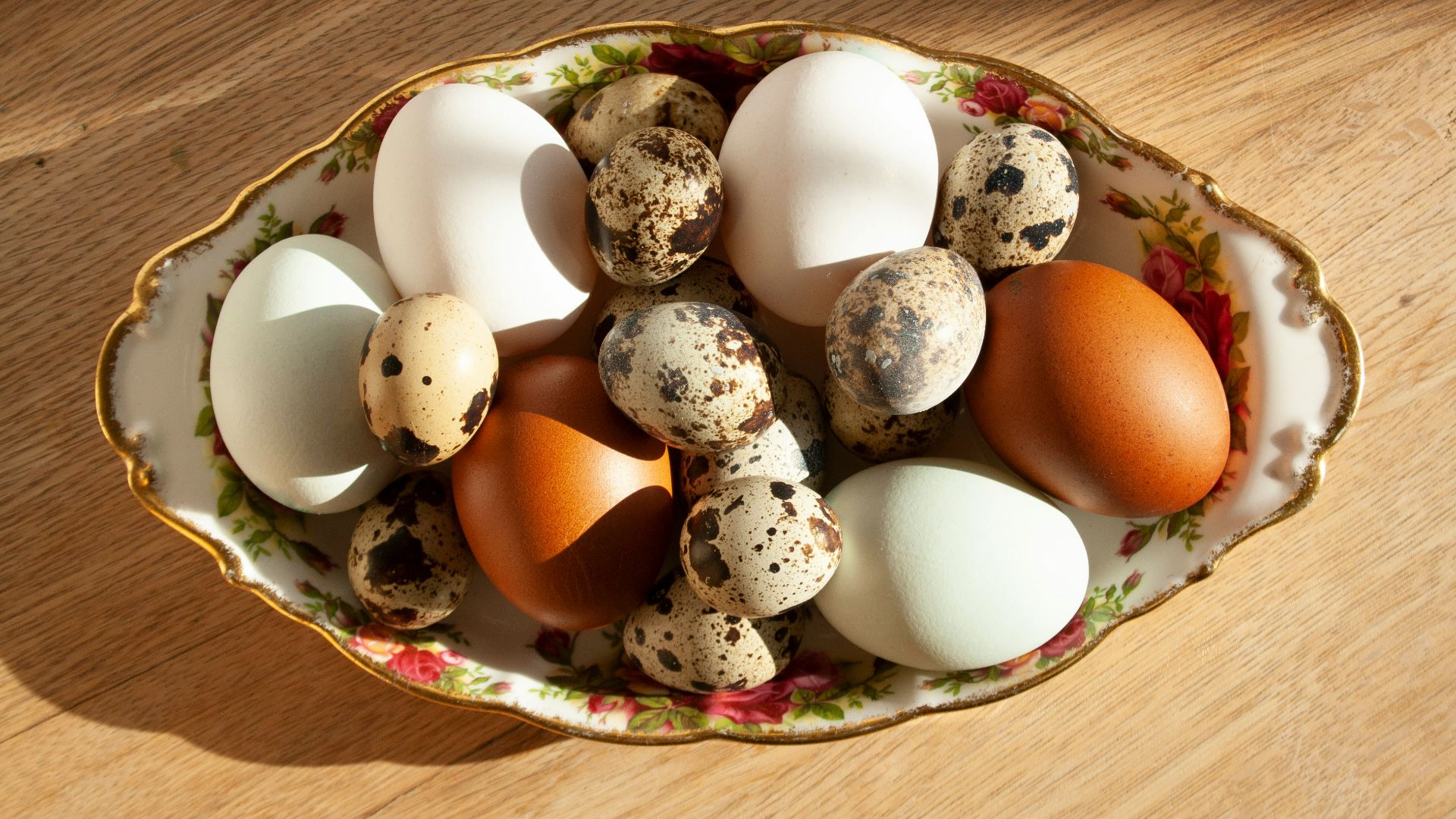
British and EU supermarkets stack eggs on ordinary shelves beside the flour. US federal rules require commercial eggs to be washed and sanitized, which strips the cuticle that naturally protects the shell, so the USDA then requires refrigeration. European rules target the hens instead, requiring regular Salmonella testing of flocks, while an unwashed egg keeps its own defenses.
2. Milk In The Cupboard
French households buy milk in long-life cartons that can sit in the cupboard alongside the pasta. The milk is heated briefly to a very high temperature, allowing it to stay fresh without refrigeration until opened. Unopened cartons typically carry a shelf life of several months, making it easy to stock up without worrying about the milk going bad.
 commons.wikimedia.org on Google
3. Kimchi Buried In The Garden
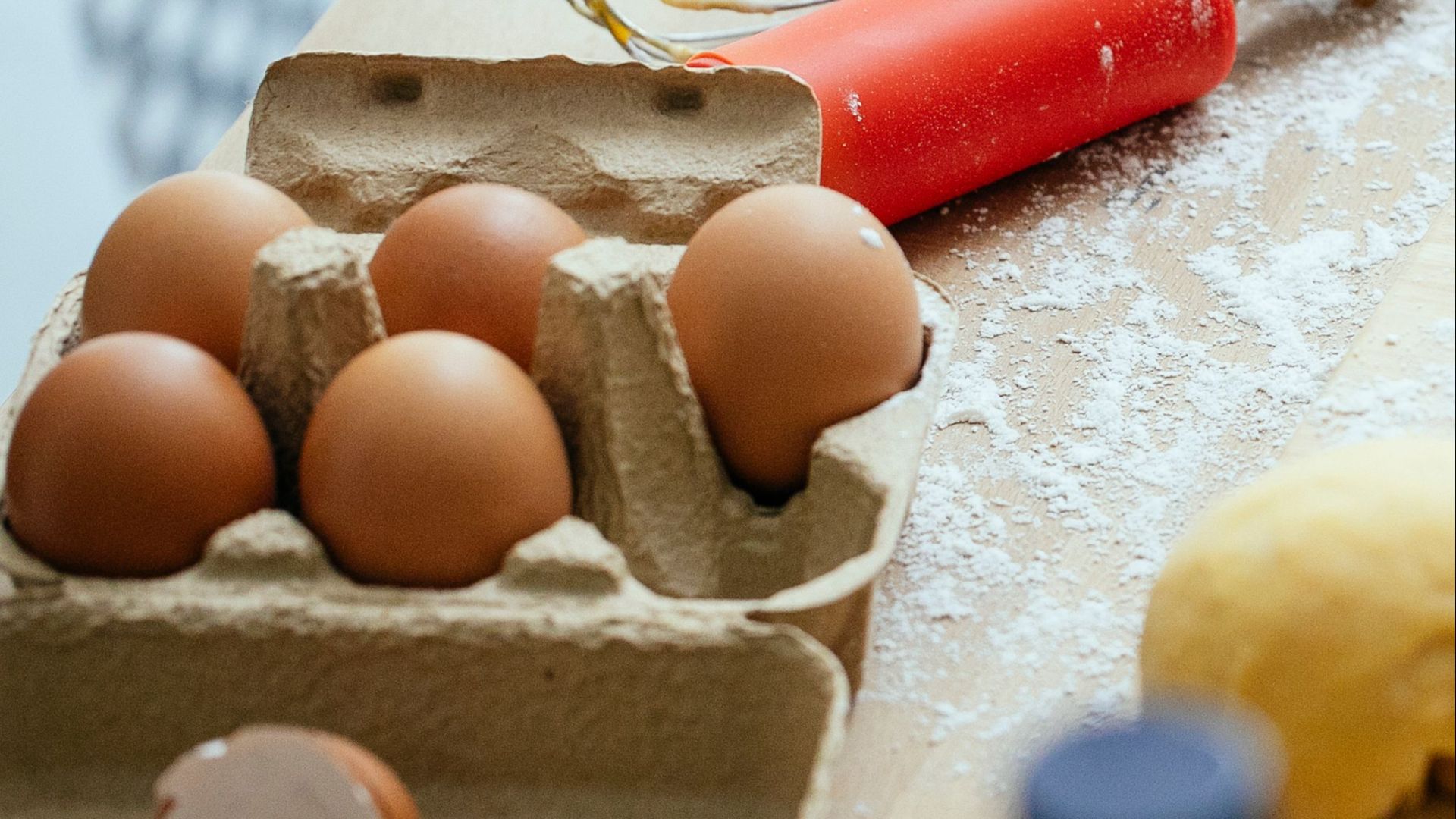
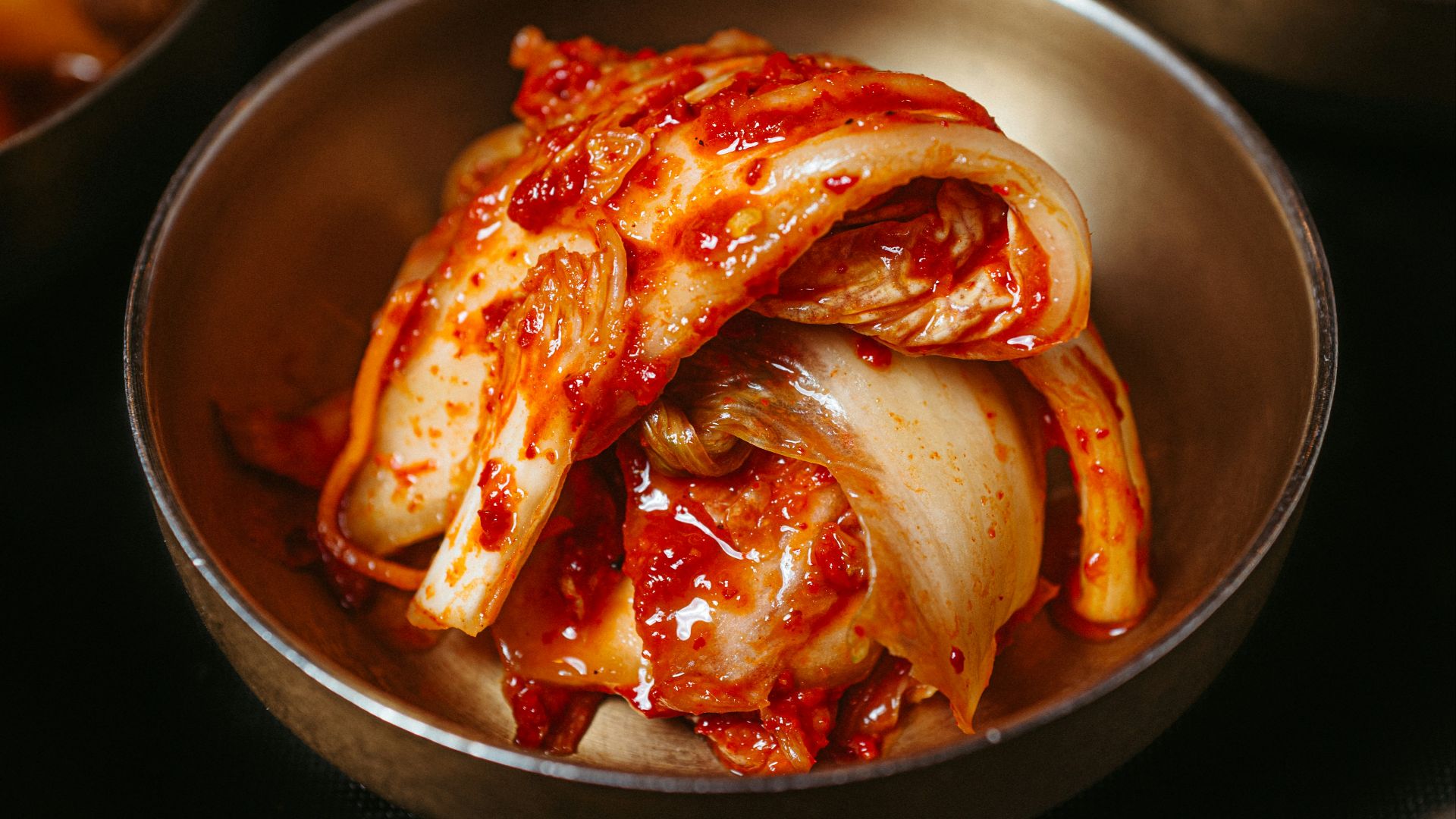
Korean households once put kimchi into onggi crocks and buried the crocks in the ground, which moderated the speed of fermentation through winter. An ordinary refrigerator runs too warm for the job and leaves kimchi overripe. Korean manufacturers began work on dedicated kimchi refrigerators in the mid-1980s, and many homes now keep one as a second fridge.
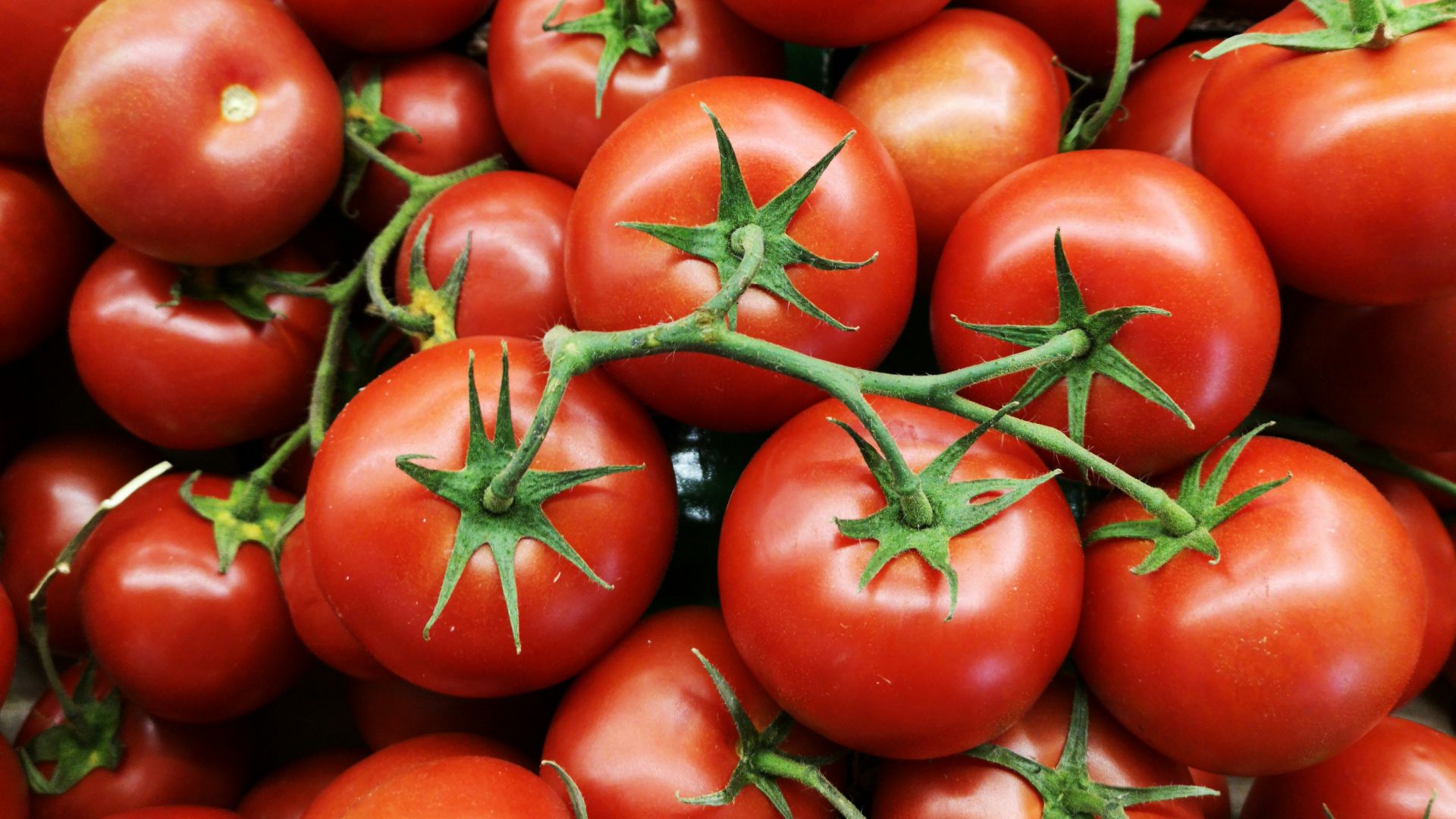
4. Tomatoes Kept Out Of The Fridge
Tomatoes are often left on the counter rather than kept in the fridge, and there's a good reason. Cold temperatures dull much of the flavor that makes a ripe tomato taste good, even though its sweetness and acidity stay roughly the same. Once tomatoes have spent a week in the fridge, bringing them back to room temperature does little to restore that lost flavor.
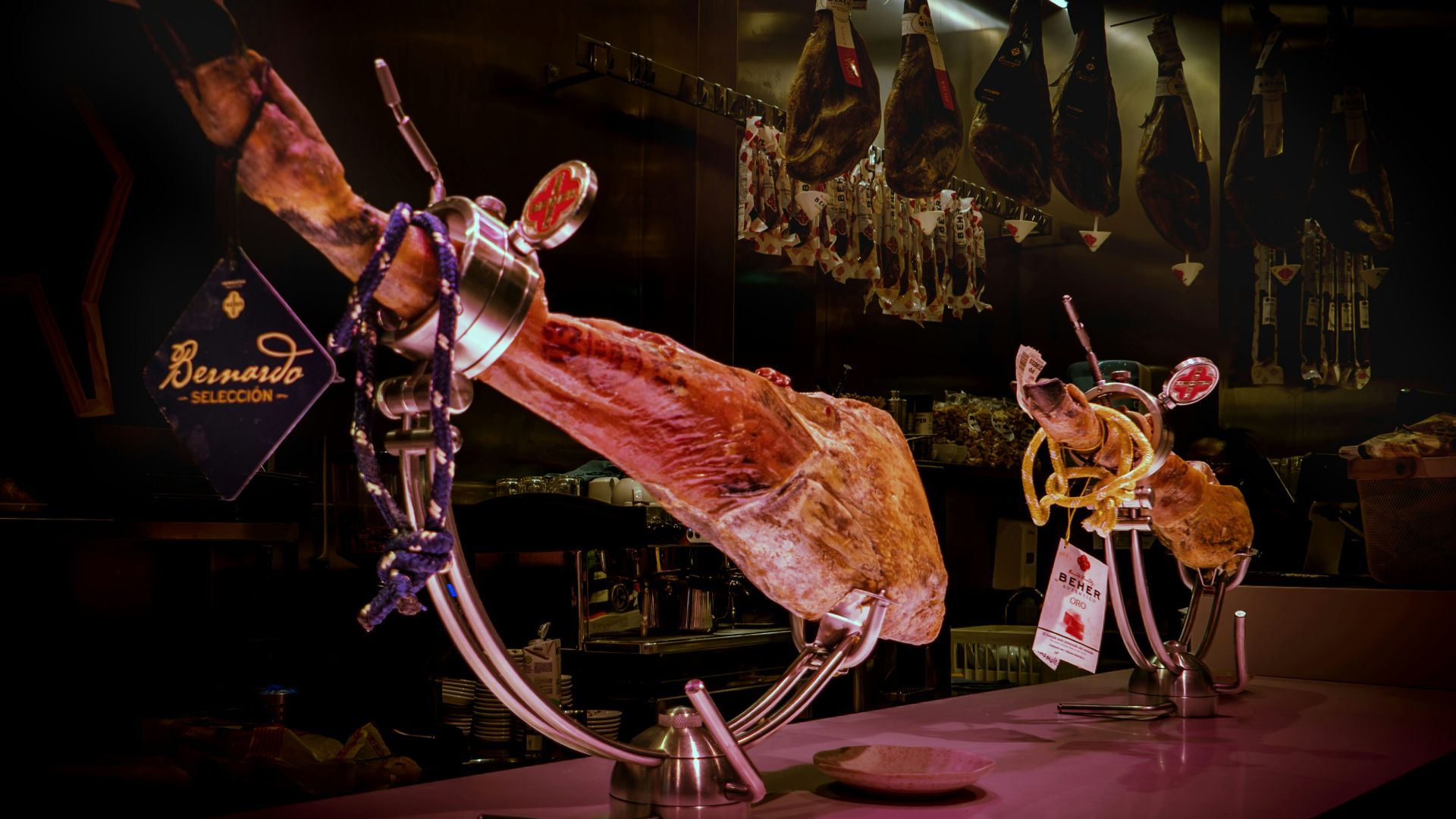
5. A Whole Ham On The Kitchen Counter
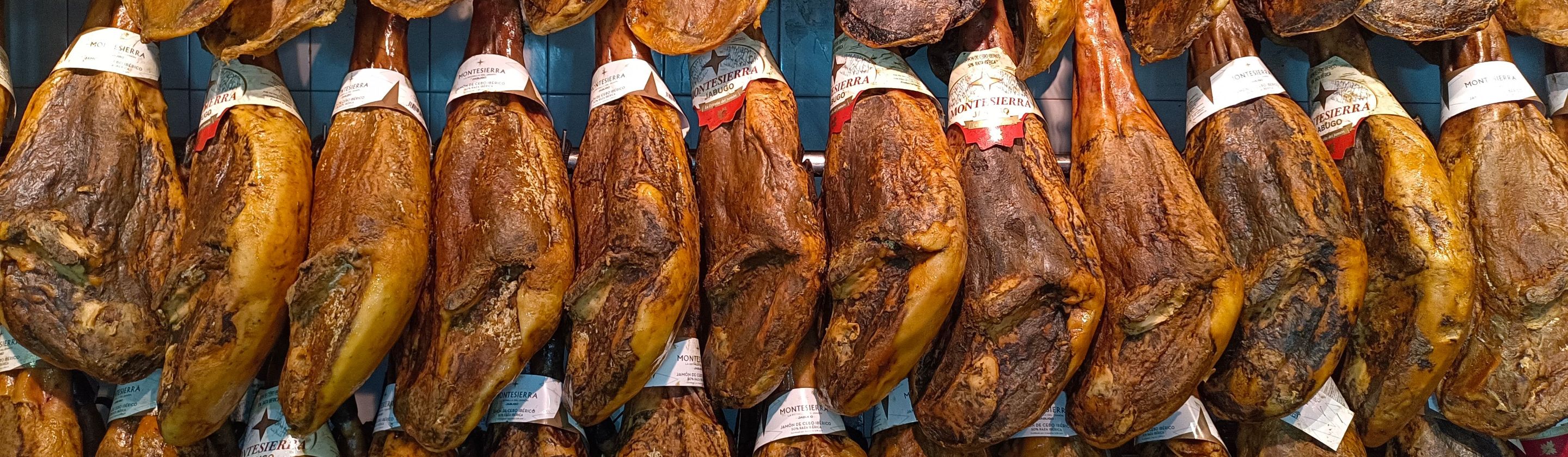
Spanish homes keep an entire cured leg clamped in a wooden stand called a jamonero, sitting out where anyone can carve a few slices. A whole jamón ibérico needs no refrigeration and lasts the better part of a year unopened, provided it stays away from the oven and direct sun. Freezing one is the single thing producers warn against.
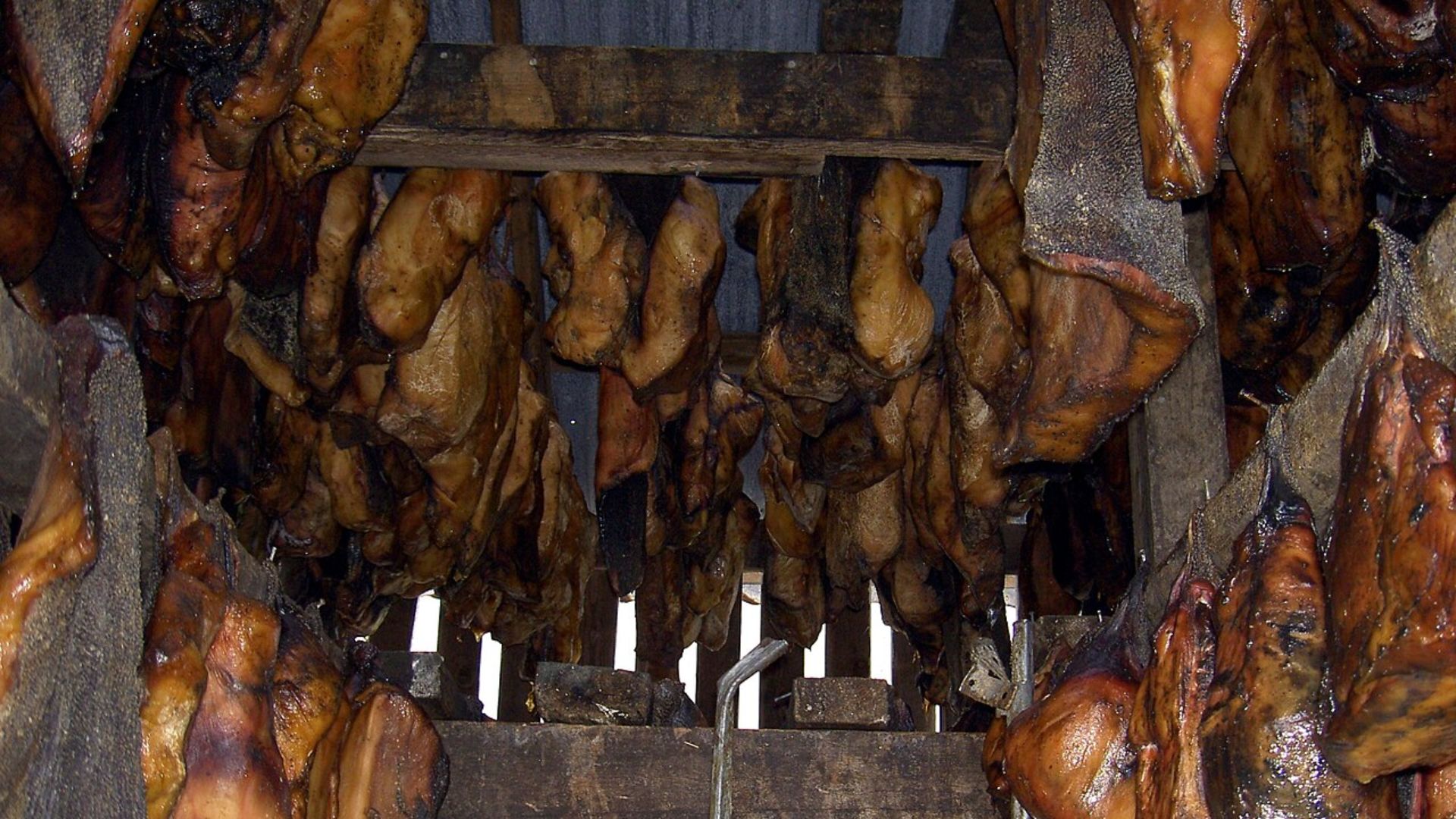
6. Cod Hung Outside For Months
Norwegian producers tie cod in pairs and hang them on open wooden racks for two to three months, using nothing but moving air. Salt plays no part in it. The fish loses most of its weight to evaporation, by some accounts up to 70 percent, then comes off the racks stiff enough to store indoors without cold.

7. Salt Cod Stacked In Open Boxes
Portuguese markets sell bacalhau as large unwrapped slabs piled in crates, priced by the kilo and cut to order with a power saw. The salting and drying leave it stable indefinitely without refrigeration. Pre-soaked portions sit in the chiller nearby for anyone who skipped the three days of soaking the dry version needs.

8. Shark Buried Under Gravel
Greenland shark is toxic to eat fresh, so Icelanders bury the beheaded carcass in a shallow sand pit under stones and gravel. The weight presses the liquid out while the meat ferments for six to twelve weeks, which breaks down the trimethylamine oxide and uric acid responsible for the problem. It then hangs in strips for several more months.
9. Herring That Ferments Inside The Can
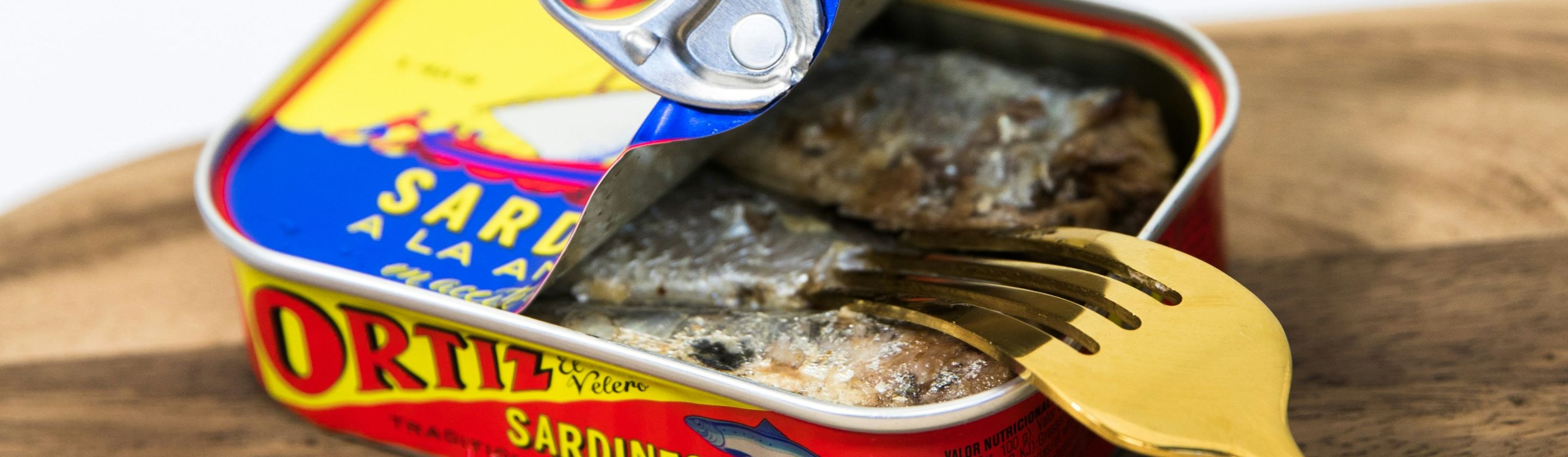
Swedish surströmming goes into the tin still fermenting, and the process carries on after sealing. A slight bulge in the can is expected rather than a warning, though the tins have to be kept cold, since warm storage lets lactic acid break the proteins down into very little fish. Standard advice is to open one outdoors.

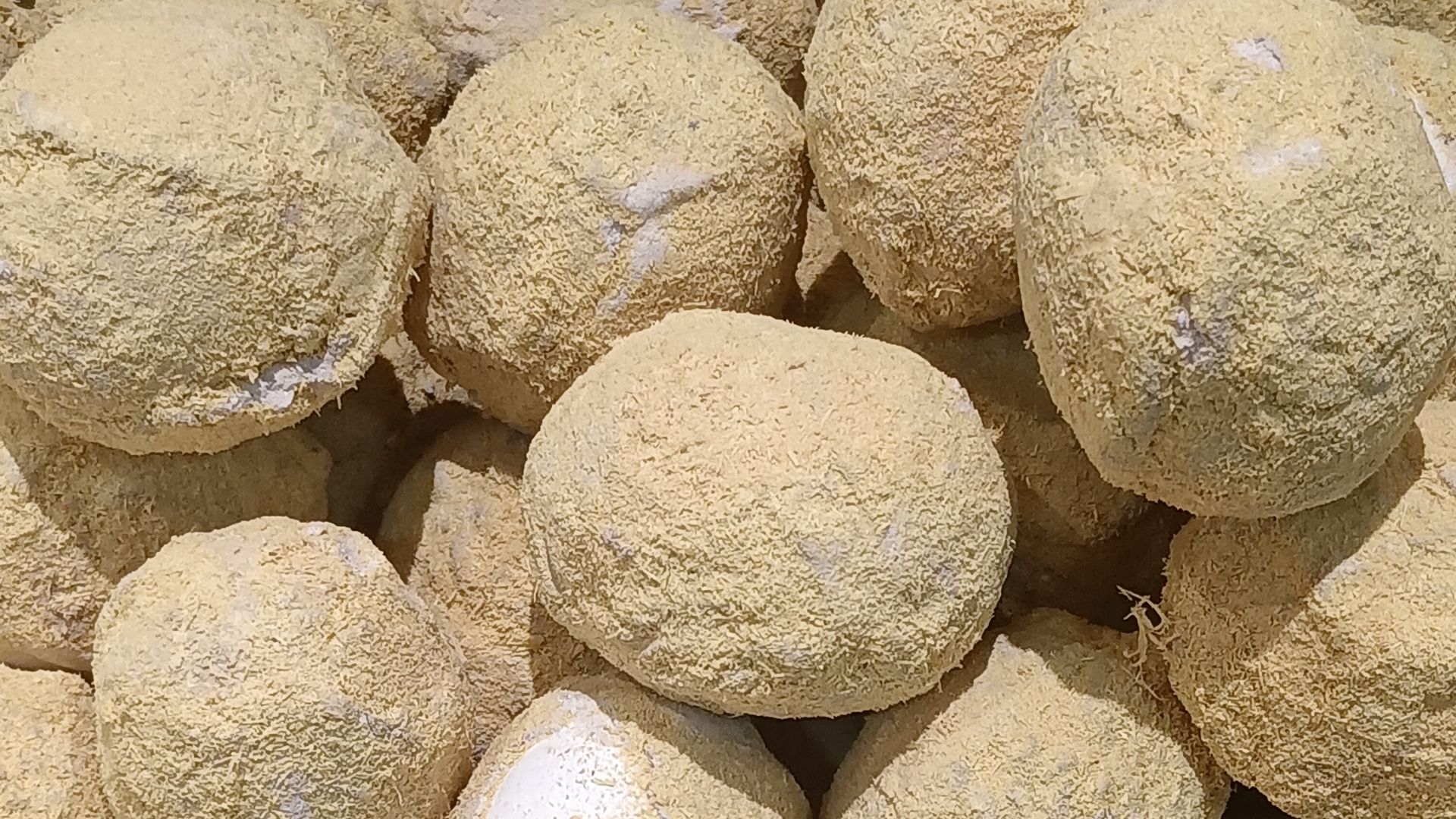
10. Eggs Cured In Ash And Quicklime
Chinese century eggs get a thick coating of wood ash, salt, clay, quicklime and tea. The coated eggs are rolled in rice husk and sealed in a container, where the alkaline paste turns the white a translucent brown and the yolk dark green. The name points at a century and the cure runs about a hundred days.
 Fumikas Sagisavas on Wikimedia
11. Duck Eggs Weighed Down In Brine
Salted duck eggs go into a sterilized jar of salt brine, often with sugar and a measure of Shaoxing wine, held under the surface by a bag of water so none float. They sit somewhere dark and dry for four to five weeks. Cooks crack one open at the four-week mark to check whether the yolk has gone firm and orange.
12. Butter With The Water Taken Out
Indian kitchens keep ghee in a sealed jar on the shelf, not in the fridge. Simmering butter drives off the water and browns the milk solids, which get strained out to leave something close to pure fat. Water is what accelerates the oxidation that turns butter rancid, so ghee keeps at least three months at room temperature.

13. Fish Fermented With Mold For Half A Year
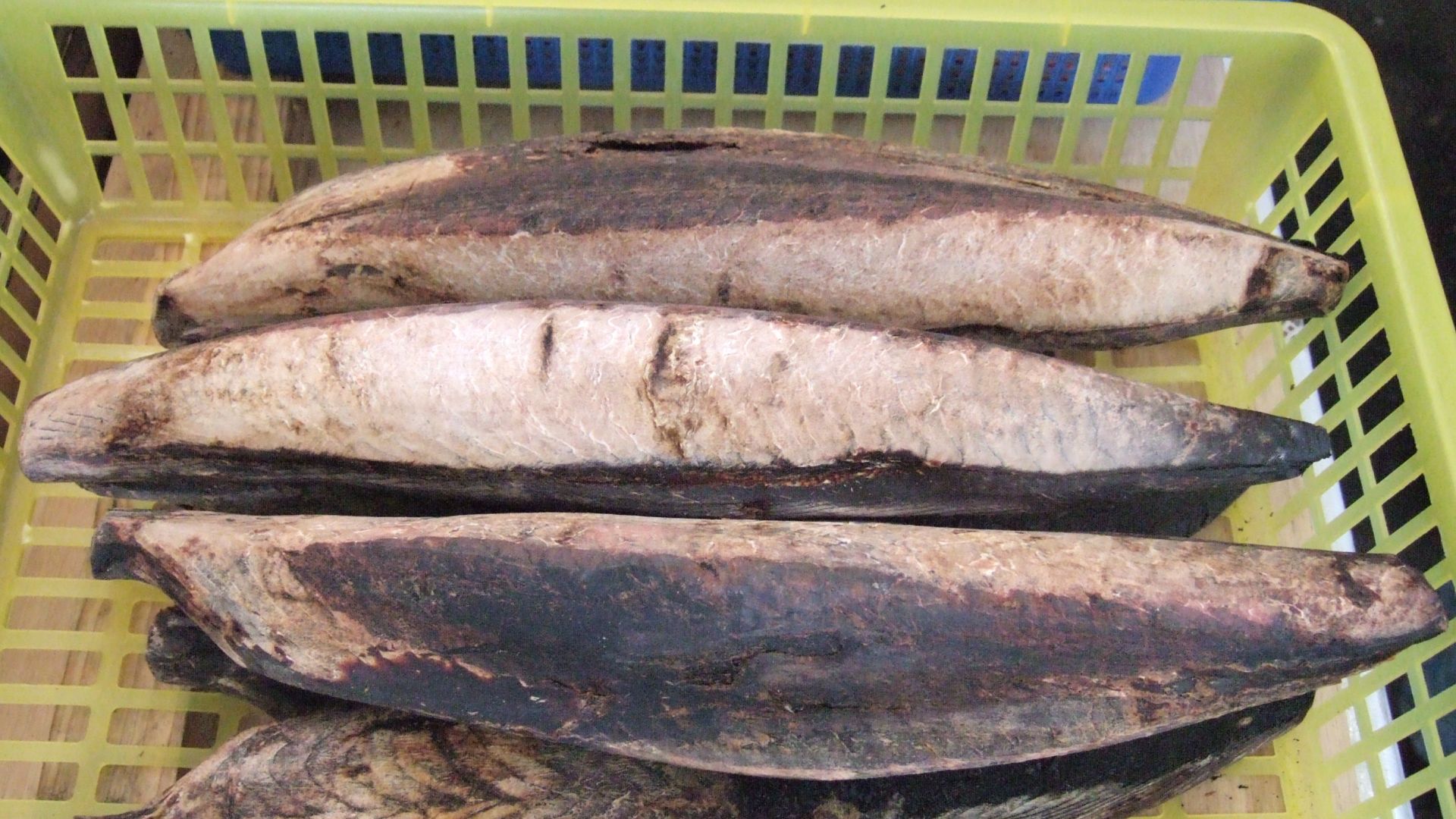
Japanese katsuobushi starts with simmered skipjack tuna, smoked for about a month until the blocks harden. Producers then spray them with a mold related to koji and alternate them between a humid fermentation room and sun drying for roughly six months. The result is too hard to bite and gets shaved into flakes.
14. Cheese Wheels Stacked On Wooden Planks
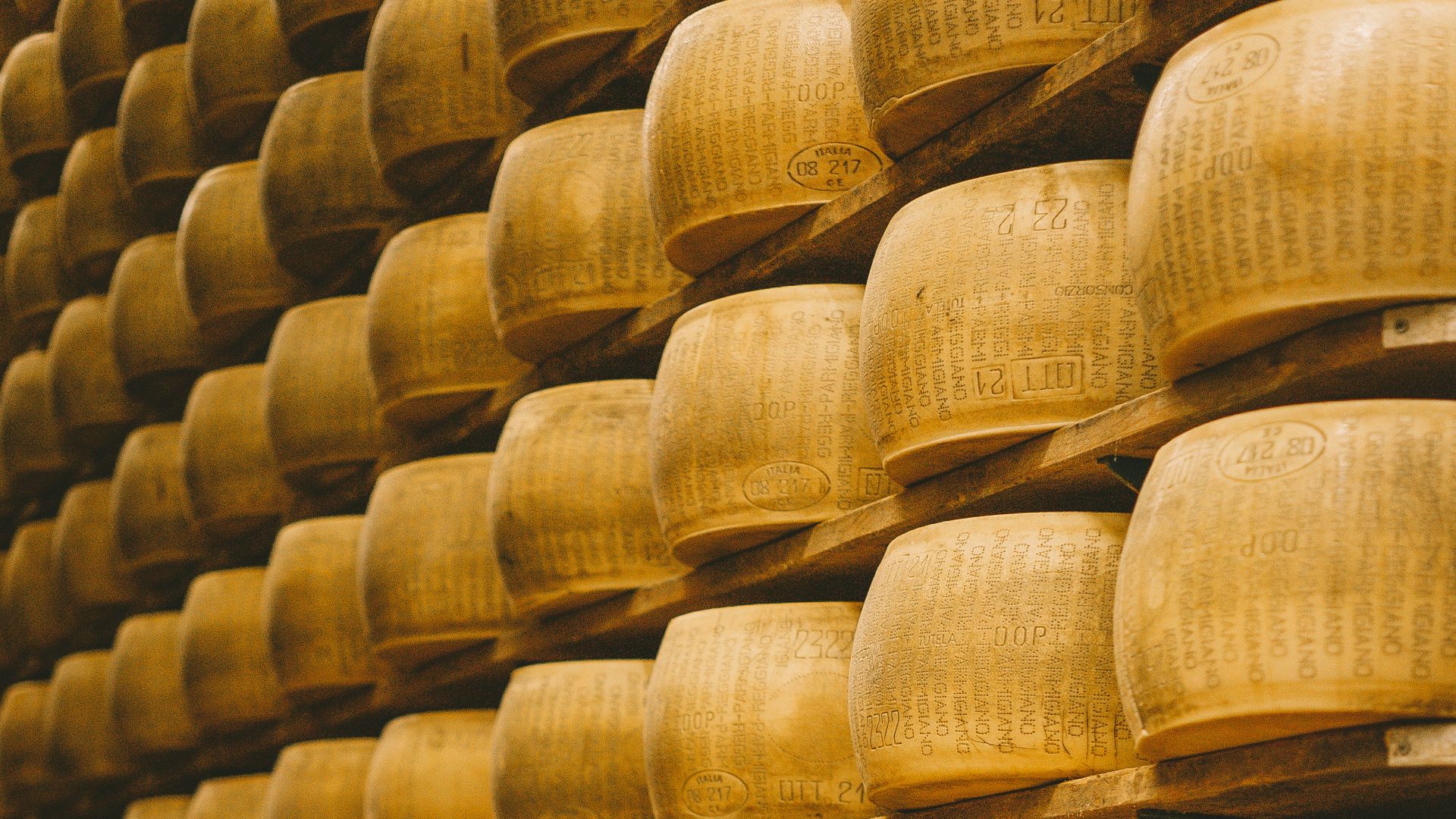
Parmigiano Reggiano cannot be sold until it has aged at least twelve months, and plenty sits for twenty-four, thirty-six or forty. The wheels rest on long wooden shelves in climate-controlled warehouses while staff inspect them daily for cracks and swelling. One Italian lender holds around 500,000 wheels as loan collateral.
15. Beef Hung On Hooks For Weeks
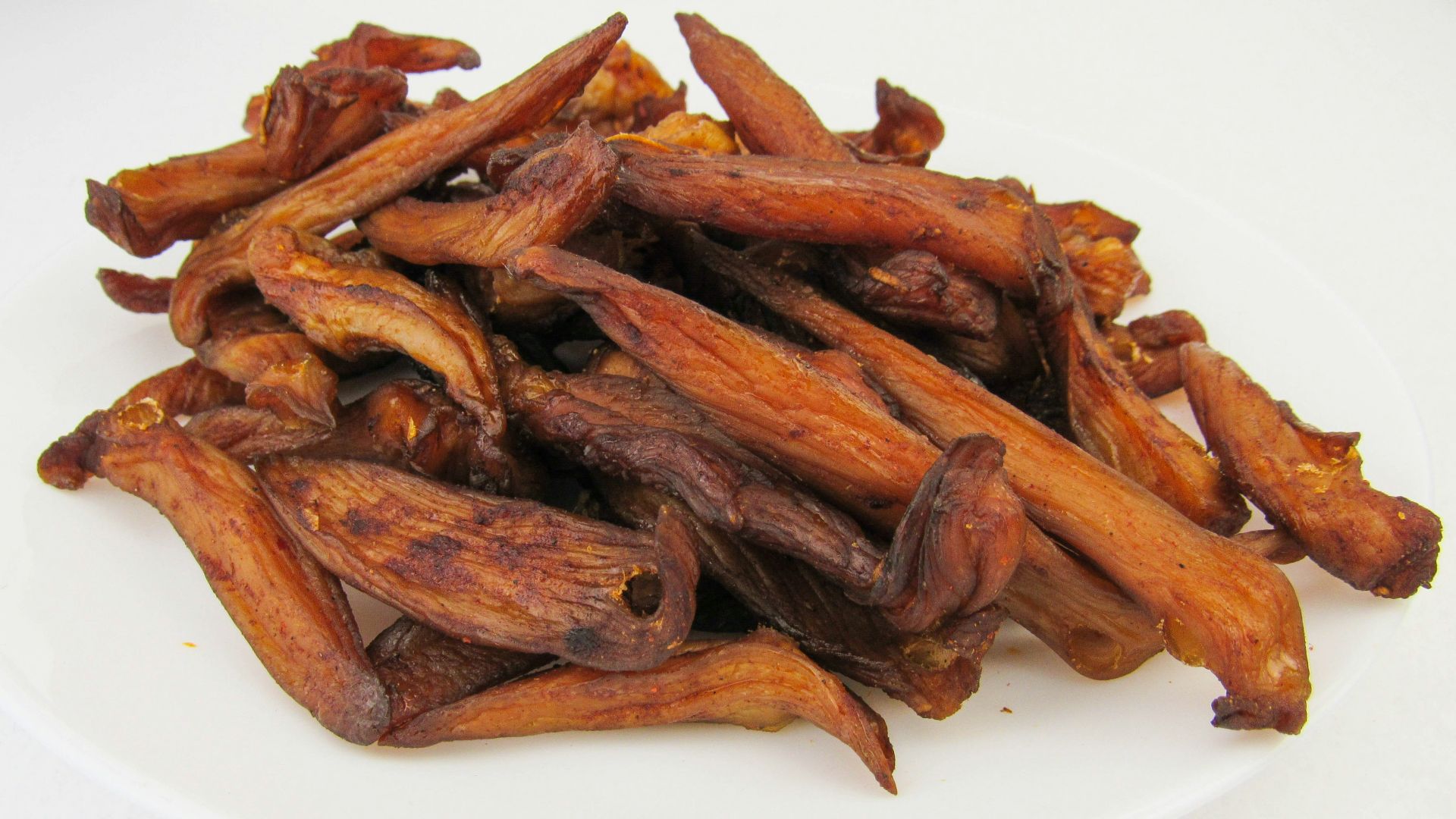
South African biltong begins with strips cured in salt and spice with vinegar poured over each layer, then dipped in vinegar and warm water to pull the surface salt off. The strips then hang on hooks in a cool place with steady airflow for a couple of weeks or more. Humid weather calls for drying it further to keep mold away.
16. Sausages Dried By Wind
Lap cheong is cured with salt and sugar, packed into casings and then wind dried rather than cooked or smoked. Unopened packages sit on shop shelves unchilled and keep for months. They still need cooking before eating, most often steamed on top of a pot of rice.

17. Mutton Left In A Ventilated Shed
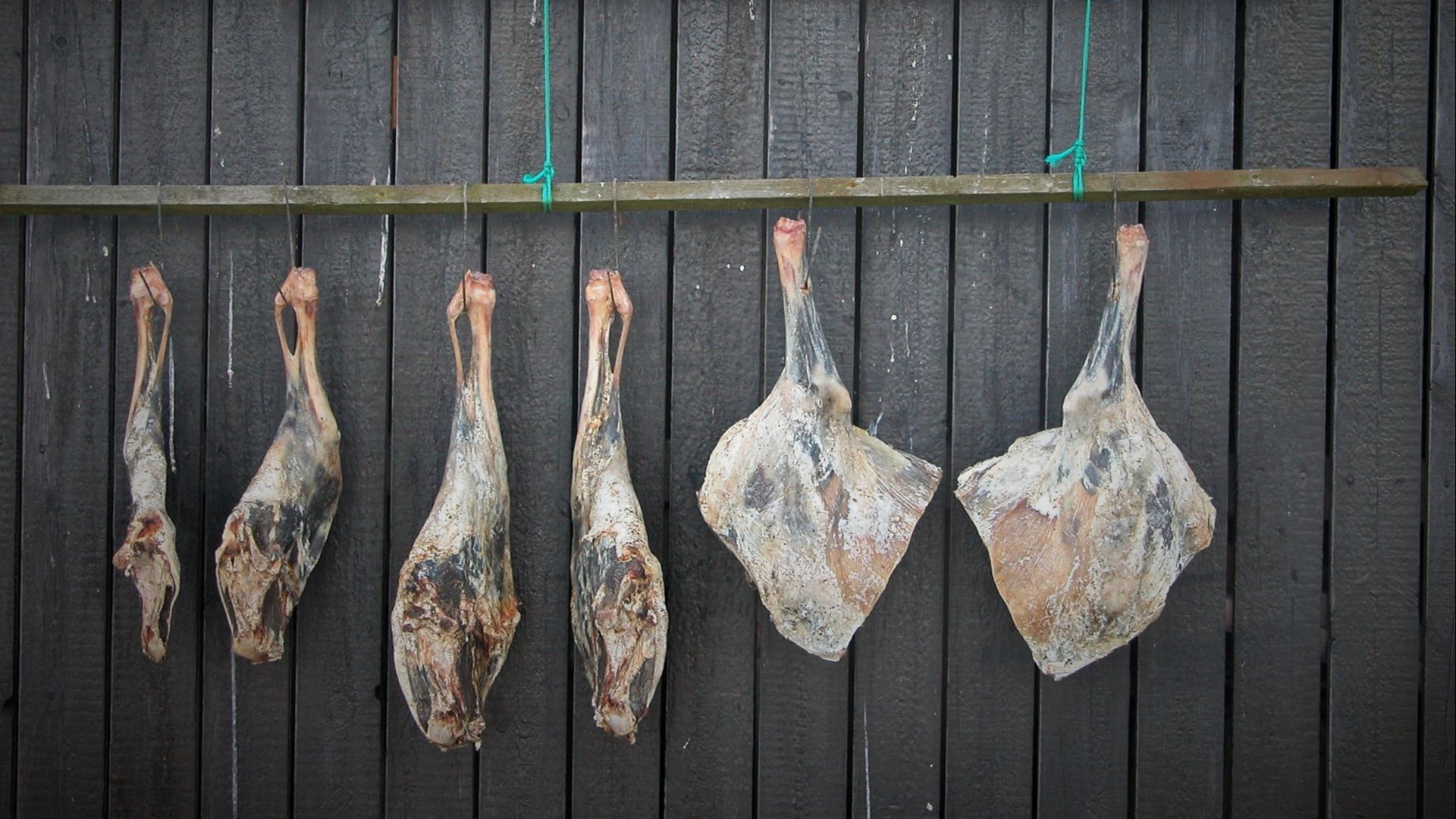
Faroese skerpikjøt hangs in a hjallur, a wooden shed built so the wind blows through it, for five to nine months. The meat withers before it begins to ferment, and the islanders have a separate word for each stage it passes through. Every piece hangs clear of every surface so air reaches all sides, since salt was historically too expensive there for any other method.
 commons.wikimedia.org on Google
18. Root Vegetables Under A Mound Of Soil
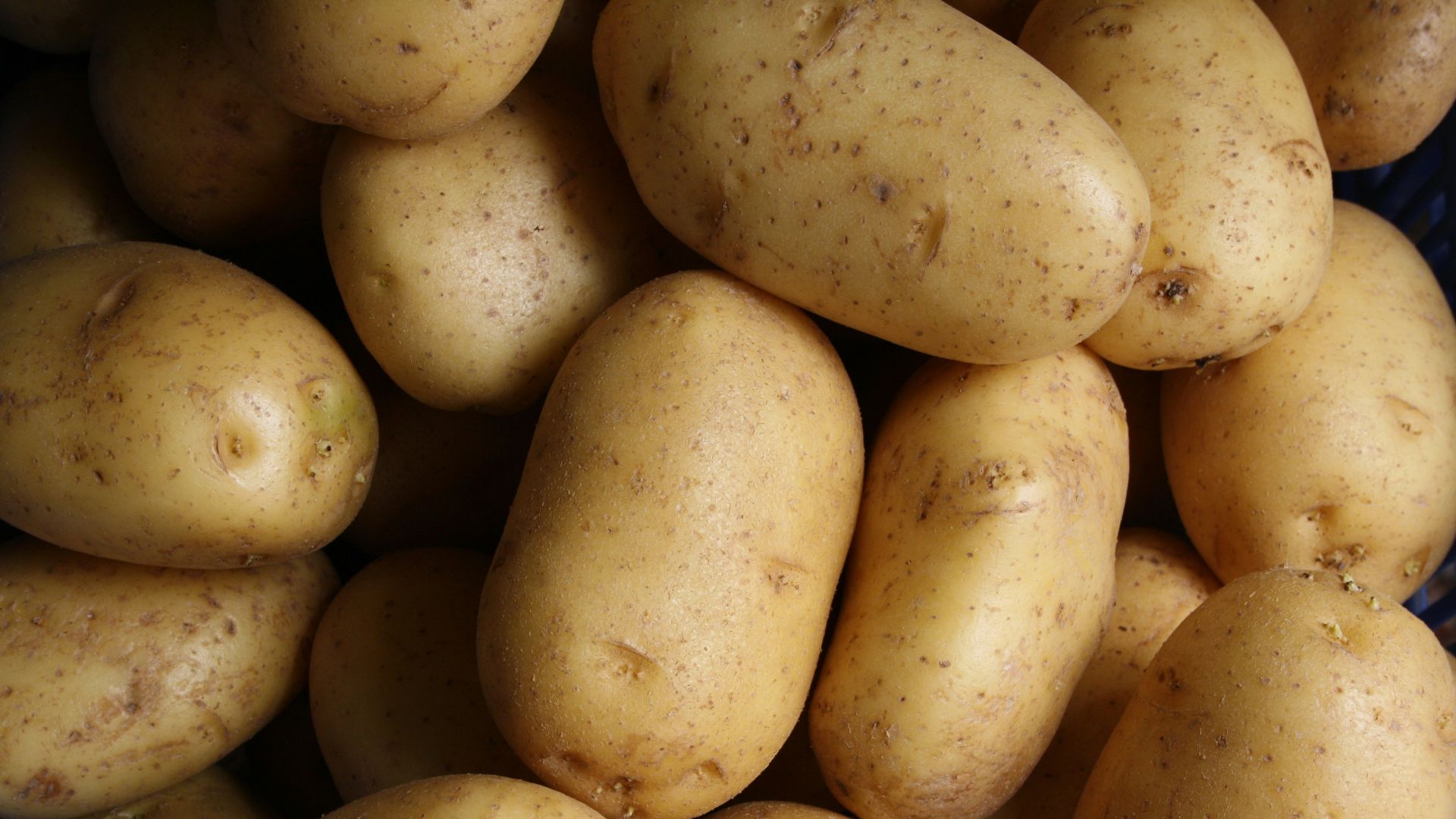
British gardeners once stored potatoes and carrots in a clamp, a soil-covered pyramid of vegetables layered with straw, about a metre high with a vent at the top. Damp straw gives off enough warmth to keep the frost out. Gardeners worked the clamp from one end, opening a single section and resealing it behind them.
19. Butter Buried In A Peat Bog
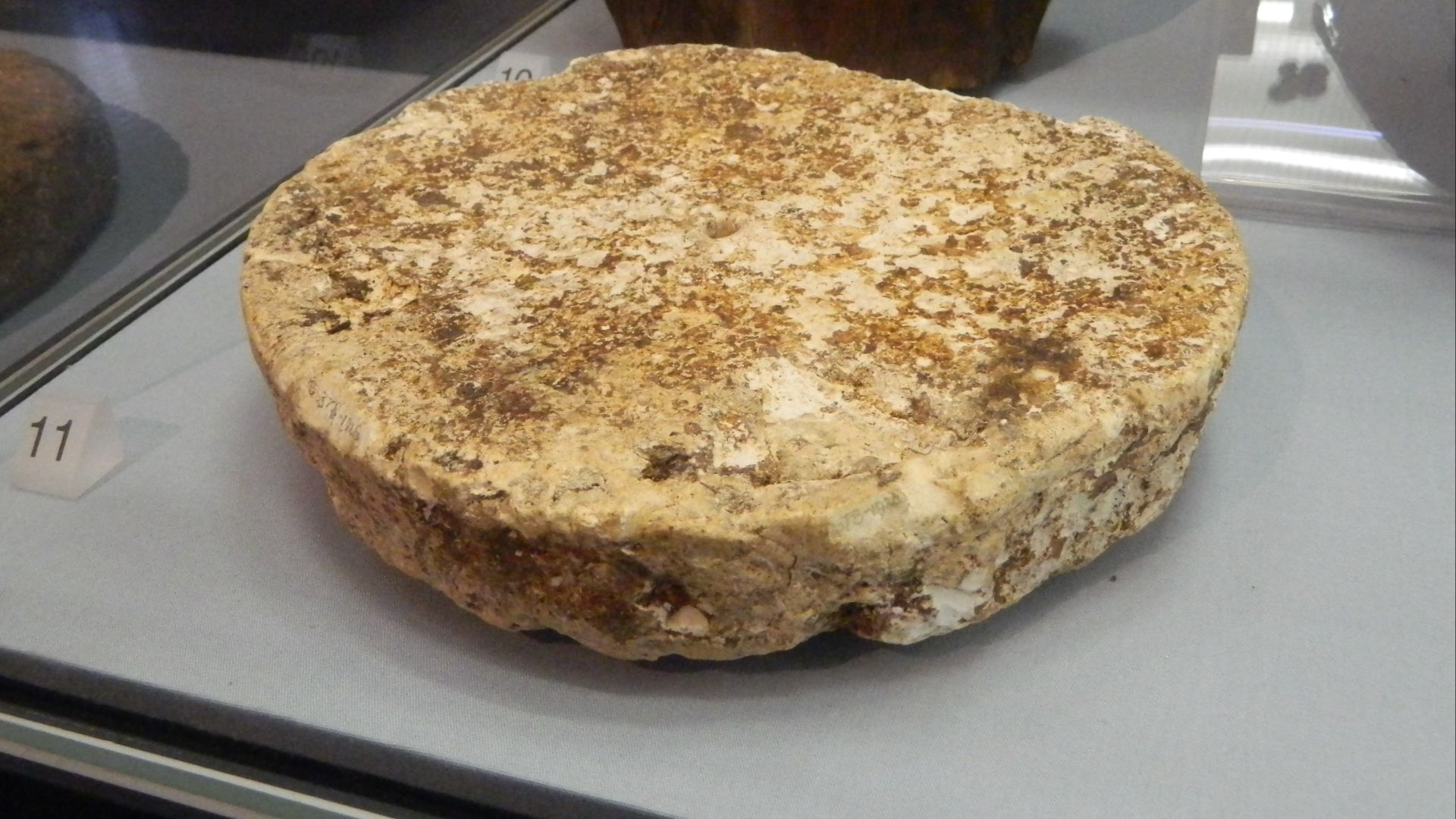
Irish households buried butter in bogs, where high acidity and almost no oxygen kept it from spoiling. Finds keep turning up, including a 35-kilogram barrel from Kildare dated to roughly 3,000 years ago and a 45-kilogram lump from Offaly estimated at over 5,000. Many recovered samples still smell of butter.
20. Lemons Sealed In Salt
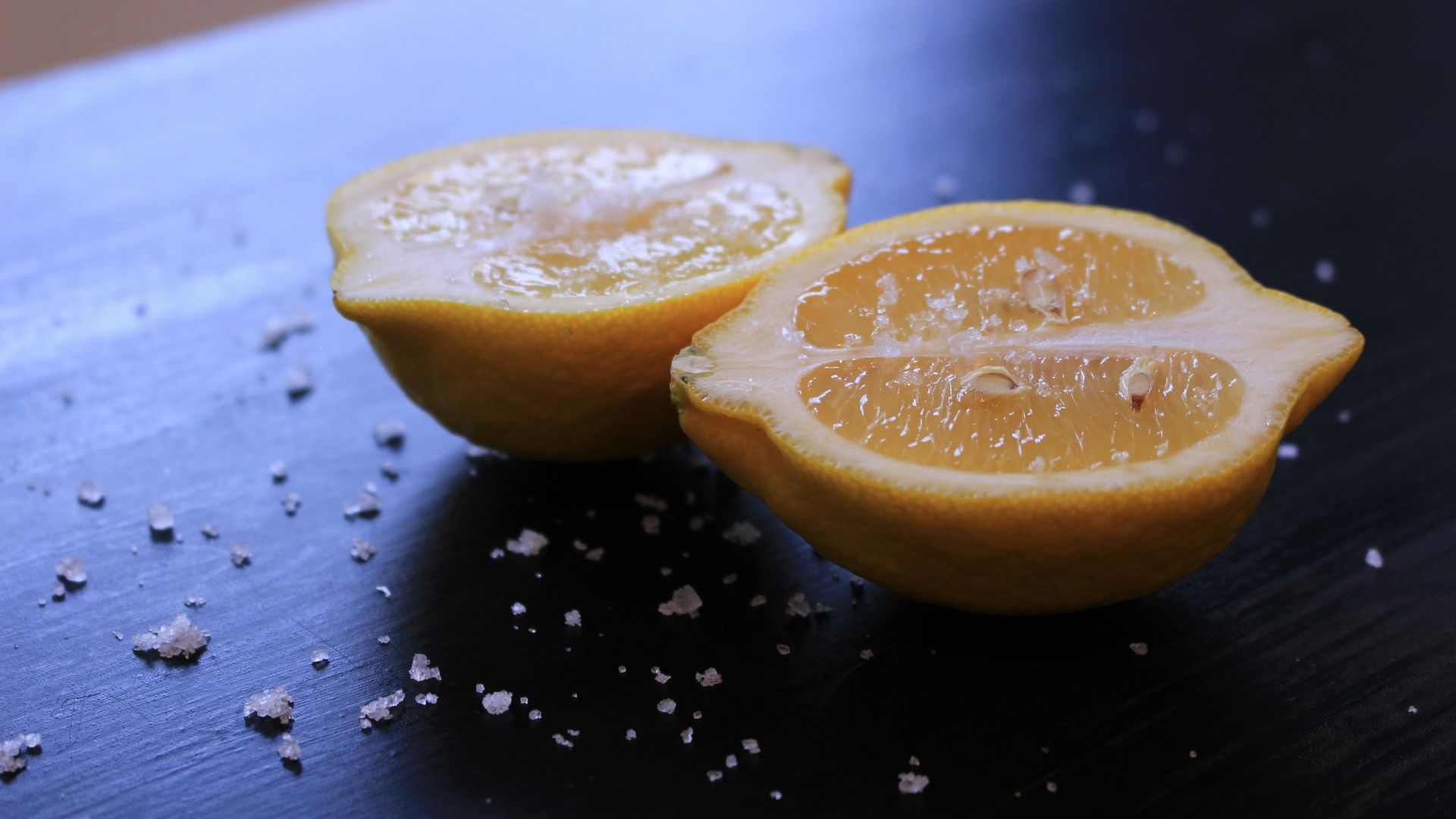
Moroccan preserved lemons are quartered, tossed in coarse salt, pressed into a jar and topped with lemon juice. The jar then sits on the counter for a week, shaken daily, before a layer of oil goes over the top. Refrigeration comes in only at that stage.