 Sebastian Coman Photography on Unsplash
If you grew up dreading Brussels sprouts, you might be surprised by the ones served today. They're roasted until the edges brown, and people order them in restaurants without anyone insisting. Cooking has improved, but that's only part of the explanation. The sprouts themselves have changed. Many of the varieties now sold in supermarkets were developed to taste milder than the ones that gave the vegetable its miserable reputation.
The change began in the Netherlands in the 1990s, when plant breeders started taking flavor more seriously. They already knew how to grow sprouts that produced good harvests and held up during transport. Getting people to enjoy eating them was another matter. Once scientists worked out what made some varieties so bitter, seed companies could start breeding that taste down without losing the qualities farmers needed.
The Bitterness Wasn't Imaginary
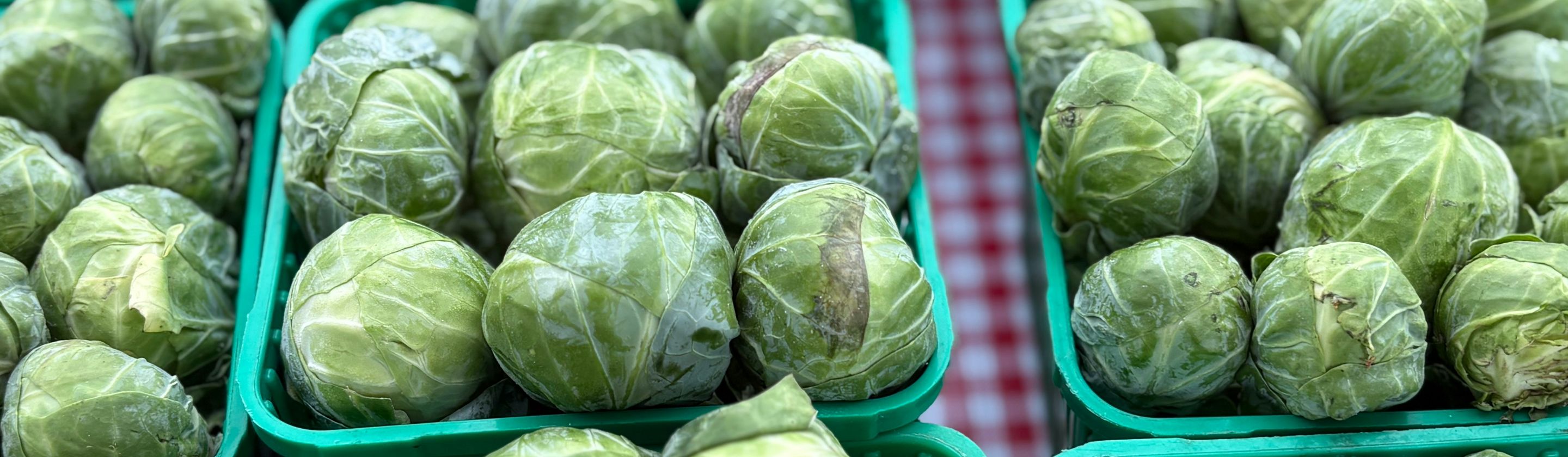
Brussels sprouts are small buds that grow along a tall stalk. The trimmed sprouts in supermarkets are picked from those stalks, not grown as separate little cabbages. They're part of the same species as cabbage and broccoli, and their sharp flavor comes partly from natural compounds called glucosinolates. These help protect the plant from being eaten by insects. Certain older varieties contained more of the compounds associated with an unpleasant bitter taste, so anyone who hated their childhood sprouts had a reasonable complaint.
Taste tests carried out between 1989 and 1995 gave researchers something more useful than complaints at the dinner table. They found that two substances, sinigrin and progoitrin, were strongly associated with bitterness and with how much people liked different varieties. That meant breeders could measure the relevant compounds in the plants they were developing, rather than relying entirely on whether a tasting panel approved of the results.
Cooking didn't always help. Boiling sprouts for too long leaves them soft and brings out the sulfurous smell familiar from older family dinners. The University of Maine's food guidance explains that longer cooking releases more of that odor. Someone served bitter sprouts boiled until mushy had good reason to avoid them, even if their parents considered them a perfectly respectable vegetable.
The Solution Was Sitting In Storage
Dutch seed companies had collections of older Brussels sprout varieties that were no longer grown commercially. Some produced smaller harvests but tasted noticeably milder. As NPR reported in interviews with breeders, one company tested seeds from its archive and found plants with much lower bitterness. Those older varieties became useful again, even though farmers had previously moved on to more productive ones.
Breeders crossed the milder plants with modern varieties, then selected offspring that combined a better flavor with a reliable crop. It took years of growing and testing to get the balance right. Plants were checked for the traits growers wanted, and those that fell short were left out of later crosses. This was traditional crossbreeding, not genetic engineering. A sprout that tasted wonderful but yielded poorly would be difficult to sell to growers, so flavor couldn't be the only thing the breeding program considered.
The research also showed that the amount of bitter compounds depends on growing conditions as well as the variety. Rainfall and the sulfur available in the soil can affect the result. A variety that tastes mild one year can be sharper after a different growing season. That made testing plants in real fields important. A promising sprout needed to taste good consistently, not just under the conditions of one trial.
Then Restaurants Gave Them Another Chance
Newer varieties gradually reached growers, while restaurant kitchens found ways to make sprouts more appealing. In the United States, chefs began frying the leaves or roasting whole sprouts until the outside browned. A restaurant owner interviewed by NPR said customers initially needed persuading to order them. The dish eventually became one of her most popular, which would have been a difficult pitch to people who remembered the boiled version.
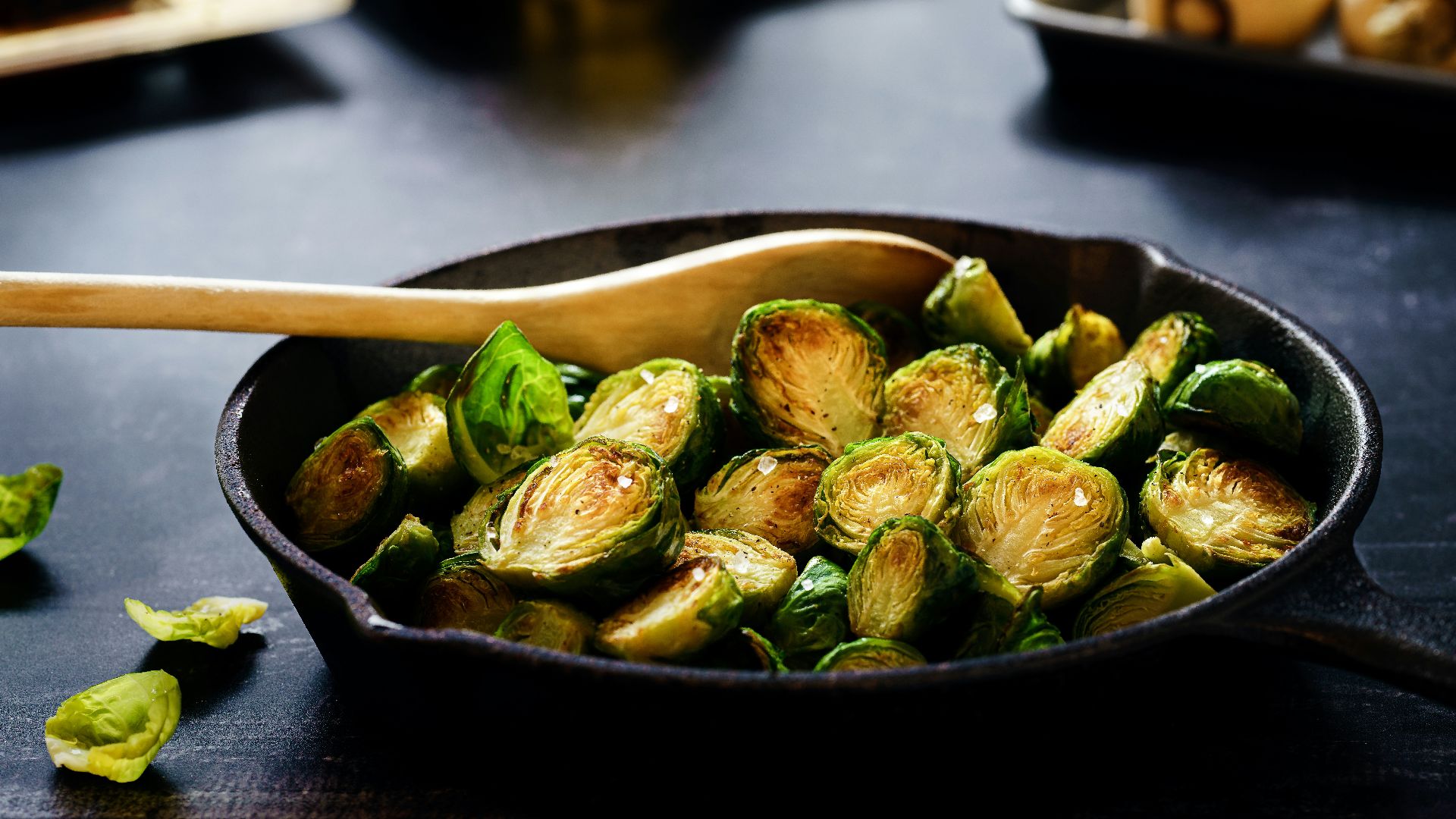
Roasting matters because the dry heat browns the cut surfaces and brings out flavors that boiling doesn't. Harvard's guide to cooking cruciferous vegetables recommends halving sprouts and cooking them with a little oil until they're browned and tender. Bacon or a sweet glaze can help, but the newer varieties don't need quite as much effort to make the bitterness tolerable.
That doesn't mean every Brussels sprout now tastes sweet. UC Davis notes that bitterness still varies among varieties and can change during storage. Freshness matters when you're choosing a bag at the store, as does the way you cook it. A modern sprout left too long in the refrigerator can still produce a familiar sharp flavor, even if its genetics have been improved.
KEEP ON READING
Can You Have an Obsession with Eating Healthy?