Two Sides Of Spice
Some people chase comfort in every bite, while others live for the thrill of spices that linger long after the meal ends. Curry is the perfect pick to tackle those extremes. What separates them is tradition, technique, and local preference. Seeing these approaches side by side highlights how diverse curry truly is. Let's start by exploring the ones that can provide rich flavors without the added spice.
1. Chicken Korma (Creamy Mughal Curry)
Rooted in Mughal cuisine, chicken korma is known for its gentle aroma. Yogurt with nuts and cream softens subtle spices like cardamom and cumin. Authentic versions avoid chilies entirely, which earns its reputation as one of the mildest curries served.
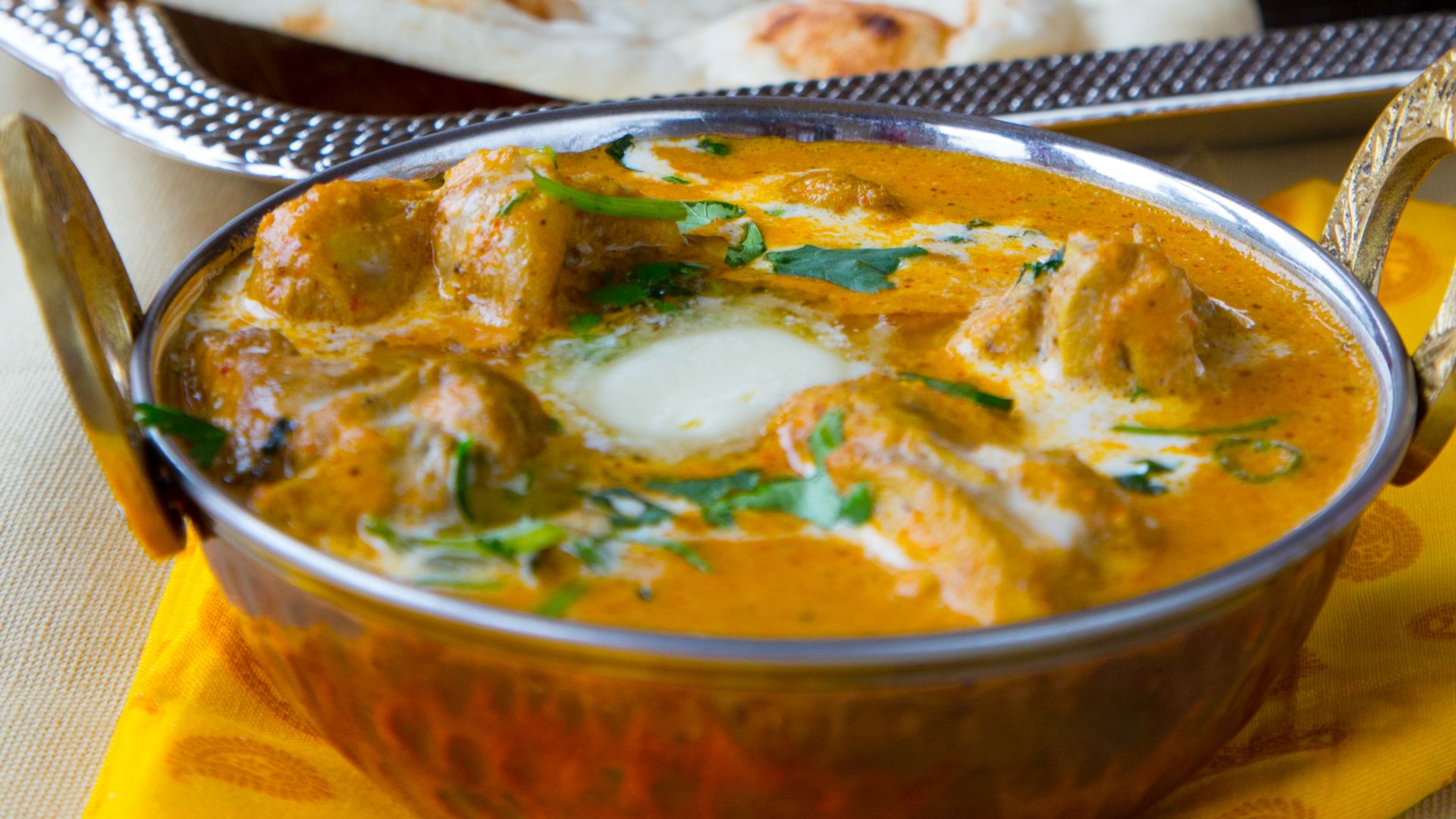
2. Butter Chicken
The dish was born in the 1950s in Delhi as a comfort food. Cream and tomatoes form a smooth base, while fenugreek and garam masala add warmth. As the name suggests, there is a good dollop of butter added to the curry as well.
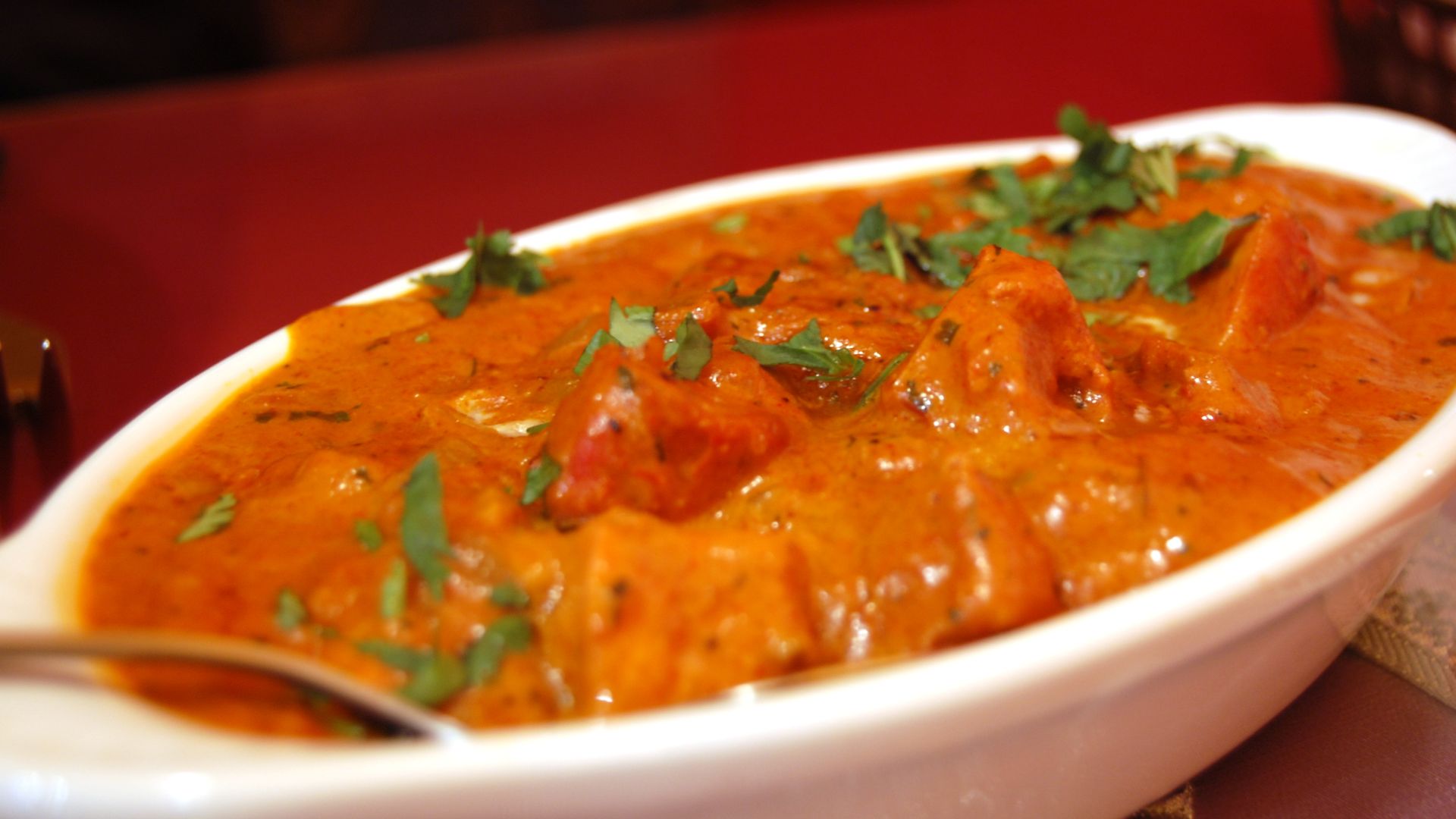
3. Paneer Makhani (Paneer Butter Masala)
This one adapts butter chicken’s creamy tomato gravy into a vegetarian favorite. Soft paneer (Indian cottage cheese), butter, cashews, and gentle spices like cumin and coriander deliver richness without heat. By avoiding strong chilies, it remains soothing and broadly appealing.
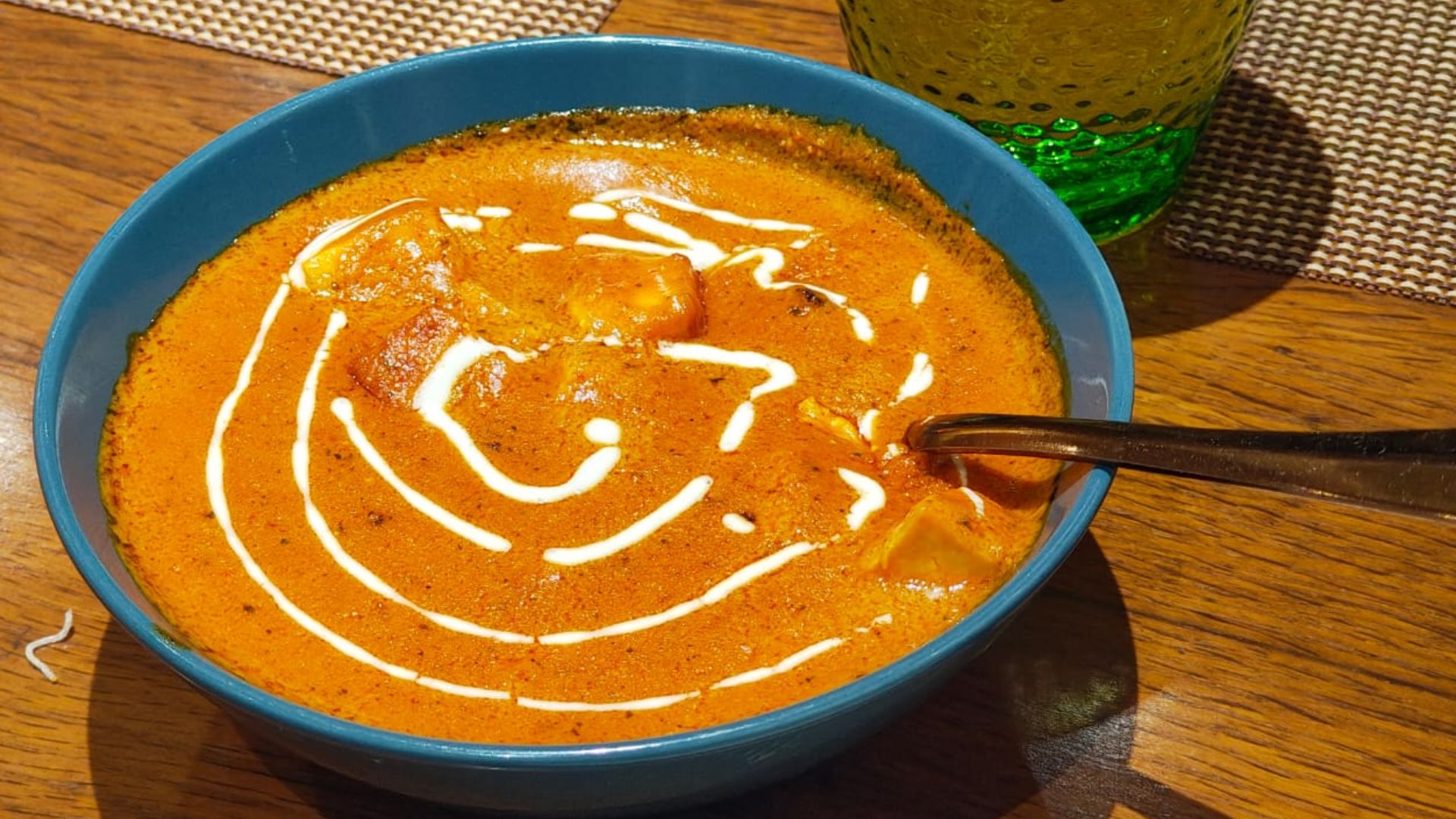
4. Malai Kofta (Paneer-Potato Dumplings In Cream Sauce)
Malai kofta comes from Mughal-inspired North Indian cooking. Creamy gravy with cashews and cardamom surround soft paneer-potato koftas or fried balls. Traditional recipes are mildly sweet and nutty, often feeling luxurious yet gentle.
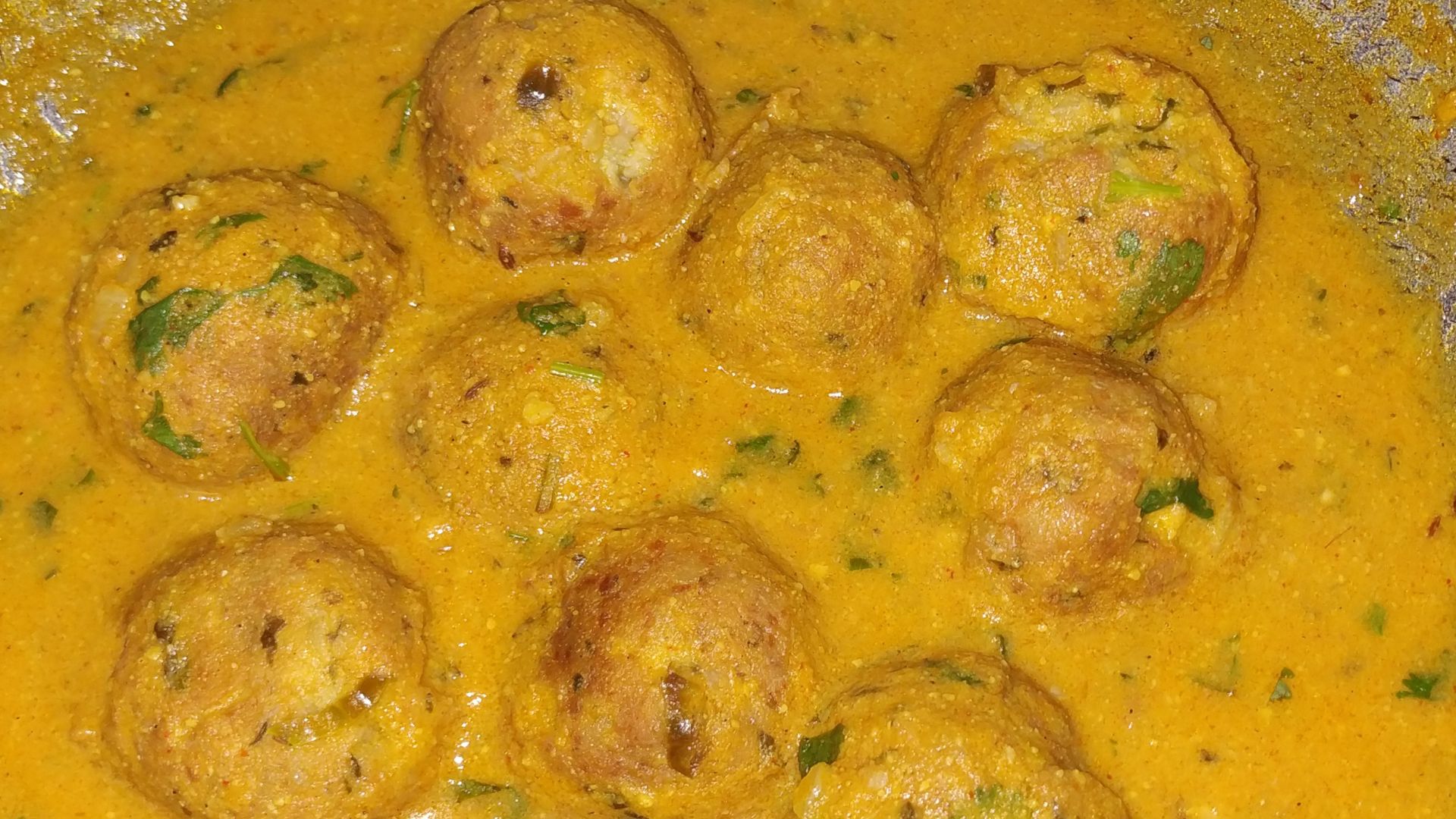
5. Palak Paneer (Spinach With Paneer)
A Punjabi classic, palak paneer blends spinach and paneer into a calming, earthy curry. Mild spices with a hint of garlic give the curry a rich aroma. Its smooth texture and balanced flavors make it ideal for those avoiding spice discomfort.

6. Daal Makhani (Black Lentil Curry)
This slow-simmered lentil curry originates from Punjab. It is made by primarily boiling black lentils and kidney beans in a 2:1 ratio. Add in rich gravy with smoked flavors for a nice aroma, while subtle cumin and garlic replace chilies to make it a comfort-focused dish.
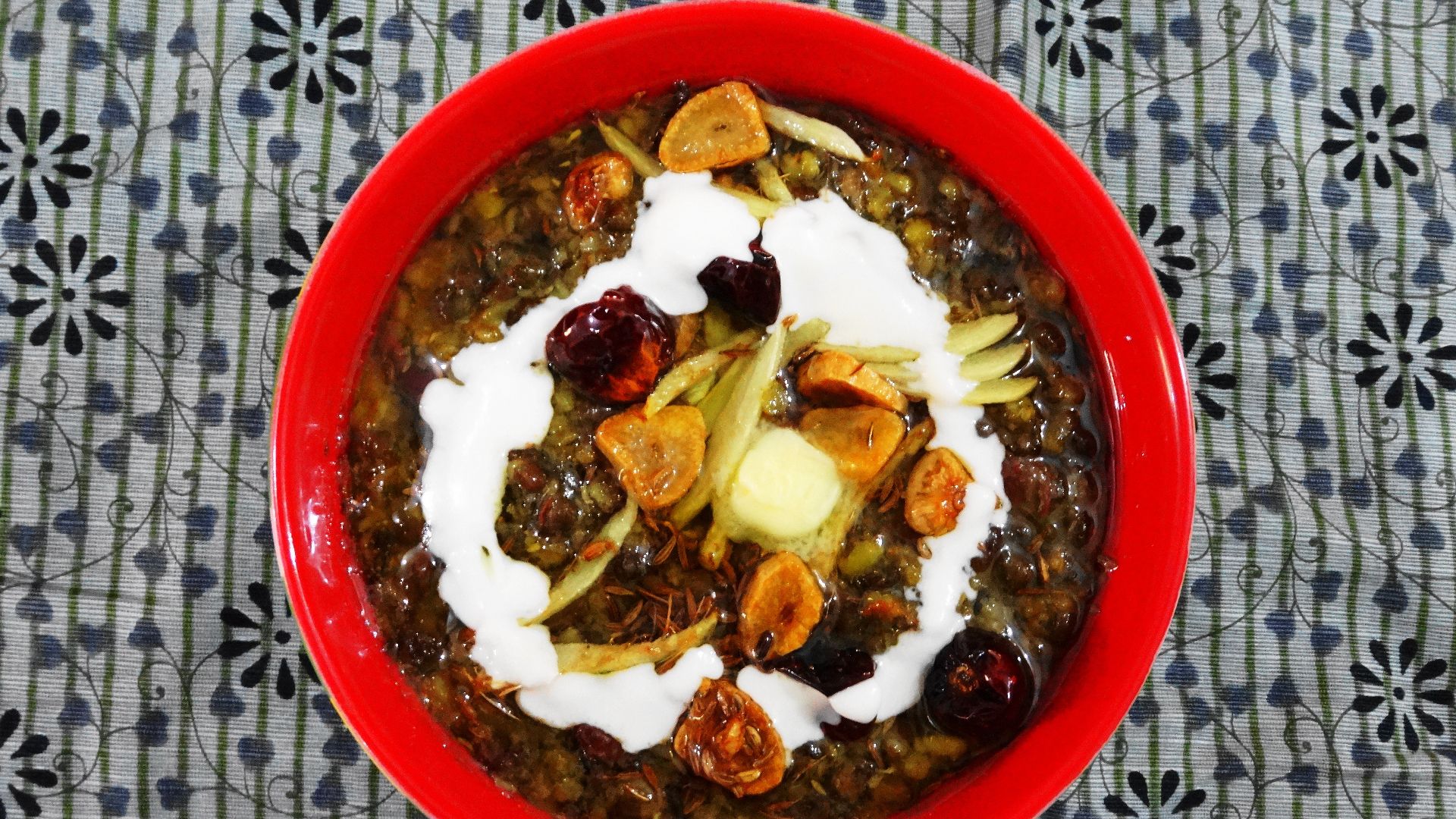
7. Thai Yellow Curry
Thai yellow curry is a dish developed in southern Thailand under Indian influence, favoring warmth over spice. Coconut milk, potatoes, turmeric, and mild curry powder form a creamy base. Lacking intense peppers, it’s widely considered the gentlest Thai curry for sensitive palates.
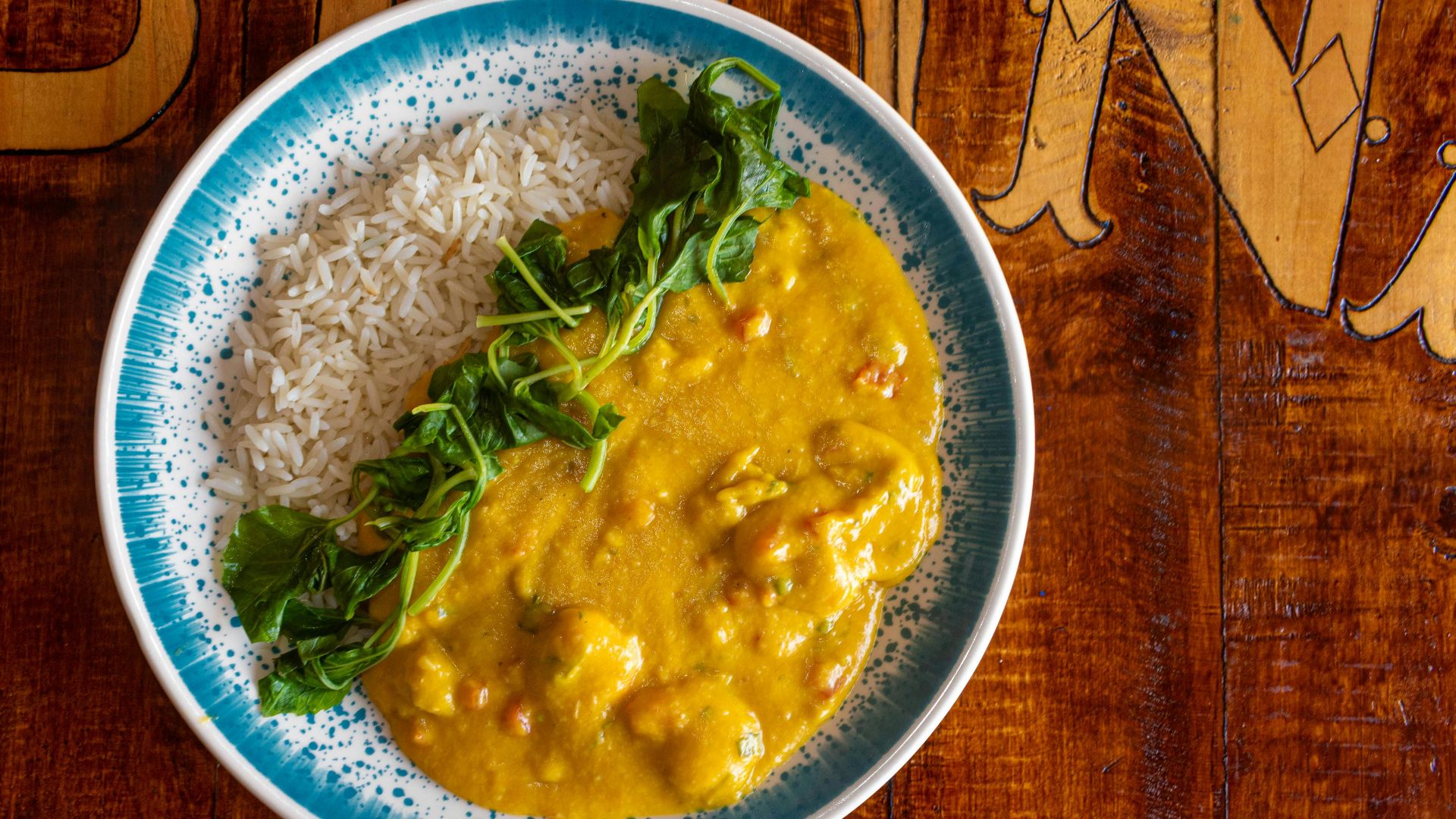
8. Massaman Curry (Thai Peanut Curry)
Tracing back to 17th-century Thailand, Massaman curry is made by blending Persian and Indian traditions. The main ingredients include coconut milk, peanuts, potatoes, and tamarind, and the key spices are cinnamon and cardamom, which offer complexity without irritation to the palate.
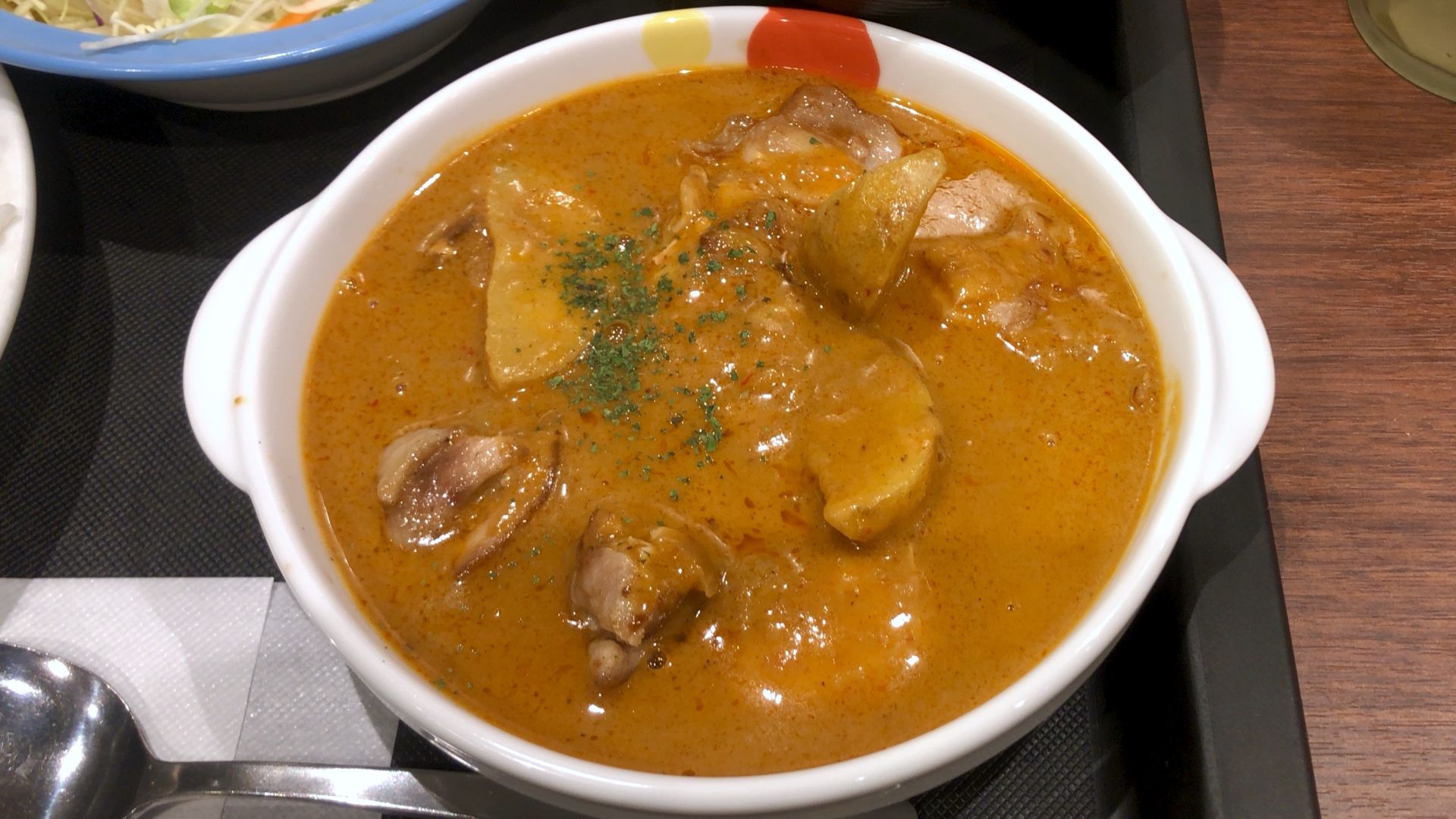
9. Panang Curry (Thai Coconut-Lime Curry)
Coconut cream with fragrant kaffir lime leaves defines panang curry’s signature richness. Developed in central Thailand with Malaysian influence, it favors thickness over heat. Using fewer chilies than red or green curries, this delivers a calm flavor profile.
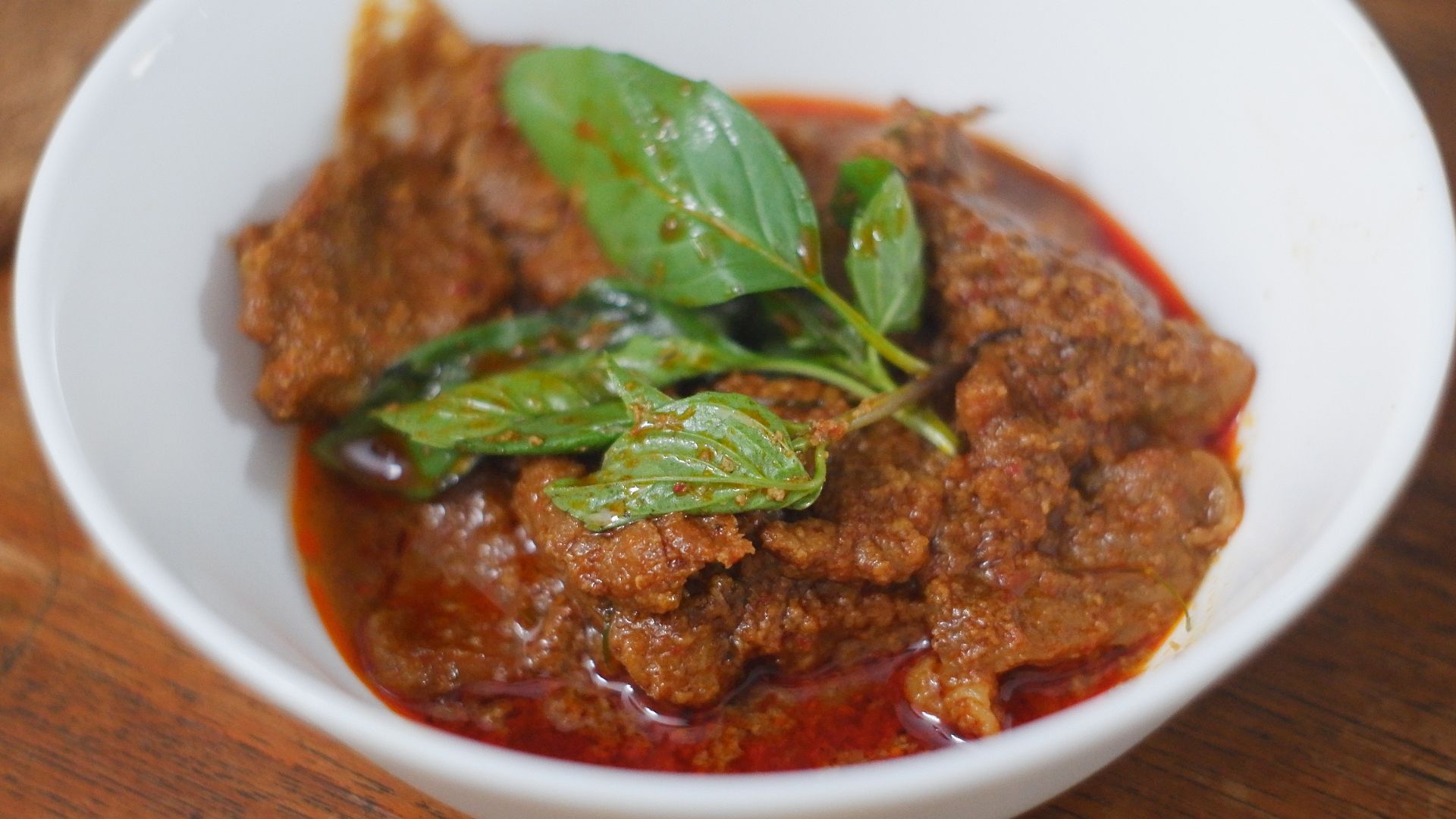 Vee Satayamas from Bangkok, Thailand on Wikimedia
10. Navratan Korma (Vegetable Royal Curry)
The delicacy originates from Mughal kitchens, designed for refined tastes. Here, saffron and subtle spices are used to create a balanced, celebratory curry. Use carefully picked ripe tomatoes for the gravy for that extra tanginess.
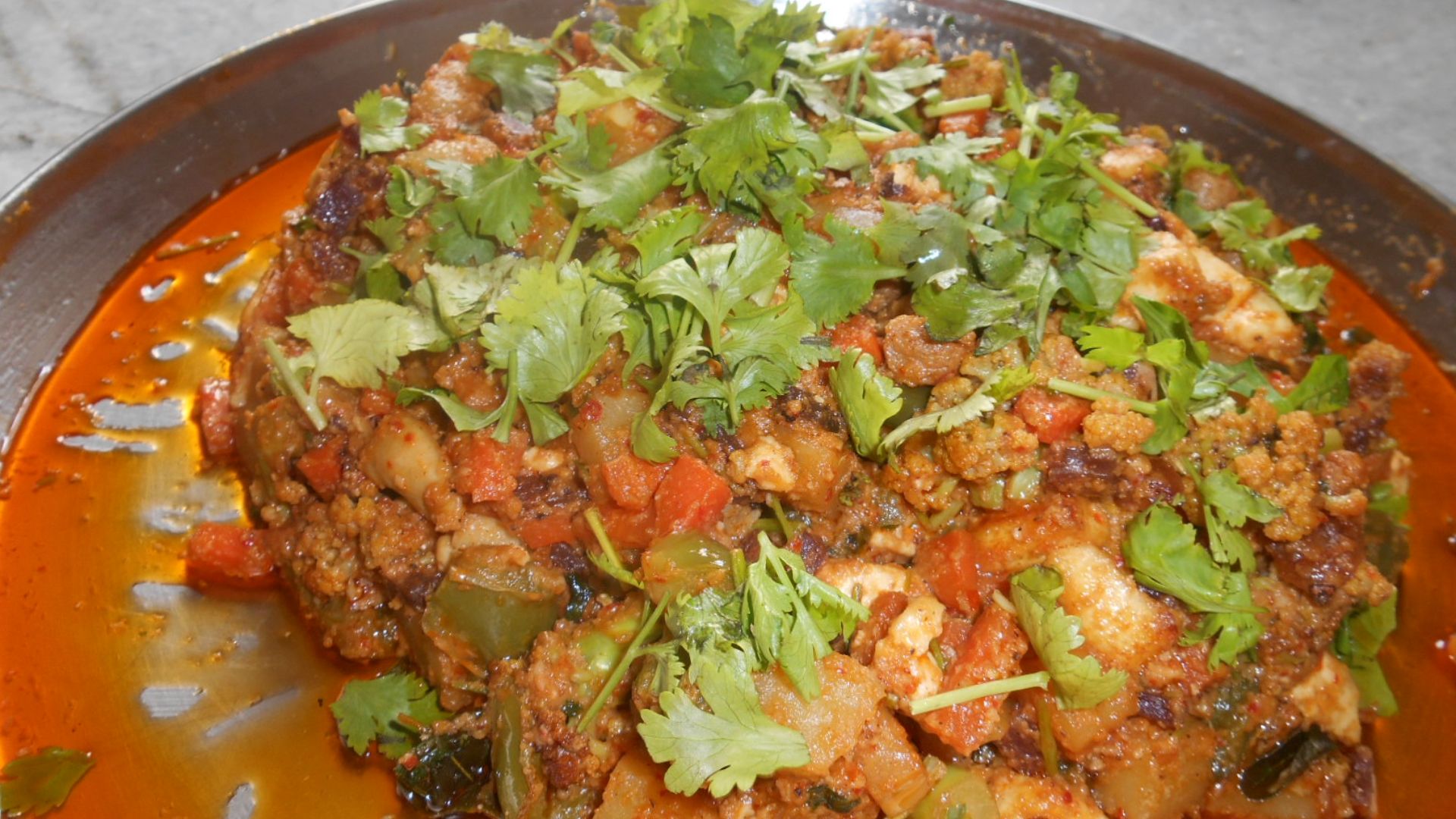
1. Vindaloo (Goan Spicy Curry)
Born in Goa, India, from the Portuguese carne de vinha d’alhos, vindaloo evolved into one of India’s most intense curries after chilies entered the recipe. Its sharp vinegar tang amplifies layered heat, leaving little to no room for mild interpretations in authentic versions.

2. Phaal (Extreme Chili Curry)
Phaal was created as a spice challenge in Birmingham’s Bangladeshi curry houses. Using ghost peppers and habaneros, it delivers immediate, mouth-numbing heat that often comes with warnings for those who wish to try it.
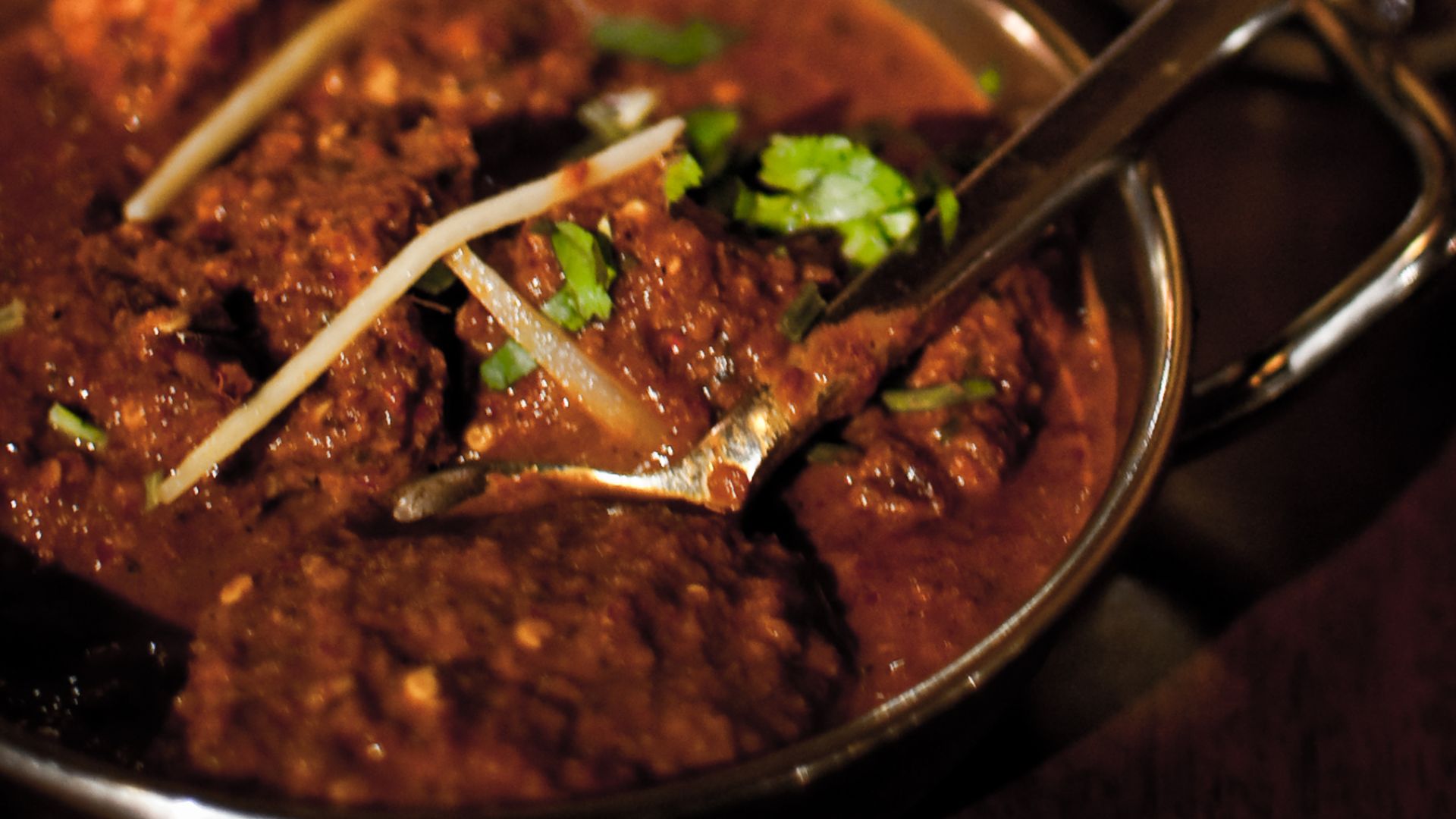
3. Madras Curry (Fiery Red Curry)
This one reflects British Indian tastes rather than regional Indian tradition. Madrass curry was a colonial invention made using curry powder. The curry later became a UK staple for its fiery red color back in the day.
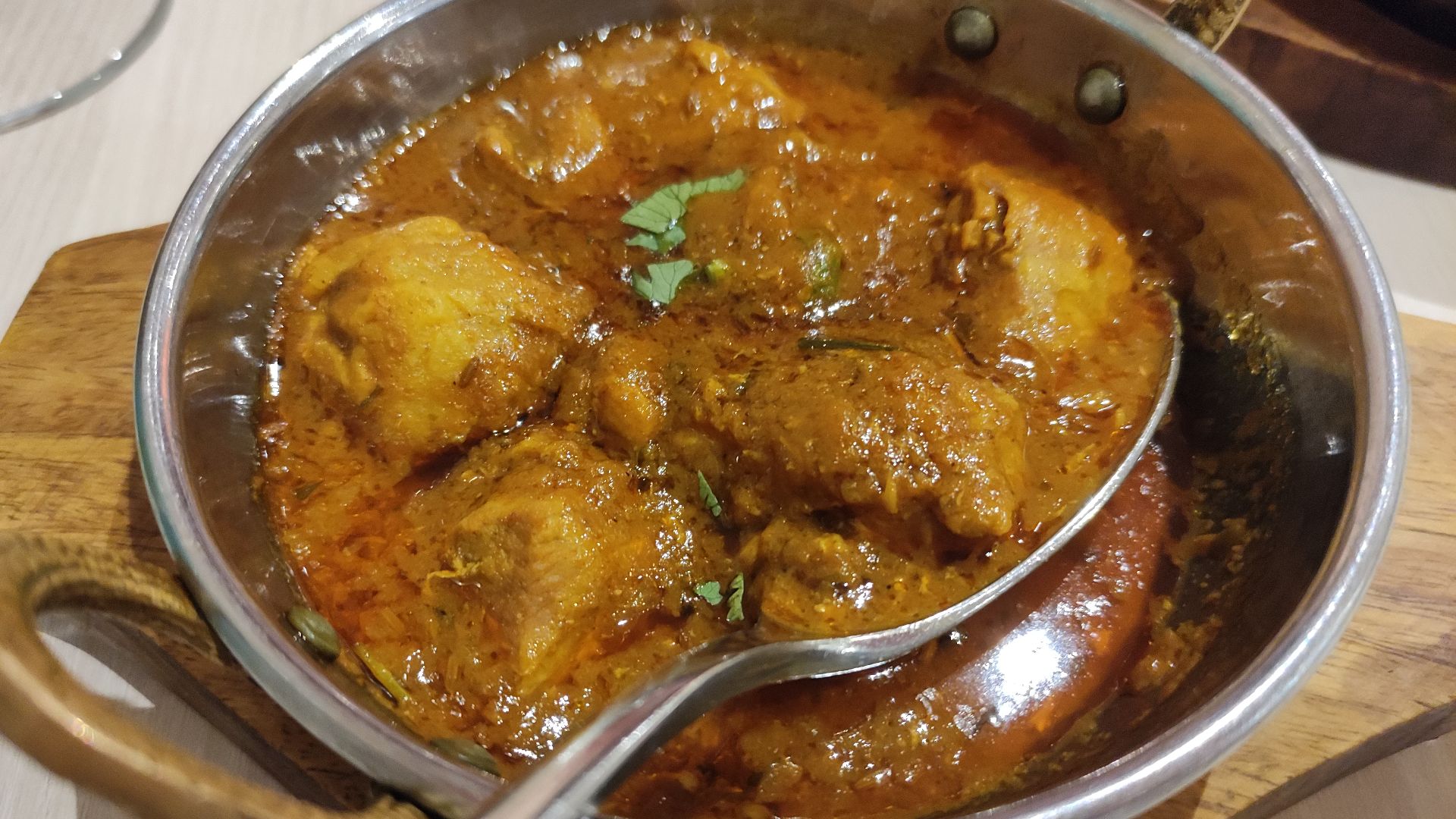
4. Jalfrezi (Hot-Fry Curry)
Originally created during British colonial times as a way to repurpose leftovers, Jalfrezi transformed a mix of vegetables into something sumptuous. Fresh green chilies drive their sharp bite, giving the dish its signature heat and lively character.
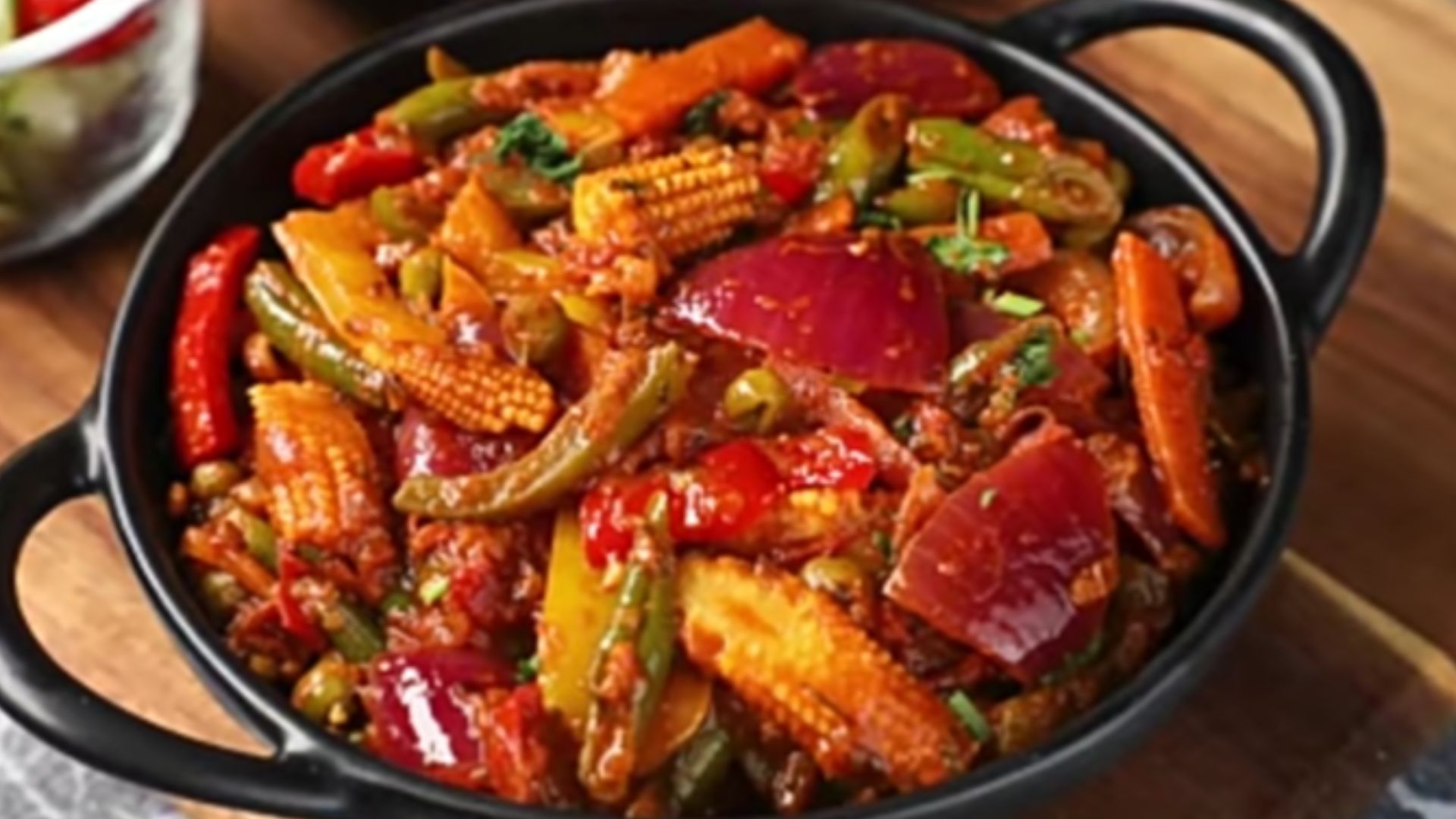
5. Naga Curry (Ghost Pepper Curry)
Naga curry is defined by the infamous Naga ghost pepper and is rooted in Northeast India and Bangladesh. Once among the world’s hottest chilies, it delivers extreme capsaicin impact, which makes the dish about sheer heat endurance.

6. Kolhapuri Curry (Fiery Maharashtrian Curry)
Idealized in Maharashtra’s Kolhapur region, the curry is unapologetically fiery by tradition. Its signature masala layers Guntur chilies with sesame, coconut, and garlic to create an aggressive, nutty heat rooted in a region historically shaped by trade and warrior culture.
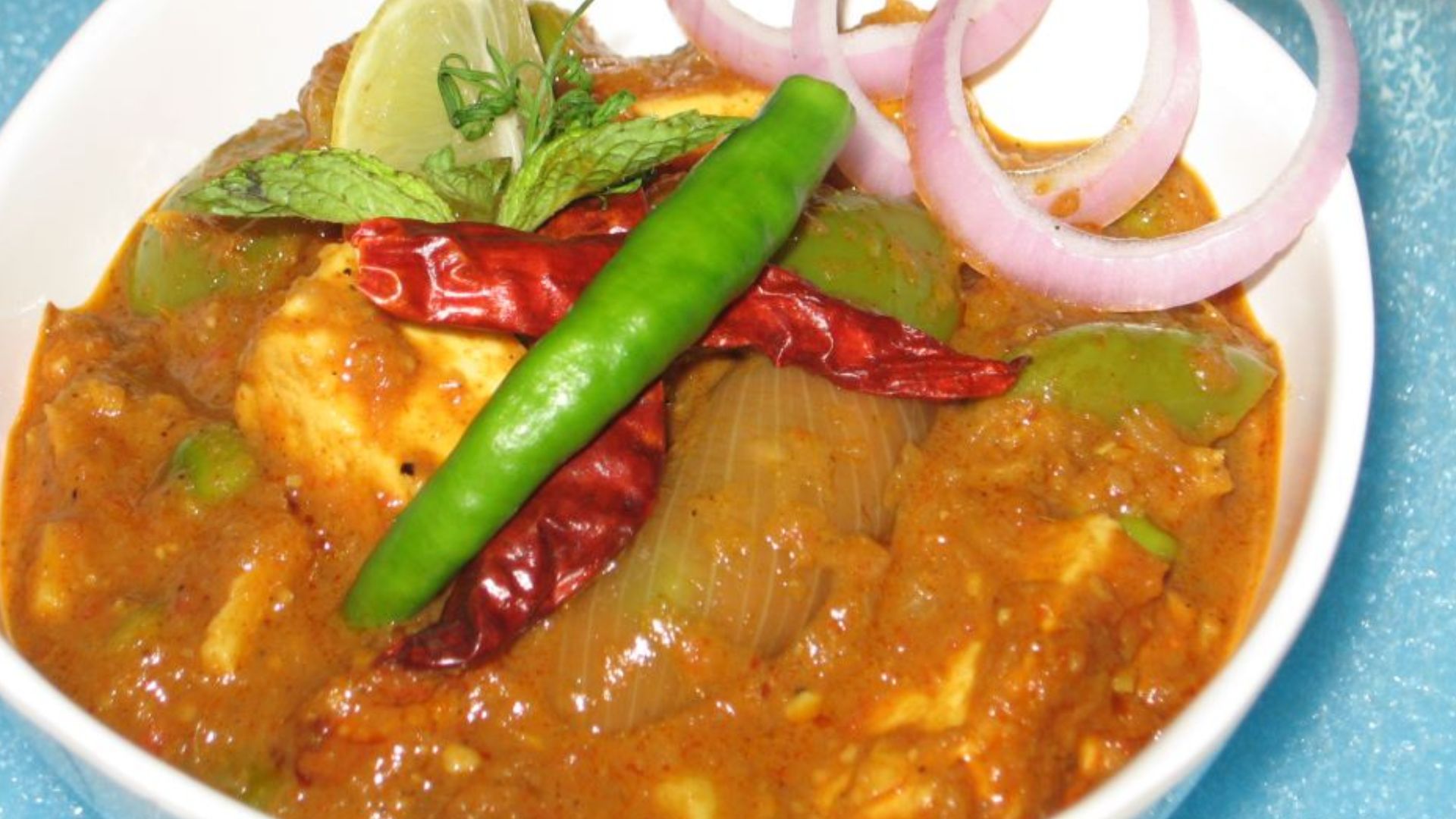
7. Andhra Chicken Curry
In Andhra Pradesh, India, spiciness is identity. Andrha chicken curry, also known locally as Kodi Kura, relies on undiluted Guntur chilies to deliver relentless intensity. Poppy seeds and coconut offer a brief balance, but the dominant experience remains bold and unmistakably hot.
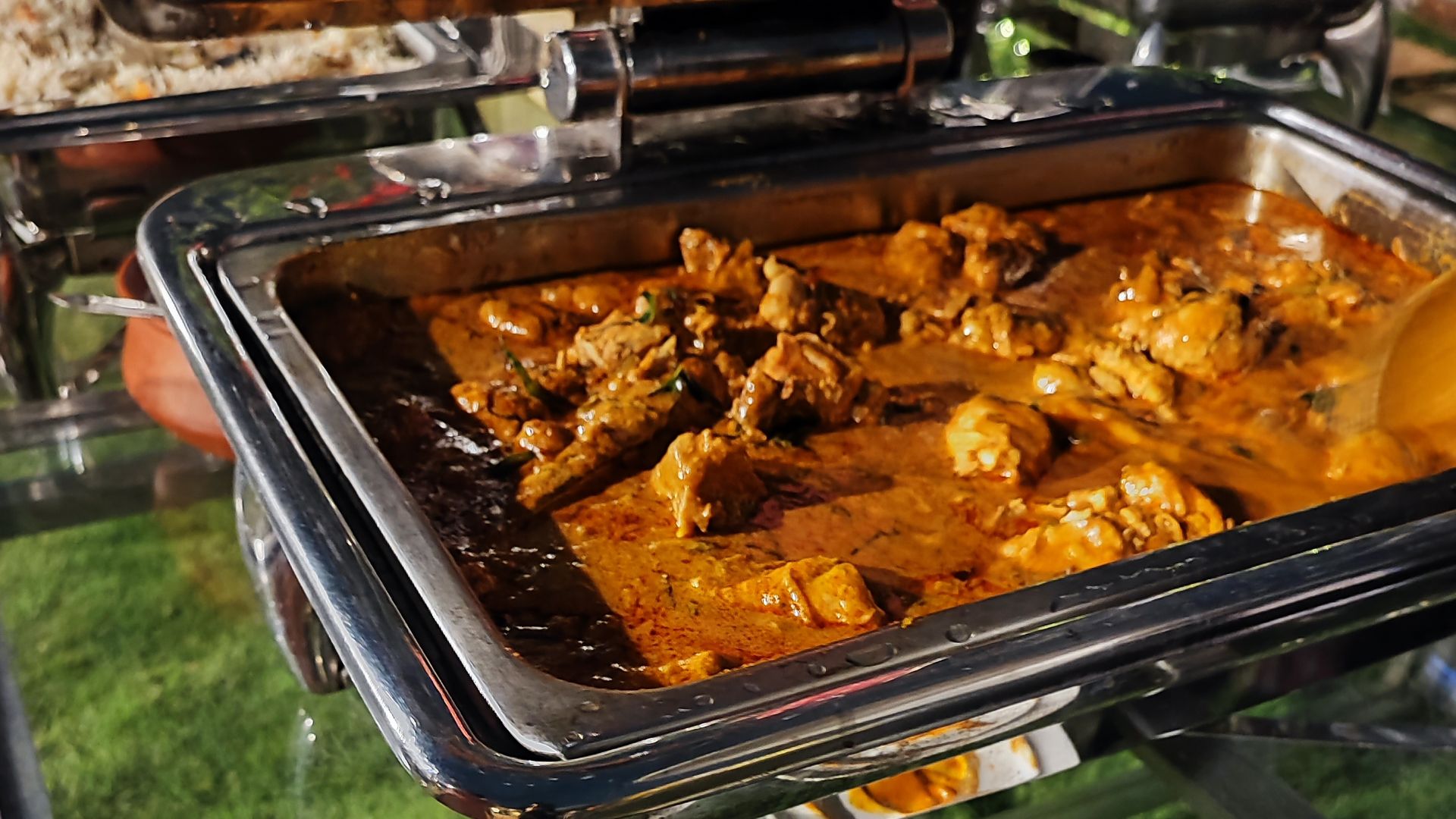
8. Chettinad Curry (Tamil Spiced Curry)
This one reflects the Indian state Tamil Nadu’s merchant legacy, built on spice complexity rather than blunt heat alone. Peppercorns, fennel, and star anise stack into a slow-burning intensity. Traditionally uncompromised, its layered fire mirrors the guarded spice secrets of Chettiar traders, a wealthy trading group in South India.
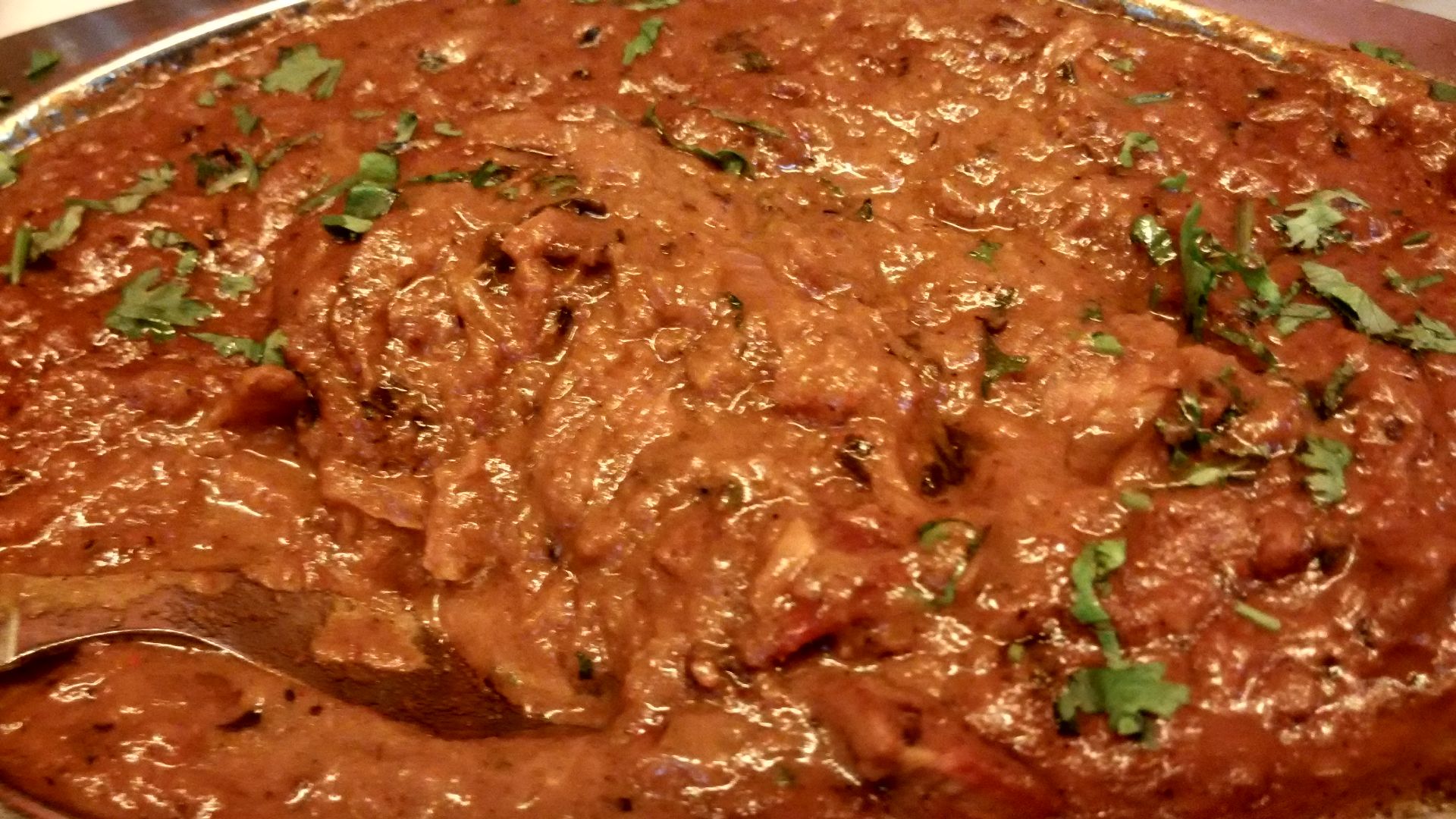 Thamizhpparithi Maari on Wikimedia
9. Laal Maas (Rajasthani Red Chili Curry)
Laal maas emerged from yet another Indian state, Rajasthan’s hunting culture, designed to sustain warriors through heat and richness. Mathania chilies stain the dish deep red, while yogurt sharpens the burn. Its intensity is deliberate, which preserves a legacy where spice signaled strength and survival.
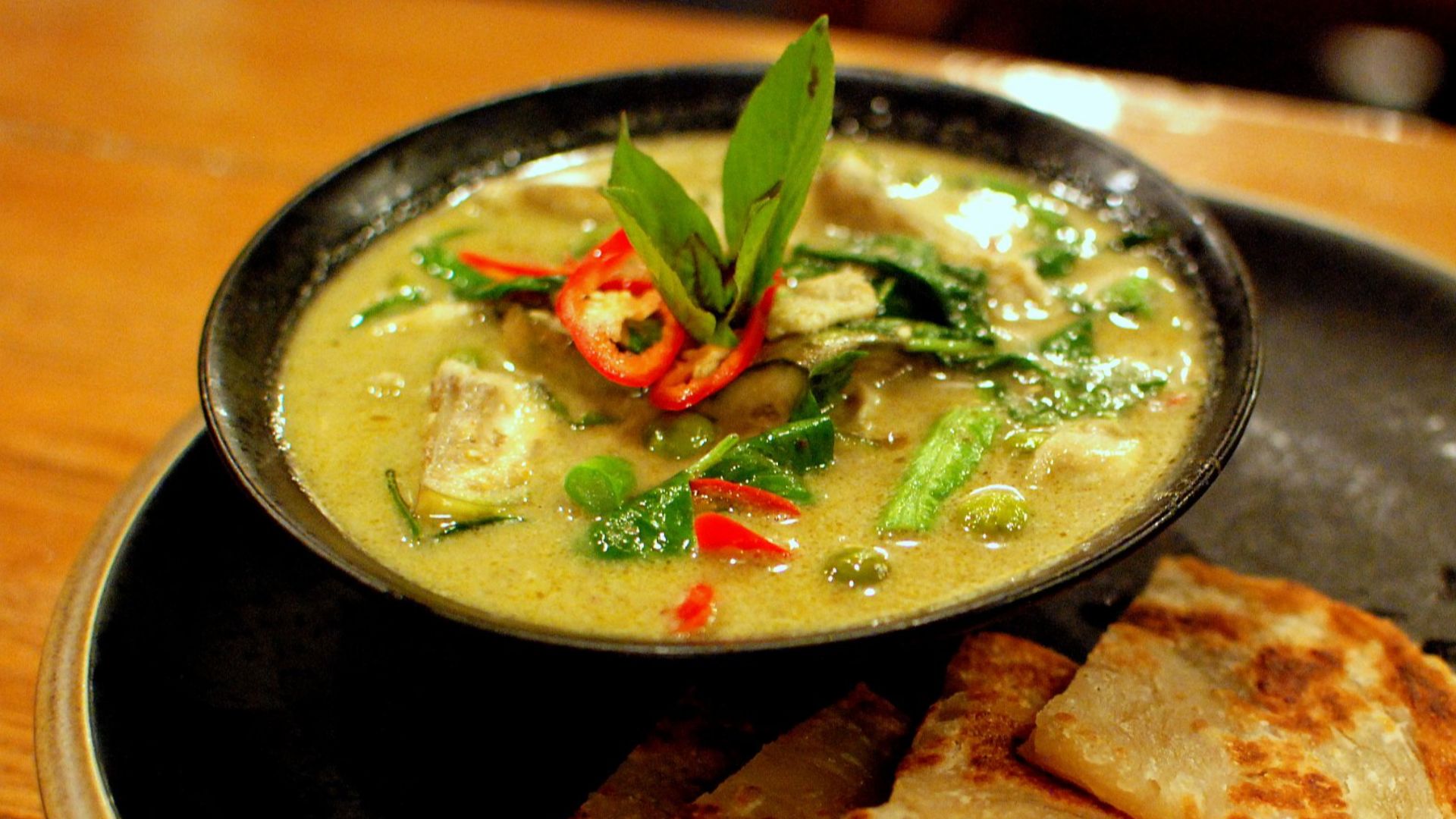
10. Thai Green Curry
Despite its fresh green appearance, this Thai staple delivers some of the cuisine’s sharpest heat. Fresh green chilies drive a rapid buildup, intensified by lemongrass and galangal. Coconut milk softens the edges but never fully tames its deceptive fire.
KEEP ON READING

The Most Popular Signature Dishes Around the World