A Look Back at the Bites We Questioned—and the Ones We Now Crave
Food trends love to arrive with big promises and even bigger visuals. Some of them genuinely push the way we cook and eat forward, while others seem to exist mainly to grab attention for a fleeting moment. Looking back, it’s easier to see which ones deserved our raised eyebrows and which surprised us by sticking around. Below, we’re revisiting ten trends we were right to doubt and ten that ultimately earned a place at the table.

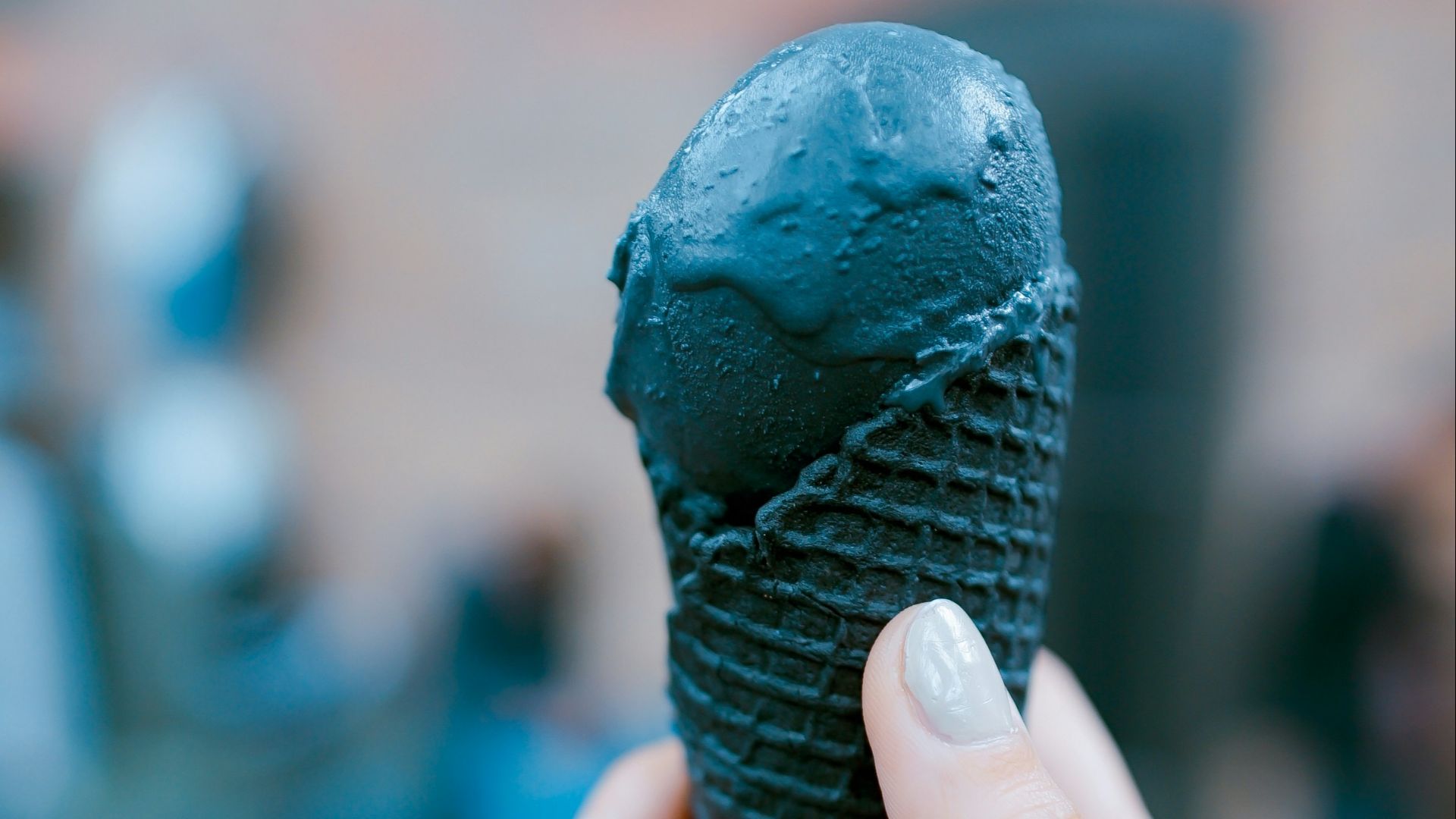
1. Activated Charcoal Everything
Charcoal lattes and jet-black ice cream looked striking, but the appeal ended there. The detox claims never held up, and health experts raised concerns about medication interference. Once the novelty wore off, the flavor rarely lived up to the hype. In hindsight, this trend leaned far more on visuals than substance.
2. Gold-Covered Foods
Edible gold burgers and desserts promised luxury but delivered nothing new in taste. Since gold is flavorless, you were essentially paying for decoration. It felt more like status signaling than an actual food experience. That novelty wears thin quickly when your wallet’s involved.

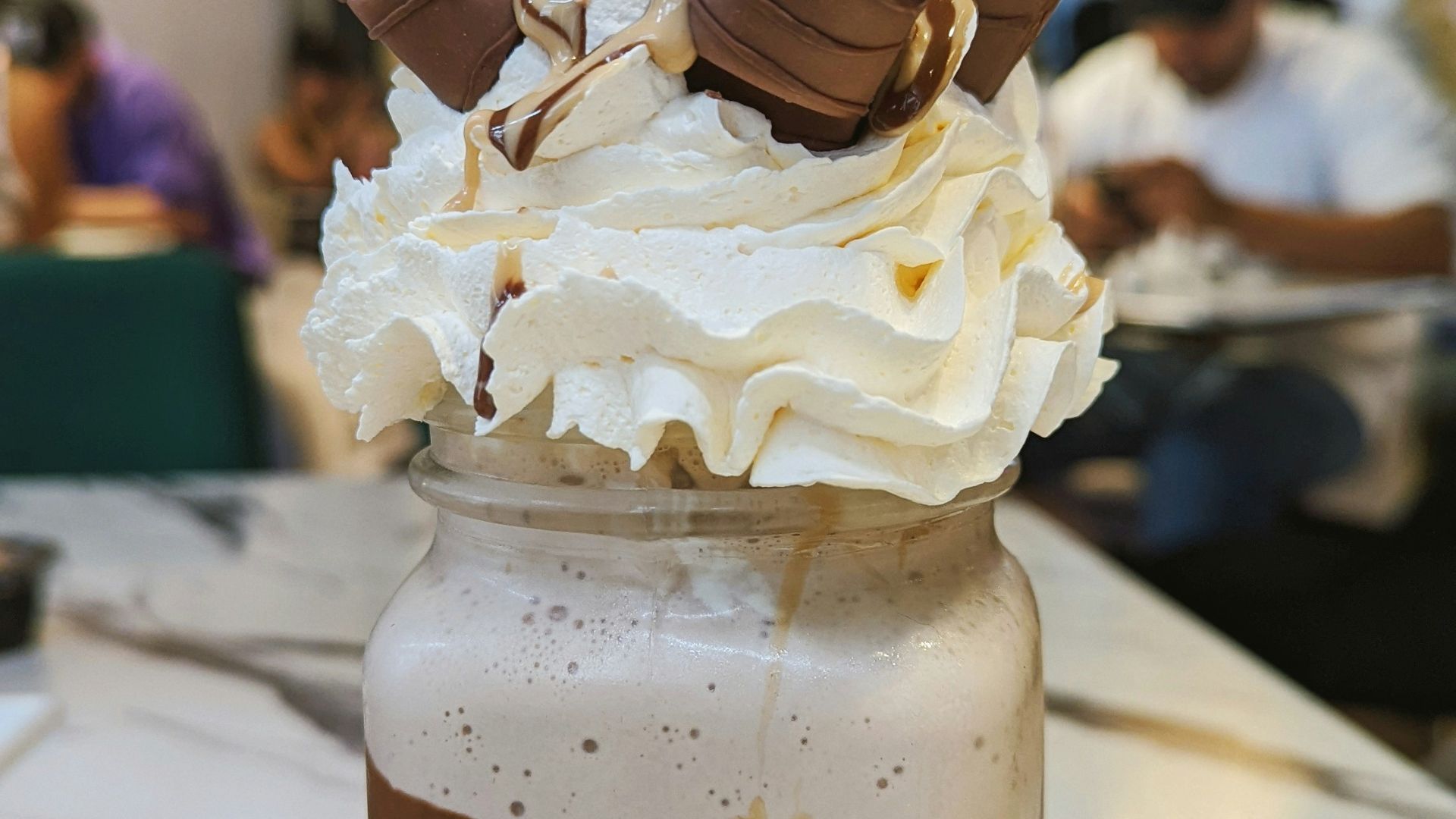
3. Extreme Freakshakes
These towering milkshakes were impressive to look at but exhausting to consume. Loaded with cakes, candy, and cookies, they turned dessert into a chore. You’d admire it, take a photo, and then wonder how to even start eating one. Indulgence crossed into excess pretty fast.
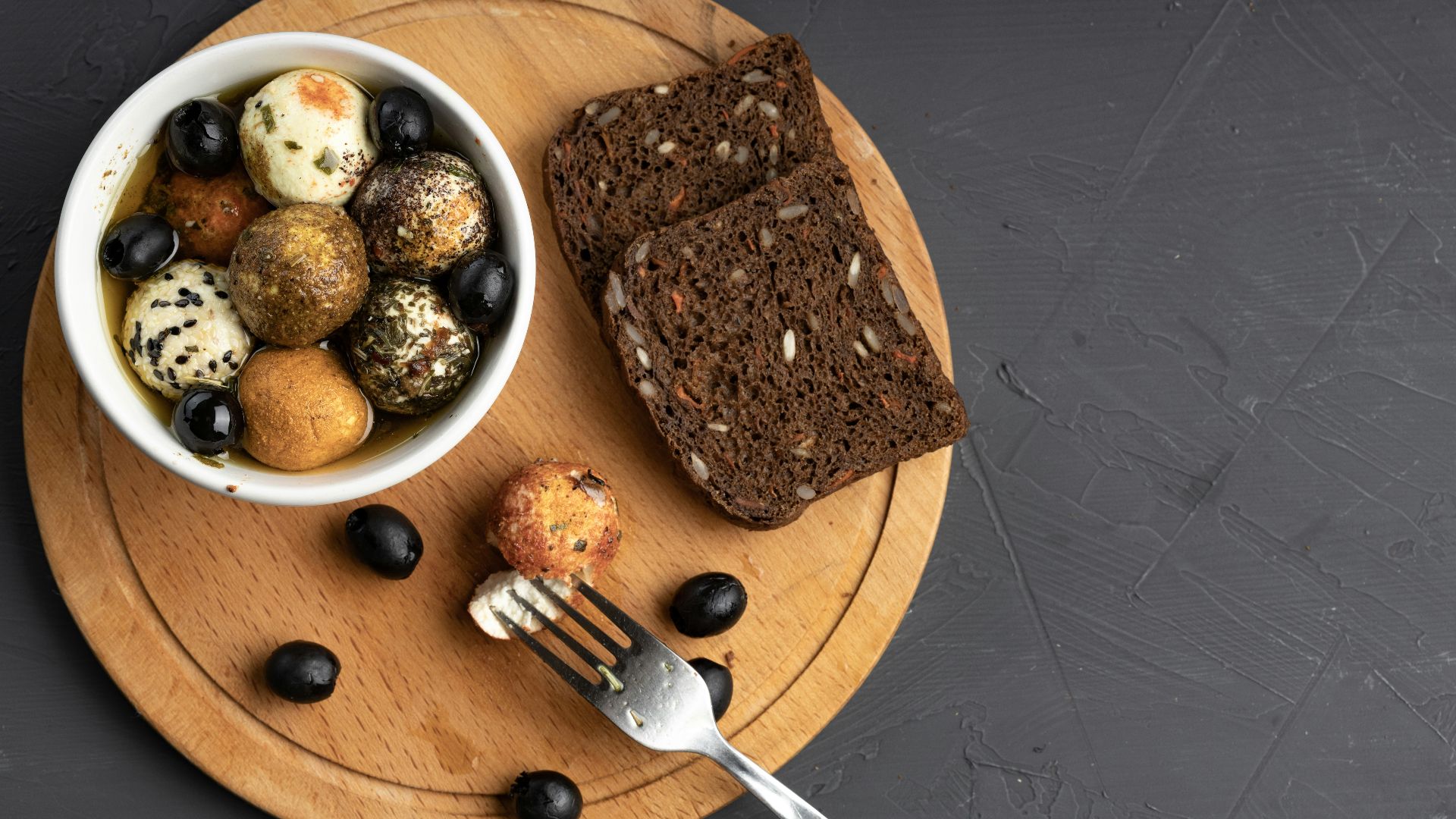
4. Butter Boards
Butter boards arrived as the next big communal snack idea. Sharing room-temperature butter raised hygiene questions that no amount of herbs could fix. It also lacked the variety that makes charcuterie boards fun. Once the shock factor faded, the concept felt oddly limiting.
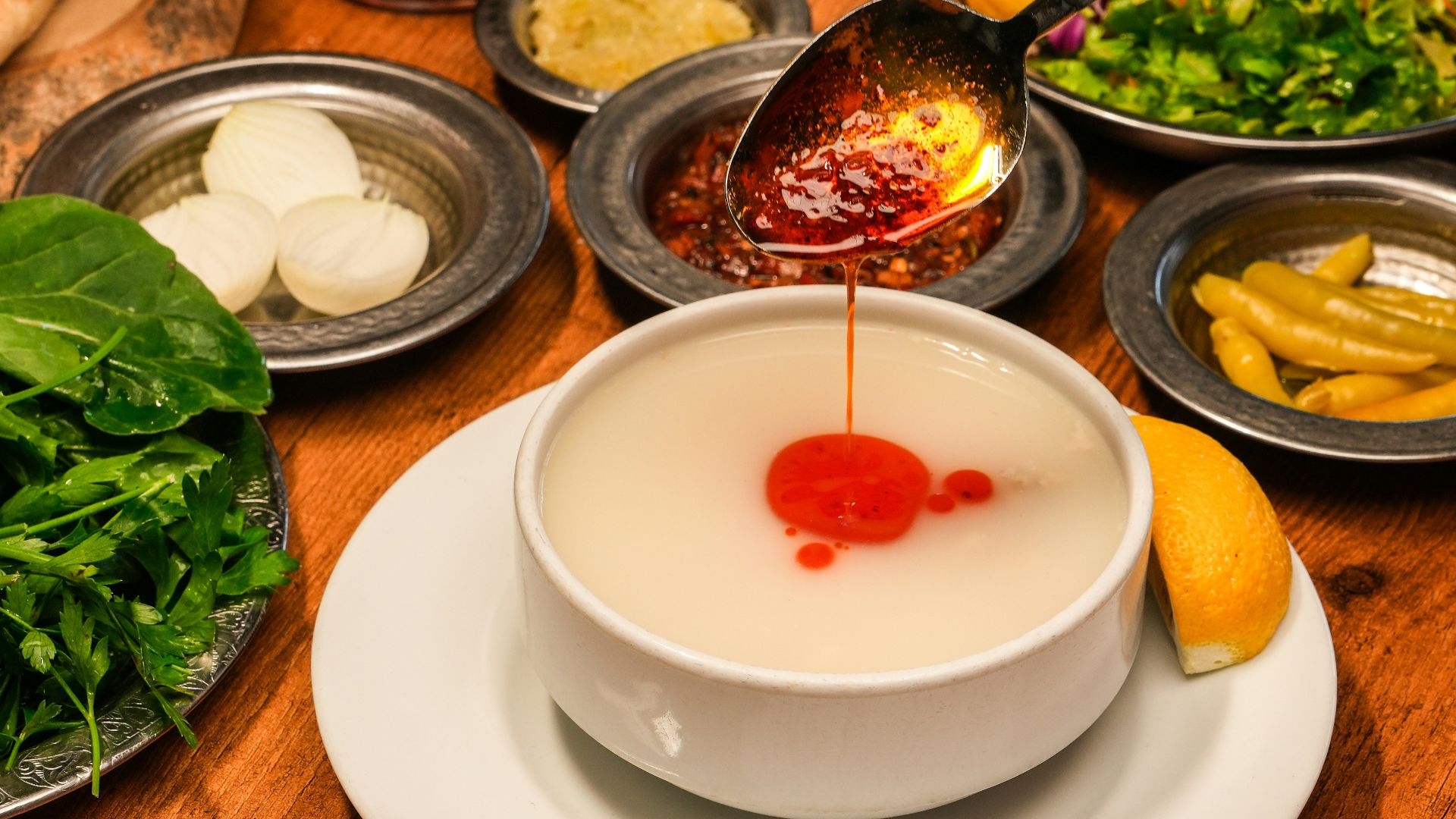
5. DIY Molecular Gastronomy at Home
Foams, gels, and spheres seemed exciting on cooking shows. At home, they required specialized ingredients and a ton of patience. The payoff rarely matched the effort involved. Most cooks realized traditional techniques were more rewarding.
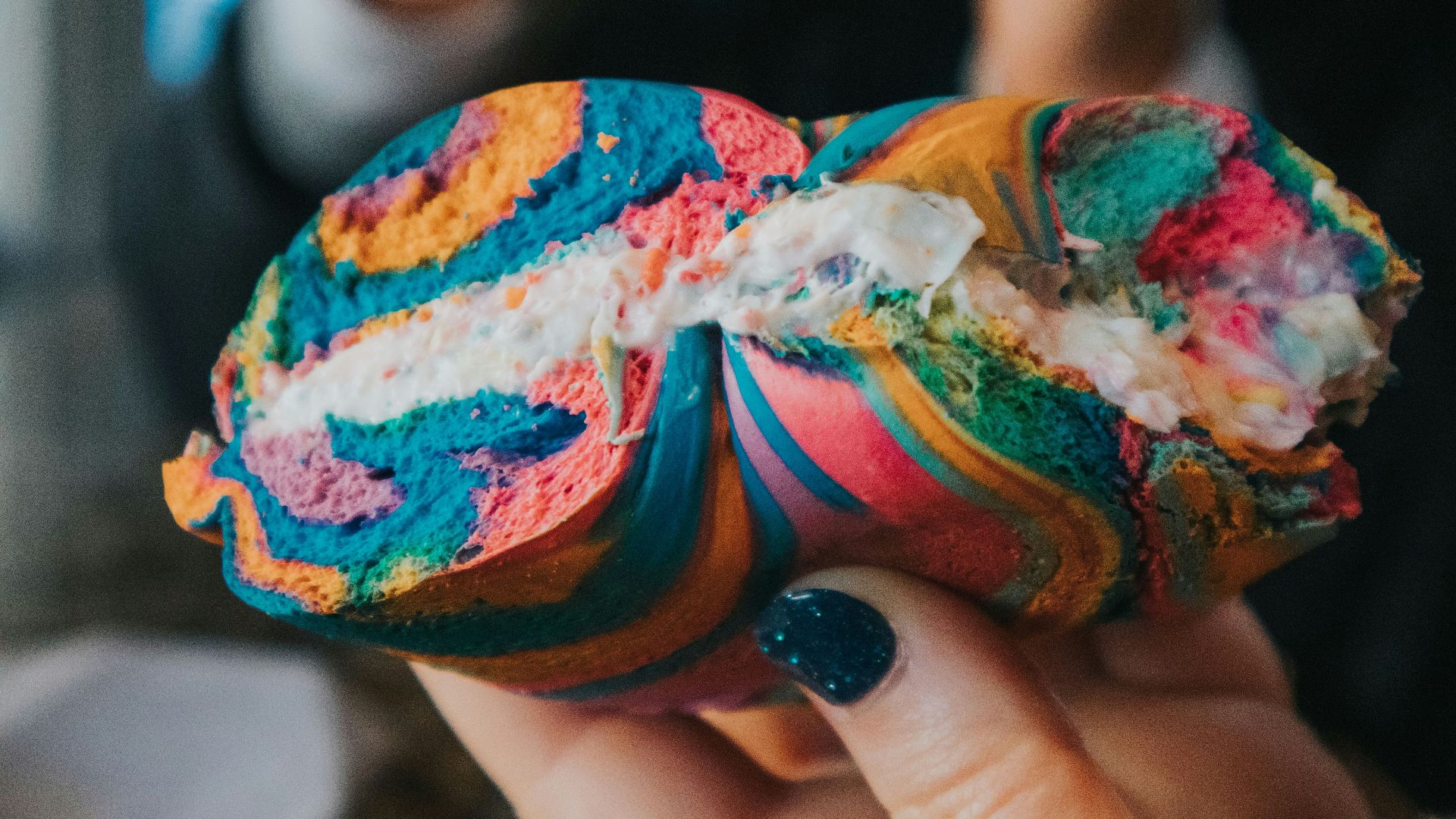
6. Rainbow-Colored Everything
Rainbow bagels and grilled cheese relied heavily on food coloring. Flavor took a back seat to aesthetics, which became obvious after the first bite. The novelty wore off quickly once social feeds moved on. Color alone can’t carry a dish.
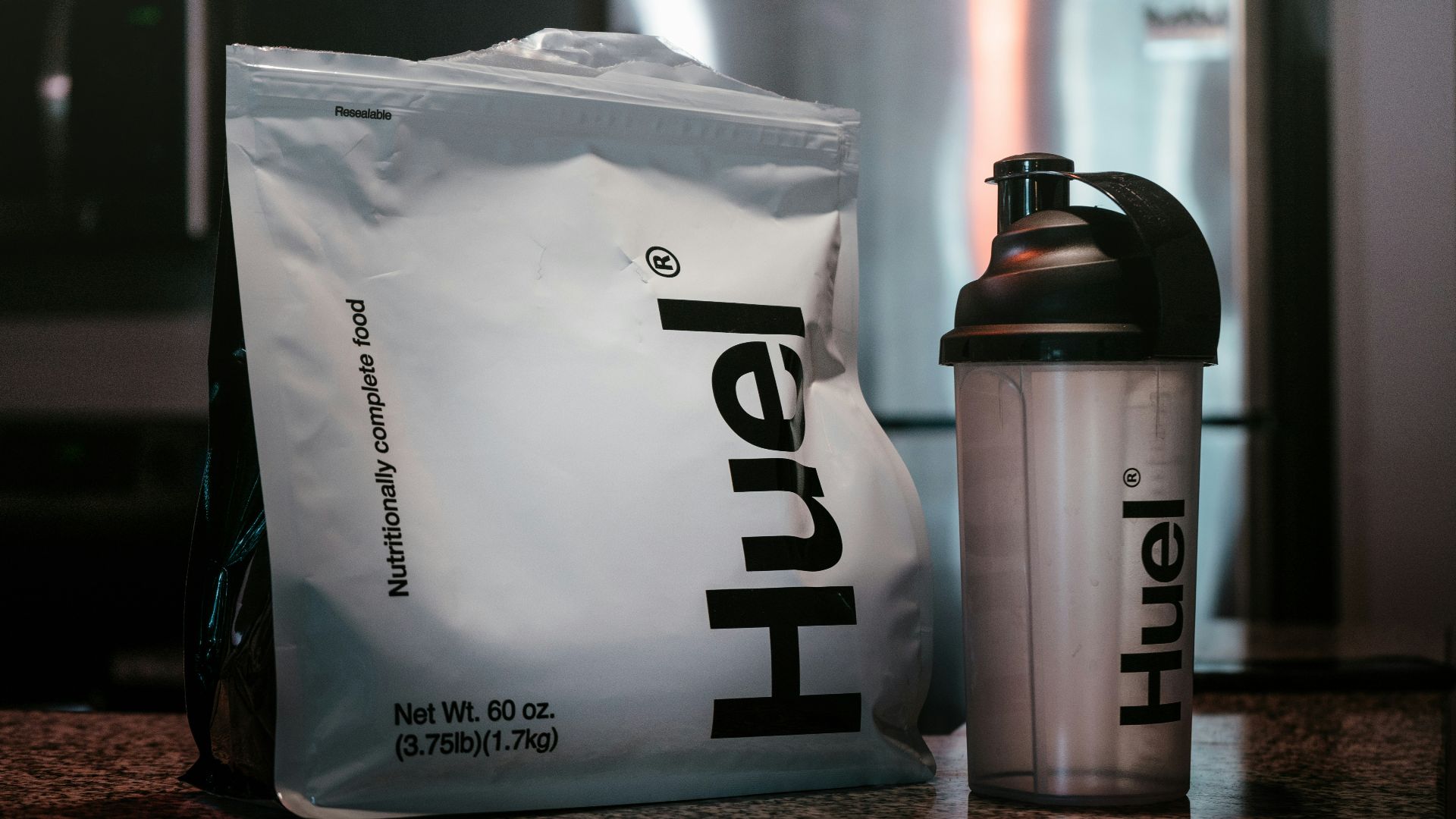
7. Meal Replacement Drinks as Full Diets
Liquid meals promised efficiency and balance. In reality, many people missed the satisfaction of chewing and the real textures. Drinking every meal felt more isolating than convenient over time. Food is about more than just fuel.
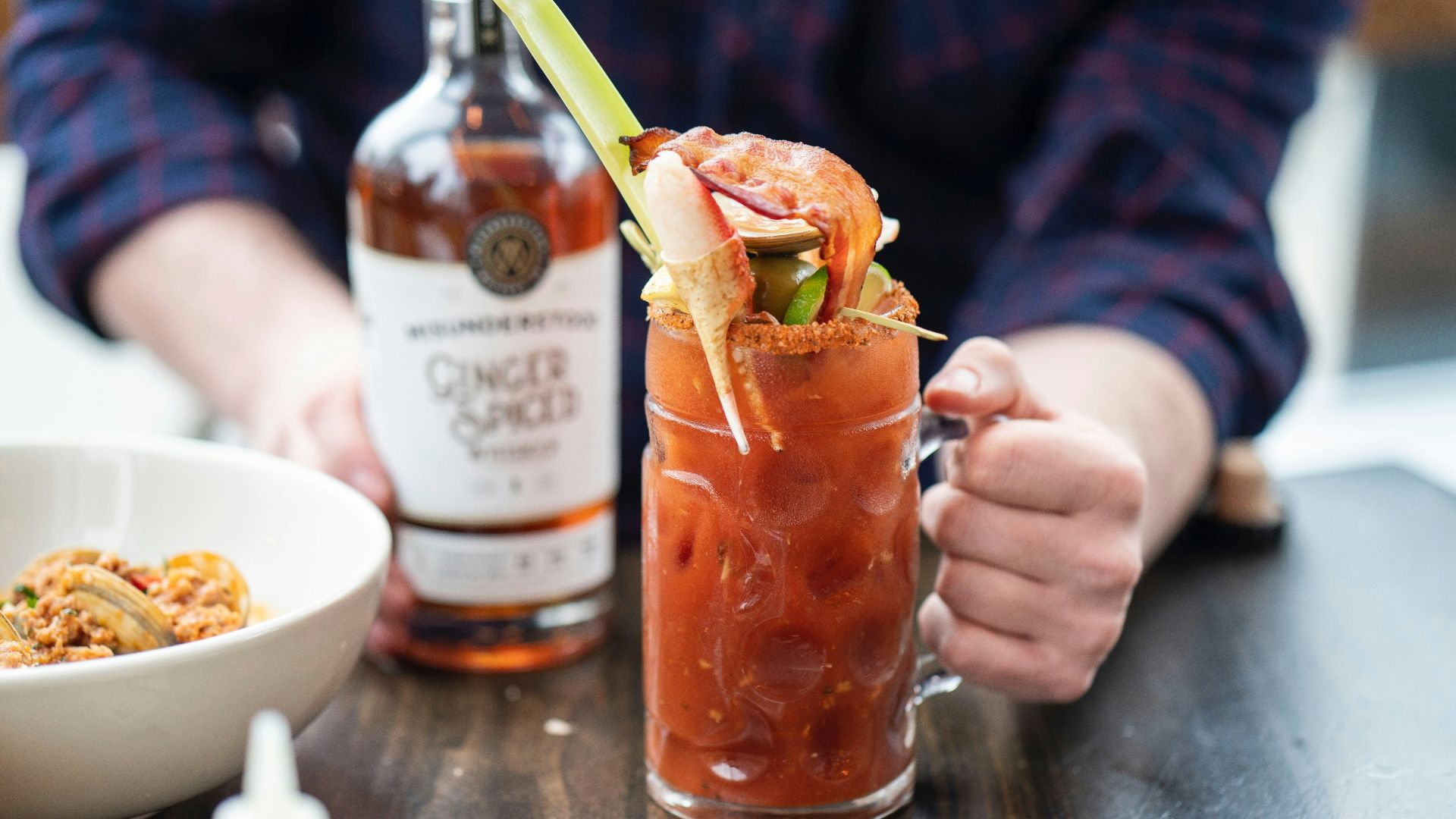
8. Overloaded Bloody Marys
Cocktails topped with entire meals looked impressive but felt impractical. Balancing sliders, shrimp, and bacon over a drink got messy fast. It blurred the line between brunch and spectacle. Sometimes restraint makes things better.
 Misunderstood Whiskey on Unsplash
9. Fake Meat That Tried Too Hard
Early plant-based meats aimed for perfect imitation. Texture and aftertaste issues made the illusion hard to ignore. Instead of embracing their own strengths, they chased beef too closely. That approach didn’t always land.
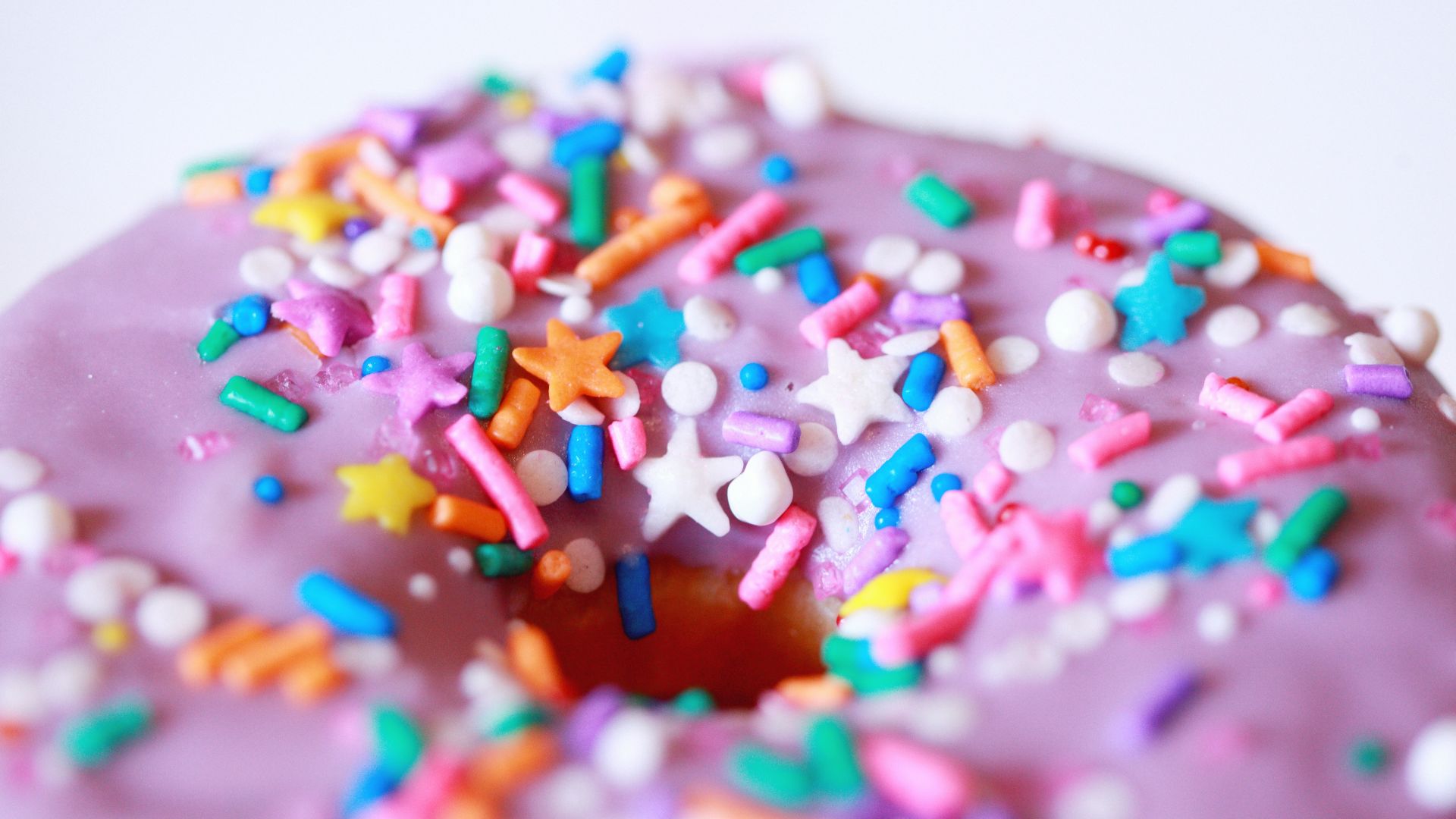
10. Unicorn Food Craze
Pastel swirls and glitter dominated menus for a while. Unicorn foods prioritized whimsy over flavor, leaving little reason to return. Once the trend cooled, so did the interest. It was fun, but never built to last.
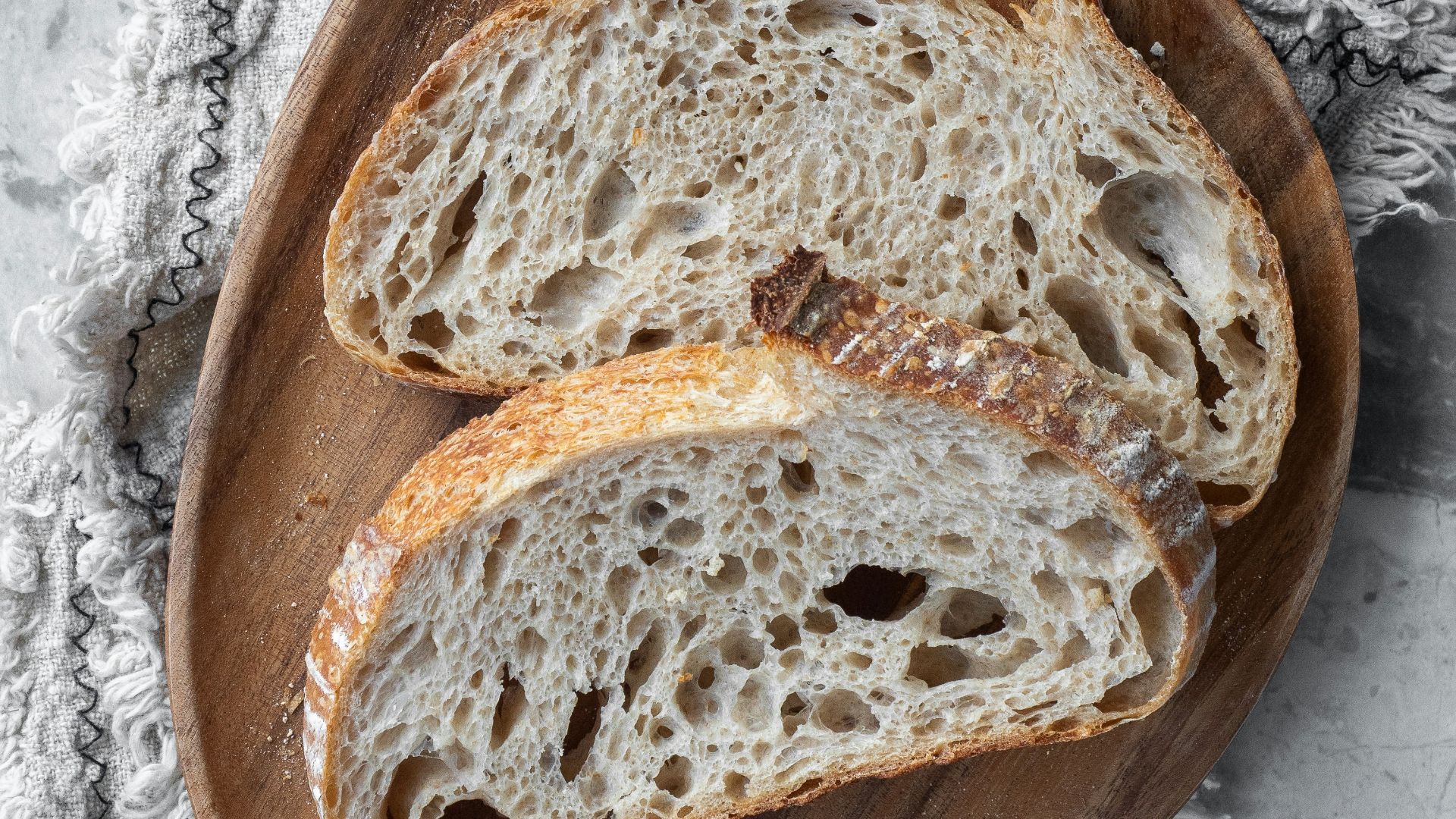
1. Sourdough Bread Revival
At first, people’s obsession with sourdough starters felt excessive. Then the flavor depth and texture won people over. Natural fermentation added complexity that standard bread couldn’t match. Patience turned out to be the secret ingredient.
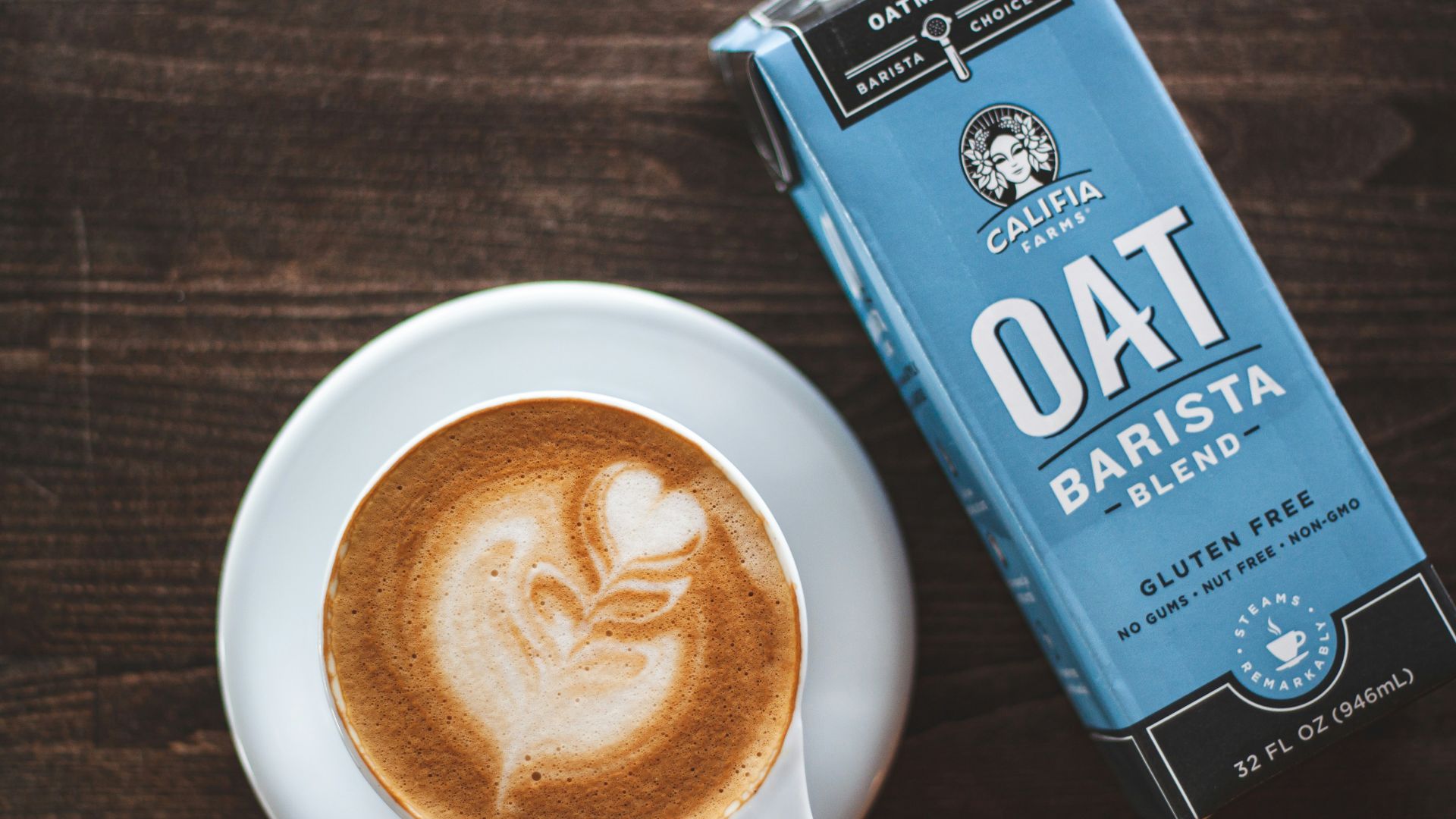
2. Plant-Based Milk Alternatives
Non-dairy milk used to feel like a compromise. Improvements in oat, almond, and soy milk changed that perception. They perform well in coffee, cereal, and cooking. Choice became the real selling point.
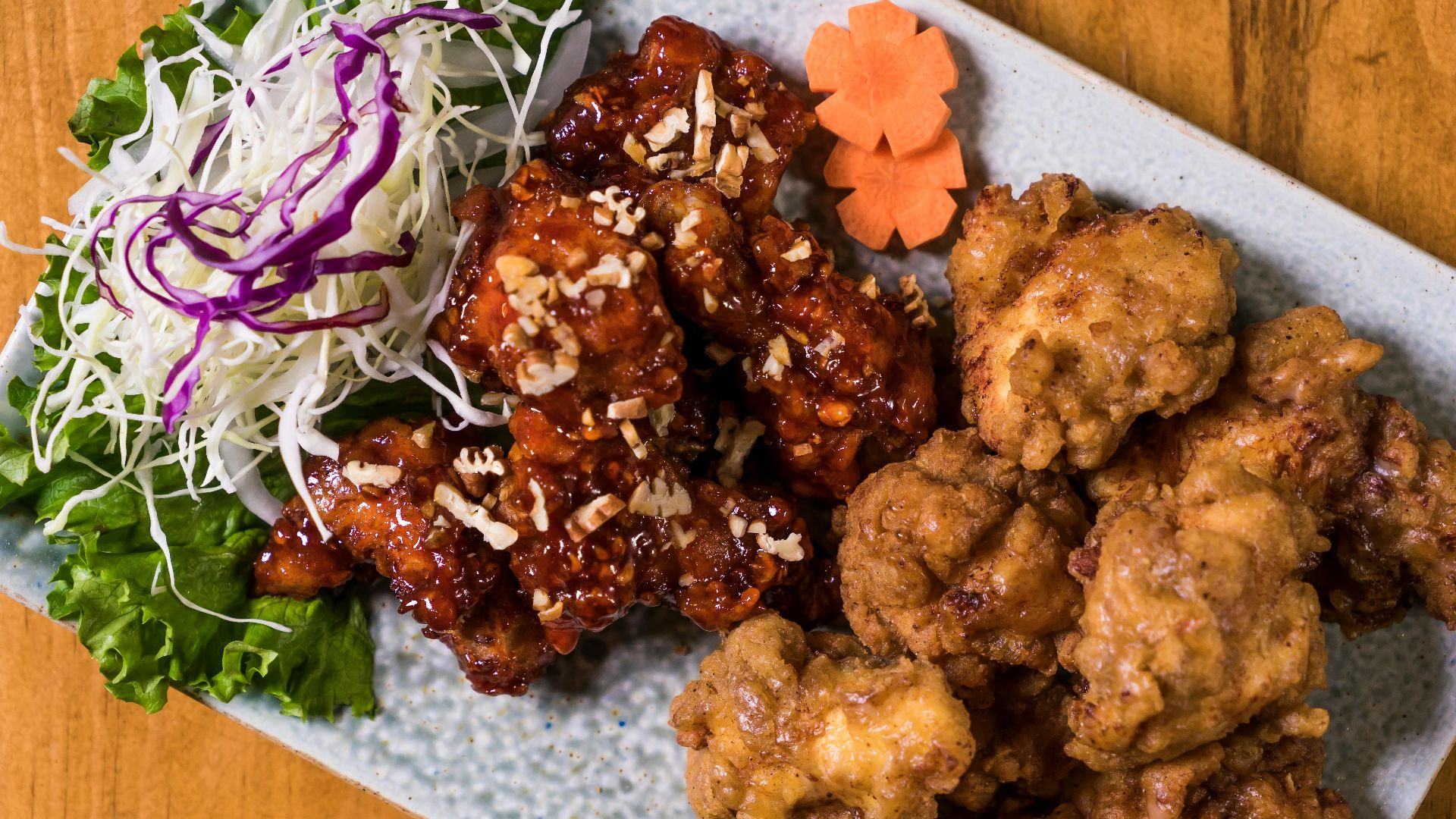
3. Korean Fried Chicken
Another fried chicken trend didn’t seem necessary at first. The ultra-crispy coating and lighter texture quickly proved otherwise. It stays crunchy longer and delivers serious flavor. Skepticism vanished after one order.
 Luis Becerra Fotógrafo on Pexels
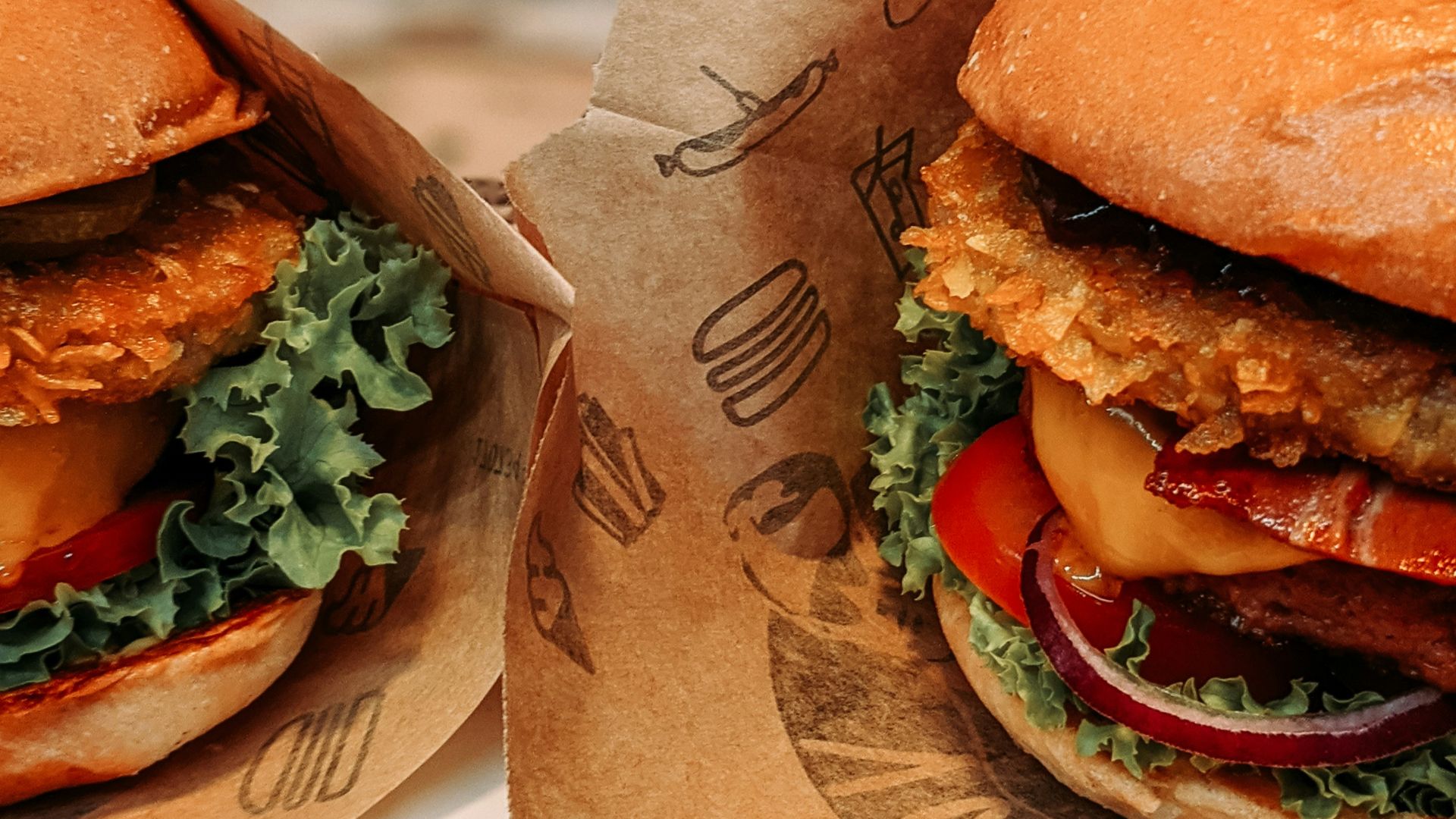
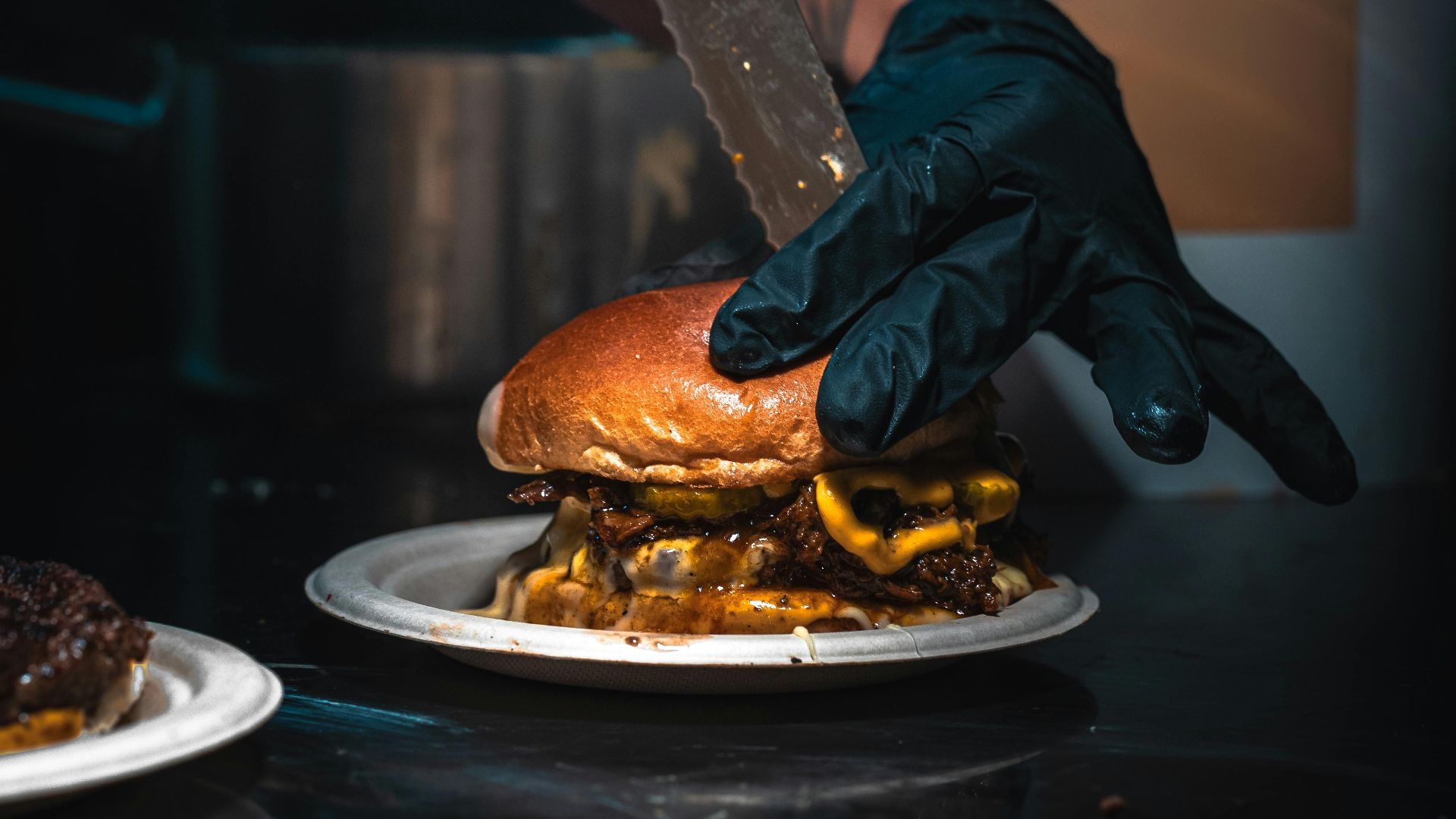
4. Smash Burgers
Thin patties didn’t sound appealing initially. The caramelized crust and juicy interior changed minds fast. You get maximum flavor without unnecessary bulk. Sometimes, thinner really is better.
5. Fermented Foods Going Mainstream
Kimchi, kombucha, and miso once felt niche. Wider availability made them easier to explore and enjoy. Their bold flavors and gut-friendly benefits helped them stick around. Curiosity turned into a habit.
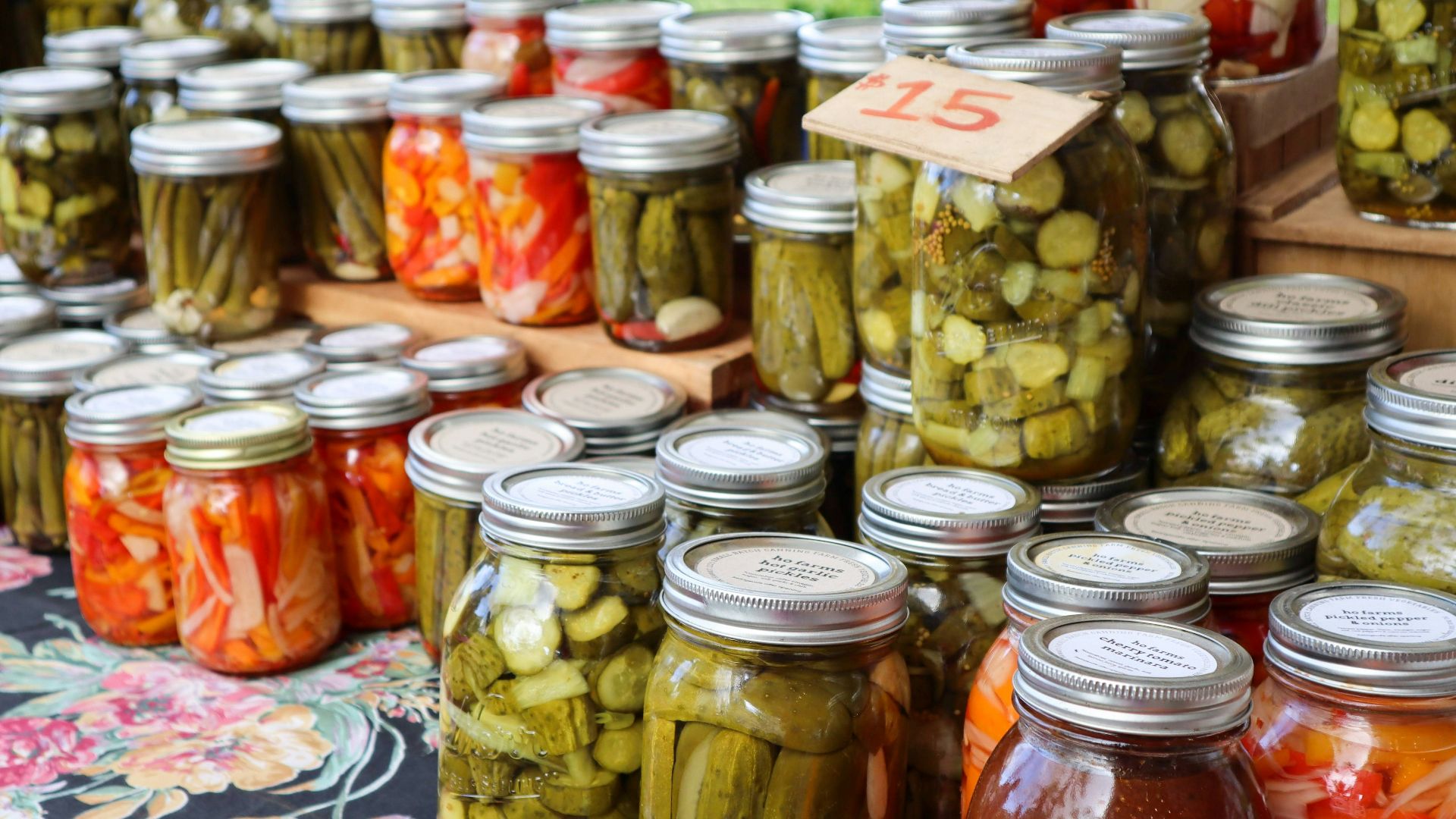
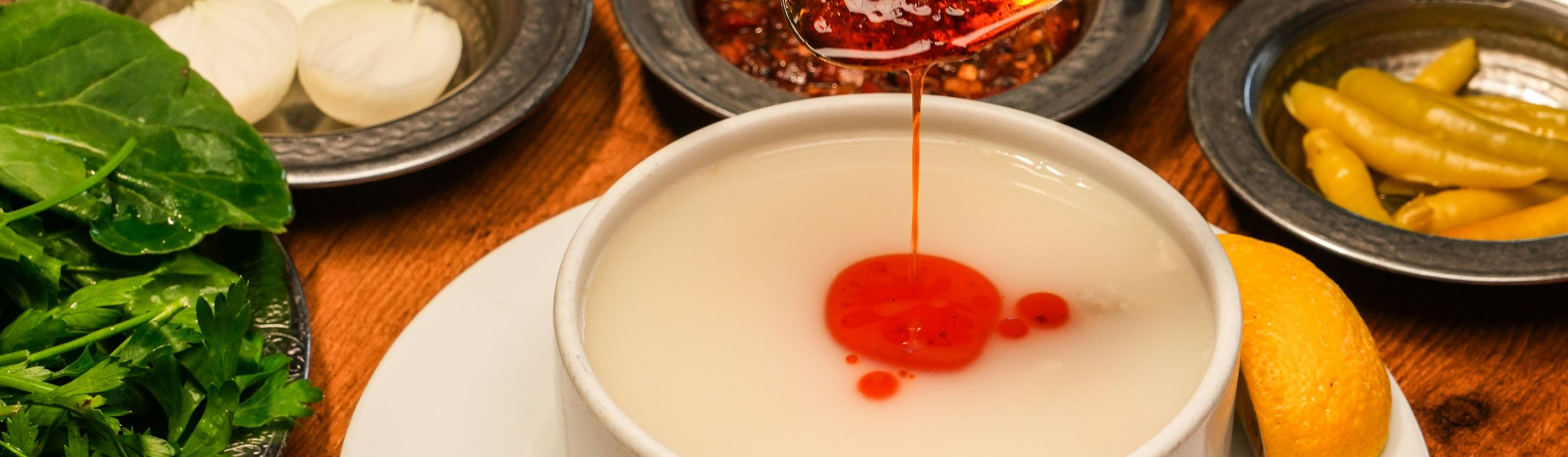
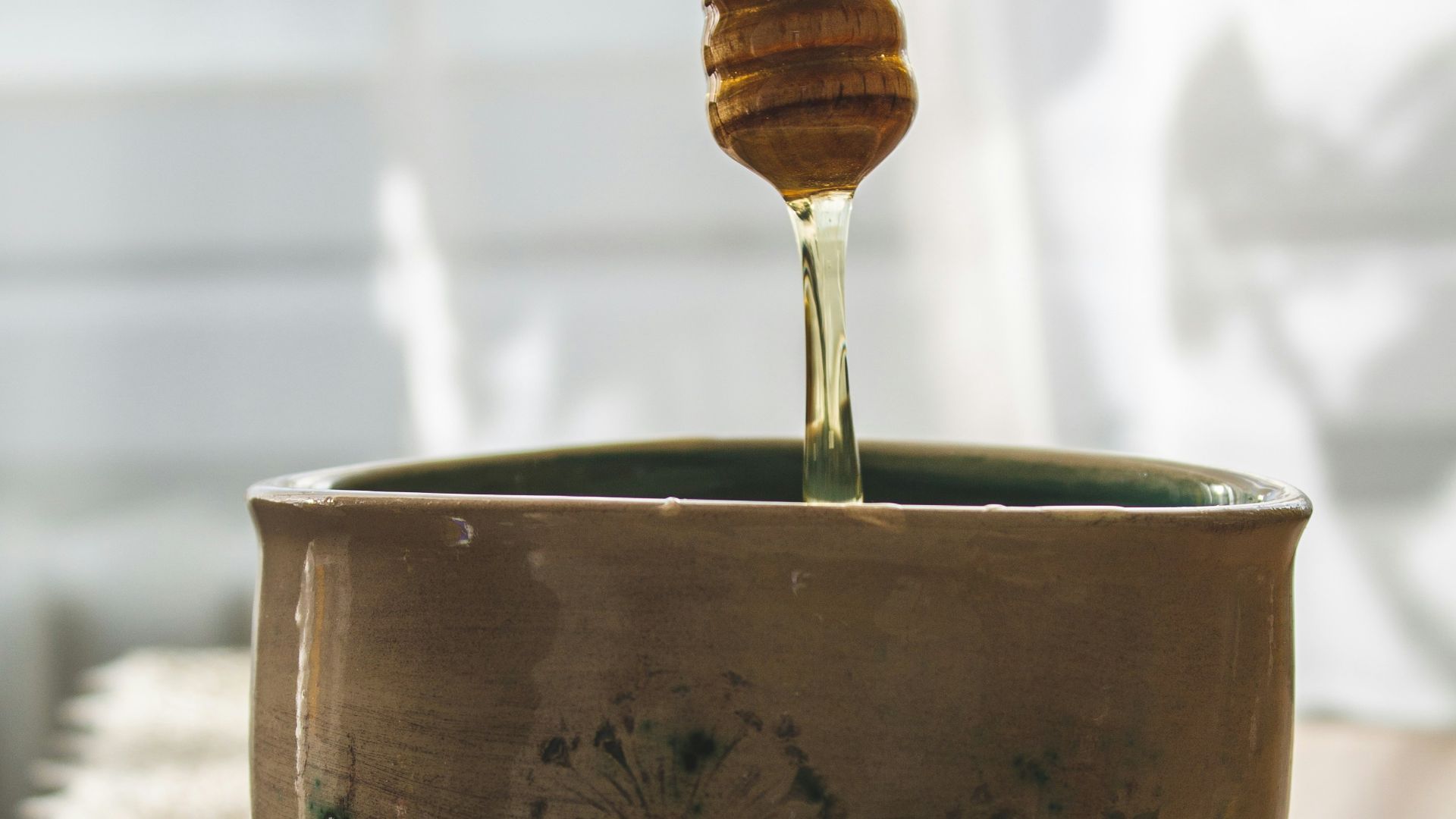
6. Hot Honey
Honey on pizza sounded strange at first. The sweet heat combination turned out to be addictive. It enhances savory foods without overpowering them. Now it feels like a no-brainer pantry item.
 Olah Renáta Adrienn on Unsplash
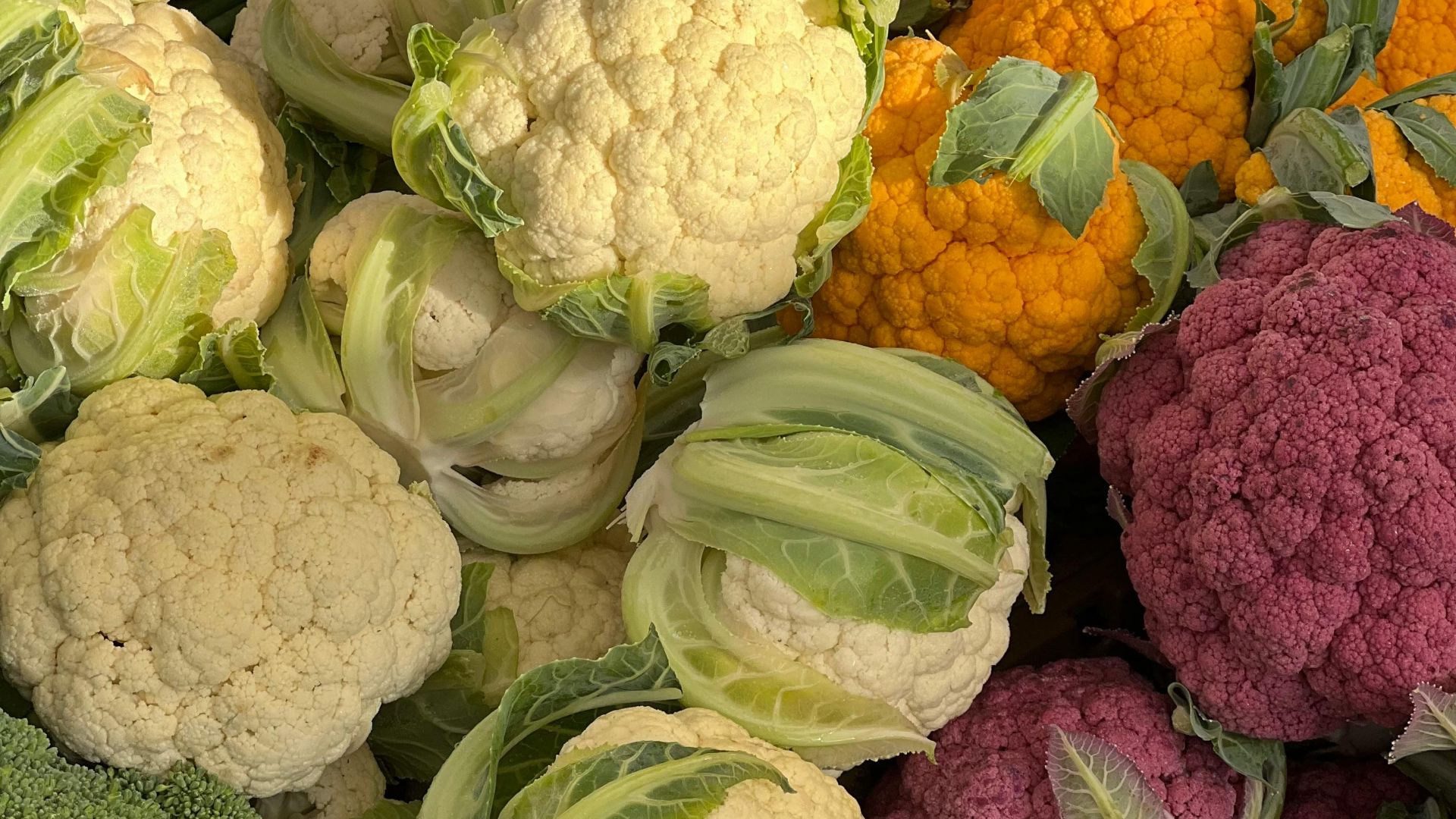
7. Cauliflower as a Versatile Substitute
Cauliflower rice and crusts raised eyebrows early on. However, better techniques improved texture and flavor dramatically. It stopped pretending to be something else and became enjoyable on its own terms. That shift made all the difference.
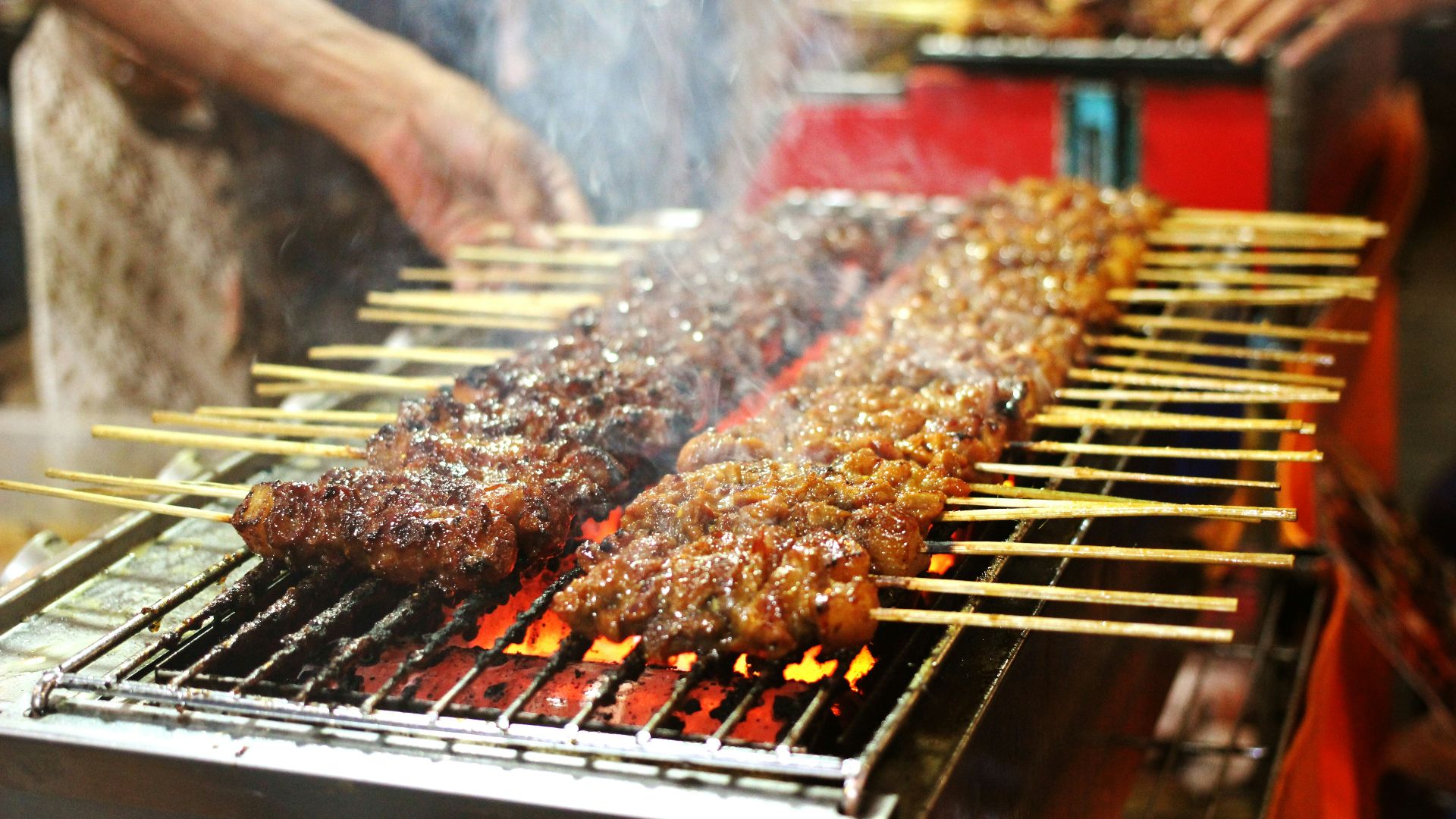
8. Global Street Food Influence
Street food-inspired menus felt like a buzzword at first. Chefs started treating these dishes with real respect and creativity. The result was affordable, bold, and exciting food. It brought fresh energy to casual dining.
 Nita Anggraeni Goenawan on Unsplash
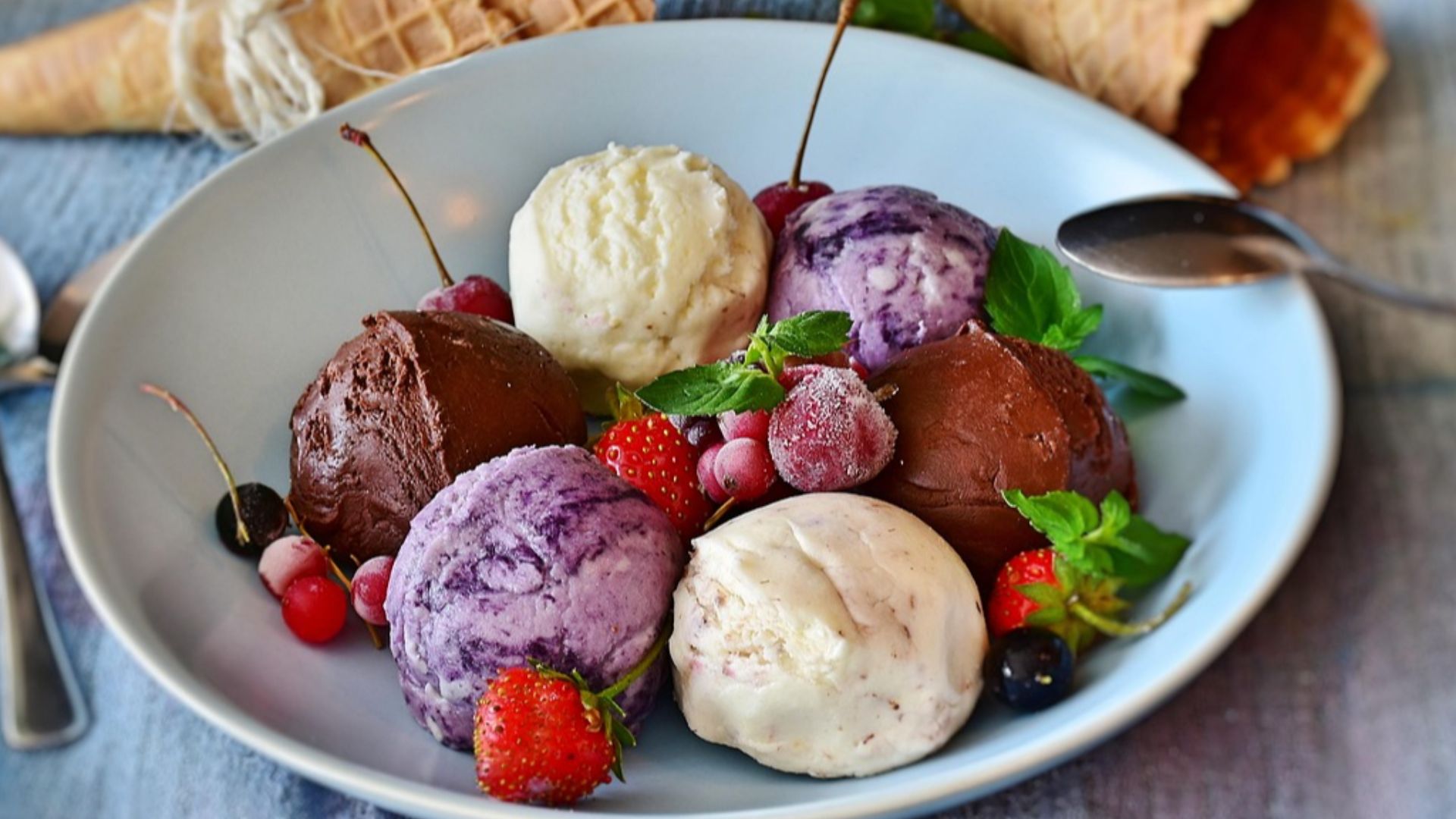
9. Artisanal Ice Cream Flavors
Unusual flavors like olive oil or goat cheese sounded risky. Balanced recipes showed how well savory notes could work in dessert. It expanded what ice cream could be. Curiosity paid off here.
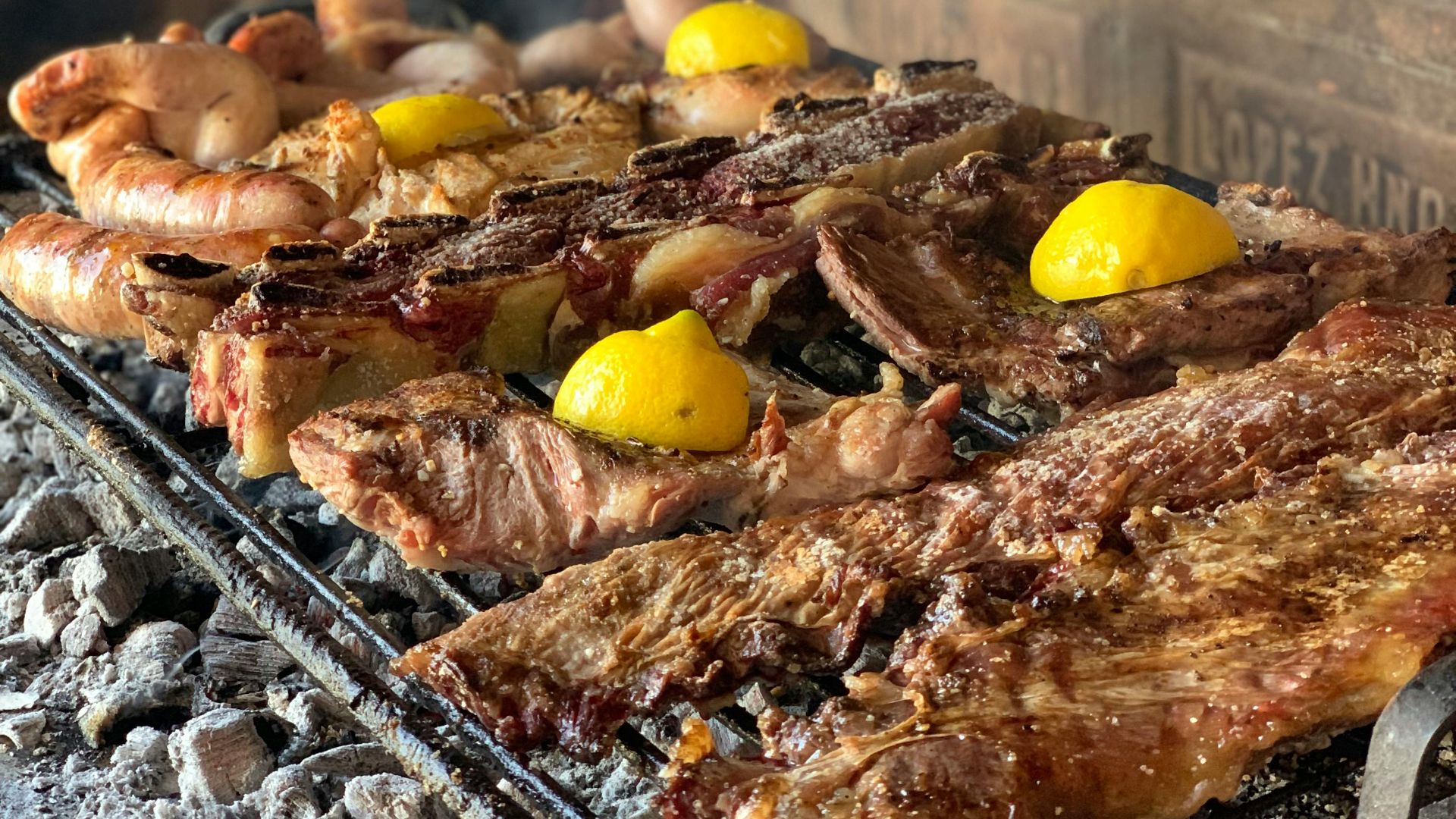
10. Regional American BBQ Styles
BBQ has always been popular, but regional styles gained new attention. Memphis, Texas, and Carolina approaches started sharing space nationally. Learning the differences deepened appreciation. It turned casual eating into something more thoughtful.
KEEP ON READING
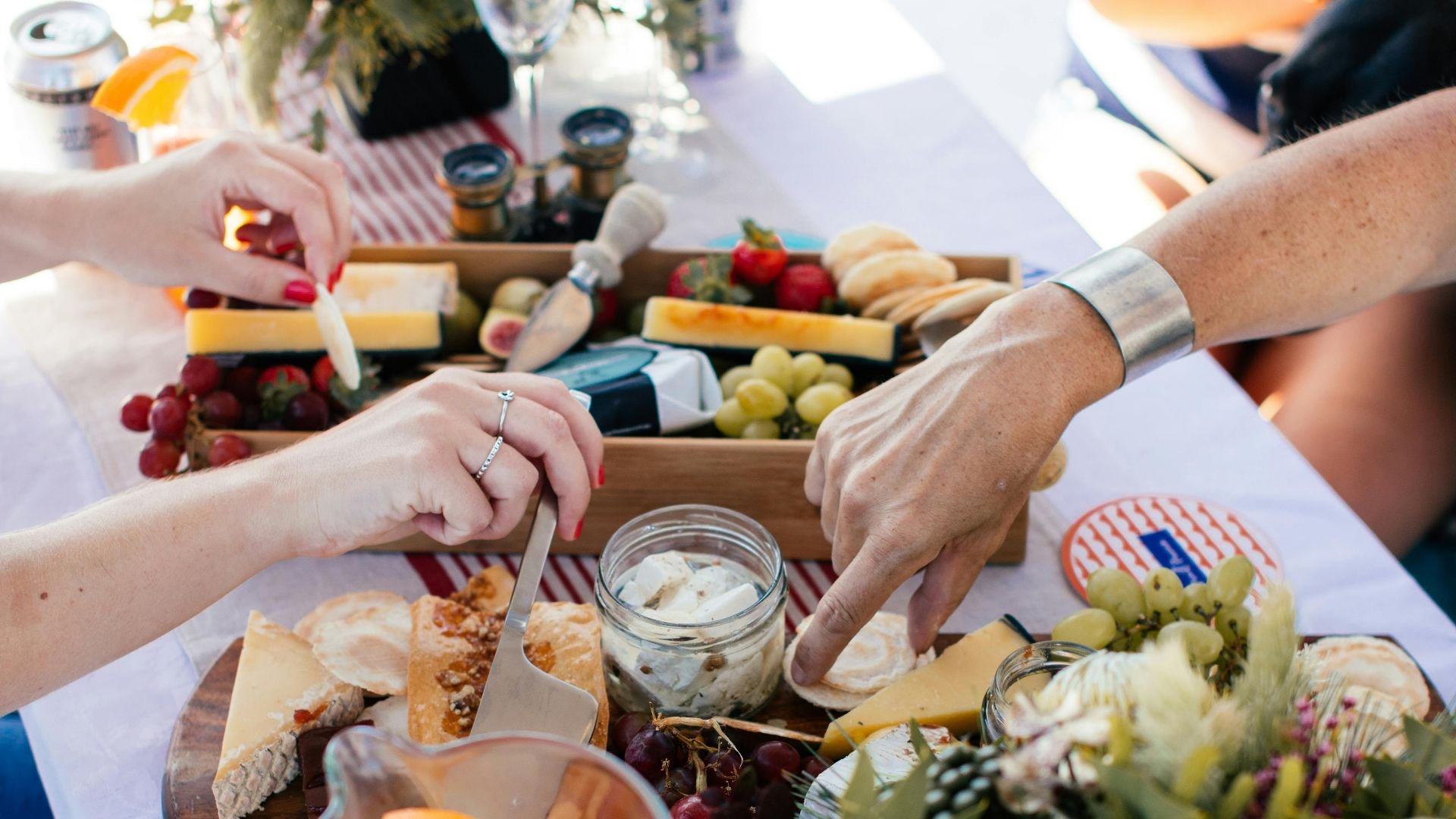
Happy Hour: The 20 Best Foods For Social Snacking