Would You Eat These Meals?
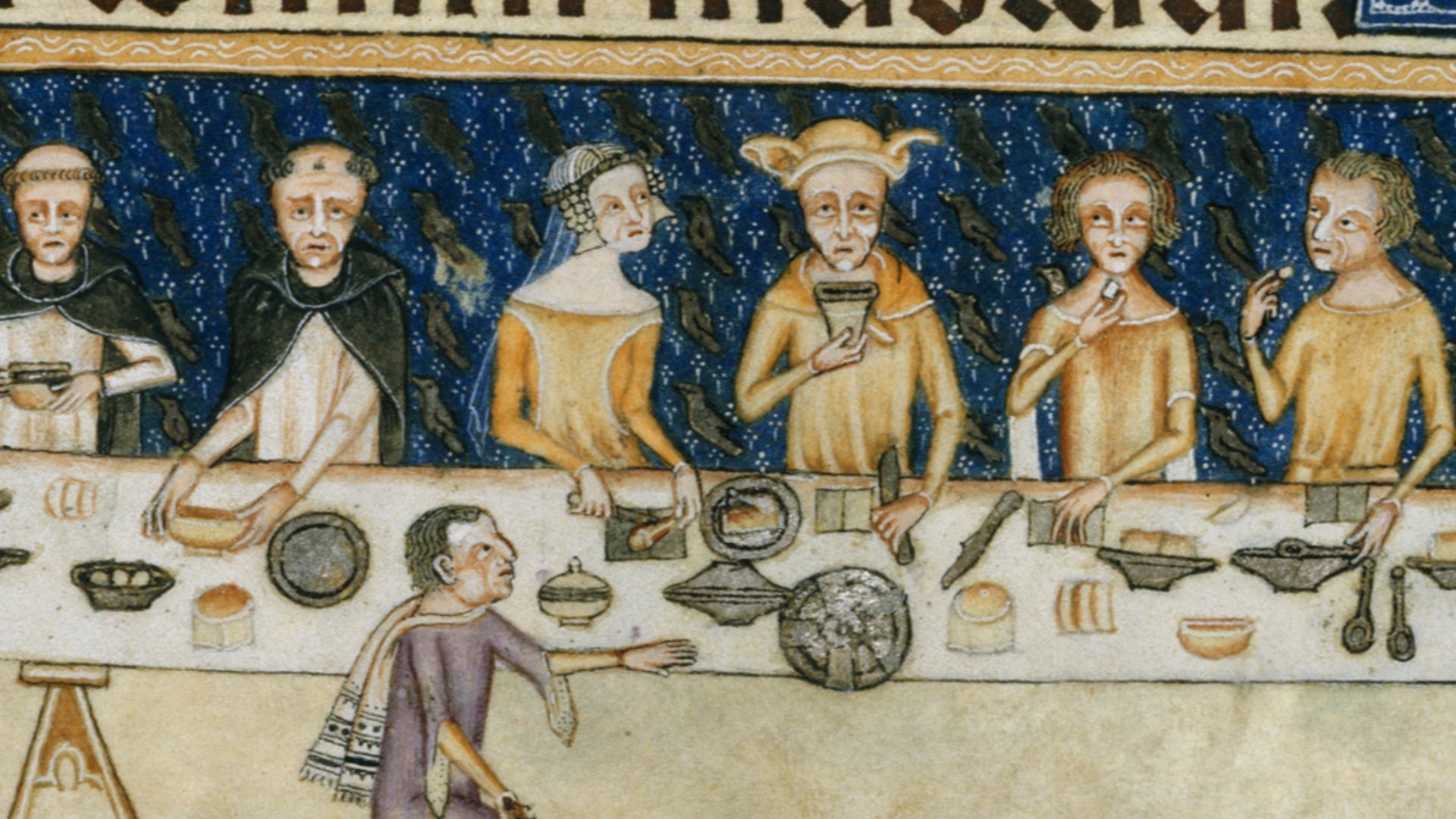
Taverns were the social hubs of the era, serving as a rare place where travelers and locals could rub elbows over a shared wooden board. Most meals were dictated by the seasons and the local harvest, meaning you’d eat fresh game in the autumn and plenty of preserved salted meats during the lean winter months. With that in mind, here are 20 authentic dishes you might have encountered while seeking shelter on a medieval journey.
1. Thick Pottage
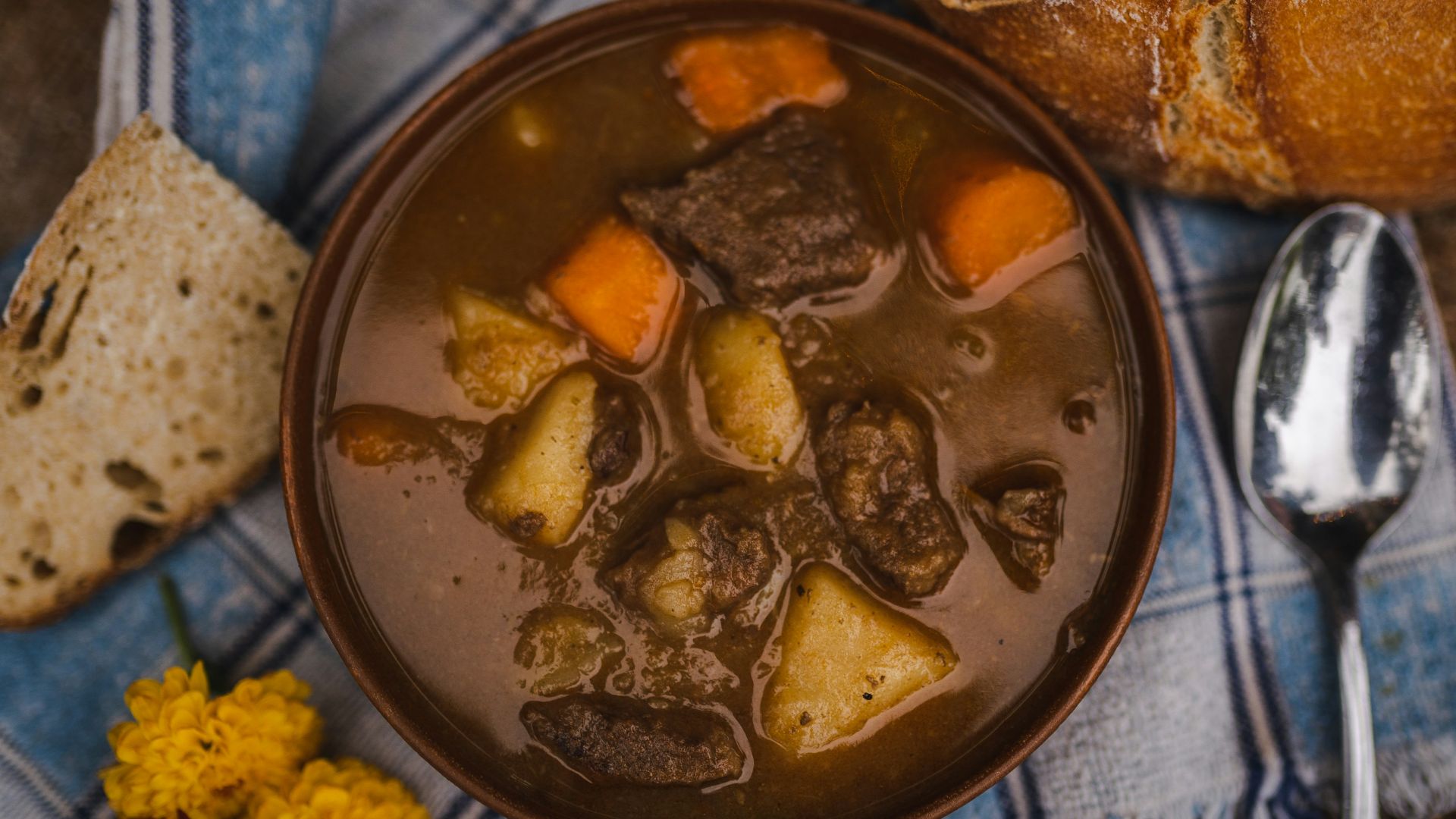
This thick stew made of vegetables was the staple medieval meal and was usually kept simmering in a pot over the fireplace. Expect it to be loaded with oats, leeks, cabbage, and whatever beans were needed to keep you feeling full throughout your travels. Simmered all day, these ingredients blended to make a hearty porridge.
2. Trencher Bread
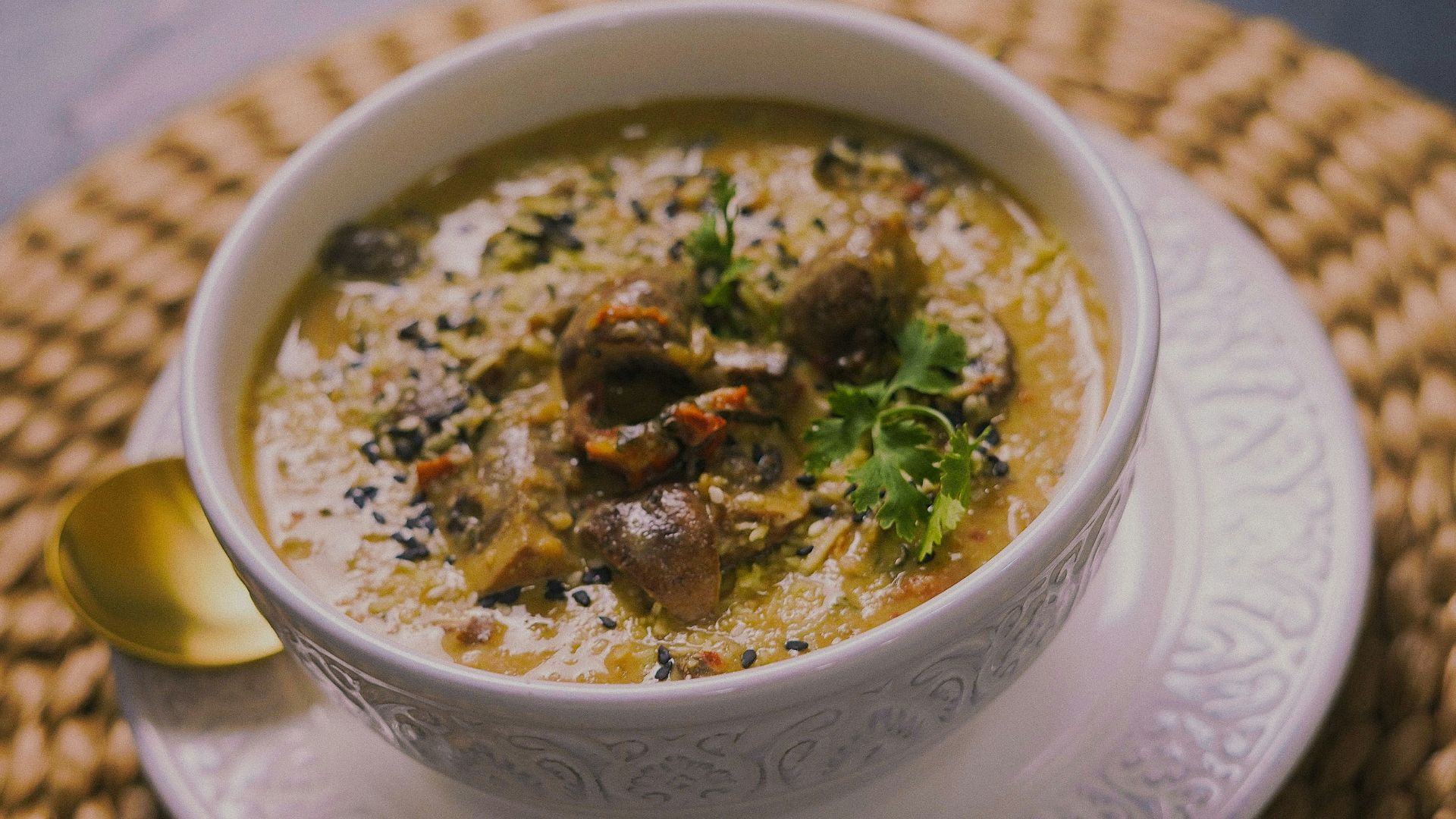
Don’t be alarmed if your plate is made out of thick, dry whole-grain bread meant to soak up any juices or gravies in your meal. It wasn’t necessarily meant to be enjoyed as food itself and was often tossed to the poor or tavern dog once dinner was devoured. Trenchers were a cheap way for innkeepers to avoid purchasing an excessive amount of ceramic or pewter plates.
3. Salted Pork and Pease
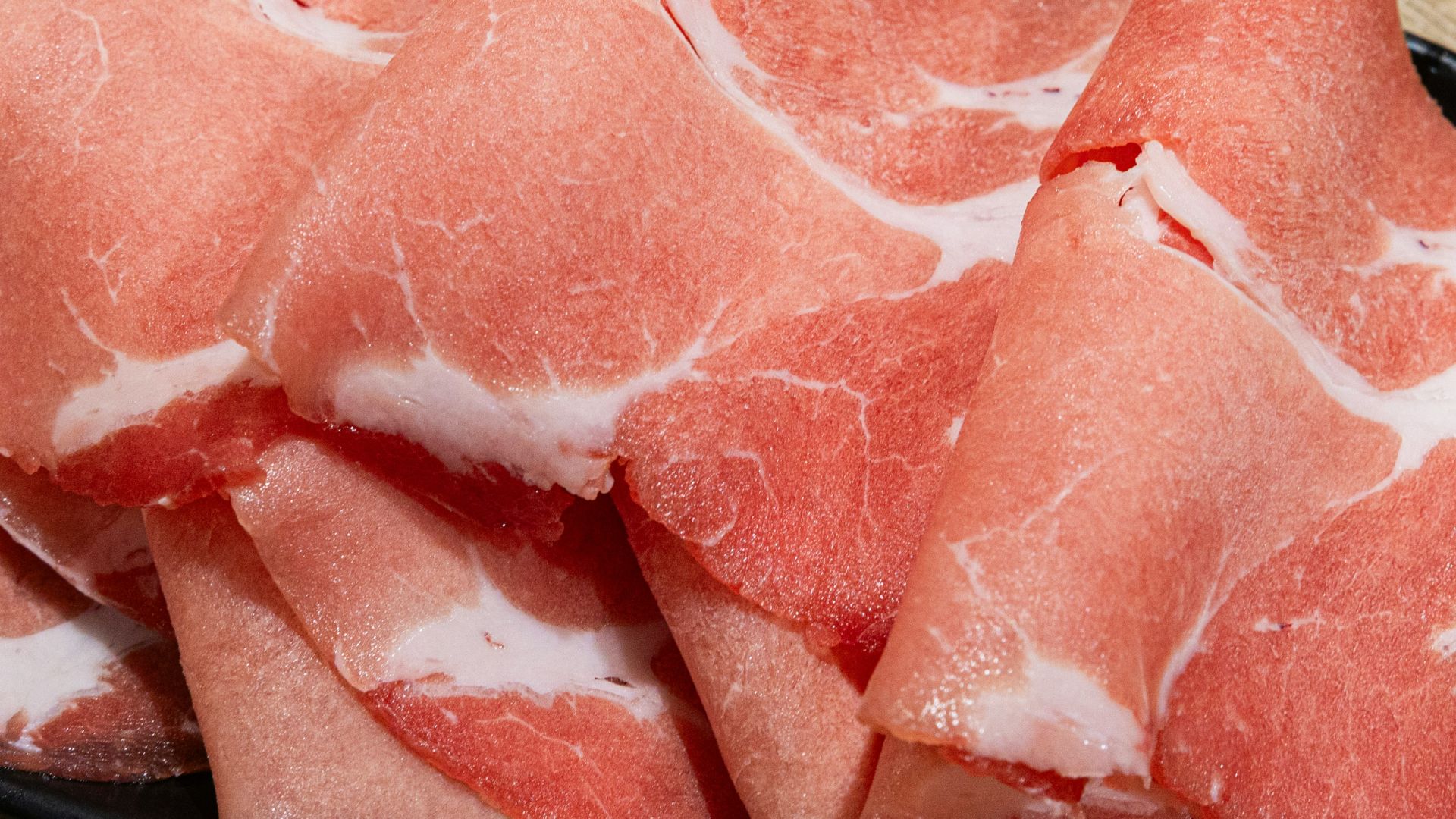
Fresh meat was expensive. Most peasants who stumbled into a tavern were served salt pork that had been cured for long stretches in the inn’s pantry. Boiled together with dried peas, these created a salty mash that could keep travelers warm during cold nights.
4. Roast Capon with Herbs
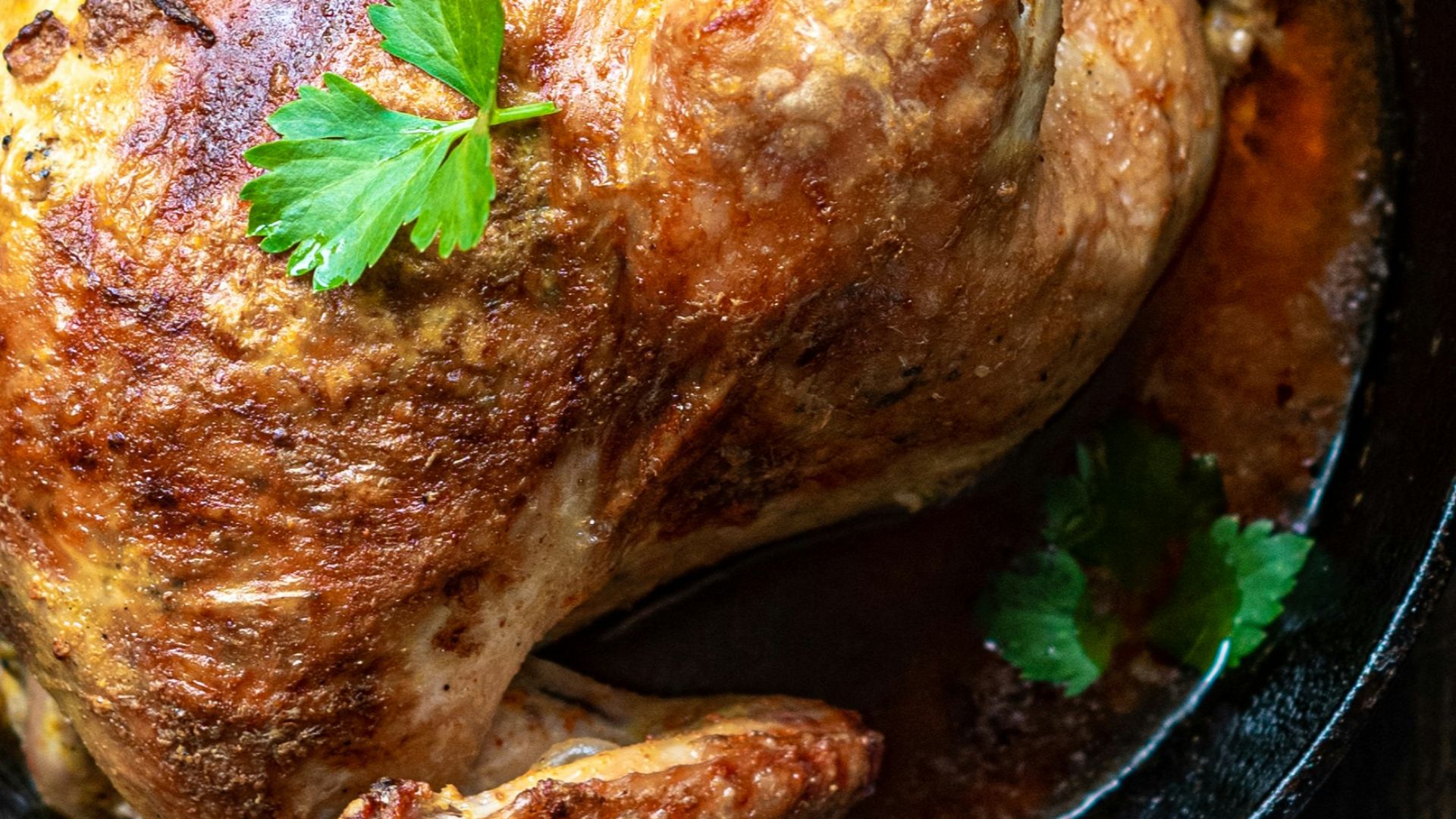
Every once in a while, your lucky streak would hit, and the tavern would have a rooster on hand. This ingredient, called a capon, was usually roasted on a spit over the fire. The cook may have covered the bird in hyssop, parsley, and sage to give its skin an earthy smell.
5. Ale-Battered Fish
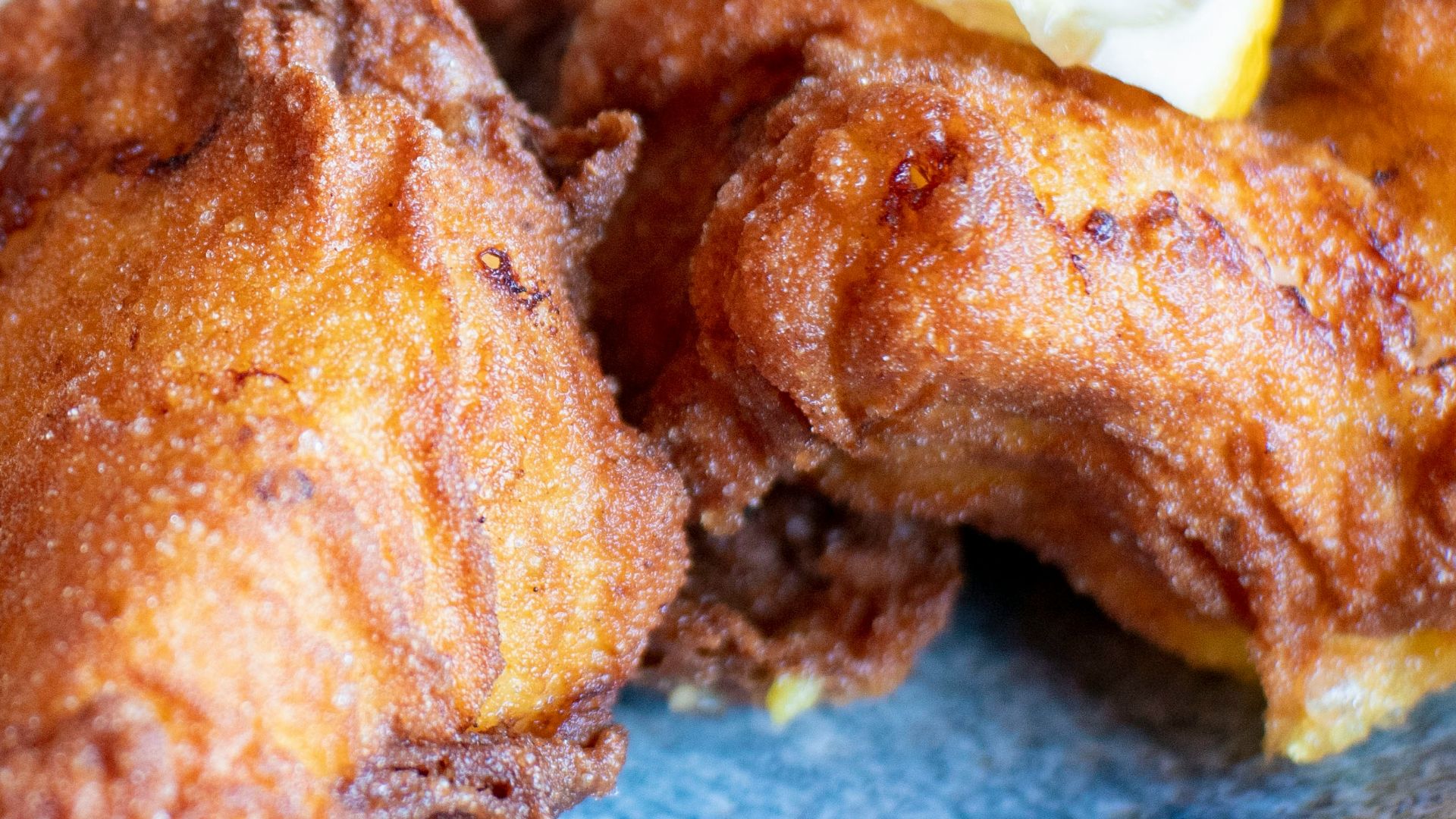
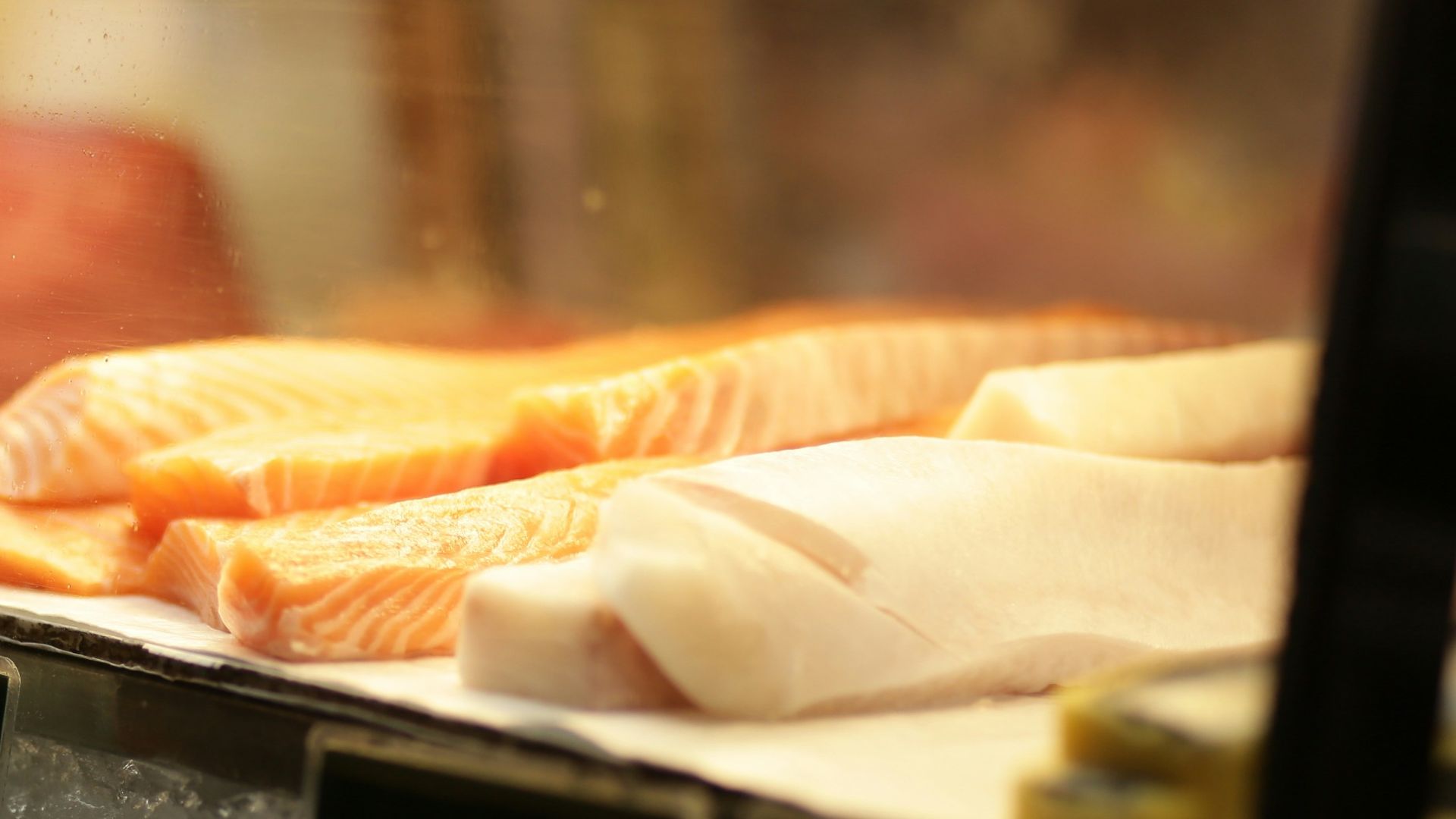
Due to many taverns being built near water sources, fish like perch or cod were common on menus. This was especially true on Fridays when the consumption of meat was restricted by the church. The cook may have dipped the fish fillets in ale and flour batter before frying them in lard.
6. Venison Pasty
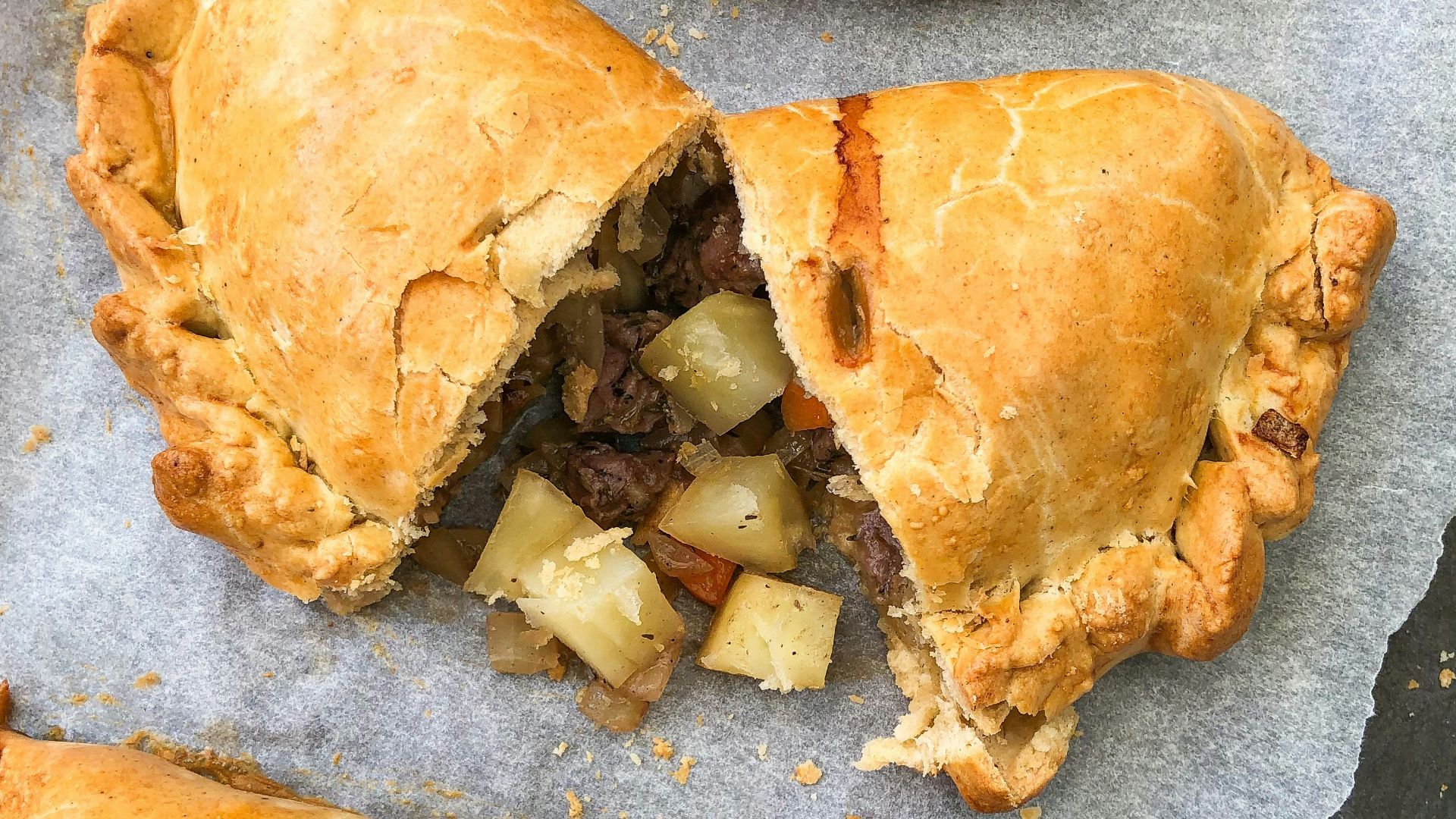
If a tavern keeper had some friends in high places, he could score himself a venison pasty. These handheld pies were packed with tasty deer meat and were highly popular. Pastry shells provided an effective way to preserve meat before the invention of refrigeration.
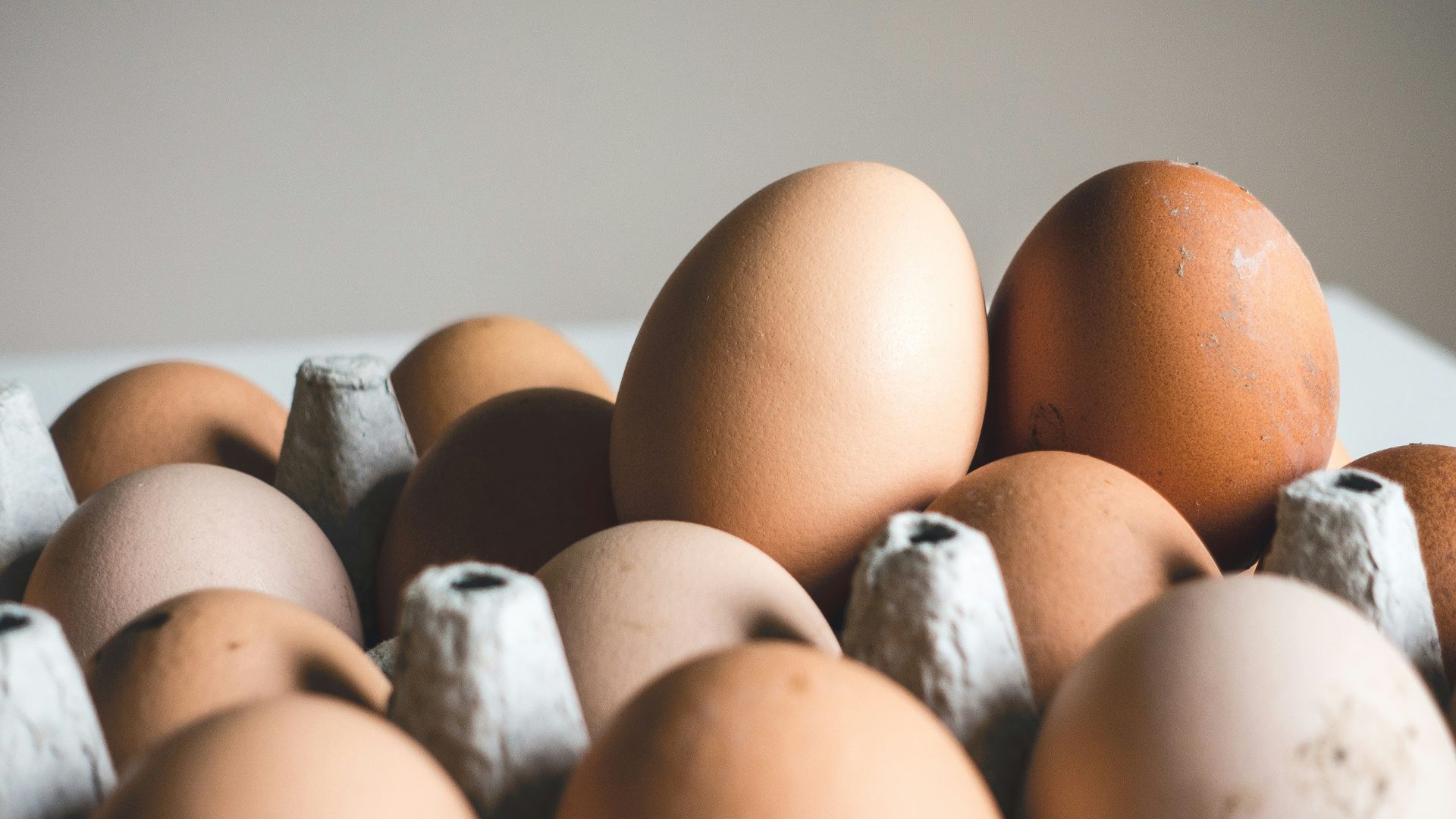
7. Coddled Eggs
Many small taverns kept chickens because they were easy to maintain in a small coop outside. Expect to find eggs cooked in hot water or hot milk until the whites are cooked through, but the yolk is still creamy. These could be served alongside brown bread as a quick and easy breakfast.
8. Boiled Eel in Spiced Broth
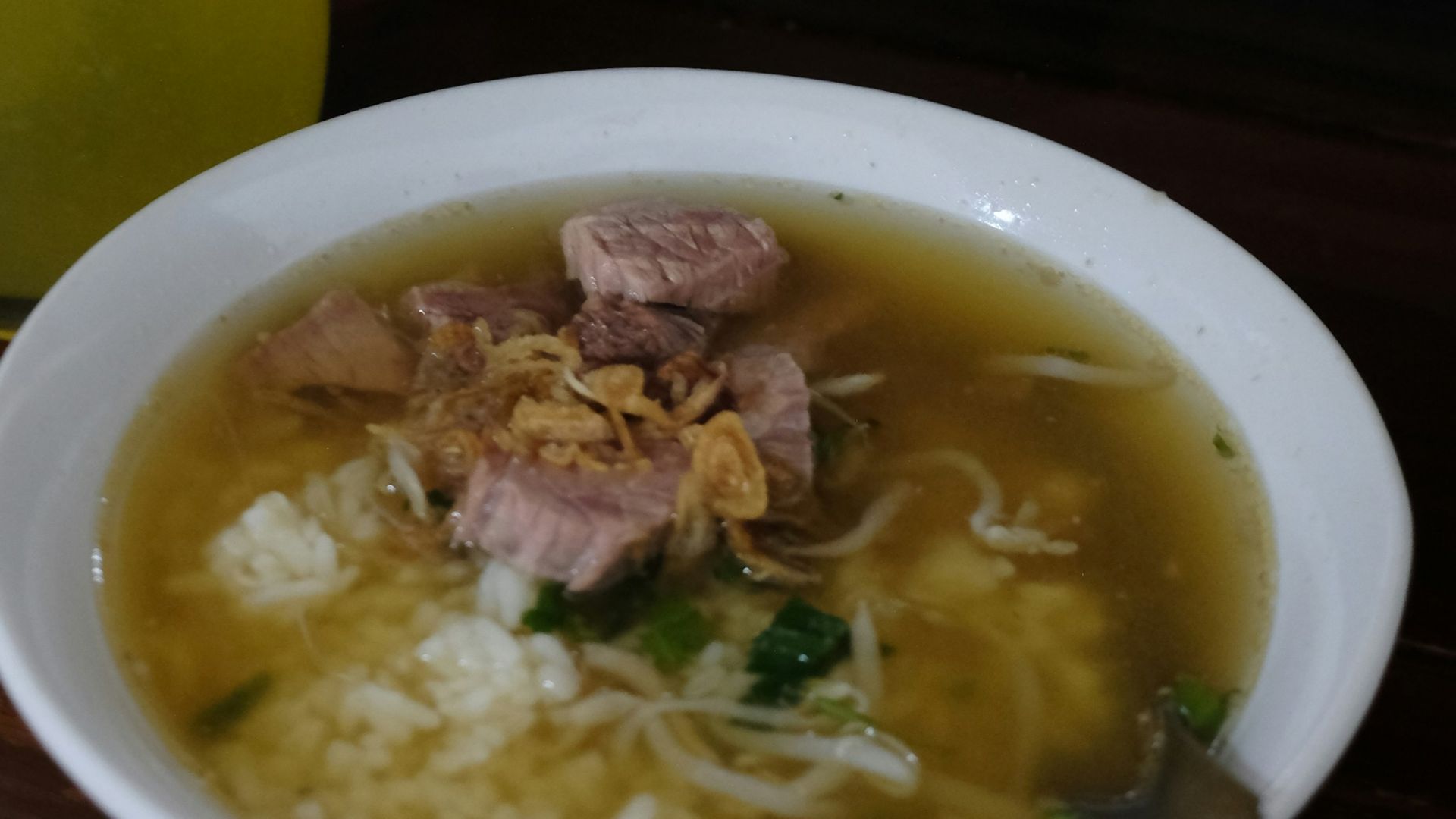
While not as popular today, eels were very common throughout medieval Europe. They were cheap to obtain due to their overpopulation in ponds and rivers. At a tavern, they may have been cut into chunks and boiled in broth flavored with ginger, cinnamon, and vinegar.
9. Frumenty
A wheat-based pudding served alongside meat or honey as a sweet dessert. Frumenty was made by boiling wheat berries in milk or broth until they popped, creating a creamy texture similar to risotto. Frumenty was cheap to make and could be elevated with expensive spices like saffron.
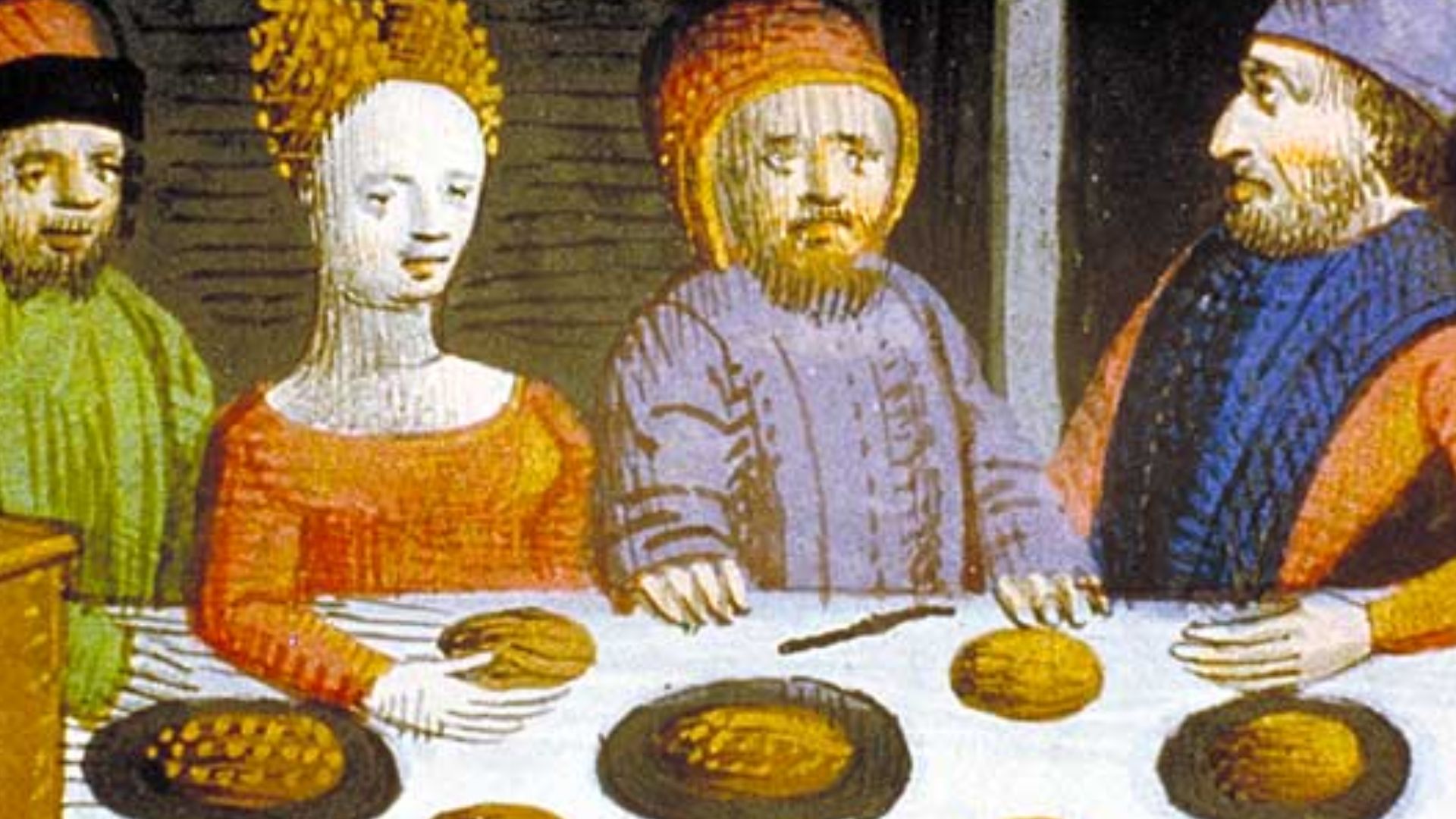 Barthélémy l'Anglais, Livre des propriétés des choses, 15th century. on Wikimedia
10. Stewed Rabbits with Onions
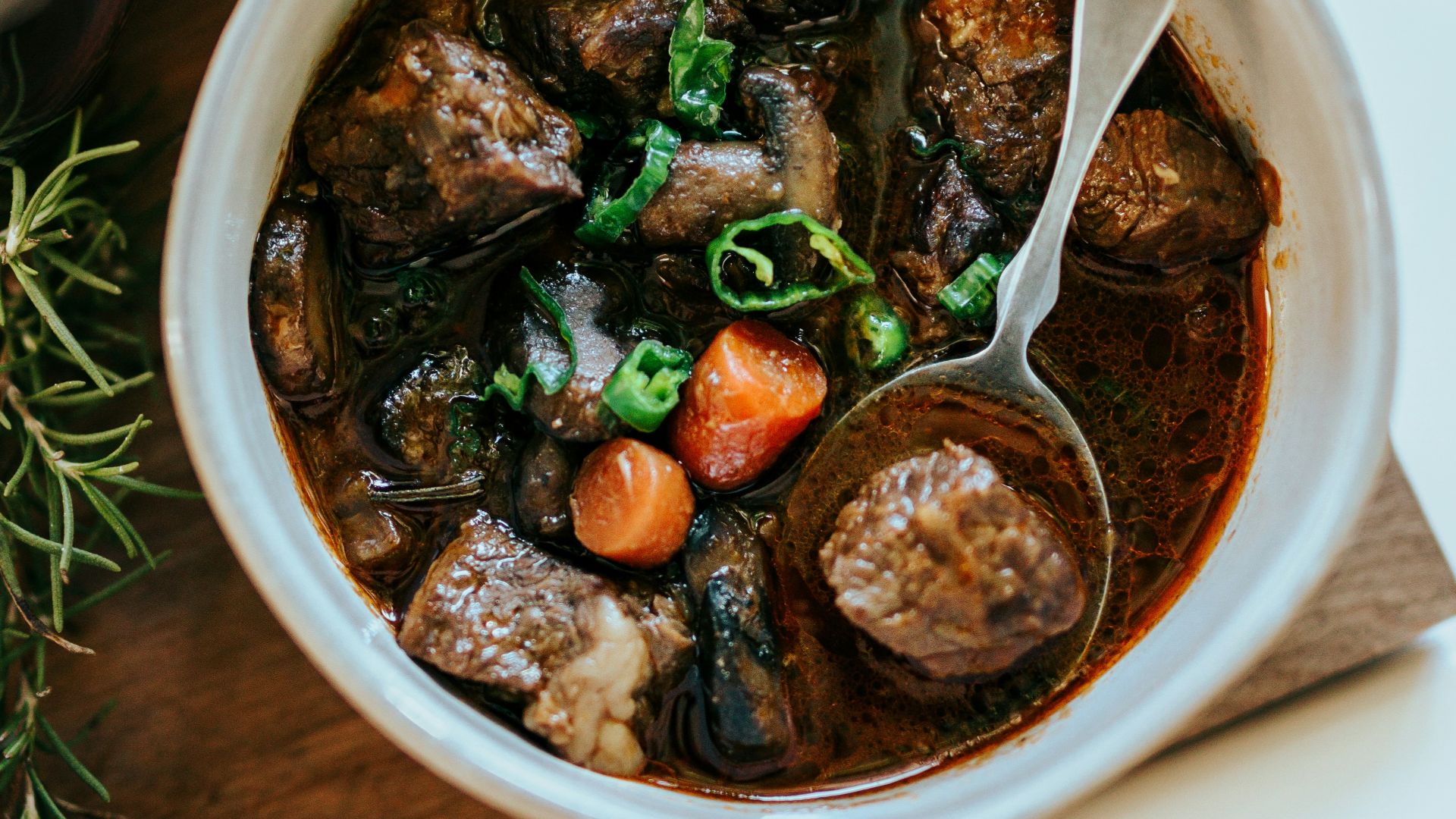
Rabbits were a common ingredient found in tavern meals. They were plentiful and easy to skin for a large group of people. They were usually braised with lots of onions and a bit of red wine to help soften the meat.
11. Mortress of Fish
A mortress was a medieval dish that consisted of any ingredients being muddled down in a mortar. For fish, this could mean combining whitefish flakes with breadcrumbs, almond milk, and salt into a smooth paste. You would then serve this cold or at room temperature.
12. Bean and Bacon Mash
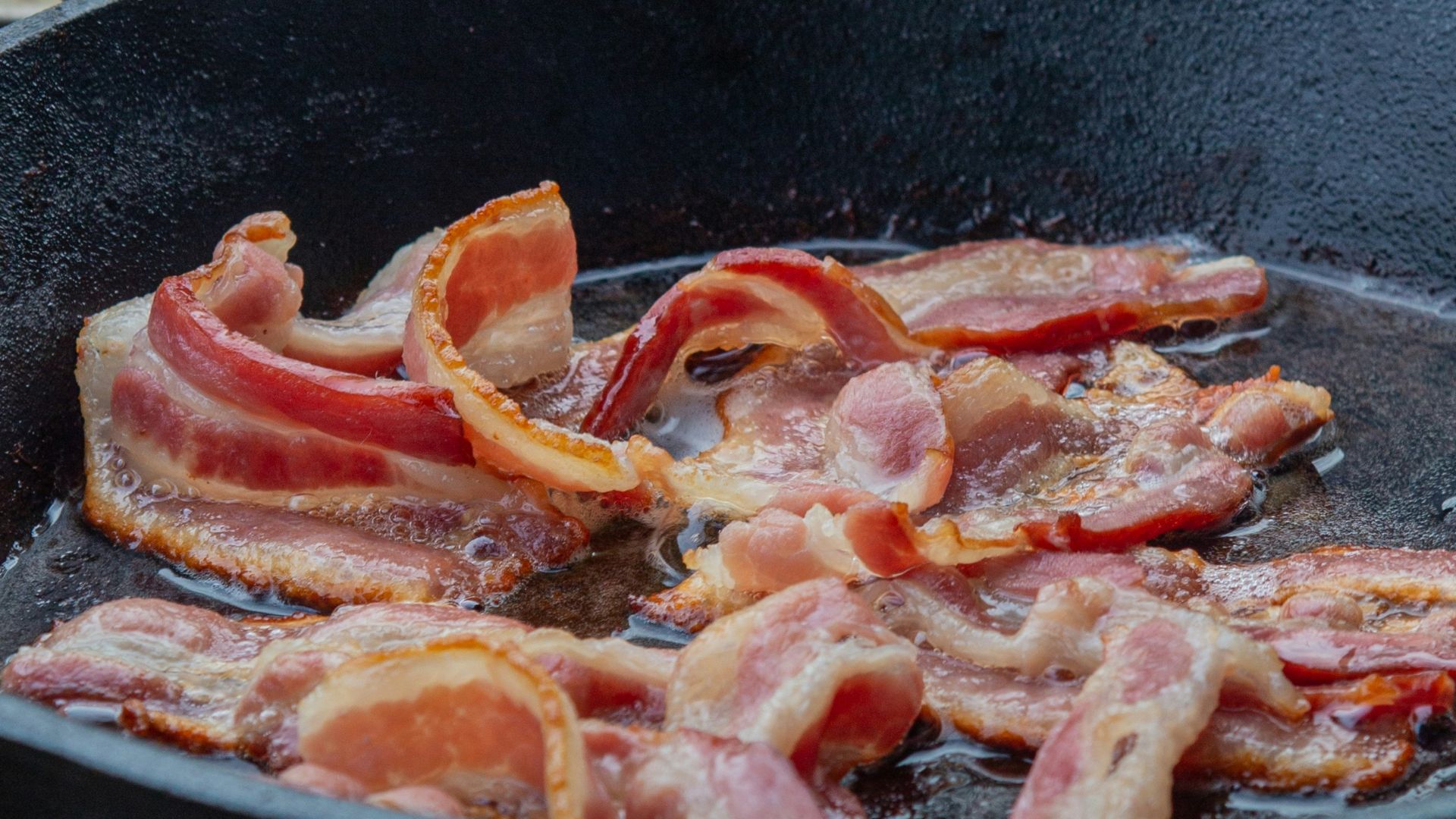
Broad beans were an inexpensive pantry item that traveled well and could be bought in bulk for a low price. Combined with fatty bacon trimmings, these ingredients would make a smoky bacon puree that would keep you full for hours. Be sure to ask for this when colder seasons limit your food options.
 Michelle @Shelly Captures It on Unsplash
13. Curds and Cream
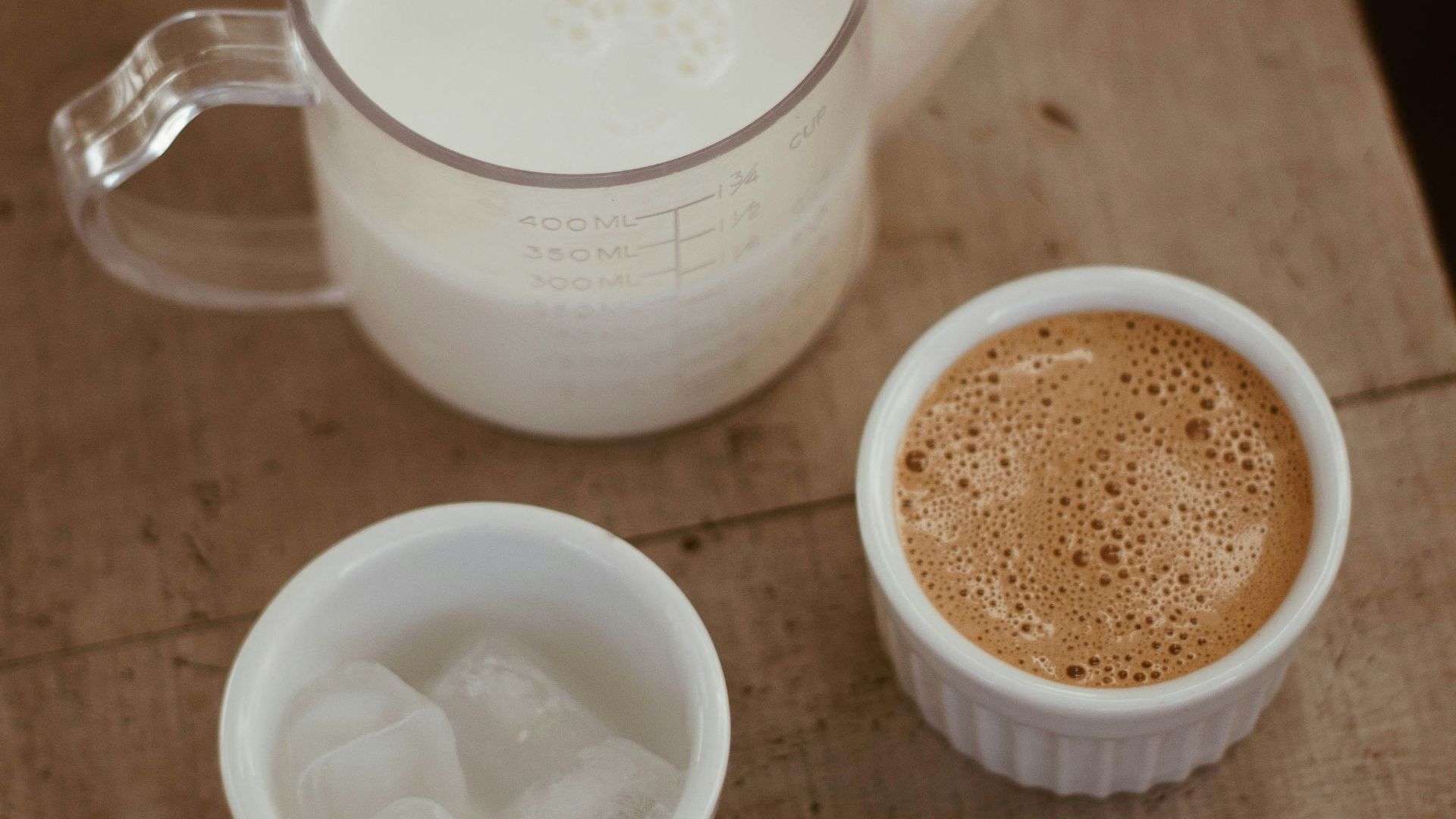
Fresh dairy was only available at taverns during the spring and summer months when cows had access to fresh grass. This meant you would be served a bowl of cheese curds topped with fresh cream. Perhaps they would even throw in some berries that the cook found while foraging in the forest all day.
 Isabela Kronemberger on Unsplash
14. Pickled Herrings
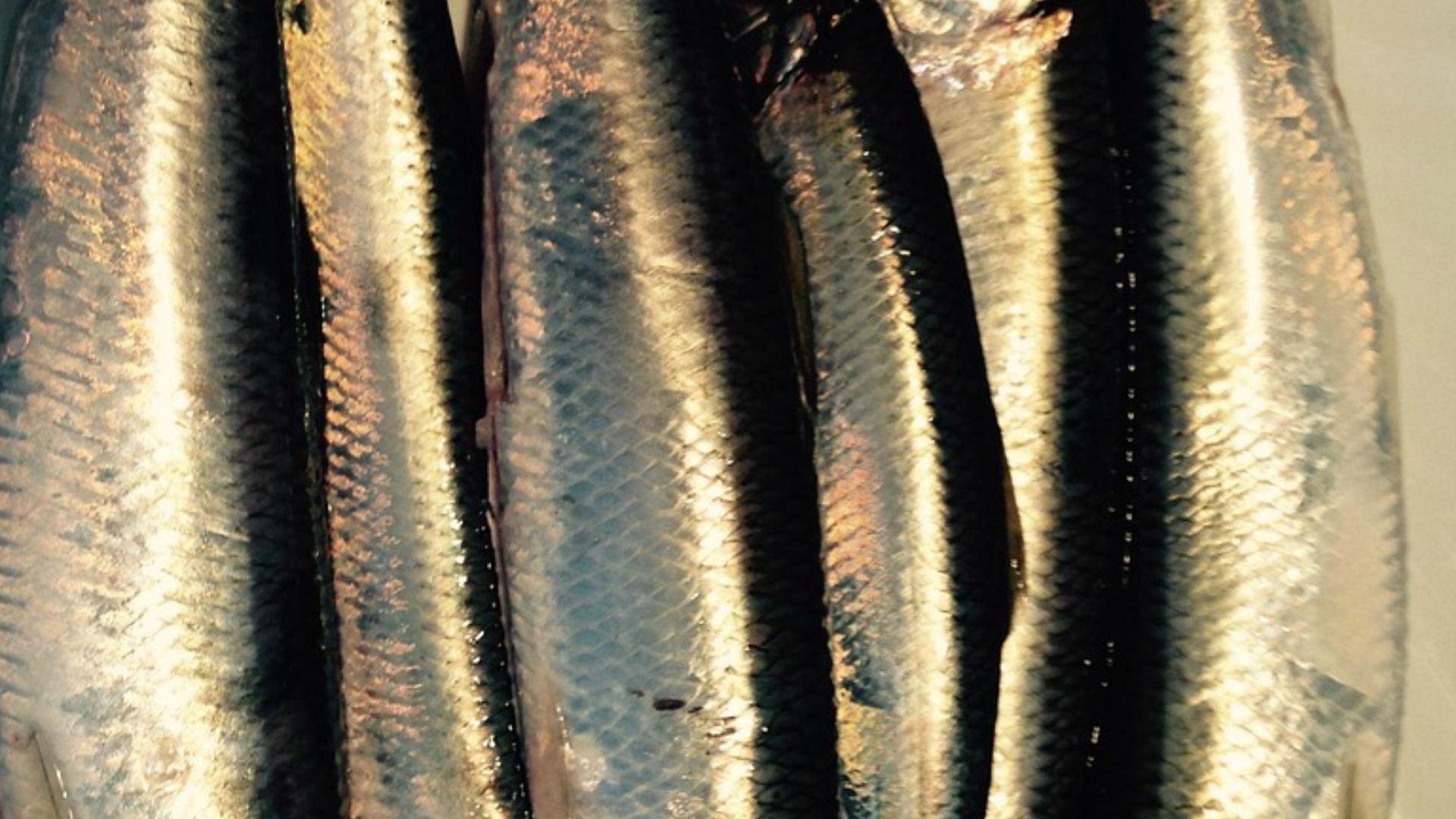
North Sea natives would find barrels upon barrels of pickled herrings in every tavern they walked into. Fish were preserved in vinegar and spices to help them last longer without refrigeration. They were usually served cold with onions and a dark ale to help balance out the sourness.
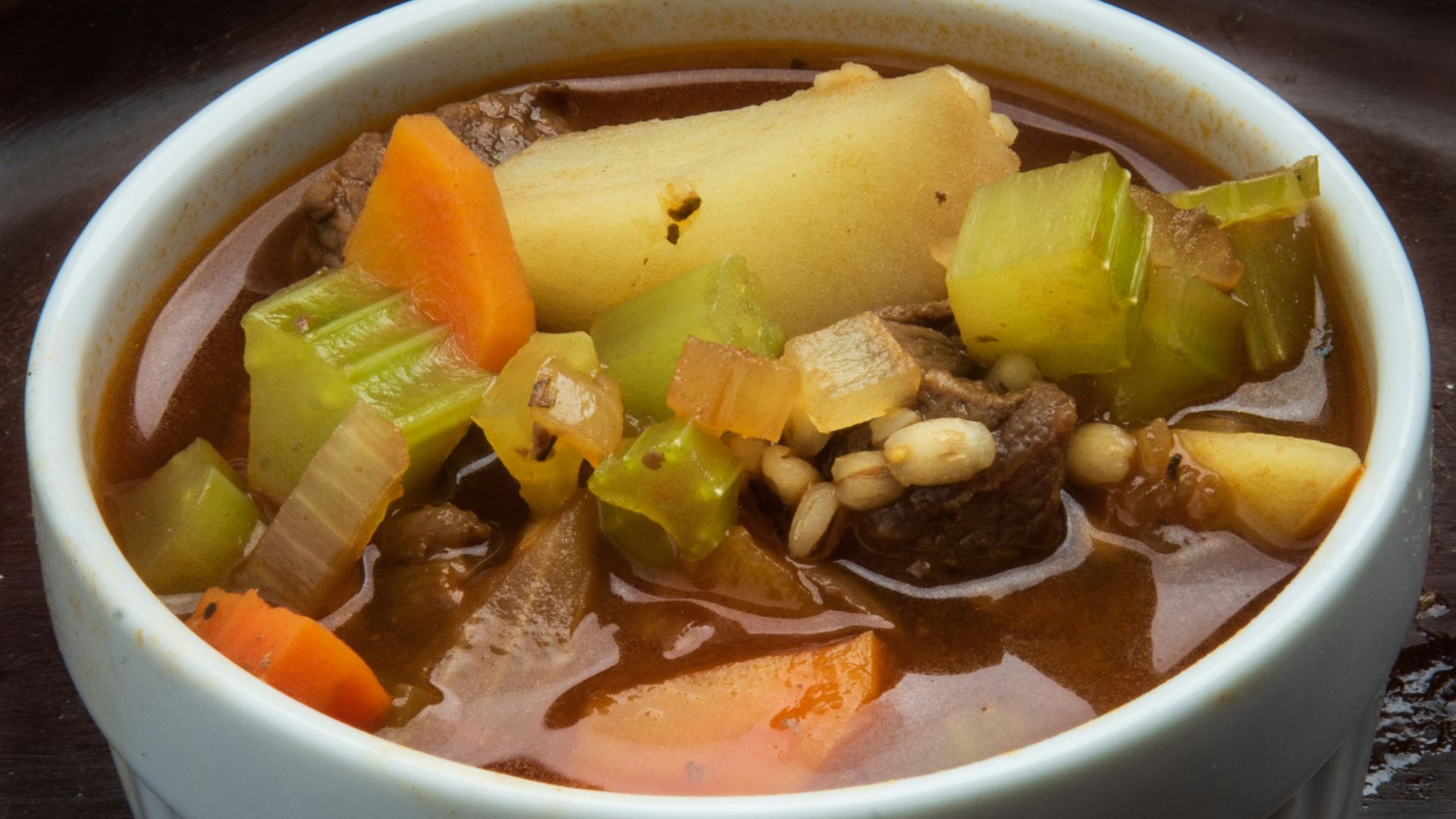
15. Barley Soup with Root Vegetables
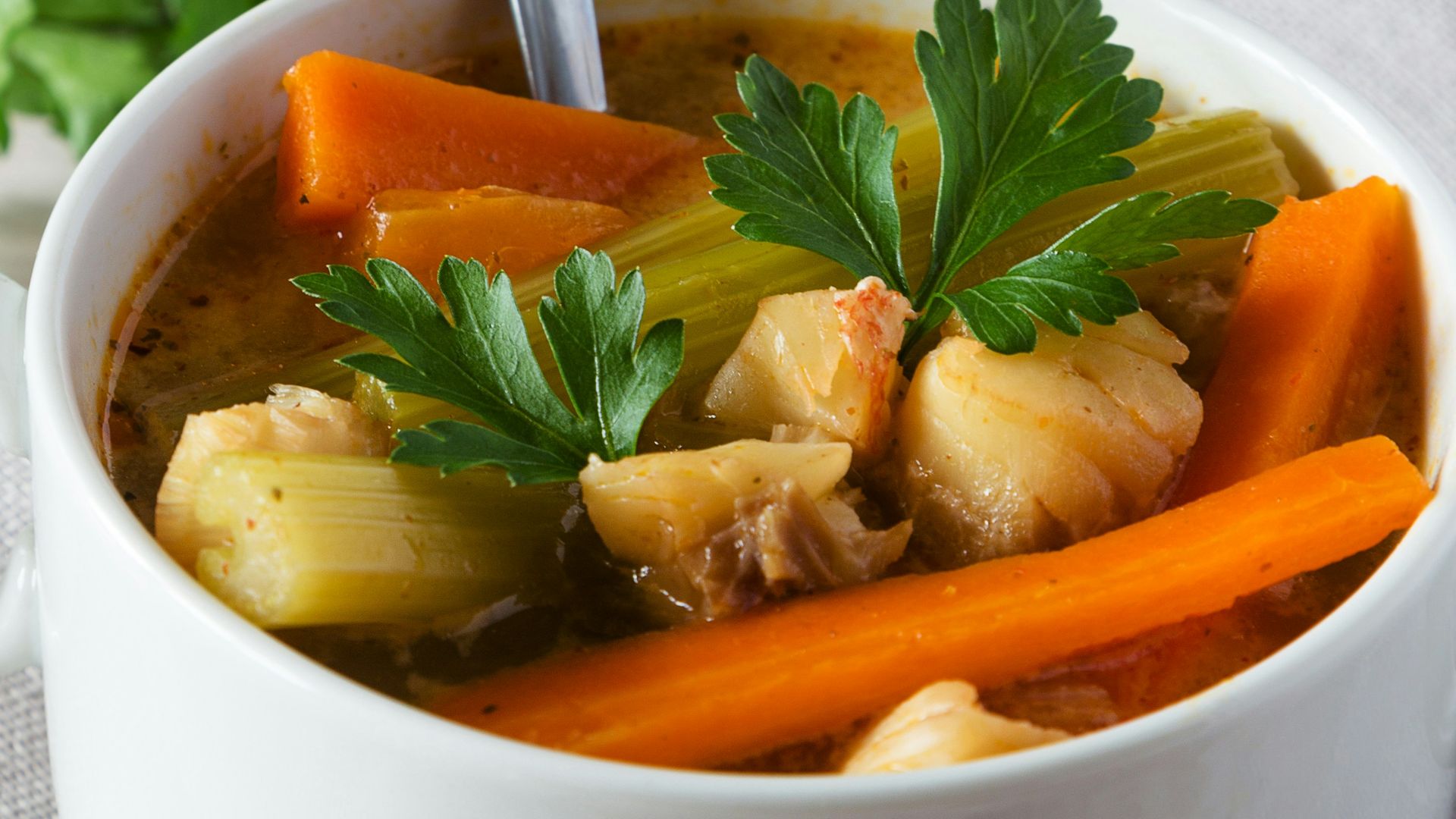
Barley was cheaper than wheat, so it was usually substituted in recipes that called for white flour. The soup would usually contain carrots, parsnips, and turnips harvested from the tavern garden. Not the fanciest meal in the book, but the roasting process left these veggies sweet in flavor.
16. Mutton Broth
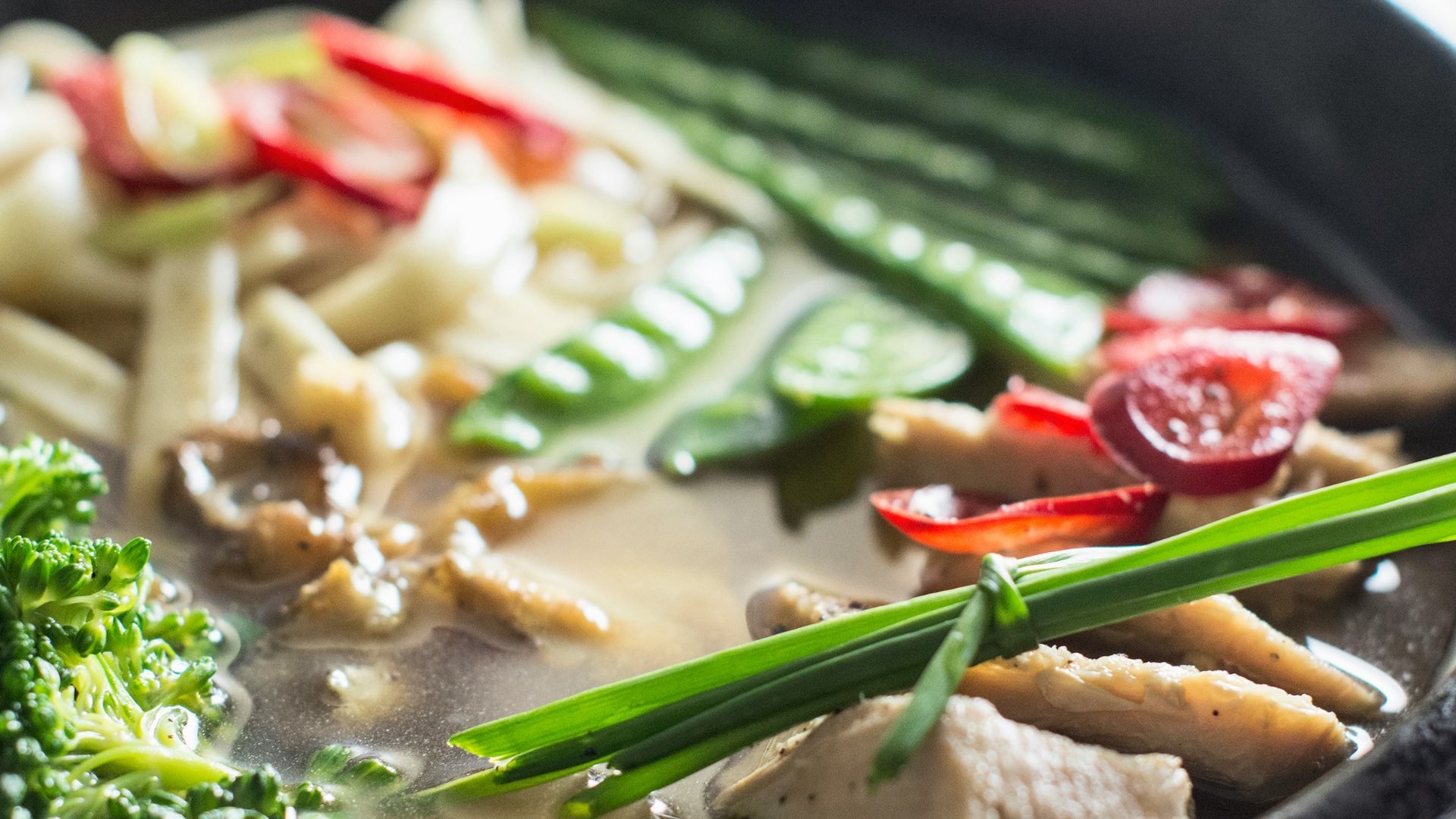
Old ewes did not help produce wool, so many taverns would braise the whole sheep to make broth. This resulted in a fatty soup full of gelatin that would warm you up on cold days. Most chefs would finish the dish by tossing in garden herbs like rosemary and thyme.
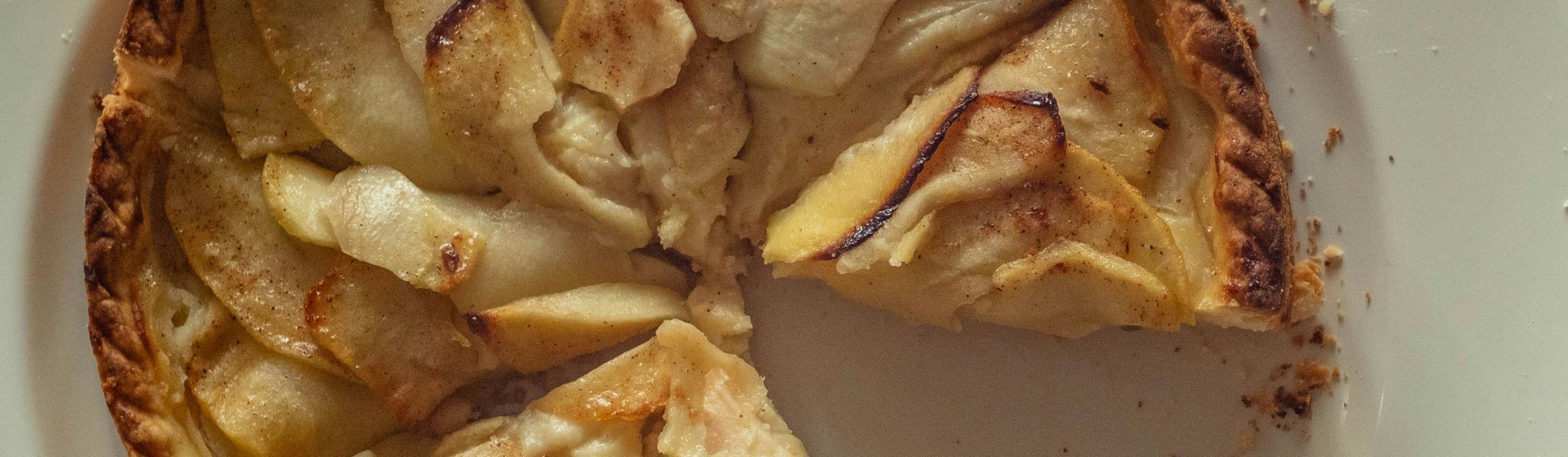
17. Apple and Pear Tart
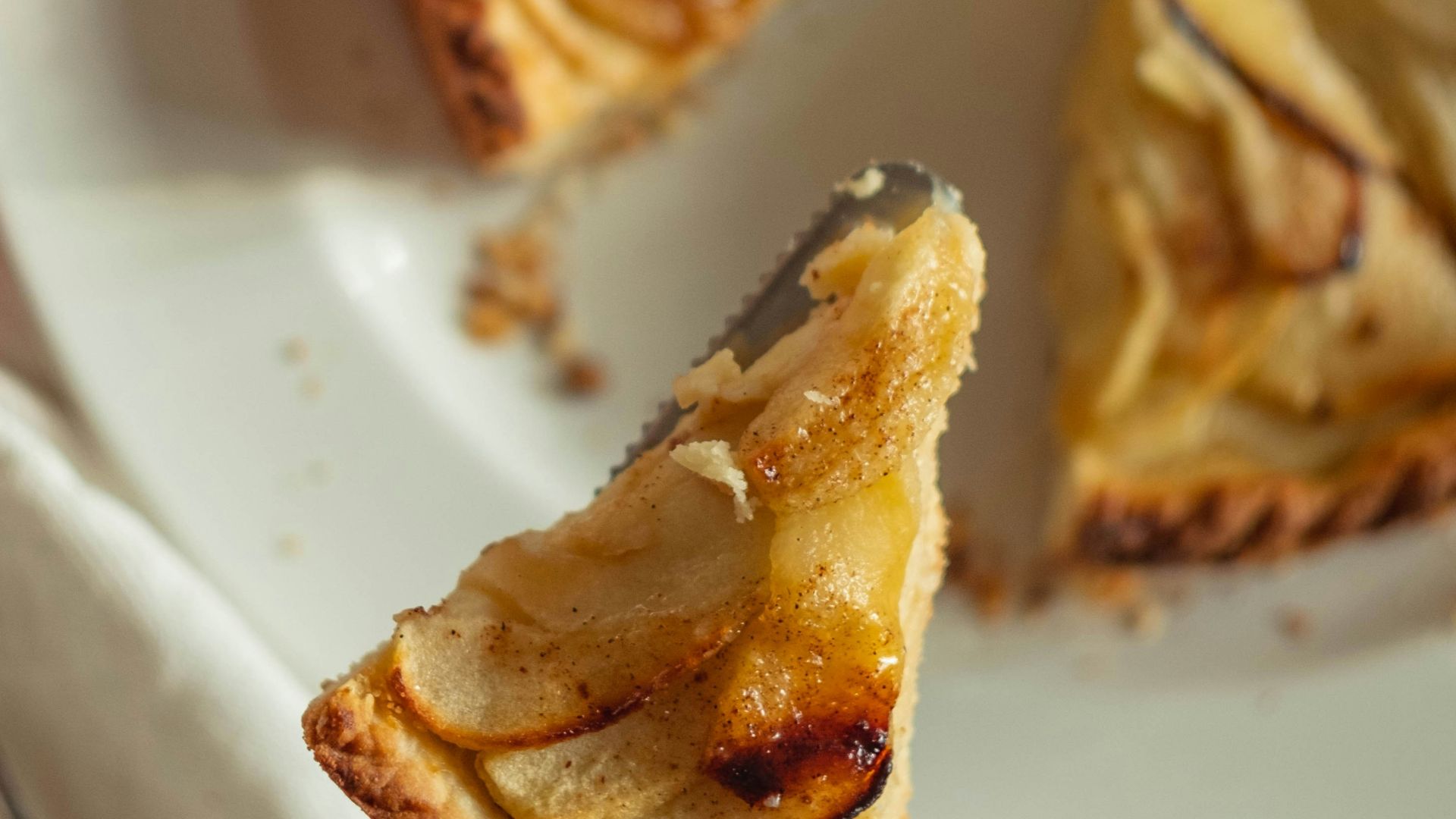
Cooking fruit in a tart was a great way to preserve it with the help of pastry. These wouldn’t always be sweet like you might expect because sugar was a costly commodity that few taverns could afford to buy. However, this wasn’t necessary, as baking the fruit concentrated its sugar enough to satisfy your dessert cravings.
 Diliara Garifullina on Unsplash
18. Smoked Ham with Mustard
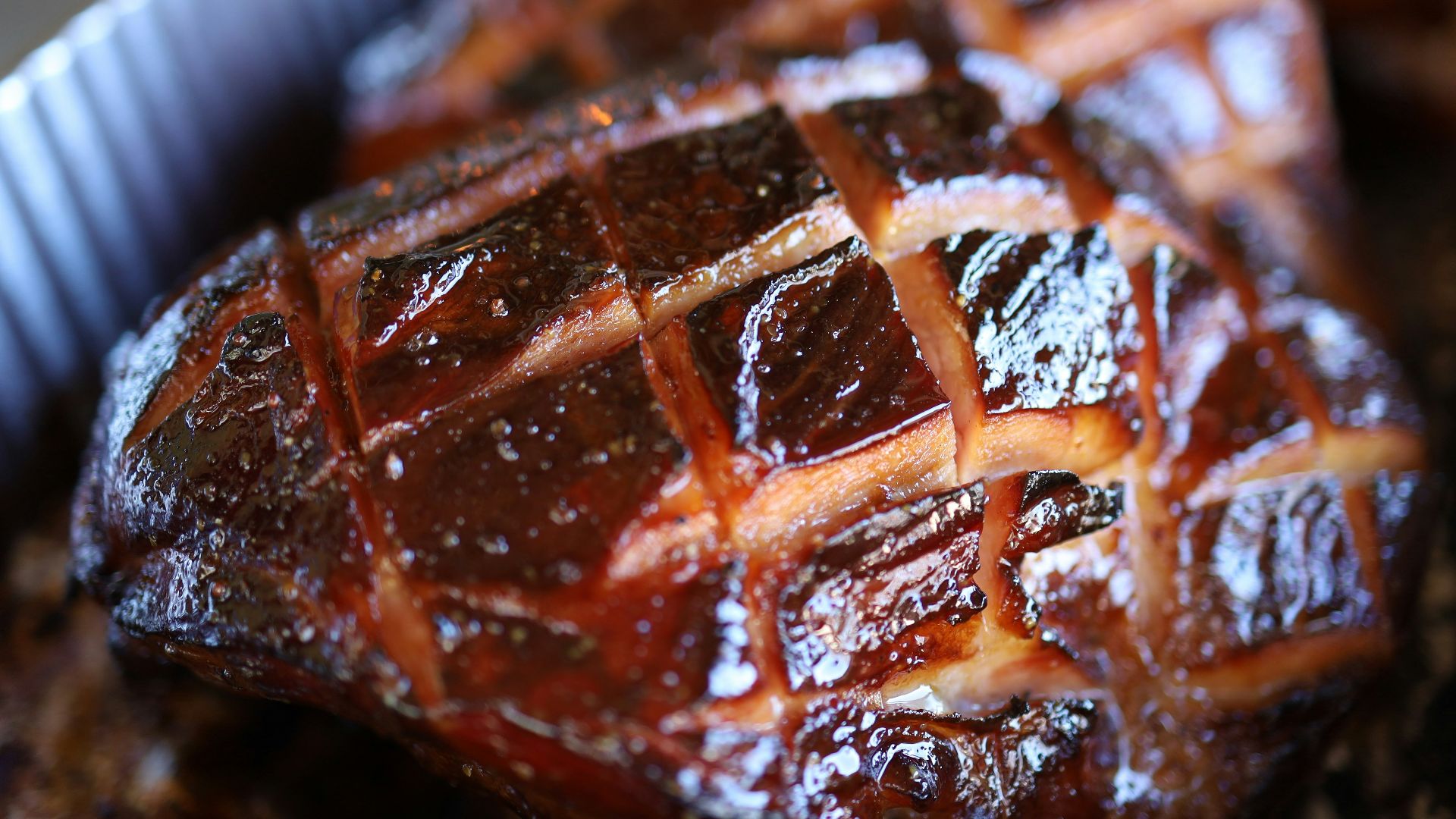
Smoking meat over the tavern’s own chimney was a common way to add flavor and extend the shelf life of meat. You’d likely get a few thick slices of ham served with a dollop of spicy, coarse-ground mustard to give the meal a bit of a kick. This combination was a classic tavern staple.
19. White Leek Pottage
Think of this as a more upscale version of pottage that uses the white portions of leeks and large quantities of almond milk. The texture was much finer than your average bean stew and really popped when dipped into some dark beer. Served as an appetizer or light dinner for those not quite hungry enough for roasted meat.
20. Honeyed Gingerbread
Contrary to what you think of today, medieval gingerbread referred to a hardened candy made of honey, breadcrumbs, and spices. Boiled until it became thick and edible, gingerbread was a great dessert to help with digestion after heavy meals. It could also be formed into fun shapes to entertain guests.