A Smarter Way to Order When You’re Dining Out
Restaurants can do incredible things, but not every menu item is set up to shine in a busy kitchen. If you want a meal that tastes fresher, feels more worth the price, and leaves you happier when the check arrives, it helps to know where corners commonly get cut. Want the inside scoop? Here are 10 items you’re usually better off skipping, plus 10 picks that tend to deliver more consistent flavor and value.
1. Overloaded Nachos
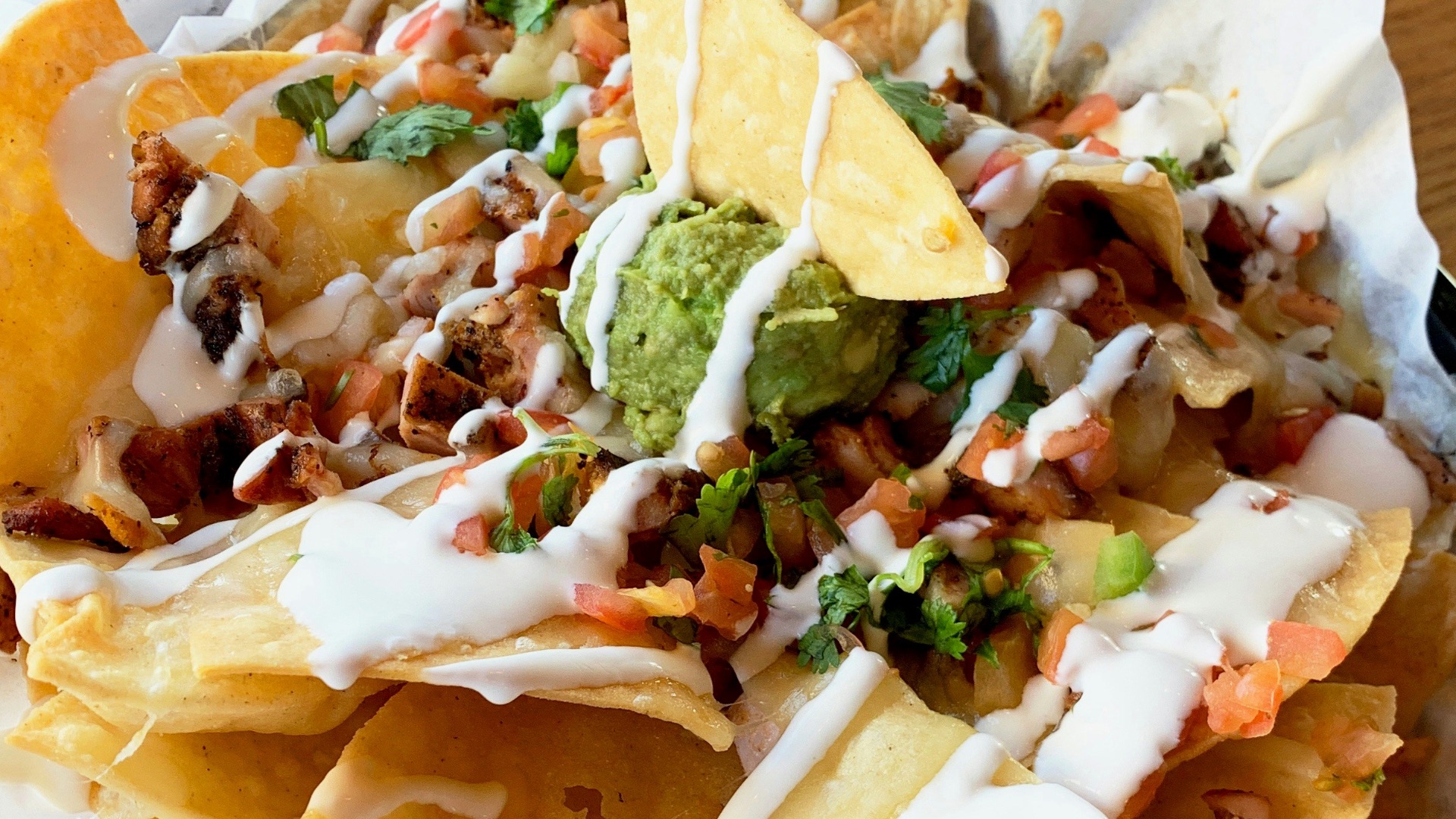
If the chips are buried under toppings, the bottom layer often turns soggy before it hits your table. You’ll also get uneven bites, where some chips are bland and others are drowning in salt and sauce. Plus, ordering nachos is one of the top ways restaurants make quick money: they're cheap to fix up, but they can overcharge for the heap and you'll fall into the trap because it fills you.
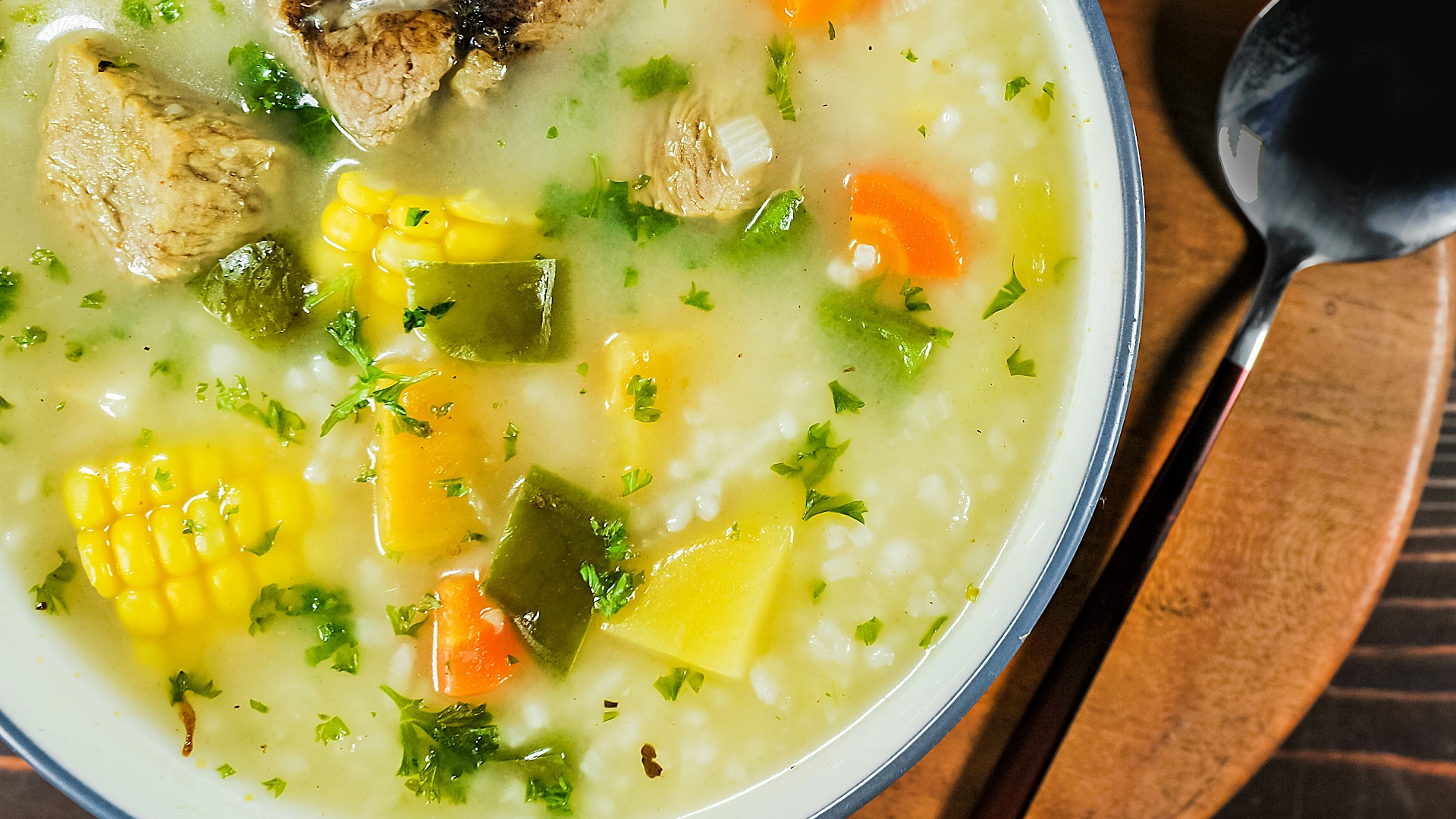
2. “Soup of the Day”
When the description is vague, the soup can end up tasting like yesterday’s leftovers got repackaged into barely edible goop. It’s also an easy place for kitchens to use extra salt to cover up a flat, boring base. Ask what’s in it and whether it’s made fresh and in-house before you commit.
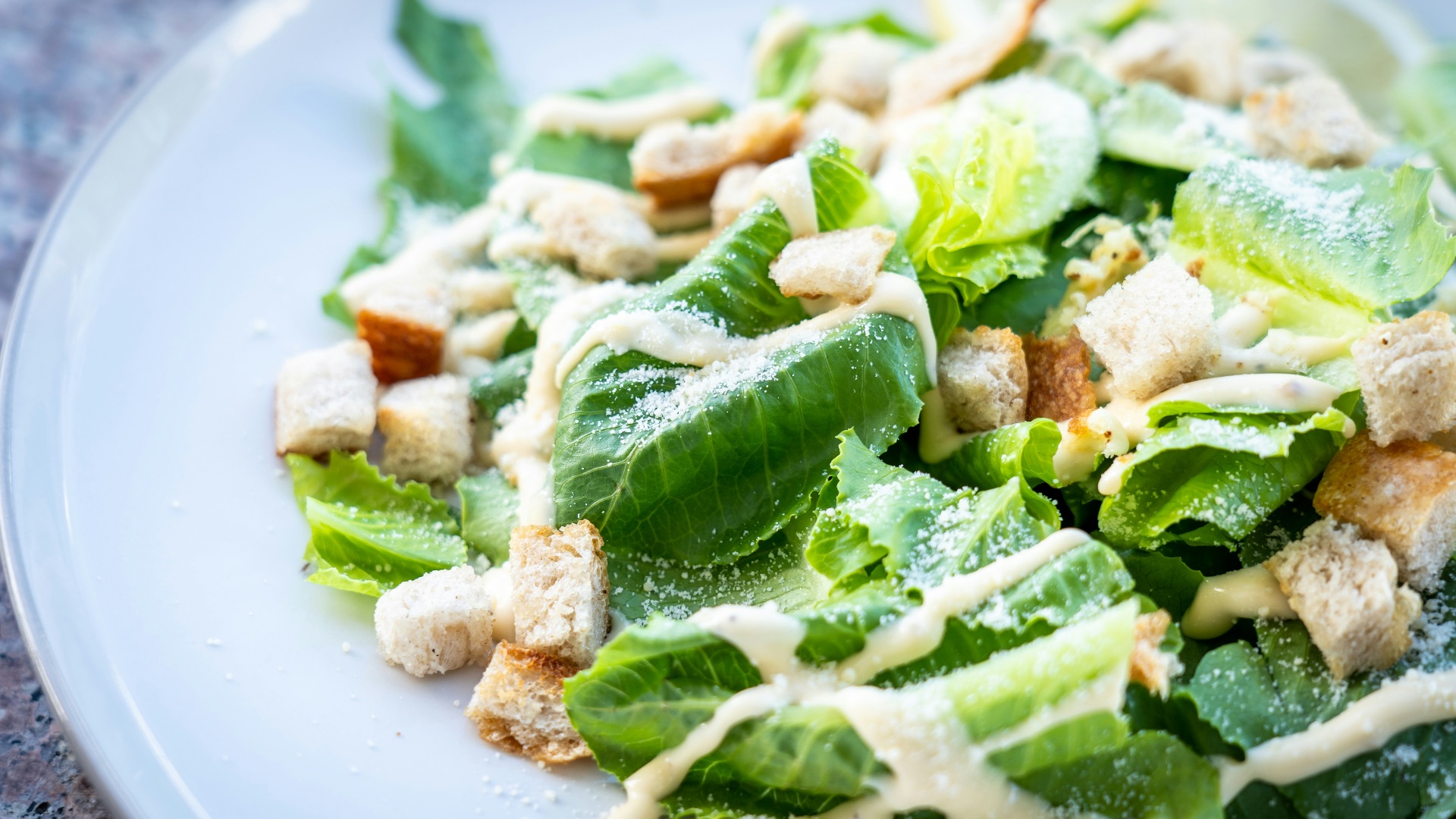
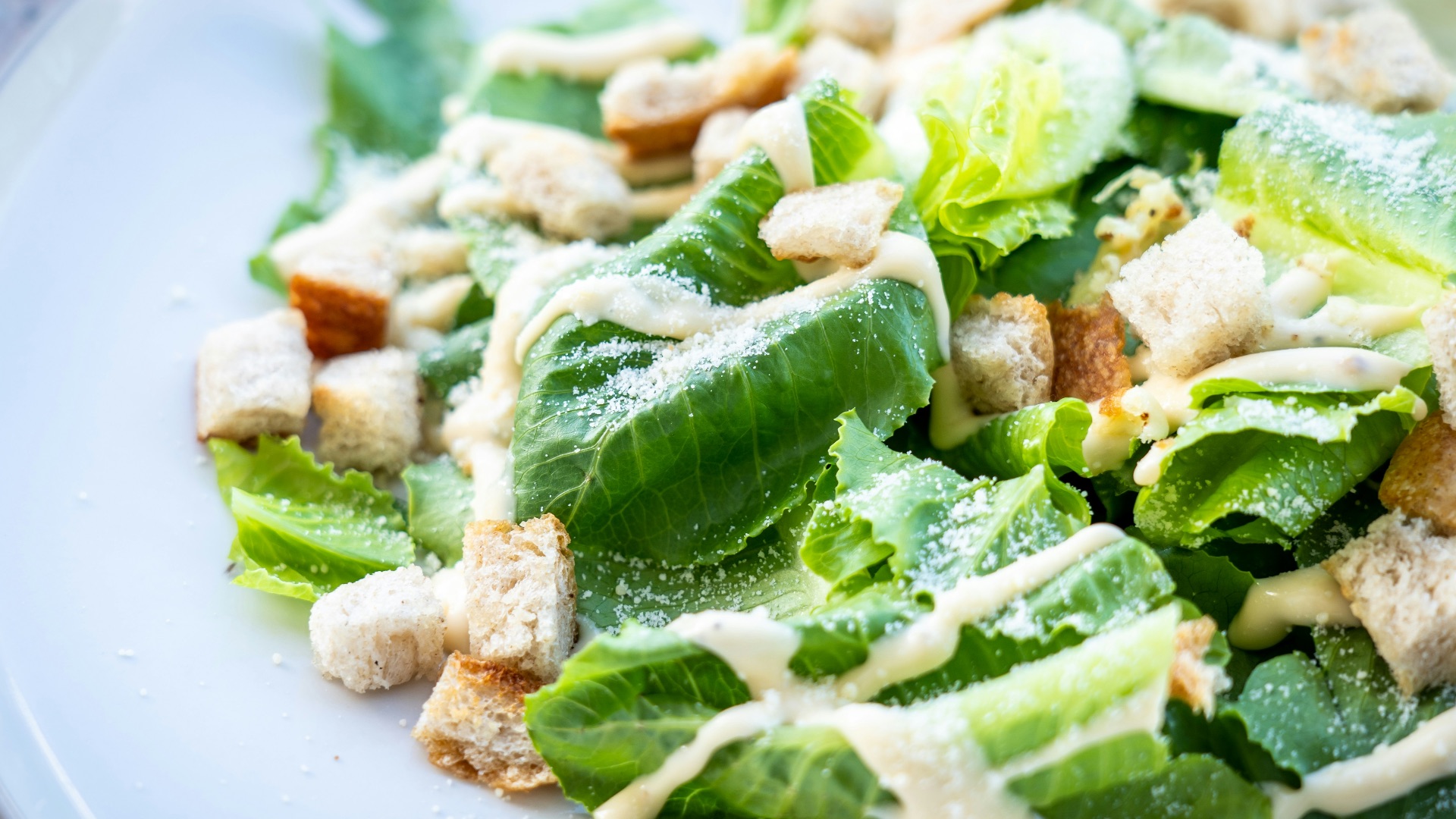
3. Caesar Salad with Bagged Lettuce
A Caesar can be great, but pre-chopped or bagged romaine tends to wilt and pick up a stale refrigerator flavor. Many places also lean on heavy dressing to hide tired greens. If the server can’t tell you whether it’s chopped to order, consider another starter.
4. Cheap “Wagyu” Sliders
If the price seems too good, the label often isn’t telling you much about quality or sourcing. These sliders can be greasy, over-seasoned, and cooked past the point where the meat matters. You’re better off ordering a straightforward burger with a good grind and proper sear. If you ask us, you shouldn't be ordering wagyu anywhere but an authentic place.
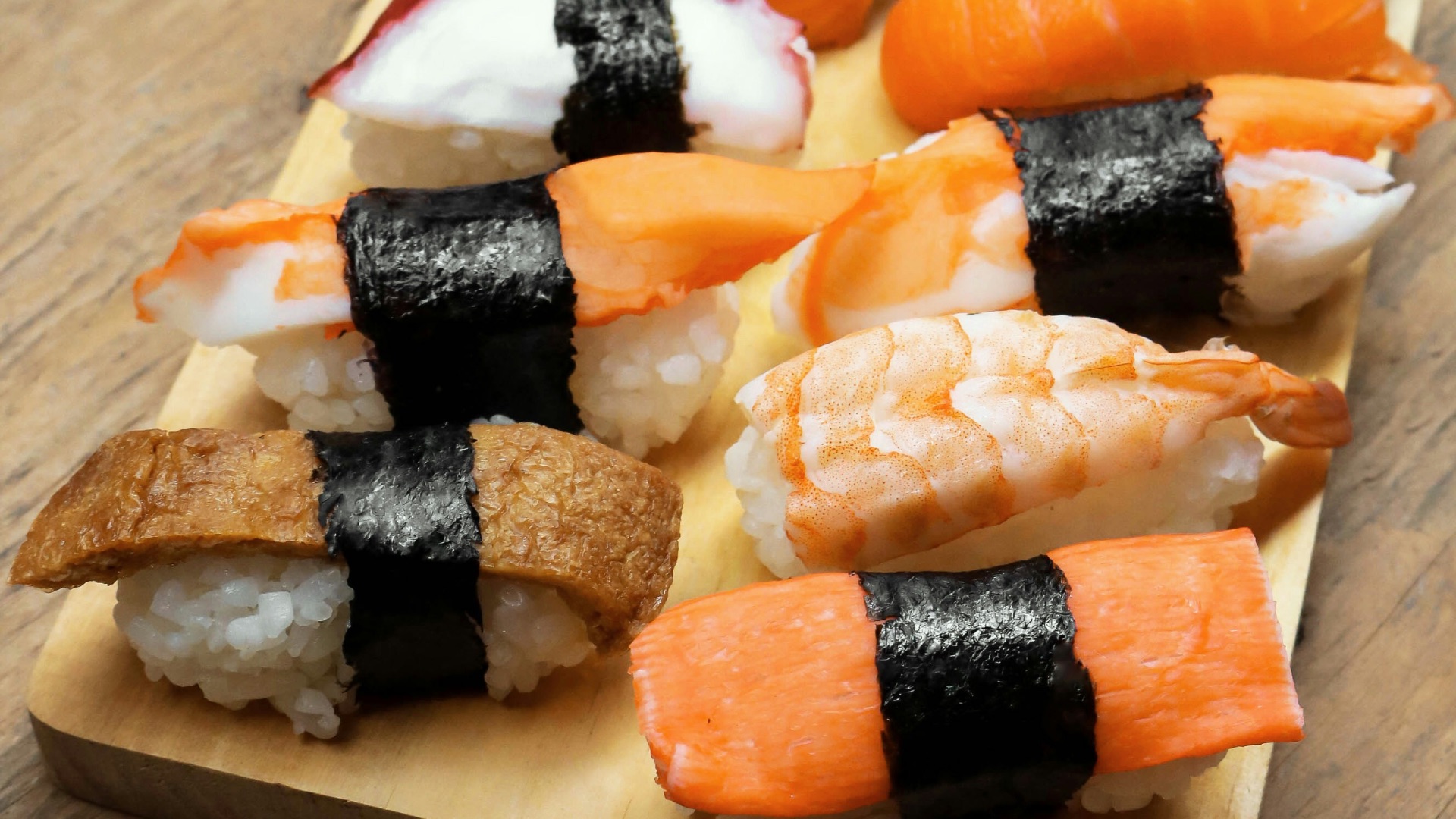
5. Restaurant Sushi at a Non-Sushi Spot
When a place isn’t built for sushi, think twice about ordering raw fish; that fish might have traveled a long way and stayed frozen for even longer. You might also end up with gummy rice and maybe a trip (or two) to the bathroom. If sushi is the goal, pick a restaurant that specializes in it.
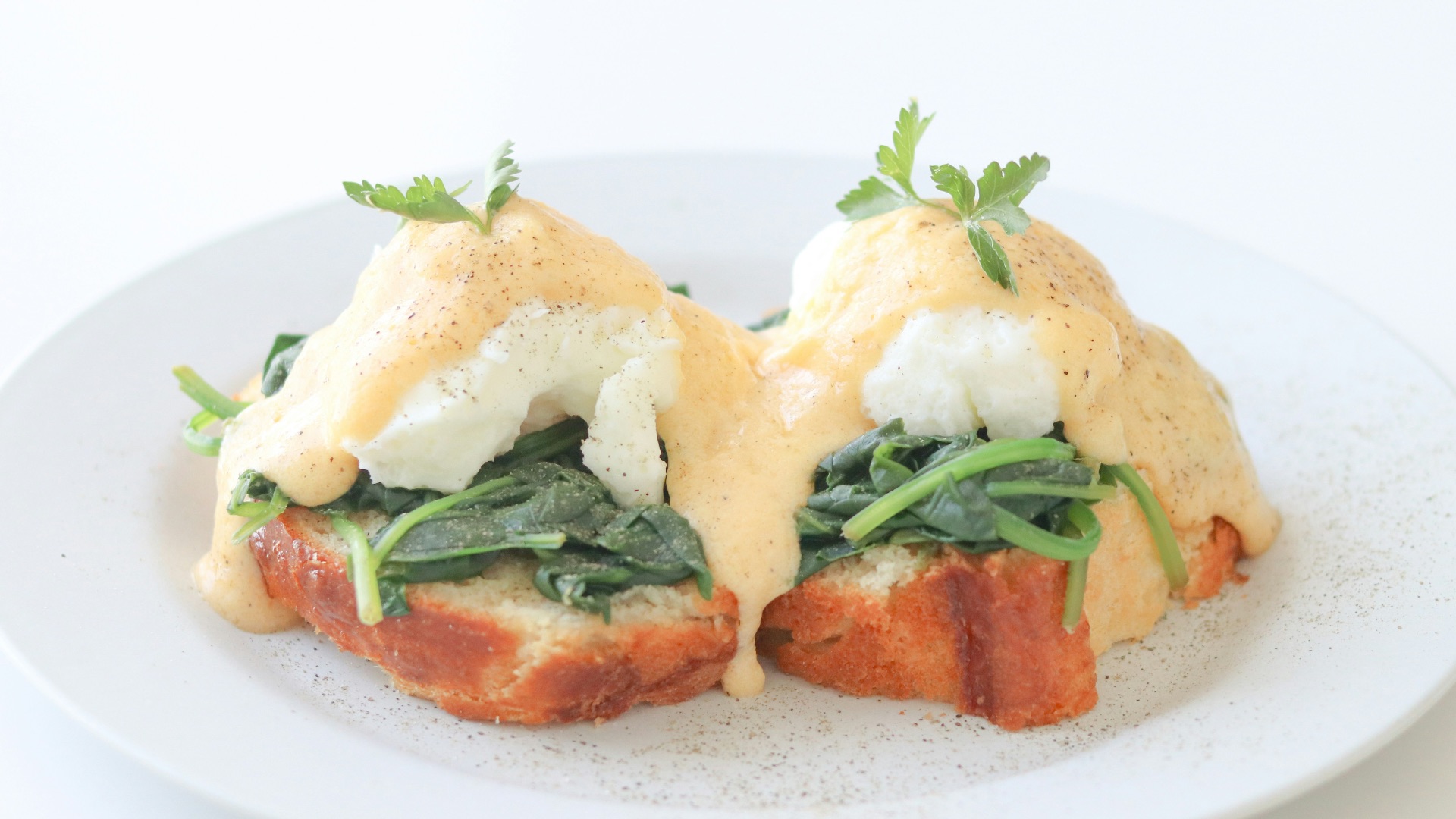
6. Hollandaise-Heavy Breakfast Plates
Hollandaise is finicky, and in many kitchens it comes from a mix or gets held too long. That can mean a sauce that’s overly tangy, broken, or just blandly buttery. If you love eggs, take our word for it and go for a style that doesn’t rely on a fragile sauce.
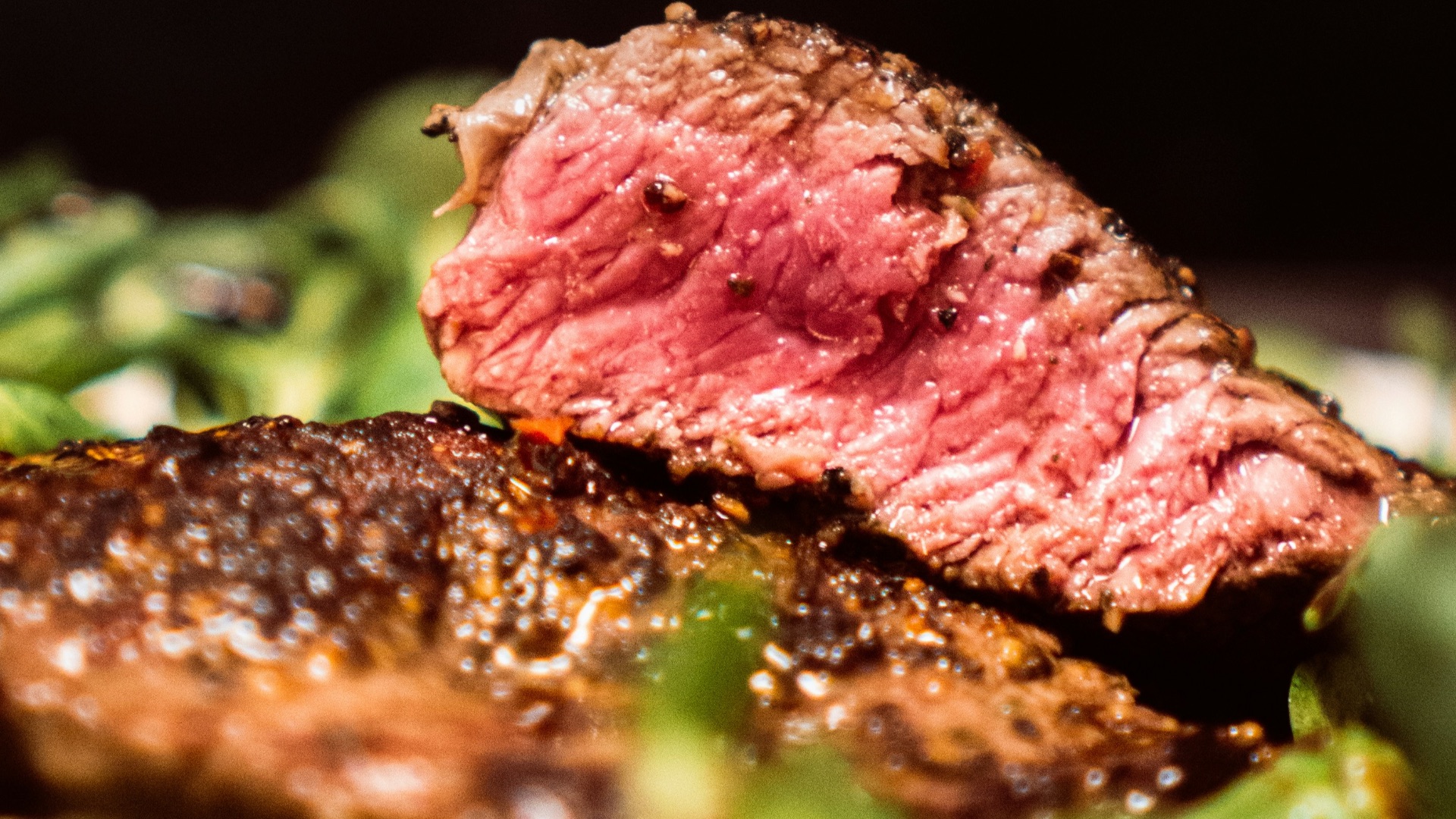
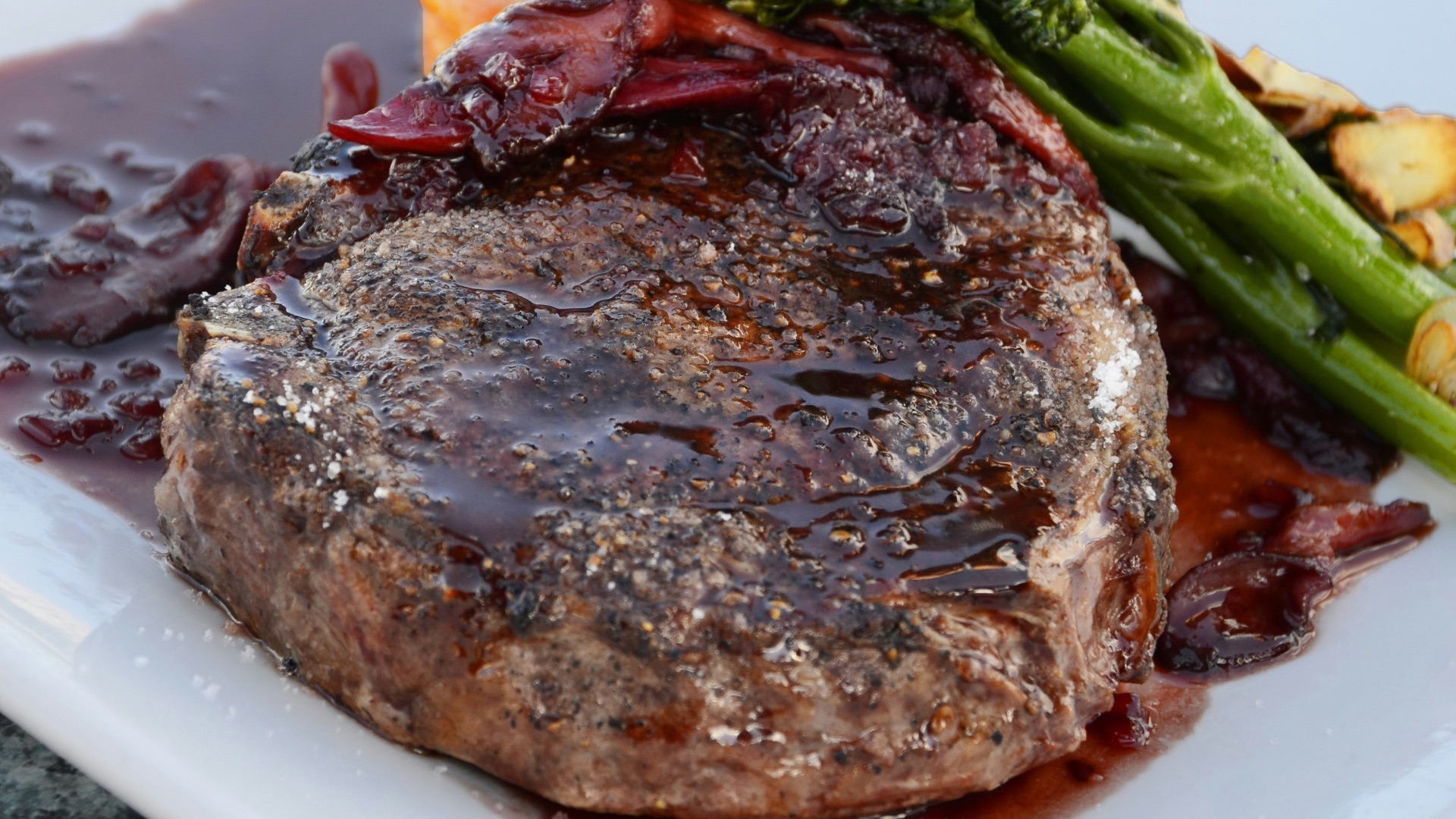
7. Steak That's “Well-Done”
We're not saying you can't enjoy your steak a certain way, but you should be wary about ordering it well-done. Why? Because the kitchen will typically grab the toughest cuts to serve up, or grab one that was cooked past the point of no return earlier and is now sitting around. If you want it fully cooked, you’ll usually get a better outcome by choosing a fattier cut, asking for it “well-done but still juicy,” or going medium-well and letting it rest properly.
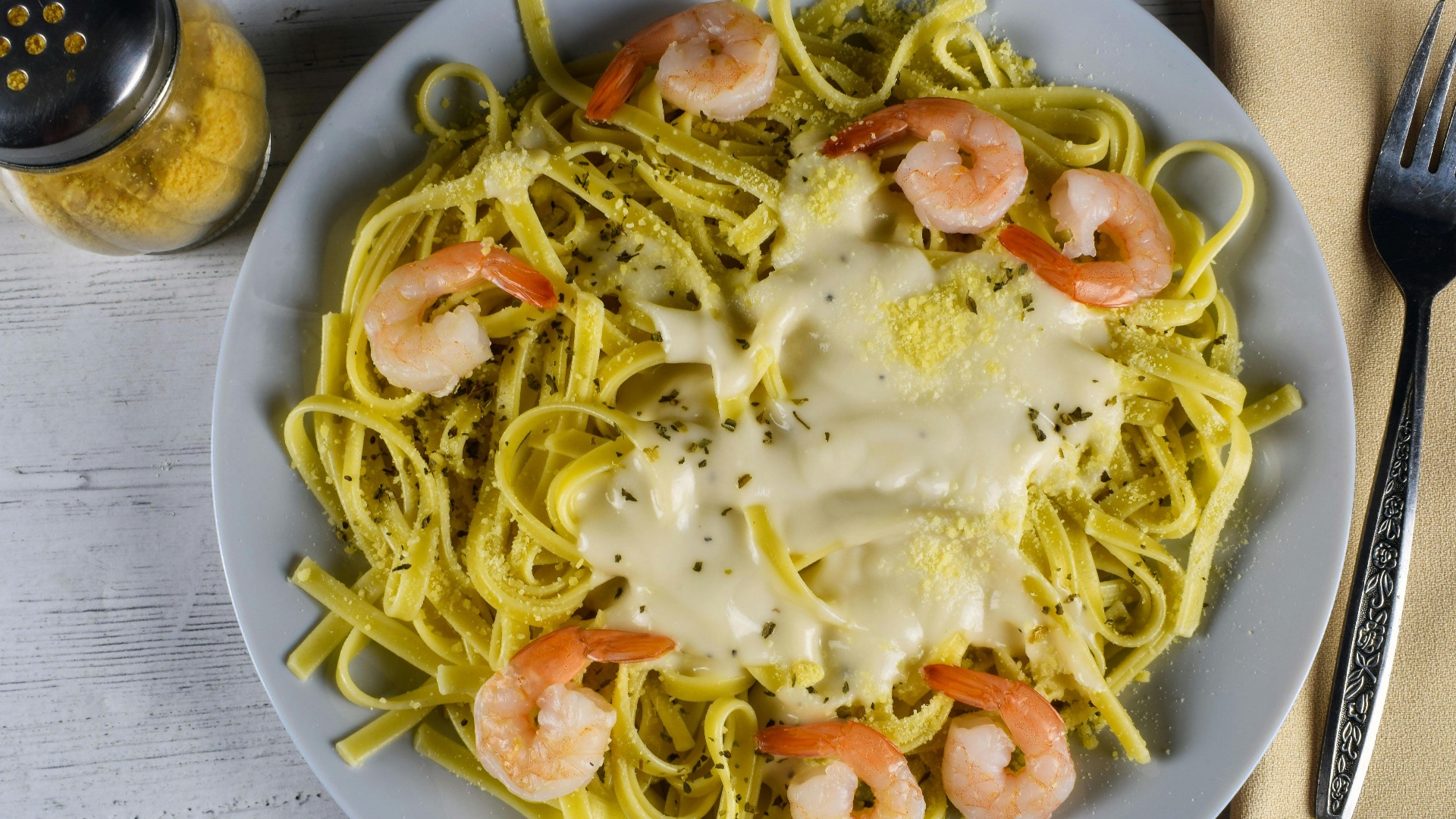
8. Seafood Pasta with a Cream Sauce
Cream sauces can mask seafood that isn’t at its peak, and that’s not a gamble you want to take. The dish can also turn heavy and salty, with shrimp getting lost in the richness. If you’re craving seafood, choose preparations that let it taste like itself.
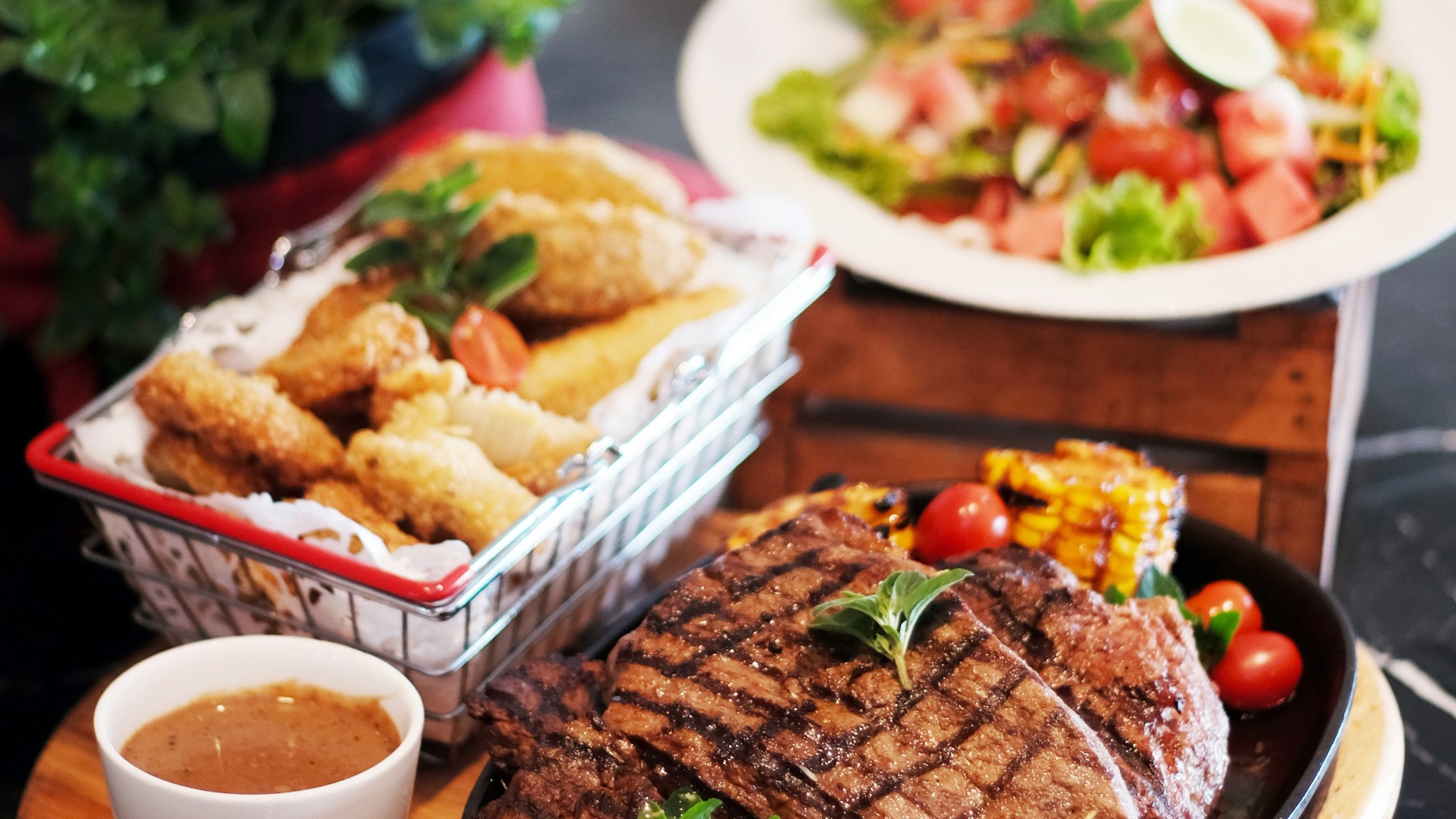
9. The Giant, Everything-Included Combo Platter
Combo plates usually involve a lot of batch-cooked items that sit until they’re ordered. It’s hard for all components to be hot, crisp, and properly seasoned at the same time. You’ll generally get a better meal by choosing one star item and a simple side.
10. Dessert That’s Not Made In-House
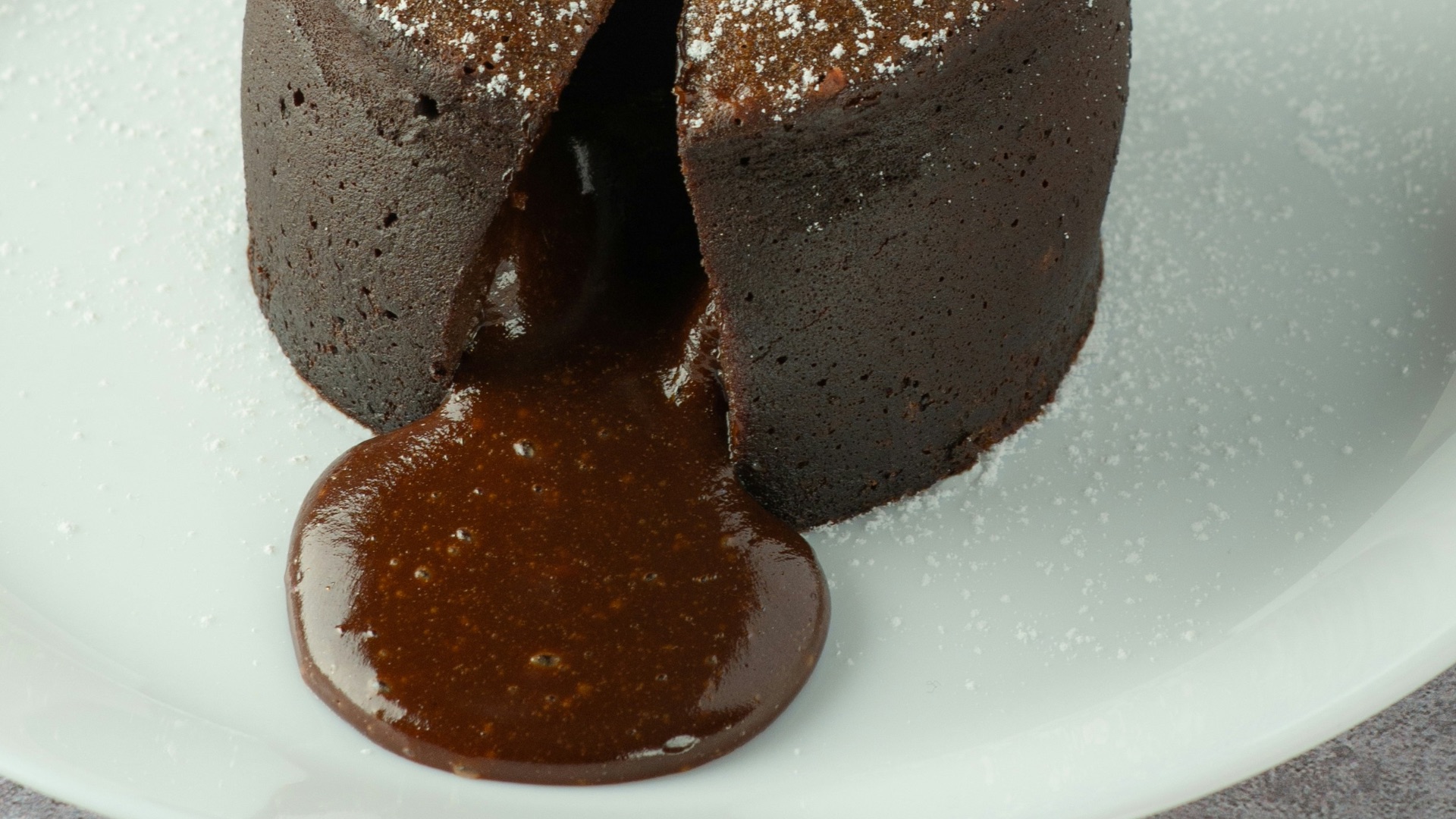
Avoid ordering desserts that you know probably weren't made in-house, like lava cake or cheesecake. Since they're easy to "prepare," many restaurants simply plate them with a drizzle. The texture can be dense or refrigerator-cold, and the flavors often taste bland. If you want dessert, pick something the kitchen actually bakes or fires to order.
So, what should you order when dining in? Here's what to pick off the menu instead:
1. Simple Salad with Dressing on the Side
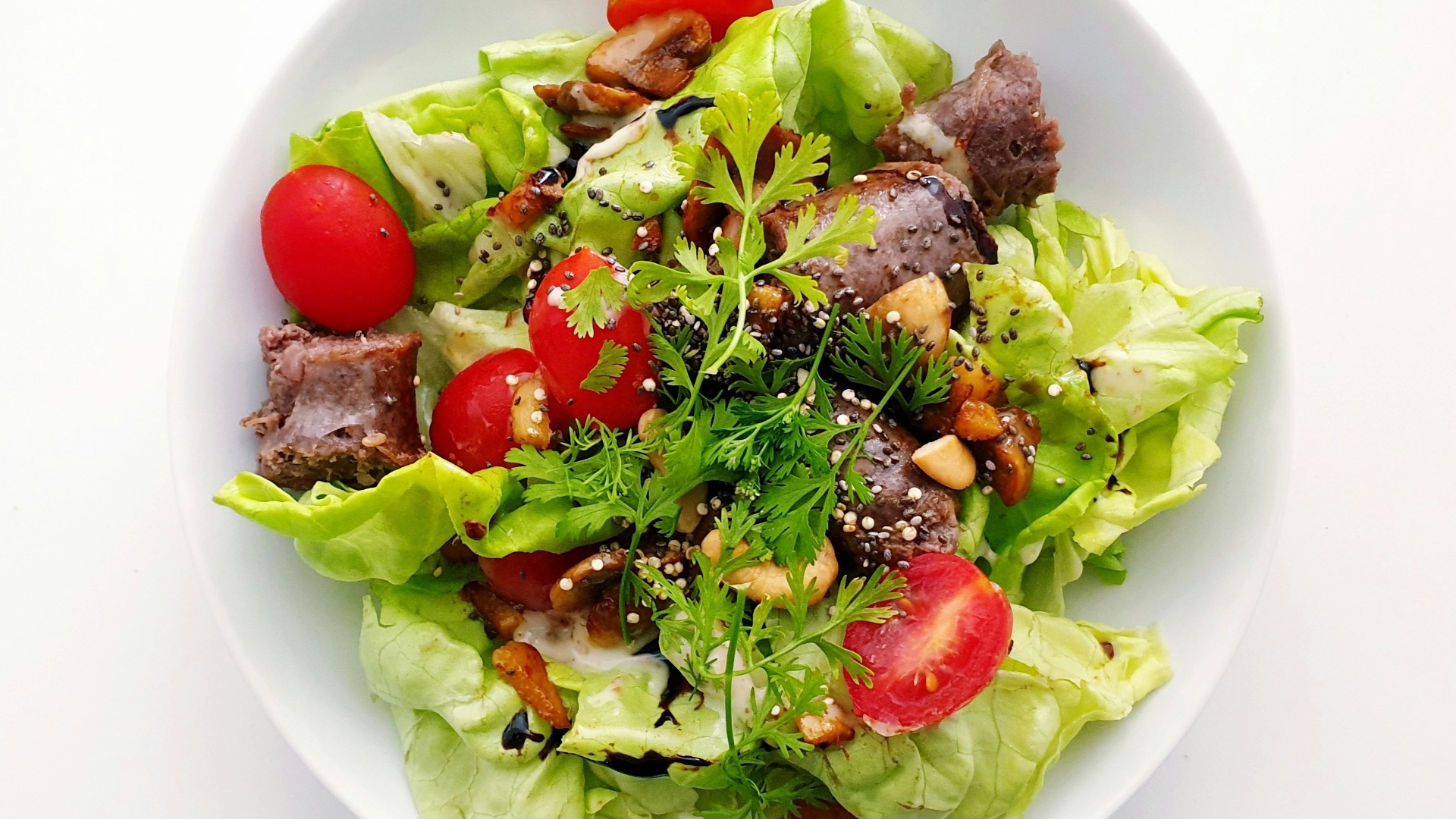
You're often advised against ordering "house" or Caesar salads, because they're usually packed with pre-cooked chicken and bagged lettuce, neither of which is made fresh to order or costs the restaurant much to fix up. If you still want a side of greens, though, order something simple; a basic salad can be a quick way to see whether the kitchen cares about quality and freshness. Remember to get the dressing on the side, too, so you get to control the amount and avoid soggy greens.
2. A Clearly Described Seasonal Soup
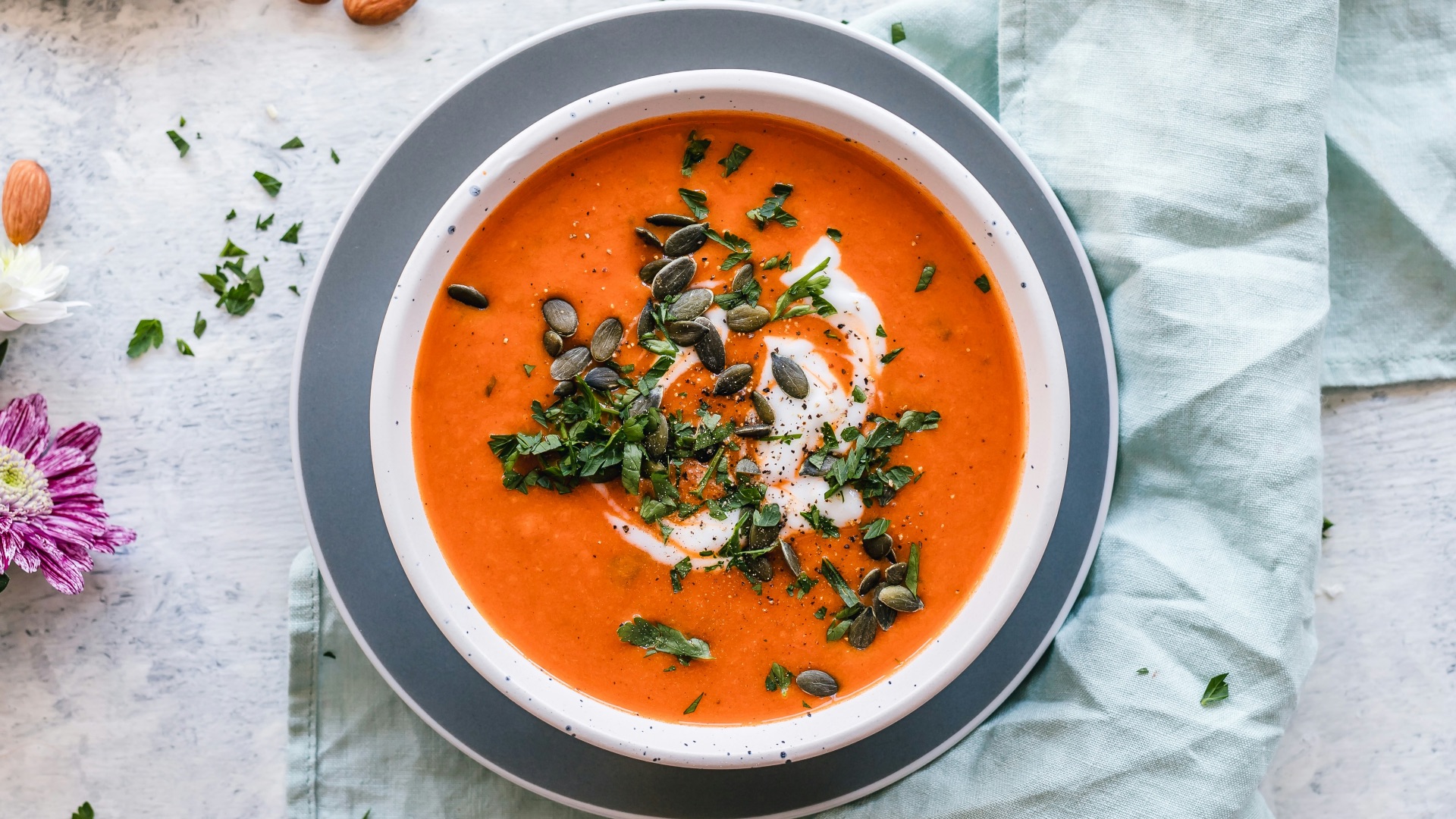
When the soup has specific ingredients and the server sounds confident, it’s more likely to be made fresh and with intention. Seasonal options also tend to move quickly, which helps with freshness. You can ask for the smallest size if you’re unsure, and it’s still a satisfying opener.
3. Grilled or Roasted Vegetables
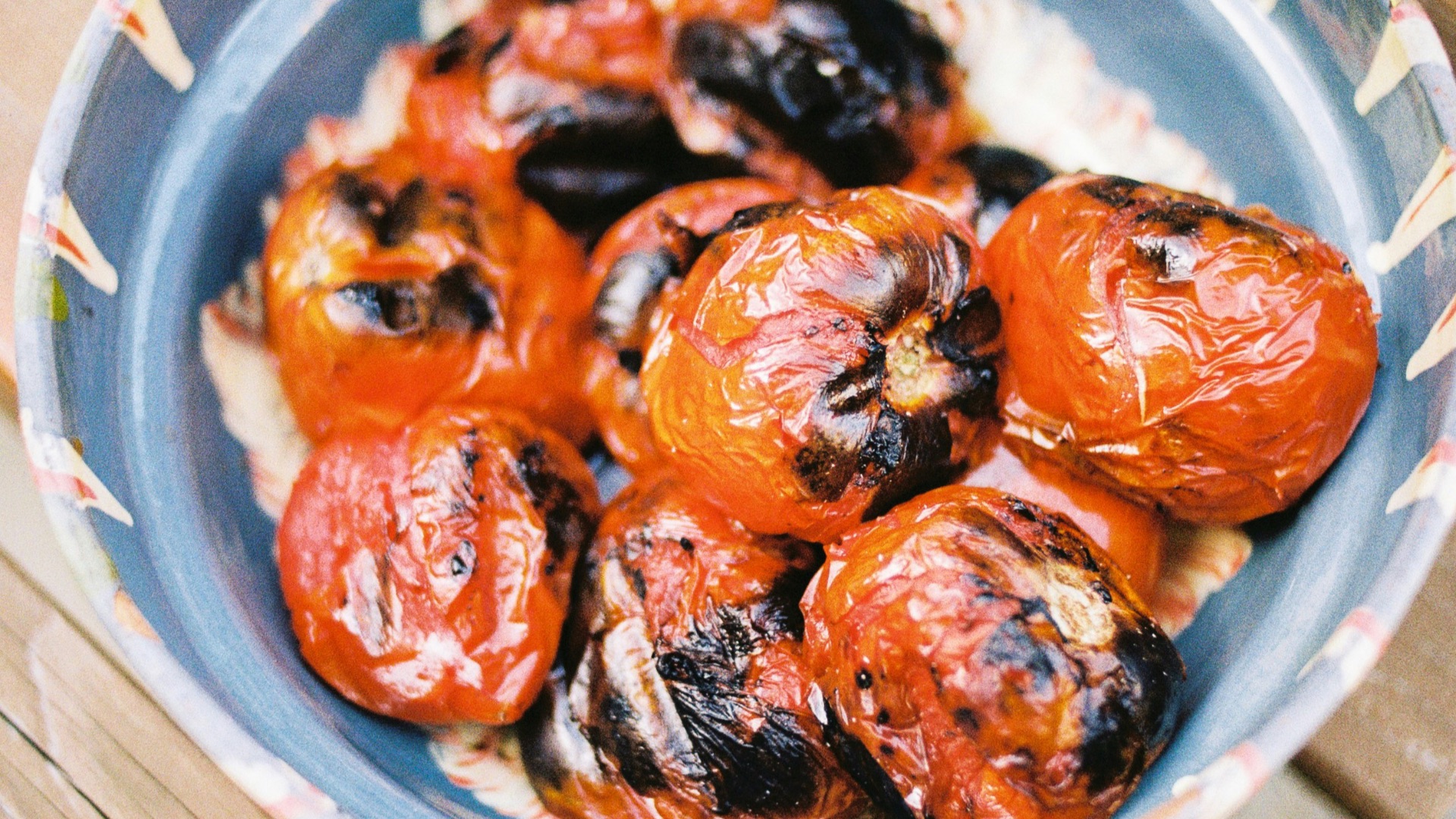
Vegetables that are grilled or roasted usually come out with better flavor and texture than steamed sides. That's because kitchens can execute them consistently with a hot oven and a bit of detailed attention. Plus, they pair well with almost anything you order next, so it's a win-win.
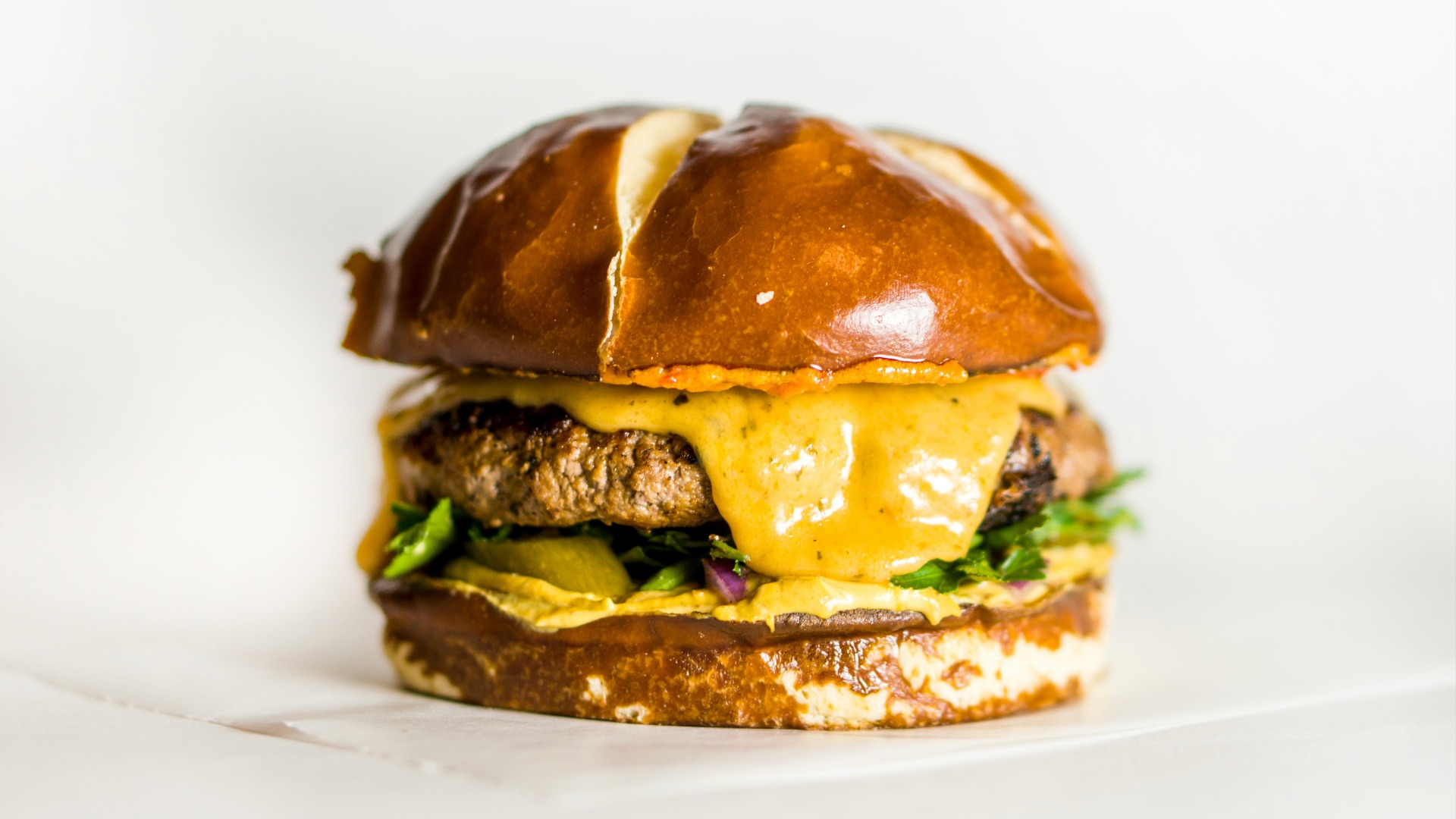
4. Burger That’s Cooked to Your Preference
A good burger is a reliable restaurant strength because the equipment and timing are already dialed in. You can also tell a lot by how they handle the basics like the bun, the sear, and the seasoning. Ask for it medium if you like it juicy, and don’t be shy about skipping fussy add-ons.
 amirali mirhashemian on Unsplash
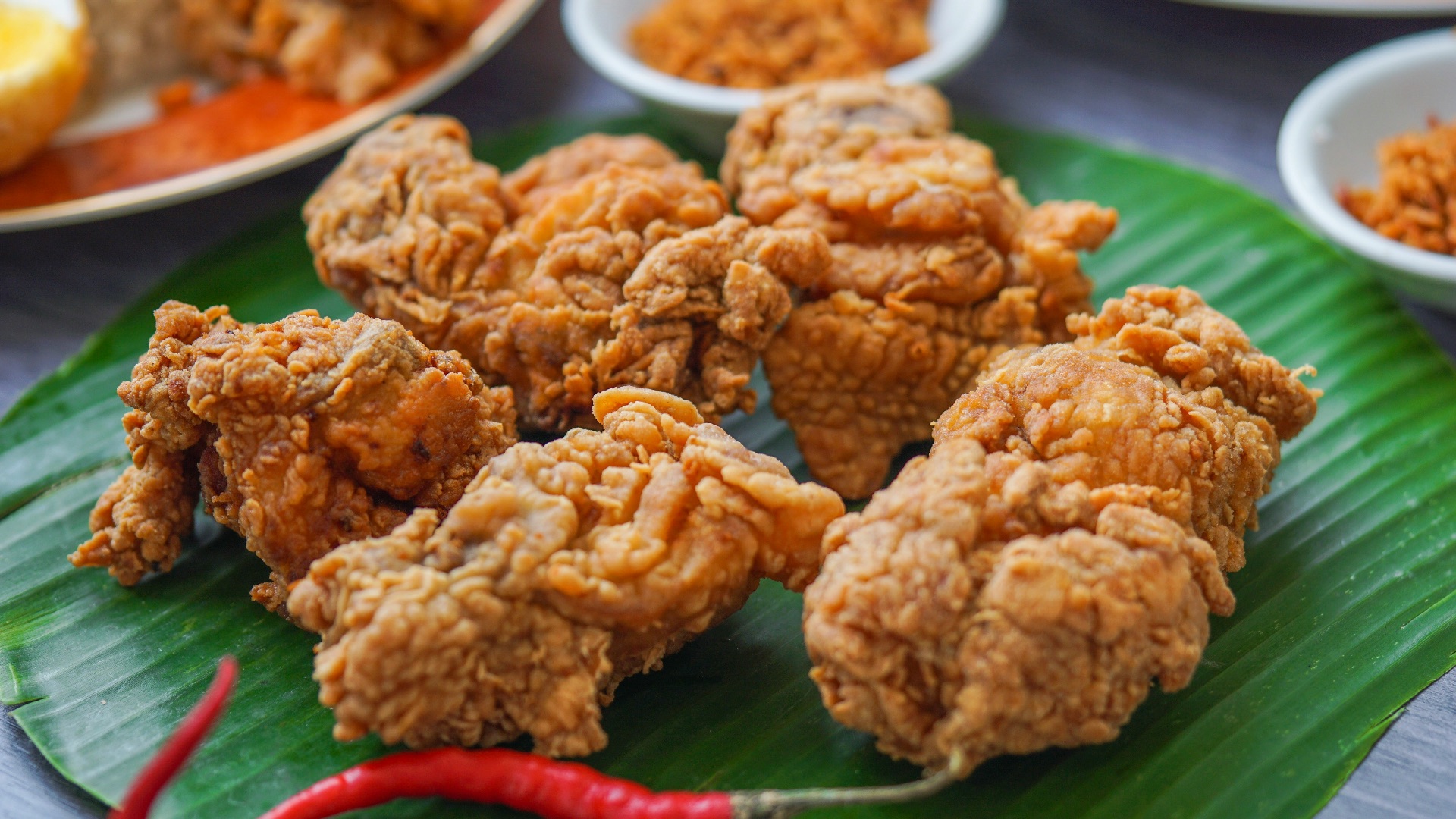
5. Crispy Chicken Thighs or Fried Chicken
If you're craving chicken, make sure you know which options to order. High-quality restaurants should serve up dishes you can't so easily recreate at home, with perfect crispy skin or fry that gives you a clear texture and flavor payoff. If the restaurant is known for comfort food, this is often a safe bet.
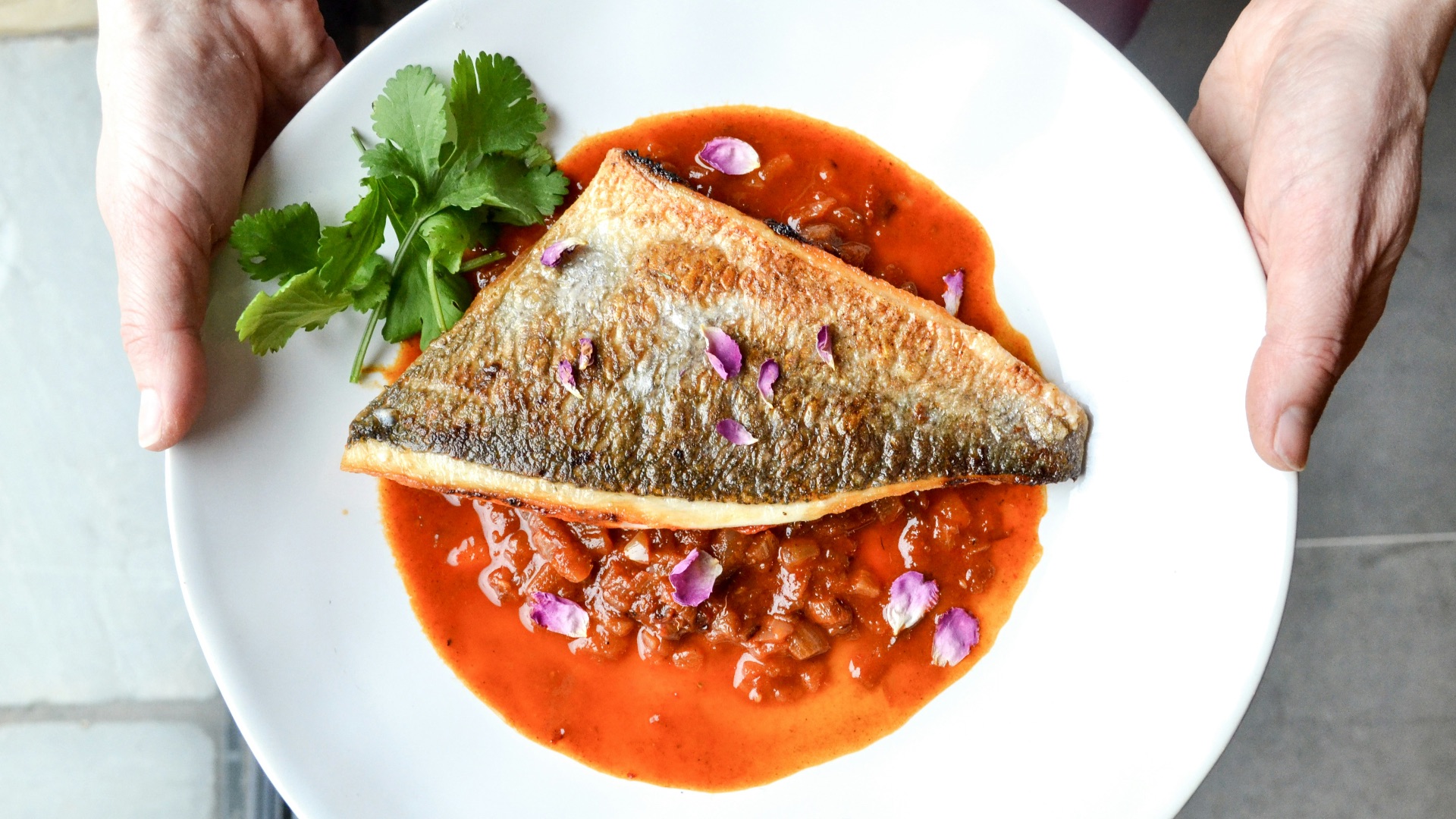
6. Fresh Fish Special with a Light Preparation
Fish specials usually reflect what arrived recently and what the kitchen wants to highlight. Choose lighter preparations like grilling, broiling, or pan-searing, as they'll let you taste the quality without it being buried. Make sure to also ask what the fish is, how it’s cooked, and, most importantly, when it came fresh off the boat.
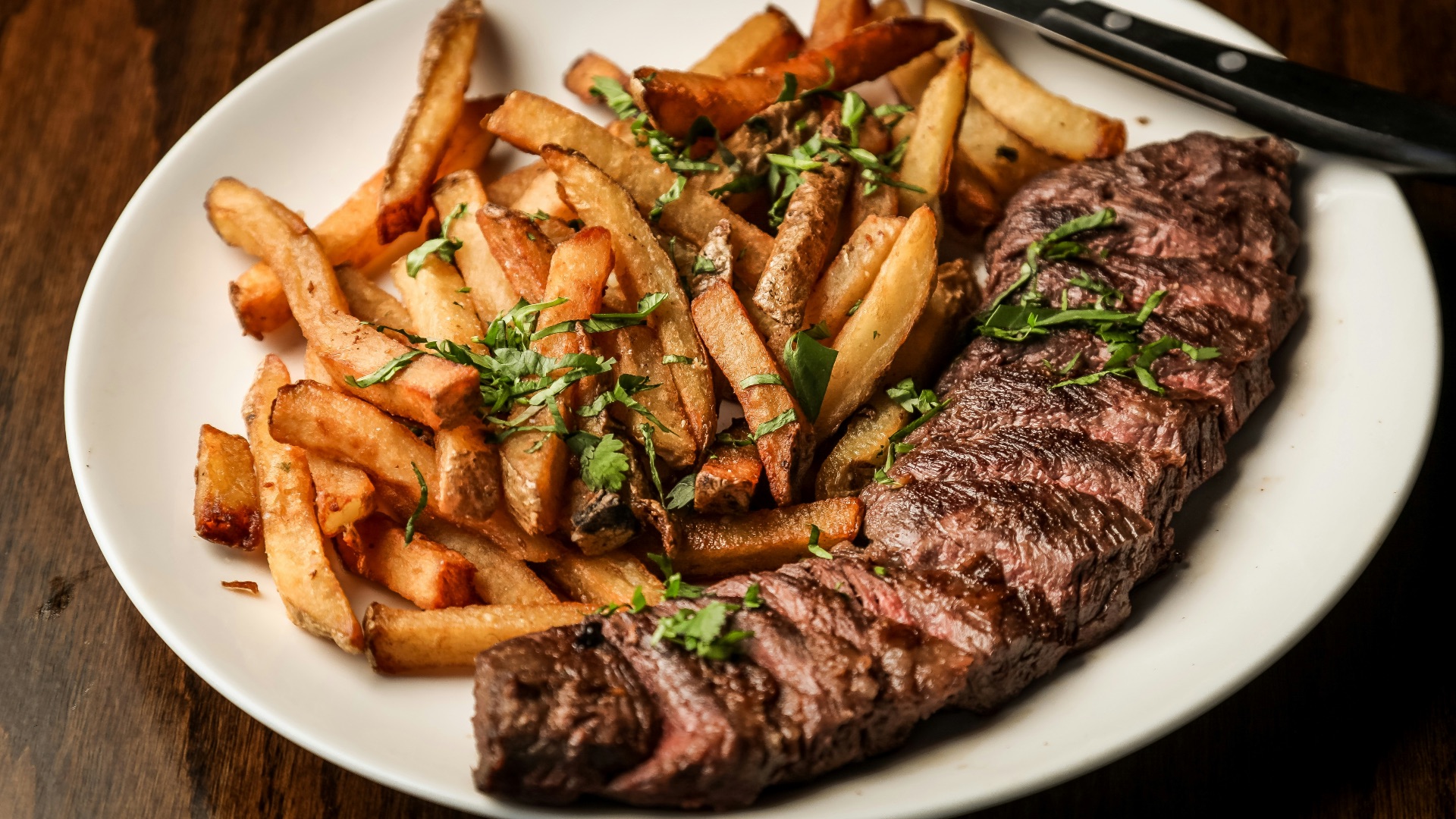
7. Steak Frites or Straightforward Steak Plate
Steak and fries is a classic because it’s simple to execute well with proper heat and seasoning. You’ll also get a clear sense of value when the main protein isn’t hidden under a mountain of sauces. If you care about doneness, state it clearly to your server and pro tip: mention you prefer a hard sear if you do.
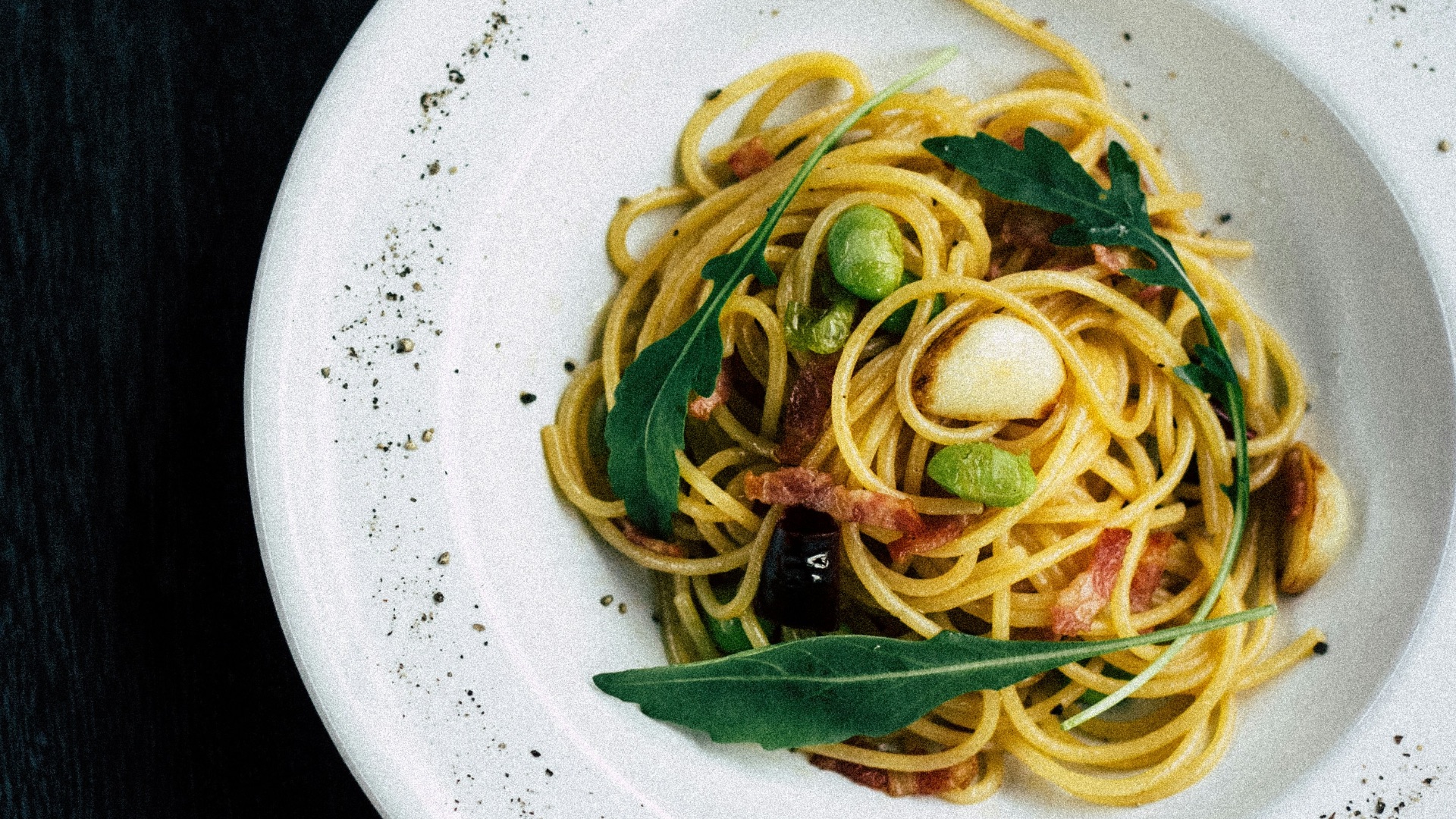
8. Pasta Dish with an Oil-Based or Tomato Sauce
Lighter sauces in pasta dishes tend to show cleaner flavors and better balance than heavy cream. They’re also less likely to feel like the kitchen is covering something up or making up for a lack of flavor. Our tip? Look for dishes with garlic, herbs, and a clear ingredient list rather than vague “house sauce” wording.
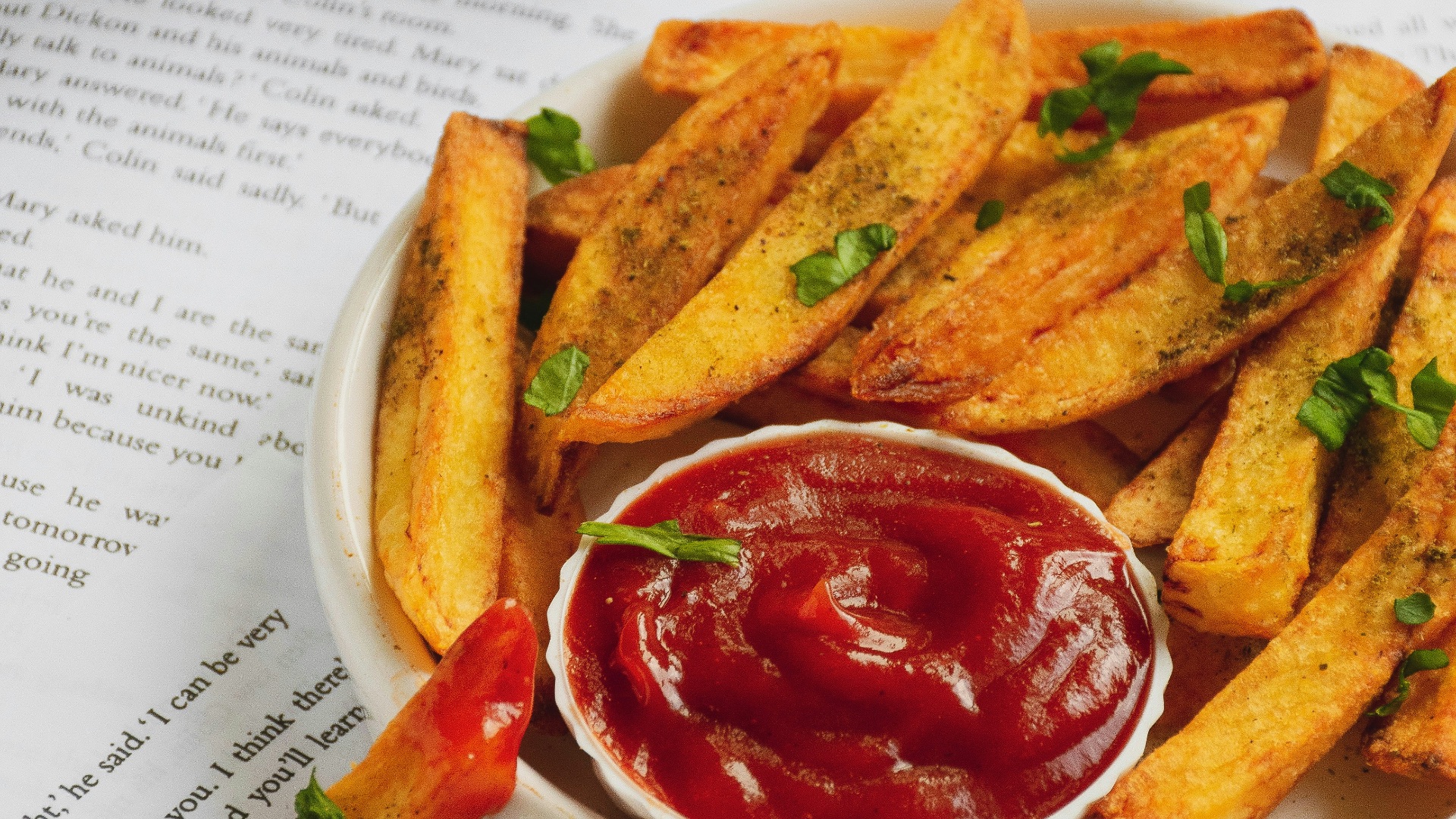
9. Side That’s Made to Order
Made-to-order sides arrive hot and give you that fresh-cooked texture. Fries, for example, should be crisp and properly salted, and a baked potato is hard to mess up when done right. If you want extra confidence, ask whether the fries are double-fried or cooked to order.
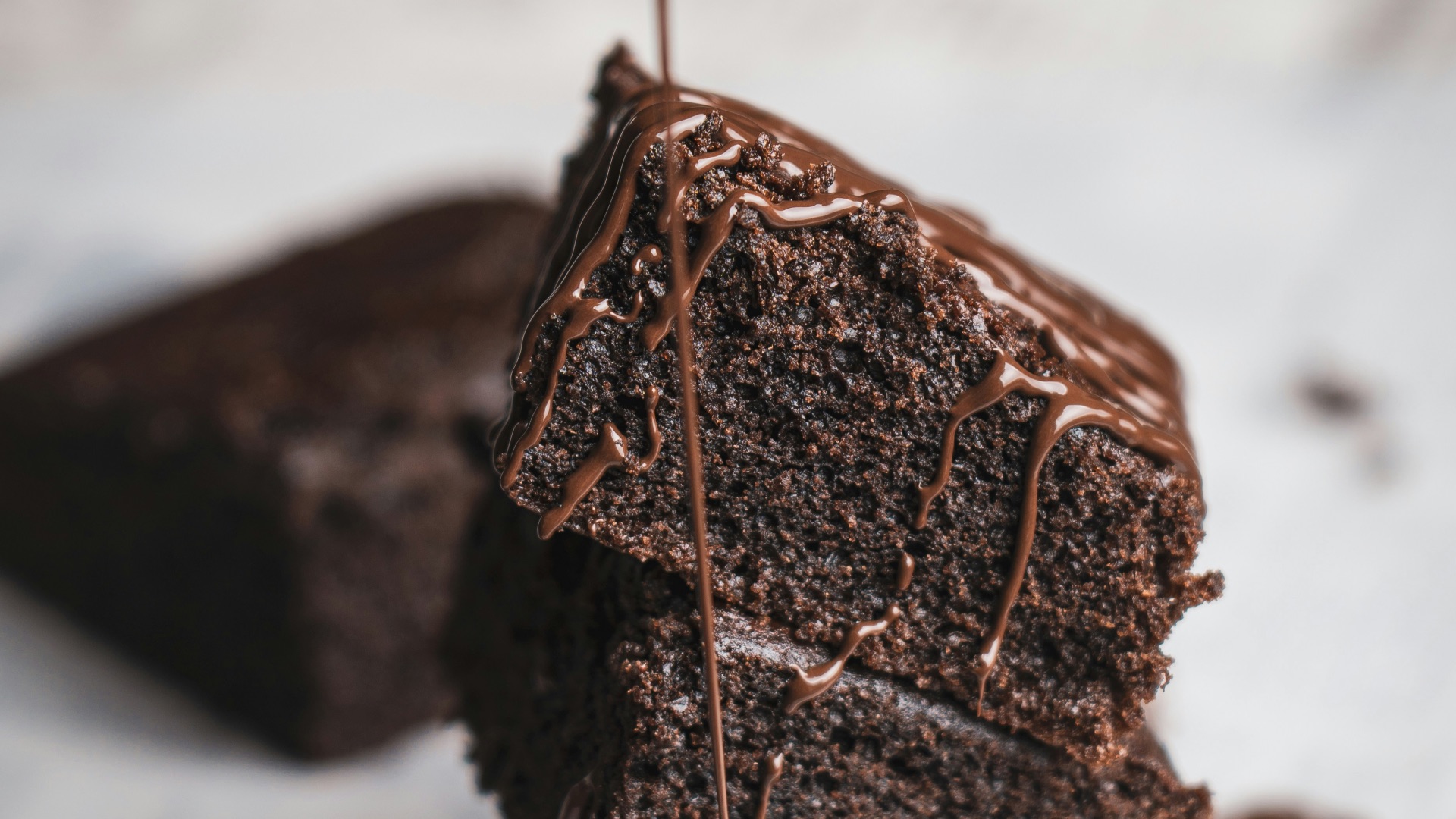
10. Freshly Baked Dessert
Warm desserts like brownies, skillet cookies, or fruit crisps usually mean real kitchen effort and better texture. They also tend to taste more vibrant than pre-sliced cakes that are pulled from a fridge and then reheated. If you’re splitting, think twice—it might taste too good to share.
KEEP ON READING

The Most Popular Signature Dishes Around the World