10 Reasons Food Is Becoming More Artificial And 10 Reasons That Might Not Be A Bad Thing
10 Reasons Food Is Becoming More Artificial And 10 Reasons That Might Not Be A Bad Thing
The Grocery Store Is Turning Into A Lab
Walk down any supermarket aisle and you'll quickly see products advertising flavors that don’t look like anything that once existed in nature. You can taste the difference, too, especially if you grew up with the kind of pantry where ingredients came in short lists and suspicious neon colors were mostly reserved for popsicles. At the same time, plenty of the most natural foods in modern life are the result of decades of breeding, processing, fortification, and logistics that would look pretty artificial to someone shopping in 1926. The question isn’t whether food is getting more engineered, it’s what’s driving that shift and what we actually get in return, so let’s lay out the reasons on both sides. Here are ten reasons food is becoming more artificial and ten reasons that's not such a bad thing.
1. Supply Chains Demand Predictability
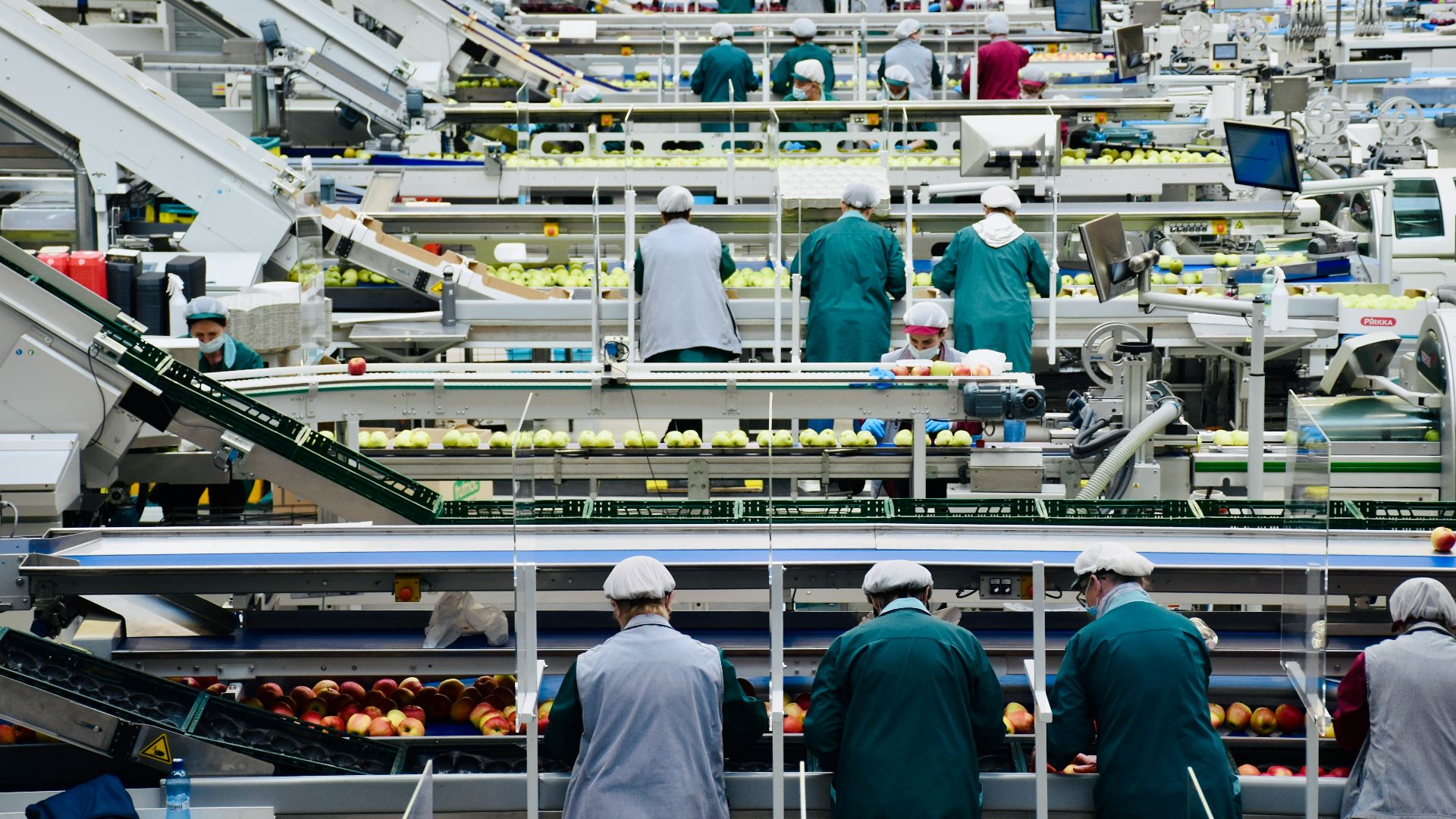
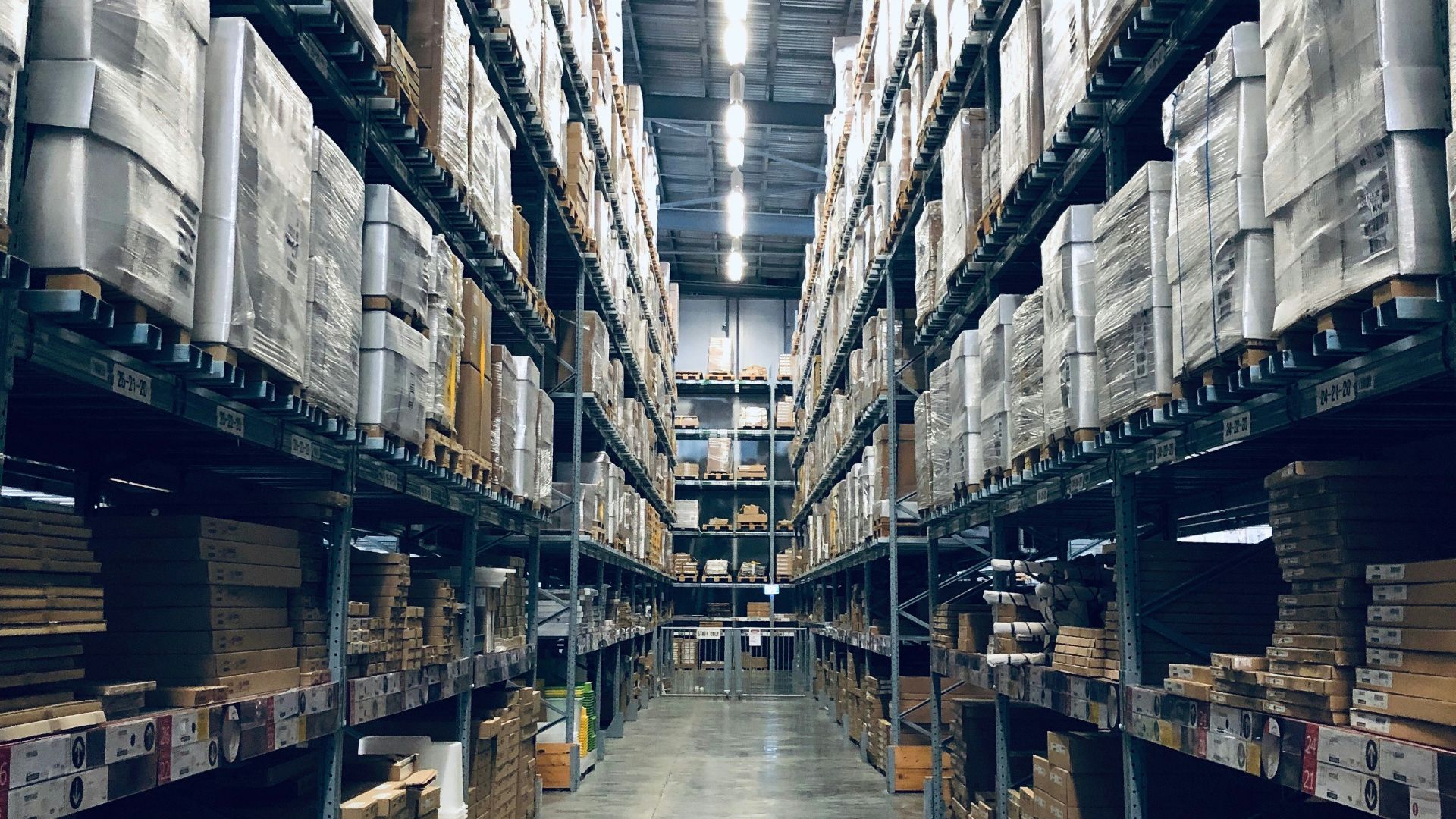
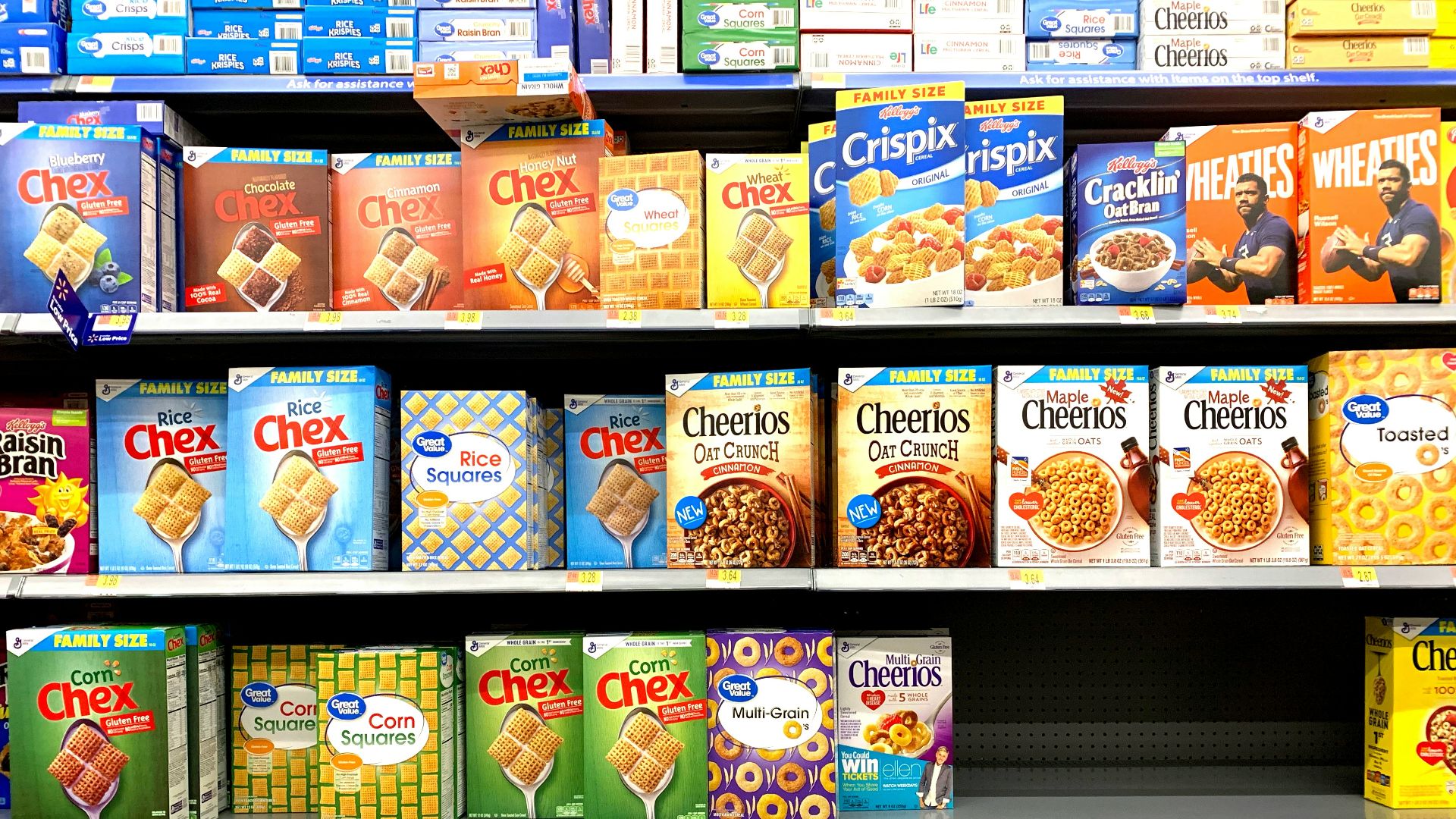
Modern food systems move through massive, tightly timed networks, and unpredictability is expensive. Stabilizers, anticaking agents, and packaging technologies keep products consistent from a humid warehouse in Houston to a dry kitchen in Denver, even when the raw ingredients vary by season and region.
 Ruchindra Gunasekara on Unsplash
2. Shelf Life Is A Competitive Sport
If a product can last weeks instead of days, it can travel farther, waste less, and show up more reliably in smaller towns where fresh delivery is harder. Techniques like pasteurization, UHT processing, and modified-atmosphere packaging can make foods feel less fresh yet they also keep milk safer and reduce spoilage that used to be normal household math.
3. Convenience Keeps Winning
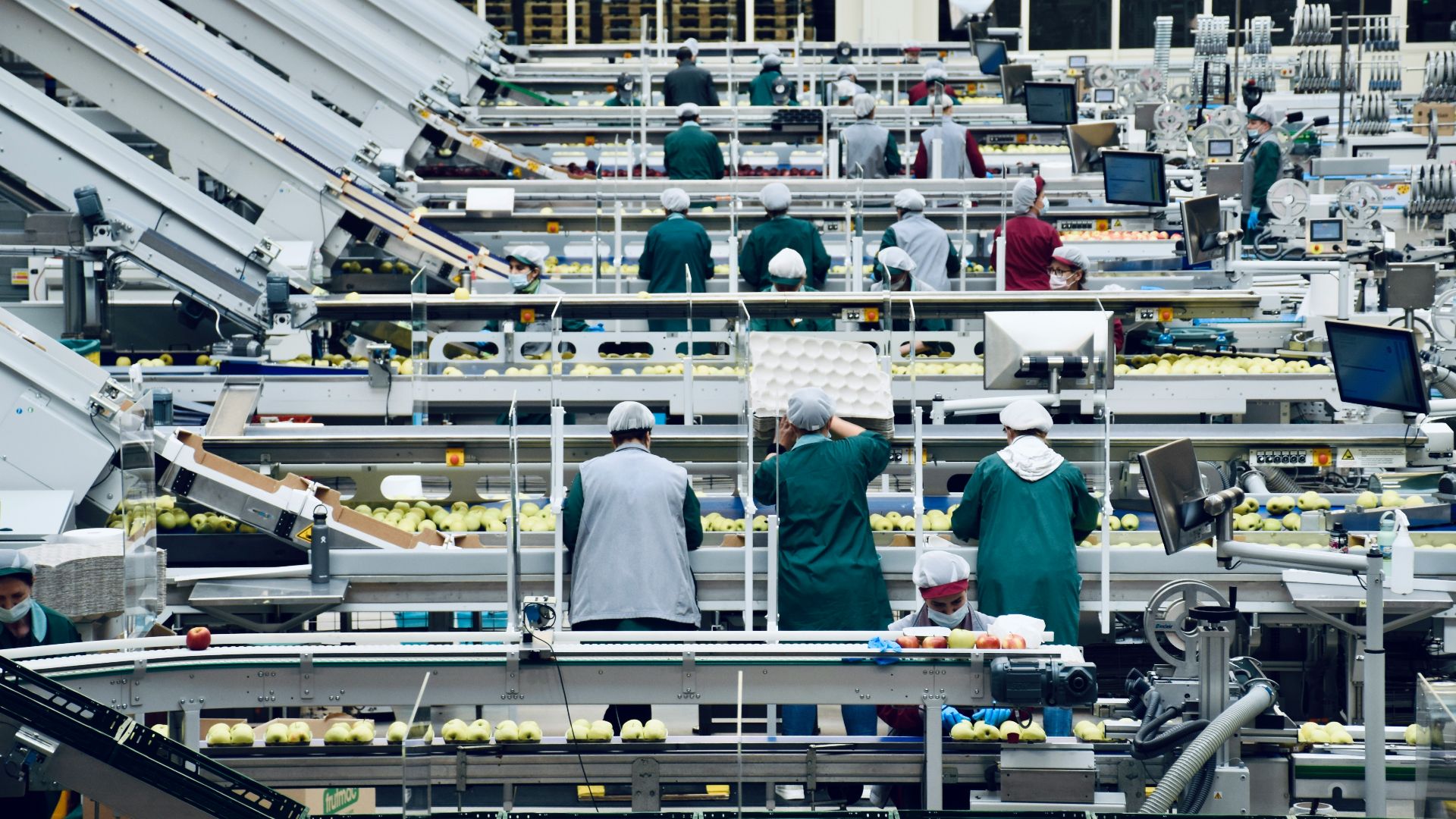
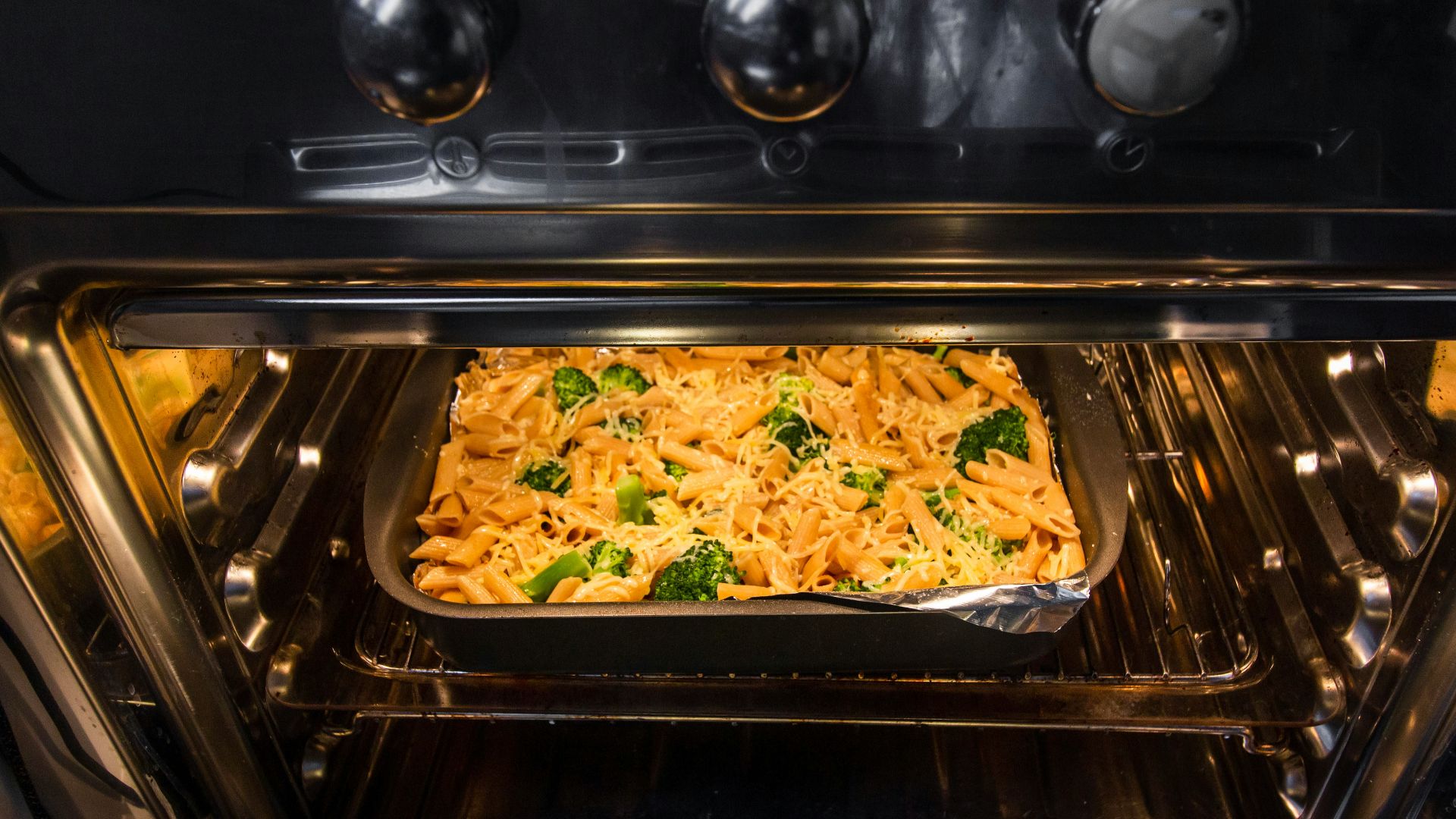
People cook less time-intensive meals than past generations, and the market responds with food designed to be microwaved, poured, squeezed, or eaten one-handed. That convenience usually requires some engineering, because the texture of a sauce that survives freezing and reheating doesn’t happen by accident.
4. Flavor Is Being Tuned Like Audio
Food companies design products to hit reliable flavor targets even when crops vary, which is why natural flavors, flavor enhancers, and aroma compounds show up everywhere. Anyone who has noticed that strawberry yogurt tastes more like the idea of strawberries than a bowl of berries has already experienced this kind of tuning.
5. “Healthy” Products Often Need Help
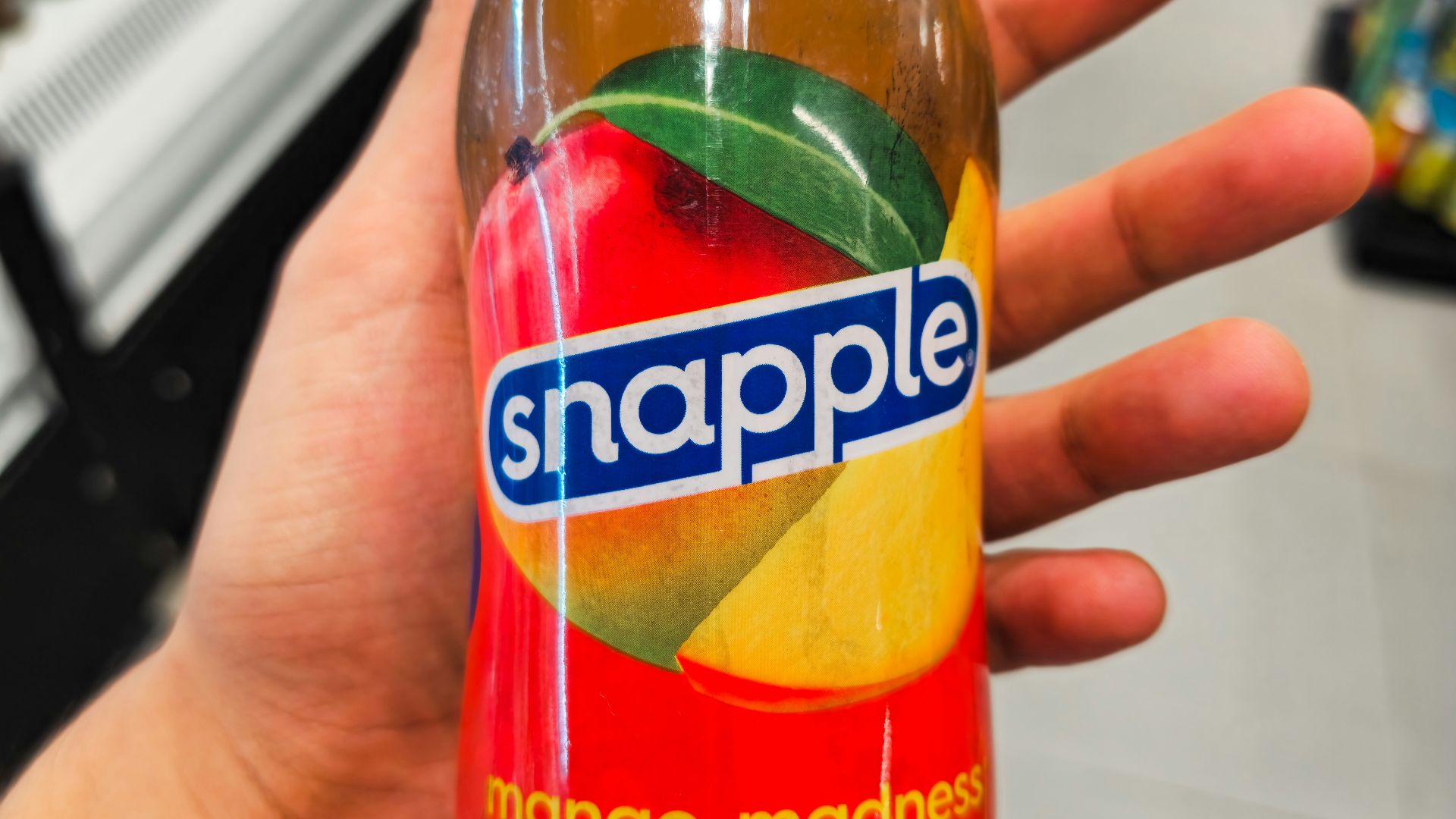
When fat, sugar, or sodium is reduced, something has to pick up the slack, and that’s where gums, fibers, sugar alcohols, and alternative sweeteners enter the scene. A low-sugar ice cream that still scoops smoothly is a small miracle of formulation, not a return to some earlier, simpler era.
6. Food Safety Standards Keep Rising
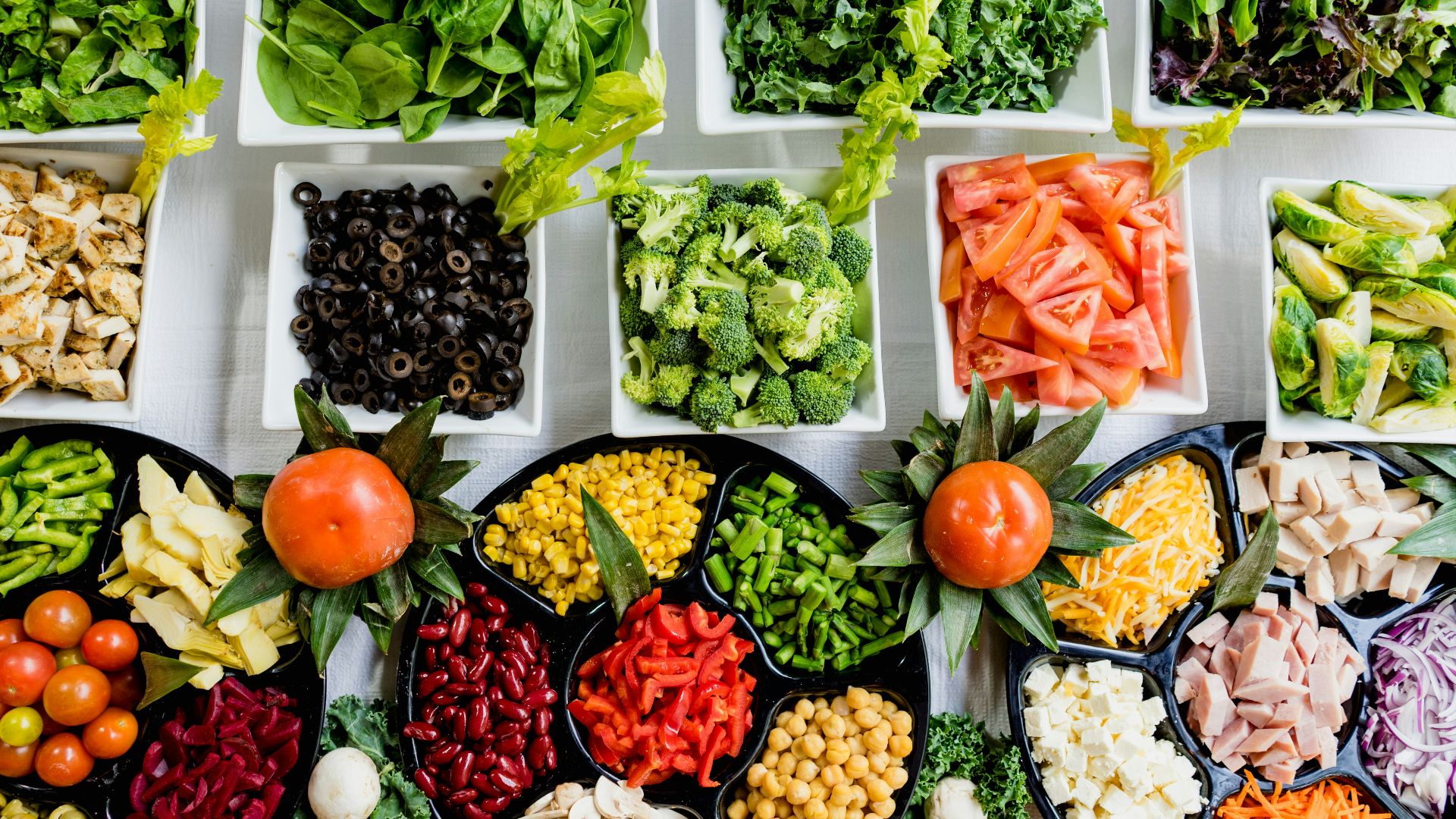
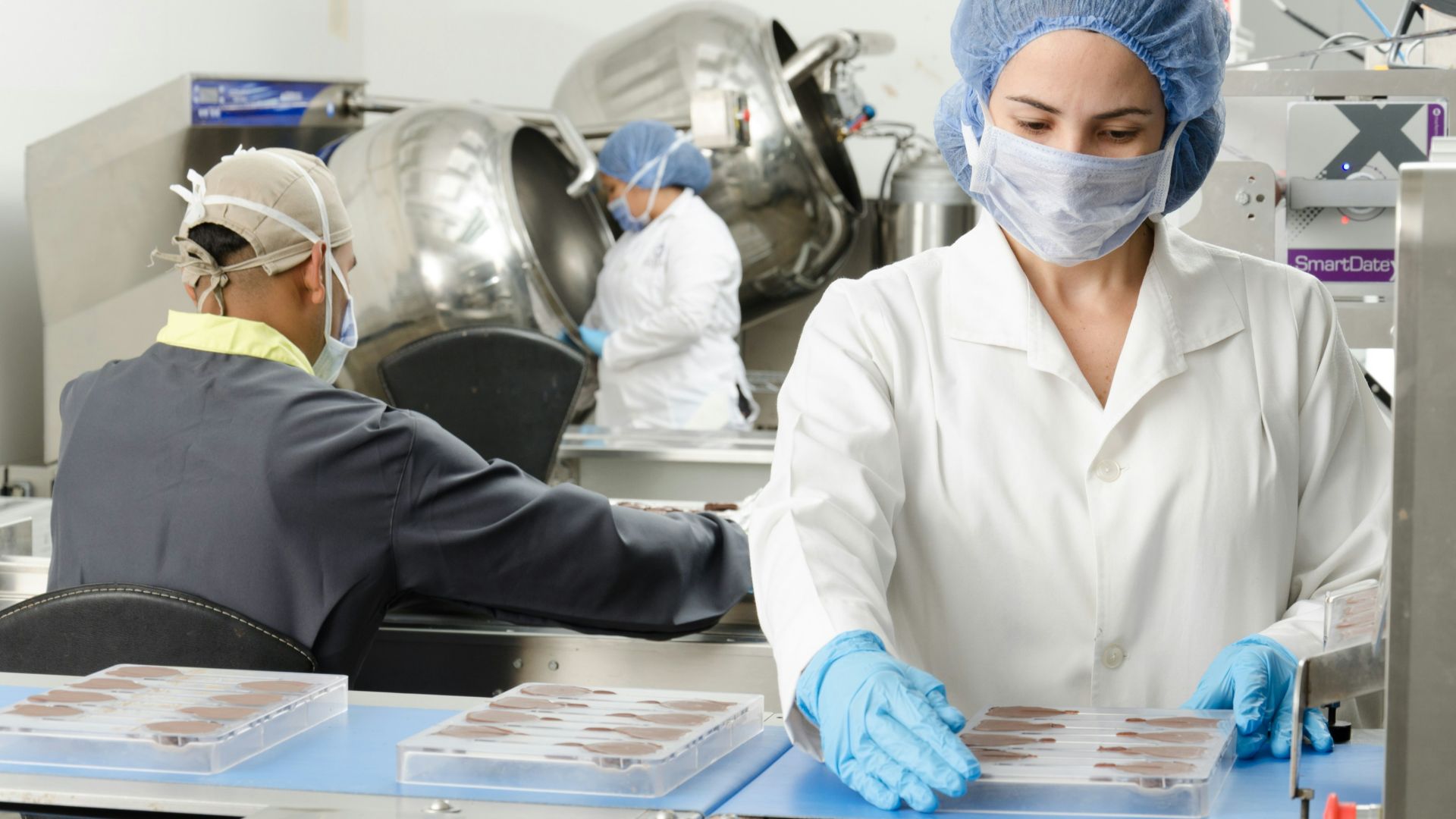
Regulators and public health institutions push industry toward processes and ingredients that reduce pathogens, contamination, and variability. After a century of learning hard lessons from outbreaks and spoilage, techniques that feel industrial often exist because the old ways were riskier than nostalgia admits.
7. Global Tastes Are Colliding
When a Korean-style sauce goes mainstream or a Mexican snack flavor becomes a limited-edition chip, companies scale those tastes for huge audiences. Scaling usually means standardizing ingredients and adjusting flavors to be stable, affordable, and reproducible, even if that nudges the result toward the engineered side.
8. Climate Stress Forces Workarounds
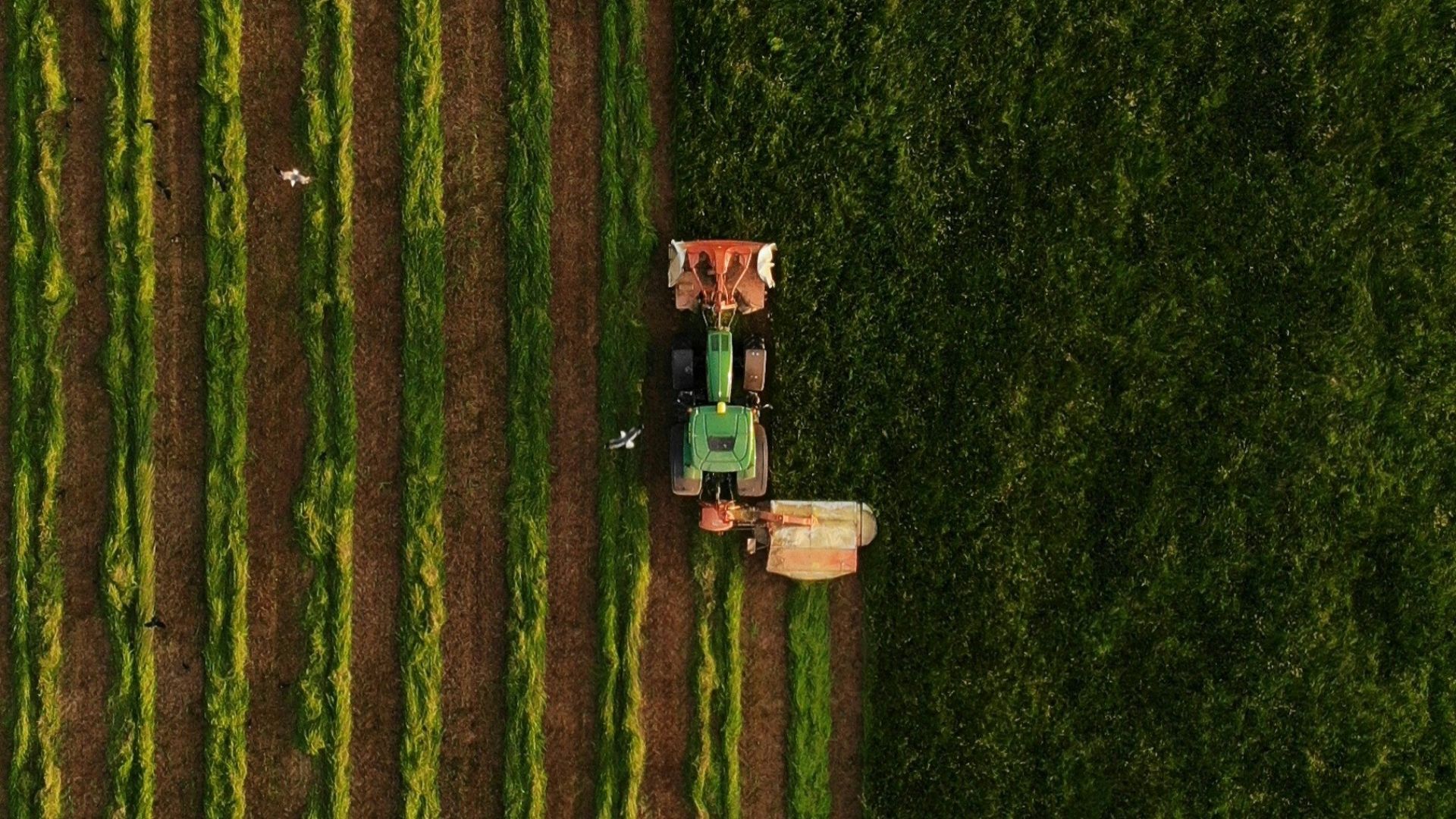
Heat, drought, flooding, and shifting growing seasons make agriculture more volatile, and volatility pushes manufacturers toward ingredients with more consistent supply. Alternative proteins, fermentation-derived ingredients, and crop substitutions are partly a response to a world where weather no longer plays by the old rules.
9. New Tech Makes New Ingredients Possible
Industrial fermentation, precision agriculture, and modern food chemistry can create ingredients that were impractical decades ago. Some of what looks “artificial” is simply newly accessible, like proteins produced through fermentation or plant-based emulsions that behave like dairy without coming from cows.
10. Marketing Rewards Novelty
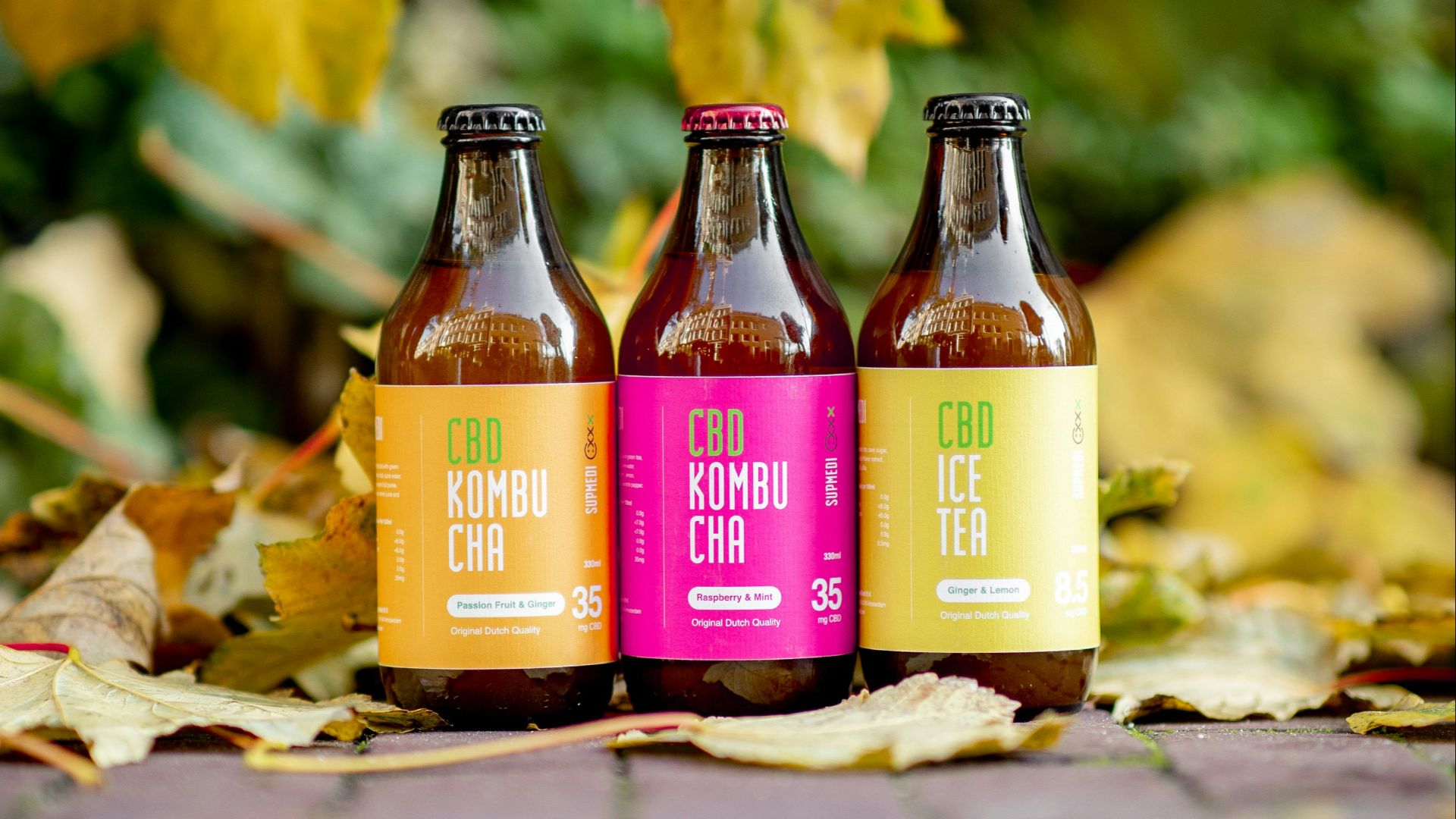
The aisle is crowded, and newness sells, especially when it promises a functional benefit like energy, gut health, or extra protein. That pressure encourages foods that are built, not just cooked, because novelty at scale usually comes from a formulation notebook, not a family recipe.
One twist in all of this is that “more artificial” doesn’t always translate to “worse for us,” and in a few important ways, it can even be a quiet upgrade. Here are ten reason it's not so bad.
1. Fortification Has A Proven Track Record
Adding nutrients to staple foods has helped prevent deficiency diseases in many places, and that’s not a fringe claim, it’s mainstream public health history. Iodized salt reduced iodine deficiency, folic acid fortification has been linked to fewer neural tube defects, and these wins came from purposeful intervention, not from waiting for everyone to eat perfectly.
2. Engineered Safety Can Save Real Lives
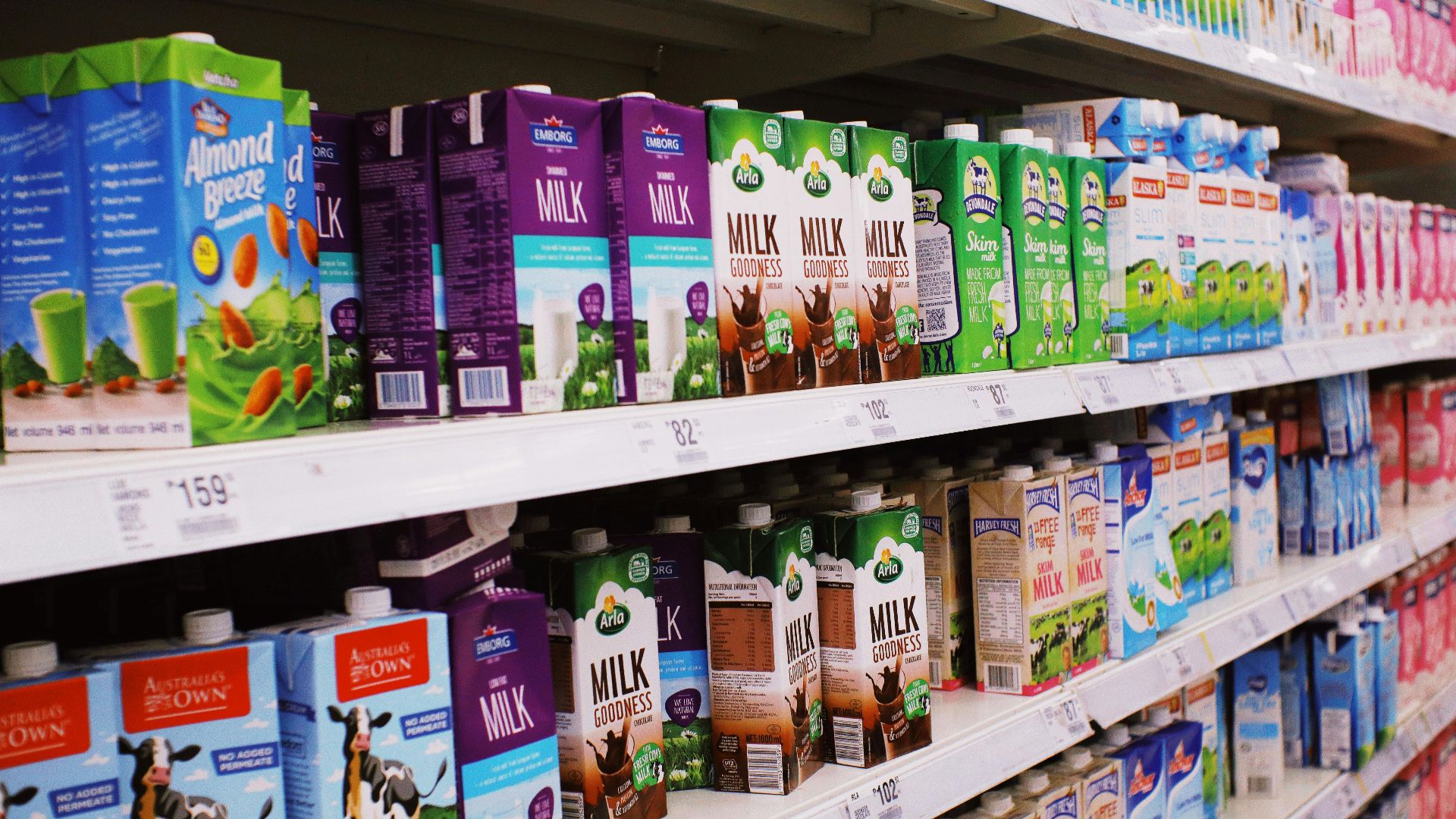
Pasteurization is a classic example of a process that made food feel less rustic while dramatically improving safety, especially for milk. When we reduce the odds of pathogens getting into everyday foods, we trade off the novelty of field to plate for a higher safety profile.
3. Stability Can Mean Less Food Waste
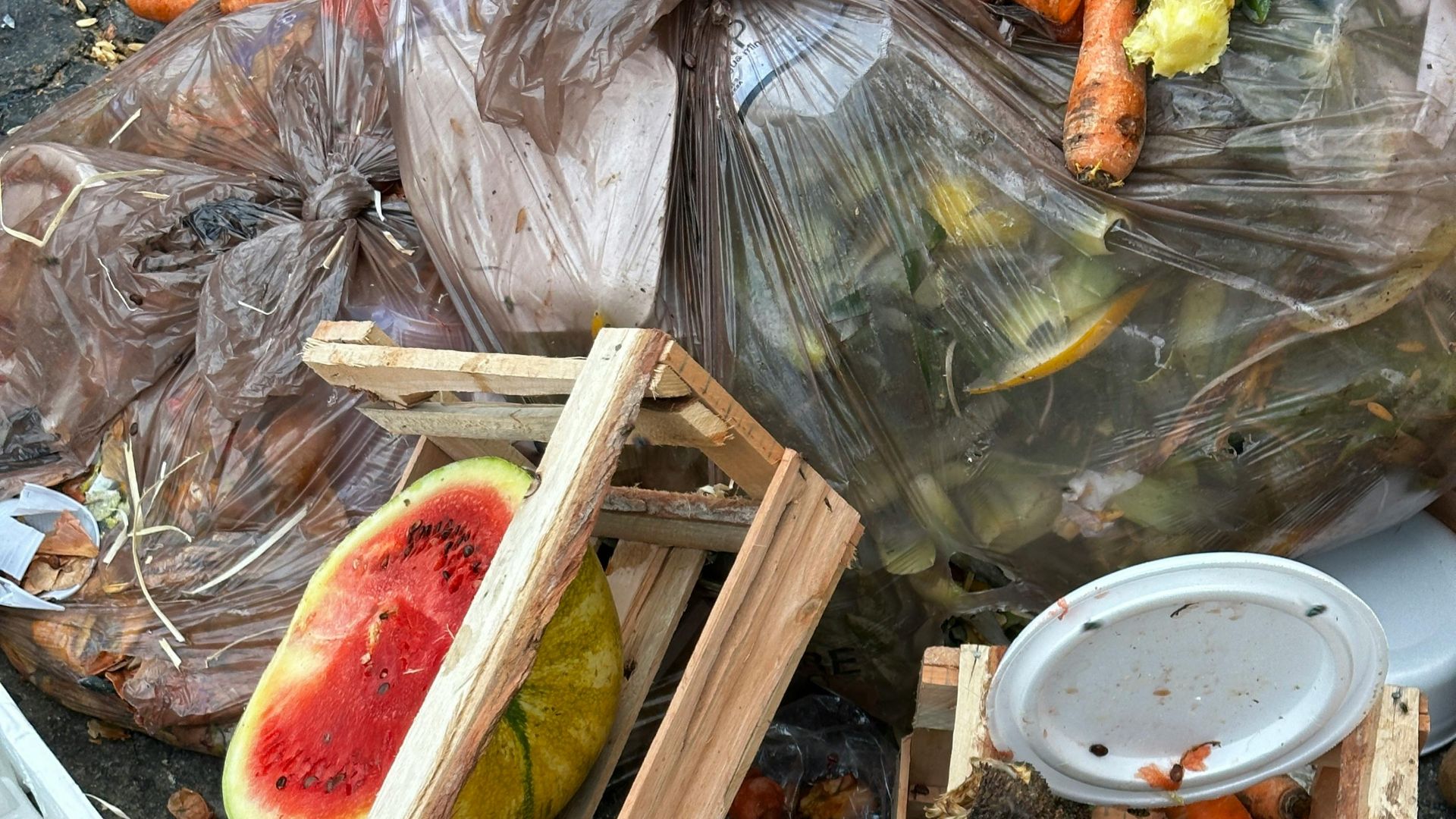
Spoilage isn’t charming when it’s happening in your fridge on day three, and it’s even less charming at the scale of trucks, warehouses, and retailers. Ingredients and processes that extend shelf life can reduce the amount of food that gets tossed, which matters for budgets and for the environmental footprint of producing food that never gets eaten.
4. Accessibility Improves When Food Travels Well
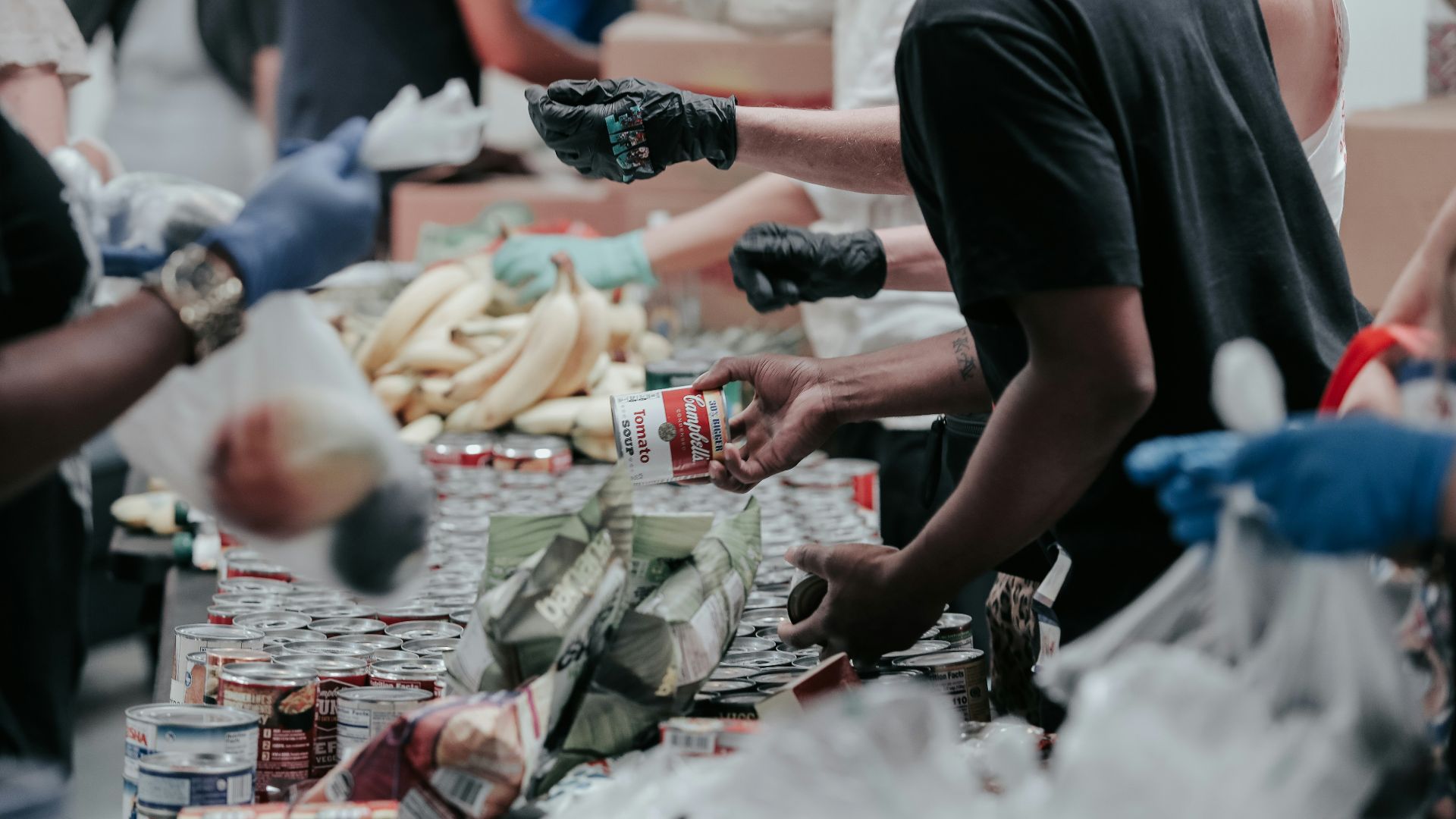
Not every community has the luxury of abundant fresh produce year-round, and reliable shelf-stable options can fill gaps. Canned tomatoes, frozen vegetables, fortified cereals, and UHT milk can be the difference between having workable ingredients on hand and having nothing but a convenience store dinner.
5. Consistency Helps People With Dietary Needs
When labels are precise and products are standardized, it can become easier to manage allergies, intolerances, and medical diets. Gluten-free baking mixes and lactose-free dairy are engineered solutions, yet they let more people eat comfortably without turning every meal into a research project.
6. Alternative Proteins Can Reduce Pressure On Animals And Land
Plant-based meats, cultured meat research, and fermentation-derived proteins aim to deliver familiar textures with fewer animals involved, and that goal appeals to many people for ethical and environmental reasons. Even when the ingredient list looks like a science fair, the intention is often to reduce impacts that traditional livestock systems can create.
7. Better Packaging Can Be A Net Positive
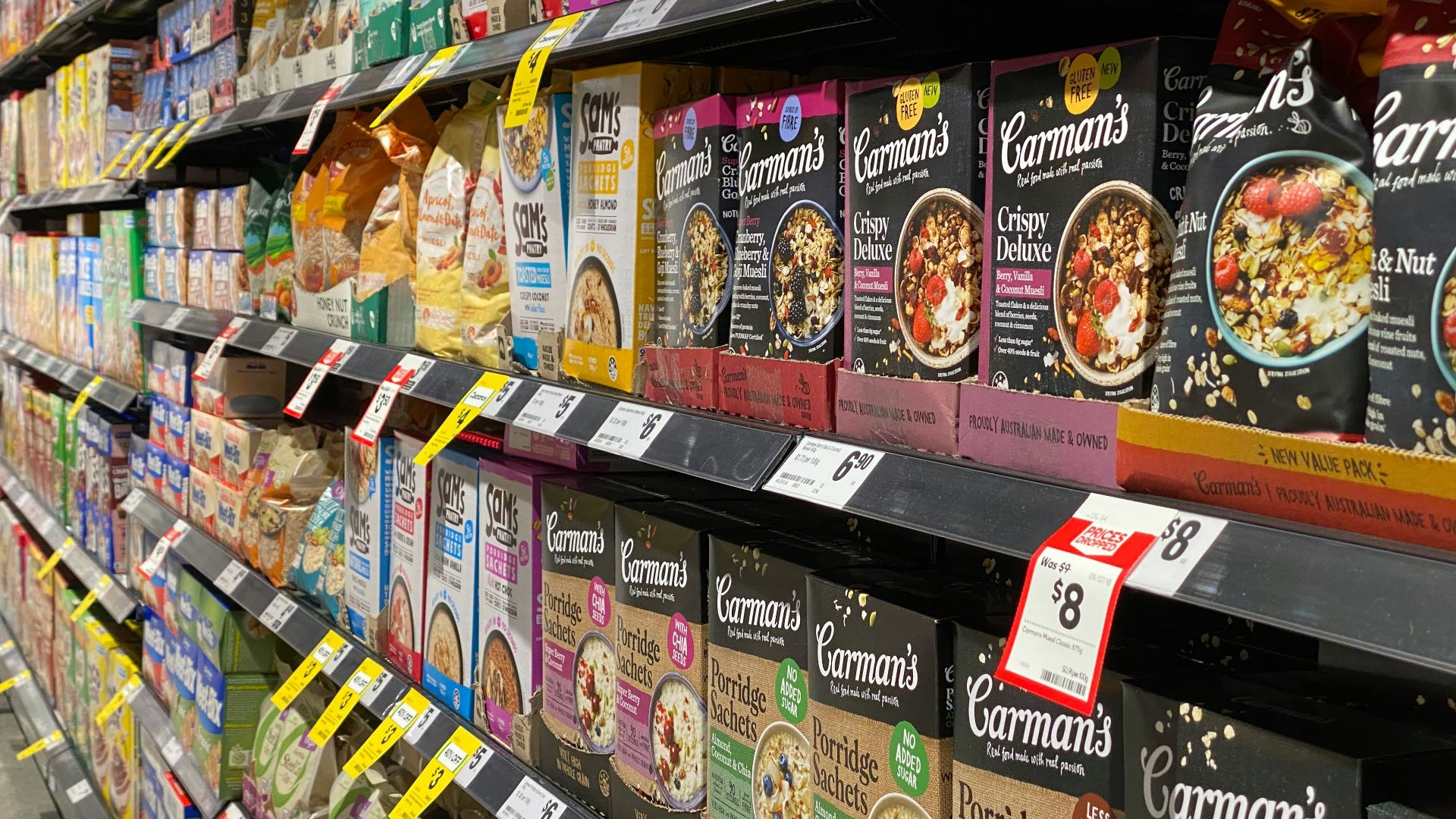
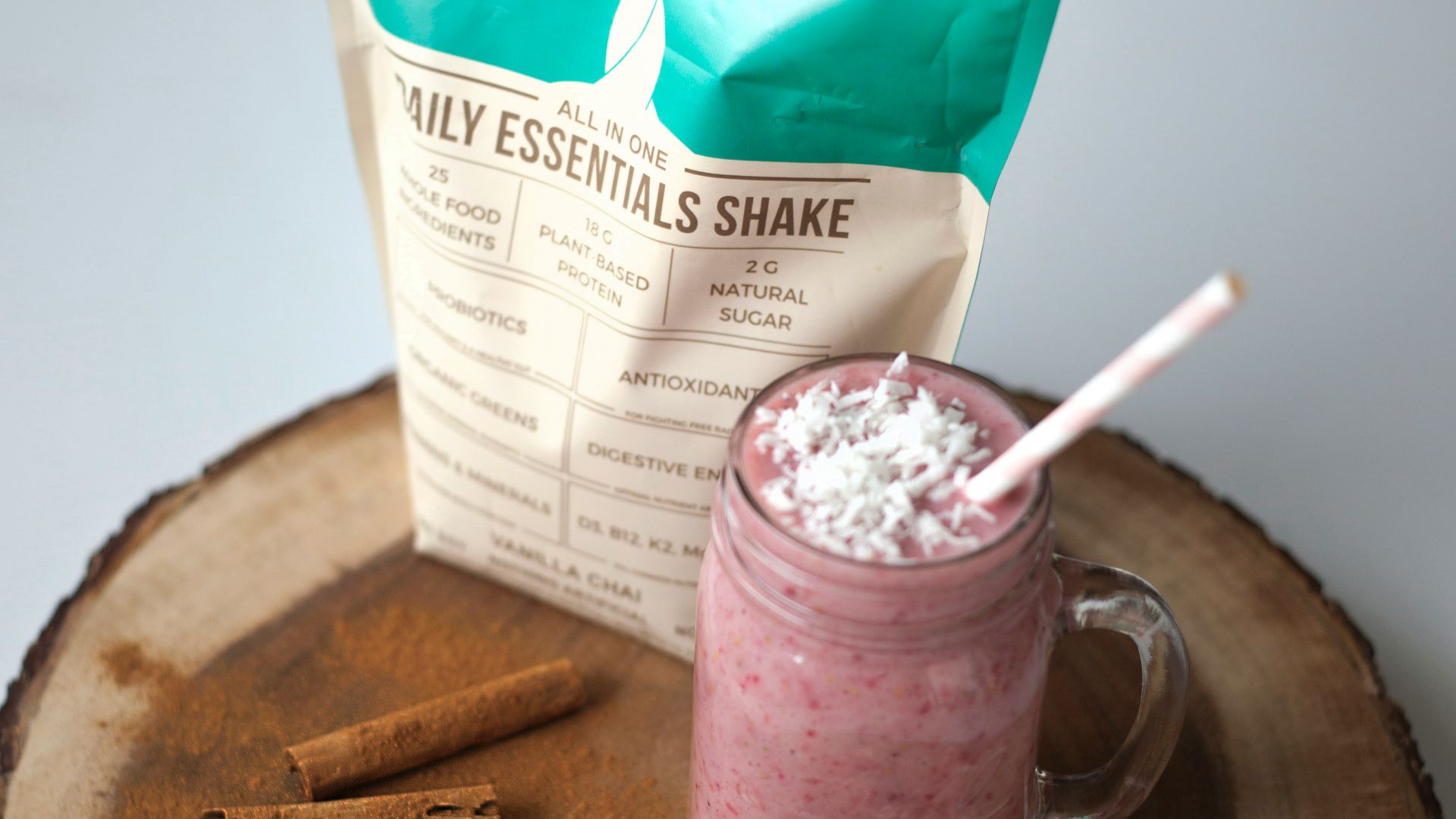
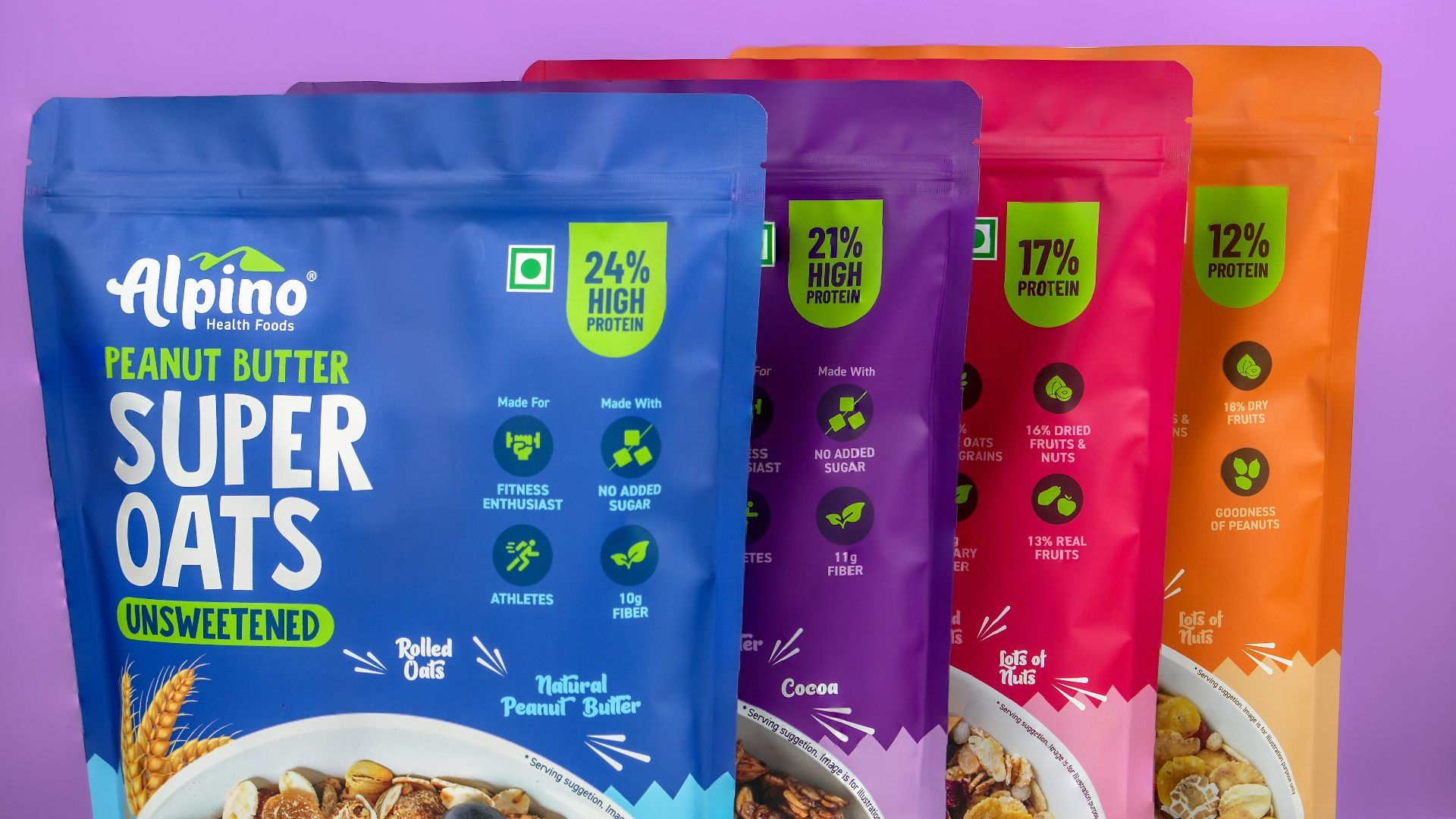
Packaging is easy to hate until you remember how quickly food can degrade without it, especially proteins, dairy, and prepared meals. Advances like barrier films and vacuum sealing can keep products fresher longer, which can reduce waste and make distribution safer, even if the packaging itself raises other debates.
 pouchdirect Ausatralia on Unsplash
8. Reformulation Can Quietly Improve Public Health
When companies remove trans fats, reduce sodium, or change oil blends in response to evolving nutrition science and regulation, that’s engineering in action. The shift away from partially hydrogenated oils in the United States is a reminder that industrial food can change course when evidence and policy push it.
9. Innovation Can Make Food More Inclusive
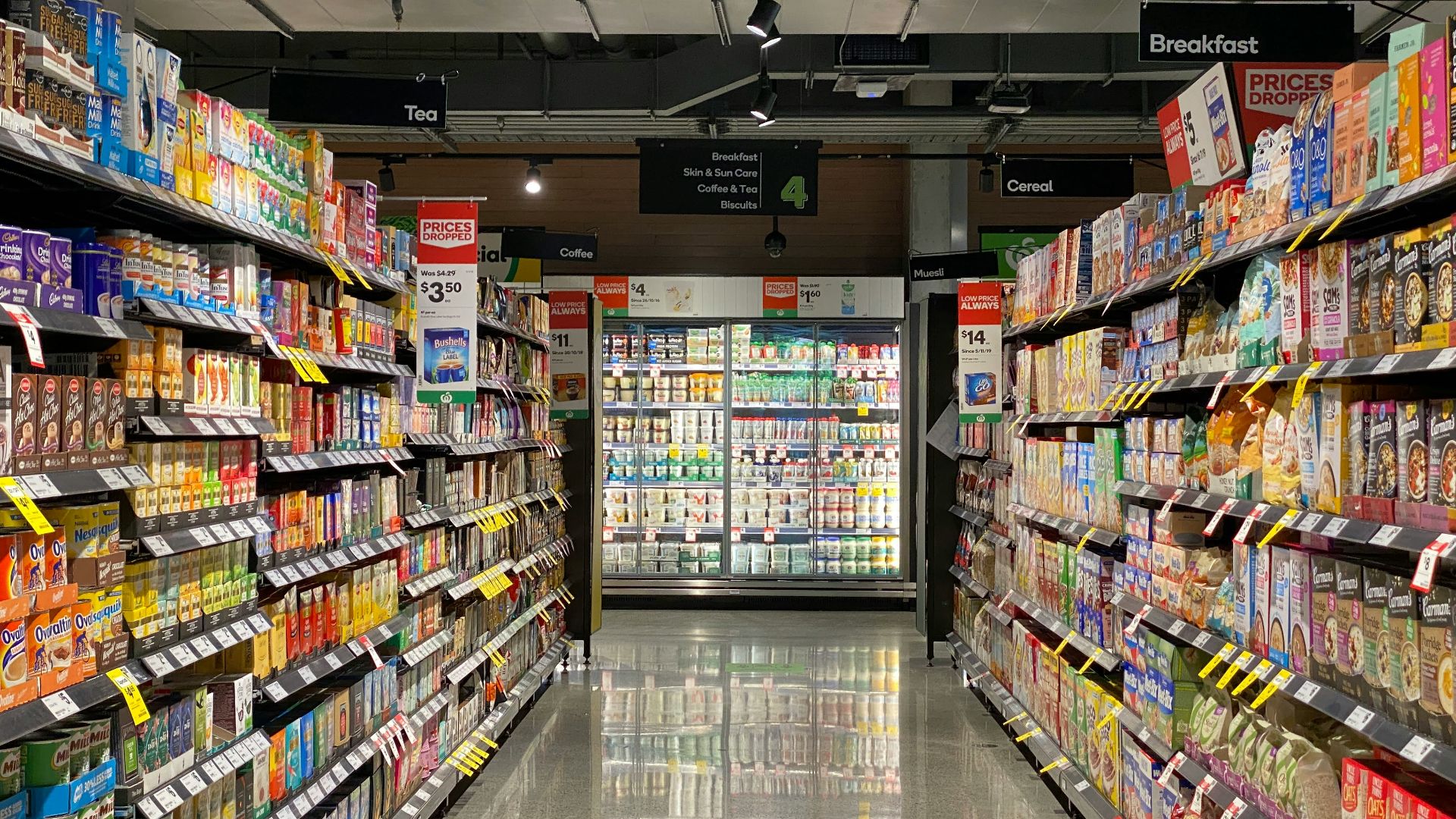
A good plant-based yogurt, a convincing egg replacement for baking, or a shelf-stable meal that actually tastes decent can expand options for people juggling time, money, culture, or dietary preferences. Sometimes the “artificial” version is simply the one that fits into real life.
10. The Line Between Natural And Artificial Has Always Been Fuzzy
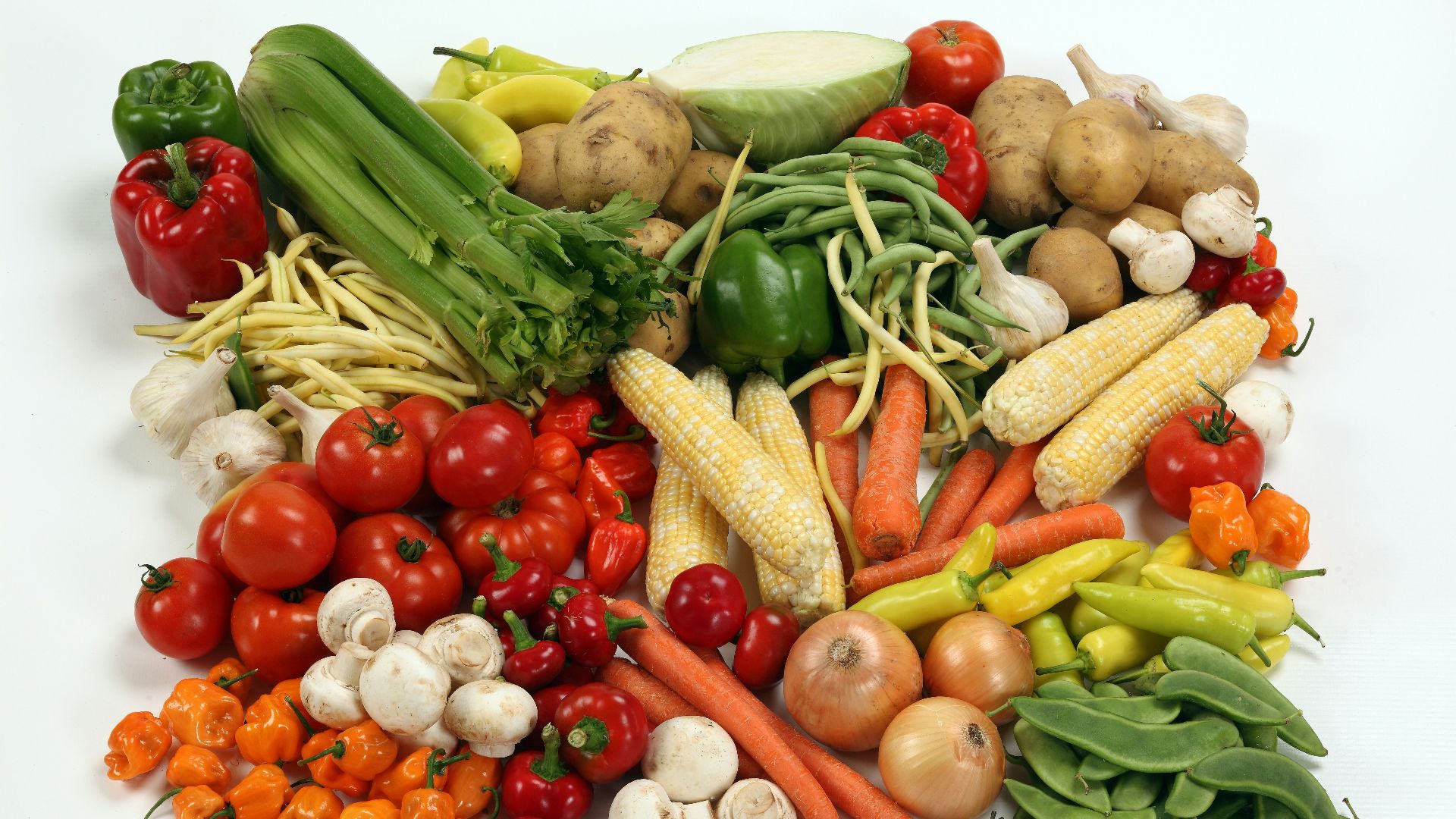
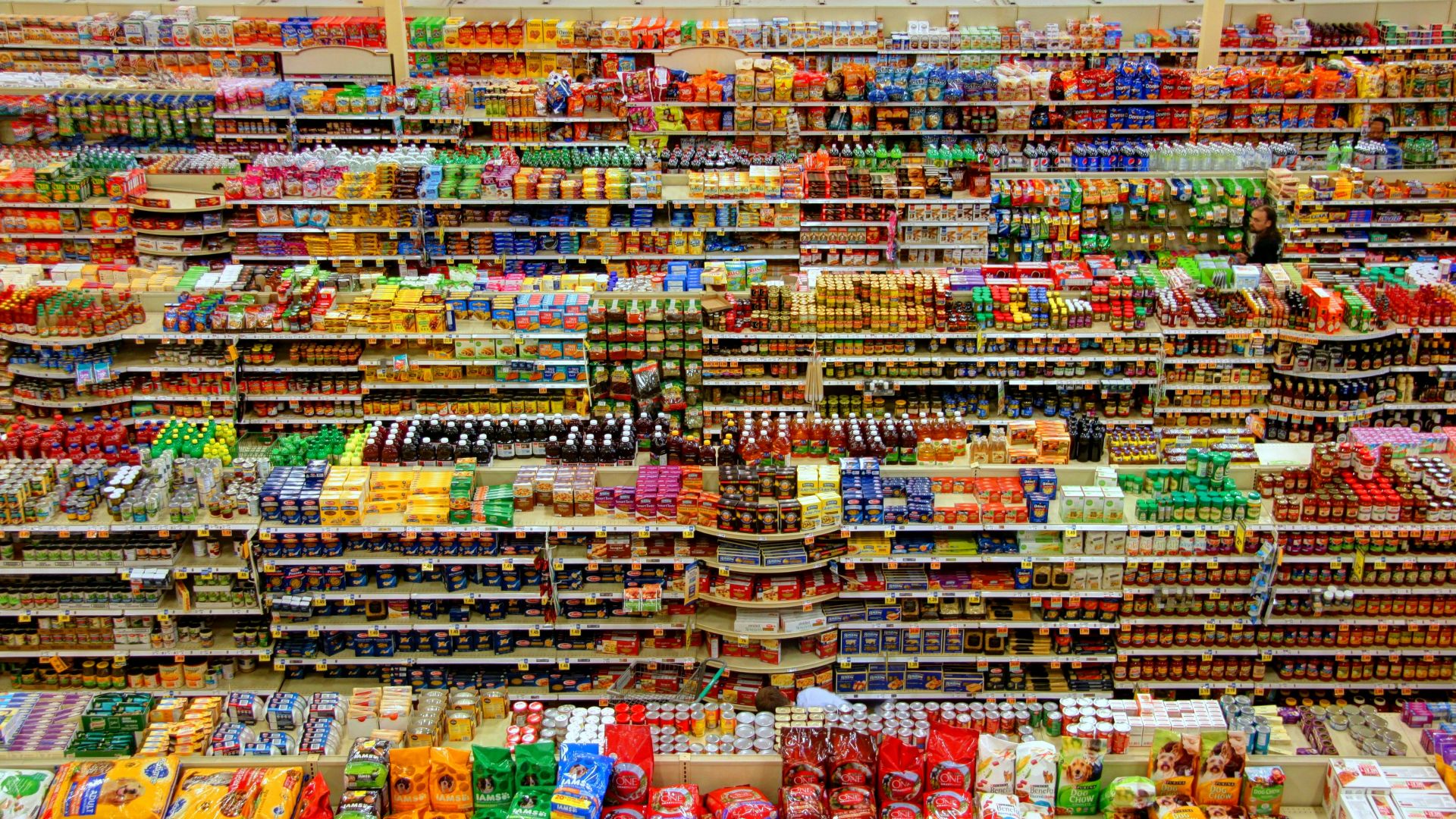
Modern produce is the result of human selection, and a Honeycrisp apple or seedless grape is as much a product of human intention as any snack food, just through different tools. Once you notice that, it gets easier to judge foods by outcomes, transparency, and how they fit into a broader diet, rather than by whether they feel handmade.