A Sleek Solution That Feels Sci-Fi
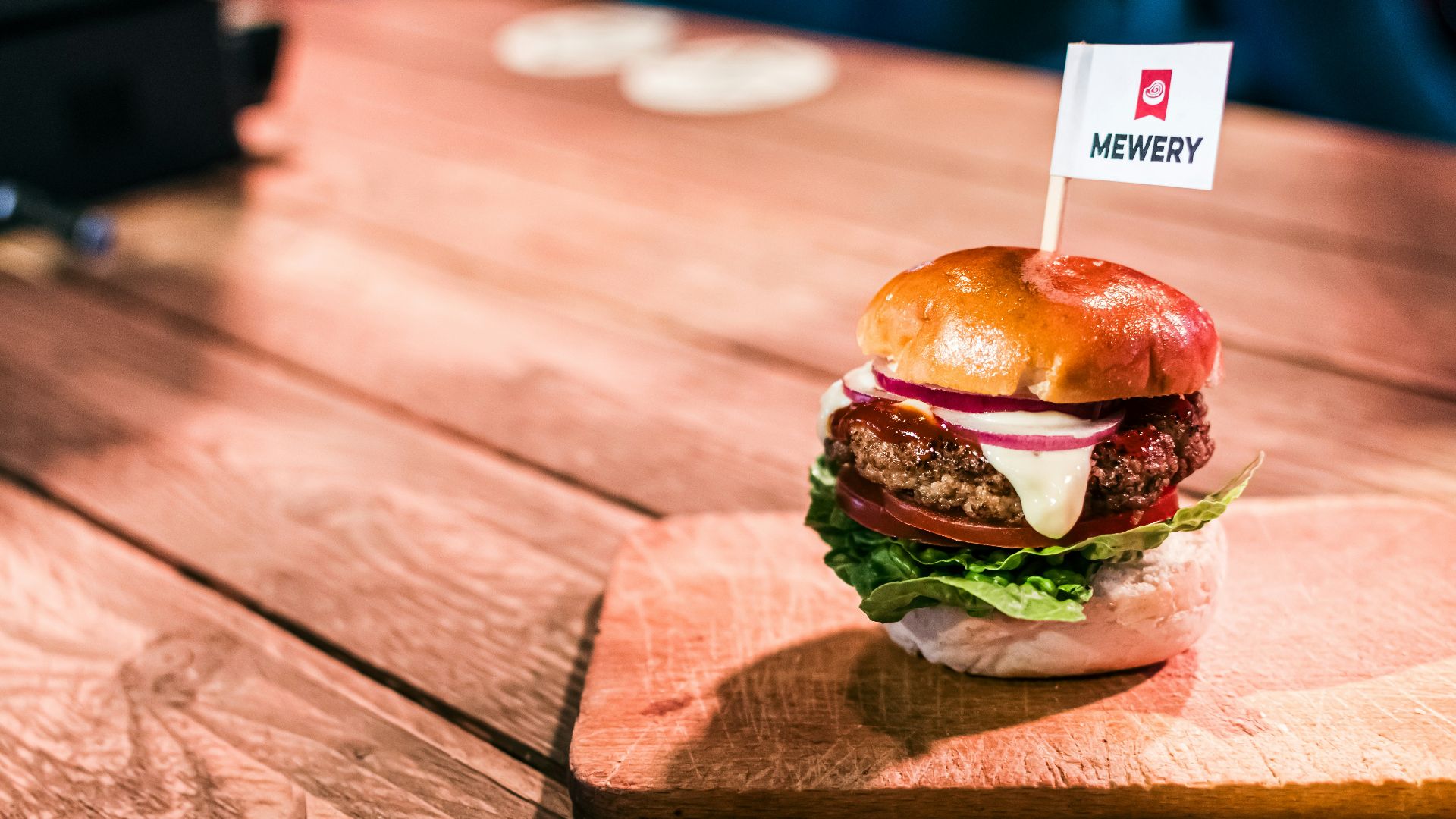
Lab-grown meat represents a slightly uncanny glimpse of where modern life keeps heading. The basic concept is easy to explain, yet the emotional reaction is harder to pin down, because meat isn’t just food, it’s tradition, appetite, memory, and a whole set of assumptions about what’s natural. The technology also arrives with a particular visual vocabulary, all stainless steel and controlled environments, which can make it feel less like cooking and more like manufacturing. At the same time, it’s moved beyond pure speculation, with real regulatory milestones, including Singapore’s first approval in 2020 and U.S. federal sign-offs in 2023 that allowed cultivated chicken to be sold under inspection. Here are ten reasons it feels dystopian and ten reasons why it's looking like an inevitable part of the future.
1. It Makes Dinner Feel Like A Product Test
Meat is usually linked to heat, smoke, and a little chaos, even when it comes in tidy packaging. Cultivated meat conjures the image of people in lab coats, and that imagery can make food feel like something handled at arm’s length. The brain reads sterility as control, and control doesn’t always feel comforting.

2. The Names Sound Like A Branding Committee At Work
“Cultivated,” “cell-cultured,” and “cell-based” can land like a careful attempt to dodge the obvious phrase everyone is thinking. When the language feels engineered, people start wondering what else is engineered, and trust gets shaky fast. A steak never needed a rebrand to be legible.
3. It Makes Meat Feel Like Intellectual Property
Even people who don’t follow tech news understand what happens when a few companies own the underlying system. With cultivated meat, it’s easy to picture patented cell lines and proprietary processes shaping who gets to produce what, and where. Once food starts feeling like software, the dystopian tone practically writes itself.

4. The Origin Story Becomes Invisible
Traditional meat comes with a story people can picture, even when they’d rather not dwell on it. Cultivated meat asks everyone to accept an origin story that happens out of sight, behind equipment most of us will never see.

5. It Feels Like Another Step Away From Nature
There’s a reason people romanticize farms even when they buy meat at a chain grocery store. Food tied to land, weather, and time carries a sense of belonging, even if it’s imperfect. When meat becomes something that can be produced anywhere with the right setup, it can feel like the last thread connecting a meal to a place is getting snipped.
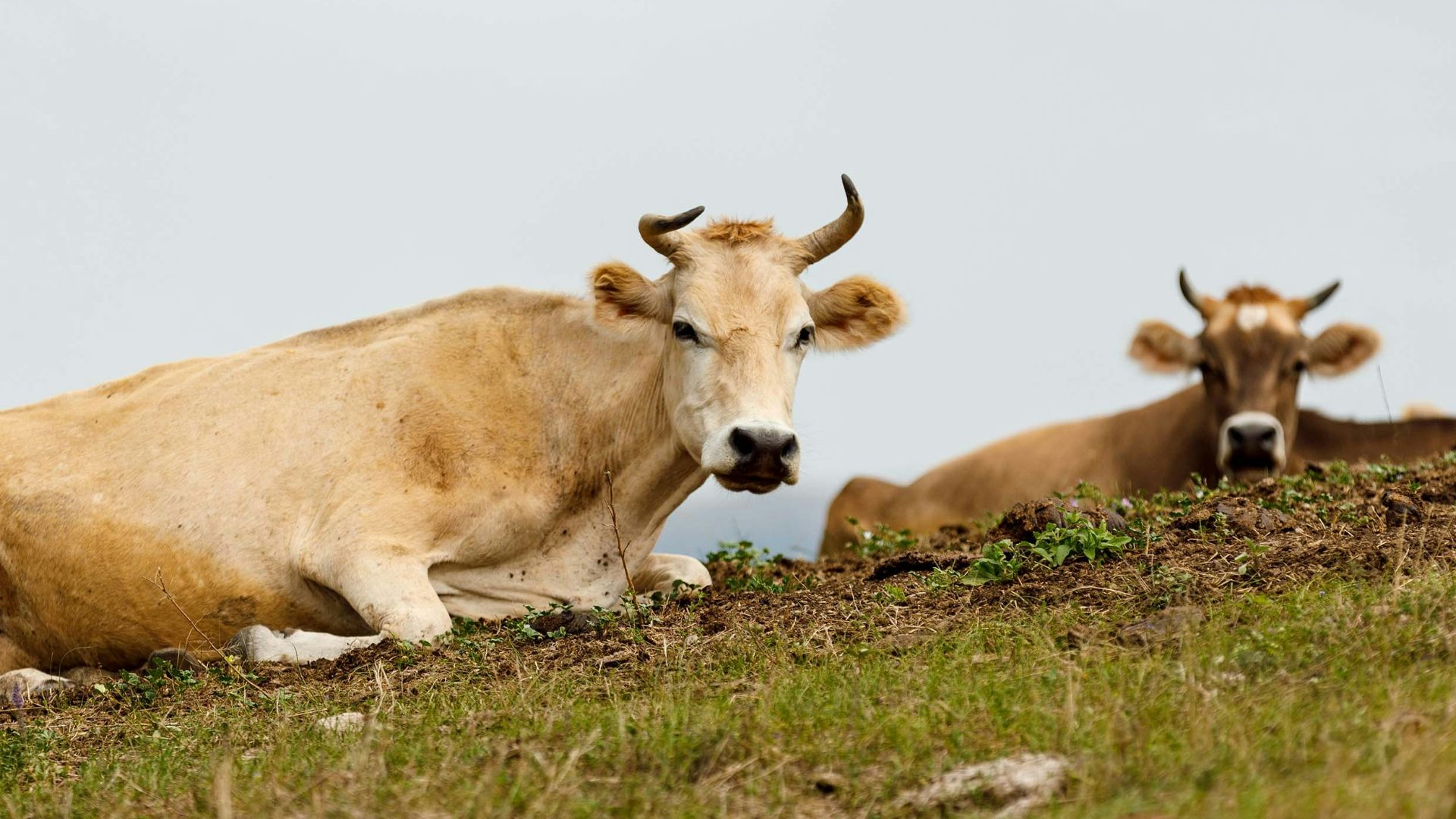
6. It Echoes The Worst Lessons Of Industrial Food History
American culture still carries the memory of early 20th-century meatpacking scandals, and Upton Sinclair’s 1906 “The Jungle” remains the shorthand for what happens when efficiency outruns ethics. Cultivated meat isn’t the same situation, yet it can trigger the same suspicion toward systems built for scale.
 The Oregon State University Collections and Archives on Unsplash
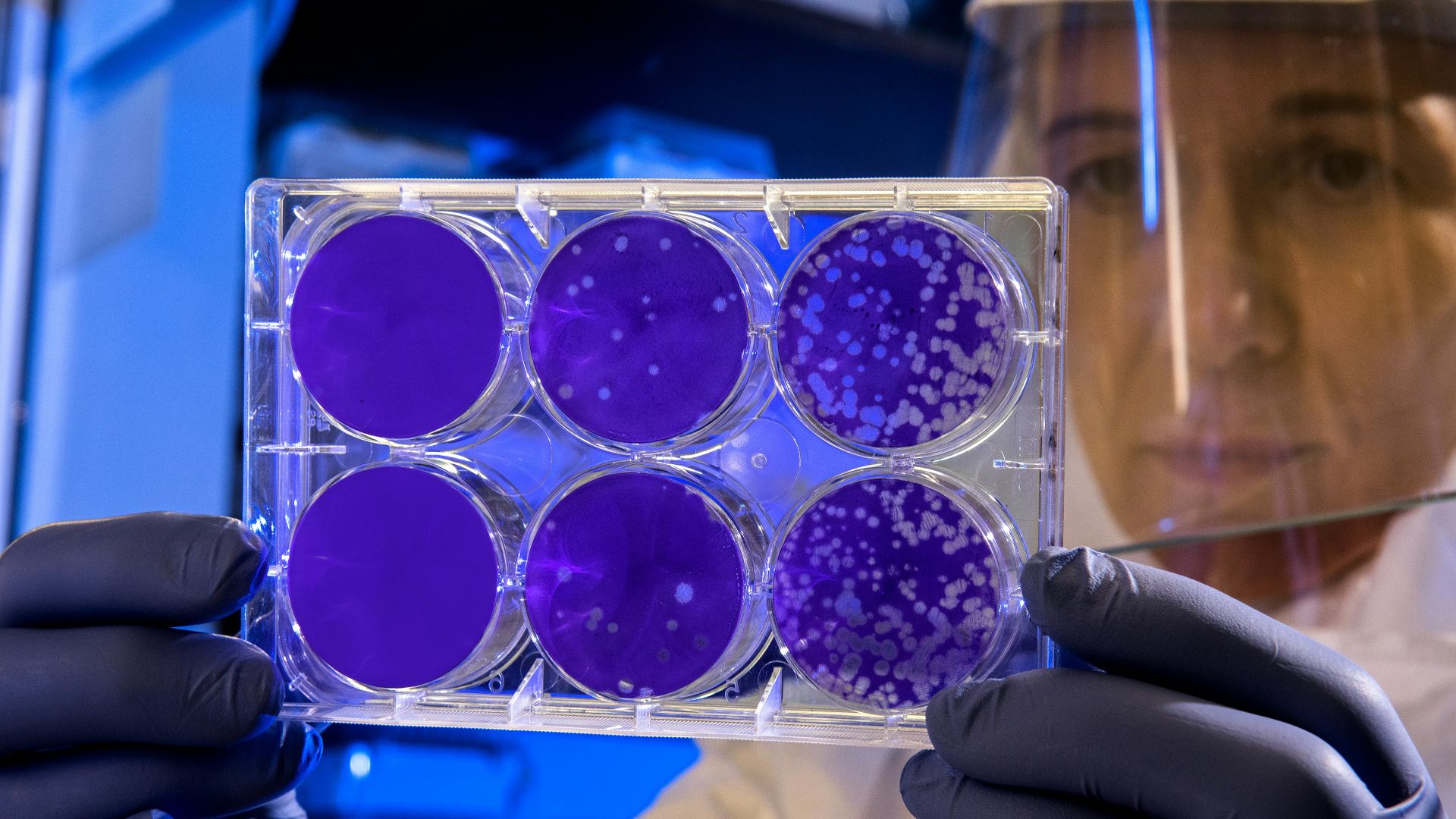
7. The Safety Conversation Sounds Like A Pharmaceutical Briefing
It’s genuinely reassuring that credible institutions have wrestled with safety frameworks for cell-based foods, including joint work by the World Health Organization and the Food and Agriculture Organization. The weird part is how quickly the language shifts into hazard analysis, controlled inputs, and sterile technique.

8. It Can Feel Like A Moral Shortcut
Many people want fewer animals harmed, and also want honesty about what meat is. Cultivated meat can feel like a way to keep the pleasure while skipping the discomfort, which can read as progress or denial depending on the day. When ethics become a technical workaround, some people worry the culture never actually learns anything.
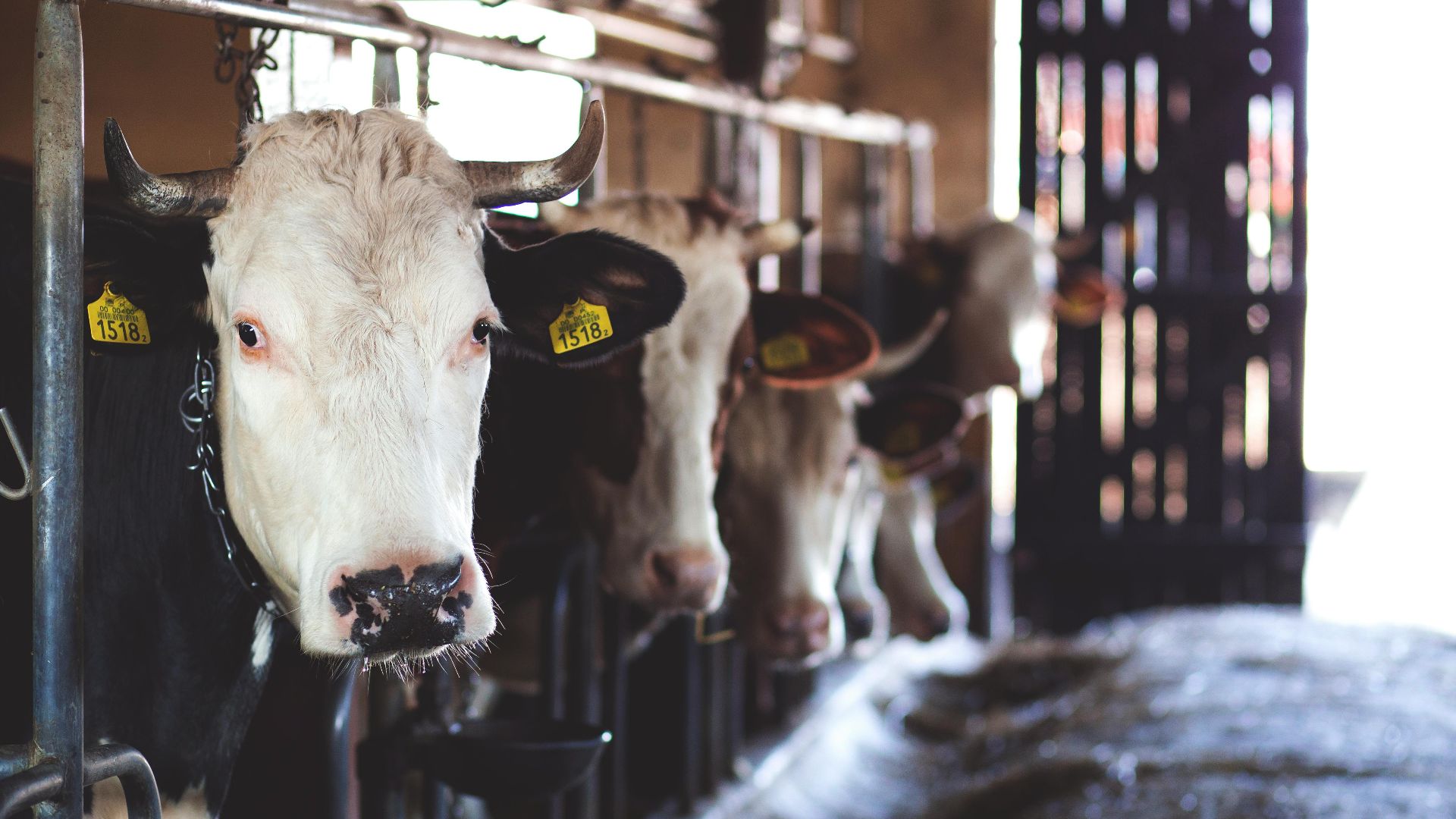
9. Early Access Has Felt Like A Velvet Rope
When something is introduced through limited tastings, chef showcases, and tightly controlled releases, it can feel less like food and more like a concept car. The exclusivity can create a social signal that this is for trend-setters first, regular eaters later, if ever.

10. It Invites New Kinds Of System-Failure Imagination
With conventional meat, the risks are familiar, and familiarity can dull fear even when the stakes are serious. Cultivated meat encourages people to picture new failure modes, like a single production problem affecting a large batch, or supply issues tied to specialized inputs.
The same details that set off the dystopian alarm can also explain why this idea keeps inching toward normal life. Here are ten reasons why lab-grown meat will soon be on a menu near you.
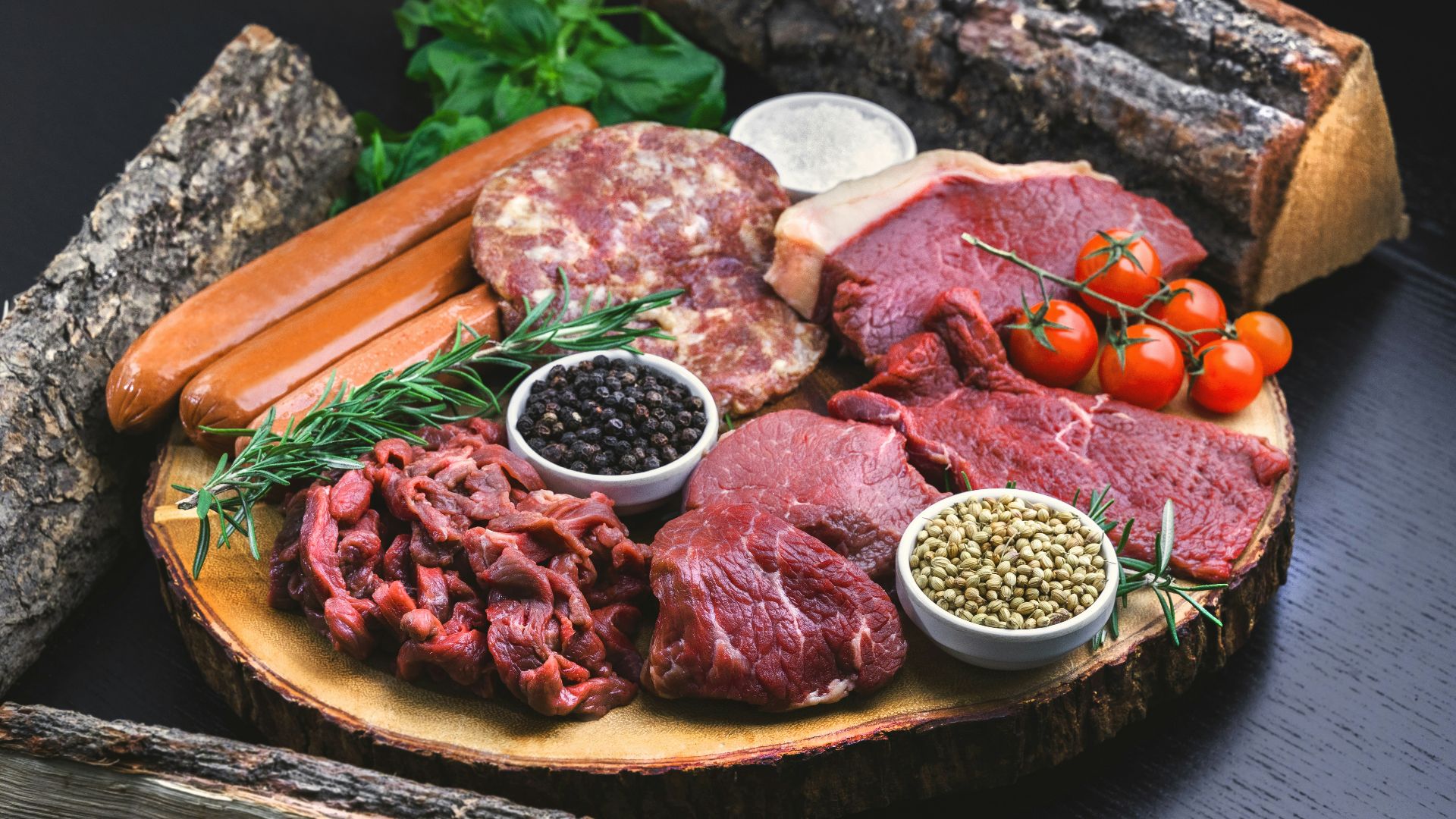
1. Regulators Have Already Treated It Like Real Food
This isn’t stuck in a lab notebook anymore, because governments have built actual pathways to approve and oversee it. Singapore’s 2020 approval was a concrete turning point, and the United States followed with federal steps in 2023 that allowed cultivated chicken to be produced and sold under inspection. Once rulebooks exist, a technology tends to accelerate.
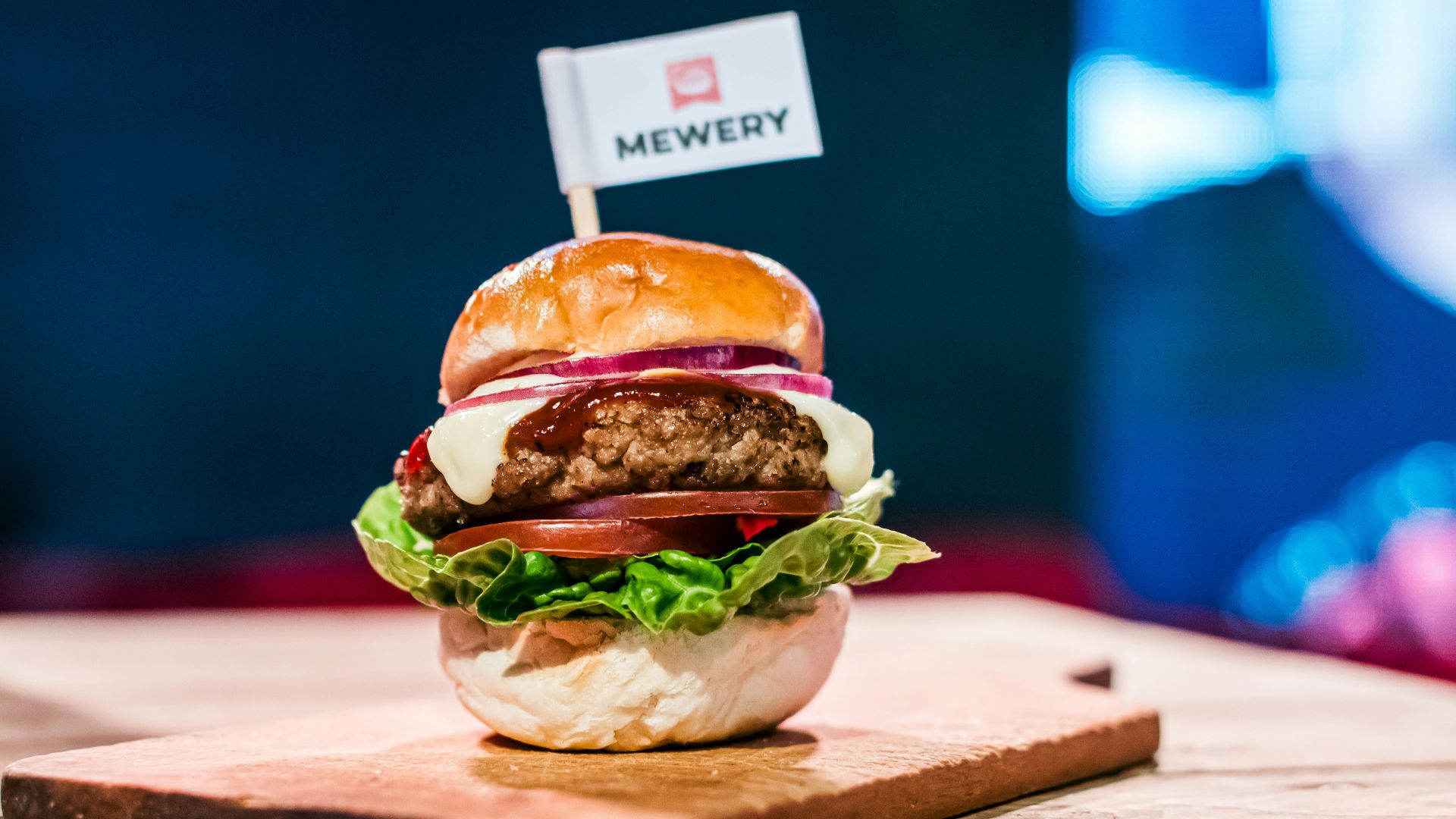
2. It Offers A Way To Cut Slaughter
A lot of people like meat, cook meat, and share meat as part of family life, and they’re not looking to switch identities. Cultivated meat aims to keep familiar meals intact while reducing the need to raise and kill so many animals. That kind of change can spread faster than changes that require constant personal willpower.
3. It Could Reduce Some Public Health Pressures
Industrial animal farming has long been tied to concerns about antibiotic use and the broader problem of antimicrobial resistance, which major health authorities treat as a serious global risk. Cultivated meat won’t erase foodborne illness or make the world magically safe, yet it could sidestep some specific pathways that come from raising huge numbers of animals in dense conditions.
4. It Lets Taste Do The Persuading
Plant-based meats have come a long way, and still, many people experience them as a compromise they’re negotiating with themselves. Cultivated meat is trying to meet people where they already are, with the same textures and familiar cooking behaviors that make meat feel satisfying.
5. It Could Help Where Raising Livestock Is Costly
Not every region has abundant pasture, stable feed supply, or reliable water, and climate volatility keeps making those constraints more obvious. A controlled system that produces meat closer to where people live can look like a practical resilience tool. Food security arguments tend to get louder when supply chains wobble.
6. It Fits The Direction Manufacturing Has Been Going
A lot of modern life has moved toward controlled environments because control reduces surprises. That shift has already happened in medicine, electronics, and even agriculture through greenhouses and indoor growing. Cultivated meat slots neatly into that broader trend, which means it doesn’t need to be loved to become common.
7. It Could Make Traceability Easier To Implement
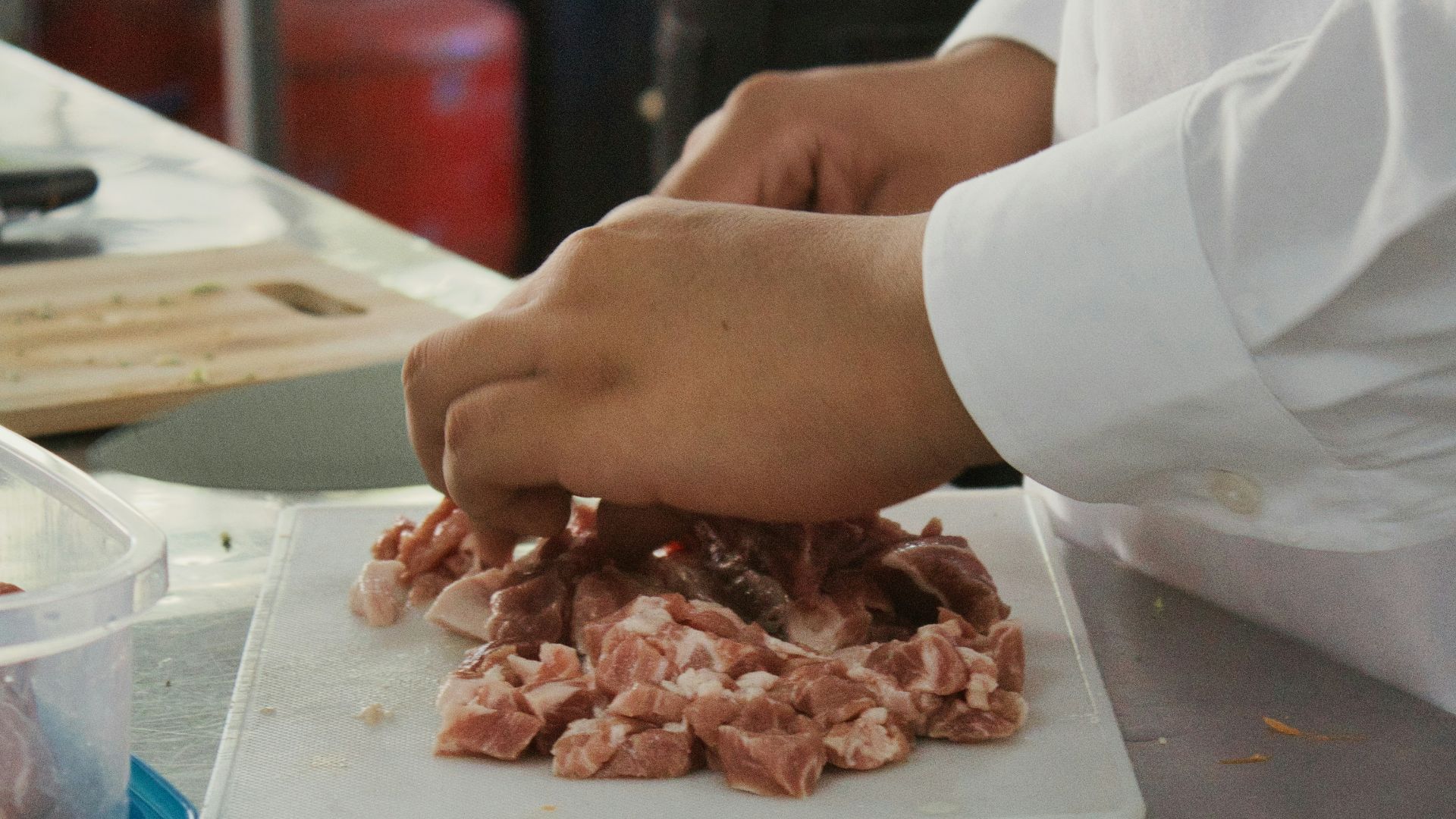
Conventional meat supply chains can be complex, with many handoffs before food reaches a plate. A production environment built around batches and monitored processes may allow tighter tracking of inputs and outputs, even if it creates new things to monitor. When the system is designed with documentation as a feature, accountability can become simpler to enforce.
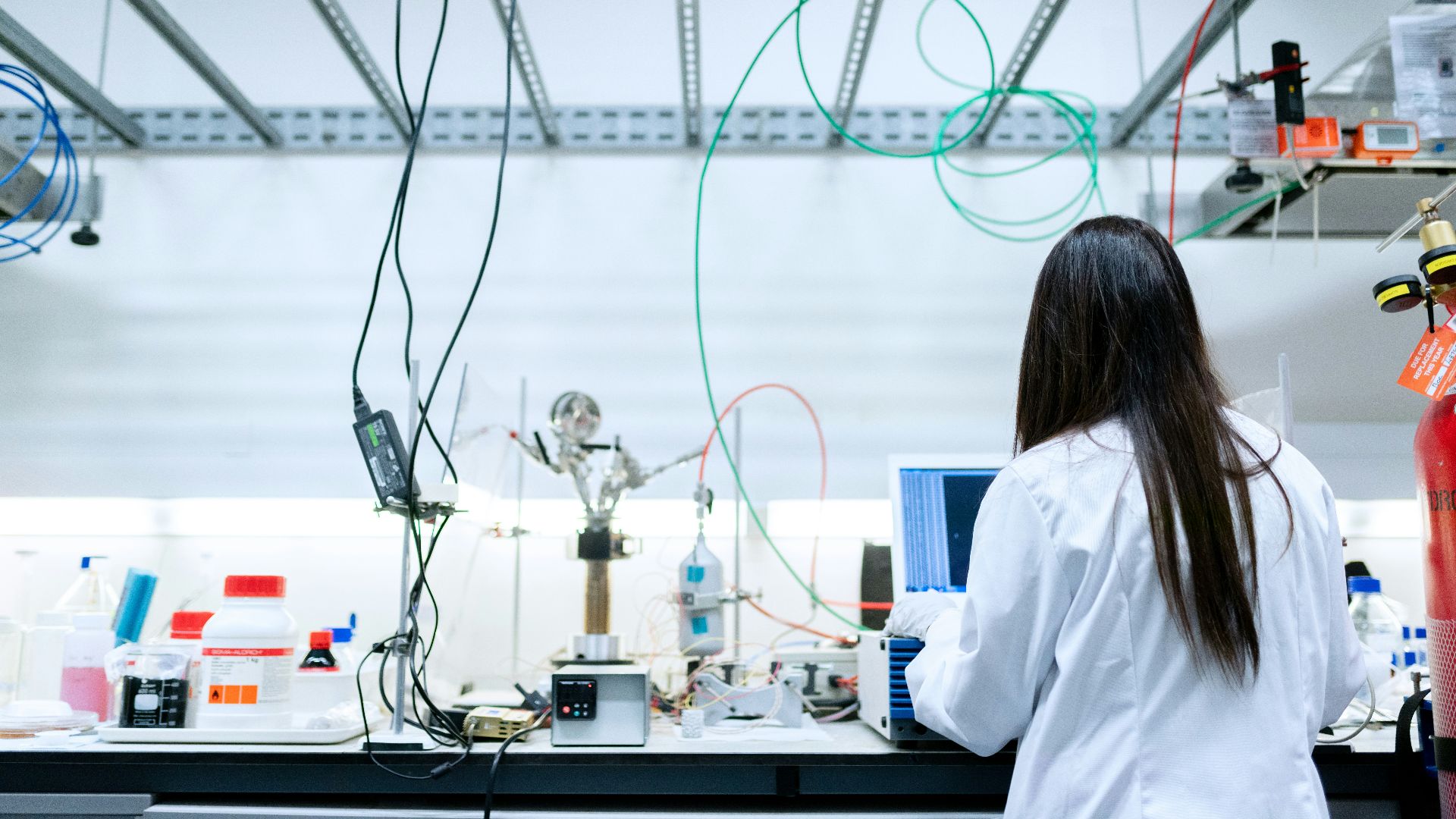
8. It Might Ease Pressure On Land Over Time
Raising animals at scale takes land directly, and it also takes land indirectly through the crops grown to feed them. Even without leaning on dramatic numbers, it’s plain that shifting some meat demand away from livestock changes how much land is needed for feed and grazing.
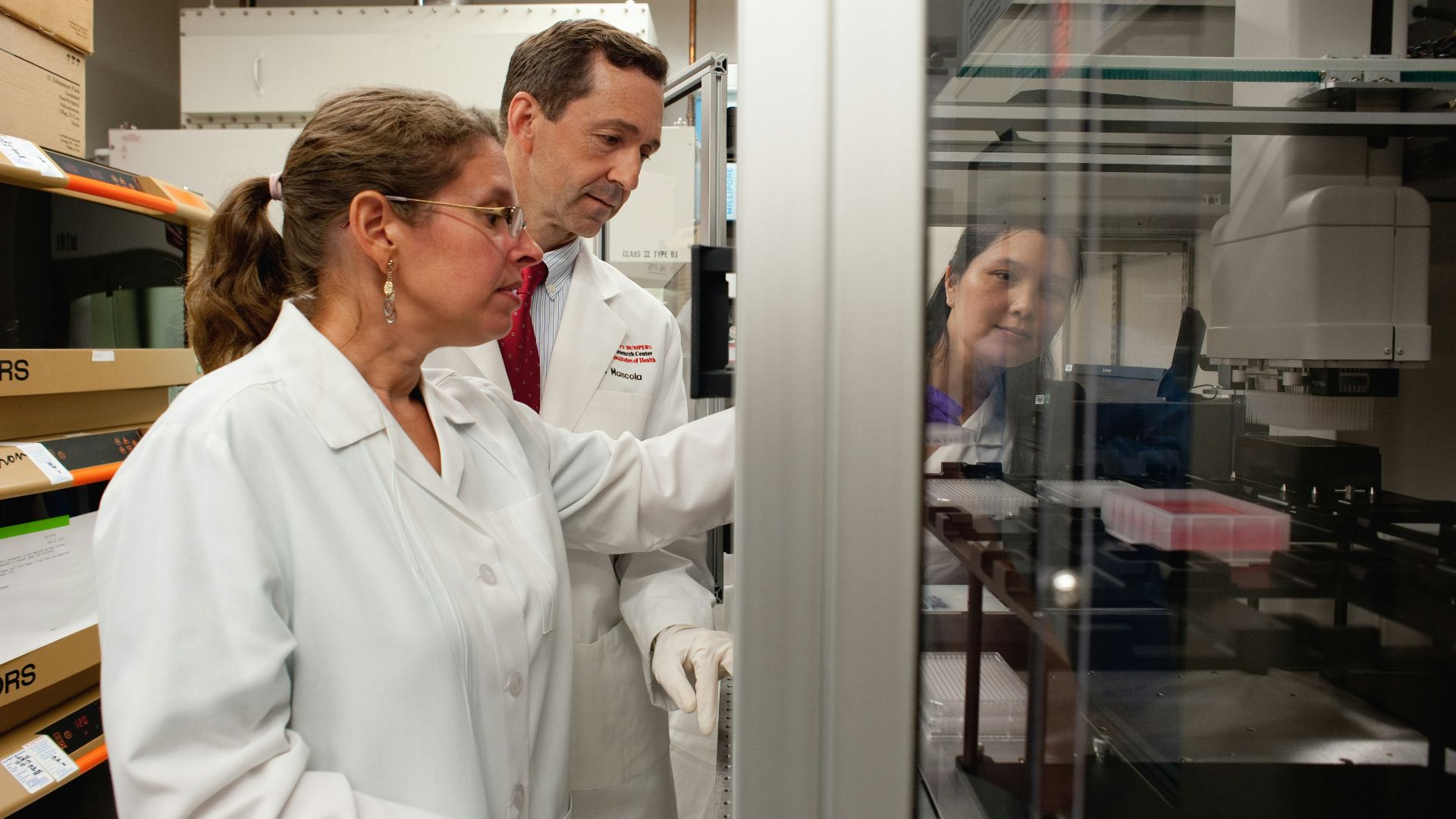 National Institute of Allergy and Infectious Diseases on Unsplash
9. It Creates A New Kind Of Flexibility
Once production isn’t limited by a whole animal’s anatomy, the category can start to change in quiet ways. Early efforts have explored everything from ground products to using cultivated fat as an ingredient, because fat is where a lot of meat’s pleasure lives.
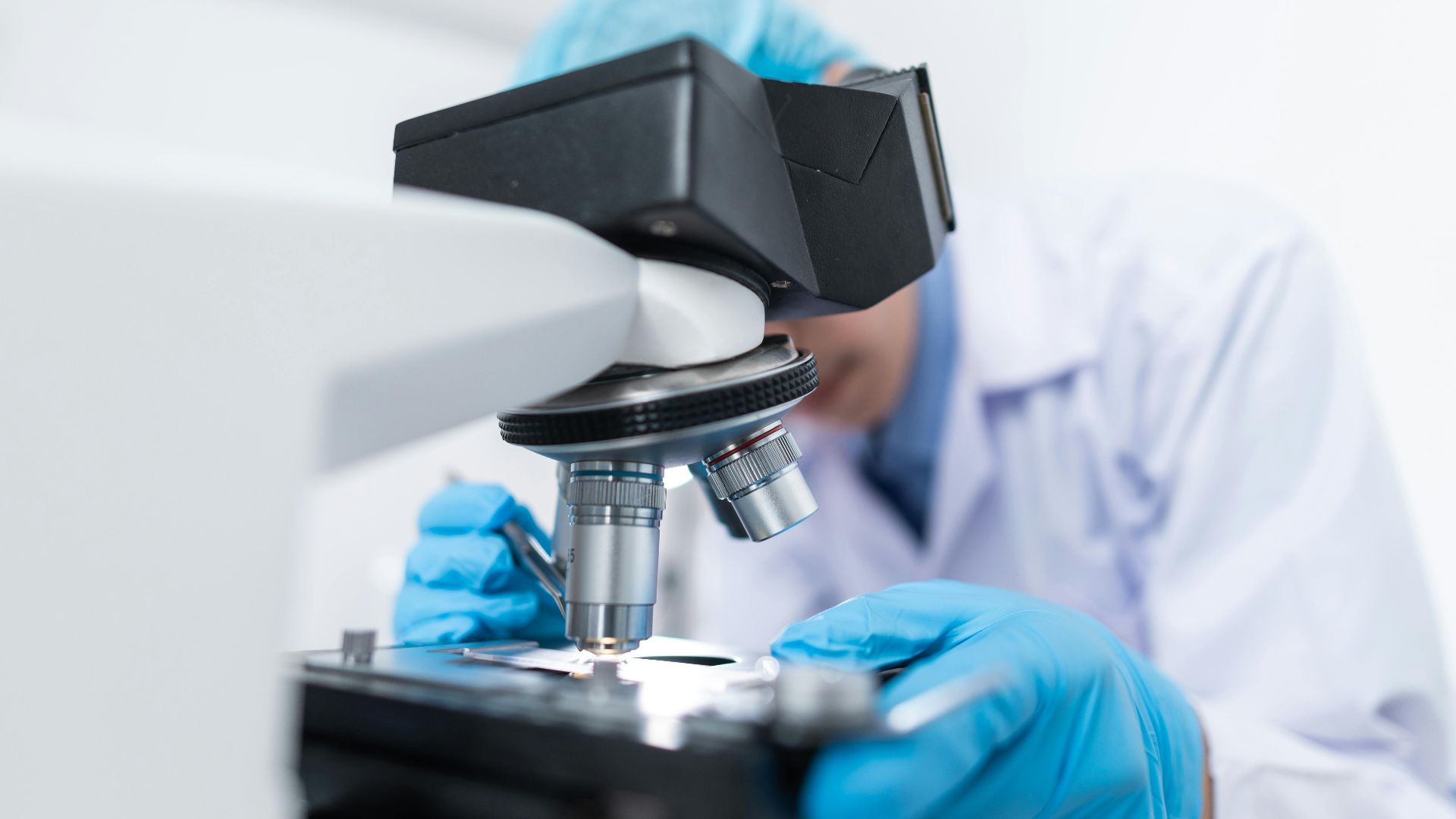
10. It Has The Classic Trajectory Of Pt Technologies
At first, the price is high, the supply is limited, and the whole thing feels like a weird novelty people argue about at parties. Then the processes improve, the costs fall, and the product becomes less of a headline and more of an option next to everything else.