 amirali mirhashemian on Unsplash
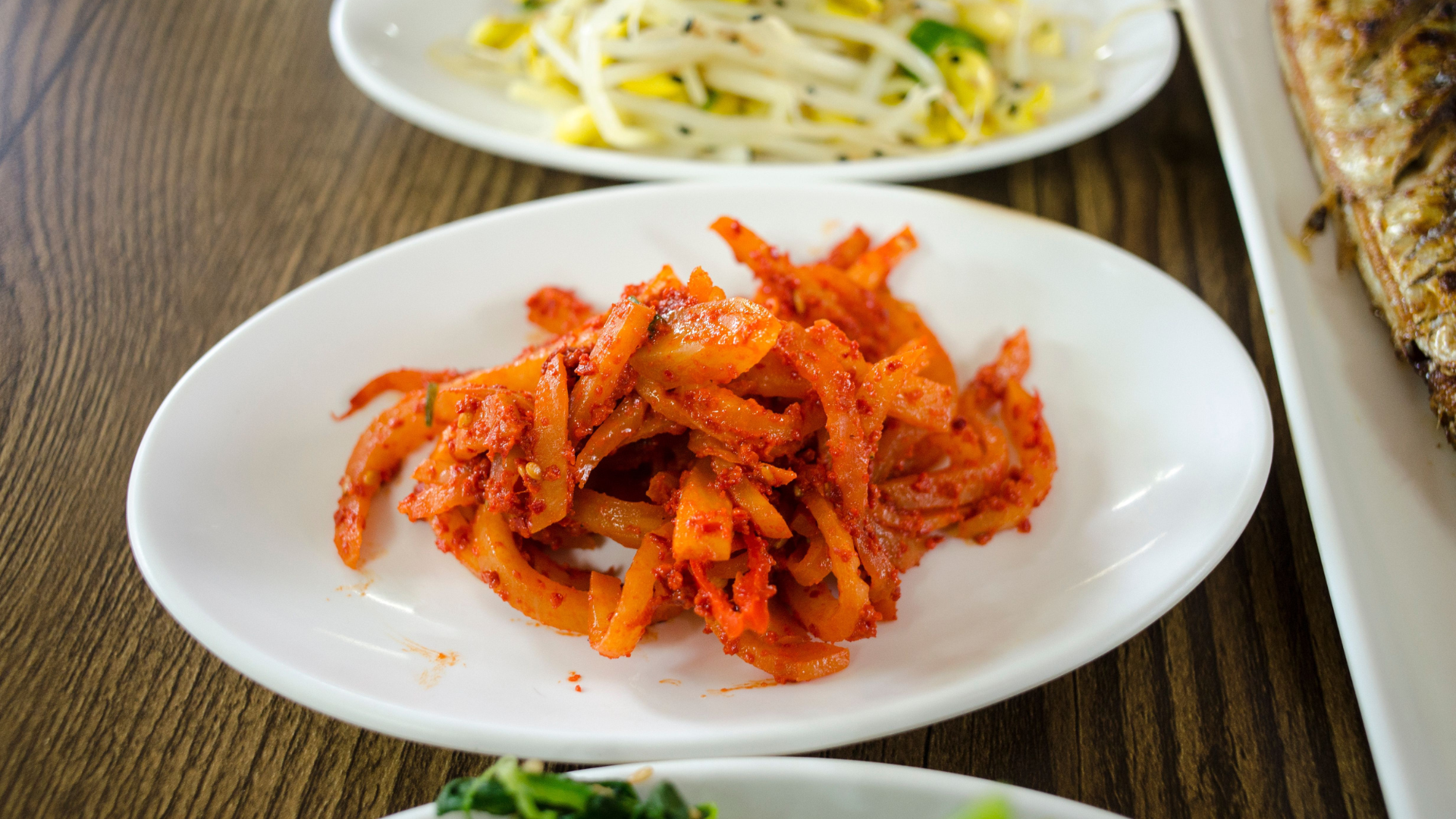
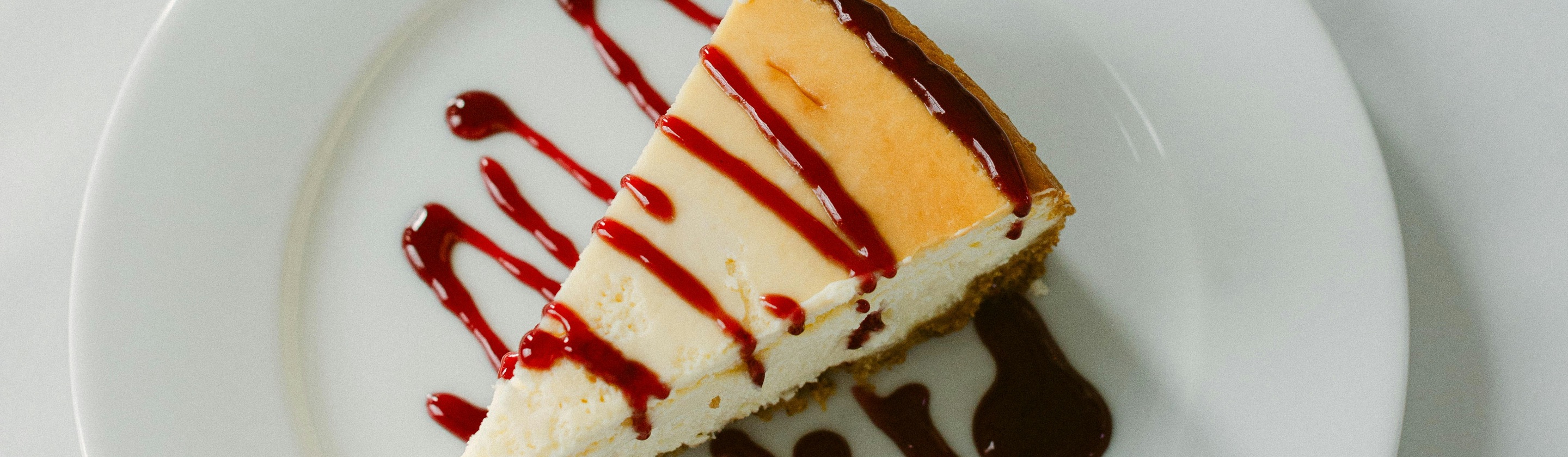
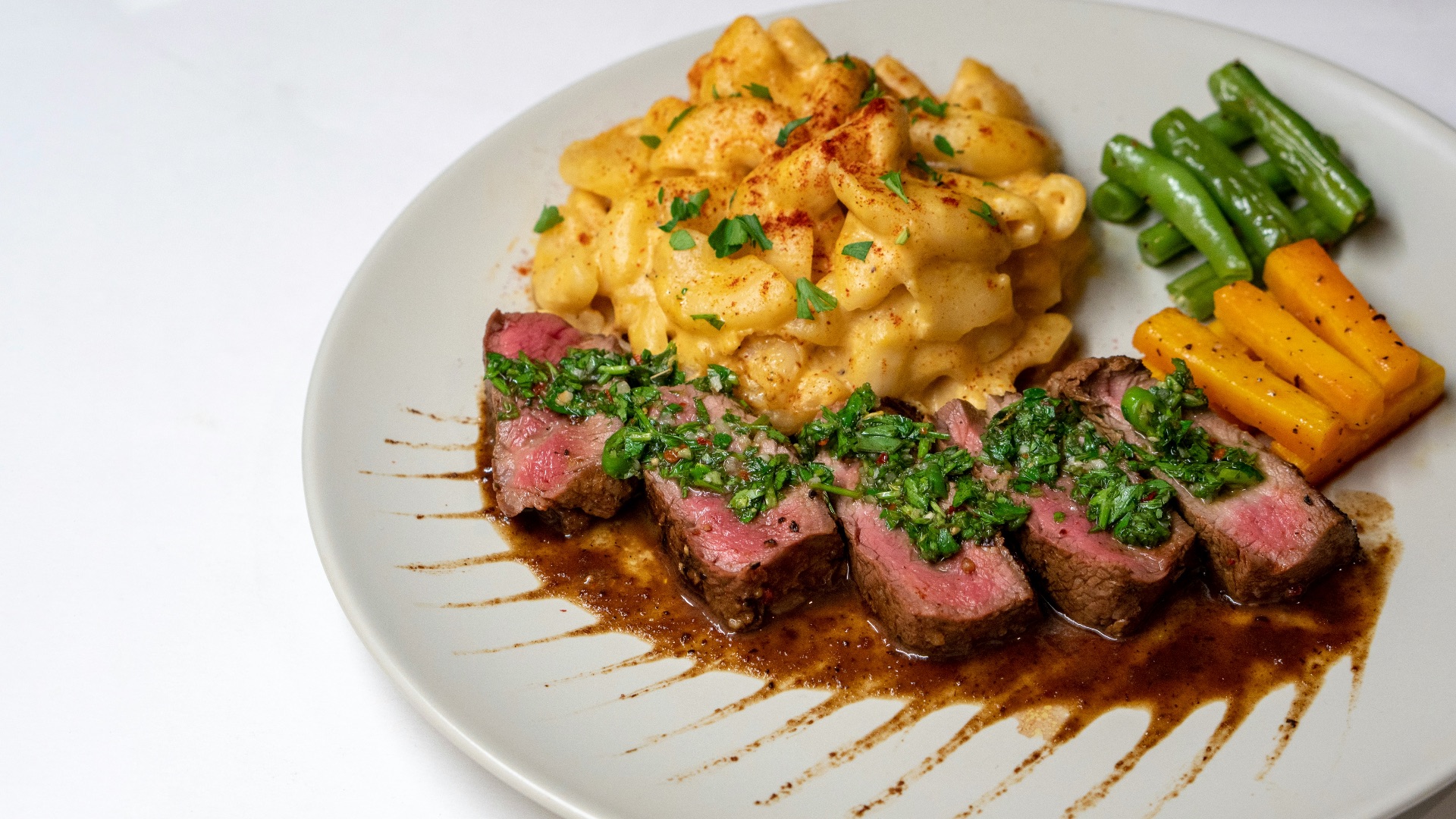
What was your instinctive response when you looked at the plate of food in the header of this article? Does it look appetizing to you? Or is there something about it that makes your stomach turn? That opinion you formed in that split second is why restaurants invest so heavily in plating, and it's not just about aesthetics. The way food looks before you ever take a bite has a measurable influence on how you perceive its taste, freshness, and even its nutritional value. Visual cues are processed faster than any other sensory information, which means your brain has already formed expectations about a meal long before it reaches your mouth.
What's interesting is that this isn't purely subjective; it's backed by decades of research in sensory science and food psychology. Scientists have found that color, arrangement, and presentation can alter the way we experience flavor, portion size, and satisfaction. Understanding how this works might change the way you think about everything from grocery shopping to cooking at home.
The Psychology Behind Visual Appeal
The human brain is wired to use visual information as a shortcut for evaluating food safety and quality. Historically, color and appearance were reliable indicators of whether something was ripe, fresh, or potentially harmful, and that instinct hasn't disappeared in the modern world. Research has shown that people consistently rate food as tasting better when it's plated attractively, even when the actual ingredients are identical.
Color plays a particularly strong role in shaping taste expectations. Studies have found that people associate red and orange hues with sweetness, while green is often linked to freshness or bitterness, and brown can signal richness or, conversely, spoilage, depending on the context. These associations are so deeply ingrained that altering the color of a familiar food—say, tinting orange juice blue—can make it taste noticeably different to most people, even when the flavor formula hasn't changed.
Presentation also influences how much effort and skill people believe went into a meal; diners consistently rated neatly plated food as coming from a higher-quality restaurant, with more care taken in its preparation, and they were willing to pay more for it. This speaks to something broader about the psychology of eating: the visual context of a meal shapes not just taste, but your overall sense of value and enjoyment before you've even taken a bite.
How Color Influences Taste Perception
The connection between color and flavor isn't just psychological; it has a neurological basis. When you see a food that matches a color you've come to associate with a particular taste, your brain primes your taste receptors to expect that flavor, which can amplify or even distort the actual experience of eating it. This phenomenon is sometimes called crossmodal correspondence, and it's one of the most well-documented effects in sensory science.
Researchers have used this knowledge to demonstrate some genuinely surprising results. In one often-cited study, wine experts couldn't tell a white wine from a red when the white had been artificially colored; they described the doctored wine using terms typically reserved for reds. It's a striking example of how completely visual input can override what's actually happening on the palate. The implications go well beyond wine: they extend to how food manufacturers choose packaging colors, how supermarkets light their produce sections, and how chefs select their plating vessels.
Even the color of a plate or bowl can change how a dish tastes. Studies have found that strawberry mousse served on a white plate is rated as sweeter and more flavorful than the same mousse served on a black one. The contrast between food and its vessel appears to sharpen flavor perception, which is one reason why many fine dining establishments default to white or neutral dishware.
Why Plating and Presentation Matter
You don't need to be a chef to benefit from thinking more carefully about presentation, either. As we've mentioned, visual appeal has a powerful influence on how we experience a meal, so a dish that looks cared for tends to feel more rewarding to eat, whether it came from a restaurant kitchen or your own. Something as simple as arranging ingredients thoughtfully or incorporating colorful produce can shift the entire experience of sitting down to a home-cooked meal.
There's also a practical dimension to this when it comes to encouraging healthier eating. Given that appearance matters, you might be more inclined to eat your fruits and vegetables when they're presented attractively rather than dumped onto a plate as an afterthought. Nudge theory in behavioral science supports the idea that small environmental cues, including how food looks, can meaningfully influence the choices people make without requiring any conscious effort.
This extends to how we shop, too. Packaging design, the visual appeal of a dish on a menu, and even food photography on social media all tap into the same underlying process. You're constantly being primed by visual information long before your first bite. So while it might feel like taste is the central act of eating, the truth is that your eyes are already doing a lot of the work before your fork even leaves the table.
KEEP ON READING


10 Most Hated Foods in the Entire World