
Hello, fresh?
Meal kits have become a popular dinner option for the busier folk, often supporting those who don’t have the time or desire to think about what to eat every night. But are they really worth it? While many seem to love the support of this 21st-century service, there are a couple of drawbacks that are worth noting. If you’re on the fence about meal kits, read on before making your decision.

1. Simplify Meal Planning
We get it. Life gets busy, and the last thing you want to do is think about what to eat for dinner. Meal kits are useful for this exact reason. Whether you’re one person with a busy work or personal life, or a family with a full schedule of extra-curriculars, taking dinner off your mental load is a lifesaver.
 Gabrielle Henderson on Unsplash
2. Reduces Decision-Making
An extension of the simplification point. Meal kits usually offer a selection of dinner options, but not an overwhelming amount. Instead of having to think up a new dinner schedule each week, you can just choose from the 20 or so meals on the company website.

3. Cuts Down Prep Time
Meal kits often come with everything pre-chopped and prepared, so you’re not spending extra time in the kitchen peeling potatoes or mincing garlic. This helps busy families, but also gives you more time to relax on the rare night you don’t have anywhere to be.

4. Helps With Healthy Eating
Most, if not all, meal kit dinners are pretty well-rounded in terms of food groups. You have your proteins, grains, and veggies, with a hint of dairy. You won’t have to think about whether you’re getting all your essential vitamins and nutrients.
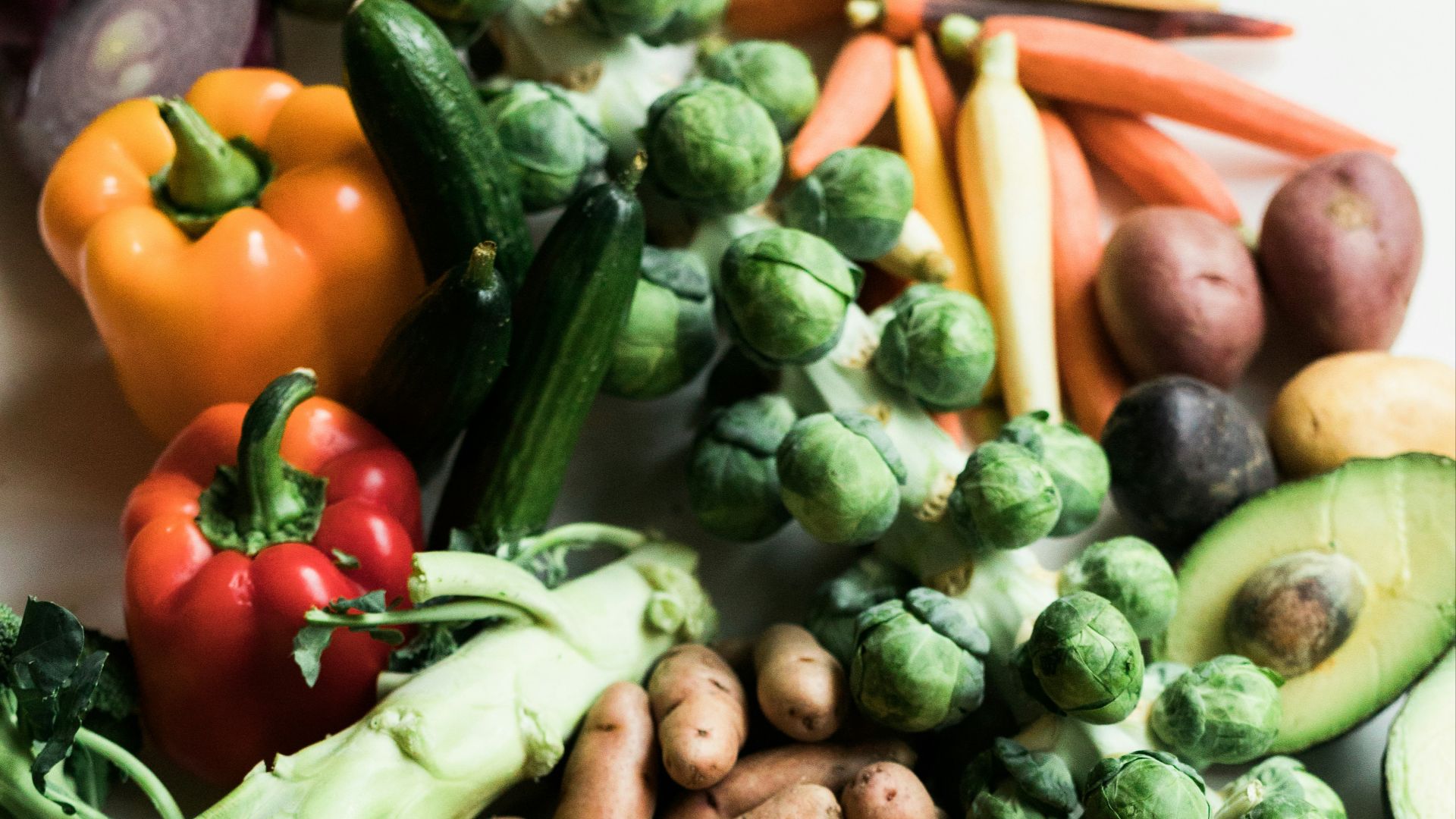
5. To Try New Things
Just because there’s a limited number of meal options doesn't mean meal kits aren’t diverse! If you’re looking to expand your culinary palette, picking a meal or two each week that you’ve never tried before is a great way to dip your toes in.
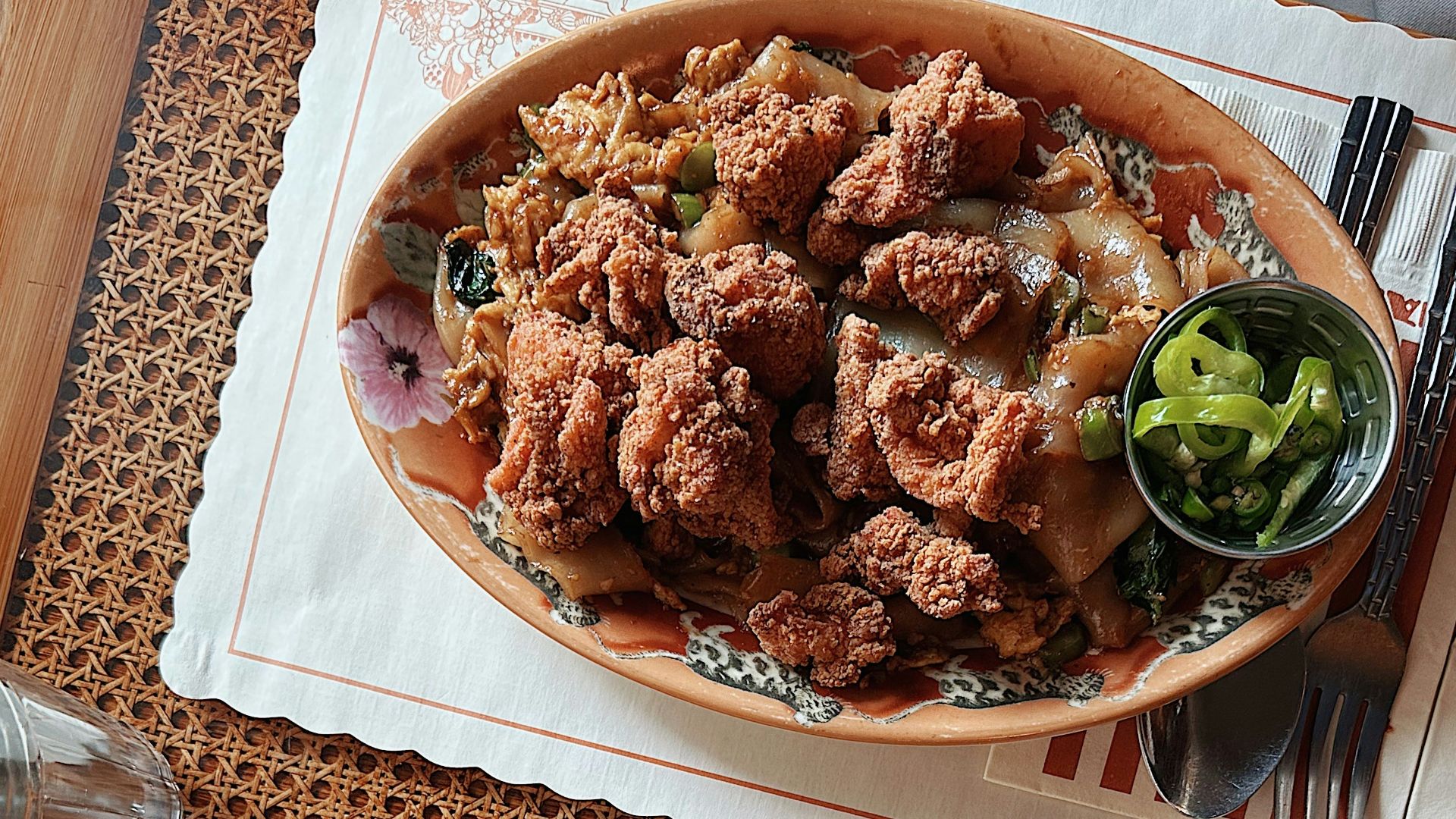
6. Supports Different Diets
Most meal kits offer vegan, gluten-free, dairy-free, vegetarian, or picky eaters' options, meaning you’ll be sure to get a dinner that everyone in your family can eat. It also means you can simplify your grocery list, as many specialty items tend to be a little pricier.
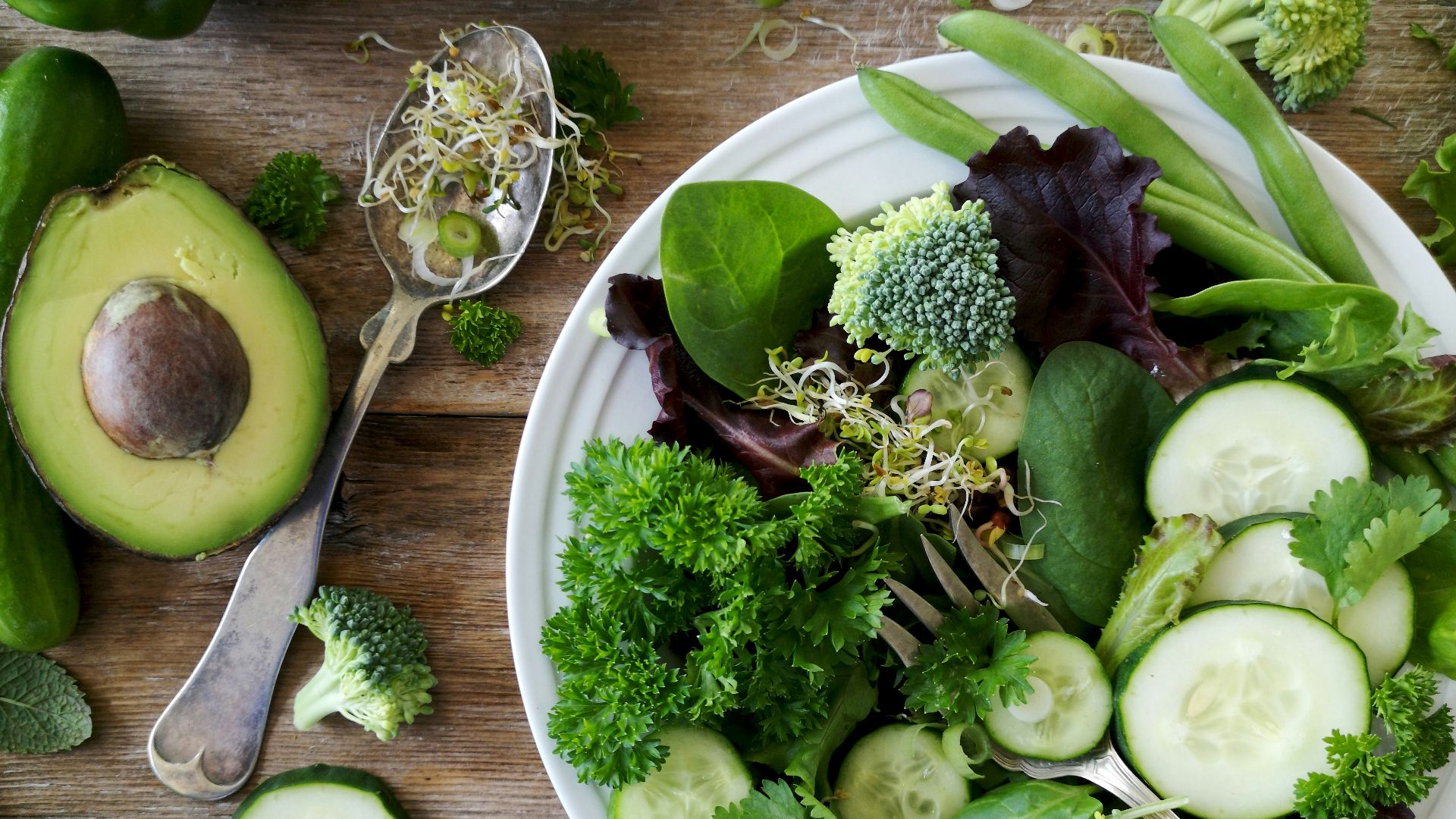
7. Minimizes Food Waste
Meal kit meals are meant to be consumed entirely in one sitting, so you never have to worry about tossing unwanted leftovers.

8. Teaches Cooking Skills
Every meal comes with a recipe book to make sure your dinner is cooked properly. This is not only helpful for health reasons, but also provides ample opportunity to learn how to cook, or to help teach someone how to cook.

9. Helps With Portion Control
As we said above, there’s no food waste. Meal kit meals offer individual or family options, meaning everybody gets the exact amount they require to maintain a healthy body.

10. May Be Cost-Effective
Depending on how expensive your grocery bill is, a meal kit might be the right option for you. You won’t be overspending on items you won’t use, or will only use once, and may help keep prices of things like protein or dairy down, which are pretty pricey these days.
 micheile henderson on Unsplash
1. May Be Expensive
We said it may be cost-effective, but that doesn’t mean it actually will be. In fact, most folks who try meal kits say that they tend to cancel due to the high subscription costs. While it may be cheaper than eating out, it’s still less affordable than genuine, home-cooked meals.

2. May Not Save You Time
Yes, the items come pre-chopped, but you still have to cook the food. Really, meal kits are shaving off 10 minutes at most of your full cook time, and anything that requires a hefty amount of prep won’t be available to order anyway.

3. Too Much Packaging Waste
Sure, you have no food waste, but you do have plastic waste. Even “eco-friendly” meal kits include plastic sleeves or non-recyclable items in their midst. You’re still creating waste, just in a different way.

4. Aren’t Balanced Nutrientally
It might be better than fast food or a frozen meal, but not every meal kit has the right amount of goods that will help you get your vitamins. Most kits seem to have more grains and protein rather than veggies, leading to an imbalance of food group consumption.
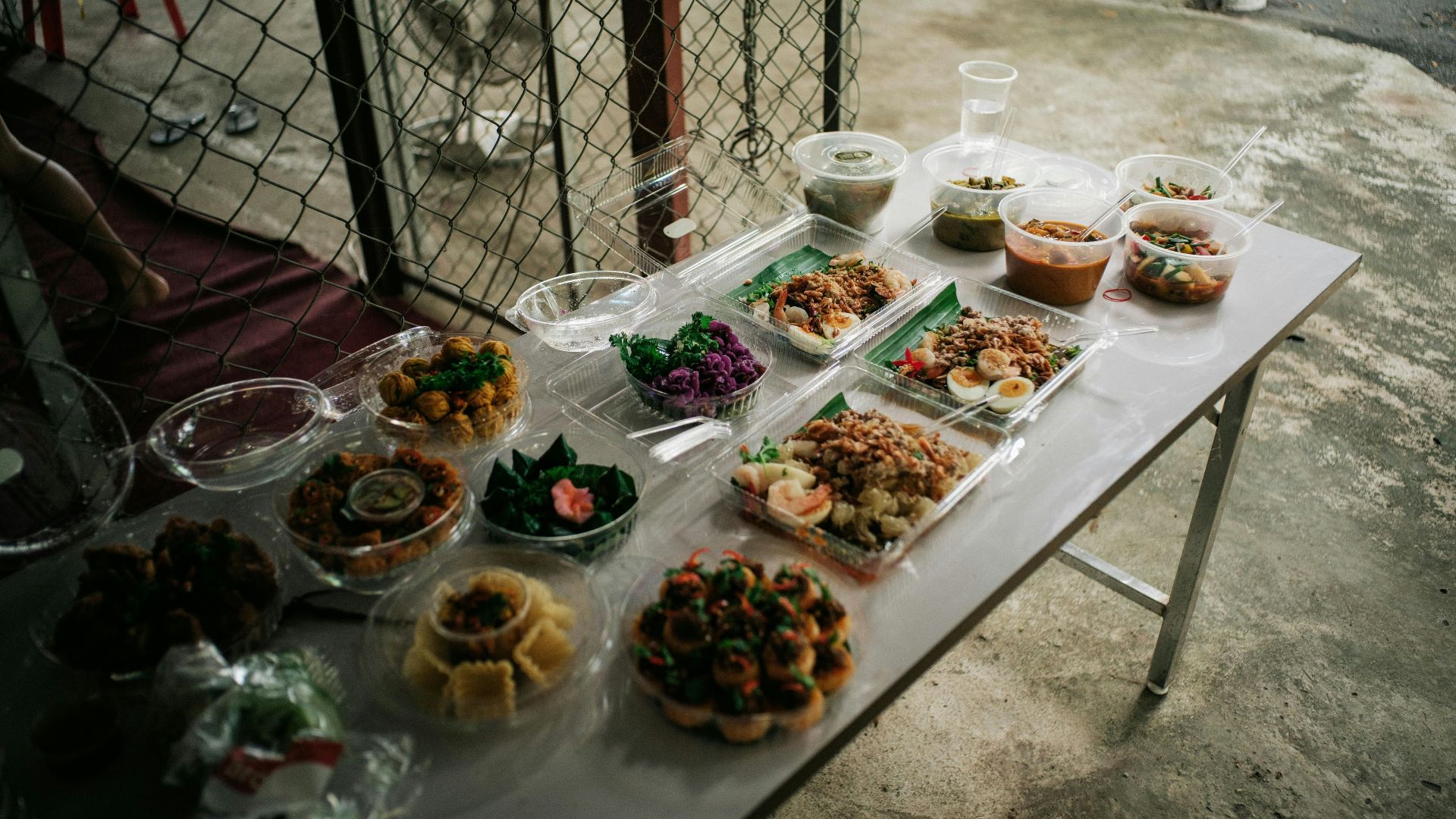
5. Vague Food Sourcing
At the grocery store, you know which farms your food comes from, but with meal kits, you get no such luck. If you’re worried about added chemicals or non-organic items making their way into your meals, this dinner option probably isn’t for you.
 Wendy Aros-Routman on Unsplash
6. No Room For Creativity
They’re helpful for quick and easy dinners, but offer very little in the way of culinary expansion. Meal kits don’t allow you to try new things with your cooking or to add your special touch to a meal.

7. Limits Decision Making
We said this was a good thing before, and for some folks it is. However, others may find that the lack of decision is suffocating. If you’re craving a specific meal that isn’t available on the website, you’re bound to feel frustrated with the subscription.

8. No Leftovers
The quintessential weekday lunch is usually leftovers from the night before, which you don’t really get from a meal kit. This means that you’ll have to worry about what you’re eating the next day, and even requires you to purchase more lunch-related foods from the grocery store.

9. Not Available Everywhere
If you’re in a city or more urban area, this obviously isn’t an issue. For more rural folks, however, this weekly dinner plan may not even be an option. Like most delivery services, rural areas tend to get serviced the least.
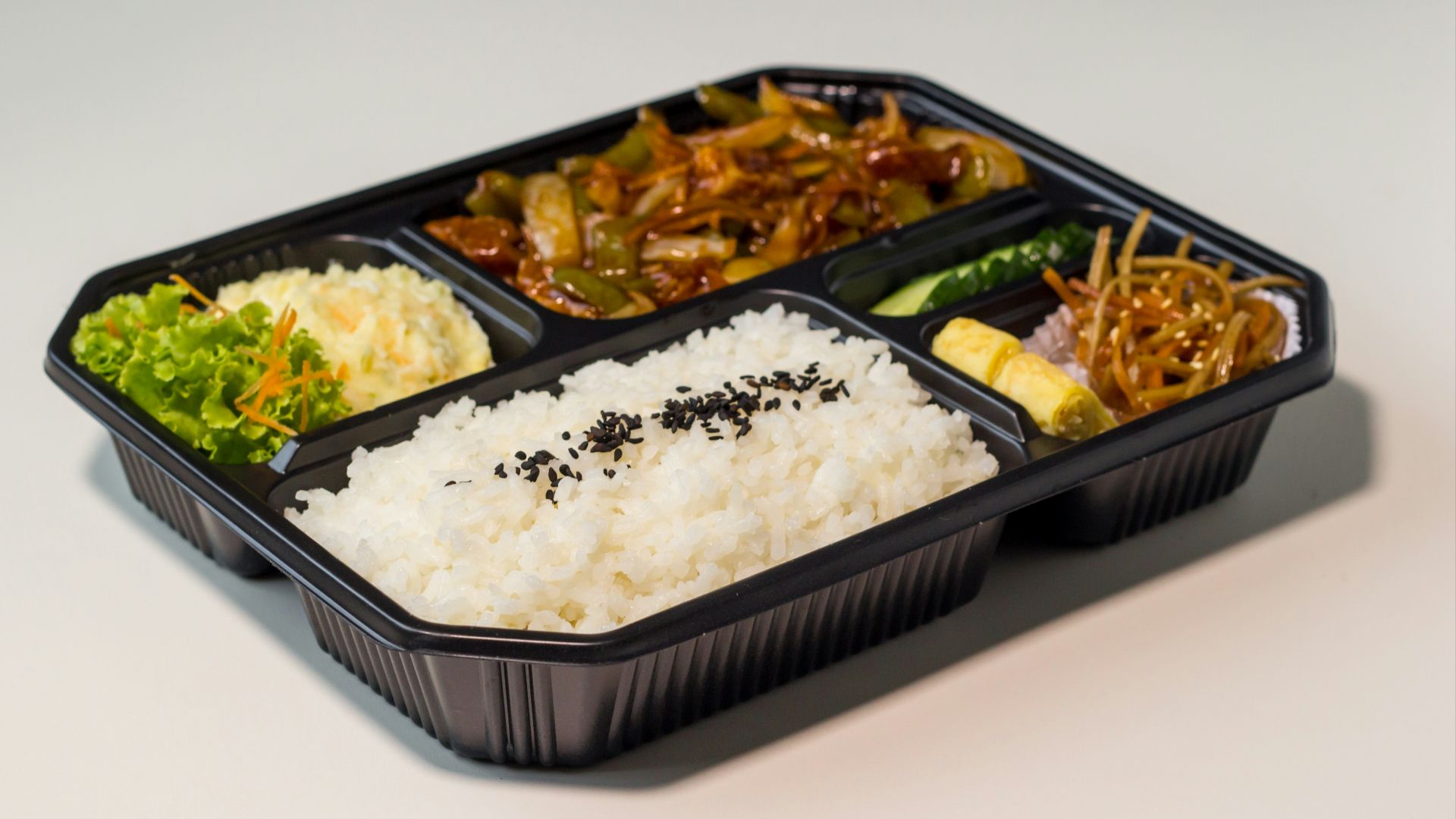
10. You Still Have To Shop
Even if you do get a meal kit, that doesn’t mean you’re now free of the grocery store. You still have to shop for breakfast, lunch, and snacks for yourself and for the family.

KEEP ON READING


20 Food Requests Only Spoiled People Ask For


20 Hardest Foods on Earth To Eat

Do Vitamin Supplements Actually Make You Healthier?