
When Plant-Based Passion Meets Clinical Reality
Walk into any health food store and you’ll hear the vegan at the smoothie counter glowing about their energy levels, clear skin, and newfound vitality. The vegan community has built an entire wellness identity around the idea that plants are medicine and animal products are poison. Meanwhile, nutritional scientists are pulling their hair out trying to explain that biology is complicated, and ideology isn’t the same as physiology.
Here are ten reasons vegans may be onto something, and ten reasons why the benefits may not be as clear-cut as they would like us to believe.

1. Lower Cholesterol Levels
Vegans love pointing to their bloodwork. No dietary cholesterol means lower LDL, right? Plant-based diets typically reduce total cholesterol by 10–15%, according to multiple studies. When you’re not eating eggs, cheese, and ribeyes, your liver processes less saturated fat.

2. Weight Loss Without Trying
Once you drop dairy, you’d be surprised how many pounds you can lose. Vegans often shed 10–20 pounds effortlessly in the first few months without counting calories. Whole plant foods are less calorie-dense than pizza and ice cream, allowing greater volume without as many calories.

3. Reduced Cancer Risk
In 2015, the World Health Organization classified processed meat as a Group 1 carcinogen. Red meat was listed as Group 2A, meaning probably carcinogenic. Colorectal cancer rates appear lower in plant-based populations.

4. Impressive Blood Pressure
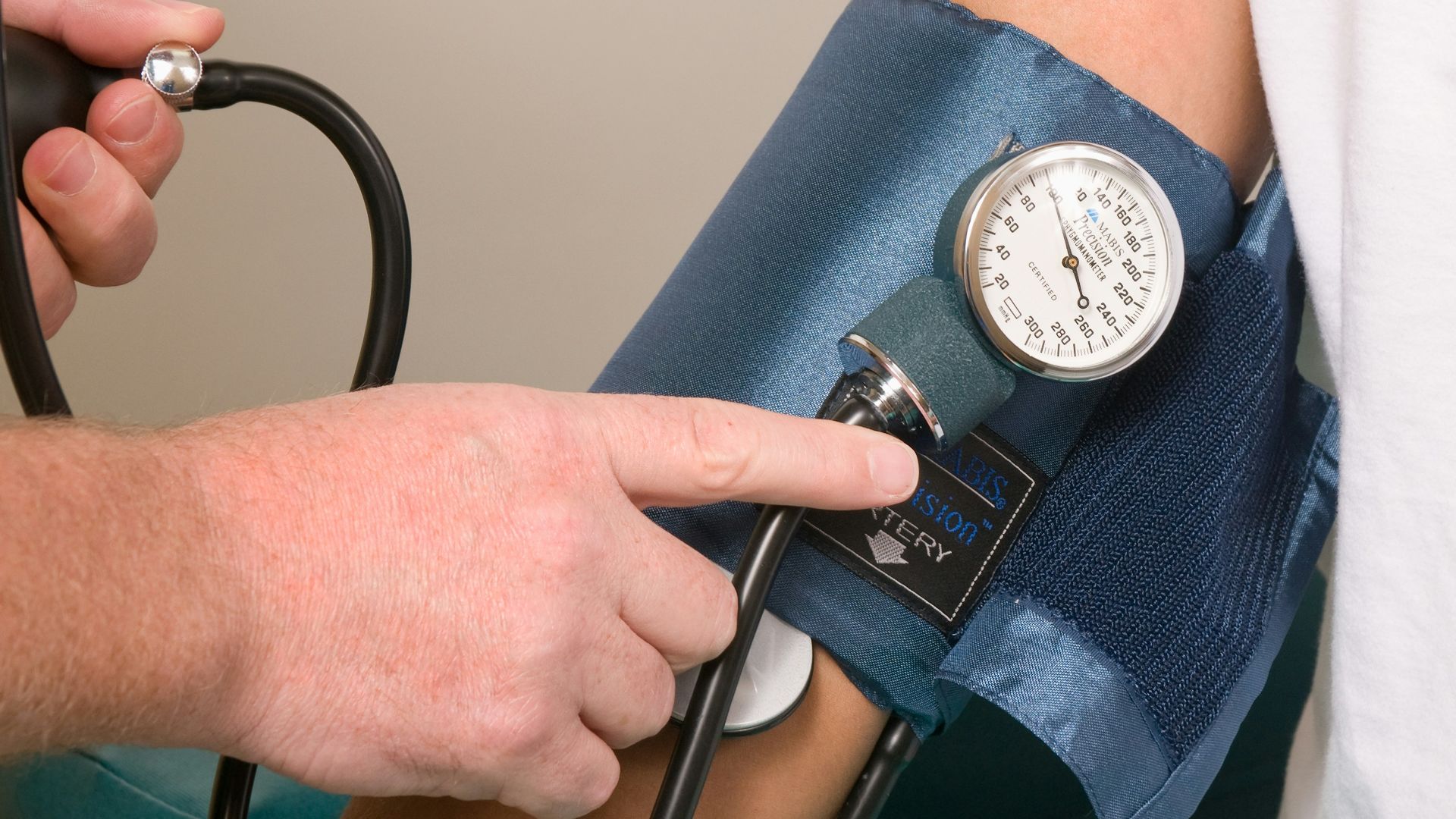
Vegans frequently report blood pressure readings that surprise their doctors. Potassium from bananas and sweet potatoes, reduced intake of sodium-heavy meats, and increased nitric oxide support from leafy greens may contribute to healthier numbers.
5. Type 2 Diabetes Prevention
Studies show plant-based diets can improve insulin sensitivity. The Adventist Health Study-2, which followed more than 96,000 participants, found vegans had a 78% lower risk of type 2 diabetes compared to non-vegetarians.

6. Reduced Inflammation
Chronic inflammation is a major concern in medicine. Studies show that C-reactive protein levels often decrease on plant-based diets, indicating measurable changes in inflammation markers.

7. Higher Fiber Intake and Microbiome Benefits
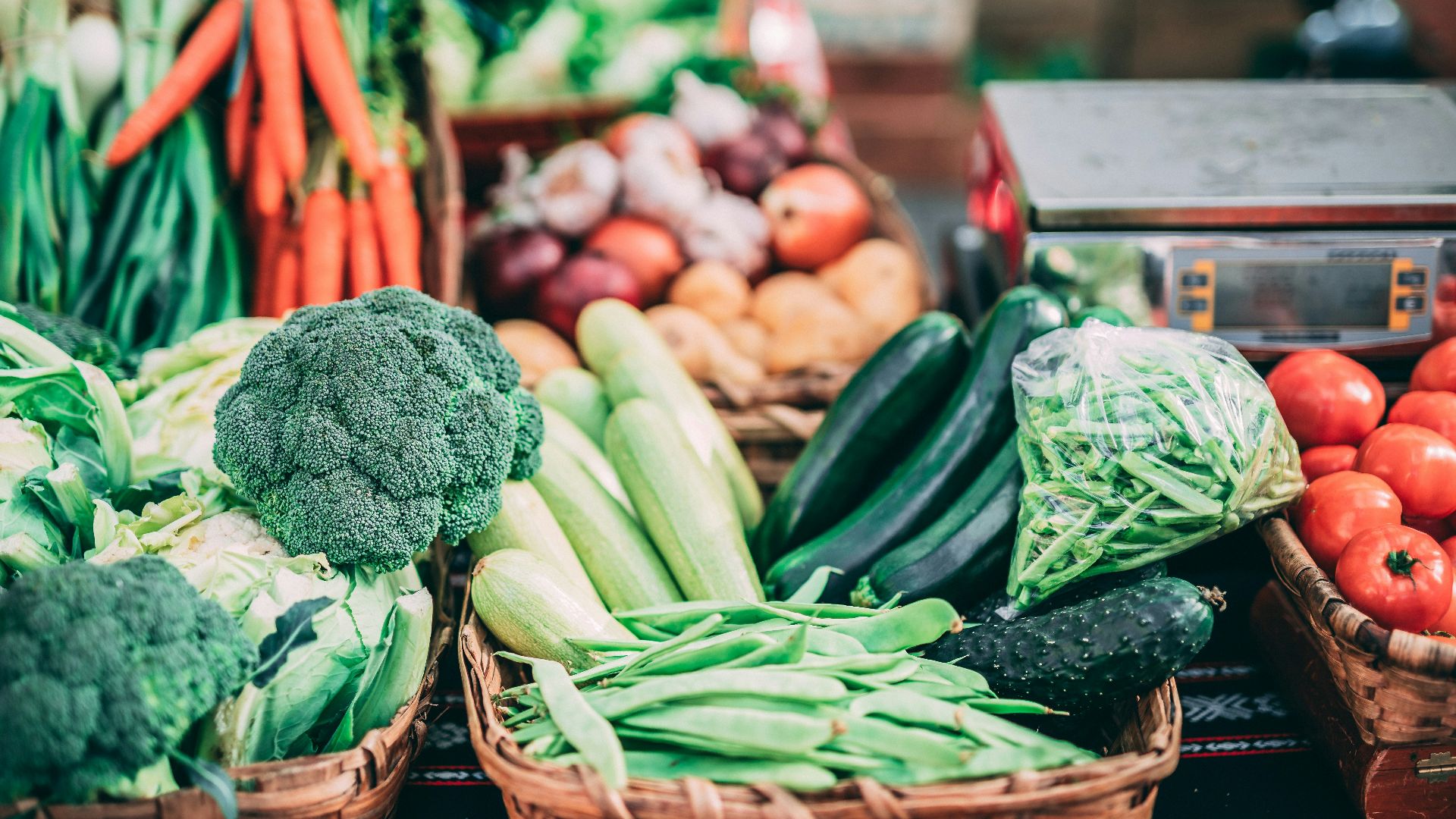
The average American consumes roughly 15 grams of fiber per day, while vegans can reach 50–75 grams. Higher fiber intake supports gut microbiome diversity, improved digestion, and increased regularity.
8. Ethical Wellbeing and the Placebo Effect
Many vegans cite psychological benefits from eating in alignment with their values. Feeling morally consistent may support improved perceived wellbeing. The placebo effect is clinically recognized as real.

9. Longevity Observations
Regions often cited for longevity, such as Okinawa, Ikaria, and Loma Linda, have populations with high numbers of centenarians and diets that emphasize whole plant foods with minimal meat.

10. Athletic Endorsements
The documentary The Game Changers increased awareness of vegan athletes like Lewis Hamilton and Venus Williams, who report faster recovery times and stable energy patterns.

1. B12 Deficiency Isn’t Optional
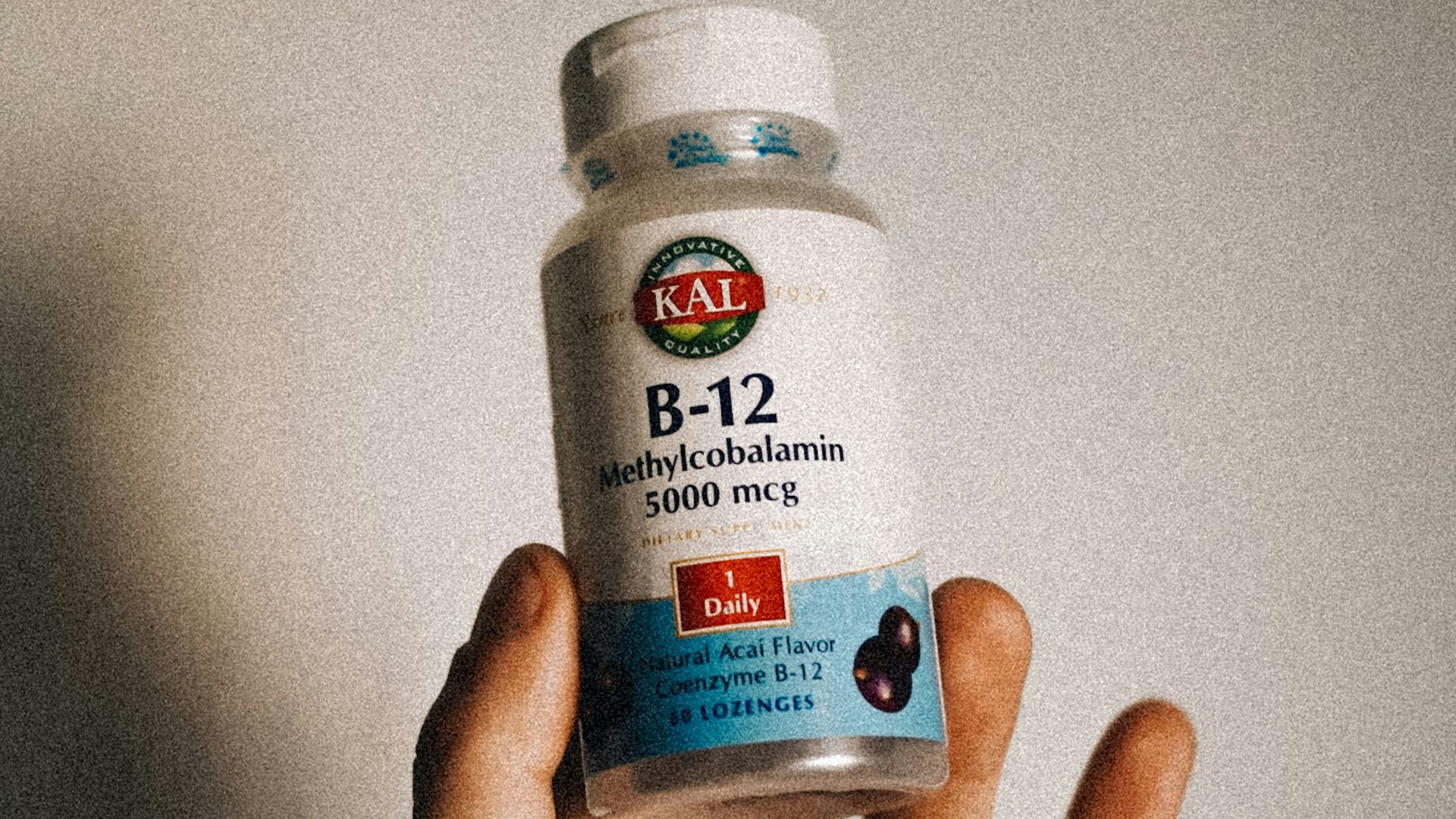
Vitamin B12 exists almost exclusively in animal products. Deficiency can lead to irreversible neurological damage. Studies show high deficiency prevalence—up to 62% in pregnant vegan women and 25–86% in vegan children—despite supplementation efforts.
2. The Omega-3 Issue
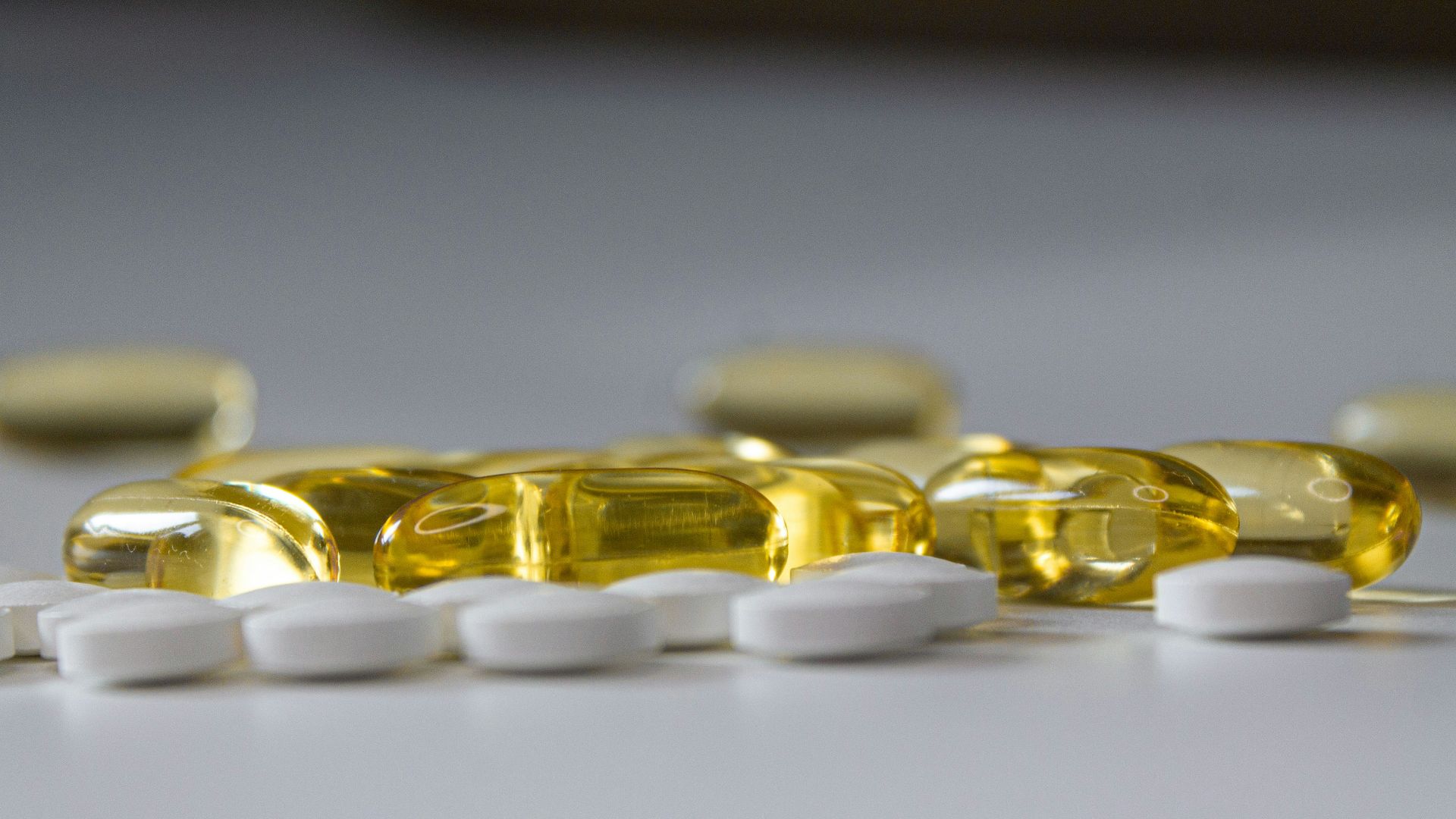
ALA from flaxseeds converts poorly into DHA and EPA, with rates averaging 5% for EPA and <0.5% for DHA. Although algae-based supplements provide DHA and EPA, they remain expensive and are not widely used.
3. Iron Absorption Rates Are Lower
Plant-based non-heme iron absorbs at 2–20%, compared to 15–35% for heme iron from meat.
Ferritin levels reveal deficiency rates as high as 40% in premenopausal vegan women in some studies.
 Sebastian Coman Photography on Unsplash
4. Bone Density and Fracture Risk
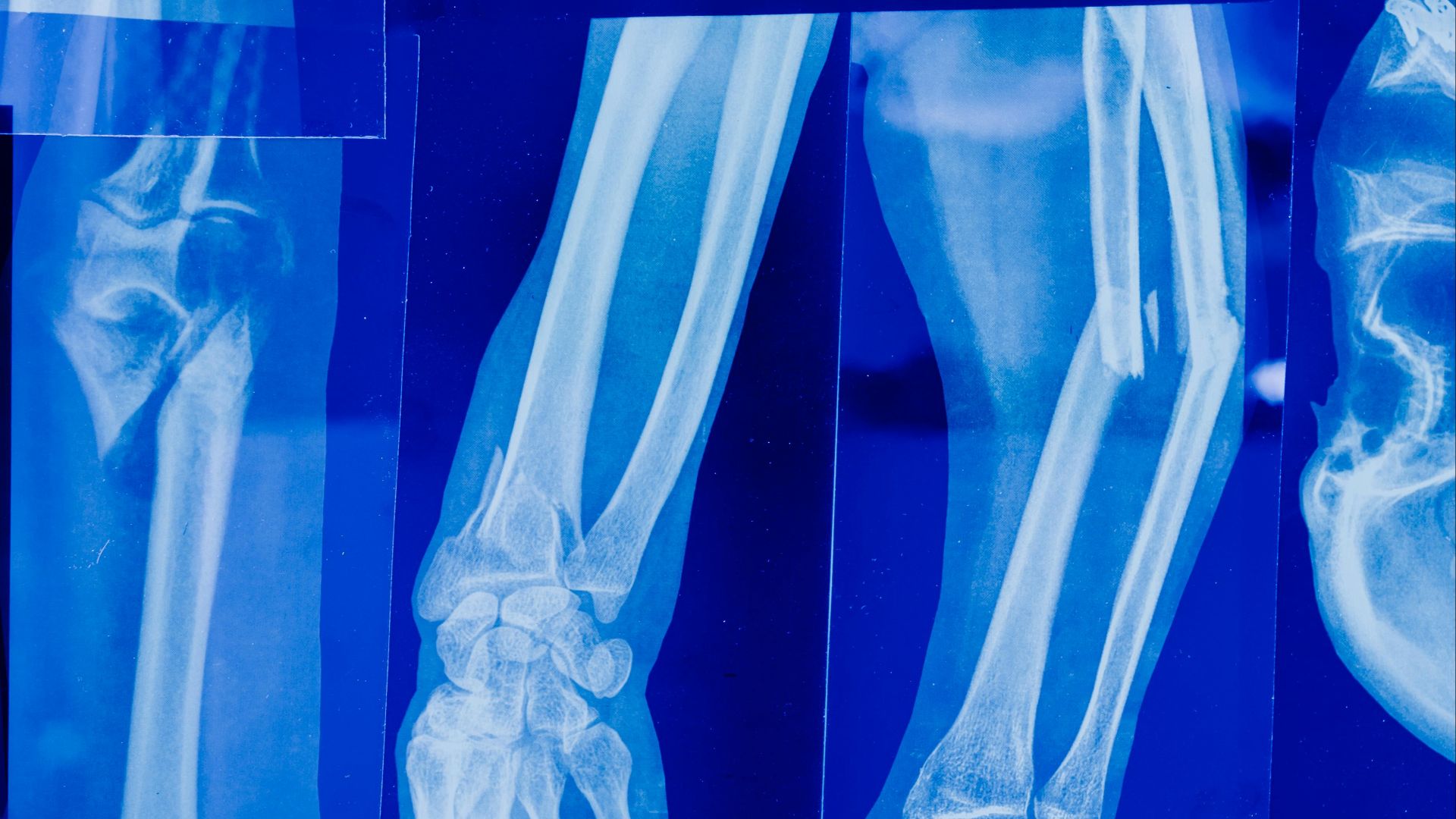
The EPIC-Oxford study, which followed over 55,000 participants, found that vegans had a 43% higher risk of bone fractures compared to meat eaters. Calcium from dairy shows higher absorption efficiency, and vitamin D deficiency is common in vegan populations.
5. Protein Bioavailability and Leucine Gaps
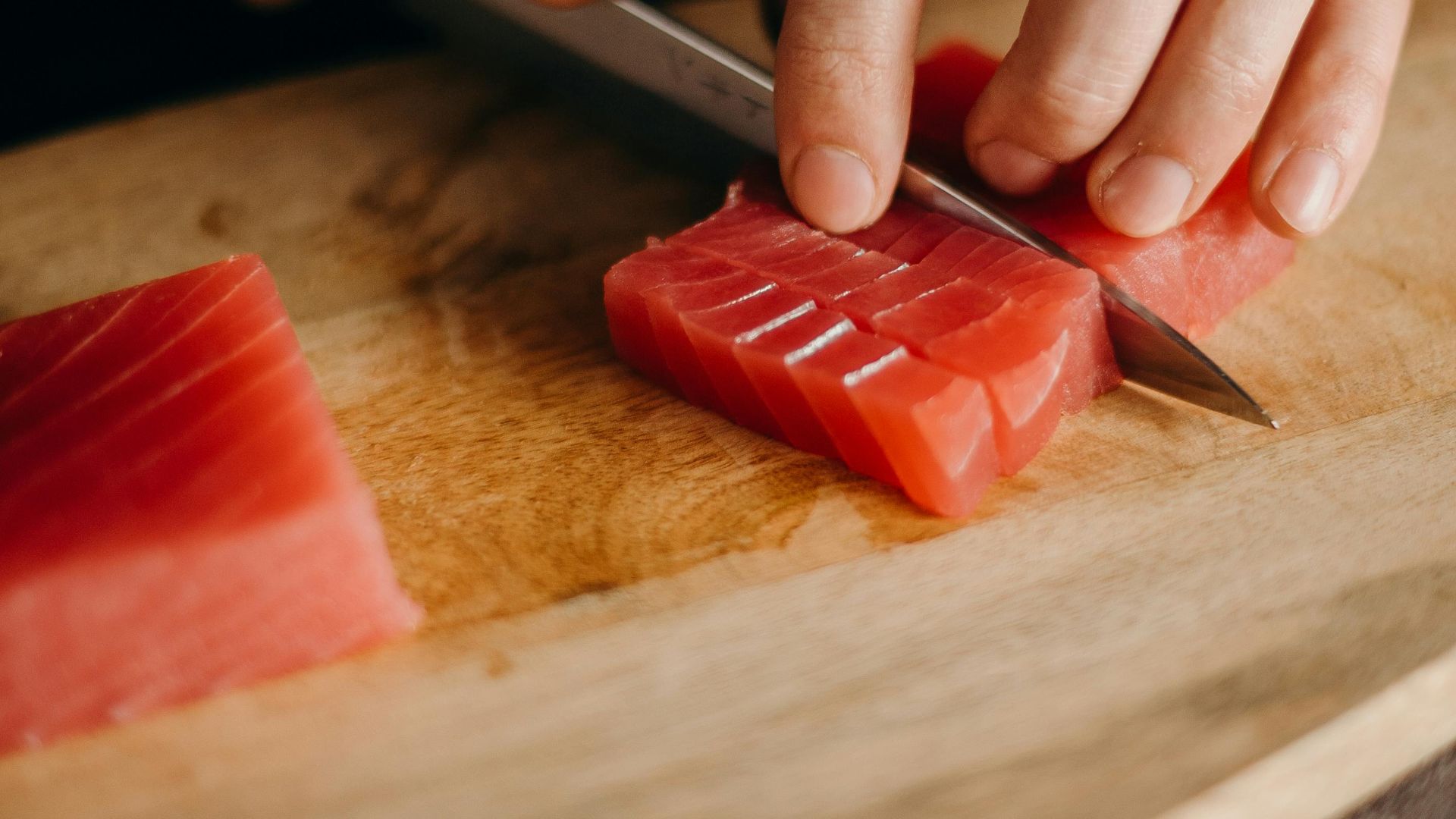
Animal proteins contain all nine essential amino acids with high leucine levels, which is key for muscle synthesis. Plant proteins require higher total intake to match the anabolic response of whey or eggs. Research from McMaster University shows vegan athletes may require ~25% more protein to reach equivalent muscle-building signals.

6. Zinc Bioavailability Is Reduced
Phytates in grains and legumes bind to zinc and may reduce absorption by up to 50%. Due to lower bioavailability, vegan zinc requirements are estimated at 50% higher than those of omnivores.

7. Creatine Stores Are Lower
Creatine is primarily obtained from meat and fish. Vegan populations show significantly lower muscle creatine stores. Studies demonstrate that vegetarians experience greater cognitive performance improvements than omnivores when supplementing creatine, suggesting lower baseline levels prior to supplementation.
8. Soy and Thyroid Sensitivity
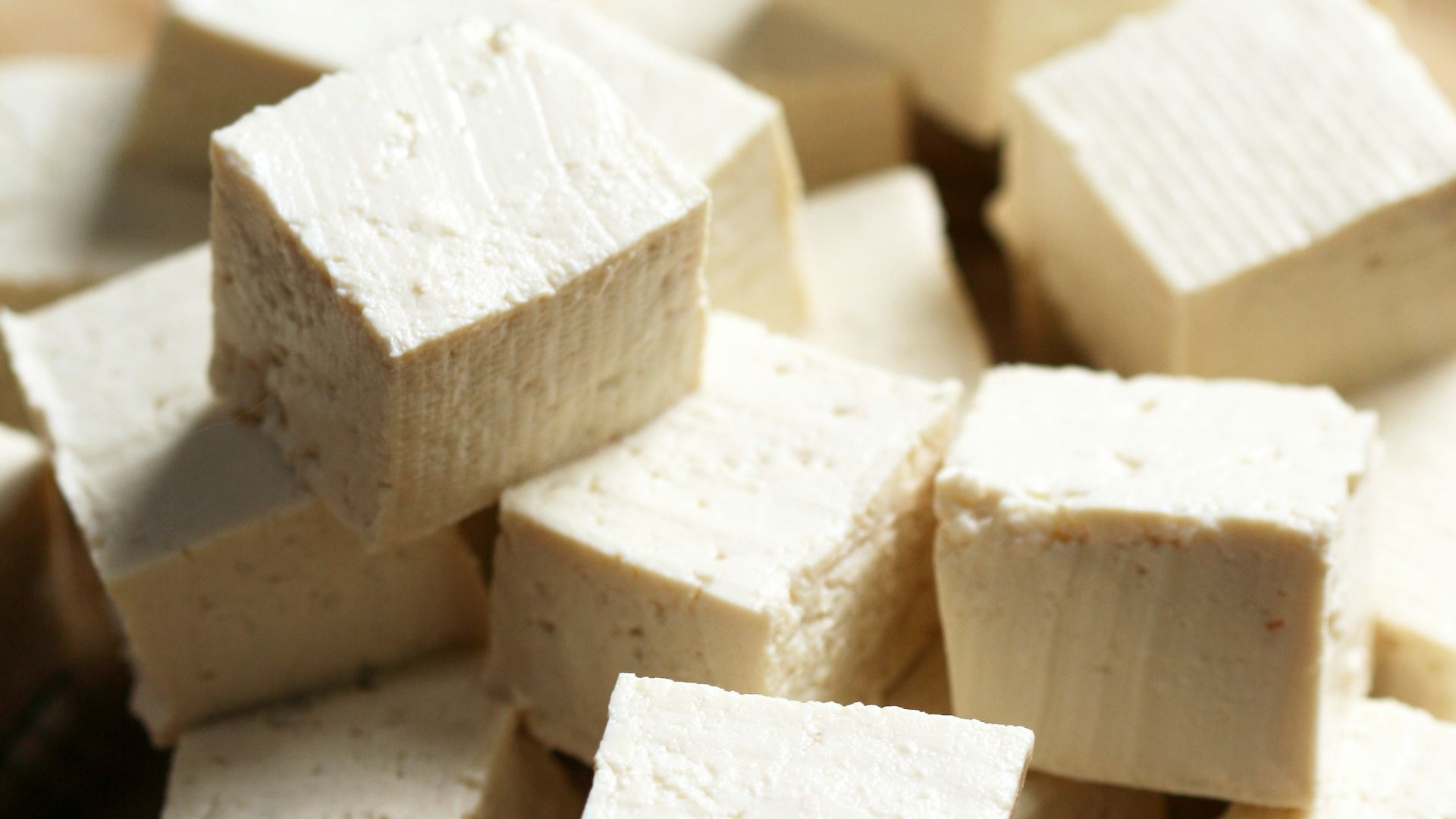
Soy phytoestrogens may interfere with thyroid hormone activity in susceptible individuals, particularly in those with low iodine intake.
9. Childhood Growth Differences
A 2021 study in the American Journal of Clinical Nutrition found that children on vegan diets were, on average, 3 cm shorter and had lower bone mineral density than omnivorous children.

10. The Processed Food Concern
Many modern vegan diets rely on ultra-processed alternatives. Some vegan foods, such as Oreos and Doritos, meet vegan criteria but are not considered health-promoting. The Impossible Burger contains 370 mg of sodium and is primarily made from soy protein isolate, illustrating that vegan labeling does not automatically indicate whole-food nutrition.
KEEP ON READING

20 Foreign Foods We Hope Become Trendy In America

20 Foods From the '90s That Deserve a Comeback