
What Separates A Great Dining Experience From A Disappointing One
Finding a great restaurant isn't always about star ratings, trendy décor, or social media hype. Sometimes the clearest clues come from details that diners notice within the first few minutes of walking through the door. While certain warning signs can suggest poor management or declining standards, other indicators often reveal that you've stumbled across a place worth returning to again and again. Here are 10 restaurant red flags you shouldn't ignore and 10 signs you've found a gem.

1. A Dirty Entrance
The entrance creates a restaurant's first impression, and it often reflects what happens behind the scenes. If trash is piling up outside, windows are filthy, or floors haven't been cleaned, that's rarely a positive sign. Many diners wonder what the kitchen looks like if the visible areas are being neglected.
2. Empty Tables During Peak Hours
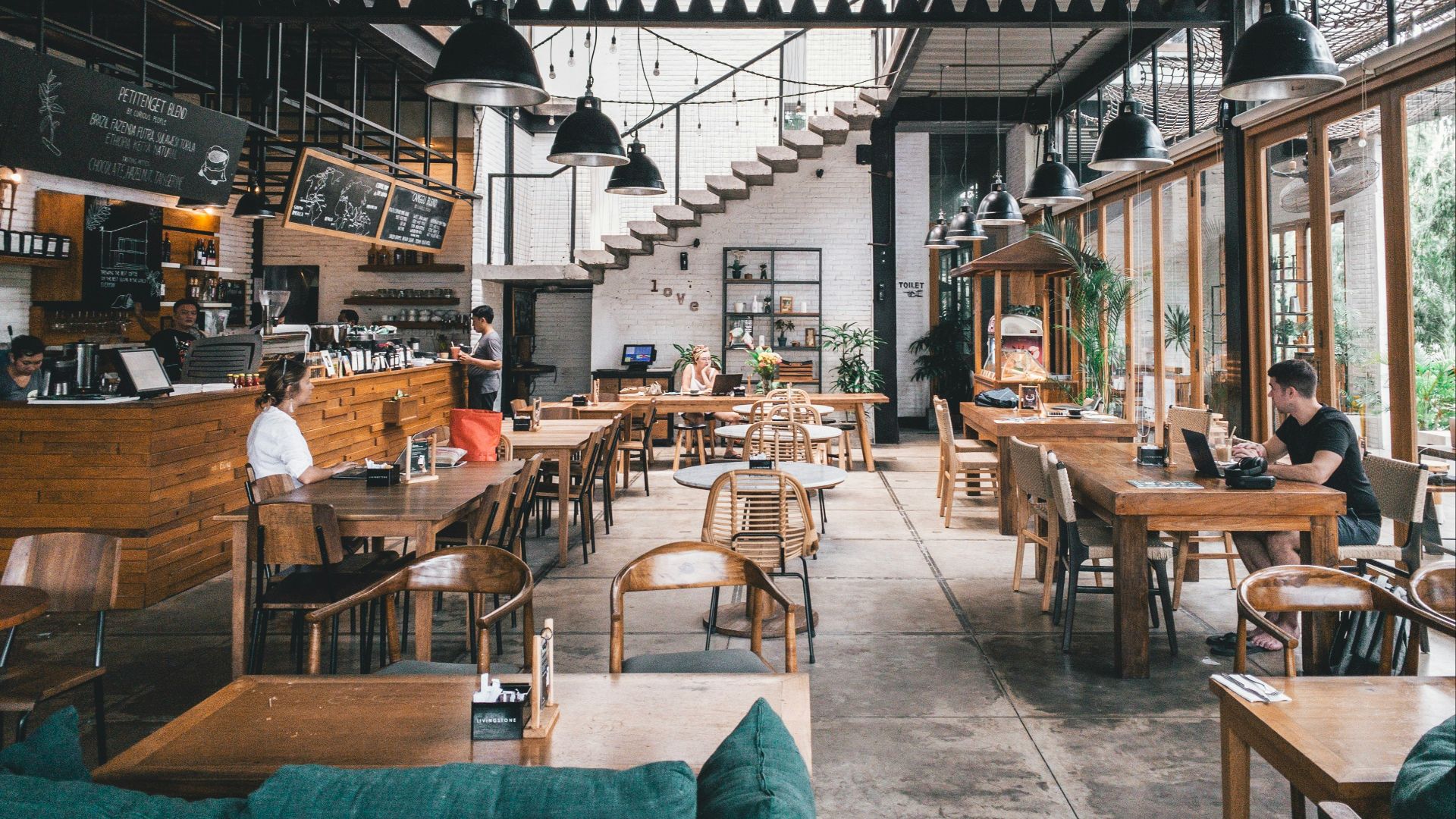
An empty dining room isn't always a bad thing, but context matters. If nearby restaurants are busy while one place sits nearly vacant during a typical lunch or dinner rush, there may be a reason. Consistently low customer traffic can sometimes indicate problems with food quality, service, or reputation.
3. Sticky Menus
Menus receive constant handling throughout the day, so cleanliness matters. Sticky, stained, or heavily worn menus suggest that basic upkeep may not be a priority. While it seems like a small detail, it can raise questions about overall hygiene standards.

4. Restrooms In Poor Condition
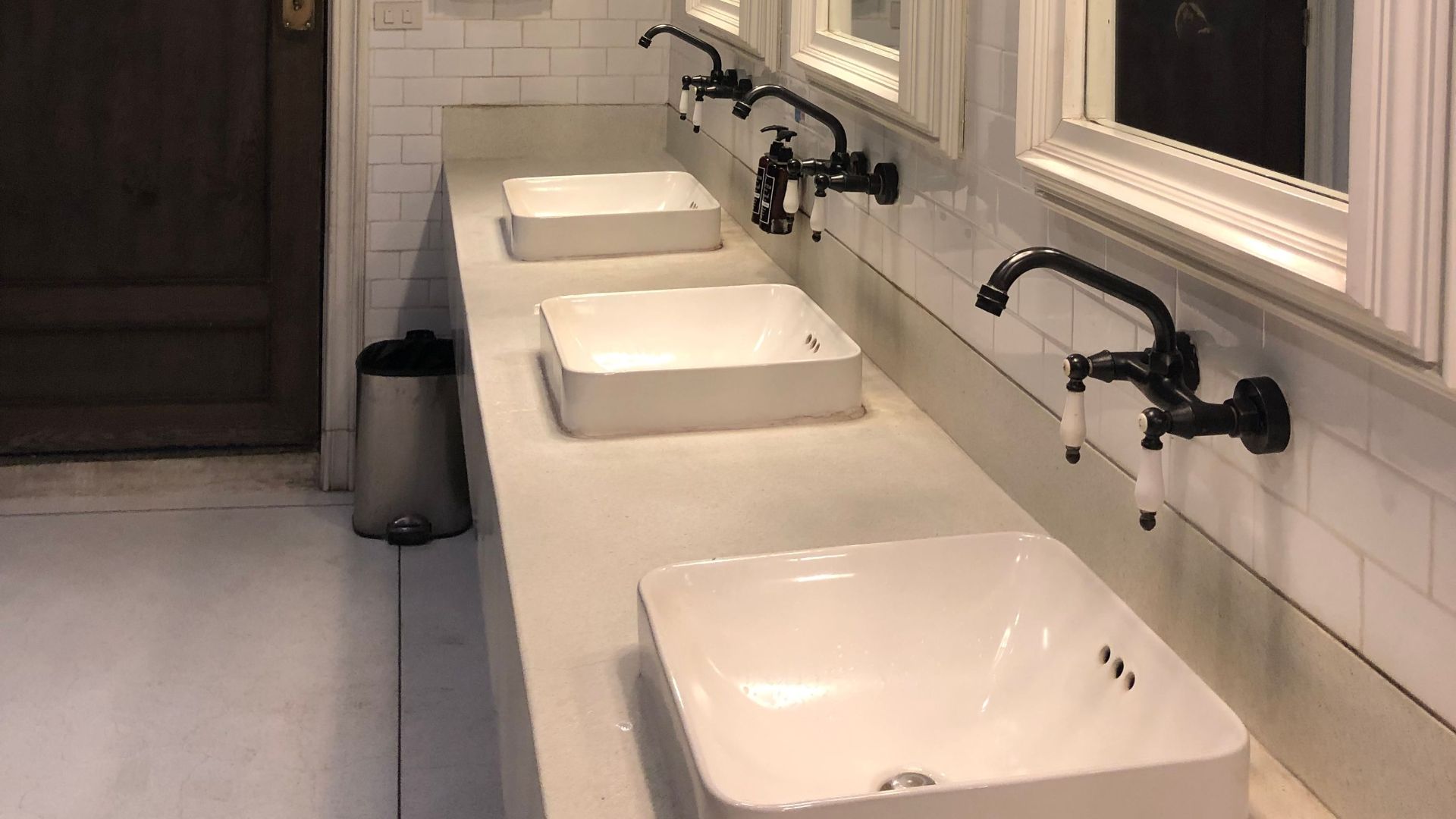
Many experienced diners use restrooms as a quick measure of restaurant cleanliness. If sinks, counters, and floors are neglected, it may signal broader maintenance issues throughout the establishment. Clean facilities often reflect attention to detail across the entire operation.
5. Staff Who Seem Completely Disengaged
Everyone has difficult days, but consistently indifferent service can be a warning sign. Employees who appear unhappy, distracted, or uninterested may be dealing with poor management or workplace issues. Those problems often affect the customer experience as well.

6. Overly Large Menus
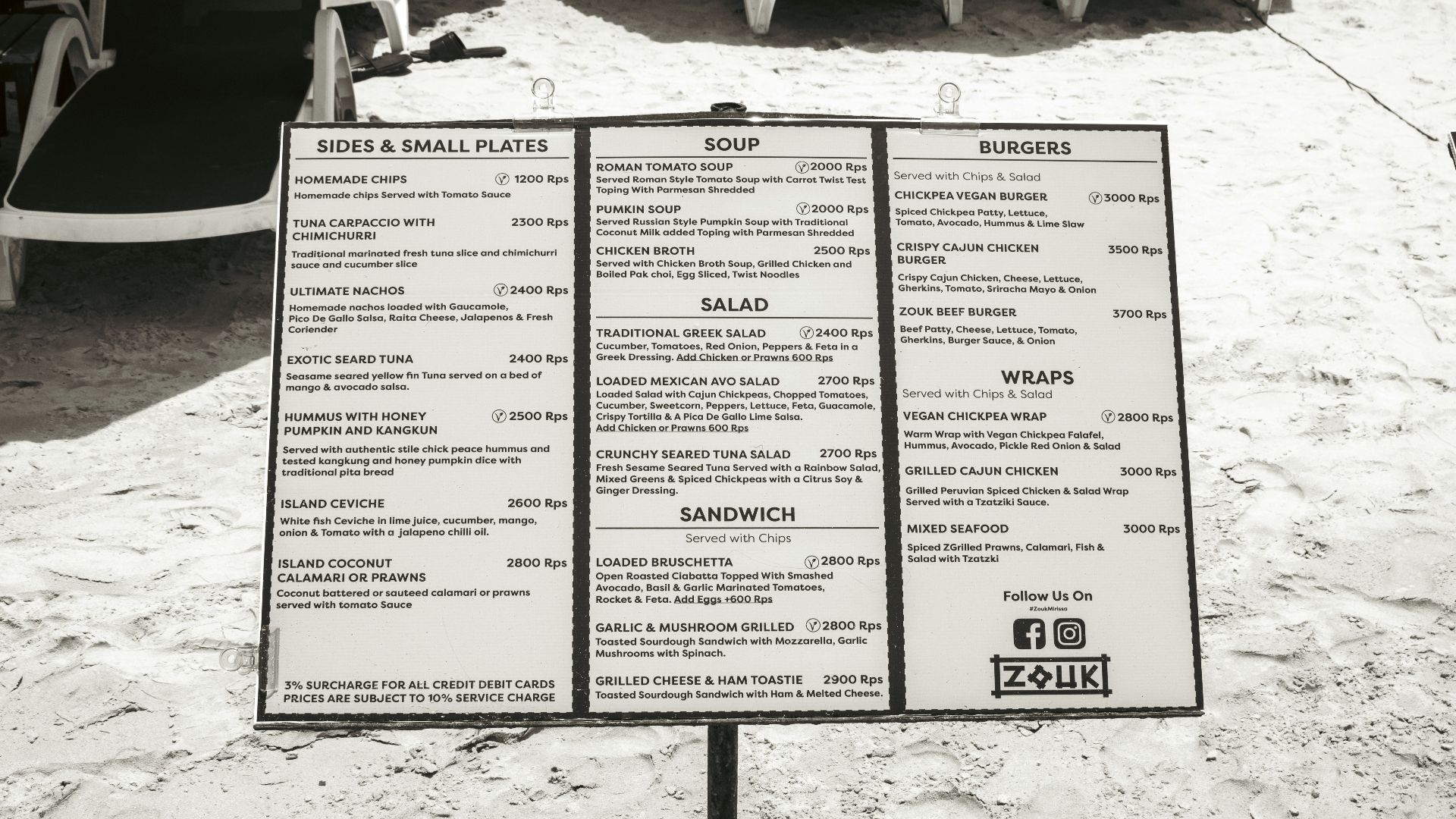
A massive menu filled with dozens of cuisines and hundreds of items can sometimes indicate a lack of focus. Preparing everything well requires significant resources and expertise. Restaurants that try to do everything occasionally end up doing very little exceptionally well.
7. Tables Left Dirty For Long Periods
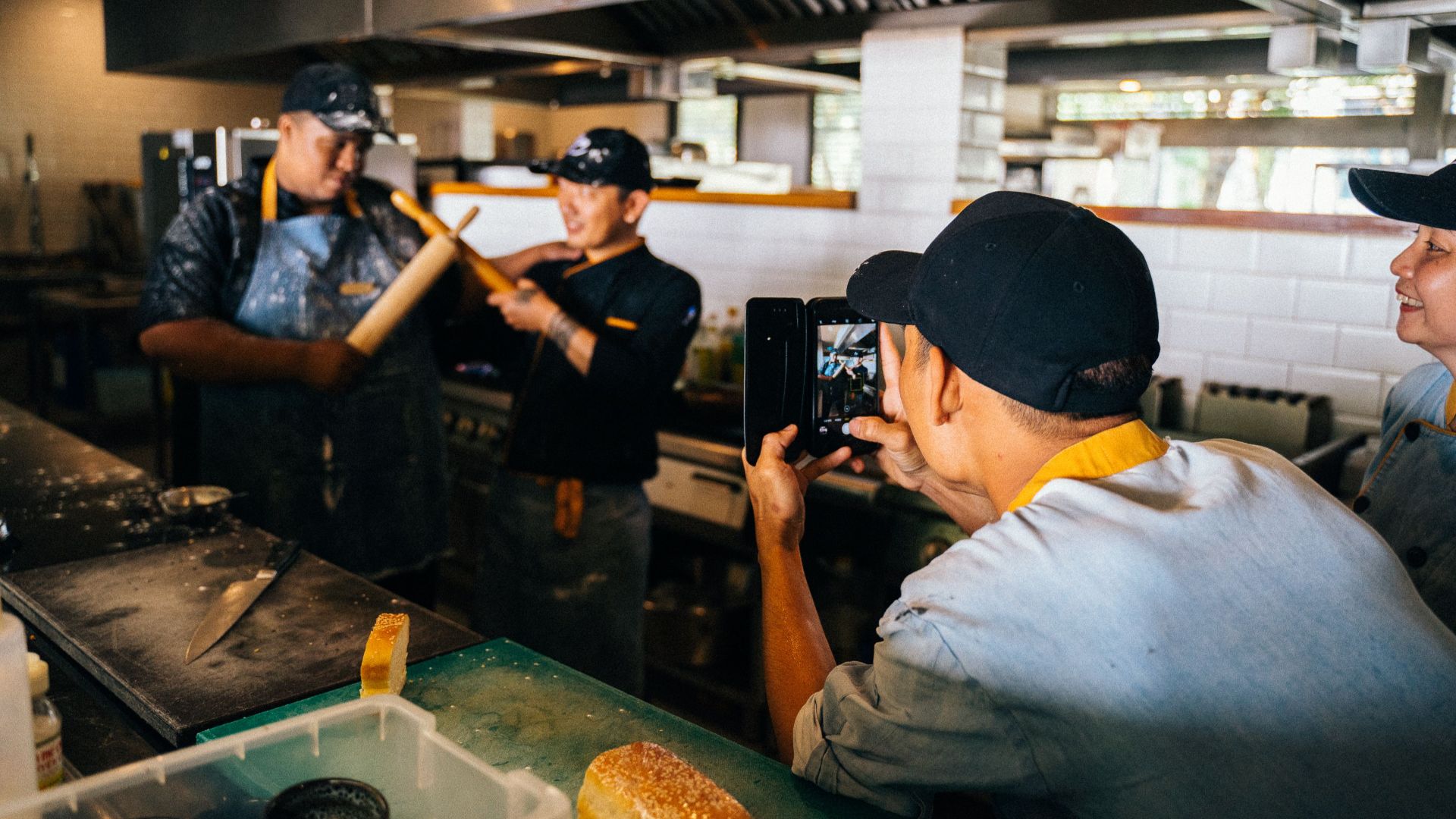
Busy restaurants can occasionally fall behind, but tables shouldn't remain uncleared for extended periods. When dirty dishes sit untouched despite available staff, it suggests operational problems. Customers often notice these details before even placing an order.

8. Strong Unpleasant Odors
A restaurant should smell inviting, whether it's from cooking food, fresh ingredients, or baked goods. Lingering odors related to cleaning issues, spoiled food, or poor ventilation deserve attention. Unpleasant smells can indicate problems that go beyond simple appearances.

9. Frequent Customer Complaints
Every business receives occasional criticism, but repeated complaints from multiple diners can be revealing. If customers around you are consistently sending food back or expressing frustration, it's worth paying attention. Patterns often tell a more accurate story than isolated incidents.
 Pablo Merchán Montes on Unsplash
10. Obvious Employee Turnover
When a restaurant constantly advertises open positions or seems to have an entirely new staff every visit, it may signal deeper issues. High turnover can affect consistency, training, and service quality. Stable restaurants often benefit from experienced employees who know the operation well.
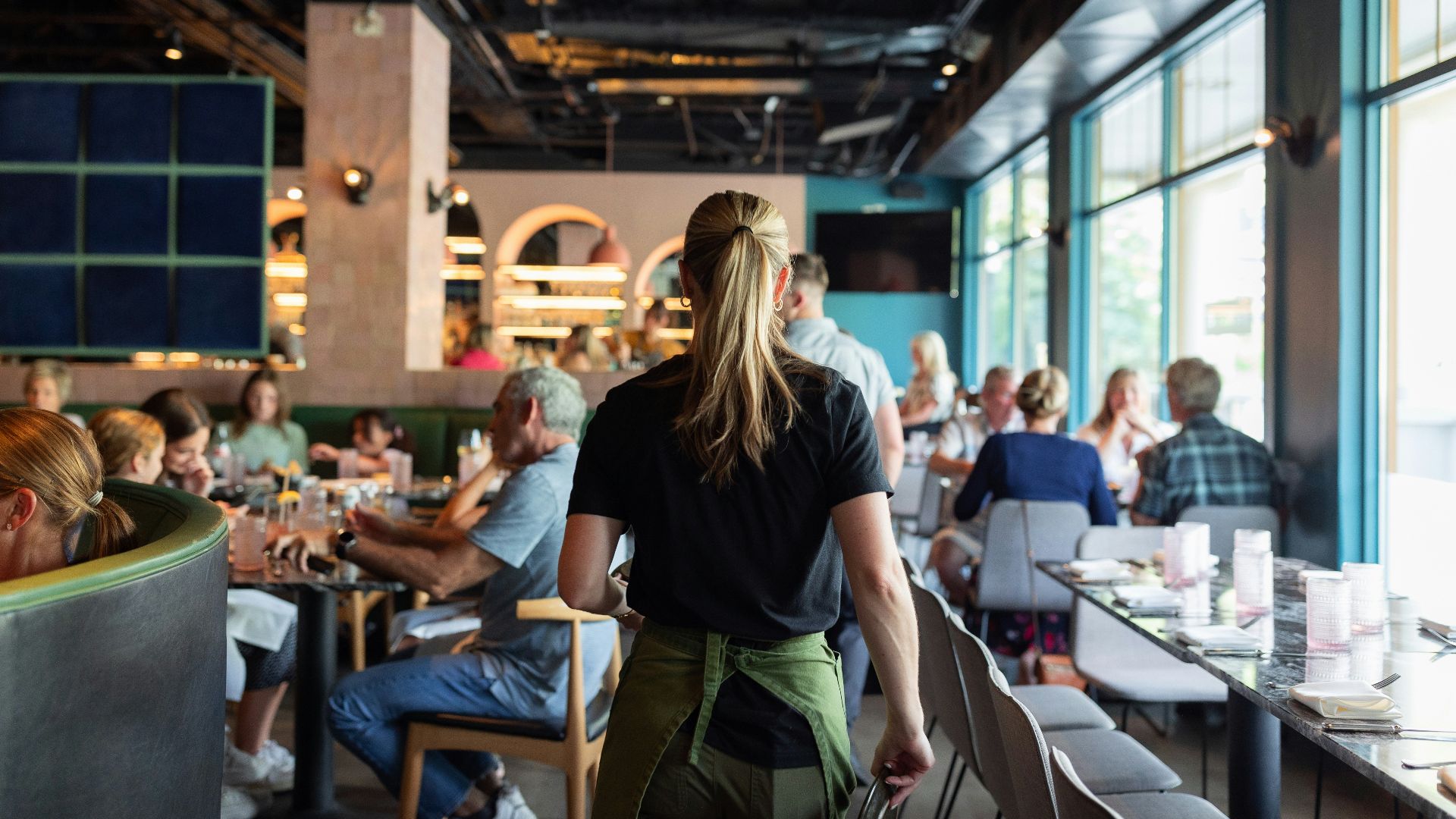
1. A Consistently Busy Dining Room
Popular restaurants often earn their crowds through quality and reliability. While long waits aren't always desirable, steady customer traffic suggests people enjoy what they're getting. Repeat business is usually one of the strongest endorsements a restaurant can receive.
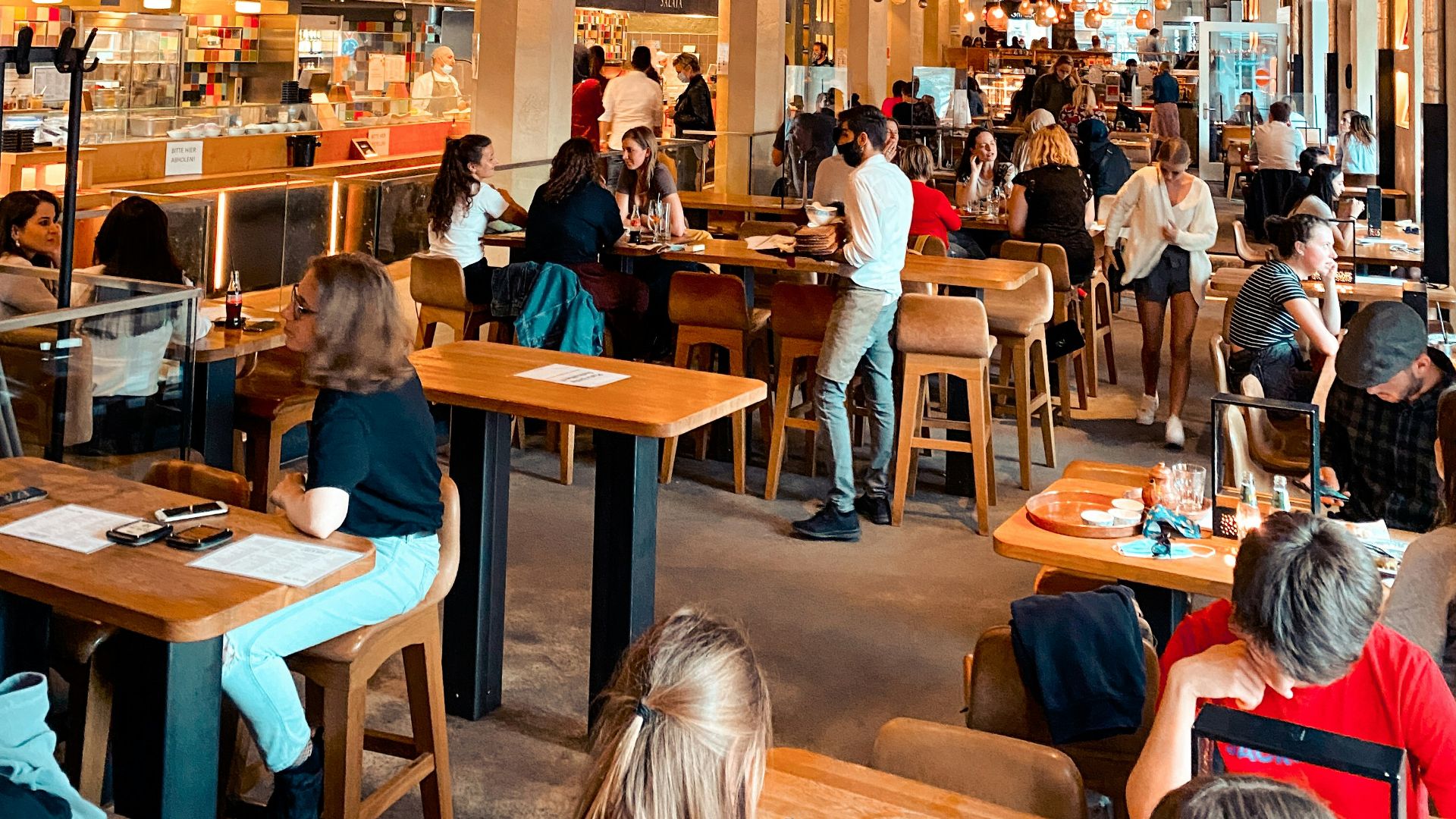
2. Staff Who Know The Menu Well
Knowledgeable servers often indicate good training and genuine engagement. When employees can confidently answer questions and make recommendations, it enhances the dining experience. It also suggests that management invests in preparing its staff properly.
 Priscilla Du Preez 🇨🇦 on Unsplash
3. A Focused Menu
Restaurants that specialize in a particular style of cuisine often excel because they concentrate on doing fewer things exceptionally well. A focused menu allows chefs to refine recipes and maintain consistency. Many memorable dining experiences come from places that know their strengths.

4. Cleanliness Everywhere You Look
Attention to cleanliness is usually visible throughout the restaurant. Floors, tables, menus, windows, and restrooms all reflect the establishment's standards. When everything appears well-maintained, customers tend to feel more confident about the overall operation.
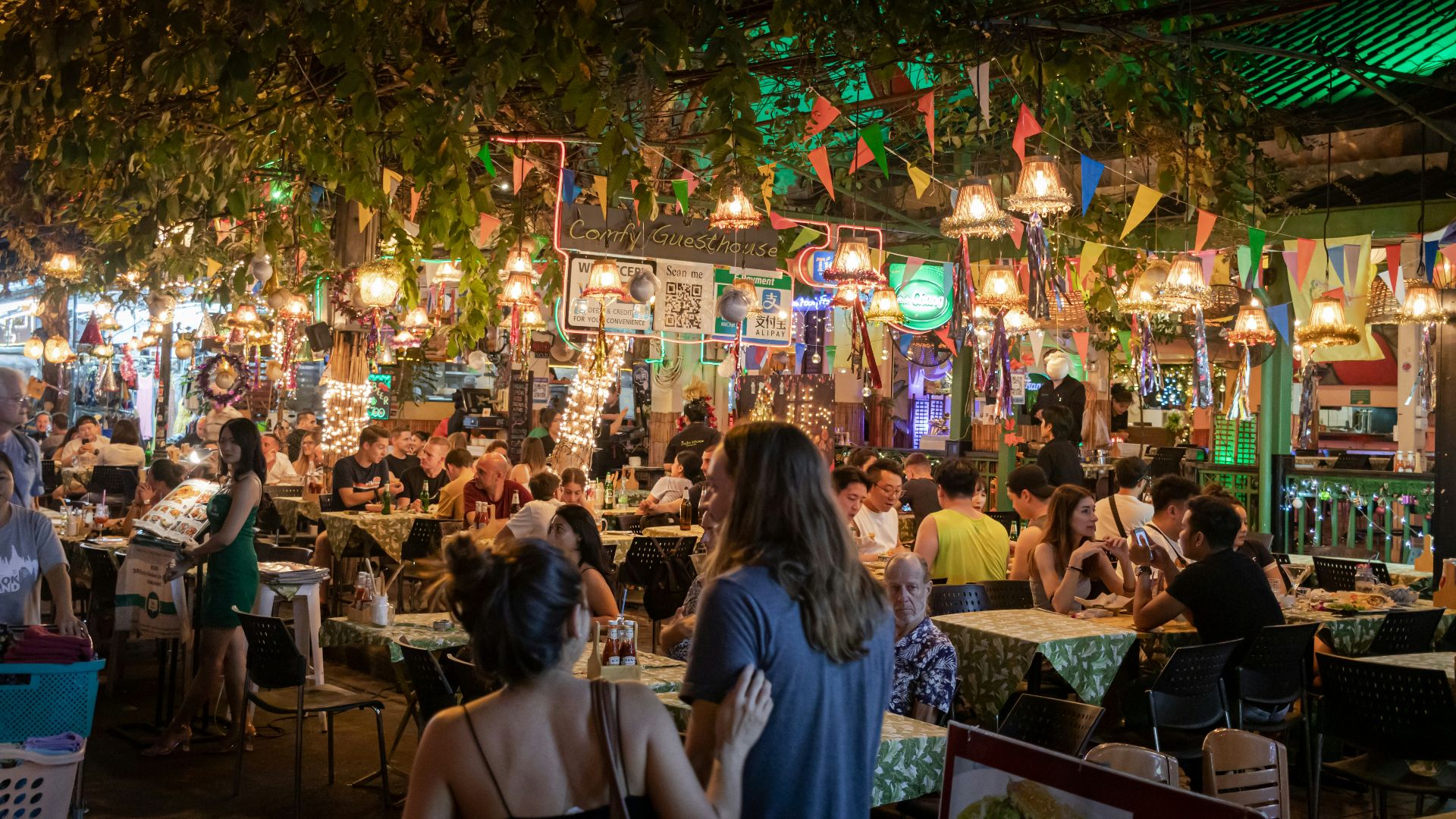
5. Regular Customers By Name
One of the strongest indicators of quality is seeing staff greet customers by name. That level of familiarity suggests people return frequently and feel valued. Loyal regulars rarely continue visiting places that disappoint them consistently.

6. Fresh Ingredients You Can Taste
Great restaurants don't always need expensive ingredients, but freshness makes a noticeable difference. Crisp vegetables, flavorful meats, and properly prepared dishes stand out immediately. Even simple menu items can become memorable when quality ingredients are involved.
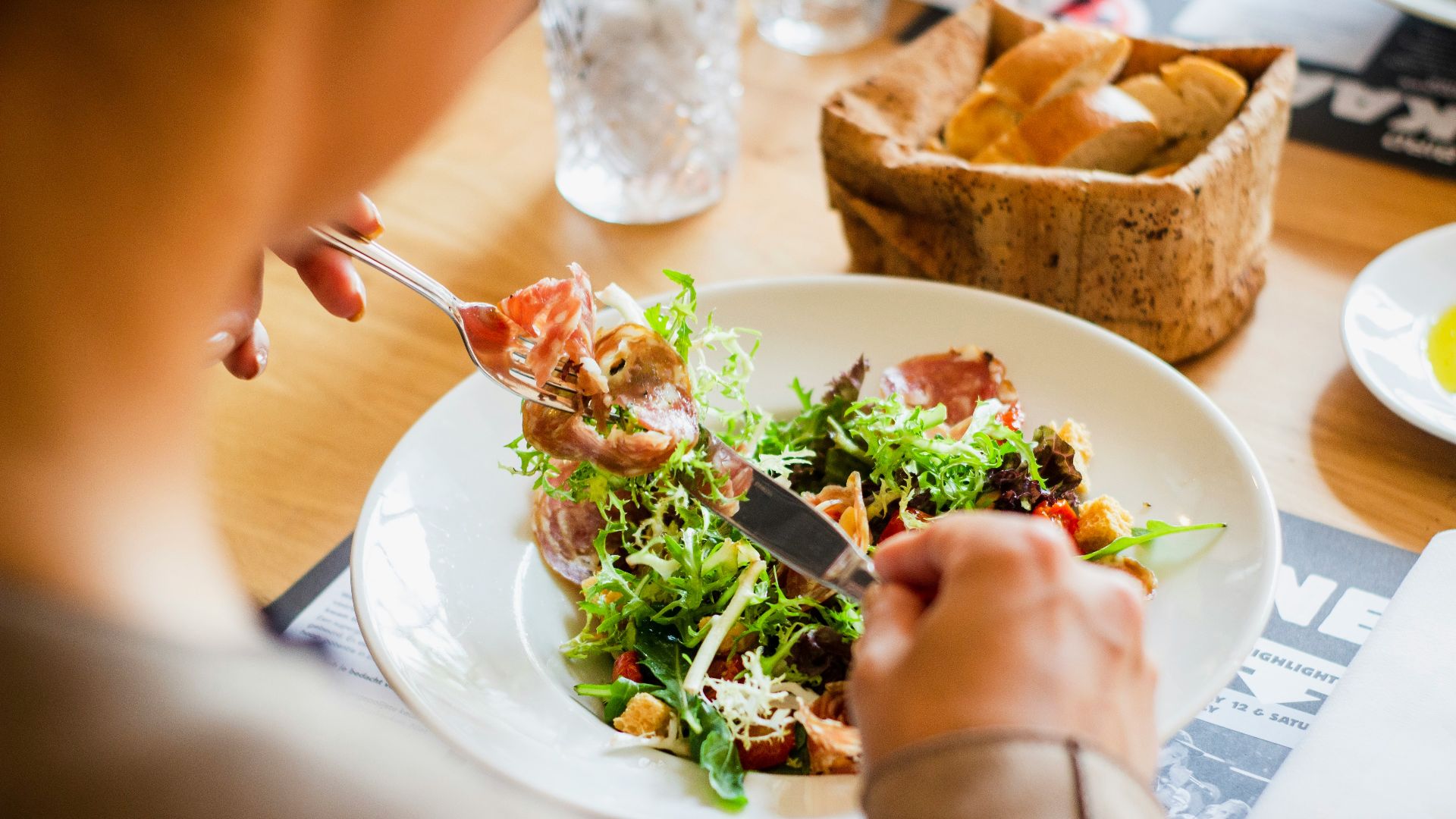
7. Employees Who Seem Happy To Be There
Positive workplace culture often becomes visible to customers. Staff members who interact naturally with one another and appear genuinely comfortable at work help create a welcoming atmosphere. Happy employees frequently contribute to better service overall.
8. Consistency Across Multiple Visits
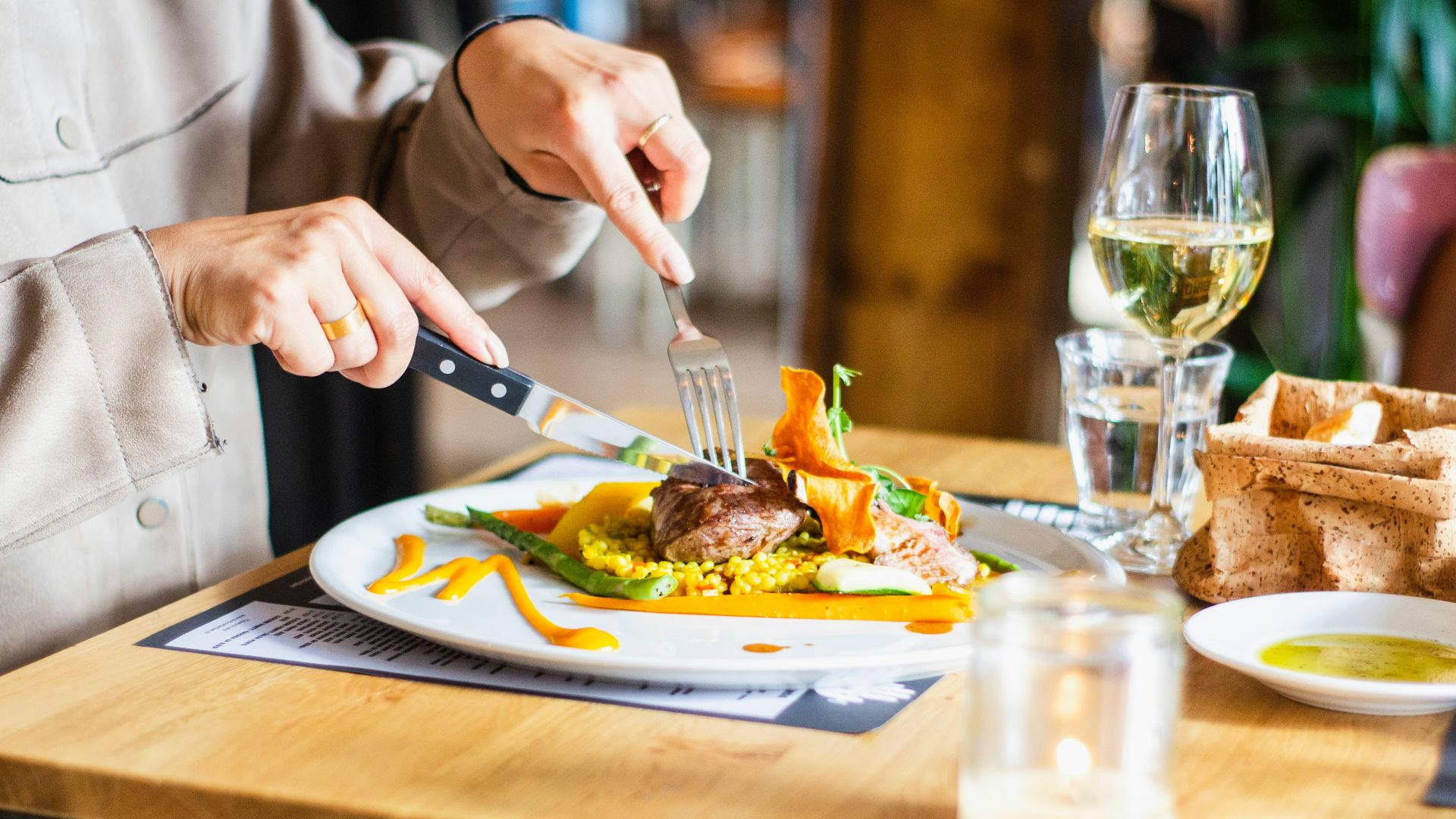
A single excellent meal can happen almost anywhere. Truly great restaurants deliver quality again and again over time. Consistency is often what separates good establishments from exceptional ones.
9. Attention To Small Details
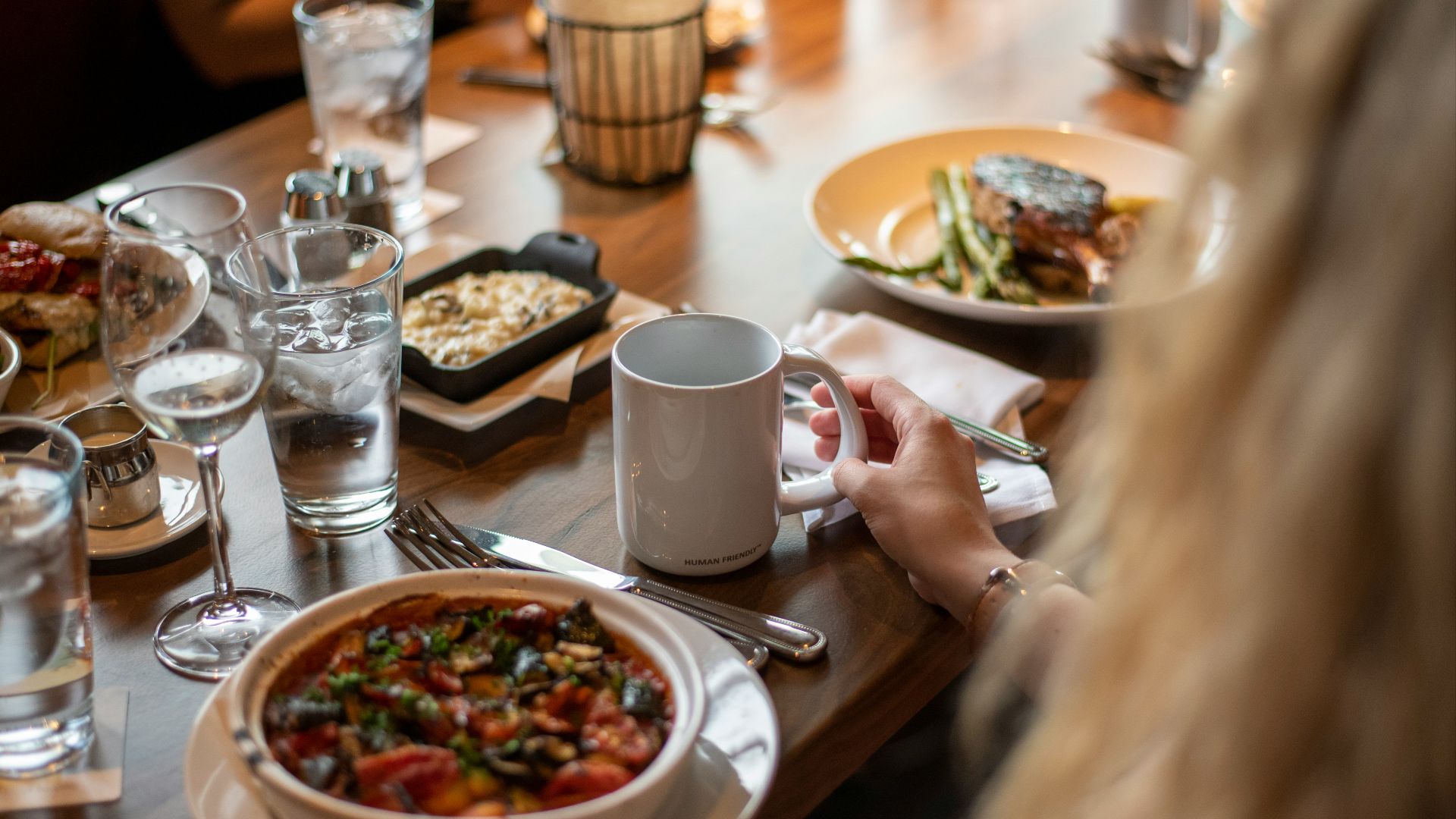
Restaurants that pay attention to details often excel in larger areas as well. Whether it's prompt drink refills, thoughtful presentation, or accurate orders, these small touches add up.
 Gabriella Clare Marino on Unsplash
10. Strong Word-Of-Mouth Recommendations
Some restaurants build loyal followings without relying heavily on advertising. When friends, family members, coworkers, and locals all recommend the same place, it's usually worth investigating.

KEEP ON READING

The Most Popular Signature Dishes Around the World